Tag: coffee

  • Hook Coffee eyes overseas markets

    Hook Coffee eyes overseas markets

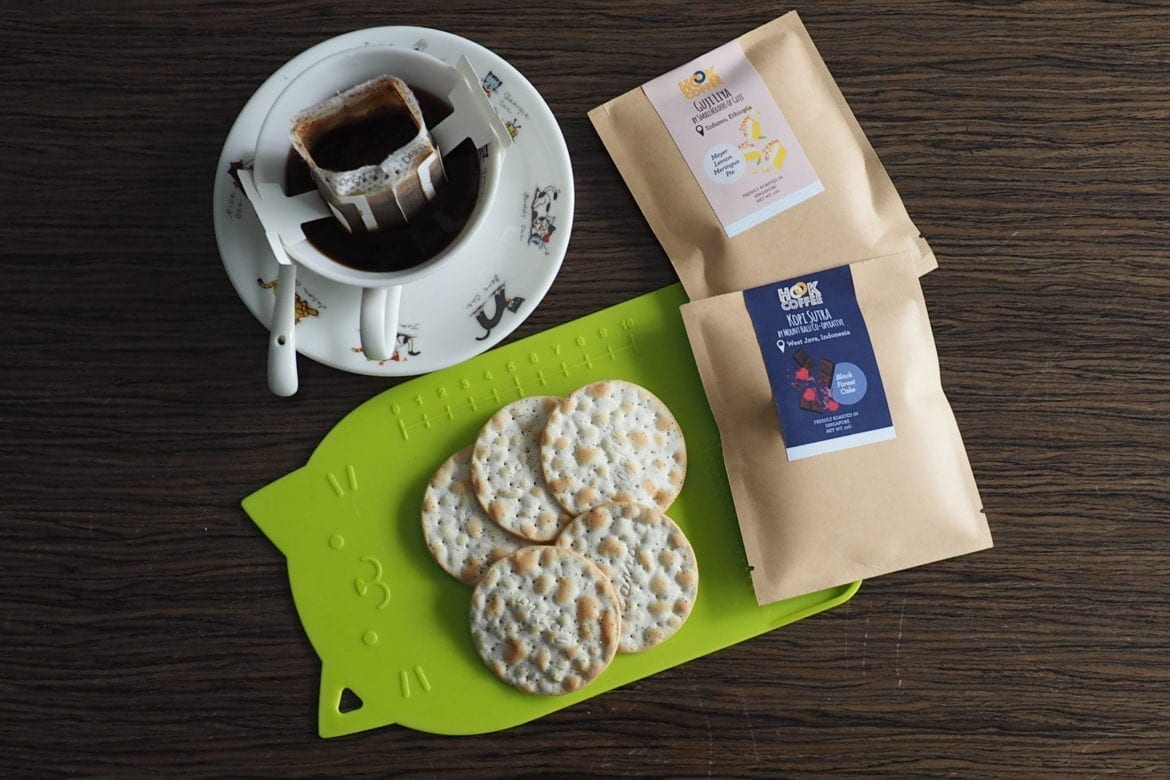
    Raising S$250,000 (US$180,000) in two funding rounds, Hook Coffee subscription delivery service plans to expand in three markets overseas and double its team size over the next two years.

    In the 18 months since its founding, when it clinched a Spring Ace Startups grant of $50,000, the company has gained more than 10,000 subscribers and sold more than 500,000 cups of coffee, growing by 20 per cent month on month.

    It sources coffee beans that are sustainably grown and ethically produced, roasting them in Singapore and delivering them to customers’ mailboxes.

    Co-founders Faye Sit and Ernest Ting finished Masters degrees at the London School of Economics before earning coffee and roasting barista diplomas at the London School of Coffee

    When Sit flew to Latin America for fieldwork, she realised the impact a socially responsible startup could introduce to farming communities.

    “Specialty coffee should be about more than just better coffee, but also about bettering the lives of farmers and the environment,” she says.

  • Starbucks Korea to trial voice ordering with AI

    Starbucks Korea to trial voice ordering with AI

    Starbucks Korea is to partner with the country’s largest telco in a trial of voice ordering using AI.

    If it works, Starbucks customers will be able to order and pay for a coffee just by speaking, speeding the payment process.

    SK Telecom Co says the trial will use the company’s AI device Nugu, released last September, which focuses on providing household-related services. Earlier this month, SK Telecom released a portable edition of Nugu, seeking to tap deeper into the AI industry.

    Nugu provides various services to users, including music streaming, Internet-of-Things solutions, schedule management and weather alerts.

    The mobile carrier also plans to connect Nugu to its driving-navigation platform T-map, allowing drivers to order drinks and locate the nearest drive-thru Starbucks shops. If the development is completed, drivers will be able to safely order drinks without having to tap their smartphones.

    Starbucks Korea and SK Telecom plan to complete the development by the end of the year.

  • Dean & Deluca Macau to debut at Galaxy

    Dean & Deluca Macau to debut at Galaxy

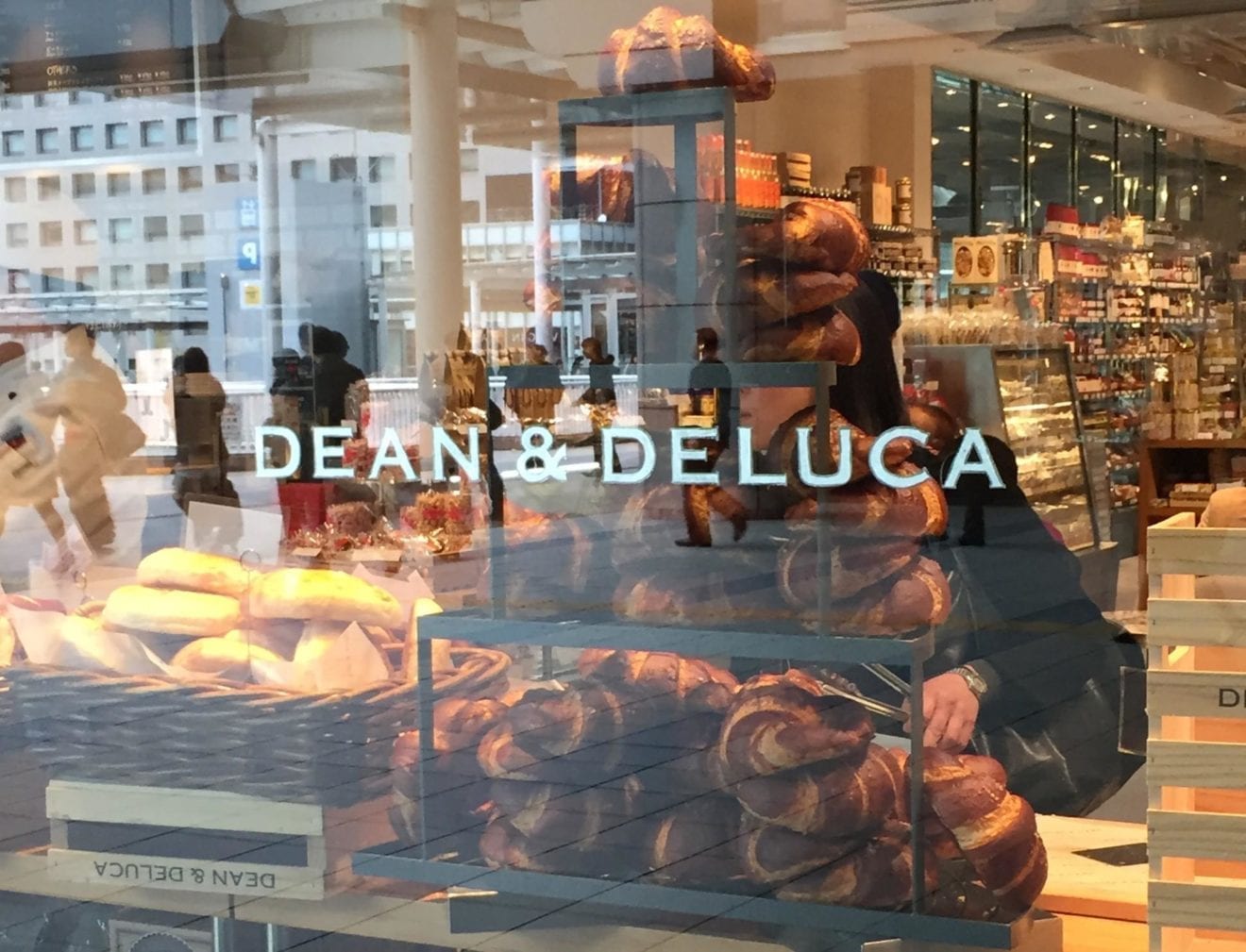
    Dean & Deluca Macau will launch its debut fine-food cafe in The Promenade Shops inside the Galaxy.

    It will be serving grab-and-go items as well as signature retail goods. The menu will include roast beef and caramelised pumpkin multi-grain sandwich, spicy prawns, guacamole on squid-ink bun, Cobb salad, and watermelon salad with salted egg. Founded by Giorgio DeLuca and Joel Dean, the original store opened in New York’s SoHo in 1977. Designed to evoke a turn-of-the-century food department, the store offered a range of produce and foodstuffs that included many goods previously not sold in the US, such as radicchio, balsamic vinegar, sun-dried tomatoes and extra-virgin olive oil.

    Since its acquisition by Thailand’s Pace Development in 2014, the brand has morphed from a multi-channel retailer of gourmet foods, wines and kitchenware into more of a cafe-delicatessen style chain, with multiple outlets in the US, Japan, Singapore, South Korea, Thailand and the Philippines.

    Macau will have a 26-seat cafe featuring New York City subway tile and Carrera marble. Its espresso bar will offer classics like Americano and lattes to specialties like Hong Kong milk-tea latte and burnt-custard frappes, a cold drink that reflects the Portuguese egg tart.

  • Sombre reflection on noticeboard of Nagasaki Starbucks

    Sombre reflection on noticeboard of Nagasaki Starbucks

    Usually, the handwritten message of the day at Starbucks cafes are light-hearted, but to mark the anniversary of Japan’s surrender that ended World War II, a Nagasaki Starbucks outlet decided to take a more serious tone.

    Nagasaki was one of two Japanese cities destroyed by a nuclear bomb near the end of the conflict.

    “Almost all the beans for the coffee we drink are imported from Africa, the Middle East, Latin America and other regions … A year from now, that coffee might no longer be available because of civil war and other conflict,” says the message.

    It says coffee can actually come from perilous parts of the world.

    “You probably don’t think of the concepts of war and peace having such a direct connection to yourself, but now, as you’re drinking your coffee or frappuccino, knowing that you might not be able to do so in the future, is this not an opportunity to reflect on peace?” the message continues.

    “This is the 72nd summer since the end of World War II. What does ‘peace’ mean to you?”

    “Hate has no home here”

    Meanwhile, in the US, Starbucks executive chairman Howard Schultz convened a forum in Seattle entitled “Hate has no home here”.

    A small rock Schultz had brought back from the Auschwitz concentration camp 17 years ago was passed around as “a tangible reminder of unchecked hate” as the gathering addressed the recent events in the US involving white supremacists and neo-Nazis.

    “I come to you with profound, profound concern about the lack of character, morality, humanity, and what this might mean for young children and young generations,” he told the crowd of more than 500 in the room, plus 1000 in overflow areas. “We are imprinting them with levels of behaviours and conduct that are beneath the United States of America.”

    He said it was a critical juncture in American history. “The moral fibre, the values and what we as a country have stood for is literally hanging in the abyss.”

    For 90 minutes, as the rock circulated around the room, Schultz shared his thoughts, followed by Starbucks partners.

  • Magnum Pleasure Store Singapore introduces coffee

    Magnum Pleasure Store Singapore introduces coffee

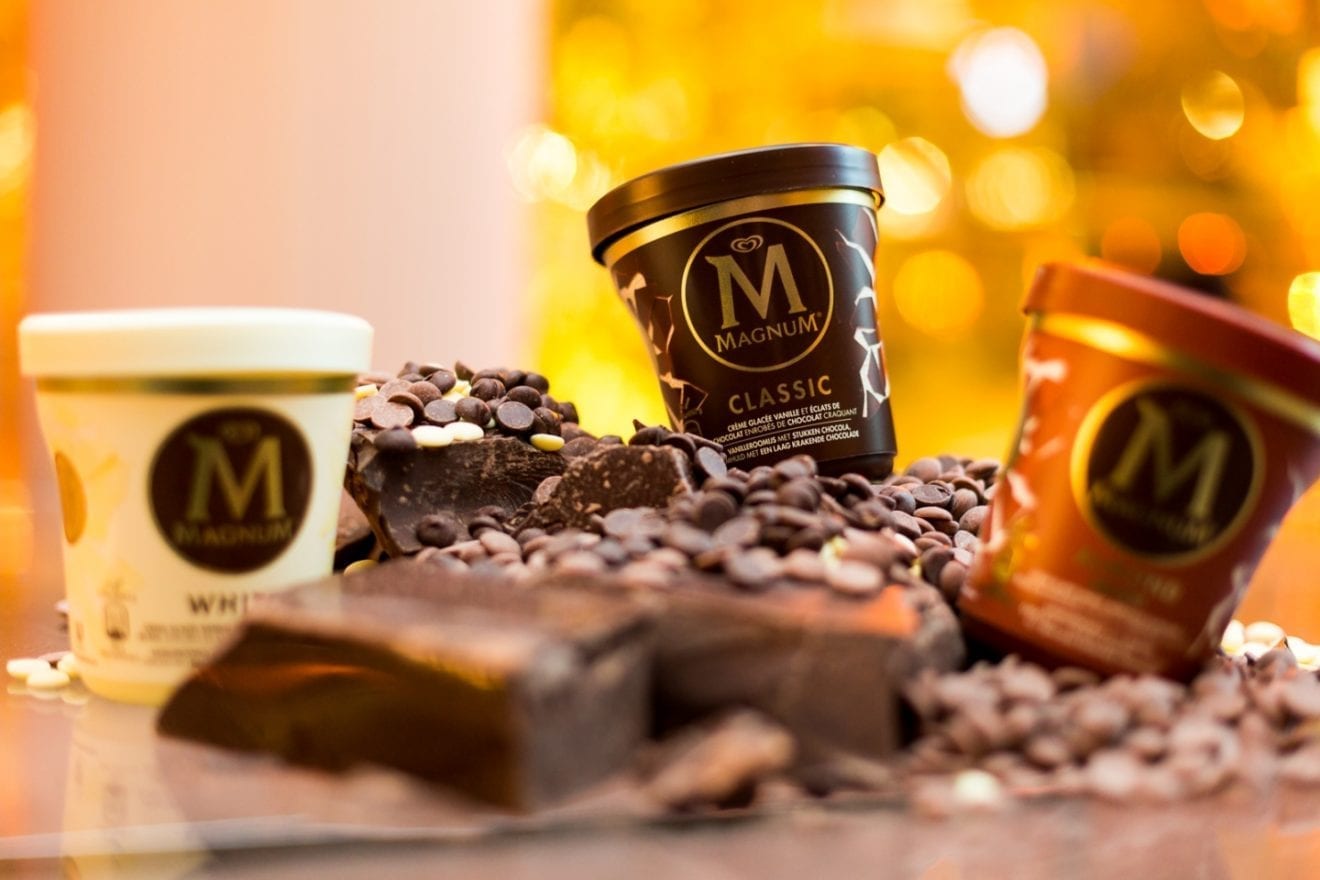
    A flagship for Magnum Pleasure Store Singapore has opened in Ion Orchard, offering Magnum coffee for the first time in Asia.

    Its design features special art installations such as the Singapore skyline made out of Magnum ice-cream bars and the sticks.

    There is also a Magnum Pleasure Bar where visitors can customise their ice-cream treats. Eighteen toppings available, including chopped almonds, cocoa nibs, rose petals, goji berries and chili flakes.

    In five styles, the new coffee is made from Magnum chocolate-infused coffee beans.

    Merchandise can also be bought at the store including a Magnum tumbler, notebook and a leather pouch.

  • Barista helps launch Need Coffee specialty outlet

    Barista helps launch Need Coffee specialty outlet

    Champion barista Daniel Concepcion Roque and his partners at Where Have You Bean have opened Need Coffee in Paranaque City in Metro Manila.

    Roque, who represented the Philippines in the World Aeropress Championship last year, says he did not originally intend to open a coffee shop.

    “My best friend’s father was planning to put up a coffee shop and just needed the expertise to do it,” says Roque. “From then on, we signed a contract and opened Need Coffee.”

    In its manifesto, Need Coffee says it is not out to “reinvent the wheel” but simply to give customers the middle ground of specialty coffee in a not overly commercialised package.

    “The chains get it. The average consumer does not walk into a shop expecting their lives to change over a cup of coffee. They simply need coffee,” the manifesto says.

    “Right now, specialty coffee is seen as unnecessary, overpriced and merely a trend. Need Coffee is here to differentiate itself from the stigma of bad-tasting commercial coffee, but also learn from commercial shops.”

    Roque says the company wants to train and grow with its baristas, later partnering with them in their own ventures.
    The shop serves espresso, Americano, latte, hot chocolate or even iced mocha and rose water cold-brew latte. Light snacks are also available.

  • About 20,000 people get their caffeine fix at the Singapore Coffee Festival

    About 20,000 people get their caffeine fix at the Singapore Coffee Festival

    About 20,000 coffee fiends got their fix and more at the second edition of the Singapore Coffee Festival, which ended yesterday.

    The four-day event featured more than 90 exhibitors including coffee purveyors, equipment distributors and cafes, as well as workshops, talks and live entertainment at the Marina Bay Cruise Centre.

    Exhibitors and visitors who attended last year’s festival praised this year’s edition for its more spacious layout with 11,500 sqm spread over two floors, and greater variety of products on offer. Last year’s event was held at the F1 Pit Building.

    Many vendors reported brisk business at the weekend, with festival favourites such as The Coffee Academics’ Coffee In A Cone, cream muffins by bun-maker Hattendo and coffee-roasted pork chop buns by patisserie-restaurant chain Antoinette drawing long queues.

    Hattendo was left with just 100 cream muffins after yesterday’s brunch session, and had made about $3,000 in sales a day, said Hattendo Singapore chief executive Daisuke Ishioka.

    “We prepared more than 1,000 every day, and every day it has sold out. We are selling more than we expected to,” he said.

    Splitting each day into two sessions – brunch and sundown – helped with crowd control and gave vendors time to replenish stocks.

    Antoinette’s pork chop buns, created specially for the festival, proved so popular that they will be added as a weekend menu item at its restaurants soon, said its sales and marketing manager, Ms Wong.

    A repeat participant at the coffee festival, Antoinette has seen a doubling in sales this year, with up to 2,000 buns sold over the four days.

    A Barter Market, live music and fireworks displays at Sunrise Wharf on Friday and Saturday were among other highlights of the festival, which also hosted the 2017 Singapore AeroPress Championship by Common Man Coffee Roasters on Friday.

  • Starbucks to buy out Chinese venture in its biggest deal yet

    Starbucks to buy out Chinese venture in its biggest deal yet

    Starbucks is buying the rest of its East China joint venture in a $1.3 billion transaction, marking the biggest deal ever for a company that sees China as a huge growth opportunity.

    The Seattle-based coffee chain will acquire the remaining 50 percent of the business from partners President Chain Store Corp. and Uni-President Enterprises Corp. Starbucks also is divesting its 50 percent stake in a separate joint venture in Taiwan, according to a statement on July 27th.

    The move underscores Starbucks’ bet that China will be one of the company’s top sales drivers in coming years. It’s wagering that the nation’s growing middle class and urbanization will give it a huge population of potential coffee drinkers to tap.

    The deal mirrors the company’s strategy in Japan, where Starbucks entered the country with a joint venture, spent time learning the local market and then brought the business back in house, said Jennifer Bartashus, an analyst at Bloomberg Intelligence. In 2014, Starbucks agreed to buy out its Japanese joint venture with Sazaby League and other partners for about $913.5 million.

    “With the level of expectations they have for China, it isn’t really a surprise that they want to exert as much control over the stores as possible,” Bartashus said.

    Starbucks shares gained as much as 1.9 percent at $59.03 in New York on July 27th. The stock had climbed 4.4 percent this year through the close of trading on July 26th.

    Expansion Plan

    Starbucks plans to operate 5,000 cafes in mainland China by 2021, a goal it reaffirmed on July 27th. The company currently has 2,800 locations there.

    The deal gives Starbucks 100 percent ownership of about 1,300 cafes in Shanghai and the Jiangsu and Zhejiang provinces. In the Taiwanese transaction, its partners will acquire Starbucks operations in the territory for about $175 million. The Starbucks business there, which was founded in 1997, has about 410 cafes.

    “Unifying the Starbucks business under a full company-operated structure in China reinforces our commitment to the market and is a firm demonstration of our confidence in the current local leadership team,” Chief Executive Officer Kevin Johnson said in the statement.

    The status of Taiwan is a sensitive political issue in China. The Chinese government considers Taiwan a renegade province. The decision to sell the business there was about allowing its partners to “maximize the opportunities” for the brand in Taiwan, according to a spokeswoman for Starbucks.

    Dunkin’ Forays

    Dunkin’ Donuts Inc., a major Starbucks rival in the U.S., has a much smaller presence in China. The chain failed in two previous attempts to crack the Chinese market, but is now working with two franchisees there and has 34 stores, including 16 in Beijing. Dunkin plans to grow to 1,400 location in the world’s most populous country over the next 20 years.

    Chinese consumers still drink a relatively small amount of coffee, but the category is growing fast and could eventually surpass tea, according to Dunkin’ CEO Nigel Travis.

    China is the fastest-growing market outside the U.S. for Starbucks. With full control of the local operations, Starbucks can enhance the coffee and in-store experience, said its China CEO, Belinda Wong. It also plans to rely more on technology in the country. Starbucks’ mobile-ordering app has been key to locking in customers in the U.S.

    The deal is another sign that Starbucks views China as key to its future and can’t let execution slip there, said Jack Russo, an analyst at Edward Jones.

    “Asia is incredibly important for them — there’s no mistaking that,” he said.

  • Dean & Deluca expands at Silom

    Dean & Deluca expands at Silom

    Thai-owned cafe and deli chain Dean & Deluca has expanded, opening a new outlet on Silom’s Soi 1.

    Decorated in the signature style of cafe and pizzeria, the branch offers crafted beverages including beer and wine, as well as pizza and sandwiches.

    Just a few steps from BTS Sala Daeng, the two-storey restaurant can accommodate 80 diners. The ground-floor area offers counter seating and a view of the pizza oven, while the mezzanine has more comfortable seating with couches and wooden tables.

    There is also a retail corner selling gourmet chocolates, confectionery and biscuits, as well as in-house homeware products such as coffee mugs, vacuum flasks and tote bags.

  • Starbucks Japan going traditional in Kyoto

    Starbucks Japan going traditional in Kyoto

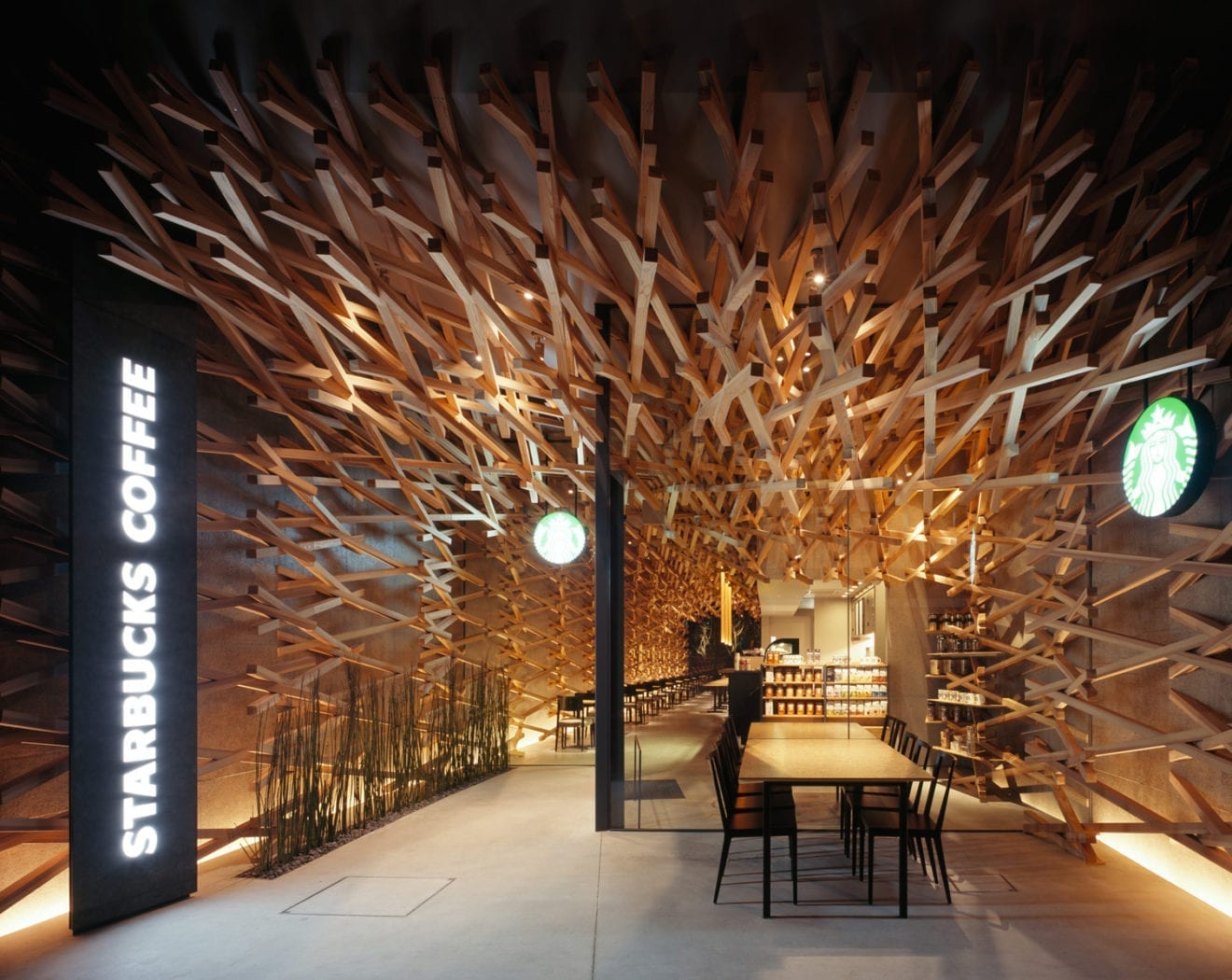
    Starbucks Japan’s new Kyoto branch will have a traditional Japanese cafe space complete with tatami mats.

    It will be in a 100-year-old, two-storey traditional Japanese townhouse, one of the only buildings in the area still in its original form.

    Starbucks Kyoto

    There will be three gardens within the wooden building, one in the front, one in the middle and one in the back. Each will have greenery, rocks and light in an attempt to recreate a traditional Japanese interior space.

    On the second floor, guests can take off their shoes to sit on tatami mats and cushions with Japanese designs.

  • Vietnam’s coffee export plunge could raise global supply concerns

    Vietnam’s coffee export plunge could raise global supply concerns

    Lower outflow from Vietnam, coupled with falling exports from Brazil, could reduce the downward pressure on prices created by ample stocks in importing nations. Vietnam’s coffee exports fell last month by more than a fifth from the same period last year, extending a downward trend that started in March following a smaller harvest this season and a higher ratio of low-quality beans, government data showed.

    June shipments fell 22.7 percent from a year ago to 122,200 tons, or 2.04 million 60-kg bags, based on Vietnam Customs data released on Tuesday.

    Lower outflow from the Southeast Asian nation, coupled with falling exports from top producer Brazil, could reduce the downward pressure on prices created by ample stocks in importing nations, according to the International Coffee Organization (ICO).

    Vietnam’s coffee export volume in May fell to its lowest in six months after growers finished harvesting 26.7 million bags from the 2016/2017 season in January, down 7.7 percent from the previous crop, based on a U.S. Department of Agriculture (USDA) report published in June.

    The exportable volume of coffee left in Vietnam at the start of this month stood at 7.56 million bags, down nearly 30 percent from the same time in 2016, based on customs data and USDA figures for output, carryover stock and consumption.

    “Exporters in Vietnam, especially FDI firms, do not face any shortages,” a Vietnamese trader based in the Central Highlands province of Dak Lak said.

    Vietnam’s coffee outflow has been dropping since March because several major exporters have reduced loading due in part to thinner supply on the domestic market, while a larger proportion of bad-quality beans have also eaten into the volume of exportable beans, the dealer said.

    Unseasonal rain between October and December last year in Vietnam’s Central Highlands coffee belt not only delayed the harvest but also raised the ratio of black and broken beans, which are counted as defects in export terms.

    June’s shipments brought Vietnam’s total coffee exports in the three quarters ending June in the current 2016/2017 crop year to 1.21 million tons, or 20.17 million bags, down 8.6 percent from a year ago, based on data compiled by the customs department. Vietnam’s coffee season runs from October to September.

    In Brazil, coffee exports from January to May fell 8.2 percent on-year ago to 12.7 million bags, the Brazilian Coffee Exporters Council (Cecafe) said in a report.

    Cecafe estimated the export volume in June at 2.05 million bags, down more than 16 percent from the same month in 2016.

    “The reduced Brazilian export volume could be compensated by shipments from other origins,” the ICO said, citing higher supplies from Colombia, Ethiopia, Honduras, Indonesia, Peru and Uganda.

    While the global coffee market remained well supplied last month, a residual risk of frost in Brazil may affect the outlook for the next crop and “possible outbreaks of coffee leaf rust in countries such as Honduras may raise supply concerns in the market”, the ICO said.

    September arabica coffee contract settled up 0.7 cent at $1.276 per lb on Wednesday, and September robusta also ended up $25, or 1.21 percent, at $2,097 per ton, as chart signals strengthened after four sessions of losses, Reuters reported.

    It said dealers were closely watching the July contract amid expectations of tightening supplies over the next few months.

    Robusta bean prices in Vietnam trailed the rise, advancing to VND44,900-45,100 ($1.98-$1.99) per kg on Thursday in Dak Lak, the country’s biggest growing province, from VND44,400-44,600 the previous day.

    Vietnamese robusta grade 2, 5 percent black and broken from the last harvest was being quoted at discounts of $40-$50 a ton to November robusta futures contract, while beans of the same grade from the next harvest due to begin in October were also offered at similar discounts to the January contract.

    On June 22, exporters switched their quotations to discounts of $10-$20 a ton to London’s futures, the first discounts offered since late April.
  • Indonesia, Malaysia Muslims call for Starbucks boycott over LGBT stance

    Indonesia, Malaysia Muslims call for Starbucks boycott over LGBT stance

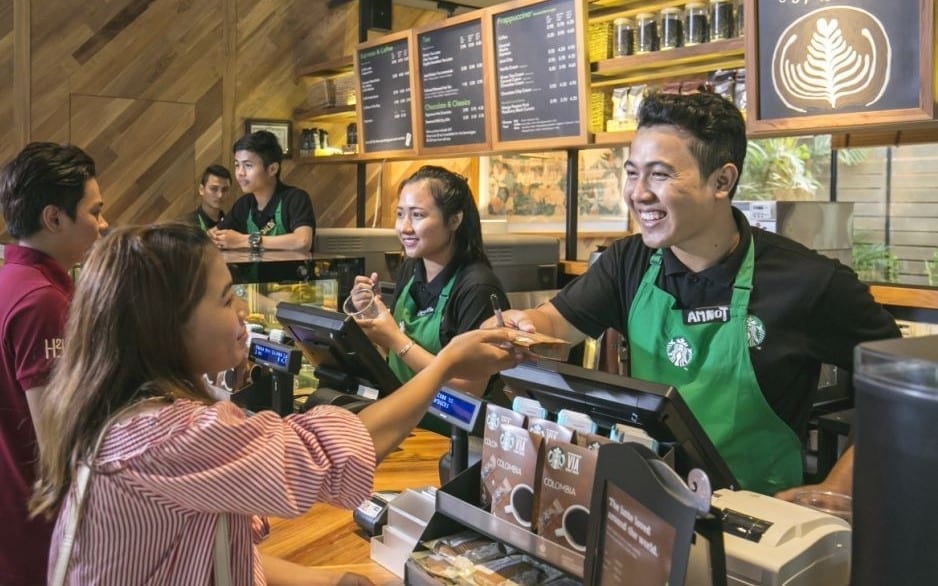
    Muslims in Indonesia and Malaysia were urged to boycott Starbucks on Tuesday (Jul 4) by major Islamic groups accusing the coffee chain of being pro-gay rights, as concerns grow over rising religious conservatism in both nations.

    Leaders from Muhammadiyah, Indonesia’s second biggest mass Muslim organisation, also urged the government to revoke the company’s business licence for its stance on lesbian, gay, bisexual and transgender (LGBT) issues.

    “The ideology, business and view that they support are against our ideology,” Anwar Abbas, Muhammadiyah’s head of economic affairs.

    Another Muhammadiyah leader, Yunahar Ilyas, said the group was calling on “Muslims to not drink in Starbucks so that the income is not used to strengthen LGBT campaigns”.

    The firm is among a slew of US companies to have spoken up against discrimination in the US, with representatives signing a letter to North Carolina’s Republican governor protesting legislation targeting transgender people last year.

    Hardliners and Islamic groups have led a growing backlash against Indonesia’s LGBT community over the past year, which activists believe was triggered by widespread media coverage of a decision in the United States to legalise same-sex marriage.

    The group Pribumi Perkasa Malaysia this week also called on the government to “re-evaluate the trading licence given to companies that support same-sex marriages and LGBT,” spokesman Amini Amir Abdullah said in a statement.

    The Muslim leaders said concerns about Starbucks arose after reading Starbucks chairman’s comment when tackling a shareholder’s complaint in 2013 that the company were losing customers due to the firm’s stance on LGBT.

    At the time, chairman Howard Schultzman, then the chief executive, responded by asking the shareholder to sell the shares.

    Homosexuality has long been taboo in Malaysia, where 60 per cent of the population is Muslim, and where sodomy is a crime punishable by up to 20 years in prison.

  • Starbucks Caffeinates Plans for New Stores in Japan

    Starbucks Caffeinates Plans for New Stores in Japan

    Starbucks Coffee Japan plans to open new outlets at an accelerated pace while shifting its focus from urban centers to suburban areas. Over the next three years, the company will spend roughly 15 billion yen ($146 million) to open 260 new coffee shops, which is 60% more than were opened during the last three years. Starbucks now operates some 1,000 stores in Japan, of which around 10% are located in suburban areas along main streets.
    Now that the urban market has become saturated, and even convenience stores have become rivals offering quality coffee, the company is looking to expand outside cities. The plan is to open 75 new outlets in fiscal 2014, 85 in fiscal 2015 and 100 in fiscal 2016. These will be located mainly along arterial streets in suburban areas and near residential districts.

    The stores will offer both seating and drive-thru windows, and they will be open longer hours than the urban stores, which close at 11 p.m. Some of Starbucks’ existing suburban outlets are open until 2 a.m. and remain busy until closing.

    In a typical day, the stores capture business from people on their way to work in the morning, seniors at lunchtime, housewives in the afternoon, as well as from workers and students returning home at night. Rents are cheaper than in the city, and sales tend to be 30-40% higher, with the average suburban store generating annual revenue of 150 million yen.

    But Starbucks is not alone among companies making the push outward to suburban markets, where coffee shops are filling the gap left by the demise of roadside family restaurants. For example, Hoshino Coffee, owned by Doutor-Nichires Holdings, is opening more coffee shops with sit-down service, hand-dripped coffee, and sweet and savory foods. Thirty-five new branches are planned for the current fiscal year. And Komeda is opening coffee shops with brick walls, wooden tables and other cozy touches.
  • Vietnam’s exporters hunt for robusta coffee as supplies dwindle

    Vietnam’s exporters hunt for robusta coffee as supplies dwindle

    International trade is holding bulk of Vietnamese robusta stocks. Vietnamese coffee exporters, faced with dwindling robusta supplies in the world’s top producer, are paying up to buy beans from international trade houses who scooped up much of the crop early in the season.

    Local exporters in Vietnam are struggling to find coffee to fulfill their contracts, trade sources said, after farmers sold forward much of the harvest early on in the season when global prices hit their highest in more than five years.

    The squeeze comes at a time of tight supplies in the country, after a smaller crop this season and heavy rains during harvesting that wreaked havoc on crop quality.

    Vietnam is the world’s top grower of robusta coffee, which is mainly used to produce instant or soluble coffee.

    The coffee is priced against ICE robusta futures and international trade houses were able buy at a discount of $50 to $70 a tonne when farmers were selling heavily.

    “The international trade has been stockpiling basically,” said one European trader. “They decided to get long early on.”

    Local exporters, now unable to get supplies from farmers, have been forced to buy from the international trade houses at premiums of $20 to $30 a ton, industry sources in Europe and Vietnam estimate.

    They pegged profits for the international trade houses, who have stored the coffee in their warehouses in Vietnamese ports, at $70 to $100 a ton.

    “They used financial leverage to buy at discounts at the beginning of the harvest season,” said Phan Hung Anh, deputy director of Anh Minh Co, a coffee-trading firm in Daklak, Vietnam’s largest coffee-growing province. “And now they sell back to companies at premiums.”

    “Vietnamese firms can’t do the same because their financial capability and storage don’t match those of international trading houses.”

    Vietnam is expected to produce 26.3 million bags of coffee in the 2016/17 season, down from 28.4 million in the prior season, Rabobank figures show.

    International traders were holding roughly 6.5 million 60-kg bags (390,000 tons) at the end of May, out of about 9 million in stocks in the country, sources estimated. They have sold about 30,000 to 40,000 tons to local exporters, Vietnamese traders said.

    These trades have been painful for local Vietnamese exporters, some of whom sell beans to coffee giants such as Nestle and Jacobs Douwe Egberts.

    Traders said many had sold coffee far in advance to roasters at much lower prices and are now feeling the pinch of strengthening differentials as they inch towards delivery.

    The exporters have been left with little choice, however, as farmers sit on their remaining good quality coffee in the hope that prices will climb.

    Farmers are holding less than 15 percent of the crop at this point in the season, compared to about 35 percent in a typical year, traders estimated.

    Local exporters could find themselves squeezed further in coming months as supplies continue to dwindle and differentials strengthen before the start of the next harvest in October.

    There is also a risk international trade houses may stop selling coffee to Vietnamese exporters, as they shift attention to delivering on their own contracts with roasters later in the year.

    “That tightness is starting to materialize,” said another trader. “And if they turn off the tap, the prices and the differentials will go even higher.”

  • Kiehl’s opens world first coffee house in Taipei

    Kiehl’s opens world first coffee house in Taipei

    New York cosmetic brand Kiehl’s will open the world’s first Kiehl’s Coffee House and shop in Taiwan in June.

    Located in Taipei, the premium skincare brand’s first global coffee shop will be “New York” theme, and will take on a shop-in-shop design. Black and white will feature throughout with wooden tones.

    The café shop will provide customers with coffee and snacks, as well as Kiehl’s products and skincare consulting services.

    The L’Oreal-owned brand hopes the new coffee house will increase consumer and brand interaction. According to local reports, the mainland’s first coffee shop is also in preparation.

    Taiwan boasts seven standalone Kiehl’s stores in Taipei, Hualien City and Taichung City.

    Pharmacist John Keihl founded Kiehl’s in 1851. It started as a single pharmacy in Manhattan at Third Avenue and East 13th Street in 1851.

    Nowadays, the American cosmetics retailer is part of L’Oreal Group’s beauty stable and specialises in premium skin, hair, and body care products.