Tag: Company

  • Tesco to build simpler, more sustainable business; axe 9,000 jobs

    Tesco to build simpler, more sustainable business; axe 9,000 jobs

    Tesco has recently announced that the brand is making some strategic changes to further simplify the business and this might affect jobs of 9,000 employees. “Since we launched our turnaround four years ago, we have built a stronger business focused on serving our customers. Whilst this turnaround continues, it does so in a competitive and challenging market. We’ve briefed our colleagues on some changes we’re making to our stores and offices to further simplify our business, so that we can continue to invest in serving our customers,” Tesco said in a statement.

    Jason Tarry, CEO, UK & ROI said: “In our four years of turnaround we’ve made good progress, but the market is challenging and we need to continually adapt to remain competitive and respond to how customers want to shop. We’re making changes to our UK stores and head office to simplify what we do and how we do it, so we’re better able to meet the needs of our customers. This will impact some of our colleagues and our commitment is to minimise this as much as possible and support our colleagues throughout.”

    Changes include the following:

    Counters simplification

    Over recent years, convenience and online businesses have continued to grow, as the brand has core grocery and fresh departments in large stores. Not only are customers shopping in different ways, but they have less time available to shop too – which means they are using counters less frequently. The brand will be making changes to the counters in large stores to ensure that they have the right offer for customers. It is expected that around 90 stores will close their counters, with the remaining 700 trading with either a full or flexible counter offer for customers.

    Stock control simplification

    As business changes, the brand is also changing the way they manage their stock. After a number of trials, they have found a simpler way to conduct store routines and will be rolling this out to all of the stores. These changes mean a significantly reduced workload, with fewer hours needed to complete the routines.

    Merchandising simplification

    The brand wants to make shopping with them even easier, and they are aware that when they move products around this can prove frustrating for customers. The in-store employees have expressed to the brand that they want to spend more time with  customers, rather than moving products around the store. They have been working to reduce the amount of layout changes they make, so it’s easier for customers, and less work for in-store employees meaning fewer merchandising hours are needed.

    Colleague rooms

    Currently only one third of stores provide a hot food service and, over recent years, there has been reduced demand for this. Over the last three years the brand has been rolling out new self-service colleague kitchen areas in a number of stores, and they are now extending this to all remaining stores with a hot food service. This change will impact the people working in colleague rooms, who are employed by third party caterers, and the brand is working with them to provide as much support as they can.

    Head office

    The brand has completed a detailed review and this week they are talking to employees about changes in some of their head office teams, moving to a simpler and leaner structure, which will allow them to focus on supporting customers.

    In-store bakeries

    Contrary to media reports over the weekend, the brand has no plans to make any significant changes to bakeries this year.

    “Overall, we estimate that up to 9,000 Tesco colleague roles could be impacted, however, our expectation is that up to half of these colleagues could be redeployed to other customer-facing roles. We are working with our third party providers to understand the impact on their staff in our colleague hot food service,” Tesco said in a statement.

  • SUVs, Crossovers dominate high-end segment in Vietnam

    SUVs, Crossovers dominate high-end segment in Vietnam

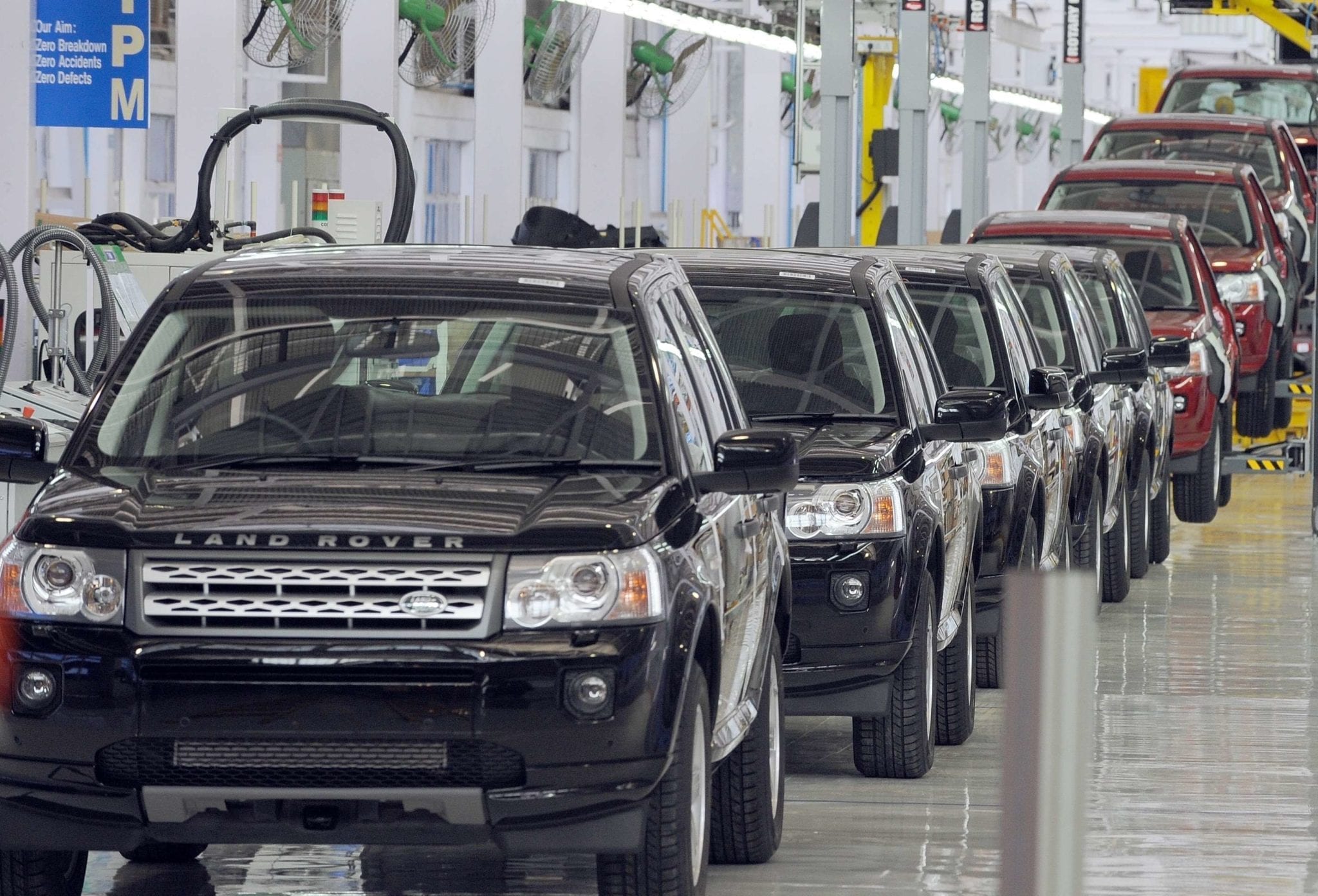
    Among consumers willing to spend at least VND1 billion ($43,135), the preference is for SUVs and Crossovers over sedans. In recent years, high ground clearance vehicles have gradually become the number one choice for the majority of Vietnamese consumers, having grown steadily in number sales and variety over the years. In contrast, the D-class sedan segment has seen low demand and limited variety.

    Sales of SUV and Crossovers (CUV) vehicles around the price of VND1 billion ($43,135) have risen steadily over the years. While 2014 saw only around 13,000 units sold, sales had more than doubled by 2018 at 24,264 units. 2018 only saw a slight increase over 2017, but this was because a decree on import conditions prevented many firms from importing these vehicles for most of the year.

    According to the Vietnam Automobile Manufacturers’ Association (VAMA), consumers have a choice of 10 SUV/CUVs in the VND1 billion price range. Car dealers have noted that almost all brands in Vietnam have at least one product in the SUV/CUV segment.

    Average sales per model was around 3,100 vehicles a year.

    Th SUV/CUV segment is predicted to boom in 2019, as firms get used to the new regulation and find stability in importing new vehicles.

    Meanwhile, from 2014 up to now, the D-size sedan segment has featured the same models, namely, Toyota Camry, Mazda6, Honda Accord, Nissan Teana and the Kia Optima, which was introduced last year.

    In the last 5 years, sales of D-size sedans reached a peak in 2016 at 8,148 units. The introduction of the Kia Optima in 2018 raised the number of models in the segment to 6, but annual sales fell to only 7,612 units.

    In 2018, Toyota Camry dominated the D-segment at over half of the 4,503 units sold, while the remaining models saw little growth. Total sales have nevertheless been fairly stable, hovering around 6,000 or 7,000 over the years.

    Vietnam’s total car sales increased 5.8 percent to 288,683 units in 2018 from a year ago, according to the Vietnam Automobile Manufacturers’ Association (VAMA).

  • Yum China to face challenges this year

    Yum China to face challenges this year

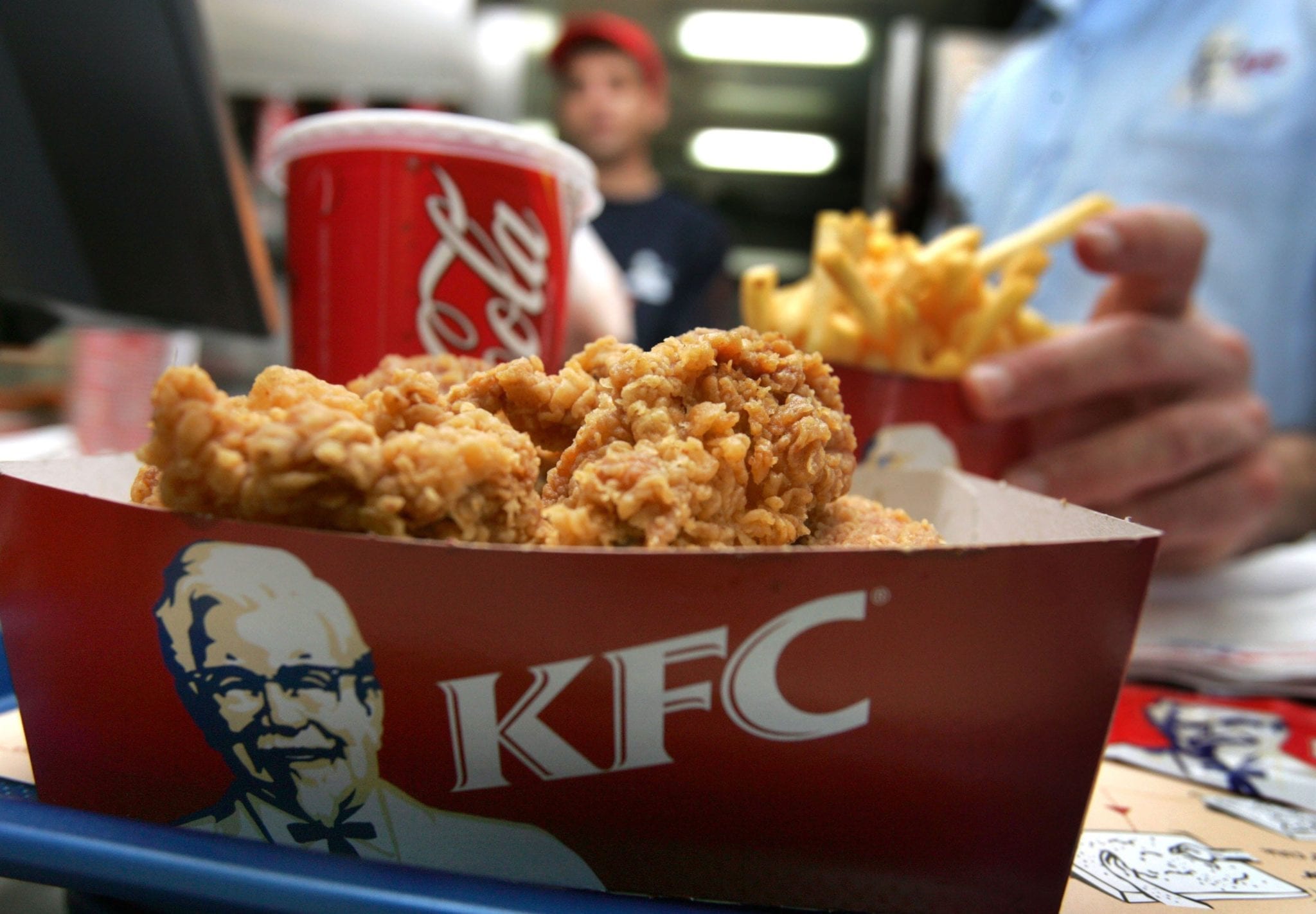
    An aggressive store rollout program is helping Yum China achieve sales growth, but its Pizza Hut business continues to struggle. In year-end results released overnight, Yum China said fourth-quarter system sales rose 6 per cent in constant currency, but same-store sales rose by a more modest 2 per cent. The company, which owns the Chinese operations of KFC and Pizza Hut, opened 819 new stores last year, taking its combined network to 8484 stores across more than 1200 cities. The company plans between 600 and 650 additional stores this calendar year.

    For the full year, total system sales grew 5 per cent over 2017, with a solid 7 per cent growth at KFC partially offset by a 1 per cent decline at Pizza Hut, (excluding foreign exchange impacts). Same-store sales increased 1 per cent overall, up 2 per cent at KFC and down 5 per cent at Pizza Hut.

    Full-year revenue reached US$8.42 billion with net Income up 78 per cent to $708 million, from $398 million.

    Joey Wat, CEO of Yum China, said the results marked the ninth consecutive quarter of system sales growth since the company was spun off from former US parent Yum! Brands.

    “This strong growth was led by accelerated new store openings and a robust performance at KFC, which delivered 3 per cent same-store sales growth and 9 per cent system-sales growth during the quarter. Although Pizza Hut’s sales remained soft, we are pleased to see same-store traffic growth of 1 per cent and positive trends in customer feedback.”

    Wat said the aggressive store rollout program last year further strengthened the company’s market position, laying a solid foundation for growth.

    “While the macro backdrop is relatively soft, with our resilient business model and leadership in digital and delivery, we are confident that we have the right strategy and capabilities to maintain our growth trajectory and capitalise on the long-term potential of the China market,” she said.

    Among the highlights of last year was exceeding 160 million members of the company’s KFC loyalty program and 50 million members of the Pizza Hut program, increases of 50 million and 15 million, respectively.

    Mobile payments accounted for 65 per cent of the company’s sales in the fourth quarter, an increase of 11 percentage points year on year. Digital payments accounted for more than 86 per cent of company sales in the quarter, an increase of 14 percentage points.

    And delivery services – now offered in 1118 cities – accounted for 19 per cent of sales in the fourth quarter of 2018, an increase of three percentage points year on year.

  • Daiso to set up regional distribution centre in Malaysia

    Daiso to set up regional distribution centre in Malaysia

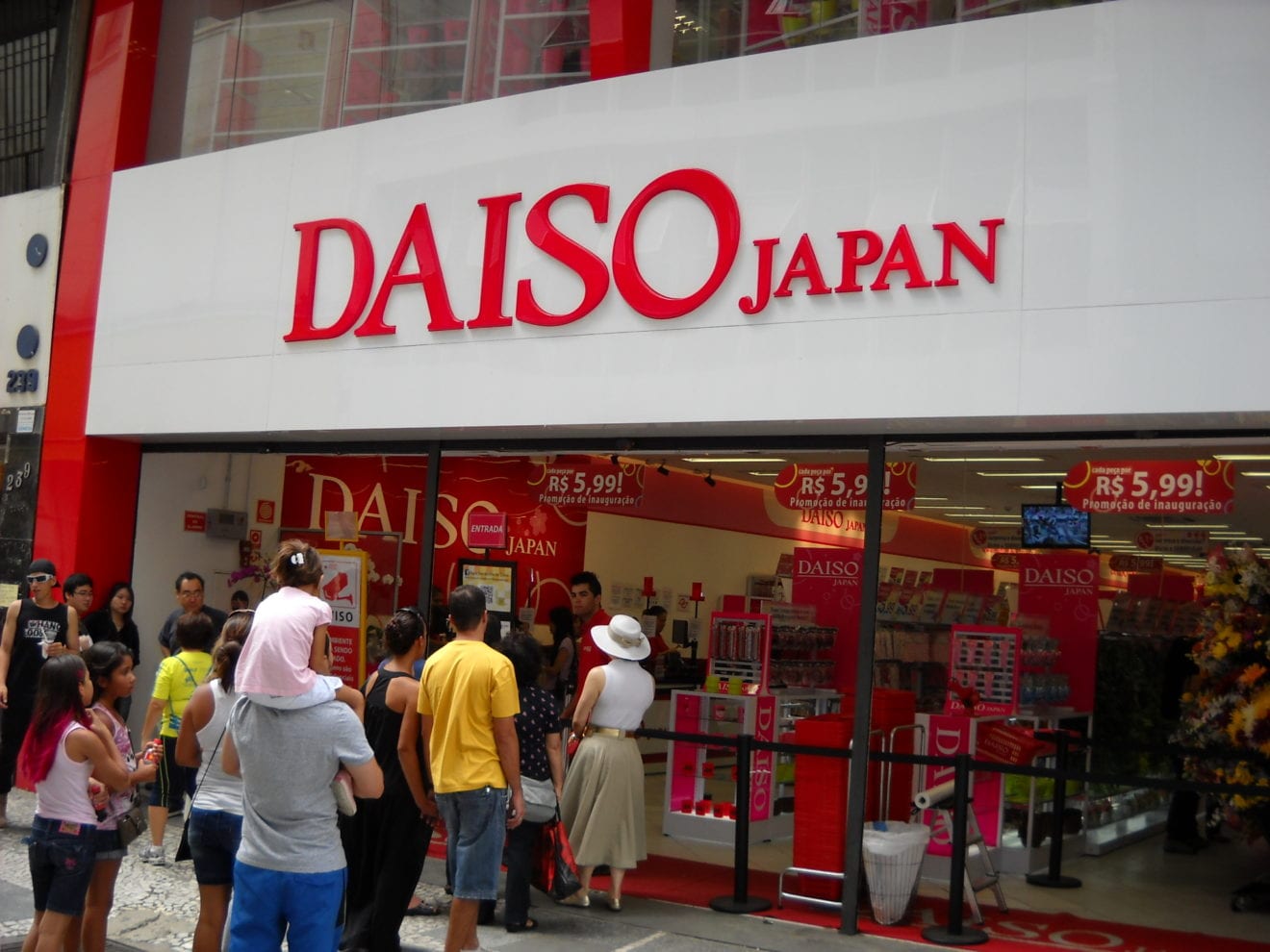
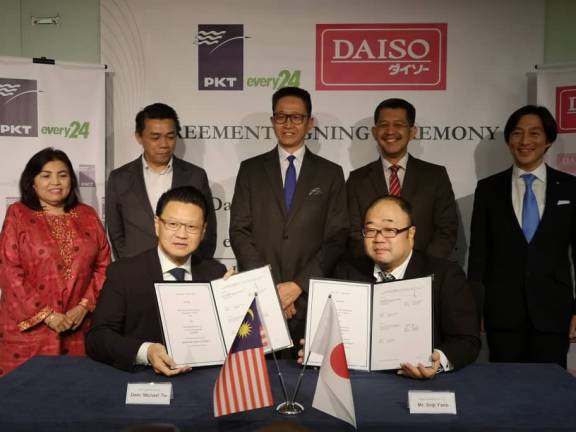
    PKT every24 Logistics Sdn Bhd (PKT) signed a service agreement with Daiso Industries Co Ltd (Daiso) to operate the latter’s regional distribution centre (RDC) located in Port Klang, commencing in the second quarter of this year. PKT is a joint venture company between PKT Logistics Group Sdn Bhd and Daisei every24 Co Ltd. Incorporated in February 2016, it was set up by both parties to explore joint business opportunities in Malaysia.

    PKT said in a statement, in order to serve Daiso in this RDC, it will be constructing a purpose-built warehouse at an estimated investment cost of RM250 million while creating 500 new jobs for the state of Selangor.

    PKT said it shall be providing Daiso haulage, freight forwarding and warehousing services for their transshipment and local cargo, reaching approximately several hundred containers per month.

    Meanwhile, Daiso president Seiji Yano said the group is confident that PKT will be a valuable logistics partner for the group to better serve its outlets and customers across the Middle East and Southeast Asia.

    “We are truly honored by Daiso’s confidence in Malaysia’s logistics capability but most importantly Daiso’s confidence in PKT to deliver quality logistics service to their outlets,” PKT chairman Datuk Wira Jalilah Baba said.

    Daiso is a specialty store retailer of private label products offering a vast lineup of up to 70,000 superior quality products.

    Headquartered in Hiroshima Japan, Daiso has more than 5,270 stores worldwide, served by 17 distribution centers located in Japan, China and Thailand.

  • Lazada to ramp up Southeast Asian grocery offering

    Lazada to ramp up Southeast Asian grocery offering

    Lazada Group has announced plans to ramp up its supermarket business in Southeast Asia as part of its strategy to become the region’s biggest e-commerce ecosystem. The supermarket transformation is being started off in Singapore, as homegrown online grocer RedMart is integrated into the Lazada platform on March 15 following its acquisition in 2016. Following the launch, shoppers will be able to buy groceries and fresh produce along with Lazada’s other product categories on the single platform, boosting the brand’s grocery and supermarket offering to more than 165,000 products.

    Elsewhere in the region, Lazada is looking to launch its grocery and supermarket business in at least one other city from the second half of 2019.

    The new moves are aimed at catering to the growing demand of supermarket shopping as consumers increasingly buy groceries online. The grocery market in Southeast Asia is expected to be worth US$309 billion by 2021, with shoppers filling their baskets online more than twice a month. In Singapore, seven in 10 people who buy their groceries online already do so on RedMart.

    “We want to drive the evolution of grocery shopping in the region by combining our unparalleled assortment of products and superior logistics network to transform the way customers get their daily essentials and fresh produce,” said Jing Yin, co-president of Lazada Group. “Most of us shop for groceries and other household items very frequently. This presents a unique opportunity for Lazada to be part of our daily lives.”

  • ICONSIAM in the newest global attraction in Thailand

    ICONSIAM in the newest global attraction in Thailand

    ICONSIAM, the mega city project of futuristic living and an iconic landmark of Thailand’s eternal prosperity on the Chao Phraya River, held the inauguration ceremony for Thailand’s new global attraction on the Chao Phraya River known as the “ICONIC Multimedia Water Features”, which is one of the Seven Wonders of ICONSIAM. The city project is the result of the collaboration of the Tourism Authority of Thailand, the Pacific Asia Travel Association (PATA), the Association of Thai Travel Agents (ATTA), the Thailand Convention and Exhibition Bureau (TCEB), Bangkok River Partners, the Association of Chao Phraya Commerce, the Thai Shipping Association as well as other related agencies and organisations.

    At over 400 metres, it is the longest water dance in Southeast Asia featuring a combination of light, colour, sound and multimedia and set in front of beautiful vistas across the Chao Phraya River. It seeks to glorify and highlight the grandeur of the river for the world to be impressed while attracting local and international visitors to the Chao Phraya River.

    Held at River Park, ICONSIAM, the opening ceremony was attended by the most distinguished people from agencies, organisations, and associations playing an important role in driving tourism in Thailand forward, together with business partners of ICONSIAM as well as many celebrities who joined to witness the momentous occasion.

    Among the well-known celebrities present were the Gubgib-Bie-Pao Pao family, Esther Supreeleela, ‘Ken’ Phupoom Pongpanupak, AF alumni namely Nim, Tee, Baimon, Focus, Mac, Ploysai, Bass, Jackie, Ice, ‘Jeab’ Sopidnapa Chumpanee Dabbaransi, ‘Mona’ Wipawee Korman, ‘Jan’ Siranuj Rojanasatien, Ploy Mahadumrongkul, ‘Kat’ Wantita Lewchalermwong, ‘Ming’ Suwara Sanitwong Na Ayudhya, ‘Yingair’ M.R. Chanladda Yukol, Lina Leenutapong Amornsiri and Jarudej Boonyasit, and many more.

    Mrs. Chadatip Chutrakul, Director of ICONSIAM Co., Ltd., said, “ICONSIAM marks the bringing to life of the concept of ‘Creating Shared Value’ on a scale as never before been seen anywhere in the world.

    The ‘Chao Phraya Master Vision’ was announced 5 years ago, pioneering a historical and national collaboration among multiple different enterprises, the government and private sectors, historic locations, civil society, 5-star hotels and communities along the riverside.

    Since its launch, there have been many collaborations, with the best example being the Amazing Thailand Countdown 2019 and its fireworks display which was viewed by more 1.5 million people.

    ICONSIAM itself welcomed more than 200,000 visitors in a single day for the event. The event brought fame to Thailand and let the world witness the grandeur and beauty of the Chao Phraya River via the world’s leading media such as CNN, BBC, and Reuters. This is a part of the collaborations envisaged in the ‘Chao Phraya Master Vision’ to help make the Chao Phraya River a significant global destination for tourism.”

    ICONSIAM is a city that is the centre of a vast array of wonders in art and culture. It offers the best in shopping and entertainment made possible through the collaboration of business organisations that are both big and small.

    A lot of individuals have come together from different professions. They share a desire to build a venue where all that makes Thais can be presented in the most exquisite way possible. They come together to build a new icon which will become a mega phenomenon that will epitomise ‘Creating Shared Value’, uniting all stakeholders and spreading prosperity to communities, society and the nation. This is embodied in every element within ICONSIAM, and especially the seven wonders.

  • Vietnam’s exports slow down

    Vietnam’s exports slow down

    Vietnam’s exports fell by 1.3 percent year-on-year in January to $20 billion as phone shipments fell sharply. Exports of phones were 27.5 percent down at $2.9 billion, according to the General Statistics Office. Computer and electronics exports fell 5 percent to $2.3 billion.

    But exports of textiles and garments rose by 6.7 percent to $2.7 billion, footwear by 12.8 percent to $1.6 billion and machinery and equipment by 15.2 percent to $1.4 billion.

    The U.S. was the biggest importer ($4 billion) followed by China ($3.8 billion) and the EU ($3.2 billion). The country’s Southeast Asian neighbors only accounted for $2 billion.

    Meanwhile, Vietnam’s imports rose by 3.1 percent to $20.8 billion.

    Last year exports were worth $244.72 billion, up 13.8 percent, and imports cost $237.51 billion, giving Vietnam its highest trade surplus ever of $7.21 billion.

  • 5 Tips for Digital Transformation

    5 Tips for Digital Transformation

    Retailers know they need to evolve, even though they cannot do it overnight. But while there’s no silver bullet for transforming culture, collaboration, and workflows inside a large organization, there are steps you can take to make sure your business is receptive to the change it’s about to undergo.

    Understand performance goals

    Before you start, you need to understand the business problem and the role that technology is going to play. Solving complex organizational issues needs the relentless management of changes in behavior, process, and technology all working together to support your performance goals and objectives.

    Collaboration is not a KPI

    Decide how you’re going to measure your KPIs. And remember that collaboration is not a KPI – it’s a means to an end. KPIs could include customer satisfaction, getting products to store faster, selling more products per visit, or retention. You need to get down to that granular detail.

    Shut things off

    If you have an existing tool which people did not like and you invest in something new to overcome those challenges and frustrations, you need to have a path to turning that tool off or at least turning off the elements that are now conflicting. This will impact adoption of new tools and ways of working.

    Educate, educate, educate

    Launching a tool is the easy part, the real work begins when people use it. People need to be educated on what they should be using it for. Show some examples of what ‘good’ looks like, and also what the tool should not be used for. Design an internal marketing campaign and treat it exactly the same as an external campaign. A product-driven approach could help here. Think about how companies try to refresh products in the market over time to improve adoption.

    Put somebody in charge

    For any system, and especially for a collaborative experience, you need someone who can get employees to use the tool in the right way at different times. That might be a community manager who understands the business cycle. Putting up content is the single most important driver of getting people to use the platform and to entice them to contribute their own.

  • Shandong Ruyi buys Invista’s global Lycra business

    Shandong Ruyi buys Invista’s global Lycra business

    Chinese textile and retail investment company Shandong Ruyi has bought the US-based Lycra business for an undisclosed sum. Shandong Ruyi, whose retail investments include Aquascutum and SMCP (Sandro, Maje, and Claudie Pierlot), will take over the world-famous lycra brand, all assets and contracts relating to Lycra from current owner Invista and rename the business The Lycra Company.

    Lycra’s CEO Dave Trerotola said in a statement the company was fortunate to have been acquired by Shandong Ruyi.

    “[The] company shares our vision and our commitment to delivering high-quality products, technical expertise, and unmatched marketing support to our valued customers,” he said.

    The new company will operate as an independent subsidiary, and will continue to manufacture advanced fibre and technology solutions for the apparel and hygiene industries. The Lycra Company also owns a raft of consumer and trade brand names, including Lycra HyFit, Lycra T400, L by Lycra, Coolmax, Thermolite, Elaspan, Supplex, Tactel, and Terathane.

    “With the continued investment of Ruyi, we look forward to working with our customers to bring exciting innovations to market. Our new shareholder’s textile and retail experience will be a tremendous asset as we develop differentiated fibres that deliver the lasting performance benefits consumers have come to know and expect from our brands,” said Trerotola.

    The acquisition includes eight manufacturing facilities, four research and development labs, 17 offices located in 14 countries, and about 3000 employees. Current management and employees will continue in their roles.

    Yafu Qiu, chairman of the board of Shandong Ruyi, promised his company would continue to invest in The Lycra Company’s innovation pipeline and brands in order to grow the business.

    “As a spandex producer ourselves, we have admired the iconic Lycra brand for years, and we see the value The Lycra Company adds to our business. We believe its assets and capabilities are a perfect complement to our own and will help strengthen our position as a world-class, fully integrated textile company.”

    The Lycra Company’s legacy stretches back to 1958 with the invention of the original spandex yarn, Lycra fibre.

    Shandong Ruyi Investment Holding is the largest textile and apparel company in China, and ranks among the Top 100 Chinese multinational enterprises. It is headquartered in Jining, Shandong and operates 13 domestic industrial parks.

  • Li & Fung appoints Joseph Phi as new group president

    Li & Fung appoints Joseph Phi as new group president

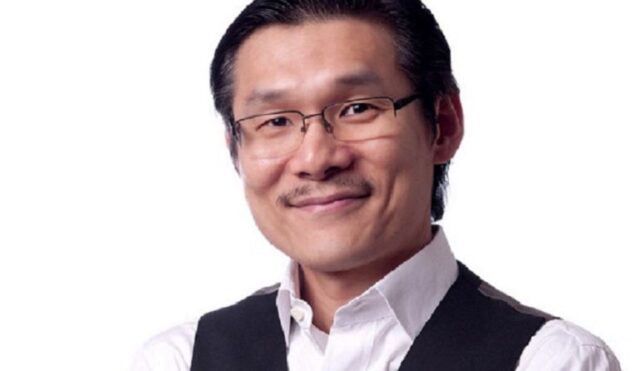
    Li & Fung has appointed Joseph Phi as the company’s Group President. As Group President, Joseph will lead the company’s Supply Chain Solutions operating groups, including Business Development. He will continue as President, LF Logistics and to serve on the Board of Directors of Li & Fung. He will report to Spencer Fung, Group CEO.

    Joseph has a strong track record at tLFhe company having organically grown its logistics business over the past decade. He has nearly 20 years’ experience with the company and is well positioned to assume this important leadership role.

    Joseph joined Li & Fung in 1999 and was previously executive director of Integrated Distribution Services Group Limited from 2004 until its acquisition by Li & Fung in 2011. He is Chairman of GS1 Hong Kong and a Director of its Management Board and is a Member of Supply Chain 50.

    He is an advisory committee member of Hong Kong Trade Development Council’s Logistics Services and honorary advisor of the Asian Logistics and Maritime Conference. He also serves as an advisory committee member of Eye Fund, a charitable institution in HK.

    Joseph graduated magna cum laude from the University of The Philippines (UP) with a Bachelor of Science degree in Industrial Engineering and attained a Master of Business Administration degree with top honors also from the same university.

    He is a 2011 recipient of UP College of Business Administration Distinguished Alumnus Award and 2013 recipient of UP Industrial Engineering Alumni Award and UP Alumni Engineers Global Achievement Award for Logistics. Between 2014 and 2018, he was an Adjunct Professor in the School of Business and Management at The Hong Kong University of Science and Technology.

    Joseph takes over from Marc Compagnon, who served as Group President and Executive Director of Li & Fung Limited from July 2014 and has moved to the Fung Group as Senior Advisor while remaining on the Board of Li & Fung Limited as a Non-Executive Director.

    Fung Group is the major shareholder of Li & Fung, whose core businesses operate across the entire global supply chain for consumer goods including sourcing, logistics, distribution and retail.

    Spencer Fung, CEO of Li & Fung said, “Our goal is to build the supply chain of the future to help our customers navigate the digital economy and to improve the lives of one billion people in the supply chain, and I am confident Joseph is the right person to build on the solid foundation that Marc has built and to take this to the next stage of development.”

  • Behind Amazon’s 63 per cent income rise

    Behind Amazon’s 63 per cent income rise

    The latest Amazon results are positive – but there is now a clear divergence in performance between the top and bottom lines. On the profit front, Amazon’s results are impressive. Net income increased by 63.1 per cent and operating income by 78 per cent. Much of this is coming from the AWS segment, where income from operations rose by 61 per cent. However, some credit should also go to the North American operation where volume increases helped ease up operating profits by 33 per cent. These uplifts come in spite of the fact that Amazon is still investing huge amounts in the business. Therefore they go a long way to justify the myriad of projects that Amazon has undertaken and continues to undertake.

    While the profit lines look rosy, the sales line presents a mixed bag. The slowdown in product growth is now tangible and although an 8.2 per cent uplift is strong compared to many retailers, by Amazon’s standards it is a weak performance. On a divisional basis, North America held up better than international markets, largely thanks to the confidence of the American consumer. Even so, sales growth in North America has also dipped.

    There are several dynamics at play here. First, is the maturity of Amazon’s operation: Amazon is now a massive retailer and it is simply unrealistic to expect it to keep on growing at its historic pace. However, more concerningly, this maturity is also coinciding with a period of rising competition. Retailers like Target and Walmart have invested heavily in their online operations and pulled out all the stops this holiday season. Our data show that they made solid customer gains, and some of that dented Amazon’s growth. In our view, the gap between Amazon and the rest is now narrowing.

    Another area of concern is Whole Foods. Amazon’s results show that sales at physical stores dropped by 2.7 per cent over last year, largely thanks to the grocery division. The investment in lower prices partly explains this, but it does not account for the bulk of the decline. In our opinion, much of this is because Whole Foods’ proposition is simply not up to scratch. Basics and commodity products still cost way more than at rivals like Target, and this is one of the reasons perceptions that Whole Foods is needlessly expensive have persisted. Such expense is not justified by store experience nor by customer service, both of which remain lackluster.

    Arguably, a holiday period that coincided with strong consumer finances should have been fertile ground for Whole Foods to thrive. However, very little effort was made to entice or enthrall customers. Aside from fresh counters, the festive product line up was incredibly poor with a noticeable lack of treats and interesting items. As a result, many consumers simply went elsewhere.

    We are cognisant that many of the Whole Foods issues are not of Amazon’s making. However, the poor performance underlines how much work remains to be done in transforming the chain’s fortunes.

    Despite these niggles, we remain positive about Amazon. The Prime platform still has enormous potential, there is plenty of upside in devices, and there are many opportunities to improve own-brands (some of which have underperformed). Taken together, along with AWS, this means Amazon has scope for future growth.

    However, it is also clear that Amazon will now need to work doubly hard to achieve any future sales gains.

  • Vingroup reports $25 mln revenue from vehicle, smartphone sales

    Vingroup reports $25 mln revenue from vehicle, smartphone sales

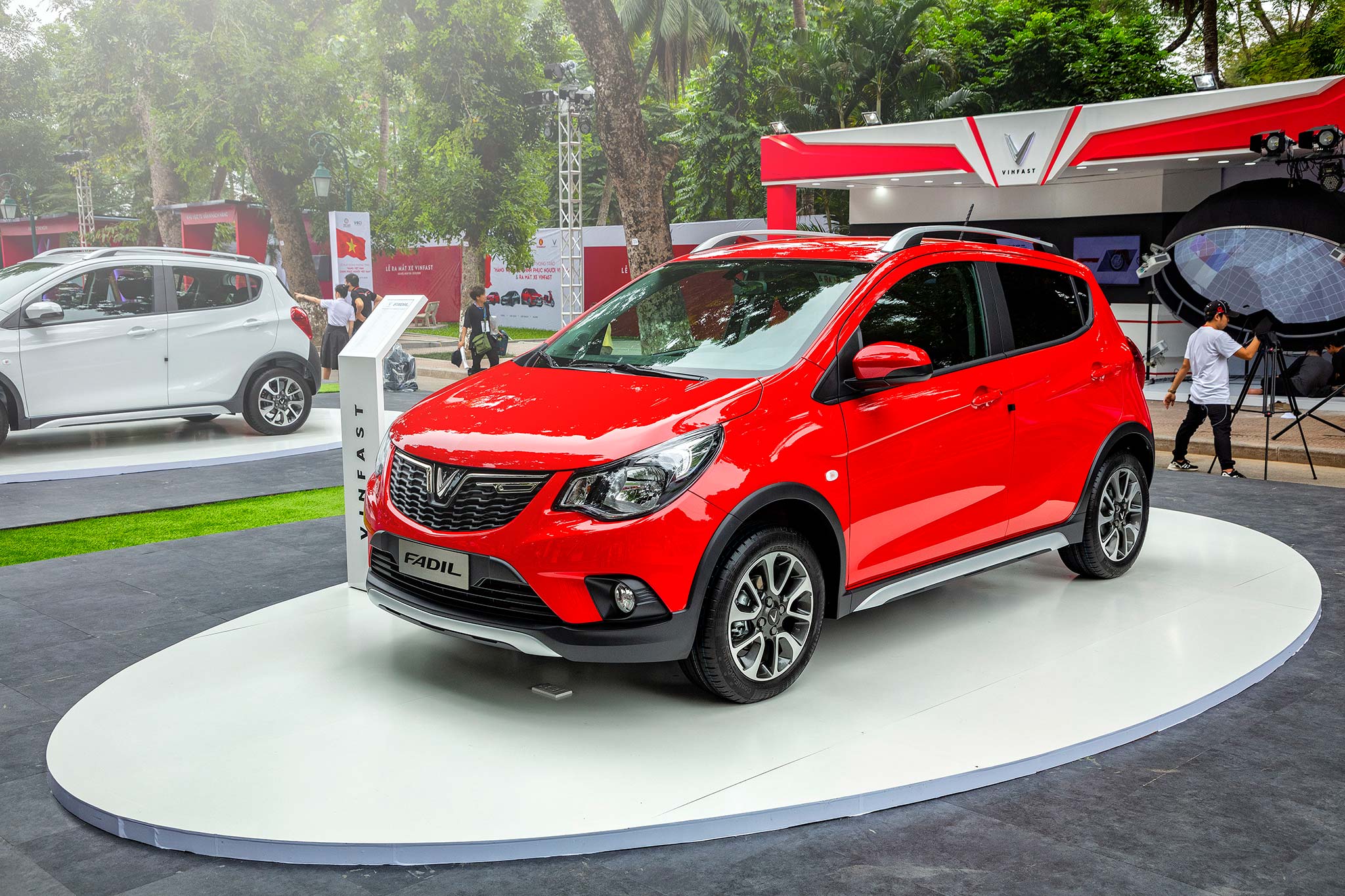
    Vietnam’s largest listed private company Vingroup has reported revenues of VND600 billion ($25.77 million) from car, electric motorbike and phone sales last year. VinFast, a Vingroup subsidiary, became the country’s first indigenous car manufacturer last October and showed off its first two car models at the Paris Motor Show in France. It has begun to accept bookings and deposits for the cars, and will start selling them next August.

    Last November it launched its first two electric scooters, but has not disclosed sales figures.

    VinSmart, the Vingroup unit that produces smart electronic devices, launched four new phones in December in a market of 95 million people currently dominated by Samsung and Apple.

    Its factory in the northern city of Hai Phong is capable of making five million phones a year in the first phase.

    The company also hopes to expand to markets outside Vietnam, and will make smart TVs and other smart products soon.

    Vingroup is a conglomerate with the country’s largest real estate operations and interests in retail, healthcare and resorts.

    The conglomerate reported profit before tax of over VND13.8 trillion ($592.6 million) last year, up 52 percent from 2017, on net revenues of VND122.57 trillion ($5.24 billion).

  • AirAsia strengthens Malaysia-Thailand connectivity with new Chiang Rai hub

    AirAsia strengthens Malaysia-Thailand connectivity with new Chiang Rai hub

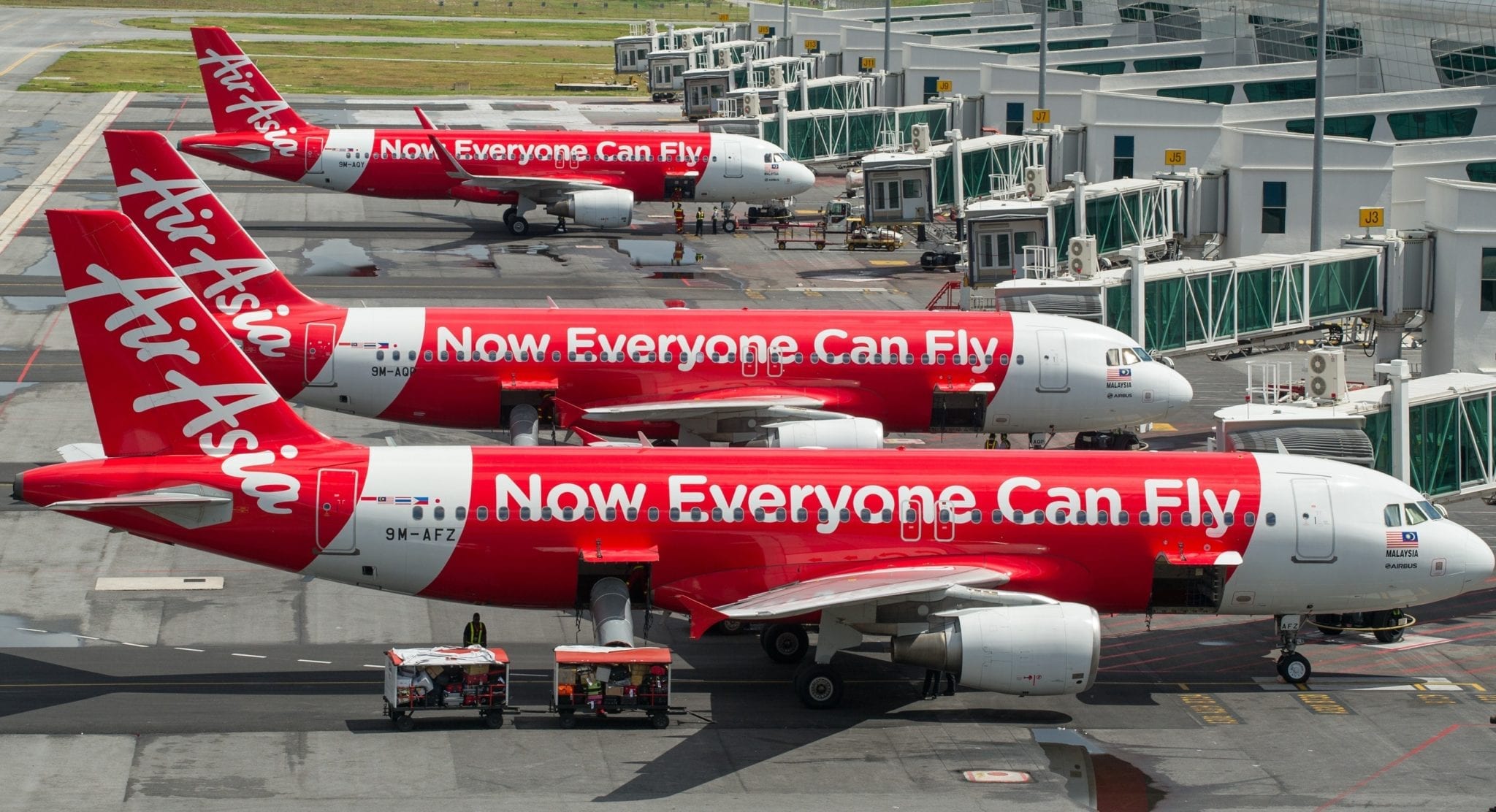
    AirAsia has further strengthened Malaysia-Thailand connectivity with the launch of a new route from Kuala Lumpur to Chiang Rai, its seventh and newest hub in Thailand. AirAsia Thailand, which will base an Airbus A320ceo at Chiang Rai’s Mae Fah Luang International Airport, will also operate new services to Phuket, Singapore and Macau, providing a massive boost to the local tourism and business communities, the airline said in a statement.

    AirAsia currently operates a total of six routes to and from the capital of Thailand’s northernmost province, including existing services from Bangkok Don Mueang and Hat Yai.

    AirAsia Thailand director of ground operations Witchunee Kuntapeng said the opening of its new hub in Chiang Rai is much like building a new home.

    “Chiang Rai has great potential to be one of the top tourism destinations in Thailand, with its unique Lanna culture and hill tribe way of life recently gaining global attention.

    “We believe it is a great time to promote Chiang Rai to travelers and are pleased to see that our four new routes between Chiang Rai and Phuket, Macau, Singapore and Kuala Lumpur have been well received. We’d like to thank the local community for their wonderful support,” Kuntapeng added.

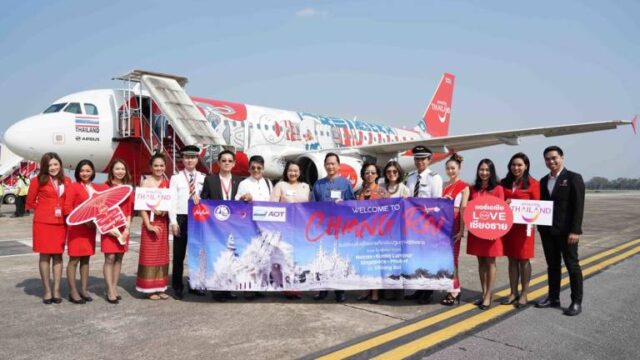
    A welcoming ceremony led by Chiang Rai vice governor Paskorn Boonyalug, Tourism Authority of Thailand executive director for the East Asia region Titiporn Manenate and local travel agents was held at the new hub for each of AirAsia’s four inaugural flights from Phuket, Macau, Singapore and Kuala Lumpur between Jan 30 and Feb 1, 2019.

    The flight from Kuala Lumpur saw a load factor of 85% percent, proving the airline’s efforts to promote Chiang Rai as a leading destination for overseas visitors was off to a great start, it added.

  • LG and Naver agree to work together on guide robot

    LG and Naver agree to work together on guide robot

    LG Electronics and portal operator Naver Wednesday agreed to jointly develop an advanced guidance robot based on the high-tech mobility platform. LG Electronics and Naver’s R&D subsidiary signed a memorandum of understanding (MOU) to collaborate on research and development of robot technology, expanding on their discussions made during the recent Consumer Electronics Show (CES) in Las Vegas.

    Under the agreement, the two Korean companies will explore ways to adopt Naver’s integrated location and mobility solution eXtended Definition & Dimension Map (xDM) in LG’s guide robot called Air Star to upgrade its function.

    The xDM platform is an advanced mobility technology that can be used in both indoor and outdoor settings and accurately analyzes location data in real time.

    “Based on LG Electronics’ know-how in artificial intelligence (AI) and autonomous driving, we will combine Naver’s software platform in our robots to provide differentiated value for our customers,” Roh Jin-seo, the head of the robotics business at LG Electronics, said during the signing ceremony at Naver Labs in Seongnam, south of Seoul.

    Naver debuted its AI and other robotic technologies during this year’s CES, drawing attention from industry officials around the globe.