Tag: Company

  • Onitsuka Tiger store in Singapore is biggest yet

    Onitsuka Tiger store in Singapore is biggest yet

    Onitsuka Tiger Singapore has opened its largest boutique in Ngee Ann City. As part of its efforts to become recognised as a fashion lifestyle brand beyond its sneaker business, the Japanese footwear firm’s new 165sqm store – the label’s fifth in Singapore – exclusively stocks the label’s Nippon Made collection as well as its usual retail offerings, focused on hand-made shoes following traditional Japanese methods.

    The store also sells Japanese-designed athleisure apparel and accessories in a store space fitted out with plush tiger toys.

    Onitsuka Tiger is owned by Asics.

  • Hong Kong retail rents tipped to turn

    Hong Kong retail rents tipped to turn

    Hong Kong retail rents are tipped for a modest rise of up to 5 per cent this year according to a research report from real estate advisor Savills. But the authors, Nick Bradstreet, MD, head of leasing and Simon Smith, senior director, research & consultancy, noted that this year has already got off to a positive start. “Landlords and retailers are wary given current uncertainties surrounding trade, stock market valuations, a weak renminbi and rising interest rates among other factors,” said Bradstreet. “But early indications are that the year has got off to a positive start.”

    Smith added: “The well-observed shift towards higher same day mainland visitor numbers and lower per capita spending continued last year and we believe that this year can expect more of the same.”

    Both prime street-shop and shopping-centre rents remained flat last year and rental growth had all but ground to a halt by the fourth quarter due to a weak sales performance, the report said.

    However, the new cross-border bridge and rail link led to a 40.3 per cent year-on-year rise in same-day mainland visitor arrivals in November to 3 million. The number of mainland tourists actually rose during the first 11 months of last year by 14 per cent.

    Smith said the increasing number of same-day visitors and a weak renminbi meant lower per-capita spending and unchanged retail rents by year end.

    “Retail sales growth decelerated to only 1.4 per cent in November, the slowest growth rate registered since June 2017; yet most retailers reported a better-than expected performance over the Christmas holiday period.”

    Thanks to the strong tourist demand, cosmetics and personal care products retailers are expanding rapidly in popular tourist districts such as Causeway Bay, Tsim Sha Tsui and Mong Kok. Food and beverage stores benefited, too, the report said.

    On the contrary, the fourth quarter saw zero rental growth over the previous quarter in prime street shops in most districts, except Tsim Sha Tsui (down -0.9 per cent quarter on quarter). Whilst shopping malls in Kowloon were largely responsible for the marginal decrease with a negative 0.3 per cent change over the third quarter, mall rents remained unchanged on Hong Kong Island and in the New Territories.

    “As a total of 2.3 million sqft of new supply will come on stream this year – the highest level since 2006 – the market fundamentals are expected to remain relatively stable.

  • Sandro parent unphased by trade spat

    Sandro parent unphased by trade spat

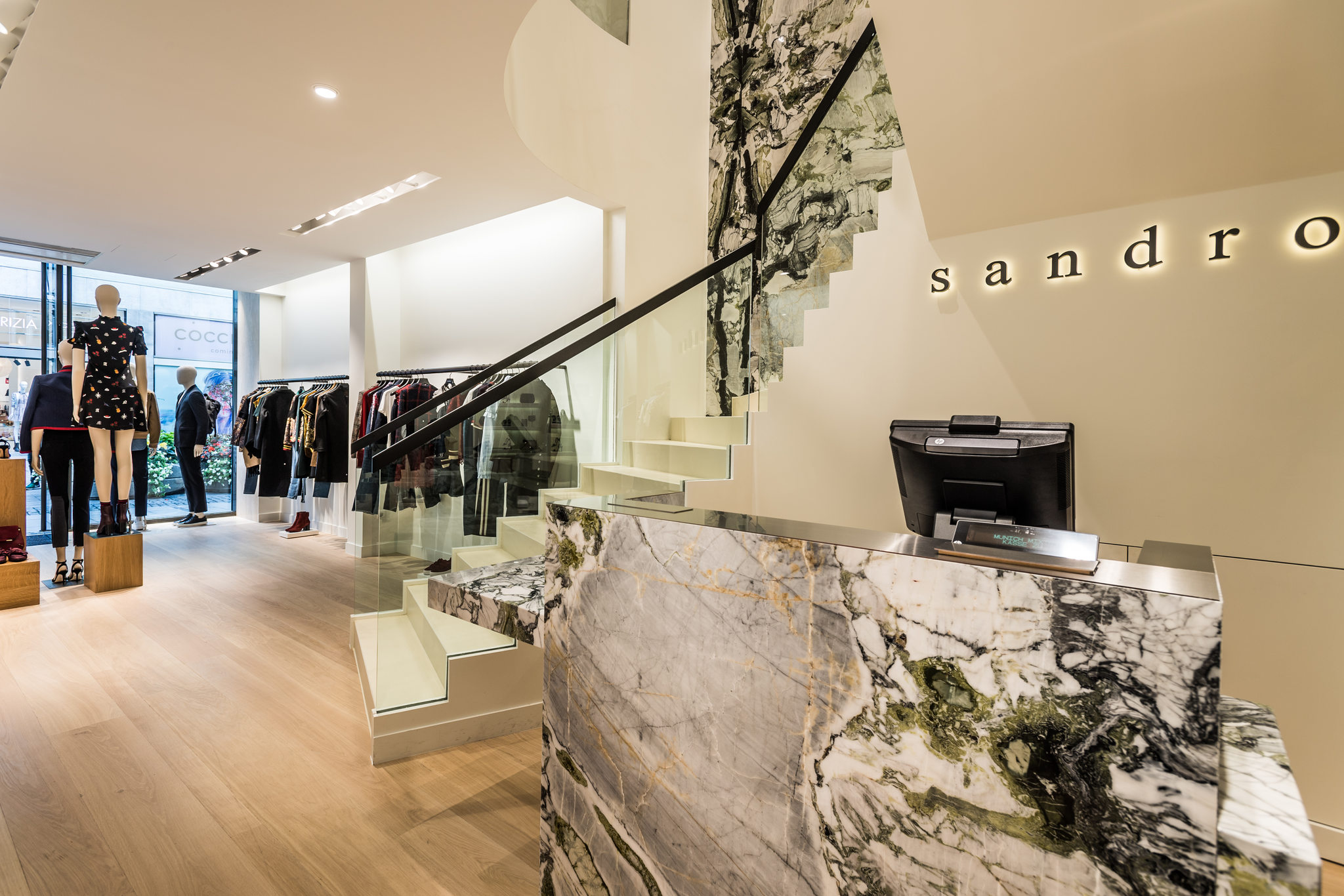
    The parent of affordable-luxury fashion labels Sandro, Claudie Pierlot and Maje appears unphased by the Sino-US trade spat, vowing to continue its expansion in the region. SMCP’s CEO Daniel Lalonde said in an interview that the company plans to continue to open new stores in Mainland China and invest in e-commerce across the region.

    “From our perspective, everything is still intact [in China]. Any slowdown in our business is related to the comparison base … and we still expect to grow that market by more than 20 per cent this year,” Lalonde said. “We’re still confident on the region.”

    France-based SMCP is controlled by Chinese company Shandong Ruyi. This week it reported an 8.1 per cent increase in fourth-quarter sales to €276.1 million.

    SMCP has doubled its annual sales during the past four years, reaching €1 billion last year, largely due to rapid expansion in Mainland China. Asia is now SMCP’s third-largest geographic market behind France and the rest of Europe, with China accounting for the bulk.

    However, he said sales in Hong Kong were “a little softer” as a result of currency fluctuations between the Hong Kong dollar and the renminbi.

  • Apple sales and profit slip as demand falls

    Apple sales and profit slip as demand falls

    Tumbling iPhone demand drove an uncharacteristic decline in Apple sales in the first quarter trimming back its profit for the period. Sales of its iPhone range slumped 15 per cent year on year, and although burgeoning revenue from services like digital media subscriptions – up 19 per cent to a new high of US$10.9 billion – and other products compensated, total sales were down 5 per cent to $84.3 billion.

    Sales in China slumped 26.6 per cent during the period.

    Net income fell by $100 million, from $20.065 billion in the December 2017 quarter to $19.965 billion in the latest quarter. While the company championed setting “an all-time earnings per share record” that was a consequence of a share buyback program reducing the share pool rather than an improved bottom line.

    Commenting on the results, GlobalData Retail MD Neil Saunders said while Apple is still a money-making machine, the sales decline “symbolises a company that is starting to run out of steam”.

    “In our view, this is something to be corrected, not least because Apple is a costly company to run and it relies on strong revenue growth to drive up the bottom line. As this quarter’s figures show, failure to achieve that results in profit erosion.”

    Saunders said the slowdown in iPhone sales reflected Apple’s inability to come up with meaningful and valuable innovations that wow consumers.

    “The latest iPhones might be works of art from an engineering perspective, but they are essentially incremental products that lack the excitement and newness of earlier models. With the higher price points of top-end models, consumers expect a lot more for their money. The blunt truth is, Apple’s latest line up of phones doesn’t do that much more than the generations that came before.”

    He said the slowdown in China is a problem Apple shares with many other companies.

    “The country is suffering from more sluggish consumer demand which has put the brakes on retail growth rates across many sectors. However, the issue for Apple is that this has coincided with a rise in competition from local phones and devices which has helped to eat into its own growth. In short, China is no longer the engine of growth for Apple that it once was and this makes Apple uncomfortably more reliant on mature markets to drive revenues. Some of those markets, like Europe, are also not delivering – thanks to very high price points and consumers that are hesitant to spend on big-ticket items.”

    From must have to might buy

    Saunders said Apple’s iPads and some of its Macs are good, quality items, however they are simply not impressing the market and Apple is losing its lustre in terms of producing compelling products.

    “In our view, Apple has moved from a position of ‘must have this and must have it now’ to ‘might buy this at some point in the future’. Price increases may mitigate this but, ultimately, such a shift can only ever result in a softer sales performance.”

    While services are performing well, Saunders said Apple must push much harder.

    “Amazon is successfully creating an ecosystem of services through Prime. Apple needs to do something similar by building on its Apple Music subscription and its App Store offering. Movies and television content are also needed to propel sales.

    “In our view, Apple should seriously consider a big acquisition such as Netflix. Content is a big growth area and is becoming increasingly linked to devices. Apple needs to play more heavily in this space both to generate new opportunities but also to defend its own device business.”

    While Apple remains a solid and financially successful company, he said, a lack of serious and significant innovation means it runs the risk of diluting future earnings.

    “Apple thrives off serving a mass market; at the moment its moves to provide more expensive items to fewer people will ultimately do further harm to the bottom line. The clear blue water that once existed between Apple and its rivals is much diminished. The company has time to reopen the gap, but to do so, it needs to pull something new and unique out of its hat sooner, rather than later.”

    Cook’s positive spin

    Apple CEO Tim Cook delivered a positive spin on the results: “While it was disappointing to miss our revenue guidance, we manage Apple for the long term, and this quarter’s results demonstrate that the underlying strength of our business runs deep and wide. Our active installed base of devices reached an all-time high of 1.4 billion in the first quarter, growing in each of our geographic segments. That’s a great testament to the satisfaction and loyalty of our customers, and it’s driving our services business to new records thanks to our large and fast-growing ecosystem.”

    At the end of the quarter, Apple’s net cash balance was $130 billion.

  • Singapore Plum stops delivering food

    Singapore Plum stops delivering food

    Hong Kong food-delivery startup Plum has closed its Singapore operations. An email delivered to Plum’s customers read: “It is with great sorrow to announce that we are ceasing our operations in Singapore from 21st January. Plum would like to thank you for your past support and going on this wonderful journey with us. We would not have achieved what we had without you. Best wishes to the year ahead.”

    Plum’s Singapore operations lasted less than a year in a highly competitive market, which saw the exit of hawker food delivery service Fastbee several months ago. The firm’s entire Hong Kong staff were let go in November to “right size” operations.

    The market is set to get even more competitive this coming year as Grab and Go-Jek struggle for market share in the territory.

  • Food trends and their impact on consumption

    Food trends and their impact on consumption

    We are a young nation of 1.2 billion consumers. We are more connected to each other and the rest of the world than ever before. We travel within India and outside India more frequently. We are more informed about ourselves, about what we eat, about our environment and also about the impact of our consumption on environment. We see a large number of trends and counter trends that influence us. Some of these are fads that just pass away and some are here to stay. Here are some key trends that will have an impact on the way we consume.

    Food is an experience

    Indians have historically valued pure, freshly cooked home-made meals. The trend of eating out, widely prevalent in the West, has slowly emerged in India over the past few years. Eating out is no longer considered as a means of satiating hunger nor is it limited to the rare occasions. Shopping and casual outings, spending free time and experimentation are, not surprisingly, the new reasons for eating out!

    As per a recent Nielsen report, on average, Indians spend Rs 6,300 per year on eating out with affluent Indians spending approximately twice as much as their middle class counterparts.

    Usage of “Let’s Do…” for food is a true reflection of Food as an Experience. Consumers are frequently experimenting with a variety of cuisines, flavors, and combinations of food that were hitherto either unavailable or unheard of in the Indian market.

    Cross-cultural influences abound in dishes. Some examples of the innovative confluence of flavors are peri peri bhel, Schezwan and chocolate dosas and a wide variety of Frankies. Even the quintessential lassi can be found with a multitude of western influences such as chia seed additions and imported fruit flavors. Tikka and tandoori flavored mayonnaise, Indian versions of Chinese dishes, Chettinad sandwiches and paneer tikka pizzas are instances of Indian flavors seeping into western culinary dishes. The same is reflected in some of the food product launches.

    Variants range from quinoa rawa upma insta mix, smoky tikka mayonnaise & tamarind date chutney to beverages such as jamun kalakhatta, kokum, gol gappe ka pani, aam panna, and jal jeera made specifically as substitutes to fruit- based juice. These immensely popular products reveal the inclination of the Indian consumer towards mixing flavors.

    Health is Imperative

    As a nation, India is performing better on all indices of health such as quality and longevity of life. Indians are living better, longer and have healthier life spans. Thanks to mobile apps and wearable devices, it is possible to constantly monitor the heartbeat, quality of sleep, blood pressure and even the number of steps taken during the day. The entire idea of health has transformed from being curative to becoming preventive in nature.

    Although consumers are time constrained due to hectic work schedules, especially in urban areas, they are looking for avenues to build and maintain a healthy life style. While physical activity forms a core part of this endeavor, Indians are proactively choosing the right food products to meet their diet and health goals.

    Food products in the market range from breakfast cereals such as oats and muesli to vitamin pills. There is a marked rise in the consumption of baked goods, health biscuits, multi-grain flours, green tea and other health drinks. Furthermore, consumers are willingly buying premium products that promise health benefits. Some of the health attributes perceived to be the most important are high protein, high fiber, low cholesterol and low fat.

    Oats-based mango flavored, calcium and fibre-rich ready-to-drink breakfast option and power sprouts, honey dates flavored malt-based food drinks are good illustrations of healthy beverages available on the shelves. Snack packs of sweet and savory yoghurt and snack combos such as the Jalapeno Greek yoghurt with barley puffs are healthy replacements for the “in between meals” snacks that Indians are prone to eating. Packed khichdi mix infuses the health quotient of broccoli, carrots and almonds in the consumer’s diet. Another unique example is the gluten-free alternative to spaghetti made by cutting vegetables into thin noodle shapes or curls.

    Consumption of dietary supplements, especially in relation to adult nutrition, has also boomed. There is an emergence of “immunity boosting” foods as a major category in the market.

    These supplements can induce weight gain or weight loss or nourish the body with vital elements such as calcium, iron, omega 3 and vitamins. Moreover, active adults are consuming copious amounts of whey proteins and energy beverages.

    Consumers are as conscious of the wellness of their children as they are of their own. For instance, consumers are willing to experiment with chocolate-flavored nutritional supplements for children in a bid to ensure holistic growth. Busy parents who rely on prepackaged food or ready-to-eat meals are some of the key purchasers of probiotic drinks meant for children.

    The wide acceptance of health and wellness foods has created a Rs 10,352 crore market with a growth rate of about 10 percent. The sales contribution is the highest in non-metro but urban cities, at 40 percent. This is closely followed by rural areas at 32 percent and urban areas at 28 percent. The category penetration is highest in the south followed by the east.

    Natural & Ayurvedic Way of Life

    We see both these trends- Health and Tradition- coming together in Ayurveda and Natural Foods. The growing belief that natural products are uncontaminated and best is getting firmly ingrained in the minds of Indian consumers as the word “processed” implies a negative connotation of unoriginality. Ingredients recommended by our ancestors such as tulsi, turmeric, neem, lemon, mustard oil, ghee, saffron, amla juice, cold pressed oils of nuts and seeds are all finding their way on to the consumer’s plate. Food items made with these ingredients are not only considered as healthy but also as comfort food since consumers perceive that they have made a special effort to look after themselves. The re-emergence of yoga has only served to boost this trend. Consumers will continue to turn to nature to search for viable but healthy food options. This trend also manifests itself in organic foods though they are still a niche and are hampered by a lack of trust and high premiums. We foresee that the natural and ayurvedic trend will be stronger in the years to come and that multiple entrepreneurs will establish profitable ventures in these categories.

    Increasing Share of Proteins & Dairy

    The biggest trend as a Nation that we see is the shift to Proteins and Fats. For the first time in Indian history, milk has become the biggest agriculture crop at almost INR 5 lakh crore. It’s now bigger than all cereals and pulses put together and is 20% of the agricultural output. This shift towards fats and proteins from the traditional intake of carbohydrates for subsistence is the biggest perceptible proof of prosperity of the people. Though India is 70% non-vegetarian, it apparently has not yet crept into daily dietary preferences. Milk appears to be the most economic and culturally accepted protein source of daily diet in our country. It can also be seen as the reflection of the dietary habits of a younger India. In Modern Trade, we have seen milk and value-added milk products increasing their share and new entrepreneurs and new products coming up. We envision this trend to become stronger in the times to come.

    Startups in Food

    The emergence of modern trade and e-commerce has made it easy to be a single product company and has fostered innovation and entrepreneurship. Launching a new FMCG product is no longer the domain of multinationals or big players with financial and distribution muscle. Small and medium enterprises that were previously deterred by the huge capital investments required for distribution networks while launching new products can now easily develop and bring their products to the market in a cost effective manner.

    This has had a profound effect on the number of launches of innovative products in the market. Quinoa puffs, butter spreads, health and energy bars, pasta kits, packaged ready to cook idli/ dosa batters, raw juices, water based functional beverages, are all excellent examples of new age products built and marketed by small companies being widely accepted by the consumer base.

    In conclusion, the purchasing decisions of consumers are affected by trends to a large extent. As enablers in the consumer’s shopping journey, recognizing and translating these trends into viable business opportunities remains a key concern for manufacturers and retailers today.


  • Axiata buys 80% stake in Laos firm

    Axiata buys 80% stake in Laos firm

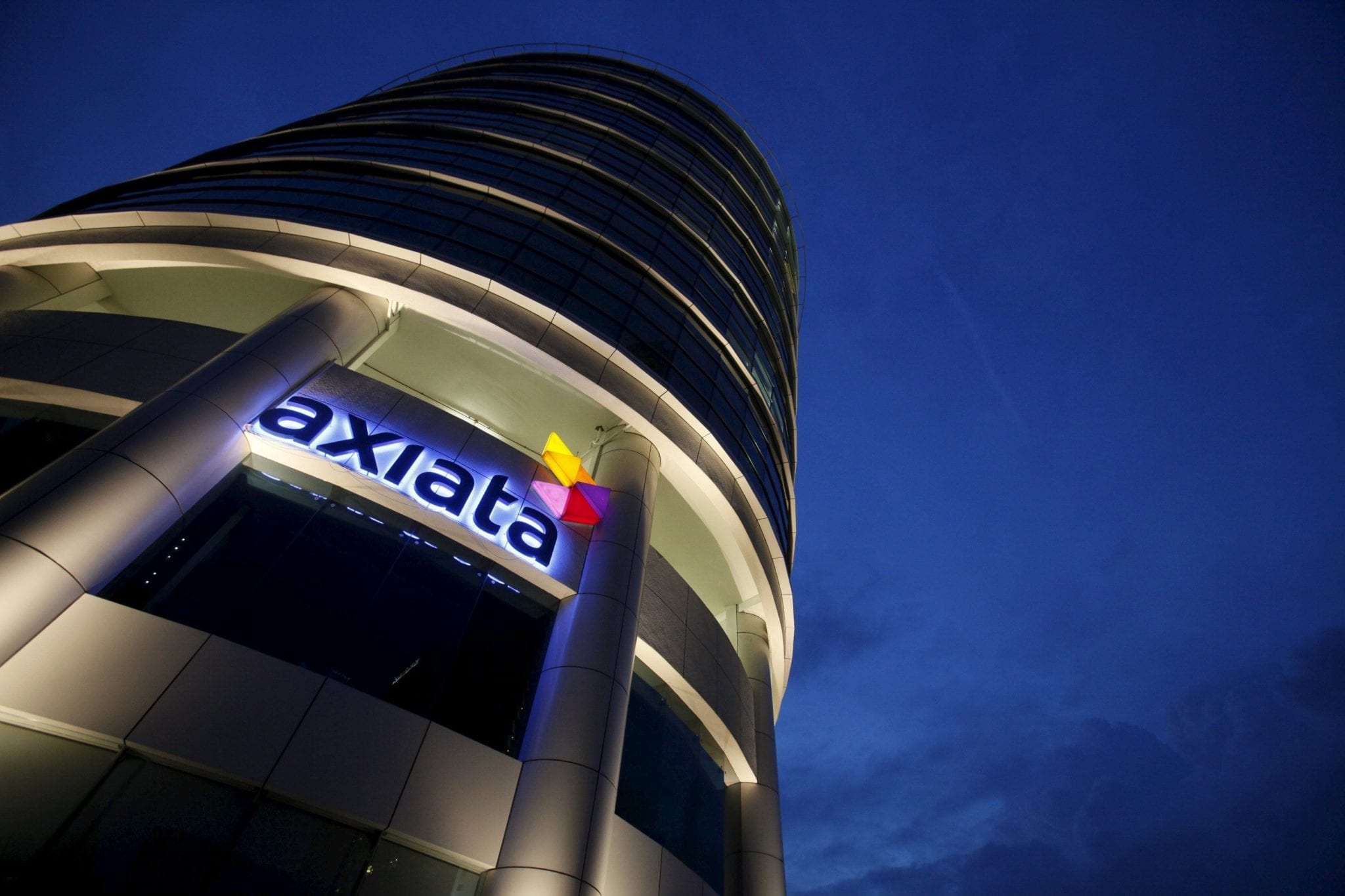
    Axiata Group Bhd’s 63%-owned subsidiary edotco Investments (Labuan) Ltd (edotco Labuan) is acquiring an 80% stake in Laos’s Mekong Tower Company Ltd (MTCL) for LAK12.8 billion (RM6.08 million) cash. Axiata said in a filing with the stock exchange that edotco Labuan had entered into a share subscription agreement (SSA) with Viphet Sihachakr (VS) and MTCL for the purchase.

    The SSA is subject to, amongst other, procurement of operating licence or other form of authorisation from the Ministry of Post and Telecommunications of the Government of Laos to MTCL for the provision of infrastructure solutions for telecommunications and network operators in Laos; registration of MTCL with the Ministry of Industry and Commerce of the Government of Laos; and procurement by VS of viable business including relevant concessions and/or incentives in Laos.

    Unless waived by the parties, the conditions must be satisfied not later than six months from the date of the SSA.

    “The proposed subscription provides opportunities for edotco group to expand into a new market and grow organically via build-to-suits and inorganically with sizeable sale-and-leaseback prospects,“ Axiata said.

    The Laos tower market is expected to undergo intense growth in tandem with a national drive towards 4G adoption, with an estimated demand of no less than 5,000 towers over the next three years, underscoring the need for an independent tower player to meet the requisite capital expenditure and cost optimisation burdens incumbent on local mobile network operators.

  • KT CEO talks 5G at World Economic Forum

    KT CEO talks 5G at World Economic Forum

    The head of KT, the country’s leading telecommunications provider, outlined the importance of 5G networks in driving innovation at the World Economic Forum in Davos, Switzerland, last week. KT CEO Hwang Chang-gyu was invited to a meeting of the International Business Council, a community of 100 select highly influential executives around the globe, which was held on the forum’s sidelines.

    Hwang said the adoption of the upcoming network system will play an integral role in processing autonomous driving vehicles and telemedicine systems.

    5G refers to the fifth-generation mobile network that will succeed the current 4G network, which has been prevalent for about seven years. The network is expected to be commercialized in the first quarter of this year, according to KT.

    The global elite meeting also acted as a get-together for the world’s renowned CEOs and academics. KT said Hwang spoke with Apple’s Tim Cook, adding that the Apple CEO pledged to visit Korea or invite Hwang to the United States to learn more about the 5G network. Rafael Reif, the president of the Massachusetts Institute of Technology (MIT), said he expected Hwang will lecture about 5G at the campus.

    The KT CEO also promised to strengthen cooperation with Japan’s telecom NTT Docomo to run 5G during the Tokyo Olympic Games in 2020.

  • Vietnam fintech startup raises $1 million from foreign venture capitalists

    Vietnam fintech startup raises $1 million from foreign venture capitalists

    Vietnamese fintech firm Finhay has raised $1 million in seed funding from Singapore’s Insignia Ventures Partners and other foreign investors. “Finhay will use the $1 million investment to expand its user base 10-fold to 100,000,” said founder and director of Finhay Nghiem Xuan Huy. Finhay was established in 2017 with capital of $100,000 as a micro-investment platform targeted at millennials. It allows customers to invest as little as VND50,000 ($2.17) in mutual funds from Finhay’s investment portfolio.

    Huy said the business model is very popular abroad, citing examples such as U.S. micro-investing apps Acorns and Stash.

    The application automatically analyzes the user’s risk appetite and suggests appropriate investment options and provides information to help improve users’ personal financial management.

    It has over 13,000 users and over VND7 billion ($303,590) worth of pooled capital.

    Insignia Ventures Partners, a venture fund which has already invested in popular transport apps Go-Jek and Traveloka of Indonesia, hopes “…[Finhay] will gradually layer on more products and services to become the Amazon of financial services in Vietnam.”

    Finhay also received seed capital from funds in Hong Kong and the U.S.

  • Samsung Philippines redesigns its Manila store

    Samsung Philippines redesigns its Manila store

    Samsung Philippines has launched a redesigned flagship store in Manila. Located in CyberZone at SM Megamall, the store is designed to showcase the brand’s latest technologies and aesthetics, with U-shaped center bars built to facilitate one-on-one communication with customers as they interact with the products. A central ‘Newness Table’ serves to show off the most recent Samsung innovations.

    Accessories are given the same exposure as the more expensive offerings with equal opportunities for consumers to examine and try before they buy. Dedicated spaces are reserved for Gear S watches and Samsung Gear VR offerings, as well as audio products such as speakers and headphones.

    The flagship also houses a revamped customer service area, featuring experience lounges and consumer learning programs.

    “Samsung as a brand has always been known to consistently redefine the new normal and to go beyond expectations. Over the years, our mobile phones have set the benchmark for what the consumers need and want”, said Samsung Philippines president James Jung. “The new store design heralds a new chapter in Samsung retail, enabling customers to engage with our brand and products in new ways.”

  • GM Korea’s union has plan to get workers paid

    GM Korea’s union has plan to get workers paid

    GM Korea’s union is planning to request further government support for employees who took unpaid leave after the shutdown of the Gunsan manufacturing plant last year. The decision, outlined in a follow-up document detailing a GM Korea union meeting held on Jan. 22, could go back on the original arrangement with the company to share the cost burden of supporting employees who went on unpaid leave.

    Since GM Korea’s Gunsan plant closed last year, the government provided support for six months, until November, to hundreds of workers who took unpaid leave. The company and its union decided to each cover half of the support payments, or 1.125 million won ($1,000) for every worker, for 24 months after the end of the government support. According to the document, the union will work towards gaining further government support by recategorizing unpaid-leave workers as paid-leave workers.

    According to the Ministry of Employment and Labor, companies can apply for government support for workers on paid leave to partially cover their payment. If the company pays 70 percent of the pay for employees on paid leave, the government can provide around two-thirds the amount for up to 180 accounting days.

    The document said the change would require agreement from the company and approval from the Labor Ministry. GM Korea said it has paid what it owes to workers on unpaid leave. It declined to comment on the union’s plans. Korea Development Bank completed last month injection of $750 million into the struggling company.

  • Vinamilk to open plant in Myanmar, its 2nd in Southeast Asia

    Vinamilk to open plant in Myanmar, its 2nd in Southeast Asia

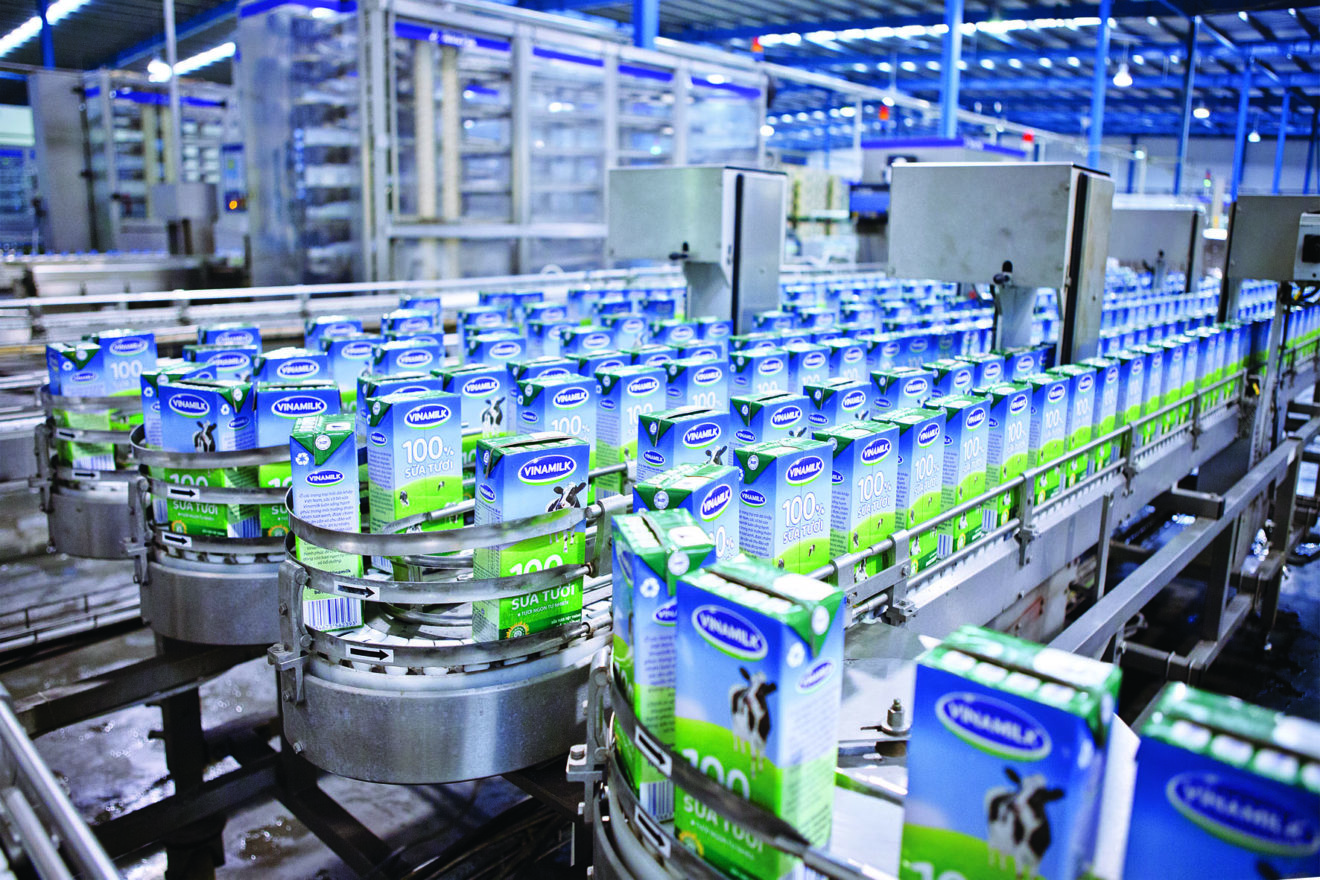
    Vietnam’s biggest dairy company plans to open a plant in Myanmar this year and is preparing to enter Indonesia and China. The Myanmar factory will be Vinamilk’s second in Southeast Asia after acquiring its first in Cambodia. It is in discussion for one joint venture in Indonesia. Myanmar is one of Vinamilk’s strategic markets to offset declining revenues in the Iraqi market, which once accounted for 60 percent of its exports. In 2017, Vinamilk reported falling exports for the first time in 20 years due to political tensions in the Middle East.

    In the latest year for which export figures are available, 2017, it shipped products worth VND7.4 trillion ($312 million), a 4.2 percent decline from the previous year.

    The company is also preparing to enter the Chinese market later this year. Chinese authorities are expected to sign a draft protocol in April this year allowing Vietnamese dairy products to be exported.

    Vinamilk is planning a change in export strategy.

    “The company will move from traditional exports to intensive cooperation with distribution partners in new key markets, and gradually build production facilities in potential markets such as Myanmar,” Vinamilk chief executive Mai Kieu Lien told shareholders in 2018.

    She added that the company has set aside $750 million for acquisitions, building new facilities and setting up cattle farms between 2017 and 2021.

    It now has 13 plants and 10 dairy farms in Vietnam, a plant each in the U.S., New Zealand and Cambodia and a subsidiary in Poland.

    In all, it has three wholly-owned foreign subsidiaries: Driftwood Dairy Holding Corporation in the U.S, Angkor Dairy Products Co., Ltd, in Cambodia, and Vinamilk Europe Spo’stkaz Ograniczona Odpowiedzialnoscia in Poland.

    It holds a 22.81 percent stake in a joint venture with Miraka Dairy in New Zealand and has a Thailand-based trading office.

    Last year the company paid $19.74 million to buy a 51 percent stake in Laotian company Lao–Jagro Development Xiengkhouang Co., Ltd, to set up a series of hi-tech beef and dairy farms based on Japanese technology.

    Vinamilk’s products are available in 46 countries and territories, including some demanding markets such as Japan, the U.S., Australia, New Zealand, and Canada.

    Last year the company reported profits before tax of VND11.52 trillion ($499.26 million), up 12.05 percent from the previous year, on revenues of VND52.63 trillion ($2.28 billion), down 2.93 percent.

  • AirAsia carried 16% more passengers in 2018

    AirAsia carried 16% more passengers in 2018

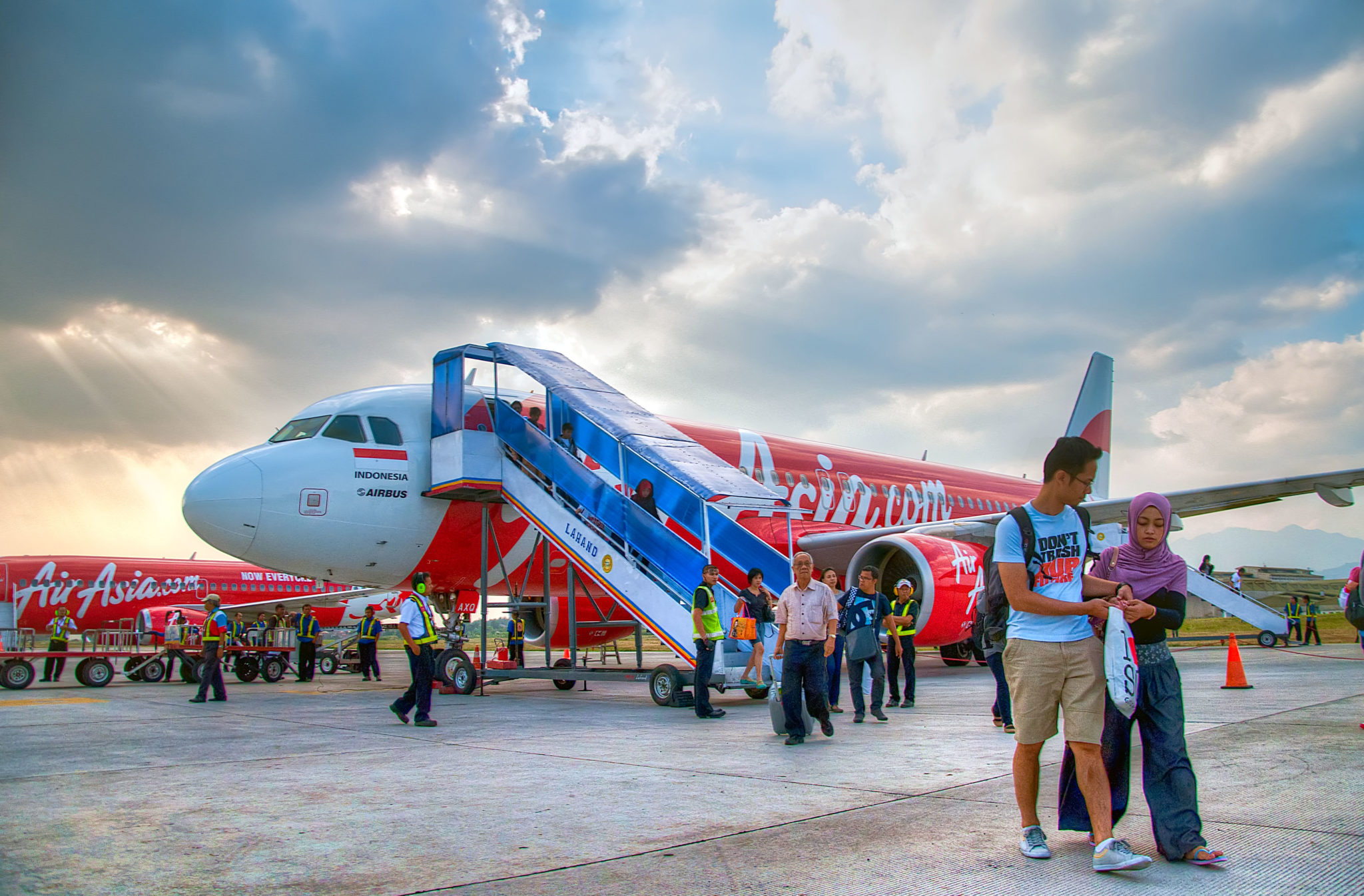
    AirAsia Group Bhd Consolidated AOCs carried a total of 12.1 million passengers in the fourth quarter ended Dec 31, 2018 (4Q18), reflecting a 16% growth from 10.4 million passengers carried a year ago. During the quarter, load factor was 4 percentage points lower at 84% from 88% a year ago, due to significant increase in capacity, which rose 21% to 14.3 million from 11.9 million a year ago.

    The group said in a statement that its available seat kilometres (ASK) grew 14% year-on-year, in line with the group’s strategy to grow its market share.

    For the full financial year ended Dec 31, 2018 (FY18), the group carried a total of 44.4 million, an increase of 14% from 39.0 million passengers carried a year ago.

    Capacity grew 18% to 52.5 million from 44.4 million a year ago while load factor fell 3 percentage points to 85% from 88% a year ago. ASK for the period grew 14%.

    The consolidated AOCs refers to AOCs whose financial and operational results are consolidated for financial reporting purposes, namely the Malaysian, Indonesian and Philippines AOCs.

    In 4Q18, Malaysia AirAsia carried a total of 8.5 million passengers, reflecting a 9% increase from 7.7 million passengers carried a year ago. Load factor fell 5 percentage points to 84% from 89% a year ago.

    The Malaysian operations saw a 16% increase in capacity to 10.2 million from 8.8 million a year ago while ASK rose 9% year-on-year.

    For FY18, Malaysia AirAsia carried 32.3 million passengers, 11% higher than 29.1 million passengers carried a year ago while load factor fell 4 percentage points to 85% from 89% a year ago.

    Capacity grew 16% to 38.0 million from 32.8 million a year ago while ASK rose 12% year-on-year.

    Overall, the group carried a total of 74.8 million passengers in FY18, which is an increase of 14% year-on-year. This includes all operations in Malaysia, Indonesia, Philippines, Thailand, India and Japan.

    The group also expanded its capacity during the year, with ASK up by 15% and load factor of 85%. The group’s total fleet size closed at 224.

  • Taco Bell reveals massive expansion plan in Asia

    Taco Bell reveals massive expansion plan in Asia

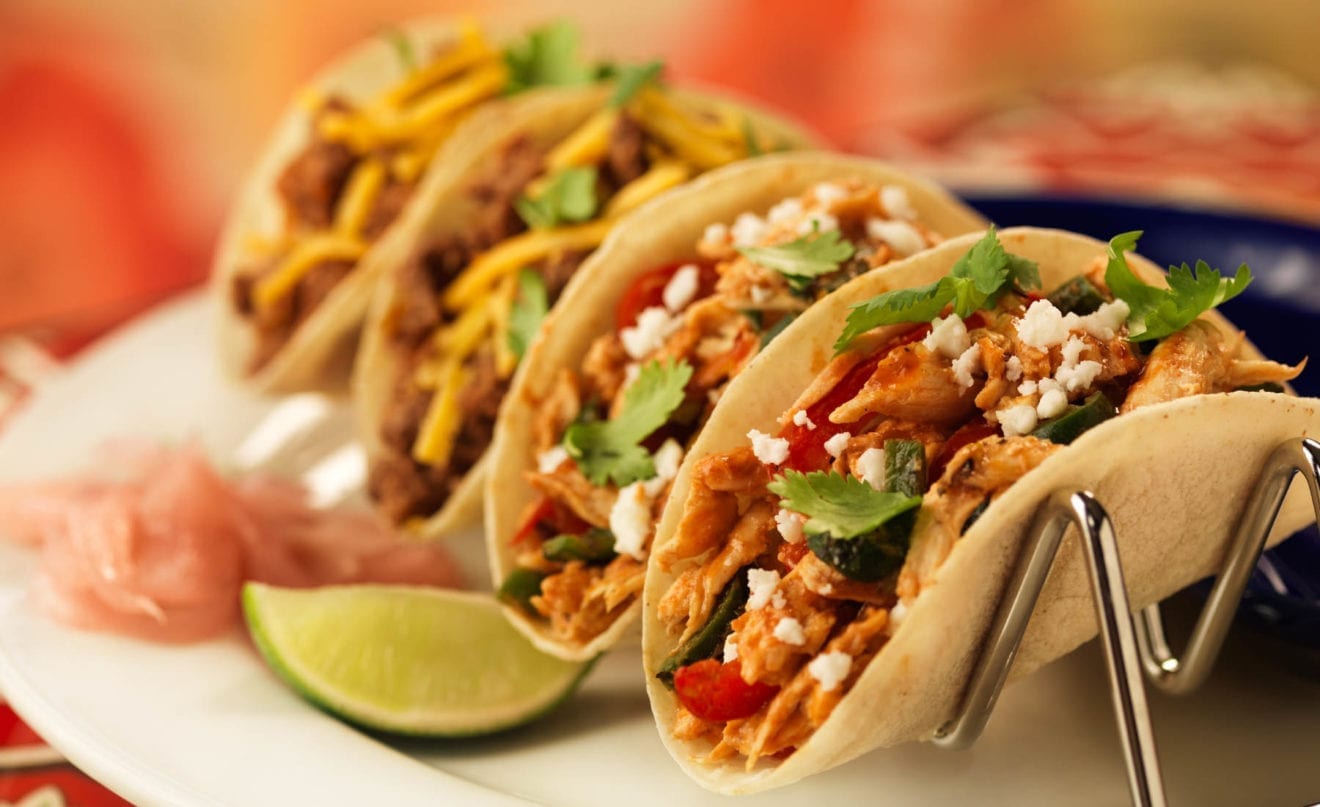
    US Mexican-themed dining chain Taco Bell says it plans to drive growth by expanding its presence in Asian markets. The brand intends to double its number of overseas restaurants to more than 500 outlets within the next few years. Taco Bell’s previous rollouts in Asian markets have occasionally been unsuccessful. An early franchise operation in Japan closed in the 1980s, although it reappeared in the territory four years ago. The brand also withdrew from Singapore in 2009.

    “Consumers weren’t ready in terms of awareness and the brand wasn’t positioned right at the time”, said president of Taco Bell International Liz Williams. The brand now expects to fare well in the territory with its more international young population and “heightened awareness” of Mexican food.

    A new store opening in Thailand this week will be modified for the market, including a spicier salsa recipe to suit local tastes. Forty more Thai locations are planned to open under local franchise partner Thoresen Thai Agencies.

    Taco Bell, operated by Yum! Brands, has 7000 restaurants in the US.

  • Reliance has true potential to evolve into India’s Amazon or Alibaba

    Reliance has true potential to evolve into India’s Amazon or Alibaba

    A week after Reliance Industries (RIL) reported a 8.82 percent rise in consolidated net profit for its third quarter at Rs 10,251 crore, global financial services firm UBS on Thursday said the Mukesh Ambani-led RIL has the true potential to evolve from an integrated energy company into a consumer giant like Amazon or Alibaba.

    In a comprehensive 100-page report, UBS said RIL can become a market leader in telecom and media, while gaining a significant share in retail/e-commerce.

    “Its success could be built on an ecosystem or bundling strategy, and a home-court advantage, similar to Alibaba’s success in China, beyond explicit or implicit policy support,” noted the report.

    RIL posted a net profit of Rs 9,420 crore in the corresponding quarter of 2017-18. The company’s consolidated revenue from operations during the quarter in consideration at Rs 1,60,299 crore jumped a massive 56.38 per cent over Rs 1,02,500 crore earned in the October-December quarter of FY18.

    According to the UBS report, its China Internet analyst, Jerry Liu, has listed some comparables between Alibaba and Reliance such as pursuing an ecosystem or a bundling strategy in a high-growth fragmented retail sector with lower online penetration and home-turf advantage.

    “Similarly, Eric Sheridan, our US internet analyst, thinks Amazon’s core value proposition to customers is its Prime subscription, which offers free shipping and video and music content,” the report noted.

    “Our assessment of the capital framework, regulations, business positioning and emerging trends in each of its consumer-facing business indicates RIL can lead in telecom and media and gain significant share in retail/ecommerce,” it added.

    The report found another similarity RIL shares with Amazon and Alibaba – an ecosystem strategy.

    “The biggest difference is that the Chinese and American internet platforms do not own telecom networks.

    “But based on the success of Amazon Prime, and similar memberships such as Alibaba’s 88VIP and JD’s Plus in China, we believe bundling of products and services is a tried and true strategy, and this should play to Reliance’s advantage,” the report highlighted.

    Addressing the “Vibrant Gujarat Global Summit 2019” on January 18, Reliance Industries Chairman and Managing Director Mukesh Ambani announced that Reliance would double its investment and employment numbers over the next decade.

    He said Reliance Jio and Reliance Retail would soon launch a new commerce platform for small retailers — a mega mission which will first be launched in Gujarat and then across the country, urging Prime Minister Narendra Modi to lead a fight against ‘data colonisation’.