Tag: DHL

  • DHL to be title sponsor of DR1 Drone Racing Series

    DHL to be title sponsor of DR1 Drone Racing Series

    DHL has signed on as the new title sponsor for a new racing series – DR1 presents the DHL Champions Series, Fueled by Mountain Dew. This new racing championship is organized by DR1 Racing, the premiere drone racing organization that is bringing together top pilots and racing teams to compete at exhilarating locations throughout the world, including the Post Tower in Bonn, Germany, the headquarters of Deutsche Post DHL Group. This October and November the races will be broadcast and streamed online globally by Eurosport, Fox Sports Asia and Twitch.TV, potentially reaching more than 300 million homes.

    This new racing series gives DHL the opportunity to continue to extend its leadership position in the development of drone technology, which has a vital part in the future of logistics, as well as elevate the DHL brand to a broader audience of businesses and consumers through a thrilling new sport. Locations for the first season of the DHL Champions Series are expected to include the United States, Germany and Ireland. DR1 events are already broadcast in more than 100 countries.

    “This new racing series is an exciting opportunity for DHL to showcase our passion for drone racing and illustrate our extensive history in developing innovative and sustainable approaches towards future logistics solutions,” said Ken Allen, CEO, DHL Express. “Similar to Formula E, drone racing represents an exciting new e-racing series, which is why DHL took the opportunity to engage as the logistics partner and title sponsor for DR1’s premier league racing series.”

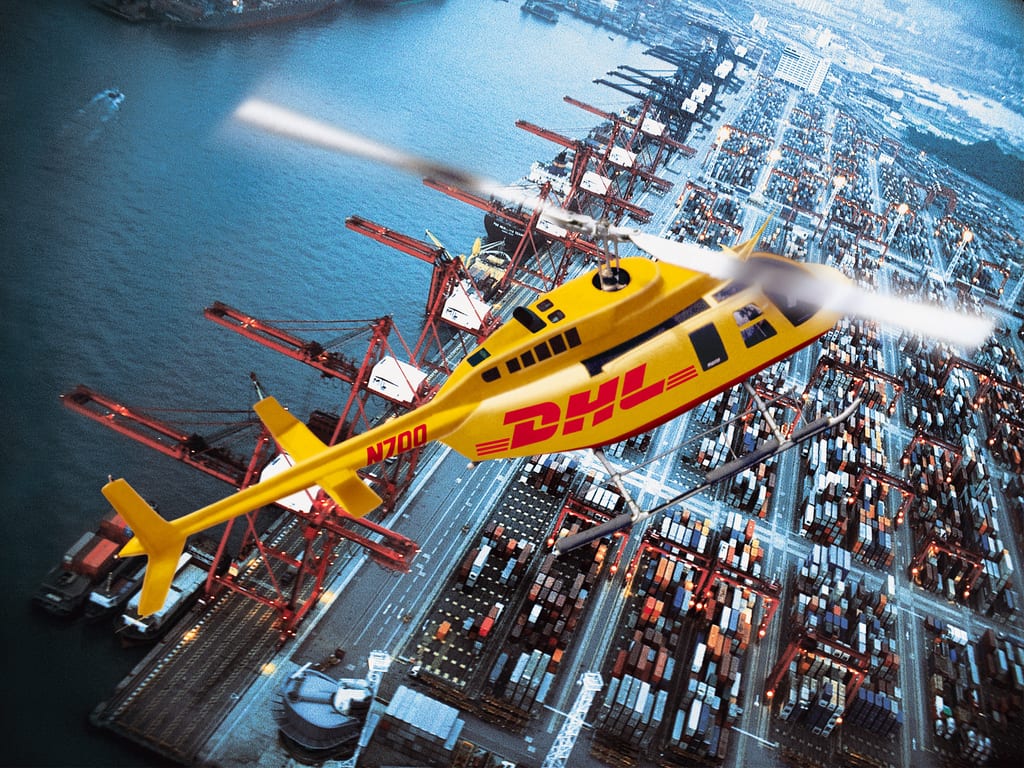
    DHL has been developing and testing its Parcelcopter for more than four years for deliveries in geographically ambitious areas. It has successfully deployed the Parcelcopter for fully automated deliveries in severe, high-altitude and weather conditions in the Bavarian Alps as well as to remote locations on German North Sea islands, and as such integrated into the overall logistical processes of the DHL Parcel unit. For its engagement in this area of research the Group also received the “German Mobility Award 2016” (Deutscher Mobilitätspreis 2016).

    DHL Supply Chain has deployed drone in Mexico and Brazil for security surveillance, monitoring sites and assets for theft and damage. Drones can also be used as aid deliveries as part of disaster relief missions after natural disasters.
  • DHL to build life sciences distribution network

    DHL to build life sciences distribution network

    Shanghai Pharma, one of China’s largest listed pharmaceuticals groups, has signed a Memorandum of Understanding (MOU) with DHL Supply Chain to prepare its logistics infrastructure for rapid global expansion.

    Under the MOU, the pharmaceuticals giant – which generated revenues of more than US$18 billion (RMB121 billion) last year – will partner with DHL Supply Chain to enhance quality control measures, streamline distribution processes, and strengthen compliance with local and international food and pharmaceutical regulations. A range of recent government initiatives, including the “two-invoice” or fapiao policy which was rolled out earlier this year, have put greater onus on China’s pharmaceutical sector to improve the transparency and efficiency of local supply chains.[1]

    “The quality and resilience of our logistics infrastructure will determine not only how successfully we adapt to new legislation like fapiao – which seeks to cut down on multiple distributors and mark-ups by only allowing two invoices per goods shipment – but also our ability to capitalise on the huge international growth opportunity for high-grade Chinese pharmaceutical products and medical devices,” said Cho Man, president and executive director, Shanghai Pharma.

    “China’s national market for drugs has grown rapidly in recent years to become the world’s second-largest with an estimated growth to around US$167 billion by 2020 [2]. Our partnership with DHL will help Shanghai Pharma to become one of the world’s foremost pharmaceutical manufacturers – supported by a global distribution network that combines world-class quality control with fast, seamless delivery.”

    To facilitate this planned expansion, the MOU will grant Shanghai Pharma priority access to DHL’s global logistics network including temperature-sensitive life sciences services to Europe. DHL Supply Chain will also support Shanghai Pharma’s supply chain optimisation needs as the manufacturer ramps up its overseas distribution and retailing efforts.

    “China’s pharmaceutical industry has historically suffered from high levels of fragmentation amongst its local customers and distributors, [3] an issue which recent legislative changes like the ‘two-invoice’ policy have sought to combat,” said Yin Zou, CEO Greater China, DHL Supply Chain. “In this regulatory climate, end-to-end supply chain management plays an increasingly crucial role in determining how effectively Chinese pharmaceuticals firms not only maintain sales locally, but gain traction abroad in a cost-effective and sustainable manner.

    “Shanghai Pharma already holds a formidable reputation as one of China’s leaders in pharmaceutical development, manufacturing, distribution and retail. With this partnership, we look forward to applying our global life science expertise to help them establish an efficient and agile supply chain network to provide consumers with reliable and convenient access to medications.”

    “This agreement puts Shanghai Pharma in a strong position to stand out from China’s highly competitive and cost-conscious life sciences industry4 with access to DHL’s market-leading logistics and value-added services,” said Cho Man. “We believe that our partnership will not only greatly benefit both parties, but raise the bar for quality control and supply chain efficiency across China’s entire pharmaceutical industry.”

  • DHL Supply Chain makes smart glasses new standard in logistics

    DHL Supply Chain makes smart glasses new standard in logistics

    DHL Supply Chain, the contract logistics specialist within Deutsche Post DHL Group, successfully completed its global augmented reality pilots and is expanding its “Vision Picking” solution in more warehouses around the globe, establishing a new standard in order picking for the industry. The smart glasses provide visual displays of order picking instructions along with information on where items are located and where they need to be placed on a cart, freeing pickers’ hands of paper instructions and allowing them to work more efficiently and comfortably. The international trials have shown an average improvement of productivity by 15 percent and higher accuracy rates. The user-friendly and intuitive solution has also halved on boarding and training times.

    “Digitalization is not just a vision or program for us at DHL Supply Chain, it’s a reality for us and our customers, and is adding value to our operations on the ground. Customers have been very happy about the productivity gains and are equally excited about using innovative technology at their warehouses,” says Markus Voss, chief information officer & chief operating officer, DHL Supply Chain.

    After having completed a pilot program across the U.S., Mainland Europe and the UK throughout different industries such as technology, retail and consumer, DHL has now established the Vision Picking solution for the long run. The technology has matured to become a standard, replicable solution for customers, allowing faster and easier implementation in their operations, helping them to benefit from productivity gains with increased speed of operations and better picking accuracy.

    Employees have been enthusiastic about being able to use state-of-the-art technology and are pleased with how light the smart glasses are, and how much more comfortable the process is now with hands-free picking. “We are very satisfied and happy that the pilot phase went so well and that we can now say augmented reality technology is one of our standard offerings at DHL Supply Chain,” Voss adds. “As one of the first logistics companies using the technology, we have truly established a new way of order picking in the industry.”

    DHL has been working alongside three partners in the pilot phase. Ubimax provided the augmented reality software xPick, whereas the recently announced Glass Enterprise Edition and Vuzix M100 and M300 glasses were used as hardware. Further proofs of concept running in Asia and Australia with other partners show similar promising benefits. Following the success of its Vision Picking program, DHL is looking into additional applications for augmented and virtual reality such as trainings, maintenance, dimension calculations and more.

  • DHL launches suite of semiconductor logistics solutions

    DHL launches suite of semiconductor logistics solutions

    DHL is revamping its logistics offering for the semiconductor industry by bundling individual solutions under DHL Semiconductor Logistics. This suite of services covers the entire value chain from inbound to manufacturing facilities through to final distribution to end users and provides end to end visibility of products, full compliance with international regulations and maximum security of sensitive and high value goods.

    “With more than 3,000 dedicated employees and 50 facilities worldwide, we have built extensive infrastructure and expertise for the semiconductor industry. With our new offer, we connect DHL’s broad capabilities, enabling us to individually service our customers along their complete supply chain in a cost-efficient way. This becomes crucial for an industry that requires special logistics to be a competitive differentiator,” said Rob Siegers, president, DHL Technology Sector.

    The semiconductor industry is undergoing significant changes due to the increased demand created through trending digitisation and Internet of Things applications. After a moderate growth in 2016, the market is expected to grow in revenues by 16.8 percent surpassing first time a market value of US$400 billion, mainly driven by shortages in the supply in the memory segment.

    In combination with increased merger and acquisition activities, growth coming from automotive and industrial applications as well as wearable consumer devices, changes in manufacturing and supply networks are common. DHL’s new suite of semiconductor logistics services addresses this development and is designed to improve flexibility and agility of semiconductor supply chains.

  • DHL warns of supply chain talent shortage crisis

    DHL warns of supply chain talent shortage crisis

    DHL called upon industry leaders to recognize the growing talent gap crisis in the supply chain sector. The U.S. Bureau of Labor Statistics reports that jobs in logistics are estimated to grow by 26 percent between 2010 and 2020. Furthermore, one global study estimated that demand for supply chain professionals exceeds supply by a ratio of 6:1, with some predicting that ratio could be as drastic as 9:1.

    DHL surveyed more than 350 supply chain and operations professionals in five global regions. The findings revealed that there are a number of reasons contributing to the talent shortage crisis in a rapidly evolving field. The report ‘The Supply Chain Talent Shortage: From Gap to Crisis’ was commissioned by DHL and authored by Lisa Harrington, president of the lharrington group LLC. The report highlights the key supply chain talent challenges experienced today, and identifies opportunities for businesses to compete on a global stage.

    Harrington said, “Leading companies understand that their supply chains – and the people who run them – are essential to their ability to grow profitably. However, the task of finding people with the right skillsets required to run these highly complex operations is increasingly difficult – especially at the middle- and upper management levels. Unless companies solve this problem, it could threaten their very ability to compete on the global stage.”

    The survey revealed the top factors driving the talent shortage:
    – Changing skill requirements: Today, the ideal employee has both tactical/operational expertise and professional competencies such as analytical skills. 58 percent of companies say this combination is hard to find. But tomorrow’s talent must also excel at leadership, strategic thinking, innovation, and high-level analytic and technological capabilities.
    – Aging workforce: As much as a third of the current workforce is at or beyond the retirement age.
    – Lack of development: One third of companies surveyed have taken no steps to create or feed their future talent pipeline.
    – Perception that supply chain jobs lack excitement: The industry is still contending with the impression that other fields are more prestigious and offer more opportunities, fuelling lack of interest in the industry within the world’s future workforce.

    Harrington continues, “Companies are now recognizing that sourcing strategy has a large impact on their bottom line and ability to remain competitive. As one study recently found, companies that excel in talent management increased their revenues 2.2 times as fast and their profits 1.5 times as fast compared to ‘talent laggards.’ That’s a powerful advantage.

    Unfortunately, recruiting the right talent – especially at the critical mid-level and senior management levels – is proving very difficult in today’s environment. New technologies and fundamental areas of the supply chain have changed, meaning they now require that a person has a different and much larger skillset than required when most of the current workforce began their careers.”

    The report outlines numerous opportunities for the industry to start closing this talent gap. Offering clearer career paths and a visible commitment to the professional development of its supply chain staff combined with competitive remuneration packages are just a few ways to develop and retain their current talent. To attract talent, the industry needs to start emphasizing that the future workforce will need to have skills in robotic management, AI and AV control – job aspects that would be attractive to the younger demographic and help combat the negative perception of the sector.

    Louise Gennis, vice president talent management/acquisition, learning & development, DHL Supply Chain, said, “We recommend that companies start with prioritizing the development of their current talent pool to adapt to the changing job requirements through training programs, and then retaining staff through clear career paths. We strive to combat misconceptions surrounding working in the supply chain through highlighting the technological developments which are digitalizing the industry and that are attractive to younger demographics.”

    Gennis cites the success of DHL’s diverse recruitment and development initiatives as evidence that a long-term, well-informed talent management strategy can help businesses mitigate the potentially devastating effects of a shrinking talent pool. “The supply chain talent shortage is now critical enough that it’s on the minds of supply chain managers across all industries, but the gap didn’t develop overnight. Since supply chain solutions are our business, we’ve seen the issue developing over many years – and have used this time to adjust our approach toward attracting, developing and retaining talent accordingly. Our unique expertise helps ensure that job openings are filled by qualified experts wherever we and our customers operate, which will become an increasingly critical success factor as talent resources grow scarcer.”

  • DHL sharpens capabilities in China

    DHL sharpens capabilities in China

    Deutsche Post DHL Group is growing its established China operations to further sharpen capabilities as multi-national companies, small and medium-sized merchants and end-consumers alike demand more from logistics providers in the fast growing e-commerce sector. DHL shared insights at a press conference in Shanghai coinciding with FC Bayern Munich’s Summer Tour. As the official logistics and e-commerce partner, DHL launched FC Bayern Munich’s online store on Tmall Global in 2015 and continues to deliver official merchandise to fans in China.

    Figures show that the Asia-Pacific e-commerce market is led by China, accounting for two thirds of sales generated in 2016. With US$469 billion market size, China is by far the world’s biggest and fastest growing e-commerce market. The country’s cross border e-commerce is estimated to be worth US$839 billion by 2021 and expected to grow at 20.1% from 2015 to 20201, with huge opportunities both in the segment of low value items and high value items.

    “Our strategic aspiration is to become the leader in e-commerce-related logistics, with the Asia-Pacific region and especially China playing a crucial role in our strategy. Offering our customers worldwide flexible, innovative and eco-friendly delivery solutions is necessary to consolidate this development. By means of the innovations and green logistics solutions we brought to market, we are set to help Asian retailers grow and exploit the opportunities e-commerce offers,” said Juergen Gerdes, Board Member Post – eCommerce – Parcel at Deutsche Post DHL Group.

    Combining strengths
    Each of DPDHL Group’s well-established divisions in China offer unrivalled networks. The company helps e-commerce merchants with a full suite of logistics and value-added services ensuring goods are delivered in a manner that is compliant with local laws, avoiding unforeseen penalties and delays.

    DHL-Sinotrans, the Group’s international express joint-venture established in 1986 has developed the largest international express services network in China covering 80% of China’s major population and business centres. To cater to business-to-consumer (B2C) deliveries, the company rolled out On Demand Delivery to allow deliveries to be made at pre-arranged times and locations. In the e-commerce sector, the international express service is primarily used by customers for the delivery of high end, higher value goods where speed and guaranteed transit times are of paramount consideration.

    DHL Global Forwarding operates 37 branches, five Air freight Gateways and six Ocean freight Gateways in China2. The world’s leading air, ocean freight service provider, has also pioneered an extensive network of rail solutions through China to Europe. Extended by ferry to Japan, Korea, Taiwan, and by road to Vietnam, Thailand, Malaysia, Singapore, DHL Global Forwarding China’s multimodal network leverages China’s rail network to allow a two-way flow of goods between Asia and Europe through a viable alternative solution which is cheaper than traditional air and faster than ocean freight.

  • DHL bolsters transport solutions with real-time freight visibility platform

    DHL bolsters transport solutions with real-time freight visibility platform

    DHL Supply Chain continues to engage the latest technology to enhance supply chain efficiency for its customers. The newest technology for the Transportation Sector is a patented technology called MacroPoint that will give DHL the ability to provide customers with real-time shipment status updates using predictive analytics and proactive alerts within the supply chain.

    The real-time freight visibility platform is just one of many technology enhancements DHL has made to its global transportation services offering. The company has also invested in technologies that provide transportation business intelligence and end-to-end supply chain visibility. They include: DHL Resilience360, an innovative cloud-based supply chain risk management platform that helps companies visualize, track and protect their business operations, and Connected View, a web portal that allows companies to query the status of shipments, warehouse orders, inventory snapshots and purchase orders.

    “Our focus is on our customers and we’re constantly looking for new ways to help them simplify their transportation management and optimize their transportation costs,” said Jim Monkmeyer, President of Transportation, DHL Supply Chain. “It all boils down to a commitment to innovation. That’s how we stay ahead of shifts in the marketplace so we can help our customers think beyond today’s shipment.”

    DHL Supply Chain offers comprehensive transportation management solutions, freight brokerage, dedicated fleet services and Lead Logistics Partner (LLP) capabilities around the world. DHL Supply Chain also provides customer focused solutions for a wide range of inbound, manufacturing, warehouse, distribution and outbound operations.

    DHL is the leading global brand in the logistics industry. Our DHL family of divisions offer an unrivalled portfolio of logistics services ranging from national and international parcel delivery, ecommerce shipping and fulfillment solutions, international express, road, air and ocean transport to industrial supply chain management. With about 350,000 employees in more than 220 countries and territories worldwide, DHL connects people and businesses securely and reliably, enabling global trade flows. With specialized solutions for growth markets and industries including technology, life sciences and healthcare, energy, automotive and retail, a proven commitment to corporate responsibility and an unrivalled presence in developing markets, DHL is decisively positioned as “The logistics company for the world”.

    DHL is part of Deutsche Post DHL Group. The Group generated revenues of more than 57 billion euros in 2016.

  • DHL, FC Bayern expands cooperation in gaming market

    DHL, FC Bayern expands cooperation in gaming market

    DHL and Germany’s FC Bayern Munich yesterday announced the expansion of their cooperation with innovative activations within the video gaming market, specifically in the FIFA 18 game set to launch in September 2017.

    This is DHL’s bid to tap on the massive potential of the computer games market, which analysts predict will grow its revenue from US$493m in 2016 to US$1.1b in 2019.

    In 2015, DHL helped the club to launch its online flagship store on Tmall Global. As the team’s official logistics partner and e-commerce full service provider, DHL plays a key role in delivering official merchandise to FC Bayern fans in China.

    During the team’s 2017 Audi Summer Tour to Shanghai, Shenzhen and Singapore, the Bavarian club confirmed its desire to further engage with its fan base in China, providing fans with the latest club merchandise, such as jerseys and other FC Bayern products.

    FC Bayern is one of the world’s biggest football club with over 280,000 members and one of the most successful, having won five UEFA Champions League titles, three Club World Cup trophies as well as 27 German national league championships.

  • Vietnam’s e-commerce acceleration to gain a boost from DHL eCommerce

    Vietnam’s e-commerce acceleration to gain a boost from DHL eCommerce

    DHL eCommerce, a division of the world’s leading logistics company, Deutsche Post DHL Group, has launched its nationwide domestic delivery operations in Vietnam. The domestic delivery network will offer a high quality delivery service across Vietnam and a range of services tailored for the booming e-commerce industry, helping small, medium and large e-tailers and marketplaces increase their share amidst the rapidly growing Vietnam e-commerce segment.

    “The Vietnamese e-commerce market represents a huge and relatively untapped potential for local retailers, e-tailers and marketplaces: in 2016, total e-commerce spending hit US$1 billion despite barely over 50% of the population being online, ” said Charles Brewer, CEO, DHL eCommerce. “With e-commerce spending expected to grow at around 23% per year between now and 2020, local e-tailers need scalable, high-quality logistics solutions with nationwide coverage more than ever before.”

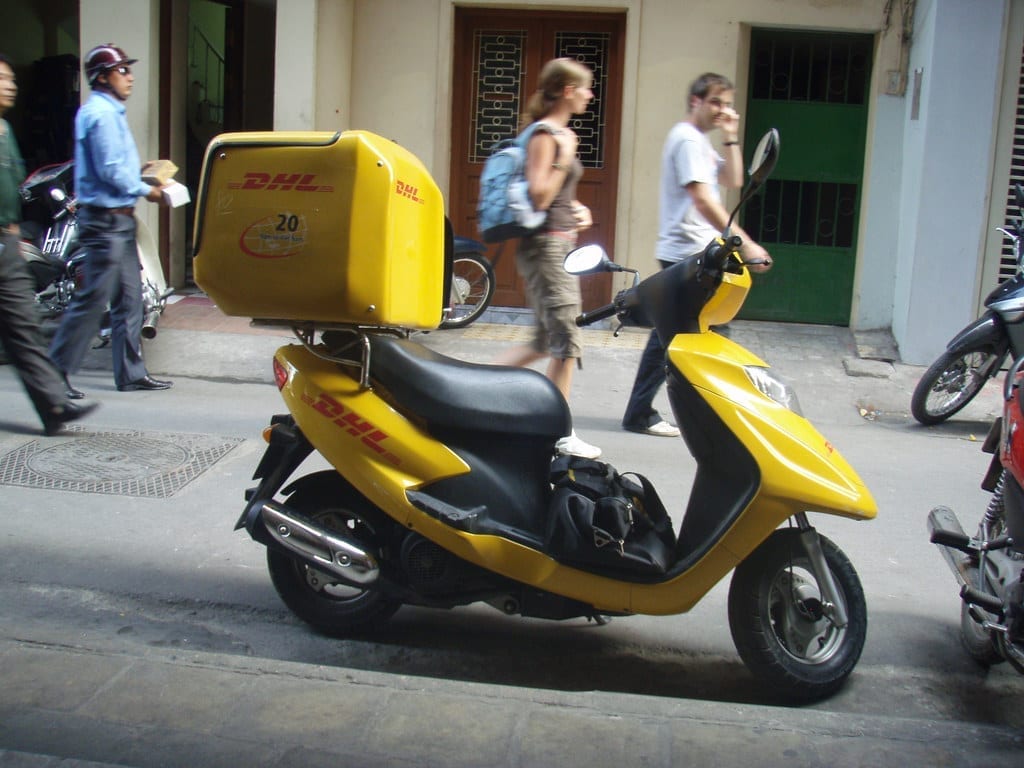
    DHL eCommerce Vietnam offers domestic delivery nationwide across the country, managed by hubs and depots strategically located throughout the country. DHL eCommerce’s fleet of vans and motorbikes, coupled with regular air and road connections between its hubs, will support next-day delivery in Ho Chi Minh, Hanoi and other primary markets.

    “Our new domestic delivery service brings to Vietnam DHL’s extensive experience in designing comprehensive logistics networks, coupled with tailored e-commerce solutions to tackle some of the most pressing roadblocks to e-commerce growth,” added Brewer, “With e-commerce, consumers are increasingly expecting greater choice, convenience and control in their delivery experience and we aim to deliver a smile in the last mile by providing an amazing and customer-centric delivery solution.”

    When using the network, local e-tailers can easily assign shipments requiring cash on delivery service through DHL eCommerce’s online portal, allowing for faster remittance and simpler management of shipment information. Consumers will also be able to open, check and return goods at the point of receipt thanks to DHL’s Open Box Delivery service, better aligning the online shopping experience with their preferred purchasing habits.

    “Only 15% of Vietnam’s e-commerce shoppers paid online in 2016, making cash on delivery a must-have feature for e-commerce to succeed. That, combined with concerns about the hassle of returns and refunds, has made growth an uphill battle for many local e-tailers,” said Thomas Harris, Managing Director, DHL eCommerce Vietnam. “We recognize that having a fast and reliable delivery service won’t solve these issues alone, which is why we’ve tailored our nationwide network to seamlessly handle cash payments with next day cash remittance and returns to take the burden off local e-tailers so they can fully focus on growth and customer experience.”

  • Cross-border e-commerce: the 21st century spice trade

    Cross-border e-commerce: the 21st century spice trade

    Amidst recent uncertainties around the themes of globalization and international trade, one thing remains absolutely certain: cross-border trade is here to stay. People have been engaged in international trade for more than five millenniums. According to some of the earliest records of civilization, the exchange of goods was already supported by trading posts established in South Asia and Middle East.

    One of the main commodities was spices, which were highly prized. Traders in the Middle East offered cinnamon and cassia, embellishing their sales pitches with tales about their mysterious origins and properties. And customers loved it: The spice trade flourished and continued through to modern times, on the back of demand for these high value commodities, and the ingenuity of those who worked to source and sell them around the world. It built bridges between different cultures and gave rise to major shipping routes between continents, many of which endure till this day.

    Fundamentally, consumers have not changed over the last 5,000 years. As consumers, they still crave exclusive, high quality and exotic goods. They are willing to invest a certain amount of time and effort to seek out what they want at the best price. Merchants are constantly looking for enterprising, creative ways of taking their goods across borders to new markets. All these have set the stage for cross-border e-commerce – the new ‘spice trade’ phenomenon that will help to shape international trade, transform the world’s supply chains and build new shipping routes in the future.

    E-commerce is not a particularly new phenomenon. And neither is cross-border e-commerce. People have been able to order – particularly from major online retailers – around the world for years now, and this has helped the cross-border market grow to USD 300 billion up till 2015.

    Research insights published recently by DHL Express – in partnership with a leading global management consultancy, has indicated that this business will continue to flourish for years to come. According to the report, this market offers superior growth rates to those available in just about any other retail segment today. Cross-border e-commerce is expected to grow, on average, at nearly twice the rate of domestic online retail by 2020. The market will be three times bigger than what it was in 2015 by then.

    Outside of today’s biggest spice route supply markets—US, UK and China—new spice trade routes have emerged in Singapore, Hong Kong and India, spurred by rising consumer education and e-tailer awareness of opportunity. According to Google’s Consumer Barometer, consumers are motivated to purchase from abroad because of better product availability, more attractive offerings and trust in the brands. And consumers in Singapore (being ranked top alongside Japan, Germany and the UK) also cited better availability as a principal reason for cross-border online purchases.

  • Cathay Pacific selects DHL to manage aircraft service parts logistics

    Cathay Pacific selects DHL to manage aircraft service parts logistics

    DHL Supply Chain has commenced management of all aircraft maintenance, repair and overhaul logistics activities for Cathay Pacific and Cathay Dragon in the airlines’ home base at Hong Kong International Airport (HKIA), part of a 10-year contract signed earlier this year.

    The contract will see DHL Supply Chain take overall responsibility for the storage, warehousing and domestic transportation of 80,000 specific aviation part types, components and equipment used to maintain Cathay Pacific and Cathay Dragon’s combined fleet of 180 aircraft to the highest safety and operational standards. DHL Supply Chain will also work with incumbent aircraft maintenance provider HAECO to provide additional services including parts inspection and airside operations.

    Cathay Pacific Director, Engineering, Neil Glenn, said: “Operational efficiency and quality are imperative to Cathay Pacific. Aircraft maintenance and repairs require constant precision and care, which is supported by the efficient storage, handling and on-demand provisioning of vast numbers of spare parts.”

    “As such, we are delighted to have engaged DHL Supply Chain as our logistics partner. DHL has an excellent reputation and is tasked to perform safe and efficient supply chain management and handling in extremely complex environments, which adheres to Cathay Pacific’s rigorous compliance requirements and operational standards.”

    “The arrangement that we now have in place allows all three parties to concentrate on their specific core capabilities, namely: airline management (Cathay Pacific), aircraft maintenance (HAECO) and now, DHL will be responsible for the maintenance, repair and overhaul (MRO) supply chain management,” added Mr. Glenn.

    A core team of 120 trained DHL Supply Chain specialists operate on a 24x7x365 basis, managing more than 90,000 sq. ft of warehousing space, processing 1 million unit of spares transaction per annum, round-the-clock transport delivery, and reporting and governance procedures. Operations commenced after approval was obtained from the Hong Kong Civil Aviation Department and nearly four months of intensive onboarding and training involving DHL Supply Chain, Cathay Pacific and HAECO.

    DHL Supply Chain will begin introducing process improvements and implement new supply chain systems within the initial phase of the contract.

  • Wärtsilä and DHL deploy mobile robots to streamline warehouse operations

    Wärtsilä and DHL deploy mobile robots to streamline warehouse operations

    Wärtsilä and DHL deploy cutting-edge mobile robots from Fetch Robotics to streamline warehouse operations

    The technology group Wärtsilä and DHL have completed a successful pilot, where the companies tested mobile robots of Fetch Robotics. The pilot was carried out in Wärtsilä’s central distribution centre in Kampen, the Netherlands, where the entire logistics chain of Wärtsilä’s spare parts, from order intake to customer delivery, is managed. As Wärtsilä’s partner, DHL runs the warehouse operations.

    The aim of the project was to investigate possibilities to utilize the latest technology innovations in the daily operations of the warehouse. Wärtsilä and DHL also wanted to gain more understanding of the added value of robotics in a warehouse environment and to learn about the human–technology interface between robots and employees.

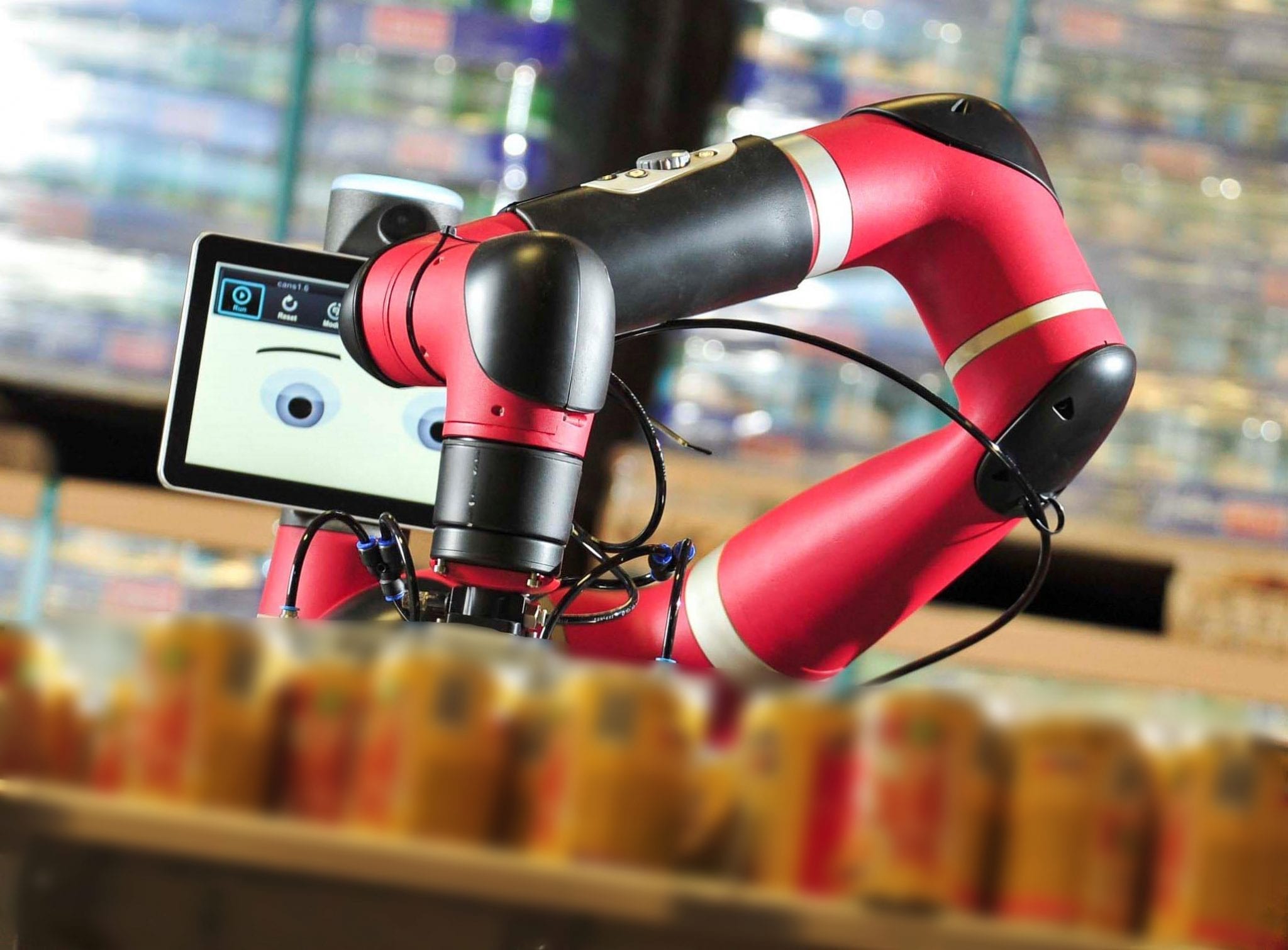
    The mobile robot system simplifies point to point material handling. Workflows at Wärtsilä’s warehouse can be set up and modified very quickly to accommodate today’s dynamic environments, without the need for complex programming. Workers can interact with the robots via touchscreen and send them on their journeys with a push of a button.

    “Our colleagues took center stage during the trial. The robots are designed to work alongside employees and to relieve them from physically strenuous tasks. The robots alone took over a walking distance of more than 30 kilometers per day, thereby increasing productivity and safety within the warehouse working environment,” says Denis Niezgoda, Robotics Accelerator Lead, DHL Customer Solutions & Innovation.

    The autonomous mobile robots have a loading capacity of 78 kilograms and can cover a distance of two meters per second. When the battery life of maximum nine hours comes to an end, the freight robot independently makes its way to the charging unit. The intelligent robots recognize their location and surroundings, and can differentiate between dynamic and static obstacles, thus enabling evasive action to work safely with and around people.

  • JYSK Nordic, DHL sign 5-year supply chain management agreement

    JYSK Nordic, DHL sign 5-year supply chain management agreement

    DHL International Supply Chain has signed an exclusive five-year contract extension with JYSK Nordic, part of the JYSK Group. As an international chain with Scandinavian roots, JYSK sells everything for the home in over 2,500 stores in 48 countries. As part of the agreement, DHL International Supply Chain manages JYSK Nordic’s inbound flow with an integrated supply chain solution including online vendor booking and Purchase Order management services. DHL will continue to handle an annual volume of approximately 55,000 TEUs, predominantly from Asia as well as the Mediterranean, Latin America and the Middle East into the EMEA region.

    “We are very pleased that our service to JYSK Nordic has resulted in a contract extension and look forward to continue to service JYSK Nordic with a strong supply chain solution that will assist them in growing their business successfully” says Chris Arnold, Head of Operations Nordics & Central Eastern Europe, DHL Global Forwarding International Supply Chain.

    JYSK Nordic opened their first store in Denmark in 1979. While all over the world JYSK works under the same brand, the stores in Germany and Austria are called Dänisches Bettenlager.

    All services to JYSK are delivered through the dedicated DHL International Supply Chain team in Scandinavia, supported by a strong operational set-up throughout Asia and the Middle East region. Transparent, fast and reliable management of all shipments in the JYSK Nordic supply chain is achieved through full end-to-end visibility of all Purchase Orders down to item level – from order placement through to fulfillment.

    “The DHL solution has provided better control and visibility in our supply chain and brings real value to JYSK, especially through online vendor booking and the EDI connections. We see that the solution has supported our continued efforts to streamline and improve our inbound flow and look forward to continuing to grow our successful partnership with DHL”, comments Loui Andreasen, Shipping Manager JYSK Nordic.

  • DHL Express looks at introducing StreetScooter in India

    DHL Express looks at introducing StreetScooter in India

    DHL Express, a group company of Deutsche Post DHL, which saw 8 per cent growth in volume terms in the March quarter, is eyeing India’s 7 per cent economic growth and is also exploring introduction of its electric van, StreetScooter, used for delivery of letters and parcels.

    The company, which plans to double the production capacity of its own e-vehicles from 10,000 to 20,000 by the end of 2017, sees municipal authorities, strategic partners and large fleet customers in Germany and the rest of Europe, in particular, as potential buyers. Ken Lee, CEO, Asia Pacific, and Rs. Subramanian, Senior V-P and Country Manager, DHL Express Asia, spoke to us on the company’s plans.

    Where does India stand in your growth plans?

    Ken Lee: From a growth perspective, India presents itself to us as one of the countries with biggest growth areas. Pakistan could be another growth area, but there could be slight concern from the political security perspective. Hong Kong is slightly saturated, though every country has opportunities and challenges.

    What is your view on the digitisation push in India?

    Lee: The more-developed economies are more transparent, and are slightly more efficient. For developing economies, which are at the start of the digitisation phase, there will be a learning curve. But, eventually they will get there.

    What’s your take on the regulatory environment in different countries?

    Lee: Last year, the Philippines raised their de-minimis. We are expecting the same for Indonesia this year. So, where they are going, depends on various countries. (De-minimis is minimum dollar value of cargo that can be permitted through duty-free channels).

    Would you like the de-minimis to go up?

    At this point, we are all focussed on India’s GST reform. There will be opportunities and we are happy to take a lead to work. A higher de-minimis value smoothens the trade flow, allowing products to be “duty free”.

    And, to be fair to the government, they cannot give you everything for free. They have to collect some tax revenues. We are not there to dictate. But, we want the government to come out with initiatives that only facilitate trade.

    Do you see governments becoming more protectionist?

    Lee: No, I do not. Globalisation versus protectionism has been a hot topic in the past five-six months. But, generally, nobody is opposing globalisation. In the context of inequalities in trade, people have been calling for more fair and sustainable trade agreements.

    Subramanian: The direction is the same – sometimes it is fast and sometimes it is slow. Globalisation cannot go away, the benefits are here.

    Have you felt any impact of the change in the pace of globalisation?

    Lee: If there was any change, it would have impacted our business. First quarter, we are doing extremely well…India is expected to grow at 7 per cent till 2020. China is also expected to grow in single digit, but from a very big base. So, growth is seen in a relative context.

    Are there any new innovations on the cards?

    Lee: We started manufacturing our own StreetScooter. It is not a scooter actually, it is an electric vehicle. We are working with various governments to see how we can work with regulations about registration.

    What’s your take on the recent Petya ransomware impact on business?

    This should not happen to anybody….. One of our big competitors may have gotten impacted. But, whoever gets affected, there is bound to be a cascading effect. Our antenna is up. We had to make sure our systems were not impacted.

    On the positive side, we can be proud that our systems were pretty robust….We have realised one thing, that we cannot take anything for granted. We are watching the cyberspace very carefully.

    The IT systems got impacted and people had to go back to paperwork and start depending on phone calls to get business going…

    …Which is a pretty sad thing, because digitisation is the way forward.

    Not just us, but more and more companies are going to start putting more investments in this area. Even in India, I am really happy that the Prime Minister is driving Digital India, which will take the whole economy to the next level.

  • DHL and Latvian Railways join forces to boost Baltic-China trade

    DHL and Latvian Railways join forces to boost Baltic-China trade

    Baltic and Nordic exporters can look forward to faster, cheaper and more reliable logistics connections to China’s immense export market, following the signing of a new agreement between Latvia’s State Joint Stock Company Latvijas dzelzceļš (LDz) and DHL Global Forwarding.

    The Memorandum of Understanding and Cooperation (MUC) signed between both companies will see both organisations focus on establishing multimodal rail connections between China and Latvia, including both freight connections and consolidation services centred in Riga City. Under the MUC, new connections will include guaranteed transit times and simplified customs and handling procedures for inbound and outbound cargo, as well as support for more flexible shipments such as Less-than-Container Load (LCL) freight.

    “So far, very few Baltic or Nordic businesses have fully tapped into the immense market opportunities that China and the broader Asia Pacific region currently offer,” said Steve Huang, CEO, DHL Global Forwarding Greater China. “The two regions’ exports made up only 0.7% of China’s imports on average between 2011 to 2015, despite China’s demand for overseas goods which both regions excel in — like high-quality food products, textiles, and pharmaceuticals — growing rapidly in this time.[1]”

    “With the economies of Latvia and its neighbours expected to grow faster than the rest of the European Union,[2] businesses in the region will need to look to new markets like China to fuel their expansion. By building rapid, reliable logistics connections between the Baltic and Asia Pacific, we hope to give the region’s businesses a strong foundation for ongoing growth.”

    The MUC comes as DHL begins service along its newest Asia-Europe multimodal route connecting Shenzhen to Minsk via rail. DHL holds similar agreements with national rail providers in Belarus, Chengdu, and other major hubs along China’s proposed “Belt and Road” trade routes.

    “DHL has led the way in realising the Belt and Road’s opportunities for numerous countries, including the Nordic states that its Shenzhen-Minsk route will directly service,” said president of LDz, Edvīns Bērziņš. “This new agreement will give Latvian businesses the flexibility and confidence to engage in freer trade with Chinese and Asian markets, as well as establish Latvia as a strategic gateway along the Belt and Road to other parts of Europe — a twofold boost to the country’s production and logistics industries.”

    The MUC also includes provisions for ocean freight and intermodal shipping between Latvia, Scandinavia, and the UK and Ireland, as well as air and road freight connections to major cities across continental Europe.