Retail News CRM

Tag: Digital

  • Digital ads reach across APAC for 18-34 year olds improving

    Digital ads reach across APAC for 18-34 year olds improving

    The success rate of digital advertising campaigns in reaching their intended audiences has lifted significantly within a number of demographic groups across Asia Pacific, in particular for the highly sought-after 18-34 year old segment, as advertisers and their media agencies become more adept with media planning and buying, according to a new benchmarking study of the global digital advertising landscape by Nielsen.

    The Nielsen Digital Ad Ratings Global Benchmarks study, which assessed more than 47,000 digital campaigns across 17 countries in North America, Europe, Latin America and Asia Pacific, found that across Asia Pacific, digital advertising campaigns intended for consumers aged 18 to 34 years had the highest on-target success rate, with 63% of the advertising destined for these consumers hitting the mark, up from 53% in 2015.

    Campaigns aimed at females within the 18- to 34-year-old age group experienced the highest lift in on-target reach, posting a 15-percentage-point improvement to 51%.

    “The Nielsen Digital Ad Ratings benchmark report is shining new light for advertisers on how their digital advertising campaigns are faring in comparison to industry norms,” said Annette Kunst, managing director for Media at Nielsen Singapore.

    “The year-on-year performance improvement shows that an increase in independent measurement can lead to more transparency, and that ultimately improves overall reach and ad spend efficiency,” said Kunst.

    Across platforms, advertising served up via desktop still outperforms mobile advertising when reaching broad audience segments. Desktop advertising intended for people aged 18 to 49 years achieved a 70% on-target success rate, compared to 66% for mobile.

    Conversely, for more niche audiences or narrower segments such as the 18- to 34-year-age group, mobile has a higher success rate – 65% of mobile ads hit their mark, compared to 61% for desktop.

    “Mobile’s success reaching more narrowly defined audiences reinforces that mobile devices provide a highly personalized platform with the potential for more precise connections, and that’s reflected in the rapid increase we’ve seen in mobile advertising, where 45% of the digital advertising campaigns we measure today across Asia Pacific include a mobile component,” said Kunst.

    “With increasing media fragmentation, marketers need to consider all the screens at their disposal when trying to reach their audience,” she said. These benchmarks can help media buyers and sellers better evaluate total digital reach.”

    Looking across categories, Computer & Electronics and Travel marketers had an easier time reaching their desired audience, achieving an on-target success of 68% and 67% respectively. The Automotive and CPG sectors highlight opportunities to optimize reach and maximize return on ad spend, with 47% and 43% of digital ads respectively reaching their intended audience.
  • DHL introduces fully customized digital Freight platform CILLOX

    DHL introduces fully customized digital Freight platform CILLOX

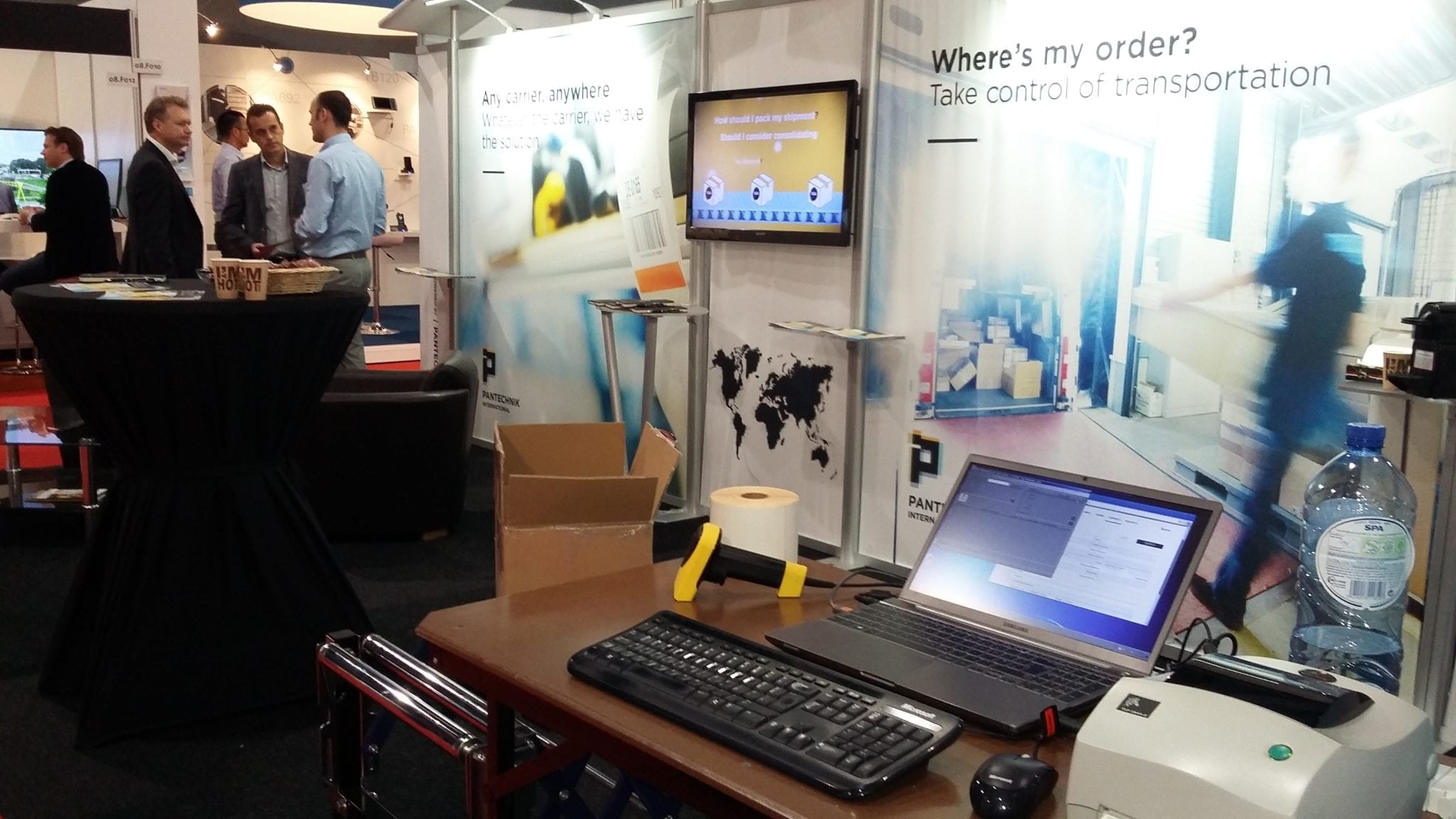
    DHL Freight introduces CILLOX, a virtual marketplace for enterprises with transportation needs. The fast and seamless solution helps companies to match their full truck load, part truck load and less than truck load offerings with transport providers’ capacities and find the appropriate provider according to their needs. With CILLOX, shippers no longer need to deal with challenges such as lengthy price inquiries and comparisons or unreliable providers – they enjoy end-to-end control of their shipment processes within a single platform. Transport providers profit from guaranteed fast payment with streamlined invoicing and payment processes that improves accuracy.

    “Both companies and carriers benefit from this new business model,” explains Amadou Diallo, CEO, DHL Freight. “With CILLOX, DHL offers a solution to promote the digitalization of the logistics industry and disrupt the traditional road freight business. The launch of the platform is a result of our strategy 2020 and promotes further growth due to its innovative and agile business model.”

    Early user testing during the pilot period was implemented successfully in September and showed high customer satisfaction. As of January 2017, the platform shall be fully operational for all market participants.  Fast and easy processing of transport procedures CILLOX enables companies to find a suitable transport service provider at the touch of a button.

    The platform seeks to address common problems while searching for an appropriate and reliable transport service provider, such as lengthy price inquiries and comparisons, or delays in the Proof of Delivery process, by offering instant access to a large number of DHL pre-qualified and peer-rated providers for fast quotes and easy transport booking. Shippers can pay, manage and track their shipments using a convenient dashboard.

    At the same time, CILLOX offers carriers of all sizes a platform to market their company’s assets and capabilities to expand their customer base and locate suitable loads to further optimize their vehicles’ capacity. CILLOX also facilitates accurate invoicing, payment and electronic Proof of Delivery submission processes, so carriers can profit from guaranteed fast payment. Truck drivers using the CILLOX mobile app receive jobs directly on their smartphone, and automatic status alerts throughout the transportation journey. The extensive range of services provided by CILLOX increases not only DHL’s own, but also its customers’ efficiency and competitiveness.

    Customer experience at the core of CILLOX User needs and requirements are at the core of CILLOX and actual users have been involved from the start of the design and development of the platform. The iterative product development allows the software design to evolve in response to users’ needs and feedback. After the initial launch, further functionalities will be added gradually, including a real-time chat option and mobile document scanning via the mobile app.

  • Verint acquires OpinionLab to push digital customer engagement

    Verint acquires OpinionLab to push digital customer engagement

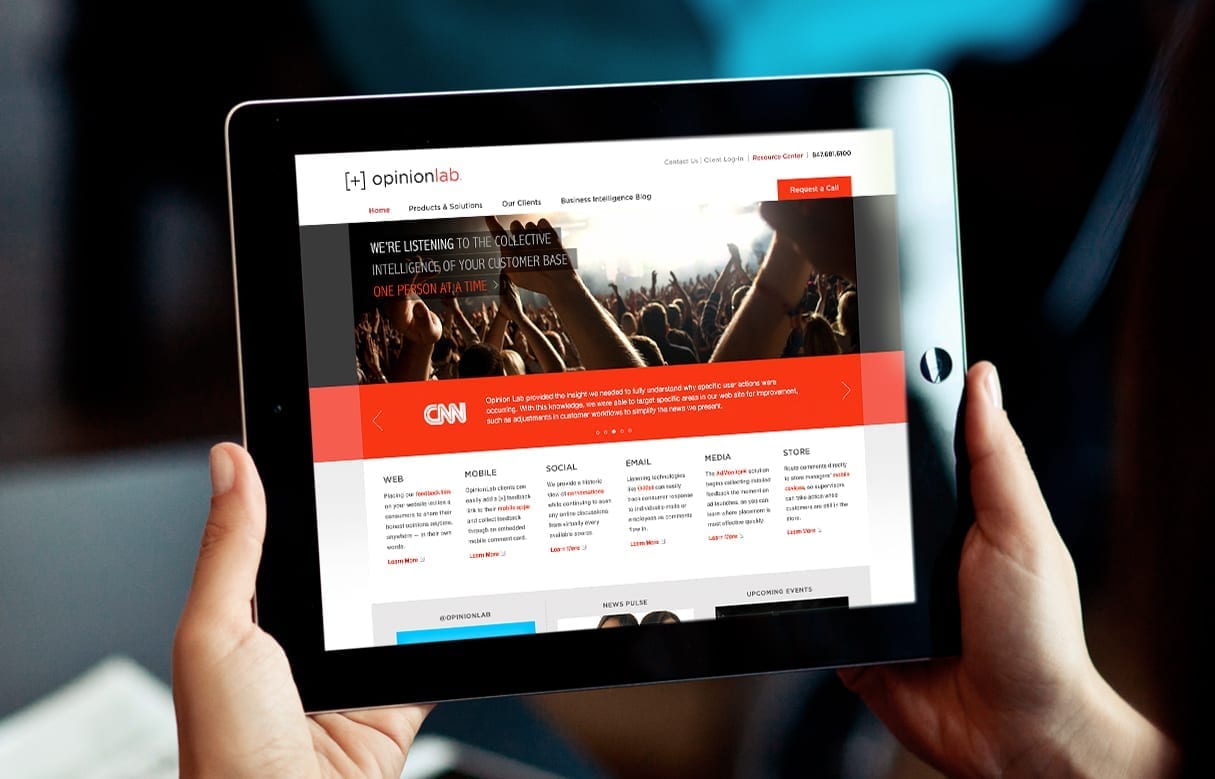
    Verint Systems has extended its Customer Engagement Optimization portfolio through its acquisition of OpinionLab, a provider of continuous voice of the customer listening solutions that drive smarter, real-time digital engagement.

    OpinionLab solutions are used by global brands to optimize web and mobile customer experiences and engagement.

    Voice of the Customer (VoC) solutions are becoming a strategic imperative, helping organizations measure and enhance experiences, satisfaction and loyalty.

    As more customer engagements follow a “digital-first” approach for conducting research and performing transactions, as well as solving problems, companies need to measure their customers’ digital experiences and quickly act on those insights to enhance both the customer experience and business performance.

    Through its acquisition of OpinionLab, Verint has extended its Customer Engagement Optimization portfolio to now include the ability to measure and act on digital customer experiences in-the-moment.

    With this addition, Verint has broadened its capabilities for listening, analyzing and acting on the VoC across all channels—digital, voice, text and social.

    “Capturing, analyzing and acting on the voice of the customer are critical for any organization in any industry,” says Elan Moriah, Verint’s president, for customer engagement solutions. “With the OpinionLab combination, we’re taking voice of the customer to a new level by giving organizations a complete solution for improving the customer experience across engagement channels.”

  • Singapore’s Central Bank to Test Blockchain-Backed Digital Currency

    Singapore’s Central Bank to Test Blockchain-Backed Digital Currency

    The Monetary Authority of Singapore (MAS) will soon test how it could issue digital currency using a v-based interbank payment system.

    The planned proof-of-concept will be supported by blockchain consortium R3CEV, as well as eight banks and an unnamed local stock exchange. The Development Bank of Singapore, HSBC, Bank of America, JPMorgan, Credit Suisse and Bank of Tokyo-Mitsubishi are all said to be participating.

    In a speech on Wednesday, MAS managing director Ravi Menon said the test could come to include other central banks. Further, he credited the bank’s desire to remove cost and friction from traditional bank transactions as the motivation for the effort.

    Menon said:

    “Today, banks have to go through correspondent banks to intermediate these payments. It takes time and adds to cost. This project marks the first step in MAS’s exploration of ways to harness the potential of central bank-issued digital currency.”

    The trial would find banks depositing cash as collateral with MAS, which would then issue a digital currency to participants. The digital currency could then be exchanged among participants in the system and later redeemed for cash.

    The forthcoming trial bears similarities to a previously announced effort from UBS, Deutsche Bank, Banco Santander and startup Clearmatics in August.

    Called Utility Settlement Coin, the project envisioned how a central bank could issue digital currency that could then be redeemed for cash held by a central bank.

  • Smart footwear market due for rapid growth

    Smart footwear market due for rapid growth

    More than 6 million units of smart footwear will ship in 2021, up from just 300,000 this year, ABI Research predicts. This would represent a CAGR of 82%.

    “The growing elderly population is driving change in the way healthcare can and will be provided, and remote monitoring is one aspect of the m-health industry that can cut costs and improve care,” said ABI Research analyst Stephanie Lawrence said.

    By supporting sensors within shoes or smart socks, home monitoring and remote patient management applications can track a host of valuable parameters with minimal disruption to those being monitored.

    Lawrence further explained that new home and remote patient monitoring smart footwear devices also grant healthcare providers 24×7 access to in-depth, real-time health updates concerning their patients’ posture and gait.

    “Such detailed reporting used to be constricted to a hospital bed; now healthcare providers can paint a fuller picture of their patient’s health outside of the hospital, ultimately allowing them to better monitor ongoing issues and make more accurate diagnoses,” he said.

    ABI Research said that for remote patient monitoring, companies are already turning to smart footwear as a form factor to support diagnostic medical data collection. This includes companies like Plantiga, FeetMe, and Orpyx.

    For instance, diabetic patients are at risk for peripheral neuropathy, or sensory loss, and often cannot detect dangerous pressure levels in their bodies. Orpyx’s SurroSense RX has insoles that use sensors to detect the amount of pressure that a person places on each part of the foot. The device can then alert the user and his/her doctor to any issues.

    “Rising vendors in the smart footwear market need to develop devices that can detect exactly how a person is walking, and provide accurate feedback concerning any issues,” concluded Lawrence.

    “This will ensure that healthcare workers receive detailed health information about their patients, and will allow the smart footwear market to continue to advance and grow significantly.”

  • Cisco sees doubling in digital banking clients

    Cisco sees doubling in digital banking clients

    James Cronk, global director, Financial Services Industry, at US-based Cisco, said the banking and financial-services sectors were now “transferring their legacy environment into digital transformation to support digital payment”.

    Around 4.5 per cent of Thai banking customers currently use digital payment, a proportion that will rise significantly in the next few years, driven by the development of information-technology infrastructure and security, he said.
    Cisco’s comprehensive economic analysis estimates that digital innovation in retail banking will drive US$405 billion (Bt14.4 trillion) in value globally from 2015 to 2017.

    Last year, financial services as a whole captured just 29 per cent or $117 billion of that opportunity. Moreover, more than 90 per cent of the potential value is driven by key digital-use cases, including sales and services transformation, next-generation workers, video-based advice, mobile payment and connected ads, Cronk said.

    Cisco has six platforms and solutions to support digital transformation in financial services – customer experience, workforce experience, agile IT-fast IT, analytics and insights, cyber security and liability, and risk compliance and management – the global director said.

    Having a road map to digital value in retail banking means banks will be positioned “to enable IT agility and operational effectiveness, create differentiation in their business strategies from those of competitors, and define disruptive new digital-enabled business processes”, he explained.

    Vatsun Thirapatarapong, managing director of Cisco in Thailand and Indochina, said the ratio of digital-banking users in Thailand would increase to 10 per cent of all banking users in the next three years, due to the popularity of using e-payment among generation-Z individuals, the usage of mobile first/cloud first, as well as start-ups developing fintech (financial technology) solutions to support digital payment.
    Moreover, IDC has reported that consumers expect banks to deliver highly personalised hi-tech services coupled with the convenience of anytime, anywhere.

    This group of consumers is growing and accounted for about 4.5 per cent of banking customers in the Asia-Pacific last year, according to the global IT market-intelligence firm, which expects the segment to grow to about 15 per cent by 2020.
    Meanwhile, the Bank of Thailand has reported that there are currently around 12.9 million users of mobile banking in the Kingdom. The value of Thailand’s online retail market is expected to reach $10 billion-$15 billion by 2020, up from less than $2 billion last year, the central bank said.

    The mobile penetration rate reached almost 87 per cent of the population, with smart-phone penetration at 50 per cent, while 50 per cent of all online transactions are done via mobile devices, it added. E-payments are expected to surge from Bt68.2 billion last year to Bt143 billion in 2020.

    Moreover, Thailand is entering in the first stage of the government’s national e-payment policy and, when the e-payment system is fully operational next year, the estimated cost savings for banks and businesses will be around Bt75 billion per year, the Bank of Thailand said. The Thai Bankers’ Association’s Payment System Office has agreed on a new fee structure, which will lower the cost of digital banking.

  • Malaysia takes step toward digital economy goal

    Malaysia takes step toward digital economy goal

    The 2017 Malaysia Budget announced by Prime Minister Datuk Seri Najib Razak is an incremental step in realizing Malaysia’s vision of a fully connected digital economy, according to IDC.

    Although the specific financial breakdown of the budget initiatives is not yet available, IDC Malaysia said the direct and indirect impact on the Malaysian ICT sector is apparent.

    Data from IDC suggests that total IT spending that includes infrastructure, software and services will grow by 3.3% to be worth $21.16 billion in 2017.

    The research firm noted that it will be interesting to see if the recent budget initiatives will help Malaysia in achieving its vision of a digital economy given that key budget items are directly related to technology, such as improving the speed of fixed line broadband services, tax relief for purchase of select technology products and services, funding for specific MDEC programs focusing on specific initiatives, and launching a digital free zone.

    It likewise mentioned that the Malaysian government has placed a high emphasis on high-speed internet connectivity in previous budgets and continues to make it a priority in the 2017 edition, by mandating fixed line internet services to be increased to a baseline of 20Mbps.

    Currently, the average fixed line internet speed in Malaysia is at 6.8 Mbps, up 36% compared to the previous year. The proportion of internet users with access speeds greater than 10 Mbps and 4 Mbps has increased to 16% and 66% respectively.

    The government has also recognized the importance of further enabling SMEs in increasing macroeconomic indicators. SMEs’ contribution to the overall GDP for Malaysia was estimated to be 36.3% in 2015, whereas it tends to be about 50% and above in high-income nations.

    The $17.7 million allocated to promote SMEs development, as well as the funding for MDEC programs such as the e-commerce ecosystem and Digital Maker Movement, is a very positive step in this direction, IDC said.

    “The e-commerce ecosystem will continue to evolve in the future with the maturity of services, and the consumption patterns of the citizens. Two key areas worthy of future attention are figuring out how to retain more revenues from e-commerce sector within Malaysia, as well as encouraging global e-commerce platforms to increase investment in the country,” said Vijay Sundararaman, IDC Malaysia Country Manager.

    “There is a growing discussion on the creation of e-hubs that can accelerate SMEs output, as well as interconnectivity of these hubs globally to create a worldwide ‘Mega Trading Platform’.”

  • Lane Crawford selects Orange Services’ Cloud to improve digital shopping experience

    Lane Crawford selects Orange Services’ Cloud to improve digital shopping experience

    Orange Business Services has been selected by Lane Crawford, a multi-brand designer label luxury retailer, to provide a cloud-based platform to extend, secure and manage its IT resources in Hong Kong and China. This deployment will enable Lane Crawford to marry offline strengths with digital advantages and offer its customers a more connected retail experience.

    Founded in 1850, Hong Kong-based Lane Crawford is widely recognized as a leading retailer of specialty and luxury goods in Hong Kong and China. Through Orange Business Services’ cloud platform, Lane Crawford will have higher flexibility and scalability to accommodate changes in demand due to seasonal shopping, sales and promotional activities, and ad-hoc use. By adopting a cloud-based platform, Lane Crawford can appropriately align its business with the rapid growth of online shopping in China and meet the needs of new and existing customers.  In addition to meeting Lane Crawford’s needs for its digital transformation, Orange Business Services’ solution delivers an enhanced level of security infrastructure and business continuity plans.

     “Lane Crawford has a long history of delivering high quality products and excellent experiences to its customers,” said Jack Zhang, General Manager, Orange Business Services China.  “We are very pleased to have been selected as a partner in their digital transformation journey and to support them based on our deep understanding of the retail business and Lane Crawford’s existing infrastructure environment.”

    Lane Crawford selected Orange Business Services’ cloud platform for its ability to easily scale to meet rapid changes in consumer demand and its one-stop solution for all the needs it had for connectivity, flexibility and security.  Orange Business Services’ platform is fully compatible with other business critical applications being used by Lane Crawford.

     “Our former infrastructure did not provide adequate flexibility for scalability or future business growth,” said Raymond Liu, Senior Manager, IT Infrastructure, Lane Crawford.  “Orange Business Services’ cloud-based solution gives us cost-efficient performance, enhanced security and protection, and support of on-line transaction applications.  For Lane Crawford, this is a critical step forward in our digital transformation.”

  • Lippo Group betting on e-money in digital age

    Lippo Group betting on e-money in digital age

    Indonesia’s Lippo Group is turning e-commerce, electronic money and other information technology-related enterprises into a new pillar of its business, closely monitoring spending trends to gain a better foothold in the greater Southeast Asian market.

    The next phase for the banking and real estate conglomerate “will be the fourth industrial revolution,” CEO James Riady told The Nikkei Tuesday on the sidelines of the 18th Nikkei Global Management Forum here.

    Lippo Group was founded as a banking institution by Mochtar Riady, the current CEO’s father and a former head of Bank Central Asia. It branched out into real estate in the 1990s when subsidiary Lippo Karawaci developed a plot outside Jakarta that the group collected as collateral. Lippo Group has since also developed retail and hospital operations, which help boost property value. It now has more than 20 listed subsidiaries and rings up a total of about $7 billion in annual revenue.

    But the fall in resource prices and China’s economic slowdown have dealt a blow to the Indonesian economy, including to its real estate sector. Lippo Karawaci suffered a 23% drop in sales last year to 9.19 trillion rupiah ($702 million), as well as a 79% plunge in net profit to 535.3 billion rupiah.

    Business of the future

    Meanwhile, the proportion of smartphone users in Indonesia has risen from about 20% of the population in 2014 to almost 40% — about 100 million people — in 2015. “We must have inward creative disruption so that we can be transformed into a new area of growth, which is the digital economy,” James Riady said.

    In addition to its communications and media businesses, Lippo Group launched e-commerce site MatahariMall in September 2015. One of the platform’s strengths is that it can use Lippo Group’s retail network throughout Indonesia to move and distribute products — a definite plus in the face of competition from Lazada Group, a subsidiary of Chinese titan Alibaba Group Holding, and Tokopedia, in which Japan’s SoftBank Group has a stake. It was revealed in October that Japanese trading house Mitsui & Co., bullish on MatahariMall’s growth potential, was investing in the site’s operating company.

    Riady considers e-money his new focus. The goal is to get Lippo Group’s 120 million customers on board by allowing them to pay at hundreds of retail locations using the service. He plans to expand the group’s e-money offerings to other Southeast Asian countries, as well as include such services as depositing and transferring e-money. Riady sees a complete transformation in the way banks do business.

    Lippo Group and Singaporean ride-hailing company Grab agreed in July to cooperate on launching a mobile payment platform. The service will roll out in earnest at the end of the year.

    Following trends

    The spread of e-money will allow Lippo Group to closely track spending by its customers at retailers, e-commerce sites and other outlets. Riady hopes to use the service to bolster overseas expansion of the group and improve products and services associated with retail operations.

    Lippo Group is currently operating real estate businesses in Singapore and Hong Kong. But it will target Southeast Asia in the future to win over the region’s young, eager consumers. “What matters is how we can capture the [Association of Southeast Asian Nations] population of 600 million into our e-money accounts and world of services,” Riady said.

    In terms of Lippo Group’s real estate business, Riady expressed his interest not just in property development but in creating entire communities spanning retailers, hospitals and schools. The group has already built hospitals in Myanmar, and the CEO said the company is looking into Vietnam and Laos as well.

  • Digital coupons to grow 60% by 2021

    Digital coupons to grow 60% by 2021

    The number of coupons issued via mobile and online channels will grow by more than 60% over the next five years, reaching 362 billion in 2021 Juniper’s latest research shows.

    The study, “Mobile & Online Coupons: Loyalty & Beacon Engagement 2016-2021,” found that highly targeted, personalized offers to consumers are driving the growth in digital coupon volumes.

    According to the research, brands will increasingly deploy bots, artificial intelligence applications which can interact with consumers via social media and messaging applications such as Facebook Messenger.

    The research cited Domino’s Pizza and Iceland Air as companies which have already utilized this strategy. Meanwhile, mass adoption of social media has spawned a number of dedicated coupon aggregators operating within that space, including Coupy in India and PennyCat in North America.

    Meanwhile, large-scale deployments of beacons – Bluetooth devices which can send offers to consumers whilst they shop – have been constrained. The research claimed that the key hurdle was the need for consumers to have opted in to online engagement with a brand or retailer, either through having installed a store’s application on their smartphone, or to be following their account on social media.

    The research, however, argued that with some beacons (such as Google’s Eddystone) allowing a wider range of online engagement channels including web browser interaction, retailers will have a far more encompassing product moving forwards.

    “For retailers one of the major tools is knowing their customers. Tracking user movements in store via beacons allows for targeted marketing and offers, this can also aid in providing invaluable data and statistics to a company, this then later applied to drive sales,” said research author Lauren Foye.

  • Take a bite out of the Indonesian digital pie

    Take a bite out of the Indonesian digital pie

    Recent research has highlighted the potential increase in digital ad spend in Indonesia over the next five years. Brands yet to venture into Indonesia’s booming digital ecosystem must expedite their entry strategies to ensure getting a share of this lucrative pie.

    A report has highlighted the growing potential of digital retail from Indonesia. This is attributed to the increasing use of mobile devices, especially with cheaper smartphones enabling a greater population to access the digital sphere. This rapid growth projects digital ad spending to increase to 20.4% of all media ad spending by 2018, up from 10.7% in 2016. This report illuminates the expanse of Indonesia’s digital ad market that could be further developed, and have an emergent interest in the technology amongst local advertisers.

    With the largest population in Southeast Asia, an exponential increase in digital adoption, and a seemingly insatiable appetite for e-commerce and social media, Indonesia is the puzzle every brand wants to solve.

    However, does this mean the death of the traditional advertising and offline retail? Are you as a marketer confident in leaving your brand in the hands of the bots?

    While digitisation has revolutionised the marketing function in Indonesia, brands cannot assume that a digital presence is the solution to building market share. Because of the increase in digital ad spending cited above, the question of effective brand engagement is more crucial than ever.

    So what can brands do to continue engaging their consumers beyond their finger-tips and into their hearts and minds? And more importantly, how can you build loyalty in a competitive market like Indonesia?

    Going beyond Digital

    The consumer journey is not limited to just the digital sphere. Rather than situating offline and online as extreme entities, they should be treated as a continuum. Take the example of Zalora. Marketed as the leading online apparel retailer in Asia, Zalora launched several pop-up stores in order to let consumers try their items before buying, thereby reducing return rates.

    Strategic alliances between logistic services and e-commerce consumer brands like Zalora are revolutionising the customer experience. The traditional is not dead. It is revamped with renewed excitement. Digital is an essential medium for marketers to reach out to their audience. This is more so imperative in the emerging scene of digital marketing in Indonesia to start with the right foot in.

    To take a first-hand look at how leading marketers are tackling Indonesia’s digital frontier, be involved in Digital Marketing Indonesia that is happening on 24th and 25th November at Mandarin Oriental, Jakarta.

  • DBS debuts digital tokens in corporate m-payments

    DBS debuts digital tokens in corporate m-payments

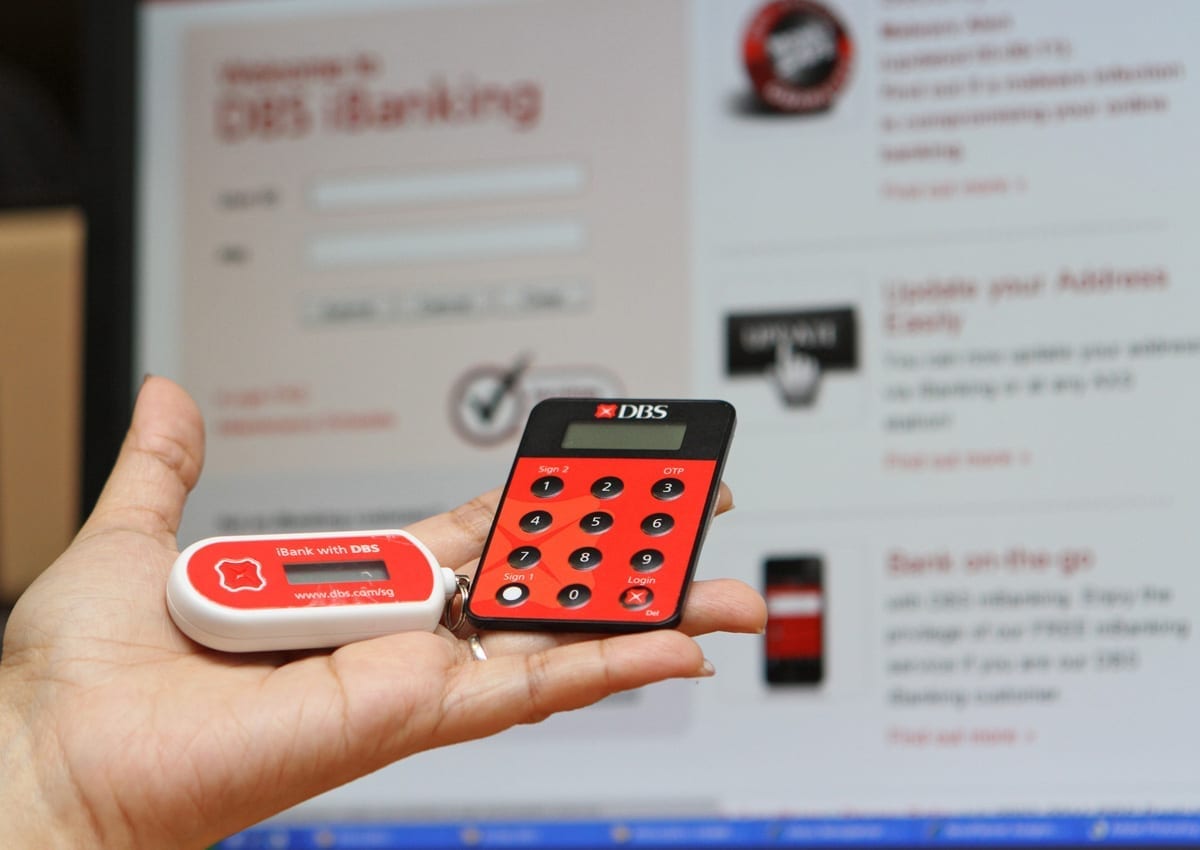
    DBS Bank has launched a new mobile banking feature that eliminates physical tokens for corporate transactions.

    The feature added to DBS IDEAL Mobile uses digital tokens to make banking on the go simpler and more convenient for corporate treasurers and small business owners.

    Available to both Apple and Android users, the bank claims to be the first Asian bank to offer this integrated service on one mobile platform.

    Currently, corporate treasurers often have to carry several security tokens to conduct their business banking, with some having up to six physical tokens with them at any one time.

    Specifically for iPhone users, the digital token utilises the user’s fingerprint to ensure identity confirmation and conduct secure online transactions. Android users will continue to key in their PIN to carry out transactions.

    This new service is available to over 140,000 DBS IDEAL and DBS IDEAL Mobile customers across 10 markets. Over 3 million transactions a month are conducted on DBS IDEAL.

    “As a bank that is shaping the future of banking, we want to provide an easy, more convenient and secure solution to our corporate customers. The new digital token feature on DBS IDEAL Mobile is a great example of how we are leveraging technology to help create a more intuitive and seamless banking experience for them,” DBS Bank head of global transaction services John Laurens said.

  • Mobile Banking Users in Indonesia Remains Low

    Mobile Banking Users in Indonesia Remains Low

    Research institute Microsave reported that only 0.73 percent of cellphone users in Indonesia have utilized online financial services.

    “The figure is lower than those of Malaysia with 5.79 percent and Cambodia with 2.73 percent,” Microsave Country Development Senior Manager Grace Retnowati said on Wednesday, October 12, 2016.

    Grace revealed that the number of SIM card users in Indonesia stands at almost 200 million. At least 20 percent of them are cellphone users.

    “Mobile device utilization for financial services remains low, although the Internet network coverage has reached 90 percent,” Grace added.

    In addition, Grace pointed out that only 36 percent of Indonesian people own bank accounts.

    “The awareness level for mobile banking services is only 0.3 percent,” Grace went on.

    According to Grace, the digital financial literacy is important for middle-class and low-income people.

    “The digital financial services are expected to boost the annual GDP by US$3.7 trillion in 2025 or six percent when compared to the conventional financial services,” Grace said.

    Grace suggested that payments made via smartphone would reduce the cost of financial services by 80 to 90 percent.

    “The cost efficiency will allow financial institutions to provide low-cost services,” Grace said.

  • Digital Revolution to Add $150b to Indonesia’s Economy by 2025

    Digital Revolution to Add $150b to Indonesia’s Economy by 2025

    Digitalization is expected to boost productivity, especially in five major sectors: manufacturing, retail, transportation, mining and agriculture.

    “Just as an example, a digital procurement system can predict demand for equipment in a factory and suggest replacements when necessary. Predictive maintenance can reduce machine downtime by 25 percent to 70 percent,” Tan said.

    According to McKinsey’s estimation, the manufacturing sector in Indonesia can earn an additional $34 billion from digitalizing its operations over the next decade, while mining and agriculture can see up to $15 billion and $11 billion in additional output respectively.

    Better stock and route management enabled by technologies like Google Maps can provide an extra $24 billion to Indonesia’s retail industry and $16 billion to the transportation sector. Other sectors like telco and media, healthcare, utilities and finance can boost their earnings by up to $21 billion, McKinsey claims.

    To unlock these potentials, Indonesia needs to improve its information technology infrastructure, broadband affordability and regulatory support.

    The study shows that Indonesia — although it has the second cheapest internet among the 20 countries studied — still struggles with poor connection, narrow bandwidth and slow speed. Overall, Indonesian is ranked 18 on a list that includes Malaysia, Singapore and other Asean states — all ranked above it.

    “E-commerce in Indonesia is growing rapidly but is constrained by limited access to technology, lack of tech-savviness and not enough credit cards,” Agung Nugroho, an e-commerce expert, said as quoted by McKinsey.

    According to McKinsey, Indonesian businesses should create cross-channel business models to encourage online and offline sales.

    Other strategies include establishing a two-fold cyber protection system, leveraging big data to drive real-time access across value chains and focusing on a customer-centric experience — coming up with innovative products and services to keep customers loyal.

    The study also suggests that digitalization can happen quicker if companies build strong and dedicated technology departments that integrate operations in all divisions of their businesses.

  • Indonesian minister encourages digital-technology based railway operations

    Indonesian minister encourages digital-technology based railway operations

    Indonesia needs to focus on exploring new digital technologies in its railway operations to make its services more accessible.

    The railway management needs to work towards more efficiency, higher productivity and better security for both, the industry and passengers.

    “Indonesias railway industry has a long history, going back over 150 years. It significantly contributed to the countrys development and growth, especially in the Java and Sumatra areas. Now, it needs to focus on developing digital technologies,” Minister of Transportation Budi Karya Sumadi told a symposium organized by PT Kereta Api Indonesia (Indonesian Railway Corp.) and GE Transportation in Jakarta on Monday.

    The symposium, held to boost the countrys railway operations, was attended by over 200 senior executives and officials from the Ministry of Transportation, the Ministry of Trade, the Ministry of Industry, the Indonesian Railway Corp, GE Transportation, Jakarta Mass Rapid Transit, PT Transportasi Jakarta (TransJakarta), the Transportation Organization Board for the Jakarta, Bogor, Depok, Tangerang and Bekasi (Jabodetabek) Area and the Mandiri Bank.

    “Indonesian railway has become the backbone of the land transportation system in the country, carrying over 200 million passengers and almost 30 million tons of cargo every year,” the minister revealed.

    As per available data, Indonesia currently operates approximately 5,000 kilometers of active railway tracks.

    As part of the National Railway Master Plan, Indonesia will extend its railway tracks for another 12,100 kilometers by 2030, including 3,800 kilometers dedicated solely to the urban railway network, serving Bali, Batam, Kalimantan, Papua and Sulawesi.

    “With an abundance of natural resources, massive population and solid economic foundation, Indonesia is predicted to become one of the seven countries in the world with the strongest economy by 2030. To actualize that vision, Indonesias railway system surely needs to be expanded and modernized to make it much more efficient,” the minister remarked.

    Meanwhile, the President of the Indonesian Railway Corp, Edi Sukmoro, pointed out that in todays world, all means of transport, including land, water and air, need to be optimally operated to provide high quality services to the customers while, at the same time, offering a high investment value for the stakeholders.

    “For the Railway Corp, this means optimizing the use of all of our assets from railway tracks to rolling stocks and other supporting facilities. We believe that the digital technology will help us in reaching that goal,” Sukmoro stated.

    In terms of technology utilization, the Railway Corp has also undergone various innovations to maximize services made available to the customers including a renewal of the ticketing system. Customers no longer need to queue up at the station to obtain their railway passes as the company makes use of information technology.

    The facility of e-ticketing and e-gate as well as the railway restoration services have also seen technology based solutions being applied.

    The passengers will be able to pre-order tickets through a website.

    CEO of GE Indonesia Handry Satriago said the company has helped resolve the toughest challenge in the global railway industry through the use of software and data analysis, bringing down locomotive emissions, ensuring lower fuel consumption and enhancing speed and security.

    GE Transportation networks software is able to optimize the mainline train network, classification yard and inter-model terminal in such a significant way that it boosts the railway systems efficiency and productivity to a level like never before.

    On top of that, GE Transportations software solution helps its customers in optimizing the railways operations while at the same time lessening the use of energy. This ultimately leads to lowering of emissions and fuel costs.

    “Our digital technology has been successfully implemented by our customers, despite the fact that some of them are operating in economically and geographically challenging conditions. The same technology can also be implemented in Indonesia to boost the countrys railway operations to the next level,” he concluded.