Tag: Digital

  • Citi Rolls Out Digital-Only Offering in Hong Kong

    Citi Rolls Out Digital-Only Offering in Hong Kong

    The Citi Plusdigital wealth platform was officially rolled out on Monday in Hong Kong, following a pilot launch in December 2020.

    Catered to digital natives, Citi Plus offers personalized wealth management information and knowledge kits for clients and introduces gamification to build healthy financial habits and achieve targets responsibly.

    Millennials were invited to participate in research and the co-creation process, through which we could better address target clients’ pain points, and help them grow their wealth via the new service, Lawrence Lam, Citibank Hong Kong consumer business manager, said.

    The bank said it will launch the platform in other markets in the Asia Pacific region in the future, and is looking to add up to 200,000 clients over the next few years with a target of doubling its base within the next 24 months.

    Citi Plus offers stocks, money market funds, as well as an array of mutual funds primarily from ASI, Allianz Global Investors and Franklin Templeton, are offered on the platform.

    ASI said the partnership is an important part of the firm’s regional distribution strategy for 2021, according to a statement. We’re excited to play our part in enabling a new generation of digital-native investors to take control of their finances and invest for a better future, Andrew Hendry, ASI head of distribution Asia Pacific, said.

  • NVIDIA SHIELD TV’s latest update adds support for the newest controllers

    NVIDIA SHIELD TV’s latest update adds support for the newest controllers

    NVIDIA’s SHIELD Android TV box has gone through a few iterations, but the base model was launched more than five years ago. During that time, the device received numerous updates that further expanded its functionality making it one of the most reliable of its kind.

    If you own one of these digital boxes, you’ll be happy to know that NVIDIA is now rolling out another of those important updates that usually adds major new features and improvements. In this case, it’s support for both DualSense and Xbox Series X/S controllers.

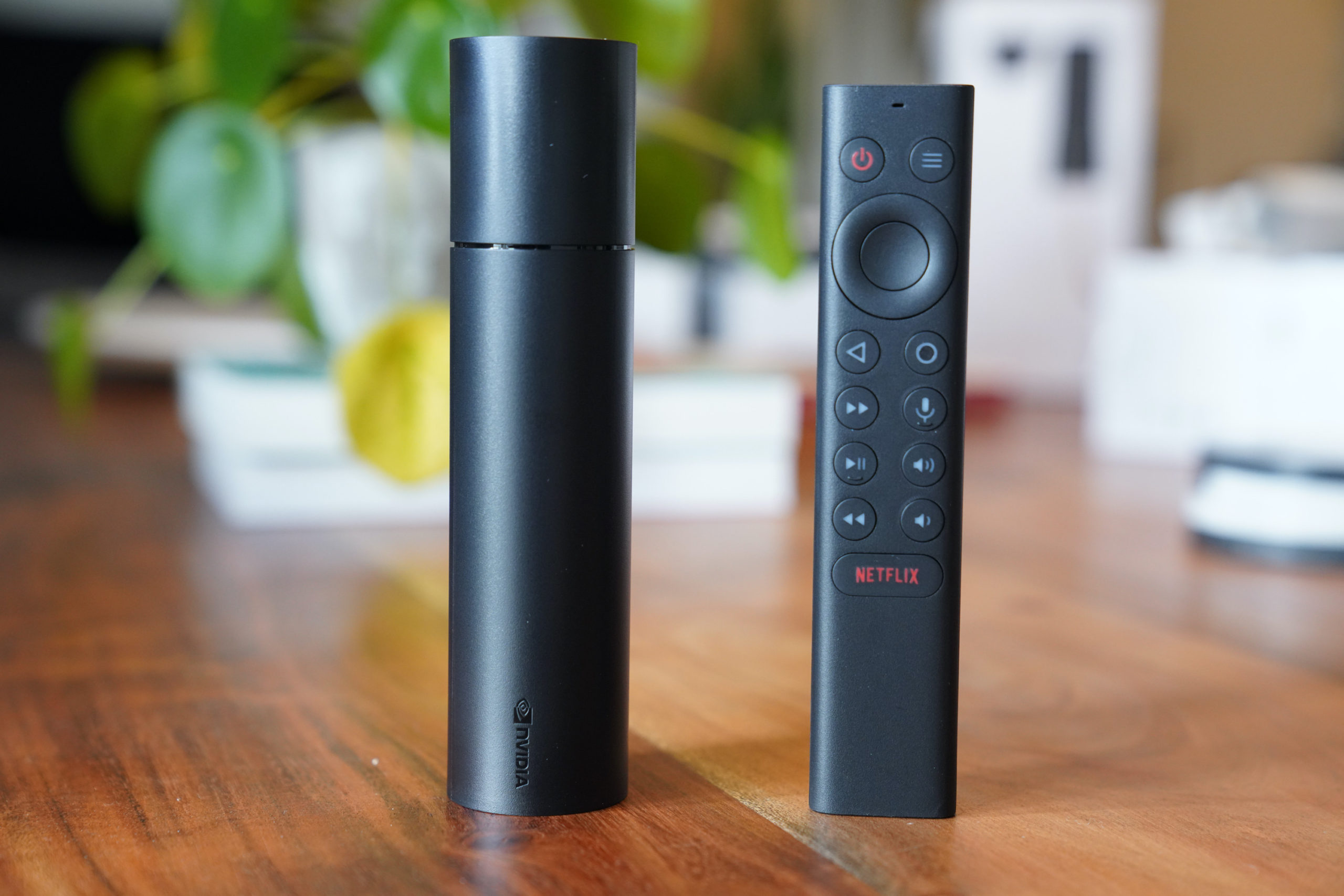
    With update 8.2.2, NVIDIA SHIELD TV users will be able to connect current-gen console (PlayStation 5 or Xbox Series X/S) controllers and start playing Android or GeForce NOW games. The new feature uses Bluetooth connectivity to pair the controllers with the NVIDIA SHIELD TV, so here is how it’s done:

    Besides that, NVIDIA announced that the SHIELD TV now supports Control4 for users with home theaters. And if you’re into gaming, you’ll be happy to know that you can now play new titles on your NVIDIA SHIELD TV via GeForce NOW, including Cyberpunk 2077, Destiny 2: Beyond Light, Assassin’s Creed Valhalla, Among Us, and Watch Dogs: Legion.

  • AS Watson and Grab launch regional health & beauty partnership

    AS Watson and Grab launch regional health & beauty partnership

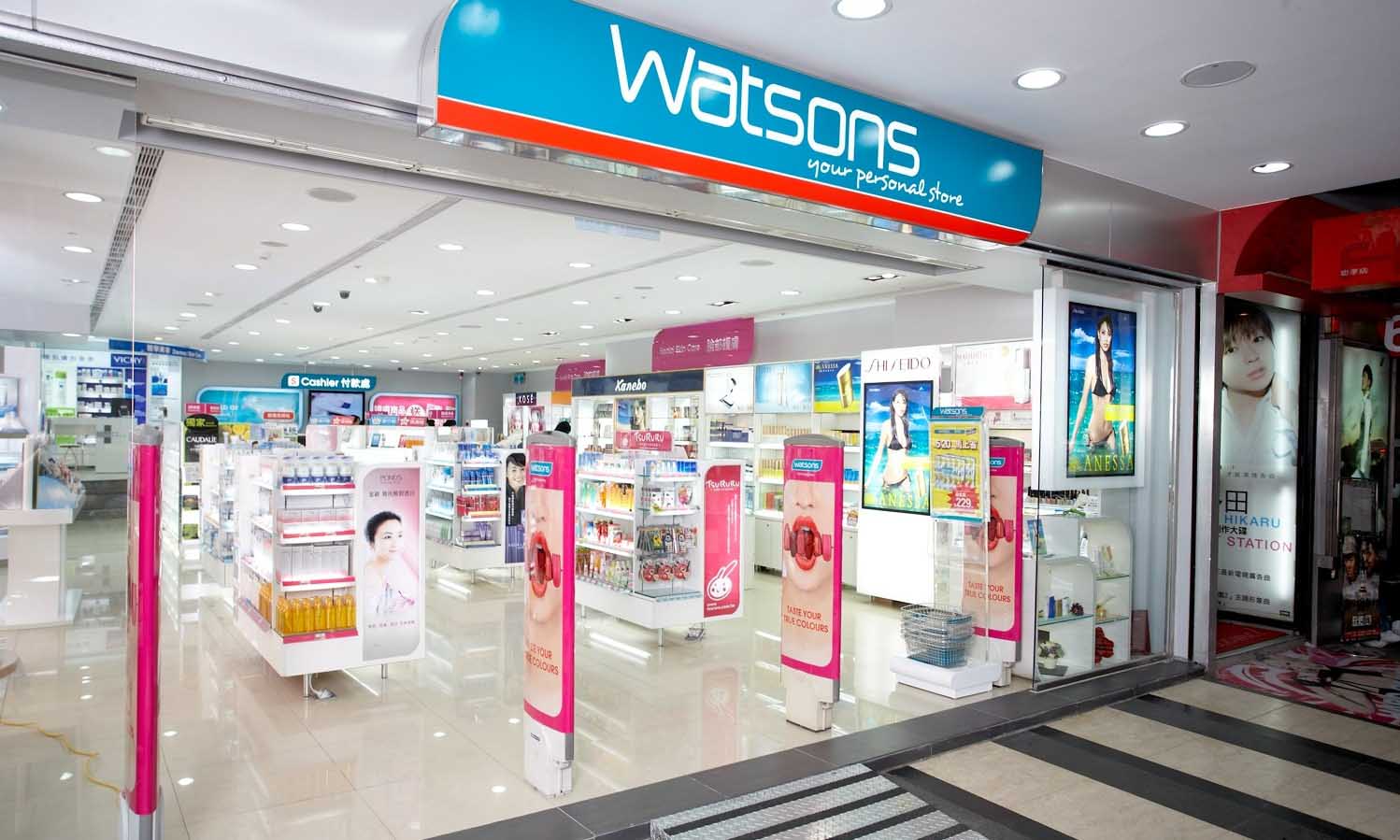
    Hong Kong-based health and beauty retailer AS Watson has partnered with Grab to launch an online and offline collaboration across Southeast Asia.

    The partnership will allow customers to access more than 62,000 health and beauty products at Watsons stores via Grab services, expanding Watsons’ online reach in Southeast Asia. The service is available in six markets: Singapore, Indonesia, Malaysia, Thailand, Vietnam and the Philippines.

    Through GrabExpress, Grab will serve as Watsons’ last-mile delivery partner in the markets, offering fast deliveries for purchases made through the Watsons website and mobile app. More than 2000 Watsons stores will be listed on GrabMart, making Watsons the largest health and beauty retailer to be on the platform.

    Meanwhile, Watsons will accept GrabPay cashless payment option in its Southeast Asia stores and integrate the digital wallet into its Watsons mobile app.

    “Covid-19 accelerated the growth of e-commerce and our customers expect their purchases to be delivered fast,” said Freda Ng, chief digital officer at Watsons International. “With our network of 2200 stores in Southeast Asia … Grab is the ideal partner to complete the purchase journey.”

    “Grab’s open platform enables companies to scale by easily plugging into our ecosystem and leveraging our unique online and offline capabilities to grow together with us in this region,” added Shawn Heng, MD, regional business development at Grab.

  • Asia is Ready for a Digital Banking Revolution

    Asia is Ready for a Digital Banking Revolution

    In the next three years, Asia will see more than fifty new digital banks that will completely change the financial services landscape. That’s just the beginning, GFT’s Christopher Ortiz says. The region will also see broader adoption of blockchain technology with new private exchanges, multi-currency e-wallets and digital assets.

    Some of the incumbent banks understand that a technological revolution is inevitable and are working on a digital reshaping of their offering, with broader cloud adoption, end-to-end digitalization of processes and a revamped user experience. What’s interesting is the focus remains predominantly on the retail offering, while the institutional and wealth businesses are trailing behind, weighed by the concept of personalized relationships.

    While this remains true for the current core client base of the top wealth managers, some wealth players are underestimating the impact of the transfer of wealth to the next generation, who despite not being digital natives have already adopted a complete digital lifestyle.

    Some of the most prestigious Swiss private banks understand the impending evolution and have already started a deep transformation of their offering and services with a digital mindset, to smoothly transition to a real personal digital experience. Asian wealth institutions are poised to start this process and revisit the impact of these new services on their current revenue streams.

    This is no longer about providing digital channels; that was the goal of the past ten years. The challenge is to reshape business models and create revenue-generating digital processes and services. It is estimated that cloud migration can help financial institutions reduce 80 percent of their mainframe costs, but this is not a short migration process it could take several years. As such, our recommendation to CIOs is to start embracing the cloud and initiate the migration as soon as possible.

    By 2025, most banking services will be completely digitalized. Multi-currency e-wallets with multiple central bank digital currencies and stable coins will replace physical currency, and the broad tokenization of investment assets and real state will be a reality, while most cross-border transactions will be booked on DLT technology. Financial intermediaries will also have reinvented themselves.

    Banks, as we know them today, are undergoing a fundamental change to become IT platforms with a banking license. However, the overall readiness of current financial services incumbents is under par. With some exceptions, the risk-aversion mindset is likely to prevail, and the lack of a transformational change mindset will stretch the profitability and long-term survival of key incumbents.

    The median age in Asia is around 30 years old, and about 70 percent of the region’s population is underbanked. The scale and challenges are unprecedented.

    In addition, If we look at the amount of unserved retail wealth in Asia, the opportunities are limitless. Yes, Asia will witness a revolution. Now it’s up to the incumbents to jump on the wagon and help drive it.

  • Goldman Sachs Proffers Affluent Wealth App

    Goldman Sachs Proffers Affluent Wealth App

    The U.S. investment bank plans to expand its wealth offering to affluent clients. The move represents a further departure from its Wall Street roots.

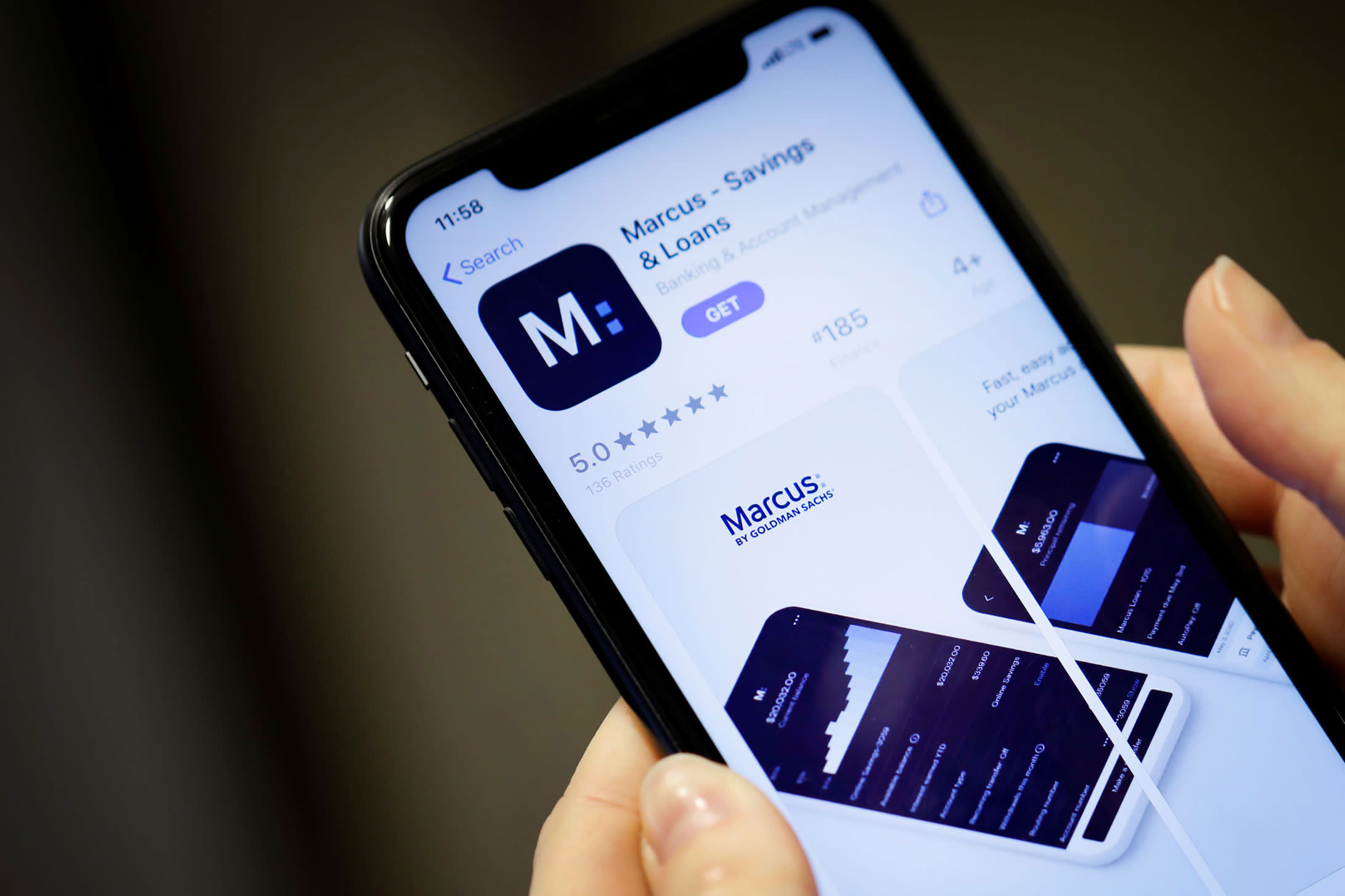
    Goldman Sachs, the best-known investment bank in the world, is pushing deeper into mass-market banking. Four years after launching Marcus for retail clients, the New York-based company is now releasing an app for affluent clients to invest, according to a report by CNBC which cites an internal memo.

    A beta version of the app – Marcus Invest – has already started and a wider launch is planned for the first quarter. Employees are the first to test Marcus Invest, which charges an annual fee of 0.15 percent of assets.

    The move is emblematic of how Goldman, known as Wall Street’s most voracious trading house, is quietly seeking a reinvention as a trusted wealth manager under CEO David Solomon. Though still minute in comparison to its investment banking activities, the wealth arm has steadily expanded in recent years – including returning to the world’s largest offshore center.

    Goldman’s entrance into the mass affluent market was foreshadowed by Marcus, which it launched in 2016 in the U.S. and expanded to the U.K. two years ago. Marcus was so successful in hoovering up British money that Goldman reportedly shut it to new clients this year. The app was meant to be launched in Germany as well, a move which was pushed back due to Brexit as well as the pandemic.

    Until recently, Goldman’s wealth managers catered only to the wealthiest of clients and those who also commanded investment banking-grade services (generally from $25 million in assets and up).

    Unlike traditional wealth managers, Goldman is making technology a backbone of its efforts to court the wealthy – plowing billions into its own development as well as into deals. It bought United Capital, a tech-backed wealth manager, last May, but has been quietly acquiring consumer banks and wealth managers since 2016.

  • Asia is Ready for a Digital Banking Revolution

    Asia is Ready for a Digital Banking Revolution

    In the next three years, Asia will see more than fifty new digital banks that will completely change the financial services landscape. That’s just the beginning, GFT’s Christopher Ortiz says. The region will also see broader adoption of blockchain technology with new private exchanges, multi-currency e-wallets and digital assets.

    Some of the incumbent banks understand that a technological revolution is inevitable and are working on a digital reshaping of their offering, with broader cloud adoption, end-to-end digitalization of processes and a revamped user experience. What’s interesting is the focus remains predominantly on the retail offering, while the institutional and wealth businesses are trailing behind, weighed by the concept of personalized relationships.

    While this remains true for the current core client base of the top wealth managers, some wealth players are underestimating the impact of the transfer of wealth to the next generation, who despite not being digital natives have already adopted a complete digital lifestyle.

    Some of the most prestigious Swiss private banks understand the impending evolution and have already started a deep transformation of their offering and services with a digital mindset, to smoothly transition to a real personal digital experience. Asian wealth institutions are poised to start this process and revisit the impact of these new services on their current revenue streams.

    This is no longer about providing digital channels; that was the goal of the past ten years. The challenge is to reshape business models and create revenue-generating digital processes and services. It is estimated that cloud migration can help financial institutions reduce 80 percent of their mainframe costs, but this is not a short migration process it could take several years. As such, our recommendation to CIOs is to start embracing the cloud and initiate the migration as soon as possible.

    By 2025, most banking services will be completely digitalized. Multi-currency e-wallets with multiple central bank digital currencies and stable coins will replace physical currency, and the broad tokenization of investment assets and real state will be a reality, while most cross-border transactions will be booked on DLT technology. Financial intermediaries will also have reinvented themselves.

    Banks, as we know them today, are undergoing a fundamental change to become IT platforms with a banking license. However, the overall readiness of current financial services incumbents is under par. With some exceptions, the risk-aversion mindset is likely to prevail, and the lack of a transformational change mindset will stretch the profitability and long-term survival of key incumbents.

    The median age in Asia is around 30 years old, and about 70 percent of the region’s population is underbanked. The scale and challenges are unprecedented.

    In addition, If we look at the amount of unserved retail wealth in Asia, the opportunities are limitless. Yes, Asia will witness a revolution. Now it’s up to the incumbents to jump on the wagon and help drive it.

  • JD is China’s first online platform to accept digital Yen

    JD is China’s first online platform to accept digital Yen

    Chinese e-commerce firm JD.com said it has become the first online platform to accept the country’s digital currency.

    The announcement on Saturday comes as part of another real-world major trial for the digital yuan in Suzhou, a city that’s about 65 miles west of Shanghai.

    A total of 20 million yuan ($3 million) will be up for grabs in a lottery, according to a WeChat post by JD Digits, JD.com’s fintech arm. Winners will receive a so-called “red packet” via an app containing a maximum of 200 yuan of the digital currency. A hundred thousand of these red packets will be distributed.

    Those who receive digital yuan can spend it on JD.com’s online shopping platform.

    This is not the first time that China is handing out a large sum of its digital currency. In October, a total of 10 million yuan was handed out to citizens in China’s technology hub Shenzhen in a lottery.

    The digital yuan, which is controlled and issued by the People’s Bank of China, is what’s known as a central bank digital currency (CBDC). The central bank calls its project the Digital Currency Electronic Payment or DCEP, though it has remained quite tight-lipped about its development.

    Central bank digital currencies are unlike cryptocurrencies such as bitcoin, or even the Facebook-backed digital coin Libra. That’s because they are controlled and issued by a central bank.

    Bitcoin, which recently hit a record-high price, is decentralized — that means it’s not controlled or issued by a single entity.

    Central banks are looking closely at digital currencies because they promise features such as more efficient cross-border payments as well as moving countries toward cashless societies.

    The BIS, a group of central banks, said earlier this year that 80% of the world’s central banks “had already started to conceptualize and research the potential for CBDCs.”

    China’s central bank appears to be the most advanced in its rollout of a digital currency compared to other major economies, though it has stopped short so far of a nationwide rollout and has instead focused on pilot projects.

  • Singapore Launches World’s First Public Digital Infrastructure

    Singapore Launches World’s First Public Digital Infrastructure

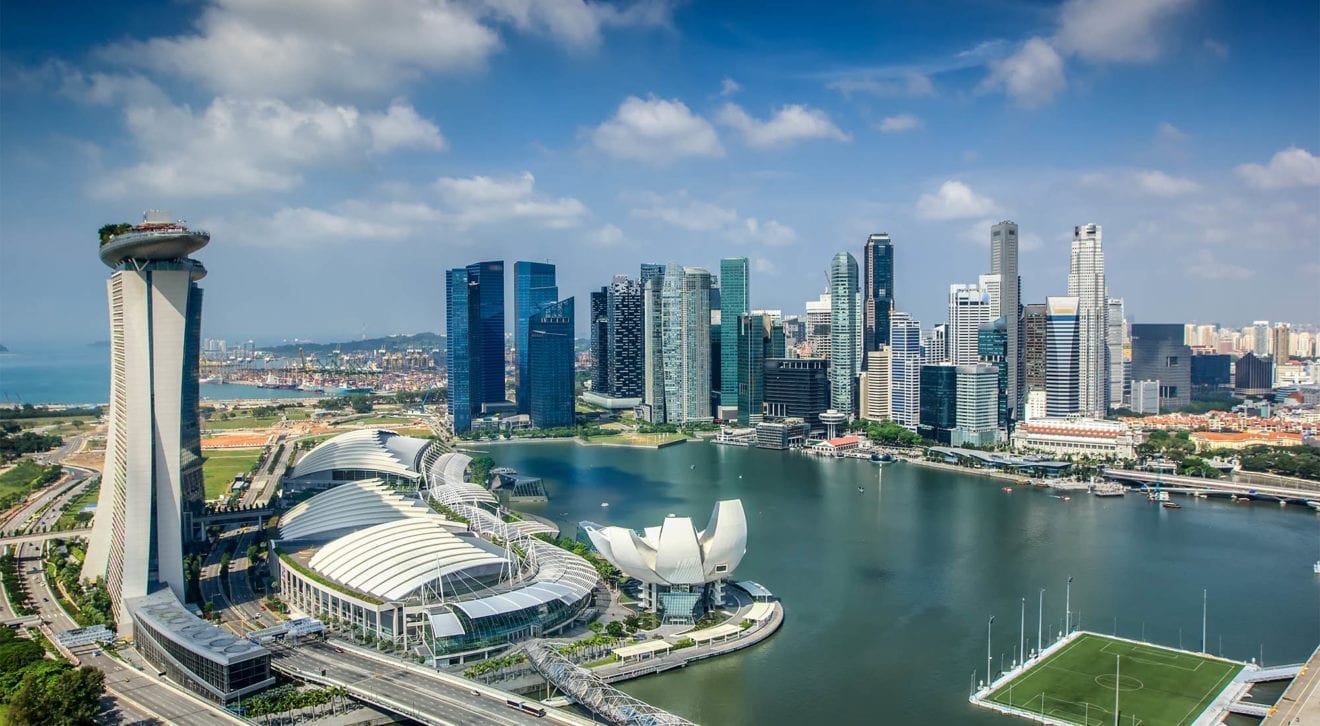
    The Monetary Authority of Singapore and the Smart Nation and Digital Government Group launched the Singapore Financial Data Exchange. This initiative will enable Singaporeans to consolidate their financial information for more effective financial planning.

    The Smart Nation and Digital Government Group (SGFinDex) is the world’s first public digital infrastructure to use a national digital identity and centrally managed online consent system. This enables individuals to access, through applications, their financial information held across different government agencies and financial institutions.

    Built on Singapore’s National Digital Identity (SingPass), SGFinDex was developed by the public sector in collaboration with The Association of Banks in Singapore and seven participating banks.

    Banks in Singapore have always been at the forefront of digital innovation, creating online products and services that serve our customers well in a seamless and convenient manner. ABS and the 7 participating banks are pleased to have participated in the world’s first public-private-partnership in building a public digital infrastructure, that is underpinned by a national digital identity and online consent framework, to help our customers manage their finances holistically. SGFinDex not only showcases Singapore banks’ digital abilities but also our financial planning capabilities,» Samuel Tsien, Chairman, ABS and Group CEO of OCBC Bank, said.

    With SGFinDex, individuals can use their SingPass to retrieve their personal financial information (such as deposits, credit cards, loans, and investments) from the participating banks and their financial information (such as HDB loans and CPF balances) from the relevant government agencies. This will help individuals better understand their overall financial health and plan their finances holistically.

    In the next phase of SGFinDex, individuals will be able to access information on their insurance policies held with insurers and their holdings of stocks at the Central Depository.

    The Ministry of Manpower and GovTech have developed a digital financial planning service, MyMoneySense, that makes use of SGFinDex to provide Singaporeans with an overview of their finances. It will offer trusted, personalised and actionable guidance for more effective and comprehensive financial planning. Members of the public can use MyMoneySense to plan their finances at www.mymoneysense.gov.sg.

    Today, our personal financial information is fragmented across multiple entities, and we often take financial decisions, like making an investment or buying a house, without a holistic view of our financial situation. SGFinDex empowers the individual to consolidate his financial information for a comprehensive view of his portfolio, and use digital tools like MyMoneySense to make better financial decisions. SGFinDex is a tangible expression of harnessing digital technology to enhance the financial well-being of Singaporeans, Ravi Menon, Managing Director, MAS, said.

  • StanChart Explores Second Digital-Only Bank

    StanChart Explores Second Digital-Only Bank

    Standard Chartered said that it was considering another digital-only bank based in Singapore – similar to MOX in Hong Kong – after receiving recognition by local regulators to receive preferential treatment as a foreign lender earlier this year.

    Standard Chartered could acquire an additional Singapore banking license under the Significantly Rooted Foreign Bank (SRFB), according to a report, in a move that would mirror its Hong Kong digital-only bank, Mox.

    We are naturally interested in qualifying for the recently-announced enhanced SRFB framework to further deepen our presence here, according to a spokesperson for the bank.

    This will give us the option to explore an additional banking license. Under this construct, we would look to leverage on the technology and experience gained from MOX, our digital bank in Hong Kong, to operate a similar platform in Singapore together with a strong ecosystem partner.

    Standard Chartered was the first foreign bank to be named an SFRB in August this year and the new status gives it significant advantages such as the ability to set up a digital-only unit, lower amounts in paid-up capital and a greater number of places of businesses (POBs) allowed (from 25 to 50), of which 35 may be branches.

    We have a very robust record in digitalization and digital banking, and we will continue to invest and explore the best digital model for our clients in Singapore, the spokesperson said.

    Earlier this year, reports claimed that the bank was already considering the launch of another digital-only bank through a joint venture with the National Trade Union Congress (NTUC) Enterprise. The latest comments about the plans were made on the same day that the city-state announced the four winners of the much anticipated digital banking license race.

  • Digital payment firm Vietnam’s second startup unicorn

    Digital payment firm Vietnam’s second startup unicorn

    VNPay has become the second unicorn startup in Vietnam and one of 12 companies in Southeast Asia with a valuation of $1 billion.

    The payment company was listed as a unicorn in the recent “e-Conomy SEA 2020” report by Google and its partners, alongside well known firms like Indonesia’s ride-hailing firm Gojek and Singapore’s e-commerce platform Lazada.

    VNPay, which manages a network of payment systems using QR codes in major cities, is currently partnering with over 40 banks and 20,000 companies. The company has over 15 million monthly users who access its app to transfer money, pay utility bills and buy bus tickets.

    The company was one of the startups that attracted the highest investments in the Southeast Asian fintech industry last year, with a total of $1.7 billion being poured into this industry, up 40 percent from 2018, the Google report said.

    VNPay reportedly received $300 million from Japan’s Softbank Vision Fund and Singapore’s sovereign wealth fund GIC last year.

    The first Vietnamese startup with a valuation of over $1 billion was tech firm VNG in 2014. Its valuation has now increased by over 50 percent to $1.5-1.7 billion.

    Vietnam targets having five unicorn tech firms by 2025 and 10 by 2030 as part of its Industry 4.0 advancement plans, the Ministry of Planning and Investment said in a report last year.

  • Google Pay continues to expand in the US, nearly 90 new banks now supported

    Google Pay continues to expand in the US, nearly 90 new banks now supported

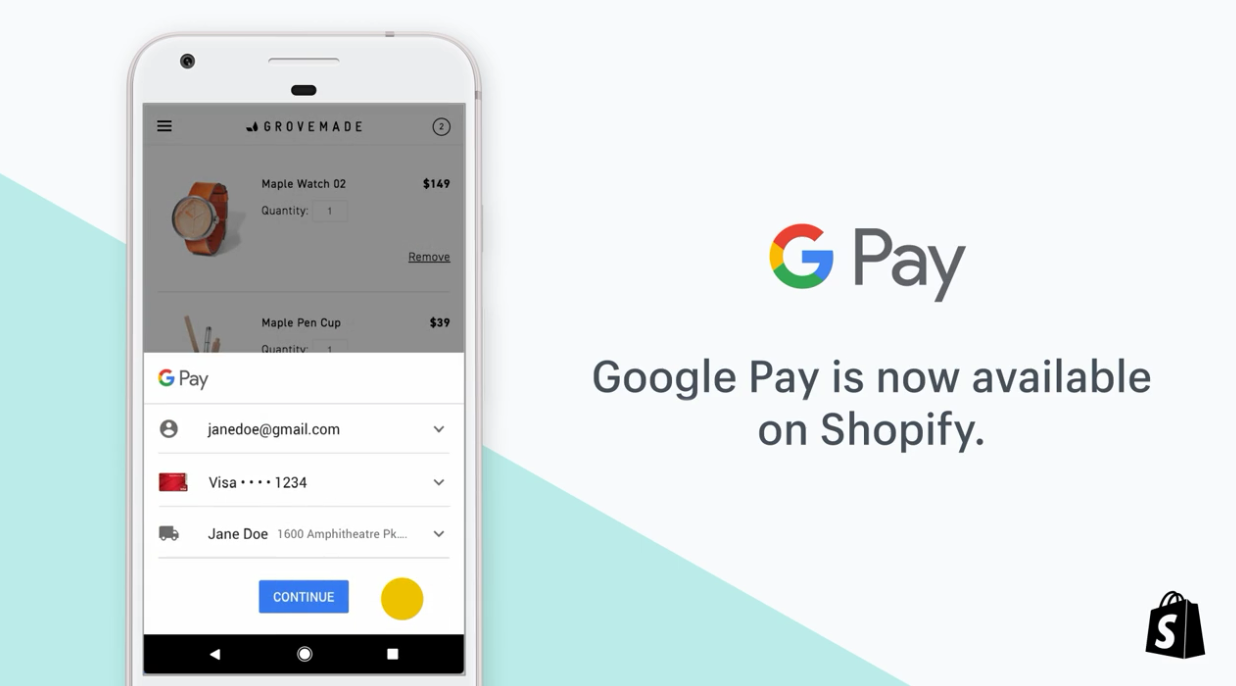
    Google Pay is pretty big in the US, and starting this week it will get even bigger. Currently, thousands of banks and financial institutions offer customers support for Google Pay, so the 89 names added this week will probably feel like a grain in the sand.

    The list of 89 banks that now support Google Pay is below, so if you didn’t find yours among the 3,000 supported banks listed on Google’s support site, you can look for it here. The list is ordered alphabetically for easier reading

    1st Trust Bank, Inc. (KY), Algonquin State Bank, Alliance Bank Central Texas (TX), Bank of Advance (MO), Bank of Herscher (IL), Bank of Newington (GA), Bank of Old Monroe (MO), Bossier Federal Credit Union (LA), Buckeye State Bank (OH), Central Valley Community Bank, Clean Energy Federal Credit Union (CO), Clearwater Credit Union, Community Partners Savings Bank (IL), Dover Federal Credit Union (DE), E-Central Credit Union, Exchange Bank of Northeast Missouri (MO), Families and Schools Together Federal Credit Union, Farmers – Merchants Bank of Illinois (IL), Farmers and Drovers Bank, Financial Horizons Credit Union, First Century Bank (TN), First Federal Savings Bank (IN), First Financial Bank, NA.

    First Nebraska Bank, FirstCapital Bank of Texas, Fort Davis State Bank Franklin Mint Federal Credit Union, Gateway Metro Federal Credit Union, Genoa Community Bank, Gowanda Area Federal Credit Union, GreenState Credit Union (IA), Greenville Heritage Federal Credit Union, Gulf Capital Bank (TX), HNB First Bank (AL), Hardin County Savings Bank (IA), Harris County Federal Credit Union (TX), Heartland Credit Union (IL), Heartland Credit Union (MI), Honolulu Fire Department FCU (HI), Hurricane Creek Federal Credit Union (AR)

    Jersey State Bank (IL), Jolt Credit Union (MI), KSW Federal Credit Union, Lakeview Federal Credit Union, Latrobe Area Hospital FCU (PA), Live Life Federal Credit Union, Magnolia Bank (KY), Martha’s Vineyard Savings Bank (MA), Millyard Bank (NH), Minnwest Bank (MN), Mountain Credit Union (NC), Mt. McKinley Bank, Needham Bank (MA), Northwest Christian Credit Union, One Community Bank (WI), One Source Federal Credit Union (TX), Partners Bank of California, Pawtucket Credit Union, People’s United Bank, National Association (CT).

    Peoples Bank & Trust Co (MO), Plains Commerce Bank Raritan Bay Federal Credit Union Rio Grande Valley Credit Union, Rollstone Bank & Trust (MA), SPE Federal Credit Union (PA), Sabine Federal Credit Union, Saco Valley Credit Union, Safra National Bank of New York (NY), San Luis Valley Federal Bank, Savings Bank of Walpole (NH), Secured Advantage, Federal Credit Union, Sentry Credit Union (WI), Southbridge Credit Union (MA).

    Springfield First Community Bank, St. Louis Bank, Susquehanna Valley Federal Credit Union, Taunton Federal Credit Union, Telcomm Credit Union (MO), Texas Regional Bank, The Bank of Salem (MO), The New Orleans Firemen’s Federal Credit Union, Treasury Department Federal Credit Union (DC), TruStar Federal Credit Union (MN), United Credit Union, Varo Bank, National Association, WESLA Federal Credit Union, WESTcoasin Credit Union (WI), Wells River Savings Bank (VT), and WestStar Bank (TX).

    Ok, 3,000 is a big number, but there’s a chance that many Google Pay users won’t find their banks on this huge list. Well, judging by the constant wave of banks and financial institutions that are getting Google Pay support each month, sooner or later we’ll be able to use the mobile payment service across all America.

  • Amazon duplicates Transparency program to Japan and Australia

    Amazon duplicates Transparency program to Japan and Australia

    Amazon announced the expansion of Transparency to two new countries – Japan and Australia – making it available in 10 countries where Amazon has a store. Amazon Transparency is also celebrating a milestone of enrolling over 10,000 brands into the program. Transparency, launched in 2018, is a product serialization service that builds on Amazon’s long-standing work and innovative solutions focused on ensuring that customers always receive authentic goods when shopping in Amazon’s stores.

    “Transparency has allowed us to grow consumer confidence in our products and prevent inauthentic products from ending up in the hands of our customers.”

    “Transparency is a powerful technology-driven solution that gives brands the ability to uniquely identify every product unit they manufacture and allows Amazon to use this to prevent counterfeits from reaching customers,” said Dharmesh Mehta, Vice President of Worldwide Customer Trust and Partner Support.

    Transparency allows brands to uniquely identify each unit they produce through the application of unique codes on the product or its packaging. These codes allow Amazon to inspect and authenticate every unit enrolled in Transparency proactively, detecting and stopping counterfeits before they ever reach customers. Additionally, customers can use a mobile app to scan the code and verify authenticity regardless of where they purchased the brand’s products. Over 10,000 brands – from Fortune 500 companies and global brands, to startups and small businesses in countries around the world including LG Electronics USA, Spectrum Brands, Cards Against Humanity LLC, Neato, Petrichor, Skullcandy, Salom, Nomader, and Naples Naturals – have already enrolled in Transparency. Across these brands, Transparency has prevented the shipment of over 500K suspected counterfeits in Amazon’s stores.

    LG Electronics USA, a leading innovator in home appliances, said “LG sees Transparency as a great way to ensure that consumers use genuine LG filters while protecting them from counterfeit products.”

    Spectrum Brands, a Fortune 500 company that owns several pet care companies, said: “By having the Transparency seal on our products, we give consumers confidence that the products they are purchasing for their pets are authentic, effective and formulated as labeled.”

    Cards Against Humanity LLC, said: “With Transparency, we’re now more confident than ever that our customers are receiving legitimate products — which is a win for us and for customers.”

    Neato, a maker of robotic vacuum cleaners, said: “Transparency has allowed us to grow consumer confidence in our products and prevent inauthentic products from ending up in the hands of our customers.”

    Sumeet Raj Aggarwal, owner of the small business in India, Petrichor, said: “With Transparency, consumers can buy with confidence knowing that the products are authentic and high quality. This program grows confidence in our brand and prevents counterfeits from being delivered to consumers. It’s a win-win for brands and consumers.”

    In addition to Japan and Australia, Transparency is available in Canada, France, Germany, India, Italy, Spain, the United Kingdom, and the United States. To learn more about Transparency and how to enroll, visit: https://www.transparency.com/

    Transparency is one of many innovations that Amazon has introduced to partner with brands to ensure customers receive authentic products and to protect brands’ intellectual property.

    • Most recently, Amazon launched the Amazon Counterfeit Crime Unit (ACCU), a global team that will investigate and bring legal action against bad actors, protecting customers, brands, and Amazon’s selling partners. To learn more: https://press.aboutamazon.com/news-releases/news-release-details/amazon-establishes-counterfeit-crimes-unit-bring-counterfeiters
    • Amazon’s Project Zero, which empowers brands to drive counterfeits to zero. Project Zero uses automated protections to proactively and continuously scan more than 5 billion attempted product listing updates daily to look for suspicious listings, provides a self-service tool for brands with an unprecedented ability to directly remove listings from Amazon’s stores, and leverages product serialization as an optional service. To join the more than 10,000 enrolled brands, learn more at: https://www.projectzero.com.
    • Amazon IP Accelerator helps businesses more quickly obtain intellectual property (IP) rights and brand protection in Amazon’s stores. The program was designed specifically with small and medium businesses in mind and is available to entrepreneurs worldwide that are looking to secure intellectual property in the U.S. IP Accelerator connects entrepreneurs with US law firms with expertise in trademark applications. Entrepreneurs also benefit from pre-negotiated rates. To learn more: https://brandservices.amazon.com/ipaccelerator
    • Amazon Brand Registry, a free service that gives brand owners access to a powerful set of tools that help them deliver an accurate and trusted customer experience on Amazon while protecting a brand’s IP. More than 350,000 brands are enrolled. To enroll and learn more: https://brandservices.amazon.com/
  • AirAsia adding services in super app

    AirAsia adding services in super app

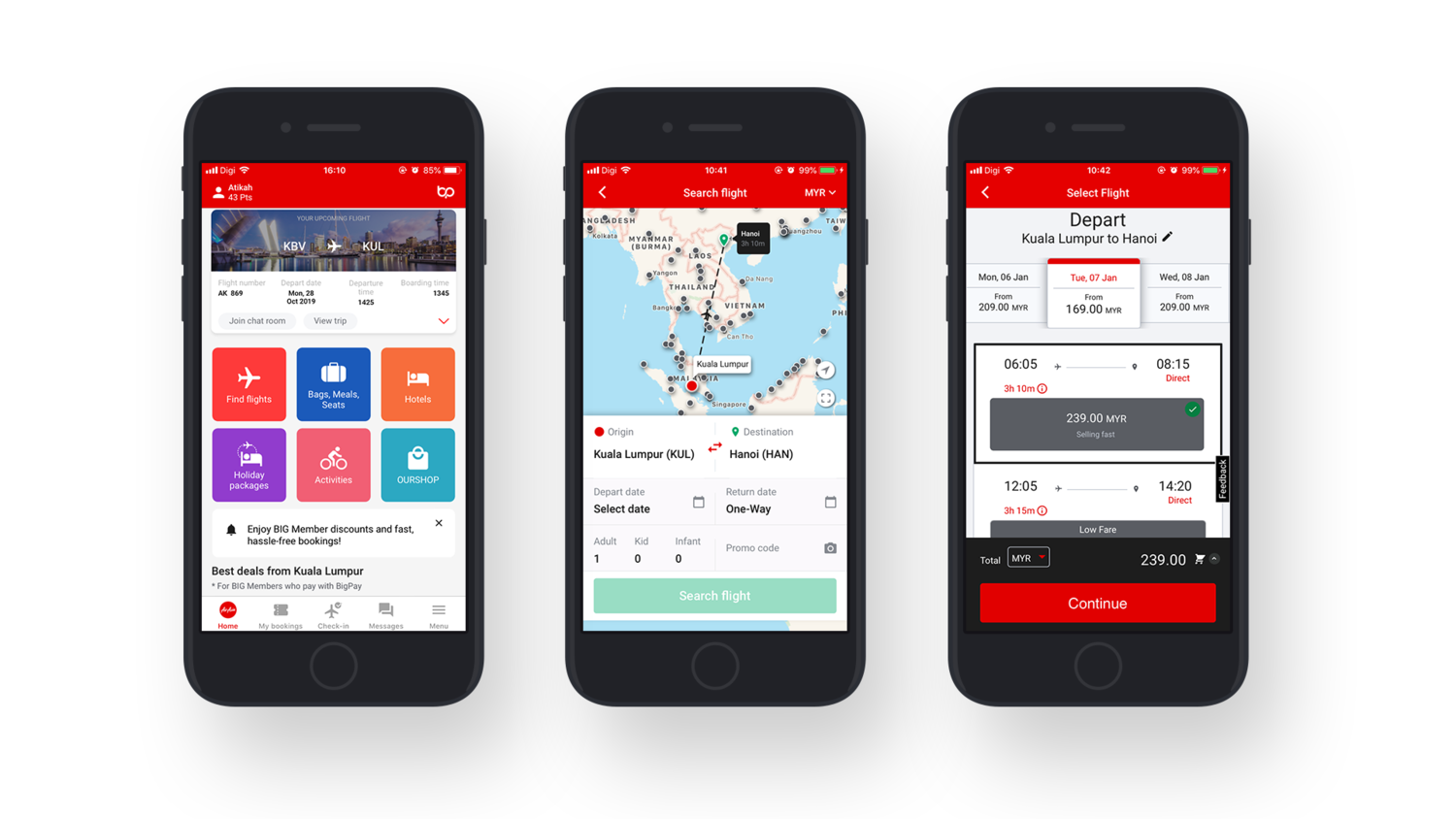
    AirAsia Group announced on Thursday that it is building a super app off its existing mobile application and website to provide services such as e-commerce, delivery, and payments. The app is to be available next month in Thailand and ASEAN.

    AirAsia chief executive Tony Fernandes said the idea to build a super app came before the pandemic, but new revenue streams are desperately needed after most of AirAsia’s fleet has been grounded for months because of travel restrictions. The company suffered losses of US$238 million in the second quarter of this year.

    “This journey didn’t start during the pandemic but it was accelerated because of the outbreak,” Mr Fernandes said. “This is not a Plan B, this was always our Plan A, but we still think aviation will definitely come back.”

    The new platform will be accessible through AirAsia.com and AirAsia’s mobile app on Oct 8, including digital services under subsidiary AirAsia Digital.

    These services include BigPay, a digital payment app; Teleport, a wholly-owned logistics, e-commerce, and delivery business; and Santan, a food and beverage franchise. Mr Fernandes said these services are already earning revenue for AirAsia except for BigPay, which is in negotiations with regulators to set its rates.

    Teleport came to Thailand in 2019 through a joint venture, while BigPay is available in Thailand and can transfer money to Thai bank accounts. Santan is only available in Malaysia or on AirAsia flights.

    “AirAsia’s roots are from moving people from A to B and moving cargo from A to B, and that is the basis of AirAsia Digital and the basis for our platform AirAsia.com,” Mr Fernandes said.

    The app will also allow users to book hotels and flights (from airlines other than AirAsia) and offers a travel and lifestyle rewards program. The company ended its partnership with Expedia and is offering its own travel booking service.

    AirAsia’s new venture will face stiff competition from existing super apps Grab and Gojek, which are both spending billions in venture capital to expand their presence in Southeast Asia. Grab and Gojek are in talks for a merger, which if completed would create a virtual monopoly for ride-hailing and food delivery in Asean.

    Grab is valued at about $14 billion, while Gojek was valued last year at almost $10 billion. Neither company is publicly traded.

    AirAsia, which is listed on the Malaysian stock exchange, has a market capitalization of $624 million.

    “We are nowhere near the size of Grab or Gojek, but AirAsia’s not about being dominant in one country, but providing an Asean product,” Mr Fernandes said.

    The AirAsia app hopes to differentiate itself by leveraging the data it has collected from millions of passengers, while also stressing its cross-country appeal for cross-border travelers in Asean.

    “I don’t believe we are here to compete, but here to complement,” Mr Fernandes said. “Airlines always see us as competitors, but we complemented the full service and created a new market that was not there — before, only a few people could fly, now everyone can fly, and in the same way we will complement the market.”

    He said the platform will also be open to new partners and services, not just those owned directly by AirAsia Digital.

    Michael Araneta, associate vice-president of IDC Financial Insights, said traditional businesses like AirAsia can find success with a super app by leveraging existing customer bases and technical resources.

    “AirAsia has shifted to being a lifestyle company and already has spent considerably on developing technology,” he said. “The company might not need to invest a substantial additional amount to turn their tech offerings into a super app.”

    Users of AirAsia’s super app will benefit from usage points that convert to discount flights and other related partner services supporting its core business, Mr Araneta said.

    During a pandemic, users cannot take advantage of these flight privileges as much.

    Mr Araneta said a winning super app is one that leverages considerable real-time data and various partners to provide relevant benefits to its customer base.
  • Bonjour to embrace digital technologies, live streaming used to battle profits

    Bonjour to embrace digital technologies, live streaming used to battle profits

    Bonjour, the Hong Kong-headquartered beauty retailer, says it plans to reduce its reliance on brick-and-mortar stores and focus on developing e-commerce and in-store digitalization.

    It will modify some of its existing stores adding technology that it anticipates will attract and engage customers and create a better shopping experience while also improving operational efficiency.

    The plans were revealed by the chairman and executive director Chen Jianwen along with the company’s results for the half-year to June 30, which included a loss attributable to shareholders of US$17.93 million on sales down 59.7 percent to $42.93 million. The decline was due to the borders being all but closed to foreigners due to the Covid-19 pandemic, including the ranks of mainlanders who traditionally head to the territory for shopping.

    Chen said the company has responded to the absence of tourist spending by diversifying its product portfolio to appeal more to local consumers.

    But the main focus moving forward is on transforming from a traditional retail model to New Retail, he said.

    “Digitalisation of the operating system and business model will help the group to better understand customers’ needs and wants and build a long-term relationship with the customers. Starting with training our frontline staff to broadcast product information online, the group will grasp the market opportunity and further develop the e-commerce platforms.”

    Already, frontline Bonjour staff are being trained in live-streaming skills to become influencers and interact with customers online.

    “At the same time, the group has also established its foothold at major online platforms spanning across 16 countries, including ShopShops, Tmall Global, Kaola.com, JD, Facebook, Youtube, Instagram, and Haitao.com, as well as establishing a WeChat store to connect with VIP users,” said Chen.

    In stores, the company is embracing digital transformation, backed by a new retail innovation center with a broadcast studio and testing self-service equipment, planned for launch into physical stores soon.

    In the future, customers will be able to scan the QR code of a product to learn information before they make a purchase and self-service kiosks will be installed at physical stores so that customers can check out by themselves.

    “With the rise of augmented reality and virtual reality, the group will keep an open mind to embrace new technology that helps customers to virtually try the products on which to help them to explore the most suitable products,” said Chen.

    Meanwhile, Bonjour will continue to review its store network, closing underperforming outlets and negotiating rent discounts with landlords.

  • Standard Chartered Taps Microsoft for Digital-First Strategy

    Standard Chartered Taps Microsoft for Digital-First Strategy

    As its preferred cloud platform provider, Microsoft will help the bank make its vision for virtual banking, next-generation payments, open banking and banking-as-a-service a reality.

    Standard Chartered has established a three-year strategic partnership with Microsoft to accelerate its digital transformation through a cloud-first strategy, according to an announcement on Tuesday.

    As part of the partnership, Standard Chartered will adopt Microsoft Azure as its preferred cloud platform to meet its need for resilient data centers and cloud services with the highest security and regulatory standards. The bank will also leverage Microsoft’s artificial intelligence (AI) and analytics capabilities to automate banking processes and deliver hyper-personalization of its products and experiences for customers, and its employees globally will also adopt Microsoft’s collaboration, office productivity and document management tools to advance digital workplace transformation.

    «he pandemic has shone a spotlight on the need for businesses and banks to be resilient from a risk mitigation, cost, and security perspective. With the increasing trend of an always-on digital economy, commercial and consumer clients are looking for applications and services that empower them to do online banking from anywhere, flexibly and efficiently,» Bhupendra Warathe, chief technology officer, cloud transformation at Standard Chartered, said about the bank’s digital-first strategy.

    The bank’s core banking and trading systems and new digital ventures such as virtual banking and banking as-a-service will be cloud-based by 2025, and it will also adopt a cloud-first principle for all new software developments and major enhancements, the announcement said.

    The first set of capabilities to move to Azure will be Standard Chartered’s trade finance systems, which will facilitate seamless cross-border trade for the bank’s corporate and institutional clients.

    Covid-19 has further accelerated drive to digitize banking services, and we are determined to be at the forefront,» Standard Chartered group CEO Bill Winters said in a LinkedIn post about the announcement.