Retail News CRM

Tag: Digital

  • AirAsia’s digital businesses to become Asean’s leading super app

    AirAsia’s digital businesses to become Asean’s leading super app

    AIRASIA Group Bhd’s non-airline digital travel and lifestyle platform is now considered one of the region’s top three online travel agencies (OTAs), while AirAsia’s e-wallet BigPay is set to become the first virtual bank and its delivery service Teleport is strengthening.

    During the group’s first quarter of 2021 (1Q21) financial performance announcement on May 27, AirAsia’s super app posted a 45% year-on-year (YoY) increase in its revenue to RM10 million, supported by solid growth of products and services available on the platform.

    Teleport’s revenue tripled compared to its 1Q20 performance.

    AirAsia group CEO Tan Sri Dr Tony Fernandes stated that just as the carrier revolutionized air travel 20 years ago in the region with its low-cost model, AirAsia now aims to disrupt and democratize the lifestyle industry through the development of its super app, with over 17 travel and lifestyle products leveraging off one another.

    “In just over a year, we are now one of the top three leading OTAs in Asean based on website traffic, with over 100 million average page views monthly on airasia.com.

    “In the future, when travel resumes in our key markets, we can guarantee best value prices for our flight and hotel packages because we own our airline,” he explained in a press release last Friday.

    Expansion of its popular products and services in its Asean markets for its super app is in the pipeline.

    “We are working on expanding our health services in Thailand, Indonesia and the Philippines, while offering SNAP hotel and accommodation deals in Vietnam and Singapore in the near future,” Fernandes noted.

    He added that Teleport is now delivering vaccines across Malaysia and the Asean region, and has created more than 4,000 delivery driver jobs in 17 key markets.

    “We are also looking forward to converting passenger planes into freighters in the coming months to cater for unprecedented cargo demand,” he informed.

    Fernandes added that the group has plans to improve its BigPay e-wallet service to become the best virtual bank in Asean.

    “We are tapping into the full potential of our loyalty platform, BIG Rewards, to provide the best range for rewards and redemption in Asean and beyond.

    “Through our digital ecosystem, we have already created thousands of jobs and supported more than 3,500 small and medium enterprises (SMEs) in Malaysia.

    “Our training centre, AirAsia Academy (currently known as Redbeat Academy), offers affordable digital and tech training courses to equip not only our own employees, but also SMEs and members of the public, with skills to bridge the technology gap in Malaysia and beyond in this ever-changing digital world,” he explained. The group’s other non-airline businesses such as AirAsia Food, AirAsia Fresh, AirAsia Shop and its Santan franchise restaurants are also penetrating new markets.

    “We saw the crisis as an opportunity to use the downtime in flying caused by the Covid-19 pandemic to leverage the strength of our database of over 60 million customers and to focus on developing new non-airline revenue streams in the key areas of e-commerce, fintech and logistics,” Fernandes commented.

    In the pipeline are innovations such as ride-hailing “AirAsia Ride”, which will be launched in the coming months, as well as the potential of deliveries using drones.

    The group is also planning for electric or hydronic aeroplanes to meet consumer’s sustainability needs.

    In the airline business space, Asia Digital Engineering Sdn Bhd (ADE) aims to become one of the region’s best value aircraft maintenance and overhaul providers for both short-term line maintenance and longer-term base maintenance services, a space previously dominated by Singapore-based maintenance, repair and overhaul (MRO) companies.

    “I firmly believe ADE will become the leading aircraft MRO company in the region in the near future, with significant potential growth opportunities in Asean and beyond with service excellence and lowest cost base,” he added.

    AirAsia is also working to launch more contactless technologies to make flying a seamless and hygienic experience when it resumes.

    This includes a digital passport called Scan2Fly where passengers can upload required medical documentation and have it verified in real time online before heading to the airport.

    AirAsia will be introducing FACES, its biometric facial recognition technology, at the Kuala Lumpur International Airport 2 which will then be rolled out across all its key destinations.

    “There is a silver lining to every crisis and the best thing to come out of this pandemic is our recovery as a stronger, more resilient travel and lifestyle platform — not solely reliant on airfares alone anymore,” said Fernandes.

    The “new look” AirAsia, he noted, would be embarking on an exciting new phase of growth with the right focus and foundations to better meet the needs of the digital revolution.

    Fernandes stressed the group will remain true to its promise to deliver high quality service and make it affordable to fly, stay, shop, eat and upskill.

    AirAsia Group posted a net loss of RM767.42 million for 1Q21, as the group continued to suffer from the curbs on travel imposed by governments in many countries over the period.

    Revenue fell to RM298.22 million in the period as passenger load factor slumped 90% to 976,968 passengers compared to 9.8 million passengers recorded in the same period last year across its main markets of Malaysia, Indonesia and the Philippines.

  • HSBC Rolls Out Digital Wallet for SMEs in Singapore

    HSBC Rolls Out Digital Wallet for SMEs in Singapore

    The bank has launched a digital wallet for businesses in Singapore, which enables them to send, receive and hold cash in multiple currencies.

    HSBC’s Digital Wallet, which aims to significantly reduce the time it takes for SMEs to make business payments, is also being launched in the U.K. and the U.S., with a pipeline of further markets as well as new currencies and enhancements, the bank said in an announcement.

    The multi-currency wallet is integrated into its business banking platform HSBCnet, and removes the need for businesses to use third-party providers for international transactions, HSBC said. For example, businesses in Singapore can pay their Malaysia counterparts directly in ringgit.

    Li Lian Ng, HSBC’s head of business banking, Singapore, said the bank is committed to scaling up its SME banking capabilities in Singapore. The bank previously announced its strategy to scale-up its SME business and increase its share in the market to 15 percent by 2021.

    Since then, it has launched a number of products and initiatives for SMEs, including the online banking platform HSBCnet, Green Loans, the «Pioneer» programme for fast growing businesses, international business banking, and a not-for-profit proposition.

    HSBC said that Singapore’s SMEs are doubling down on their international connectivity and prioritizing resilience in their supply chains, with 87 percent planning to expand their international business, citing a survey conducted among local businesses with annual revenue between S$5 million and S$100 million.

    Drawing on HSBC’s deep digital expertise and wide global network, we are helping SMEs to build resilience and trust within their global supply chains whilst making everyday banking easier, Ng said.

  • Digital Dominates Wealth Sales for HSBC

    Digital Dominates Wealth Sales for HSBC

    Digital channels dominated HSBC’s retail wealth management business in Asia, making up a dominant majority of sales in the unit.

    Nearly 80 percent of HSBC’s retail wealth sales were conducted through its digital channels, according to a statement from the bank.

    The strong adoption is driven by a multi-billion dollar push to expand HSBC’s wealth management ambitions in the region.

    Our $3.5 billion investments are underway, enabling us to deliver a robust start in Asia this year across the full spectrum of our wealth clients, said Asia head of wealth and personal banking Greg Hingston.

    The bank also posted strong regional inflows with $6.6 billion of net new money for the private banking arm and $3.3 billion for the asset management arm – a whopping 89 percent and over 400 percent increase.

    In the quarter, the two units made up 50 percent and 29 percent of the global private banking and asset management businesses, respectively.

    The bank will also maintain its hiring plans to add more than 5,000 client-facing wealth roles over the next five years, including relationship managers.

    According to the statement, it is on track to hiring 1,000 of those roles in 2021.

  • Mastercard Eyes Digital Yuan Opportunities

    Mastercard Eyes Digital Yuan Opportunities

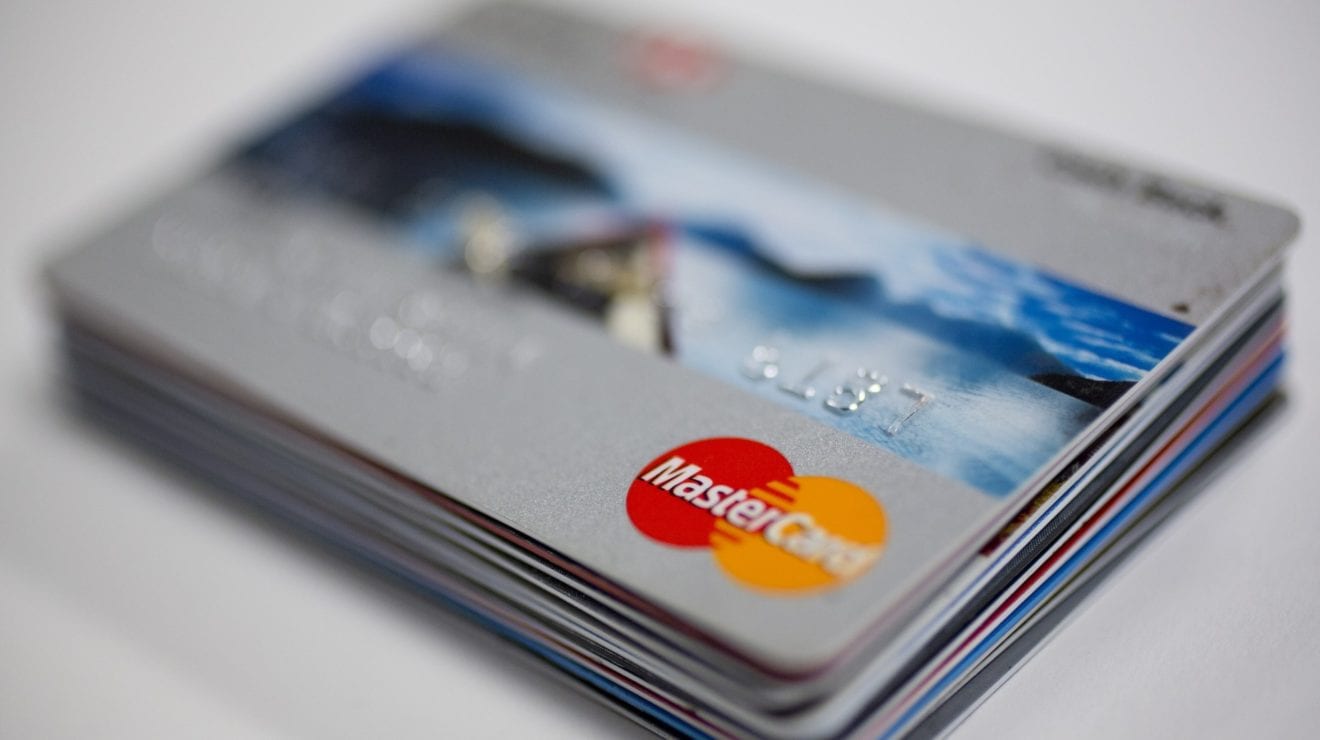
    Global payments giant Mastercard is in talks with various central banks with an eye on opportunities in central bank digital currencies.

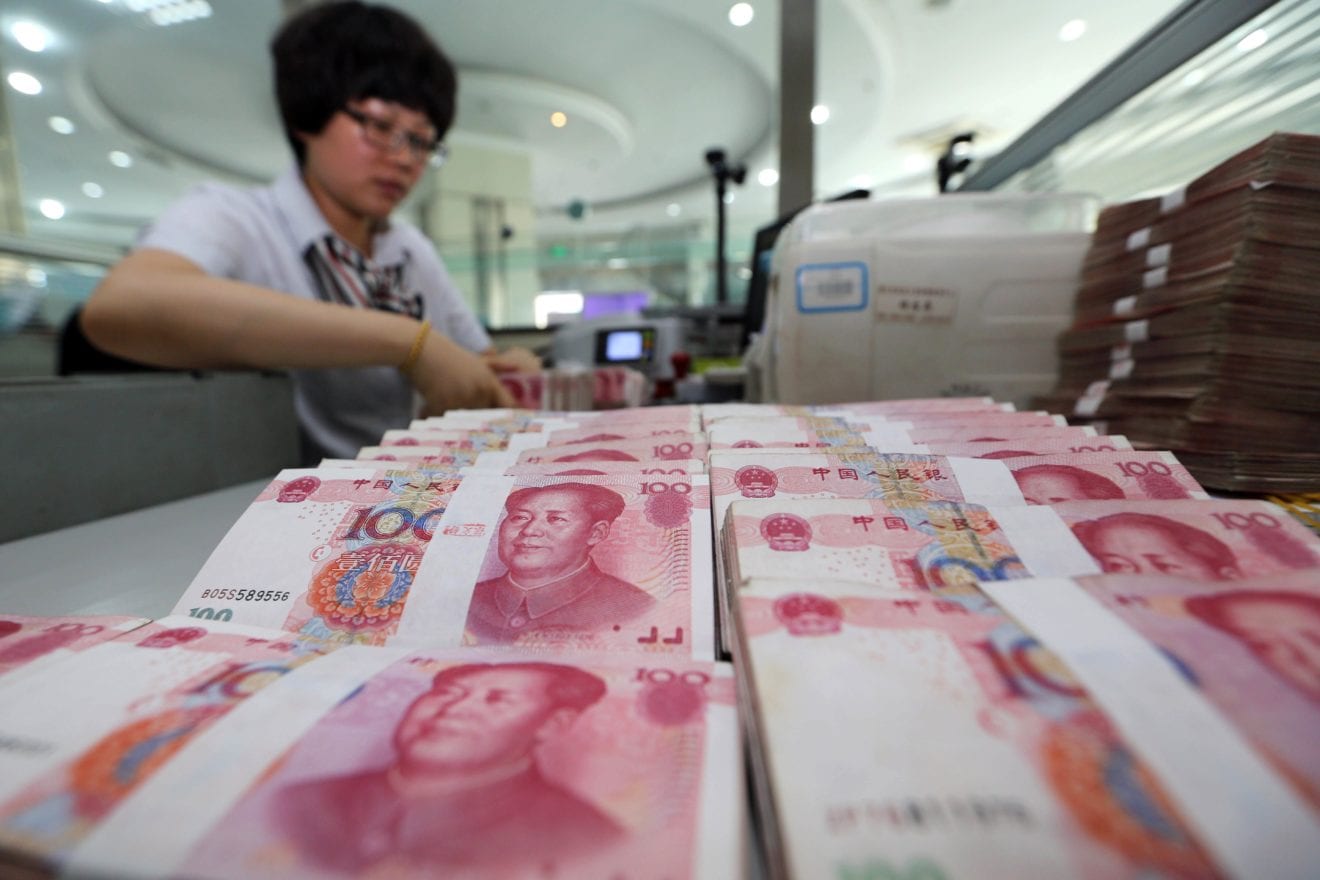
    Amongst the central banks in discussion with Mastercard is the People’s Bank of China, according to a report citing APAC co-president Ling Hai.

    Circulation of central bank digital currencies (CBDC) outside of their home country could be converted into foreign currencies with a card clearing network acting as the conversion agent, Ling explained.

    While central banks can address their domestic issues associated with digital sovereign currencies, the role we can always play is on interoperability when the payment goes beyond a country’s borders, he said. For us, supporting a central bank digital currency is similar to adding another fiat currency onto our network.

    Mastercard is already increasingly establishing its digital currency capabilities with an existing partnership with the Bahamas where it provides prepaid card services to help travelers convert their CBDC – the Bahamas Sand dollar – into other fiat currencies.

    Centralized digital currencies aside, Mastercard also announced plans to increase support for select decentralized cryptocurrencies.

    Within China, it is also awaiting final approval for a license to conduct its card business onshore.

  • MAS Teases Multi-Currency Payment System for Digital Currencies

    MAS Teases Multi-Currency Payment System for Digital Currencies

    The Monetary Authority of Singapore (MAS) discussed the creation of a common platform for international payment settlements that will be more efficient than current arrangements.

    While there is growing global interest in the issuance of Central Bank Digital Currencies (CBDCs) for domestic payments, multiple CBDC (m-CBDC) arrangements could lead to a significant improvement in the speed, cost and transparency of cross-border payments, MAS said.

    In a blog post on Thursday by Toh Wee Kee, specialist leader (distributed ledger technology), MAS discussed unbundling the digital currency stack to improve governability of m-CBDC networks and create a viable path towards making m-CBDC arrangements a reality.

    MAS is partnering with the BIS Innovation Hub and the central banking community on Project Dunbar to design, develop and test new m-CBDC models for cross-border settlement, Toh said in the blog post.

    The central bank previously developed a prototype multi-currency wholesale settlement network, which enabled issuance or distribution of different digital currencies on a common network, as part of Project Ubin.

    You will soon hear about the commercial launch of a multi-currency payment system for digital currencies, Sopnendu Mohanty, MAS chief fintech officer, said in a LinkedIn post.

    We feel strongly about sharing our experience and contribute towards advancing central banks’ interest on m-CBDCs, he added.

  • AirAsia to invest heavily in digital business

    AirAsia to invest heavily in digital business

    AirAsia Group plans to raise USD300 million to expand its digital business arm, AirAsia Digital, as it intensifies the diversification of its business to offset the COVID-19 crippling effect on aviation.

    Bloomberg, quoting “people with knowledge on the matter”, reported the low-cost carrier was negotiating with prospective investors for a fundraising deal that would involve the issuance of new shares in the digital unit.

    In March 2021, founder and Chief Executive Officer, Tony Fernandes, said the airline’s so-called “super app”, launched in October 2020, would turn over USD250 million this year. The app can be used for shopping, booking flights, and ordering food. Services are predominantly in Malaysia at the moment with “airasia Shop” having expanded to the Philippines and Indonesia, while “airasia Food” has launched in Singapore. In 4Q2020, order amounts with “airasia Food” grew more than five times quarter-on-quarter, the company said in its Fourth Quarter and Full Year 2020 financial results.

    As part of the group’s diversification push, AirASia also aims to launch an air taxi service and drone delivery service, state news agency Bernama reported earlier this month.

    Facing a record net loss of MYR2.7 billion ringgit (USD653 million) in the October-December 4Q2020, Fernandes recently told the South China Morning Post the carrier would be returning 22 aircraft to lessors in 2021 and 2022.

    The airline’s revenue decreased by 92% year-on-year (YoY) due to partial lockdown in Malaysia in October and November 2020, while non-airline revenue declined by 46% in the same period. The company said the weaker YoY performance was due to the shortfall in revenue and several one-off costs, including a fuel hedging loss of MYR391 million (USD77.2 million), impairment of right-of-use assets, receivables, finance lease receivables of MYR1.5 billion (USD363 million), and bankruptcy costs for AirAsia Japan (DJ, Nagoya Chubu) of MYR20 million (USD4.8 million).

    Meanwhile, AirAsia Digital’s performance for the quarter grew by 13% YoY in terms of EBITDA (Earnings Before Interest, Taxes, Depreciation, and Amortisation). Launched in October 2020, the AirAsia “super app” increased revenue by 15% YoY to MYR12 million (USD2.9 million), while the “BigPay” mobile payment app narrowed EBITDA loss by 41%. The company’s cargo and logistics arm, “Teleport”, reported a positive EBITDA of MYR17 million (USD4.1 million) despite a decline in revenue from impacted cargo capacity due to closed borders. Its loyalty programme, “BIG Rewards”, also reported positive EBITDA for the quarter.

  • Cisco unveils digitalization program for South Korea’s digital transformation

    Cisco unveils digitalization program for South Korea’s digital transformation

    South Korea, Asia’s fourth-largest economy, and Cisco, a worldwide leader in technology, announced the launch of a collaborative framework under Cisco’s Country Digital Acceleration (CDA) program to accelerate digitization across the country and power an inclusive recovery from the COVID-19 pandemic.

    The framework was introduced at a virtual event attended by Fran Katsoudas, Executive Vice President and Chief People, Policy & Purpose Officer at Cisco, Guy Diedrich, Vice President and Global Innovation Officer at Cisco, and Bum-Coo Cho, President at Cisco Korea, with opening remarks from South Korea’s Prime Minister, Sye-Kyun Chung, Chairman of the National Assembly’s Science, ICT, Broadcasting, and Communications Committee, Won-Wook Lee, and the People Power Party’s floor spokesperson Hyung-Du Choi. The event was also joined by ecosystem partners Naver Cloud, Samsung Electronics, and Kwangwoon University, who outlined the scope of their collaboration on major CDA projects in South Korea.

    The CDA program in Korea is strategically aligned with the government’s Digital New Deal strategy which is designed to propel recovery measures from the pandemic and help prepare for future growth through advanced digital capacity. The program also follows the government’s I-Korea 4.0, a policy brand that aims to prepare the Fourth Industrial Revolution with intelligent technologies.

    “Cisco has helped the digital transformation in education by offering free video conferencing solutions to education institutions during these difficult times. I would like to express my sincere appreciation to Cisco for its support and commitment to making the future bright through social investment in various areas such as IT talent cultivation. I expect IT companies like Cisco to closely work with public institutions and universities, creating synergy in fostering people-centered digital infrastructure. The government will spare no effort to provide support for it,” said Prime Minister Chung.

    “Our CDA programs help power an inclusive future for all through innovative technology initiatives like our 5G and cloud infrastructure solutions. We are very pleased to introduce the program in South Korea and support the government and businesses in achieving their economic and digitization goals as we recover from the global pandemic together,” said Fran Katsoudas, EVP and Chief People, Policy & Purpose Officer at Cisco.

    The CDA program in South Korea will drive various initiatives, with specific focus on the following areas:

    • 5G B2B:Cisco will drive 5G B2B technology innovation by working closely with Kwangwoon University. Cisco will help develop and test new 5G network solutions to bring more value to enterprises and enhanced network experiences to customers.
    • Cloud:Cisco will integrate its cloud solutions with the largest Korean cloud vendor ‘Naver Cloud’ to run on the cloud market. Cisco will provide convenient and reliable services to customers and will be able to promote cloud market activation. Cisco will strengthen the hybrid-cloud enablement in Korea.
    • Smart factory: Cisco will contribute to South Korea’s social-economic development with its industry-leading security and cloud technologies. Cisco will collaborate with POSCO ICT, a global IT & OT solutions provider, to develop advanced security solutions for smart factories by integrating Cisco Stealthwatch with POSCO ICT’s Poshield solution.
    • Education: Cisco will support digital transformation in education by offering free solutions and equipment to educational institutions across the country. Cisco will continue its commitment to digitization in education by expanding its support for building connected smart campuses and offering more Cisco Networking Academy programs. As part of these efforts, Cisco will integrate its collaboration solutions with Learning Management Systems (LMSs) of universities and support students and IT workforce with next generation IT skills and knowledge.

    “The launch of CDA in Korea will be a significant step towards turning the country’s digital agenda into a reality. Cisco Korea will do its best to accelerate the digital and economic growth of the country by leading development of technologies and infrastructure, adoption and use of technologies both in the public and privates, and cultivating the next generation IT talents,” said Bum-Coo Cho, President at Cisco Korea.

    Cisco’s CDA program aims to stimulate global digitization. Currently, Cisco is working with national, state, and local governments in 40 countries around the world to accelerate their national digitization agendas, co-develop cutting-edge solutions, and deliver beneficial services to their citizens more effectively. Cisco CDA programs have supported the creation of net-new jobs, GDP growth, and helped nurture innovation ecosystems.

  • Gojek-Grab Rivalry Extends to Digital Payments

    Gojek-Grab Rivalry Extends to Digital Payments

    Gojek has joined rival Grab in backing Indonesian state-backed e-wallet company in its Series B funding round.

    Gojek’s joining as a strategic shareholder will provide LinkAja access to the Gojek ecosystem to support LinkAja’s mission in accelerating financial inclusion in Indonesia, LinkAja CEO Haryati Lawidjaja said in a statement.

    As part of the deal, the ride-hailing giant will add LinkAja as a payment option on its app. The strategic investment builds on Gojek’s ongoing collaboration with the e-wallet, which includes payment for transportation and ticket reservation services.

    Formed from a consortium of state-owned enterprises, LinkAja operates an e-wallet and merchant services business focusing on the middle class, and micro, small, and medium-sized enterprise (MSME) segments in Indonesia.

    About 80 percent of its users are from tier 2 and 3 cities, according to LinkAja.

    According to GlobalData, rising Internet penetration, increasing digitalization and the proliferation of websites have been driving the growth of e-wallets in Indonesia, which further rose during the Covid-19 pandemic as customers have turned to alternative payment tools.

    Investments in state-backed entities can be a strategic move to maintain a healthy relationship with the government machinery. Though both Grab and Gojek managed to garner investment positions in LinkAja, Gojek seems to get some home advantage, Aurojyoti Bose, lead analyst at GlobalData, said about the deal.

    Grab, which competes with Gojek for dominance in the digital payments space in Southeast Asia, announced in November 2020 that it had invested $100 million in LinkAja, with participation from Telkomsel, BRI Ventura Investama and Mandiri Capital.

  • Optimizing Potential of Digital Advertising,  Indosat Ooredoo Launches iAds Service Based on Augmented Reality

    Optimizing Potential of Digital Advertising, Indosat Ooredoo Launches iAds Service Based on Augmented Reality

    The COVID-19 pandemic, which has been going on for over a year, has increased our reliance on digital in our daily lives. This has an impact on the business sector, where enterprises are “forced” to adapt to focus on digital marketing strategies as consumer behavior shifts to digital and online. Therefore, the strategy of running promotions through digital advertising is becoming attractive to enterprise in order to increase brand and product awareness, targeting the right consumers, and increase sales of product.

    As an experienced trusted digital partner, Indosat Ooredoo Business presents an innovative service “iAds” at the 4th Connex Webinar today to answer the promotional needs of these enterprise. iAds is a digital ad platform that is designed by utilizing Augmented Reality (AR), interactive messaging, and mobile video. iAds offers the excitement of advertising and the convenience of using innovative telecommunication media.

    Chief Business Officer of Indosat Ooredoo, Bayu Hanantasena said, “Indosat Ooredoo Business is committed to support the growth of Indonesia’s business sector by utilizing digital technology. Today we launched iAds to support the promotional needs of enterprise to be more innovative through social media and relevant to the current situation. We hope that through the 3 iAds services that we launched today, it will help enterprise not only survive, but also growing rapidly so that they can compete in both local and global markets, as well as supports Indonesia’s digital economy.”

    Through iAds, promotional activities can be more varied and attractive because Indosat Ooredoo Business offers several choices of digital promotion mediums, namely iAds, iAds Biz, and iAds MGram.

    • iAds

    Augmented Reality (AR) technology.

    • iAds Biz

    A broadcast and interactive SMS service solution that responds more precisely to promotional needs for target customers and is easily controlled through a dashboard by enterprise. Regular SMS, Premium SMS, and Interactive SMS are all promotional options provided by iAds Biz.

    • Ads MGram

    Consumers can engage with interactive promotion and digital transformation solutions through images and videos that can be viewed on a variety of mobile phones, feature phone or smartphone. The other benefit of iAds MGram is that it does not require a specific application and can be accessed without internet connection or data packages. Thus, it unlocks vast reach, customer engagement and business possibilities.

    iAds can target more than hundreds of thousands of large and medium-sized companies in Indonesia to inform their products to millions of mobile users as potential targeted consumers. This service is also in line with Indosat Ooredoo’s vision as the Indonesia’s leading digital telecommunication company that encourages a more rapid and effective growth of the digital economy.

    Indosat Ooredoo Connex: Maximizing the Potential of Digital Advertising and Innovation Augmented Reality

    This time, Indosat Ooredoo Company conducted a Connex Webinar with the theme “Maximizing the Potential of Digital Ads and Innovation in Augmented Reality,” continuing the previous series of Connex (Creating Innovation with Expert)

    In addition to presented Bayu Hanantasena (Chief Business Officer Indosat Ooredoo) and Linggajaya Budiman (SVP-Head of Marketing & Channel Management), this webinar also featured a Digital Marketing Specialist who has successfully elevated brand-it’s to the forefront of every industry field, including Levita Ginting (Chair of the Indonesian Chamber of Commerce’s Standing Committee on Franchising, Licensing, & Partnerships), R. Andi Kartiko Utomo (Digital Specialist, former Vice President of QNB Indonesia), and Irawan Soemardjo (Senior Partner of PINC Group).

    The speakers offered insight and addressed the effect of the pandemic on the business sector, shifts in consumer behavior, how Digital Advertising can optimize marketing strategies, the potential for Virtual Reality to improve consumer interaction, and iAds solutions to address consumer needs of promotion for enterprise and marketers during the panel discussion.

    “Hopefully today‘s Connex Webinar can provide a lot of positive information so that we all remain optimistic to survive and grow together in the future even in difficult situations,” Bayu concluded.

  • Citi Rolls Out Digital-Only Offering in Hong Kong

    Citi Rolls Out Digital-Only Offering in Hong Kong

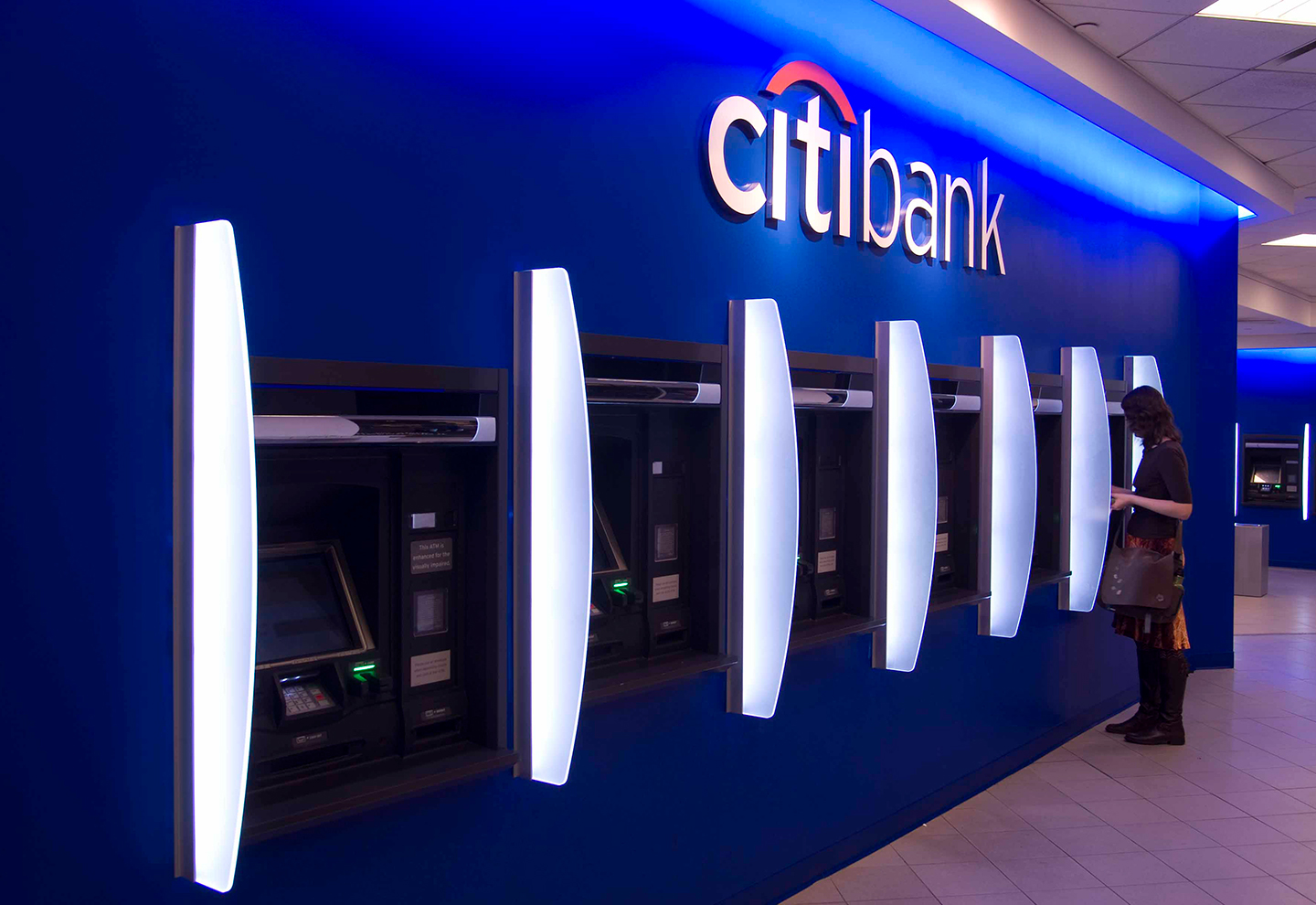
    The Citi Plusdigital wealth platform was officially rolled out on Monday in Hong Kong, following a pilot launch in December 2020.

    Catered to digital natives, Citi Plus offers personalized wealth management information and knowledge kits for clients and introduces gamification to build healthy financial habits and achieve targets responsibly.

    Millennials were invited to participate in research and the co-creation process, through which we could better address target clients’ pain points, and help them grow their wealth via the new service, Lawrence Lam, Citibank Hong Kong consumer business manager, said.

    The bank said it will launch the platform in other markets in the Asia Pacific region in the future, and is looking to add up to 200,000 clients over the next few years with a target of doubling its base within the next 24 months.

    Citi Plus offers stocks, money market funds, as well as an array of mutual funds primarily from ASI, Allianz Global Investors and Franklin Templeton, are offered on the platform.

    ASI said the partnership is an important part of the firm’s regional distribution strategy for 2021, according to a statement. We’re excited to play our part in enabling a new generation of digital-native investors to take control of their finances and invest for a better future, Andrew Hendry, ASI head of distribution Asia Pacific, said.

  • NVIDIA SHIELD TV’s latest update adds support for the newest controllers

    NVIDIA SHIELD TV’s latest update adds support for the newest controllers

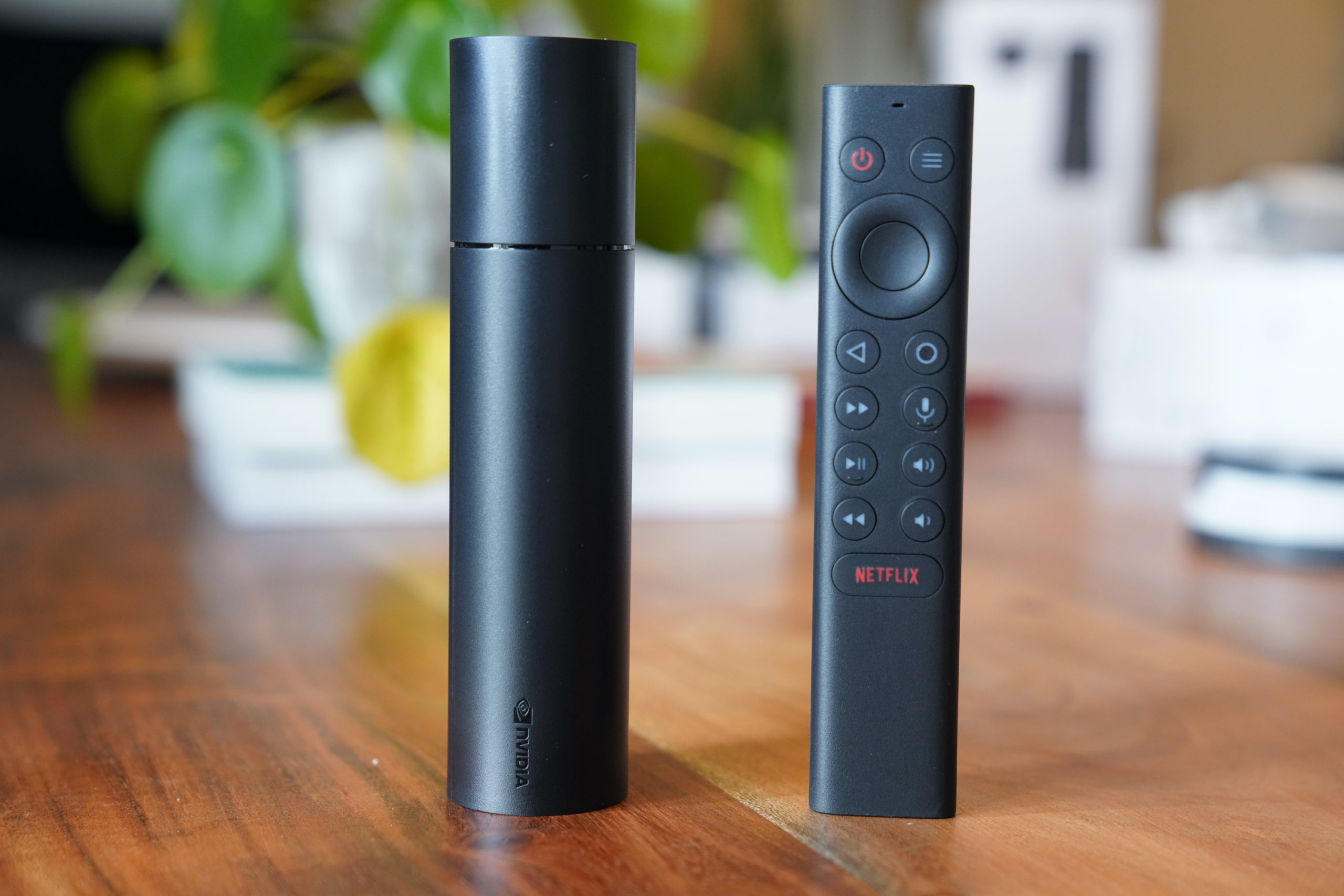
    NVIDIA’s SHIELD Android TV box has gone through a few iterations, but the base model was launched more than five years ago. During that time, the device received numerous updates that further expanded its functionality making it one of the most reliable of its kind.

    If you own one of these digital boxes, you’ll be happy to know that NVIDIA is now rolling out another of those important updates that usually adds major new features and improvements. In this case, it’s support for both DualSense and Xbox Series X/S controllers.

    With update 8.2.2, NVIDIA SHIELD TV users will be able to connect current-gen console (PlayStation 5 or Xbox Series X/S) controllers and start playing Android or GeForce NOW games. The new feature uses Bluetooth connectivity to pair the controllers with the NVIDIA SHIELD TV, so here is how it’s done:

    Besides that, NVIDIA announced that the SHIELD TV now supports Control4 for users with home theaters. And if you’re into gaming, you’ll be happy to know that you can now play new titles on your NVIDIA SHIELD TV via GeForce NOW, including Cyberpunk 2077, Destiny 2: Beyond Light, Assassin’s Creed Valhalla, Among Us, and Watch Dogs: Legion.

  • AS Watson and Grab launch regional health & beauty partnership

    AS Watson and Grab launch regional health & beauty partnership

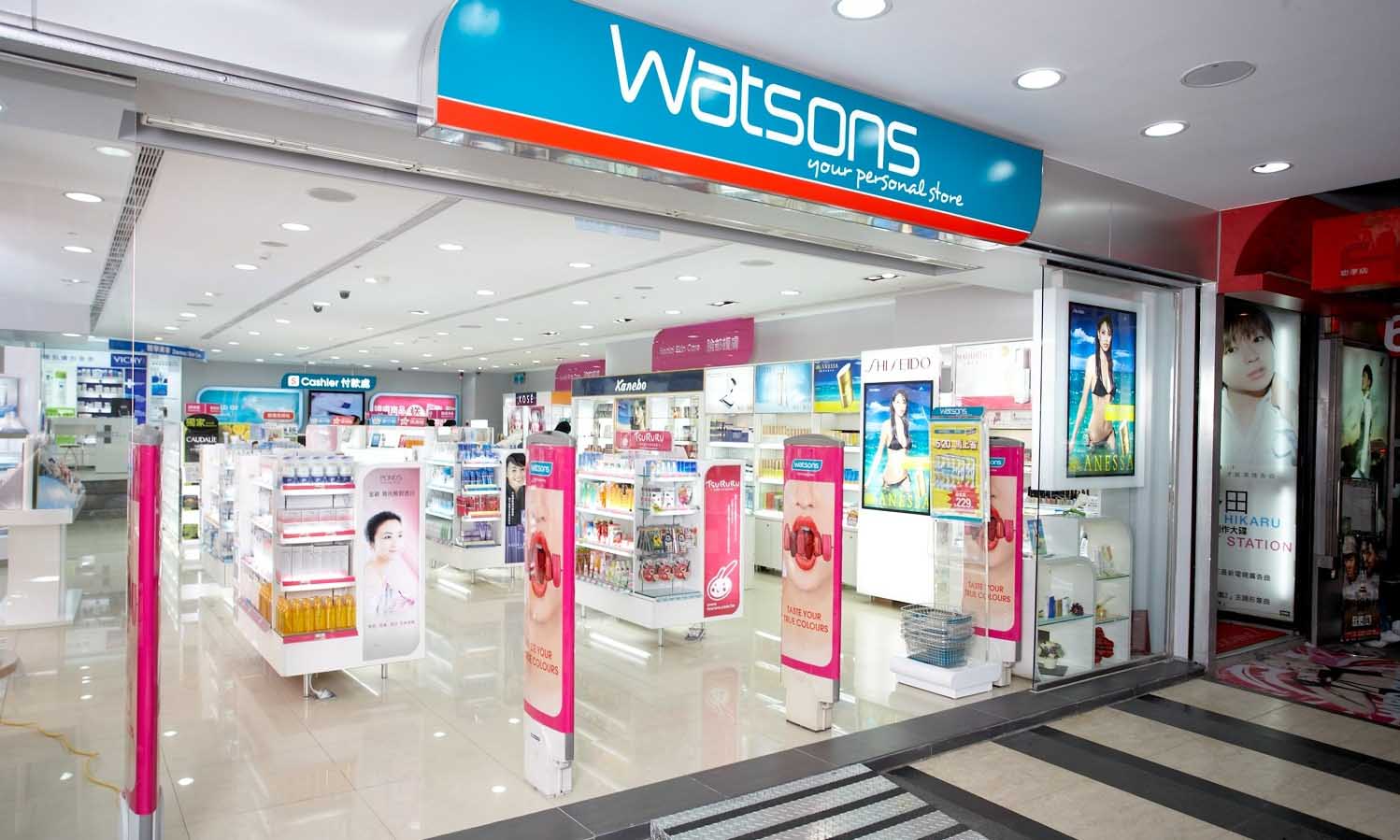
    Hong Kong-based health and beauty retailer AS Watson has partnered with Grab to launch an online and offline collaboration across Southeast Asia.

    The partnership will allow customers to access more than 62,000 health and beauty products at Watsons stores via Grab services, expanding Watsons’ online reach in Southeast Asia. The service is available in six markets: Singapore, Indonesia, Malaysia, Thailand, Vietnam and the Philippines.

    Through GrabExpress, Grab will serve as Watsons’ last-mile delivery partner in the markets, offering fast deliveries for purchases made through the Watsons website and mobile app. More than 2000 Watsons stores will be listed on GrabMart, making Watsons the largest health and beauty retailer to be on the platform.

    Meanwhile, Watsons will accept GrabPay cashless payment option in its Southeast Asia stores and integrate the digital wallet into its Watsons mobile app.

    “Covid-19 accelerated the growth of e-commerce and our customers expect their purchases to be delivered fast,” said Freda Ng, chief digital officer at Watsons International. “With our network of 2200 stores in Southeast Asia … Grab is the ideal partner to complete the purchase journey.”

    “Grab’s open platform enables companies to scale by easily plugging into our ecosystem and leveraging our unique online and offline capabilities to grow together with us in this region,” added Shawn Heng, MD, regional business development at Grab.

  • Asia is Ready for a Digital Banking Revolution

    Asia is Ready for a Digital Banking Revolution

    In the next three years, Asia will see more than fifty new digital banks that will completely change the financial services landscape. That’s just the beginning, GFT’s Christopher Ortiz says. The region will also see broader adoption of blockchain technology with new private exchanges, multi-currency e-wallets and digital assets.

    Some of the incumbent banks understand that a technological revolution is inevitable and are working on a digital reshaping of their offering, with broader cloud adoption, end-to-end digitalization of processes and a revamped user experience. What’s interesting is the focus remains predominantly on the retail offering, while the institutional and wealth businesses are trailing behind, weighed by the concept of personalized relationships.

    While this remains true for the current core client base of the top wealth managers, some wealth players are underestimating the impact of the transfer of wealth to the next generation, who despite not being digital natives have already adopted a complete digital lifestyle.

    Some of the most prestigious Swiss private banks understand the impending evolution and have already started a deep transformation of their offering and services with a digital mindset, to smoothly transition to a real personal digital experience. Asian wealth institutions are poised to start this process and revisit the impact of these new services on their current revenue streams.

    This is no longer about providing digital channels; that was the goal of the past ten years. The challenge is to reshape business models and create revenue-generating digital processes and services. It is estimated that cloud migration can help financial institutions reduce 80 percent of their mainframe costs, but this is not a short migration process it could take several years. As such, our recommendation to CIOs is to start embracing the cloud and initiate the migration as soon as possible.

    By 2025, most banking services will be completely digitalized. Multi-currency e-wallets with multiple central bank digital currencies and stable coins will replace physical currency, and the broad tokenization of investment assets and real state will be a reality, while most cross-border transactions will be booked on DLT technology. Financial intermediaries will also have reinvented themselves.

    Banks, as we know them today, are undergoing a fundamental change to become IT platforms with a banking license. However, the overall readiness of current financial services incumbents is under par. With some exceptions, the risk-aversion mindset is likely to prevail, and the lack of a transformational change mindset will stretch the profitability and long-term survival of key incumbents.

    The median age in Asia is around 30 years old, and about 70 percent of the region’s population is underbanked. The scale and challenges are unprecedented.

    In addition, If we look at the amount of unserved retail wealth in Asia, the opportunities are limitless. Yes, Asia will witness a revolution. Now it’s up to the incumbents to jump on the wagon and help drive it.

  • Goldman Sachs Proffers Affluent Wealth App

    Goldman Sachs Proffers Affluent Wealth App

    The U.S. investment bank plans to expand its wealth offering to affluent clients. The move represents a further departure from its Wall Street roots.

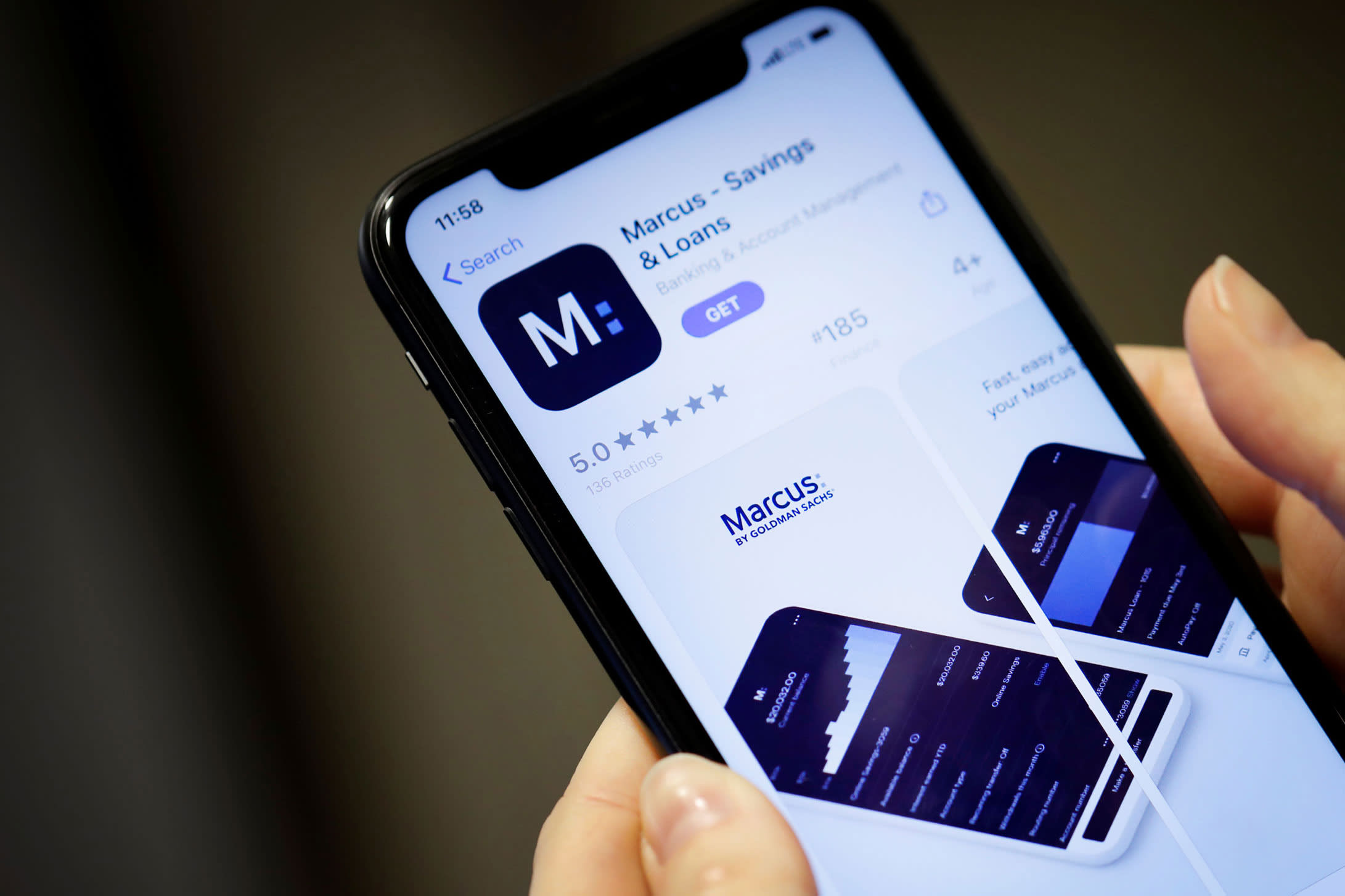
    Goldman Sachs, the best-known investment bank in the world, is pushing deeper into mass-market banking. Four years after launching Marcus for retail clients, the New York-based company is now releasing an app for affluent clients to invest, according to a report by CNBC which cites an internal memo.

    A beta version of the app – Marcus Invest – has already started and a wider launch is planned for the first quarter. Employees are the first to test Marcus Invest, which charges an annual fee of 0.15 percent of assets.

    The move is emblematic of how Goldman, known as Wall Street’s most voracious trading house, is quietly seeking a reinvention as a trusted wealth manager under CEO David Solomon. Though still minute in comparison to its investment banking activities, the wealth arm has steadily expanded in recent years – including returning to the world’s largest offshore center.

    Goldman’s entrance into the mass affluent market was foreshadowed by Marcus, which it launched in 2016 in the U.S. and expanded to the U.K. two years ago. Marcus was so successful in hoovering up British money that Goldman reportedly shut it to new clients this year. The app was meant to be launched in Germany as well, a move which was pushed back due to Brexit as well as the pandemic.

    Until recently, Goldman’s wealth managers catered only to the wealthiest of clients and those who also commanded investment banking-grade services (generally from $25 million in assets and up).

    Unlike traditional wealth managers, Goldman is making technology a backbone of its efforts to court the wealthy – plowing billions into its own development as well as into deals. It bought United Capital, a tech-backed wealth manager, last May, but has been quietly acquiring consumer banks and wealth managers since 2016.

  • Asia is Ready for a Digital Banking Revolution

    Asia is Ready for a Digital Banking Revolution

    In the next three years, Asia will see more than fifty new digital banks that will completely change the financial services landscape. That’s just the beginning, GFT’s Christopher Ortiz says. The region will also see broader adoption of blockchain technology with new private exchanges, multi-currency e-wallets and digital assets.

    Some of the incumbent banks understand that a technological revolution is inevitable and are working on a digital reshaping of their offering, with broader cloud adoption, end-to-end digitalization of processes and a revamped user experience. What’s interesting is the focus remains predominantly on the retail offering, while the institutional and wealth businesses are trailing behind, weighed by the concept of personalized relationships.

    While this remains true for the current core client base of the top wealth managers, some wealth players are underestimating the impact of the transfer of wealth to the next generation, who despite not being digital natives have already adopted a complete digital lifestyle.

    Some of the most prestigious Swiss private banks understand the impending evolution and have already started a deep transformation of their offering and services with a digital mindset, to smoothly transition to a real personal digital experience. Asian wealth institutions are poised to start this process and revisit the impact of these new services on their current revenue streams.

    This is no longer about providing digital channels; that was the goal of the past ten years. The challenge is to reshape business models and create revenue-generating digital processes and services. It is estimated that cloud migration can help financial institutions reduce 80 percent of their mainframe costs, but this is not a short migration process it could take several years. As such, our recommendation to CIOs is to start embracing the cloud and initiate the migration as soon as possible.

    By 2025, most banking services will be completely digitalized. Multi-currency e-wallets with multiple central bank digital currencies and stable coins will replace physical currency, and the broad tokenization of investment assets and real state will be a reality, while most cross-border transactions will be booked on DLT technology. Financial intermediaries will also have reinvented themselves.

    Banks, as we know them today, are undergoing a fundamental change to become IT platforms with a banking license. However, the overall readiness of current financial services incumbents is under par. With some exceptions, the risk-aversion mindset is likely to prevail, and the lack of a transformational change mindset will stretch the profitability and long-term survival of key incumbents.

    The median age in Asia is around 30 years old, and about 70 percent of the region’s population is underbanked. The scale and challenges are unprecedented.

    In addition, If we look at the amount of unserved retail wealth in Asia, the opportunities are limitless. Yes, Asia will witness a revolution. Now it’s up to the incumbents to jump on the wagon and help drive it.