Retail News CRM

Tag: Drinks

  • Chapanda Prepares To Launch First U.s. Store In NYC, Aiming To Reach Larger Demographic

    Chapanda Prepares To Launch First U.s. Store In NYC, Aiming To Reach Larger Demographic

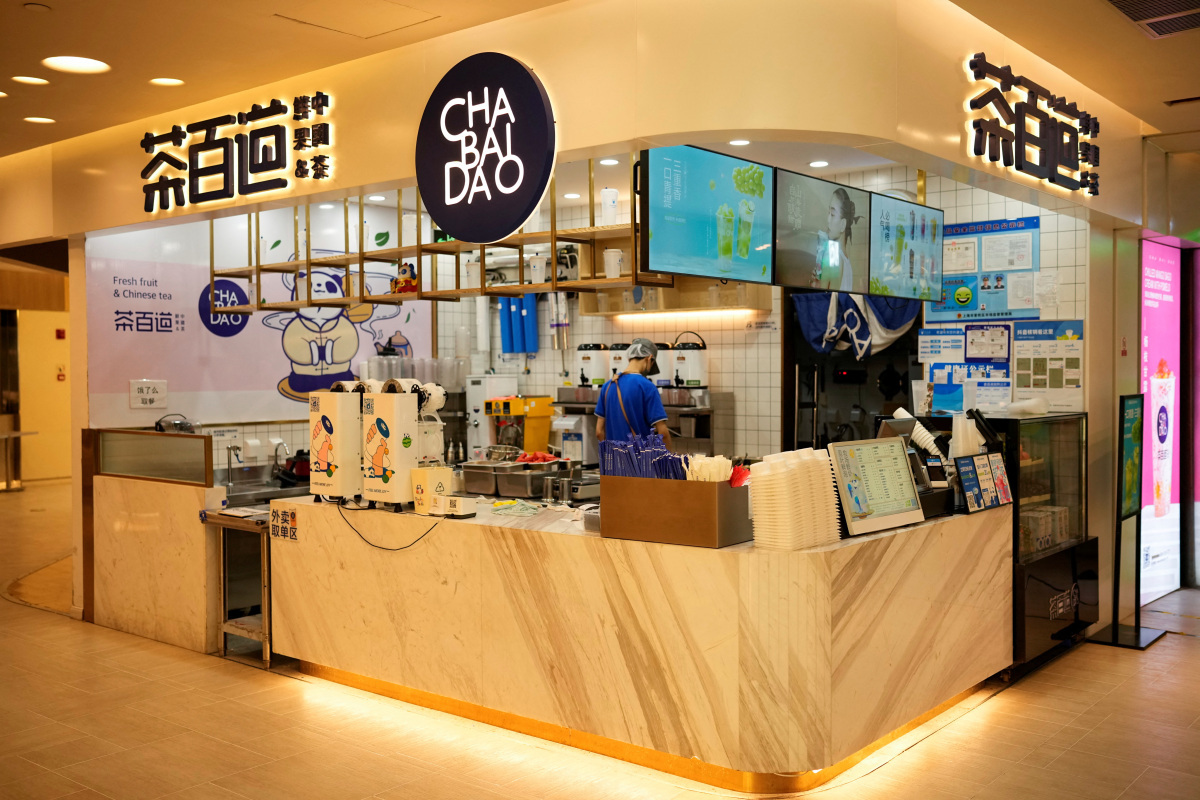
    Chinese tea retail chain Cha Bai Dao, widely known as ChaPanda, is preparing to launch its inaugural US-based store in Flushing, a neighborhood in Queens, New York City.

    Main Street Debut

    The new store is slated to open on Main Street, an area identified by the company as the bustling commercial heart of Flushing and a locale with one of America’s largest Chinese populations.

    Wang Huan, the Overseas CEO of ChaPanda, explained that the expansion intends to introduce the brand to a much larger demographic. “ChaPanda is committed to providing an unrivaled selection of products and a superior service experience for American consumers. Through our standardized operating systems and extensive global supply chain network, we ensure that our products and services remain consistent across all our international stores,” Huan elaborated.

    Spreading its Wings

    This development comes in the wake of numerous global inaugurations throughout the current year. In May, ChaPanda opened its premier European store in Paris, and just last month, it made its debut in Singapore with two new outlets.

    Notable market analysts from Galaxy Securities and Huaxin Securities have pointed out the effectiveness of ChaPanda’s unique “one location, one strategy” model in yielding positive outcomes in foreign markets. They anticipate that, with the acceleration of its international expansion, the firm is well-positioned to capitalize on a dual growth strategy encompassing both domestic and international markets.

    Questions & Answers

    What is ChaPanda’s expansion strategy?
    ChaPanda’s expansion strategy involves a unique “one location, one strategy” model, which allows the company to customize its approach for each specific market it enters.

    Where is ChaPanda’s first US store going to be located?
    ChaPanda’s inaugural US store will be located on Main Street in Flushing, Queens, New York City, an area known for being a bustling commercial hub and having one of the largest Chinese populations in America.

    What does Wang Huan, Overseas CEO of ChaPanda, say about the company’s approach to maintaining quality and consistency?
    Wang Huan stated that through standardized operating systems and a comprehensive global supply chain network, ChaPanda ensures the consistency of its products and services across all its global stores.
  • Starbucks Korea Eliminates Printers and Desktops as Café Workspaces Gain Popularity Among Customers

    Starbucks Korea Eliminates Printers and Desktops as Café Workspaces Gain Popularity Among Customers

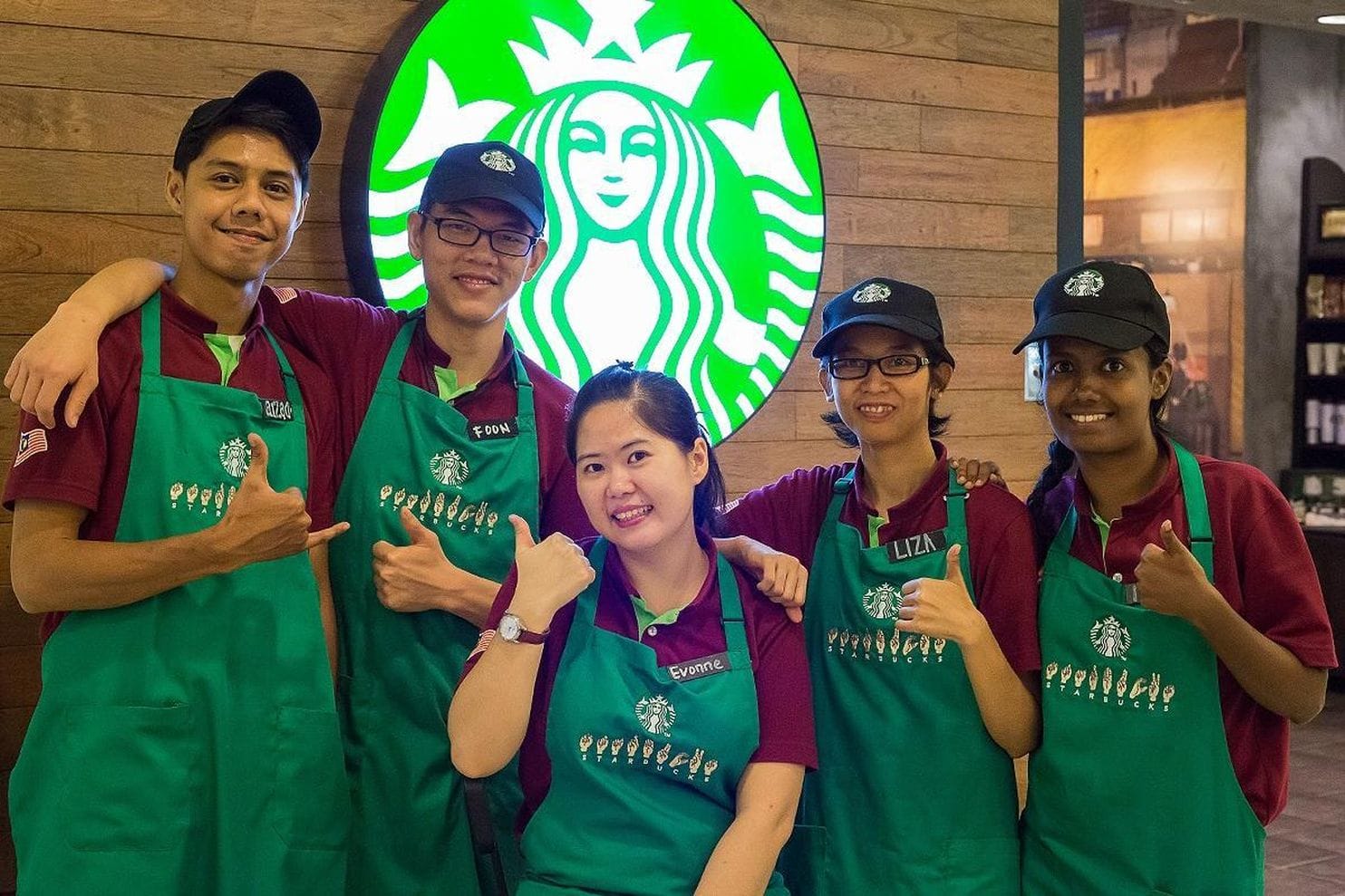
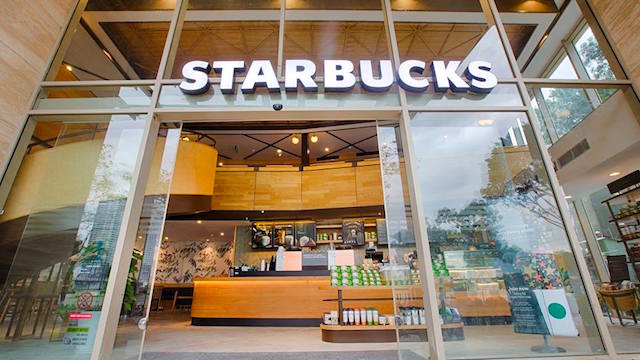
    In a strategic move to enhance customer satisfaction, Starbucks has implemented a new policy across all its locations in South Korea, urging patrons to leave behind bulky devices when they step away from their tables. Announced Thursday, every store has displayed notices banning large equipment, including power strips and extensive cubicle-style dividers.

    These signs serve a dual purpose: they remind customers to take their belongings if they plan to leave for an extended period and encourage the efficient use of shared tables. A representative from Starbucks elucidated that this policy aims to maintain a comfortable environment for all guests. “While laptops and smaller personal devices are welcome, customers are asked to refrain from bringing desktop computers, printers, or other bulky items that may limit seating and impact the shared space,” the spokesperson explained to Business Insider. Importantly, these guidelines do not impose time restrictions on those who choose to dine in.

    Starbucks boasts over 2,000 outlets in South Korea, making it the company’s third-largest market after the United States and China. This recent policy aligns with a rapidly burgeoning trend in the country known as “cagongjok,” which describes individuals who occupy coffee shops for long hours to work or study.

    While the majority of these patrons use laptops, the trend has also seen some customers bringing in considerably larger equipment such as monitors and printers, as well as—wait for it—partition panels. A social media post illustrating a customer in South Korea with a three-sided partition and a computer exemplifies this phenomenon, showcasing just how far some have taken the concept of a “mobile office.”

    The rise of this trend is rooted in South Korea’s changing labor landscape and the widespread shift toward remote work. Post-pandemic, many employees adjusted to working from home, and as they gradually returned to their offices, skyrocketing rents and limited redevelopment opportunities in Seoul restricted available commercial space. In a city where businesses fiercely compete for every square foot, cafés have flourished as makeshift workspaces.

    Jo Elfving-Hwang, an associate professor of Korean society and culture at Australia’s Curtin University, noted that businesses have adapted by turning to co-working spaces or allowing employees to work remotely. “People just started working from home more, and [businesses] discovered that they didn’t necessarily need a space in the same way,” she shared with Fortune.

    However, not everyone is pleased with the emergence of “cagongjok.” Some café owners voice frustration, labeling these long-term patrons as “electricity thieves” who commandeer tables for hours while purchasing just a single beverage, thereby limiting availability for other guests. As such, it seems only natural for cafés to strive to reclaim their identity as spaces for leisure and relaxation rather than simply functioning as remote work hubs, according to Elfving-Hwang.

    Questions & Answers

    What prompted Starbucks to implement this new policy in South Korea?
    The new policy was introduced to enhance customer experience by preventing the overcrowding of space caused by bulky devices like desktop computers and printers.

    What does the term “cagongjok” refer to in the context of South Korea’s café culture?
    “Cagongjok” describes individuals who occupy coffee shops for extended periods to work or study, often occupying tables for hours with minimal purchases.

    How is the rise of remote work influencing café dynamics in South Korea?
    As more employees work from home and the demand for physical office space decreases, many have turned to cafés as alternative workspaces, leading to a shift in how these establishments are utilized.

  • Starbucks Sales Dip Globally, But China Shows Signs Of Recovery

    Starbucks Sales Dip Globally, But China Shows Signs Of Recovery

    Starbucks has recently disclosed a drop in its global comparable store sales for its fiscal third quarter, which underscores the persisting challenges in its primary US market. This comes even as its China operations begin to show some promising signs of recovery.

    Revenue and Sales Performance

    Despite the Seattle-based coffee giant recording a 4% rise in total revenue year-over-year, amounting to US$9.5 billion, it was overshadowed by a 2% decrease in global comparable store sales. This dip can be predominantly attributed to a slump in foot traffic in North America—Starbucks’ biggest market—where there was a 3% reduction in transactions.

    On a brighter note, China, the second largest market for Starbucks, appeared to defy this trend. Comparable store sales in China saw a 2% increase, signifying a comeback following several quarters of decline.

    Expansion and Strategic Growth

    Over the past year, Starbucks has added over 500 new stores in China, thereby increasing its total to 7,828. The company is also said to be considering various proposals from potential local partners to help speed up its expansion into lower-tier cities, while keeping strategic control intact.

    However, Starbucks also faces mounting competition in China from rapidly growing domestic contenders such as Luckin Coffee and Cotti Coffee. These brands have been rapidly expanding by offering lower prices and faster service models.

    North America Initiatives and Future Plans

    In North America, Starbucks is actively undertaking its ‘Back to Starbucks’ initiative, a strategy designed to bolster store operations, improve employee engagement, and refine the overall customer experience.

    Brian Niccol, the Chairman and CEO, expressed an optimistic outlook, citing early signs of progress in the company’s efforts to revamp its operations. He commented, “We’ve made significant progress and tackled challenging issues to build a robust operating foundation. In terms of turnaround efforts, we are ahead of schedule.”

    “By 2026, we plan to launch a series of innovations that will drive growth, enhance customer service, and ensure that everyone has access to the very best of Starbucks. We are committed to rebuilding a superior Starbucks experience and a stronger business.”

    Starbucks has also announced its plans to gradually phase out underperforming mobile order-only stores, and shift towards new café formats that include seating and drive-thrus. This is part of an overall strategy to improve the in-store experience.

    The coffee chain has big plans for fiscal 2026, with the introduction of a range of new beverage and food items, including protein-based cold foams, coconut water-infused drinks, gluten-free snacks, and customizable energy drinks.

    In addition to the product expansion, there are also upgrades planned for the company’s mobile app and loyalty rewards program, with continued investment in digital and operational technology.

    Questions & Answers

    What strategies is Starbucks implementing to recover from the drop in sales?
    Starbucks is taking several steps to recover, including the ‘Back to Starbucks’ initiative in North America, which aims to strengthen store operations and improve the overall customer experience. The company is expanding in China and is planning to introduce new products and upgrade its mobile app and loyalty program.

    What is the ‘Back to Starbucks’ initiative?
    The ‘Back to Starbucks’ initiative is a strategy designed to strengthen store operations, increase employee engagement, and enhance the overall customer experience. The company hopes this will help to boost sales and customer satisfaction.

    What are the company’s plans for growth in China?
    Starbucks plans to partner with local entities to accelerate expansion into lower-tier cities in China. Over the past year, the company has already added more than 500 new stores in the country and continues to consider strategies for further expansion.

  • Lee Kent Takes Reigns As Pepsico New Zealand’s GM Of Foods, Aiming To Amplify Brand’s Impact

    Lee Kent Takes Reigns As Pepsico New Zealand’s GM Of Foods, Aiming To Amplify Brand’s Impact

    PepsiCo New Zealand has announced the appointment of Lee Kent to the position of General Manager (GM) of Foods, effective from the 1st of August. He is set to succeed Michelle Cassettari in this role.

    Lee Kent’s New Role

    In his new position as GM of Foods, Kent will oversee operations, strategy, and management of the Bluebird brand, which is part of PepsiCo’s portfolio in New Zealand. Additionally, he will spearhead a cross-functional team with a primary focus on expanding the presence of PepsiCo within the country.

    Alexia Horley, the Chief Executive Officer (CEO) of PepsiCo Australia and New Zealand Foods, spoke highly of Kent’s abilities. She emphasized his bold strategic approach and his proficiency in establishing, managing, and executing business relationships. Horley believes that these skills will be a crucial differentiator in building effective leadership.

    Lee Kent’s Background

    Kent’s move to PepsiCo New Zealand comes after a notable tenure of more than 11 years at PepsiCo UK. In the UK, he held a number of senior commercial roles spanning organized trade, traditional trade, e-commerce, and value retail.

    In his most recent role, Kent served as the Senior Sales Director for PepsiCo’s Tesco business. He was an integral member of the UK sales leadership team. Additionally, Kent was responsible for leading cross-functional collaboration across marketing, supply, and finance sectors as the commercial lead for UK snacks.

    Questions & Answers

    Who is the new General Manager of Foods at PepsiCo New Zealand?
    Lee Kent has been appointed as the new General Manager of Foods at PepsiCo New Zealand, succeeding Michelle Cassettari.

    What will Kent’s responsibilities include in his new role?
    Kent will oversee operations, strategy, and management of the Bluebird brand, and lead a team aimed at expanding PepsiCo’s presence in New Zealand.

    What was Kent’s role at PepsiCo UK?
    Lee Kent served as the Senior Sales Director for PepsiCo’s Tesco business in the UK and was responsible for cross-functional collaboration across marketing, supply, and finance.

  • Savage Rabbit Vodka: Eastern European Tradition Meets Australian Market

    Savage Rabbit Vodka: Eastern European Tradition Meets Australian Market

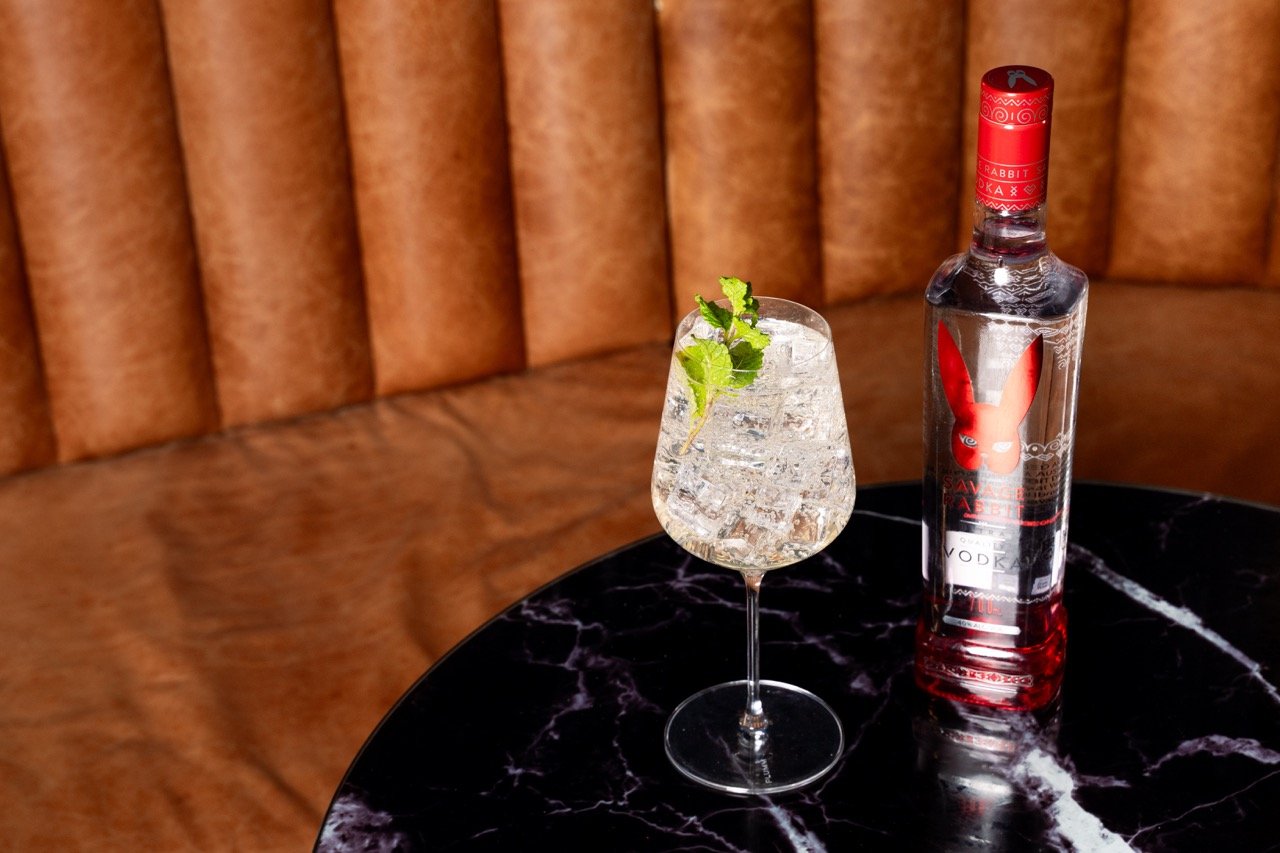
    Slovakia-based Savage Rabbit has officially introduced its premium vodka into the Australian market.

    The Vodka’s Unique Composition

    Savage Rabbit’s vodka is a harmonious blend of winter wheat and rye, paying homage to Eastern European vodka-making traditions while incorporating modern practices. The spirit is noteworthy for its distinct taste profile, featuring notes of apple and juicy melon, underscored by almond with a touch of white pepper.

    Ian Head, the co-founder of Savage Rabbit, noted that the brand aims to combine a premium product’s purity and smoothness with a playful and social appeal in tune with modern consumers’ preferences.

    Inspired by Nature

    The vodka, distilled in Slovakia, draws inspiration from the glacial spirit of the Tatra Mountains. It offers a unique aromatic bouquet of grapefruit and pecan, culminating in a smooth, silky, buttery mouthfeel.

    Exceptional Production Process

    The production process of Savage Rabbit vodka involves a meticulous triple-filtration process. After cooling the spirit to below three degrees Celsius, it’s filtered through charcoal, silver, and platinum to ensure a pristine final product.

    Availability

    Savage Rabbit Vodka is now available for purchase in selected stores and venues across Australia, retailing at a standard price of $69.

    Questions & Answers

    What is the flavor profile of Savage Rabbit Vodka?
    Savage Rabbit Vodka combines taste notes of apple and juicy melon, layered with almond and a hint of white pepper. It also features aromatic tones of grapefruit and pecan.

    What is unique about Savage Rabbit’s production process?
    Savage Rabbit Vodka undergoes an intricate triple-filtration process through charcoal, silver, and platinum after being cooled to under three degrees Celsius, which contributes to its purity and smoothness.

    Where can Savage Rabbit Vodka be purchased in Australia?
    Savage Rabbit Vodka is available in select stores and venues across the nation.

  • Australian Non-alcoholic Brand Naked Life Breaks Into Us Market With Molson Coors

    Australian Non-alcoholic Brand Naked Life Breaks Into Us Market With Molson Coors

    Australian Brand Naked Life Enters the US Market

    Naked Life, a renowned non-alcoholic beverage brand from Australia, has made its entry into the US market. This expansion was made possible through a distribution partnership with Molson Coors, a leading brewing company, allowing Naked Life to add to the corporation’s ever-growing selection of alcohol-free products.

    Lauded for its range of non-alcoholic and sugar-free cocktails, Naked Life is recognized for its use of distilled botanicals and extracts that authentically mimic the complex flavors of traditional spirits.

    Initial US Product Range

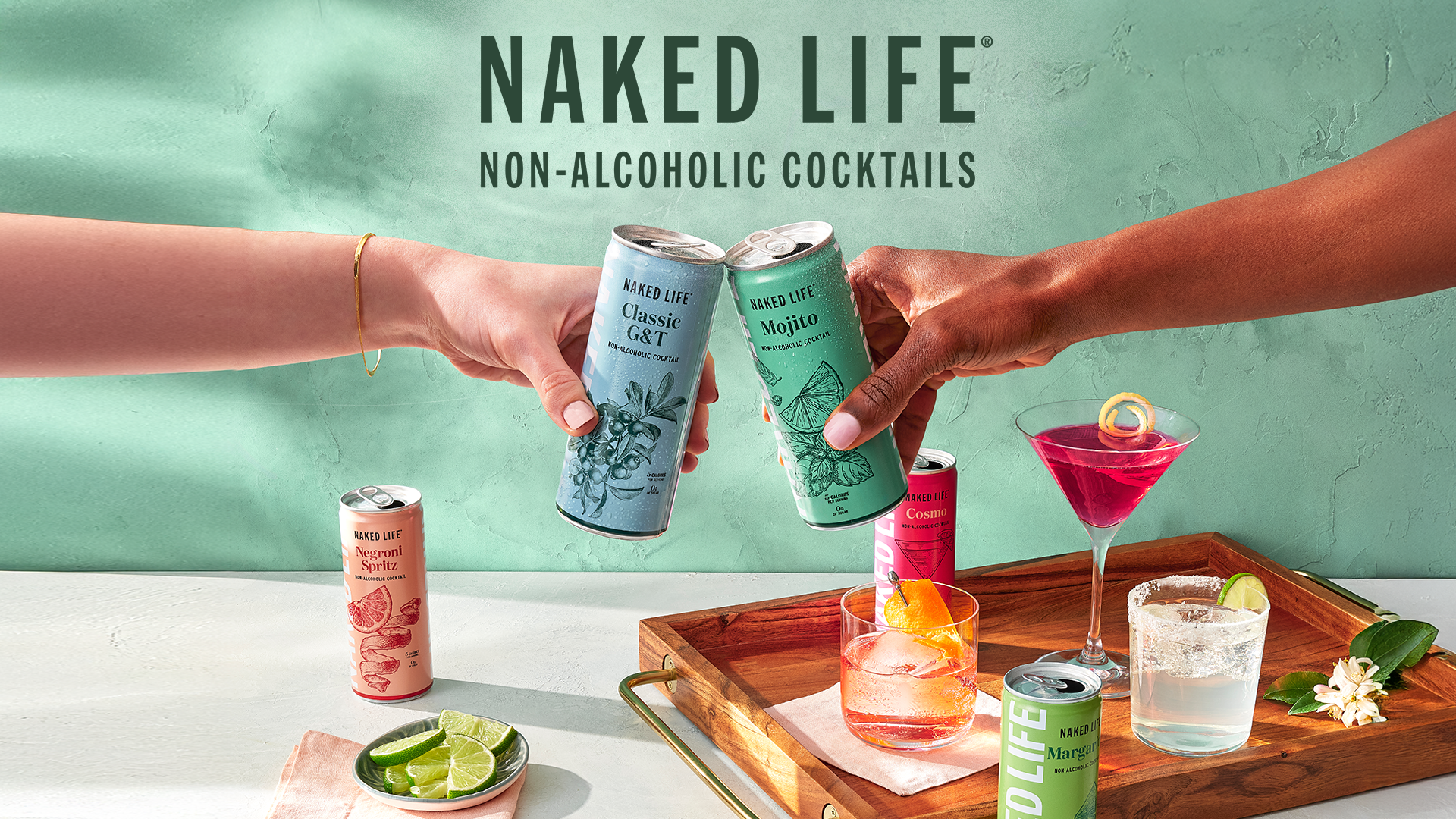
    The initial product line that Naked Life is bringing to the US consists of five core variants:

    – Mojito: A delightful concoction of citrus, lime, and fresh mint, accentuated with notes of brown sugar and rum.
    – Negroni Spritz: A balanced cocktail featuring cherry, amaro, and orange, offset by the bitterness of cinchona and bitter orange.
    – Classic G&T: A traditional mix of lemon, bitter orange, cinchona, and juniper berry.
    – Cosmo: A blend of cranberry and lime, injected with subtle orange notes.
    – Margarita: A blend of lime and salt, layered with undertones from a batch-distilled botanical blend.

    Mission of Naked Life

    David Andrew, the founder of Naked Life, shared the company’s mission: “Our aim in creating Naked Life was to make non-alcoholic cocktails more accessible, without giving up on flavor, experience, or occasion. As we observe the global trend towards mindful drinking, we are excited to bring Naked Life to the US and provide people with a different way to relish cocktail moments, on their own terms and at their own convenience.”

    Priced at US$9.99, Naked Life’s non-alcoholic cocktails are available across the US through various channels including DrinkNakedLife.com, Amazon, Total Wine, and select Meijer stores in West Michigan.

    Questions & Answers

    What kind of products does Naked Life offer?
    Naked Life offers a range of non-alcoholic and sugar-free cocktails that mimic the flavors of traditional spirits.

    What are the core variants of Naked Life’s initial US product range?
    The initial product range includes five core variants: Mojito, Negroni Spritz, Classic G&T, Cosmo, and Margarita.

    Where can you purchase Naked Life’s non-alcoholic cocktails in the US?
    These cocktails are available across the US via DrinkNakedLife.com, Amazon, Total Wine, and select Meijer stores in West Michigan.

  • Leuca Unveils Vodka-infused Water: A Healthy Twist To Ready-to-drink Beverages

    Leuca Unveils Vodka-infused Water: A Healthy Twist To Ready-to-drink Beverages

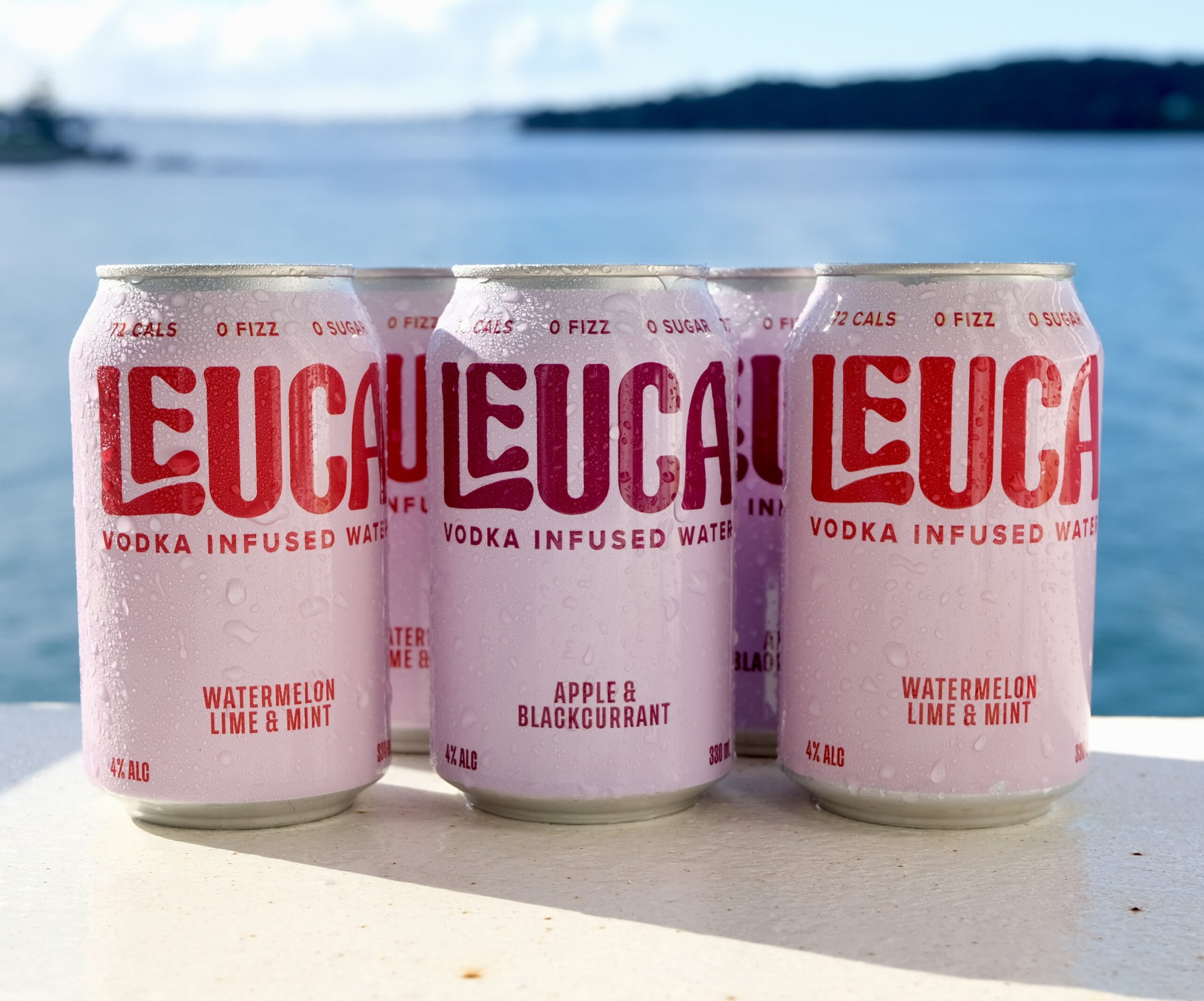
    Leuca, an Australian beverage company known for its ready-to-drink (RTD) products, has introduced its inaugural non-sparkling, vodka-infused water, augmented by two fresh fruit flavors.

    The new offerings, Apple Blackcurrant and Watermelon Mint Lime, are crafted with less sugar and natural fruit flavors. They blend pure water with triple-distilled top-grade vodka, providing a unique carb-free, non-fizzy beverage experience.

    The Vision Behind Leuca’s New Flavors

    Co-founder of Leuca, Shaun May, explains the concept behind the development of these beverages. According to May, finding a satisfying drink often involved a trade-off with sugar or additives. With the creation of these new Leuca beverages, consumers can enjoy a flavorful drink without the concerns of excessive sugar or carbonation.

    Availability and Distribution

    Prior to its official debut, the RTD collection from Leuca received extensive interest and was pre-ordered by well-known venues in Bondi, including Beach Road Hotel and Neighbourhood Cellars.

    The new flavors, each with an Alcohol By Volume (ABV) of 4 percent, are available in 330ml cans.

    Questions & Answers

    What are the new flavors introduced by Leuca in their vodka-infused water range?
    The new flavors introduced by Leuca are Watermelon Mint Lime and Apple Blackcurrant.

    What is the unique selling proposition of these new Leuca beverages?
    These beverages are non-carbonated and have less sugar, offering a fresh and healthy alternative in the ready-to-drink beverage market.

    Where can the new Leuca beverages be purchased?
    The beverages can be purchased at renowned venues in Bondi, including Beach Road Hotel and Neighbourhood Cellars. They are also available in 330ml cans for broader distribution.

  • Ribena Reveals Bold New Brand Identity: Striking Balance Between Heritage And Modernity

    Ribena Reveals Bold New Brand Identity: Striking Balance Between Heritage And Modernity

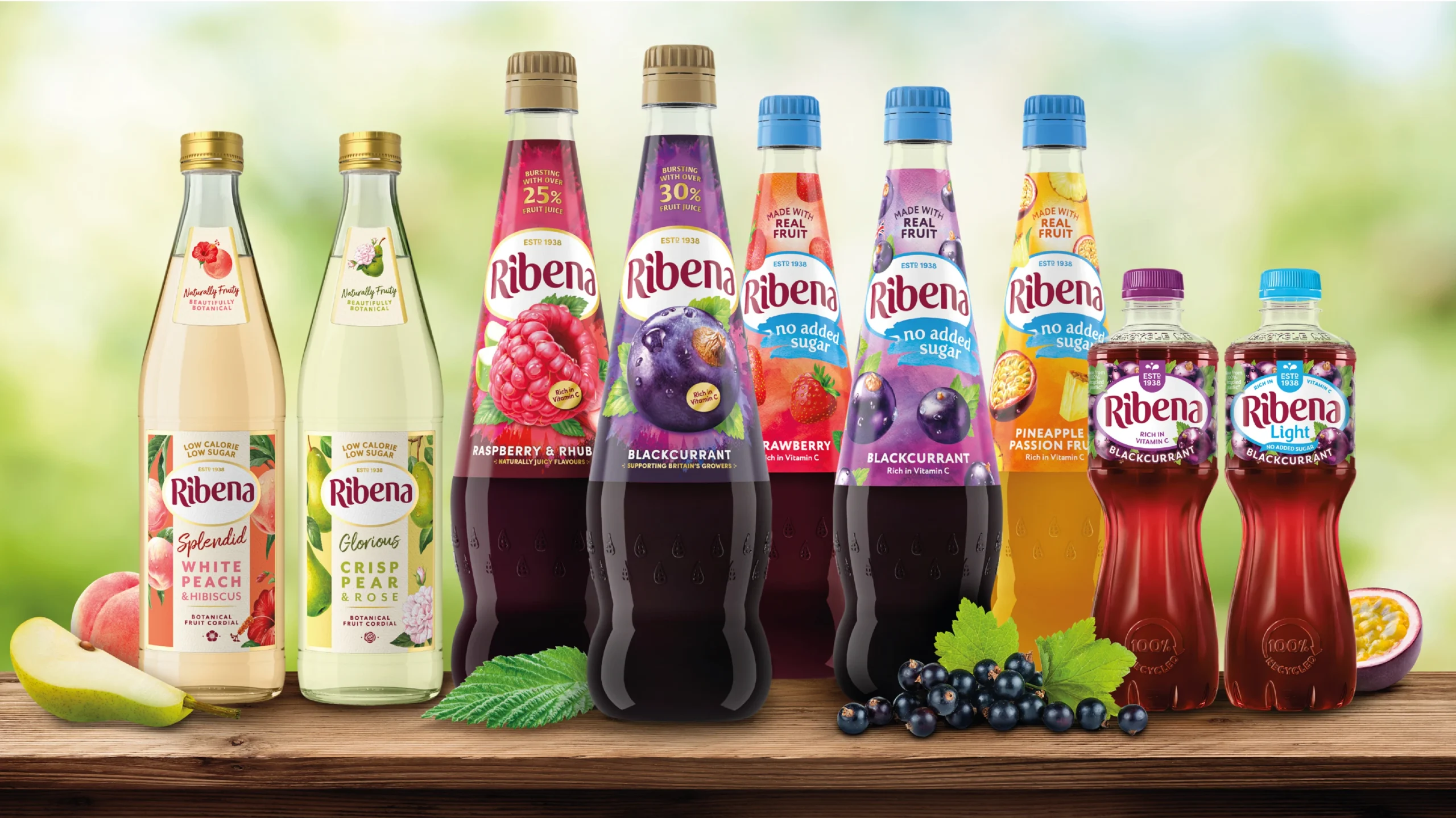
    Iconic beverage label Ribena has recently introduced a new brand identity, developed with help from the renowned creative team at Elmwood. With the aim of maintaining the brand’s familiarity while enhancing its shelf appeal, the revamped identity features a bold new logo while retaining key elements of its heritage.

    A New Twist to An Old Favorite

    The updated visual identity for Ribena features a reimagined logo where the traditional blackcurrant-colored wordmark is replaced by a bolder red hue. The curvature in the old lettering has been transformed into a more streamlined and clean baseline. The alterations also extend to the letterforms, which have been molded to look more “plump and juicy”, further emphasizing the brand’s fruity image.

    Striking the Balance Between The Old And The New

    Charlotte Distefano, Elmwood’s Creative Director, explained that their mission was to strike a balance between ‘familiar difference’. They observed that despite customers’ love for Ribena’s taste, the brand was often overlooked on store shelves. Therefore, the goal was to create a design that was immediately recognisable as Ribena, whilst boosting brand visibility and establishing a consistent look and feel.

    The Blend of Heritage and Modernity

    Key, heritage-linked elements, such as Ribena’s blackcurrants, have been retained in the rebranding, but are now subtly positioned in the background. A fresh “juicy droplet icon” has been introduced beneath the fruit, complemented by a vibrant purple backdrop and gold accents to further augment the brand’s aesthetic appeal.

    Elmwood confirmed that in trials, the refreshed packaging showed significant improvements across measures such as purchase intent, recall, and perceived taste, while still being easily identifiable as Ribena. Ribena, a company established in 1938, is currently held by Suntory Beverage & Food GB&I.

    Questions & Answers

    What are the key changes in Ribena’s new logo?
    The former blackcurrant-hued wordmark has been replaced by a bolder red logo and the curved old lettering has been simplified into a cleaner, straight baseline.

    What was the goal of Ribena’s redesign?
    The aim was to create an instantly recognisable yet distinctive design that enhanced the brand’s visibility and created a consistent look and feel.

    How has the reaction been to the new packaging?
    The new design performed well in trials, showing improvements in purchase intent, recall, and perceived taste, while maintaining its recognisability as Ribena.

  • Coconut Prices Soar to $7 a Dozen: What This Means for Retail and Consumers

    Coconut Prices Soar to $7 a Dozen: What This Means for Retail and Consumers

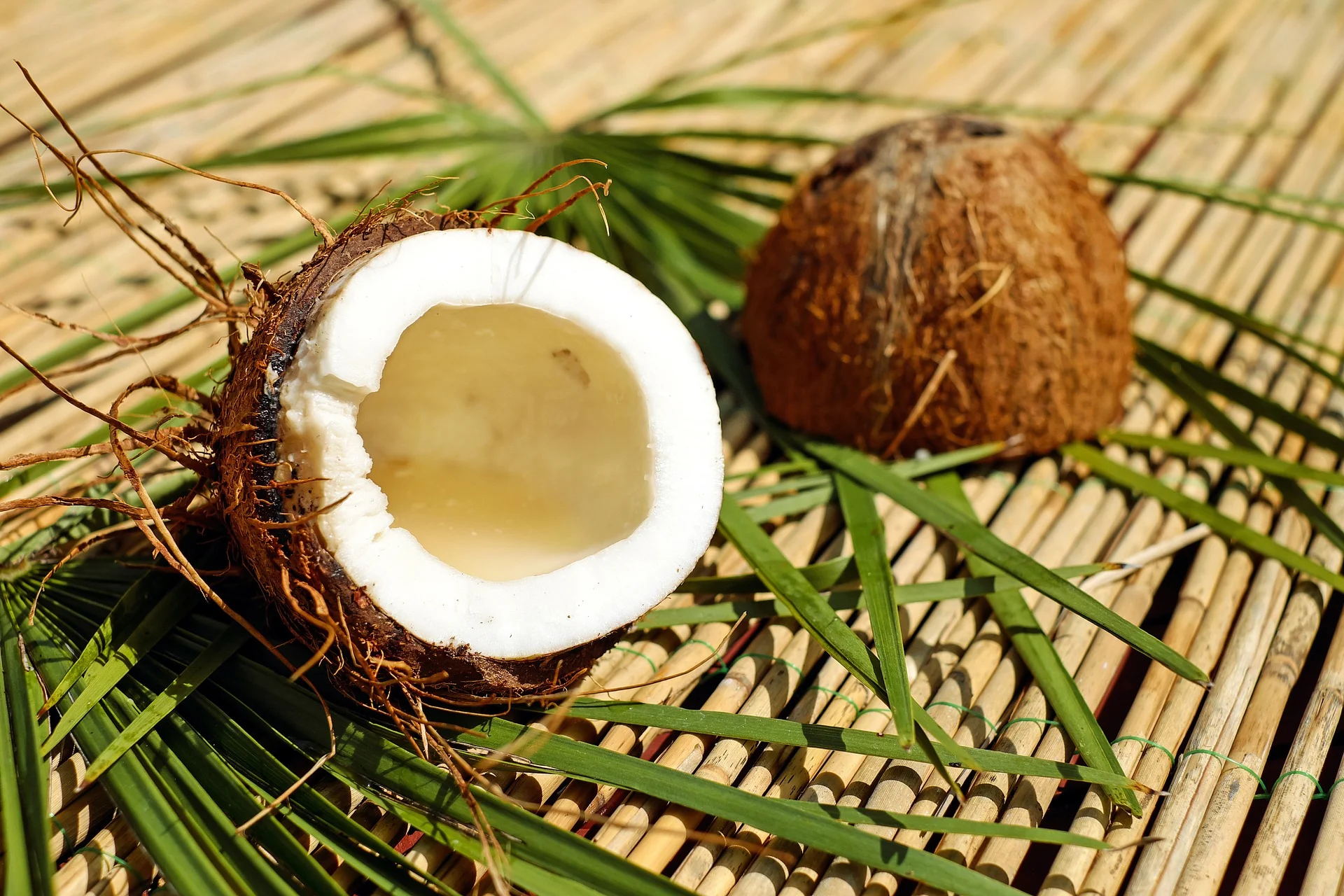
    Coconut prices have soared six-fold since 2022, reaching VND190,000 (US$7.26) per dozen, driven by soaring global demand.

    Soaring Demand Meets Shrinking Supply

    According to the Vietnam Coconut Association, the appetite for coconut-derived products—including food, cosmetics, and biofuels—is expanding rapidly. Yet, this booming demand stands in stark contrast to the declining coconut output in Vietnam, a situation exacerbated by climate change, persistent droughts, pests, and outdated farming practices.

    Farming Challenges Highlighted

    Investments in proper crop care remain woefully low; only about 20% of coconut farmers engage in necessary fertilization and pest control, leading to unsatisfactory and erratic yields. Most farmers opt for a more laissez-faire approach, allowing their trees to grow naturally, which contributes to the ongoing supply crunch.

    Global Markets Pivot to Vietnamese Coconuts

    The U.S. officially welcomed fresh coconut imports from Vietnam in 2023, adding to existing exports to China and a surge in purchases from various Middle Eastern nations. These international openings have tightened domestic supply and propelled prices upward, according to Cao Ba Dang Khoa, General Secretary of the Vietnam Coconut Association.

    While the rise in prices signals a potential boost to farmers’ incomes, it presents difficult challenges for processing companies, which find it hard to increase their prices in an intensely competitive global market. Notably, prices are also climbing in neighboring coconut-producing nations such as Thailand, Malaysia, the Philippines, and Indonesia.

    A Thriving Industry in the Face of Challenges

    Vietnam boasts over 200,000 hectares dedicated to coconut cultivation, yielding approximately two million tons annually. The processing sector has witnessed impressive growth, expanding from just eight facilities in 2015 to 45 by 2024. Prominent firms like Betrimex, Luong Quoi, and Beinco are adopting modern technologies to adapt to this evolving market landscape.

    As the coconut industry lumbers forward, it seems we may be witnessing the rise of the “water of life” from the tropics—because who could resist those benefits?

    Questions & Answers

    What is driving the rising price of coconuts in Vietnam?
    The surge in coconut prices is largely attributed to increasing global demand for coconut-based products, combined with a decline in domestic supply due to factors like climate change and inadequate farming practices.

    How has the processing sector adapted to these market conditions?
    The number of coconut processing facilities has escalated from eight in 2015 to 45 in 2024, with companies investing in modern technologies to enhance efficiency and meet growing demand.

    What challenges do farmers face in coconut cultivation?
    Many farmers struggle with consistent yields due to outdated farming techniques, with only a minority investing in essential crop maintenance practices such as fertilization and pest control.

  • Remedy Drinks launches Ginger Beer range

    Remedy Drinks launches Ginger Beer range

    Remedy Drinks, a popular beverage company, has expanded its product lineup with the introduction of a new drink, Remedy Ginger Beer.

    Interesting Flavours and Traditional Brewing Methods

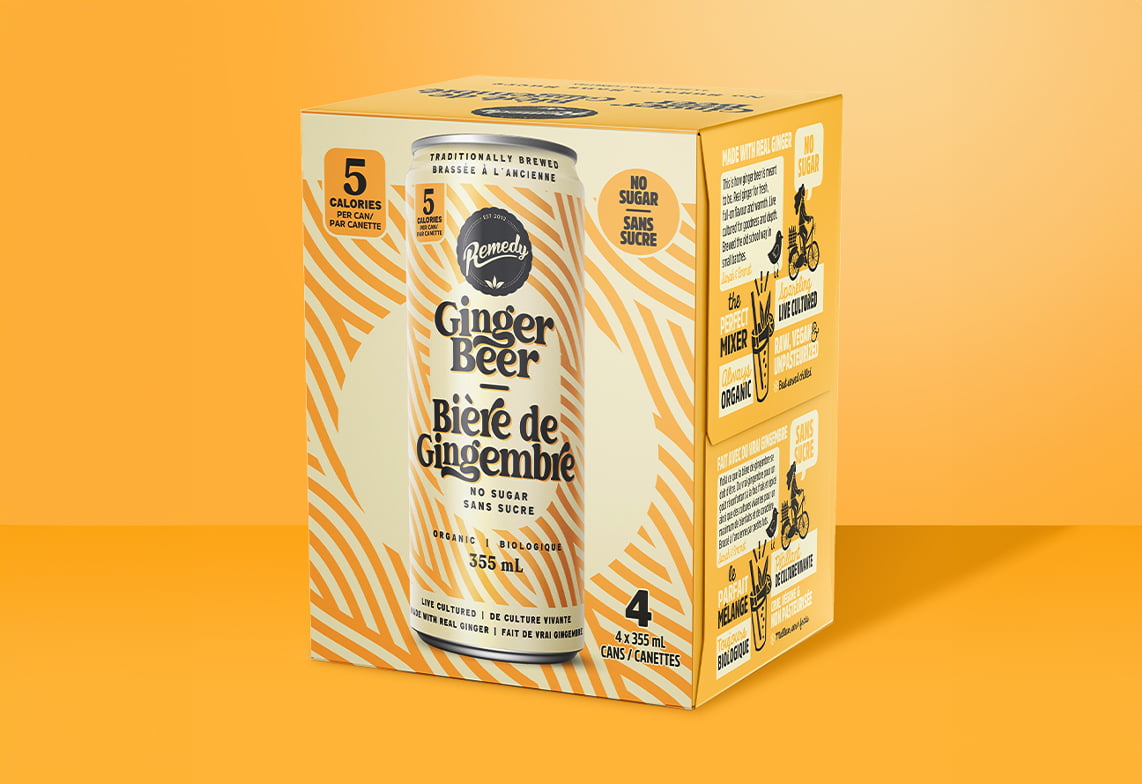
    Remedy Ginger Beer is offered in two unique flavours – the classic original and an exciting ginger with lime variation. The creation process merges conventional fermentation techniques with contemporary elements to produce a thirst-quenching drink. Both versions are concocted with fresh Australian ginger and are free from sugar and synthetic constituents.

    Steve Byrne, Remedy’s Head Brewer and COO, emphasized the company’s commitment to authenticity in brewing their Ginger Beer. “We aimed for an ideal harmony of sweetness and spice, culminating in a rich, full-bodied taste derived from the fermentation process,” Byrne explained.

    Innovation in Beverage Market

    Remedy Drinks is reputed for its functional, naturally fermented beverages that are rich in flavour. In a departure from their usual kombucha or apple cider vinegar-based drinks, Remedy Ginger Beer employs a ginger root base to provide a stimulating, refreshing spiciness.

    Byrne highlighted the company’s knack for identifying market opportunities, saying, “With our Ginger Beer, we recognized a demand in the market for a robust, sugar-free option that doesn’t sacrifice flavour.”

    Consumers can find Remedy Ginger Beer in Coles, Woolworths, select independent stores, and online.

    New Flavour Launch

    Early this year, Remedy Drinks introduced a limited-edition watermelon flavour of their Sodaly water.

    Questions & Answers

    What is the new product launched by Remedy Drinks?
    Remedy Drinks has recently launched its latest product, Remedy Ginger Beer, available in two varieties – Original Ginger Beer and Ginger Beer with Lime.

    What makes Remedy Ginger Beer different from Remedy’s other drinks?
    Unlike Remedy’s typical kombucha or apple cider vinegar-based drinks, Remedy Ginger Beer uses a ginger root base to offer a stimulating, spicy taste.

    Where can consumers purchase Remedy Ginger Beer?
    Remedy Ginger Beer can be found at Coles and Woolworths, a selection of independent stores, and online.

  • Normanby Fine Wine & Spirits debuts in Auckland with a twist on wine retail

    Normanby Fine Wine & Spirits debuts in Auckland with a twist on wine retail

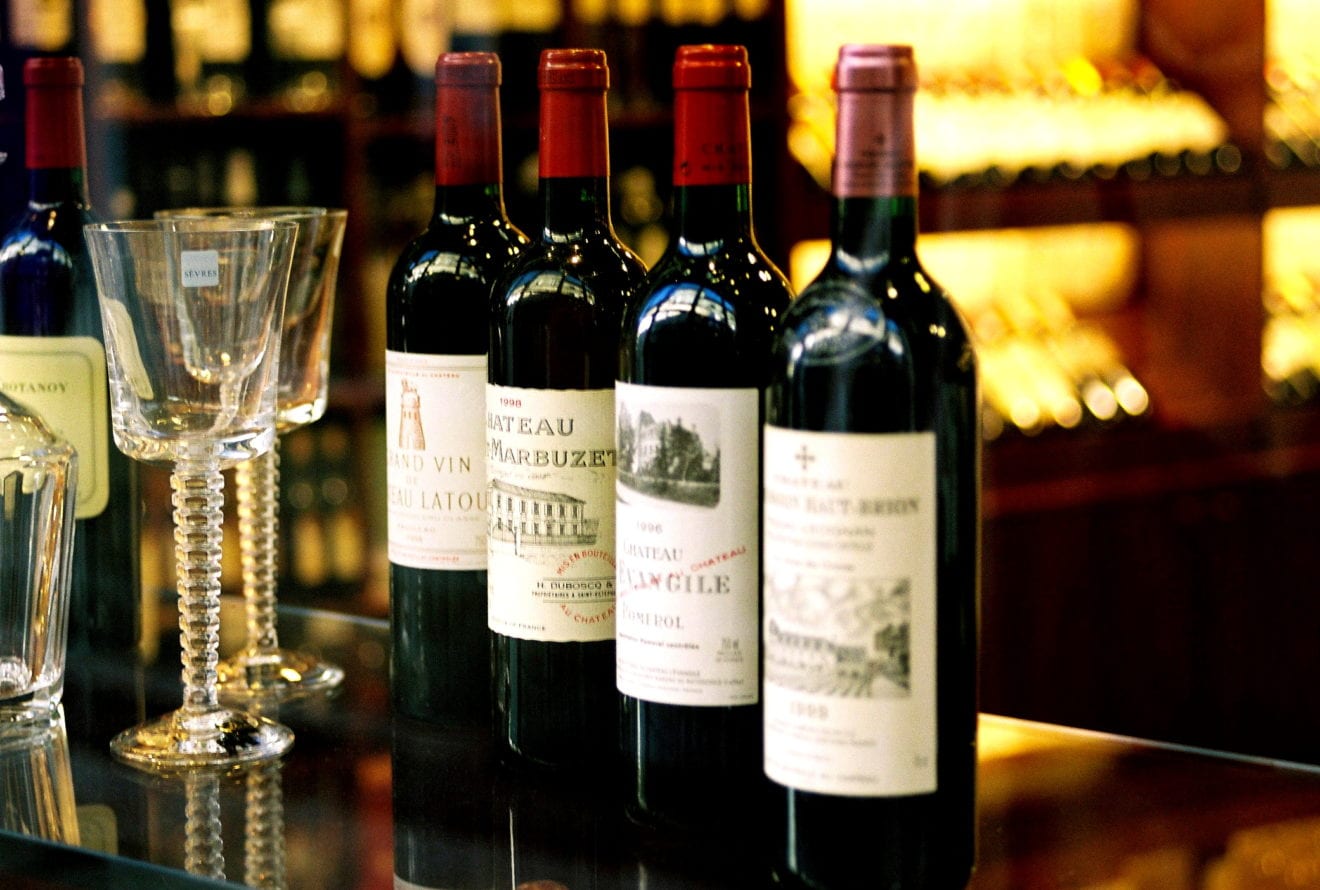
    Auckland recently welcomed the latest innovation in wine retailing, the Normanby Fine Wine & Spirits experience-driven concept store. Situated in Mount Eden, the store ushers in a new era of retail, reimagining the traditional wine and spirits shopping experience with the introduction of fresh food and beverages.

    The store has been masterminded by seasoned wine connoisseur Liz Wheadon, who has infused the space with a unique hybrid appeal. It operates as a retail store, wine bar, and café, supplemented with a private tasting room and an art gallery interior.

    At Normanby Fine Wine & Spirits, customers can browse a selection of over 1300 wines, spirits, sakes, and craft beers. Many of the items in their collection are exclusive to Normanby, a testament to the strong industry relationships they’ve cultivated with producers over the years.

    Liz Wheadon, who also doubles as the director of wine at Webb’s, shared the inspiration behind the store. She emphasized that the vision was to design a place that hadn’t previously existed, where choosing and buying wine, spirits, and sake could be an enjoyable, approachable, and genuinely intriguing experience, regardless of a customer’s taste or budget. She further echoed the team’s enthusiasm for introducing this innovative approach to fine wine and spirits retail.

    The store has been tastefully designed, complete with art pieces and furniture, all curated by The Estate at Webb’s and available for purchase. During the day, the café serves coffee, pastries, and light meals. In the evenings, the wine bar offers pre-batched cocktails crafted by Theo Tjandra, a past mixologist at Panacea.

    The private tasting room, named La Cave, can accommodate up to 15 guests and can be booked for intimate events, custom experiences, and private celebrations.

    Looking ahead, the brand plans to extend the unique retail concept of Normanby Fine Wine & Spirits to various regional locations throughout New Zealand.

    Questions & Answers

    What does Normanby Fine Wine & Spirits offer customers?
    They offer a unique retail experience, selling fine wines, spirits, sake, and craft beers. The concept store doubles as a café serving light meals, coffee, and pastries during the day, and in the evening it becomes a wine bar offering pre-batched cocktails.

    What are some unique features of the Normanby Fine Wine & Spirits store?
    The store operates as a café and wine bar, in addition to being a retail store. It also houses a private tasting room and an art gallery interior, offering curated art and furniture for purchase.

    What are the brand’s future expansion plans?
    The brand plans to extend the retail concept to various regional locations across New Zealand, introducing the Normanby Fine Wine & Spirits experience to a wider audience.

  • Hong Kong’s first Goose Island Taproom opens in Central

    Hong Kong’s first Goose Island Taproom opens in Central

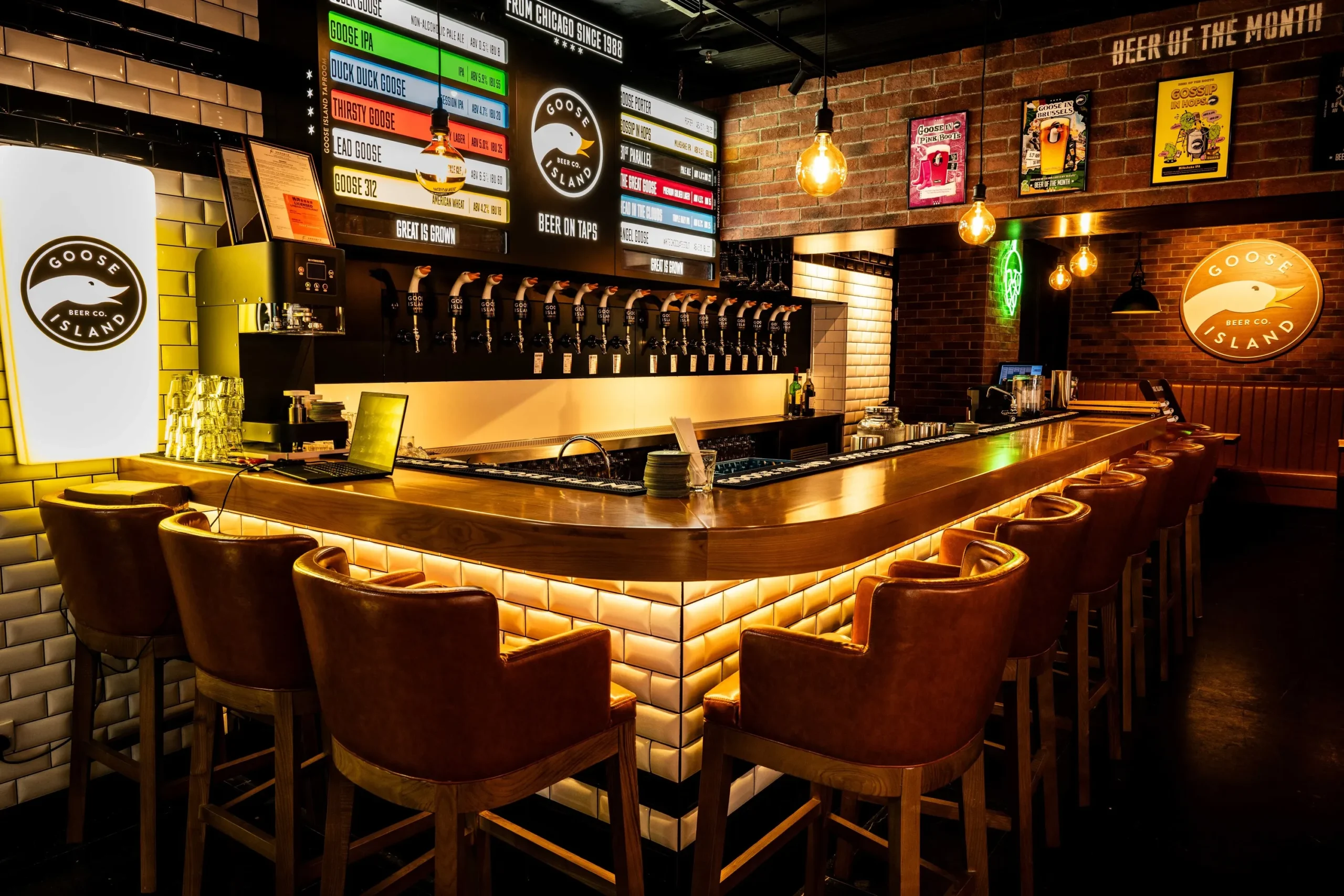
    The revered Chicago-based craft brewery, Goose Island, has now opened its first taproom in Asia, specifically in Hong Kong. The establishment, located on Lyndhurst Terrace in Central, is all set to delight patrons with its exceptional beer offerings.

    Goose Island, a pioneer in the craft beer industry, and renowned for its multiple award-winning IPAs, has transported over a dozen of its top-grade craft beers to Asia. The taproom will feature the brewery’s renowned beers as well as a monthly rotation of unique specials.

    Celebrated Beers and Food Offerings

    Beer connoisseurs will get to savor the Goose IPA, a champion of the Great American Beer Festival on six occasions. In addition, they can also taste the newly crowned Thirsty Goose lager, a recipient of the 2024 World Beer Awards China Gold.

    For those undecided on what to sample first, Goose Island offers the Brewmaster’s Choice Flight. This selection includes twelve 150ml pours of various house beers for $298.

    In addition to its fine beers, the taproom also offers a menu of robust American pub cuisine to pair with the drinks. Patrons can indulge in beer-battered fish and chips made with Goose 312 wheat ale, mouth-watering burgers, and loaded nachos served with a signature Goose IPA cheese sauce.

    An interesting tidbit about the brewery is its name. The moniker “Goose Island” is inspired by a small manmade island located on the Chicago River. According to local legends, migrating geese used to frequently halt at this island.

    Operational Hours and Contact

    The Goose Island Taproom is open every day from noon until midnight, with extended hours until 2 am on Fridays and Saturdays. The exact location is Shop 1, G/F, 8 Lyndhurst Terrace, Central. To make reservations or for updates, patrons can call 6800 6634 or follow the taproom’s Instagram handle @gooseislandhk.

    Questions & Answers

    What is the Goose Island Taproom?
    The Goose Island Taproom is the first Asian outlet of the Chicago-based craft brewery, Goose Island. It is situated in Hong Kong, on Lyndhurst Terrace in Central.

    Which beers are featured at the Goose Island Taproom?
    The taproom features over a dozen top-grade craft beers from Goose Island, including the six-time Great American Beer Festival champion Goose IPA, and the newly awarded 2024 World Beer Awards China Gold winner, Thirsty Goose lager.

    What kind of food is available at the taproom?
    The taproom offers a variety of hearty American pub food, such as beer-battered fish and chips made with Goose 312 wheat ale, stacked burgers, and loaded nachos served with a signature Goose IPA cheese sauce.

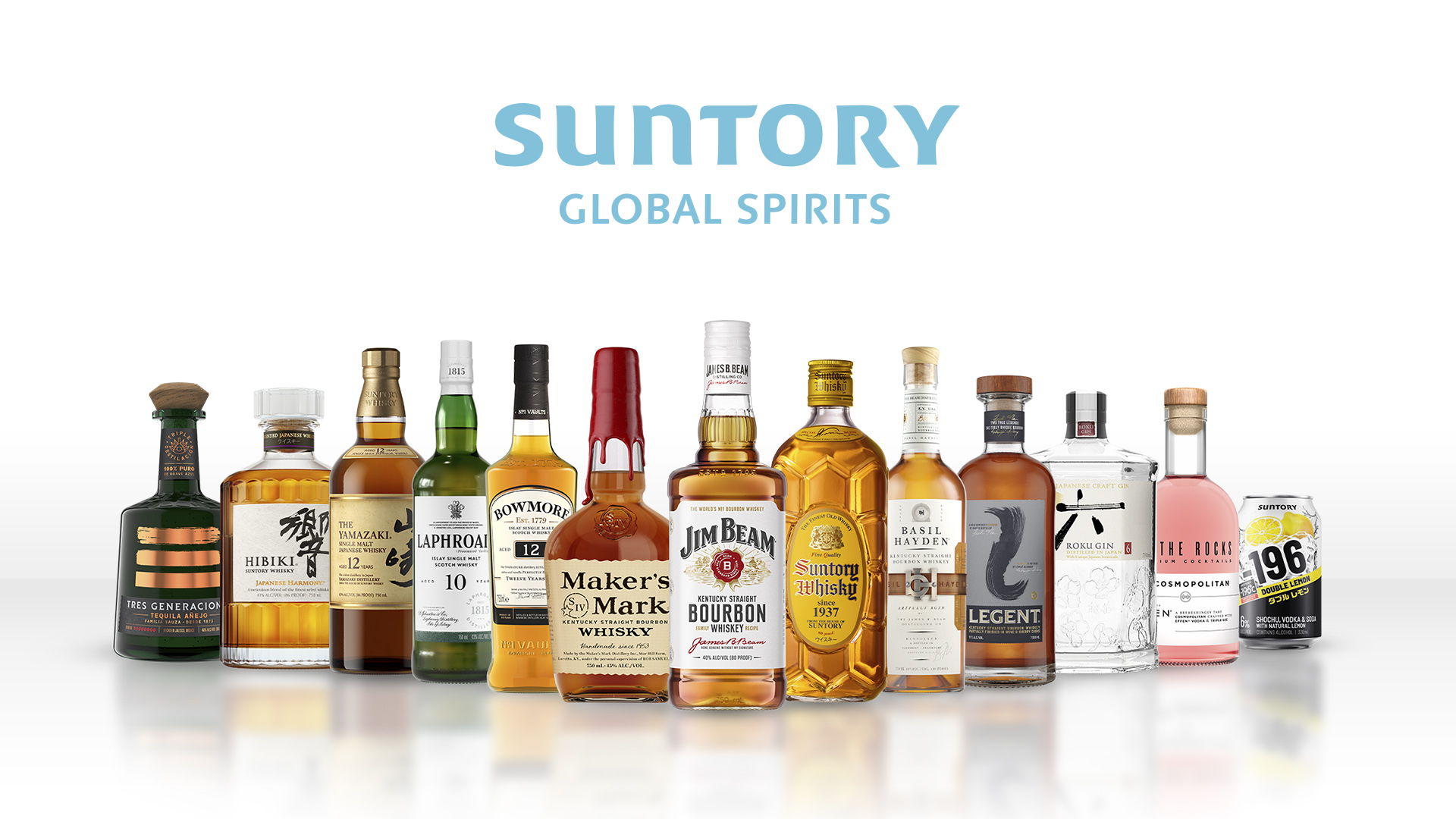
  • Suntory to Raise Prices in Japan Amidst Rising Consumer Demand Starting October

    Suntory to Raise Prices in Japan Amidst Rising Consumer Demand Starting October

    Suntory Beverage & Food Limited is set to implement price revisions for its products in Japan, effective October 1, 2025, as it grapples with escalating manufacturing and logistics costs. This move underscores the increasing economic pressures felt across the nation.

    Rising Production Costs Prompt Price Adjustments

    In a recent statement, Suntory highlighted the challenges it faces in today’s economic climate, which have led to unavoidable price hikes. The adjustments will impact a range of products packaged in PET bottles, cans, and other containers. Specifically, prices for PET bottles will increase by 6% to 25%, while can prices will rise between 10% and 24%.

    Commitment to Quality Amid Challenges

    Despite these necessary changes, Suntory remains steadfast in its dedication to innovation and productivity. The company emphasized its goal of delivering high-quality, safe, and reliable products that enhance consumer experiences. “We aim to continue providing new value and enriching the lives of our customers,” a company spokesperson stated.

    Looking Ahead: What This Means for Consumers

    These price revisions reflect broader consumer trends influenced by rising operational costs. As Suntory navigates these challenges, it continues to strengthen its brand presence in the competitive beverage market. Consumers can expect to see these new prices taking effect in the coming months, reshaping the retail landscape in Japan.

    Suntory’s decision is a critical indicator of the evolving retail sector, as brands adapt to economic realities while striving to maintain quality and consumer trust. The coming months will be crucial in determining how these changes affect purchasing behavior and overall market dynamics.

  • Celsius adds Sunset Vibe flavour to energy drink range

    Celsius adds Sunset Vibe flavour to energy drink range

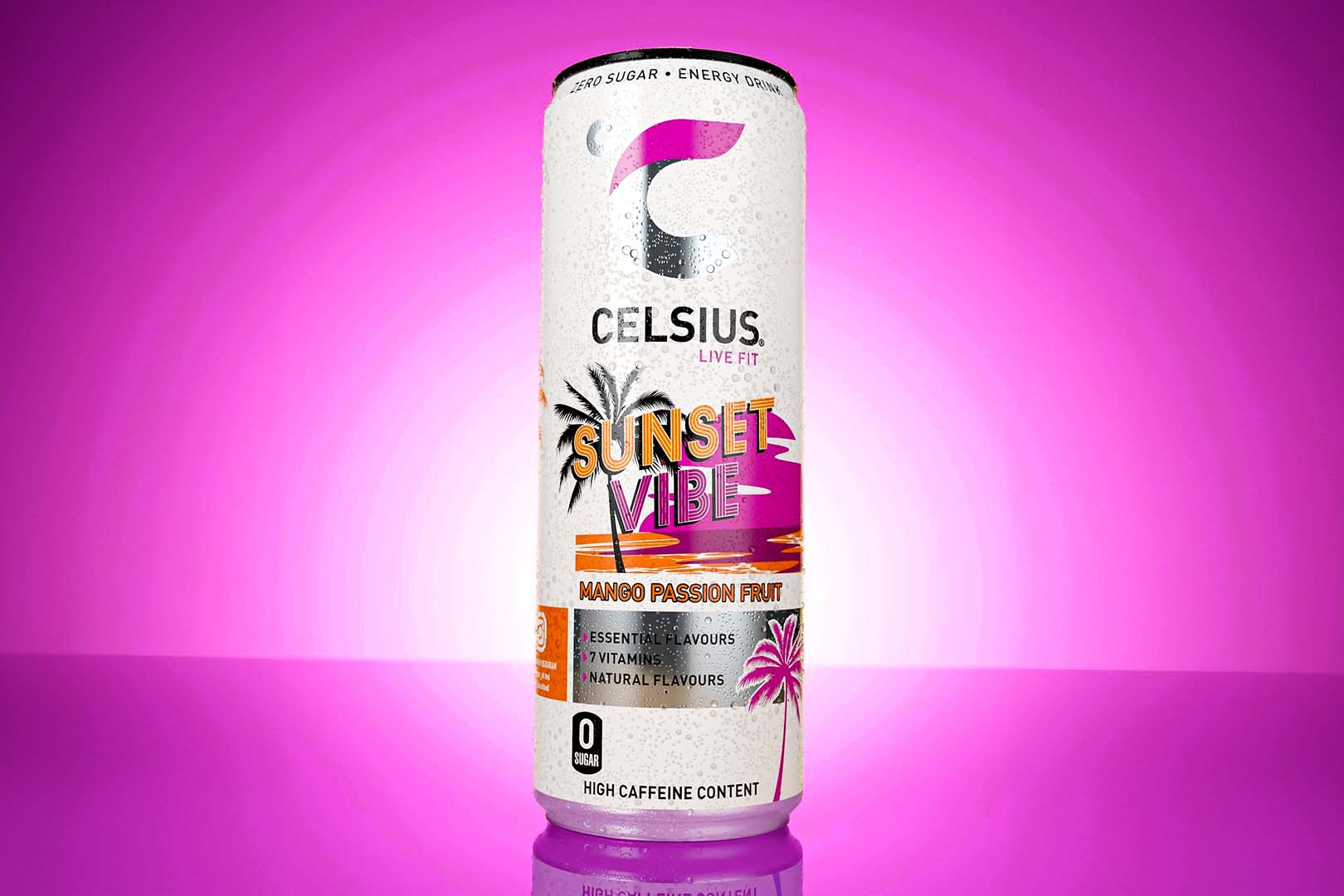
    American energy drink brand Celsius has added a Sunset Vibe flavour, a blend of mango and passionfruit.

    The new tropical-inspired flavour joins the brand’s existing local range, which includes Sparkling Kiwi Strawberry, Sparkling Watermelon Lemonade, Sparkling Green Apple Cherry, and Cosmic Vibe.

    In addition, it contains no sugar and is described to offer a “taste of paradise.”

    Ben Andrews, director of partnerships at  Suntory Beverage & Food Oceania, highlighted the brand’s growth since its launch last year.

    “Our strong customer relationships, consumer centricity, and distribution efforts have ensured that Celsius reaches consumers quickly and efficiently,” said Andrews.

    “We are excited to continue this momentum by adding Sunset Vibe to the range, and to bring innovative energy solutions to even more consumers.”

    Celsius Sunset Vibe at an RRP of $4 per can is available in the convenience and petrol channels, with a broader rollout to Woolworths underway.

  • Pickle Juice debuts Extra Strength Shots in Coles

    Pickle Juice debuts Extra Strength Shots in Coles

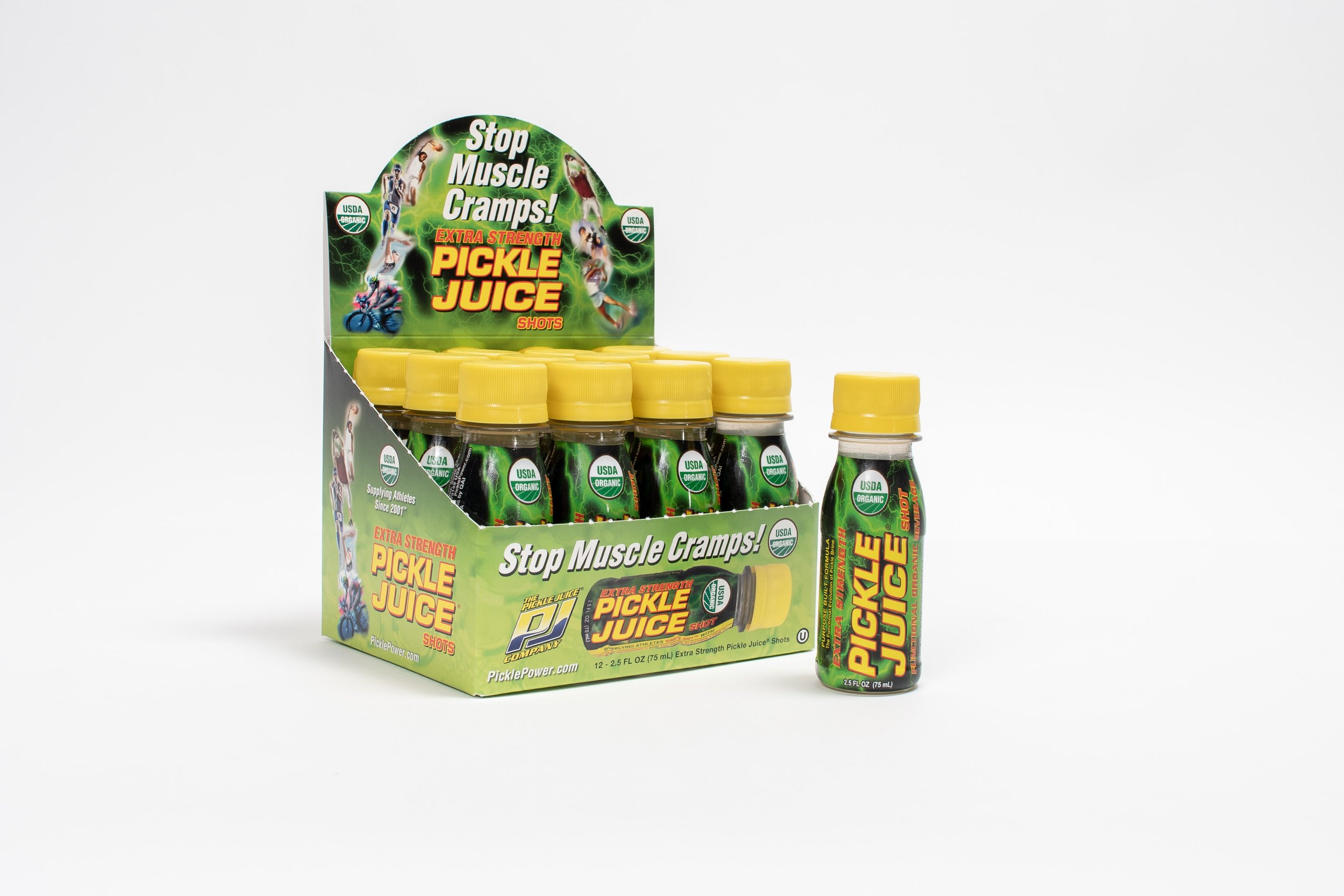
    US beverage brand The Pickle Juice Company has launched its 75ml Extra Strength Shots in Coles supermarkets nationwide.

    The Texas-based company claims that its product uses a propriety formula that is scientifically proven to help alleviate muscle cramps by interrupting the nerve signals that trigger involuntary muscle contractions.

    Pickle Juice uses a blend of vinegar, grain ingredients, and a mix of vitamins and minerals.

    In addition, it contains no sugar, caffeine, or artificial additives and is rich in electrolytes.

    Blake Boulton, head of global sales at The Pickle Juice Company, said the rollout reflects the company’s strategy to improve accessibility globally.

    “Australia has always been a key market for us, and we’ve seen firsthand the impact Pickle Juice has had in the sports and wellness communities,” explained Boulton, head of global sales for The Pickle Juice Company.

    “By partnering with Coles, we’re making it easier for everyday Australians to access an effective solution for muscle cramps, superior hydration and enhanced recovery.”

    The Pickle Juice Company Extra Strength Shots is available for an RRP of $24 for a four-pack and $47.50 for a 12-pack in Coles stores across NSW, Victoria, Queensland, SA, WA and Tasmania.