Retail News CRM

Tag: Drinks

  • Campari sells stake in whisky brand, Howler Head

    Campari sells stake in whisky brand, Howler Head

    Campari Group has sold its stake in the whisky brand Howler Head to Infinium Spirits, a US-based owner of premium spirits.

    Financial details of the transaction were not disclosed.

    Campari Group bought a 15 per cent stake in the banana-flavored Bourbon business for $15 million in August 2022.  According to the company, the acquisition of Howler Head is significant for Infinium Spirits, which is expanding its presence in more than 75 countries.

    “We are excited to welcome Howler Head to the Infinium family,” said Jan Tharp, president of Infinium Spirits.

    “Howler Head embodies the innovative spirit that Infinium represents, and we’re eager to take this incredible brand to new heights, both in the US and around the world.”

    Infinium Spirits, founded in 2005, is a family-owned spirits company situated in San Diego, California. Infinium concentrates on developing and expanding its premium and creative spirits portfolio through unrivalled sales, marketing, and distribution capabilities.

    Last year, former CEO of Campari Group Matteo Fantacchiotti resigned after five months in the role.

  • PepsiCo to acquire Poppi for US$1.95 billion

    PepsiCo to acquire Poppi for US$1.95 billion

    PepsiCo has signed a definitive agreement to acquire probiotic soda brand Poppi for US$1.95 billion.

    The transaction amount includes $300 million of anticipated cash tax benefits for a net purchase price of $1.65 billion.

    “We’ve been evolving our food and beverage portfolio over many years, including by innovating with our brands in new spaces and through disciplined, strategic acquisitions that enable us to offer more positive choices to our consumers,” said Ramon Laguarta, PepsiCo chairman and CEO.

    “More than ever, consumers are looking for convenient and great-tasting options that fit their lifestyles and respond to their growing interest in health and wellness. Poppi is a great complement to our portfolio transformation efforts to meet these needs.”

    The agreement also includes a further potential earnout consideration subject to reaching certain performance milestones within a specified period after the transaction’s closing.

    Poppi, which combines apple cider vinegar with natural fruit flavours and probiotics, gained attention after appearing on the reality TV show Shark Tank in 2018.

  • Vietnam’s coffee prices on the rise

    Vietnam’s coffee prices on the rise

    Coffee prices continued to rise sharply, ranging from VND122,000 – 123,500 (US$4.8-4.86) per kilogram in the Central Highlands, Vietnam’s largest coffee growing area.

    Accordingly, the highest price was reported in Dak Nong province, at VND123,500 per kilogram on June 5.

    In Dak Lak province, coffee prices increased by VND3,000 per kilogram compared to June 4 to reach VND123,000 per kilogram. The product is being purchased at the same price in Gia Lai and Kon Tum.

    The weakening of the U.S. dollar to its lowest level in the past two weeks, and speculative activities in many countries worldwide, among other factors, are driving up the prices of most commodities, including coffee.

    The prices of Robusta coffee in London have seen significant increases, hovering around US$3,846-4,319 per tonne. Arabica coffee prices in New York have also experienced the rising trend.

    In addition to Brazil, other countries such as Colombia, Peru, and Honduras are in the coffee harvest season. Although production has slightly increased, it is still lower than market demand, leading to a continued upward trend in coffee prices.

  • Coffee prices soar to record high as supply shrinks

    Coffee prices soar to record high as supply shrinks

    Coffee prices surged 11.3% to a historic high of VND98,100 (US$3.95) per kilogram on Wednesday as inventories dwindle and production is forecast to decline.

    The price represented a 110% increase from a year ago. On online coffee business forums, many farmers and traders have expressed surprise at the unprecedented prices, which were around VND70,800 at the beginning of the year.

    Prices also rose globally, with the May robusta LRCc2 futures contract rising to an all-time high of $5,999 per ton and the May Arabica KCc1 to $4,186.5. According to Nguyen Hai Nam, chairman of the Vietnam Coffee Cocoa Association, the sharp increase in prices is due to a decline in production and record low inventories.

    He said droughts in coffee-growing countries caused by climate change and the El Nino phenomenon have declined global production. His association expects coffee harvests to be 10% lower this year since farmers have shifted to other crops due to low prices in recent years. Shipping disruptions and freight hikes due to the Red Sea tensions also contribute to higher global prices, he added.

    The skyrocketing prices have heavily impacted traders. Nguyen Loan, a coffee merchant in Dak Lak Province, said she is cutting back on purchases due to the record prices, pointing out that even large traders are hesitant to stock up on coffee.

    “I previously agreed to sell 1,000 tons of coffee to an exporter at VND70,000 per kilogram. At the current prices, I cannot procure enough stock to deliver.”

    Phan Minh Thong, chairman of agricultural products exporter Phuc Sinh Group, said coffee merchants are demanding as much as VND99,000 per kilogram.

    The company had to make some small purchases and bear the losses to maintain its operations.

    “The company has faced huge losses recently. We will incur bigger losses if we buy more.”

    According to traders, importers are now buying coffee from India and Brazil instead of Vietnam because of its high prices.

    With Brazil’s coffee crop set to harvest in April, prices in the global market might soon cool down.

    In the first two months of the year Vietnam exported 438,000 tons of coffee for $1.4 billion, according to data from the General Department of Customs.

    They represented increases of 28% and 85% year-on-year.

  • Karma Drinks launches limited-edition Lemmy bottle for Melanoma awareness

    Karma Drinks launches limited-edition Lemmy bottle for Melanoma awareness

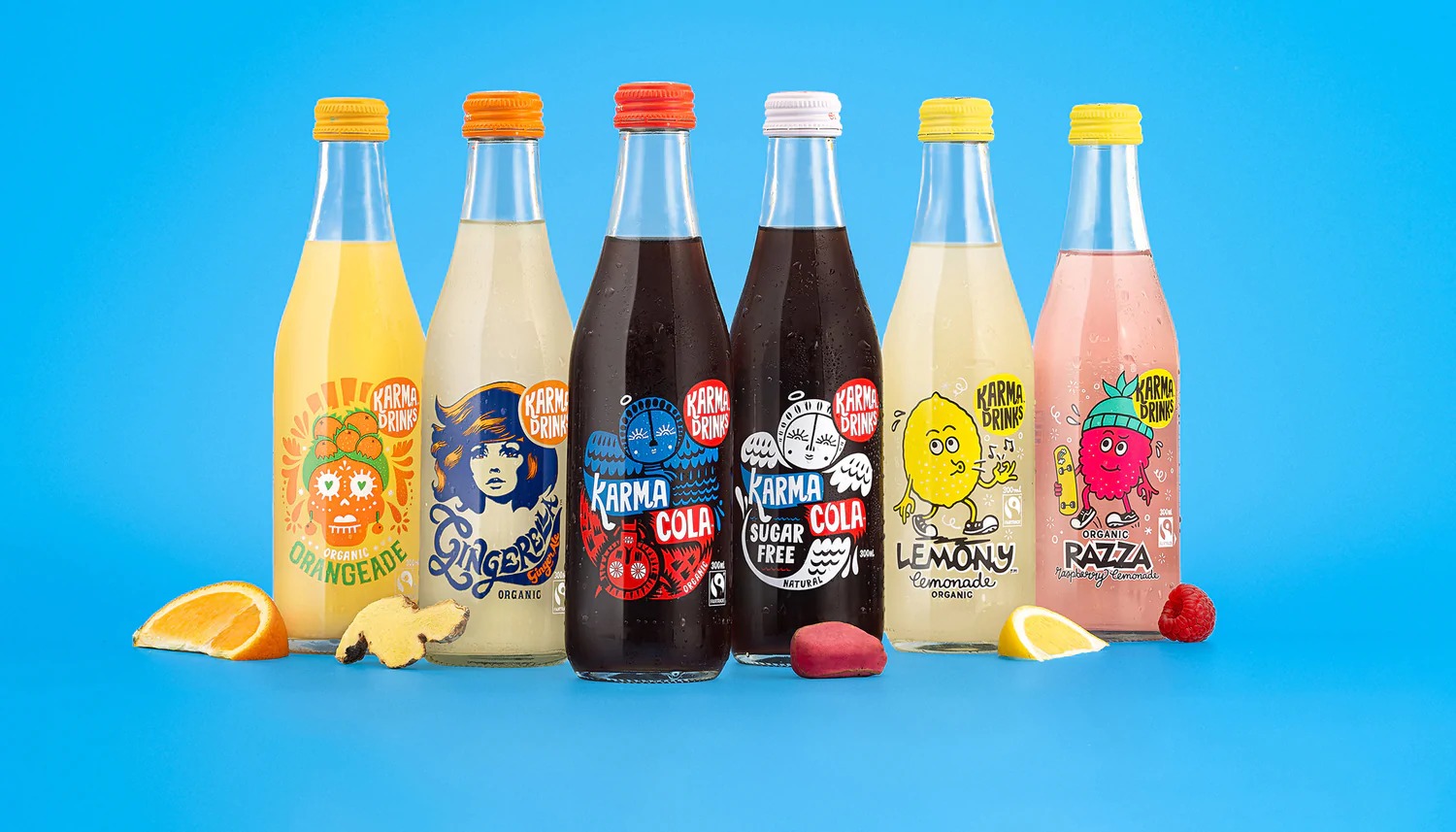
    Kiwi beverage company Karma Drinks has launched a limited-edition bottle of its Lemmy Lemonade to support Melanoma New Zealand. The partnership aims to raise awareness about melanoma prevention and early detection.

    According to Melanoma NZ, more than 6000 New Zealanders are diagnosed with melanoma every year, and approximately 300 people die from the disease. However, the condition can be preventable; if detected and treated early enough, it is almost always curable.

    National sales manager James Boshier said that Karma Drinks is all about being kind and doing good for others through the sales of its drinks.

    “It seems all Kiwis know someone who has unfortunately experienced some form of skin cancer. Key stakeholders at Karma are part of this group, so we highly value the great work Melanoma New Zealand is doing,” said Boshier.

    “Being a beverage company, often consumed outdoors in the summer, the idea of a partnership made complete sense.”

    The new limited edition bottle features the brand’s popular lemonade character, Lemmy, being “sun smart”, including wearing sunscreen and sunglasses and getting into the shade.

    The beverage company will donate proceeds from every bottle and can with the Melanoma New Zealand sticker until $10,000 is raised.

    Andrea Newland, CEO of Melanoma New Zealand, says that the funds will go towards helping to save lives.

    “Melanoma New Zealand is very grateful for Karma’s generous support – the funds will be used to help raise awareness about melanoma prevention and early detection,” added Newland.

    “We love that Lemmy is wearing his sunscreen and sunglasses, getting into the shade, and helping us to educate about the importance of being sun smart.”

  • Global energy drinks market reaches $62.89 billion in FY23

    Global energy drinks market reaches $62.89 billion in FY23

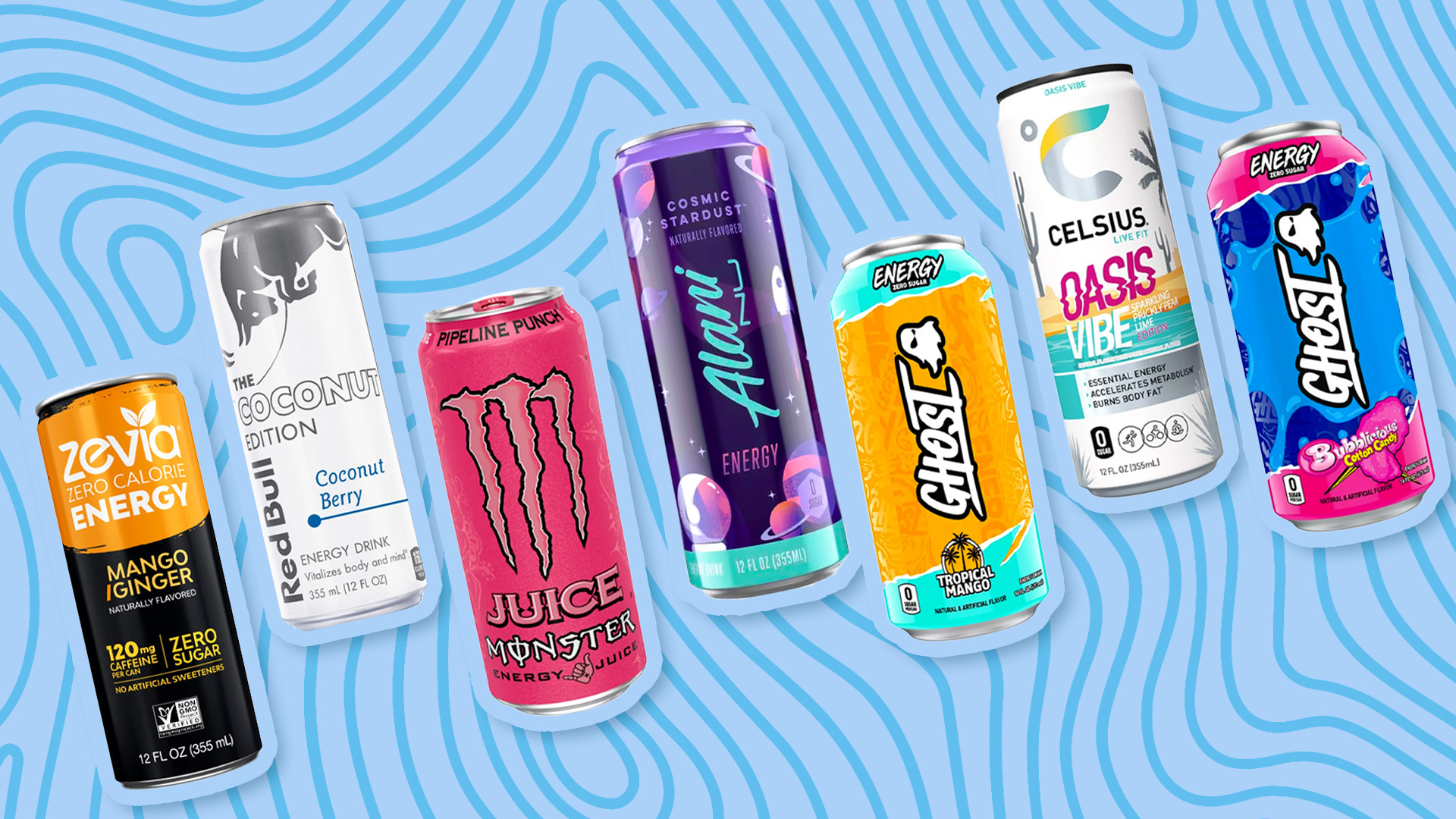
    The global energy drinks market’s value reached $62.89 billion in 2023, posting a 7.5 percent compound annual growth rate (CAGR), with the strategic addition of new flavours emerging as a key trend.

    According to The Business Research Company, the increased demand on emerging distribution channels, notably e-commerce, is driving the growth of the energy drinks market.

    The research firm forecasts that the market, dominated by Red Bull, Monster Beverage Corporation, PepsiCo, and Coca-Cola Company, will further increase to $83.83 billion in 2027 at a sustained CAGR of 7.5 per cent.

    It noted that introducing new flavours is an emerging trend, such as Red Bull’s launching of Coconut Edition Sugar-free energy drinks in 2021, a mix of coconut and B-group vitamins, taurine, and acesulfame-K as a sweetening agent.

    Such innovations, which seek to attract new customers and boost sales, demonstrate the dynamism of the energy drinks industry.

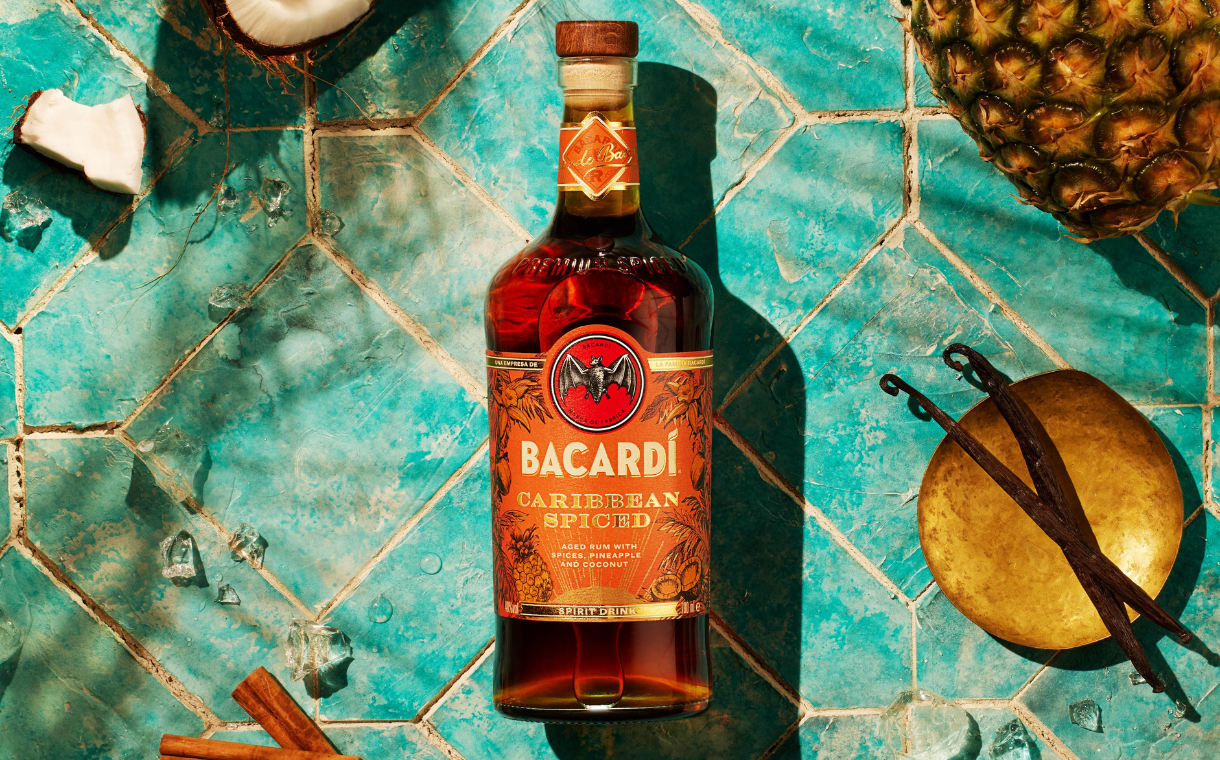
  • Bacardi Australia appoints Luiz Schmidt as new MD

    Bacardi Australia appoints Luiz Schmidt as new MD

    Luiz Schmidt will take over as Managing Director of Bacardi in Australia and New Zealand after more than two years in Panama working as Regional Marketing Director for Bacardi in Latin America and the Caribbean.

    A University of Technology MBA graduate and FMCG marketing specialist with over 20 years of international experience, Schmidt will lead Bacardi’s sales, marketing, finance and supply chain functions, as well as expand the company’s premium portfolio and market share in the region.

    Vijay Subramaniam, Regional President for Asia, Middle East & Africa and Global Travel Retail at Bacardi, said Schmidt is uniquely qualified to take over as Managing Director as a dual Australian and Brazilian national with a wealth of experience.

    “The appointment of Luiz Schmidt as our new Managing Director marks an exciting chapter for Bacardi in Australia and New Zealand,” he said.

    “Thanks to his extensive international experience leading both developed and emerging markets with the company and more broadly within the industry, Schmidt brings a deep and nuanced understanding of the global premium spirits market.”

    Schmidt said he’s excited to return to Australia, where he’ll be based with his family and take charge of a talented team across Australia and New Zealand.

    “These markets are one of the most developed and attractive premium spirits markets in the world, offering Bacardi a tremendous opportunity to accelerate the growth of our iconic brands in close partnership with our customers and consumers,” he said.

    Bacardi is the world’s largest privately held spirits company, and according to IWSR market share data, holds a leadership position across premium vodka, super-premium tequila, premium gin and white rum globally.

    Schmidt has experience leading long-term marketing and business strategy in companies such as Brown-Forman and Edrington in Australia, USA, Brazil, Mexico and Latin America.

    In his most recent role as Regional Marketing Director for Bacardi in Latin America and the Caribbean, Schmidt successfully transformed the region’s marketing and commercial execution functions and increased market share for brands including Patrón and Bombay Sapphire while co-led Bacardi ́s marketing transformation in Mexico.

  • Chinese cafe chain Mellower Coffee exits Vietnam

    Chinese cafe chain Mellower Coffee exits Vietnam

    Café owner Liu Houjun gained a little online fame with his unique coffee brewing bravura. Formerly the director of a listed company, the coffee lover, in his 50s, decided to quit his job and open a coffee shop to develop innovative blends.

    “Different regions in the world all have their own ways of making a cup of coffee with local characteristics. I figured maybe we, as Chinese, could also invent our own unique coffee extraction method,” Liu said. And invent he did. After slowly adding water to the ground coffee powder, he puts the container into a pressure cooker filled with water and boils it extensively to complete the extraction.

    He explained that this process leaves the coffee with a smoother and lighter taste, much to the palate of many customers, contributing to the shop’s 70 percent returning customer rate. Apart from his special coffee-brewing technique, Liu has fashioned a range of innovative coffee products, like espresso made with the help of yogurt and rice wine.

    “I hope more of these Chinese-style coffee varieties can reap some worldwide recognition,” Liu said.

    According to YiMagazine, a financial media outlet in China, Shanghai currently has about 7,000 coffee shops, excluding coffee services in convenience stores and fast-food restaurants, ranking first nationwide—or even worldwide. The number of coffee hangouts per 10,000 people in Shanghai is 2.85, similar to that in London, the UK, New York, the U.S., and Tokyo, Japan.

    Major chains like Starbucks and Costa Coffee account for 35 percent of total coffeehouses in Shanghai, the report added. Luckin Coffee, one of China’s largest coffee chains established in 2017, quickly expanded by weaving some marketing magic combining expedient delivery service and discounts.

    “Many people believe it was Luckin that showed Chinese customers who had been less familiar with coffee the ropes, lifting the entire market to its next level,” said Zhang Mingzhu, General Manager of Mellower Coffee, a Chinese specialty coffee company.

    To attract more customers, many café proprietors are seeking state-of-the-art suggestions to give their place that little extra pizzazz. Coffee is mixed with more commonly spotted ingredients sitting next to a traditional Chinese meal, like soybean milk, tangerine peel, or even Moutai, a prominent brand of distilled Chinese liquor. Among the innovations, latte with sweet-scented osmanthus, the aromatic flower that is native to China and prized for its intoxicating, apricot-like scent, proved most popular, with more than 60,000 searches on Dianping.com, a Chinese restaurant review site, in 2021 alone. The search term “Chinese-style coffee” was entered over 280,000 times.

    According to another Dianping.com report released in December 2021, specialty coffee, often called quality coffee, is gaining popularity among customers in Shanghai. The term refers to coffee that has scored over 80 points on a 100-point scale by the Specialty Coffee Association of America.

    The group aged between 20 and 40 is the main consumers of this coffee type in Shanghai, with women accounting for 60 percent. Compared with 2019, the proportion of student consumers in the past year has increased by nearly 2.4 times. They usually opt for a boutique coffee shop to study, socialize, or take a break. People over the age of 50, too, have become more curious about and fond of specialty coffee. Compared with 2020, this group’s orders have increased by nearly 143 percent.

    “The quality of coffee beans is not the only customer focus; the ways of brewing and extraction, as well as the uniqueness and creative designs of coffee shops, all play a vital part,” said Zhang Xueqiang, Chairman of the Coffee Professional Committee of the Shanghai Food Industry Association, adding that Shanghai specialty coffee is entering a golden age of development.

    Shanghai-based entrepreneur Wu Yue told Beijing Review that in the past, he would invite potential business partners to a restaurant to talk shop; they might even go out for some drinks after. “But today, I usually take my prospective business partner to a coffee or tea shop, as it is healthier and more efficient. I’ll take a date there as well,” 28-year-old Wu said.

    Ample supply

    Many coffee shops in Shanghai flourish on an ample supply of coffee beans from Yunnan Province. One such example is Mellower Coffee, established in 2011 in Kunming, capital of Yunnan, and now headquartered in Shanghai, with chain stores in other parts of China, as well as in Singapore and the Republic of Korea. Yunnan is the largest coffee-growing province in China and, for years, the province’s yield has accounted for more than 98 percent of the country’s total. According to the Yunnan provincial department of agriculture and rural affairs, 131,000 tons of coffee beans were produced in the province in 2020.

    Pu’er City is one of Mellower Coffee’s main sources of coffee beans aside from other places in major coffee-producing regions like Ethiopia, Kenya, Colombia and Guatemala. The city’s coffee plantation area, output and value ranked No.1 in the nation in 2021. And it’s also a famous tea-growing area.

    Yunnan’s coffee history dates back to the 1950s, when scientists began researching planting there. The year 1988 was the starting point for Yunnan coffee to make its mark beyond China, when the local government launched a coffee assistance project, assisted by the United Nations Development Program and the World Bank. Swiss food and beverage giant Nestlé introduced new bean varieties and smart production technologies to Pu’er, and other places, transforming Yunnan into a global golden belt for its coffee cultivation.

    Coffee grows in semi-tropical climates with an average temperature of 20 to 27 degrees Celsius and abundant rainfall, making Pu’er the perfect candidate.

    However, Yunnan coffee was considered a relatively mediocre variety in the past as its quality fluctuated due to inexperienced production, unexpected bad weather occurrences and insect plagues, according to Hua Runmei, a coffee entrepreneur in Pu’er.

    A price drop further dampened the incentive to improve its quality. “With the development of the global coffee market, mechanization and large-scale production and processing in Brazil, Viet Nam and other countries, the price of traditional commercial coffee beans has gradually fallen, making it less profitable for farmers,” she said.

    Hua can recall her grandfather and parents growing coffee beans for a living ever since she was little. “Though they were cultivating it, farmers of their generations never actually tried the coffee, let alone study it and see how to improve the taste, which is vital in market competition,” Hua said. She added that the younger generation today can open up more possibilities for coffee plantation by transforming it, developing specialty varieties and adopting digital technology throughout the entire process, rendering product quality high and unwavering.

    Hua is currently preparing to launch her own brand, creating more coffee-related products and contributing her share to making quality Pu’er coffee known across the globe.
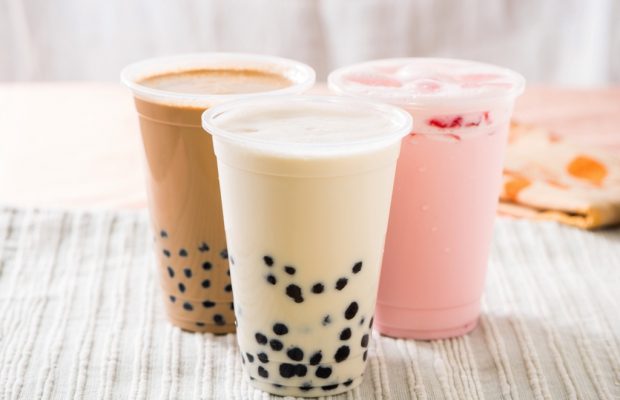
  • Milk tea on flights fetches Noibai Catering Services rising revenues

    Milk tea on flights fetches Noibai Catering Services rising revenues

    Airline catering company Noibai Catering Services earned revenues of nearly VND22 billion ($936,947) from selling milk tea last year, over 63% of it from sales aboard flights.

    According to its annual report, the company put milk tea on flight menus in July 2022.

    NCS’s milk tea is available on Vietnam Airlines flights at VND50,000 a cup and also on other flights through other airline catering companies such as VACS and MASCO.

    The company’s losing streak due to Covid-19 snapped in 2022, when it made profits before tax of VND5 billion on revenues of VND410 billion, three times the 2021 figure and 60% of the pre-pandemic revenues.

    It had suffered losses of VND38 billion and VND77 billion in the previous two years.

    In 2023 it has continued to recover strongly, with first-quarter revenues rising 2.5 times year-on-year to VND150 billion in.

    Its profit was VND10.5 billion.

    NCS said the aviation market has recovered completely, causing its own revenues and profits to soar.

  • Origin Tea launches sparkling iced teas into Woolworths

    Origin Tea launches sparkling iced teas into Woolworths

    Two Brisbane brothers have landed a deal with Woolworths and Coles with the hope they will transform an every day item from boring to “cool”.

    Chris and Lawrence Seaton started their business Origin Tea nine years ago as their father owned a tea plantation in Sri Lanka.

    The Australian operation of Origin Tea, which was started in their garage, now brings in $3 million in annual revenue but it wasn’t always smooth sailing for the siblings.

    “When we first launched in Australia, we wanted to take on the big brands like Liptons and all these named brands, and we actually learned the hard way that all these companies have large marketing budgets and are spending millions a year on marketing,” Chris told news.com.au.

    “And tea is one of those products that people are really brand loyal, so the first two years we made a pretty big mistake and had to change our entire business strategy.”

    This included bringing in a whole container of tea with hundreds of tea bags in boxes that they couldn’t sell. Instead they had to liquidate it through clearance warehouses, costing them a whopping $200,000.

    “At one point I was trying to sell packets of tea at the markets for $1.50 or $2 with a hundred in the box and at the end of day I was collecting $100 of cash at the markets, and I was like I don’t think this is really worth it,” added Chris.

    Then as the popularity of single-origin coffee started to take off, the duo realized it was an opportunity to take tea to that level by offering transparency on what people were drinking.

    They also started to partner with coffee roasters, building brand recognition in Australia’s cafes.

    It also helped them to become what they say was the fastest-growing consumer tea business in Australia, off the back of some partnerships with the likes of Coca Cola and Campos, while also riding the kombucha boom of 2016-17.

    Chris and Lawrence Seaton – who have built the fastest-growing consumer tea business in Australia, mainly off the back of some partnerships with the likes of Coca Cola and Campos and the kombucha boom of 2016-17. Picture: Supplied

    The tea was the basis for the original Remedy kombucha brew which grew to a million-dollar contract within a year and then doubled as the company went from needing 20 kgs to 150,000 kgs almost overnight.

    Chris said many people aren’t aware that there is a huge difference between how tea is made.

    It starts early too with Sri Lankan tea hand-picked based on whether the leaf is ready, rather than tea from Vietnam, India or even Australia being mechanically harvested where the heads of tea bushes are just cut off, Chris explained.

    People often blend the tea from different countries to lower the overall price, but Chris said that also impacts the taste.

    “Sri Lanka is renowned in the world as having the best quality tea from a taste perspective, however it comes at a premium,” he said.

    “When we talk taste in tea it’s like good liquor, like a good whiskey or wine.”

    The business now goes through up to 200,000 kgs of tea a year, which could jump further with the major supermarket deal, which will sell the product at up to 700 stores nationally.

    The deal has also helped Origin Tea to bounce back after 70 per cent of its business was wiped out overnight when the pandemic hit, Chris said.

    Woolworths and Coles will stock its Sticky Chai range, tea mixed with spices infused in a coconut sweetener, and retail for $9 for 120g, alongside a turmeric elixir series.

    Both hope the new products will shake up the stale category.

    “I think traditional tea is on the decline, so black and green teas, and where we play in and where we like to see us, is as the innovators in the tea space. Our main mission with Origin Tea is to make tea cool again,” Chris said.

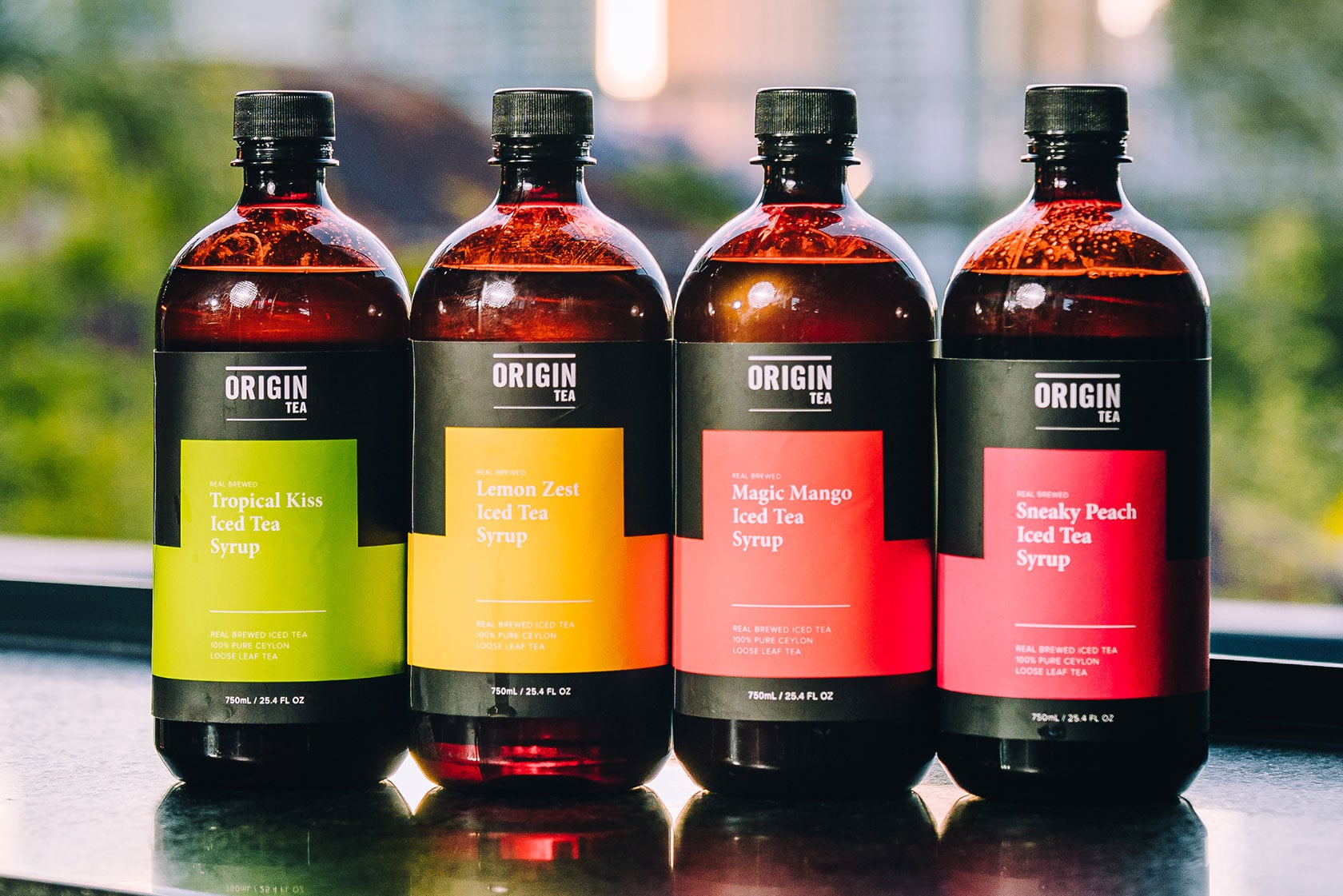
    “Tea is seen as a stagnant stale category, and the Sticky Chai product is something innovative, infusing tea with other ingredients or to come up with an awesome iced tea that is ready to drink and concentrates like syrups so you can garnish it with alcohol or make your own cocktails or mocktails.

    “That’s where we see tea playing in the future as being creative with tea.”

  • Soy milk contaminated during shipment to Japan

    Soy milk contaminated during shipment to Japan

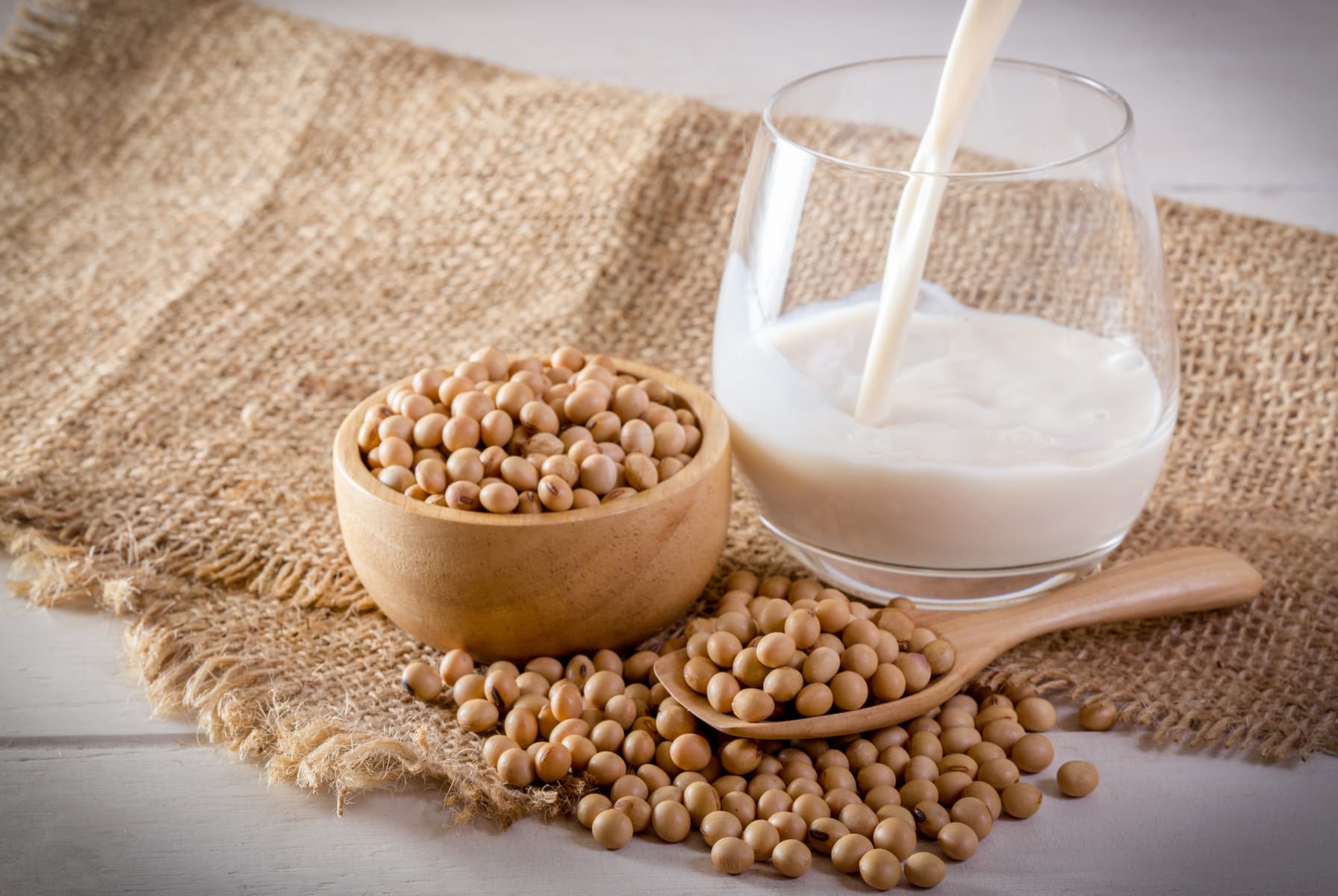
    A consignment of soy milk found contaminated and destroyed in Japan must have been tainted en route, Vietnamese exporter Vinasoy has said.

    Tests by the National Institute For Food Control on Monday did not find coliform bacteria in the Fami Calcium Soy Milk samples it had retained from the export consignment, it said.

    But 640 packs imported to Japan by Next Trading company were found to have coliform and ordered to be recalled and destroyed in Chiba city.

    A Vinasoy spokesperson said the contamination must have happened during the shipment or distribution process in Japan.

    The spokesperson said that Coliform cannot survive the enzyme inactivation processes in which soy milk is heated to 120 degrees Celsius (248 Fahrenheit) and ultra-high-temperature sterilization at 140 degrees Celsius.

    A carton of soy milk with coliform would be bloated and go sour in two to four days, and so the factory would have noticed any contamination right away, the spokesperson added.

    Japan’s Ministry of Health, Labor and Welfare confirmed the contamination.

    But a spokesperson for Next Trading told broadcaster NHK that while the company was “surprised and sorry” to learn about the contamination, it had tested the products based on health ministry standards before distribution and had not detected any coliform.

    Since the news broke, Vinasoy has consistently said its product was not contaminated.

    It has 25 years’ experience in making soy products and is the industry leader in Vietnam.

    It exports to several other markets with high standards such as the U.S. and South Korea.

    Coliform, which can be found in water and the feces of warm-blooded animals, does not often cause serious illness, but a person exposed to it could have an upset stomach, vomiting, fever, and diarrhea.

  • Asahi Beverages to close Green Beacon brewery

    Asahi Beverages to close Green Beacon brewery

    Asahi Beverages will close its Green Beacon brewery’s operations in North Brisbane in around 10 weeks.

    The closure follows several years of “excellent growth” for Green Beacon, according to the company, and is part of a plan to ensure the company’s growth by boosting brewing capacity across various sites.

    Asahi Beverages will invest in Green Beacon’s original location at the Teneriffe brewpub to increase brewing capacity. The majority of Green Beacon brewing will be moved to Asahi Beverages’ other Fire & Earth Ventures locations in Australia, including Pirate Life in Port Adelaide and 4 Pines in Brookvale, NSW. These additional sites are equipped to handle Green Beacon’s continued expansion.

    The closing of Geebung will lead to the departure of three full-time and two casual employees. The remaining Geebung employees will be transferred to the Teneriffe microbrewery.

    “Geebung has been our home for more than six years and has driven much of our recent success,” said Green Beacon’s GM Richard Shrosbery.

    “However, we are experiencing significant growth and have now outgrown the site. Today’s announcement means Green Beacon can continue its growth trajectory by unlocking capacity constraints, which will help ensure we continue to get it to lovers of Green Beacon everywhere.”

    The company said it will assist employees affected by redundancy and is looking at replacement roles within the Asahi Beverages group.

    Last year, Asahi Beverages acquired Byron Ba premium mixer brand StrangeLove as consumer demand for better-for-you beverages grows.

  • Bundaberg Rum brings a fan-favourite flavour to life

    Bundaberg Rum brings a fan-favourite flavour to life

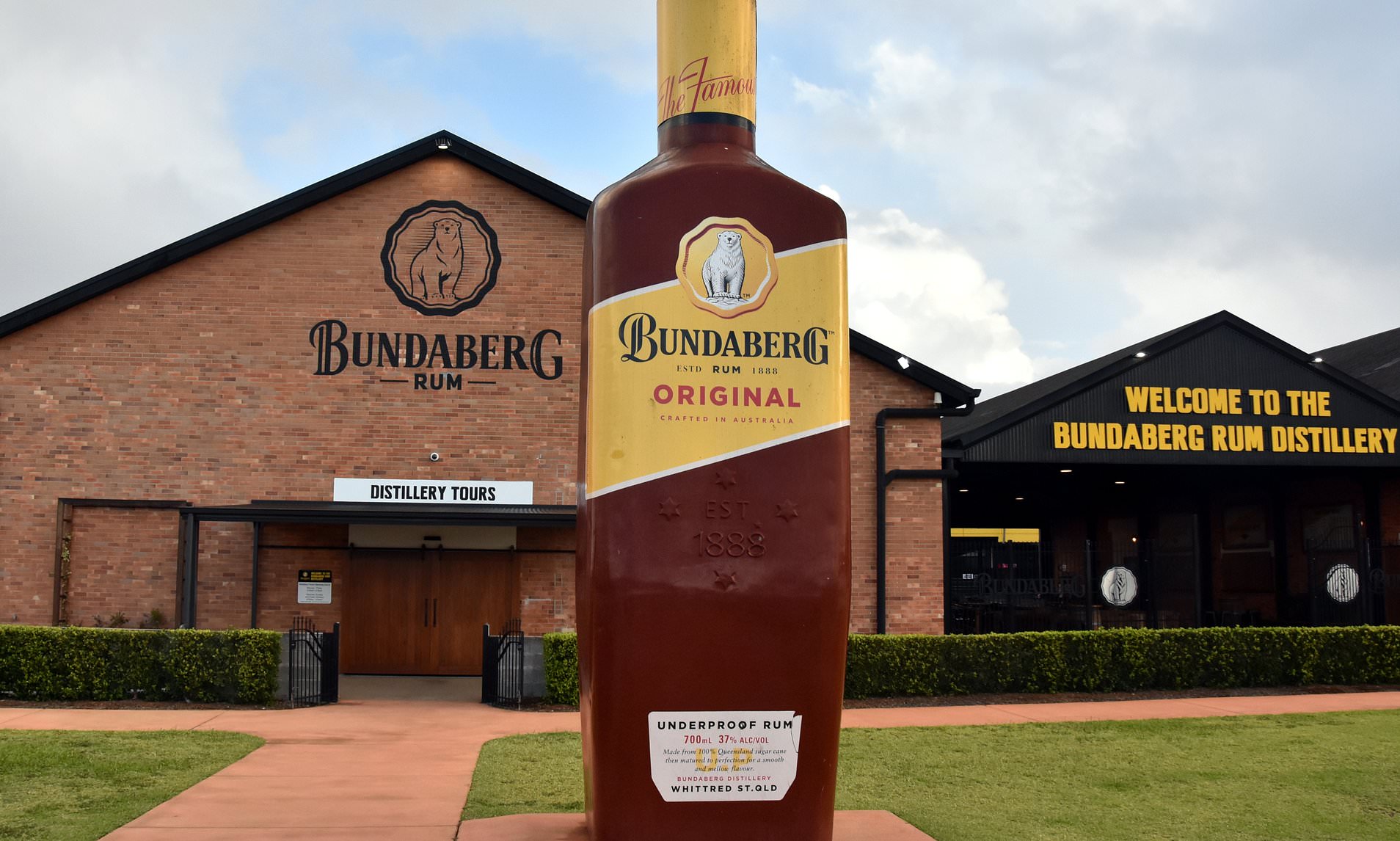
    A world-famous Queensland distillery has joined forces with a popular local brewery to create something unique and exciting – and some big fans couldn’t be more chuffed.

    Beer and rum lovers will be happy to hear of the newest collaboration between the brewers at the Sunshine Coast’s Eumundi Brewery and the famous Bundaberg Rum Distillery team.

    They have concocted a new combination – Bundy Rum and Eumundi beer.

    Avid Bundy rum devotee, Queensland Senator James McGrath, said he has loved Bundy’s smooth and rich taste since he could legally drink.

    “It is the taste of Queensland in a glass,” the Senator said.

    “The new EU-BUNDY collaboration is a perfect marriage of two Queenslanders. Bring it on.

    “I’m as excited as a frog in a sock to try the new EU-BUNDY spiced rum lager.

    A world-famous Queensland distillery has joined forces with a popular local brewery to create something unique and exciting – and some big fans couldn’t be more chuffed.

    Beer and rum lovers will be happy to hear of the newest collaboration between the brewers at the Sunshine Coast’s Eumundi Brewery and the famous Bundaberg Rum Distillery team.

    They have concocted a new combination – Bundy Rum and Eumundi beer.

    Avid Bundy rum devotee, Queensland Senator James McGrath, said he has loved the smooth and rich taste of Bundy since he could legally drink.

    “It is the taste of Queensland in a glass,” the Senator said.

    “The new EU-BUNDY collaboration is a perfect marriage of two Queenslanders. Bring it on.

    “I’m as excited as a frog in a sock to try the new EU-BUNDY spiced rum lager.”

    The drink has been described by its creators as “a classic Aussie Lager mixed with a classic Aussie Rum” and “A lagery lager with Bundaberg Spiced Rum – lightly infused with hints of vanilla and aromatic spices.”

    Nambour resident, former 2011 MasterChef contestant and keen Bundy Rum fan, Jay Huxley has collected and drank the Queensland favorite for more than 20 years.

    When Mr Huxley’s father lived in Bundaberg, he was able to up his collectors game, by getting his dad to make special trips to the distillery to buy him exclusive and limited edition bottles.

    The local catering business owner and chef even incorporates spiced rum flavours and deserts created with Bundy Rum as a base.

    “Over the years I’ve gathered quite a collection and developed a keen appreciation for it,” Mr Huxley said.

    “Bundy itself is uniquely Australian and I love the taste.”

    He said the new EU-BUNDY collaboration was extremely exciting, as both businesses produced consistently quality products.

    “I can’t see it not being amazing; being from these two places, pretty much everything both of them do is great,” he said.

    “I am very interested to try the new spiced lager and will certainly keeping an eye out for it and trying it out.”

    Eumundi Brewery Head brewer Chris Sheehan said the partnership continues to combine two of the finest Queensland producers – Eumundi Brewery and the Bundaberg Rum Distillery – with strong local roots.

    “When we released the EU-BUNDY Black Rum and Plum Pudding Ale last year, we were astonished by its popularity, with people lining up to get their hands on the festive release,” Mr Sheehan said

    “We’re confident this classic blend will be the cheers of the town and is bound to be a hit with those looking to crack open a cold one … or a great pairing to enjoy themselves this summer.”

    The Bundaberg Rum Distillery’s Duncan Littler was also eager to welcome the new lager, which he describes as “the best of the two best worlds, in one can”.

    “We are using a crisp Lager base and combining it with our Bundaberg Spiced Rum, giving drinkers a cracking rum infused beer that has a super refreshing taste,” he said.

    A limited release of the Eu-Bundy Spiced Rum Lager will be available at the Bundaberg Rum Distillery, The Imperial Hotel Eumundi, online at eumundibrewery.com.au, and other select stores in Queensland. The limited-edition EU-BUNDY Spiced Rum Lager hit stores earlier this week.

  • Finance ministry again moots tax on sweetened beverages

    Finance ministry again moots tax on sweetened beverages

    The Ministry of Finance is again considering imposing a tax on sweetened beverages eight years after failing to get other ministries’ backing for it.

    A “reasonable” special consumption tax on sugary drinks would help protect people’s health in line with the World Health Organization’s recommendation and international practice, it said.

    Consumption of sweetened beverages in Vietnam had surged by nearly eight times between 2002 and 2018 to 50.7 liters per person per year.

    Surveys by the National Institute of Nutrition in 2001-10 and 2011-20 found the overweight children rate rising quickly in urban and rural areas.

    In 2012 15 countries were imposing a tax on sweetened beverages, but by 2021 it had risen to 50, including six in Vietnam’s neighborhood: Thailand, the Philippines, Malaysia, Laos, Cambodia, and Myanmar.

    “WHO recommends that governments take actions to encourage people to consume healthy food, including using tax measures on sugary drinks to orient consumption,” the ministry said.

    In 2014 the ministry had proposed a 10% special consumption tax on sweetened beverages, but other ministries opposed it. The Ministries of Planning and Investment and Justice said the argument for the tax was not convincing, and the Ministry of Industry and Trade said it could have a negative impact on businesses.

    The finance ministry is also considering hikes in the special consumption tax on beer and other alcoholic beverages and cigarettes.

    Between 2016 and 2019 it had increased the rate on beer and certain alcoholic beverages from 55% to 65% and on cigarettes and cigars from 70% to 75%.

    But the hikes do not seem have had much effect, the ministry admitted.

    Vietnam remained the biggest beer consumer in Southeast Asia and third biggest in Asia. In 2019 an average person consumed 47.6 liters a year, 20% more than in 2015.

    In 2020 around 42.3% of Vietnamese men smoked, while the government’s target had been to bring it down to 37%.

    But the country’s taxes on alcoholic drinks remain lower than in other countries, and account for only 30% of retail price compared to 40-85% elsewhere, according to WHO.

    On cigarettes, the rate is 35% compared to 70% in Thailand, 69% in Singapore, 57% in Malaysia, and 51% in Indonesia. It is as high as 80% in France and 75% in Germany.

    Another reason for the ministry’s proposal to increase the tax is that prices of alcoholic drinks have been rising slower than average incomes.

    In 1998 it had taken a person 8.2% of their annual income to buy 10 liters of Vodka Hanoi, but by 2014 the ratio had dropped to 2.2%. In the case of red wine, the rate had dropped from 5.9% to 1.6%.

  • Cointreau revamps bottle design, a first in 140 years

    Cointreau revamps bottle design, a first in 140 years

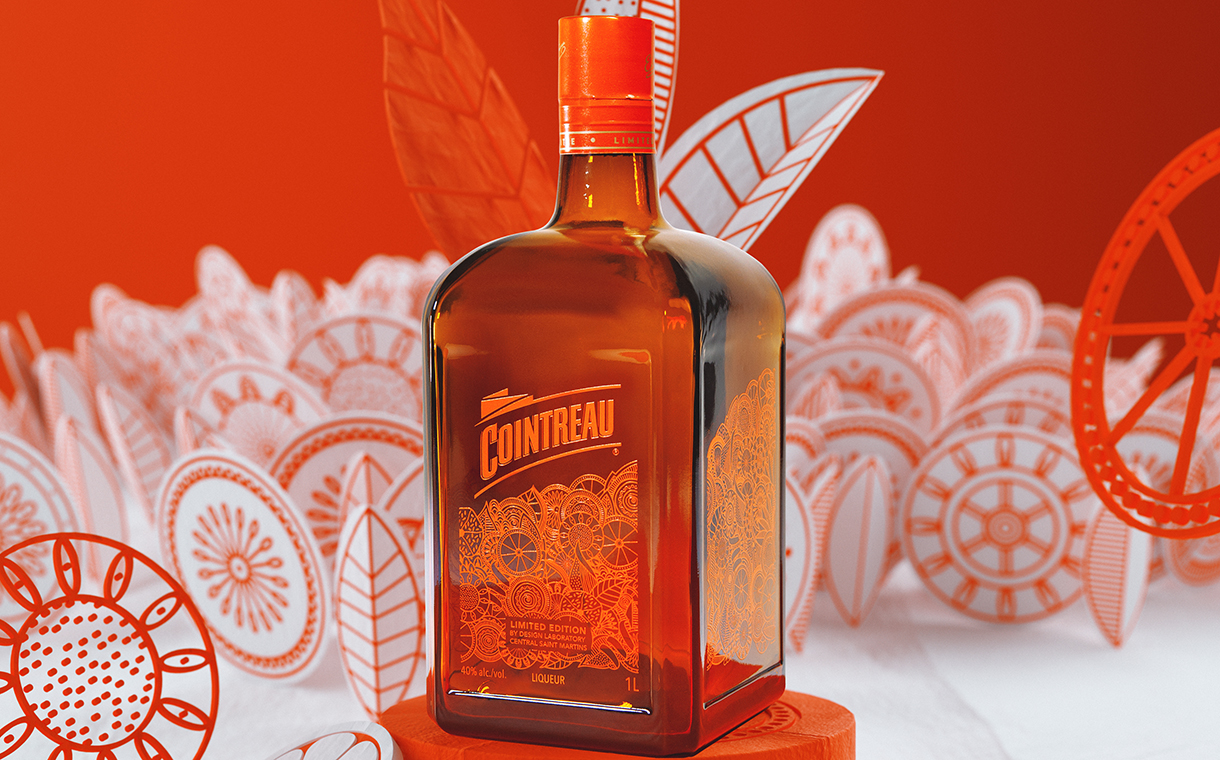
    French liqueur brand Cointreau has unveiled a redesign of its popular amber bottle, the first significant revamp in 140 years.

    Cointreau, an orange liqueur, has been produced in Angers, France since 1849. It is distilled with a combination of sweet and bitter orange peels to produce a clear spirit that enhances the flavour of cocktails.

    The new bottle has an updated shape, including a longer neck – making it easy to pour – and features a minimal illustration of the Maison embellished with Cointreau’s signature copper foiling.

    The lid now features an embossed pattern to enhance form and function while adding grip to the cap.

    In the last three years alone, the brand has reported a 40 percent increase in sales of its 700ml bottles as margaritas reign as a consumer favorite.