Retail News CRM

Tag: Drinks

  • Saigon Beer brewer sees revenue surge by a third

    Saigon Beer brewer sees revenue surge by a third

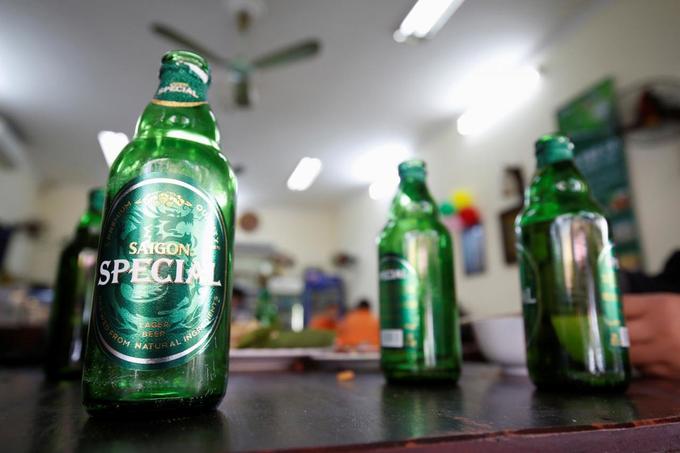
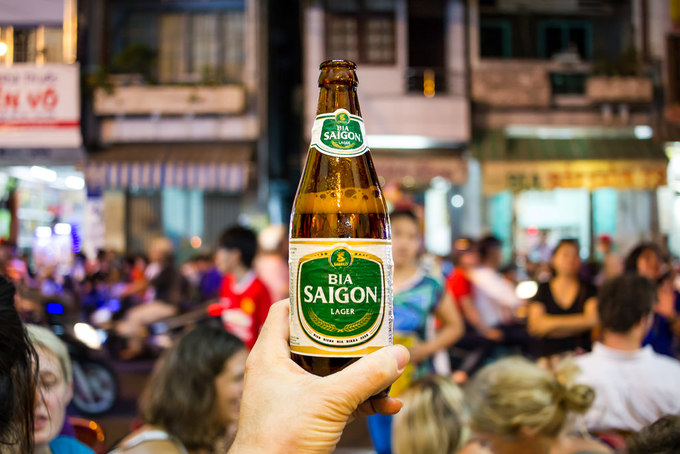
    Saigon Beer brewer Sabeco saw revenue jump 33% from 2021 to VND35.24 trillion ($1.5 billion) last year as consumption bounced back after two years of Covid-19.

    The brewer’s post-tax profit surged nearly 40% to VND5.5 trillion, the highest level since it was sold to ThaiBev in 2017.

    “The company has improved its production efficiency and implemented cost-saving measures to minimize the impact of higher input costs,” Sabeco said in a statement. “Many promotion and marketing campaigns also helped boost sales.”

    Before the pandemic, the company spent VND3 trillion on promotion and marketing last year, double that of 2019.

    Sabeco’s revenue last year was 8% shy of the 2019 level. However, its revenue quadrupled that of its major competitior in Vietnam, Habeco, which recorded a revenue of VND8.5 trillion.

    Thapana Sirivadhanabhakdi, CEO of ThaiBev, said last year that Sabeco was its “crown jewel” and rejected rumors that the Thai company would sell the brewer.

    Valued at $26 billion, Vietnam is the biggest beer market in Southeast Asia, and No. 3 in Asia behind China and Japan, according to 2021 figures.

  • Maximus unveils two new summer flavours

    Maximus unveils two new summer flavours

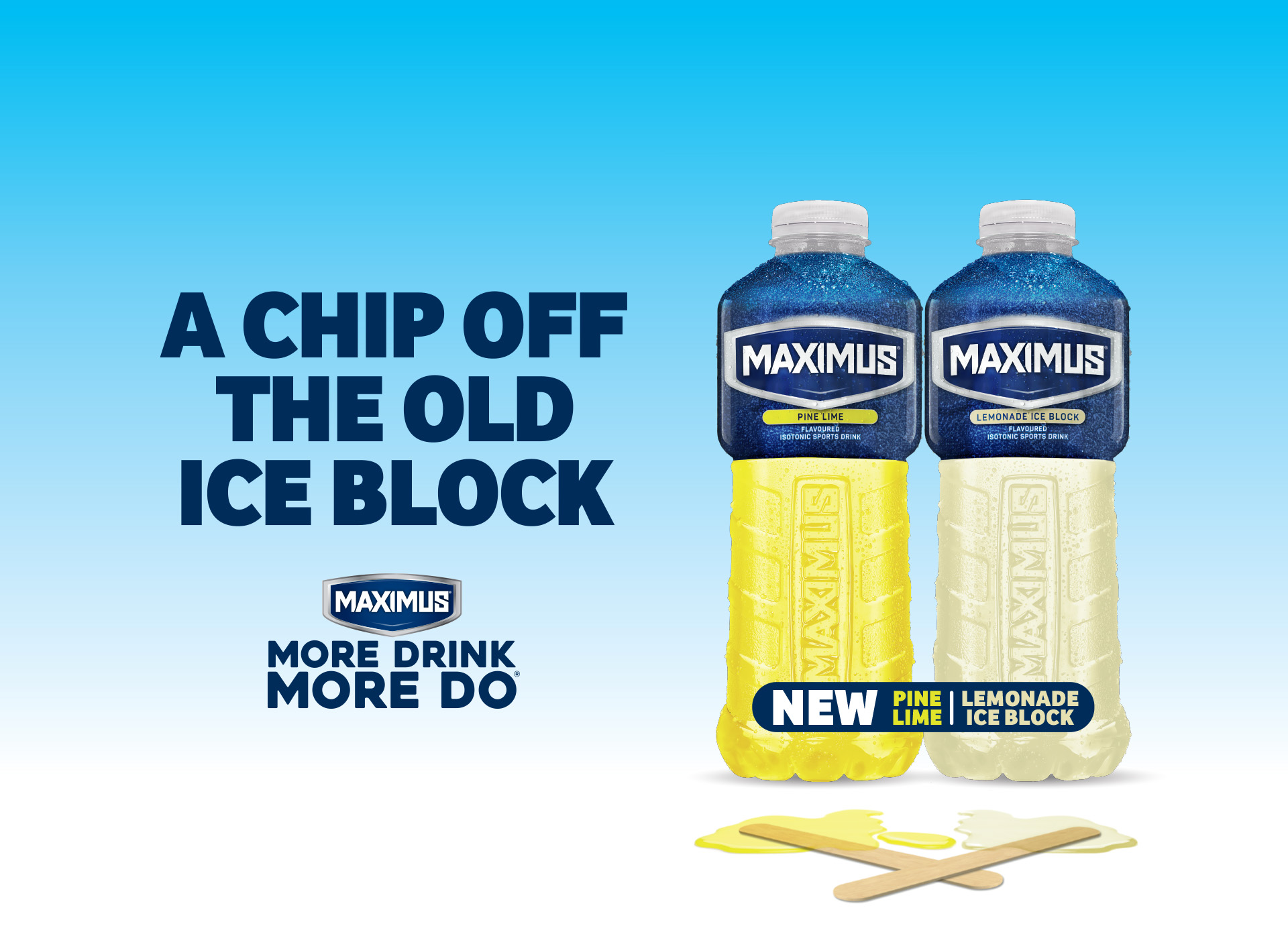
    Frucor Suntory beverage brand, Maximus, continues to raise the stakes in the sports category with its newest product, Maximus Ultra. 

    Maximus Ultra is the first hybrid sports drink in Australia to contain BCAAs (Branched Chained Amino-Acids) to support muscle recovery and performance. It also contains 50 per cent more electrolytes than regular Maximus as well as B Vitamins, B3, B5, B6 and B12. 

    Maximus Ultra adds a lot of value to Maximus’ starting line-up with an additional two flavours Tropical and Berry, Maximus senior brand manager Kate Taylor said. 

    “Besides being a market first and a unique product in the sports category, it also remains true to Maximus’ core – to give consumers the extra hydration they need to work, play and everything in-between,” Taylor said. 

    “Like the rest of the players in the team, Maximus Ultra also helps hard working

  • Delgados Tequila Soda teams up with UFC

    Delgados Tequila Soda teams up with UFC

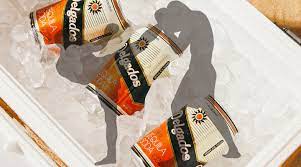
    UFC, the world’s premier mixed martial arts organization, today announced Delgados Tequila Soda as the Official Tequila Soda of UFC in Australia and New Zealand.

    The partnership will comprise of year-round activity across Australia and New Zealand, including live event integration at two UFC events in the region and VIP Sweepstakes featuring highly in-demand tickets to UFC 284: MAKHACHEV vs. VOLKANOVSKI as well as UFC event viewing parties.

    “We are absolutely delighted to welcome Australia’s Tequila Soda pioneers Delgados into the UFC fold as the Official Tequila Soda of UFC across Australia and New Zealand,” said Nick Smith, Vice President of Global Partnerships, UFC. “This partnership has culture and lifestyle at its core, and we cannot wait to introduce our fans to this refreshing drop and the ‘Sin Problemas’ ethos.”

    Brought to you by Superdrop, Delgados Tequila Soda has pioneered the Tequila Soda category in Australia. It combines Mexico’s finest blue agave tequila, soda water, and natural ingredients.

    The young tequila brand aims to transport tequila lovers to the ultimate Mexican getaway, bringing the 60s retro vacation vibes right into the palm of your hand.

    “We are thrilled to partner with the cultural juggernaut that is UFC, and we’re beyond excited to introduce their loyal fans to our delicious and refreshing tequila ready-to-drink beverage, Delgados Tequila Soda,” said Ewen Pettit, Director, Superdrop.

    “Just like our product, UFC is as real as it gets. We have a full calendar of events, activations and promotions that will truly connect with our drinkers and UFC fans. We can’t wait to get started, as all roads lead to Perth in February for UFC 284.”

    UFC fans can get their hands on a Delgados Tequila Soda in three flavours: Grapefruit & Jalapeno; Lime & Basil; and Pineapple & Ginger… all a perfect match up for your UFC Sundays over the coming months.

  • Casella Family Brands sells 35 vineyards

    Casella Family Brands sells 35 vineyards

    Southern Premium Vineyards has acquired 35 vineyards from wine group Casella Family Brands. The sale comprises 7215 hectares across South Australia and NSW, including water entitlements and plant and equipment attached to the vineyards. The vineyards are located across the Clare Valley, Langhorne Creek and Limestone Coast regions of South Australia, and the Riverina precinct in NSW.

    Southern Premium Vineyards (SVP) already owns about 460 hectares of vineyards in the Coonawarra in South Australia’s south-east and the Barossa Valley. Public Sector Pension Investment Board owns it is one of Canada’s largest pension investment managers. SPV director Nick Gill said, “SPV’s strategy is to offer wine companies a multi-regional grape supply solution for their winegrape sourcing as an alternative to owning or leasing vineyards – and a partnership with Casella is a perfect fit with this strategy.”

    John Casella said: “We are pleased to be entering this partnership with SPV, a platform of PSP Investments, which is an investor with a proven track record of successful long-term investment in agribusiness in Australia and around the world.

    “We are confident that SPV will continue to deliver the quality and consistency of the grapes we require, safeguard and preserve the vineyards and ensure the wellbeing of employees.”

    Marc Drouin, senior managing director, Real Assets and Global Head of Natural Resources Investments, PSP Investments, said, “Our commitment to sustainable farming combined with our long-term investment horizon allows PSP Investments to lever Australia’s unique global competitive position for its quality winegrapes.

    “Casella is a best-in-class group with an impressive portfolio of vineyards in some of the country’s most highly regarded wine regions.

    “This acquisition is a cornerstone investment for both SPV and PSP Investments’ global wine portfolio.”

    Casella put most of its vineyards in NSW and South Australia on the market in May, following a strategic review of the business.

    The review by Australia’s largest privately owned winemaker led to a decision to divert the company’s funds into brand-building rather than running vineyards. The Australian described the move as “the biggest single sale of vineyards as one lot in living memory in Australia”, which is anticipated to raise tens of millions of dollars for Casella. Casella has entered into long-term grape supply agreements for all 35 vineyards to ensure ongoing supply for its established brands.

    John Casella said: “The company is in a sound financial position, having recently experienced global record sales for Yellow Tail during the COVID-19 pandemic.

    “While demand has stabilised, we are forecasting future growth due to ongoing investment in our brands supported by a strategic innovation pipeline.

    “The intended strategic partnership will allow us to focus on strengthening our brands globally, and therefore deliver positive outcomes for the Australian wine ­industry.”

    Some Casella-owned vineyards located in the Riverina and Barossa were not included in the sale, as well as its Victorian vineyards, which include Baileys of Glenrowan and Morris of Rutherglen. The company plans to use the funds to build its growing wine brand portfolio, create new alcoholic beverage brands – in categories such as spirits, beer and seltzer – and expand its whisky distilling business.

    Coca-Cola Europacific Partners sold its stake in Australian Beer Co (ABCo), which is located next door to the Casella winery in Yenda, NSW, to Casella Family Brands in January.

    Coca-Cola Europacific Partners vice-president and general manager for Australia, Pacific & Indonesia, Peter West said: “Casella Family Brands is a highly respected partner, and when we approached them as part of our strategic review of our beer and cider strategy, John and his team were keen to explore the opportunity to take full ownership of ABCo. We have had a terrific partnership with Casella Family Brands for almost a decade now and exit on good terms. We genuinely wish them
    the very best for the future.”

    John Casella said: “ABCo is an exciting business led by a state-of-the-art brewery, and we welcomed the opportunity to acquire full ownership. We will endeavor to maintain the excellent relationships the CCEP team has established with customers in the beer and cider category in Australia. We have enjoyed partnering with CCEP to grow ABCo’s business, and we both leave the joint venture arrangement on excellent terms.”.

    Casella Family Brands took over full ownership of the Australian Beer Co on July 1.

  • Refresco expands into Australia with Tru Blu acquisition

    Refresco expands into Australia with Tru Blu acquisition

    Refresco Group, the global independent beverage solutions provider for Global, National and Emerging (GNE) brands and retailers in Europe and North America, today announces it has entered into an agreement to acquire Tru Blu Beverages Pty Ltd. (“Tru Blu Beverages”), one of Australia’s leading manufacturers of non-alcoholic beverages. This transaction is subject to regulatory approval.

    “Today’s announcement is a testament to our proven Buy & Build strategy. We started with one factory in Europe just over two decades ago and steadily built a diversified, pan-European platform. Only six years ago, we took our first step into North America. We now operate over 70 manufacturing sites globally, with just about half of those located across North America and the rest throughout Europe, offering a full range of beverage solutions to a broad customer base.

    The acquisition of Tru Blu Beverages in Australia creates a new platform for Refresco, in line with our strategic promise to expand into a third continent. The three strategically located manufacturing sites are the starting point for our future footprint in the region. Acquiring Tru Blu Beverages further strengthens our position as beverage solutions provider to branded customers and leading retailers globally, and provides new opportunities for further growth.”

    “By joining Refresco, our customers, suppliers and employees will be able to benefit from the Company’s broad capabilities, experience and expertise. We are proud to become part of the Refresco family, with its strong entrepreneurial spirit and passion to deliver quality service to its customers. Tru Blu Beverages’ leading capabilities and blue-chip customer base gives Refresco a solid entrance into the Australian market. We look forward to building an even stronger platform together.”

    The acquisition of Tru Blu Beverages expands Refresco’s addressable market and provides opportunities to leverage Refresco’s size and scale, as well as its track record of successfully integrating companies. Tru Blu Beverages fits right into Refresco’s business model, with its wide range of beverage solutions for retailer brands and global, national and emerging brands. In addition, Refresco’s strategic ESG agenda will enable Tru Blu Beverages to accelerate its efforts of minimizing the environmental impact of manufacturing processes, packaging and transport.

    Refresco obtains a national Australian market position by acquiring Tru Blu Beverages, with opportunities to drive continued growth in the region, both organically and through acquisitions.

    Refresco intends to continue expanding its global and strategically located footprint to better serve existing and new customers through a range of formats and channels. We will continue to make selective investments and acquisitions, targeting value-accretive opportunities.

  • San Pellegrino unveils new flavour in Essenza range

    San Pellegrino unveils new flavour in Essenza range

    S.Pellegrino Essenza has added a new Black Orange & Black Raspberry flavour to its range, joining the existing line-up of Lemon & Lemon Zest and Tangerine & Wild Strawberry.

    S.Pellegrino’s Essenza is a tasteful range of Italian sparkling mineral water with a subtle hint of fruit flavour, gentle bubbles, and no added sweeteners with zero calories.

    Essenza Blood Orange & Black Raspberry has a delicate scent and taste, beginning on a sweet note and ending with the taste of freshly squeezed orange. It pairs with rich, complex foods from red meat dishes to creamy, light pasta.

    S.Pellegrino Essenza’s range is a great on-the-go product with the can format; plus, it’s recyclable. It also works as a non-alcoholic mocktail spritzer option.

    It is available now in Woolworths and independent supermarkets at $15 per eight-pack.

  • Guinness drops a weather-sensitive promo

    Guinness drops a weather-sensitive promo

    Winter and Guinness go hand in hand, which is why the brand is celebrating Australia’s coldest month of the year with a unique, weather-moderated giveaway.

    To encourage drinkers into the pub to enjoy a stout at its prime, GUINNESS has launched GUINNESS WEATHER, allowing punters to redeem a free pint of Guinness Draught as soon as the temperature drops to ideal consumption conditions.

    Winter is the best season for enjoying a Guinness, however a lesser known fact is the optimum temperature to pour a pint of the black stuff is between five and seven degrees, so when the temperature drops to five and seven degrees outside, the promotion activates.

    “Everyone thinks about Guinness on St Patrick’s Day but the campaign aims to remind drinkers that winter is the best time to enjoy a Guinness, and a great time to get people together enjoying a pint in their local pubs,” said connections director Ed Stening.

    “We wanted to give people a reason to look forward to a cold snap, with a chance to enjoy a Guinness at its best,” said Paul Swann, Thinkerbell executive creative tinker.

    Guinness lovers can check out the website housing an official Guinness Digital Thermometer which gauges the temperature on the border of NSW and Victoria. A free Guinness is not far with the promotion’s Pub Finder tool, which locates the closest participating venue. The promotion is now live and will run throughout July or until keg stocks last.

    The promotion is supported by a multi-channel campaign running across outdoor, radio, PR, digital channels, and media partnerships.

  • Coffee chains brace for impact as inflation creeps in

    Coffee chains brace for impact as inflation creeps in

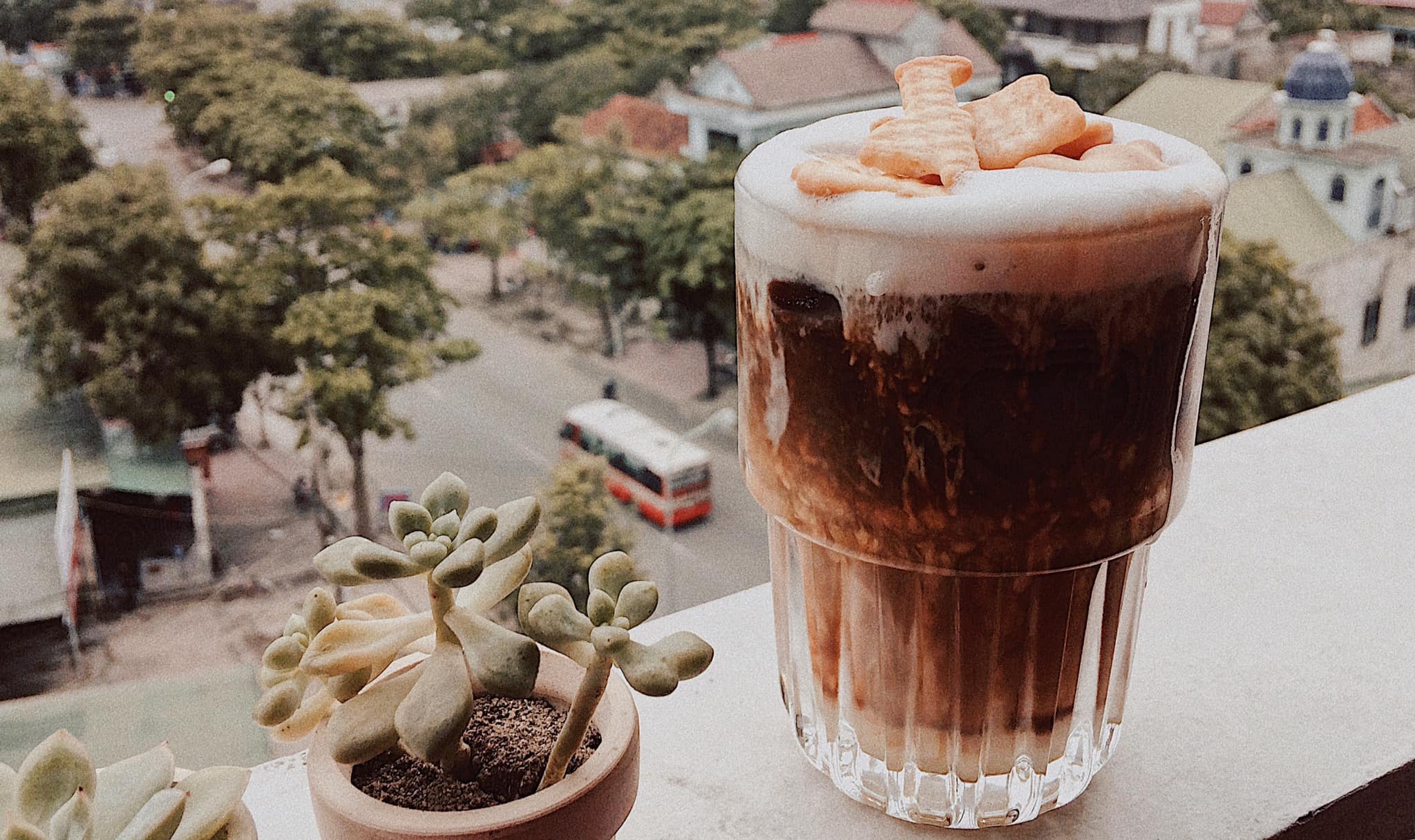
    Highlands Coffee, one of the largest coffee chains in Vietnam, earlier this month hiked its prices by 10-15 percent. It said that the increase served to maintain product quality amid market fluctuations.

    Hoang Viet, CEO of Laha Cafe, said that coffee chains are seeing costs of coffee surging by 25 percent and rents by 10-20 percent.

    “Some ingredients are seeing costs rising 20-30 percent. Without a price increase, coffee shops cannot survive.”

    Beverage chains are starting to feel the burden of inflation on their business as surging commodity prices eat into their profit and threaten to bring losses.

    Gasoline prices in Vietnam rose by nearly 52 percent between the first half of this and last year.

    The Young Cafe has recorded an input increase of between 10-30 percent, mostly because of rising transportation costs.

    “Coffee chains often maintain their prices for one or two months before hiking them up,” said founder Nguyen Vo Trung Quan.

    But major chains like Starbucks, Phuc Long, The Coffee House and Chuk Coffee & Tea have not announced plans to raise prices, with the latter even affirming that there will not be a price hike in at least the next several months.

    Vietnam’s food, beverage and accommodation industry is just now recovering from Covid-19 impacts.

    It recorded the first growth in the second quarter this year (25.92 percent) after three consecutive quarters of decline.

    The rising demand for beverages amid high heat could be partly responsible for the growth.

    Delivery app GoFood saw orders in the second quarter surging 42 percent year-on-year, while ShopeeFood said it had received a rise in orders in May and June but did not reveal specific figures.

    This surge in demand makes F&B companies reluctant in hiking up prices as this could hamper growth.

    A media representative of The Coffee House said that it has recently launched new products that broke pre-pandemic revenue records.

    “Our number of outlets have returned to the pre-pandemic level of 154 and it is set to grow fast.”

    Some other chains, like The Running Bean, have removed some items from their menu as prices of ingredients have surged.

    But eventually, a price hike is unavoidable in the industry.

    Viet said that Laha Cafe is working on new products with higher profit margins and is looking for new locations further away from central business districts to reduce costs.

    “But we are also considering raising prices of some products, otherwise we cannot keep the business running.”

    Quan has moved a location of The Young Cafe from the central District 1 to District 10 to cut costs, and if input costs rise by 50 percent, he will hike menu prices.

    “If inflation persists, sooner or later all shops will hike prices.”

    Lender HSBC forecasts that Vietnam’s inflation could hit 3.5 percent this year, but in the last quarter alone it could be 5.6 percent.

  • 7-Eleven Singapore launches beachfront store with Tiger Beer

    7-Eleven Singapore launches beachfront store with Tiger Beer

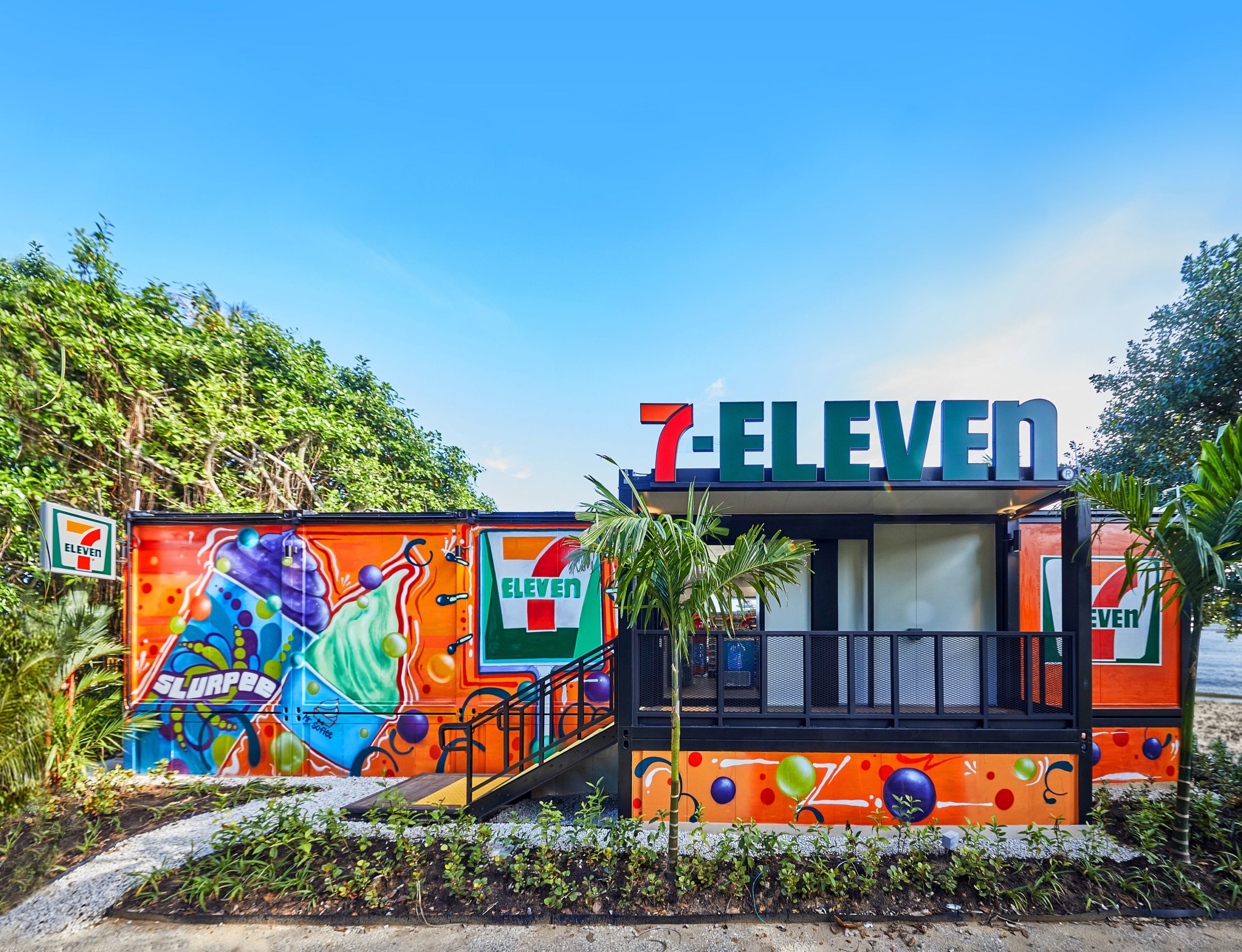
    Singapore’s favourite convenience store, 7-Eleven, and the country’s favourite, Tiger Beer, have joined forces to unveil the very first beachfront convenience store right on the sands of Palawan Beach Walk, Sentosa! On 25th and 26th June, the first-of-its-kind store will kick off opening celebrations with a variety of promotions and special treats for families enjoying the last weekend of the school holidays and for young adults and tourists who have made hanging out on the beaches of Sentosa their highlight of the week.

    Perched right on the sands of the popular Palawan beach, this instagrammable 7-Eleven store can be spotted from afar with its vibrant murals and unique graffiti artwork on its facade. This exciting store offers ice-cold Tiger beer on reverse tap, exclusive Nitro Tea and icy Arctic Coke to help beat the heat, of course, along with 7-Eleven’s all-time favourites – Slurpee, Mr. Softee and 7CAFÉ. Guests can enjoy their refreshing drinks, hot snacks and even ready-to-eat meals at the special 7-Eleven x Tiger Beer chillout area on the sands or at their favourite beach spot.

    Ice-cold Tiger Beer Quick and Easy

    To help people get their drinks fast, 7-Eleven and Tiger Beer will be bringing a special reverse tap bar, which will automatically dispense the right pour of beer in each cup consistently – without needing a bartender. The reverse tap dispenser is fast, convenient and easy, giving you more time to spend soaking up the sun.

    Stay cool in the heat with outlet-exclusive Nitro Tea and brain-freezing Coke slushies

    7-Eleven’s Sentosa Palawan Beach store will also be introducing the new and exclusive Nitro Tea. Choose between a refreshing black tea or a variety of caffeine-free fruit teas to give your taste buds a high-five. Either way, you will experience a rich, dairy-free creamy foam, refreshing and longer-lasting flavour, and sweetness without the added calories – thanks to the nitrogen infusion that gives beverages a sweet taste without added sweeteners.

    7-Eleven will also be bringing the unique Arctic Coke machine to Palawan Beach! Simply choose your bottle of Coca-Cola, put it into the machine and press a button – in no time, you will have an icy cold Coke slushie to give you a brain freeze that will refresh your mind for the week ahead.

    Carefree snacking with grab-and-go hot bites and Ready-to-Eat meals by the beach

    Beachgoers who feel peckish after sun and surf will also be able to get delicious warm pastries and finger food from the hot food counter. Savoury hot food items include fried chicken selections from super crispy chicken to savoury chicken drumsticks and wings, while those who long for buttery pastries can expect offerings such as Butter Croissant, Cocoa Hazelnut Croissant, Pain Au Raisin, Tomato Cheese Tart, Mini doughnuts, Pure Butter Madeleine and Citrus Madeleine. Ready-to-Eat meals will also be available for those who need more filling up, an affordable alternative to the pricier options in the area.

    Mark your calendars and celebrate the opening with us on 25 and 26 June!

    Savour the last weekend of the June school holidays with an unforgettable carnival-inspired blast on the beach with family and friends at the 7-Eleven’s Sentosa Palawan Beach store on 25 and 26 June 2022 from 10am onwards.

    Customers can enjoy free popcorn, 7-Eleven balloons, face painting activities, Häagen-Dazs or Walls ice cream (first 200 customers, with any purchase), Mr. Softee (100 cups a day), chances to walk away with exciting Spin and Win rewards (with a minimum spend of $7, list of prizes in table below*), and last but not least, live music performed by local singer-busker Jeff Ng, who recently made headlines for his popular weekly busking at The Cathay!

    Customers can also look forward to the following deals:

    Promotion Promotional period Details
    Spin and Win prizes* (with a minimum spend of $7) 25 and 26 June 2022 ● Sentosa premium merchandise such as luggage tags and tote bags

    ● $5 Dairy Farm vouchers

    ● $10 Dairy Farm vouchers

    ● Jinro Hite Tonic Water 250ml FOC

    ● Vaseline HB SPF 24 Sun + Pol E 100ml

    ● Asian Delight Sea Coconut

    ● Lays Max BBQ potato chips 73g

    ● Authentic Tea House Ceylon Tea 500ml

    ● Seaweed Wasabi Cashew Mix Macadamia 35g

    Slurpee and Nitro Tea 25 June – 3 July 2022 ● Slurpee Large 16oz at promo price $1.50 (normal RSP $1.80) 25 and 26 June

    ● Nitro Tea BOGO – applicable for both flavours

    Tiger Beer 25 June – 22 July 2022 ● Buy 5 reverse tap cups of beer at a go and get 1 free Tiger Crystal 49cl can

    ● While stocks last

    Tiger Beer gift with purchase 23 July – 19 August 2022 ● Buy 3 reverse tap cups of beer and get 1 free Elegante glass*

    ● Buy 6 reverse tap cups of beer and get 1 free Elegante glass and 1 slipper-shaped floatie* [1m (W) x 1.5m (H)]

    *Limited quantity of 200 each

    More promotions and updates can also be found on the official 7-Eleven Singapore Facebook and 7-Eleven Singapore Instagram pages.

    “7-Eleven is reimagining convenience at the beach with our first beachfront store at Sentosa, in collaboration with Singapore’s iconic brand Tiger Beer. From the Arctic Coke machine to the exclusive Nitro Tea, and Reverse Tap beer and the Tiger Beer chill out zone, our new store offers a lot of exciting things for beach loving families, young adults and tourists, and we look forward to welcoming them! We hope that customers will be able to enjoy our new concept store with its unique design and special murals,” said Mr. Steven Lye, Managing Director of 7-Eleven Singapore.

    “This is a great collaboration with 7-Eleven where we pushed the boundaries and found innovative ways to uncage the ultimate refreshment for our consumers. Tiger has a special bond with beer-lovers, and we believe that the beachfront store at Sentosa Palawan Beach would energise the experience by bringing consumers the smoothest beer and greatest vibes,” said Yogender Sharma, Marketing Manager of Asia Pacific Breweries Singapore.

    “We are delighted to be home to Singapore’s first-ever 7-Eleven store by the beach. This new store concept is an example of the novel and imaginative experience that we are curating for our guests on our beach. Apart from providing the convenience of getting beach essentials, the store is also a unique beachfront bistro where guests can pick up a quick and affordable meal. We welcome this partnership with 7-Eleven in enhancing our guests’ experience as they enjoy their day on Sentosa, ” said Mr Chew Tiong Heng, Divisional Director (Business and Experience Development), Sentosa Development Corporation.
  • Huawei plans to launch coffee chain

    Huawei plans to launch coffee chain

    Telecommunication giant Huawei Technologies Co’s recent plan to enter the on-premise coffee market in China has triggered heated discussions on the beverage’s role in rejuvenating established non-food brands among younger consumers.

    Huawei has applied for two trademarks related to coffee. The registered name of one trademark is “One Cup of Coffee Absorbs Cosmic Energy”. The name is classified into the category of convenience food and the application is waiting for acceptance, according to Qichacha, a data bank that tracks business registrations.

    The other trademark is classified into the category of catering and accommodation, covering services including cafes, restaurants and mobile food supply. The application is waiting for review.

    The move is a follow-up to the company’s management interests in the coffee sector.

    In August, Ren Zhengfei, founder of Huawei, said that the company plans to open more than 100 coffee stores in the company’s Qingpu base in Shanghai to attract young people to work for the company.

    Before Huawei, domestic leading sportswear brand Li-Ning recently started its own freshly brewed coffee as it has applied to register its brand as “Ning Coffee”.The sportswear company already operates coffee services in Beijing, Xiamen in Fujian province, and Zhanjiang in Guangdong province. The company runs coffee as an innovation and added value to its in-store shopping experiences, according to Li-Ning, which owns more than 7,000 stores in the country.

    Li-Ning is one of the large-scale retail networks that have banked on the beverage to get closer to younger consumers. Beijing TRT Group, a traditional Chinese medicine pharmacy, China Post, Petro-China, Sinopec Group and even Goubuli-an iconic Tianjin-based bun specialist-have opened their own coffee units. The list of brands entering the coffee sector goes on.

    Zhu Danpeng, a food and beverage analyst, said the recent cross-sector marketing events, which have involved business extension into the coffee sector, have shared one identical aspiration-to get engaged with the younger generation, which has become a dominant consumer group, playing a crucial role in a brand’s future. “To make a brand younger is more or less about how to grow loyalty and frequency with the Gen Z consumers,” said Zhu.

    The capital market and investors have also been drawn to the fast-rising coffee industry, pushing the growth of on-premise coffee niche brands including Manner Coffee, M Stand and Seesaw as well as those internet-based packaged instant coffee brands such as Saturnbird Coffee.

    According to a report by Jiemian, the domestic coffee sector received financing of more than 4 billion yuan ($594 million) in 2021. In March, Canadian coffee group Tim Hortons in China announced it had received an investment of 1.2 billion yuan, propelling the chain to grow from the current 410 stores in the country to 2,750 stores by 2026.

    According to research institute iiMedia Research, in 2021, the coffee market has been valued at 381.7 billion yuan and is estimated to grow to 1 trillion yuan in 2025, with an average annualized growth rate of 27.2 percent.

    By comparison, milk tea, a darling among Chinese youth, has been gradually losing its appeal. According to Nayuki Tea’s annual financial report for 2021, the milk tea maker has seen a loss of 145 million yuan in net profit, which was 16.6 million yuan a year earlier.

  • Liquor industry wants tax increase delayed

    Liquor industry wants tax increase delayed

    Liquor companies want the proposed increase in special consumption tax put off until they recover from the effects of the Covid-19 pandemic. The government plans to hike the taxes on beer, liquor, and cigarettes from now until 2030 and is still considering by how much.

    The current rates are 65 percent on beer and 35-65 percent on liquor. Nguyen Van Viet, chairman of the Vietnam Association of Beer, Wine and Beverages (VBA), said the two years of Covid caused beer sales to drop by 20 percent or one billion liters.

    Around half of all breweries and distilleries saw revenues and profits fall in 2020 and 2021, according to a survey by the Central Institute for Economic Management (CIEM). Over 79 percent of them tried to cut costs, and 58 percent postponed expansion plans and laid-off employees.

    It is estimated that 4-7 percent of workers were laid off, and the rest saw their incomes reduce by 7-10 percent. Though the situation has improved thanks to the reopening of the economy this year, the industry is unlikely to see profits rise as input costs have risen to historic highs.

    Gasoline and malt prices have increased by 50 percent, and that of beer cans by 30-40 percent. Holly Bostock, corporate affairs director of Heineken Vietnam, said any increase in special consumption tax would add to the burden on the beverage and tourism industries, while what they need now are stability and support.

    Phan Tuan Khai, a lawyer for the VBA, said the government needs to come up with a new tax mechanism that would help businesses but also generate more tax instead of just increasing the rates. Economist Ngo Tri Long said a tax hike would exhaust businesses.

    Long said a new mechanism that taxes products with higher alcohol content more would be fairer and more transparent than the current tax mechanism and encourage people to drink responsibly. Taxation by alcohol content is done in Singapore and European Union countries.

    A study by the CIEM from 2010 to 2018 found that despite increases in alcohol tax, consumption actually rose from 6.6 liters per capita per year to 8.3 liters.

    A 2019 study by Lancet, a British medical journal, found Vietnam among the world’s top beer-consuming countries and a 90.2 percent rise in drinking per capita between 2010 and 2017.

  • Brewer Sabeco profits fall to lowest level since Thai acquisition

    Brewer Sabeco profits fall to lowest level since Thai acquisition

    Vietnam’s largest brewer Sabeco said after-tax profit fell by over VND1 trillion (US$443 million) last year to VND3.93 trillion, the lowest since it was acquired by a Thai billionaire.
    Its revenues were VND26.37 trillion, a decline of 6 percent. Thaibev owned by Charoen Sirivadhanabhakdi acquired the company in late 2017.

    The firm blamed the Covid-19 outbreaks and subsequent restrictions in many provinces and cities across the country for the decline in performance.

    The firm has undistributed profits of over VND13.66 trillion.

    Vietnamese consumed 1.3 liters of beer per capita in 2020, according to the General Statistics Office. The country has a population of over 98.5 million.

  • Cognac sales jump 31 per cent as drinkers go upmarket

    Cognac sales jump 31 per cent as drinkers go upmarket

    Cognac sales surged by nearly a third last year as American and Chinese drinkers guzzled old vintages, in the latest sign premium drinks makers are putting the pandemic behind them.

    Sales of the brandy, produced in the Cognac region of France, rose by almost 31 percent in value to €3.6 billion (US$4.1 billion), industry group BNIC said on Monday.

    Volumes were up 16 percent to 223.2 million bottles.

    “This growth reflects a real recovery of cognac, as well as new consumption habits,” BNIC said in a statement, noting sales had also risen compared with 2019, before the pandemic struck.

    The outlook should remain positive in the coming months for all destinations, BNIC added.

    The news comes after France’s champagne industry said last month it expected record sales in 2021, and follows strong results from several spirits companies.

    Cognac sales to its largest market, the United States, climbed 11 percent, with 115 million bottles shipped in 2021.

    Sales to China, its second-biggest, leapt 56 percent with 34 million bottles shipped, while European sales were up 8 percent to reach 37.1 million bottles.

    In late November, spirits group Remy Cointreau raised its full-year profit forecast after a better-than-expected first half, driven by strong demand for its premium cognac in China, the United States, and Europe.

    Pernod Ricard, which owns Martell cognac, also pointed to a jump in sales in China.

    The 2021 harvest, at 867,312 hectolitres, was within the 10-year average and should support further growth for the sector, BNIC said.

  • Low-cost café franchising booms despite Covid

    Low-cost café franchising booms despite Covid

    Despite the Covid-19 pandemic, more and more low-price cafés are franchising and doing well. At 9.00 every day a Napoli café franchisee on Dong Nai Road, District 10, HCMC is crowded. Its owner, Hoang, says: “We directly serve hundreds of customers a day. The number of customers making orders via apps is double that.”

    A café franchised by Milano on Pham Van Chieu Road, Go Vap District, also gets hundreds of customers daily, one of its employees says.

    Many other similar outlets are also making good profits despite the pandemic, mainly selling through apps and e-commerce websites.

    Nguyen Duc Hung, the founder of Napoli Coffee, said that after starting in 2010 his company has so far franchised 3,000 outlets which fetch hundreds of billions of dong annually.

    “We franchise an average of two to three coffee shops a month. Some of our partners want to open more shops though they already own five”.

    Now there are thousands of Milano franchisees across the country. Trung Nguyen E-Coffee franchised coffee shops are present in 54 cities and provinces.

    The franchisors do not seek royalties for their trademarks or other such fees, and most of their profits come instead from the construction and decoration of coffee shops or sales of packaged coffee and beverages they produce

    Napoli offers three franchising packages costing VND70-350 million for cafes of 50-100 square meters in size. The packages include a five-year warranty, decoration, furniture, lighting, uniforms, and the coffee-making process, and exclude the costs of sanitary equipment and salaries.

    Trung Nguyen E-Coffee offers franchising packages worth VND65-175 million.

    Le Anh Tu, a lecturer at Van Lang University in HCMC, said the low-price café franchising model thrives despite Covid because franchisors support franchisees a lot, and products are sold at reasonable prices like VND12,000-30,000 for a cup of coffee.

  • PepsiCo Australia achieves its renewable energy target

    PepsiCo Australia achieves its renewable energy target

    PepsiCo Australia has effectively converted to 100 percent renewable electricity across all of its operations. Focusing on reducing global emissions, this initiative helps PepsiCo limit the amount of CO2 added into the environment – around 26,000 tones per year – and goes some way in helping the business hit its target to achieve net-zero emissions globally by 2040.

    PepsiCo manufactures Smiths chips, Doritos, Red Rock Deli, Twisties, and Grain Waves in Australia, including at Regency Park in SA, Tingalpa in Queensland, and Forrestfield in WA which are now powered by a mixture of solar and wind energy sources. The achievement does not include the manufacturing of beverages that are undertaken by the brand’s local partner Asahi Beverages.

    As one of the global business’ first 15 markets globally to switch to 100 percent renewable electricity, PepsiCo Australia is now seeking sustainable solutions such as converting organic waste into bio-methane, converting its fleet to EV or hydrogen, and decarbonizing its snack manufacturing processes.

    The company has teamed up with Engie and the Northam Solar Farm – developed by Indigenous Business Australia (IBA) and Bookitja – to get Power Purchase Agreements (PPAs) that support a range of wind and solar farms across Australia.

    “Climate change is one of the most pressing concerns facing our global food system and we’re committed to working across our value chain to reduce emissions,” said Danny Celoni, CEO of PepsiCo Australia and New Zealand.

    “The move to renewable electricity is positive for our business and for the local economy. We are pleased to support sustainable initiatives that create local jobs and proud to partner with IBA and Bookitja through the Northam Solar Farm, which aims to provide a sustainable economic base for future generations of Whadjuk people”.

    PepsiCo is also a member of Re100, a global renewable energy initiative led by The Climate Group and CDP to make a commitment to renewable energy as a large business.

    “Companies that join Re100 pledge to go 100 percent renewable with their electricity use by a set date,” added Jon Dee, Re100 Australia coordinator

    “Here in Australia, PepsiCo is one of 110 major companies that have joined Re100. By successfully completing their transition to 100 percent renewable electricity, PepsiCo has demonstrated a high level of commitment to sustainability and it’s set a positive example for other companies to follow.”