Retail News CRM

Tag: Drinks

  • Nespresso launches farm-to-table sustainability initiative

    Nespresso launches farm-to-table sustainability initiative

    Capsule coffee brand Nespresso is inviting business partners to join an exclusive farm-to-table culinary experience designed by Chef Vicky Cheng, owner and executive chef of Michelin-starred Vea Restaurant and Lounge in Hong Kong.

    To further encourage the public to participate in the Nespresso’s sustainability initiatives, Cheng will extend the unique farm-to-table experience to the acclaimed restaurant with a special gift. From November 11 to December 14, diners will receive a complimentary jar of rosella jam, made with rosella grown using recycled coffee grounds at the Nespresso Farm.

    As the chief ambassador of Nespresso Hong Kong, Cheng will be creating a one-of-a-kind luncheon using fresh vegetables harvested straight from the Nespresso Farm.

    Guests will not only indulge in the gourmet-coffee pairing menu but will also see how used coffee grounds from recycled Nespresso capsules are repurposed as compost and given new life.

    “As chef ambassador of Nespresso, I have had the opportunity to travel to the brand’s headquarters and even to the coffee farms in Colombia,” said Cheng. “From these experiences, I have witnessed the brand’s deep commitment to quality, craftsmanship, and sustainability, which are shared values that I believe are key to delivering the ultimate experiences to customers … It is a delight to be able to craft this Nespresso farm-to-table menu and cook using top quality, fresh ingredients grown from repurposed coffee grounds; I hope this inspires people to join the sustainability journey.”

    Nespresso capsules are fully recyclable, from the aluminum capsules to the coffee grounds within them. The brand’s current local capsule recycling rate is running at 24 percent. Club members can drop off their used capsules at any Nespresso Boutique or use the Recycling@Home service – a doorstep collection system where used capsules are picked up when a new order is delivered.

  • Tea chain Heytea opening outlets in Singapore

    Tea chain Heytea opening outlets in Singapore

    Chinese tea chain Heytea will open a new store at Westgate, Singapore on Saturday.

    The minimalist store design is inspired by the traditional Chinese handscroll and attempts a “Zen” vibe intended to provide customers with an immersive store experience to enhance inspiration and creativity.

    The Westgate store introduces two newly launched items in its Oreo Series, including the Orea Boboshake and the Oreo Sundae.

    The tea chain Heytea operates 268 stores in more than 35 cities in China and abroad. Its first overseas store launched in Singapore last year, since which time it has opened three more locations.

  • Changi Airport and DFS launching online liquor initiative

    Changi Airport and DFS launching online liquor initiative

    Changi Airport Group and DFS Group have launched the first luxury-focused Singapore online liquor store.

    Called iShopChangiWines.com, the store will offer duty- and GST-absorbed premium-priced wines, Champagnes, and sakes.

    Consumers can now purchase up to 30 liters of tax and duty-absorbed wines, Champagnes, and sakes even if they are not traveling. The new Singapore online liquor store offers more than 140 quality products from some of the world’s most sought-after brands, as well as DFS travel exclusives.

    “The launch of the new iShopChangiWines.com e-shopping site marks Changi Airport’s latest move in making shopping accessible to consumers even if they do not have a boarding pass to fly,” said airside concessions at Changi Airport Group senior VP Teo Chew Hoon. “Not only do they get to pick from a wide selection of premium products specially curated by DFS, they will also enjoy the privileges presented by Changi Rewards, the airport’s loyalty rewards program.”

    The new website and service kicks off with a series of on-ground activations around Singapore through a novel pre-teaser campaign titled #BestKeptSecretSG to spark curiosity. The campaign kicked off with a branded truck carrying empty wine bottles traveling around Singapore. Members of the public are encouraged to capture a photo of the truck and upload it on social media along with the hashtag: #BestKeptSecretSG. They can also participate in an ongoing contest on www.bestkeptsecret.sg to guess the number of empty wine bottles housed in the truck.

    “At DFS, we recognize that our consumers’ needs and shopping behavior continue to evolve and we are always seeking new ways to satisfy them,” said DFS Group GM Singapore Prashant Mahboobani. “The launch of iShopChangiWines.com is a significant milestone for DFS at Changi Airport as we bring our standards of quality and value, with added convenience to consumers.”

  • Pernod Ricard calls for Hong Kong to mind its throw-away fashion and glass this Responsib’ALL Day

    Pernod Ricard calls for Hong Kong to mind its throw-away fashion and glass this Responsib’ALL Day

    Hong Kong-based entities of Pernod Ricard – Pernod Ricard Asia HQ, Pernod Ricard Hong Kong and Macau and Pernod Ricard Travel Retail Asia – will be helping to tackle the growing problem of throw-away fashion and glass by partnering over 200 of its employees with non-profit organisation ‘HandsOn Hong Kong’, turning waste into reusable items for people in need.

    Known globally as ‘Responsib’ALL Day’, it will see local employees creating street mats for the homeless and bath mats for the elderly out of discarded t-shirts and upcycling unwanted bottles into glass lamps that will all be donated to four respective non-profit organizations and schools in need.

    Cyril Sayag, Vice President, Corporate Affairs of Pernod Ricard Asia, says that by participating in upcycling workshops such as these, we all have the chance to bring life back to glassware and textiles that would otherwise be going to landfill.

    “Sustainability and Responsibility have always been at the heart of Pernod Ricard and that’s why we want to foster circularity across the business, to encourage employees to reimagine the way they use, dispose, and minimise waste,” says Mr Sayag.

    “For the 9th consecutive year, all 19,000 employees of Pernod Ricard in 86 countries are mobilized on the Responsib’ALL Day to minimizing waste and make the most of resources in their local community.”

    Every minute in Hong Kong, 1,400 t-shirts are being sent to landfill as a wasted resource, adding up to 110,000 tonnes of textiles thrown away each year. Textile waste is also the second largest source of pollution in the world.*

    This is in addition to the 300 tonnes of glass, mostly bottles, sent to landfills every day, despite a local levy on imports made of them into Hong Kong.**

    Sue Toomey, Executive Director of HandsOn Hong Kong, says that the generation of waste has been growing at an increasingly alarming rate and Hong Kong’s consumption-led lifestyle is putting enormous pressure on local landfills.

    “With more than 300 tonnes of textile waste discarded in the city’s landfills each day, there is a greater need than ever to raise awareness around the importance of reclaiming discarded items and recycling them for local use,” says Ms Toomey. “That’s why partnerships such as this with Pernod Ricard are so valuable to the environmental health of the local community.”

    The initiative follows Pernod Ricard’s 2030 Sustainability & Responsibility roadmap , “Good Time from a Good Place”,  which focuses on all aspects of the business from ‘grain to glass’ and supports the United Nations’ Sustainable Development Goals.

    Its four pillars, Nurturing Terroir, Valuing People, Circular Making and Responsible Hosting, bring alive the Group’s vision ‘créateurs de convivialité’ by mobilising all employees to engage with local communities on Responsib’ALL Day across the world on the same day.

  • Whittard of Chelsea launched in Taiwan

    Whittard of Chelsea launched in Taiwan

    Fine beverages retailer Whittard of Chelsea has partnered with Ruentex Group to launch its first stores in Taiwan. The new venues, located in Breeze Nanshan department store and Mitsui Mall in Taichung, are early steps in the firm’s emerging international expansion. The firm chose Taiwan following considerable interest in the brand among Taiwanese tourists in the UK.

    Three more outlets are expected to open in the territory later this year.

    “After seeing evidence of the appeal of our brand to the Taiwanese consumer in our home market, we became very excited by the opportunity to introduce the brand to Taiwan and started looking for the right partner,” said Whittard of Chelsea’s CEO Mark Dunhill.

    “We are delighted to have secured a partnership with Ruentex Group; they have an excellent record in bringing international brands to Taiwan and we share the same passion and ambition for Whittard. Together with my colleagues in England, I look forward to working closely with them to build a successful business in the years to come.”

    Whittard recently opened on China’s Tmall platform and has also made entries into Japan and Southeast Asia.

  • Changi Airport liquor & tobacco concession Open

    Changi Airport liquor & tobacco concession Open

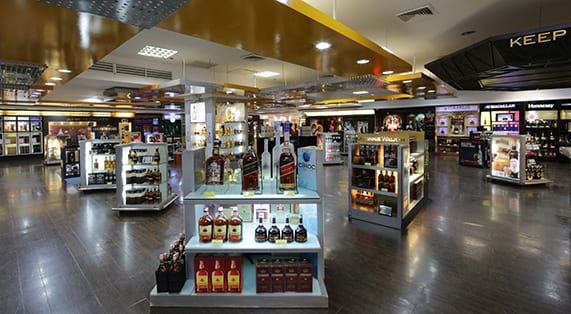
    The Changi Airport liquor & tobacco concession is up for grabs after DFS Venture opted not to proceed with a two-year extension.

    Changi Airport Group (CAG) will launch a tender for the concession on June 4, covering 18 stores, spanning more than 8000sqm of retail space across the airport’s four terminals. It will run for six years from June 9 next year.

    CAG is seeking a strong partner with retail concepts to augment the passenger experience for the liquor and tobacco concession.

    From store design and product range, to in-store activations and e-commerce strategy, the retailer should put forth a robust and compelling proposal, leveraging new technologies and innovations, to elevate travel retail at Changi, CAG said.

    The Changi Airport liquor & tobacco concession will serve more than 66 million international travellers who pass through Changi Airport annually.

    “We look forward to new retail concepts to take the liquor & tobacco concession to new heights,” said CAG VP for commercial, Lim Peck Hoon.

    “Changi is fully committed to growing with our concession partners through impactful innovation and effective collaboration. There will be a wealth of opportunities for the liquor & tobacco partner to showcase its offerings to Changi’s global audience, delivering revolutionary best-in-class retail experiences, to build and grow its business.”

    Interested retailers will be required to attend a compulsory tender briefing and site visit scheduled on June 25. The deadline for submissions is August 5.

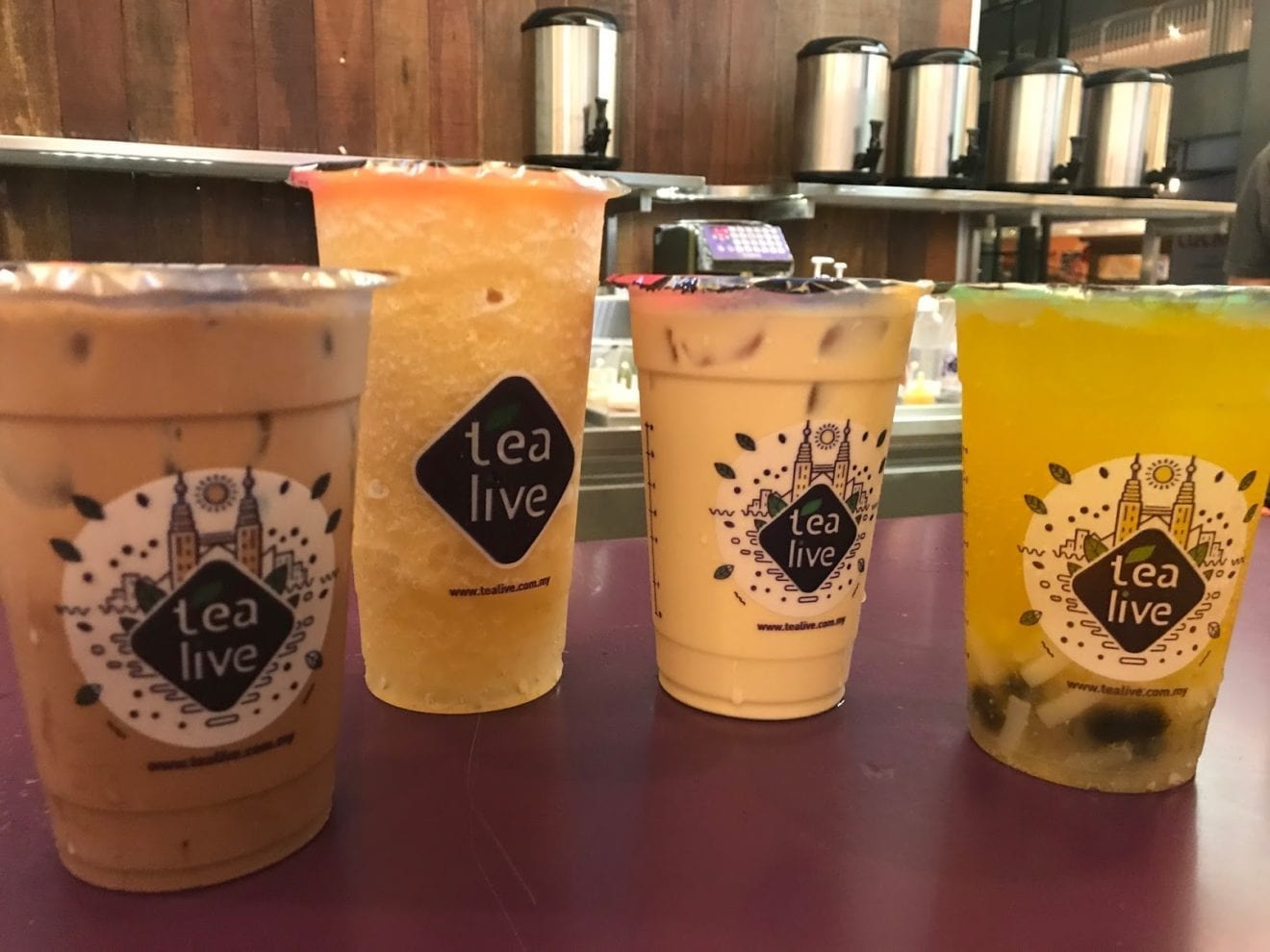
  • Malaysian bubble-tea chain Tealive Eying IPO

    Malaysian bubble-tea chain Tealive Eying IPO

    Loob Holding, parent of Malaysian bubble-tea chain Tealive, is preparing an IPO in Malaysia with a view to raising MYR300 million (US$72 million).

    The firm, which operates more than 200 food-and-beverage outlets in the territory, has reportedly hired advisors to facilitate the process and is seeking a valuation of up to MYR1 billion.

    “We have engaged corporate advisers for this exercise,” said Loo’s CEO Bryan Loo. “We cannot confirm the valuation sought nor the IPO portion, pending final recommendations from our advisers.”

    New listings have been slow off the mark this year, with only $9.4 million in first-time sales so far compared to $47.8 million during the same period last year. Several retail businesses are expected to list shortly, including Malaysia KFC operator QSR Brands and home improvement chain Mr DIY.

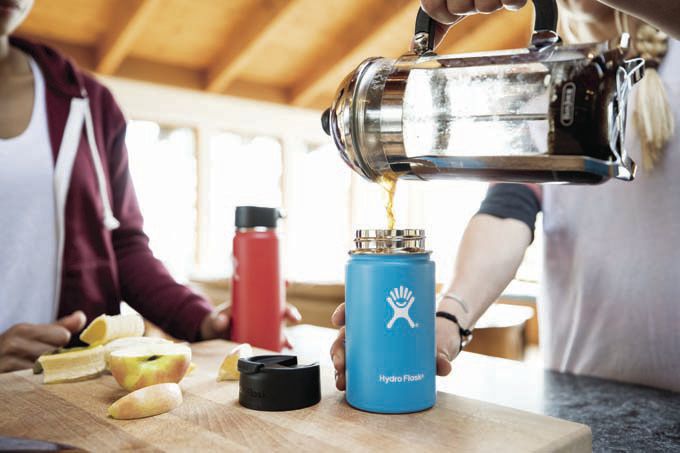
  • Hydro Flask Starts in Hong Kong

    Hydro Flask Starts in Hong Kong

    Hydro Flask, the US brand of high-performance, insulated stainless-steel flasks targeting the outdoors market, has launched in Hong Kong.

    From this month, Hydro Flask products are being sold by Hong Kong retailers through an expansion of the company’s partnership with the Primer Group. Products will be stocked through outdoor and sporting goods retailers, lifestyle stores, travel retailers and gourmet grocers.

    “We’re excited to expand our strong relationship with Primer to bring Hydro Flask to Hong Kong. It’s a key part of our global expansion and influences markets beyond Asia,” said Mike Wallenfels, VP of global sales at Hydro Flask.

    The brand’s launch is timely as growing numbers of Asian consumers are purchasing reusable containers in preference to single-use plastic and paper cups, for environmental reasons.

    The company produces containers suited to cold drinks, coffee, beer, wine and food, along with backpacks, casual clothing and accessories.

    Hydro Flask is a subsidiary of listed company Helen of Troy Limited.

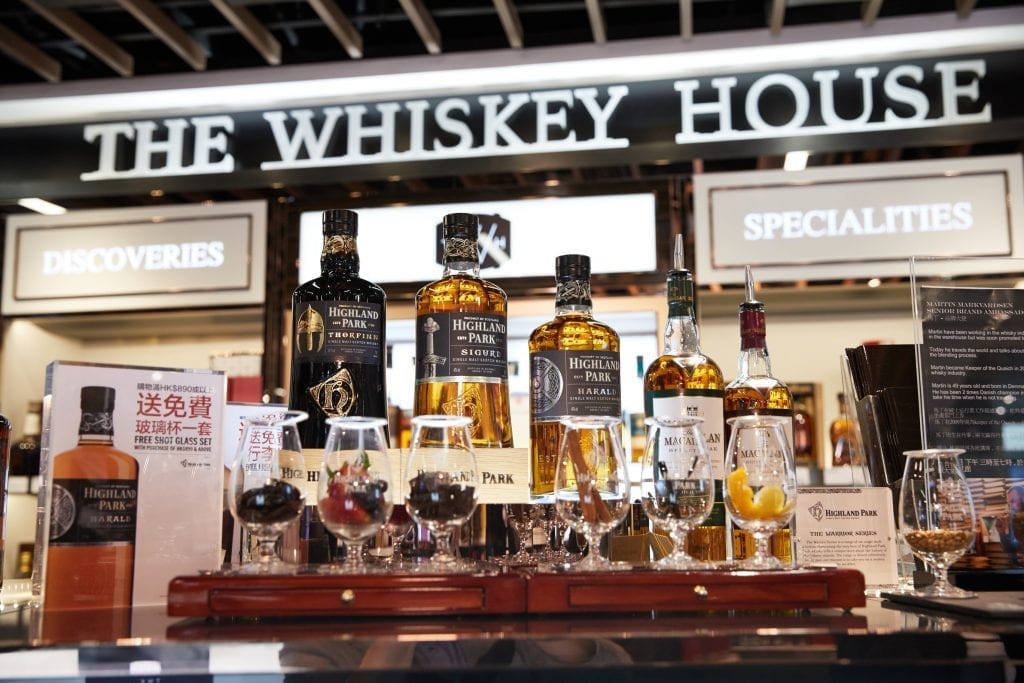
  • DFS launches fourth Whisky Festival

    DFS launches fourth Whisky Festival

    DFS Group has launched the fourth Whisky Festival at Changi Airport, this one with a pop-up bar. Aiming to “demystify the whiskey-making process”, the festival offers a selection of more than 400 whiskeys and many exclusive offers.

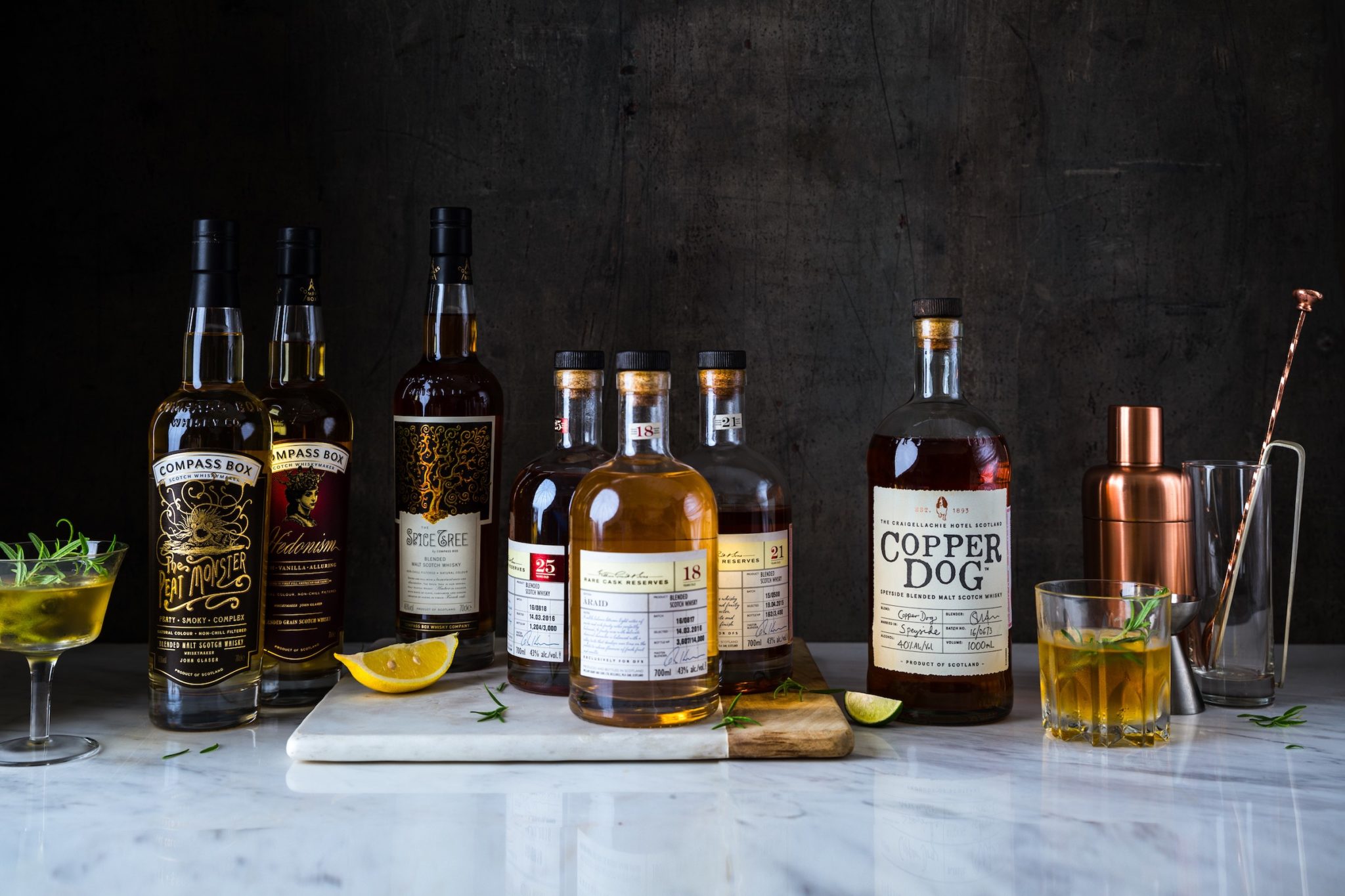
    Highlights include Bruichladdich Port Charlotte 10, Compass Box No Name, No 2, Glenmorangie Rare Cask 1399, Johnnie Walker Black Triple Cask Edition and Royal Salute 21 Year Old Lost Blend.

    “The Whisky Festival is one of our favorite celebrations at DFS, providing a great opportunity to showcase this wonderful spirit in a fun and engaging way to whiskey connoisseurs and enthusiasts alike,” said Brooke Supernaw, senior VP spirits, wines, tobacco, food and gifts at DFS Group.

    “We are delighted to work with some of the best whiskey makers in the world to bring this event to life again this year in partnership with Changi Airport Group.”

    The pop-up bar, reminiscent of the speakeasy bars of the 1920s Jazz Era, will remain open until June 10. At the bar, travelers can enjoy interactive experiences with whiskey tastings, and vaporizers producing scents from floral all the way to smoky and intense.

    Live performances by jazz singers including Carol Gomez, Ywenna Carolin, and Richard Jackson will feature.

    “We are thrilled to partner with DFS Changi once again and bring the annual Whisky Festival to the next level with a pop-up bar for the first time ever. This 1920s-themed bar with its unique interior and collection of never-before-seen whiskeys will offer travelers a multi-sensorial travel retail experience, in celebration of all things whiskey,” said Teo Chew Hoon, group senior VP, airside concessions, at Changi Airport Group.

    After Singapore, the festival will relocate to seven DFS locations across Asia, the Middle East, North America, and Hawaii.

  • Supermarkets lose Liquor Sales

    Supermarkets lose Liquor Sales

    Independent liquor retailers took back around 130,000 customers from supermarket chains over the 12 months to December 2018, increasing their market share from 9.8 per cent to 12.9 per cent, according to research firm Roy Morgan.

    Supermarket-owned chains, including Woolworths Group’s BWS and Dan Murphy’s, Coles Group’s LiquorLand, First Choice and Vintage Cellars, as well as IGA and Aldi, lost around 1.8 per cent of the market over 12 month period, according to Roy Morgan’s Alcohol Retail Currency report.

    “While the big two supermarket chains are competing, it appears to be largely at the expense of Aldi, IGA and other supermarkets all of whom lost share over the last 12 months,” Norman Morris, industry communications director at Roy Morgan, said.

    “Our research shows a number of drivers of buying behaviour in this market, including proximity to other shops, low prices, an easily browseable range, special offers, expert staff knowledge and good service.”

    Coles Group bucked the trend as the only major retailer to gain share over the year, jumping from 16.5 per cent to 18.1 per cent.

    And while Woolworths Group remains the clear market leader, with almost half of the alcohol market (48.3 per cent), its Dan Murphy’s brand lost 4.2 per cent of share during the period.

    Woolworths said yesterday that while Dan Murphy’s sales momentum improved over the 13 weeks to March 31, 2019, it is still expecting its Endeavour Drinks group EBIT to be below the prior year as it focuses on improving its range, service and convenience for customers.

    Likewise, Coles noted its Liquorland brand has struggled with a subdued market and lower promotional intensity in the beer category, especially over the New Year’s Eve period, which it said underperformed.

  • Naked Wines about to sell all UK stores

    Naked Wines about to sell all UK stores

    Majestic Wine is reportedly looking to sell its entire UK retail portfolio to focus on its international e-commerce business, Naked Wines.

    Bankers at Rothschild have been contacting private equity firms to buy the British bricks-and-mortar business, which includes around 200 stores, on behalf of the retailer, according to Sky News.

    Majestic Wine acquired Naked Wines in 2015, and appointed the e-commerce company’s founder, South African entrepreneur Rowan Gormley, as CEO of the entire company. Naked Wines now operates in Australia, the UK and the US.

    Gormley told investors last month that Majestic would present a transformation plan in June, which would include growing the Naked Wines business by releasing capital in Majestic. The brands were to be combined into a single management team under the banner of Naked Wines plc.

    “It is clear Naked Wines has the potential for strong sustainable growth and a transformed Majestic business does have the potential to be a long-term winner,” Gormley said at the time.

    “But we risk not maximising the potential of Naked if we try to do both.”

    Gormley said the business would minimise job losses by migrating employees at the closed stores to the revised Naked brand.

    A spokesperson for Majestic told the combination of migrating existing customers to the Naked brand, selling assets and closing stores would lead to the business becoming an “out-and-out growth business”.

    According to Majestic, almost 45 per cent of its business now takes place online, and 20 per cent internationally, providing further growth opportunities should further focus be centered on these areas.

    The spokesperson said that “while a total sale of Majestic Retail continues to be a potential option, it would be wholly unwise to pursue a single-track process and materially limit the potential value that can be realised to drive growth.”

    Naked Wines Australia has been contacted for comment.

  • Habeco forecasts profit to drop a third to 10-year low

    Habeco forecasts profit to drop a third to 10-year low

    The Hà Nội Beer-Alcohol-Beverage JSC (Habeco) has forecast its post-tax profit will fall 36 per cent year-on-year to VNĐ310 billion (US$13.3 million) in 2019, the lowest in 10 years.

    The announcement will be reported at the firm’s annual shareholder.

    Other topics that will be brought up at the meeting include the projection of total production, total revenue and dividend payouts.

    In 2019, total production is projected at 438 million litres, including 434.5 million litres of beer and 3.6 million litres of mineral water.

    Total revenue for 2019 is predicted to reach VNĐ8.27 trillion and pre-tax profit is expected to touch VNĐ384.5 billion.

    The company will also ask shareholders to pass a 10 per cent dividend payout for 2019.

    According to the company’s board of directors, the beer industry has gradually approached its break-even point with annual growth rate of 5 per cent.

    Habeco’s sales volume in the north and central regions in 2018 fell 3 per cent year-on-year. The company has also encountered strong competition from other firms such as the Saigon Beer-Alcohol-Beverage JSC (Sabeco) and Heineken Vietnam.

    In addition, increases to the special consumption tax and production costs had also hit home.

    In 2019, the board of directors will keep restructuring the company and developing local retailers in the central and southern regions.

    The company will strive to maintain its market share in the traditional markets in the northern and northern coastal regions.

    In 2018, Habeco recorded VNĐ484 billion in total post-tax profit, down 26.4 per cent year-on-year. It plans to pay a 8 per cent dividend for 2018.

  • China’s Coffee Consumption Keeps Growing

    China’s Coffee Consumption Keeps Growing

    China’s coffee craze has gained pace with the growth rate in consumption on premise 25 per cent higher last year.

    According to research from Mintel, China’s on-premise coffee market value reached RMB64.7 billion (US$9.6 billion) last year, up 7.5 per cent on the year prior, when the growth rate was 6 per cent. It is predicting growth to resume to 6 per cent annually from this year until 2023.

    However, while sales by value are thriving, Mintel estimates that the number of on-premise coffee house outlets shrank by 2 per cent as fewer new stores opened than closed. But that is half the decline of a year earlier.

    “Like many industries across China, the on-premise coffee market is not immune to the influence of New Retail,” said Belle Wang, associate food and drink research analyst at Mintel.

    “The quick expansion of New Retail coffee businesses across the country has stimulated more coffee consumption among consumers, resulting in strong sales volume. With the growing momentum of New Retail coffee shops, and an increasing number of international and domestic brands entering the market, consumers today have more options when it comes to coffee. As such, the industry will see positive growth rates over the next two years.

    “However, this growth will slow down, largely due to Chinese consumers’ traditional behaviour of drinking tea and the country’s thriving tea shops,” said Wang.

    Mintel expects positive volume growth in the next two years, at 0.6 per cent from last year to this year and a further 1.2 per cent between this year and next, to reach an estimated 74,000 coffee houses by 2020.

    Convenience versus traditional

    When it comes to choosing where to get their caffeine fix, more Chinese consumers today are purchasing coffee from convenience stores than traditional coffee house chains. Mintel’s research reveals that 52 per cent of Chinese consumers (survey sample of 3000) buy coffee at convenience stores compared to just 44 per cent who purchase it from a traditional coffee-house chain.

    About 23 per cent of consumers who drink on-premise coffee at least once a month have done so at new retail coffee houses.

    “Our research shows that more on-premise coffee users get their coffee from convenience stores than from traditional chain coffee houses. This is perhaps due to Chinese consumers associating convenience stores with a full range of breakfast options. Convenience stores are also viewed as easily accessible and more affordable. Given this upward trend, other coffee vendors could introduce unique features, like providing various food and coffee pairings, in order to compete,” said Wang.

    “While New Retail coffee is experiencing a lot of growth at the moment, consumer engagement remains low – partially because they are still relatively new. However, there is an opportunity for New Retail coffee houses to catch up in terms of popularity by offering aggressive discounts and delivery service.”

    That said, big discounts alone will not be sufficient, as discounting is neither the best nor a sustainable strategy for a long-term business plan. There needs to be other merits such as offering healthy mix-and-match meal deals,” Belle added.

    Latte the top choice

    Mintel’s research reveals the favourite coffee beverages consumed in China’s coffee craze. More than half of on-premise coffee consumers order lattes (54 per cent) or cappuccinos (52 per cent). These are followed by mocha (45 per cent), Americano (38 per cent), flavoured coffee (36 per cent), espresso (26 per cent) and cold-brew coffee (23 per cent).

    A relatively new concept in China’s coffee craze is coffee mixed with plant-protein milk, with 22 per cent of on-premise coffee consumers ordering it.

    “Lattes and cappuccinos are the most popular drinks in coffee houses as they are generally very palatable due to their creamy texture and rich dairy flavour. Furthermore, as they are usually widely available, they are often a first step into coffee appreciation,” said Wang.

    “Once consumers fully appreciate these basic beverages, they are more likely to try non-milk based drinks, like an Americano or cold brew coffee. However, only offering basic coffee selections makes it difficult to stand out in the homogenous coffee marketplace and attract more coffee consumers.

    “As such, coffee houses can take inspiration from tea shop drinks by making their offerings more visually appealing and ‘instagramable’ in order to draw attention and pique consumer interest,” Belle concluded.
  • Bubble tea, the next gold mine

    Bubble tea, the next gold mine

    Investors are flocking into the bubble tea market since demand is booming across the country. Market researchers have found the market is growing at 20 per cent a year and reached US$300 million two years ago. There are over 100 brands already and many more famous names are flocking in.

    In large cities like HCM City and Hà Nội, it is easy to find bubble tea stores belonging to major brands like Alley, Gongcha, Phúc Long, Ten Ren, and Royaltea.

    There are also smaller stores with cheaper prices run by small business people.

    Seeing the demand, many coffee chains like Highlands and The Coffee House and restaurants have added bubble tea to their menu.

    Besides bubble tea simply being a popular drink for various age groups, the shops selling it have become a haunt for youngsters because of their facilities and decor.

    A spokesperson for a famous brand name, Gong Cha, said: “Competition in bubble tea market in Việt Nam is a marathon.

    “Bubble tea has established itself on the Vietnamese food and drink scene. Bubble tea shops are no longer just places selling beverages. They are places featuring a speciality totally different from traditional places like coffee stores and restaurants.”

    Brand expert Võ Văn Quang was quoted as saying by Người Lao Động (The Labourer) newspaper that the popular drink in Hong Kong and Taiwan has undergone many changes in the Vietnamese market with many toppings to match Vietnamese tastes.

    “Milk tea is now a popular drink among Vietnamese youth.”

    Most of the milk tea brands have come to Việt Nam as franchises, he said.

    “At prices of VNĐ30,000 to over VNĐ80,000, bubble tea is brining huge profits. That is why foreign brands are keen on franchising in Việt Nam.”

    A bubble tea shop is much cheaper to set up than a coffee shop while the profits are huge, he said.

    Dr Đào Duy Khương, a retail expert, said milk tea, unlike coffee and tea, targets youths in big cities, and this demographic’s consumption behaviour is trendy meaning investors should change their offerings frequently.

    It is not surprising several brands closed in recent times, he added.

  • Cuckoo clock inspires Vietnam cafe

    Cuckoo clock inspires Vietnam cafe

    Design firm Tropical Space has built a coffee shop inspired by a cuckoo clock in Vietnamese seaside city Da Nang.

    The design, featured by Dezeen, features a brick structure with a house perched on top, with the coffee shop forming a single-storey base and the house extending out over the garden area. The local clay brick base is inset with vaulting arches surrounding a large courtyard and the glass-walled shop area.

    “Habits mean most people’s daily lives usually take place in functional spaces,” said the firm’s architects. “We have detached the walls that define these spaces to offer buffer space, urging people to leave their rooms and join together.”

    The house area, divided into three distinct blocks, feature spaces that can be closed off by small cuckoo clock-style wooden doors.

    The shells of perforated brickwork create cool, shaded spaces that admit natural light, and reflect other designs by the firm built in the region.