Retail News CRM

Tag: Drinks

  • Coca-Cola says new ‘No Sugar’ has the same flavour as Classic Coke

    Coca-Cola says new ‘No Sugar’ has the same flavour as Classic Coke

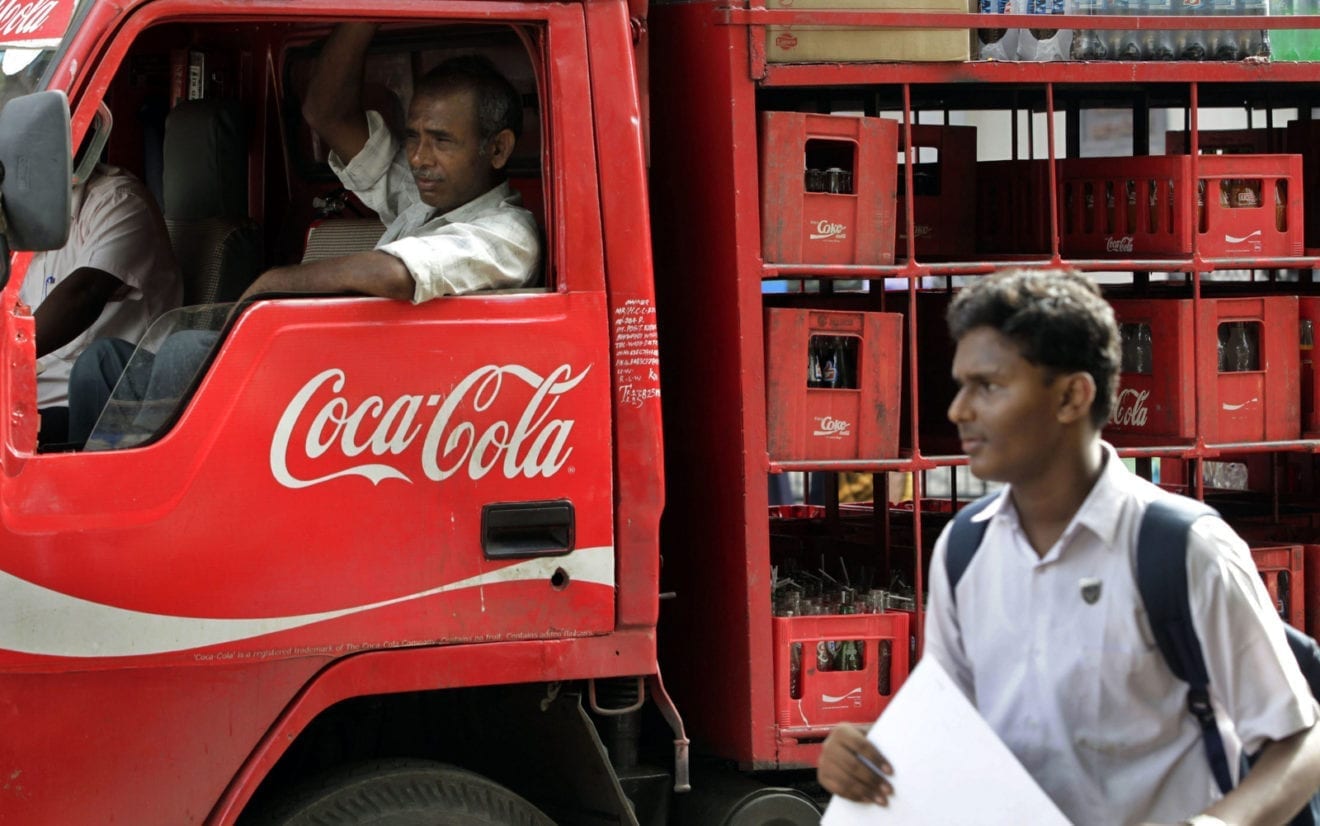
    In much the same way plant-based meat companies are tweaking their offerings to make them taste more like the real thing, beverage giant Coca-Cola is doing the same thing with its no-sugar cola.

    Coca-Cola has a vested interest in creating a no-sugar variety that mirrors its sugar-laden offering as a way to keep people associated with the brand. Consumers are drinking less soda as part of a broader effort to cut their sugar intake, and increasingly no sugar offerings are a more popular option.

    If consumers decide they want to drink less soda with sugar, and a no-sugar offering has the same flavor as the original, they are more likely to turn to their preferred brand. Sales of Coca-Cola Zero Sugar have been a bright spot for Coke, and the company no doubt is hoping the new flavor profile will attract more customers to the product. The new version is already on shelves across Europe and Latin America, and will roll out globally during 2021.

    “In order to continue to drive growth of our diets and lights category, we must keep challenging ourselves to innovate and differentiate just as other iconic brands have done,” Natalia Suarez, senior brand manager for Coca-Cola’s North America operating unit, said in a statement. “The consumer landscape is always changing, which means we must evolve to stay ahead.”

    No-calorie Coca-Cola Zero Sugar is sweetened with aspartame and acesulfame K. Finding a sweetener that can replace sugar’s texture and taste has been difficult for companies. Some companies have used aspartame, but many consumers stopped drinking diet soda because of concerns over the health impact of the artificial ingredient.

    Coca-Cola seems to have found the right ingredient mix for its no-sugar products. According to Euromonitor International data cited by The Wall Street Journal, Diet Coke had 35% of sales in the $22 billion global diet category in 2019 and Coke Zero Sugar had 22%.

    Coca-Cola also is making a big change in the packaging it uses for Coca-Cola Zero Sugar. The new can has the same design as its its popular Coke soda, but uses different colors and the words “zero sugar” to indicate the absence of the sweetener. The new, simpler packaging is smart in that it keeps the brand, which is trying to emulate regular Coke, with the same design scheme as the original — but gives it just a bit of its own identify to stand out on store shelves.
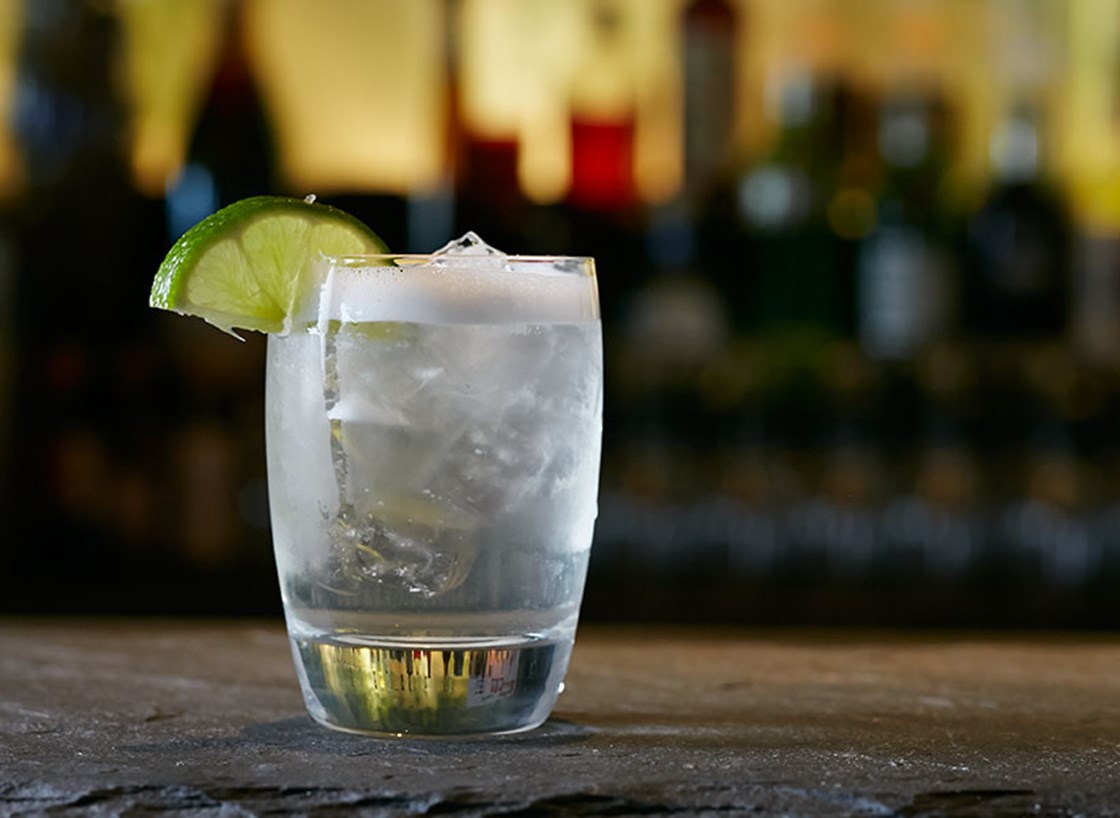
  • Pernod confident on sales momentum as US, China lift profits

    Pernod confident on sales momentum as US, China lift profits

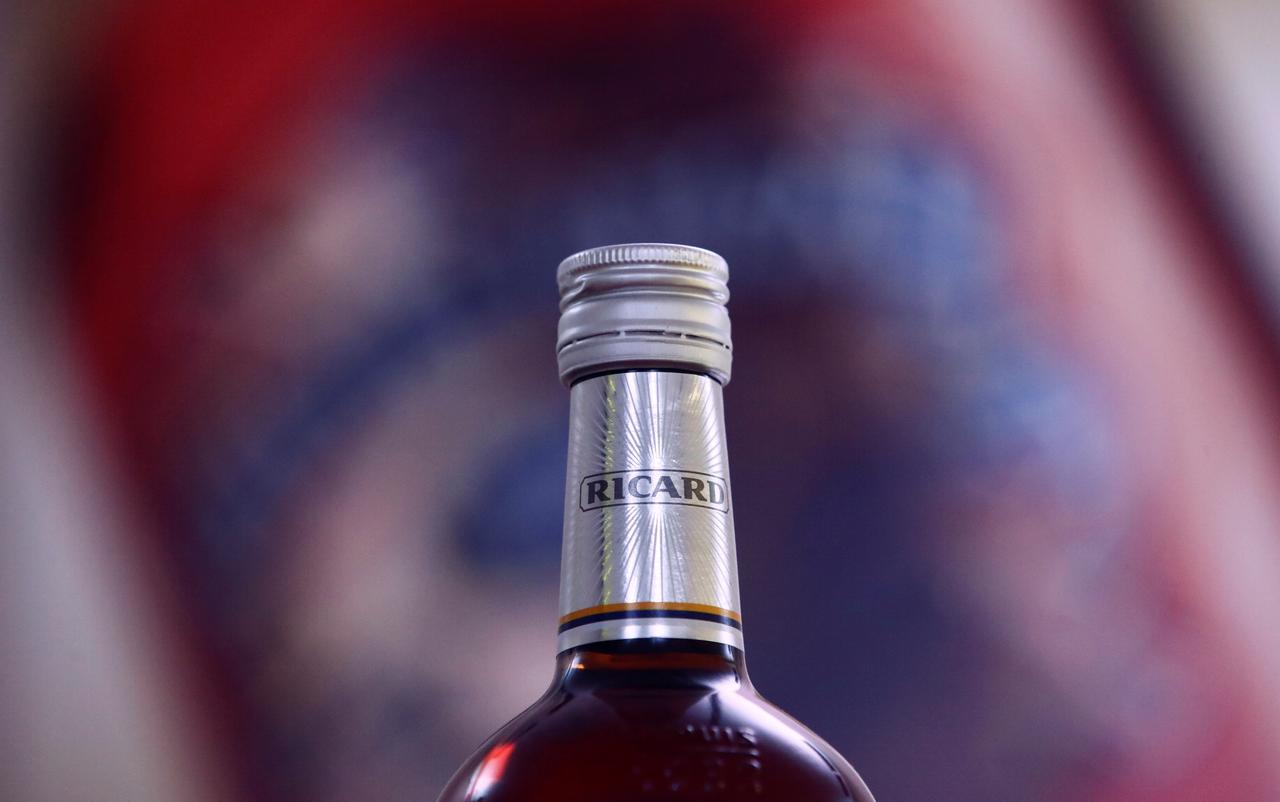
    French spirits maker Pernod Ricard said on Wednesday it was confident its sales momentum would continue this year after a rebound in demand in China and the United States helped it to deliver stronger-than-expected annual profits.

    With recurring cash flow at a historical high of 1.745 billion euros at end-June, Pernod, which bought a minority stake in U.S. wines and spirits company Sovereign Brands, also said it would resume its 500 million euros ($590.60 million) buyback programme for the fiscal year 2021/22.

    Its shares were up 3% by 0830 GMT, making it the biggest gainer on the Paris CAC 40, which rose 1%.

    The owner of Mumm champagne, Absolut vodka and Martell cognac, did not provide specific operating profit guidance for the year 2021/22 that started on July 1, but said its first-quarter would be “very dynamic”.

    “We are giving a qualitative guidance for the full year, good sales momentum supported by on-trade recovery, resilient off-trade, dynamism in e-commerce,” Finance Chief Helene de Tissot told Reuters.

    However, she said Pernod Ricard remained “very cautious” concerning travel retail prospects over the next 10 months because of ongoing pandemic restrictions.

    Over the twelve months to June 30, profit from recurring operations reached 2.423 billion euros ($2.86 billion), an organic rise of 18.3%.

    This exceeded the company’s guidance for a profit rise of as much as 17%.

    “Pernod Ricard FY 2021 reflects a strong recovery despite residual COVID weakness in travel retail and in India,” Berstein analysts said in a note.

    Sales reached 8.824 billion euros, an organic rise of 9.7%, reflecting a 16% jump in sales in the United States and a 14% rise in China.

    In the fourth quarter alone sales rose 57% from a year-earlier, as bars and restaurants reopened in the United States and in Europe as COVID restrictions eased.

    Asked whether Pernod Ricard could be at risk from China’s possible plans for wealth redistribution and clamp down on high incomes, Chairman and CEO Alexandre Ricard told a news conference: “If indeed there is an increase in the purchasing power of the (Chinese) middle class, it could be a positive for Pernod,”

    The world’s second-biggest spirits group after Britain’s Diageo had raised its organic profit growth guidance for 2020/21 to 16% from 10%.

    And last month, Pernod said a U.S. court ruling that it could claim a refund on spirits exported from the United States would add a further 1% to its organic profit growth.

    The group reiterated what Alexandre Ricard called a “framework” of 4-7% sales growth and 50-60 basis points operating leverage per year for the medium-term. It will hold a capital market day “probably in spring”.

  • Vodka-based drinks lead 40 per cent surge in RTD sales

    Vodka-based drinks lead 40 per cent surge in RTD sales

    Ready-to-drink sales have recorded double-digit growth over the past year, primarily driven by vodka-based drinks, according to Liquor Marketing Group (LMG).

    In a 12-month period starting from March 2020, the RTD category achieved 40.2 percent growth in dollar sales across the group’s stores, which include Bottlemart, SipnSave, Harry Brown, and Thirsty Camel. RTD sales in this year’s first quarter across the stores surged 39.3 percent compared to the previous quarter.

    Meanwhile, the vodka subcategory saw the strongest demand with a 72.3-per-cent increase, followed by bourbon and seltzer.

    “LMG’s dollar sales growth for the category has continued to be higher than the total market average,” said Scot Hayman, national merchandise manager for beer, spirits, and RTDs at LMG.

    “This trend has been consistent in each state and for all RTD segments.”

    The strong performance of RTDs sales was recorded in WA, with more than 50-per-cent growth, followed by NSW with 44.7 percent.

    According to Hayman, the strong performance of RTDs sales can be attributed to the increasing demand for healthier options.

    “RTDs with low and zero sugar, light RTDs – particularly in vodka and gin, and Seltzer align with this trend and have given shoppers a reason to rediscover and re-engage with RTDs, while simultaneously attracting new buyers across different demographics and life stages,” said Hayman.

  • Wine marketplace Vivino launches in Australia

    Wine marketplace Vivino launches in Australia

    Wine marketplace Vivino has launched commercial operations in Australia, offering 50 percent reduction on commissions to local wineries for the remainder of this year.

    The online marketplace operation will be based in Sydney, NSW, and led by James Fildes, GM of Vivino Australia.

    Vivino now has more than 800,000 users in Australia and more than 51 million users globally. Australian users of the app will now be able to buy local wines as well as continue to share ratings and recommendations of wines they try.

    “It’s been a tough couple of years for winemakers and merchants in this market, but we’ve seen remarkable resilience in the domestic economy,” said Fildes.

    “This industry deserves a break, and Vivino can help Aussie winemakers by showing our users more of their wine, based on each individual’s unique taste and price preferences. Our data is unmatched.”

    Besides the discounts, Vivino also provides local producers data via its Merchant Dashboard illustrating how consumers interact with their brands. The insights will help winemakers and brands to identify their customers and prospects and drive sales.

    Fildes said the platform had proven its model internationally and could quickly provide new revenue streams for local wine producers.

    Vivino is now the world’s largest online wine marketplace and the most downloaded wine app. The concept allows wine enthusiasts to rate and share views on wine, which allows the app to use community data to make personalized wine recommendations, helping consumers discover new brands and blends.

  • Coca-Cola the latest global brand to ‘Adopt a Park’ in Brazil rainforest

    Coca-Cola the latest global brand to ‘Adopt a Park’ in Brazil rainforest

    Coca-Cola Co on Wednesday agreed to sponsor a protected reserve in the Amazon rainforest, joining beer maker Heineken and a growing list of global corporations signing up to the Brazilian government’s “Adopt a Park” program.

    Environmentalists say that the program, launched by the right-wing government of President Jair Bolsonaro this year, amounts to “greenwashing,” or a cosmetic move aimed to improve the government’s image, at a time when deforestation is soaring.

    Acting via its Brazilian subsidiary, Coca-Cola is the eighth company to join the program by adopting the Javari-Buriti Area of Relevant Ecological Interest for 658,850 reais ($122,109) for a period of one year.

    The park occupies 132 square kilometers in the remote western portion of Brazil’s Amazonas state and includes one of the densest formations of Buriti palm forest in the world.

    Heineken earlier this month pledged 466,900 reais to sponsor a 93 square kilometer Amazon reserve that is home to a traditional community of escaped slaves in Maranhao state.

    More than 11,000 square kilometers were deforested in Brazil’s Amazon in the 12-months through July 2020, an area 14 times the size of New York City, according to the latest annual data available from government space research agency Inpe.

    Environmentalists blame the surgeon Bolsonaro, who has weakened environmental enforcement agencies and called for more development in protected areas. Adopt a Park is only an attempt to improve the government’s image, they say.

    “The government should reverse the environmental dismantling … instead of this program which opens up a huge space for greenwashing and doesn’t solve the problem,” said Cristiane Mazzetti, a conservationist with advocacy group Greenpeace Brasil, in a statement.

    The Environment Ministry and parks service ICMBio did not respond to requests for comment on that criticism. The ministry said the funds would pay for infrastructure improvements and environmental conservation, without giving further details.

    Coca-Cola Brasil said adopting the park is part of its long track record of conservation in the Amazon, without responding to questions about greenwashing.

    Heineken did not immediately respond to the request for comment.

  • R&B Tea expanding in the Philippines 

    R&B Tea expanding in the Philippines 

    Singapore-based Koufu Group is taking R&B Tea to the Philippines with Shakey’s Pizza.

    Under the franchise agreement, Shakey’s will sell selected R&B Tea drinks in Shakey’s and Peri Peri stores in the first year of business, and subsequently open at least five stand-alone R&B Tea outlets in the Philippines.

    “This marks our second milestone this year, following the acquisition of Deli Asia Group, despite the challenging market conditions from the impact of the Covid-19 pandemic,” said Pang Lim, executive chairman, and CEO at Koufu.

    “We have carefully considered the market trends and found the conditions in the Philippines to be favorable, with a growing receptiveness towards the bubble-tea culture in recent years.”

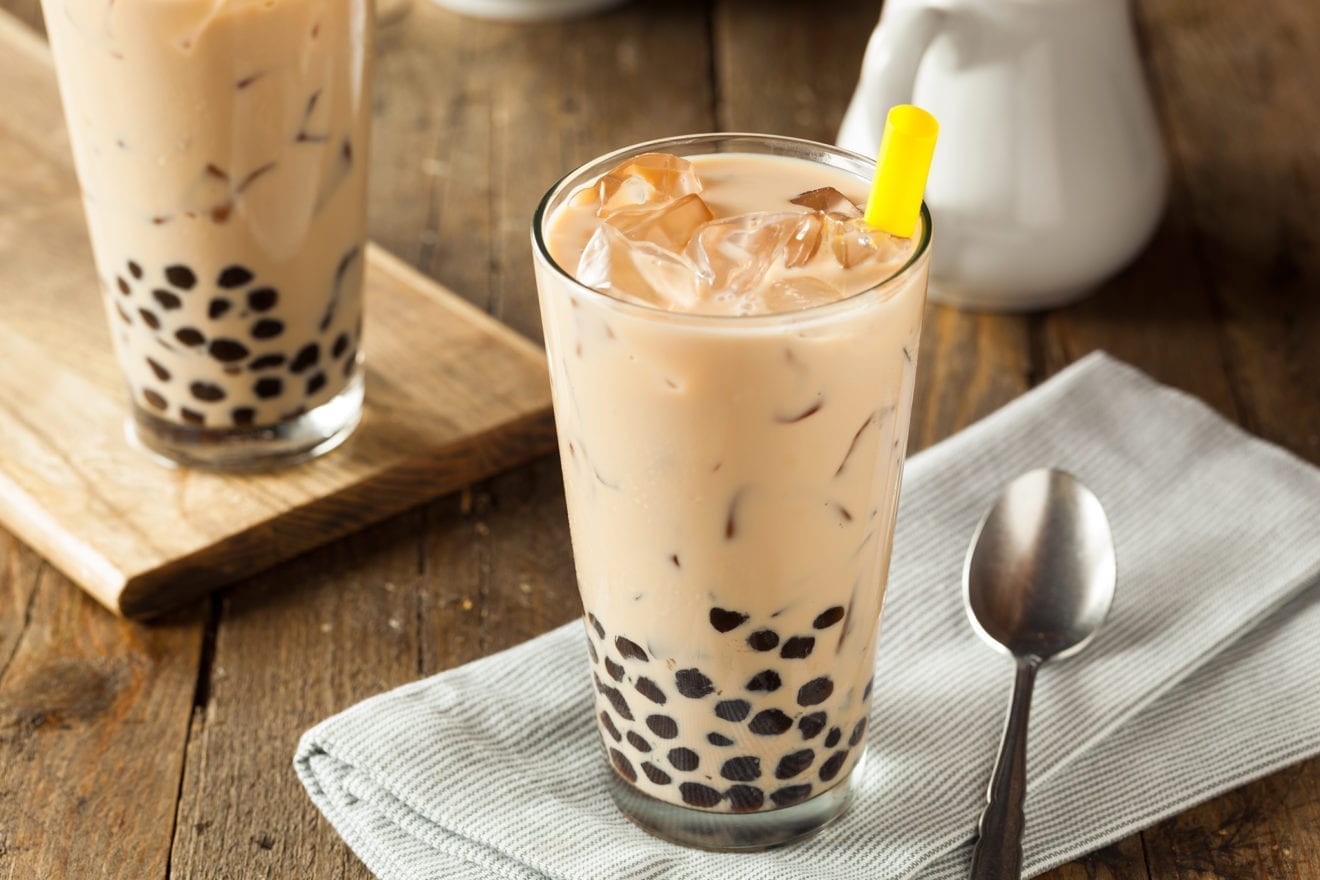
    R&B Tea is one of Asia’s most popular bubble-milk tea brands, operating more than 1000 outlets across China, the US, Singapore, Cambodia, Vietnam, Malaysia and Indonesia.

    “This co-branding initiative is likewise in line with our renewed focus on out-of-store consumption, enhancing sales through these channels with minimal additional investment and maximizing the use of our existing assets,” said Vicente Gregorio, president and CEO of Shakey’s.

    Gregorio is confident the bubble-tea sector can create a third pillar of growth for Shakey’s.

    Shakey’s is the Philippines’ largest casual dining restaurant brand

  • Dean & Deluca US heading towards bankruptcy

    Dean & Deluca US heading towards bankruptcy

    Thailand’s Pace Corporation has finally filed for the bankruptcy of its Dean & Deluca US business after all of its North American stores were shuttered last year.

    According to documents submitted with the filing, Dean & Deluca US has liabilities as high as US$500 million, and assets of just $50 million. But the company, which has declared it has only one employee now, says it has a plan to reconfigure the business and reopen stores under a new business model.

    In Asia, Dean & Deluca is opening cafe-centered retail spaces in urban locations including in Thailand, Japan and the Philippines, along with airport stores in partnership with Lagardere Travel Retail. When that partnership was struck in late 2018, the two companies planned 150 stores over five years. Cafes have subsequently opened in Hong Kong International Airport.  Airport stores in Bangkok trade significantly higher than those in city locations, Pace said at the time.

    However the new style Dean & Deluca retail model in Asia is vastly different from the US model, focused on coffee, smoothies, pizzas and light meals. It may be the model the company hopes to take to the US.

    The original Dean & Deluca US store opened in Soho in 1977, earning the nickname “museum of fine food”. It claimed to be the first retailer in the US to sell radicchio, balsamic vinegar and sun-dried tomatoes. But over time its exclusivity waned – as one food writer observed: “You can buy extra virgin olive oil on Amazon now”.

    The company’s website shows it has two stores operating in Hawaii, which may be franchised and unrelated to the parent company.

    Pace bought the company for US$140 million in 2014, including a network that at one point reached more than 30 stores in the US. By May 2018, however, the US network was down to just nine stores and by last July there were only four.

    The Chapter 11 bankruptcy petition filed in the New York court this week was signed by Pace Corporation CEO Sorapoj Techakraisri. Among liabilities listed in the filing were Pace, owed $250 million, a $45 million loan from Siam Commercial Bank, a $2 million US tax debt and $230,000 owed to Thailand’s finance ministry.

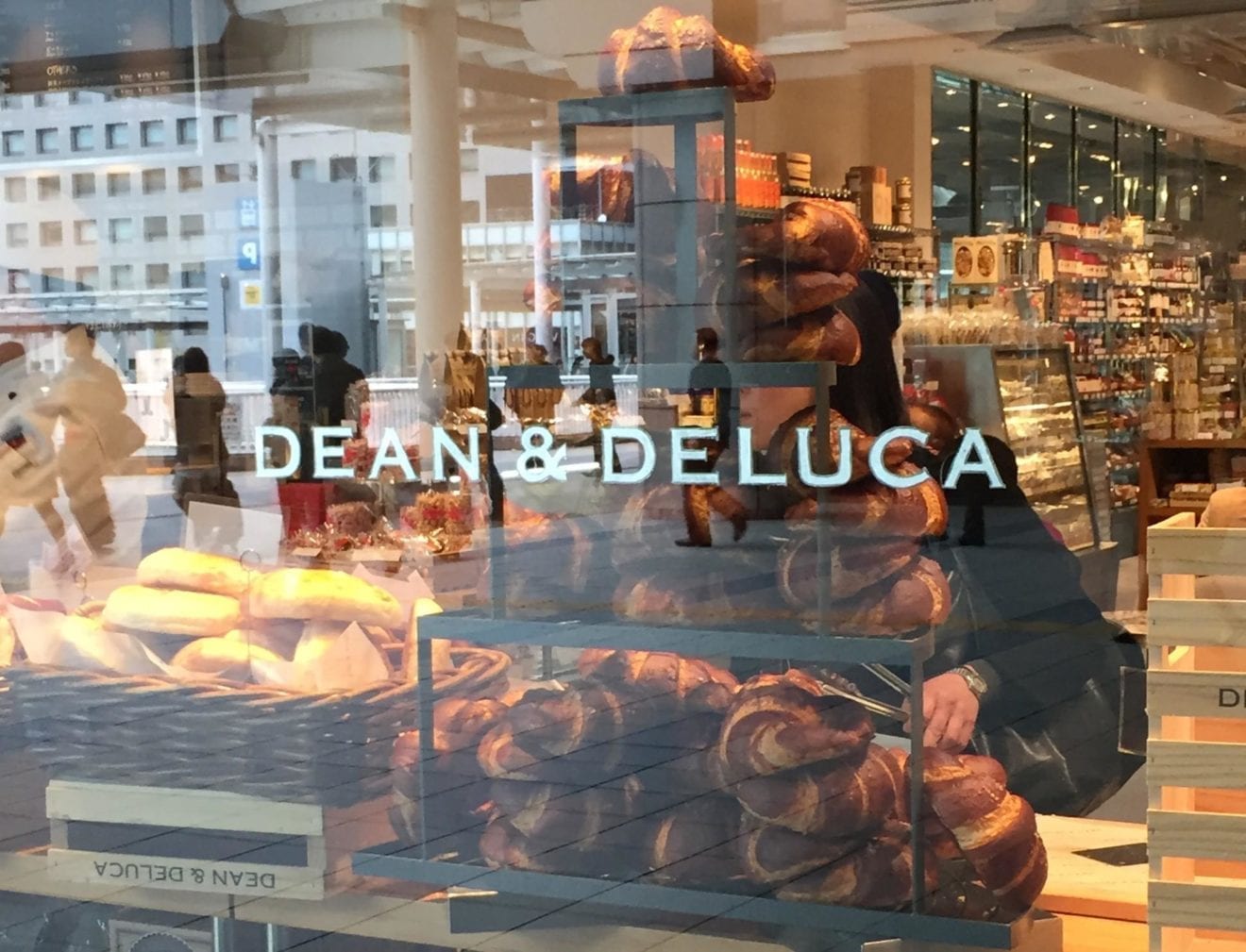
    Last month, Dean & Deluca opened a new store in Japan with a local franchise partner, (pictured above), and another in Bangkok.

  • DC Super Heroes Cafe in Manila closes for good

    DC Super Heroes Cafe in Manila closes for good

    DC Super Heroes Cafe in Manila permanently closed on Thursday, announcing the move on Facebook.

    In the post, management thanked customers of the SM Megamall store who had been fans of the superheroes-themed cafe since it opened in 2018.

    “To say that it was our pleasure to serve you is an extreme understatement. Our goal was to create a place where every superhero fan can enjoy good food and feel at home. Seeing your faces when you walk into our store, when you talk excitedly with our team about how you enjoy all the small details when you acknowledge the service and food makes it all worth it”.

    The DC Super Heroes Cafe in Manila, managed by Edric Chua. was known for its DC-inspired food and drinks. It also offered DC superhero merchandise collections for characters including Batman, Superman and Wonder Woman. Even though closing, the shop promised customers it will still continue to sell merchandise through its Facebook account.

    “We would have loved to extend our stay, but these are trying times. The most important thing to remember now is to stay properly informed, and to stay safe,” the company concluded.

    In the end, DC Super Heroes Cafe in Manila described its customers as “the true heroes”.

  • Vietnam’s Coffee Queen abdicates Trung Nguyen throne

    Vietnam’s Coffee Queen abdicates Trung Nguyen throne

    Le Hoang Diep Thao has transferred all shares in the Trung Nguyen empire she ran with her ex-husband, pursuant to their final divorce ruling.

    Thao, former deputy director of Trung Nguyen Group (TNG), is no longer on the company’s list of shareholders, TNG announced in a statement Wednesday.

    She and her ex-husband were referred to in the media as the King and Queen of Vietnamese coffee.

    Her ex-husband, Dang Le Nguyen Vu, founder, chairman and CEO of TNG, now owns all shares in the coffee giant and its subsidiaries and has full control of the group. He has also completed a VND1.19 trillion ($51.1 million) “difference in assets” payment to Thao following their divorce ruling on December 5 last year, TNG said.

    On January 13, the Ho Chi Minh City Civil Judgment Execution Department had confirmed that it received Vu’s payment of the above VND1.19 trillion ($51.1 million) in full. The same day, the department also received a written request from the Supreme People’s Procuracy to postpone the execution of the ruling, to give it time to “consider a cassation request Thao had submitted on the judgment.”

    But because Vu had already fulfilled his obligations in accordance with the judgment in question, the City Civil Judgment Execution Department went ahead with the execution and notified the Supreme People’s Procuracy of its action on January 16.

    Vu and Thao, who got married in 1998, differed on how the group, which had developed one of the biggest brands in the country, should be run. In 2015, Thao filed for divorce.

    In March, the court of the first instance had ruled that the stocks and cash of TNG shared by Vu and Thao, as well as the couple’s cash deposits, would be split 60:40 in Vu’s favor.

    Both Thao and Vu had appealed against the entire verdict. The HCMC People’s Appellate Court on December 5 quashed both appeals, finalized the divorce, and upheld the previous judgment.

    Vu will receive all of his and Thao’s stocks in the Trung Nguyen Group, estimated at over VND5.7 trillion ($244.74 million), and have sole management rights over the Trung Nguyen coffee empire, the court had ruled.

    Vu would also receive six properties worth VND350 billion ($15.03 million) that were jointly owned by the couple, while Thao would get the remaining seven worth over VND376 billion ($16.48 million).

    Thao would also receive cash and cash equivalents, gold and foreign currency belonging to TNG that have been deposited at banks totaling VND1.76 trillion ($75.57 million). Vu was liable to pay the difference in assets to Thao, valued at VND1.22 trillion ($52.38 million), the court had ruled.

    Trung Nguyen Group, founded in 2006, is the leading coffee brand in Vietnam. The group began experiencing difficulties six years ago when Vu and Thao fell out on how the corporation should be run.

  • Coca-Cola Vietnam fined for tax evasion

    Coca-Cola Vietnam fined for tax evasion

    Coca-Cola Vietnam has been ordered to pay VND821.4 billion ($35.4 million) in back taxes and penalties stretching back over nine years.

    Dang Ngoc Minh, deputy head of the General Department of Taxation, said 57.3 percent of the amount is the back tax, 35.2 percent is a penalty for delayed payment and the remaining 7.5 percent is a penalty for incorrect filing.

    “The company can request a review or file a lawsuit.”

    A Coca-Cola spokesperson said tax authorities had recently concluded an investigation of the 2007-15 business period, and found the company had made “minor errors” in describing its business operations which had led to a failure to file for taxes.

    Though it disagrees with some of the tax authorities’ conclusions, the company would nevertheless comply with the laws, he said.

    But an official from the Ho Chi Minh City Tax Department said Coca-Cola has only paid VND38.2 billion ($1.6 million) as of Thursday.

    Coca-Cola entered Vietnam in 1994, and broke even only in 2013 despite double-digit revenue growth, according to the department.

    Since the company reported accumulated losses of VND3.77 trillion ($162.5 million) as of 2011, it was exempt from corporate income tax.

    HCMC has named Coca-Cola among businesses it suspects of transfer pricing fraud to evade tax.

  • Bacardi launches Aberfeldy pop-up store at Taoyuan International Airport

    Bacardi launches Aberfeldy pop-up store at Taoyuan International Airport

    Bacardi Global Travel Retail has launched a glittering Aberfeldy pop-up store in partnership with Ever Rich Duty-Free at Taiwan’s Taoyuan International Airport.

    The pop-up store will run until the end of February, during what is the region’s peak holiday travel time.

    The Aberfeldy store features two global-travel-retail-exclusive single malts, the Aberfeldy 16yo and Aberfeldy 21yo, both finished in ex-madeira wine casks.

    “Taiwan is a truly dynamic market for Aberfeldy,” said Gaurav Joshi, regional director Asia Pacific, Bacardi Global Travel Retail. “Building on the exceptional success of last year’s airport campaign, we have now gone a step further to draw the shopper deeper into the Aberfeldy story, its craft and heritage and our constant commitment to age statements in the sublime quality of the Aberfeldy range.

    “We are also giving them their own chapter in the story with an individual and resonant link to this multi-award-winning single-malt brand by making the purchase a distinctly personal experience,” he said.

    The Aberfeldy pop-up store also features digital presentations, pyramid display units and a golden waterfall feature to represent the Pitilie Burn.

    Customers who purchase the two exclusive single malts can personalize their bottle by having it dipped in golden wax and sealed with their initials.

  • Frozen-themed cafes pop up in Japan

    Frozen-themed cafes pop up in Japan

    Frozen-themed cafes are popping up in Japan, marking the release of the Disney animated film Frozen 2.

    A Frozen-themed cafe has opened as a time-limited pop-up at Oh My Cafe at Tokyu Plaza in Harajuku. The themed pop-up will remain open until January 13. A second Frozen pop-up cafe is planned to open at Gelato Pique Cafe in Tamagawa Takashimaya today, running through to January 26.

    The cafes offer dishes themed and stylized according to characters from the movie, particularly loved in the Japanese market since the screening of the original film in 2014. They also sell merchandise related to the Frozen franchise.

    Additional Frozen-themed cafes are set to launch in Fukuoka, Nagoya, Osaka, Hokkaido, and Kyoto.

  • Heineken no longer a major shareholder of Sabeco

    Heineken no longer a major shareholder of Sabeco

    Dutch brewer Heineken sold over 5 million Sabeco shares Friday, bringing its stake in Vietnam’s biggest brewer Sabeco down to 4.32 percent.

    The shares, equivalent to an approximate 0.81 percent stake, were sold to buyers whose identities have not been disclosed via an agreement, the Ho Chi Minh Stock Exchange (HoSE) reported.

    The sale was worth over VND1.2 trillion ($51.79 million), at VND234,000 ($10.1) per share (ticker: SAB), VND18,000 ($0.78) lower than its stock opening price Friday, according to HoSE.

    On the stock market, the Saigon Beer Alcohol Beverage Corporation’s SAB shares have been falling or stalling for the last 12 consecutive sessions.

    The remaining 4.32 percent stake in the Vietnamese brewer is held by Heineken, its regional subsidiary Heineken Asia Pacific, and related companies.

    Sabeco is owned 53.59 percent by Vietnam Beverage, a subsidiary of Thai beverage company ThaiBev. The Vietnamese government, represented by the Ministry of Industry and Trade, owns a 36 percent stake in the company.

    Thaibev had bought its stake in Sabeco when the government publicly auctioned them in December 2017. At the time, Heineken, who had held shares in Sabeco since 2008, also submitted a bid but lost to Thaibev.

    According to a report by securities firm FPTS Securities, Heineken’s share of the Vietnam beer market at the end of 2018 was 23 percent, second to Sabeco at 40.9 percent.

    In its latest financial report, Sabeco reported revenues of over VND28.3 trillion ($1.22 billion) in nine months, up 10 percent year-on-year. Revenue from beer in the period accounted for 86 percent of total, or VND24.3 trillion ($1.05 billion).

    In the third quarter alone, post-tax profit was highest among all brewers in Vietnam at almost VND1.46 trillion ($63 million), up over 40 percent year-on-year.

  • South Korea’s coffee shop boom – 1 in 10 are losing money

    South Korea’s coffee shop boom – 1 in 10 are losing money

    The number of coffee shops in South Korea continues to grow. More than 71,000 coffee shops are now operating nationwide, with 14,000 openingsz last year alone.

    According to a report by KB Financial Group Management Research Institute, the increase in the number of coffee shops is because the number of new shops opening has dramatically outpaced the number of shop closures.

    In 2009, 27,000 new shops were opened and 4000 closed. On the other hand, 14,000 opened last year and 9000 closed.

    Meanwhile, 11 percent of local coffee shops were found to be operating in the red. This rate is higher than the 4.8 percent of restaurants that are also unprofitable.

  • Sabeco makes $3.9 million a day from beer sales

    Sabeco makes $3.9 million a day from beer sales

    Vietnam’s biggest brewer Sabeco reaped VND90 billion ($3.87 million) in revenue a day in January-September, a double-digit rise. In its latest financial report, the Saigon Beer Alcohol Beverage Corp reported revenues of over VND28.3 trillion ($1.22 billion) in nine months, up 10 percent year-on-year. Revenue from beer in the period accounted for 86 percent of total, or VND24.3 trillion ($1.04 billion).

    In the third quarter alone, post-tax profit was highest among all brewers in Vietnam at almost VND1.46 trillion ($62.76 million), up over 40 percent year-on-year.

    billion VNDSabeco business resultsRevenuePost-tax profitQ1-2016Q2-2016Q3-2016Q4-2016Q1-2017Q2-2017Q3-2017Q4-2017Q1-2018Q2-2018Q3-2018Q4-2018Q1-2019Q2-2019Q3-201902.5k5k7.5k10k12.5kSabeco

    Sabeco has paid almost VND8.2 trillion ($352.46 million) in taxes this year. Its total capital as of Q3 was VND24.78 trillion ($1.07 billion), up 10.7 percent from the beginning of the year.

    Sabeco is owned 53.59 percent by Vietnam Beverage, a subsidiary of Thai beverage company ThaiBev. The Vietnamese government, represented by the Ministry of Industry and Trade, owns a 36 percent stake in the company.

    ThaiBev has said earlier that Sabeco is its key growth driver in Southeast Asia as the region’s consumption slows down.

    Vietnam consumed 4.1 billion liters of beer in 2017, making it the biggest alcohol market in Southeast Asia and the third biggest in Asia after Japan and China, according to the Ministry of Health.