Tag: ecommerce

  • 2.5 million buyers shop during Myntra, Jabong special sale

    2.5 million buyers shop during Myntra, Jabong special sale

    About 2.5 million shoppers ordered eight million products during four days of Myntra and Jabong’s special sale from December 22 to 25, a company statement said on Wednesday. “The ninth edition of End of Reason Sale concluded with Myntra and Jabong recording a massive surge in sale and traffic,” city-based Flipkart-owned Myntra said in a statement here. As a result of the sale, the fashion portals saw a 700 per cent surge in sales and 120 per cent increase in online traffic over normal business days, it added.

    American retail giant Walmart-owned leading e-commerce player Flipkart Group includes online fashion portals Myntra and Jabong.

    The Flipkart arms, however, did not disclose the combined value of goods sold in those four days.

    “Sports goods were the highest selling category with a total of eight lakh pairs of shoes sold across the country during the sale,” the statement added.

    The shopping carnival also saw 7.2 lakh new customers ordering through the portals.

    The two portals together sold 1,200 products per minute during the four-day sale.

  • New E-Comm Rules: Flipkart India for broad market-driven framework

    New E-Comm Rules: Flipkart India for broad market-driven framework

    India’s largest online marketplace Flipkart has requested New Delhi that a broad, market-driven framework for the e-commerce industry be put in place after consultations with the relevant stakeholders. The request came a day after the federal government announced changes in the foreign direct investment (FDI) policy for the sector. On Wednesday, New Delhi took a series of measures to tighten the norms for e-commerce companies, such as Flipkart and Amazon, barring them from selling products of the entities in which they have a stake. The altered norms also restrict them from mandating any seller to sell products exclusively on their respective platforms.

    Flipkart said that the e-commerce ecosystem has created thousands of jobs apart from fostering innovations in MSME manufacturing, supply chain, warehousing, packaging, and digital payments.

    “Government policy changes will have long-term implications for the evolution of the promising sector and the whole ecosystem. It is important that a broad, market-driven framework through the right consultative process be put in place in order to drive the industry forward,” the Bengaluru-based online retail giant said in a statement.

    Flipkart was acquired by the US retail giant Walmart for $16 billion earlier this year in what was the country’s largest acquisition and the world’s biggest purchase of an ecommerce company.

    Amazon’s India unit said that the company was still evaluating the policy changes. The new policy aims to restrict any kind of control on inventory by an e-commerce marketplace entity, thus impacting Flipkart and Amazon as they have structured their group companies in a way that would help retain control on pricing and inventory.

    “For Amazon and Flipkart, this policy change brings massive challenges. They have to not only make changes into the business model and structure of how they are selling goods, but this will also affect the profitability due to limitations on private label products,” said Satish Meena, senior forecast analyst at Forrester Research.

    “Apart from this, the planned investment in the offline channel is going to be recalibrated after this change. All these will have an impact on how they scale up the business in India,” Meena added.

  • 2018 : Alibaba’s news about F&B, starting from Starbucks’ partnership

    2018 : Alibaba’s news about F&B, starting from Starbucks’ partnership

    Starbucks launched its first virtual store in China powered by technology from Alibaba Group, providing a unified, one-stop digital experience across the Starbucks app and mobile apps within the Alibaba ecosystem, including Taobao, Tmall, and Alipay. The first-of-its-kind virtual store leverages an online management hub developed specifically for Starbucks by Alibaba. It provides consumers integrated access to Starbucks’ digital offerings, including “Starbucks Delivers,” “Say it with Starbucks” social gifting and merchandise available from Starbucks’ Tmall flagship store.

    Alibaba’s technology streamlines the shopping process, pulling offers that were available in multiple digital apps into a single access point. Adopting a centralized approach to its mobile presence enabled by the Alibaba ecosystem, Starbucks now has a complete overview of its consumers’ actions online. Moreover, the integration of membership between Starbucks and the range of Alibaba apps is expected to fuel strong growth in Starbucks Rewards membership in China.

    The new virtual store steps up the collaboration announced by Alibaba and Starbucks in August 2018, when the companies agreed a deep, strategic “New Retail” partnership. Ele.me, China’s leading on-demand food delivery platform, owned by Alibaba, provides Starbucks delivery service for 2,000 stores across 30 Chinese cities.

    In October 2018, Starbucks also piloted its first “Star Kitchens” within two FRESHIPPO (previously known as Hema) supermarkets in Shanghai and Hangzhou. As the first retail brand to establish a dedicated back-of-house presence in FRESHIPPO locations, each Star Kitchen utilizes the distinct fulfilment and delivery capabilities on-site to complement the handcrafted beverages offered through existing Starbucks stores.

    The launch of Starbucks’ virtual store is also the latest example of how the so-called “Alibaba Operating System” empowering traditional retailers. After years of development in this digital age, Alibaba has created a unique system to support enterprises in the process of digital transformation that covers critical areas such as retail, marketing, finance and logistics.

  • Australian shopping app Booodl goes bankrupt

    Australian shopping app Booodl goes bankrupt

    Australian retail app Booodl has said goodbye officially in December, announcing it has started liquidating its assets to pay off creditors just before Christmas. Backed by media mogul James Packer and Westfield mall owner Scentre Group, Booodl first withdrew from the market last year, with the app – which connects shoppers to retailers in their immediate vicinity – filing as insolvent with the Australian corporate regulator.

    The company reported having AU$80,606 worth of assets and owed creditors $70,456, according to the recent filing.

    With creditors to be paid in full, company shareholders will not receive a return, said founder George Freney.

    “There is always a huge risk associated with technology ventures, and the unfortunate reality is that many fail,” Freney said.

    Founded by Freney in 2014, the $8 million start-up was conceived as a social media platform to play against photo pinning app, Pinterest, where users would curate personal profiles portraying their favourite things.

    Then, in 2015, Booodl evolved into a mobile shopping app, sourcing and directing shoppers to shops that they sought via the platform. In the same year, Scentre Group became a major shareholder, investing $2.85 million in Booodl to fund the research and development required to build its web and mobile platform. In particular, it funded the technology used to help consumers locate physical retail stores and in-turn see retail businesses be more easily discovered by shoppers.

    By August 2017, retail heavyweight Scentre group was using the app and website for its Westfield mall chains across Australia and New Zealand, effectively rolling out the app to 35 malls.

    “This latest milestone is validation of the role Booodl’s technology plays in the retail ecosystem. The platform now boasts $86.7 billion of shopping centre assets and is utilised by more than 150 Australian shopping centres to increase in-store visits,” Freney said, at the time of the Scentre Group news.

    Prior to this, Booodl had inked deals with shopping centre owners SCA Property Group, ISPT Super Property and QIC.

  • ‘E-commerce share in India’s FMCG retail sales triples in 2 years’

    ‘E-commerce share in India’s FMCG retail sales triples in 2 years’

    Growing consumer trust and confidence in online buying has helped e-commerce platforms expand their share in India’s total FMCG retail sales by as much as three times, according to market researcher Nielsen. This has led to online purchase of a broader range of categories, with a particularly interesting upswing seen in fresh and packaged groceries, Nielsen said in a report.

    It further stated that global online grocery purchasing is up 15 percent in the last two years, leading to an estimated US$ 70 billion additional sales in online FMCG.

    The 2018 Nielsen Connected Commerce Report said e-commerce categories — travel (69 percent), fashion (66 percent), and IT and Mobile (63 percent) continue to account for the largest proportion of online transactions in the country.

    Interestingly, categories posting the most significant growth in e-commerce channel included packaged grocery (where 40 per cent of respondents said they made a purchase), fresh groceries, and baby and children products.

    “From tracking the e-commerce evolution in pioneering countries like South Korea where online sales now account for a staggering 20 percent of the total FMCG sector, we know that consumers follow a certain pattern of online shopping behaviour,” Sameer Shukla, Executive Director (Retail Measurement Services), Nielsen South Asia said.

    Travel, fashion and IT/ Mobile products are typical categories for first-time online shoppers and as their familiarisation, comfort and trust levels increase, their category repertoire expands into areas like beauty, personal care and baby products, he added.

    “… and then moves even wider afield to packaged and fresh grocery categories, and this is evidenced in the significant jump we’ve seen in online purchasing within grocery and food delivery in recent years,” he said.

    The report also revealed that consumers are more open to purchase packaged and fresh groceries online when they are offered certain purchasing options and quality assurances.

    About 60 percent of consumers pointed towards the need to offer and improve hassle-free refund, replacement experience as well as free cost delivery, which if offered, would boost their confidence to buy online with higher frequency.

  • PM for Men by Pomelo is launched

    PM for Men by Pomelo is launched

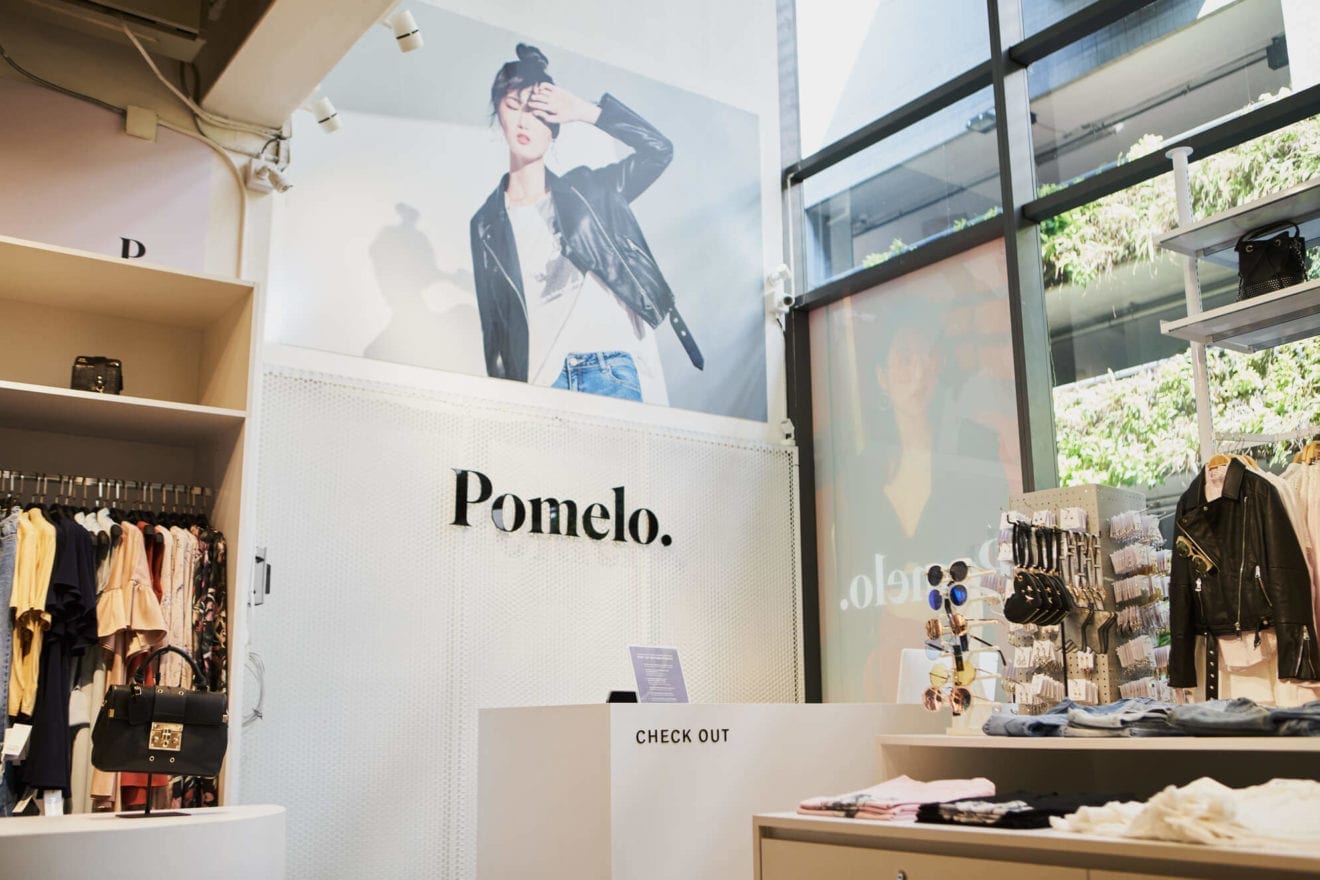
    JD.com-backed fashion brand, Pomelo Fashion, is launching a menswear label called Pomelo Man (PM.). The label will be making its debut in Thailand, launching exclusively on the App available on both iOS and Android. PM aims to offer a new shopping experience to the modern man, transitioning from the online to offline world, on-the-go seamlessly.

    Customers can now walk into a PM location, get measured by the store crew and never have to bother about sizing while shopping on the App again. Addressing one of the biggest drawbacks of online shopping – sizing, the brand aims to innovatively take it out of the equation altogether. Through technology, PM helps customers find what they call their unique ‘Perfect Fit’. With key items like t-shirts, chino pants, hoodies, and accessories, the brand will become a one-stop shop for every man’s daily fashion needs. PM takes it up a notch by providing all men with a ‘Man Lounge’ complete with free Wi-Fi, USB charging stations, and video games, all of which can be enjoyed by customers and everyone else alike.

    Opening its pop up store to customers at Siam Square One on December 20th, 2018, PM will offer affordable, yet premium clothing ranging from 390 THB to 1,590 THB. For customers that download and register on the App – the brand will be giving away free t-shirts in their ‘perfect size’. The first collection consists of wardrobe essentials such as t-shirts, pants, outerwear, and accessories in expansive size options, available at the stores for a fitting and to be purchased on the Pomelo App. Going further, PM would roll out monthly drops composed of not only everyday essentials, but eventually branching out to polos, shirts, and a mix of both formal and informal styles.

    David Jou, Pomelo’s CEO, commented: “With PM we wanted to re-imagine men’s fashion. We wanted something classic, yet fresh and contemporary, combined with the latest technology to create an effortless shopping experience.”

    He added, “PM has no sizes. It’s built for the urban gentleman who is always on the go and seamlessly traverses between the digital and physical. We wanted to start with a focused and approachable collection that will grow over time as the brand itself grows. The PM app is at the center of the experience.”


  • Olympic Committee Launches the First Olympic Store for Chinese Fans with Alibaba

    Olympic Committee Launches the First Olympic Store for Chinese Fans with Alibaba

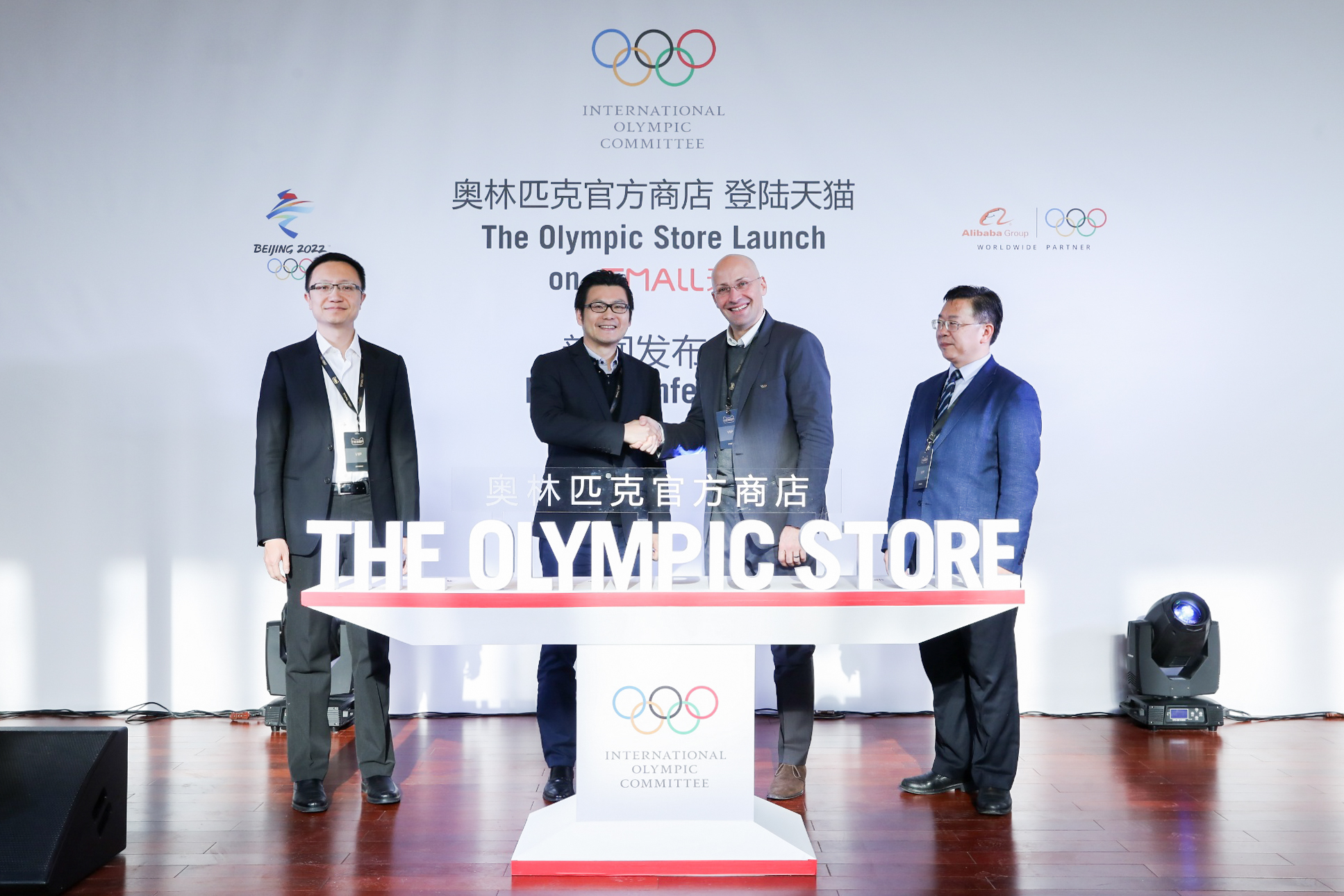
    The International Olympic Committee and Worldwide TOP Partner Alibaba Group (NYSE: BABA) announced the launch of the firstever Olympic store on Tmall, China’s largest B2C marketplace for brands and retailers, during the weekend. The new Olympic store will be initially available to Chinese fans on Alibaba’s Tmall, with additional plans in development to create a global ecommerce platform for fans around the world.

    The Olympic store on Tmall has been launched as part of the new IOC Global Licensing Strategy, which aims to engage and connect with fans seeking official Olympic branded merchandise, in line with Olympic Agenda 2020. The launch was announced at the second annual Tmall Winter Festival in Zhangjiakou, a three-day online and offline retail event to generate excitement for winter sports among Chinese consumers. The Olympic store on Tmall will offer official products developed as part of three Olympic core licensing collections, aimed at engaging Chinese fans all year round.

    The Olympic Games Collection celebrates the upcoming Olympic Games and includes branded products from the Beijing 2022 and Tokyo 2020 Games, such as pins, apparel and other memorabilia. The Olympic Heritage Collection will feature products that include art and design elements from previous Games editions, such as postcards of historical Olympic posters, connecting fans and connoisseurs with the rich heritage of the Olympic Games. Finally, the Olympic Collection will target a young and active audience through unique branded products, mainly sports equipment and toys.

    Timo Lumme, IOC TMS Managing Director, said: “We are delighted to launch our first Olympic store on Alibaba’s Tmall in China, one of the world’s largest ecommerce marketplaces. The launch was made possible thanks to the support of our Worldwide Olympic Partner Alibaba’s technology and expertise, as well as our partnership with the Beijing Organising Committee for the Olympic and Paralympic Winter Games 2022. The Olympic Winter Games Beijing 2022 will be a landmark moment for China and the Olympic Movement, and from today we look forward to offering the latest exciting Olympic products to Chinese Olympic fans through our new Olympic store on Alibaba’s platform.”

    Chris Tung, Alibaba Group Chief Marketing Officer, commented: “The launch of the first Olympic store on Alibaba’s Tmall is an important milestone in our long-term partnership with the IOC. We are proud to leverage Alibaba’s technology and ecosystem to provide more opportunities for Chinese fans to celebrate the heritage of the Games and join in the excitement for Tokyo 2020 and Beijing 2022. We look forward to our continued collaboration with the IOC to connect more fans in China and from around the world to the Olympic Movement in the digital era.” Piao Xuedong, Director of the Beijing 2022 Marketing Department, said: “We are proud to work with both the IOC and Alibaba to present the Olympic store on Tmall to Chinese Olympic fans today. It is the first time in the history of the Olympic Movement that Olympic fans can use an online store to look for licensed products both from the historical Olympic Games and the upcoming Olympic Games. Beijing 2022 is getting full value by innovating the licensing programme today. Our licensing team will keep supporting the Olympic store on Tmall by providing more wonderful products in the future.”

    In December 2017, Alibaba Group, in partnership with the Beijing 2022 Organising Committee, introduced the official online shop for Beijing 2022 on Tmall to help promote the Games among fans in China. Alibaba Group and the IOC entered a historic, long-term strategic partnership in January 2017 to help transform the Olympic Games for the digital era. Alibaba Group serves as the official “Cloud Services” and “E-Commerce Platform Services” Partner of the IOC, and is a Founding Partner of the Olympic Channel through to the 2028 Games.

  • ShopBack ventures offline with ShopBack GO

    ShopBack ventures offline with ShopBack GO

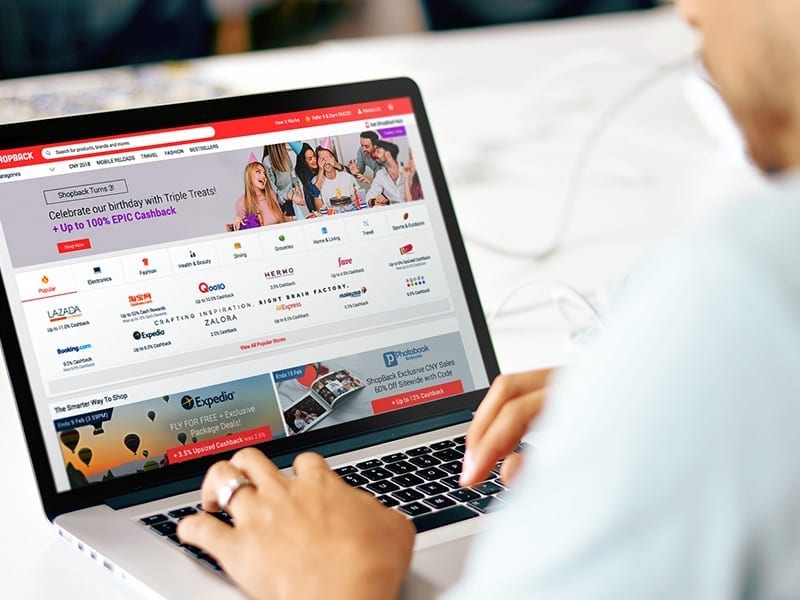
    ShopBack, the one-stop lifestyle platform that powers smarter purchase decisions, officially enters the offline space with the introduction of ShopBack GO. Launched in partnership with Visa and Mastercard, ShopBack GO enables users to earn between five to 10 per cent cashback on top of their existing card rewards at over 400 F&B brands concentrated in selected areas.

    With ShopBack GO, F&B partners will gain access to ShopBack’s existing base of over one million Singaporeans via its mobile app. The first-of-its-kind offline discovery and rewards platform in Southeast Asia fills the performance marketing gap in the ecosystem with zero disruption to business operations and consumers’ payment habits.

    “For the past four years, our core business model has succeeded in delivering cost-effective marketing for ecommerce merchants while delighting users with cashback for their online purchases,” said Vincent Wong, Country Head of ShopBack Singapore. “We have now replicated the experience offline with ShopBack GO, an omnichannel retail solution for offline merchants and rewards platform for users.”

    Partnering over 400 F&B brands from local favourites like Tiong Bahru Bakery to international establishments like Paradise Group, ShopBack GO rides on Singapore’s vibrant food scene to encourage wider adoption of cashless payment via Visa and Mastercard.

    ShopBack GO launches with a higher density of F&B brands in four areas: One-North, Buona Vista, Holland Village and Tanjong Pagar. The first three locations were selected for convenience in proximity to the office, allowing the start-up to conduct quick experiments with F&B brands in the area, while Tanjong Pagar gives ShopBack a flavour of the Central Business District crowd’s appetite.

    “Food is a part of Singapore’s DNA and Singaporeans increasingly love to dine out. Based on Visa’s data, the number of dining transactions have increased more than 30 per cent year-onyear and dining spend makes up almost 20 per cent of total card spend for Singaporeans. This partnership with ShopBack in launching ShopBack GO will drive more consumers to use digital payments for their dining purchases. More importantly, it encourages more merchants to accept electronic payments and also show their willingness to adopt digital payments. This is important as Singapore moves into a more digital and smart nation city,” said Kunal Chatterjee, Visa Country Manager for Singapore & Brunei.

    “Seven in 10 consumers are looking to find offers for their dining experience. We believe ShopBack GO’s reward-based model will appeal to the foodie in many Singaporeans who love a great deal for good food. Given how frequently local consumers dine out, solutions such as these will also go a long way to drive behavioural change towards a wider use of cashless payments in Singapore,” said Deborah Heng, Country Manager, Mastercard Singapore.

  • Google launches ‘Shopping’ in India to woo online shoppers

    Google launches ‘Shopping’ in India to woo online shoppers

    Tech giant Google Thursday unveiled ‘Google Shopping’ in India that will allow users to easily filter through offers, review prices from multiple retailers and find products that they are looking for. According to a report: The personalised experience will be available across various Google products — a Shopping home page, Shopping tab on Google Search and through Google Lens. Customers will be able to see trending products across different categories, various deals, and compare prices using the new offering.

    For retailers, the company will offer its ‘Merchant Center’ in Hindi, which will allow the sellers to list their products for Google Shopping, without paying for ad campaigns.

    “India has over 400 million internet users. However, only one-third of these have shopped online and that number includes those buying railway tickets online. From seasoned desktop shoppers to first-time users with entry-level smartphones, we hope this new shopping experience will make finding what people are looking for just a little bit easier,” Surojit Chatterjee, Vice President – Product Management, Google said.

    Google Shopping will be a connector between retailers and consumers, and the transaction and delivery of products will be handled by the merchant, he added.

    “There are an estimated 58 million small and medium businesses (SMBs) in India, of which 35 per cent are engaged in retail trade. However, a very small number of them have an online presence, this is a huge opportunity for retailers to surface their merchandise to the millions of online consumers,” Chatterjee said.

    Google aims to support the entire retail ecosystem — from shopping sites and large retailers to small local shops — by giving them access to the tools, technology, and scale to thrive in the new digital economy, he added.

    Chatterjee said merchants will not have to pay any fee for listing their products for Google Shopping.

    Under the Shopping tab in Google Search, users can search for products and see prices from across multiple retailers. The ‘Style Search’ option in Google Lens will allow users to find products such as clothes, furniture, and home decor, by simply pointing the Lens app from their smartphones.

  • Valentino joins Tmall Luxury Pavilion

    Valentino joins Tmall Luxury Pavilion

    Valentino, whose name is synonymous with high fashion across the globe, has opened a flagship store on Tmall Luxury Pavilion, Alibaba Group’s dedicated site for premium brands. The online store features selected products from the Rome-based fashion house’s womenswear and menswear lines, as well as five limited-edition items available only to Tmall shoppers including sneakers, pants and shirts.

    The launch late November coincided with Valentino’s 2019 Pre-Fall Runway show in Tokyo, which was livestreamed on the Pavilion.

    China’s Millennial and Generation Z shoppers are on track to make up 46% of purchases in the global personal luxury goods market by 2025, up from 32% in 2017, according to a November report from consulting firm Bain & Co.

    Online sales channels are becoming more critical than ever for luxury brands, with official sites and e-commerce platforms expected to account for 25% of the market’s value in 2025, up from the current 10%, Bain’s research showed.

    To create a shopping experience that stays true to the brand’s heritage and values, Tmall and Valentino worked together to design the storefront’s interface, adjusting the layout to enhance branding, boost audience retention and encourage deeper interaction with consumers.

    Noonoouri, the Pavilion’s new CGI ambassador, also “attended” Valentino’s 2019 Pre-Fall Runway show, posting images of all of the behind-the-scenes action to her Instagram account.

    The digital avatar has already collaborate with luxury brands Chanel, Dior, Gucci and Saint Laurent.

    Before opening the new store, Valentino partnered with the Luxury Pavilion in April to launch a 3D virtual store that mirrors a brick-and-mortar pop-up store the brand has launched in Beijing.

    Shoppers can experience the physical location via the Tmall mobile app and browse a selection of Valentino’s collection.

  • FastGo can’t go, say Vietnamese authorities

    FastGo can’t go, say Vietnamese authorities

    Vietnamese ride-hailing firm FastGo, at odds with authorities over its legal status, asserts it is going by the book. According to the Ministry of Transport and the Ministry of Industry and Trade, FastGo is not yet eligible to be approved for a pilot phase, nor is it registered as a tech platform.

    In a written reply to the Da Nang Department of Transport’s proposal to permit FastGo to operate, the Ministry of Transport has said that the application falls under the category of “electronic contract service based – management support platform.”

    But, the ministry adds, it is yet to receive a proposal to launch the app directly from FastGo Vietnam JSC, which means the application is not yet ready to be approved for a pilot phase.

    The ministry has also requested the Da Nang Department of Transport to inform cab companies not to use FastGo if the app is offered to them. Furthermore, FastGo is not allowed to provide its services directly to taxi drivers, it says.

    However, Nguyen Huu Tuat, FastGo CEO, is adamant that the app is not violating any law. He said that he has not received a written response the ministry or from the Da Nang Department of Transportation.

    Tuat clarified that FastGo does not provide transport support management services to individual drivers in Da Nang. It only services drivers of local transport cooperatives.

    “FastGo has filed the information and sent a request for approval for a pilot phase, but has not received a response from the Ministry of Transport,” said Tuat.

    He said Fastgo is neither defined as a transport service provider nor is it a transport cooperative. It is merely an application connecting drivers with customers. Tuat said that he was waiting for new transport regulations on this issue, following which the company will determine the specific business category for registering its app.

    FastGo has been functioning in Vietnam’s major cities since June. It is only after six months that regulators have backtracked and declared that its registration is incomplete.

    A representative of the Department of E-Commerce and Digital Economy under the Ministry of Industry and Trade said: “FastGo has not registered its tech platform with the Ministry of Industry and Trade. Therefore, it is unlawful for FastGo to engage with drivers or operate a transport management platform.”

    In response to this comment, Tuat asserted that he has submitted this proposal, but is yet to receive a reply.

    Launched in June 2018, FastGo now operates in Hanoi, Ho Chi Minh City and Da Nang with more than 30,000 drivers. At the end of August, the local company received funding from VinaCapital, and is planning to mobilize up to $50 million for a second expansion phase that will target Indonesia and Myanmar.

    FastGo Vietnam Joint Stock Company was established in April 2018 with its headquarters in Hanoi. The company belongs to a wide network of services provided by Nextech, a leading tech firm in Vietnam.

    A Nikkei Asian Review report quoted the company as saying it hopes to make its service available in 20 cities in Vietnam and five other Southeast Asian markets, including the Philippines, Cambodia and Thailand, by the end of next year.

  • Miniso launches online store in Singapore with Shopee

    Miniso launches online store in Singapore with Shopee

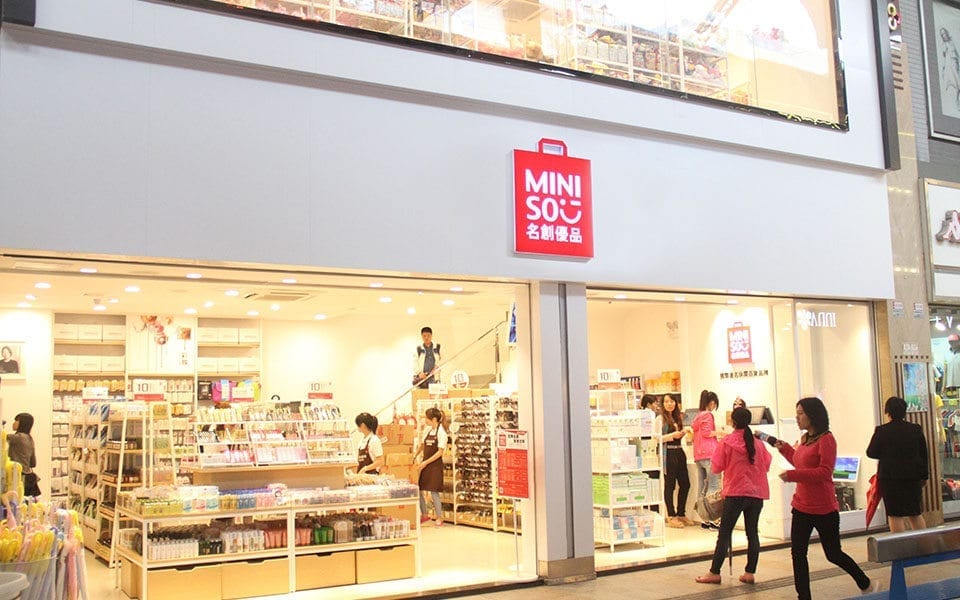
    Discount Chinese merchandise chain Miniso has partnered with e-commerce platform Shopee to open its first online flagship store in Singapore. Shopee will exclusively host the Miniso Singapore online offering in the territory as a part of the retailer’s omnichannel strategy for Singapore in the coming year. The partnership will offer home delivery, special promotions and exclusive product launches on the platform.

    Miniso Singapore general director Alex Zhang Li said: “We foresee numerous key opportunities that will be pivotal to our growth strategy next year as we enter our first e-commerce partnership. As a global variety store chain, we aim to be able to deliver meaningful experiences, and leveraging Shopee’s user base, extensive operational support and other value-added services to grow our business will allow us to do that.

    “We are very excited to engage with a new segment of online customers and are confident that this partnership with Shopee is a leap forward to securing our long-term online and offline success in retail.”

    Shopee’s chief commercial officer Zhou Junjie added: “This partnership also marks our dedication to enabling offline retailers extend their reach online. We are confident that this partnership will be a fruitful one, and we look forward to working with them to bring to users even more exciting deals and exclusive offers from the brand.”

  • Online retailer Taobao endorses physical store in Malaysia

    Online retailer Taobao endorses physical store in Malaysia

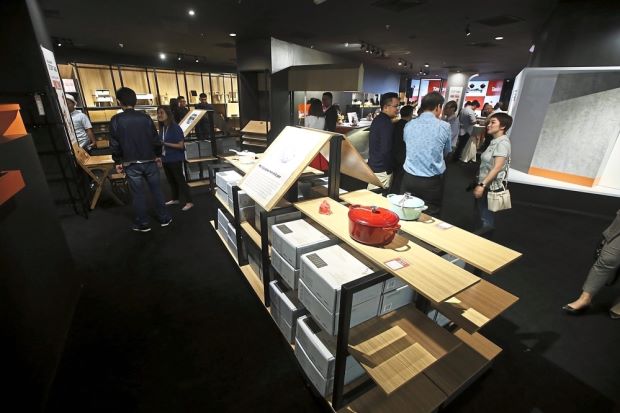
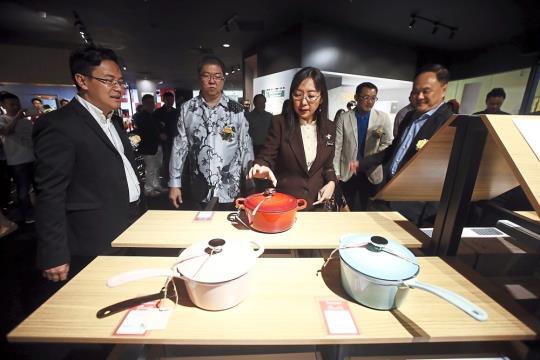
    Chinese online retailer Taobao is endorsing a spin-off physical store in Malaysia. The 5000sqft Taobao Selection store in Kuala Lumpur’s Viva Home Shopping Mall is the first in Southeast Asia, opening in collaboration between local operator Lumahgo, Taobao spinoff Tmall World, and lifestyle furniture retailer Lorenzo. It retails curated products from Tmall.com selected for the Malaysian market alongside furniture offerings.

    Lumahgo CEO Fabian Kong said: “We are developing a new retail system that caters to Malaysians, which will bring a new retail technology experience to local retailers … We are helping Tmall World to sell the selected products in Malaysia for customers who do not know how to shop online”.

    A reported 98 per cent of furniture purchases are made offline in Malaysia.

    Taobao’s owner Alibaba Group is contributing to the project by providing big-data tools and a technology platform. The collaborating partners will open a second Taobao Selection store will open in Sabah early next year.

  • Indonesia’s Tokopedia Secures $1.1b From Alibaba, SoftBank

    Indonesia’s Tokopedia Secures $1.1b From Alibaba, SoftBank

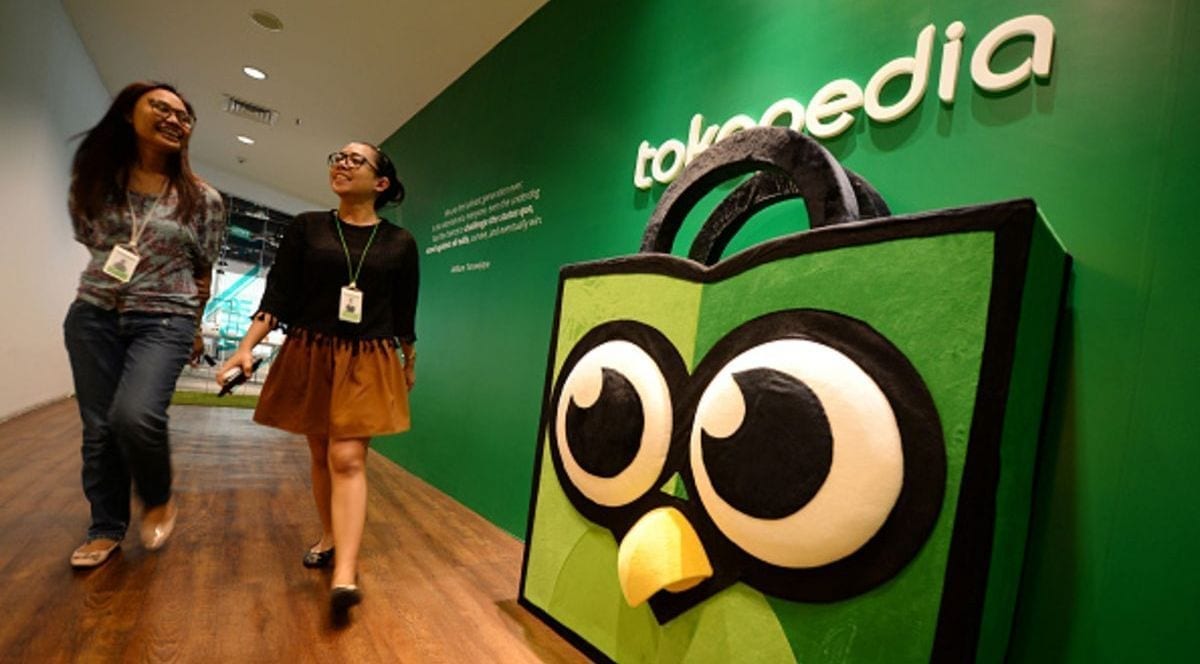
    Indonesian e-commerce company Tokopedia said on Wednesday that it had secured $1.1 billion in its latest funding round led by Chinese e-commerce giant Alibaba Group Holding and Japan’s SoftBank Group. This follows a similar investment in 2017, also led by Alibaba, which has been expanding rapidly into Southeast Asia amid slowing growth in China’s e-commerce market.

    Tokopedia said it planned to use the funds to invest in technology and infrastructure, adding that the firm would continue to focus on the Indonesian market and drive economic development and financial inclusion in the country.

    The investment would help “broaden Tokopedia’s scale and reach” besides improving its operational efficiency, chief executive and co-founder William Tanuwijaya said in a statement.

    Tokopedia did not confirm a valuation following the round. However, news website TechCrunch citing an unnamed source said the company was valued at around $7 billion.

    The latest funding boosts Alibaba’s share of the fast-growing Indonesian e-commerce market. The Chinese company is also the majority owner of Lazada, which is the Tokopedia’s top competitor in the market.

    Indonesia is also increasingly becoming a proxy battleground for Alibaba and JD.com, China’s second-largest e-commerce company, which has invested heavily in building a logistics network in the archipelago.

    Founded in 2009, Tokopedia is currently Indonesia’s largest online marketplace, drawing comparisons to Alibaba’s Taobao.

    The latest round includes investments from Softbank’s Vision Fund as well as Softbank Ventures Korea and Sequoia Capital.

    The company, which delivers to around 93 percent of Indonesian districts, says it has quadrupled its sales in the past year.

  • Almost all Vietnamese internet users shop online

    Almost all Vietnamese internet users shop online

    Up to 98 percent of internet users in Vietnam have made purchases online, up one percentage point over 2017. Increasing effectiveness of the online retail ecosystem in meeting the convenience of its shopper base has strengthened the online shopping habit, according to the 2018 Nielsen Connected Commerce Report.

    Fashion, travel, books and music continue to account for the largest proportion of online transactions in consumer goods, with 59 percent, 52 percent and 51 percent of Vietnamese consumer respondents saying they have purchased goods in the above categories in the respective order.

    These are also considered typical categories for the first-time online shoppers.

    Nguyen Anh Dung, director and head of Retail Measurement Services for Nielsen Vietnam, said that as levels of familiarity, comfort and confidence grow, consumers are likely to move on to purchasing items such as beauty products, personal care, packaged food or fresh groceries.

    For relatively new products, about two in three consumers said that return policies for products not of satisfactory quality have encouraged them to shop online.

    The other concern of consumers is free or same day delivery services.

    Vietnam has targeted that 30 percent of its population shop online between 2016 and 2020, with yearly sales value of approximately $350 per person.

    The country’s e-commerce value climbed to about $4 billion in 2016, becoming one of the fastest-growing markets in the world.

    Revenue from online retail in Vietnam is forecast to hit $10 billion by 2020, accounting for five percent of the country’s retail market.