Tag: ecommerce

  • Korea’s Cafe24 launched in Japan

    Korea’s Cafe24 launched in Japan

    South Korean e-commerce platform Cafe24 has launched in Japan. The new Japanese service offers local businesses solutions to use online stores, payment gateways, logistics networks and marketing tools to reach global customers. Japanese businesses are able to use the service to build multilingual online stores and offer international and Japanese payment gateway services.

    The Japanese e-commerce market is currently the world’s fourth largest, growing in value at more than ¥1 trillion per year.

    Cafe24’s CEO Lee Jae-suk said: “Our expansion into Japan’s e-commerce market marks an important milestone and adds momentum to our growth as a global company … We will continue to rigorously sophisticate the Japanese platform in accordance with local situations to successfully set roots in Japan’s e-commerce market.”

    Cafe24 has indicated plans to expand into English-speaking countries and Southeast Asia, following Japan.

  • Alibaba Group Puts Spotlight on Indonesian Brands

    Alibaba Group Puts Spotlight on Indonesian Brands

    Chinese e-commerce giant Alibaba launched a special section for Indonesian products on its platform on Friday to promote the country’s best products to more than a billion Chinese consumers. The section, known as the Indonesian Pavilion, debuted on Alibaba’s Tmall Global, a platform dedicated to helping international retail brands and entrepreneurs reach out to the Chinese market despite not having a presence in the country.

    Indonesian Ambassador Djauhari Oratmangun and Ryan Wang, general manager of public affairs at Tmall, inaugurated the special section during an event in Shanghai.

    The Indonesian Pavilion was launched in time for Alibaba’s 2018 11.11 Global Shopping Festival, the world’s largest one-day shopping event, which takes place on Nov. 11 every year.

    The section will initially offer five leading Indonesian food and beverage brands: Indomie instant noodles, Kapal Api packaged coffee, Richeese biscuits, Yan Ty Ty swallow’s nests and Papatonk shrimp crackers.

    Through Tmall’s integrated service center, brands can increase consumer awareness of their products ahead of the upcoming shopping festival.

    Chinese consumers will also have a chance to learn about Indonesia’s cultural richness and exotic tourist destination, which will also be featured on the platform.

    This forms part of Alibaba’s ongoing initiatives over the past few years to support Indonesian startups and small and medium enterprises.

    Jack Ma, Alibaba chairman and co-founder, serves on Indonesia’s digital economy board, advising the government on how to best nurture and implement digital technology to drive development.

    The government and Alibaba are also discussing ways to help Indonesia train local talent in the digital field and increase innovations in financial technology.

  • Rakuten  and Seiyu to partner in online grocery service

    Rakuten and Seiyu to partner in online grocery service

    Japanese online retail company Rakuten is partnering with Walmart-owned supermarket Seiyu to launch an online grocery service. Spokespeople from the companies say about 20,000 products will be available on the site, drawn from the Seiyu range, including fresh food. Orders will be fulfilled from stores, restricting the service – for now – to about 16 Japanese suburbs, however a warehouse has been opened near Tokyo to serve the capital.

    “We can tap into Rakuten’s 99 million-strong membership base,” said Seiyu executive officer Tamae Takeda. “[Rakuten’s] advantage is in technology, so we can combine our strengths.”

    The new online grocery service will compete with one launched by Amazon in April last year, as well as those offered by larger Japanese supermarket chains.

    Seiyu and Rakuten plan to offer free delivery on orders over a set threshold, or $4 for those under it.

  • Auchan products to be sold on Lazada

    Auchan products to be sold on Lazada

    Auchan Vietnam has launched its store on LazMall, a branded shopping mall from Lazada, allowing customers to purchase French products online with rapid delivery. Despite having its own online store, Auchan believes it can expand its reach and boost sales by working with Lazada Vietnam. Customers will be able to choose from Lazada’s same-day delivery, next-day delivery or low-cost delivery options.

    Free delivery applies to customers in Hanoi, Ho Chi Minh City, Hue, Danang, Dong Nai, Ba Ria-Vung Tau, Binh Duong and Long An with orders worth VND99,000 (US$4.24) or more.

    Initially, Auchan products on LazMall will be mainly consumer goods, with the range to expand over time.

    The French retailer will link all of its 21 brick-and-mortar stores with LazMall, so orders will be fulfilled from the nearest Auchan store to customers.

    Lazada was recently ranked the second largest e-commerce platform in Vietnam behind Shopee, which earns a monthly average traffic of 34.5 million visitors.

  • Singles Day 2018 faces delivery challenges

    Singles Day 2018 faces delivery challenges

    Alibaba and its partner retailers will face a massive challenge ensuring flawless delivery of millions of parcels all over China and beyond given the expectations of further growth on Singles Day 2018 next week.

    “As the event grows, the logistics challenge becomes bigger and bigger,” observes retail analyst Pascal Martin, partner at OC&C Strategy Consultants.

    “During last year’s event 812 million parcels were delivered just on Tmall. Observers are betting that this year’s milestone might be more than 1 billion parcels.”

    And, says Martin, although brands don’t like to talk about it, there is also a huge challenge in taking care of large quantities of returned goods.

    “11.11 is a massive test bed for Alibaba’s backbone infrastructure: the network of partners that make it all possible, from payment to delivery to data management, as well as AI and cloud technologies that are put to work to ensure a successful event.”

    Alibaba’s Cainiao Smart Logistics Network says it has upgraded its technology to cope with the expected increased volumes from 11.11 this year. The company boasts more than 30 million sqm of warehousing worldwide and a logistics field force of more than 3 million people.

    Domestically, Cainiao has opened a new robotic warehouse, expanded its Internet of Things (IoT) systems and built out its platform’s last-mile reach. For cross-border deliveries, more than 1000 shipping containers and 51 charter planes are booked, ready to speed orders across the world.

    Cainiao VP Ben Wang says while nobody knows how many orders Singles Day 2018 will generate, the logistics company needs to keep upgrading systems, anticipating growth and seeking higher efficiency, because of customer expectations.

    “It was only five years ago that parcel orders surpassed 100 million for the first time. Back then it took nine days to deliver the first 100 million parcels,” said Wang. “Last year, it took less than three days (2.8 days) to deliver the same number of parcels. Consumers increasingly want faster, better delivery, so that’s what we’re doing. This year, we’re striving to achieve a new high, leveraging the beauty of scale and technology.”

    Delivery “within minutes”

    Cainiao’s preparations this year also reflect the changing demands of logistics in the New Retail era. For the first time, goods ordered during 11.11 will be delivered directly from stores to customers during the Festival – sometimes within minutes. Short-distance delivery services will be available in more than 280 cities.

    “Cainiao is the logistics backbone of Alibaba’s New Retail strategy,” Wang said. “We are providing an online and offline, cross-platform supply-chain solution to merchants and enabling them to cut inventory costs, while increasing operating efficiency, especially around 11.11 ­– the busiest season of the year. Ultimately, consumers will enjoy a brand-new shopping experience, as delivery service will always be on-demand.”

    Martin expects Singles Day 2018 to include more partners, not only online but also offline, leveraging Alibaba’s New Retail ecosystem. For example, Tmall 3000+ convenience stores, Hema and RT Mart supermarkets, Suning and Auchan, will be fully integrated into the event.

    The event will also be expanding beyond China through Lazada, the Southeast Asia online platform owned by Alibaba.

    “We expect to see participation of an increasing number of international brands that are taking advantage of the Tmall Global platform – number one by far among Chinese cross-border platforms – to get introduced to Chinese consumers without any direct presence in China for many of them.”

    And diversification will be another key factor in this year’s event, he says.

    “It’s not just about purchasing products, it’s also increasingly about purchasing a variety of services, from videos on Youku to mobile games on UC, theatre tickets on Taopiaopiao, music on Xiami music, travel on Feizhu, etc… All of this will not happen without challenges.”

    Yet another test, says Martin, is for Alibaba to expand the event beyond its group companies.

    “Right now, most of the non-Tmall companies participating in the 11.11 event are Alibaba Group companies. Getting non-group companies to embark on the 11.11 band wagon will be the next step to sustain continued growth of the event in future years.

    “Finally, to keep the event fresh and exciting, Alibaba will need to continue to surprise increasingly demanding Chinese consumers with entertainment and festivals to delight them around the event. 11.11 has become much more than a commercial fair, it is now a major annual milestone in China’s cultural calendar.”

    Last year’s 11.11 event saw GMV reach 254 billion RMB (US$36.6 billion) including 168 billion RMB on Tmall alone. That turnover represented a 43.5 per cent increase over the 2016 GMV.

    Singles Day 2018 will mark the event’s 10th anniversary.

  • Jack Ma’s strategy in final letter to shareholders

    Jack Ma’s strategy in final letter to shareholders

    In his final letter to shareholders, Alibaba founder and executive chairman Jack Ma made a case for globalisation despite recent uncertainties in US-China trade relations, consumer trends, stock markets and the manufacturing industry.

    This is the third time that Alibaba has faced a setback in the global economy over the 19 years, but experience suggests there are opportunities behind the anxiety and friction.

    “The only question is how we should pivot,” he said.

    “Monumental challenges give rise to monumental opportunities, and Alibaba is well-positioned because we are adept at weathering adversity.”

    Ma added that Alibaba’s mission to make it easy to do business anywhere is precisely suited to the current environment, in which doing business is becoming harder.

    “We have spent the past three years to develop a trading system that serves small and medium enterprises and consumers around the world,” he said, referencing the company’s goals of ‘global buy’, ‘global sell’, ‘global delivery’ and ‘global travel’.

    “I am excited that we are able to deploy Alibaba’s technology, experience and resources, thereby establishing and improving a new and inclusive global trade system for the future.”

    Alibaba claims to have helped 200,000 brick-and-mortar retailers to implement online and offline integration in line with its New Retail vision.

    Ma reaffirmed the company’s commitment to sustainable growth for at least 102 years, with the goal of serving two billion global consumers, empowering 10 million profitable businesses and creating 100 million jobs by 2036, even as he prepares to step down from the board in September 2019, when CEO Daniel Zhang will take over his role as executive chairman.

    But Ma said he will “always be happy to engage in any discussion about the company at any time in the future” and will remain a shareholder in the company and partner in the Alibaba partnership.

    He thanked Alibaba’s shareholders for their trust and support and promised that the company would not stop innovating to solve problems and create value, market opportunity and profitability.

  • N°21 signs with Lee & Han for South Korean distribution

    N°21 signs with Lee & Han for South Korean distribution

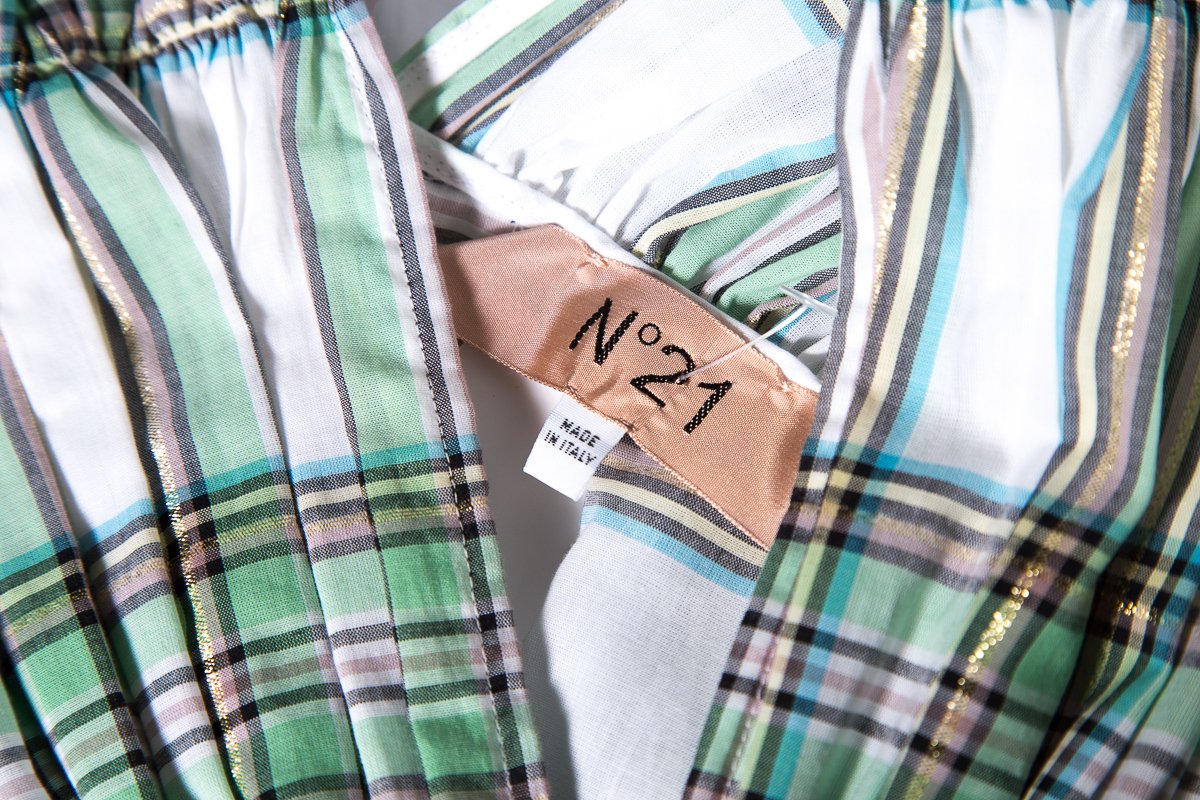
    N°21 has major expansion plans in South Korea. The Italian fashion label designed and led by Alessandro Dell’Acqua has signed a distribution agreement with Lee & Han, a Korean distributor managing a broad portfolio of lifestyle brands, and plans to open 18 stores in the country in the next five years.

    N°21 had already opened a series of retail corners in the country, but it is now stepping up the pace of its growth.

    The first stage of N°21’s expansion strategy was the opening of a flagship store of over 300 square metres, the brand’s largest, in the Cheongdam district of Seoul, a hub for fashion labels.

    The store extends on two levels and showcases N°21’s ready-to-wear, footwear and accessories collections for men and women.

    The store’s interior design replicates that of N°21’s Milan flagship: the chromatic contrast of black and white on the marble floor, the polycarbonate and raw concrete ceilings, and plenty of mirrors, steel and aluminium.

    The store’s façade is entirely black, riffing on that of the label’s Omotesando store in Tokyo and of its new Milanese headquarters.

    The South Korean partner chosen by N°21 to support its expansion the country is a shareholder and licensee of Converse and Kappa, and is very active in the multibrand retail business (with Han Style, Han Style Men, Han Style Kids and Han Style Shoe) and as an exclusive distributor of international fashion labels like Delvaux, Giambattista Valli, Emilio Pucci, Nina Ricci, MSGM, Mr & Mrs Italy, Premiata, and others.

    N°21 is distributed by the Gilmar group in over 600 multibrand stores worldwide, and in Asia it currently operates monobrand stores in Tokyo, Hong Kong and Beijing.

    In 2016, the latest year for which figures are available, N°21 generated a revenue of €52 million, up 117% compared to 2015.

  • Shinsegae plans ‘Korean Amazon’

    Shinsegae plans ‘Korean Amazon’

    Shinsegae has secured investment worth 1 trillion won ($877.8 million) to build a separate company dedicated to its online business, finally giving wings to Vice Chairman Chung Yong-jin’s ambitious plan to create a “Korean version of Amazon.”

    Shinsegae said Wednesday that it succeeded in attracting funds worth 1 trillion won from two global private equity firms, BlueRun Ventures and Affinity Equity Partners, to launch a separate company that will comprehensively handle the retail giant’s online business.

    The investment plan was revealed in January, but the detailed conditions have been finalized after nine months of negotiation.

    “Shinsegae Department Store and Emart have led growth within the group until now,” said Chung. “But from now on, the new entity dedicated to online business will lead growth. All capacity within the group will be concentrated on the online business.”

    The retailer will spin off the online business from Shinsegae and Emart and merge them into a separate entity. Shinsegae is mainly in charge of its department store business while Emart is in charge of the eponymous discount chain and warehouse-style mart Traders, among others.

    Of the 1 trillion won investment, 700 billion won will be used to establish the new company, which is scheduled to launch in the first quarter of 2019. The name of the new entity hasn’t been decided. The remaining 300 billion won investment will follow at a later date.

    “Shinsegae’s new online business-dedicated entity is expected to help it grow into a core company in Korea’s e-commerce industry,” the company said in a statement.

    Shinsegae has been running an integrated online platform called SSG.com, which encompasses several online malls such as Shinsegae Mall, Shinsegae Department Store, Emart Mall and Traders, all either run by Shinsegae or its discount chain affiliate Emart.

    The soon-to-launch company will operate these online malls.

    “A complete integration of the online platform will enable comprehensive investment, simplified decision making and enhanced proficiency,” the company said.

    Shinsegae plans to concentrate investment in the online mall’s logistics service and infrastructure to begin with. It said it plans to invest 1.7 trillion won in logistics centers and related technology and achieve revenue of 10 trillion won for the online business by 2023.

    Shinsegae currently runs two logistics centers dedicated to online malls in Bojeong and Gimpo in Gyeonggi. The retailer is building a third one in Gimpo, which is scheduled to start operating by the latter half of next year.

    SSG.com launched as an integrated site in 2014 and has been recording an average 20 to 30 percent growth each year. It reached 2 trillion won in revenue last year and turned to profit making in the first half of this year

  • Transformation in the Thai Retail Market

    Transformation in the Thai Retail Market

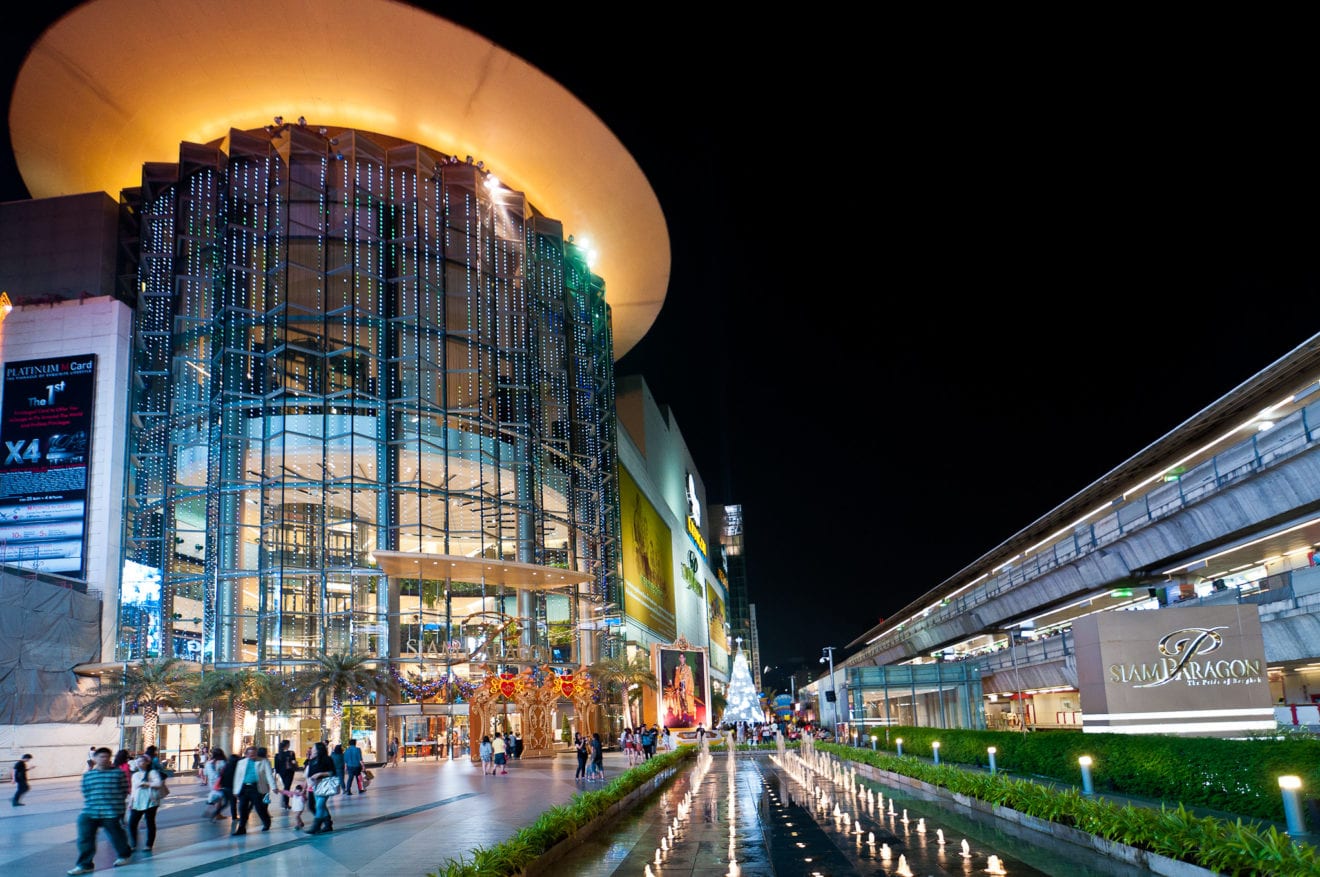
    Retail property is one of the most complicated types of real estate development because of the constantly changing behaviours, tastes and needs of consumers. The Thai retail property market has changed enormously over the last 30 years since CBRE established an office in Bangkok and change continues at an even faster rate especially with the growth of E-commerce.

    30 years ago, the Bangkok retail property market was limited to a handful of department stores and a few typical shopping centres like Central Plaza Ladprao completed in 1982, Amarin Plaza completed in 1985 and the original Siam Centre completed in 1977.

    The rest of the retail sector was shophouses and wet markets.

    There are now almost 7.5 million square metres of modern retail property in Bangkok split between department stores, shopping centres, big box stores and other new formats.

    There has been rapid growth and change in the range of retail formats and types of tenant.

    The first 7-Eleven convenience store opened in Thailand in 1989 and there are now 10,268 stores in 2018.

    The first big box store was Makro Ladprao in Bangkapi district in 1989 and now Big C, Tesco Lotus and Makro have over 450 big box stores in Thailand.

    Over the last 30 years we have seen an increased move from traditional retail in wet markets and shophouses to modern retail formats ranging from convenience stores and community malls to giant regional shopping centres such as Central Westgate.

    The modern retail format has spread throughout Thailand with many provincial cities now having modern shopping centres.

    The Thai retail market is, like the rest of the world, facing the new challenge of E-commerce.

    In the UK, E-commerce sales are expected to account for 18% of total retail sales in 2018 and 9.5% in the USA.

    Currently E-commerce sales account for less than 1% of total retail sales in Thailand but this is expected to grow rapidly as E-commerce platforms and infrastructure, including payment systems and distribution have now been established.

    Big players are currently entering the Thai E-commerce market such as Alibaba investing $320 million as well as JD forming a $500 million joint venture with Central Group.

    Retailers will have to adapt to best serve customers in stores and online.

    Retail developers will have to improve the customer experience through design, decoration, events, tenant mix and customer service.

    Retail landlords will have to create a unique environment that focusses on customer experiences. Landlords can achieve this through placemaking in which transforms retail space into “destinations” and “lifestyle centres” to draw more consumers to the area. Landlords may also choose to shift towards greater food and beverage based tenants, such as restaurants, as they provide an experience which cannot be replicated online.

    “clicks” will not totally replace “bricks” but will mean that retailers and retail property developers will have to change.  “Simply building a nice glass box and filling it with brand names, won’t work anymore. “said Ms. Jariya Thumtrongkitkul, head of retail services at CBRE Thailand.“

    Many retailers are trying to pursue an omni-channel approach with both online and offline channels that are fully integrated whereby the digital and physical options complement each other.” Landlords will need to fully integrate the omni-channel approach in which to provide consumers with a frictionless experience across online and offline channels. AI will also have a big role to play in collecting data. Through using interactive apps or customer order history, businesses will also be able to form a more accurate customer profile in which they then can use to personalise their marketing campaigns as well as improving their operations and sales. The use of data can also help retailers better keep up and understand consumer trends and expectations.

    The continuous change in consumer behaviour means that retail property development is much more complicated than office development.  It requires hands on management and constant innovation and improvement.

    The level of commitment and expertise needed is very high and unlike hotels it is rare to subcontract management to a third party in Thailand.

    Even though the economy is improving retailers, retail landlords and developers face big challenges in adapting to the changing environment caused by E-commerce.

    The shopping centre is one of the most successful business models and will not fade away but the competition from E-commerce means that the model will have to evolve to survive.

  • Amazon reports US$ 56.6 bn revenue in Q3

    Amazon reports US$ 56.6 bn revenue in Q3

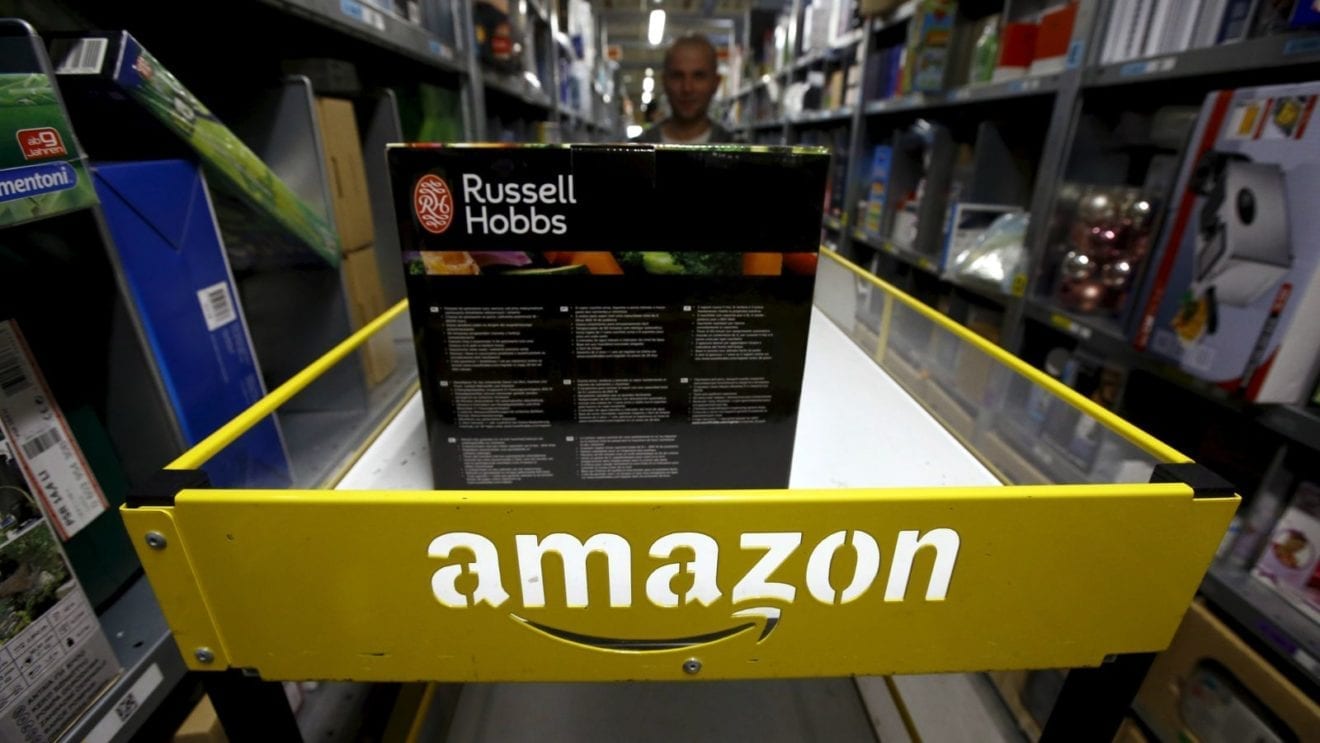
    Riding on its Cloud business, retail giant Amazon.com saw its net sales increasing 29 percent to US$ 56.6 billion in the third quarter this year, compared with US$ 43.7 billion in third quarter of 2017. Operating income increased to US$ 3.7 billion in the third quarter, compared with operating income of US$ 347 million in the third quarter of 2017.

    Net income increased to US$ 2.9 billion in the third quarter, or US$ 5.75 per diluted share, compared with net income of US$ 256 million, or US$ 0.52 per diluted share, in the third quarter of 2017.

    “Amazon Business has now reached a US$ 10 billion annual sales run rate and is serving millions of private and public-sector organisations in eight countries,” said Jeff Bezos, Founder and CEO, Amazon.

    “We’re not slowing down — Amazon Business is adding customers rapidly, including large educational institutions, local governments, and more than half of the Fortune 100,” Bezos said in a statement.

    Amazon gave fourth-quarter revenue guidance in the range of US$ 66.5 billion and US$ 72.5 billion.

    Amazon Web Services (AWS) announced several new customer commitments and major migrations during the quarter.

    In the third quarter, Amazon introduced a new family of Echo smart home speaker devices.

    Amazon also introduced the all-new Fire HD 8 tablet, featuring an 8-inch HD display, a quad-core processor, 16 GB of internal storage with support for up to 400 GB more via microSD, up to 10 hours of mixed use battery life, and hands-free access to Alexa.

    The number of Alexa-compatible smart home devices has quintupled year to date to more than 20,000 devices from over 3,500 brands.

    Through new tools, including updated Alexa Smart Home Skill APIs and the Alexa Connect Kit, developers and device makers can enable voice control of any device and feature with Alexa.

    Amazon India also announced the launch of Amazon.in in Hindi.

    Amazon Business is generating US$ 10 billion in annual sales, serving hundreds of thousands of business sellers and millions of customers across eight countries.

  • India’s KOOVS.COM goes offline now exclusively at Central

    India’s KOOVS.COM goes offline now exclusively at Central

    KOOVS.COM, the ultimate fashion destination in India, has announced the launch of its first shop-in-shop presence exclusively at Central M.G Road, Gurugram, India. The launch saw Bollywood celebrity and fashionista, Kiara Advani walk the ramp in the brand’s latest collection marking the celebrations.

    Recognized for bringing latest fashion off international runways for both men and women to the country, KOOVS.COM now gives all fashion lovers an access to the collection offline. Customers can touch and feel the quality of the products, try them on to understand their best fit and buy their products from the store and get it delivered at their doorstep.

    Mary Turner, CEO KOOVS.COM, said “The brand is taking a step to get closer to our customer, by providing them the diverse range of the fresh fashion collection for both men and women. We are excited to see the response at the store and take customer interaction to the next level.”

    The venue was turned into mini London representing brand’s aesthetics and inspiration, resonating European fashion history and impressions of uber chic design philosophy.

    The brand is bringing alive the new trends in style through an aesthetic portrayal for the new age Indian consumers who have a global outlook and admire fashion in their everyday life.

  • Alipay to support China’s micro and small businesses to embrace digitization

    Alipay to support China’s micro and small businesses to embrace digitization

    Alipay has announced that it will launch new initiatives to provide more digital tools, safeguards, loan services and training to further improve efficiencies and support the growth and digitization of small and micro businesses (SMBs) in China.

    SMBs form the cornerstone of Chinese society and create millions of job opportunities. However, shifts in industry models mean that online and offline operations are increasingly merging together and this group has lacked the services and tools needed to improve efficiencies and seize the opportunities from digitization. Aiming to tackle this on-going issue, Alipay, will provide the following support to bolster the development of SMBs in China.

    Ÿ   Provide tools and services to support digital operations, including business analysis, customer engagement, and supply chain services aiming to help 100 million SMBs across China.

    Ÿ   Provide an additional safeguard to SMB owners. SMBs using Alipay services will be offered a maximum of RMB1000 (USD $144) rebate every half year on out-patient services. Alipay expects to extend coverage to 50 million SMBs by the end of 2018 and rebate more than RMB500 million (‪USD $71.8 million) in total.

    Ÿ   Provide MYbank’s loan services to 30 million SMB owners and self-employed people over the next three years.

    Ÿ   In collaboration with 100 start-up entrepreneurs, Ant Financial, the parent company of Alipay, will tailor 100 lessons in corporate development and operations with the aim of training 10 million SMBs and facilitate their digital transformation.

    A great number of SMBs have benefited from Ant Financial’s range of services, including those provided to QR code merchants, who are typically SMBs that use Alipay’s QR code to collect payment from customers. These services include business analysis, financial management, loan and insurance services. Powered by Artificial Intelligence, Ant Financial enables SMB owners to apply for business loans in less than three minutes by smartphone, receive near-instant approval without human intervention. One QR code merchant from Wuhan, for instance, applied for a RMB20,000 (USD $2,874) business loan during Chinese New Year and received approval within one second. In the year ending October 2018, over three million QR code merchants have applied for loans through this service with an average loan size of less than RMB8,000 (USD $1,150).

    AI facilitates the entire process of out-patient benefits offered to QR code merchants, from guiding users to upload their invoices correctly, to identifying key data points on the invoice (such as hospital name and fee amount), to reviewing the information and materials submitted. Ant Financial’s blockchain technology secures the authenticity of the invoices. Tens of millions of QR code merchants have begun to take advantage of this offer with 20,000 merchants on average signing up for the service each day.

  • Keeping Up with the Centennials:  Buy Social, Pay Offline

    Keeping Up with the Centennials: Buy Social, Pay Offline

    Dentsu Aegis Network, in collaboration with Econsultancy, today launched Here Comes the Centennial: Southeast Asia’s New Generation of Shoppers, a white paper investigating the online buying behaviour of centennials – consumers of the future – in the region. Launched on the sidelines of FUTR Asia 2018 Summit, the study finds that, despite the surge in online shopping, cash is still king for centennials in the digital age, and shopping on social media platforms is the new norm.

    Despite being digital natives, the concept of a cashless society has yet to fully take off for centennials in six countries surveyed, as 56% of survey respondents still prefer paying cash on delivery for their purchases. The next generation of online shoppers also enjoy having a variety of payment methods, as 43% of centennials will readily abandon their purchases because their preferred payment option is not available.

    Having grown up in the smartphone era, centennials are also using social media platforms differently compared to previous generations in their buying journey. Social media applications (47%) such as Facebook and Instagram are the second most popular place for centennials to shop in. Close to half of the survey respondents (49%) also turn to social media when they are researching for more information on their future purchases, rather than asking friends (45%) and family (27%).

    Nick Waters, CEO of Dentsu Aegis Network Asia Pacific, said: “All eyes are on Southeast Asia as the world’s next consumer powerhouse, with its young population and increasing purchasing power. Close to 280 million centennials – tomorrow’s consumers – call this region home. Enabled more than ever before by technology and data, we are seeing incredible potential for growth in the region and our latest research ‘Here Comes the Centennial: Southeast Asia’s New Generation of Shoppers’, helps us understand what is important for these consumers of the future and how businesses can adapt and position effectively for Southeast Asia’s future retail landscape.”

    Brand name and image is no longer a priority of centennials, making end-to-end brand experience more important than ever for retailers. Only 11% cite having a prestigious or famous brand as one of their top three attributes when choosing where to shop. This means retailers need to work harder to get their brand experience perfect in order to capture the attention of tomorrow’s consumers.

    Who are the Centennials? Why are they important?

    Centennials – also known as Generation Z – are those who are born between now and 1995. Accounting for about 277 million of Southeast Asia’s population, 50% of centennials spend more than USD30 a month on online shopping, while 9% spend over USD100 monthly. The size of this new generation alone makes them attractive for retailers, but the behaviours of this group make them lucrative in terms of its online shopping and ecommerce potential.

    This new generation will also soon be one of the world’s most demanding consumers who have high standards and expectations of the online shopping experience. Technology should be an integral part of this experience, as 82% of centennials are excited about futuristic shopping technology such as virtual reality. Personalisation is key as well, as 76% of respondents are happy to share data with websites, if it makes more relevant recommendations.

    Jefrey Gomez, Managing Director, Econsultancy Asia Pacific, said: “Centennials are coming of age in an era when high speed internet is always available, and they expect technology and brand experiences that are fast, responsive, and seamless. The survey showed that 86% of centennials will not use an app or website that takes too long to load and 82% will not use an app or website that is difficult to navigate. This means that retailers can therefore no longer just provide well-designed stores or rely solely on brand campaigns to drive sales. Instead they need to focus on the utility of their online offering to make the purchasing journey easy to complete.”

  • Telenor Pakistan and foodpanda bring exclusive discounts for customers

    Telenor Pakistan and foodpanda bring exclusive discounts for customers

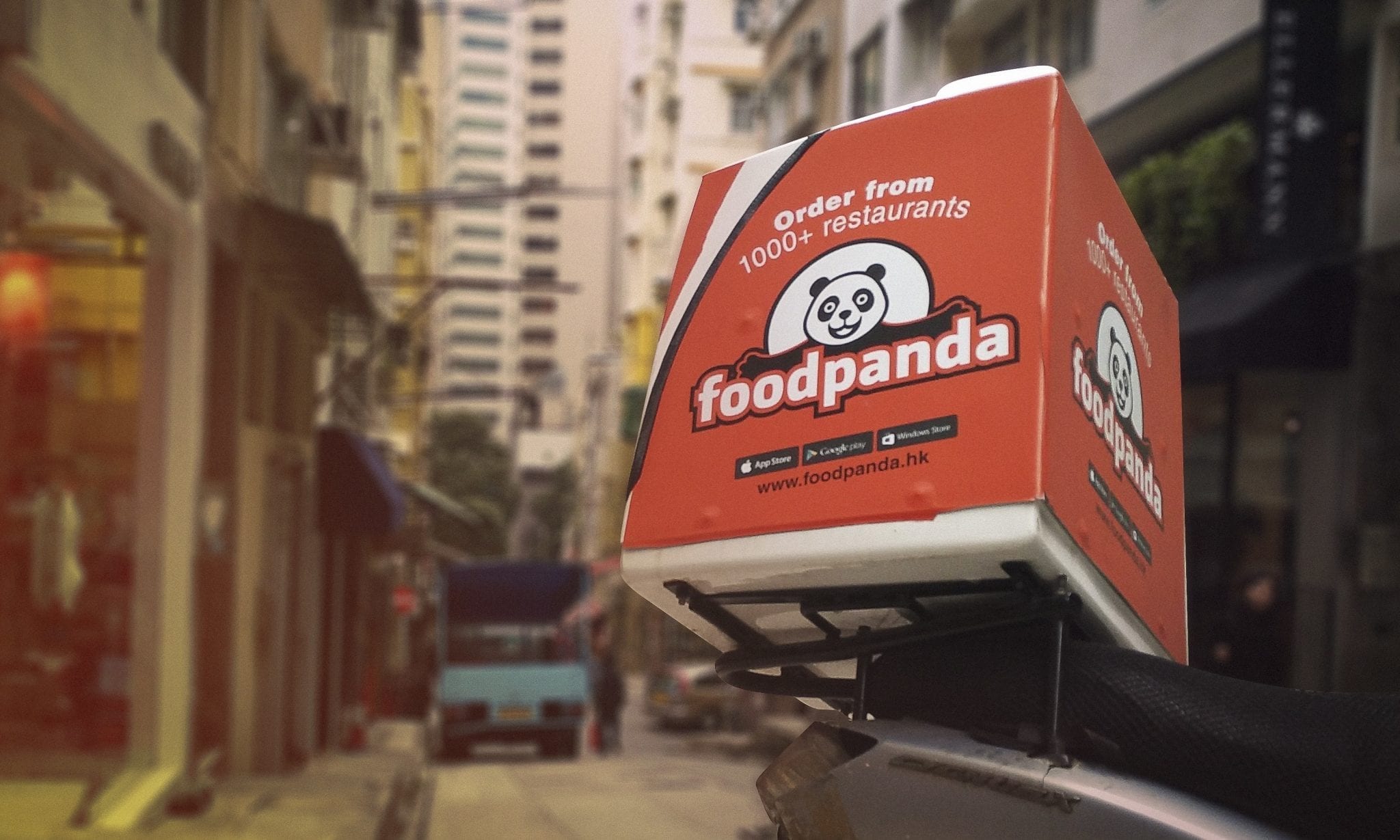
    Country’s top telecom digital services provider, Telenor Pakistan, and the country’s leading food delivery service, foodpanda, have announced collaboration in three key areas namely marketing, operations, and cash management with an aim to offer exclusive discounts to their mutual customers in Karachi, Hyderabad, and other cities in the southern region.

    A Memorandum of Understanding (MoU) was signed between Telenor Pakistan and foodpanda in Hyderabad at the latter’s corporate launch event in the city. As part of the agreement, Telenor subscribers in Karachi, Hyderabad, and Quetta who are first-time foodpanda users will be offered exclusive discount vouchers for their food delivery orders.

    Telenor Pakistan will also distribute discount vouchers at its franchises and retail outlets in these locations with the sale of every new Telenor 4G SIM, Wingle & MiFi device, as well as SIM upgrade to 3G/4G.  In order to bring the benefit of the partnership, an awareness campaign will be launched with foodpanda advertising to Telenor customers on its own channels including website, mobile app and blog and Telenor reaching out to its subscriber base through SMS broadcast.

    “We remain the primary digital lifestyle partner of millions of Pakistanis and want to facilitate them in the most innovative of ways,” said Umair Mohsin, VP Circle South, Telenor Pakistan, during the MOU signing ceremony. “By forging such associations as the one with foodpanda, we aim to bring ease and excitement to everyday lives of our customers and help them take maximum advantage of their smartphones and super-fast Telenor data network.”

    “We are pleased to have partnered with Telenor Pakistan for promotion of foodpanda services,” said Noman Sikander Mirza, Country Manager, foodpanda. “At foodpanda Pakistan, we continually aim to serve our customers better and expand our food delivery network. We hope that Telenor Pakistan customers will find the exclusive discount offers exciting and enjoy using our food delivery services.”

    Presently, over 1,000 foodpanda riders and restaurants are connected with Telenor Pakistan network with the two partners aiming to connect an additional 5,000 riders and restaurants in the next few months. Moreover, the partnership envisions utilization of TelenorPakistan’s transformative digital financial services assets such as Easypaisa and QR Code technology for collection of cash from riders and customers in the future.

  • aCommerce Launches BrandIQ to Help Brands grow sales

    aCommerce Launches BrandIQ to Help Brands grow sales

    Southeast Asia’s leading brand ecommerce enabler, aCommerce, introduces BrandIQ, the company’s new ecommerce measurement and analytics suite. BrandIQ will enable brands to understand and visualize more than 11 million SKUs across 600 brands and 160,000 sellers online across Southeast Asia, enabling global consumer brands and retailers to grow online sales and market share.

    BrandIQ is envisioned to provide brands in Southeast Asia with measurable data and actionable insights for their online commerce strategy. Using sophisticated ecommerce data collection and proprietary machine learning technologies, BrandIQ will empower brands to monitor online merchandise, analyze competitors, offer better promotions, understand consumer sentiments, and improve the overall ecommerce experience.

    “We are now entering an era where usage of survey data is not sufficient to succeed in Southeast Asia’s growing ecommerce landscape,” said Poonpat Wattanavinit, Regional Director of Product, aCommerce. “BrandIQ is a new technology platform that collects data from all the leading online marketplaces to offer brands real-time insights. Through BrandIQ, brands will be able to benchmark their own performance on marketplaces over time as well as compare against competitors in terms of online sales and share of digital shelf.”

    As part of the launch, BrandIQ is also rolling out additional services to help brands and consumers engage in a more meaningful and personal way. Brands can now discover brand advocates and generate authentic product reviews, reward and retain them, and grow brand advocacy at scale.

    “For the last five years, aCommerce has helped brands in Southeast Asia overcome ecommerce challenges, including physical infrastructure and distribution barriers,” added Phensiri Sathianvongnusar, Chief Executive Officer, aCommerce Thailand. “Throughout these years, we saw that data and information is incredibly important to operate a business. The launch of BrandIQ comes naturally as a stepping stone for aCommerce to utilize data and further advance the success of our brands, along with the right tools, teams, and mindset throughout their ecommerce journey.”

    BrandIQ kicked off its pilot operations in Thailand last year and since then has expanded its presence across the Southeast Asian region covering six countries, Indonesia, Malaysia, Philippines, Singapore, Thailand, and Vietnam. BrandIQ will continue to expand the service to other Southeast Asian countries and marketplaces as the ecommerce space continues to grow throughout the region.