Tag: ecommerce

  • Shopee Sellers in China to use DHL to Delivery across Thailand

    Shopee Sellers in China to use DHL to Delivery across Thailand

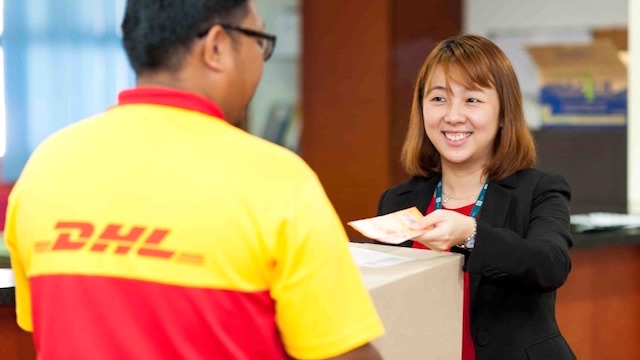
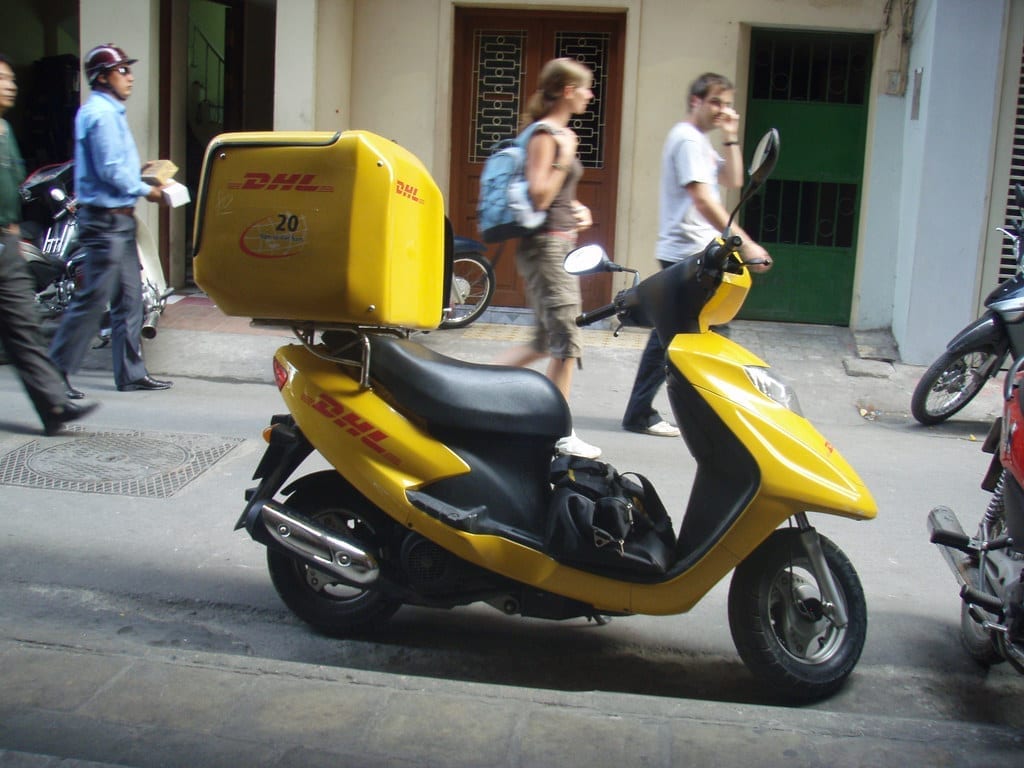
    DHL eCommerce, a division of logistics company, Deutsche Post DHL Group (DPDHL), has announced a partnership in China with Shopee, a leading e-commerce platform in Southeast Asia and Taiwan. The partnership enables sellers in China to access consumers nationwide in Thailand, with an expansion of the partnership to other Southeast Asian markets in the pipeline. According to Statista, the e-commerce gross merchandise revenue in Thailand will exceed US$5 billion by 2022, making it the second largest e-commerce market in Southeast Asia.

    “Direct selling to overseas consumers has never been easier and has become a key growth driver for many businesses, with e-commerce as an easy platform to enable international expansion. With logistics as a key enabler for cross-border retailing, we want to empower our customers to tap into this huge growth opportunity,” says Zhi Zheng, Managing Director, DHL eCommerce Greater China & North Asia.

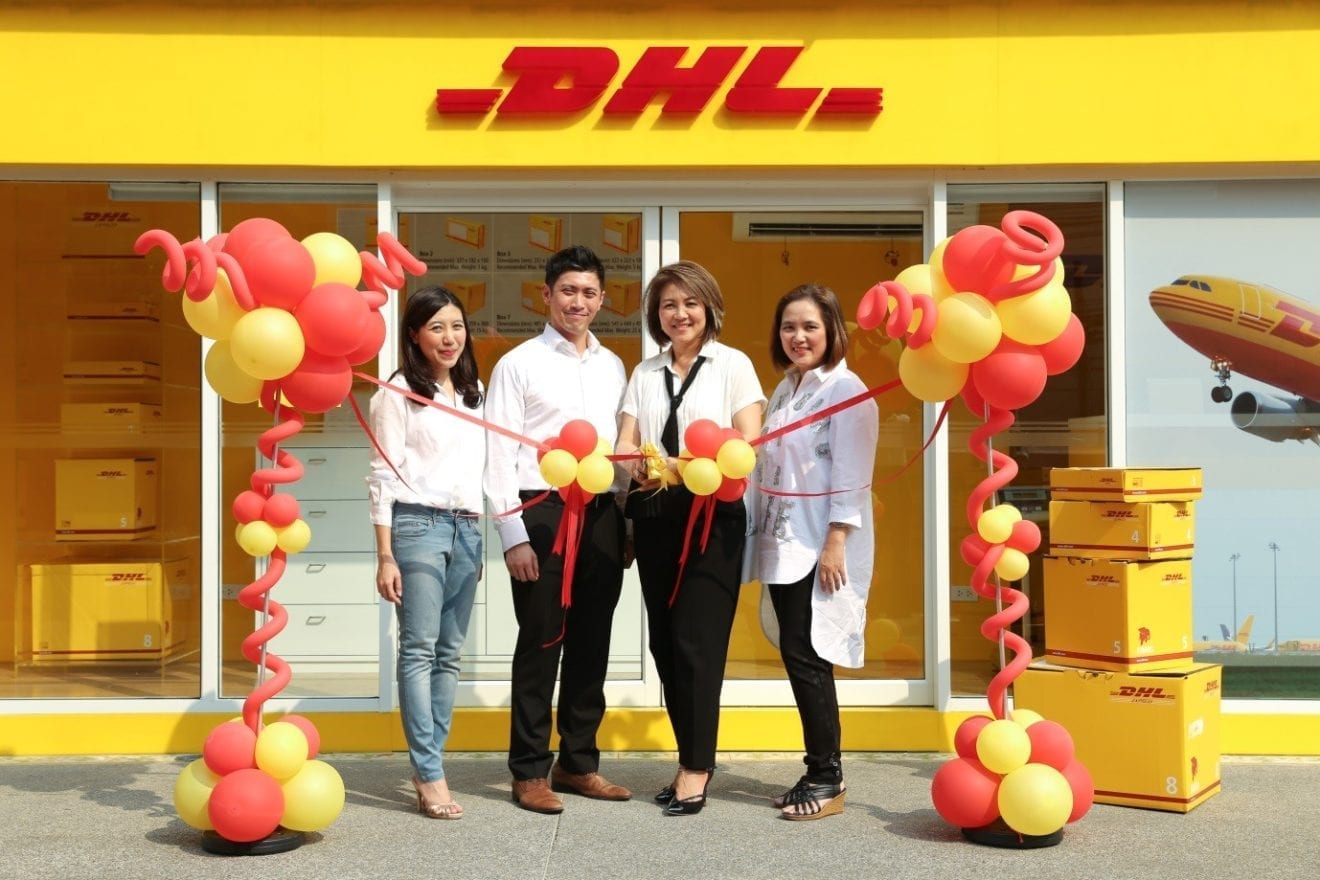
    “Over the past few years, we have witnessed extremely strong growth of B2C parcels from China, mainly powered by e-commerce. We are pleased to partner Shopee to enable Chinese sellers to easily sell and deliver in Thailand, whether it’s doorstep delivery or for consumers to collect their orders from our growing network of easily accessible ServicePoints — which is set to reach over 1,000 in Thailand by end-2018.”

    With DHL eCommerce integrated on Shopee in China, sellers can easily sell and deliver on one single platform and keep track of all shipments directly on the app.

    “In recent years, we have witnessed the rapid development of Southeast Asia’s e-commerce market, and a growing number of Chinese brands and sellers are staking a claim in this e-commerce goldmine. However, the geographical complexity of this region has created some logistical challenges. As a leading e-commerce platform in Southeast Asia, Shopee has built its Shopee Logistics Servcies (SLS), a highly efficient logistics delivery network that links China with Southeast Asia. We are delighted to work with DHL, the world’s leading logistics service provider, to grow SLS from strength to strength. Our collaboration will make Shopee the e-commerce platform of choice for cross-border sellers in China who aspire to sell into Southeast Asia,” said Jianghong Liu, Head of Shopee Cross Border eCommerce.

    Currently, Shopee’s SLS is operational in seven markets in Southeast Asia and Taiwan. With shipping costs 20% to 30% lower than typical market rates and better transit times, SLS makes cross border logistics a breeze for Chinese sellers. The collaboration between Shopee and DHL eCommerce will further enhance the capabilities of SLS. DHL will provide Shopee sellers with door-to-door logistics services, ensuring products will reach consumers in Thailand safely and quickly.

  • Jessica Jung to Launch an Exclusive Bag Collection with Zalora

    Jessica Jung to Launch an Exclusive Bag Collection with Zalora

    Online fashion retailer Zalora is partnering with Blanc & Eclare by Korean-American singer and fashion icon Jessica Jung. The collaboration will involve a limited edition bag collection that will be available exclusively on the Zalora website and mobile app across Southeast Asia. It is Blanc & Eclare’s first bag product.

    The “Poppy” bag reflects Jessica Jung’s understated design aesthetic featuring subtle unexpected elements.

    Zalora’s CCO Saskia De Jongh said that as one of the region’s most fashionable and successful multi-hyphenated celebrities, Jessica’s style is admired across the world, and Zalora is proud to give fashion consumers in the region a piece of Jessica’s most coveted fashion must-haves.

    “This collection is a testament to Jessica’s position as a formidable curator of style as she brought her modern interpretation of a classic bag design.”

    Jung said of the collaboration: “I’ve always believed in the power of social media and technology to bring fashion closer to everyone. Zalora has transformed how people shop fashion in their part of the world, and we at Blanc & Eclare are fortunate to have the opportunity to reach consumers and fans across the region and offer them a beautiful and practical bag collection through our partnership with Zalora.”

    The exclusive collection will be available on all Zalora websites and app from October 26.

  • Worldpay launches new cross-border payment options

    Worldpay launches new cross-border payment options

    UK-based Worldpay has introduced new payment solutions aimed at providing eCommerce businesses with more choices to disburse funds to partners and customers and across country borders.

    Worldpay’s dynamic payment solutions combine the enhanced Worldpay Bankout solution, which now delivers 154 direct bank disbursement destinations (up from 65), and Worldpay FastAccess – enabled by Visa Direct.

    With these payment options, partners and customers need no longer wait for days to receive funds or refunds as they now can obtain them via card in near real-time – through a mobile wallet or directly to a local bank account.

    Bankout is targeted at businesses needing to make a large number of global payments to – or on behalf of – their customers and suppliers. With 89 new local markets, Worldpay now provides seamless cross-border payouts for businesses in local currencies without the expense of making multiple international bank transfers.

    Dynamic payouts allow businesses to make faster, seamless card-based payouts in near-real time within a maximum of 30 minutes. Building on its launch in the United States last year, FastAccess is now available to Worldpay customers in over 50 new markets across Europe and Asia.

    The new payment solutions are targeted at wide range of industries. For example, travel and tourism companies and marketplaces can pay out funds to accommodation vendors or disbursements to travellers in a variety of countries and currencies; gaming businesses can provide near-instant payouts to customers; insurance companies can save costs by replacing local checks with bank transfers; and marketplaces can allow independent sellers to retrieve funds more quickly.

  • Tmall and L’Oréal China Deepen Partnership

    Tmall and L’Oréal China Deepen Partnership

    Alibaba Group’s Tmall, and L’Oréal China said today they’ll work closely together to find new ways for the beauty group to tap into the Chinese market, leveraging data-driven consumer analytics and a new value chain that better connects consumers, products and channels.

    Tmall Innovation Center (TMIC), the retail innovation arm of Tmall, will work closely with L’Oréal China to catalyze the consumer-to-business (C2B) approach, based on insights and trends generated from the 600 million-plus customer base across Alibaba’s marketplaces.

    “We have been very happy to ride the wave of the digital transformation together with Alibaba Group’s Tmall. As the number-one beauty company in the China market, L’Oréal China will continue to deepen collaboration with innovation partners locally to unleash the value of data insights and create value for our consumers,” said Stéphane Rinderknech, CEO of L’Oréal China. “With our ‘Beauty for All’ mission and consumer centric strategy, our ultimate goal is to bring personalized products, services and experiences to each and every Chinese consumer.”

    The partnership’s first initiative will focus on China’s male-grooming industry. According to a white paper co-developed by TMIC and L’Oréal China Consumer Intelligence Team, online sales of men’s grooming products have increased by more than 50% in each of the past two years. In the past year, 62% of the male consumer pool between the ages of 15 and 50 said they used male-specific facial skincare products, showing a massive addressable market for male grooming products.

    “With Tmall’s unparalleled customer insight, we are committed to helping L’Oréal China offer its customers best-in-class personalized product experiences. Tmall has transformed product development in every area, from product innovation and brand building to consumer assets and channel management. We help brands discover new demand and markets as well as offer completely new customer experiences,” said Jet Jing, President of Tmall.

    TMIC and L’Oréal China precisely identify five profile groups of customers with specific preferences, such as those who go for men-only personal care products; those who need a full range of products and those only seeking face, hair and basic products.

    Based on the findings of the white paper, L’Oréal China and Tmall will co-host a consumer-oriented marketing campaign, “Super U Carnival,” both online and offline from September 25-30. Male consumers will be able to discover suitable grooming products with the help of data insights. At a pop-up store in Hangzhou, five immersive show rooms are tailored to customers’ unique styles and preferences.

    L’Oreal China is one of the international groups that has benefited from these consumer insights generated by TMIC. Established in April 2017, TMIC’s mission is to

    help brands explore new ways to tap into the Chinese market by using precise market analysis, real-time consumer insights and test models. Including L’Oreal China, TMIC has already collaborated with 62 companies.

    Earlier this week, L’Oréal China launched House99 flagship store on Tmall, together with David Beckham, the founder of House99. A full range of high-end male grooming products, including skin and body care, hair and shaving products, are now available on House 99’s Tmall store.

  • Some of Amazon’s brand-new Mercedes delivery vans are facing mechanical failures

    Some of Amazon’s brand-new Mercedes delivery vans are facing mechanical failures

    Mercedes-Benz has identified a power-steering problem plaguing its highly touted Sprinter vans. The cause of the problem is a fluid leak that can make it difficult to turn the wheel of the vehicle, a Mercedes-Benz spokeswoman, Catherine Gebhardt. It has affected Amazon, which recently became Daimler AG’s biggest buyer of Mercedes-Benz Sprinter vans with an order of 20,000 vehicles — up from a previous order of 5,000 — for its growing last-mile-delivery program. The program enables courier companies to lease the vans, which are emblazoned with the Prime logo, for Amazon package deliveries.

    One Amazon delivery service provider has encountered the power-steering problem in about a quarter of the 40 Mercedes-Benz vans that the company received at a delivery station in early September, according to an employee of the company, who asked to remain anonymous. This person said Mercedes-Benz had since repaired the affected vehicles.

    Mercedes-Benz notified Amazon’s delivery service partners of the issue on September 18 and asked them to schedule an on-site inspection of the power-steering system with their local Mercedes-Benz dealer, Gebhardt said.

    “This is being done as a proactive measure to minimize downtime,” she said, adding that the vehicles can still be driven safely in the event of a leak.

    “If there is a leak in the power-steering system, the power assist (especially at a standstill) may be greatly reduced,” Gebhardt said. “When driving at slow speeds it will require some additional steering effort, but again, the van can still be controlled.”

    It’s likely that other Mercedes-Benz Sprinter customers in addition to Amazon have been affected by the issue. Mercedes-Benz declined to comment on other customers and on how many vehicles have been impaired by the power-steering issue overall.

    Amazon announced its bulk order of the Prime-branded vans at a joint press conference with Mercedes-Benz in September celebrating the opening of the automaker’s new factory in North Charleston, South Carolina, which specializes in making Sprinter vans.

    The vans can be leased to Amazon’s existing delivery service partners, some of which have worked for Amazon since 2015, as well as partners that have been recruited through the new program.

  • New crypto-exchange lets you convert Singapore, Malaysia, Indonesia currencies

    New crypto-exchange lets you convert Singapore, Malaysia, Indonesia currencies

    Singapore-based fiat-crypto exchange EurekaPro, led by a team consisting of Junus Eu, Douglas Gan and Lau Kin-Wai, today announced its entry into the Southeast Asian blockchain market. EurekaPro offers Asian-wide fiat-to-cryptocurrency support, allowing holders of the Singapore dollar, Malaysian ringgit, Indonesian rupiah, and other Asian fiat currencies to transact on the EurekaPro exchange.

    EurekaPro has already launched an open public beta, in which over 8,000 users have signed up in its first week.

    Eu, the exchange’s CEO, was previously the investment manager of zVentures, the venture capital arm of US- and Singapore-based gaming hardware and software firm Razer. Before that, she was an investment manager at VC firm Jafco Asia.

    On the other hand, Gan and Lau co-founded iFashion, a holding firm that invests in various fashion ecommerce sites. Gan also started beauty services marketplace Vanitee and subscription ecommerce business Vanity Trove. Lau set up FatFish Internet Group, a startup accelerator.

  • Alibaba’s Jack Ma opens tech institute in Indonesia

    Alibaba’s Jack Ma opens tech institute in Indonesia

    Jack Ma, executive chairman of China’s Alibaba Group Holding, plans to open an institute to train thousands of tech entrepreneurs in Indonesia, where he is already an adviser to the government on e-commerce.

    Ma did not say when the Jack Ma Institute of Entrepreneurs would launch, but said the aim was to train 1,000 tech leaders a year over the next 10 years.

    “We’re giving a lot of opportunities for young Indonesian people to learn,” Ma said after meeting Indonesian ministers on the sidelines of the International Monetary Fund and World Bank meetings being hosted by Indonesia.

    The co-founder of Alibaba, China’s biggest e-commerce firm, said it is important for Indonesia to invest in human capital because “only when people improve, when people’s minds change, when people’s skills improve, then we can enter the digital period”.

    Indonesia has a shortage of trained engineers in technology and the institute will also train hundreds of developers and engineers on cloud computing to help make Indonesian businesses more digital-savvy.

    The country is a key market for Alibaba, whose cloud computing arm Alibaba Cloud launched a data center in Indonesia in March.

    Ma said his company would continue to invest “not only on e-commerce, but also cloud computing, logistics and…infrastructure” in Indonesia, while also helping local businesses to grow.

    Indonesian Communications Minister Rudiantara stated last month that Indonesia was partnering with Ma to look into ways to harness Alibaba’s businesses to increase its exports, particularly to China.

    McKinsey estimated in a report released on Aug. 30 that the value of Indonesia’s e-commerce market will surge to at least $55 billion (£42 billion) by 2022 from $8 billion in 2017.

    Last week, Ma told a panel discussion at the IMF and World Bank meetings that “the internet is designed for developing countries”, with “great opportunities in Africa” also.

  • Paytm Mall sees 3X jump in transactions during festive sale

    Paytm Mall sees 3X jump in transactions during festive sale

    E-commerce platform Paytm Mall said it has seen a three-fold jump in transactions during the first four days of its festive sale, driven by categories like mobile phones, laptops and groceries.

    According to a report: Paytm Mall claimed that its platform has already received 50 million visitors this month and the increased traffic has contributed to higher sale for the Alibaba and SoftBank-backed entity.

    “We have received an overwhelming response…with over 50 million visitors coming to the platform. Categories such as mobile phones, laptops, appliances, consumer electronics and groceries continue to be hugely popular among the buyers,” Srinivas Mothey, Vice President, Paytm Mall said.

    He added that the platform has witnessed over 30 percent increase in the gross merchandise value (GMV) during the first four days of the sale (October 9-12).

    “Interestingly, during this sale we have also seen a lot of buyers coming from tier II and III cities who are first time buyers…EMI and bank offers have helped in 3X growth in transactions during the sale period,” Mothey said.

    Paytm Mall said it has partnered with leading brands and will jointly invest upwards of Rs 250 crore in cashback, Paytm Gold and other offers during its festive sale.

    Paytm Mall’s larger rivals Flipkart and Amazon India have been exchanging warring words and both have claimed they are ahead of the other, helped by record-breaking sales across categories like smartphones, large appliances and apparel during their annual festive sale.

    According to RedSeer Consulting, e-commerce companies in India have achieved US$ 1.5 billion (Rs 11,085 crore) in the first 2.5 days of the festive sale — led by sale of 4.6 million units of smartphones (translating into US$ 800 million), large appliances (US$ 170 million) and fashion (US$ 120 million).

    It added that the industry is on track to reach the US$ 3 billion-mark — twice that of last year — by the end of the five-day festive period. Players like Flipkart, Amazon India, Paytm Mall and ShopClues have lined up attractive offers and discounts across categories to woo customers.

  • UPS Expands My Choice Service in Asia to Facilitate Intensifying E-commerce Demand

    UPS Expands My Choice Service in Asia to Facilitate Intensifying E-commerce Demand

    Today announced the global expansion of UPS My Choice service to 96 additional countries and territories, bringing the total to 112 served. With the entrance into countries and regions in Asia Pacific, Africa, the Indian Subcontinent, Caribbean and Central and South America, Middle East and Oceania, and an expansion in Europe, this package-delivery management service has the ability to help more busy consumers and consignees around the world to track, schedule, and redirect their packages—just in time for the peak holiday shipping season.

    In Asia Pacific, UPS My Choice will be introduced in 13 markets, including Australia, China, Japan, Malaysia, Philippines, Singapore, South Korea, Taiwan, Thailand, and Vietnam. This expansion, the largest since the service was launched seven years ago, comes as membership in UPS My Choice crosses the 52 million-member mark worldwide. This combination of scale and geography provides shippers a distinct advantage as cross-border shopping increases.

    Every UPS My Choice user will have access to e-mail and text notifications that a delivery is on its way, a day before delivery alert and a delivery notification. In countries and territories where technology allows delivery change options, users can route packages to another address, opt to hold the delivery or reschedule for delivery on another day.

    The expansion, which takes UPS My Choice service far beyond the original 16-country-and-territory footprint, comes in two phases: The first brought the service to 48 additional locations worldwide over the summer. Phase two, which includes another 48 countries and territories, begins this month.

    This service expansion is reflective of the impact e-commerce is having on global and intra-Asia trade. According to the 2018 global UPS Pulse of the Online Shopper™ study, consumers in Asia are increasingly shopping beyond their own borders to buy from overseas retailers, with 55 percent of respondents indicating that they had made one or more international e-commerce purchases within the three months prior to the survey. Among those, 77 percent were purchased from retailers based in Asia.

    “While UPS has offered package tracking for more than a quarter of a century, we know that consumers today expect even more flexibility, control and convenience,” said Ross McCullough, President, UPS Asia Pacific Region. “The expansion of UPS My Choice into Asia, and other regions of the world, will equip both shippers and consumers with the tools they need to keep businesses and personal schedules running more smoothly, leading to a happier and easier transaction for everyone involved. With a new member signing up for UPS My Choice every four seconds, it’s easy to see that the benefits are valuable to online shoppers.”

  • E-commerce majors see strong growth in apparel, large appliances as festive sale kicks off

    E-commerce majors see strong growth in apparel, large appliances as festive sale kicks off

    E-commerce giants Flipkart and Amazon India have seen a strong start to their festive sale with categories like apparel and large appliances driving record transactions and new customers coming on board.

    According to a PTI report: These companies have put in months of preparation in ramping up selection, setting up warehouses and strengthening delivery network ahead of the festive sale to ensure a smooth shopping experience for customers, with demand being much higher than on non-festive days.

    Players like Flipkart, Amazon India and Paytm Mall kick-started their festive sale from October 10 that will continue for the next 5-6 days. More offers are expected to be rolled out over the next many days leading up to Diwali.

    “The scale of Big Billion Days (festive sale of Flipkart) has only grown with each passing year and this year too, we expect the trend to continue. While each category sees manifold growth, we expect smartphones, large appliances and apparel to be phenomenally big categories,” Kalyan Krishnamurthy, CEO, Flipkart said.

    He, however, declined to comment on the volume of business expected to be generated, saying “its early to speculate as the growth always end up surprising us”.

    Amit Agarwal, Senior Vice President and Country Head at Amazon India, said the first day of the Great Indian Festival 2018 has been the biggest day ever with record-breaking sales across categories.

    “We are off to a great start and have seen phenomenal numbers during early access and first day that is still on. Three out of four phones sold in the country were on our platform. We saw record sales in large appliances category like TVs, washing machines and refrigerators,” he said, adding that there has been 2.7X growth in number of new customers shopping on Amazon.in compared to previous year’s Diwali.

    Agarwal said Xiaomi, on its platform, sold more than a million devices in a day, while OnePlus has seen record bookings worth Rs 400 crore.

    “More customers bought fashion products than any other, as Amazon fashion saw its biggest day ever more than doubling its growth over last year,” he further said.

    About 20 million people are expected to shop on various e-commerce platforms during the festive sale, translating into sales of around US$ 3 billion for players like Amazon and Flipkart, according to a report by research firm RedSeer.

    The report states that the share of items like electronics and furniture during the sale could be higher this year due to various affordability initiatives being undertaken by the e-commerce players. Mobile phones currently account for a lion’s share of sales on the two leading e-commerce platforms.

  • Foreigners Dominate the E-commerce market in Philippines

    Foreigners Dominate the E-commerce market in Philippines

    Local players in the Philippine e-marketplace reach more Filipinos in terms of social media activity. However, they struggle to establish a stronghold in terms of actual selling activity as international players are still the preferred choice for most Filipinos. It comes as a surprise that only a few international players dominate the country’s e-marketplace traffic activity.

    Based on Kuala Lumpur-based iPrice Group’s Map of eCommerce in the Philippines during the second quarter of 2018, there were more local active players.

    However, international players fueled market activity. In fact, the share of foreign players in the overall traffic accounted for 93 percent of the overall e-marketplace activity. Local players, on the other hand, only led in social media activity as they accounted for 75 percent of e-commerce activity from Facebook, Instagram and Twitter platforms.

    Foreign players

    There were only eight foreign players engaged in e-commerce traffic in the Philippines: Lazada, Shopee, Zalora, eBay, Sephora, Sophie Paris, My Sale and Melissa Philippines. Of these eight players, Lazada, Shopee, Zalora and eBay were the top four most visited e-marketplaces in the country. Of the four, Lazada had a dominant 68-percent market share, at least triple the size of its closest competitor, Shopee.

    This trend is unique to the Philippine market because in its regional counterparts Malaysia, Vietnam and Thailand, foreign players have less than half of the overall e-marketplace traffic activity with 45, 20 and 47 percent, respectively.

    For Indonesia and Singapore, local players Tokopedia and Qoo10 were the most visited e-marketplaces. The reason behind the dominance of international players in the Philippine e-marketplace was traced to the Filipinos’ online shopping preference that is mainly based on brand familiarity.

    In fact, according to a Kantar Worldpanel survey, 84 percent of Filipinos (out of 3,000 household surveyed) preferred to buy from established companies despite the alternatives available in the market.

    This specific Filipino consumer behavior affected the local e-commerce players as majority of them have just started operating in the e-marketplace.

    Another factor that influenced the dominance of international players in the Philippine e-marketplace was that majority of big local brick-and-mortar companies such as SM and Ayala malls were amplifying their online presence with e-marketplace partnerships with the more established players such as Lazada and Zalora instead of creating their own e-marketplaces.

    Meanwhile, the government’s project—road map of e-commerce—is mostly tied with international e-marketplaces wherein local brick-and-mortal companies and brands as well as MSMEs are encouraged to sell.

    More pressure

    While this will result in more customers and more jobs especially for MSMEs, it is putting pressure on the local players.

    The most visited local e-marketplace in the country is BeautyMNL, placing fifth overall with less than a million traffic. Meanwhile, Kimstore, a tech marketplace, placed ninth.

    The general e-marketplaces—Galleon, O Shopping and Takatack (which were previously in Q1 2018’s top e-commerce) all fell a notch, placing seventh, eighth and 11th, respectively.

    The only local e-commerce that accelerated in terms of ranking was Argomall as it jumped two notches to sixth in the overall e-commerce ranking.

    Interestingly, the majority of local players experienced inconsistency in traffic as there were occasions of leaps and slips. The e-marketplaces that saw increased traffic were Seek the Unique, Apartment 8 Clothing, Zeus, Straight Forward Clothing, Great Value Plus, Bayan Mall, TV Shop, Mall Hallo Hallo and CesaPH, which on the average rose in ranking by about seven notches.

    E-marketplaces that slipped in traffic were Adobomall, Watch Portal, Goods, Mommy Mundo, Bigmk, Abubot, which on the average declined in ranking by about eight notches.

    Despite the low market penetration and inconsistency in traffic of local players, the majority of local players found their market in social media.

    Overall, the local players dominated Instagram and Twitter as they attracted 70 and 51 percent, respectively, of the e-marketplace social media followers.

    Local marketplace

    The local fashion and beauty e-marketplaces: Apartment 8 Clothing, Sunnies Studios, BeautyMNL, Kimstore and CesaPH topped Instagram placing first, second, fifth, seventh and ninth, respectively.

    Meanwhile, social media activity for Facebook was taken over by international players as their share of social media followers in this platform accounted for 77 percent.

    Filipino consumers are among the most active on social media, spending an average of four hours a day.

    As such, Filipino consumers are highly exposed to brands leveraging their products in social media. Clearly, the popularity of social media is a huge opportunity marketplace for e-commerce and independent merchants alike.

  • Reckitt Benckiser partners up with Shopee to hold “Super Brand Day” event

    Reckitt Benckiser partners up with Shopee to hold “Super Brand Day” event

    Reckitt Benckiser and Shopee have joined hands organizing the ‘Super Brand Day’ event, offering up-to-70% discounts on products from 10 famous brands, including Enfagrow, Durex, Dettol, Veet, Scholl, Finish, Vanish, Airwick, Shieldtox, and Brasso. The promotion also includes 10% cashback and Apple iPad giveaway (worth 11,290THB) for the top spender. The campaign, which will be held under the concept “Healthier Lives, Happier Homes,” will be live from 3rd – 9th October 2018.

    Mr. Faraz Siddiqui, E-Commerce Director, Marketplace, of Reckitt Benckiser Healthcare Manufacturing (Thailand) Co., Ltd., stated that Reckitt Benckiser, the world’s leading manufacturer and distributor of consumer and health products, has partnered up with Shopee, the leading eCommerce marketplace in Southeast Asia and Taiwan, to introduce the campaign “Super Brand Day” which includes more than 10 leading brands such as Enfagrow, Durex, Dettol, Veet and Scholl listed online with up-to 70% discounts, 10% cashback, and a chance to win an Apple iPad as a biz price for the top spender. Moreover, the campaign includes getting free shipping for all orders to fit the lifestyle of new-generation online shoppers.

    Mr. Siwakorn Siriwongpanupong, Business Development Division Chief of Shopee (Thailand) Co. Ltd., said, “Shopee is delighted to be a partner of Reckitt Benckiser to launch the Super Brand Day campaign. This collaboration brings online shopping experience to a whole new level by transforming the whole Shopee application into Reckitt Benckiser’s theme for 24 hours on the 9th of October. Special promotions and deals will the available to users through Reckitt Benckiser official shops in Shopee Mall.We believe this partnership will truly enhance the online shopping experience for Thai shoppers.”

    Additionally, Reckitt Benckiser has teamed up with the leading e-commerce provider, N-SQUARED eCommerce Co. Ltd., led by Nuttapon Boonpinon, Managing Director, to ensure campaign success and deliver the greatest online shopping experience to customers.

    The Super Brand Day special campaign will be held under the concept of “Healthier Lives, Happier Homes” with discounts up to 70% as a special gift to online shoppers.

    The collaboration strengthens Shopee’s position as the leader of eCommerce marketplaces in Southeast Asia and Taiwan. Shopee’s user-friendly platform, which has amassed more than 23 million app downloads in Thailand, is trusted by consumers as a source of quality products with competitive prices. Numerous worldwide brands have listed their products on Shopee. Reckitt Benckiser’s Super Brand Day, which will be held this 3-9 October, is certainly a remarkable campaign that online shoppers must not miss.

  • DHL eCommerce launches Cash on Delivery for cross border e-commerce

    DHL eCommerce launches Cash on Delivery for cross border e-commerce

    Cash is still king in Southeast Asia, with over 73% of the population still unbanked and inaccessible to e-commerce retailers since they do not have access to credit cards or internet banking services. DHL eCommerce, a division of Deutsche Post DHL Group, today launched its Cross Border Cash-on-Delivery (COD) service to allow consumers to pay for their international purchases in cash and only upon delivery.

    COD is available as a value-added service of the DHL Parcel International Direct product, specifically for sellers based in China and Australia delivering to consumers in Malaysia, Thailand and Vietnam. Collected cash will be remitted to a local bank account at destination (Malaysia, Thailand or Vietnam) or in the billing country (China or Australia) based on the local destination currency. Remittance will be made to sellers every fortnight and tracking visibility of the status of COD is available on the DHL portal.

    “Despite growing credit card adoption in Southeast Asia, the low level of credit card penetration has forced e-commerce retailers to offer alternative modes of payment methods such as cash on delivery, digital payments and in some cases paying in-store. This opens up a huge potential by reaching out to a new group of unbanked consumers and also meeting the needs of consumers who prefer to pay in cash.” said Charles Brewer, CEO, DHL eCommerce.

    “China and Australia are huge e-commerce export markets and our DHL Parcel International Direct product provides a direct entry into high demand markets with excellent transit times of 3-5 business days with economical shipping prices. With our fully-owned domestic delivery network in Malaysia, Thailand and Vietnam, we are able to deliver on-time with secure features like cash-on-delivery.” added Brewer.

    To enable sellers in China and Australia to tap on the cross-border e-commerce opportunity, DHL eCommerce enables economical international shipping with a range of e-commerce features. This includes parcel pick-up service; easy IT integration of the seller’s inventory into the DHL shipping process, end-to-end tracking, dynamic routing and distribution, returns management, etc.

    DHL eCommerce is part of Deutsche Post DHL Group, established in 2014 as part of the Group’s growing focus in e-commerce logistics solutions. Along with its sister divisions DHL Express, DHL Supply Chain and DHL Global Forwarding, the Group offers end-to-end solutions for e-commerce retailers.

  • Thailand Magento ecosystem in the making: Presenting Meet Magento Asia 2018

    Thailand Magento ecosystem in the making: Presenting Meet Magento Asia 2018

    E-commerce in Southeast Asia is making great strides to innovate with more technologies available and better infrastructure being put into place. Merchants, e-commerce technologists, marketing and technology agencies, and logistics companies are all part of the e-commerce ecosystem, but until recently there was no central platform or event designed to bring them together to exchange insights and value across industries. Fortunately, there’s an event to assemble the e-commerce community to collaborate and innovate. Meet Magento, with over 40 events a year and previously been held in over 24 countries, is the premier global conference for e-commerce professionals around the world.

    The first regional e-commerce event will be held in Bangkok on November 8th, 2018. This will be the event’s first opening in Asia, organised by SmartOSC, A Leading Ecommerce Solution Provider in Asia. According to research firm Statistica’s report, Thailand is one of the most important contributor to the growth of e-commerce in the region, with total revenue amounts to US$3,648m in 2018. The market is expected to show an annual growth rate of 13.3%, resulting in a market volume of over 6 billion US dollar by 2022. This is a huge opportunity for Thai business to grow their online presence. However, at the same time it is a threat as the market will be highly competitive with interest from international online retailers and marketplaces.

    This year’s Meet Magento Asia will cover a wide range of topics from omnichannel strategy, B2B online commerce, optimization strategy, payment, and many more. Online shopping has permeated modern culture. With e-commerce becoming an integral part of everyone’s daily lives, much of this year’s event will focus oncustomer experience, highlighting new technologies and marketing methods, best practices, optimizing customer engagement and lifetime value.

    The conference introduced business and technical tracks focused on the needs of the different attendees. Attendees will benefit from Meet Magento’s networking opportunity as well, which connects e-commerce professionals across industries and helps them promote their businesses and expand network. We are expected to welcome speakers from Oglivy, Asus and leading Indonesian retailer Kanmo Group along with top experts from Magento and Adobe. From cutting-edge technology talks, industry leader presentations, and networking, Meet Magento Asia has it all.

    This year, Meet Magento Asia goes further than ever before with its strategic partnerships to build high value for attendees and customers alike, including Magento technology partners Emarsys, InSync and Rackspace. The conference will bring the best and the latest to the field, making it a flagship event for online and offline retailers in both B2C and B2B commerce. Attendees can expect to find hundreds of prospective clients, industry experts and solution vendors.

    With the spirit of a community event, Meet Magento Asia organizer is opening the opportunity for everyone to share their expertise and experience. By engaging developers and merchants, the event will be able to gather a unique community which few ecosystems can parallel in terms of value. If you are interested in learning more Meet Magento Asia, please visit asia.meet-magento.com.

  • DHL Enables Unbanked Consumers in SEA to buy online

    DHL Enables Unbanked Consumers in SEA to buy online

    DHL eCommerce, a division of Deutsche Post DHL Group, has launched its Cross Border Cash-on-Delivery (COD) service to allow consumers to pay for their international purchases in cash and only upon delivery.

    In Southeast Asia over 73% of the population are still unbanked and inaccessible to e-commerce retailers since they do not have access to credit cards or internet banking services.

    COD is available as a value-added service of the DHL Parcel International Direct product, specifically for sellers based in China and Australia delivering to consumers in Malaysia, Thailand and Vietnam. Collected cash will be remitted to a local bank account at destination (Malaysia, Thailand or Vietnam) or in the billing country (China or Australia) based on the local destination currency. Remittance will be made to sellers every fortnight and tracking visibility of the status of COD is available on the DHL portal.

    “Despite growing credit card adoption in Southeast Asia, the low level of credit card penetration has forced e-commerce retailers to offer alternative modes of payment methods such as cash on delivery, digital payments and in some cases paying in-store. This opens up a huge potential by reaching out to a new group of unbanked consumers and also meeting the needs of consumers who prefer to pay in cash.” said Charles Brewer, CEO, DHL eCommerce.

    “China and Australia are huge e-commerce export markets and our DHL Parcel International Direct product provides a direct entry into high demand markets with excellent transit times of 3-5 business days with economical shipping prices. With our fully-owned domestic delivery network in Malaysia, Thailand and Vietnam, we are able to deliver on-time with secure features like cash-on-delivery.” added Brewer.

    To enable sellers in China and Australia to tap on the cross-border e-commerce opportunity, DHL eCommerce enables economical international shipping with a range of e-commerce features. This includes parcel pick-up service; easy IT integration of the seller’s inventory into the DHL shipping process, end-to-end tracking, dynamic routing and distribution, returns management, etc.