Tag: ecommerce

  • China’s e-commerce explosion is creating massive cultural change in its rural areas

    China’s e-commerce explosion is creating massive cultural change in its rural areas

    The good leap ahead: China’s lack of big-box shops has allowed the nation to leapfrog the age of brick-and-mortar retail and head straight to on-line ordering. In america, “e-commerce is a desert,” says Jack Ma, cofounder of Alibaba. “In China, it’s turn into the primary course.”

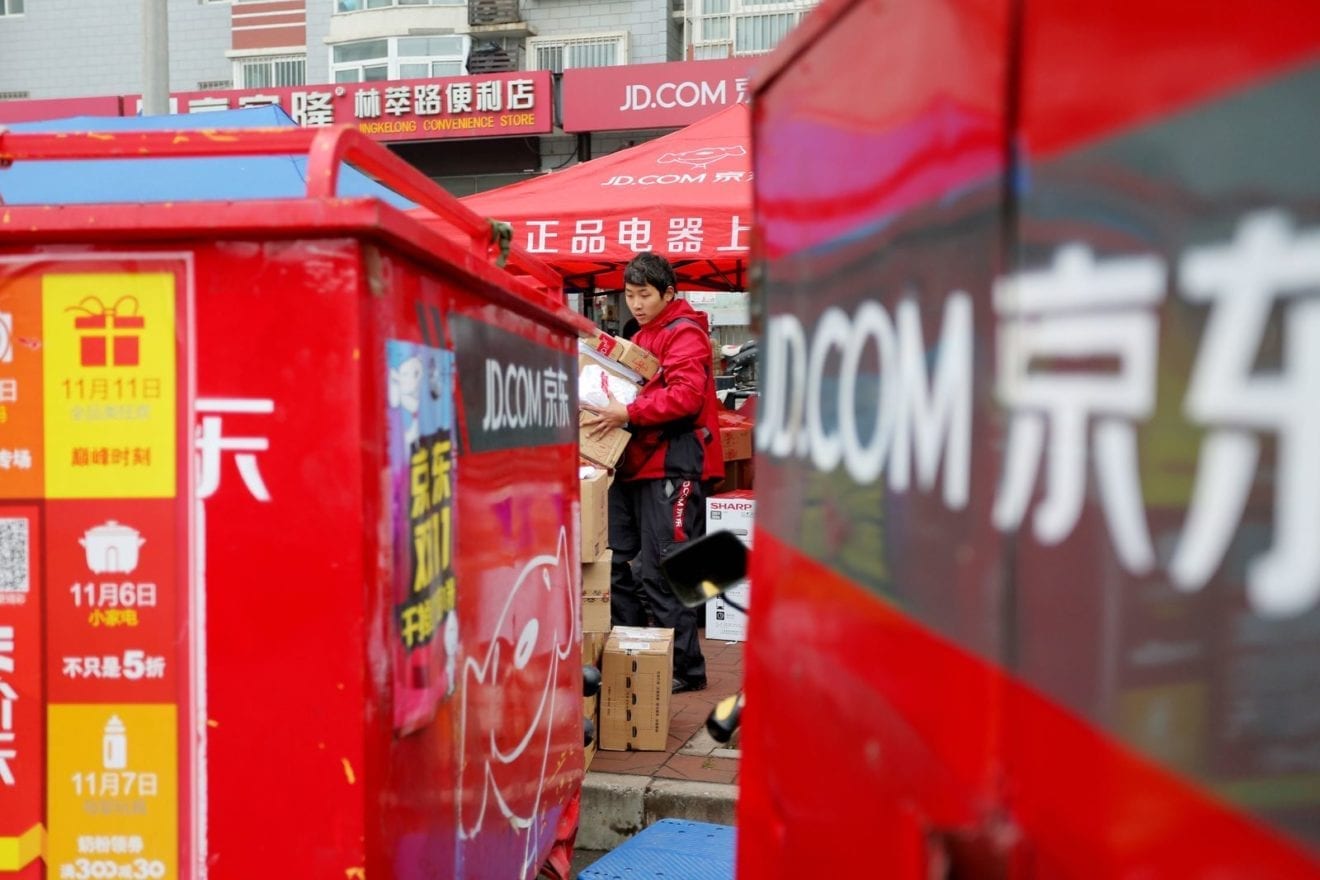
    Reaching all of China: The Chinese language authorities and e-commerce giants like JD.com are investing closely in creating infrastructure to ship to rural areas of the nation. By drawing on locals to supervise deliveries and function model ambassadors, corporations can encourage potential clients to embrace the brand new applied sciences.

    The air supply community: Drones have been key in serving to JD.com get its merchandise to rural clients. Based on the New Yorker, small cities like Zhangwei now get about 4 drone deliveries a day. Demand for drone piloting courses is hovering, too, as folks look to capitalize on the pattern.

    By the numbers: China might need the most important e-commerce market on this planet—twice the dimensions of the US—however lots of of hundreds of thousands of individuals in rural areas aren’t but procuring on-line. As giants like JD.com attain into far-flung areas, that’s altering quick: China’s e-commerce market is predicted to double within the subsequent two years.

  • HIJUP UK debuts at London Eid Festival

    HIJUP UK debuts at London Eid Festival

    Malaysian-owned Hijup UK made its debut in London’s modest fashion scene at the recent London Eid Festival.

    Participating in the year’s largest international modest fashion showcase coincided with the launch of the Hijup UK online store.

    Hijup UK will follow this up with the opening of its first brick-and-mortar concept store and a fleet of mobile stores in London to make modest fashion more accessible to women.

    At the London Eid Festival, the fast-fashion and lifestyle brand showed off its latest collection by Indonesian designers Dian Pelangi, Vivi Zubedi, Jenahara and Ria Miranda and displayed its range of clothing and scarves in mobile stores set up on site.

    Along with its own brands handpicked from popular designers from Indonesia, Malaysia, Australia, the UAE, US and the UK, Hijup UK will be retailing popular and versatile Aidijuma hijabs and luxury modest fashion labels carried by Haute Elan.

    The company says it will adopt the online-to-offline business model in the UK, complementing e-commerce with personal retail experiences in both concept and mobile stores to provide a seamless experience for consumers wherever they are.

    Hijup UK is owned by Hijup, the world’s first Islamic fashion e-commerce and modest fashion brand, and Aidijuma Colors Group of Companies from Malaysia.

    “Hijup UK will be the first modest-retail group to create retail revolution through the online merging offline platform which includes the breakthrough concept of having a mobile store to complement the consumer shopping experience,” said Norjuma Habib Mohamed, founder and CEO of Aidijuma Colors Group, which holds the majority stake in Hijup UK.

    “We have a clear vision and that is to bring fashionable modest wear to women wherever they are, through multiple retail platforms and at competitive prices.

    “There is a growing market for modest wear and we are making it even more accessible and mainstream in more and more markets to cater for the needs of women while developing the brand,” added Norjuma.

  • Stripe enlists Alibaba for ‘smart store’

    Stripe enlists Alibaba for ‘smart store’

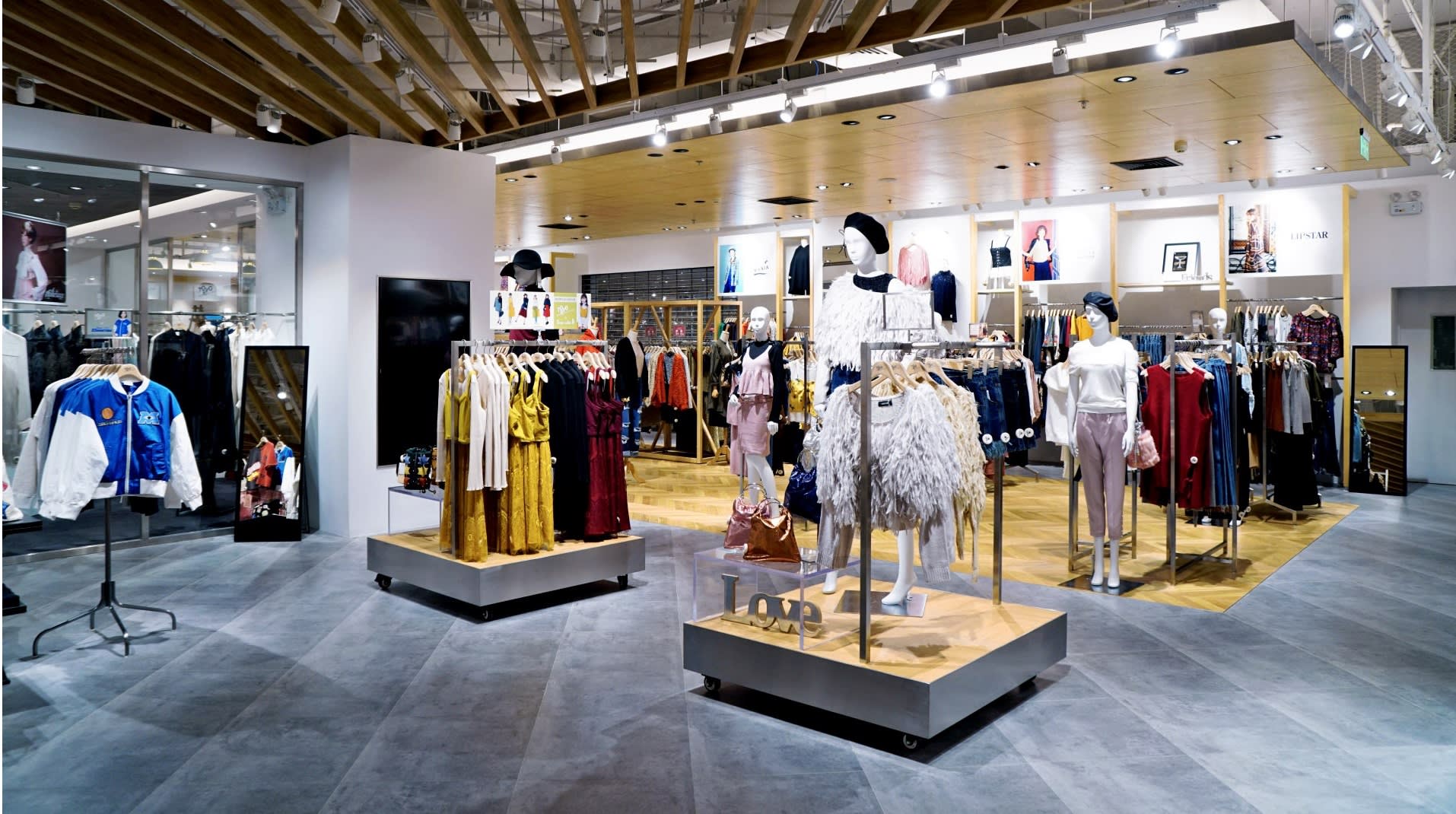
    Japanese clothing chain Stripe is partnering with online retail giant Alibaba to open a “smart store”.

    The 60sqm physical store, stocked with Stripe’s Earth Music & Ecology branded garments, will feature enhanced technologies to use pooled customer data collected from online stores to equip staffers with information about shop visitors. The data, which could potentially include a store visitor’s online purchasing history, could help device-wielding workers make product recommendations and assist a customer in finding garments they are more likely to prefer. Purchases will be made via digital payment services.

    Data collected from the store could influence Stripe’s future product lineup, including information from “smart hangers” that can detect when an item is purchased or just shown interest in. Smart mirrors allow customers to see garments in alternative colours while facial recognition systems will be parsing for gender and age.

    Alibaba’s Tmall digital storefront, combined with its mobile payment platform Alipay, serves 550 million customers annually. The provision of the technology will allow Alibaba a unique opportunity to gather data from the physical retail realm.

    Stripe International, which runs 1400 stores worldwide, is predicting total sales this year of around RMB100 million (US$15 million) from the 20 stores it operates in China.

  • How biometrics improves customer engagement in retail

    How biometrics improves customer engagement in retail

    A new age of identification technologies has arrived, giving physical stores an opportunity to level the playing field with online retailers.

    And identification technologies, such as biometrics in retail, can create deeper customer engagement more in line with an e-commerce experience.

    A recent Walker study found that by 2020, customer experience will overtake price and product as the key brand differentiator. Today’s customers will expect companies to know their individual needs and to personalise the experience to meet those needs. Equally significant: 86 per cent of these consumers are willing to pay more for it.

    Simply put, customer experience is now the new battleground, and every retailer should think about how to jump on the bandwagon sooner rather than later.

    E-commerce has traditionally held an edge over brick-and-mortar stores, with its ability to provide quality digital customer service and personal experience through the use of algorithms.

    An algorithm can easily detect a shopper who prefers white over black, or jeans over skirt, through past browsing and purchasing history. The next time he/she visits the online store, more personalised recommendations can be made accordingly.

    Now, the same function can be replicated across physical stores, and it doesn’t involve the use of any loyalty programs, membership cards or vouchers.

    To start, imagine entering one of your favourite stores and getting a new pair of jeans. If the store can identify you at the point of sale, through biometrics for example, this can then be the gateway to a data and analytics engine. It will enable the store to recall your purchase history and generate predictive analytics on your consumption habits and preferences.

    The store can recommend new stock which has arrived, like a shirt that would go perfectly with the pair of jeans you bought. And it is in black, your favourite colour. As a loyal customer, you receive a personalised recommendation or offer via an email newsletter, prompting you to visit the store again.

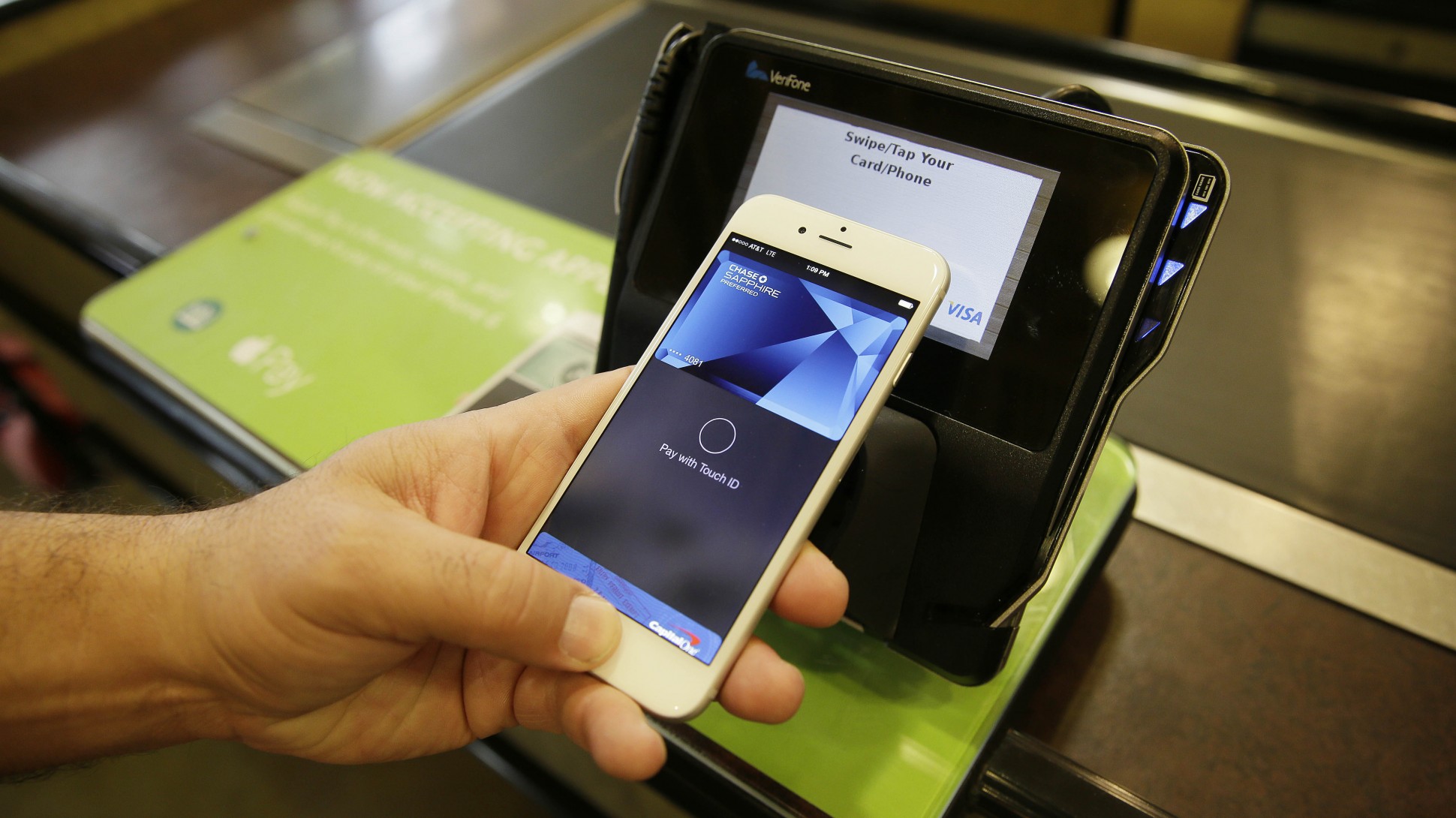
    In traditional cash or card payments, that data would be lost. With more sophisticated identification at the point of transaction, all a customer has to do is to sign up and register their credit cards. When they next transact with that store, restaurant or hotel, the data can be used to create bespoke experiences for that customer. Patterns of behaviour can be identified and digital marketing tactics developed around those insights.

    To top it off, customer-loyalty program entitlements are also applied automatically at every interaction and the customer is notified of the loyalty benefits or credit card promotional offers.

    This eliminates the need for an additional membership card or voucher, making the shopping experience fast, convenient and seamless.

    Biometrics will take the lead

    The next issue is which kind of identification technology will become the norm in the future? In my view, biometric payment systems are a good choice as they can be highly secure if applied correctly. Of those, using fingerprints for payments is by far the least intrusive.

    A recent Visa survey found that 96 per cent of consumers in Singapore would like to use biometrics for making payments, and 41 per cent said it is more secure compared to passwords and personal identification numbers. For a region where cash and credit cards dominate payments, the payment ecosystem remains inconsistent and inefficient. Customers are increasingly concerned with security and privacy issues.

  • Costco Japan Launched new E-commerce Website

    Costco Japan Launched new E-commerce Website

    Costco Japan says it plans to launch an online store next year.

    The wholesale club-style retailer is still finalising plans for the site, in particular the exact launch date and the product range it will offer online. But it says it is committed to the e-commerce business given how Japanese consumers are increasingly buying goods over the internet.

    As with its physical stores, customers of the online store will have to pay an annual membership fee before they can purchase goods. That fee is currently ¥4752 (US$43).

    Meanwhile, Costco Japan plans to expand its network of hypermarkets from 26 to 50 by 2030. It is also building new distribution bases in the Chiba and Hyogo prefectures to prepare to service online customers and new stores.

  • Ebay tops list for local marketplace e-commerce

    Ebay tops list for local marketplace e-commerce

    More Australians visit Ebay in an average four week period than do Amazon and Kogan combined, new Roy Morgan research has revealed.

    New data put together from a sample of 50,000 Australians aged 14-plus has shown that Ebay is by far the most popular local online marketplace, with 9.4 million visitors in an average month.

    Next is Gumtree, with 5.6 million visitors, followed by Amazon, which entered last December, at 4.6 million.

    “The gap between these figures shows there is a large cohort of well over 4 million Australians who visit online shopping websites led by eBay, Gumtree, Amazon, Kogan.com, Groupon, Catch, OzBargain and others who don’t follow through and make the purchase,” Roy Morgan CEO Michele Levine said.

    “These online ‘window-shoppers’ represent a huge audience of Australians who are already living in the online world but haven’t taken the final plunge to purchase through the online shopping channels they know exist.”

  • Amazon Australia launches Prime

    Amazon Australia launches Prime

    Amazon on Tuesday launched its membership program, Amazon Prime, in Australia, offering free two-day delivery to nearly 90 per cent of Australians for an annual fee of $59.

    This is significantly less than the $119 fee for Amazon Prime in the US.

    Amazon Australia’s country manager Rocco Braeuniger noted the company was “thrilled” to introduce Prime six months after launching a local retail offering in Australia.

    “We have been working hard to expand selection, ensure customers get great value, and improve the Amazon shopping experience for Australians. With the addition of Prime, customers can now enjoy the most convenient way to shop and take advantage of new and expanding benefits from Amazon,” he said.

    In a press release, Amazon said its Prime program will bring free two-business-day delivery to 90 per cent of Australians, with more cities, towns and suburbs being added over time.

    It is currently available to members in Australian capital cities, including Sydney, Melbourne, Brisbane, Canberra, Adelaide, Hobart and Perth, as well as regional cities, such as Albury-Wodonga, Bendigo, Gold Coast, Gosford, Newcastle, Shepparton–Mooroopna, Toowoomba, Wagga Wagga and more.

    Prime members in more remote or rural locations will receive free expedited shipping in as fast as four or five days.

    There is no minimum purchase to qualify for free delivery, however, it is only available on ‘Prime-eligible’ products.

    Amazon said there are Prime-eligible products across all 23 shopping categories on its local site, including clothing  and accessories, electronics, books, toys, consumables, and beauty.

    Eligible products at launch include items from brands such as Blackmores, Bonds, Sol-Sana, Breville, Bose, L’Oreal, Tommy Hilfiger, Nintendo, Disney, Universal Sony Pictures Home Entertainment and Huggies.

    Notably, Prime members in Australia also have access to more than four million products on Amazon in the US through the local Australian site and free international delivery on orders over $49.

    This comes after Amazon announced it will stop shipping orders from its US site to Australian addresses in order to avoid having to comply with the new GST laws.

    “We hope that Australians will love free two-business -day delivery on products from Amazon Australia and free international delivery on products from Amazon US, all available to customers on Amazon.com.au,” Amazon’s vice president of Prime International, Jamil Ghani, said.

    “We are really proud to bring Australians the most extensive set of Prime benefits at launch for any country – ever. This is just the beginning for Prime in Australia, as we will keep making Prime better, adding even more selection and benefits.”

    Prime members in Australia also gain access to Amazon’s award-winning Prime Original television shows, as well as other popular movies and shows with Prime Video, over 1000 e-books with Prime Reading, benefits for gamers with Twitch Prime.

    Amazon Prime has more than 100 million paid members around the world.

  • Southeast Asian online shoppers are big spenders via apps

    Southeast Asian online shoppers are big spenders via apps

    Southeast Asian online shoppers are leading the world when it comes to spending on shopping apps, according to research by tech company Criteo.

    Across Asia Pacific, 54 per cent of all online transactions are made in-app, 18 per cent on mobile web and 28 per cent on desktop.

    In its Q1 2018 Global Commerce Review (South East Asia), for which the company analysed browsing and purchasing data from more than 5000 retailers in more than 80 countries, Criteo also says shoppers in Southeast Asia are moving across multiple browsing environments before making a purchase.

    “Native mobile-shopping apps are now a prerequisite for success in retail and customer engagement,” said the Criteo report.

    “Our latest data reinforces how it is no longer just about having multiple channels available to consumers, but about how those channels are connected to offer a comprehensive and consistent shopping experience,” said Alban Villani, GM Southeast Asia, Hong Kong and Taiwan at Criteo.

    “Compared to other regions, the Asia-Pacific region now has the highest share of transactions on shopping apps – a natural progression from regional consumers’ mobile-first mindset. To engage shoppers, especially in countries like Indonesia and Vietnam, retailers must make mobile apps the centrepiece of their omnichannel strategies and integrate data across channels, at scale, to personalise content for consumers and drive sales,” said Villani.

    “It is crucial for retailers in the region to invest in the optimisation of shopping apps to effectively drive online and offline sales. This includes integrating native mobile-shopping apps into in-store shopping experiences and enabling mobile payments and customer loyalty programs within the app.”

    As they move to apps, Southeast Asian online shoppers are buying less on PCs. Year-on-year, online shopping on smartphones has grown 38 per cent while purchases via computers have fallen by 12.5 per cent in the region.

    Additional highlights

    The report also found:

    • Conversion rates on shopping apps in Asia Pacific are five times higher than on mobile websites.
    • Omnichannel consistency is key: Southeast Asian omnichannel customers generate 27 per cent of all sales, despite representing only seven per cent of all customers.
    • Southeast Asian omnichannel retailers that combine their online and offline data can apply more than four times as much sales data to optimise their marketing efforts.
    • Globally, 67 per cent of marketing leaders say that creating a connected customer journey across all touchpoints and channels is critical to the success of their overall marketing strategy.
    • In Southeast Asia, 62 per cent of customers worldwide check reviews or ratings before visiting a store.
    • The proportion of transactions made on smartphones and tablets in Southeast Asia increased from 28 per cent to 37 percent between last year and this year.
    • In Asia Pacific, 72 per cent of all online transactions are made on mobile devices. While desktop usage still dominates in online sales during working hours, mobile wins during nights and weekends.
  • JD.com hastens e-commerce race in Southeast Asia

    JD.com hastens e-commerce race in Southeast Asia

    Chinese online retailer JD.com has signed on Google as a strategic partner in a move seen to complement the former’s ambitions to expand into Southeast Asia while giving the latter a toehold in a market that it gave up in 2010.

    Google’s investment in JD.com comes as e-commerce companies, including Alibaba Group and Amazon, race to expand their global reach and carve a larger slice of market share in regions such as Southeast Asia, where the potential for e-commerce is viewed as largely untapped.

    Chinese smartphones brands such as Vivo, Oppo and Xiaomi have proven to be a hit among consumers in the region of 650 million people with their affordably priced models. Tencent Holdings, the online gaming and social media giant, is the largest shareholder in Singapore-based Sea, which operates Shopee, a regional e-commerce platform. Other internet services companies such as Didi Chuxing and Meituan Dianping have invested in local champions such as Singapore-based Grab and Jakarta-based Go-jek, respectively.

    Alibaba bought Singapore-based e-commerce platform Lazada and appointed one of its co-founders and most senior executives, Lucy Peng, to head the push into Southeast Asia.

    JD.com, too, has its eyes on Thailand, with a new online shopping platform developed with Thailand’s Central Group slated to open on June 18. In Vietnam, JD.com invested in local e-commerce firm Tiki.vn earlier this year. In Indonesia, JD.com launched a local online retail business JD.ID two years ago.

    “Logistics and language sites, everything should be localised here,” Winston Cheng, JD.com’s president of international business said in an interview in Singapore last week before the Google tie-up.

    “Today, people have higher and higher demand,” he said. “They want anything anytime anywhere but right away so the cross-border business model takes too long to wait for.”

    JD.com achieved 159.2 billion yuan (US$24.7 billion) in orders from June 1 to June 18, generating annual growth of 37 per cent for the company’s 618 Mid-Year Shopping Festival, an online shopping event similar to Alibaba’s Singles’ Day Shopping event on November 11.

    JD.com has also deepened cooperation with its biggest shareholder Tencent, launching a new shopping function on WeChat before the 618 Shopping Festival. The function enables consumers to shop on JD.com within WeChat, China’s biggest social network and messaging app. Product pages from JD.com pop up when consumers type product-related keywords into the search functions on WeChat.

    Google, together with other US internet companies such as Facebook and Twitter, are blocked in China, although several firms still maintain offices in the country selling advertisements to Chinese firms hoping to reach an overseas audience. Other companies, like Apple, continue to sell their products and services in China after complying with local rules, such as hosting its cloud services for the Chinese market on the mainland.

    “Google’s strategy for investing in JD.com is two-pronged. On one hand, it hopes to have a significant partner in China to support the company, which could help it reintroduce services like cloud or advertisements in China,” said James Yan, research director at Counterpoint. “Secondly, JD.com is strong in areas like logistics, courier delivery and so forth, which Google can tap on to expand its e-commerce ambitions.”

    The partnership is complementary as JD.com is in the business of e-commerce and logistics and is unlikely to clash with Google’s other services, such as cloud or OS services, Yan said.

    “We want to accelerate how retail ecosystems deliver consumer experiences that are helpful, personalized and offer high quality service in a range of countries around the world, including in Southeast Asia,” Karim Temsamani, president of Google’s Asia Pacific operations, said in a statement.

    The Asia-Pacific region is one of the largest and fastest growing e-commerce marketplaces in the world, with people in Southeast Asia alone expected to spend US$88.1 billion online by 2025, according to Temsamani.

    “This partnership with Google opens up a broad range of possibilities to offer a superior retail experience to consumers throughout the world,” Jianwen Liao, JD.com’s chief strategy officer, said in a statement. “This marks an important step in the process of modernising global retail.”

    Southeast Asia consists of 11 countries with a total population of 653.4 million, about 49 per cent of whom live in urban areas, according to the latest United Nations estimates. Only three per cent of the region’s retail sales are currently conducted online.

    Among the biggest barriers to developing a regional Southeast Asian market is the lack of mobile payments, with about 70 per cent of the region’s population still unbanked. The thousands of islands that make up the archipelagic nation of Indonesia also presents logistics challenges.

    JD.com will adopt different strategies to cater to the differences of the region, according to a spokesman. While there is no one-size-fits-all model given the different infrastructure, languages, cultures and religions across the region, e-commerce is still booming because of the commonality of a rising middle class, the spokesman said.

    “Alibaba sees Southeast Asia as a priority region within our global strategy,” an Alibaba spokesperson said in comments made before the JD.com-Google partnership announcement. “We are also committed to contributing to the growth of the digital ecosystem in Southeast Asia by driving initiatives to develop an e-commerce talent pool.”

  • Thailand Post to launch e-commerce service offering local products

    Thailand Post to launch e-commerce service offering local products

    Thailand Post is to add e-commerce to its logistics services, offering locally made products from across the country.

    From the fourth quarter, the enterprise will pilot exports of community-made products to Japan by collaborating with Japanese online marketplaces. The move aims to capitalise on cross-border e-commerce to compete with Chinese internet giants dumping their products in Thailand.

    “The company spent 10 million baht to launch Thailandpostmart.com, helping local communities sell their products in a marketplace with special delivery costs,” says Thailand Post president Samorn Terdtampiboon. The website, co-developed with BEC Tero, gathers local products nationwide into a “digital community”, aiming to be the largest distribution channel for agricultural products, crafts, food and One Tambon One Product items.

    The site’s eight categories are halal products, health and beauty, mail products, best cuisine in Thailand, best provincial products, locally made products, home and garden, and automotive.

    In the next phase, the site will integrate with at least 5000 points of sale in communities by year-end through collaboration with the Ministries of Commerce, Industry, Interior, Energy and Agriculture, as well as the Bank for Agriculture and Agricultural Co-operatives, to bring more local products to the e-marketplace.

    After the official launch, there will be an estimated 12,000 stock-keeping units of locally made products by April next, with THB200 million (US$6.2 million) in sales revenue through the website.

    Products can be delivered to buyers within two days after order and payment, and mobile apps for both Android and iOS will be available soon.

    By the fourth quarter, Thailand Post will pilot cross-border products to Japan’s largest e-marketplace for items like crafts, jewellery and locally made goods.

    Thailand Post will next month launch an e-wallet developed with partner 2C2P.

  • MyDeal launching Click Frenzy-like sales event with discounts

    MyDeal launching Click Frenzy-like sales event with discounts

    Online marketplace MyDeal has launched an end of financial year (EOFY) sales event, spruiking discounts and offers from its own sellers as well as participating retailers that will offer sales on their own sites.

    Called Australia’s Night Online, the sale will kick off at 6pm on 26 June and last for 24 hours.

    Customers can expect discounts on a range of popular items such as iPhones, Surface Pros, as well as discounts across commercial products such as office furniture, computers and office supplies.

    MyDeal plans to leverage the existing consumer spending intent to build hype for participating retailers, from technology brands, like Microsoft to fashion brands like Nasty Gal.

    The marketplace has partnered with Cash Rewards, Houzz, ZipPay and Compare and Connect to drive traffic for the event and expects impressions of more than 10 million.

    It has also partnered with Rakuten Marketing, which will be facilitating advertising space during the event for retailers not participating through the MyDeal platform.

    MyDeal is launching Australia’s Night Online off the back of its success during Click Frenzy 2017, when it was the most visited online retailer with 433,000 visits, according to Hitwise.

  • Catch Group reports a major loss after $24.9m writedown

    Catch Group reports a major loss after $24.9m writedown

    E-commerce company Catch Group reported a $17.8 million loss for the year ended 30 June, 2017, after booking a $24.9 million impairment on the value of its goodwill.

    The writedown was in the company’s services business unit, which comprised its daily deal business, Scoopon, which it sold to Lux Group on 1 December, 2017.

    This follows the $113.8 million loss Catch reported in 2016, after writing down the value of its goodwill and trademarks by $125 million across its products and services businesses.

    According to a financial statement filed with ASIC earlier this week, the writedowns are the result of a management review of the company’s five-year cash flow forecasts due to recent trading performances.

    The Scoopon sale was part of a broader asset swap between Catch Group and Lux Group, which involved Catch acquiring Lux Group’s discount apparel site, Brands Exclusive, and discount homewares sites, The Home, and Lux Group acquiring Catch’s travel booking sites, BonVoyage and Scoopon Travel.

    The two companies also merged their daily deal sites, including Scoopon, Cudo, LivingSocial, Deals.com.au and New Zealand-based TreatMe, into a joint venture with 50-50 ownership.

    According to Catch Group’s financial statement, it paid $2 million to Lux Group and received $8.8 million cash and 46 per cent of the shares in Lux Everyday Pty Ltd.

    $13.7m EBITDA before writedown

    Excluding the goodwill impairment expense, Catch posted $13.7 million in EBITDA in 2017, up 12.5 per cent on 2016.

    The online retailer generated $240.9 million in revenue in 2017, a 2.6 per cent increase over its 2016 revenues of $234.8 million.

    “The current performance of our business is outstanding,” Catch Group chief executive Nati Harpaz told.

    “The launch of the marketplace exactly one year ago has accelerated our growth and we now generate more than $1 million of sales every day with more than $2 million weekly sales coming from marketplace.

    “The key to growing our marketplace has been the growth in sellers which now tops 1,000 sellers and more than 1 million SKUs available on the website. This number continues to grow despite the fact that we are very selective as to the curation of our marketplace and who we invite to join our ecosystem.”

    The launch of the marketplace and Catch Connect, a new mobile phone service the company rolled out in February, are expected to have a positive impact on the company’s revenue in 2018.

  • More complaints over foreign purchases online and fraud

    More complaints over foreign purchases online and fraud

    As more South Korean consumers opt to make online purchases through overseas websites, complaints related to direct foreign purchases are also rising.

    A 305 per cent rise in complaints last year has been noted by the Korea Consumer Agency’s Cross Border Transaction Consumer Portal, with 1463 cases, up from 361 in 2016. Between January and May, 1306 cases were filed.

    The agency said many complaints regarded lodging, plane tickets and other services as well as consumer goods such as shoes and clothes.

  • Asia is the new e-commerce battlefield

    Asia is the new e-commerce battlefield

    Retail news is flush with GAFA (Google, Apple, Facebook, Amazon) and BAT (Baidu, Alibaba, Tencent) stories, as if the US and Chinese internet giants are dominating our digital planet.

    Indeed, at times it feels like they are…but are they really? What is going on in Asia Pacific? How big is each country’s e-commerce market? How fast are they growing? Who is dominating them: GAFA or BAT; or other players we don’t hear so often about? What are the implications for global brands active in these markets? And, along the way, what’s the situation in Hong Kong?

    E-commerce market size and growth in 2017

    It was no surprise that China and Korea lead the world by far in terms of e-commerce’s share of their total retail market, at  20 per cent and 19 per cent respectively. Japan and Korea are second and third behind China in terms of absolute e-commerce market RSV (Retail Sales Value), at US$79 billion and $51 billion respectively. India is fourth already, at $30 billion. But they are all dwarfed by China’s $449 billion e-commerce which is close to six times six times larger than Japan’s. (Notably, China’s total retail market is only 2.2 times larger than Japan’s.)

    Surprisingly, the total of Southeast Asian e-commerce market’s RSV in 2017 (six countries including Singapore, Malaysia, Indonesia, Thailand, Vietnam and the Philippines), was $9.1 billion, barely comparable to Taiwan’s $9.3 billion.

    Meanwhile, the fastest growing e-commerce markets in Asia Pacific over the last three years have been India – at an amazing 50 per cent CAGR from 2014-2017 – and Indonesia at 35 per cent CAGR, (just below China’s 38 per cent over the same period). Other Southeast Asian markets are not far behind:  Malaysia at 33 per cent, Vietnam at 34 per cent and Singapore at 26 per cent. If the trend continues, the Southeast Asian region will soon become one of the most attractive e-commerce arenas globally. No wonder, then, that global giants Amazon and Alibaba are establishing beachheads in these markets.

    The laggard

    Hong-Kong, however, is lagging, its e-commerce market worth just US$1.9 billion in RSV and its share of the total retail market just 4 per cent, comparable to Singapore’s 5 per cent but dwarfed by China, Korea, Taiwan and Australia. So, why is Hong Kong lagging other APAC markets so much? Here are some of the possible reasons:

    • Hong Kong has a very dense physical retail environment. Basically, shopping is easy and convenient in offline stores because there are plenty of them, close to everyone’s home. But the UK also has a very high retail density and its e-commerce penetration is as high as in China.
    • Hong Kong has a strong cash culture. Hongkongers use cash more often than in other markets (rather than credit card or electronic payment). The Octopus card has limited usage beyond MTR and convenience stores, whereas in Mainland China, for example, electronic payment is widely embraced, the country on its way to becoming a cashless society.
    • Less availability of local e-commerce sites. Perhaps the Hong Kong market is too small to justify a dedicated investment and entrepreneurs would rather build a website for China than for Hong Kong.
    • Global players have not invested in Hong Kong until recently (for example, Alibaba extending its 11/11 promotions and introducing Alipay in local restaurants and taxis) because they may have considered the market too small.
    • More importantly, unlike Singapore, Hong Kong may not be considered a gateway to a larger regional market like Singapore is for Southeast Asia. In fact, quite the opposite is true: global e-commerce companies may simply consider Hong Kong as a natural extension of the China market. If that is so, the good news is that Hong Kong may quickly catch up the rest of China, under the influence of BAT.

    The biggest e-commerce players in APAC

    There is no need for me to introduce Alibaba and Tencent/JD.com. China’s internet giants and their respective integrated ecosystems stretching from payment to logistics are battling for leadership in the world’s largest e-commerce market. Although protected from foreign intrusions, the rivalry between the two camps is brutal, each one matching the other’s advances, move after move, like the recent investments they made in the grocery sector.

    Meanwhile, Amazon has become the number one e-retail and marketplace platform in Japan, with more than 20 per cent market share, ahead of historical marketplace pioneers Rakuten and Yahoo! Japan. The rest of the Japanese e-commerce ecosystem is very local, with a few notable pureplays like Zozotown in fashion, and many online extensions of local offline retail incumbents like convenience store chains 7 and FamilyMart, and big box electronics retailer Yodobashi Camera.

    Amazon is also very active in Australia, where it is already number four behind pioneer eBay and Apple and Woolworths. But its recent decision to create an Australian website with a local distribution centre, enabling the introduction of its coveted Prime service, is likely to turn the Australian market upside down.

    Amazon has chosen Singapore as its beachhead entry point into Southeast Asia, where it has recently launched its Prime Now service.

    Ebay was the pioneer in South Korea where the company holds the number one position with more than 23 per cent market share through top player G-Market and the third largest player Auction. But venture capital-backed Coupang and 11Street are the fastest-growing challengers, with distinct value propositions. They might soon change the Korean ranking.

    Ebay is also number one – for now – in Singapore, with a 33 per cent share of the island-state’s e-commerce market through its locally owned leader Qoo10, leveraging the experience that eBay acquired in Korea’s most advanced e-commerce environment.

    Chinese giant Alibaba has put a stake in the ground in Southeast Asia through its acquisition of multi-market platform Lazada, which is present in six markets: Singapore, Malaysia, Indonesia, Thailand, Philippines and Vietnam. Benefiting from its parent’s huge capabilities and investment power, Lazada is growing at a fast speed and has already grabbed regional leadership with a 20 per cent market share in Southeast Asia.

    China’s second giant JD.com is quietly building infrastructure in Indonesia and entering alliances in Thailand and Vietnam while its parent Tencent is investing in technology, e-payment and C2C platforms.

    However, early entrant German capital-backed Zalora, which used to be present in every market in Southeast Asia, exited Thailand and Vietnam, selling its business to local players. In the Philippines, it sold a 49 per cent share of the business to mall operator Ayala, entering an omnichannel partnership which also includes Ayala’s BPI bank.

    Likewise, Japan’s Rakuten, which was an early entrant in Singapore, Indonesia and Malaysia, retreated from these markets in 2016.

    So the stage now seems set for an Asia Pacific face-off between Amazon, eBay and Alibaba.

    What about Hong-Kong?

    Hong-Kong’s e-commerce environment is still dominated by international platforms Amazon, Apple, Yahoo!, G-Market (eBay), Zalora, Asos, Rakuten and flash player Reebonz through their international websites, with very limited local adaptation or local infrastructure investment, which means a relatively basic service level.

    Meanwhile, China’s Alibaba and JD/Tencent have gradually become more available to Hongkongers:

    WeChat payment and AliPay have become increasingly accepted in Hong Kong restaurants and taxis, and Hongkongers can now enjoy Alibaba’s Singles’ Day and other promotions.

    It looks like Hong Kong’s e-commerce destiny is to become part of the huge China market and therefore China’s digital ecosystem – just as Hong Kong will soon be connected to the mainland by powerful road and rail links.

    What does this mean for Hong Kong e-commerce strategies?

    Betting on technologies and capabilities that are compatible with large Chinese platforms will undoubtedly boost Hong Kong’s e-commerce energy. That means local retailers should embrace WeChat, Alipay and other Chinese standard capabilities as Hong Kong standards.

    Likewise, Hong Kong entrepreneurs and investors may focus on building e-commerce websites and capabilities with the ambition to serve China, not just Hong Kong.

    With such strategies in place, Hong-Kong’s e-commerce players may be able to capture an opportunity at the scale of China – 236 times bigger than the Hong Kong market!


  • These 6 Countries Are Booming in E-commerce

    These 6 Countries Are Booming in E-commerce

    Among the 28 largest internet companies in the world, 11 are e-commerce businesses. Per Statista, Global retail e-commerce sales are forecasted to reach $2.77 trillion this year. Consider that 62 percent of the world’s 7.2 billion population already owns a mobile phone, and by 2019, over 5 billion people will have access to the internet through their smartphones.

    Yet while global e-commerce is undoubtedly thriving, it’s true potential remains untapped, especially when looking at the growth potential for these six booming e-commerce markets.

    China

    China’s 2017 retail e-commerce sales reached $1.2 trillion. From the rise of two of the top 10 internet companies in the world in JD.com and Alibaba, to socially adopted mega-shopping holidays like “Singles’ Day”—China’s large economy is turning more digital by the day. This is underscored by its high consumer confidence index (CCI), currently sitting at 122 as of January 2018. E-commerce accounts for 23 percent of China’s overall retail sales, and there’s a lot of room for growth. China boasts a forecasted compound annual growth rate (CAGR) over 17 percent. This is on par with many underdeveloped markets expecting to see major e-commerce strides in the near future.

    United States

    While e-commerce only makes up 10 percent of the overall U.S. retail economy, that market is expected to reach $5.3 trillion in 2018. U.S. e-commerce sales generated over $431 million in revenue in 2017. With a healthy 96 percent of Americans shopping online, it’s projected to be a $535 billion market by 2019.

    United Kingdom

    Over 19 percent of retail sales come from online purchase in the U.K. With an annual e-commerce revenue exceeding $121 billion, it’s the third biggest market in the world behind China and the U.S. As of March 2017, 87 percent of U.K. consumers had made an online purchase in the last year.

     Japan

    Japan was projected to generate over $111 billion dollars in retail e-commerce sales in 2017. Japan’s relatively small country size, single language, urban population and widespread tech adoption (91 percent) all contribute to its ideal e-commerce environment. E-commerce sales in Japan make up less than eight percent of all retail sales, leaving plenty of room for future growth.

     Germany

    Ninety-three percent of German consumers shopped online in 2016, according to research from Mintel. German e-commerce revenue accounted for nearly eight percent of overall retail sales in 2017 at roughly $77 billion. Growth ahead looks steady with 2018 and 2019 projected to haul in $82.5 and $87.5 billion, respectively. These numbers look even more encouraging when you consider under half of German retailers offer their goods online, leaving inevitable room for growth in the coming decade.

    South Korea

    South Korea’s e-commerce boom has largely resulted from widespread mobile phone adoption and an overall tech-savvy culture. Having the fastest Wi-Fi in the world probably helps too. Their e-commerce sales accounted for 9.8 percent of its total retail sales in 2017 at $46.6 billion annual revenue. E-commerce revenues project to hit $50.5 billion in 2018.

    Countries to Watch

    These six countries may be the powerhouses, but e-commerce is growing globally. In India, where just 2.2 of total retail sales comes from e-commerce, a massive population and widespread mobile phone adoption make it a sleeping giant. In fact, India ranks just behind Malaysia for CAGR from 2016-2021, at 23 percent. Other Southeast Asian island countries like Indonesia, the Philippines, and Vietnam forecast for 20.7, 18.3, 17.2 percent, respectively. And don’t count out large countries like Brazil and Russia, the latter of which boasts the largest number of internet users in Europe.

    Why Borders Don’t Matter

    Aside from country-specific trends, the main thing to take away is that the world is going online to shop for the things they need. According to a Nielsen report, 57 percent of online shoppers purchased from an overseas retailer in the last six months. Only one continent—North America—saw less than a majority (45 percent) of shoppers making an overseas purchase.

    Global e-commerce is on pace to truly be global, as consumers become more comfortable looking to e-stores abroad for more product selection, better prices, or more availability. This borderless e-commerce system will handsomely reward the companies that learn how to build an ecommerce website with appeal to a global audience and personalized experiences.