Tag: ecommerce

  • Priceza Indonesia data shows Ramadan boom

    Priceza Indonesia data shows Ramadan boom

    Ramadan month is the most popular time for online shopping in Indonesia, data from shopping search engine and price comparison platform Priceza Indonesia shows.

    Click rates increased by 26 per cent compared to the previous month, its figures show, while transaction values rose by as much as 16 per cent.

    Priceza Indonesia says this is in line with conventional shopping, where the turnover of traditional traders can double and even triple in some cases as Lebaran (Eid Al Fitr) approaches.

    During the Ramadan period to its peak on Lebaran day there was a “significant transaction boom”, says Priceza Indonesia co-founder/country head Bayu Irawan.

    “This means the traditional month of Ramadan is still going to be effective for e-commerce promotional programs.”

    Indonesian consumers tend to spend their time shopping online during the holiday, says Priceza Indonesia. Its data shows the top three categories during the month are fashion, electronics and smartphones.

    Priceza was established in Thailand in 2010, with the Indonesian offshoot starting in 2013 with nearly 4.5 million users a month. The platform is also active in Malaysia, Singapore, Philippines and Vietnam.

  • Alibaba Global Course Arrives in Singapore

    Alibaba Global Course Arrives in Singapore

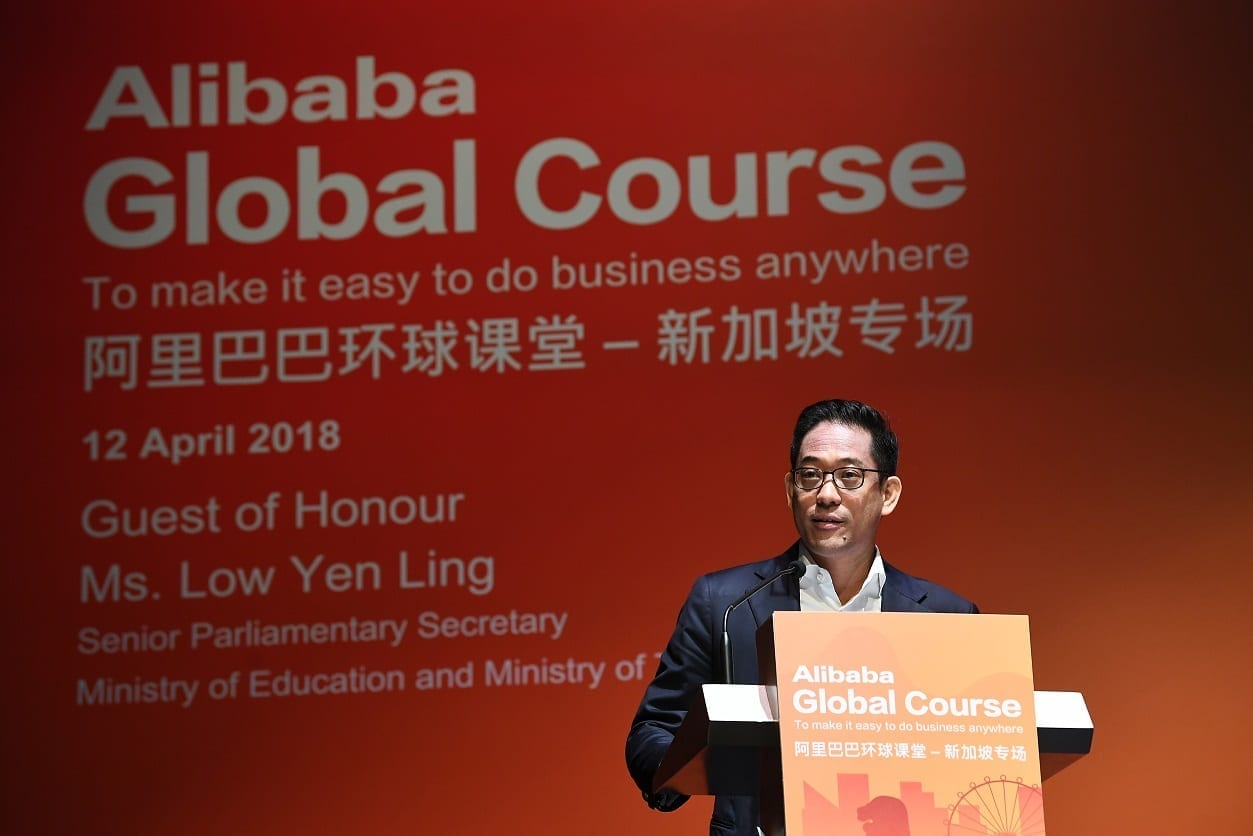
    Alibaba Group continues its mission to enable global business transformation in the digital age with the expansion of the Alibaba Global Course (AGC) to Singapore for the first time. Singapore is the first stop of the global AGC calendar for 2018, with additional events planned for India, Australia, the United States, Mexico and in Europe later in the year.

    The opening ceremony today was graced by Ms. Low Yen Ling, Senior Parliamentary Secretary, Ministry of Education and Ministry of Trade and Industry, in the presence of more than 2,000 attendees representing 600 SMEs and leading international companies.

    The AGC is a series of public lectures that aims to enhance the capabilities of merchants around the world through a better understanding of e-commerce and related trends. In Singapore, the AGC is offered by Alibaba Business School and organised by Taobao University in partnership with Nanyang Polytechnic’s Singapore Institute of Retail Studies (NYP-SIRS), SkillsFuture Singapore, National Trades Union Congress and StarHub. The Singapore leg of the AGC is the latest in a series of initiatives by Alibaba Group to empower local businesses and entrepreneurs to digitise and diversify their operations for the future.

    Helping SMEs to be Future-Ready

    “Our mission is to make it easy to do business anywhere and Singapore is integral towards realising this vision. We are delighted to be able to bring the Alibaba Global Course to Singapore for the first time and to share our key learnings from more than 18 years’ experience of reshaping the way people shop and conduct business,” said Brian Wong, Vice President of Alibaba Group, who shed light on Alibaba’s globalisation initiatives at the opening ceremony today.

    “SMEs form the majority of Singapore’s businesses and they are key to the city-state’s quest to be the hub of the future digital economy. We hope to continue partnering with local stakeholders and companies in this journey and navigate the exciting opportunities ahead together,” continued Wong.

    During the intensive one-day session, participants heard from leading minds from Taobao University and the Alibaba network, including the region’s foremost made-to-measure interior furniture design brand Suofeiya, China’s leading department store chain Intime Retail and enterprise data aggregator CBNData.

    Among other topics, the speakers shared best practices on innovating customer experience with AI and machine learning and on bringing the concept of “New Retail” to life, as well as insights into the next frontier in digital lifestyle and cross-border purchases by Chinese consumers and the opportunities for SMEs here.

    Taobao University and SIRS Extend Partnership

    During the AGC, Taobao University and NYP-SIRS also announced the extension of a partnership first signed in 2016, which has in the past two years rolled out a host of e-commerce training programmes from Taobao University to Singapore retailers.

    The 30-month renewal is geared towards beefing up the digital capability of local businesses and equipping them with knowledge of the latest industry developments. Under this agreement, Singapore-based businesses will also be able to access courses via a customised online learning platform developed by Taobao University for the first time. SMEs here can look forward to a more holistic learning experience with curated online courses tailored to the local business landscape and considerations, on top of other modules jointly offered by Taobao University and NYP-SIRS.

    “The maturity of businesses and the strong talent pool in Singapore means our training efforts here so far have been very well received,” said Lewis Lew, Vice President of Training College at Taobao University. “From opening up new business opportunities to improving productivity and operational capabilities by exploring consumer insights and new business models, we are confident that our initiatives will continue to complement the Singapore government’s goal for businesses here to be future-ready in a new era of competition and disruption.”

    Megan Ong, Director of NYP-SIRS, said: “NYP-SIRS was the first training provider in Singapore to partner Taobao University in 2016. Many of our participants thrived in their retail business after attending the cross-border e-commerce training programmes. NYP-SIRS is committed to continue working closely with local retailers to enable them to be future-ready. With the extension of this partnership with Taobao University, we look forward to continuing our effort to equip the local retail industry with the necessary skills and knowledge to successfully tap into the vast e-commerce global market.”

  • UPS Pulse: Asian online shoppers seem not to be happy

    UPS Pulse: Asian online shoppers seem not to be happy

    Nearly half of online shoppers in Asia are dissatisfied with the experience, according to the latest UPS Pulse of the Online Shopper study.

    With negativity from 43 per cent of Asian shoppers surveyed, they again emerged the least satisfied of shoppers internationally. The rate of 57 per cent satisfaction was actually an improvement on 2015, but of only 11 points, demonstrating the slow pace of change in addressing customer satisfaction, says the study.

    It notes that free shipping is still critical as online shoppers in Asia pay for shipping on an average of only 15 per cent of orders, the lowest percentage globally. To qualify for free shipping, 46 per cent of shoppers have added items to their cart. Moreover, about half of Asia online shoppers have abandoned a cart because of no delivery date being stipulated or delivery time being too long. The average delivery wait leading to cart abandonment was 11 days.

    Meanwhile, a convenient and transparent return policy increases sales and customer satisfaction, with 67 per cent of shoppers in Asia indicating that free shipping on returns is important.

    In its sixth year, the study reveals enduring constants as well as emerging trends across China, Hong Kong and Japan. Two key categories are Movers and Emergers.

    Movers: Consumers in Asia have become increasingly comfortable with shopping on smartphones, choosing ship-to-store, and buying from international retailers and small businesses. In fact, smartphone purchases are becoming the norm with 77 per cent of shoppers surveyed having placed orders by phone – the highest percentage globally – up from 55 per cent in 2015. This compares with only 48 per cent in the US.

    Ship-to-store is growing in popularity (with 37 per cent of shoppers using it in the past year and 59 per cent planning to use it even more this year). It can be a lucrative offering for retailers, says the report, as 60 per cent of Asia shoppers who used ship-to-store in the past year made extra purchases while in store. This trend is even stronger in China at 74 per cent.

    “One revealing finding is that Asia’s online shoppers are now buying from a more diverse set of retailers, ranging from major marketplaces to boutique shops, from domestic and foreign stores,” says UPS Asia Pacific VP of marketing Sylvie Van den Kerkhof. “This tells us is there is a viable opportunity and customer base for small businesses in Asia to expand internationally.”

    Promisingly, the research found that 55 per cent of online shoppers in Asia are embracing international retailers. Among those, 49 per cent ventured to overseas retailers because the brand or product was not available domestically, or the quality (39 per cent) or price (38 per cent) was better internationally.

    Hong Kong had most online shoppers buying internationally at 82 per cent, followed by China at 64 per cent. Meanwhile, only 21 per cent of Japanese shoppers did so.

  • E-commerce upgrade for Benetton

    E-commerce upgrade for Benetton

    Benetton Group is upgrading and expanding its e-commerce platforms with new online stores for the Sisley and United Colors of Benetton brands.

    Meanwhile, the Italian fashion brand has overhauled its www.benetton.com e-shop to offer customers an increasingly immersive shopping experience. The renewed website is available in seven languages ​​in 24 countries, and features fresh graphics plus an easier browsing experience even on mobile devices.

    Its clean design, including a reorganised menu and improved search engine, follows an analysis of buying behaviour and interviews with consumers.

    The new e-shop and the further development of e-commerce are an integral part of  Benetton Group’s strategy to focus more on an omnichannel approach. It also marks a new phase in the company’s online strategy, as Benetton Group is taking over direct management of the online channel.

  • Zalora rolls premium offering out

    Zalora rolls premium offering out

    Online fashion sites Zalora Hong Kong, Malaysia, Singapore and Taiwan have introduced a special page of high-end brands.

    Zalora premium

    Zalora Premium showcases signature aesthetics and capsule collections along with customised editorial and a catalogue. Some products are exclusive to Zalora.

    Zalora premium 2

    More than 50 brands for men and women feature on Zalora Premium, including Calvin Klein, Diesel and Tommy Hilfiger as well as exclusive offerings from such brands as J.Crew and Swarovski.

  • ShopBack Thailand Announces Partnership With Shopee

    ShopBack Thailand Announces Partnership With Shopee

    ShopBack, the biggest online Cashback platform connecting retailers and consumers, is partnering with Shopee, the leading e-commerce platform in Southeast Asia and Taiwan, in response to Shopee being the top-requested merchant by ShopBack customers. This strategic collaboration is set to enhance the ShopBack shopping experience, broaden the range of brands available and provide Shopee users up to a whopping 6.5% Cashback on their purchases.

    Since ShopBack’s launch in Thailand in July 2017, demand has been high, with shopping trends revealing that Thailand is leading the way in online retail therapy.  Top favoured products by Shopback users include health and beauty products and electronics – two of Shopee’s leading categories. Interest in these categories is growing and ShopBack has experienced huge buying peaks during big online sale events, with a 10 times increase in purchases – another reason why the ShopBack-Shopee partnership is destined to capture more of the online market.

    Now, ShopBack fans can click on the Shopee logo on the ShopBack app, and conveniently shop millions of products on Shopee, while earning Cashback as they spend on their favorite products. New Shopee users can enjoy a special 6.5% Cashback rate while existing Shopee users can also benefit from a 2.5% Cashback rate on the purchase price of Shopee goods. The Cashback will be paid directly to users’ bank accounts, allowing for greater convenience.

    Kawin Prachanukul, Country Head of ShopBack Thailand explains how important the relationship with Shopee is, “The success of ShopBack is that we give power to consumers, not only by giving them Cashback for their loyalty and their custom, but also by listening and responding to the platforms, brands, and types of products they want. They want Shopee and now they’ve got it. ShopBack has experienced a great milestone in Thailand with over 1,300 merchants, over 4 million users and around 1,000 orders per hour.”

    Agatha Soh, Head of Marketing at Shopee, said, “We look forward to working closely together with Shopback to provide a great online shopping experience for users all across Thailand, and to further drive the growth of the Thai e-commerce industry.”


  • Amazon mulls taking over Toys R Us

    Amazon mulls taking over Toys R Us

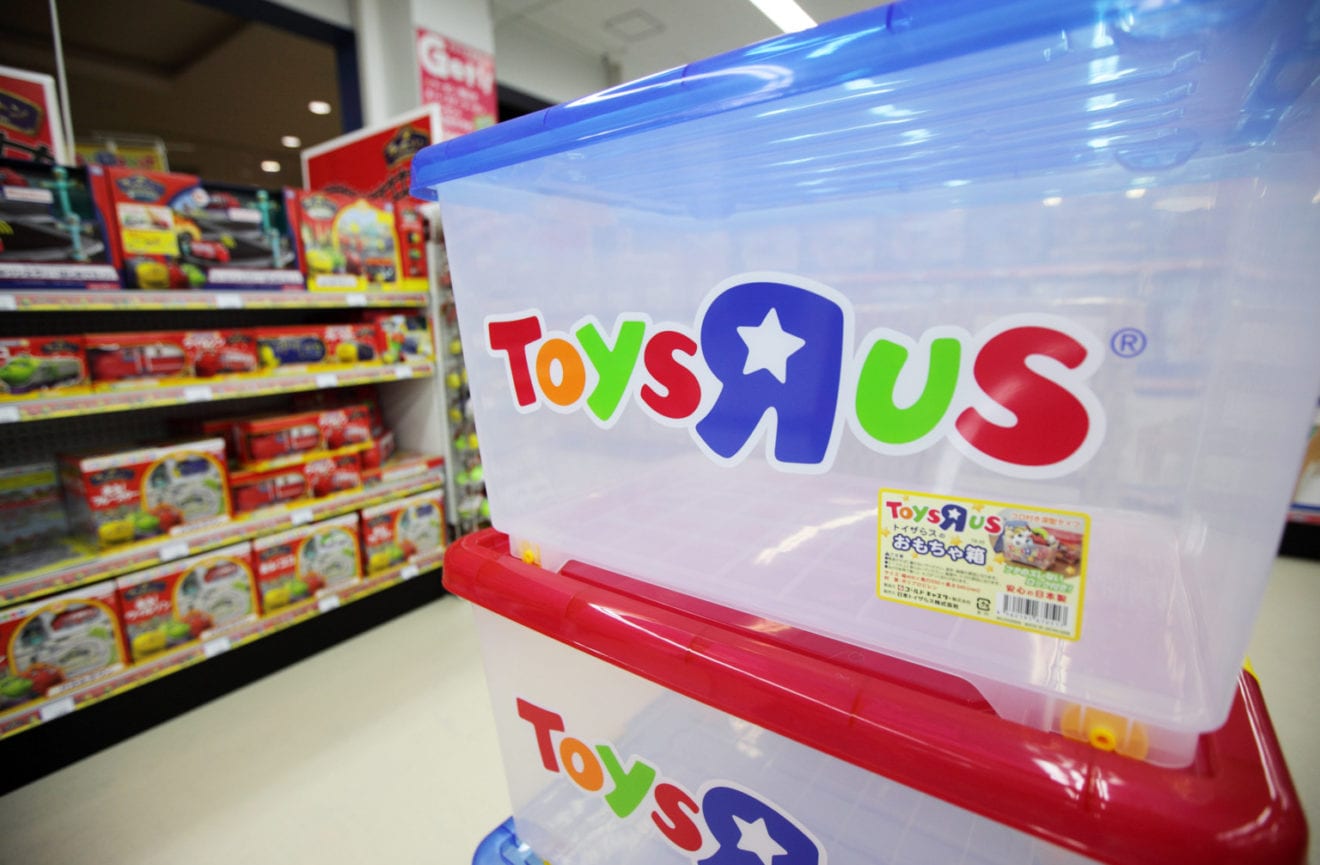
    Bloomberg reports the bankrupt toy retailer is in talks with the e-commerce giant over the future of an unspecified number of stores which could be converted to Amazon’s growing portfolio of offline retail spaces. The company recently acquired grocery chain Whole Foods, which has 450 sites, and has been opening physical book stores in selected US markets.

    Toys R Us US is closing down more than 700 stores, many of which have moderate- to large-sized footprints suited to bulky goods or grocery retailing.

    Bloomberg’s sources said Amazon is not interested in the Toys R Us brand but sees opportunities to use physical stores to deliver online purchases faster. It may possibly use the sites to demonstrate its Alexa voice-activated technology.

    Amazon has previously negotiated taking over Radio Shack stores after that chain collapse, but no deal was reached.

  • Qoo10 visitors balloon by 70%

    Qoo10 visitors balloon by 70%

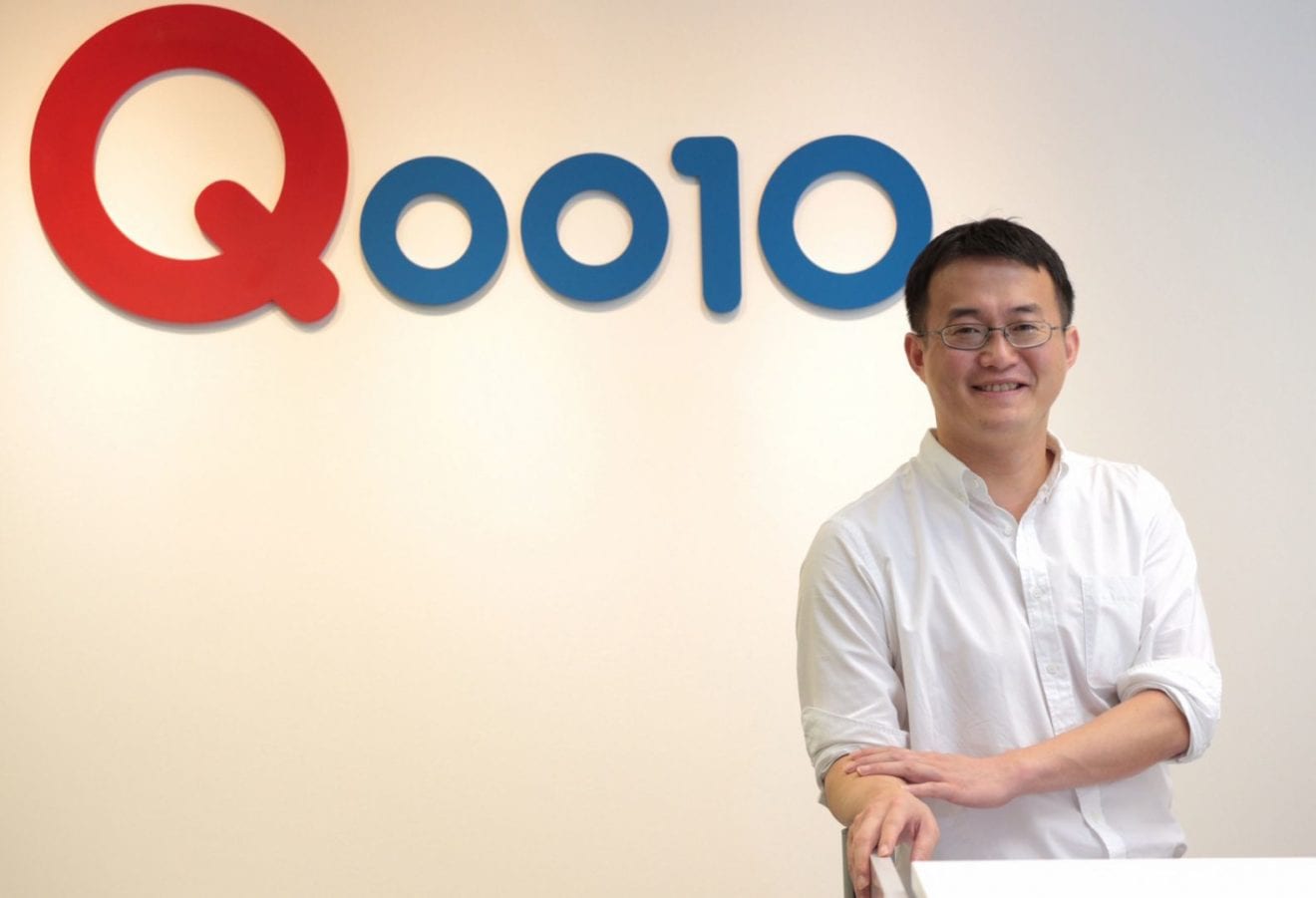
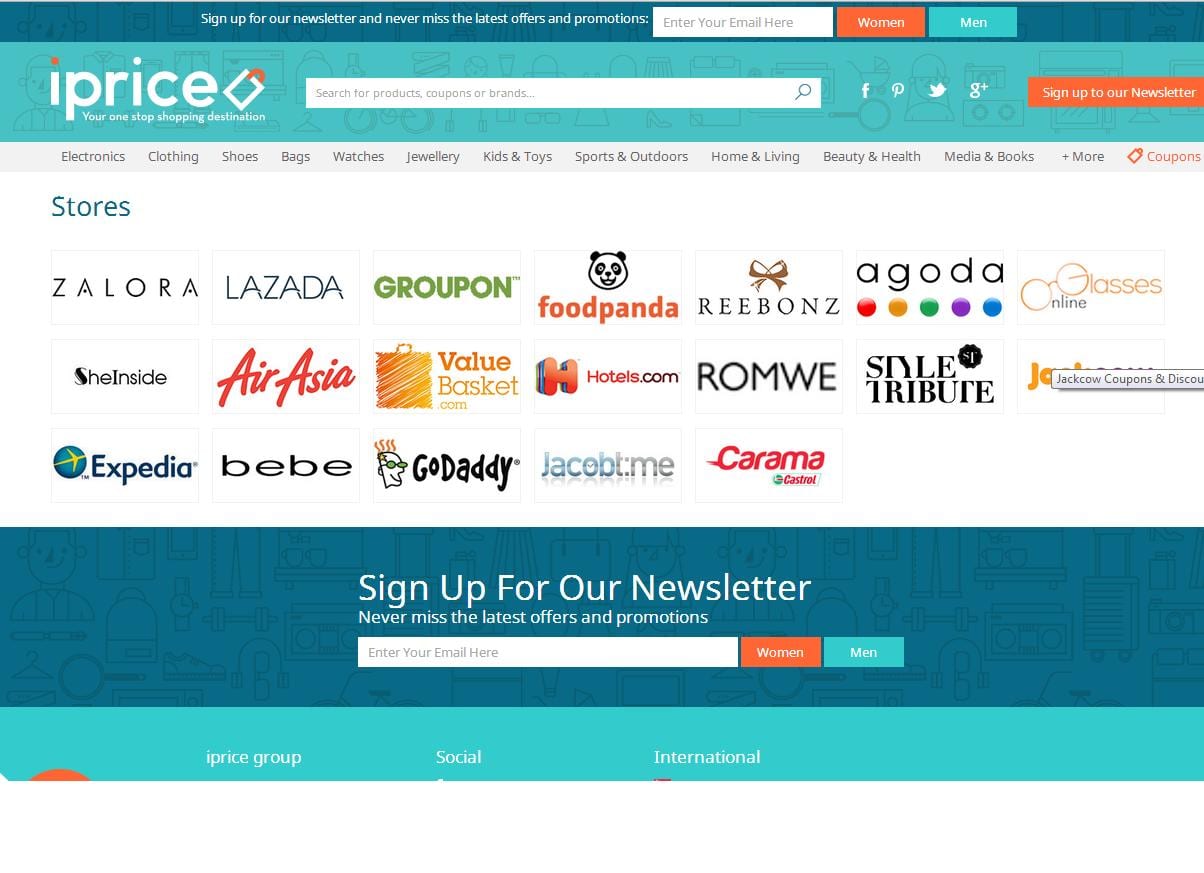
    Visitors to e-commerce site Qoo10 ballooned 70 per cent to hit an average of 14.4 million in last year’s fourth quarter, according to Malaysian online aggregator iPrice.

    Qoo10 has about 3 million registered members and offers products ranging from women’s fashion to groceries, and services that include credit card and insurance policy subscriptions. The site offers daily deals, limited-time sales and coupons.

    Discounts and savings of up to 70 per cent off are offered through promotional deals.

    Qoo10’s Live10 mobile app includes a GPS-enabled interactive game with daily discounts, coupons or Qpoints as prizes.

    Based in Singapore as a JV established between founder Ku Young Bae and eBay, Qoo10 launched online in 2010 and has expanded its marketplaces to Korea, Indonesia, Malaysia, Hong Kong and Mainland China.

  • iPrice Thailand is profiling online shoppers

    iPrice Thailand is profiling online shoppers

    Thai online shoppers are most active before leaving the office or school, according to research from online shopping startup iPrice Thailand.

    Based in Kuala Lumpur, iPrice has a presence in seven markets across Asia and aims to uncover important e-commerce metrics from the perspective of thousands e-commerce practitioners, highlighting the differences and similarities in each market.

    Its research draws on its proprietary data from more than 1000 e-commerce players in Indonesia, Malaysia, Philippines, Singapore, Thailand and Vietnam.

    For Thailand, mobile traffic is the second-highest in Southeast Asia, where mobile traffic has grown by an average of 19 per cent in the past 12 months to now account for 72 per cent of overall e-commerce web traffic.

    Indonesia leads the field, accounting for 67 per cent in the third quarter of 2016 and 79 per cent in the second quarter last year.

    Therefore, mobile e-commerce traffic accounts for more than 70 per cent of overall web traffic, while desktop traffic is less than 30 per cent.

    Meanwhile, Thailand’s conversion rate is lowest in Southeast Asia (conversion rate is the percentage of website visits that result in a product purchase). Along with the Philippines, Thailand’s conversion rates are 20 per cent lower than average.

    The comparison between mobile and desktop conversion rates shows that mobile is 1.7 times higher on average. For Thailand, the desktop conversion rate is 1.3 times higher than mobile. However, there is an increasing trend of mobile e-commerce traffic.

    Thai basket size is fourth among the six countries in the study. This metric measures the average total amount spent for every order made by customer over a defined period of time. Singapore has the highest basket size of $91, with a GDP per capita of US$90,530; on the other hand, Vietnam was the lowest with a basket size of $23 and a GDP per capita of $6880. Thailand’s basket size is in the middle with the value of $42 and a GDP per capita of $17,000.

    On average, the basket size on desktop is slightly higher than the basket size on mobile. In Thailand, desktop conversion rate is 1.3 times higher than mobile, which implies that people in Thailand prefer using desktops over mobile phones when buying online.

    Also, Wednesday shows the highest peak in online shopping in Thailand. Taking Monday as a base value, e-commerce merchants have an increase in conversion rate on Wednesdays of up to 15 per cent, but it dips up to 30 per cent over weekends, which is consistent across the region. For Thailand, the Wednesday conversion rate increases 8 per cent above the average while the weekend conversion rate drops 19 to 22 per cent.

    For Thailand, orders increase in volume up to 53 per cent at 11am and reach up to 69 per cent at 3pm. A dip in conversion rate is noted across all countries between 5pm and 7pm.

    Bank transfer and offline POS are among popular payment methods in Thailand.

    Credit cards are used for 90 per cent of payments, but the credit-card transaction rate in Thailand is relatively low at 6 per cent, which is below the average of 9 per cent in Asean countries, according to Global Findex database 2014.

    To work around this issue, Thai e-commerce companies offer alternatives. For example, 81 per cent offer a bank transfer option such as ATM, making the country rank third in Southeast Asia. Also, 46 per cent of e-commerce sellers offer offline POS such as counter service at 7-11, ranking Thailand second place when it comes to frequency of using this type of payment.

  • Online retail sales in China to hit US$1 trillion

    Online retail sales in China to hit US$1 trillion

    Online retail sales in China are rising faster than previously predicted, and likely to surpass US$1 trillion this year according to a new report from Forrester.

    In the broader Asia-Pacific market, one in every four dollars spent on retail will be spent online by 2022, with China and South Korea the principal drivers.

    Forrester says rapid growth in mobile shopping and burgeoning online sales of fashion and food are likely to result on US$1.1 trillion in spending in China this calendar year.

    China already accounts for 83 per cent of online shopping in the region, although a projected annual growth rate of 4.6 per cent in the number of individuals buying stuff online suggests the market is becoming mature in terms of participation. Future growth will be driven by Chinese consumers buying more goods online rather in store.

    By 2022, Forrester estimates 631 million Chinese will shop online, compared with 502 million now.

    Japan is Asia-Pacific’s second largest online market, likely to account for $97 billion in sales this year, followed by South Korea with $69 billion. Australia is next, with $31 billion, followed by India, the region’s fastest-growing market, but currently worth $27 billion. India is expected to overtake Australia next year.

    Finally, Forrester projects mobile devices will account for 80 per cent of online retail sales in the region by 2022.

  • Zilingo raises $54 million in a new funding round

    Zilingo raises $54 million in a new funding round

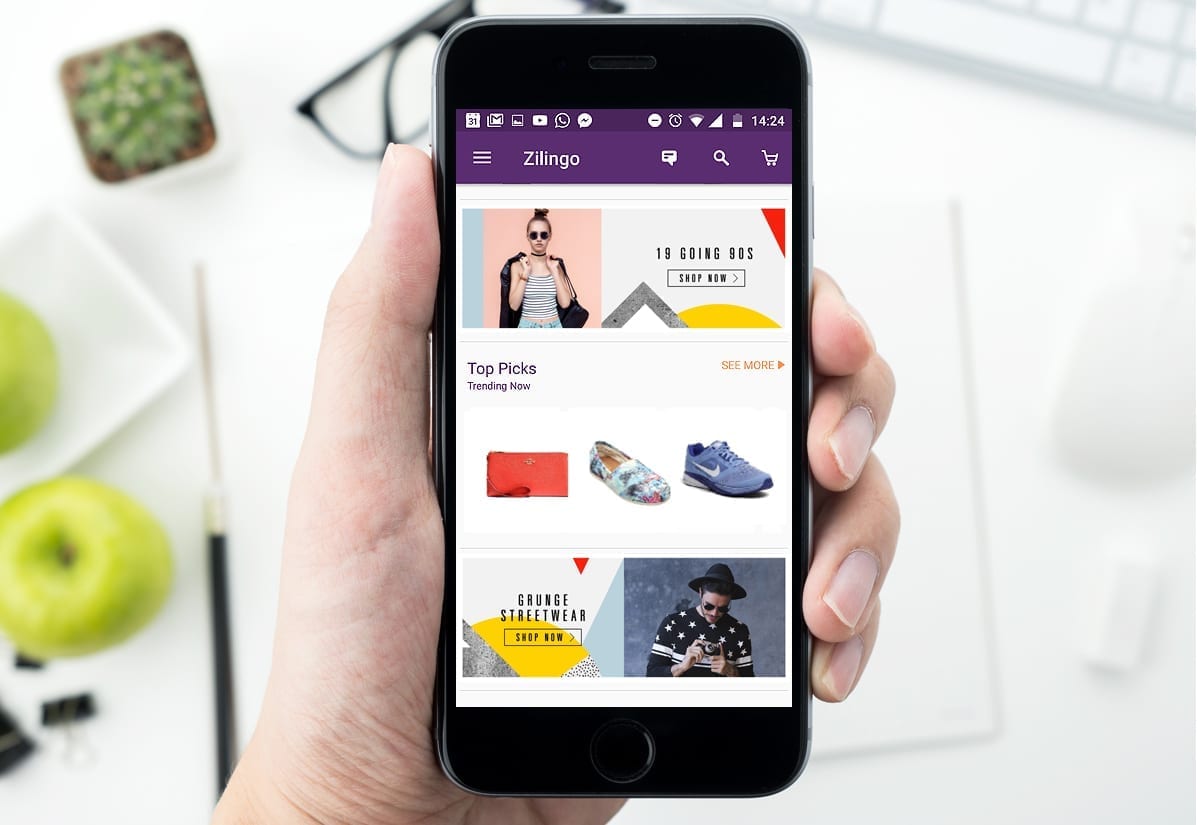
    Singapore-based lifestyle marketplace Zilingo has raised US$54 million in series-C funding, taking its total capital raised to $82 million.

    Zilingo was founded in October 2015 by Dhruv Kapoor and Ankiti Bose, who was inspired after seeing the clothing stalls in labyrinthine markets while backpacking across Indonesia and Thailand.

    Their idea was to connect a fragmented landscape of fashion supply for buyers across Asia.

    “Nowhere in the world has a horizontal e-commerce company also cracked fashion,” says Bose. “It’s a unique, high-margin category that is highly dependent on fast-moving cycles and has its own nuances. Unlike buying detergent or electronics, fashion is much more about your choice, individuality and trends. It requires a different approach than the rest of e-commerce.”

    Bose and Kapoor set out to build a proprietary platform where merchants could upload and manage their inventory in any language, using any currency, connecting them through 25 interfaces with logistics, warehousing and payment providers, as well as services like loans, cataloguing and insurance.

    They launched their B2C sites and apps in November 2015 across Southeast Asia, followed by their B2B business, Zilingo’s AsiaMall, where merchants internationally can buy wholesale from Asian suppliers.

    Zilingo is now selling in Indonesia, Singapore and Thailand, and ships internationally to four further countries. As well as Indonesia, Singapore and Thailand, Zilingo has supply bases in Bangladesh, Cambodia, China and Vietnam. There are more than 10,000 independent merchants using the platform to sell to millions of customers around Asia and the world.

    Revenue growth has growth tenfold, and during the past year Zilingo has launched a TV campaign in Indonesia and expanded its merchant ecosystem.

    Zilingo’s latest capital injection follows a $17 million series-B round five months ago.

    “We think the market is showing us the right signs in terms of adoption and retention, so it’s good to double down,” says Bose.

    Each Zilingo office has local leadership, and half the top leadership team are women. “Having so many women at the leadership level, despite being a tech company, gives us a special edge while scaling,” says Bose,

    “Our leadership team comes from 10 different countries in Asia, Europe and North America, and 15 languages are spoken. The cultural diversity gives the team a unique perspective on how to solve challenges creatively.”

  • E-commerce finally cracks $25 billion mark in Australia

    E-commerce finally cracks $25 billion mark in Australia

    Australian consumers spent around $25 billion online in the 12 months to February 2018, a more than 15 per cent boost over the same period last year, according to the monthly Online Retail Sales Index compiled by NAB.

    This equates to eight per cent of spending at traditional bricks-and-mortar retailers, as measured by the ABS in the 12 months to January 2018.

    Trend online retail growth is now well above the lows of this period in 2017, and sales volatility dampened in February, the index shows.

    The sector saw a 0.8 per cent increase in month-on-month seasonally-adjusted sales, compared to the 0.1 per cent growth seen by bricks-and-mortar retailers.

    Growth was mixed across categories, with toys and games and media seeing the biggest increase in online sales, followed by department stores, while grocery and liquor, food catering and fashion sales slowed slightly in the 12 months February, compared to the 12 months to January.

    Small and medium businesses represent just over a third of all online sales and saw slightly faster sales growth in February than larger online retailers.

  • Alibaba buys Ele for US$9.5 billion

    Alibaba buys Ele for US$9.5 billion

    Alibaba has bought the Chinese food delivery business Ele.me for US$9.5 billion.

    The new deal will enable Alibaba to take over its daily operations and network of delivery drivers. Ele.me is China’s largest online delivery and services platforms.

    Alibaba, which already held a 43 per cent stake in the delivery business, hopes the move will bolster its offline retail infrastructure, furthering founder Jack Ma’s New Retail ambitions.

    Alibaba Group CEO Daniel Zhang said the move into online food delivery will create more value for China’s 1.3 billion consumers.

    “Ele.me can leverage Alibaba’s infrastructure in commerce and find new synergies with Alibaba’s diverse businesses to add further momentum to the New Retail initiative,” Zhang said.

    Alibaba said in a statement it flagged an expansion of Eli.Me’s product horizons beyond its traditional food-focused base, with possible synergies with Alibaba’s existing local services platform Koubei. It also said it will give Eli.me access to its extensive product offering under the New Retail strategy.

    “This acquisition shows that we have built Ele.me into one of China’s most valuable internet businesses. Our customers, merchants and partners will benefit from our further integration into the Alibaba family. We share the same strategic vision that New Retail has a bright future and being part of Alibaba’s ecosystem will take Ele.me’s growth to a new level,” Ele.Me founder Zhang Xuhao said.

    The food delivery Ele.me founder will take the position as chairman of the business post-acquisition and will also be appointed as a special adviser to Alibaba’s CEO on its New Retail strategy. Alibaba vice president Wang Lei, a company veteran of 15 years, will become the CEO of Ele.me.

  • Lingerie e-tailer Adore Me expands offline

    Lingerie e-tailer Adore Me expands offline

    Lingerie e-tailer Adore Me says it plans to open between 200 and 300 stores during the next five years. The company will make its brick-and-mortar debut in New York City within the next few months, followed by up to 10 locations this calendar year and another 20 next year to gauge foot traffic in different locations.

    The offline expansion will accelerate in subsequent years.

    Adore Me founder and CEO Morgan Hermand-Waiche told The Wall Street Journal that online retailers need a physical store presence in order to compete with mainstream retailers.

    “Victoria’s Secret is the big guy in the room. Even if we are successful for a digitally native brand, we will remain small compared to Victoria’s Secret.”

    Adore Me is considering new formats for its stores, including bars where shoppers can relax with friends and showrooms allowing customers to try clothes on and have purchases shipped to their homes.

  • Mintel integrates ecommerce sales data, social listening and price tracking analytics

    Mintel integrates ecommerce sales data, social listening and price tracking analytics

    Mintel, the world’s leading market intelligence agency, announced today a strategic joint venture with Early Data, ecommerce solutions and market intelligence provider.

    Online retail has gone from an industry disruptor to an everyday, preferred channel for many consumers. In today’s ‘new’ retail world, brands are challenged to meet the needs of a new breed of consumer. By combining ecommerce category performance, social listening and price tracking analytics from Early Data with Mintel’s existing portfolio of Mintel Global New Products Database (GNPD), Mintel Trends and Mintel Reports, brands and companies will have access to game-changing research and insights into China’s online retail market—the biggest in the world. Brands will be able to access category and brand share for both ecommerce volume and value with detailed item level sales performance, helping them continually monitor and strategise their growth within the evolving landscape.

    John Hore, Managing Director APAC at Mintel, said: “The new joint venture between Mintel and Early Data is changing the rules of the research market. We are combining a host of trusted proprietary data sets and a wealth of expertise in ecommerce data, predictive analytics, consumer research, product innovation and market sizing. Never before has this combination of data and unparalleled expertise been available to businesses operating or looking to do business in China.”

    Brian Negley, Executive Vice President of Early Data, commented: “We are proud to partner with Mintel to deliver what we believe is the best market intelligence solution available. By integrating Early Data with Mintel, digital ecommerce, product and marketing teams alike will have a complete picture of their category, a clear understanding of the consumer behaviours driving it, and the expert recommendations of where their company should be headed next.”