Tag: ecommerce

  • Balenciaga’s Platform Crocs sold out in a blink of an eye

    Balenciaga’s Platform Crocs sold out in a blink of an eye

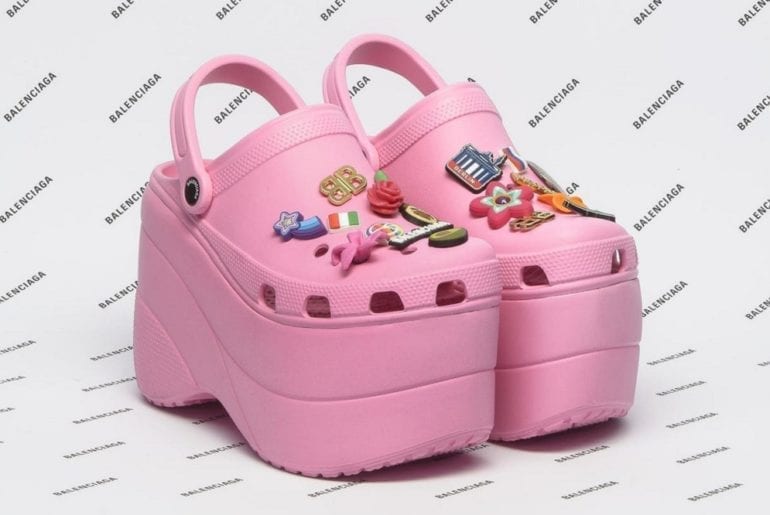
    In October 2017, Balenciaga unveiled an official footwear collaboration with Crocs on the runway in Paris. The Crocs, naturally, divided opinion.

    Critics thought that Balenciaga was trying too hard and collaborated for the wrong reasons, while others might not have loved the design but appreciated the attempt at something different.

    Now, several months on, the Balenciaga Platform Clogs are officially available for pre-order on sites like Barneys New York.

    Just moments after Balenciaga x Crocs’ Platform Clogs were made available to pre-order online, both pairs in the drop, sold out.

    They come in two colors, pink and “toast,” which is more like a dark tan color. A rather genius customization option in the form of pins can be attached to the perforated upper.

    Retail is $850 because, well, they’re still Balenciaga, so if you’re flush with cash and want to be what might resemble a walking meme, head to Barneys via our links below to secure yourself a pair. In the likely even that the links lead to an unavailable page, be sure to stay tuned as we will update you as soon as the collaboration becomes available again.

    In other sneaker news, ZARA’s budget Balenciaga Speed Trainers are actually fire.

  • McKinsey predict Online luxury to leap

    McKinsey predict Online luxury to leap

    Online sales are projected to more than triple to US$74 billion by 2025, involving about one in every five luxury sales, according to management consulting firm McKinsey & Company.

    Its report The Age of Digital Darwinism says there is a growing need for luxury brands to have digital competency, with McKinsey expecting the bricks-and-mortar environment to become dependent on digital.
    It says luxury goods e-commerce sales are growing rapidly. Online sales of personal luxury goods are presently $20 billion, making up 8 per cent of total luxury sales.

    Monobrand online stores are currently dominating, but multibrand platforms are growing their sales more rapidly. These e-tailers or marketplaces were born digitally, giving them an advantage over brands having to adapt legacy systems, says the report.

    Consumers have become more active in the luxury online sector, whether it is sharing content about brands on social media or participating as a secondhand seller or curator.

    In an increasingly digital ecosystem, those poised for success are adopting what McKinsey dubs a “Luxury 4.0” model. Based on Industry 4.0, which integrates customer data with production mechanisms and design, it aims to create a seamless process from concept to consumer.

    While luxury is centred on tradition and craftsmanship, 60 per cent of luxury managers see their brand selling 3D-printed goods within in the next decade, says the report.

    Data is also going to be key in customer engagement. As personalisation becomes the norm, marketers will need to focus on delivering a customised and individual experience.

    Digital is changing consumer expectations – consumers expect to be entertained and engaged offline as well. “Reverse-omnichannel” means that rather than digital needing to live up to the store, the store now has to live up to digital.

    Luxury brands are also facing competition from outside the industry, the report says. Amazon is changing customer behaviour, turning consumers into online buyers and making pushes into categories such as beauty and fashion. Amazon also accounts for 55 per cent of consumer product searches, with shoppers starting their journeys on the platform.

    Converging thriftiness and desire for sustainability is creating new models for consumption, such as rentals and secondhand marketplaces, the report notes.

  • Retail News Asia makes it to Final with a Selection in the Top Asia Pacific Best News Websites

    Retail News Asia makes it to Final with a Selection in the Top Asia Pacific Best News Websites

    Retail News Asia is selected as one of the winners of the Top Asia-Pacific News websites list! This is the most comprehensive list of best Asia-Pacific News websites on the internet and we’re honoured to be there! Retail News Asia is the leading Retail News portal in Asia Pacific since many years and we show deep respect and bow for being selected as one of the most influencing medias in Asia Pacific.

    RetailNews.asia has always been committed to providing both local and global retailers with the latest breaking retail news throughout the Asian market on a daily base since many years. With over 20 post per day with relevant Retail News, we can proudly say that we’re the leading media in the Retail industry.

    We have resources for everyone from the independently owned business owners, online-only retailers, and major chains expanding their reach throughout the Asian market.

    We Are Stronger Together

    You can quickly and easily search for the latest breaking retail news by country, or come here to keep an eye on the latest local, global and seasonal trends on our portal, watch video’s and/or follow uw with both local and international Retail Events.

    You can network, engage, and share invaluable information with other retailers. Our retailers come from a wide range of industries and expertise, meaning that whatever the question may be—we have you covered!

    We keep you apprised of the upcoming retail events, and even provide coverage and updates during many retail events.

    Thank You

    Retail News Asia wishes to congratulate all the team members, editorial and advertising departments for all hard work, overtime and sweat. We did it together says Sven, Founder of Retail News Asia

  • Singapore lags Japan and China with e-commerce use

    Singapore lags Japan and China with e-commerce use

    In contrast with data about digital transformation and government’s engagement in promoting digital solutions for retail, Singaporeans have not fully embraced e-commerce.

    Credit Suisse data show that Singapore falls behind China, US, and Japan in terms of e-commerce usage.

    In 2017, Singapore e-commerce comprised 5% of the country’s total retail.

    Meanwhile, e-commerce comprised 23% of total retail in China and 8% of retail in the US.

    Singapore still beat other ASEAN countries, however. The proportion of e-commerce in total retail in Indonesia is at 3%, nearly 2% in Malaysia and Thailand, and 1% in Vietnam and the Philippines.

    Those data also do not match with marketers’ opinions that frame those markets as a huge opportunity given the slow development of retail physical infrastructure. The fact that most brands are present in the main cities only, and cannot reach the remote areas yet, places e-commerce  as a complementary service to compensate the offline retail.

    However, those data show that there is still a long way to go. Definitely, millennials in those areas are tech-savvy, but the lack of sophisticated infrastructure slow down the process.

    Credit Suisse said with 158 million middle class consumers, ASEAN is often seen as the next frontier for the e-commerce market, but e-tailing — online retailing — is still at China’s levels in 2010.

    The firm said the entry of Chinese tech giants could change the ASEAN e-commerce scene significantly.

  • China’s e-commerce giants to buy Dalian Wanda malls

    China’s e-commerce giants to buy Dalian Wanda malls

    Three Chinese e-commerce giants led by Tencent are buying into shopping centres as part of an alliance that will help fund property magnate Wang Jianlin’s HK$30 billion (US$3.8 billion) plan to take his Dalian Wanda Group private.

    Jianlin describes it as the world’s biggest single alliance between the new economy and bricks-and-mortar businesses as he vows to turn his flagship commercial property unit into an online-to-offline service provider.

    After shedding properties in Australia, China and the UK to help reduce debt, he is now selling off nearly 14 per cent of Dalian Wanda Commercial Properties to some of the mainland’s biggest internet and retail players.

    An investor group led by Tencent, along with e-commerce heavyweight JD.com, electronics retailer Suning and Wanda partner Sunac China Holdings, the stake is being sold for RMB34 billion (US$4.36 billion).

    On its website, Wanda presents the share sale as part of a transformation of the company from a real-estate developer with nearly 240 shopping centres across China into a commercial management company focused on integrating online and offline consumption.

    As part of the deal, Dalian Wanda Commercial Properties will be renamed Wanda Commercial Management Group.

    However, the new partners may lead the financing of new malls, with the website statement noting “Tencent, Suning and other investors will use their financial prowess to continuously support Wanda Commercial to speed up its growth, helping the company to achieve its goal of 1000 Wanda Plazas in China as early as possible”.in

    Wanda says the partners are keen to relist the commercial real-estate unit, still privately held after a 2016 buyout led by Wang, “at the earliest opportunity”.

    Also, the new group will use the online resources of Tencent, Suning and JD.com as well as its own offline commercial assets to “carry out various collaborations, jointly building a new consumption model in China that will integrate both online and offline services”.

    Wanda Commercial’s total debt at the end of June was RMB279 billion, according to ratings agency S&P.

    Tencent’s investment of RMB10 billion gives it a 4.12 per cent stake, while Suning and Sunac’s twin outlays of RMB9.5 billion will them a 3.91 per cent stake each, and JD.com’s RMB5 billion yields a 2 per cent stake.

    Meanwhile, WeChat owner Tencent last week said it might buy into French retailer Carrefour’s China business, along with local retailer Yonghui Superstores. This follows Amazon’s acquisition of Whole Foods for US$13.7 billion.

  • Alibaba and Kroger in talks

    Alibaba and Kroger in talks

    Looking to fight back against Amazon’s move into the grocery business, Cincinnati-based Kroger is reportedly eyeing an alliance with the Seattle juggernaut’s nemesis: China’s Alibaba.

    Industry speculation has Kroger exploring everything from a technology alliance to an outright acquisition by the Hangzhou-based tech company. Such an epic takeover – which could easily top $50 billion – would be four times larger than last year’s acquisition of Whole Foods by Amazon that sent traditional grocers scrambling to boost their digital capabilities.

    Senior Kroger executives met with senior Alibaba officials last month in China, the New York Post and Reuters reported, citing unnamed sources. While details of a potential partnership were not revealed, an arrangement of some type was disclosed by of all sources, China’s Ministry of Commerce.

    “Alibaba has teamed up with Kroger … to speed up the integration of online and off-line sales,” the Chinese agency said in a statement on Jan. 13.

    Kroger shares rose Thursday as investors pondered the merits of a pact or a takeover of Kroger by Alibaba. Kroger stock climbed as high as $30.46 on Thursday, up 3.3 percent. Shares closed at $30.26, up 2.7 percent.

    Alibaba at the least could provide a digital payment platform to create stores that would not need cashiers or checkout stations. That’s something it has done in China and which Amazon introduced earlier this week in Seattle with a new Amazon Go store.

    With 2,800 stores across the U.S., Kroger could provide Alibaba a massive American platform to compete against Amazon. The Cincinnati-based grocer is the U.S.’s largest supermarket chain. Further, Kroger could direct some business to Alibaba’s site for general merchandise, sources told the paper.

    But while Alibaba’s annual sales last year were only $25 billion versus Kroger’s more than $100 billion, it has pockets nearly as deep as Amazon. The company is worth 10 times Kroger. If Alibaba wants to enter Western markets via an acquisition, it could make a credible offer.

    Wall Street analysts were intrigued at the possibility of a takeover, but seemed to think a partnership was more likely to result from the talks.

    “If these articles are in fact true, we applaud Kroger for thinking outside the box – because a Kroger/Alibaba partnership would be a superior solution… and would meaningfully alter the competitive landscape in the US,” wrote Barclays analyst Karen Short in a Thursday note to investors. “Alibaba could certainly provide Kroger with the most – if not all – of the e-commerce solutions.”

    Wells Fargo analyst Edward Kelly also leaned toward a possible alliance.

    “A partnership with a player like Alibaba would seem to make a lot of sense, as it could provide an attractive opportunity to advance Kroger’s technology platform and digital knowledge without significant upfront cost,” Kelly wrote in a Thursday note to investors.

    Andy Stout, managing director of investments at Simply Money in Symmes Township, said a takeover might be hard to pull off as regulators might resist a foreign ownership for a Fortune 500 company. He noted regulators early this year helped kill the acquisition of Moneygram by Alibaba subsidiary Ant Financial.

    “Regulators would look very closely at a Chinese company buying the third-largest retailer in the US,” Stout said. “In this age of populism, I think regulators probably would not allow Alibaba to buy Kroger.”

    Kroger officials declined to comment Thursday, labeling the reports “rumor or speculation.”

    Speculation of possible Kroger acquisitions or partnerships are in overdrive this month with news outlets suggesting the grocer was eyeing potential takeovers of digital wholesaler Boxed as well as online retailer Overstock.com. The common thread to all these reports besides unnamed sources and Kroger silence was avenues for the retailer to beef up its digital abilities.c


  • Korea’s Handsome to offer home-trial service

    Korean apparel retailer Handsome is launching a service for customers to have their selected clothes delivered and tried on at home before deciding whether to buy.

    Online shoppers can pick up to three pieces of clothing marked as available for the service and have them delivered to their residence during a time slot of their choice. Handsome employees will deliver the clothing in branded vehicles.

    Some 1300 clothing items from 21 of Handsome’s brands will be open to the “at Home” service that will first be offered to Handsome’s VIP and frequent online shoppers in some Seoul suburbs. The list of available products and suburbs served will gradually be expanded afterward, the company says.

    Customers will have two days to decide whether they want to make any purchases or they can return all items without extra cost.

    Handsome has been focusing on the online-to-offline business, allowing customers to buy online and pick up at offline locations and providing curation services to recommend items based on collected data on clients’ preferences. The company claimed the home-fitting service is the first in Korea’s fashion-retail industry.

    “Amazon started its fitting service Prime Wardrobe last year for up to 15 items for a Prime member,” a company spokesperson said. “We will establish a differentiated shopping service that offers a wide range of information on fashion and communicates with customers.”

  • Richemont bids to take full control of Yoox Net-a-Porter

    Richemont bids to take full control of Yoox Net-a-Porter

    Swiss luxury goods holding company Richemont has moved to take full ownership of e-commerce company Yoox Net-a-Porter (YNAP).

    Nearly three years after Richemont merged Net-a-Porter with Italian rival Yoox, the company has made a public tender offer to buy the shares in YNAP it does not already own, equivalent to half of the company.

    It is offering for €38 (US$46.50) a share, nearly €8 above Friday’s YNAP closing price.

    YNAP chief executive Federico Marchetti says he is receptive to the bid, and YNAP has waived a clause in its shareholder documents that would have prevented Richemont and any affiliates from buying more shares in the company.

    Richemont says it plans to continue to running YNAP as a separate company.

    “Thanks to our long-term commitment and resources, we see a meaningful opportunity to strengthen further Yoox Net-a-Porter Group’s leading positioning in luxury e-commerce, growing the business in existing and new geographies, increasing product availability and range, and continuing to develop unparalleled services and content for today’s highly discerning consumers,” says Richemont chairman Johann Rupert.

    Marchetti says the rationale for the investment is to build on YNAP’s solid track record of growth. “This means investing even more in product, technology, logistics, people and marketing.”

    In its latest preliminary results, the company revealed it had surpassed €2 billion in net revenues, up nearly 12 per cent year-over-year, and that more than half of its sales in the year came from mobile devices for the first time. Full results will be released in March.

    Meanwhile, Richemont saw its sales for the year ending last March decline 4 per cent to €10.7 billion.

    “With this new step, we intend to strengthen Richemont’s presence and focus on the digital channel, which is becoming critically important in meeting luxury consumers’ needs,” says Rupert.

    “Nearly 20 years after inventing Yoox, YNAP’s magic excites me even more,” says Marchetti. “The prospect of no longer owning 4 per cent of the share capital does not change my entrepreneurial commitment to YNAP. Dreaming and innovating to the benefit of our customers has always been my motivation; it will remain so in the years to come.”

  • Alibaba’s Hema supermarket chain to open more stores

    Alibaba’s Hema supermarket chain to open more stores

    Alibaba’s Hema supermarket says it will open three stores in the Chinese city of Xian by the end of this year.

    The offline supermarket’s expansion into the northwestern Chinese city follows an announcement that it will add 30 locations in Beijing by year-end, rapidly expanding its store count in the capital to 35 from the current five.

    The Beijing and Xian expansion, together, more than doubles Hema’s presence – currently 26 stores in seven Chinese cities, including 14 in Shanghai, five in Beijing, two in Ningpo, two in Hangzhou, and one each in Shenzhen, Suzhou and the Southwest city of Guiyang.

    Launched in March 2015, the ‘new retail’-driven supermarket is the purest manifestation of Alibaba’s ambitions to marry online with offline, offering consumers a “more-efficient and flexible” shopping experience.

    It starts with a mobile app that allows for researching of products while consumers browse the store. All payments are handled through Alipay, the mobile-payments platform owned by Alibaba’s related company Ant Financial. To improve consumers’ experience, the data collected from transactions is used to personalise recommendations, while geographic data helps to plan the most efficient delivery routes. Residents living within a 3km radius of a Hema store can have their groceries delivered to their doors as quickly as 30 minutes after ordering.

    Government partnership

    Expanding Alibaba’s Hema supermarket in Xian is part of a series of pacts Alibaba Group signed with the city government on Tuesday, including a memorandum of understanding for Alibaba’s new Silk Road headquarters, which the company will build in the city in the next few years. The two parties signed a total of 11 strategic partnership agreements spanning cloud computing, smart logistics, New Retail and financial services.

    Tianhua Zhong, vice president of Alibaba Group, said the partnership with the city government has been progressing smoothly since talks began last summer, adding that the next stage of collaboration will focus on five areas: e-commerce and new retail, City Brain projects, accessible financial services, smart logistics and culture and entertainment.al

    In addition to being the historic gateway to the Silk Road, “Xian is an important part of the ‘Belt and Road’ initiative, and building our Silk Road headquarters [in the city] will help to expand Alibaba’s reach in the midwest, in addition to economic zones along the [modern-day] Silk Road,” added Zhong.

    The Belt and Road Initiative, announced by Chinese President Xi Jinping in 2013, is an ambitious, US$90-billion infrastructure project to connect Asia, the Middle East, Europe, and Africa through global trade.

    Earlier this year, Xian became the first city in China to have its entire subway system accept mobile payments via Alipay – passengers can pass through subway gates simply by scanning a QR code. Upcoming collaboration projects with Ant Financial, Alibaba’s related company and operator of Alipay, include allowing cabs throughout the city to receive payments using the digital wallet, as well as providing accessible credit and financing options to the thousands of small and midsized businesses based in Xian.

    “With this agreement, Cainiao will work with Xian City to build a smart logistics hub for the northwestern region, which would serve the needs of the Belt and Road Initiative. Delivery speed in the midwest has a chance of becoming on par with eastern regions,” said Zhong.

    Alibaba’s logistics arm, Cainiao Network, is expected to invest RMB1 billion in the logistics hub, which would house the unit’s cutting-edge technologies such as automated production lines, AGV robots and robotic arms. Constructions are slated to begin this year and to be put into use before the 11.11 Global Shopping Festival comes around in 2019.
  • Fliggy, American Airlines Partnership to Benefit Chinese Travelers

    Fliggy, American Airlines Partnership to Benefit Chinese Travelers

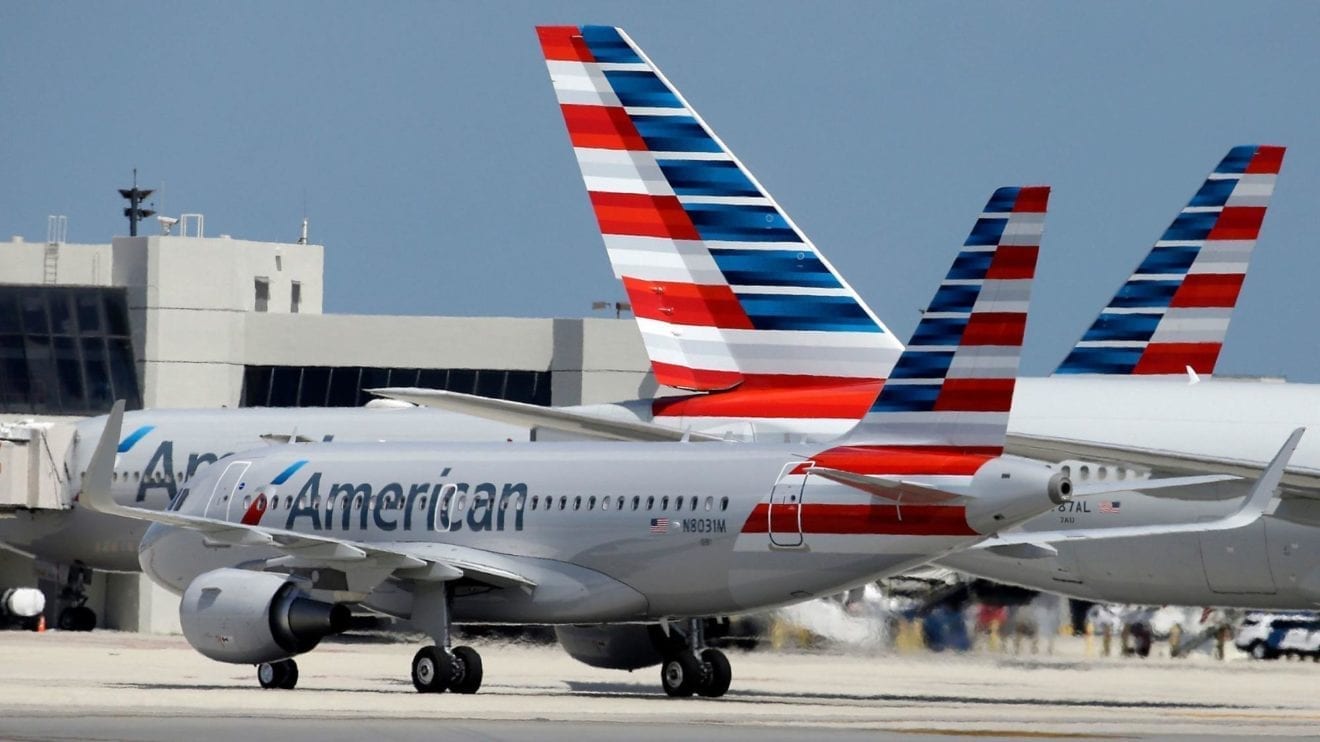
    The world’s largest airline, American Airlines, and Alibaba Group-owned Fliggy on Tuesday announced a strategic partnership that will bring travel perks to millions of the online travel platform’s Chinese customers.

    Starting next month, Fliggy members can register to enjoy select benefits from AA’s loyalty program, AAdvantage, depending on the level of their membership with Fliggy. For example, Fliggy F1 members will earn preferred boarding when taking an economy class flight, while those with Fliggy’s F2 and F3 memberships will receive certain perks equivalent to AAdvantage’s Gold and Platinum status, respectively.

    Moreover, AA plans to launch a flagship store on Fliggy, joining other airline stalwarts such as Cathay Pacific, Singapore Airlines, and Lufthansa to capture the booming travel demand by Chinese consumers.

    Future plans for the partnership also include the implementation of Alipay, the mobile payment system of Alibaba’s related company, Ant Financial, as a form of payment, said both companies in a joint statement.

    As part of Alibaba Group, Fliggy has access to more than 500 million mobile monthly active users on Alibaba’s China retail marketplaces. This means that by partnering with Alibaba airlines can gain valuable insights into the Chinese market, allowing them to better customize their services for Chinese customers, said Fliggy Vice President Jerry Hu.

    “This is why more than 70 well-known domestic and foreign airlines have chosen to establish flagship stores on Fliggy,” he said.

    Alison Taylor, senior vice president of Global Sales and Distribution at American Airlines, said the company is committed to China and is offering Chinese customers more flights to more destinations between North America and Asia.

    “This partnership changes the way loyalty programs in China interact with one another and provides more flight options for Fliggy users between these two critical business and leisure destinations,” she said.

    According to a forecast by investment bank CLSA, Chinese outbound tourism is expected to hit 200 million people by 2020 from 135 million seen in 2016. Spending by Chinese overseas travelers is also projected to reach $429 billion in 2021 compared with $261 billion in 2016, the firm said in a report.

    Founded in 1930, AA offers 6,700 flights each day to 350 destination in 50 countries and regions. The Texas-headquartered company is also a founding member of the Oneworld Alliance, whose members and members-elect offer nearly 14,250 flights daily to 1,000 destinations in 150 countries.


  • Sa Sa International looking good, thanks to tourists

    Sa Sa International looking good, thanks to tourists

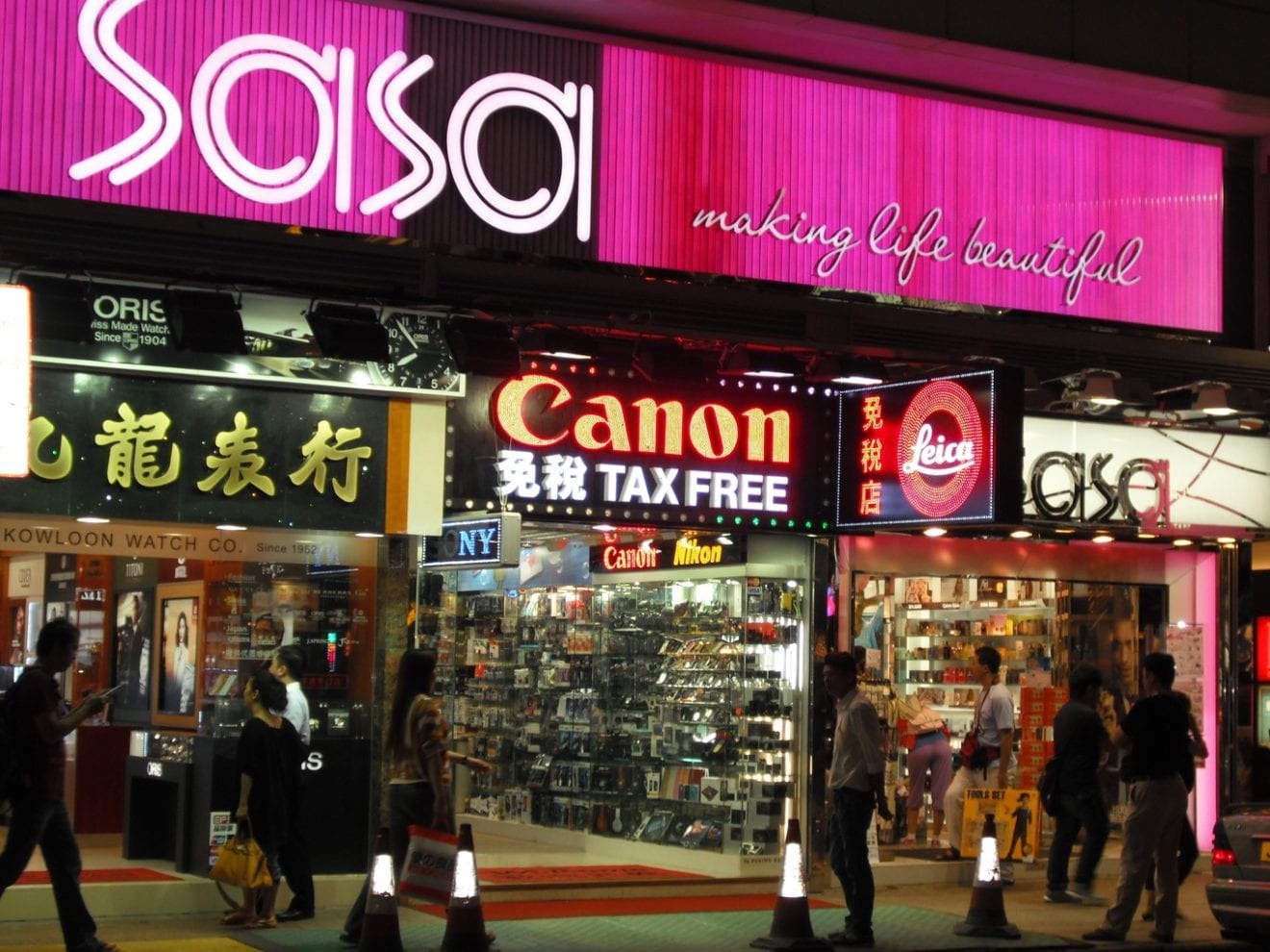
    Stronger store traffic drove overall sales for cosmetics retailer Sa Sa International for its third quarter to the end of December.

    This was in line with expectations, says the company.

    Total transactions increased by 5 per cent year on year to 5.1 million, while the number of transactions with local and mainland tourists grew 6.6 and 4.1 per cent respectively. The average transaction value also rose, by 4.2 and 2.8 per cent (to reach $367) respectively.

    The group’s total turnover grew by 6.5 per cent to HK$2.2 billion (US$281 million), led by Hong Kong and Macau where the growth was 8.1 per cent to reach $1.8 billion, while same-store sales increased by 3.7 per cent.

    Overall retail sales and same-store sales had 9.5 and 5.6 per cent growth respectively during December.

    Turnover in Mainland China, Singapore and Malaysia grew 13, 3.6 and 3.9 per cent respectively, while the turnover for Taiwan and e-commerce dropped by 5.5 and 21.9 per cent.

    Total turnover for the nine months to the end of December was $5.9 billion, up 3.4 per cent. For Hong Kong and Macau the figure was $4.8 billion, up 4.5 per cent.

    Same-store sales were flat for the nine months, while the average sales per transaction rose 3.3 per cent for to $343. There were 14 million transactions, up 1 per cent.

    At the end of December the company had 290 stores, no change from a year previously. However, the number of stores increased in Hong Kong and Macau (from 115 to 119), while there was a drop in Singapore (from 21 to 19) and in Taiwan (from 25 to 21). China and Malaysia had no change with 56 and 73 stores respectively.

  • Australia’s November online sales surge most in three years

    Australia’s November online sales surge most in three years

    Online sales in November 2017 increased the most in three years in Australia, according to data released by the NAB, with consumers buying considerably more items online compared to the same month in 2016.

    The NAB Online Retail Sales Index (NORSI) said online sales increased 4.7% in November 2017, equating to the biggest growth rate over the period of one month since December 2014. The NORSI also revealed e-commerce sales year-on-year surged 14.4%, excluding the holiday sales period and Amazon’s launch in Australia.

    The biggest shift was the increase in online sales made in Australia, compared to the start of the year, said the NAB.

    “We estimate that Australian consumers have spent around $24 billion over the 12 months to November 2017. This is equivalent to 7.7% of spending at traditional bricks and mortar retailers, as measured by the Australian Bureau of Statistics in the 12 months to October 2017,” NAB said.

    By category, homewares and appliances recorded the most rapid growth over the past year, up 24.9%, compared to 3.8% last year. Fashion and apparel witnessed a comeback after weaker sales, increasing by 5%.

    Moreover, Australian retail sales, including off and online sales, hit 1.2 per cent – the biggest jump in almost five years. Experts were predicting a 0.4%.

    The Australian Bureau of Statistics said the November uptick was helped by the release of Apple’s iPhone X and higher sales activity Black Friday sales, adopted in by Australian retailers from the US, due to the globalization of retail.

    As a whole, Australia’s retail sales at department stores fell 1.1%; fashion was up 2.2% and footwear and other personal accessories sales were up 0.3%. Cosmetics were up 1.1%, said the ABS.

  • Capitalizing on the perceptive abilities of AI “Odd Concepts”

    Capitalizing on the perceptive abilities of AI “Odd Concepts”

    Korean company Odd Concepts is using artificial intelligence to help consumers broaden their search for fashion items to match their tastes – even if the clothes are hanging in a store.

    Used by fashion e-commerce sites, its cloud-based image-search program works by allowing shoppers to choose clothes online that match their taste, then with its DeepLook search engine it finds similar clothing.

    Odd Concept

    A member company of the Korean government startup agency K-ICT Born2Global Centre, Odd Concepts draws on its expertise with image and video search. This enables shoppers to not only find clothing of a particular style, but also compare prices with similar items on other sites, says CEO Kim Jeongtae.

    Since its launch 11 months ago, the company has seen its monthly users rise to 4 million, he says. Of these, 15 to 20 per cent are from Japanese e-commerce sites.

    “We chose Japan as our first market because, unlike other east Asian countries, it has a unique closed-off fashion ecosystem,” says Jeongtae. “After three months of knocking on doors, traffic increased by more than 70-fold in six months, which eventually enabled us to secure an investment from a Japanese venture capital firm.”

    As well as DeepLook, the company plans to develop an extra search engine that focuses on content.

  • From clicks and bricks strategy for Courts Singapore

    From clicks and bricks strategy for Courts Singapore

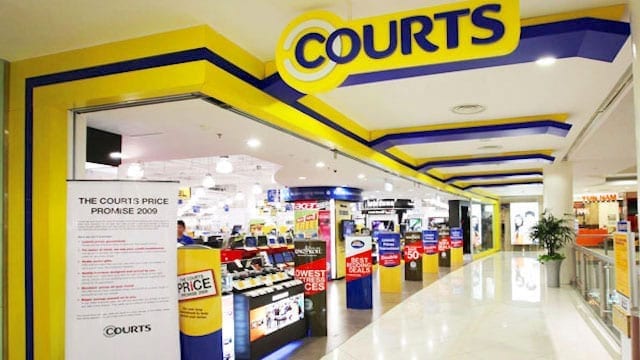
    Electronics, IT and furniture retailer Courts Singapore has relaunched its website and reopened its Tampines megastore after transforming it to offer customers an omni-channel experience.

    Built by e-commerce agency SmartOSC, the new Courts Online store has more than 17,000 SKUs and offers improved navigation and searching, plus faster checkout. New mobile-first and user-centric features connect the retailer’s digital and physical stores. Customers can research and buy online, and pick up purchases in-store or have them delivered.

    Combining omni-channel retailing, automated marketing and content management, the e-commerce system offers Courts a real-time view of inventory and customer profiles.

    Courts Asia chief strategy officer Stan Kim says the website was launched in time for last month’s Black Friday and Cyber Monday retail events, with sales for both almost doubling from the previous year.

    Meanwhile, the Courts Megastore in Tampines offers experiential retail spaces designed to offer memorable and informative experiences for customers.

    Courts has more than 80 stores across Singapore, Malaysia and Indonesia.

  • Yamato teams up with JD.com to send goods across China

    Yamato teams up with JD.com to send goods across China

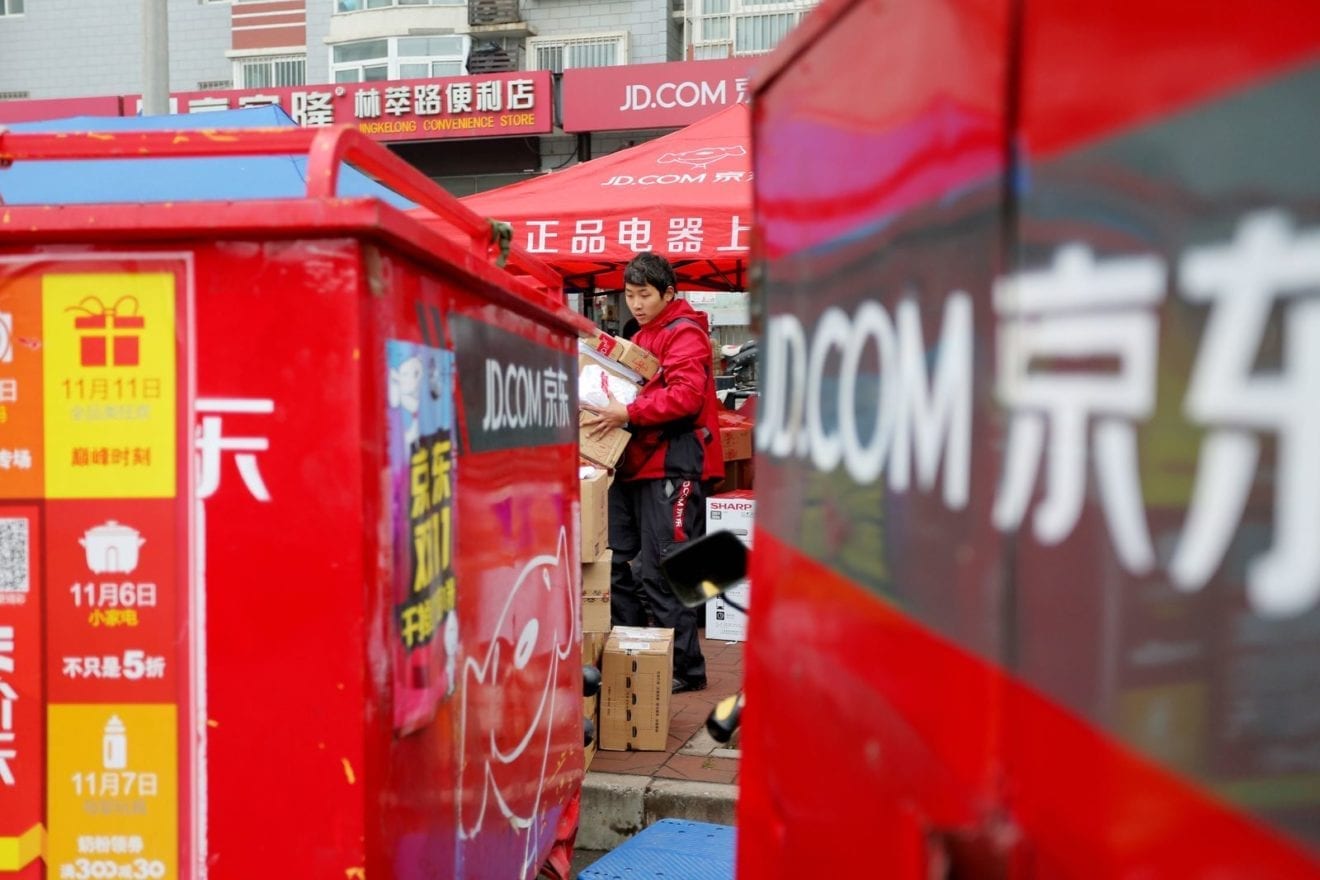
    Yamato Holdings will partner with Chinese e-commerce giant JD.com to ship products from Japanese retailers throughout China starting in 2018, likely boosting Japanese online sales there.

    JD.com is China’s second-largest internet retailer, after Alibaba Group Holding, and operates a nationwide delivery network.

    Yamato will handle international shipping from Japan to China and use JD.com’s network for home delivery under an agreement concluded Monday. Responsibility for clearing customs will be decided later.

    The alliance will enable Chinese consumers buying items on Japanese websites to have purchases delivered to where they live. With cosmetics and food products from Japan popular in China, sales of Japanese companies are growing as they offer goods on internet marketplaces there. Yamato’s service will offer a way into China for small and midsize Japanese business that have yet to enter the country’s online retail market.

    JD.com will receive shipping service support from Yamato as well. The parcel courier is already consulting JD.com on its cold-chain network and other delivery methods to maintain product quality in transit. This will help JD.com better handle fresh Japanese foods and other perishables, expanding its online retail business.

    China-bound online sales from Japan grew some 30% in 2016 to 1.03 trillion yen ($9.08 billion), according to the Ministry of Economy, Trade and Industry. The market is estimated to nearly double to 1.9 trillion yen in 2020.

    New strategy

    The profitability of home delivery services in Japan has been squeezed amid a personnel shortage that has pushed up labor costs. Yamato sees international delivery, which carries high rates, as a growth field.

    Yamato had been able to offer home deliveries from Japan to only those areas where it has a transport network, such as Shanghai and Hong Kong in China. But it is abandoning this model and partnering with other companies to accelerate expansion abroad. Yamato launched a home delivery service in Thailand with Siam Cement in January.

    But the competition is intense. Japan Post already has Japan-China transport infrastructure and holds a large share of such shipments. It partnered with China’s STO Express to launch a low-cost delivery service in October. Nippon Express is also cooperating with Alibaba in China-bound shipping, handling international transport of goods and customs.