Tag: ecommerce

  • HCMC plans to stop tax dodgers by enforcing card payments in restaurants

    HCMC plans to stop tax dodgers by enforcing card payments in restaurants

    Ho Chi Minh City’s Tax Department has suggested that customers should pay for restaurants and other high-end services using bank cards rather than cash to make it easier to collect tax revenue.

    Tran Ngoc Tam, the department director, said the proposal could help manage tax payments for high-end services.

    His unit is working with other agencies before submitting the plan to the city’s government for approval.

    Tam said that cash payments are no longer popular. Vietnam does not allow cash paymentss worth VND20 million ($880) or more, and that threshold is likely to go down to VND5 million soon “when we have the infrastructure to boost electronic payments,” he said.

    The role of cash in all payments across Vietnam fell from 14 percent in 2010 to 11.5 percent in August 2017, according to figures from the central bank.

    HCMC’s tax office raised the card payment proposal amid reports that the department is likely to miss its target this year.

    The department was set to bring in nearly VND239 trillion ($10.5 billion) in taxes, but has so far only reached 87 percent of the target.

    Legislators in the city, the biggest contributor to the state budget, earlier this week also suggested that celebrities who advertise products on Facebook should be taxed.

    Facebook is the most popular social network in Vietnam with more than 52 million active accounts to advertisers, and is also used as a e-commerce platform that tax authorities have struggled to keep track of.

  • DHL E-Commerce Launches New Service Points in Asia

    DHL E-Commerce Launches New Service Points in Asia

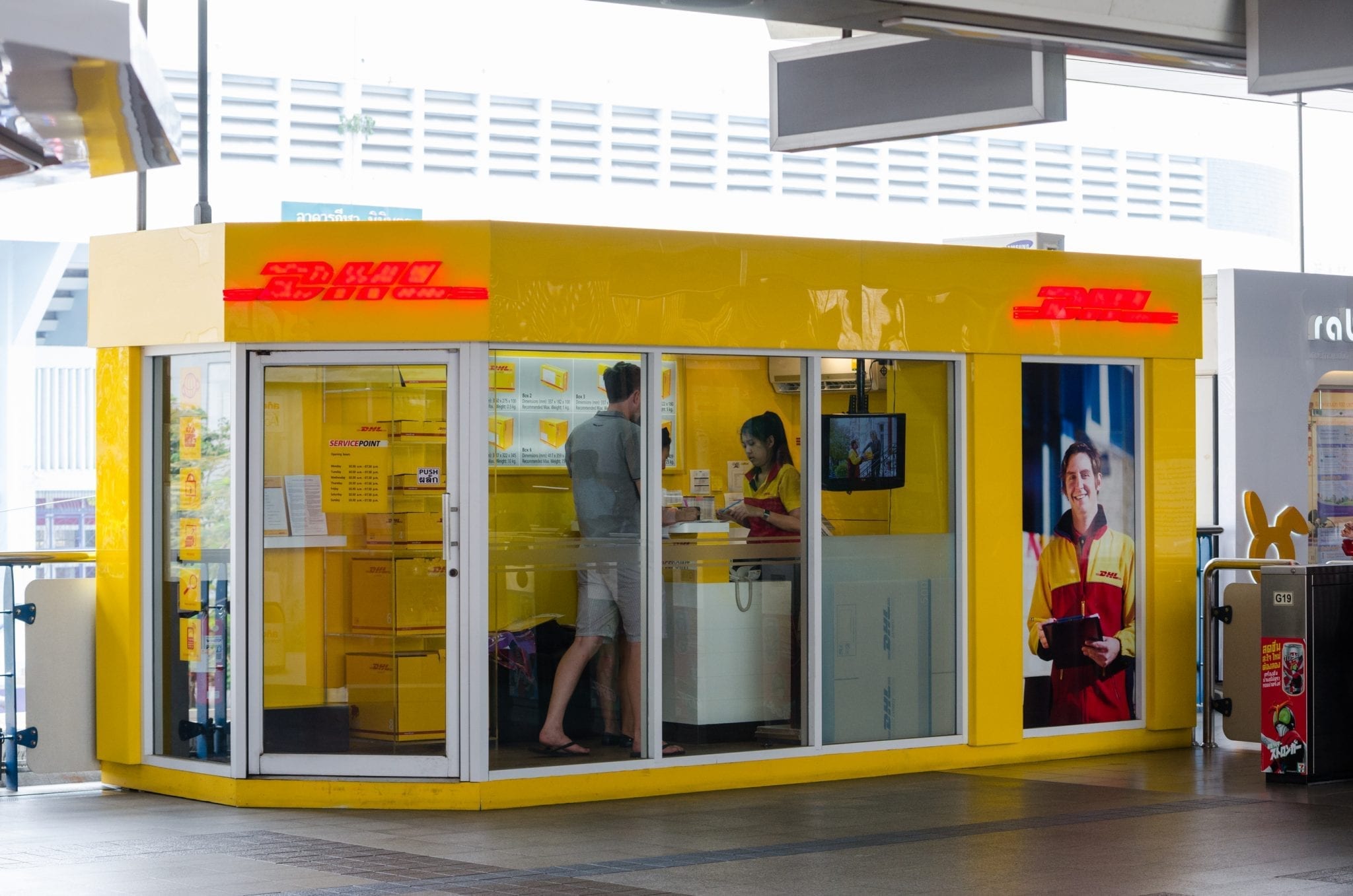
    DHL eCommerce has launched ServicePoints networks in key Asian markets.

    In a statement issued today (24 November), DHL eCommerce said that it has established a network of more than 200 ServicePoints in Thailand – which will enable commerce sellers to ship nationwide and for online shoppers to conveniently pick-up their orders. DHL added that over 1,000 ServicePoints will be launched over the coming months.

    “We are extremely positive about the e-commerce growth in Thailand, and have seen fantastic growth since we launched our domestic delivery network in Thailand in 2016. We will continue to enhance our existing solutions and launch new services to offer greater convenience and choice for sellers and shoppers across Thailand,” said Kiattichai Pitpreecha, Managing Director, DHL eCommerce Thailand.

    “We are really pleased to now be able to offer parcel drop-off and pick-up locations, all of which are easy to access, simple to use and provide a fantastic customer experience.”

    On Tuesday (21 November), DHL eCommerce also announced that it has launched a ServicePoints network in Vietnam.  The company statement said: “DHL eCommerce has already launched more than 100 ServicePoints and will continue to rapidly expand to more than 1,000 in the coming months.”

  • Retailers in South East Asia brace as Amazon makes debut in Australia

    Retailers in South East Asia brace as Amazon makes debut in Australia

    U.S. internet giant Amazon launched in Australia on Tuesday with retailers scrambling to cut costs and boost their online offerings as they brace for an expected shake-up of the sector.

    The arrival of the behemoth — which has grown from being an online bookstore to one of the world’s largest firms — poses a threat to a market already grappling with weak consumer confidence amid tepid wage growth.

    “Focusing on customers and the long term are key principles in Amazon’s approach to retailing,” Amazon Australia country manager Rocco Braeuniger said in a statement. “By concentrating on providing a great shopping experience and by constantly innovating on behalf of customers, we hope to earn the trust and the custom of Australian shoppers in the years to come.”

    The American giant is offering millions of products from well-known Australian brands as well as small and medium-size Australian businesses selling on Amazon Marketplace.

    Online shopping only accounts for 8 to 13 percent of total sales in Australia, leaving room for growth in a sector estimated to be worth more than 300 billion Australian dollars ($227 billion) annually.

    “We believe Amazon’s full entry into Australia will likely be a success,” UBS analysts said in a note ahead of the launch, adding that Australia was an “attractive market where online is under-penetrated.”

    “Australian online shoppers spend the third-most globally of Amazon’s markets,” UBS said.

    Retail categories most likely to be hurt by Amazon’s entry include electrical, appliances, apparel and cosmetics, UBS added.

    Amazon might also be willing to absorb losses initially to boost its market share, IBISWorld senior analyst Kim Do said, pressuring the profitability and margins of its competitors.

    Several top Australian retailers have recently succumbed to pressure from foreign giants, including Japan’s Uniqlo and Sephora of France, while others have cut back on brick-and-mortar stores.

    But Australian Retailers Association executive director Russell Zimmerman welcomed Amazon’s arrival, saying it provides an additional platform to boost sales.

    “With over 300 million active users already on Amazon’s Marketplace, the majority of Australian retailers view Amazon’s platform as a supplementary channel to their current retail offering,” he said.

    Some analysts warned that Amazon will face challenges such as low access to broadband and the large size of the island continent.

    “A key reason why Australia lags behind its peers (in the development of the e-commerce sector) is the low access to broadband,” BMI Research, Fitch Group’s research arm, said in a note.

    Broadband subscriptions in Australia stand at 57.3 per 100 people, rising to a forecast 60 in 2021, in contrast to markets like Singapore which is projected to have subscriptions of 75.3 per 100 that year, BMI said.

    “Slower delivery speeds due to the large geographic size of the country and as a result, more costly delivery services … will not bode well for the success of an e-commerce company.”

    Retail analyst Brian Walker said that according to his research, Amazon is “producing a positive return” in just one-third of the countries it is operating in outside of the U.S.

    “The rest are still in the various stages of growing. And that is the point about Amazon,” Walker said. “They will take in our view of somewhere between two and five years to hit any form of scale in Australia.”

    Amazon, a Seattle-based company, has expanded far beyond its roots as a digital bookstore, moving into the groceries and other retail sectors as well as cloud computing, streaming video, artificial intelligence and more.

    It has become one of the most valuable companies on the planet alongside U.S. tech rivals Apple, Facebook and Google parent Alphabet, and in October reported third-quarter profits of $256 million.

  • WatchBox starts digging into luxury market

    WatchBox starts digging into luxury market

    WatchBox has launched as the first global e-commerce platform specialising in buying, selling and trading pre-owned luxury watches.

    It is the result of a partnership between Govberg Jewelers CEO Danny Govberg, former Sincere Watch owner Liam Wee Tay and investor-entrepreneur Justin Reis. Singapore private equity firm CMIA Capital Partners has led an initial investment round in WatchBox, earmarking more than $100 million of capital to be deployed over the next 18 months for building out the startup’s multi-platform strategy.

    “We are backing a proven leadership team of industry veterans who offer a fresh perspective on the global luxury-watch industry,” says CMIA managing partner Lee Chong Min. “WatchBox’s annualised revenue run-rate is set in the near term to exceed US$200 million. We believe WatchBox will transform the multi-billion-dollar luxury-watch industry.”

    He says CMIA is ready to back further funding rounds to capitalise on “certain business opportunities”.

    Evolving from the business practices of 101-year-old watch retailer Govberg Jewelers, WatchBox has already established a profitable business model for pre-owned watches in the US, with the founders realising the need for a physical location also in Hong Kong, where it has opened an office in the CBD. WatchBox now has dual headquarters, showrooms and “trading floors” (e-commerce centres) in the world’s two largest watch markets.

    Asia’s leadership team includes Tay as chairman and Reis as co-CEO. Tay transformed Sincere Watch from a traditional family-owned company into a pan-Asian luxury-watch institution, taking it public in both Singapore and Hong Kong before selling in 2012.

    “WatchBox capitalises on the estimated $400 billion global pre-owned watch market by embracing advanced technology to offer consumers a scalable platform to buy, sell and trade pre-owned timepieces through a trusted partner,” says Tay.

    As it moves to increase visibility through its e-commerce and digital services – specifically its website, mobile application and social-media presence – Watchbox regards offline integration in key markets as essential.

    “The watch industry is going through a period of consolidation, and the timing is right to build a robust and trusted global trading platform in the pre-owned category,” says Reis, who has had more than 20 years of experience in private-equity investing in Asia.

    Steering WatchBox from the company’s tech hub in the US is co-CEO Govberg, who says Watchbox offers a balance of technology, data systems and 24/7 connectedness, along with personalised service and guaranteed authenticity.

    WatchBox has 130 global associates, showrooms and private offices in Hong Kong and North America, and plans to further expand into other regions across Asia and Europe within the next year.

  • LVMH and Céline to launch e-commerce venture

    LVMH and Céline to launch e-commerce venture

    Céline, the only LVMH-owned fashion label without its own e-commerce business, will start offering online sales from a new website next week, two sources close to the matter said.

    The French brand joins a growing line of luxury goods players belatedly pushing into e-commerce, shrugging off long-held concerns such an avenue would hurt their image.

    Artistic director Phoebe Philo’s minimalist, avant-garde designs have turned Céline into one of fashion’s most sought-after labels over the past 10 years.

    Céline will test the water with its clothing collections, shoes and leather “it-bags” usually costing well over $2,000, one of the sources said.

    “The website will launch in France over the course of the coming week,” the source said, adding that the e-commerce business would then be rolled out to the rest of Europe and the United States in 2018.

    Owner LVMH, the world’s biggest luxury goods conglomerate, does not break down sales of individual brands, but analysts estimate Céline’s annual revenue at 700 million to 800 million euros (705.1 million pounds).

    Online sales of luxury goods are set to grow 24 percent in 2017 and make up close to 10 percent of the market, according to consultancy Bain. It forecasts they will represent 25 percent of all luxury sales by 2025.

    Online sales have helped fuel revenue growth at brands such as Kering-owned Gucci.

    Gucci and rival Louis Vuitton, an LVMH brand, launched new sites in China in recent months, while leather handbag specialist Hermes has recently revamped its online business. LVMH set up a multi-brand e-commerce website earlier this year.

    But France’s privately owned Chanel remains a major outlier. The label said last week it had no immediate plans to try to sell its famed tweed jackets or quilted leather bags online.

    LVMH recently denied an October report that Philo may be close to leaving Céline, though the news has fuelled speculation that she could be one of the favourites to replace Burberry’s departing designer Christopher Bailey.

  • Online brand “Imvely” to open 1st flagship store

    Online brand “Imvely” to open 1st flagship store

    The online brand ‘Imvely’ is about to reach 100billion won this year. Lim Ji-hyun, who has a strong presence as a marketing role model promoting her own brand wearing ‘Imvly,’ has an attention by presenting a new growth model that combines model and business.

    The online star brand ‘Imvely’ opened its first flagship store ‘velyne’ in Sangsu-dong, Seoul on the 25th.

    The concept of ‘Imvely’ flagship store, which reflects the signatures and identity of Lim Ji-hyun, is like a ‘mansion’, a ‘house of velyne’ where you customer meet all of Imvely at once.

    Everyone who enjoys online shopping knows “Imvly”, and Imvly is the brand that makes a buzz when buying an open line shop.

    The first flagship store Imvly’s ‘velyne ‘is five stories. The first floor is composed of signature cosmetics brand ‘VELYVELY’ and Imvly’s new products, bestselling products.

    The floor is made up of the lifestyle brand ‘Bleu Home’ and the 4th and 5th floors are composed of its own cafe ‘U’all’.

    Imvly, which has been rapidly growing since its launch, already has a solid product lineup and a self-manufacturing line beyond the limits of online shopping malls.

    The company opened eight new stores in Lotte department store this year, and currently operates 13 stores in Lotte Department Store.

    The annual sales of Imvely, which was about 3 billion won at the time of its launching, increased to 148 billion won in 2015, 70 billion won in 2016 and 100 billion won in sales this year.

    With the open of duty-free shop, Imvely has a positive reputation in the global markets, including China and Japan, as well as the domestic market.

  • Pomelo to get more cash injection

    Pomelo to get more cash injection

    Thai retail powerhouse Central Group has joined the series-B funding round of international online fashion company Pomelo, based in Bangkok.

    Along with Start Today Ventures, it joins JD.com, Lombard Private Equity and Provident Capital Partners in the capital raise.

    Start Today Ventures specialises in fashion business investments that use digital innovation and information technology, and is supported by Start Today which runs Japanese fashion e-commerce venture Zozotown.

    “We are pleased to have Central Group and Start Today Ventures join us in building the first global fast-fashion brand out of Southeast Asia,” says Pomelo CEO David Jou. “This investment gives us further capital to continue to push our business forward.”

    “We believe Pomelo and its team is best positioned to capitalise on the growing fashion-conscious middle class in Southeast Asia,” says Start Today Ventures general partner Reina Nakamura. “The company has established unique assets that distinguish it amid heating competition – a combination of data-driven business throughout a value chain that is competitive at a global scale, with an innovative interpretation of multi-channel (O2O) and an in-depth understanding of its customers across core markets in Southeast Asia.”

    The extra capital raised will help the company continue to expand its product assortment, open innovative retail stores and continue moving into other markets.

  • Speed Lotte shopping app, Lotte Mart’s next move

    Speed Lotte shopping app, Lotte Mart’s next move

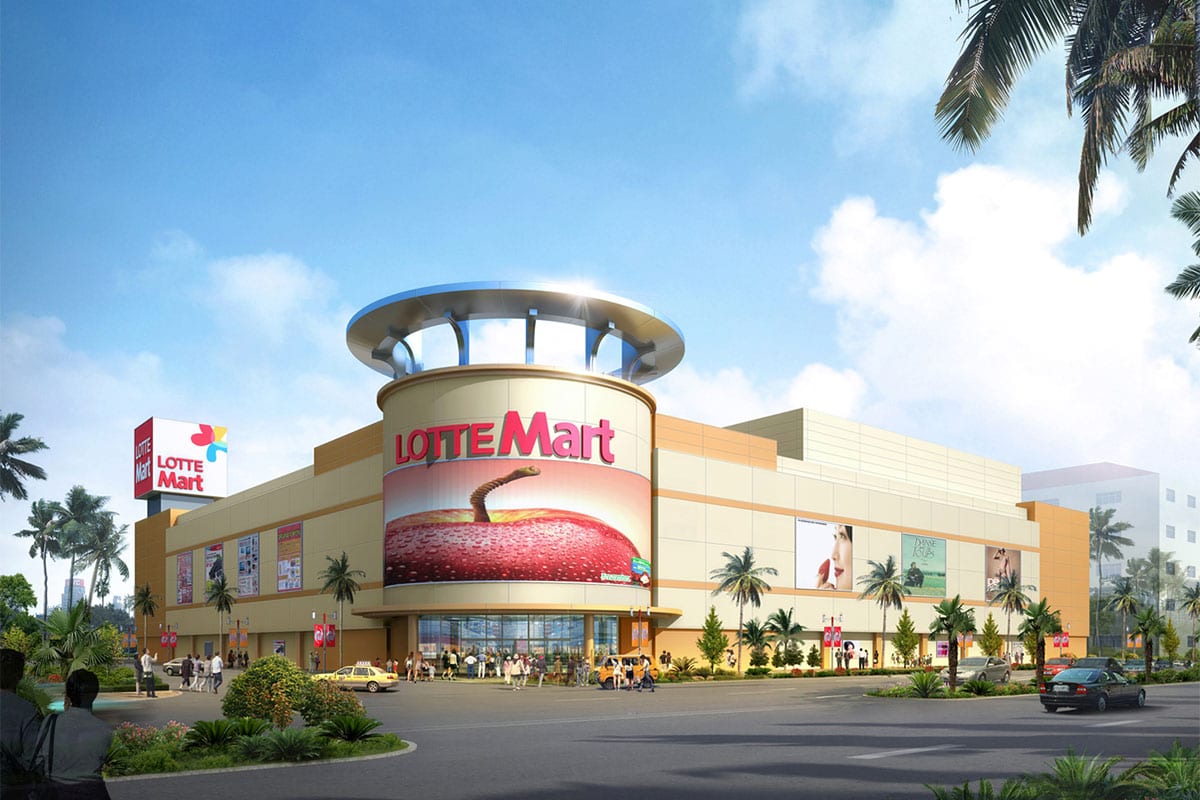
    Korean retailer Lotte Mart has launched its Speed Lotte shopping app in Vietnam.

    The app allows smartphone users to buy more than 1000 items from categories including fresh food, lunch boxes and Korean products as well as Lotte Mart’s Choice L home-brand products.

    Free delivery within a radius of 10km will apply for purchases over VND100,000.

    Both Lotte Mart members and non-members can shop through the app, although registered members can enjoy frequent promotions from the retailer.

    The first 1000 customers to spend more than VND200,000 via the app will get vouchers worth up to VND100,000.

    The app is being tested at Lotte Mart District 7 and Go Vap, in greater Ho Chi Minh City before being launched nationwide.

  • DHL to spend $365m enhancing Malaysian data center

    DHL to spend $365m enhancing Malaysian data center

    DHL said Thursday it would invest about 1.5 billion ringgit ($365 million) over the next two years to enhance an existing information technology services data center in Cyberjaya, located about an hour from the Malaysian capital.

    The center, which was established in 1997, has provided IT infrastructure, business application development and support to the logistics company’s global operations. DHL, a unit of Germany’s Deutsche Post DHL Group, has spent more than 4.7 billion ringgit over the past 20 years to develop the center, the company said in a statement.

    Along with counterpart hubs in Prague, Czech Republic, and Pennsylvania in the U.S., the center provides around-the-clock IT support to the group’s logistic operations that include DHL Express, DHL Global Forwarding, DHL Supply Chain and DHL e-commerce.

    The latest investment will be spent on the introduction of new data platforms using energy-efficient sources and the adoption of hybrid cloud services, which mix private and public cloud computing. Part of the investment will also go towards training and career development for the center’s more than 1,440 employees.

    “The investment we have made in Cyberjaya demonstrates our commitment towards enhancing our capabilities,” said Alexander Pilar, managing director for IT Services at Deutsche Post DHL.

  • Farfetch yearly sales surge 74%, 2016 losses widen on investments

    Farfetch yearly sales surge 74%, 2016 losses widen on investments

    British online fashion retailer Farfetch said global revenue grew at a record speed in 2016, while losses widened for the year, on the back of increased investment in technology, customer acquisition and hiring.

    For the twelve months ending December 31, 2016, Farfetch said after-tax losses widened to 34 million pounds from 28.7 million pounds, while operating losses grew to 33.5 million pounds from 26.5 million pounds.

    The losses come despite Farfetch.com revenues growing 74 percent to 151.3 million pounds.

    In a statement to Companies House in London, the company reported “strong growth in both demand for, and supply of, products through the Farfetch platform. The company is confident in its future outlook, and well placed to manage its business risks successfully despite the current uncertain economic outlook.”

    Addressing the press post-earnings, founder and chief executive officer Jose Neves called Farfetch “a fast-growing company at an exciting stage in its journey, with over 21 million visits to our websites every month and relationships with over 500 partner boutiques and 200 brands.”

    He added, “the trajectory of rapid growth and substantial investment continued in 2016, and we are pleased to have seen 81 percent growth in gross merchandise value, as well as strong growth of 74 percent, in revenues.”

    Farfetch Group owns Farfetch.com and Browns. The aforementioned results pertain to Farfetch.com, the sales platform for luxury boutiques worldwide.

    Moreover, Browns saw its revenue more than double to 36.9 million pounds, while losses widened to 6.4 million pounds from 369,330 pounds in the 17 months to December 31, 2016.

    Looking ahead the group’s CEO was upbeat about the London-based retailer’s position moving forward.

    “We have very strong foundations in place and will continue to invest and grow our business as we build the definitive technology platform for the luxury industry,” Neves said.

  • DHL eCommerce launches ServicePoints networks in Asia

    DHL eCommerce launches ServicePoints networks in Asia

    DHL eCommerce has launched ServicePoints networks in key Asian markets. In a statement issued today (24 November), DHL eCommerce said that it has established a network of more than 200 ServicePoints in Thailand – which will enable commerce sellers to ship nationwide and for online shoppers to conveniently pick-up their orders. DHL added that over 1,000 ServicePoints will be launched over the coming months.

    “We are extremely positive about the e-commerce growth in Thailand, and have seen fantastic growth since we launched our domestic delivery network in Thailand in 2016. We will continue to enhance our existing solutions and launch new services to offer greater convenience and choice for sellers and shoppers across Thailand,” said Kiattichai Pitpreecha, Managing Director, DHL eCommerce Thailand.

    “We are really pleased to now be able to offer parcel drop-off and pick-up locations, all of which are easy to access, simple to use and provide a fantastic customer experience.”

    On Tuesday (21 November), DHL eCommerce also announced that it has launched a ServicePoints network in Vietnam.  The company statement said: “DHL eCommerce has already launched more than 100 ServicePoints and will continue to rapidly expand to more than 1,000 in the coming months.”

  • Salvatore Ferragamo revamps its website in Europe and China

    Salvatore Ferragamo revamps its website in Europe and China

    Florentine luxury label Salvatore Ferragamo is busy deploying its new, revamped www.ferragamo.com website.

    After being first introduced in the USA and Canada, the new-look site, featuring fresh design and content, is now also available in Italy, the rest of Europe and China.

    “We wanted to blend the contemporary style of the Ferragamo world today with its brand’s unique heritage,” said Eraldo Poletto, the Ferragamo group’s CEO.

    The website will go live in the rest of Asia, in Australia and Latin America in 2018.

    Once fully deployed, it will be active in 28 countries, making it possible to buy and pay for the label’s products in 13 different currencies.

    The new site hosts all of Ferragamo’s collections: menswear, womenswear, accessories, handbags and footwear.

    The site’s omni-channel functionalities allow direct access to products available in-store, with the possibility of ordering online and picking up the items at the customer’s preferred store.

    The site is mobile and tablet-friendly and also features a news section with up-to-date information on the label’s initiatives and its history.

    As of the end of September 2017, the Ferragamo group employed about 4,000 people and, through its parent company and its US and Asian subsidiaries, it operated a network of 687 monobrand stores worldwide.

  • Retailers embrace e-commerce as customers shop more online

    Retailers embrace e-commerce as customers shop more online

    Helping pave the way to business success in e-commerce is the Electronic Transactions Development Agency (Public Organisation), or ETDA.

    The agency, an arm of the Ministry of Digital Economy of Society, conducts annual surveys profiling the actions of Internet users in Thailand. This year’s survey found that the top five most popular activities are: 1) communication through social network sites such as Facebook, Line, etc., 2) searching for information, 3) email correspondence, 4) watching TV or listening to online radio, and 5) online shopping.

    “It is a delight to say that online shopping was the fifth most popular activity for this year, while last year this activity was in the eighth ranking,” said the agency’s executive director, Surangkana Wayuparb.

    Surangkana said the Internet Market Report provided by the Office of National Broadcasting and Telecommunications Commission (NBTC), revealed that about 43.87 million people in Thailand accessed the Internet last year.

    “With compound annual growth rate at 20.2 per cent from 2000 to 2016, we expect that in the next five years the number of Internet users in Thailand will reach 46.48 million by 2021,” she said.

    Surangkana said that the value of e-commerce in Thailand is projected to increase by not less than 10 per cent per annum over the next five years. Her agency is working to maintain that momentum.

    “Last year, we at ETDA, in cooperation with the Office of SMEs Promotion (OSMEP), launched the ‘SMEs Go Online’ campaign to encourage small and medium entrepreneurs to rely on e-commerce activity as another tool to boost sales,” said Surangkana.

    An e-directory would be established this year, she added, with individual entrepreneurs contributing to verify business details and build the confidence of international business contacts.

    She said that Thailand is seen as a country ready to participate in e-commerce after changing its business operations to support Internet-related activities. Already, most entrepreneurs are increasingly using social media to support their businesses, including Facebook and Line.

    Surangkana said that private companies in Thailand are facing up to the challenge of orienting themselves to the government’s Thailand 4.0 initiative, and finding commercial benefit from Internet use.

    Surangkana said both retailers and consumers are increasingly attracted to e-commerce, to the tune of Bt2.5 trillion in transactions in 2016. Leading the pack in value is retail e-commerce (B2C), where Thailand is out front within the Asean block. Buyers are increasingly embracing this new way of shopping, raising expectations that the Thai e-commerce market will grow to Bt2.8 trillion this year, up 9.86 per cent.

    “This year, we aim to support Thai e-commerce entrepreneurs to move into the bigger marketplaces,” said Surangkana. “Business matching activity will be organised to help the strong Thai e-commerce entrepreneurs meet with major international buyers such as importers from China and Hong Kong who need quality products and services from Thailand.”

    As well, her agency will help create networks, connecting e-commerce beginners to those with knowledge to share. “Those who are thinking of starting an e-commerce business will be able to get started properly under the guideline and guidance of e-commerce gurus,” said Surangkana.

    ETDA will host “Thailand e-Commerce Week 2017” between November 24 and 26 at the Plenary Hall 1-3, Queen Sirikit National Convention Centre. The forum will be a platform for all kinds of entrepreneurs to learn how to create business opportunities and potential success through developing their e-commerce. The week’s opening ceremony will be presided over by Deputy Prime Minister Air Chief Marshal Prajin Juntong, who will also speak on the topic of “How could the national strategy support e-commerce?”

    Prajin will also chair a “people’s choice” awards ceremony honouring e-commerce entrepreneurs.

    Speakers from leading Thai and foreign companies, including Central Group and Thai Beverage, will share their e-commerce experiences with participants.

  • Vietnam approves Alibaba’s online payment platform

    Vietnam approves Alibaba’s online payment platform

    Chinese e-commerce conglomerate Alibaba has signed an agreement with the National Payment Corporation of Vietnam (NAPAS) that will allow Chinese tourists to use its online payment platform in Vietnam.

    The agreement with Ant Financial, Alibaba’s financial services arm, will enable Chinese travelers to use the Alipay platform throughout Vietnam via NAPAS member banks and its intermediary payment service networks, according to business technology websites.

    Under the agreement, people with cards issued by NAPAS member banks in Vietnam will be able to use Alipay to make purchases on Alibaba’s websites, such as AliExpress and Taobao.

    NAPAS is the only intermediary payment service provider licensed by the central bank to provide electronic payment services in Vietnam. The corporation operates an inter-bank connection system with tens of thousands of ATMs run by 43 banks, including Vietnam’s top lenders Vietcombank, Vietinbank and BIDV.

    “The collaboration with Alipay is part of our strategy to expand international cooperation and to explore new payment solutions,” NASPAS chairwoman Nguyen Tu Anh said.

    Official figures showed that more than 3.2 million Chinese tourists visited Vietnam in the first 10 months this year, up 45.6 percent from a year ago and accounting for nearly a third of foreign arrivals. Alipay, which has more than 520 million daily users globally, has been expanding its global presence along with China’s rising outbound travel. A Bloomberg report last December, citing Credit Suisse figures, said a 30 percent increase in spending by Chinese tourists would boost Vietnam’s gross domestic product by nearly 1 percentage point.

    The payment service entered the Australian market late last year under a similar agreement with the Commonwealth Bank of Australia.

    News of the deal with NAPAS comes a week after Alibaba founder Jack Ma visited Hanoi and spoke at a prominent e-payment forum co-hosted by NAPAS.

    At a meeting with Vietnamese Prime Minister Nguyen Xuan Phuc, Ma said he would consider establishing a store for Vietnam on Alibaba’s e-commerce app.

  • China faces waste hangover after Singles’ Day buying binge

    China faces waste hangover after Singles’ Day buying binge

    China’s Singles’ Day online discount sales bonanza on Saturday saw bargain-hungry buyers spend over $38 billion, flooding the postal and courier businesses with around 331 million packages – and leaving an estimated 160,000 tonnes of packaging waste.

    The annual Nov. 11 buying frenzy is a regular fillip for giant online retailers like Alibaba and JD.com, but the mountains of trash produced from just one day of conspicuous consumption have angered environmentalists.

    “Record-setting over-consumption means record-setting waste,” said Nie Li, toxics campaigner at Greenpeace, which estimates this year’s orders will produce more than 160,000 tonnes of packaging waste, including plastic, cardboard and tape.

    Total sales from Singles’ Day hit 254 billion yuan ($38.25 billion), with 1.38 billion orders placed, state media reported. Around a quarter of the total sales involved household electric devices or mobile phones.

    China’s State Post Bureau (SPB) said postal and courier companies are having to deal with at least 331 million packages, up 31.5 percent from last year.

    Greenpeace described the annual promotion as a “catastrophe for the environment” that not only creates waste, but leads to a surge in carbon emissions from manufacturing, packaging and shipping. In a report published last week, it estimated that total orders last year produced 52,400 tonnes of additional climate-warming carbon dioxide.

    E-commerce firms have drawn up measures aimed at solving the problem, and aim to replace cardboard boxes with reusable plastic ones that courier companies can share. They have also experimented with biodegradable delivery bags and tape-free boxes, but Nie said the efforts were still not enough.

    “China’s online retail giants have taken few real steps to reduce delivery packaging waste,” she said. “Ultimately, packaging that we throw out after one use is not a sustainable option.”

    A spokesman for JD.com said it is “continually improving ways to better reduce waste and pollution” and, among other measures, aims to raise the proportion of biodegradable materials in its packaging materials to 80 percent by 2020.

    Alibaba’s Cainiao logistics arm said in emailed comments that it had launched initiatives aimed at minimising its environmental impact. “We are committed to work closely with different stakeholders to protect the environment and contribute to the sustainable development of the industry,” it said.

    MOUNTAINS OF WASTE

    China’s packaging waste problems are not confined to Singles’ Day.

    Official data shows China’s courier firms delivered around 20 billion orders in 2015, using 8.27 billion plastic bags, 9.92 billion packing boxes and enough sticky tape to go around the globe more than 400 times.

    Overall deliveries continue to surge, with the number of packages expected to hit 50 billion next year, up from 30 billion in 2016, according to forecasts by the SPB.

    But even that’s only a small part of China’s mounting waste problem, with large sections of the country’s soil and water contaminated by untreated industrial, rural and household trash.

    With China’s major cities producing around 2 billion tonnes of solid waste a year, they are already surrounded by circles of landfill known in Beijing as the “seventh ring road”.

    China has also struggled to finance the infrastructure required to handle surging volumes of discarded white goods, consumer electronics and batteries.

    Despite massive production volumes that have left the country dependent on imported raw materials, overall recycling rates in industries like steel, glass or textiles remain way behind their international counterparts.

    On top of that, China has only just started to impose restrictions on imported waste, which stood at 47 million tonnes in 2015.

    Recycling of foreign and domestic trash was traditionally handled by migrant workers, known as “scavengers”, who ripped apart discarded goods in back-street workshops.

    But rising economic prosperity means fewer people seek to make a living recycling waste, and tougher environmental regulations have forced small-scale recyclers to close.