Tag: ecommerce

  • Black Friday bargain hunting to benefit more than just retailers

    Black Friday bargain hunting to benefit more than just retailers

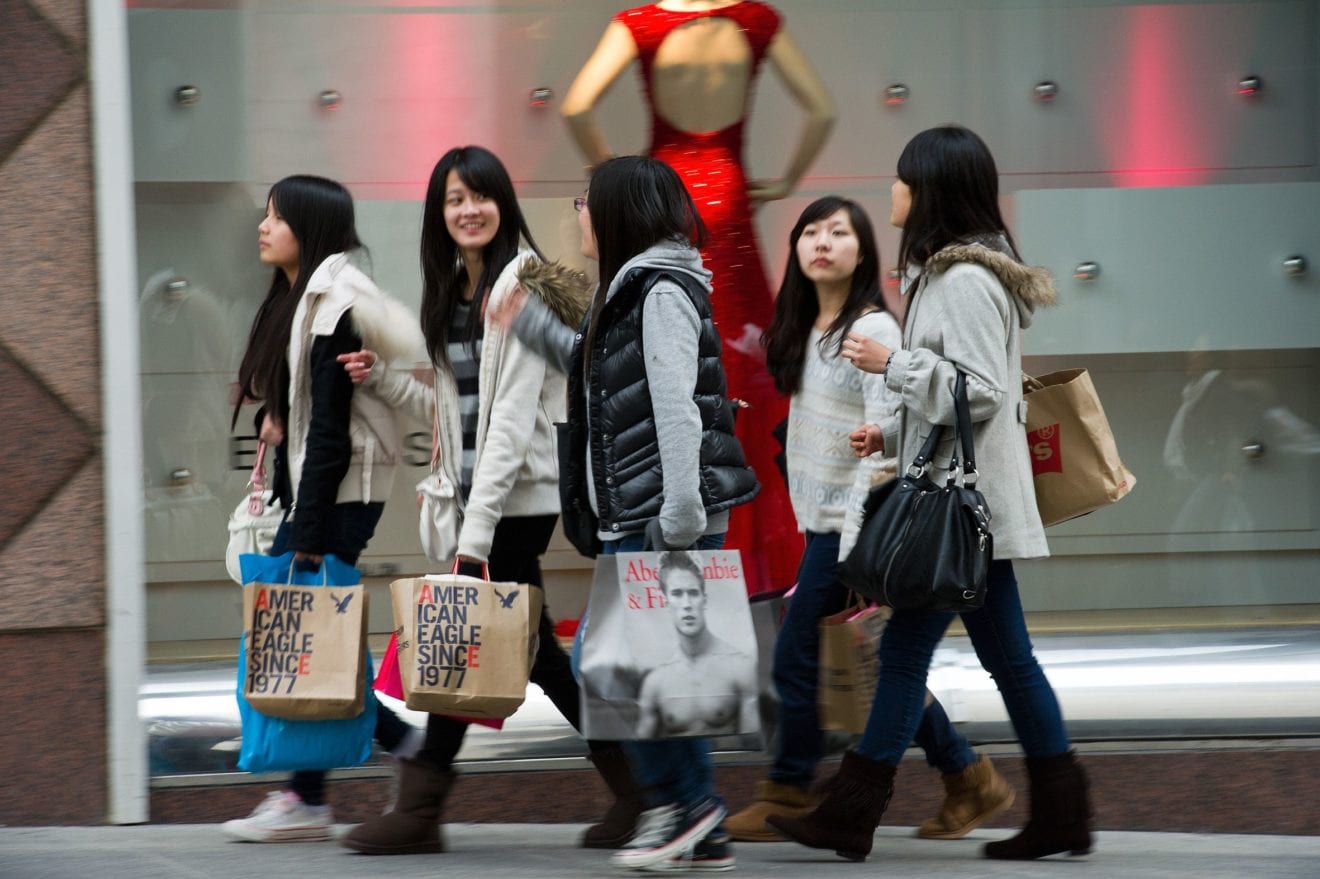
    Worldpay, a global leader in payments, has predicted that Black Friday and Cyber Monday mania will continue this year, but with a wider range of businesses expected to get in on the online action. Although the shopping event has traditionally been the realm of US retailers, the shopping event grew by 29% in Asia Pacific last year.

    Despite forking out $17.8bn on China Singles Day, Chinese consumers were still hunting Black Friday bargains, with overall spending on the day up by 37% compared to the previous year. The event is also growing fast in Singapore and Hong Kong, at a rate of 21% and 32% respectively.

    While retailers are among the biggest Black Friday winners, new data from the payments processor suggests this year could also be a great opportunity for savvy APAC businesses in the travel and digital sectors. In Singapore, spending with travel & airlines was up 20%3 compared to 2015. And in Hong Kong, travel and airlines saw a 30%4 surge, with eager travellers jumping online to search for great flight and hotel deals.

    Shoppers are also increasingly seeking out bargains for digital content such as subscriptions, e-books, and on-demand box sets, with Black Friday spending in this sector experiencing year on year growth of 62%5 in Hong Kong and 14%6 in Singapore.

    Phil Pomford, General Manager for Asia Pacific at Worldpay said based on the data, 2017 seems set to be another solid year for the shopping event and a fantastic opportunity for a variety of e-commerce businesses, not just retailers.

    “While Black Friday and Cyber Monday have typically been the realm of retailers, a more diverse range of businesses are now recognising that they too can take can take advantage of this unique online opportunity. Shoppers during this time are highly engaged, proactive, and looking for a wide range of online deals, so the potential to reach new customers and strengthen brand loyalty is huge, no matter what sector you operate in.

    “E-commerce businesses should ensure they set themselves up for success by making sure their websites are prepared for heavy traffic and offer simple payment options to drive shopping cart conversions online. They might also consider following the example of US retail giant Amazon and kickstart Black Friday deals a week early in order to generate excitement early on.”

  • Changing face of retail becomes the focus in HKTDC Asian e-Tailing Summit

    Changing face of retail becomes the focus in HKTDC Asian e-Tailing Summit

    As e-commerce continues to grow, it is fundamentally changing the face of retail. It has already influenced how many products and services are being sold, from clothes, packaged goods and seafood to hotel bookings, music files and taxi services.

    Because of this, companies of all sizes in all sectors cannot afford to ignore this channel, which is the focus of the upcoming Asian e-Tailing Summit, being organised by the Hong Kong government’s HKTDC. It is aimed at e-commerce professionals, retailers, industry leaders, service providers and users, as well as brand owners and suppliers, online marketplaces and platforms, wholesalers and distributors.

    As social networks proliferate and supply chains improve, more and more people are buying from foreign online shops. E-commerce Foundation figures show that more than 300 million consumers worldwide are now buying from merchants outside their own immediate jurisdiction, and Euromonitor International says this number is expected to increase to nearly one billion by 2020.

    On the move

    Other research shows that the total value of purchases made by cross-border online consumers is growing at the rate of 28 per cent a year and is set to reach US$1 trillion by 2020, and much of this shopping is being done on the move by smartphone. As well as searching for products or services, smartphone users can easily compare product specs and prices, download coupons and make online purchases all in one go.

    Overall, m-commerce has been a game changer, making it a necessity for merchants to have a mobile-optimised website or app. Ideally, every retailer should offer omni-channel options, and also be aware of social-media opportunities.

    In China, meanwhile, billions of shops now accept payments via Alipay and/or WeChat Pay. On the international front, Apple Pay, Google Wallet and Tap & Go have also swelled the number of digital wallets available. Improved and safer e-wallet technology has been a key factor in optimising the O2O buying experience.

    An overview of this fast-growing side or retail will be offered at the Asian e-Tailing Summit, at the Hong Kong Convention and Exhibition Centre, on December 6, with speakers representing such companies as eBay, Fung Global Retail and Technology, Gartner, KPMG, Lazada, Macy’s China, PayPal, Sephora, Suning and Zalora.

    It launches with a plenary session that looks at the impact of rising digital consumption on the world economy.

    There will be two breakout sessions following the plenary. The first examines worldwide procurement for cross-border e-commerce, while the other looks at the social-commerce movement as an omnichannel priority.

    Two concurrent workshops wind up the event. The first offers practical tips on cross-border e-commerce, while the other covers best practice in e-commerce.

  • Topshop Australia returns online via The Iconic

    Topshop Australia returns online via The Iconic

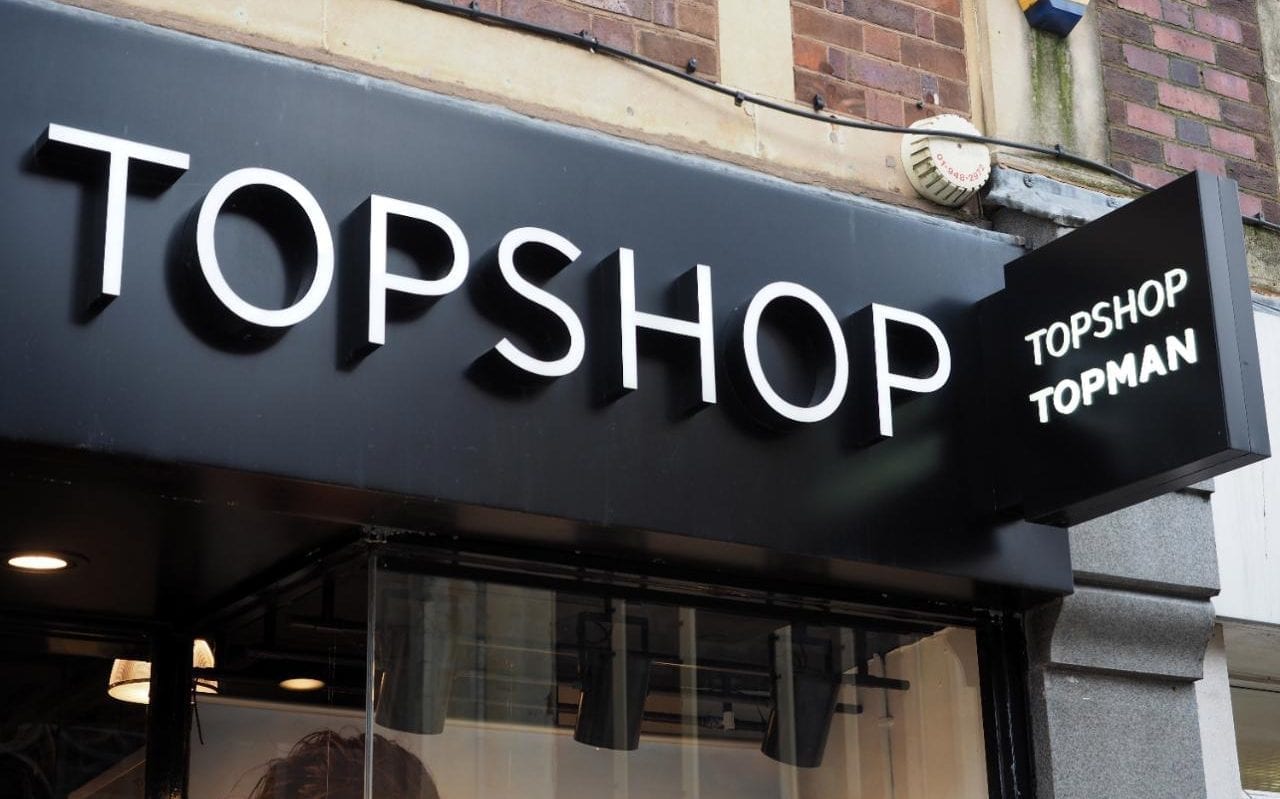
    UK fast-fashion darling Topshop and brother brand Topman have returned to the Australian e-commerce sphere, partnering up with The Iconic for their online comeback.

    The Iconic will now sell and distribute — from its Australian website and fulfilment centre—a selection of Topshop and Topman products to its online clientele.

    “Our customers are at the heart of everything we do at The Iconic – from curating a world-class range of local and international brands to continuously innovating our technology for a seamless shopping experience,” said Patrick Schmidt, CEO at The Iconic.

    “Topshop and Topman are two brands we know Aussies love – we want to keep bringing our customers the biggest and best brands in the world, which is why we’re thrilled to be welcoming Topshop and Topman to The Iconic family,” he said.

    The Iconic confirmed the full Topman range and women’s denim line launched from 31 October 2017. A full range will be available by the end of November 2017.

    The partnership comes following Topshop’s recent $30 million collapse in Australia. The Arcadia-owned retailer had to close its online store in May 2017, after launching its Australia-dedicated e-commerce platform just weeks before.

    The closure of multiple stores soon followed across Australia and New Zealand, including all its concession stores in leading Australian department store chain Myer.

    After three months of putting a deal together, company representatives said in August that brand owner Arcadia would buy chunks of the business and take over the running of four stores from the Australian franchisee. The surviving stores are in key locations Sydney, Bondi Junction, Melbourne and Brisbane’s CBD.

    The Iconic, part of Global Fashion Group, sells 700 brands and 45,000 products via its website. It launched in 2011.

  • Korean department store sales lift on strong e-commerce

    Korean department store sales lift on strong e-commerce

    South Korea department store retail sales recorded an increase in September 2017 on the back of strong online sales, a government report showed.

    The Asian nation’s major retailers registered an increase of 8.4 percent in September from a year earlier, according to the Ministry of Trade, Industry and Energy.

    The figure was based on a revenue survey taken across 13 physical and 13 online retailers.

    Online sales surged 22.8 percent, the biggest gainer by retail category, while offline sales rose 2.6 percent last month, in comparison.

    Direct sales by online retailers skyrocketed 46.2 percent, with sales by online brokers lifting 14.7 percent, said the report.

    In the physical retail environment, sales by department stores increased 4.9 percent, with those by convenient stores gaining 12.1 percent. The latter saw double-digit expansion on strong demand for food and beverage items, including imported beer and convenience food. Meanwhile, the number of convenient stores jumped 14.7 percent in South Korea last month.

    The only negative segment was in sales recorded at major discount outlets, which dropped 4.9 percent in September, said the ministry.

    Convenient store sales saw discount outlet sales retreated on weak demand for miscellaneous items and housewares.

    Online continues to dominant in Korea. According to a recent Ipsos survey of 18,180 consumers in 23 countries, South Korea is a leading market for mobile payment services, as many of the nation’s tech-savvy consumers are turning to their smartphones to make purchases.

    According to a tally by the Bank of Korea, the daily average of mobile payments came to 1.26 million cases in the fourth quarter of 2016, nearly three times the 440,000 settlements posted three quarters earlier.

    The number of mobile payment service users in South Korea was estimated to have exceeded 32 million as of the end of last year.

    Approximately 7 in 10 South Koreans are known to own a smartphone, the fourth-highest smartphone penetration rate in the world.

  • China online spending is already 50 per cent of retail sales

    China online spending is already 50 per cent of retail sales

    China online spending is set to account for almost 50 per cent of the country’s total retail market this year.

    According to fresh data from Mintel, this year’s figure will be 45.7 per cent of “total per capita retail spend”. In many categories, already more is spent on goods online than in physical stores in the world’s largest digital economy.

    “China is experiencing a fundamental shift in the way consumers shop, and in how the shopping experience fits into the wider environment of customer service, delivered both online and in-store,” said Matthew Crabbe, research director, APAC, with Mintel.

    The research shows China’s online retail market has reached a critical mass. Business-to-consumer (B2C) online retail is expected to reach more than 60 per cent of total e-commerce sales this year, with mobile online retail expected to make up more than 80 per cent of the B2C retail category.

    However, while Mintel estimates per capita online retail spend will reach 45.7 per cent of total per capita retail spend by the end of this year it predicts that share will hold steady between until the end of 2019.

    Crabbe said there are several reasons for the projected peak.

    “One issue is that consumers are increasingly buying experiences and services online, rather than products. The other issue is that consumers are already adapting to ‘new retail’; they are embracing greater integration between online and in-store shopping. This will mean much tougher competition between retailers. It will also likely mean more pressure for further consolidation in the market, resulting in more mergers, acquisitions and strategic partnerships,” he said.

    China’s ‘new retail’ experience has consumers purchasing different products from different channels. Mintel research shows that 72 per cent of in-home food shoppers prefer to shop in-store, compared with 60 per cent of consumers who prefer to shop online for toys, games, clothing, and accessories. Apart from alcoholic drinks (61 per cent shop in-store) and pharmaceuticals and healthcare products (57 per cent shop in-store), in all other sectors the combined total of those who shop online via a mobile device or lap/desktop is greater than the proportion who shop in-store.

    While in-store grocery shopping still dominates, 66 per cent of consumers buy in-home food and drinks in-store, the average number of consumers who shop online (mobile or desk/laptop) for in-home food and drinks grew three percentage points since 2016, with 49 per cent buying in-home food online using a mobile device.

    “The growth in mobile online shopping across all sectors this year illustrates how mobile is driving the convergence of online and offline shopping into ‘new retail’,” said Crabbe. “Meanwhile, online shopping penetration is high across most sectors. There may be room to expand fresh and luxury food product sales online, thus increasing the number of high-income consumers who shop online, but the room for expansion of share of pocket among China’s consumers is running out.”

    Arise the ‘grocernauts’

    In fact, urban Chinese consumers are keen to get the immediate experience that only shopping in-store can offer. Mintel research reveals that 62 per cent of urban Chinese consumers say the ability to try, see, and experience products in-person before buying encourages them to shop in-store; the same proportion (62 per cent) shop in-store to ensure the freshness of produce, and 55 per cent say in-store shopping means they can get what they want faster.

    “Supermarkets and hypermarkets are moving away from just selling in-home foods towards  providing catering services (so called ‘groceraunts’), as well as offering online food ordering and in-store pick up services. And convenience stores are morphing into unmanned, checkout-free, cashless, elaborate vending machines. We’ve also seen shopping malls evolve away from retail spots into theme park-like leisure developments. This is all leading to a very diverse potential retail environment that includes retail as part of a wider range of consumer services. Store functions will increasingly incorporate online-enabled, front-of-store consumer touch points for selling goods and providing other customer services – even ones not related to the retailer’s core business,” Crabbe added.

    Probably the main driver of online retail’s success, 65 per cent of urban Chinese consumers say they find products cheaper online, while 63 per cent say that online offers more choice. More than half (52 per cent) of consumers say they find what they were looking for faster when shopping online.

    “Despite the instant sensual and entertainment experiences that consumers enjoy when shopping in-store, low cost, high convenience and more choices are the key ingredients that drive consumers to do more of their shopping online. As online retail platforms invest in and collaborate with physical retailers, who in turn look to increase their online exposure, these new business models will create the ideal ‘new retail’ experience for shoppers. However, companies and brands will be challenged to find their own, unique combination of online and in-store features in order to create their own bespoke experience,” concluded Crabbe.

    Total B2C and consumer-to-consumer (C2C) online retail sales in China are expected to reach RMB 6.4 trillion by year-end, having grown at a compound annual growth rate of 37.9 per cent since 2012 – that represents nearly fivefold value growth in just five years.

  • The best quarter ever for Alibaba sales

    The best quarter ever for Alibaba sales

    In an “outstanding quarter” to September 30, Alibaba sales have grown 61 per cent to US$8.3 billion.

    That’s the tech and e-commerce giant’s strongest quarterly performance since its IPO and a result the company says reflects the strength of the business beyond its core activities.

    “We had an outstanding quarter,” said CEO Daniel Zhang. “Our consumer insights and technology innovation were the key drivers behind our customer value proposition across the Alibaba economy.

    “We are seeing the early results from our efforts to integrate online and offline with our New Retail strategy, and consumers have benefited from access to high quality products, improved customer experience and the tremendous convenience of shopping anytime, anywhere.”

    Maggie Wu, CFO, said the group generated about $3.4 billion in free cash flow during the quarter, “which enables us to invest in our future growth areas of core commerce, including logistics, cloud computing, digital entertainment and other innovation initiatives.”

    E-commerce remained the backbone of the business despite its rapidly growing diversification. Mobile monthly active users on China retail marketplaces reached 549 million in September, an increase of 20 million over June 2017. Annual active consumers on China retail marketplaces reached 488 million, up 22 million users from the 12 months to June 30.

    Cloud revenue grew 99 per cent year-on-year to $447 million, driven by robust growth in paying customers and an improving revenue mix of higher value-added services.

    Revenue from digital media and entertainment increased 33 per cent to $721 million and the daily average subscribers of Youku video increased by more than 180 per cent, attributed to a strategy of offering a mixture of licensed and original content.

  • Ikea Singapore starts selling online

    Ikea Singapore starts selling online

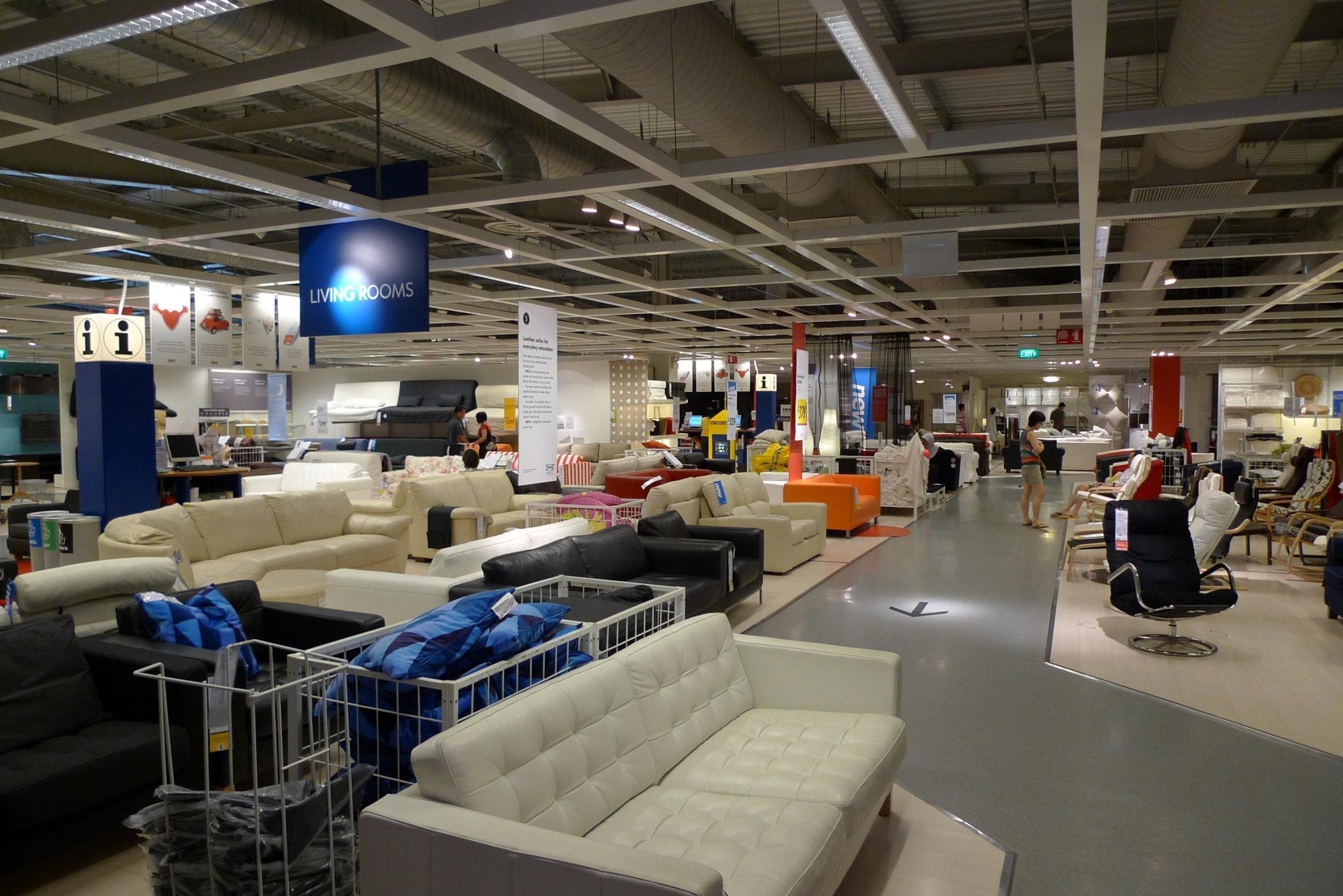
    After about two years in the making, Ikea Singapore’s online store launches today.

    Customers will no longer need to visit the Swedish furniture giant’s Tampines megastore or Alexandra Road outlet, but can buy at Ikea.sg and have the items delivered to their homes. As with the physical outlets, the online store has an inventory of about 7000 products.

    Online customers can pay via credit card or Nets. There is no minimum spend.

    Delivery charges range from $15 to $70 for bulky items. The delivery-service team members have been trained to also assemble the furniture, for an extra fee.

    Ikea Southeast Asia retail director Mike King says there have long been calls for an online store in Singapore, but the brand wanted to iron out all the kinks before launching one.

    Previously, Ikea Singapore’s website was a virtual extension of its print catalogue, showing mood shots of various rooms and offering product details.

    Mike King, Ikea Southeast Asia’s retail director, says there have long been calls for an online store in Singapore, but the brand wanted to iron out all the kinks before launching one.

    Previously, Ikea Singapore’s website was a virtual extension of its print catalogue, showing mood shots of different rooms and information about Ikea’s products. With online shopping now available, King expects greater demand for Ikea’s products but is confident there will not be a problem fulfilling orders.

    He says that during the past 12 months, Ikea has been affected by a global container problem (caused by South Korean company Hanjin Shipping going bankrupt) and port delays in Shanghai. “Those issues cause more problems rather than the added demand generated by e-commerce.”

    King says there are improvements ahead for the online store, which may include an option for customers to collect their online purchases from the two physical stores.

    An online Ikea store is also planned for Malaysia.

  • Thailand’s Pomelo raises extra $19 million capital

    Thailand’s Pomelo raises extra $19 million capital

    Thai online fast-fashion retailer Pomelo has raised an extra US$19 million in a series-B funding round.

    Led by China’s JD.com and Provident Capital Partners, joined by Lombard Investments, it was the largest series-B round by a company based in Thailand.

    Pomelo says it aims to use the cash injection to accelerate global growth.

    A year ago Pomelo raised a follow-on funding round, taking its total series-A funding to $11 million, an investment led by Singapore-based Jungle Ventures.

    Altogether, the three-year-old company has raised $32 million from investors globally.

    “We look forward to continuing the mission of building the first global fast-fashion brand out of Southeast Asia,” says Pomelo CEO David Jou.

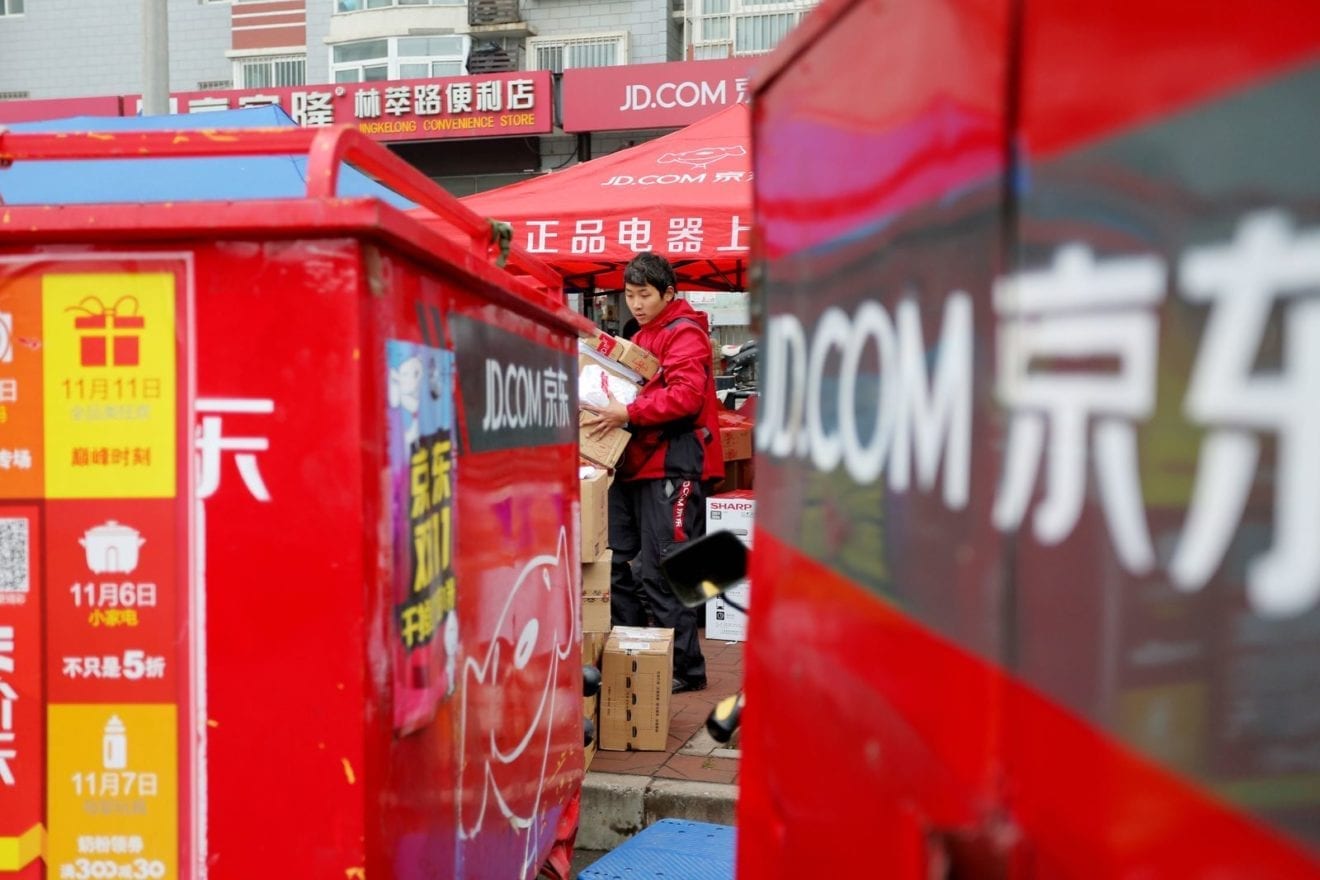
  • China’s JD.com is keen to link with Saudis

    China’s JD.com is keen to link with Saudis

    With the Middle East in its sights, China’s JD.com is keen to team up with the Saudi government.

    “We want to have a partnership with the Saudi government,” says the e-commerce company’s international business president Winston Cheng.

    He describes Vision 2030, Saudi Arabia’s economic reform plan aimed at boosting private-sector growth and developing non-oil industries, as an incredible opportunity.

    “This region is the next new frontier,” says Cheng. “We’re looking to move very fast.”

  • Hundreds of cities bid to become home to second Amazon HQ

    Hundreds of cities bid to become home to second Amazon HQ

    It’s the prize of a lifetime – a $5 billion investment creating 50,000 well-paid jobs that everyone wants, but only one city will get. Amazon said Monday it has received 238 pitches from places across North America vying to be home to its second headquarters.

    It’s the prize of a lifetime – a $5 billion investment creating 50,000 well-paid jobs that everyone wants, but only one city will get.

    “We received 238 proposals from across North America for #HQ2,” the Seattle-based internet colossus said in a post from its official Twitter account.

    “The team is excited to review each of them!”

    From East to West and North to South, metropolises across the United States are locked in a frenzied bidding war, desperate to woo Amazon into favoring them as the site of the e-commerce giant’s second headquarters.

    Proposals were also reported to have come from Canada and Mexico.

    From $7 billion in tax breaks in Newark, New Jersey — 50 years ago aflame in deadly race riots — to a giant cactus shipped inter-state from Tucson in Arizona, bids ranged from the extremely ambitious to the silly before the deadline for submissions recently passed.

    The e-commerce giant announced last month that it planned to invest more than $5 billion in opening Amazon HQ2, a second company headquarters in North America that would also create tens of thousands of spin-off jobs.

    “We expect HQ2 to be a full equal to our Seattle headquarters,” promised Amazon founder Jeff Bezos, America’s second richest billionaire worth $85.8 billion.

    The unusual announcement unleashed competitive streaks nationwide as some of America’s most glittering cities vie with lesser-known backwaters looking to exit oblivion.

    In addition to direct hiring and investment, Amazon expected construction and operation of HQ2 to create tens of thousands of additional jobs.

    Amazon said in an online post that it is making the selection of its second headquarters a public process because “we want to find a city that is excited to work with us.”

    It has expressed a preference for places with more than one million people, a business-friendly environment and urban or suburban locations able to attract and retain strong technical talent.

    A study commissioned by World Business Chicago claimed that in 17 years, HQ2 would generate $341 billion in total spending, including $71 billion in salaries.

  • Lazada Online Revolution offering 210 million items

    Lazada Online Revolution offering 210 million items

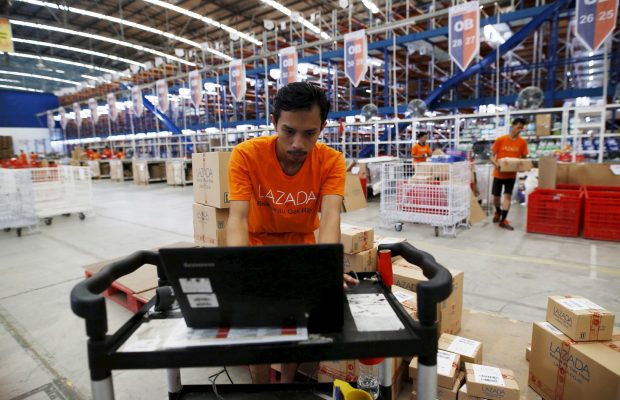
    In its sixth year, the Lazada Online Revolution mega-sale will be the biggest yet when it takes off on November 11 across six countries – Indonesia, Malaysia, the Philippines, Singapore, Thailand and Vietnam.

    Themed “Shop the Universe”, the sale will offer 210 million products, up sevenfold from last year, and has expanded its product categories to include fashion, luxury cosmetics, groceries, pet supplies and digital goods such as e-vouchers and prepaid mobile-phone top-ups. International brands include Huawei, Laneige, Levi’s, Mac, Ray-Ban, Shiseido and Triumph.

    There will be about 26 million deals offering discounts of up to 90 per cent, including items from the Taobao Collection, which offers kitchenware, furnishings, fashion apparel and accessories.

    Shoppers in Southeast Asia ordered about two million items within the first 24 hours of last year’s Online Revolution 2016. Among the top sellers were VR glasses, smartphones, shower gels and mascaras.

    As well as its own 130 delivery centres across the six countries, Lazada will work with more than 80 delivery companies to handle demand during the sale.

  • EU mulls digital firms’ global profits tax

    EU mulls digital firms’ global profits tax

    The European Union is asking its citizens to help decide on a fairer tax regime for large digital corporations that may include a tax on their global profits.

    Firms such as Amazon, Google and Facebook have often been accused of paying too little tax within the bloc by establishing their regional headquarters in low-tax countries such as Luxembourg and Ireland.

    The executive European Commission wants binding legislative proposals for a fair taxation of the digital economy by March.

    In a public consultation published on Thursday, it listed new ideas on what such a blueprint might contain.

    It is seeking responses on a “unitary tax” that would be levied on a share of digital companies’ global profits, divided up between the EU countries where they operate.

    This option has never appeared in EU documents before.

    It would be a long-term solution, as would a proposed tax using the corporate rate of the countries where the firms’ consumers are, rather than where the firms are based.

    That would eliminate the incentive for multinationals to set their EU headquarters in low-tax states.

    The commission also sought reactions to the idea of changing the principle of corporate establishment, so that companies could be taxed when they have a “digital” presence in a country. That was an option listed in a document published in September .

    In the short term, EU states could impose a tax on revenues from “digital activities” or services, like the sale of online ads.

    They could also consider a withholding tax on digital payments or a “digital transaction tax” levied on companies selling consumers’ personal data.

    The move is set to gauge public support for an initiative that is backed by the EU’s big states but opposed by smaller, low-tax countries who fear losing revenues.

  • Safe.Shop moves to unify e-commerce certification

    Safe.Shop moves to unify e-commerce certification

    Global trustmark Safe.Shop is rolling out an international umbrella for e-commerce certification.

    In launching Safe.Shop, the Ecommerce Foundation says its aim is to help improve customer confidence while boosting e-commerce trade globally.

    National e-commerce associations from 13 countries are already partners, including China, Hong Kong, Japan and Malaysia.

    The foundation says there are already more than 300 e-commerce trust marks worldwide, most being solely national initiatives. Some focus explicitly on legal compliance, while others focus on financial reliability, security, reviews or anti-counterfeiting policies. And some try to cover most of these aspects.

    Separate certification for national trust marks can cause complications, says the foundation, and can be especially complex for small- and medium-sized e-commerce companies. Safe.Shops aims to bridge the borders. Webshops certified by a local trust partner offer reliability and uphold consumer rights.

    “We are not building a trust mark from scratch,” says Ecommerce Foundation director Jorij Abraham.

    “Many national retail and e-commerce associations already have a trusted certificate. They know the local market and can serve local retailers and online stores much better than could a central organisation. Collaborating with local trust-mark partners enables us to use the strength of the local brand and to build a global trust mark together.”

    Safe.Shop’s launch will take about three months as processes and systems need to be optimised.

    Online stores can apply for the trust mark through their national e-commerce association or via www.safe.shop. The organisation wants to have 30 countries linked to the initiative by next year, and is negotiating with e-commerce associations in a further seven countries including South Korea.

    Initiated by the Ecommerce Foundation, Safe.Shop is managed by Ecommerce Operations, a company based in The Netherlands. It creates free reports about the e-commerce market in more than 50 countries, and has set up EcommerceWiki as an online community and knowledge-sharing platform for e-commerce students, professionals and managers.

  • Inside the new Amazon stores-in-stores at Kohl’s

    Inside the new Amazon stores-in-stores at Kohl’s

    Ten Amazon stores-in-stores have opened inside discount apparel chain Kohl’s across the US, the first stage in a broader commercial partnership between the two retailers.

    Announced in early September, the deal sees Amazon smart home experience mini-stores opening in prominent locations at the front of the Kohl’s stores across the Chicago and Los Angeles areas from this month.

    Amazon has since released these accompanying images showing how the concept looks.

    The stores are staffed by Amazon employees and provide a hands-on experience where customers can interact with a variety of Amazon devices, including Amazon Echo, Echo Dot, Amazon Fire TV, and Fire tablets. They can buy them on-site.

    Amazon says the stores will demonstrate how its devices can “modernise and simplify home management, entertainment and security”.

    Returns service

    Shortly after the Amazon stores-in-stores concept was revealed, the company also announced an arrangement allowing 82 branches (initially) in the two cities to accept returns of goods bought by Amazon shoppers online. From next month, they will be able to take their goods to a Kohl’s store where the merchandise will be packed and shipped for free back to an Amazon warehouse.

    Kohl’s believes partnering with Amazon represents a competitive advantage. “The Kohl’s and Amazon collaboration leverages the strengths of both brands – the Kohl’s store portfolio and omnichannel capabilities combined with the power of Amazon’s reach and loyal customer base,” Kohl’s said.

  • Foodpanda brand overhaul follows acquisition

    Foodpanda brand overhaul follows acquisition

    A Foodpanda brand overhaul has been launched following its acquisition by tech giant Delivery Hero last December.

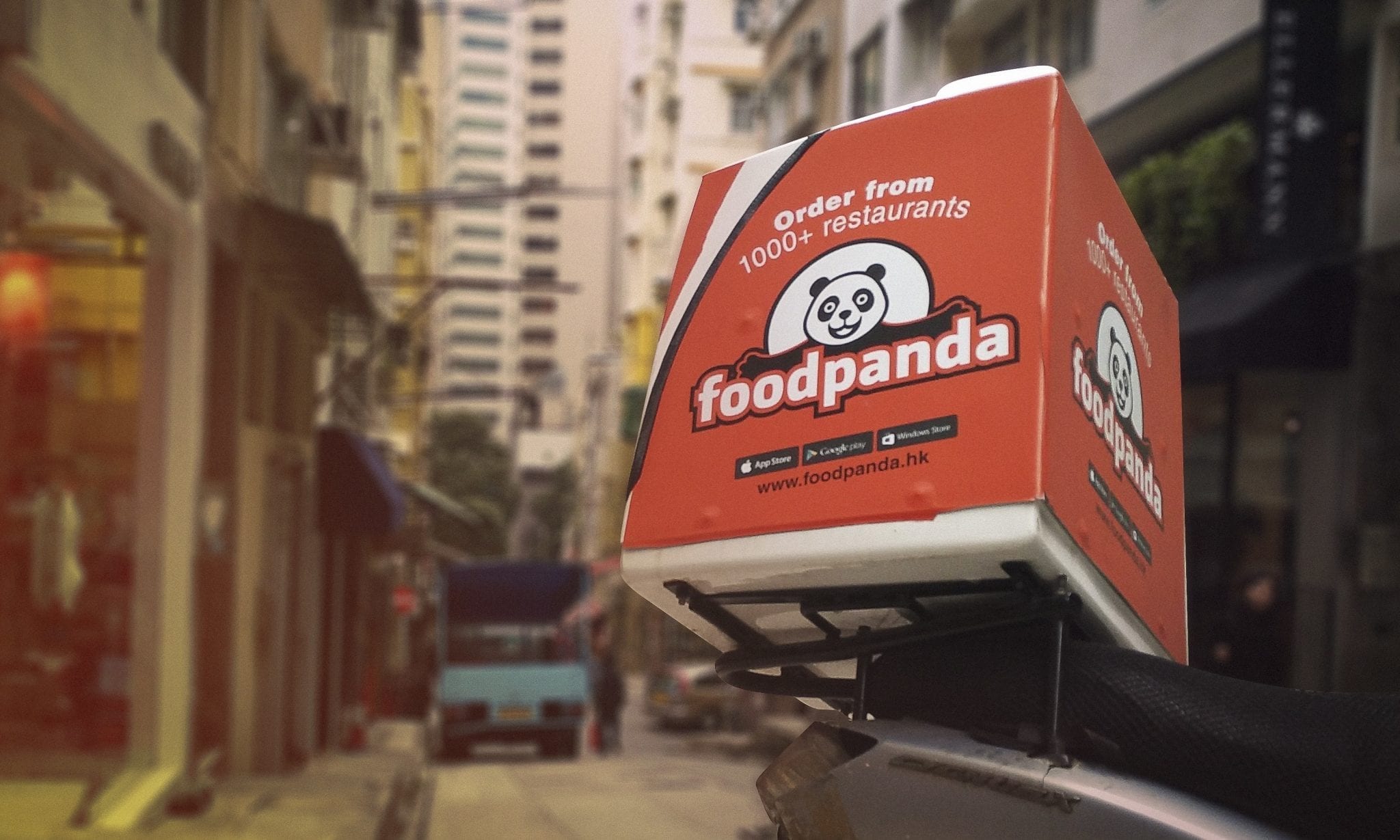
    While the iconic panda is still part of the food delivery company’s logo, it has been tweaked to have a round face, while the brand colour has been changed from orange to pink with a slimmer more contemporary font.

    According to the company, the new logo aims to be more memorable.

    “Pink will be a strong differentiator for Foodpanda to stand out in markets in which orange is used extensively throughout the city,” says head of marketing Laura Kantor. Also, pink is the signature colour of its sister company Foodora.

    The rebranding will roll out in 190 cities across 12 countries, including Hong Kong, Malaysia, Singapore, Taiwan, Thailand and the Philippines.

    Along with the change in brand identity, Foodpanda has introduced an upgraded app and front end that introduces live tracking for orders.

    While declining to reveal the cost of the rebrand, Kantor says it has been a “mammoth task” to convert all its brand assets. It had to work on its app, website and other digital platforms, before moving on to more than 1500 restaurant partners in Singapore alone to replace all its collateral.

    Foodpanda also had to change out uniforms and delivery bags for its 3000-strong rider fleet, and also changed everything from orange to pink, including the walls, at its Singapore headquarters.

    Meanwhile, the company is working with restaurants to create celebratory dishes that will be available exclusively on Foodpanda for two weeks.