Tag: ecommerce

  • Inditex Group to introduce m-payment in Sept

    Inditex Group to introduce m-payment in Sept

    Mobile payment is coming to stores belonging to fashion retailer Inditex Group in September, chairman and executive Pablo Isla announced recently during the company’s annual general meeting.

    Inditex has eight brands and more than 7,000 stores throughout the world. These brands include Zara, Pull&Bear, Massimo Dutti, Bershka, Stradivarius, Oysho, Zara Home and Uterqüe.

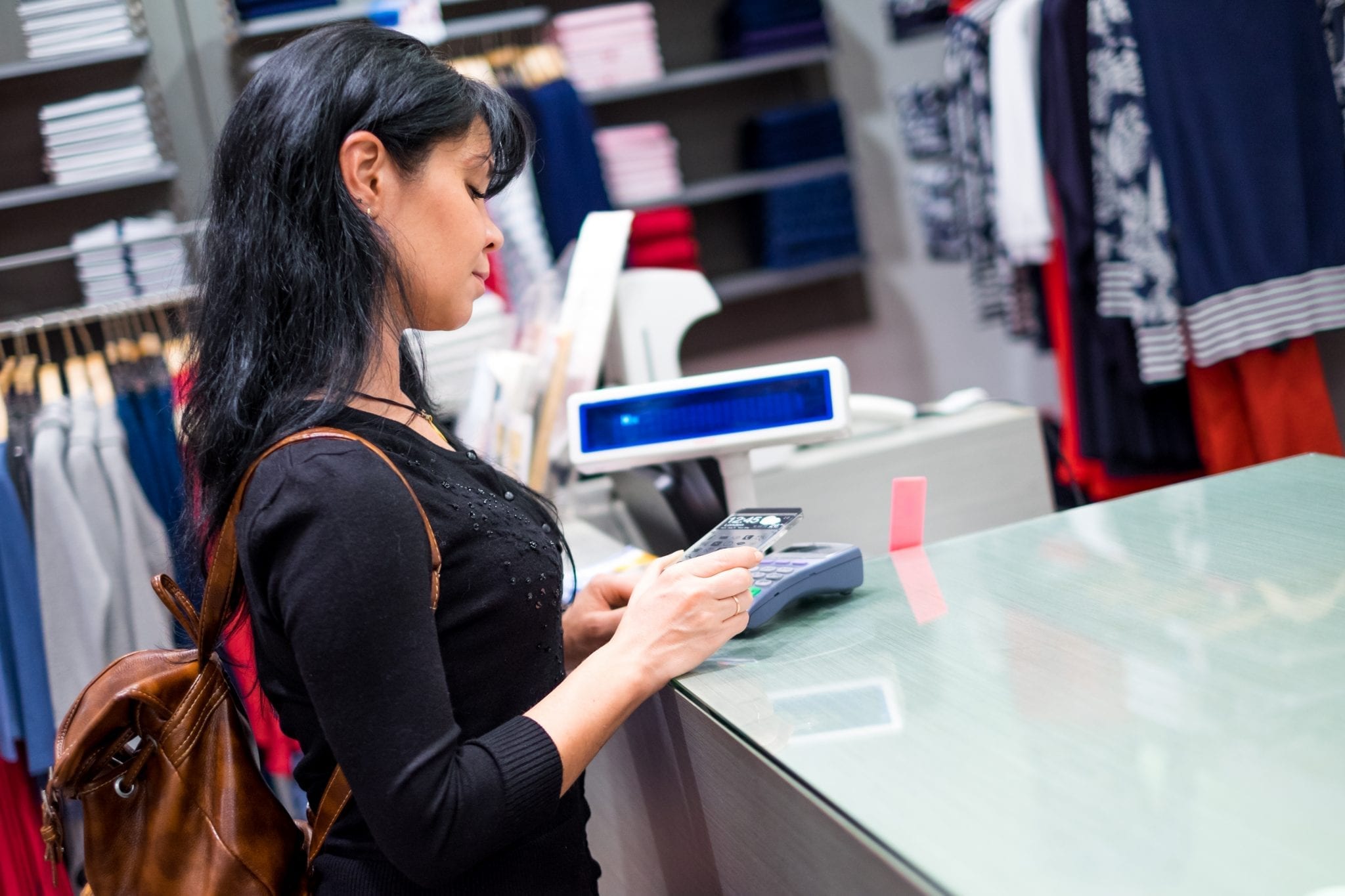
    Initially, the company’s in-house developed application, InWallet, will facilitate mobile payment at any of the group’s brands in Spain. The service will also allow all receipts to be issued electronically. Isla said the new service has been designed to enhance the shopping experience and aims to significantly simplify the purchase and returns process.

    Customers can activate the service directly from the online app and add the payment cards they want to use on the account in a safe and secure way.  The app has been developed entirely in-house by Inditex as part of the group’s efforts to continually upgrade technology to improve the overall customer experience.

    Isla also announced that the RFID technology rollout across all Zara stores is on track for completion by the end of this year and due to be rolled out in the rest of the group’s brands starting next year.

    Meanwhile, the Inditex chief has launched an ambitious recycling program that would collect customers’ unwanted clothing when shopping online.

    Under the plan, between 1,500 and 2,000 clothes collection containers will  be installed in several Spanish cities in collaboration with Caritas. Simultaneously, Zara will continue installing containers in the bricks and mortar stores, and in September all Zara stores in Spain will have a container for recycling.

    Caritas will sort the clothing to further the garment’s life through its distribution channels or allow for recycling for the development of new textile raw materials.  The pilot test will initially trial in Madrid with the aim of gradually introducing the scheme all over Spain.

    Inditex said it will donate €3.5 million ($3.9 million) over two years to this project, which will also encompass the modernization of Cáritas’s garment sorting and treatment plants.


  • Millennials driving force behind Taobao Marketplace

    Millennials driving force behind Taobao Marketplace

    Millennials are the driving force behind Taobao Marketplace, with more than 70 percent of buyers in their 20s and 30s, according to Chris Tung, chief marketing officer at Alibaba Group.

    “As users continue to engage with the platform in more meaningful ways, we are fostering next-generation consumption features, such as virtual reality, to transcend the overall user experience,” he said in a media statement during the Taobao Maker Festival held recently at the Shanghai World Expo Exhibition Center.

    The festival celebrates Taobao merchants by showcasing creative ideas and designs to the world, including gadgets, fashion and high-tech products. The festivities also include various performances by artists, music groups and celebrities from across Asia.

    Created in 2003 as an online shopping destination for Chinese consumers, Taobao Marketplace has evolved into an interactive lifestyle platform driven by a young consumer population who wants to do more than just shop.

    “It is a destination for innovators, entrepreneurs and creatives to showcase and experiment amongst a community of 423 million Chinese consumers on our China retail marketplaces that come to Mobile Taobao to explore, discover and be entertained,” explained Daniel Zhang, chief executive officer of Alibaba Group.

    In 2010, Alibaba Group launched the Mobile Taobao app to transition its flagship C2C shopping platform to more a interactive platform to explore opportunities in mobile commerce.

    Today, the Taobao platform supports millions of entrepreneurs across China with user engagement across e-commerce, digital media, travel, social and local services. On average , it has around 150 million daily active users on Mobile Taobao. Users launch the Taobao app an average of seven times per day and spend more than 20 minutes each day on the app. They browse an average of 19 products during a 24-hour period,

    Moreover, mobile Taobao users post more than 20 million reviews and comments every day.

    “We hope the Taobao Maker Festival will inspire young makers to continue innovating and reaching the world through the Taobao ecosystem,” Tung said.

  • India’s YES BANK taps Gemalto for secure m-payments

    India’s YES BANK taps Gemalto for secure m-payments

    India’s YES BANK has deployed Gemalto technology to secure mobile payment transactions for its customers under India’s recently implemented Unified Payments Interface (UPI).

    YES BANK, India’s fifth largest private sector bank, has adopted Gemalto’s SafeNet Network HSM for the purpose.

    UPI, India’s online payments solution, enables all account holders to send and receive money from their smartphones with a single identifier – such as mobile number or virtual payments address – without entering any bank account information.

    The SafeNet Network HSM (formerly SafeNet Luna SA HSM) provides end-to-end data security and encryption to protect user credential confidentiality and the private keys responsible for digital signing.

    “With a widespread network of over 860+ branches and 1,625+ ATMs Pan India, we’re committed to taking a customer-centric approach to our banking services,” said Anup Purohit, CIO at YES BANK.

    “The Unified Payments Interface offers clients revolutionary convenience when it comes to banking and payments, and we want to ensure the highest levels of security for users of the platform. We’re thrilled to integrate Gemalto’s industry-leading SafeNet HSM technology into the UPI application to support this initiative.”

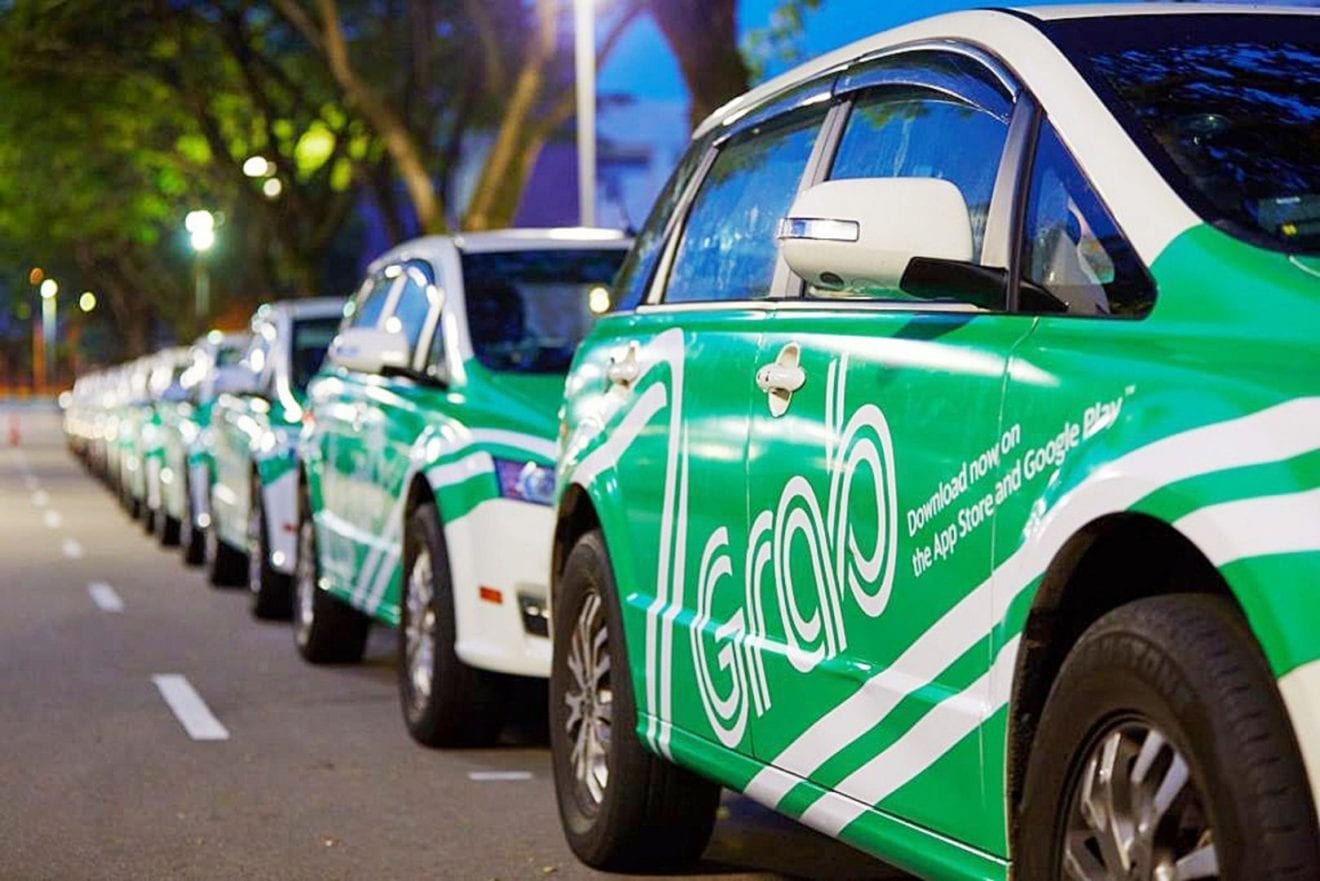
  • Grab partners Lippo Group for e-payment platform

    Grab partners Lippo Group for e-payment platform

    The partnership is an extension of a strategic deal signed between the two companies in March this year.

    According to the agreement, Lippo Group will develop a universal payments platform that enables Indonesians to top-up an e-money account and use it to pay digitally at Lippo companies.

    Grab will then integrate the payments platform into the Grab app as a mobile wallet option within GrabPay, enabling any mobile user to use the Grab app to pay for not only their daily transport needs, but also other lifestyle services.

    “We commend the government’s efforts to push Indonesia towards a cashless society and look forward to contributing towards this goal. Grab’s partnership with the Lippo Group to develop a universal payments platform will be a leap forward for e-money in Indonesia,” said Grab Group CEO and co-founder Anthony Tan.

    “With a rapidly growing middle class, people will want to have a mobile wallet option in the Grab app, which they can use every day, whether for transport, or payments for basic transactions,” he added.

    Tan believed that the potential of developing a mobile payments platform in Southeast Asia is “limitless”. The majority in Southeast Asia are unbanked but are armed with mobile phones. Thus, the only way forward is to find a cashless solution that will help customers manage their money and mobile wallets.

    “We will work with local partners to make cashless transactions a reality for the majority in Southeast Asia,” he concluded.

    The universal platform will be rolled out in the fourth quarter this year.

    With that, over 50 million existing customers from the Lippo and Grab will be able to pay via their mobile phones or use their Grab App to pay for a full suite of services from Lippo’s retail companies, including department stores, hypermarts, cinemas, coffee shops and e-commerce.

    Lippo Group director Adrian Suherman said his company will introduce more partner merchants in unrelenting efforts to push cashless transactions.

    “Lippo Group is committed to transforming lives in Indonesia, and we want to work with partners like Grab that have this common vision,” Suherman said in a statement.

    “Indonesians can enjoy the convenience of using their mobile phones and the Grab app to top-up and pay, as well as better manage their cash flow,” he added.

    Grab is determined to expand new services specifically for Indonesian preferences, as the country is Grab’s largest market. Nearly 95 per cent of Indonesians do not use credit cards. Grab said it will continue to partner with leading companies to launch innovative services to cope with these challenges.

    Began as a taxi-hailing app in 2012, Grab has expanded its core product platform to include private cars and motorbikes. The region’s largest transport network is now testing new services such as social carpooling, as well as last mile and food deliveries.

    Grab currently offers services in Singapore, Indonesia, Philippines, Malaysia, Thailand and Vietnam.

    Meanwhile its partner Lippo Group is a pan-Asian investment holding company with investments in real estate, department stores, retailing, financial services, telecommunications, hospitality, healthcare, news media, and IT services.

    With Riady family’s second generation at the helm, Lippo Group has been increasing its presence in the digital scope through aggressive investments in technology, media and online platforms.

    Its latest and largest investment is through Mataharimall.com, an online marketplace, which has pledged $500 million of funds for the platform.

  • China’s Growing E-Commerce Addiction

    China’s Growing E-Commerce Addiction

    I am admittedly an Amazon shopping addict, so it was interesting to have a long conversation recently with Chinese colleagues in Nanning about their own growing addictions to online shopping. They are big fans of Taobao, although they also use other e-commerce sites likeJD.com and Suning.com. My colleagues are representative of a larger trend of Chinese consumers shifting partly from brick-and-mortar shopping to online shopping, and expanding online shopping in its own right. E-commerce now represents a high-growth sector.

    Though relatively new to online shopping, Chinese consumers already make up for almost half of global online retail sales, and are only growing in numbers. Online retail sales amounted to $581.61 billion in 2015, surging 33.3% from the previous year. The volume of online sales in China now exceeds that in the US, and online sales are expected to grow 20% annually by 2020. Furthermore, online shoppers represent the vanguard of China’s growth story, since they tend to be young, urban, and highly educated. They have a different attitude toward shopping than older generations, which were shaped as savers by more challenging political and economic circumstances. Younger shoppers are more willing to spend.

    Compared to brick-and-mortar retailing in China, e-commerce sales often experience fewer licensing requirements and quicker customs clearance. As a result, e-commerce is to some extent replacing shopping in physical marketplaces, and will comprise 42% of growth in private consumption by 2020 according to Boston Consulting and AliResearch. For this reason and others, hypermarkets such as Carrefour and Walmart have shut down a number of stores. Online shopping also allows consumers to access products that are not available in stores, including organic foods and some luxury products from overseas.

    As consumers in Tier 1 and Tier 2 cities (think Beijing, Shanghai, but also Chongqing and Chengdu) become increasingly savvy online shoppers, there continues to be large potential for online sales particularly in Tier 3 and 4 cities. E-commerce penetration amounts to 89% in Tier 1 and 2 cities, but only amounts to 62% in Tier 3 and 4 cities, as per the McKinsey iConsumer China 2016 Survey. The online shopper base in Tier 3 and 4 cities is 257 million, a population number that is larger than that of almost all countries in the world (except India, China as a whole, and the United States). That is serious market potential.

    To keep up with increasing demand from smaller urban and rural areas, online retailers are seeking to expand logistics infrastructure and services. For example, Alibaba ’s logistics arm, Cainiao, now owns 180,000 express delivery stations for the shipment of products and has recently expanded its fresh food distribution centers across China. The firm recently completed its first external funding round and is expected to spend $16 billion over the next five to eight years to expand its network. Growth in China’s underdeveloped logistics sector can certainly be expected to accompany the expansion of e-commerce.

    *originally posted by Forbes

  • aCommerce Builds World-class eCommerce Fulfilment Capability  with Manhattan Associates

    aCommerce Builds World-class eCommerce Fulfilment Capability with Manhattan Associates

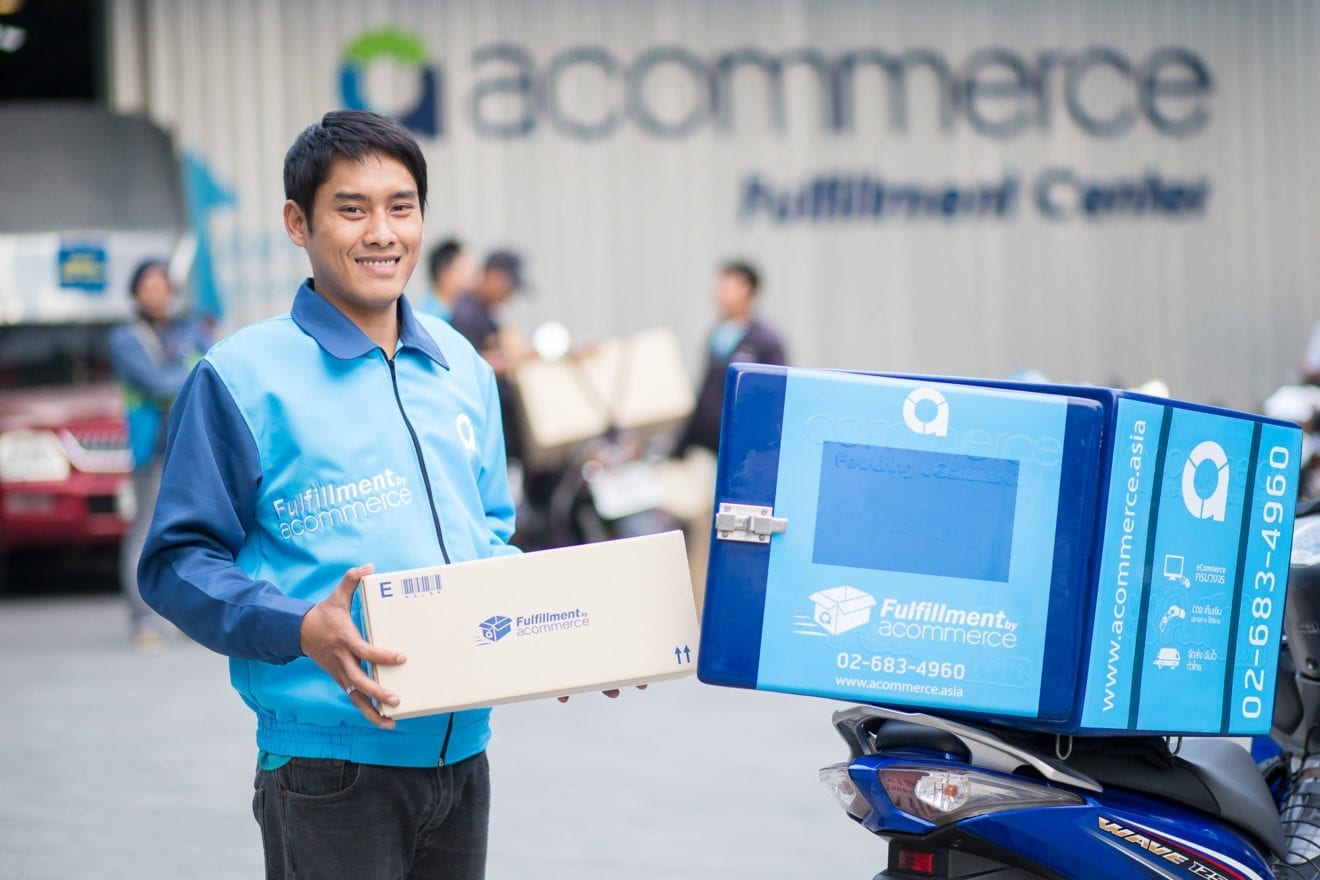
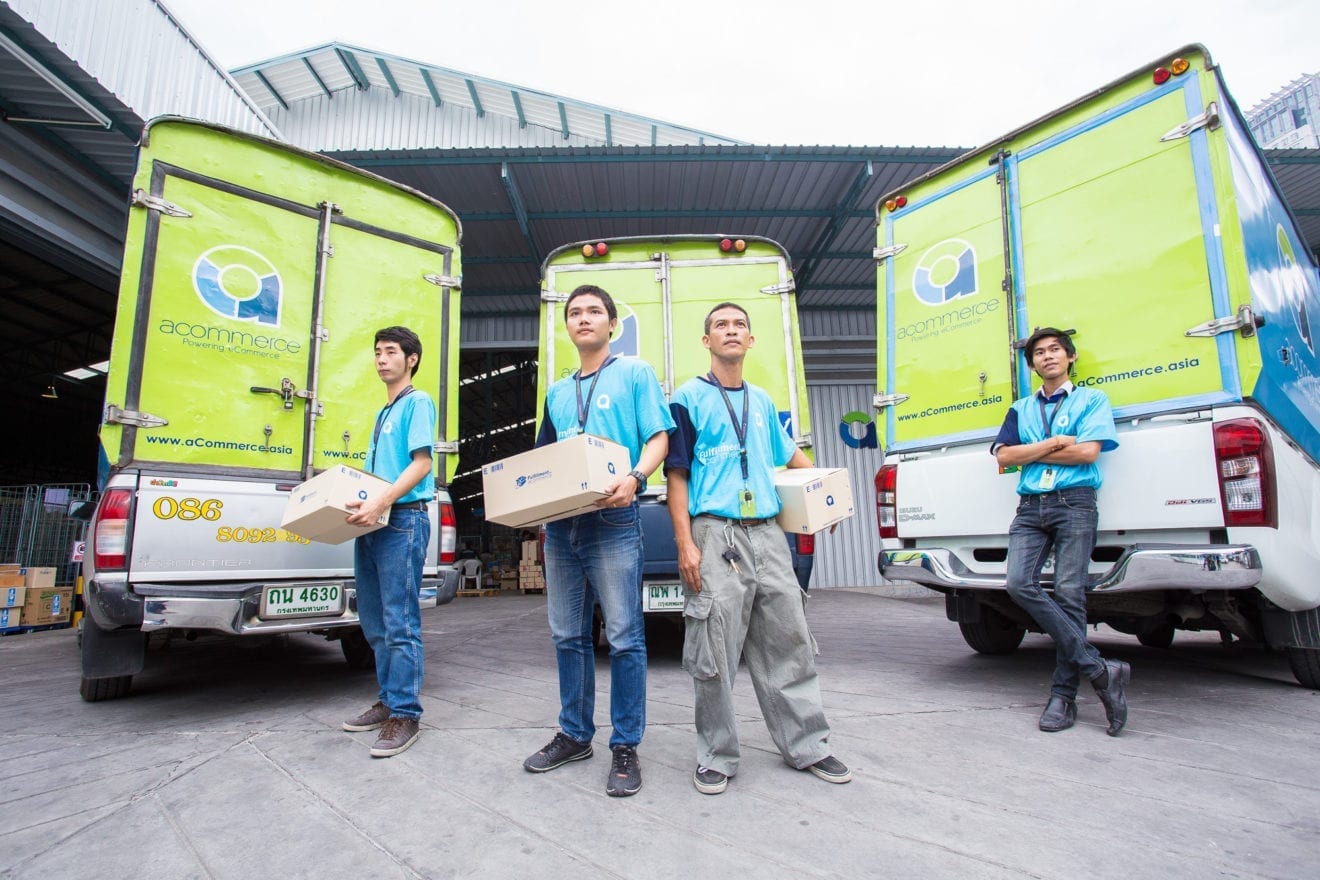
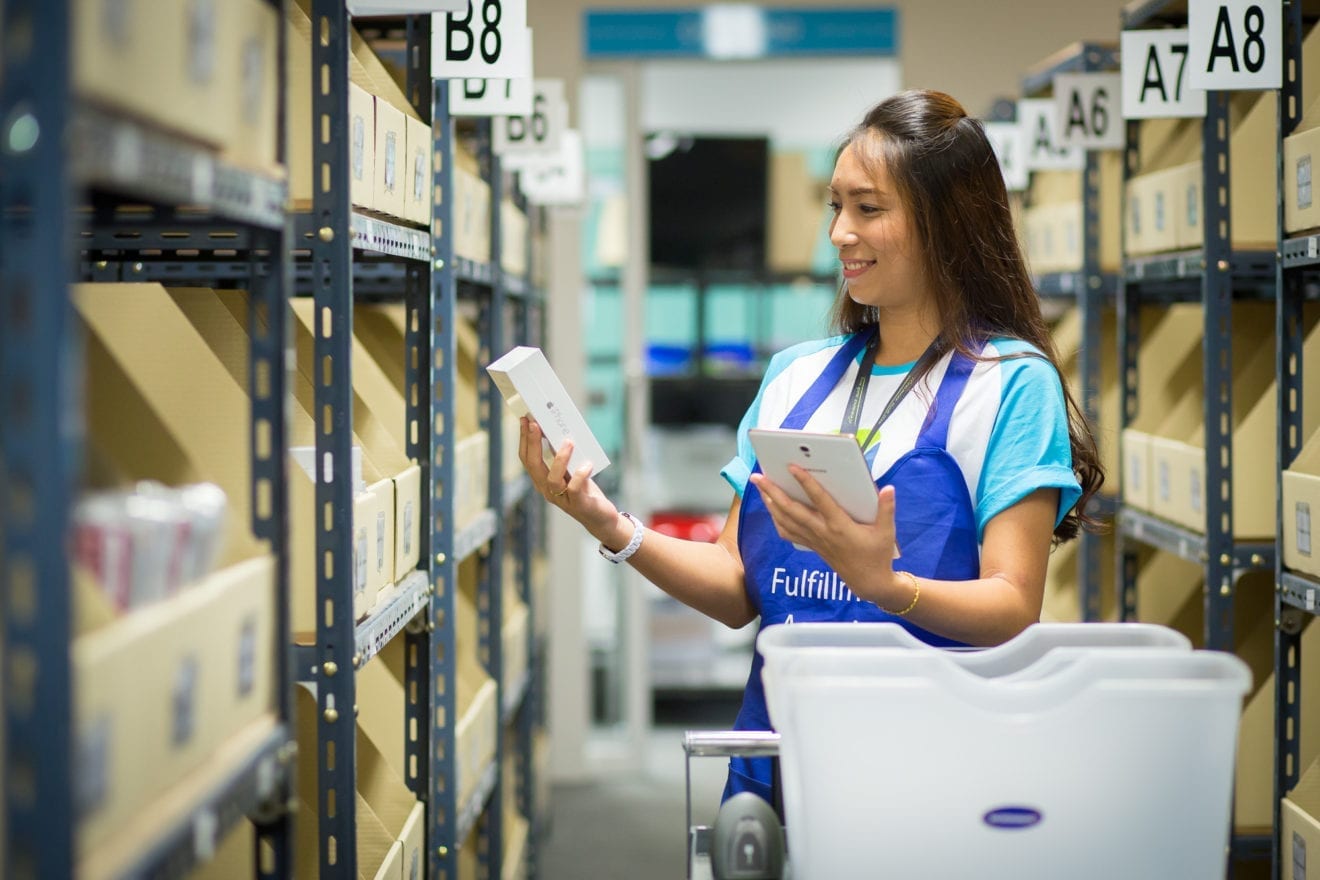
    Manhattan Associates, Inc., (NASDAQ: MANH) today announced that Southeast Asia’s leading ecommerce service provider and online distributor aCommerce has selected the Manhattan SCALE™ product suite to support its continued expansion in the Southeast Asia region. Manhattan SCALE will deliver an improved warehouse management capability across aCommerce’s warehousing estate in Indonesia, Philippines and Thailand, enabling an easier and faster integration of new aCommerce customers. The system will also provide the required degree of scalability for the business’s projected growth in the years ahead.

    warehouse_49

    While the initial implementation of Manhattan SCALE at aCommerce’s distribution centre (DC) in Thailand will be conducted by a joint team from Manhattan, aCommerce and Manhattan’s Thai GeoPartner Logiciel Consulting and Development Co., aCommerce expects its own team will manage subsequent deployments at its other DCs in the region.

    Paul Srivorakul, Group CEO at aCommerce, commented: “Over recent years, local e-tailers and international retail brands expanding into Southeast Asia have focused on building their websites and supporting front end systems but today their ecommerce strategies are increasingly structured around order execution and fulfilment processes. With the Manhattan SCALE solution, we’re aiming to drive improvements in revenue and profitability for our clients through higher service levels to the end consumer as well as give them a more efficient outsourced logistics capability.”

    warehouse_200

    Richard Wright, managing director at Manhattan Associates, Southeast Asia, commented, “Our unique platform will allow aCommerce to deliver on its customer service, distribution efficiency and enterprise growth goals, as well as create exceptional value for its retail customers and the consumers that they serve. We are honoured to be selected by aCommerce and excited to play such a key role in furthering its success as the leading integrated ecommerce services platform in Southeast Asia.”

  • Lessons from eBay’s personalised marketing

    Lessons from eBay’s personalised marketing

    All retailers can take lessons from eBay’s personalised customer marketing campaigns.

    For the modern-day marketer, the concept of the right message to the right person at the right time may seem like an over-used cliche; a pipe-dream, considering the mountain of tasks and campaigns.

    As customers and channels expand, this challenge will only continue to grow unless one can invest (not just financially but intelligently) in marketing automation solutions that will support a customer experience that blends a parallel between business driven marketing (i.e. brand led) with customer driven marketing (i.e. customer led).

    Customer-driven marketing has continuously demonstrated higher engagement rates as recipients are receiving messages that are relevant to their own interactions. This strategy is not new though, with eBay being one of the best examples of a retailer’s excellent use of marketing automation with personalisation.

    For many years now, eBay (which most of us have probably used at some point) have run thousands of customer-driven campaigns every single day. These campaigns run automatically, with relevant content for each individual customer based on their individual interaction. eBay is one of my favorite examples of a personalised customer experience; the e-tailer curates information to your needs, such as serving you listings of a similar product, or sending you listings of items you’ve been watching for. What eBay has done perfectly is to focus on the key stages in its customer lifecycle that it needs to manage. At these specific customer touch-points, it makes sure the experience is as relevant for each customer as possible.

    In 2016, Software as a Service has evolved to make this personalised customer experience easily achievable through three key steps:

    1. Mine the machine: data is king and sits at the epicenter of marketing automation. Data collection is essential for marketers, but which data is the most relevant for your business? Begin by thinking of the customer experience you want to achieve, the criteria that is needed and then the data required to fulfill this criteria. If it doesn’t already exist, how can you get this data?
    2. Predict the potential: data without context is meaningless, but contextualising data must lead to a conclusion: in most cases, an understanding of the customer and how to drive success. What have you learnt from this data and how will these conclusions drive customer impactful actions? What can you anticipate from this data analysis and how can you manage your objectives based on this? The data analysis should also be clear on the stages in the customer lifecycle to focus on.
    3. Evolve the execution: having understood the data, the customer and the stages in the customer lifecycle to focus on, it’s time to act. Which campaigns should you send and how should you manage content? Can a 1-2-many message work or should it be 1-2-1? Furthermore, which are the most relevant channels for this execution? A personalised omni-channel customer experience can be utopian but which channels are your customers expecting engagement on?

    When implemented with marketing automation, engagement rates for relevant customer driven campaigns can be 10 times those of regular newsletters. By implementing these across the customer lifecycle, particularly at the most critical stages, marketers can ensure that they are providing customers with an experience that is most likely to drive conversions. Conversions are not necessarily purchases but may mean positive brand interactions.

    In a more recent case, Spotify not only created a weekly data-driven personalised playlist through its Discover Weekly, but ran automated campaigns based on customer affinity. So if you can’t get enough of Justin Bieber, and he releases a new remix of Sorry, you’ll be the first to know.

    The right message sent to the right person at the right time, but a time-consuming task that can only be achieved efficiently by leveraging marketing technology.

  • Businesses in Indonesia Capitalize on Pokemon GO Popularity

    Businesses in Indonesia Capitalize on Pokemon GO Popularity

    “We are excited to announce that Pokémon GO is officially available to Trainers in Germany,” Pokemon Go announced on Wednesday (13/7) on its official website.

    With an official Indonesian release imminent, savvy businesses across the country have begun harvesting the game’s unique featured — requiring players to travel around and explore different areas to find and catch Pokémon.

    The National Museum, Jakarta, suggested players, known as Pokémon trainers, hunt the little monsters through the institution’s grounds on Monday.

    “Are you a Pokémon master/trainer? Come hunt Pokémon at the National Museum. It will add to your knowledge in a fun way!,” the Museum National tweeted.

    Motorcycle taxi ride-hailing application Go-Jek also did not want to miss the opportunity to benefit from the game.

    “Wanna seek Pokémon? Go with Gojek,” the ride hailing app said.

    Qraved.com, a Jakarta-based restaurant search and reservation site, joined the parade after launching a list of restaurants close to Pokéstops — places where players can get free items to enhance game experience — around the Sudirman area.

    The app — created by license owner Pokémon Company, multinational consumer electronics and software company Nintendo and Google’s spin-off software developer Niantic — itself, according to Quartz, has seen its players in the US alone spend $1.6 million each day on in-app purchases.

  • YNAP pins hopes on expansion

    YNAP pins hopes on expansion

    Italian online fashion retailer Yoox Net-A-Porter (YNAP) aims to double sales and boost profits by 2020 as it expands in new markets, including Asia, but says it is still committed to Britain despite the vote to leave the European Union.

    The group says it is expanding its London headquarters and hiring several hundred new staff members despite Brexit. About a sixth of its total revenue comes from Britain.

    “We believe in this market. We believe in London and we continue to grow here,” says chief executive Federico Marchetti. “We have a very resilient business model thanks to our geographies being global.”

    YNAP says it plans to more than double revenues to around 4 billion euros (US$4.4 billion) by 2020. Its growth plans include further expansion in China and the rest of Asia.

    It also plans to offer jewellery and watches – Swiss watchmaker Richemont is a major shareholder – targeting sales of 100 million euros by 2020. This is part of a strategy to focus more on premium customers and fast-growing brands, as well as investing heavily in mobile. It says three-quarters of sales are set to come from mobile devices by 2020, from 41 per cent now.

    YNAP, a merger of Italy’s Yoox with upmarket rival Net-A-Porter, has its own multi-brand shopping websites but also runs online stores for luxury brands including Armani and Valentino. It added Prada this week.

    Finance chief Enrico Cavatorta says he expects synergies from the merger to take full effect from 2018, improving margins, and says the group should be cash positive from 2018.

  • The Salvation Army joins start-up ShopBack Singapore on its Social outreach

    The Salvation Army joins start-up ShopBack Singapore on its Social outreach

    The Salvation Army partners ShopBack Singapore, one of the top Cashback sites in Southeast Asia, to introduce the #ShopBackGivesBack outreach. The budding start-up’s first foray into social responsibility encourages shoppers to shop and do good.

    From now till 31 August 2016, ShopBack Singapore will make a $10 donation to The Salvation Army for every first purchase made by users who sign up for a free account at https://www.shopback.sg/salvationarmy. No minimum spend is required from user to initiate the gifting.

    “The name #ShopBackGivesBack was chosen as it serves as an apt representation of both our business and social responsibility outreach,” said Ms. Josephine Chow, Country Head of ShopBack Singapore. “The backbone of our business involves giving cash back to the online shoppers. In line with GSS, we invite Good ShopBack Samaritans to indulge in shopping while doing good for The Salvation Army.”

    The international charity organisation has been serving the underprivileged in the local community without discrimination. Throughout its 81 years of establishment in Singapore, The Salvation Army has launched several diverse social programmes to cater to a wide range of needs in society.

    “The Salvation Army has come a long way in identifying social needs and doing our best to help people who truly need relief from difficult circumstances. We are pleased to partner ShopBack Singapore in its initiative to give back to the community. With the support of ShopBack Singapore and its kind shoppers, we can continue to provide better care for abandoned and abused children, families in material need, elderly requiring nursing care, and other needy segments in Singapore,” said Colonel Lyndon Buckingham, Territorial Commander, The Salvation Army, Singapore, Malaysia and Myanmar Territory. ShopBack SG 2

    To foster the spirit of giving and buying this GSS, ShopBack Singapore will be raising the Cashback tier from up to 30% to 40% for the Good ShopBack Samaritans. They will also get to enjoy exclusive voucher codes to help them save more as they shop from over 500 online stores such as Taobao, Guardian, Expedia and Cathay Cineplexes.

    Injecting social responsibility into a company’s core at an early development stage

    Most people tend to associate social responsibility with large corporations. They are more entrenched in their respective fields and tend to have more resources to execute social responsibility on a greater scale, which translates to a bigger impact.

    “In spite of resource constraints, ShopBack Singapore is keen to tighten its belt, step forth and give back to society,” said Mr. Henry Chan, Co-Founder of ShopBack. “We applaud this initiative and give the team our full support to take #ShopBackGivesBack further. This social responsibility outreach will serve as a good initiative to explore different ways of giving back while maintaining a sustainable business.”

    Currently less than two years old, ShopBack is seeing a steady 20% month-on-month growth across the region in five markets, garnering at least six orders per minute for its online retail partners. The desktop-first Cashback site just launched its mobile app last week, which topped the Shopping Category for free apps in less than 24 hours.

    Moving forward, ShopBack Singapore will look into the option of Cashback donation to involve over 250,000 local users in the #ShopBackGivesBack outreach. With the integration of charity organisations such as The Salvation Army as one of ShopBack’s payout options, shoppers will then be able to donate their accumulated Cashback straight to the desired organisation without forking out cash from their wallets.

  • Inamall launch opens doors for RI businesses

    Inamall launch opens doors for RI businesses

    The launch of a marketplace dedicated to Indonesian-made products on Chinese e-commerce giant Alibaba’s platform will open doors for local small and medium enterprises (SMEs) to break into the Chinese market.

    Over the weekend, Trade Minister Thomas Lembong and a number of officials took part in officiating Inamall in China, which is currently accessible through Alibaba’s subsidiary marketplace Tmall Global. Prior to the announcement, Inamall had reportedly been active since last year.

    Inamall will feature exclusively Indonesian-made products, with a particular emphasis on food and beverages. Some Indonesian brands that have entered this marketplace include coffee brands Kopi Luwak and Kapal Api, along with snack products ranging from Kusuka chips to Inaco Nata De Coco.

    Through the partnership with Alibaba, Indonesia now has a direct access to a lucrative online market, which would allow Indonesian producers to sell their products directly to Chinese consumers without the hassle of distributors.

    Indonesian ambassador to China and Mongolia Soegeng Rahardjo elaborated during the event that since Inamall’s soft launch last year it has been visited by up to 400 million Chinese users, thus highlighting the extensive interest in Indonesian products in the People’s Republic.

    The interest, Soegeng noted, arose because members of the Chinese public had less faith in their local products because of safety issues, especially when it comes to food and beverage products. With this perception by Chinese people, Indonesian products will get a better foothold in their market.

    “But the challenge now is how [Indonesian vendors] are able to maintain the quality of their goods, maintain their capacity and ensure the continuity of their production so that outside markets are able to consistently come back to an Indonesian product,” he said during the Inamall launch in Hangzhou last week, as reported by Antara.

    Adding to that, the director of the Indonesian Chamber of Commerce and Industry (Kadin) in China, Liky Sutikno, noted that Inamall would enable Chinese consumers to develop emotional connections with Indonesian products, enough for them to buy again and again if they adore the product, thus creating precious brand loyalty.

    At the same event, the managing director of the Global Alibaba Group, K. Guru Gowrappan, noted that Alibaba’s intentions in Indonesia are to help build the country’s e-commerce ecosystem so that local SMEs will be able to thrive.

    Alibaba had already begun to extend its reach into the Southeast Asian e-commerce market, with its recent purchase of a controlling stake in Singapore-based platform Lazada earlier this year.

    Commenting on this partnership, the Communications and Information Ministry’s e-business director general, Azhar Hasyim, said that having their products able to transcend borders directly into a market like China would be massively beneficial for Indonesian SMEs.

    In terms of online traffic, Azhar says that with many Indonesians being familiar with Chinese websites and online services, the market exposure could increase as a result on both sides.

  • China’s large retailers report slower growth in 2015

    China’s large retailers report slower growth in 2015

    China’s large retailers registered slower growth last year, with brick-and-mortar stores under continuous pressure due to booming e-commerce, a report showed Thursday.

    The sales volume of the country’s top 100 retailers topped 4.13 trillion yuan ($613.6 billion) in 2015, up 22.4 percent year on year, down by 3.8 percentage points compared with 2014, according to a report released by China General Chamber of Commerce, a retail industrial guild and retail market data provider.

    Among them, brick-and-mortar stores posted a continuous slowdown in growth, with sales only rising 3.2 percent year on year.

    Chinese Internet giant Alibaba’s T-mall e-commerce platform was the top seller last year, followed by JD.com and Suning.com.

    The report pointed out that foreign retailers saw their market share in China decrease further last year, with fewer foreign players making it into the top 100, and slower sales growth.

  • New Ippin mall offers Japanese goods

    New Ippin mall offers Japanese goods

    An eCommerce company that sells printer inks and sanitary napkins, C-Connect, has launched Ippin, an online shopping mall that specialises in direct sales and distribution from Japan to other countries.

    Ippin not only sells products made in Japan, but also “Produced by Japan” and “Popular in Japan” items. Customers can buy directly from 18 regions and countries, though the initial target is mainly China and Southeast Asian countries.

    Categories include food, fashion, cosmetics, children’s and baby items, and electric appliances.
    Independent websites are provided for each country, such as China, Singapore and Malaysia, with recommended item rankings and payment methods (16 currencies) to suit the market, such as credit cards, Alipay and Paypal.

    Users can choose from three languages (English, Chinese and Japanese) with more to be introduced.

    C-Connect was founded in 2009.

  • New Tax Tariff for Online Retailers in Indonesia ?

    New Tax Tariff for Online Retailers in Indonesia ?

    The new regulation implies that those individuals and companies that generate revenue and profit through online retailing (including sales through Facebook or Instagram pages) are required to report their income and fulfill their tax obligations.

    In general, a corporate income tax rate of 25 percent applies in Indonesia. Small and medium-enterprises with an annual turnover below IDR 50 billion (approx. USD $3.8 million) obtain a 50 percent tax discount (imposed proportionally on taxable income of the part of gross turnover up to IDR 4.8 billion). In 2013, Indonesia’s Finance Ministry issued a regulation that set a one percent income tax tariff on individual and institutional taxpayers with an annual gross turnover below IDR 4.8 billion (approx. USD $363,636).

    However, the main problem for Indonesian authorities is that it faces difficulties to monitor transactions of the nation’s small and medium-sized businesses. Most of these businesses do not have legal entities or taxpayer identification numbers (NPWP).

    Meanwhile, the idEA estimates that Indonesia’s e-commerce retailers see an increase of at least 30 percent (y/y) in income during the Idul Fitri holiday (4 – 8 July 2016) as it detected a shift in consumer behavior. According to the idEA an increasing amount of Indonesian consumers prefer to shop online rather than visit offline stores.

  • MPPA increases stake in MatahariMall.com to 10%

    MPPA increases stake in MatahariMall.com to 10%

    With the acquisition, MPPA hopes to benefit from wider access to e-commerce as its development will remain strong this year. The Company views e-commerce in Indonesia is an enormous market and will continue to grow.

    The investment and partnership with MatahariMall.com is a new opportunity to foster O2O e-commerce components that encourage the sale contribution in the future. The relationship will improve MPPA’s position as the leading multi-format modern retailer in Indonesia, as well as contribute to a sound financial outlook going forward. MPPA takes advantage to secure a new opportunity to display and market the Company’s exclusive brand throughout Indonesia via e-commerce.