Tag: ecommerce

  • More stake for Matahari Putra Prima in MatahariMall.com

    More stake for Matahari Putra Prima in MatahariMall.com

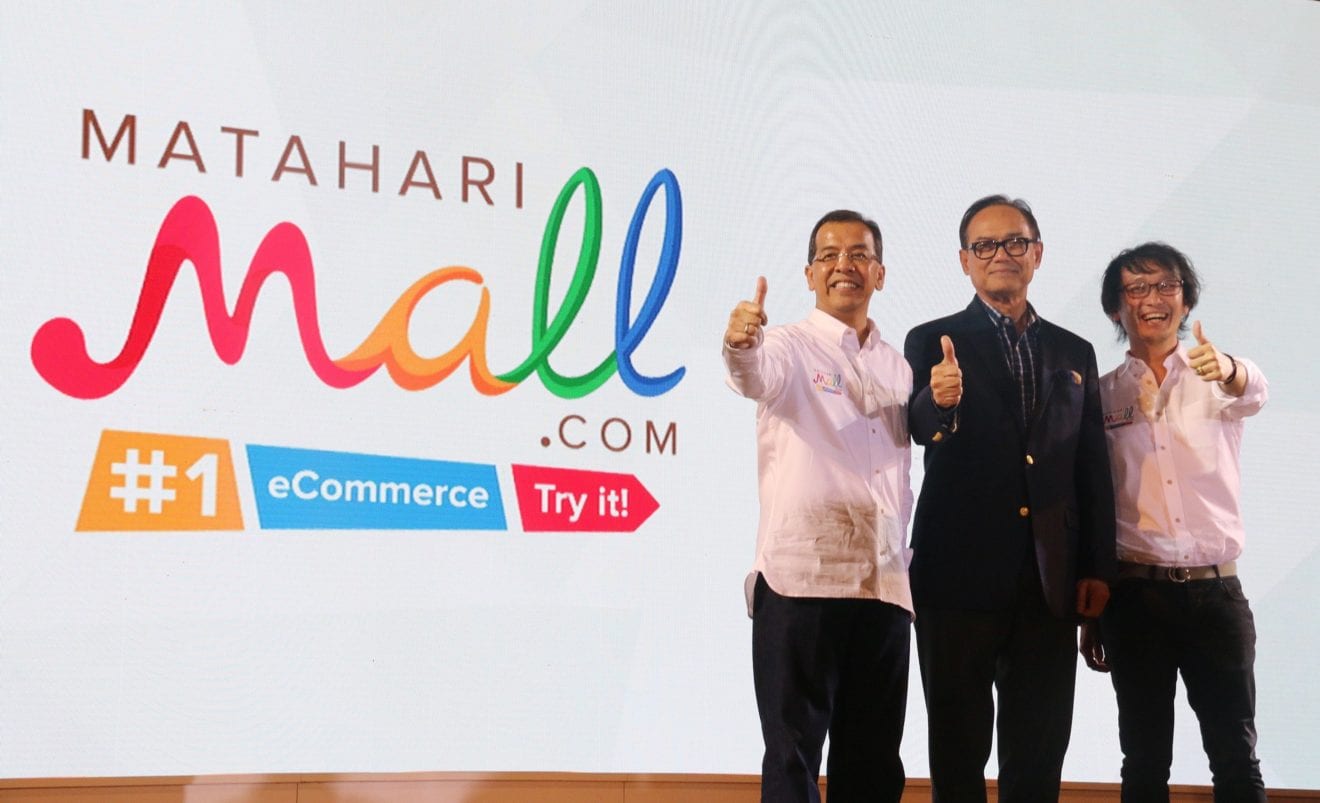
    Matahari Putra Prima (MPPA) has doubled its stake in online Indonesian retailer MatahariMall.com.

    The multi-format retailer, which operates Hypermart, Smartclub, Foodmart, Boston and FMX chains, says it has [aid cash for an additional 5 per cent share in the fast-growing eCommerce business.

    “With the acquisition, MPPA hopes to benefit from wider access to eCommerce as its  development will remain strong this year,” MPPA said in a statement. “The company views eCommerce in Indonesia as an enormous market and will continue to grow. The investment and partnership with MatahariMall.com is a new opportunity to foster O2O eCommerce

    components that encourage sales [growth] in the future.”

    MPPA said the  relationship will improve MPPA’s position as the leading multi-format modern retailer in Indonesia, as well as contribute to a sound financial outlook going forward.

    Matahari Mall body

    New Foodmart Primo

    In other news, MPPA has opened its second upper scale supermarket format, Foodmart Primo at Lippo Mall Kuta, Bali.

    The opening of Foodmart Primo in Bali is based on the company’s studies on the upward trend of customers’ shopping behavior in the island. The store has a gross selling area of about 1510 sqm and provides a wide selection of high quality of imported and local products.

    Director of Foodmart operations, Dave Rao, says due to the nature of the location the store will cater more to tourists than residents, so the stock mix will be slightly different from a typical Foodmart Primo.

    “We have additional categories like handicrafts, souvenirs, aromatherapy, travel accessories, beach accessories, and more, specially targeted at holiday-makers. But our main feature remains the restaurant which is a ready-to-eat area offering pizzas, roasts, pastas, traditional food, fresh juices, sandwiches, salads and a boutique bakery.”

  • DHL eCommerce expands presence in China

    DHL eCommerce expands presence in China

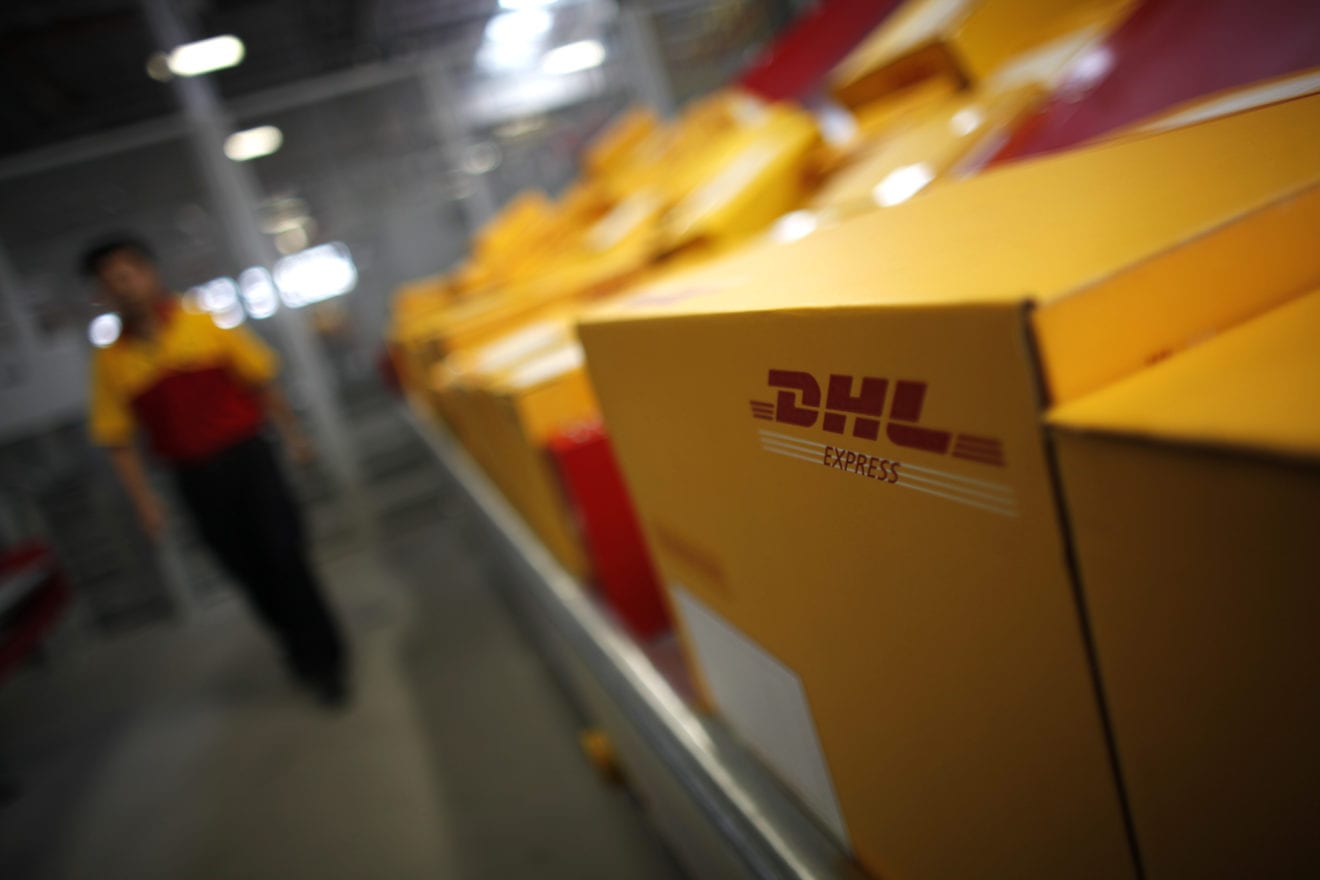
    DHL eCommerce has opened a Distribution Centre in Shenzhen as part of its effort to expand its presence in China by at least another 50 percent.

    The new centre will support the manufacturing and online retail sectors. It can handle 18 million shipments per year and will allow shipment and clearance of e-commerce exports across the globe. It will also consolidate international outbound shipments in Southern China and will provide customer service support for locally-based online merchants.

    “We see significant potential in China’s e-commerce sector, particularly between China and the U.S., where we’ve seen triple digit growth since 2015,” said Charles Brewer, CEO of DHL eCommerce in a press statement.

    “With China accounting for more than 40 percent of global retail e-commerce sales in 2015, our investments in China demonstrate our focus on developing efficient and reliable logistics services, to bring high quality e-commerce services to Chinese retailers and meet changing consumer expectations.”

    DHL eCommerce is also making serious plans to expand existing distribution centres in Shanghai and Hong Kong – the centres will be able to handle 48 million and 71 million shipments a year, respectively.

    “Since its launch last July, the DHL eCommerce Shanghai Distribution Centre has seen a 700 percent increase in the volume of e-commerce goods being shipped out of China. With our plans to expand our existing capabilities in Shanghai and Hong Kong, we are confident that this will provide our customers with the fullest support they need, in order to reach their global customer base,” said Malcolm Monteiro, CEO of DHL eCommerce in Asia Pacific.

  • How retailers in HK can survive the crisis in the industry

    How retailers in HK can survive the crisis in the industry

    Francis Gouten, director of Gouten Consulting and former chief executive of Richemont Asia Pacific Ltd., talks to Nick Bradstreet, managing director and head of leasing for Savills Hong Kong, about the Hong Kong retail market.

    How do you see the economic environment at the moment?

    FG: It is certainly the most challenging I’ve seen since SARS (the outbreak of severe acute respiratory syndrome in 2003). But the rents in shopping malls are not decreasing. However, nobody dares to close shops in the luxury space, but it will happen; it must happen.

    What kind of pressures are having an impact on retail?

    FG: There are lots of factors, the pressure of rent and the pressure of the stock market, as major groups are managed by financial people. You have to show quick results, and we are in a world of short-term views.

    There is a complete change — in Hong Kong we now rely less on the mainland Chinese. Hong Kong was the first destination for rich people, and now they are going somewhere else. There are still many visitors in Hong Kong, but they are not spending as much.

    How can retailers respond to the crisis?

    FG: Before, many of the big brands set out to impress the mainland Chinese, and they rented bigger stores to show they are big brands. But in part, this killed the malls and the interest in those places, because when you have a brand on three floors, what else is there? What can I discover?

    If I have to advise shopping malls nowadays, I would say reduce store sizes and bring more diversity to malls. Don’t give three floors to one brand.

    So what will happen to brands?

    FG: The top brands will recover. They will remain financially strong, but right now they are cutting expenses and people, and freezing openings. They are taking a long-term view at the moment.

    Asia is still an important part of the business, but perhaps not as important as in the past 10 years. A big part of the results in Asia was gifting, around 35-40 percent, generating more exclusive and over-priced products. But this is no longer the case.

    What market strategy should brands take?

    FG: You need to go to local consumers and target them directly. Luxury took off because of the fashion brands, but now everybody is in luxury.

    Top brands need to go back to their original positioning of a premium experience by welcoming the clients, providing a high-quality service and exclusive offerings. They need go back to the heritage of brand and target the core customer.

    So service and the experience are essential to this?

    FG: What did luxury mean 60 years ago? Luxury was a well-made, high-quality product made in limited quantity. This product was made by families, with fantastic know-how of a single product, and only one or two shops in the world.

    People came from around the world to buy this special item, often customized to their own liking. Clients are still seeking that kind of exclusivity and service.

    You need to protect your DNA, origin, and essence of the brand. How can brands understand their clients? How can they serve them better?

    There needs to be an upgrade in the quality of the service, which can be done through detailed training programs for all in-store staff.

    I once purchased a beautiful jacket from a luxury brand, and the salesperson asked me if I wanted to pay an extra 50 cents for a bag. I thought, “It’s raining outside, of course I want a bag. Charge me HK$500 more, I don’t care! If you go into a luxury shop, you should be treated as a luxury client. This is important.”

    Do you need to bring the price point of luxury items down?

    FG: Brands are thinking about it, but it’s always difficult in luxury. For current products, customers who bought already will feel cheated. Some brands have done it already by only dropping prices for new products, and then rethinking their way of localizing profit.

    Is Macau doing better than Hong Kong?

    FG: A little better. A few years ago some of their shops were No. 1 in the world. Now, Macau will continue to grow, but it will be more mass-market. When you have a large mass market you have room for the upper market as well.

    Macau is a pure leisure destination, and when you are on holiday you spend money, so you’ll see some changes in tailoring a luxury experience.

    So how is the Hong Kong market developing?

    FG: You are seeing the return of activewear and mass traffic brands. Expensive sportswear is a strong trend, because these brands have improved image perceptions. Thirty years ago it was not the case. Now these brands have better designs, specializations and technology.

    And what is happening with e-commerce?

    FG: China is the world’s biggest e-commerce market – they are selling cosmetics, ladies’ shoes, kids’ toys, but it is not yet for luxury.

    You have many fake products, and e-commerce is also a discount business. I do not recommend luxury brands go there. If I can buy your products in mass on the internet, what does that do to your image?

    But e-commerce cannot be stopped – it needs regulation. The majority of brands do not understand it. But it is important for brands to have people who understand the digital environment.

    What is even more important nowadays is, as I have mentioned, to reinvigorate the luxury experience and focus on attention to detail.

    The experience of luxury should be intimate, bespoke and, above all, exclusive.

    Going back to the roots of luxury and targeting the core customer will ensure a bright future for luxury.
     

  • China Jo-Jo Drugstore expansion drives revenue

    China Jo-Jo Drugstore expansion drives revenue

    China Jo-Jo Drugstore expansion drove revenue up 15.8 per cent in the year to March 31.

    Online sales soared 77.8 per cent year-on-year to US$26.5 million and now accounts for 29.7 per cent of the group’s sales.

    New stores helped offline retail sales rise 4.9 per cent with total group revenue reaching $89 million. Same-store sales rose 6.4 per cent.

    But net profit was down from $856,000 to $447,000, largely due to continuing expansion costs.

    US-listed China Jo-Jo Drugstores now has 58 retail pharmacies in China’s Zhejiang Province and the business also distributes drug and other healthcare products to other drugstores and vendors.

    Chairman and CEO Liu Lei described the results as “solid”.

    “We consolidated the operations of our retail drugstores and implemented key initiatives such as increasing product adaptability, providing access to mobile payments, and launching in-pharmacy virtual doctor clinics to drive sales and provide value-added services to our customers. We maintained profitability while migrating our product mix to higher margin pharmaceutical and health and wellness products.

    “At the same time, our expansion in the fast-growing online pharmacy markets in China continues to outpace the industry. Our online pharmacy sales continued to grow rapidly through both third-party eCommerce platforms and our own online pharmacy website.”

    He said moving forward, the company will focus on opening or acquiring more stores, creating deeper relationships with its customers, holding regional dominant market share in retail pharmacy, while taking a data-driven approach in identifying popular products and enhancing its abilities to promote online sales.

    “We believe we have the right strategy for succeeding as a leading online and physical retail chain pharmacy stores in China.”

  • Ambitious online plan for Tesco Thailand

    Ambitious online plan for Tesco Thailand

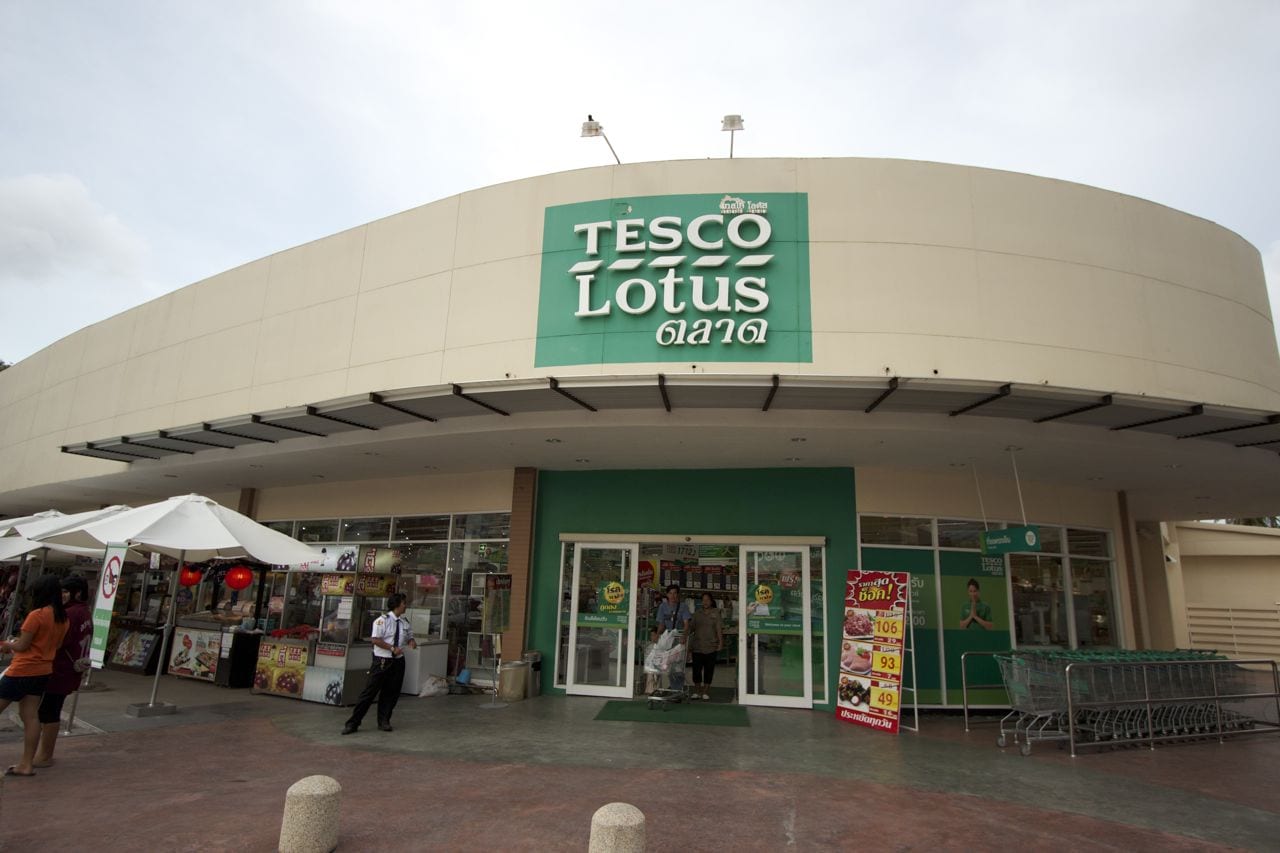
    Tesco Thailand aims to double its online shopping sales annually for the next three to five years.

    Local digital and online business director for the UK-owned Tesco Lotus business, Wanna Swuddigul, told The Nation newspaper Thai shoppers are looking for instant access to product information and to be able to buy while they browse. The company’s eCommerce site is especially popular in Bangkok and larger Thai regional cities. More than three in four shoppers are female.

    “The largest age groups are 25-44 years old. Most online customers are mid- to up-market customers,”Swuddigul said.

    “As demand tends to come from customers living in urban areas, Tesco Lotus has recently introduced a new delivery service at lockers located at 48 condominiums along the BTS and MRT lines, in prime residential neighbourhoods such as Sukhumvit, Sathorn, Ratchada, Phayathai and Phaholyothin,” she said.

    Tesco Lotus launched an online store in 2012, claiming to be the first major Thai retailer to do so.

    Besides its own store, Tesco Lotus offers more than 9000 items on the Lazada online mall.

    Tesco Lotus uses big data to carefully monitor changing customer preferences for products and service expectations so as to constantly update the range online.

    “By constantly listening to what our customers want and need, we innovate services and solutions that address their pain points,” she told The Nation.

    “We aim at least to double the growth of our online sales and order numbers every year, as we have done since the launch of our online business in 2012.”

    The best-selling categories online are cold beverages, household chemicals and cooking needs, such as seasonings.

  • China’s Cross-Border E-Commerce Booming to $85.76B in 2016

    China’s Cross-Border E-Commerce Booming to $85.76B in 2016

    Cross-border e-commerce in China will hit $85.76 billion this year, up from $57.13 billion in 2015, as 40 percent of China’s online consumers buy foreign goods, according to a new analysis by digital marketing researcher eMarketer.

    EMarketer estimates that each of China’s digital shoppers this year will spend an average of $473.26 on foreign goods, up from $446.33 last year. By 2020, half of China’s digital shoppers–or more than a quarter of the country’s population of about 1.4 billion–will be buying foreign products online, eMarketer estimates, with total sales of $157.7 billion.

    This growth is part of an overall increase in online shopping in China, which soared more than 70 percent in 2015 to $672.01 billion driven in part by a higher standard of living and the advent of global digital sales platforms such as Alibaba’s Tmall Global, launched in 2014.

    ecom graphic copy

    Cross-Border Retail E-Commerce Buyers in China

    Tmall Global and other business-to-consumer, or B2C, platforms allow international brands to sell their products directly to China’s digital shoppers and break into the market. Online retail remains the easiest channel for all types of consumers to obtain products that are otherwise difficult or expensive to access within China. China’s consumers tend to prefer foreign goods in specific categories such as milk powder, diapers and pet food, perceiving them to be of higher quality and more trustworthy.

    Cross-border e-commerce remains on the rise despite April’s implementation of a new tax on overseas purchases, noted eMarketer analyst Shelleen Shum. While it increases prices slightly for some product categories such as jewelry and infant formula, “the demand for foreign goods via the cross-border e-commerce channel is still expected to remain strong due to better prices compared to offline retailers, perceived quality and better variety,” she said.

    Shum added that B2C channels are also integral to the growth of foreign goods sales in China, because they help customers feel they are getting more bang for their buck. B2C platform sales are expected to take up a growing share of the cross-border e-commerce market in 2016 as consumers shift to channels they regard as more professional and organized. “Since the merchants selling on these B2C platforms have to be authorized, they are considered more trustworthy,” noted Shum.

    Globally, cross-border e-commerce habits vary. But when it comes to China, the demand for foreign products is surging, thanks to the combination of overseas travel, increased internet usage, exposure to foreign brands and convenience of online retail. China is projected to become the largest cross-border B2C market by 2020.

  • ePayWeb Asia invests $100m in virtual mall

    ePayWeb Asia invests $100m in virtual mall

    Hong Kong company ePayWeb Asia has invested US$100 million in the up-and-coming AW Virtual Mall in exchange for a 10 per cent stake.

    AW Virtual Mall is forecast to have more than 3 million independent stores and more than 1 billion shoppers a day in the next four years. It will enable online shoppers to find an item they want at the best price available simply by taking a photo of it.

    Founder/CEO Andy Khawaja says that with eCommerce projected to reach $3.5 trillion by 2019 “we’re on track to provide the most state-of-the-art shopping experience in the industry”.

    Once users upload a photo of a desired item, store owners will be notified instantly. If they have a matching product, they will bid with their best price. The website creates a modern shopping-mall experience online, complete with a social-media element that lets users personalise their profile, communicate and share.

  • RIP Ensogo Asia shuts down sites

    RIP Ensogo Asia shuts down sites

    Ensogo Asia has closed down all of its online stores as the online retailer appears on the brink of collapse.

    Following the resignation of its co-founder Kris Marszalek, the Singapore-based tech company said it will cut its financial support to its sales and marketplace business units in Indonesia, Thailand, Hong Kong and the Philippines.

    “These business units will be shut down. All staff have been informed and communications will be made to customers in the coming days,” the company said in a statement.

    Australian internet entrepreneur Patrick Grove founded Ensogo, formerly iBuy. Grove also established the online businesses iProperty and iCar under Catcha Group.

    Recently the company reported growth averaging more than 100 per cent in the first quarter, after the launch of a cross-border marketplace business in January. It said the number of suppliers had skyrocketed from 3141 in the fourth quarter of 2015 to 13,599 in the first quarter of 2016. The first three months saw US$8.2 million in gross merchandise value.

    As of the end of March 2016, however, Ensogo reported A$22.6 million (about US$17 million) in receipts from customers, while total cash was only A$17.6 million, a 64 per cent decline from A$29 million by the end of last year. Earlier this year the company, which is headquartered in Singapore and listed in Australia, laid off employees.

  • China Jo-jo Drugstores Inc Institutional Investor Sentiment Worsened in Q1 2016

    China Jo-jo Drugstores Inc Institutional Investor Sentiment Worsened in Q1 2016

    China Jo-jo Drugstores Inc institutional sentiment decreased to 0.75 in 2016 Q1. Its down -0.25, from 1 in 2015Q4. The ratio turned negative, as 3 hedge funds increased or opened new stock positions, while 4 reduced and sold holdings in China Jo-jo Drugstores Inc. The hedge funds in our partner’s database now possess: 148,237 shares, up from 123,312 shares in 2015Q4. Also, the number of hedge funds holding China Jo-jo Drugstores Inc in their top 10 stock positions was flat from 0 to 0 for the same number . Sold All: 2 Reduced: 2 Increased: 1 New Position: 2.

    China Jo-Jo Drugstores, Inc. is a retailer and distributor of pharmaceutical and other healthcare products found in a retail pharmacy in the People’s Republic of China. The company has a market cap of $28.55 million. The Company’s operating divisions include retail drugstores, online pharmacy, wholesale business selling products similar to those the Company carries in its pharmacies, and farming and selling herbs used for traditional Chinese medicine . It has a 32.5 P/E ratio. The Firm has 59 store locations under the store brand Jiuzhou Grand Pharmacy in Hangzhou.

    About 6,781 shares traded hands. China Jo-Jo Drugstores Inc has declined 14.29% since November 10, 2015 and is downtrending. It has underperformed by 14.11% the S&P500.

    According to Zacks Investment Research, “China Jo-Jo Drugstores, Inc., through its contractually controlled affiliates, operates a retail pharmacy chain in China offering both western and traditional Chinese medicine. Its contractually controlled affiliates include Hangzhou Jiuzhou Grand Pharmacy Chain Co., Ltd., Hangzhou Jiuzhou Clinic of Integrated Traditional and Western Medicine General Partnership, and Hangzhou Jiuzhou Medical & Public Health Service Co., Ltd. The chain has stores throughout Hangzhou, the provincial capital of Zhejiang Province.”

    California Public Employees Retirement System holds 0% of its portfolio in China Jo-Jo Drugstores Inc for 29,300 shares. Citadel Advisors Llc owns 25,965 shares or 0% of their US portfolio. Moreover, Citigroup Inc has 0% invested in the company for 434 shares. The New York-based Morgan Stanley has invested 0% in the stock. Renaissance Technologies Llc, a New York-based fund reported 79,800 shares.

  • ShopBack, Budimas, Kechara, NKF, and World Vision Launch #ShopBackGiveBack

    ShopBack, Budimas, Kechara, NKF, and World Vision Launch #ShopBackGiveBack

    ShopBack Malaysia, the top online Cashback site in the country, announces the launch of its inaugural #ShopBackGiveBack initiative today.  Shoppers are now able to channel the Cashback they get from online purchases to four non-profit organisations – Kechara Soup Kitchen (KSK), The Budimas Charitable Foundation (Budimas), The National Kidney Foundation (NKF) of Malaysia, and World Vision Malaysia, to support their projects.

    Each charity organisation is committed to a different cause. For instance, KSK offers the homeless and urban poor vegetarian food, basic medical, as well as job matching and welfare assistance; while Budimas devotes efforts to improving the children’s lives through education, better living environment and food supplies.

    Moreover, NKF Malaysia subsidises dialysis treatment for kidney failure patients; and World Vision Malaysia will dedicate funds toward their work on clean water and healthcare programmes, which will help over 16,000 people in 7 countries.

    To relieve burdens of underprivileged groups, #ShopBackGiveBack enables users to gain incentives in the form of Cashback via their travel, F&B, IT, beauty, healthcare, household and groceries purchases, and then donate it to charity organisations without forking out extra.

     Every effort helps to build a better future

     “The act of giving is embedded in ShopBack’s DNA as the core of our business involves giving Cashback to the online shoppers. Although we are a startup and may have certain resource constraints compared to bigger corporations, we are keen to help and contribute to the best of our capability,” said Gil Carmo, Country Head of ShopBack Malaysia.

    “We believe any effort that we can make today, will create a difference to someone’s world tomorrow. Every kind action counts. This is the same message that we wish to convey to every shopper. We sincerely welcome like-minded companies to join and support #ShopBackGiveBack,” Gil added.

    Established in February 2015, ShopBack Malaysia collaborates with over 500 international and online e-retailers such as Groupon, Lazada, Agoda, TaoBao, Hermo, HappyFresh, Taobao, Zalora and more to incentivise shoppers with up to 30% hard cash whenever they make a purchase online.

    Currently, there are more than 280,000 Malaysians benefiting from ShopBack’s daily Cashback offer and promotions. Anyone can sign up for free and cash out their Cashback once it exceeds RM10, or opt to transfer their extra savings to help the needy through #ShopBackGiveBack.


  • Amazon Named Top Retailer on Social Media

    Amazon Named Top Retailer on Social Media

    Web giant Amazon have been named as the top retail brand on social media, according to Social Insights on the Retail Industry, a report by social media monitoring firm Brandwatch. Making up the top three were two other retailers, Etsy (2nd) and Ebay (3rd), with Walmart the top Bricks & Mortar retailer in fourth. Target made up the top five.

    A comprehensive study analysing and scoring the world’s top retail brands and their visibility, sentiment and mentions on social media, the Retail Social Report examined over 10 million interactions over four months, giving each retailer a score across five categories: Social Visibility, General Visibility, Net Sentiment, Reach Growth and Social Engagement & Content.

    The key findings from the study, which awarded retailers a total score out of a possible 500, included the following:

    • The top five retailers all scored upwards of 300, with Amazon scoring 349, Etsy 336, eBay331, Walmart328 and Target 320
    • Positions 5-10 in the study were held by Toys R Us (with a score of 320), Lowes (315), Kohls (307), Sephora (299) and Bed, Bath & Beyond (292)
    • The individual category winners were: Amazon (General Visibility), Sanborns (Social visibility), Sams Club (Net Sentiment) Kmart (Reach Growth) and Debenhams (social engagement & content
    • Facebook is the clear leader in engagement, with consumers nearly three times as likely to share brands’ content on the platform than they would on Twitter.
    • Surprisingly, 99% of all content retailers share on Facebook is visual, with only 1% exclusively status copy.
    • The average response time from a retailer on social media is 7hours and 33 minutes, with Petco having the quickest average response time

    The study also found that when it comes to responsiveness, retail brands scored better than other industries, such as automotive and television networks with a retailers’ tweets a third more likely to be a direct response to a consumer.

    When it comes to gender, retailers’ online audiences are predominantly female and in terms of engagement, women are twice as likely to comment on a retail brand’s social media post than men are. As an illustration, Amazon’s online audience is 56% female and primarily interested in books and family, Etsy’s audience is 86% female with a core interest in fashion, fine arts and family while eBay’s online audience is 65% female and interested in shopping, fashion and family.

    The report has also identified that consumers have continued to adopt an additional step in their shopping routine, normalising the behaviour of ‘showrooming’. The art of ‘showrooming’ explores the decision making process that consumers implement before they make a purchase. However, pre-purchase research goes both ways with 80% of consumers researching products online before they buy in store, with 41% looking in store before they ultimately purchase items online.

    James Lovejoy of Brandwatch said: “Customer service has always been core to the reputation of the retail industry, but as the number of communications channels increases, providing a quality experience for consumers is increasingly difficult.

    Most retailers now will recognise the important part digital plays and that it is now imperative to develop a clear social media intelligence strategy if retailers want their customers to remain loyal advocates of their brand.”

  • WearYouWant establishes itself as a trusted digital partner

    WearYouWant establishes itself as a trusted digital partner

    WearYouWant, Thailand’s leading online fashion and beauty marketplace is fast becoming a trusted digital partner for industry brand names and distributors; creating a solid online presence in Thailand’s booming internet industry. Working with large, international brands and distributors, as well as smaller and more localized businesses, WearYouWant offers a uniquely customized e-commerce platform with a strong focus on targeted visibility and curation of merchants’ products.

    CEO and Co-Founder of WearYouWant Julien Chalte explains how the e-commerce site stands out for businesses.

    “Brands want to go digital, and need to, but may lack the knowhow, time and resources to be hands-on and do so effectively. WearYouWant personalizes the experience, creating and servicing every aspect of a merchant’s outlet, from the graphic design of marketing materials to uploading pack shot images.  

    “When I look at our monthly pay outs to our merchants it is great to see that we are indeed delivering growth to both the smaller independent designer with only one storefront and the big international brands at the same proportional scale. The secret for us has been to keep the dual focus of B2B and B2C and grow the two at the same pace. That has made us and our big and small merchants successful.”

    Minor International PCL, one of Thailand’s leading and largest distributors of lifestyle brands such GAP, Esprit, Bossini and Red Earth, value the partnership with WearYouWant.

    James Richard Amatavivadhana, Chief Executive Officer of Minor International PCL, says, “Digital development is rising so fast in Thailand that it is important for us to incorporate the strongest digital sales channels. The future of retail is changing, but the core principles of trust, confidence and transparency still reign, especially when it comes to e-commerce. WearYouWant has empowered us to grow digitally and has enabled us to create a flagship online outlet allowing widespread visibility to our brands and products as well as an assurance to consumers that the products they shop are genuine.”

    Sam Naghi, owner and MD at Sam’s Sports shop, is another merchant on WearYouWant’s platform selling mainly sport shoes that applauds the e-commerce website for the tremendous impact it has created on the business, by creating visibility and increasing their sales volume online.

    “Partnering with WearYouWant has made a huge difference for us. We have a whole new revenue stream and a digital storefront where both our products and brand gets noticed by customers we would have been unable to reach ourselves”, he said.

    WearYouWant recently received the Best e-Commerce Website Award 2016 from the Ministry of Commerce’s Department of Business Development in two categories:  Best in e-Commerce Management and Best in e-Commerce Trusted Website. The award was presented during the Thailand e–Commerce Day held at e-Biz Expo 2016 at the Queen Sirikit National Convention Center.

    The first half year of 2016 ends 30th June and WearYouWant’s own forecast indicates at this point in time, a 120% growth in turnover in the first half of the year in 2016 compared to first half of the year in 2015.

  • eBay Korea Partners With GS25 to Offer Online-Offline Services

    eBay Korea Partners With GS25 to Offer Online-Offline Services

    eBay Korea has joined forces with nationwide convenience store chain GS25 to offer consumers a combined online-offline sales service.

    The partnership will see the launch of the “Smile Box” service, in which deliveries are made to an unmanned box for single-person households and female customers. The service is available 24 hours a day, and customers will be able to receive their deliveries ordered online from Gmarket, Auction and G9 at their nearest GS25 store.

    The service will begin in August with a trial installation of Smile Boxes across 50 GS25 stores in Seoul, with the plan to gradually expand it nationwide. The boxes will be installed in areas with a high number of deliveries (determined through analysis of Gmarket and Auction delivery information) that have a large concentration of single-person households.

    This “customer-centric endeavour is the future for online and mobile shopping,” said an eBay Korea representative. “We hope to build an enhanced, more convenient shopping environment for our customers.”

  • Drone deliveries now possible in Korea

    Drone deliveries now possible in Korea

    Flying drones for business will become legal in South Korea from next month, allowing the possibility of drone deliveries.

    Laws about drone flights have been revised by the Ministry of Land, Infrastructure and Transport. Previously, aeronautical laws permitted only a limited number of businesses to use drones for work related to agriculture, photography and surveys.

    Now businesses will be able to use drones so long as their use does not pose harm to public safety, lives, property or national interests such as security and defence.

    Also modified is the stipulation for drones not needing approval and inspection from “below dead weight of 12kg” to “below maximum take-off weight of 25kg”.

    Drones that are flown at the same location will need only one approval for a maximum of six months. Within certain limits, flying drones out of sight and night flights will also be allowed.

    These amendments will allow business owners to grow their businesses through drone deliveries.

    Original reporting by Korea Bizwire.

  • E-commerce firm Shopmatic launches in Hong Kong

    E-commerce firm Shopmatic launches in Hong Kong

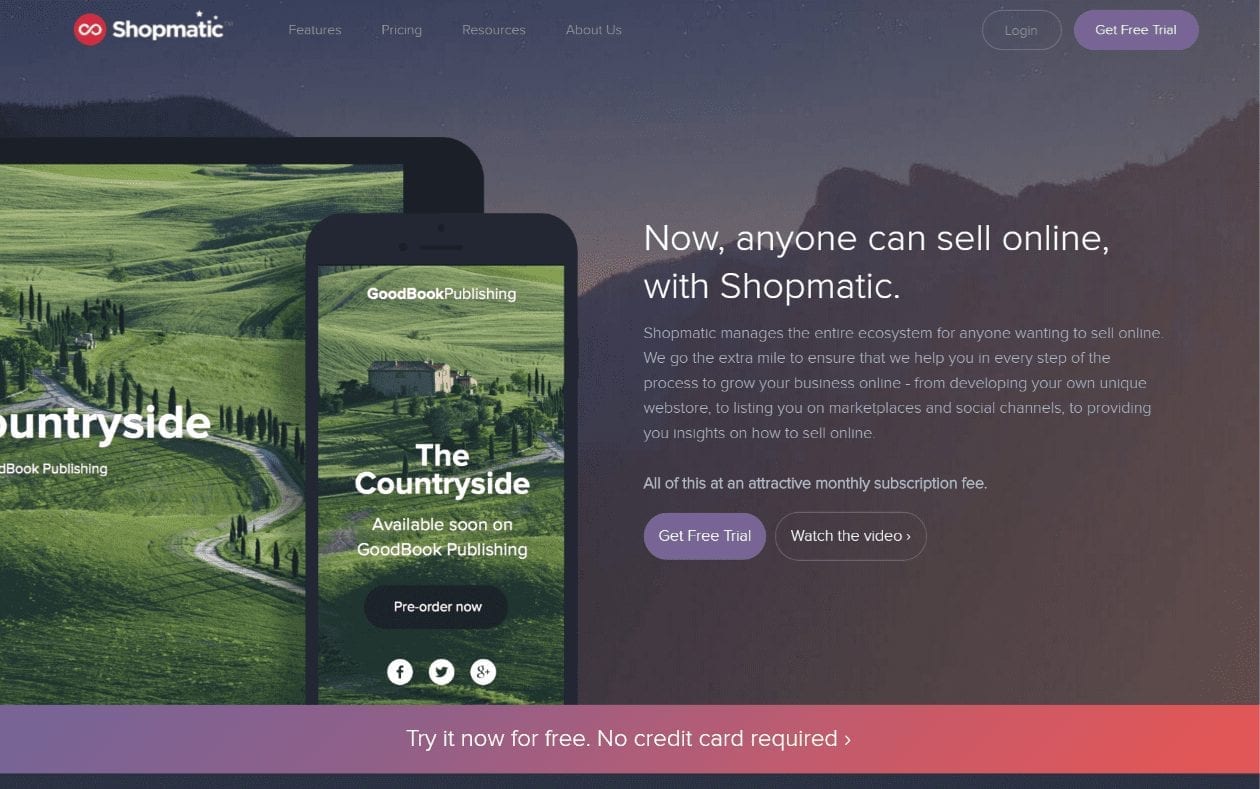
    Following its recent investments in India and Singapore, e-commerce solutions provider Shopmatic launched its Hong Kong business operations recently.

    This move is expected benefit Hong Kong online stores, SMEs and entrepreneurs as the platform enables business owners to build and manage their businesses on one single platform.

    Services encompass an entire ecosystem from developing a unique web store to listing businesses on marketplaces and social media channels, to giving insights on how to sell online.

    At a fixed monthly subscription rate of only US$38 per month, businesses can conveniently and easily sell products and services online in Hong Kong and the region.

    As an incentive for new subscribers, Hong Kong merchants who sign up for Shopmatic for the first time will get to enjoy a 15-day trial period during which they can establish their site and experience the entire service.

    Industry analysts have estimated that almost 90 percent of Hong Kong consumers shopped online in the past 12 months, while one-third of the e-shoppers made online purchases within the same week a survey was conducted by Nielsen.

    Shopmatic said it will further strengthen its Asia network by expanding into other countries in this region such as Australia, Indonesia, Malaysia and the Philippines later this year.

    “We are confident that we can help the Hong Kong online stores expand into the region. We also see huge potential in the ways in which we can help Hong Kong SMEs expand their businesses from offline to online for its mature traditional retail model,” Anurag Avula, CEO and Co-Founder, Shopmatic, said.