Tag: ecommerce

  • China to ‘completely dominate’ global eCommerce

    China to ‘completely dominate’ global eCommerce

    In the retailing business, it’s fairly common knowledge that China is home to the world’s most prolific online shoppers.

    Last year almost 419 million mainlanders made purchases via the web, more than any other country.  And they spent more online than consumers elsewhere by a wide margin (US$672 billion, nearly twice the total US online spending in 2015).

    If these facts suggest to you that eCommerce in China has matured and growth is running out of steam as the country’s economy slows, think again. China retail consumption in general continues to increase briskly and online shopping in particular continues to boom. Analysts reckon this is due to a combination of potent demographic and cultural trends that show no signs of abating: the growing spending power of upper middle class and affluent households; the coming of age of a generation of college-educated consumers; rising aspirations among hundreds of millions of people in China’s less-developed cities and rural areas; a powerful shift away from shopping at brick-and-mortar stores to mobile eCommerce driven by widespread smartphone adoption.

    Will China still be on top at the close of the decade? A recent forecast on global eCommerce sales through 2019 by independent research firm eMarketer says yes, emphatically so. Below, charts adapted from eMarketer’s report show how the country is set to become an even more dominant eCommerce force in coming years.

    In 2019, China will spend more online than any other country: nearly $2 trillion, more than 3.6 times as much as the US.

    Retail_E-comm_Sales_worldwide

    China will also have the most online shoppers.

    e-shoppers Worldwide, by country

    Yet only half of China’s population will be shopping online in four years, leaving room for more growth (it’s a very big market).

    E-Shop_Penetration_Selected_Countries

    In 2019, one out of every three of China’s retail dollars will be spent online, the highest ratio in the world.

    Retail_e-Comm_Sales_percent_total

    Still, online sales will continue to grow, and at a world-beating rate.

    Retail_Ecomm_Sales_Growth_Leaders

    Looking at eCommerce as a global market, China will account for the largest share of worldwide online shoppers in 2019. By far.

    Countries_Largest_Share_E-shoppers

    And 55 cents of every dollar spent online around the world will come from a Chinese consumer. That’s dominance.

  • How smaller retailers are thinking beyond Fashion Week for #fashion to compete

    How smaller retailers are thinking beyond Fashion Week for #fashion to compete

    Increasingly easy-to-use technology has enabled smaller retailers to speak and deliver to their niche customer sets across all channels with the same voice as they would in a shop in Hong Kong. So what is driving their success?

    This vendor-written piece has been edited by Executive Networks Media to eliminate product promotion, but readers should note it will likely favour the submitter’s approach.

    Like many reading this, I’m always intrigued by the small business owners I meet across the world, many running generations-old boutiques selling one-of-a-kind treasures. These shop owners, with their warm welcomes and time-honored craftsmanship, can quickly endear themselves to even the most casual shopper. A storefront with a history or an intriguing story can quickly turn a browser into a loyal customer, as has been my experience time and time again.

    This sort of personalized experience has always been the key to success for small retailers in the fashion and luxury goods sector.

    However, as the worlds of fashion, luxury and media descend upon Paris for Fashion Week, these experiences and transactions seem increasingly quaint and inconsequential. Amid all the dazzle, glitz and glamor, one can be forgiven for thinking that high fashion continues to be the realm of global retailers and big-name luxury brands.

    Yet remarkably, more and more fashion retailers are starting to embrace being ‘small’ as a strategy for success and growth. Increasingly easy-to-use technology has enabled smaller retailers to speak and deliver to their niche customer sets across all channels with the same voice as they would in a shop in Hong Kong. So what is driving their success?

    They’re tech-savvy

    With e-commerce growth projected to double the retail industry average at least until 2017, half of all shoppers discovering new products when searching with smartphones, 82 percent of smartphone owners looking online for product information when shopping, and smartphones already accounting for over 40 percent of ecommerce transactions in Japan and South Korea it is no wonder that small retailers are realizing that they need to be as tech-savvy and flexible as their customers. That means engaging and delighting shoppers on mobiles, social media and online channels. 

    They’re highly personal

    Technological advancements and the democratizing power of the Internet have allowed retailers to scale up without sacrificing intimacy and personal service. As customers no longer think about retailers’ brands in a silo, neither does the small retailer. They analyze insights from website visitor traffic, social media interactions, and newsletter click-through rates to better understand their customers. Any retailer with a Facebook page can now easily discover that their average customer is, for example, female, aged between 16 and 24, and listens to One Direction, and by using this data to precisely tailor their sales and marketing strategy, they can more effectively engage and delight their customers.

    They look for ways to cultivate and engage a community

    It is much more profitable to sell to loyal customers than to constantly look for new ones. A Bain study showed that just a five percent growth in customer retention could boost profitability by 75 percent.

    Small retailers are starting to use this insight to build loyal online communities, which do the selling for them. No wonder a brief Google search on the words ‘e-commerce’ and ‘social media’ turns out 101 million results, with articles such as ’12 Social Media Tactics to Drive Traffic to your E-commerce Site’ being the most visited. Another way is through loyalty programs, which 30 percent of independent retailers are planning to implement in 2016. This is on top of the quarter of independent retailers who already have a loyalty program in place.

    They find the right support 

    Finally, one cannot ‘grow small’ without a reliable network of business partners, whether it’s like-minded companies to cross-sell services and expand the product offering, or other companies to provide operational support in areas where expertise is lacking.

    One example of this is logistics. According to a recent FedEx study, about 70 percent of consumers surveyed listed shipping-related factors as the most influential in their decision to buy from online retailers in other markets. That is why small retailers look to third-parties for their expertise and capabilities in potentially complex areas, such as the implementation of a policy that allows customers the option to return items purchased online to a physical store.

    #fashion is a game changer

    As global product availability is almost a non-issue these days, smart small retailers in the fashion and luxury sector need to constantly rethink their strategies, find ways to stand out, grow, and engage their customers without compromising the essence of their appeal.

  • VIPshop revenue grows 65 per cent

    VIPshop revenue grows 65 per cent

    Bolstered by more customers and orders, Chinese online discount retailer VIPshop Holdings (VIPS) has seen its net revenue grow by 65 per cent to RMB13.9 billion ($2.15 billion) in the latest quarter to December 31.

    During the period, its number of active customers rose to 19.8 million (a 58 per cent year-over-year increase) and total order grew 67 per cent to 64.9 million. This boosted gross profit by 60 per cent to RMB3.35 billion.

    For the year, total net revenue rose 74 per cent to RMB40.2 billion.

    “We topped RMB40 billion in annual sales and attracted nearly 37 million active customers as at the end of the year,” said chairman and CEO Eric Shen.

    “We also continued to enhance the user experience by optimising our platform for mobile interaction and purchasing, as well as expanding our product categories.”

    Founded in August 2008, the company offers quality and popular branded products online throughout China at significant discounts.

  • Sephora Malaysia goes online

    Sephora Malaysia goes online

    Cosmetics company Sephora has launched a one-stop online shop in Malaysia following its acquisition of independent beauty eTailer Luxola.

    Luxola founder and CEO Alexis Horowitz-Burdick says the move allows Sephora Malaysia to offer an even larger assortment of beauty products for local customers.
    Sephora Asia president Anne-Veronique Bruel says that investing in Luxola offers a great opportunity to penetrate the online beauty market and accelerate the company’s growth in Malaysia and Southeast Asia.
    As well as a wider brand selection, including products for men, the new online shop will offer advice on beauty trends. It is also offering free delivery for orders worth RM80 or more, and there is a cash-on-delivery option for selected areas in Kuala Lumpur.

  • Apple Pay gets off to a fast start in China

    Apple Pay gets off to a fast start in China

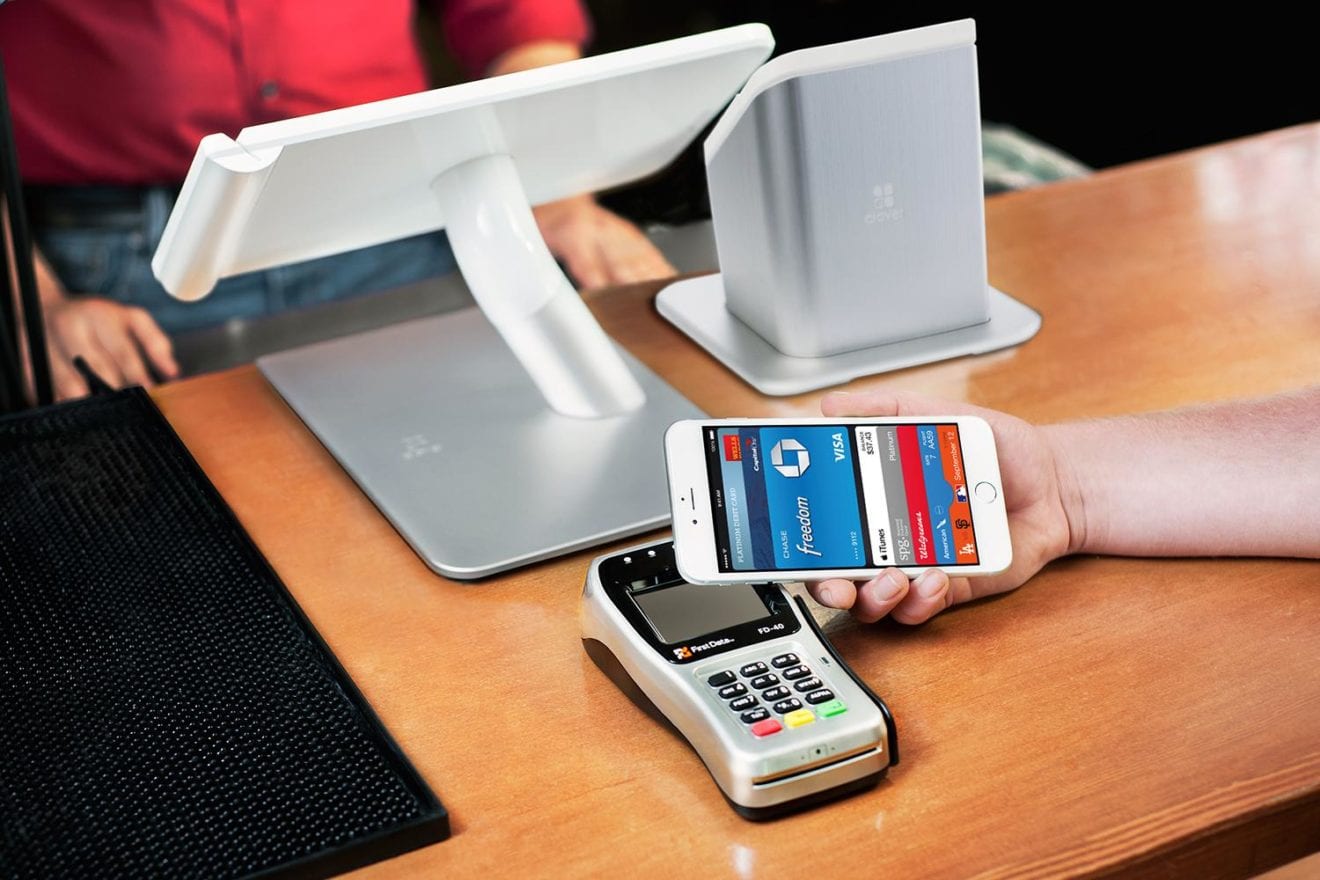
    China this month became the fifth country where consumers can use smartphones to pay with Apple Pay, and Chinese shoppers quickly embraced the Apple Inc. payment system.

    In the first two days after the Feb. 18 launch, 3 million consumers linked their bank cards to Apple Pay according to China Merchants Bank, one of 19 Chinese banks involved in the rollout. The payment method can be used to pay in stores with compatible terminals and in mobile apps that link to Apple Pay.

    Every Chinese consumer with a debit card and many with credit cards are eligible to use Apple Pay because Apple is collaborating with the country’s sole debit card network, China UnionPay. Banks have issued 5 billion cards that are accepted on the China UnionPay network, including 500 million credit cards, UnionPay says.

    China Merchants Bank says its customers connected 1 million bank cards with Apple Pay in the first two days of the launch, representing 35% of cards connected with Apple Pay in China. Apple and China UnionPay both declined to confirm this data from China Merchants Bank.

    Apple did say it is quite happy with the launch. “I would rate our first-day performance as 1,000, if the full score is 100,” Jennifer Bailey, vice president of Apple Pay, said at a mid-February press conference in China. Apple also has rolled out Apple Pay in the United States, the United Kingdom, Canada and Australia.

    Apple says the 19 Chinese banks offering Apple Pay, including such major institutions as Bank of China and the Agricultural bank of China, represent about 80% of bank cardholders in China.

    In addition, 16 retail chains, restaurants and online retailers in China have begun accepting Apple Pay. They include Starbucks, McDonald’s, Kentucky Fried Chicken, Circle K and the French department store chain Carrefour. Almost all of those merchants have launched promotions for Apple Pay users. For example, Starbucks offered a 15 yuan ($2.30) discount to Apple Pay users who spend 65 yuan ($10) or more.

    But consumers used Apple Pay the most on the first day of its introduction to pay on the mobile app of Meituan.com, a Groupon-like Chinese service in China, according to China UnionPay. Apple says the new payment method may double the conversion rate for e-commerce apps.

    Starbucks came in second in terms of Apple Pay payments on the launch day, followed by convenience store chain FamilyMart, McDonald’s and another daily-deal site, Dianping.com.

    China UnionPay reported that Apple Pay users’ spent 101 yuan ($15.5) on average on the first day of the service and about 47% of purchases were above 10 yuan ($1.5).

    Web-only e-retailer Vipshop, No. 4 in the Internet Retailer 2015 China 500, is among of retailers accepting Apple Pay in its mobile app, and says it received 10,000 Apple Pay orders on the first day. The company says Apple Pay could help Vipshop offer faster services to online shoppers.

    Apple Pay is hardly the first payment method in China based on mobile phones and wallets. Alibaba Group Holding Ltd.’s payment affiliate Alipay says there are about 300 million bankcards linked to its mobile wallet app, and Chinese online game and social media powerhouse Tencent Holdings Ltd. says the number of banking cards connected with its mobile apps has topped 200 million.

    However, Apple Pay requires fewer steps when paying in a store. An Alipay user must open the app on her phone and then click several times to generate a bar code that the cashier scans. With Apple Pay the consumer need only place her iPhone near a terminal and verify the payment by touching a finger on a button on the phone or by inputting her password. Apple Pay users don’t need to open an app or access the Internet to make a payment, Apple says.

    In stores, Apple Pay runs on China UnionPay’s Quick Pass service network, launched in 2013, which uses wireless Near Field Communication technology to establish a connection between a mobile phone and a terminal. There are 4 million NFC-compatible terminals in the Quick Pass network that can accept Apple Pay, of the 20 million payment terminals that accept UnionPay cards, according to China UnionPay.

    Besides Apple’s iPhone, other smartphones that consumers can use on the Quick Pass network include NFC-enabled phones from manufacturers like Samsung Group and Huawei Technologies Co. Ltd.

    Apple Pay works on the iPhone 6 or 6S, the Apple watch and some versions of the iPad. Consumers can use Apple Pay with an iPhone 5 and 5S if they pair the phone with an Apple Watch.

  • Ecommerce is so huge in China that even the 2nd biggest store saw $71b in purchases

    Ecommerce is so huge in China that even the 2nd biggest store saw $71b in purchases

    You know ecommerce is insanely huge and fully ingrained in daily life in China when the country’s second largest online store booked US$71.6 billion in purchases in the past year. That’s the figure revealed today by JD, the closest competitor to Alibaba, in its newest earnings report.

    Alibaba, which posted financials a few weeks earlier, is well ahead with a total of about US$460 billion worth of purchases on its Chinese shopping marketplaces in 2015. JD now has 155 million active shoppers who collectively placed 1.26 billion fulfilled orders in 2015.

    JD, which differs from Alibaba in that it mostly ships items to shoppers from its own inventory rather than relying on a huge network of merchants, says that its 2015 expenditure tally was up 78 percent on 2014’s. The ecommerce firm, in which WeChat maker Tencent has a 20 percent stake, now has 155 million annual active customers, up from just over 90 million back in 2014.

    They collectively placed 1.26 billion orders that were fulfilled in 2015, which nearly doubled from the prior 12-month period.

    Trillion-dollar baby

    Ecommerce spending in China this year is expected to inch past US$900 billion, says Emarketer. The data revealed by Alibaba and JD, which together account for a very sizeable chunk of online shopping in China, seems to support that projection. By 2017, China’s appetite for buying stuff online will sail past a trillion, and it’ll be worth about US$1.57 trillion by 2018.

    Amazon does not reveal consumer expenditure figures – known in the industry as gross merchandise volume, or GMV – which makes it hard to see how Alibaba and JD stack up against the US-based ecommerce giant. Amazon operates in China, but it’s a minor player there.

  • China changes the tax rules on purchases from overseas e-retailers

    China changes the tax rules on purchases from overseas e-retailers

    In some cases consumers will owe more tax, and in other cases less.

    Foreign online retailers and brands have benefited in recent years from China’s relaxed rules on purchases by Chinese consumers on overseas websites. China’s new rules on import duties and taxes will hurt some of those overseas online sellers, while helping others.

    The new rules, to take effect in April, provide an exemption from import duties for purchases from foreign websites of up to 2,000 yuan ($306) but add a sales tax of 11.9% that consumers don’t pay today. That sales tax is still less than the 17% value-added tax consumers pay when shopping in stores in China.

    The existing rules, which mirror the regulations for consumers bringing in purchases from abroad or receiving them by mail from friends overseas, allows a consumer to import up to 1,000 yuan ($153) worth of products at a time for personal use, up to 20,000 yuan in a year. Those purchases are subject to import duty—which generally vary from 10% to 50% of the purchase price, depending on the type of product—but the tax is waived if it’s under 50 yuan ($7.65.) That 50-yuan exemption will be eliminated in the new rules.

    The new policy will benefit sellers of products for which the duty is high, such as cosmetics, which are hit with a 50% duty tax, says Li Pengbo, CEO of China Cross-border E-commerce Research Center, a consulting company. But other items for which the duty is low, such as children’s products, the new rules will make it more expensive for Chinese consumers to buy from overseas websites, Li says.

    Here are some major product categories, with the duty tax percentage:

    • Food, 10%
    • Alcohol, 50%
    • Apparel, 20%
    • Cosmetics, 50%
    • Electronics, 20%

    Thus, under existing rules a Chinese consumer who buys a shirt for $50 on a foreign e-commerce site pays a fee of $10 (20% duty on a $50 purchase), whereas under the new rules he would pay only $5.95 (no duty, but a sales tax of 11.9%.) However, a consumer buying $30 of powdered milk today would pay no duty or sales tax (the duty would be $3, 10% of $30, but that is waived because no fee is charged if the duty is below 50 yuan ($7.65)), whereas under the new rules she would pay $3.57 (no duty, but a sales tax of 11.9%.)

    Both the new rules and the old ones also apply to foreign companies that sell on Chinese marketplaces under the relaxed cross-border e-commerce rules that China has adopted in recent years. Such major Chinese e-commerce operators as Alibaba Group Holding Ltd., JD.com Inc. and the Amazon China subsidiary of Amazon.com Inc. have created special sections of their online shopping sites featuring imported goods sold under the special cross-border rules. Those rules allow foreign companies to store items in 10 free-trade zones without clearing customs, and then send them through an expedited customs process when a Chinese shopper places an order.

    They also allow the sale, up to the limit for personal use—1,000 yuan today and 2,000 yuan when the new rules take effect in April—of goods that have not been authorized for sale in China, as long as they have been found safe in their home country. That’s a big deal for sellers of products like cosmetics and food that can take years to gain approval from the Chinese government for domestic sale.

    Chinese consumers have taken advantage of the cross-border e-commerce rules to buy significant quantities from foreign web merchants. China’s customs authority reported this month that the first seven of the free-trade zones established in China since late 2013 handled 100 million inbound parcels purchased from foreign e-retailers with a total value of $2 billion.

    The relaxed rules on purchases from foreign websites have drawn protests from domestic retailers who say they have to pay import duties on all goods they bring into the country and charge consumers the national 17% value-added tax.

    Gong Dingyu, founder and chief operating officer of Chinese children’s product retail chain Leyou, tells Internet Retailer, that the new rules represent of a different way to tax goods purchased from overseas e-retailers.

    “The old policy is unfair because traditional trading companies and physical stores don’t have the same favorable policy as cross-border e-commerce,” Gong says. “Also, without products being monitored and inspected by the Chinese government, online consumers could buy imported products with quality issues.”

    JD.com is No. 1 in the Internet Retailer 2015 China 500 and Amazon China No. 5. While Alibaba’s big online marketplaces Taobao and Tmall account for about three-quarters of online purchases in China, Alibaba is not ranked because it is a marketplace operator and not the merchant of record for any sales on its sites.

  • Zalora Enhances Customer Experiences Through a Single Personalization Platform from Evergage

    Zalora Enhances Customer Experiences Through a Single Personalization Platform from Evergage

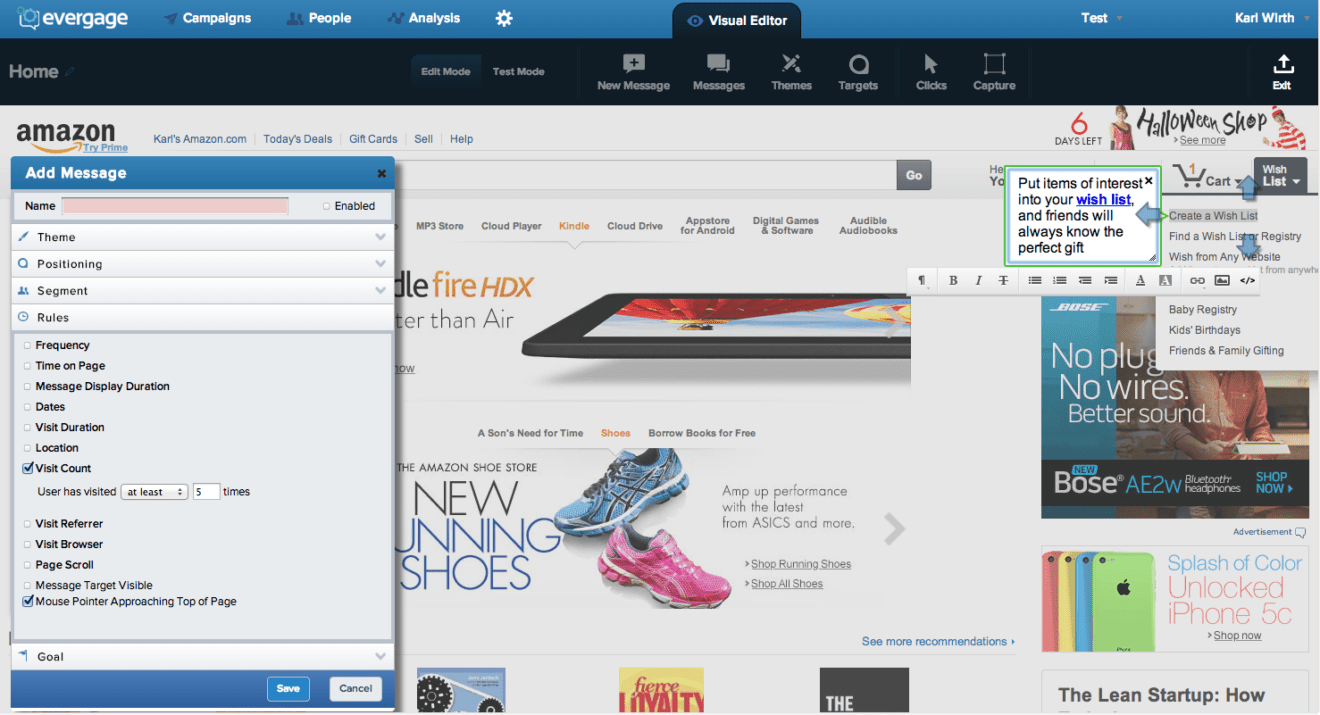
    Evergage, the real-time personalization platform company, today announced that ZALORA, Asia’s leading online fashion destination, has selected Evergage to support its real-time personalization initiatives across all the company’s digital properties. In a move to streamline its personalization efforts, which previously involved multiple vendors, ZALORA chose Evergage to easily and comprehensively manage all aspects of Web personalization for the company. 

    Established in early 2012, ZALORA has dedicated websites for fashion consumers in Southeast Asia, Hong Kong and Taiwan. Offering a wide array of items from more than 500 top international and local brands, ZALORA gives customers access to thousands of products across a variety of categories online.

    Prior to its deployment of Evergage in July 2015, ZALORA was working with multiple vendors, each providing specific elements of personalization for the company’s websites. This made tailoring the customer experience in real time a challenge for the marketing team as they could access only a fragmented view of each customer, versus a holistic perspective encompassing each interaction with the brand. By tracking and interpreting visitors’ historical preferences, in-the-moment behavior and intent across platforms and touchpoints, Evergage provides a well-rounded and actionable view of visitors – so digital marketers can deliver personalized experiences at the 1:1 level across channels.

    ZALORA’s Regional Marketing Director, Patrick Steinbrenner, said: “In line with our efforts to streamline processes and improve efficiency in ZALORA, we needed to unify our personalization program under one single solution. Evergage’s comprehensive and acclaimed platform is the perfect fit for our needs. We’re pleased with our results so far, and look forward to using Evergage to drive even deeper levels of customer engagement.”

    Within the first three months of using Evergage, ZALORA launched several personalization campaigns – to communicate and capture email addresses at optimal times during shoppers’ visits – and has already seen a significant lift in conversion rates and revenue per user for its Web-based customers. Looking ahead, as ZALORA continues to advance its efforts with Evergage, delivering real-time personalization through ZALORA’s mobile app will be a key new initiative.

    ZALORA has seen significant increases in site traffic since Q1 2015, and working with Evergage, it will be able to maximize the benefits of this influx by supporting personalized, relevant experiences to site visitors. 

    “We’re thrilled to be working with ZALORA as they take their personalization efforts to the next level,” said Karl Wirth, CEO and co-founder of Evergage. “By delivering a single platform to manage every aspect of ZALORA’s real-time personalization program, we’re able to help them better understand each individual visitor and instantaneously provide a tailored shopping experience to drive more sales.”

  • eCommerce growth a bright spot amid retail gloom

    eCommerce growth a bright spot amid retail gloom

    A combination of lower gas prices at the pump and the knock-on effects of slowing economic growth in China contributed to a global retail sales slowdown in 2015.

    But there is a bright spot in the gloom: eCommerce.

    Online sales are expanding faster than previously anticipated and are projected to increase by double-digit rates every year through 2019, according to a new forecast from independent research firmeMarketer. Led by China, the Asia Pacific region is expected to be the main engine of this growth.

    In 2015, worldwide retail sales rose by 5.6 per cent to $22.5 trillion, down from a 6.1 per cent growth rate in 2014. eCommerce sales, by contrast, jumped by 25.1 per cent, reaching nearly $1.7 trillion.

    While online spending last year made up just 7.4 per cent of global retail sales, eMarketer projects that eCommerce sales growth will outpace brick-and-mortar sales growth by a more than 3-to-1 margin from 2014 through 2019.  At this pace, eCommerce sales by 2019 are expected to more than double to nearly $3.6 trillion, accounting for 12.8 per cent of all retail spending.

    With its rising consumer class and huge population of online shoppers, China is expected to play an outsized role in that growth. The report states that eCommerce sales in China will more than quadruple between 2014 and 2019. The country already leads the world in eCommerce, but by 2019, China’s eCommerce market will reach $1.97 trillion, making it 3.5 times larger than that of the US, according to the eMarketer forecast.

  • Walmart India ramps up investment

    Walmart India ramps up investment

    US-retail giant Walmart is investing between $240m and $300m to bolster its presence in India by expanding its number of stores from 21 to 70 by 2020.

    “We have a cash-and-carry model, and the growth has been good for us,” Walmart India VP and head of corporate affairs Rajneesh Kumar told Retail Update.

    “Each store takes two to three years to set up. These will create nearly 2000 direct and indirect jobs.”

    Walmart India inside

    Meanwhile, Walmart’s technology centre in Bengaluru is also expanding its role and headcount, ramping up from 750 employees to 1200 by next month, says the Business Standard.

    “Most of the growth at Walmart Labs here is driven by supply chain and analytics,” says Walmart Global Technology Services VP and MD Jayakumar K. “The focus is to set up two centres of excellence, from ground up.”

    Walmart is working to merge its retail stores and online presence to become an omni-channel player, and has merged its computer systems technology team and its eCommerce technology team in Silicon Valley to create Walmart Technology.

    Jayakumar says that as the announcement is new, the immediate impact on the India centre is yet to unfold.

    “However, the combined structure in some sense already exists here. The Bengaluru centre is the only one in the world for Walmart where both these teams work together. We not only work in the same building, but have also collaborated on projects.”

    Walmart has made huge changes to its technology roadmap for its eCommerce over the past few years. Two years ago, the company changed from using off-the-shelf applications to using more software developed in-house.

    In India, it has created the Pangaea platform, which has been partially rolled out locally and this year will be introduced in other countries.

    Jayakumar says this approach allows the company to be quicker and more agile when launching products.

    As well as its focus on technology, Walmart is also tapping into the start-up ecosystem, acquiring 15 start-ups since 2011.

  • E-commerce ‘unstoppable’ as 4G rollout goes rural in Thailand

    E-commerce ‘unstoppable’ as 4G rollout goes rural in Thailand

    On The Ground: Mobile will be the catalyst for digital-focused communications and online retail—aided by a data sector in its infancy. Apart from King Bhumibol Adulyadej, there is another unifying force in Thailand: mobile.

    Thailand is the world’s leader in mobile internet usage, ahead of Saudi Arabia and Malaysia, with four hours of web time per day, about 44 percent of a Thai’s total internet time. “Thailand is a mobile-led society, as is most of Southeast Asia except Singapore,” said Grant Bertoli, CEO of Marketbuzzz.

    Thailand did not see internet adoption kick in until the end of the Web 2.0 wave in 2007, and most of the access to the internet was through mobile. “Thailand leapfrogged straight to mobile as the primary device, and as people dwell longer on it, the mobile is increasingly becoming the device,” indicated Pathamawan Sathaporn, managing director of Mindshare Thailand.

    Smartphone ownership, largely driven by lower costs, has accelerated to a point where current We Are Social numbers show that 69 percent of Thais own at least one smartphone. Mobile connections, thanks to budget packages in the competitive telco market, stand at 122 percent as a percentage of the total population.

    With the realisation of 4G service in Thailand (more of which in tomorrow’s On The Ground feature), mobile will be the catalyst for digital-focused communications and rich-media content in 2016, said Rattakorn Potharam, general manager and executive creative director of MRM Thailand.

    “This is noteworthy as rural areas are now given a better chance at mobile ubiquity.” Potharam already observes content in three prominent categories: tear-jerking dramas, Thai-humour comedies and gossipy ‘insights’ transcending above-the-line formats to digital.

    Above average social use

    As the pool of mobile internet users in Thai provinces expands, social-media users will follow suit accordingly. Thai urbanites already spend more time on social networking than the global average, with Facebook being the most popular platform. In fact, Bangkok is the number one city of Facebook users in the world with over 104 percent penetration, according to Social Bakers. And 65 percent of all locals use Facebook to search for brand information according to eMarketer—the fourth highest in APAC.

    According to TNS, 74 percent of Thais also use instant messaging daily, well above the 55 percent worldwide figure. Line is the leading app in Thailand with more than 33 million users—that is half the Thai population using Line.

    These social platforms are playgrounds of expression for Thai consumers, but they are open only in their digital lives while more conservative in person. “Whatever we are expressing on Facebook, when it comes to reality we may not do so, as rooted in the Thai culture of being accommodating,” said Yupin Muntzing, chief executive officer of McCann Thailand. This dynamic can be inspiring for future developments in brand communications.

    E-commerce opportunities abound

    Coupled with that, there are numerous implications for marketing without the burden of a PC-internet legacy. Thailand being a mobile-first market allows businesses a unique position to capitalise.

    On the commerce side, Lazada began operations only a few years ago and made a bold statement to become the Amazon of Southeast Asia. And they were one of the first e-commerce players in the region to launch both iOS and Android apps. Now, the brand claims that more than half of its traffic comes from mobile.

    New faces in the e-commerce sector include Shopee, a mobile-only discounted marketplace, Eatigo offering daily lifestyle deals, and GrabBike (rebranded to Grab) delivering urban commuting services.

    In 2015, overall internet retail recorded healthy value growth of 30 percent to stand at THB47 billion (US$1.33 billion), according to Euromonitor, with fashion and consumer electronics significant contributors.

    The Thai e-commerce market is expected to more than triple in size to THB138.86 billion (US$3.94 billion) between now and 2020, according to DHL that introduced a next-day logistics addition to its delivery infrastructure in January for this reason. At present, Thailand’s share of the market is still relatively low compared to other high-growth economies, according to DHL E-commerce Asia Pacific CEO Malcolm Monteiro. Only 1.7 percent of DHL’s total sales in Thailand are from e-commerce, compared to more than 10 percent in China.

    Anisa Ngandee, research analyst at Euromonitor, is of the view that pure internet retailers such as Lazada, WeLoveShopping and iTrueMart perform much better than multi-channel players due to the shift in buying behaviour. The provision of mobile payments, especially when facilitated offline, will be a differentiator, Marketbuzzz’s Bertoli advised.

    “Although Thai people like shopping online, they find it more convenient to pay upon delivery, especially consumers within provincial areas. Sales are still limited to younger generations,” added Ngandee.

    In the meantime, MRM’s Potharam feels e-commerce will be “unstoppable and borderless”, at least among younger buyers on social media. “Thai consumers are born social. They are yearning for relationships, rapport and chemistry. In this sense, social commerce is undergoing a makeover to match this demand for socialising, while Line, Instagram and Facebook are becoming storefronts for interaction and conversation.”

    Social and content collide

    As a result, smaller Thai brands have embraced their entrepreneurial spirit in these mobile times, selling their products and services in as many ways as possible, whether Luuk Thep dolls or clothes. Preetanjali Kukreja, strategy director at Brand New Day, has noticed local businesses “getting a lot more aggressive” on Instagram, prioritising these accounts over official websites or Facebook pages. “Somehow it feels less intrusive on Instagram compared to Facebook,” she said. “It’s simple, quick, visual, and cheap as a sales tool. People just scroll through pictures of products, click to see the price, then ‘line’ the vendor and you’re done.”

    It is of little wonder that Line is one of the go-to channels for SMEs to reach consumers, not simply for shopping, but for lifestyle solutions as well, like content. The Feb 2015 launch of Line TV, competing with digital television, provided exclusive content to customers via mobile.

    Thailand now has a “huge appetite” for content across all forms—a push factor for advertising, media and even telecoms operators, said Sunee Paripunna, CEO of Omnicom Media Group Thailand. True Digital Plus, a Thai telco, has increased its budget from US$1 million to US$3 million to buy digital content in 2016, for example.

    In the past, Thai advertisers have focused their attention on content creation in the pursuit of digital marketing, but have missed opportune moments of context now made possible by mobile technology, said MRM’s Potharam. To reap the benefits of mobile, the key is gearing towards “contextual content” that is targeted and personalised. “The context will matter a lot and unveil new spot-on insights into creativity,” he said.

    Data driving integrated marketing

    Also, mobile development will open more doors for brands to collect real-time data generated by consumers who are connected online. Big data, though in its infancy stage, will transform communications, particularly for retail, telecoms, finance and lifestyle services, said Potharam.

    For starters, Julien Chalté, co-founder and co-CEO of WearYouWant, has gathered data to identify the bulk of the online retailer’s classic customers. “In December 2015, the profile that emerged was a 36 year old woman, living in Bangkok who likes to shop on Wednesdays between 11 am and 2 pm,” he said. Half of WearYouWant purchases were made during this shopping peak of the year. Outside of Bangkok, 20 percent of customers filled shopping carts from Chiang Mai, with white shoes being the favourite purchase during December. In Nonthaburi, home to a fifth (19 percent) of shoppers, skincare and makeup products were the top category. A tenth of customers placed orders in Chonburi and was mainly looking for black outfits (79 percent of all orders).

    With more data like the above, real integrated communication—“something marketers have dreamed of”, said Potharam—has potential to blossom in 2016. In the past, marketers have “tried to be visible everywhere in the digital world but were seldom standouts”. To steal a march on their rivals, brands need a “unified ecosystem of experiences under one enriching brand story”, he said.

    That represents a new canvas for shoppable content, stated Mindshare’s Sathaporn. “People will move more quickly from seeing to shopping”.

    As Thai advertisers compete to reach multi-tasking, ad-avoidant consumers, the type of content that will stick are reality shows, singing contests and other international content formats adapted for Thailand, said Sathaporn, who expects the domestic advertising industry to grow by only three to six percent in 2016—a lower growth forecast than 2015 amid economic uncertainties.

    So, even as Thailand’s king ails and its economy slithers, advertisers may be able to rely on mobile and content for continued joy.

  • Rail option for Indian online shopping deliveries

    Rail option for Indian online shopping deliveries

    While eCommerce can go off the rails when it comes to delivery, train companies are coming to the rescue.

    Because most customers are not at home during the day when parcels are delivered, Network Rail in the UK is solving this with its Doddle mail collections points at train stations – an idea now being trialled by the Delhi Metro Rail Corporation in India, reports Springwise.

    Indian online shopping site customers will soon be able to arrange to collect their purchases from 10 Metro stations in New Delhi, including MG Road, Huda City Centre and Kashmere Gate.

    When making online purchases, users will have the option to choose “station collection” as a delivery method. They then click on their preferred station and will be given a one-time password via email or SMS. Their order will be delivered to the designated station, where they can collect it from a kiosk during their commute to or from work.

  • Lotte in joint e-commerce venture in Indonesia

    Lotte in joint e-commerce venture in Indonesia

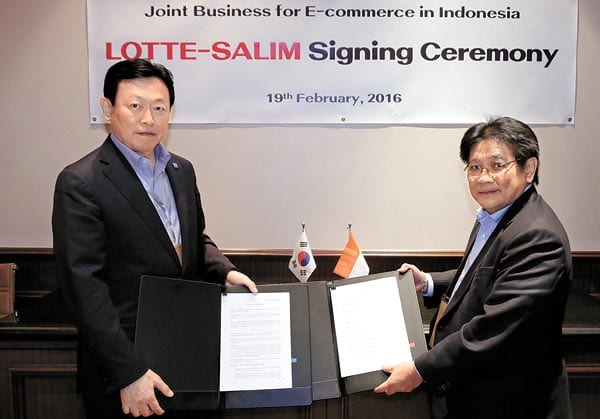
    Lotte Group is planning a joint effort to enter the e-commerce market in Indonesia, which has a population of almost 250 million people.

    The company plans to start building up the e-commerce venture with Indonesia’s biggest conglomerate, the Salim Group, during the first half of this year and expects to be in full operation by early next year.

    According to the Korean retail giant on Sunday, the deal was agreed when Lotte Group Chairman Shin Dong-bin met with Anthony Salim, the chairman of Salim Group in Singapore on Friday, during the Asia Business Council meeting.

    Lotte hopes to secure a strong foothold in the e-commerce market in one of Southeast Asia’s biggest markets by employing an omnichannel retailing strategy and establishing a stable delivery service by utilizing the existing networks Lotte’s and Salim’s offline stores. Lotte has one department store in Indonesia but has 41 retail stores. Salim Group has 11,000 Indomaret convenience stores.

    The Korean retailer said it also plans to introduce selected products that are popular in Korea to the Indonesian market.

    Under Chairman Shin, Lotte Group has been aggressively expanding its overseas businesses and Indonesia has been considered one of its key strategic markets.

    The Korean retail giant first got involved in the Indonesian market in 2008 when it acquired 10 chain stores of the Dutch discount store Makro.

    The advance into e-commerce comes as Indonesia’s online market has been growing rapidly. The country’s online market, which is estimated to have been about 3.2 trillion won ($2.5 billion) in 2014 is expected to expand to about 25 trillion won by 2020. This is largely due to the growing internet distribution, which already has exceeded 30 percent of its population.

    Smartphone distribution, which speeds up the growth of e-commerce, was 21.3 percent in Indonesia as of 2014.

    This figure is expected to reach 40 percent by the end of this year as faster LTE service was adopted last year.

    The Salim Group is Indonesia’s biggest conglomerate that is involved in wide range of businesses from food, distribution, telecommunication, media, automobile manufacturing and property development. It is most famous for its instant noodles Indomie. Additionally Salim Group’s logistic company Indomarco ranks No.1 in Indonesia.

  • Apple Pay’s China Launch: Who Will Win Over Chinese Luxury Consumers’ E-Wallets?

    Apple Pay’s China Launch: Who Will Win Over Chinese Luxury Consumers’ E-Wallets?

    With an optimistic plan to take on entrenched Chinese mobile payment rivals, Apple Pay made its move into mainland China on Thursday this week in hopes of making the country its biggest market.

    While some experts doubt the prospects of Apple’s high-tech payment system to compete with local giants including Alipay and WeChat, luxury retail is taking notice of the method. On the date of Apple Pay’s launch, Lane Crawford announced that all of its mainland China locations will offer Apple Pay, making it one of the first retail locations in the country to offer the service. “Offering Apple Pay as a payment option to our customers is another important step towards an even stronger connected commerce strategy, constantly evolving and leveraging on the digital and mobile world which is vitally important in Asia,” said Lane Crawford President Andrew Keith in a press release.

    The launch allows China’s only credit card company UnionPay, which has teamed up with Apple Pay, to take on Alipay and Tencent’s TenPay as they compete to win over Chinese consumers’ e-wallets.

    Limited to the iPhone, some experts are saying Apple Pay faces an uphill battle in China as local mobile options have already become incredibly popular. In addition to the fact that Apple will have to take on local giants, experts have found that many Chinese netizens are wary of Apple Pay for a variety of additional reasons. Online comments suggests that many are suspicious of giving their bank card number to a U.S. company and show a preference to earn interest from Alipay. Meanwhile, Apple Pay doesn’t have built in “shopping app” features and discounts found on Alipay and WeChat Wallet, including WeChat’s direct link to dining app Dianping.

    But as the iPhone remains a luxury status symbol for Chinese consumers, Apple Pay could possibly find a niche among affluent urbanites, depending on whether or not more retailers like Lane Crawford choose to make it available.

    The development of this competitive landscape is of equal importance to luxury retailers not only in China, but also abroad, which are scrambling to keep up with payment methods most popular with Chinese tourists. Many international luxury retailers now offer UnionPay, but a growing number of them are allowing Chinese customers topay with Alipay or with WeChat, giving them an advantage over those who haven’t moved past UnionPay. Regardless of whether or not Apple Pay manages to catch on with China’s jet-setting iPhone owners, retailers across the world will need to up their payment technology to keep up with their Chinese VIPs’ preferences.

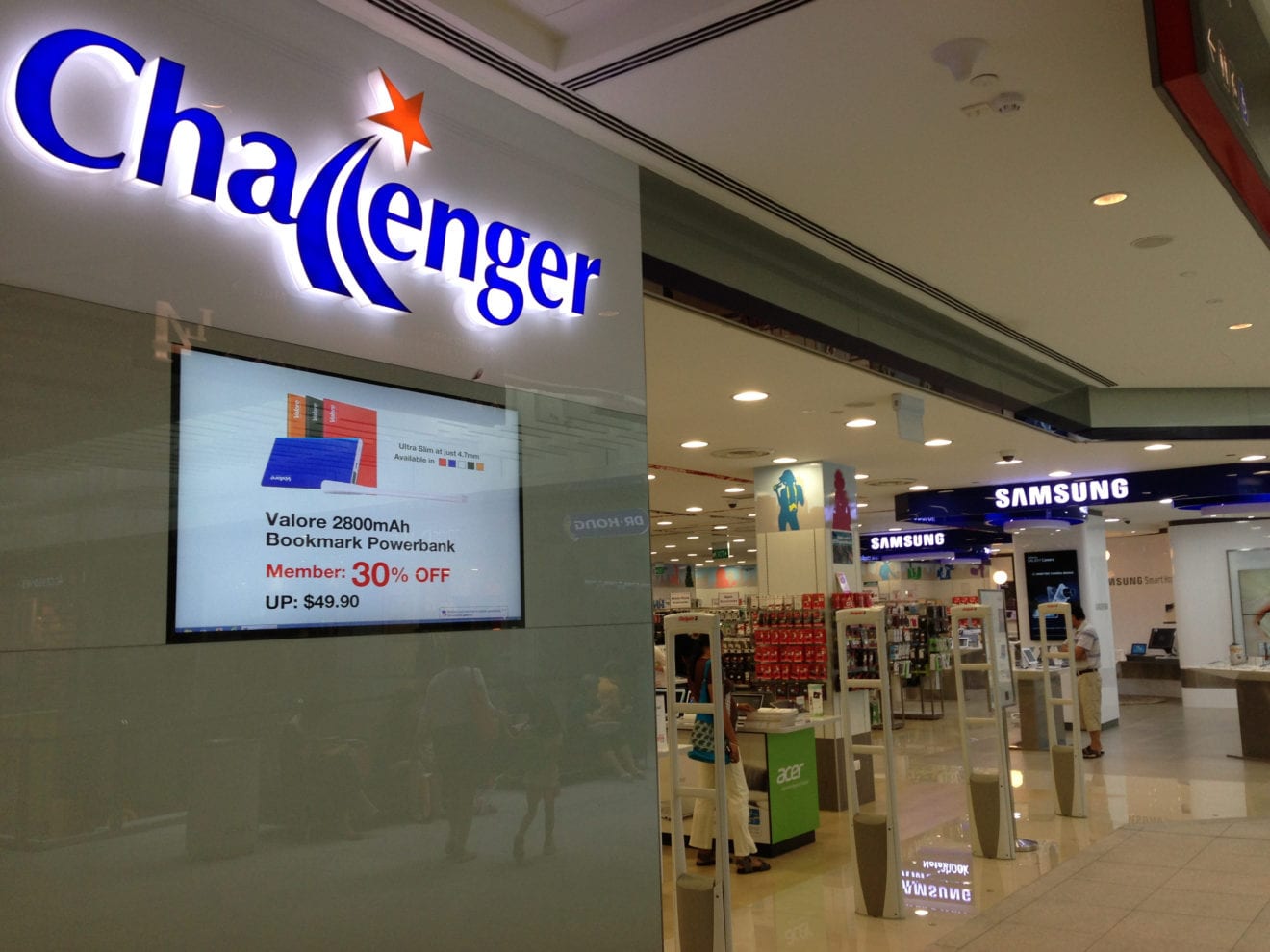
  • Challenger’s net profit in 2015 up 22%, plans to open new online store in April

    Challenger’s net profit in 2015 up 22%, plans to open new online store in April

    IT products and services provider Challenger will establish a new online store to maintain its relevance in the retail market.

    Known as Hachi.sg, the portal, which will be unveiled in April 2016, will boast more products, an improved shopper interface and an online sales platform, Challenger said in a statement on Tuesday (Feb 16).

    Chief executive Mr Loo Leong Thye said: “Our strong network of offline stores will complement the online business so our customers can enjoy a true shop-anywhere, offline-to-online and vice versa experience.”

    On Tuesday, the SGX Mainboard-listed technology company also announced net earnings of $18.3 million in 2015, a 22 per cent increase from the $15 million profit recorded the year before.

    The IT retailer attributed the higher net profits to higher government grants received and lower operating expenses from the closure of its Malaysia retail operations.

    In the final quarter of 2015, net profit also increased by 50 per cent, $7.5 million more than the previous year.

    Meanwhile, earnings per share rose by 1.01 cents, from 4.28 cents in 2014 to 5.29 cents in 2015.

    However, it recorded a one per cent dip in revenue over the year from $355.1 million in 2014 to $352.2 million, due to lower contribution from retail revenue in Singapore.

    Looking at the year ahead, Mr Loo observed that 2016 will continue to be a challenging year for the retail industry.

    “Weak market sentiment from last year will spill over into 2016. Hence, retailers like us have to keep innovating to retain existing customers and attract new ones. On top of that, we will continue to focus on other hygiene factors like keeping operating costs low with better cost management and increasing productivity,” he said.

    Mr Loo added that Challenger is looking to build up to a stronger position by investing resources and manpower for the next three to five years towards its online business.

    Currently, Challenger has a total of 48 stores in Singapore. But it revealed last December that it would be closing its flagship megastore in Funan DigitaLife Mall, after it was announced that the mall will shut down this year for redevelopment.