Retail News CRM

Tag: ecommerce

  • Online Sellers Tout Successful ‘Harbolnas’ Campaign

    Online Sellers Tout Successful ‘Harbolnas’ Campaign

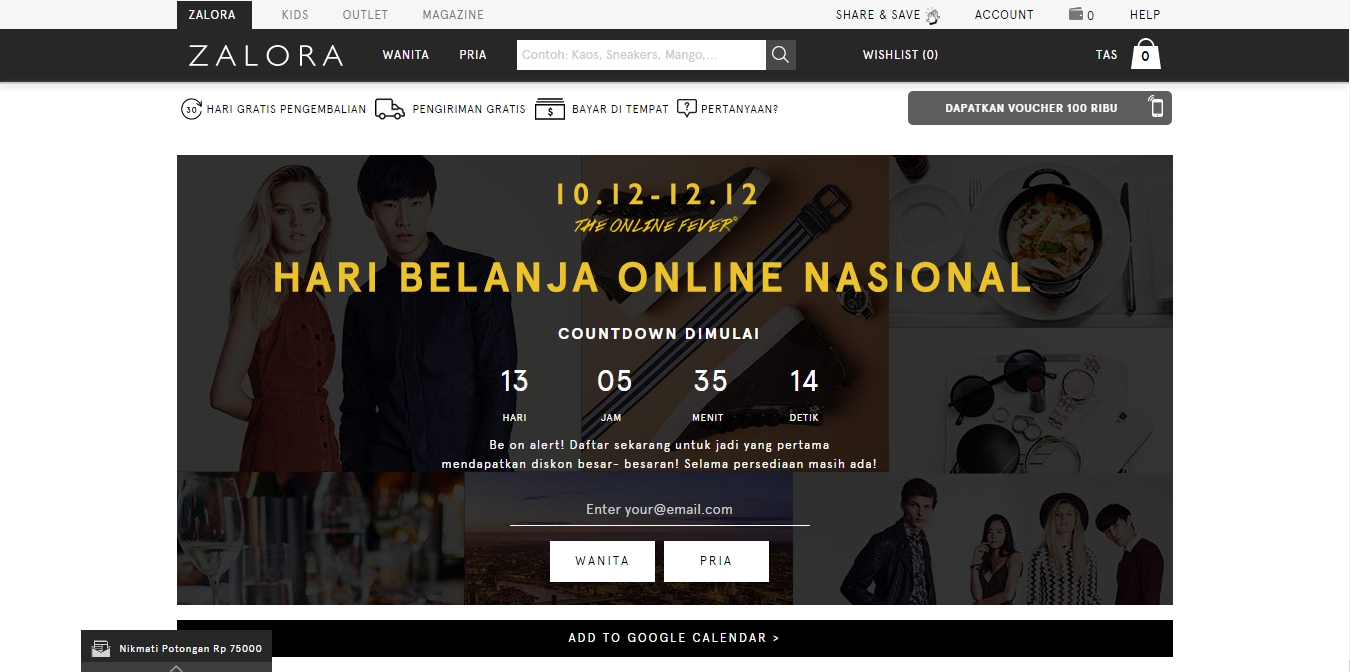
    Anthony Fung, managing director of online fashion retailer Zalora Indonesia said in a statement on Monday that the company saw sales surge thirty-fold during the three-day shopping event, but did not give a figure.

    “Everything is going so well that we decided to extend this campaign one more day, until December 13, so that we can give consumers more opportunities to get their favorite fashion brands at Zalora,” Anthony added.

    MatahariMall.com, the e-commerce arm of the Lippo Group, with which the Jakarta Globe is affiliated, claimed that sales went up 10 times the daily average during Harbolnas, with electronic goods and smartphones leading sales, according to chief executive Hadi Wenas.

    Fair game

    The hefty discounts promised, including up to 99 percent from MatahariMall, have prompted concern from consumers and industry lobby groups.

    The Association of E-commerce in Indonesia, or idEA, issued a statement over the weekend urging Harbolnas participants to divulge the actual value of sales derived from the event. This is in order to “assert the potential of Indonesia’s e-commerce market from local and international perspectives,” citing similar practices by online retailers in the United States and China.

    “There is concern over the hype in huge discounts offered during Harbolnas,” said Tulus Abadi, chairman of the Indonesian Consumer Protection Foundation (YLKI), as quoted by Merdeka.com.

    He urged consumers to be cautious about wild-sounding deals online, noting that consumer protection was still largely unregulated by the government.

    Lazada Indonesia was among the companies under scrutiny for manipulating prices, after a customer spotted a seller on the online marketplace listing infant diapers at a pre-Harbolnas price of Rp 130 million ($9,210), before a discount of nearly 100 percent dropped the price to Rp 93,482.

    Lazada said in a subsequent statement that it was not the company’s policy to deceive customers and that the seller in question had been banned from the marketplace.

    Similarly, MatahariMall listed a PlayStation 4 game console at an initial Rp 10.8 million before discounting it to Rp 4.599 million. Other sellers list the price of the same item outside the Harbolnas at Rp 4.7 million.

    Faced with the rapid growth in online retail in Indonesia, the government is in the process of laying the groundwork for regulating the e-commerce industry, from foreign ownership and taxes to consumer protection and business models. A regulatory road map devised by the Communications and Information Technology Ministry is expected before the end of the year.

    At the same time, idEA said it was also currently devising an ethical code of conduct when offering promotions and discounts, which it aims to unveil in the first half of next year in a bid to boost consumer trust and satisfaction when shopping online.

  • Indonesian eCommerce boom

    Indonesian eCommerce boom

    Indonesians are embracing online shopping at an astonishing rate.

    The Indonesian eCommerce Association expects the total online market to treble between 2014 and 2016, worth Rp 283 trillion (US$24 billion) in 2016.

    According to Bank Central Asia, Indonesia’s largest private lender, an Indonesian eCommerce boom will see spending rise an estimated 127 per cent this calendar year. And next year, growth will be as high as a further 80 per cent.

    The head of BCA’s consumer card division, Santoso, says the bank recorded Rp 4.5

    trillion (US$326.3 million) in eCommerce transactions in the first nine months of the year and he is confident it will reach Rp 5 trillion by the end of the year. Shoppers are using both credit and debit cards online.

    Despite such figures, the Indonesian eCommerce market remains in relative infancy. Online shopping still accounts for just 0.5 per cent of sales. Consumers are wary of supplying card details online and a mere six per cent of Indonesians actually possess a credit card. Unreliable logistics infrastructure is a further barrier to growth, although this week’s agreement between Zalora and Pos Indonesia to have nearly 3000 of its post offices double as delivery and return points are a step towards addressing that issue.

    Driving the current growth is the small percentage of Indonesia’s affluent consumers – especially those living in second tier cities who lack physical access to branded retail stores or range of products.

    Next week, BCA will hold a three day long e-Shopping Carnival featuring 16 online merchants. It currently works with 420 eCommerce businesses and plans to add a further 150 to those ranks next year, including hotels, travel businesses and electronics vendors.

    Meanwhile, Indonesia’s National Online Shopping Day (Harbolnas) will take place on December 12 with 140 eCommerce sites offering discounts of up to 90 per cent for one day. The online retail event is likened in magnitude to the Jakarta Great Sale.

  • MatahariMall.com, Pos Indonesia in Tandem to Boost E-Commerce

    MatahariMall.com, Pos Indonesia in Tandem to Boost E-Commerce

    Pos Indonesia will also install MatahariMall.com “eLockers,” allowing customers to physically pick up their items purchased online from lockers located in ten post offices in the Greater Jakarta area and Bandung.

    Using these services, online shoppers can also arrange delivery of their reserved items to these pickup points, instead of their home or office address, to avoid missing goods upon arrival.

    Pos Indonesia also agreed to provide logistic and delivery services to Mataharimall.com for domestic shipments.

    Like MatahariMall.com, the Jakarta Globe is affiliated with the Lippo Group.

  • India is now Alibaba Group’s second largest market

    India is now Alibaba Group’s second largest market

    For Alibaba.com, the business-to-business arm of the world’s largest e-retailer Alibaba Group India is the second largest market globally.

    “India is the second most important market for Alibaba globally, next only to China for us,” said Timothy Leung, head of global business development, Alibaba. The business-to-business subsidiary of Alibaba Group launched an online platform to provide Indian small and medium enterprises (SMEs) access to global counterparts.

    “India is at a critical point at present and from here we will see sharp upswing in ecommerce. We are very excited in building this consortium for SMEs,”he added.

    The company has 4.5 million registered users from India, with the country accounting for the second-highest paid users on the platform after China. SMEs in India can also avail assistance in terms of financing, logistics (domestic and cross-border), inspections and certifications, technology and SME trade-linked education on this platform. The Chinese company has partnered with enterprises such as ICICI Bank, Kotak Mahindra Bank, Crisil Rating, Tally, Capital Float, Jeena, SGS and Mypacco to help Indian SMEs expand their business.

    “There are at similarities in our experience in Chinese and India markets in terms of population size, kind of SMEs and also the core path in the ecommerce. We are also looking at our experience in the past in China and match it with what is happening in India,” added Leung.

    Citing similarities with the Chinese market Leung said that in China, B2B side of the business spearheaded the growth for Alibaba. The company through its B2B platform brought buyers and suppliers together and then ventured into supporting different aspects of the ecosystem.

    “That’s what we trying to build here. Other than matching buyers and supplier we are trying to develop the ecosystem,” Leung said.

    On the consumer side of the business also the Chinese major and its financial arm Ant Financial have picked up stakes Indian ecommerce companies Paytm and Snapdeal. Founder Jack Ma was in India three times in one year and also met the prime minister.

    The recently launched initiative, known as SMILE, hopes to connect Indian manufacturers with quality Chinese suppliers on Alibaba.com, provide Indian sellers the trading support and facilitate the global sales of Indian products through the platform.

    Talking about the fast growing ecommerce industry in the country, Leung said that 16 years ago when Alibaba started China went from becoming a no-internet country to one of the most advanced ecommerce ecosystems in the world. India is at much advanced stage and growing at a very fast rate when compared to China of those times.

  • German start-up Number26 launches pan-European mobile bank

    German start-up Number26 launches pan-European mobile bank

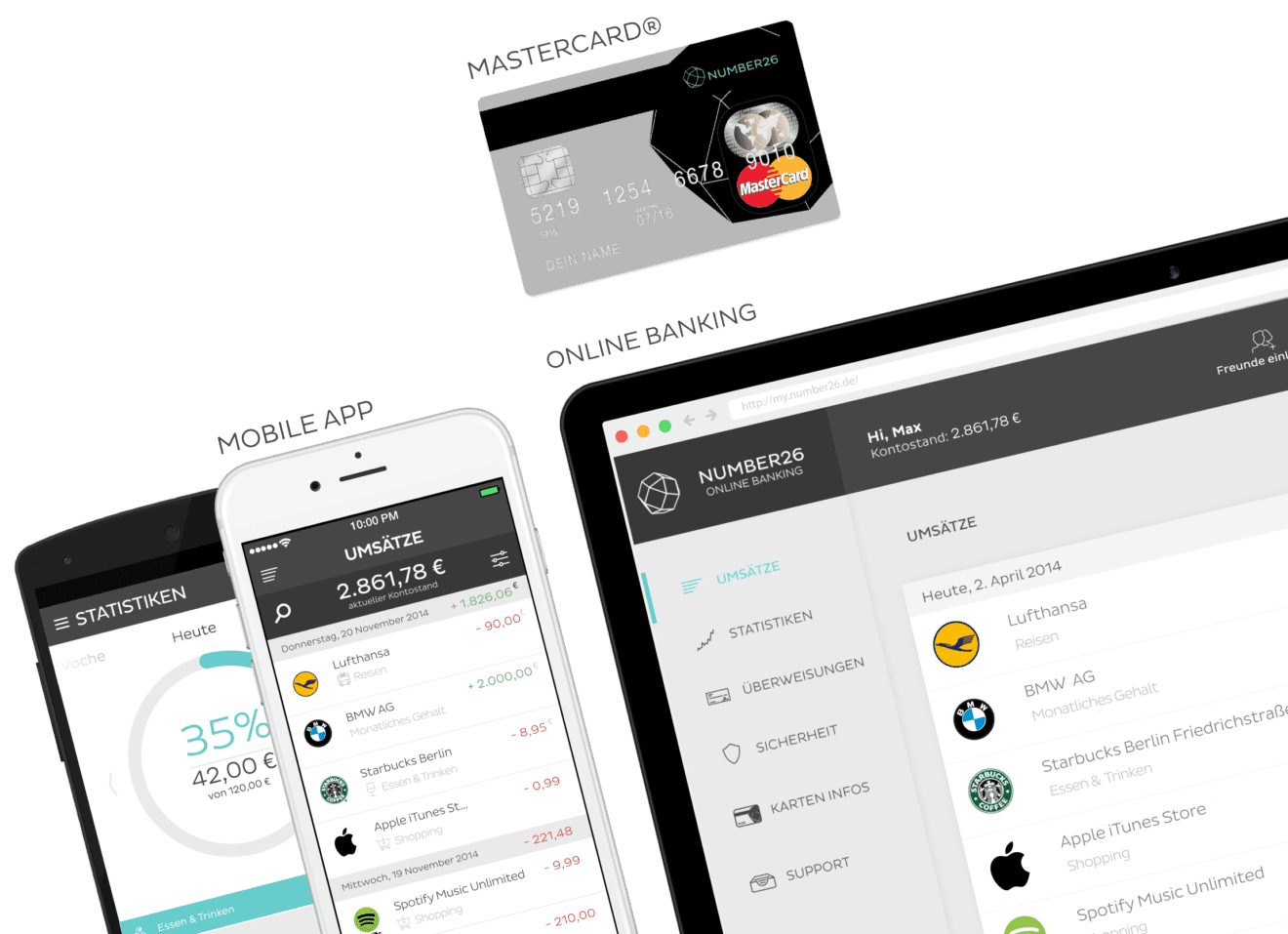
    Number26 is looking to succeed where traditional lenders have struggled, by relying on mobile phones to build a true pan-European bank.

    The German financial services start-up is expanding into six European markets, making it the first mobile phone bank to straddle the region’s borders, it said on Thursday.

    Number26 is entering France, Italy, Spain, Slovakia, Greece and Ireland, the latter being a test for moving into Britain, and eventually plans to develop a continent-wide bank.

    Founded by two Austrians and based in Berlin, the company revealed plans to offer a MasterCard and basic current accounts via a licence from its partner Wirecard Bank of Germany, which guarantees funds using the German Deposit Protection Fund. Its parent, Wirecard, also supplies Number26 with core banking software and transaction processing.

    Without branches, legacy computer infrastructure and by relying on selective outsourcing, mobile-first banks can compete with little up-front capital against big banks, all while promising lower lending rates and higher rates on savings.

    Number26 also has a jump on rival mobile-first banks including Atom Bank which took a UK bank licence in June and Tandem, which received a licence this week. Both plan to start operating in Britain next year. BBVA, Spain’s No. 2 bank, has taken a 29.5 per cent stake in Atom.

    “The model for these mobile start-ups is to compete on fees,” said Andrew Copeman, an analyst with financial research firm Aite Group. “Banks can’t afford to go after those rates because they are saddled with big overhead from branch networks and old systems.”

    Taken by surprise, banks have responded by ploughing more money into fixing creaky systems, rolling out mobile apps of their own and shuttering many branches. Worldwide, banks could cut half their jobs in 10 years as they fight to stay relevant, the former head of Barclays has said. “I don’t see banks at all as my competitors. They just can’t move fast enough,” Number26 chief executive Valentin Stalf, 30, said in an interview.

    The company, which launched this year in Germany and Austria, provides more than 80,000 customers with accounts for cash withdrawals, deposits and overdraft services up to ?2,000 via a slick smartphone app. “We see the current account as just a starting point,” said Maximilian Tayenthal, 35, Number26’s co-founder and chief financial officer. Credit, savings and insurance products will follow, he said.

    It recently began offering a retail checkout-based alternative to ATM machines for cash withdrawals and deposits in Germany.

    It now counts 6,000 cash outlets including supermarket chain Rewe, or more ATMs than Deutsche Bank and Commerzbank combined.

    The Number26 name refers to the optimal number of quarter turns it takes to solve a Rubik’s Cube puzzle and is a play on the most efficient route it can find to reinvent banking.

    Mobile phone-based banks aim to tear up the rule-book of an earlier generation of direct banks, which used online sites and telephone call centres to woo millions of customers away from bank branches starting in the 1990s.

    ING’s DiBa and others are now some of Europe’s biggest retail banks after being spun out of parent banks to offer a wide array of services created within those banks.

    By contrast, Number26 is looking to evolve rapidly into a full-service banking hub, providing not just services of its own but those from third parties. It is in talks to offer money transfers from TransferWise, loans from LendingClub and deposit comparison site SavingGlobal on its platform.

    The 75-employee company has raised ?12.5 million in venture funding. Backers include Peter Thiel, founder of PayPal and one of Silicon Valley’s top investors, Earlybird Venture Capital and Axel Springer Plug & Play, both of Germany, and Swiss-based Redalpine Venture Partners.

  • Thai e-commerce poised to touch $58b in 2015; rise in online shopping, 4G services to push growth

    Thai e-commerce poised to touch $58b in 2015; rise in online shopping, 4G services to push growth

    The ETDA’s survey cites that top three verticals that account for the highest income from e-commerce in 2015 are accommodation and food services worth 658.9 billion baht ($18.39 billion), followed by manufacturing 350.29 billion baht ($9.78 billion) and retail and wholesale 325.08 billion baht ($9.07 billion).

    The B2C e-commerce in 2015 will rise 15.29 per cent from 410 billion baht ($11.44 billion) in 2014, and the B2G will surge 3.96 per cent from 390 billion baht ($10.88 billion) last year. However, the B2B e-commerce is expected to slightly shrink by 0.34 per cent from 1.23 trillion baht ($34.33 billion) in 2014.

    “Thai e-commerce market remains highly attractive as more people open up to online shopping. Also, 4G will drive the growth of the e-commerce market in Thailand,” ETDA’s chief executive officer Surangkana Wayuparb said.

    In early November, Ascend Group announced to invest 5.3 billion baht ($147.92 million) to expand its e-commerce businesses, iTrueMart and ‘Weloveshopping’, into ASEAN countries.

    It plans to invest in warehouses, logistics and marketing activities in the Philippines this year, followed by six other countries – Indonesia, Malaysia, Vietnam, Singapore, Myanmar and Cambodia – in 2016.

    “We aim to be the e-commerce market leader in ASEAN by 2018,” Punnamas Vichikulwongsa, president of Ascend Group, told local media.

    A report by Euromonitor International states that the B2C e-commerce market for retail in the AEC will surge by 20 per cent per year from nearly $5 billion this year to $7 billion in the next two years.

    Considering Thailand as a centre of the ASEAN, foreign investors have eyed on the opportunities to use Thai e-commerce market as a springboard to other countries.

    Japan’s e-commerce solution provider Transcomos, for example, recently made a joint venture with Ookbee, a Thailand-based leading e-bookstore platform, to tap into the e-commerce business under Ookbee Mall.

    Even the world’s top e-commerce site Alibaba is in talks with Thailand’s Crown Tech Advance to co-invest in both logistics and e-commerce in Thailand. However, both companies have not finalised the deal yet.

  • Sa Sa plans new store concepts

    Sa Sa plans new store concepts

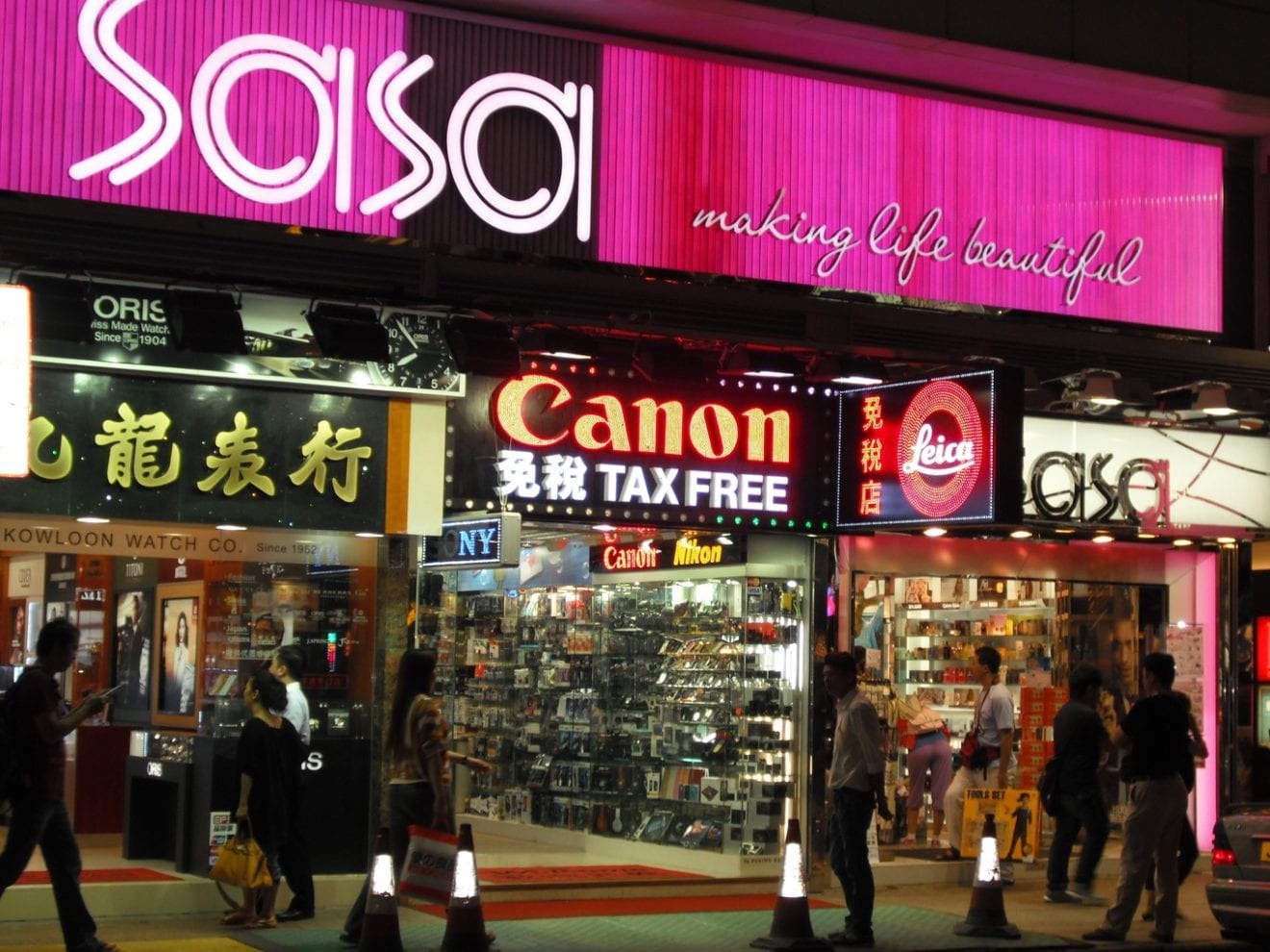
    Hit by falling sales in the tourist downturn, Hong Kong beauty retailer Sa Sa plans new store concepts and diversification to restore growth.

    Reporting a 10.6 per cent decline in sales to HK$3.778 billion in the first half of the current year, and a 55 per cent plunge in profit to $153 million, Sa Sa revealed a strategy to “develop other businesses beyond traditional operations”, including tapping the opportunities of O2O and cross-border eCommerce.

    “The group’s O2O initiatives will initially launch in Hong Kong and gradually extend to mainland China. For the China market, the O2O initiatives will significantly broaden product offerings in its physical stores through online sales and cross border fulfillment. The group aims to use different channels and to leverage a variety of online partners to increase online exposure, including operating physical stores to promote O2O in Free Trade Zones, and cooperating closely with major China online operators, all with their unique positioning and correspondingly different opportunities,” the company said in its interim report.

    New store concepts are also on the drawing board.

    “The group’s strategy for new store concepts includes introducing more trendy and lifestyle concepts to attract young and trend-setting customers, much improved product display, and more emphasis on enhancing the shopping experience.”

    Sa sa says it also aims to place more emphasis on the unique shopping experience with Sa Sa through improved product displays, while changing the mindset of its beauty consultants to one that is more receptive to consumer preferences.

    “In addition, the group will substantially strengthen its online marketing efforts, including the use of social media channels to improve interactivity.”

    Hong Kong & Macau

    Sa Sa says its first half year was marked by pressure from a series of negative factors in the retail market of Hong Kong during the first half of the year. Retail sales in Hong Kong and Macau decreased by 11.1 per cent to $3.010 billion.

    “The cosmetics market in Hong Kong continues to face strong headwinds due to the slowing of mainland China tourist arrivals, their reduced spending, and weak local consumption sentiment. The one-visit-one-week policy for mainland visitors is gradually taking its toll on the market, while the strength of the Hong Kong dollar and depreciating yuan will continue to make shopping overseas more attractive for both mainland China and local consumers. Intensifying competition within the cosmetic industry is a further challenge, with ongoing discount and promotion programmes having an ongoing impact on profitability,” the company reported.

    “Although rental pressure is expected to moderate in a slowing market, rental reductions still lag behind weak sales performance. In the face of these challenges, The group rationalised its retail network from 287 to 281, a net decrease of three stores each for both “Sasa” stores and single-brand counters.”

    Mainland China

    In Mainland China, the stores’ profitability continued to improve, but weak operational and product management led to a decline in turnover, as well as an increase in the inventory provision. Overall turnover for Mainland China operations decreased to HK$148.9 million, a decrease of 8.7 per cent in local currency terms, while same store sales growth in local currency decreased by 9.8 per cent for the period. Loss for the period amounted to HK$24.5 million. The group has recognised the need for more management resources to improved management, and is currently using external management resources on a contract basis to allow for more time to develop its own management structure and training. The group is also seconding experienced staff from Hong Kong to improve attractiveness of product offerings and inventory management.

    Taiwan

    Turnover in the group’s Taiwan business decreased to HK$130.2 million during the period, representing a drop of 2.2 per cent in local currency terms. Same store sales fell 8.7 per cent in local currency. The number of mainland China consumers in Taiwan is expected to increase in view of the country’s enhanced infrastructure and retail space, and the introduction of unlimited visa quotas for high-end Mainland Chinese tourists who have greater spending capacity. The group has already opened stores in tourist locations to tap the potential of increasing in mainland Chinese tourist arrivals.

    Singapore & Malaysia

    Flat sales across the Sa Sa Singapore network has prompted a rethink of the brand’s local network.

    In the first half year, Sa Sa reported turnover of HK$112.8 million (S$20.445 million) in Singapore, remaining flat in local currency terms over the same period last year.

    “The group will continue to build scalability and profit potential by closing inefficient stores and opening stores in new malls with good potential,” the company said in its interim trading statement.

    Meanwhile, turnover for Sa Sa Malaysia was HK$141.9 million, an increase of 2.5 per cent in local currency terms over the same period last year. However, same store sales decreased 8.5 per cent in local currency.

    “Sales and profit growth were restrained by the implementation of GST [on April 1], which adversely impacted store productivity during the transitional period. This effect is expected to be normalised in the second half.”

    Chairman’s view

    Chairman and CEO Dr Simon Kwok put on a brave face on the results:

    “Sa Sa has a long track record of delivering outstanding success in all economic climates and in the face of the most severe headwinds and difficulties. We firmly believe that in spite of the current difficult business environment we are now facing, we can still turn challenges into opportunities and further consolidate our competitive advantages. The flexibility of our business model, with an ability to rapidly adapt to new circumstances, markets and trends, will continue to support our position as a leading provider of beauty products in the Asia Pacific. We also believe that the resilience and adaptability of our loyal staff and the forward vision of our outstanding management team will ensure that we deliver sustained, satisfying growth for many years to come.”

  • C2C marketplace Shopee officially launches in

    C2C marketplace Shopee officially launches in

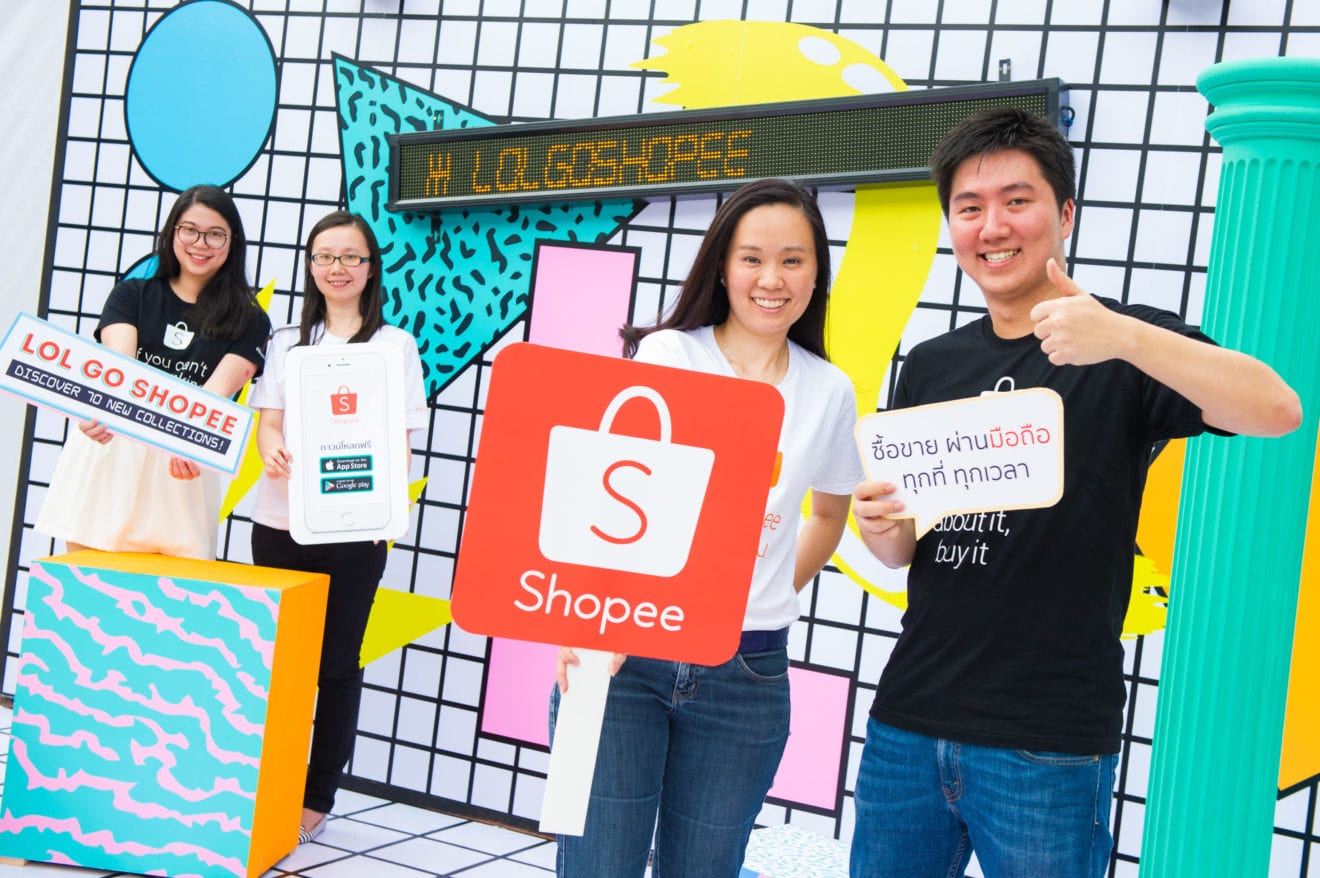
    Southeast Asia’s latest mobile consumer-to-consumer (C2C) marketplace, Shopee, has officially launched in Indonesia, offering users an easy-to-use mobile application to browse, shop and sell.

    The platform was soft-launched in June 2015 in countries including Indonesia, Singapore, Malaysia, Thailand, Vietnam, Philippines and Taiwan.

    According to Shopee CEO Chris Feng, the platform is equipped with a secure payment method, an integrated logistics fee calculation and social-led features to create a more secure, fun and fuss-free online shopping and selling experience.

    According to a 2015 fourth-quarter report from Southeast Asia Digital Landscape, Indonesia has already reached 79 million active social media users. Furthermore, almost 65 percent of Indonesians use social media to buy and sell things.

    “Shopee is eager to take part in supporting Indonesia’s growth in global retail e-commerce by bringing a shopping experience that is able to integrate social media and online shopping functions to maximize social interaction between sellers and buyers,” Chris explained.

    Various application features have been introduced including the “Shopee Guarantee”, which ensures users that there will be a full refund if purchased products are not received in the agreed condition.

    “The feature that I like the most from Shopee is the live chat, because it allows me to chat directly with buyers,” said Inez, the owner of Theodora Mardjuki online shop. “I like the Instagram importer feature that makes it easier for me to upload pictures of products that I want to sell on Shopee,” said another online seller, Stephanie Winarto.

    Since it was first launched, the application has been downloaded more than one million times and ranks first in Google Play’s Shopping category in Indonesia. Shopee is now available for download for free on the Apple App Store and Google Play in Singapore, Malaysia, Indonesia, Thailand, Vietnam, the Philippines and Taiwan.

  • How Agencies Are Adapting to China’s E-Commerce Boom

    How Agencies Are Adapting to China’s E-Commerce Boom

    This week, Saatchi & Saatchi China announced it was bringing on 48 hires from a local e-commerce services provider called Bysoft. It’s the latest example of how international agencies are adjusting their offer to cater to China’s e-commerce boom.

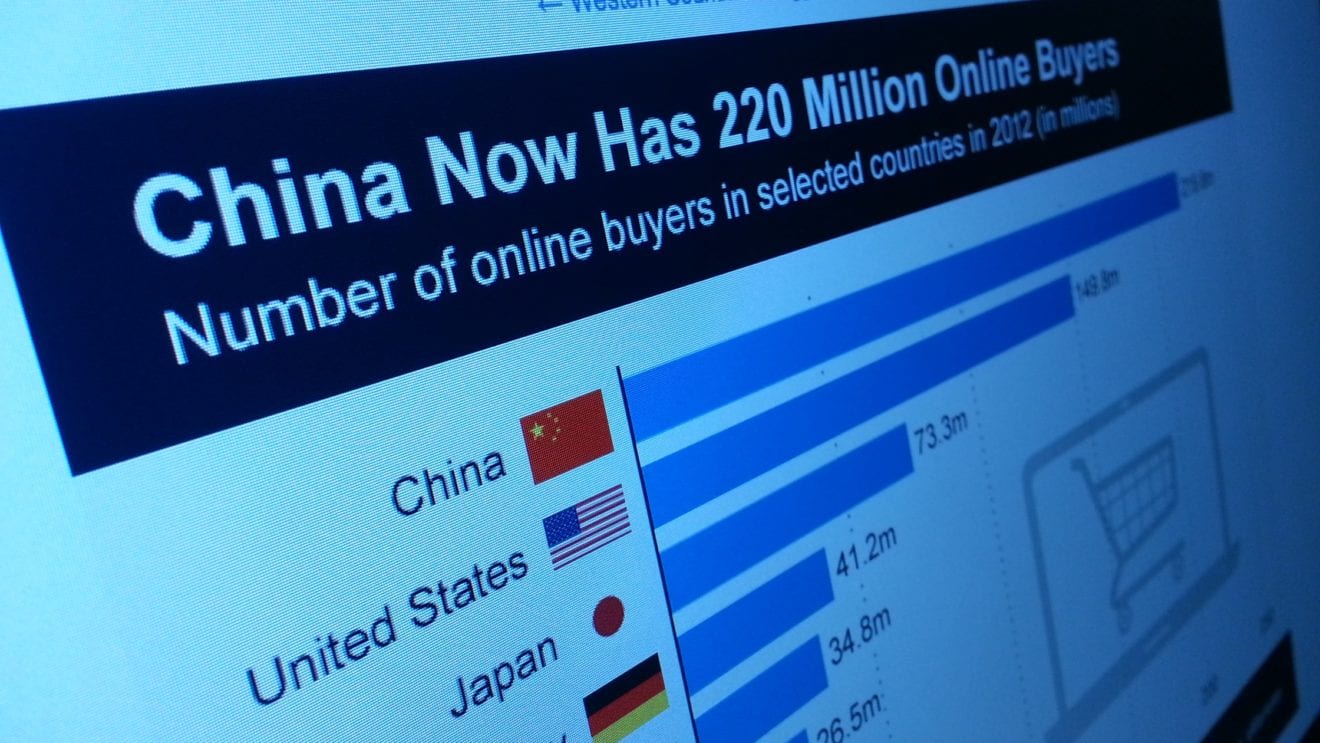
    In China, now the world’s largest e-commerce market, almost anything can be bought online – from exotic imported produce to cheap locally made clothing, from iPhones to Cadillacs. Online purchases are a greater percentage of retail in China than anywhere else. This year 15.9% of retail will be via digital, according to eMarketer. In the U.S. that figure is just 7.1%.

    Given China’s rapid embrace of e-commerce, “marketers and agencies are having to adapt at warp speed to build capabilities and potential capabilities in this area,” said Greg Paull, Hong Kong-based principal of agency-management consultancy R3 Worldwide.

    Agencies are trying different tactics. WPP China CEO Bessie Lee told an investors’ conference last week that two WPP companies, Kuvera and Salmon, were doing “a very hard-core e-commerce service. What does that mean? It means managing the e-commerce storefront for our clients, finding warehousing, managing warehousing, finding logistics partners for our clients, doing CRM (and) customer service for our clients for their online stores.” The agencies do marketing but are also distributors and store managers for clients, Ms. Lee said, adding: “So this is new money that we probably never had before.”

    Like many agencies, Dentsu’s Carat is expanding its e-commerce team. When Chinese internet giant Alibaba hosted its massive one-day online shopfest on Nov. 11, logging $14.3 billion in merchandise sales, Carat had a 28-hour war room for clients including Mondelez, handling everything from media optimization to brand-shop management to product replenishment to competitor tracking. China’s e-commerce boom also factored into a new partnership between Dentsu’s Carat, Mondelez and internet giant Tencent to work together on data, research and content.

    The company that Publicis Groupe-owned’ Saatchi hired staff from, Bysoft, has cast itself as a one-stop solution that includes digital marketing and operations, with a warehouse and fulfillment system for brands, and a client list including Adidas and Durex. Two of the hires were Cyril Drouin, Bysoft’s CEO, who takes charge of Saatchi’s China e-commerce strategy, and Christine Wang, Bysoft’s managing director. (Saatchi says it wasn’t an acquisition of Bysoft, but a recruitment of talent from the company.)

    Did you know 40%+ shoppers impulse buy and 71% in-store phone usage is checking prices? Gain deep understanding of consumer behavior and why this enables digitally-centric brands to gain advantage.

    Learn more

    Bysoft, founded in 2003, is one of dozens of standalone e-commerce agencies to pop up in China; many promise brands a range of services from marketing to operations, which is attractive to some brands. Alibaba-backed Baozun handles digital marketing, store operations, customer services and warehousing and has clients including Nike and Burberry. It had a $110 million initial public offering on the Nasdaq this year.

    The Chinese e-commerce market is fast-changing and complex, with different platforms than elsewhere – not only Alibaba’s marketplaces, but also online superstore JD.com and many verticals. Many brands are still figuring out their strategy, and the big question is how agencies will eventually fit into the landscape.

    “Are marketers going to push their business into a standalone e-commerce agency or into the existing creative digital agencies?” Mr. Paull asked. The argument in creative agencies’ favor is that “in the end an e-commerce customer is still a customer, and the work needs to be treated with same brand integrity you would treat any other work.”

  • Ecommerce offers a cheaper and faster way to market in China

    Ecommerce offers a cheaper and faster way to market in China

    Todd Fryhover, president of the Washington Apple Commission, joined China’s Singles Day celebration for the first time, hoping to sell 1.2m apples from Washington State in 24 hours.

    To help him out was the marketing juggernaut of Alibaba, the Chinese ecommerce company, where Washington apples are sold through branded website Tmall, one of a number of foreign food brands that are finding a ready market in China amid health scares over domestic produce.

    Singles Day, which began as a student celebration of singledom in the early 1990s, was reinvented by Alibaba in 2009 as a mass festival of conspicuous consumption, and more and more foreign companies are joining, hoping to use the holiday as a marketing exercise to get their brands out to the Chinese public.

    Mr Fryhover wants everyone in China to have “a repeatable, wonderful experience on Washington apples”. China is number six on the list of 60 countries that import apples from Washington’s 450 growers, but he thinks it will be number one by next year.

    He may be right. By midnight, as a video billboard in Alibaba’s Beijing auditorium showed, $14.3bn of merchandise had been bought via Alibaba’s platforms in 24 hours.

    Western companies are increasingly turning to online commerce, a cheaper and faster way to get to market than setting up store chains or penetrating the opaque retail market in China.

    To do this they are learning to love China’s internet conglomerates, informally known as BAT — Baidu, the search company, Alibaba and Tencent, the social media and gaming company. The three have begun to dominate economic life in China with amazing speed, doing everything from retail to finance to transportation, and moving into healthcare and even agriculture.

    In just a few years, the BAT conglomerates has been able to monopolise every aspect of daily life that could conceivably be put on the web and sold to the public. “They all want to own the customer, they want to be with them every second of the day, when they watch a video, chat to their friends, buy groceries, or go to a restaurant” says Chris DeAngelis from the Beijing-based Alliance Development Group.

    China’s internet giants are becoming what analyst Anne Stevenson-Yang of J Capital Research calls “tech Keiretsu”, referring to the national champions that dominated the Japanese economy in the 20th century with interests in multiple industries. “When companies are this big in China, the difference between public and private is not that important,” she says. “For all intents and purposes these companies have become the ministry of the internet.”

    But fierce competition means foreign sellers have many options for courting Chinese middle class buyers who are looking to buy imported goods abroad due to concerns about home-made counterfeit goods.

    Alibaba offers a number of options for sellers, including the free eBay-like platform Taobao, which is basically an online flea market. Most big brands set up on Tmall, which resembles an Amazon market place, a platform where big brands can set up stores and have more control over their sales and supply chains. Tmall’s first store from a fortune 500 company was Procter & Gamble, launched in 2008, which has grown 100 times since then, according to P&G vice-president Jasmine Xu.

    This year on Singles Day Ms Xu says that P&G made its first Rmb100m ($16m) in six minutes, compared with eight hours last year. “[Tmall] is a key platform to drive brand building in addition to sales,” she says.

    Some merchants have been loath to list on Alibaba, however. It gets vast online traffic, but the pressure to discount and the prevalence of fakes means it is “hard to protect a brand on Tmall,” says one consultant.

    But there are plenty of alternatives. JD.com, Alibaba’s rival, which is increasing its market share, has attracted a number of brands to its online store.

    China in many ways is more switched on to the internet than other countries which have had it for longer– Jim James

    Meanwhile, waiting in the wings is Tencent’s social media app WeChat, which has more than 500m users and is growing rapidly. Fearful of flooding the app with advertising and products, Tencent has been holding back on “monetising” WeChat.

    But advertising on WeChat is just one way of getting attention, and many companies have found they can win huge marketing success simply by using WeChat for word-of-mouth marketing.

    Fans of English country living, for example, can join a WeChat group devoted to Aga cookers, the iconic English oven brand, watch videos about cooking on an Aga, swap messages about it, and, thanks to the software which embeds the store in the chatroom, even buy one on impulse.

    “WeChat is unusually versatile; its better than Facebook, better than WhatsApp for marketing,” says Jim James, head of EastWest Public Relations in Beijing, which designed the Aga WeChat group.

    “China in many ways is more switched on to the internet than other countries which have had it for longer.”

  • Filipinos Purchased Over 120,000 Items from Lazada on November 11

    Filipinos Purchased Over 120,000 Items from Lazada on November 11

    November 11 has become the largest online shopping day in the world. For Lazada Philippines (www.lazada.com.ph), the country’s leading one-stop shopping and selling destination, 11/11 marked the start of its highly anticipated Online Revolution Sale and the beginning of the Christmas shopping season.

    Lazada sent online shoppers into a frenzy starting midnight of November 11 with customers purchasing 120,000 items across different product categories. Over 5,000 units of smartphones were sold on that day alone. Discounted and exclusive cellphone models from top brands such as Alcatel, Lenovo, ASUS and Cherry Mobile were the day’s bestsellers. Lazada also sold over 4,500 packs of disposable diapers, a clear indication that Filipino parents are embracing the convenience of online shopping. Hundreds of early Christmas shoppers were able to snap up this season’s hottest toy, the hoverboard or 2-wheeled scooter for as low as P7,999.

    As projected, Lazada exceeded its online sales records with a 6x increase in sales over its October average – the best uptake among all the countries in Southeast Asia where Lazada operates. The site registered 2.4 million visits and orders came from all over the country. 70% of total orders came from areas outside of the National Capital Region.  

    This year’s Online Revolution Sale broke new ground for Lazada as 60% of its orders came from shoppers using mobile devices. The Lazada mobile app was downloaded over 3x more on November 11 compared its average downloads during October. The app was ranked as the overall #1 app on the Apple App Store, ahead of Facebook, Instagram and YouTube.  It continues to be the number one shopping app on both App Store and Google Play Store.

    The big sale on Lazada continues and will culminate in a Grand Christmas Sale on Dec. 10 – 12. On top of deals and discounts, Lazada is also raffling off Cebu Pacific airline tickets to international destinations weekly and a brand new Hyundai Eon in the grand draw. 


  • Sequoia-backed marketplace wants to bring Thai retailers online

    Sequoia-backed marketplace wants to bring Thai retailers online

    When I first visited Thailand not too long ago, one of the first things that hit me were the numerous open-air markets – like the huge Chatuchak market in Bangkok. Shops and market stalls of all shapes and sizes peddled a huge variety of goods, from clothes to trinkets to household items.

    Thailand’s retail sector is expected to hit US$179.2 billion in 2016. Despite growing smartphone and credit card usage in the country, however, a lot of retailers haven’t jumped on the ecommerce bandwagon yet, leaving a lot of opportunity on the table.

    The founding duo of Thailand-based Zilingo, Ankiti Bose and Dhruv Kapoor, saw that opportunity for themselves when they visited the country on vacation. Ankiti is an ex-McKinsey consultant from Mumbai, India, who later worked for global venture capital firm Sequoia. Together with IIT (Indian Institute of Technology) graduate Dhruv, they decided to create a way for these retailers to find new customers online.

    Ankiti, the startup’s CEO, was always fascinated by the startup side of the VC business, she tells Tech in Asia. After that Thailand trip, she was convinced it was time to cross over to being an entrepreneur.

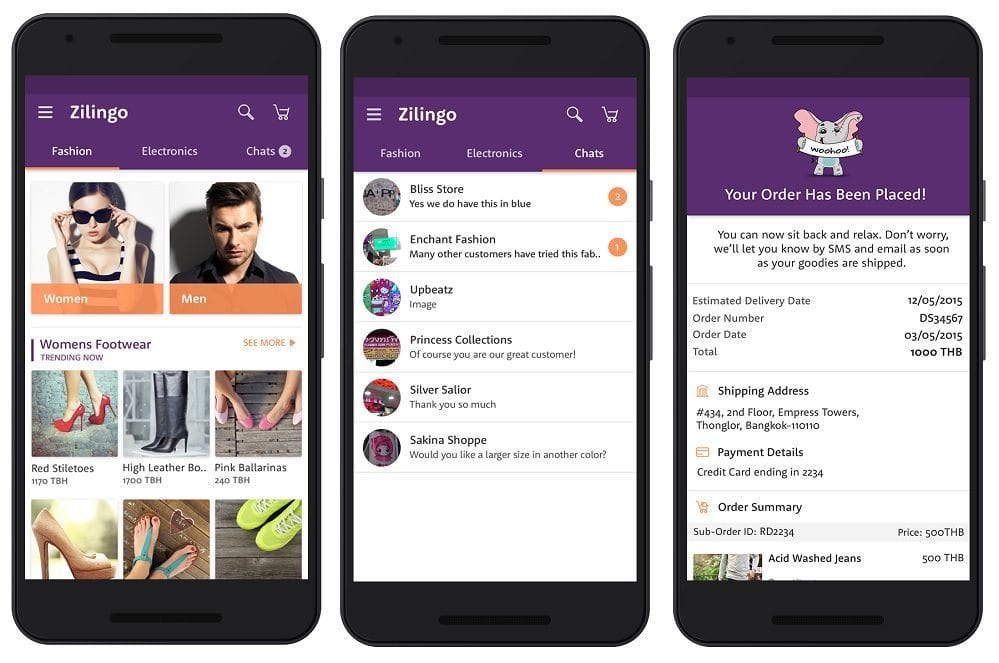
    Zilingo is a mobile-first online marketplace that allows merchants to list their inventory, set their prices, and fulfill online orders. Users can browse through available stores and products, then order and pay with their credit card.

    Zilingo screenshots

    Zilingo’s services include shipping, packaging, payment options, an analytics dashboard for mobile, order tracking, refund and cancellation options, and consultation on pricing strategy. The app also provides chat, through which a customer can get directly in touch with a merchant.

    The startup doesn’t charge merchants for listing, or any other fees, providing most of its services for free. It only takes a cut out of successful sales, wanting to encourage adoption and to “only charge for things that actually add value to the [merchants’] business.”

    Zilingo has only recently gone live, and is available to buyers and merchants across Thailand. Within November 2015, buyers from Singapore, Indonesia, and Hong Kong will also have access to the platform’s Thai sellers. Other Southeast Asian countries will follow, according to the startup. There are currently over 300 sellers on the site, Ankiti says.

    The company has already raised external funding, to the tune of US$1.88 million. The funding comes from Sequoia India, Teru Sato of Beenext, and Freecharge’s Kunal Shah and Sandeep Tandon.

    “We are delighted to back Ankiti and Dhruv, a highly talented and committed founding team, in their efforts to build a mobile-first marketplace for Thailand,” says Shailendra Singh, managing director at Sequoia India. “We liked the team and their mobile-first product so much, that we agreed to invest at the concept stage. It’s early days for the company, but we’re excited about the prospects for Zilingo.”

    Are you eager to shop from Thai retailers online? Do you think Zilingo has found a good way to digitize Thailand’s merchants?

  • Lazada’s Marketplace offers merchants a wide one-stop retail gateway

    Lazada’s Marketplace offers merchants a wide one-stop retail gateway

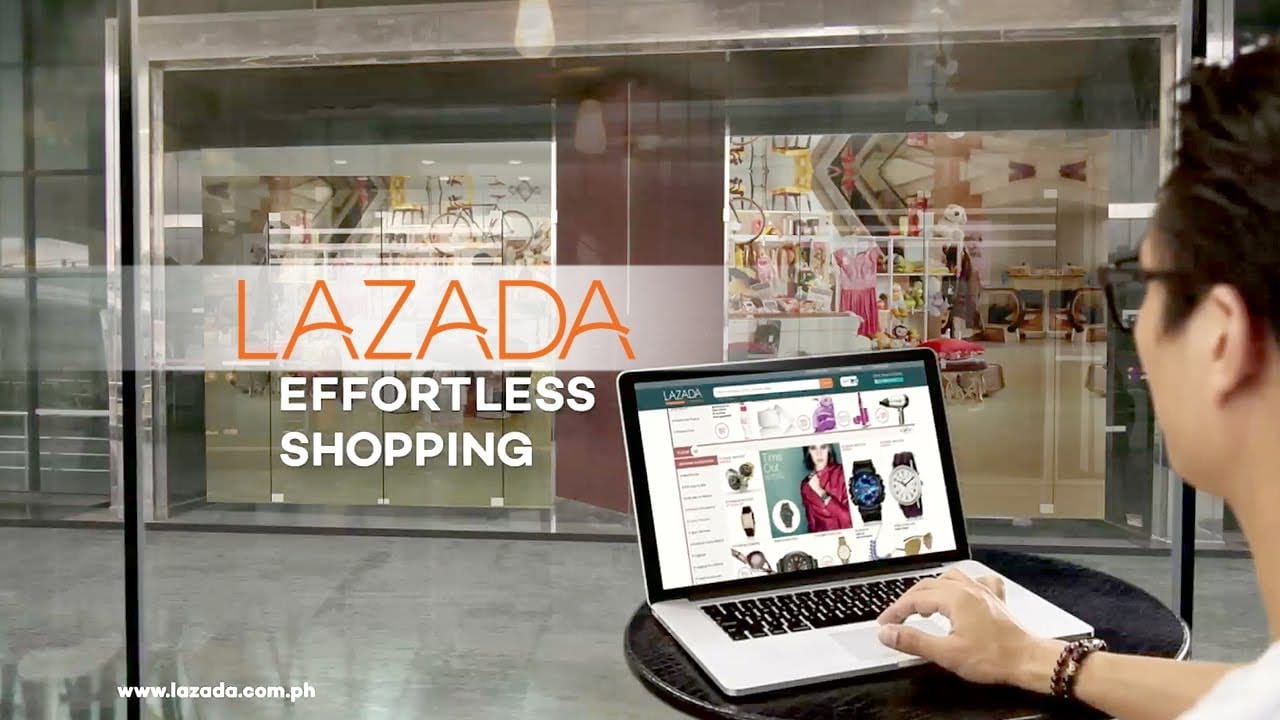
    Lazada Marketplace in the region accounted for 80 per cent of the company’s Gross Merchandise Value (GMV) or overall sales as at the end of August 2015.

    Alessandro Piscini, CEO of Lazada Thailand, said Lazada Marketplace was the engine of the company’s growth, attracting local merchants who were reaping the rewards of partnering with Lazada.

    “We can fulfil all customer shopping needs effortlessly on their behalf, and added to our committed investments in logistics, tech development and payment solutions, no other eCommerce player can offer a similar one-stop retail gateway to Thai merchants,” said Piscini.

    As e-commerce continues to grow in Thailand, Lazada marketplace offers opportunities for both new and experienced sellers to reach new markets, benefit from Lazada’s support in advertising their goods and monitor critical data on how their store is performing. With more than 4.5 million daily visits to its sites and close to 100 per cent geographical distribution coverage, Lazada has become the clear choice for sellers throughout Southeast Asia, said Piscini.

    Since opening to local merchants, over 7,000 Thai businesses have chosen to sell their goods at Lazada Marketplace, supplementing products from established brand names such as Tesco Lotus, L’Oreal and Philips.

    Sellers are well-supported by Lazada’s end-to-end model that takes care of their needs from order to delivery, and they also benefit from having direct access to Lazada’s established customer base, infrastructure and analytics.

    The Seller Centre, for example, provides a one-stop online platform to manage inventory, pricing, promotions and orders, with a recently released Seller Centre Android app adding enhanced search, notifications of new orders and sales performance, helping marketplace sellers manage their business on-the-go.

    Small and medium business can also tap into Lazada University to equip themselves with marketing tools in order to increase their visibility online and maximise profits.

  • Ascend expands its Asean reach

    Ascend expands its Asean reach

    “The move is to drive Ascend, both iTrueMart and Weloveshopping, to be the e-commerce market leader in the AEC by 2018,” Punnamas Vichikulwongsa, president of Ascend Group, said yesterday.

    According to Euromonitor 2015, the report of Euromonitor International, a business-intelligence research house, the business-to-consumer e-commerce market in the AEC will grow by 20 per cent per year to US$7 billion (Bt249 billion) in 2017 from nearly $5 billion this year.

    Thailand’s e-commerce market is worth about Bt42 billion with annual growth of 20 per cent.

    The company will engage in operating, fulfilment including warehousing and logistics, and marketing actives in seven countries in the AEC – the Philippines, Indonesia, Malaysia, Vietnam, Singapore, Myanmar and Cambodia.

    It will start with the Philippines by the end of this year and follow with the other six countries in 2016.

    The AEC market should help double its sales to Bt6 billion next year from Bt3 billion this year, which all comes from the Thai market.

    E-commerce in Thailand and the AEC has high potential since it now accounts for only 1 per cent of total retail shopping. In five years, it will be about 7-8 per cent of the retail industry in Thailand.

    E-commerce makes up 9 per cent in the United States and 13 per cent in the United Kingdom.

    “E-commerce is a market for the big boys, since it needs huge capital. In each market, there are only one or two e-commerce players dominating the market. We want to be ‘top of mind’ in the e-commerce business in the region,” he said.

    The business model of iTrueMart is different from Weloveshopping. iTrueMart acts as an online shopping department while Weloveshopping serves as a e-commerce marketplace.

    Ascend claims itself as the e-commerce leader in Thailand with 14,000 orders per day, split evenly between the two websites.

    Seubsakol Sakolsatayadorm, general manager of the iTrueMart division at Ascend Commerce, said iTrueMart’s conversion rate of 4.2 per cent of visits was higher than the market average of only 2 per cent.

    At iTrueMart, information-technology gadgets and accessories are still the largest contributor at 70 per cent. Orders have gone up fivefold this year since product categories were diversified from hard lines to soft lines, such as personal care and beauty products, and home lines such as household appliances.

    “The latest is a mum-and-kids category, since it is one of the largest in e-commerce in many countries,” he said. ITrueMart has invested heavily in fulfilment, warehouses and logistics. It has more than a million products, or more than 20,000 stock-keeping units, stored in its warehouse. The company delivers products through its own distribution system in Greater Bangkok with a 20-vehicle fleet and outsourcing to logistics partners.

  • Online, mobile luxury spending rises in China

    Online, mobile luxury spending rises in China

    Online and mobile commerce for luxury brands in China has risen at an exponential pace while smartphone penetration continues to grow rapidly, results of a recent survey shows.

    The new study of online spending in the country was conducted by KPMG in partnership with Mei.com, a China-based online luxury flash sales retailer, and Weibo, an online social media platform in China.

    Among the key findings is that 45 percent of respondents said they purchased most of their luxury items through online options, and the maximum amount they felt comfortable paying online for a single item is RMB4,200 ($660.8), far higher than the RMB1,900 ($298.9) they indicated in a similar survey in 2014, or an increase of 121 percent.

    The average spend levels also went up about 28 percent compared to the previous 2014 survey.

    China’s consumers are spending close to one-third more on online purchases – averaging around RMB2,300 ($361.9) on each single luxury transaction.

    The top driver for purchasing online remains pricing and better deals, however, close to one-third of respondents had made luxury online purchases at the full, non-discounted price.

    “Price is becoming less of a driver. But value remains important as customers are well informed about global prices since most of them travel physically or digitally,” said Thibault Villet, CEO of Mei.com.

    The survey likewise points to an increase in the average amount spent on luxury purchases in most product categories.

    A higher amount was spent on average for popular categories such as bags (109 percent), women’s apparel (58 percent) and cosmetics (18 percent), and also noted a significant increase in spending on categories such as watches (126 percent) and jewelry (65 percent) that accounts for a relatively smaller share of total online luxury sales.

    Cosmetics is the most popular product bought online, followed by women’s shoes, bags and leather goods, women’s apparel and accessories.

    The survey finds that among the key online triggers to purchase luxury e-commerce, the most persuasive one is reading about a product on a blog or social site and seeing the product in an online shop.

    While online shops are setting up temporary or pop-up stores, most luxury brands are also increasingly developing their China websites and shops on popular e-commerce platforms.

    “The pace of change in today’s marketplace in China is taking retailers and brands by surprise. This change is unrelenting and now outrunning the company strategy in many cases,” Egidio Zarrella, Clients and Innovation Partner, KPMG China, noted.

    In addition to luxury items, the survey finds increased numbers of luxury services purchased online, including online hotel and restaurant bookings, followed by domestic and overseas trips.

    Forty-eight percent of respondents said they had bought items overseas over the previous 12 months, close to a majority. More than two-thirds of these claimed they increased their overseas online luxury purchases in the past 12 months.

    The survey sees a near doubling of Chinese luxury online consumers planning to buy overseas trips online – from 35 percent who indicated they bought an overseas trip online during the past 12 months, to a forecast 61 percent during the next 12 months, or a growth of more than 70 percent.

    “Chinese consumers have a significant propensity to spend, they are technology savvy and want the best quality. Therefore, both new and existing entrants to China must expect to compete in a dynamic and fast-paced market. They must develop the right strategies to survive and thrive in an increasingly disruptive environment,” Zarrella concluded.