Tag: etail

  • Lazada activates official Olympic partner status

    Lazada activates official Olympic partner status

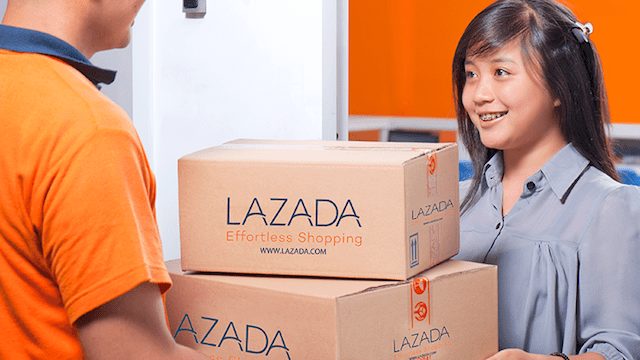
    Southeast Asia e-commerce platform Lazada Group has activated its Olympic Games partnership as part of the International Olympic Committee’s (IOC) long-term partnership with parent Alibaba Group.

    As an official Olympic partner in Southeast Asia, Lazada will help Olympic stakeholders further the reach of the Olympic Movement and connect with the region’s fans.

    “We believe Lazada’s digital footprint will assist us in spreading the spirit of the Olympic Games far and wide across this important region, particularly with a younger audience,” said Timo Lumme, MD, IOC television & marketing services.

    “As an e-commerce pioneer in the region, Lazada seeks to continuously accelerate progress in Southeast Asia and encourage every individual to pursue and ignite new possibilities,” said Lazada Group CEO Pierre Poignant. “We are honored to be activating Alibaba’s partnership with the IOC under our brand and look forward to bringing more Olympic-related moments to this region over the next nine years.”

    Lazada will use the advertising and promotional opportunities connected with using Olympic marks and imagery, including marks from National Olympic Committees. The editions leading up to 2028 include the Olympic Games Tokyo 2020, the Olympic Winter Games Beijing 2022, the Olympic Games Paris 2024, the Olympic Games Los Angeles 2028 and the Olympic Winter Games 2026 in a city yet to be selected by the IOC.

    Lazada held a series of local-engagement initiatives themed “Every Small Inspiration Matters” during the weekend, starting with internal employee events across the region.

    “As Southeast Asia’s leading eCommerce platform by the scale and by reach, we are capturing and also contributing to the heartbeat of the region,” said Mary Zhou, chief marketing officer at Lazada Group. “Through this partnership, we hope to further extend the heart of the Olympic Games and its meaningful values to Southeast Asia.”

  • Shopee on top of the 10 m-commerce players in Vietnam

    Shopee on top of the 10 m-commerce players in Vietnam

    Shopee heads the list of the top 10 m-commerce players in Vietnam for the first quarter of this year.

    The findings were released in a ranking by Iprice Group and App Annie Intelligence, which ranked shopping apps according to the number of monthly active users. It noted that mobile shopping is quickly becoming an important feature of e-commerce business in Vietnam.

    According to Google and Temasek’s report last year on the Southeast Asian ‘e-conomy’, more than 90 per cent of Southeast Asians are now connecting to the internet primarily through their smartphones, making this region one of the most mobile-first globally.

    Iprice Group also noted that during last year’s Singles’ Day, the rate of consumers accessing its e-commerce platform by mobile has risen rapidly from 62.5 per cent in 2017 to 80.4 per cent last year.

    Facing these customer behaviour trends, online retailers in Vietnam are now scrambling to improve and promote their mobile apps. Shopee, in particular, has invested a lot on campaigns to attract consumers to its app.

    “Shopee has focused on mobile from the beginning and built its user interface around it,” read an assessment report by marketing research agency Econsultancy last year. “This made users’ mobile shopping experiences faster and more intuitive – users can buy or sell their items in less than 30 seconds – allowing Shopee to capture a large group of mobile users in Southeast Asia and Taiwan.”

    Ranked number two of the top 10 e-commerce players in Vietnam is Shopee’s biggest regional competitor Lazada. This is perhaps a more surprising result, as according to Iprice Group’s previous report, which ranked Vietnamese e-commerce companies based on average website traffic, Lazada’s monthly traffic has been on a decline that puts them in third place behind Shopee and Tiki.

    However, when it comes to mobile, the e-commerce giant is now shifting to put a bigger emphasis on mobile shopping.

    Ranking in the top five behind Shopee and Lazada are apps from three local e-commerce platforms: Tiki, Sendo and Adayroi. These three companies also have been achieving positive results in terms of average website traffic for the recent quarter, making them worthy opponents for the two regional companies.

    Behind this top five in the ranking are AliExpress, Amazon, eBay, and Alibaba – all of which are currently not officially operating in Vietnam.

    Lotte.vn – the South Korean hypermarket group’s local subsidiary – rounded out the top 10 m-commerce players in Vietnam rankings.

  • E-commerce sales up in New Zealand with 16 per cent last year

    E-commerce sales up in New Zealand with 16 per cent last year

    New Zealand consumers spent $4.2 billion online last year, a 16 percent increase in 2017, according to the latest e-commerce report from NZ Post.

    This compares to just 2 percent annual growth in bricks-and-mortar shopping, the postie said in a statement released last week.

    The rise in spending was driven by Kiwis shopping online more often, with consumers hitting the ‘buy’ button 22 times each.

    Last year also saw the emergence of ‘super shoppers’ – with nearly 10 percent of the 1.8 million Kiwis who shopped online last year spending over $9000.

    The report found that spending with New Zealand online stores grew nearly twice as fast as spending with international online stores, though roughly a third of the dollars consumers spent online in 2018 overall went overseas.

    Around 12 percent of online shoppers used to buy now pay later methods, such as Afterpay, last year – with younger users and women being the majority of users.

    The most prominent online shoppers in New Zealand are women aged between 30 and 45 who live in rural areas, NZ Post found.

    “NZ Post is delivering well over half of all parcels bought online in New Zealand and we’re proud to be integral to that moment of joy when your online shopping parcel arrives,” Bryan Dobson, NZ Post’s chief marketing officer, said.

  • Vietnamese e-commerce platform Tiki set to raise US$100 million

    Vietnamese e-commerce platform Tiki set to raise US$100 million

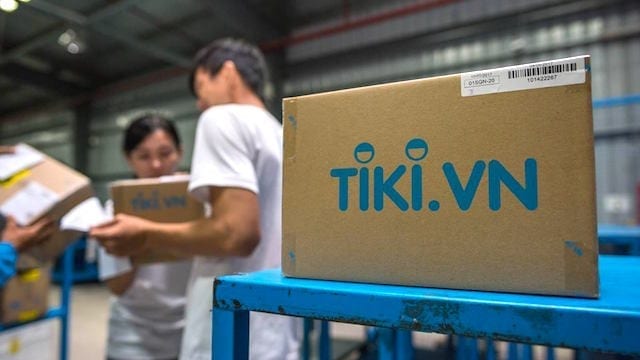
    Vietnamese e-commerce platform Tiki is raising another US$100 million from a Northstar Group-led funding round.

    The deal, was initially aiming for $75 million, but has been scaled up with support from Tiki’s current Korean backers, and may pull in as much as $150 million if certain KPIs are met.

    Tiki, which acquired competing platform Lazada last year, is now Vietnam’s second-largest e-commerce player after Shopee. It attracted a $44 million investment from Chinese industry partner JD early last year, and recently extended its national logistics operations in partnership with Vietnamese firm Unidepot.

    “Supply chain is a billion-dollar industry in Vietnam with surprisingly rapid growth,” said Tiki CEO Tran Thai Son. “However, Vietnam’s supply chain has not achieved its peak efficiency. For example, for an order worth 100,000 dong, logistics costs can be up to [25,000] dong.”

    Tiki’s infrastructural investments have seen the firm accumulate losses of around VND1 trillion ($43.3 million) over recent years.

  • Indonesian e-commerce site Tokopedia generates record sales

    Indonesian e-commerce site Tokopedia generates record sales

    Tokopedia, an Indonesian e-commerce site backed by SoftBank and Alibaba, said on Wednesday it generated a record $1.3 billion in gross merchandise volume (GMV) during Ramadan sale, amid soaring demand for online retail.

    The company said its biggest sales, recorded on May 17, resulted in a total transaction value that was higher than combined sales from the first six years.

    “Those transactions are happening across 97% of sub-districts in Indonesia and involved 5.9 million sellers,” said Tokopedia founder and CEO William Tanuwijaya.

    The start-up secured $1.1 billion in a funding round in December, led by Japan’s SoftBank Group Vision Fund and Chinese e-commerce giant Alibaba Group Holding Ltd. Sources say Tokopedia is valued at $7 billion.

    Shopping for clothes and gifts during the holy month of Ramadan is a significant part of the culture for Indonesia – the world’s largest Muslim-majority country.

    The Southeast Asian nation of over 260 million people is seen among the most promising global e-commerce markets, buoyed by a younger generation shifting their preference to online shopping.

    The Indonesian internet economy reached $27 billion last year and is poised to grow to $100 billion by 2025, according to Google-Temasek 2018 study.

    However, its logistical challenges are massive. The country’s 17,000 islands are sprinkled across an area bigger than the European Union, with logistical costs swallowing up around a quarter of Indonesia’s gross domestic product.

    Tokopedia’s Ramadan sale success reflects that e-commerce retailers are trying to overcome difficulties faster than expected amid higher usage of smartphones.

    Tanuwijaya told reporters that Tokopedia, which does not have its own inventory, was experimenting with artificial intelligence to predict demand and store stock in advance in partnership with warehouse operators.

    Rivals Bukalapak and Shoppee have not made their Ramadan sales public.

  • Tokopedia enters wedding industry, buying Bridestory

    Tokopedia enters wedding industry, buying Bridestory

    Indonesian e-commerce platform Tokopedia has acquired local wedding-service marketplace Bridestory, which allows users to plan their big day on their smartphones.

    Bridestory targets the Southeast Asian wedding market, connecting couples with venues, organizers and vendors/service providers in the wedding industry. It has reportedly connected more than 3.5 million customers with at least 27,000 wedding vendors annually.

    “It all started with a web application,” said Bridestory CEO Kevin Mintaraga, “then we slowly saw the change in behavior as people became more mobile-centric. We also wanted to help brides to plan their wedding anywhere and anytime with their smartphone”.

    The Tokopedia acquisition includes Bridestory’s new service, Parent story, which help parents and expecting parents connect with age-specific activity providers for their kids.

    Tokopedia has stated that the site will continue to operate independently, while Kevin Mintaraga will join Tokopedia’s management in a VP role.

  • Lazada brand refreshed with New Slogan and Tagline

    Lazada brand refreshed with New Slogan and Tagline

    Southeast Asian e-commerce platform Lazada has launched a new brand campaign – Go Where Your Heart Beats.

    This is the first refresh of the Lazada brand in five years, representing an attempt to elevate the role of the company beyond a transactional shopping platform to a “lifestyle destination”. The move is underpinned by the brand’s “shoppertainment” strategy to enhance the shopper experience, its seller empowerment efforts and ongoing engagements with local community segments.

    The campaign kicked off yesterday with a series of films following the personal journeys of three individuals made possible through Lazada, and introduced the firm’s new brand identity that reflects a more youthful, energetic and dynamic look and feel. It features a new heart logomark, typeface and new palette of Lazada colours.

    “As this region’s e-commerce pioneer, we first introduced Lazada in Southeast Asia to provide effortless shopping online,” said Lazada Group CEO Pierre Poignant. “Seven years on, we are the e-commerce leader that aims to serve 300 million customers by 2030.

    “We are elevating the role of Lazada beyond just a transactional shopping platform, to a lifestyle destination that can enable and progress hopes, dreams and desires – whether you’re a seller or a shopper.”

    The new Lazada brand identity was developed by Superunion Singapore and the accompanying campaign was conceptualised and developed by Wunderman Thompson Singapore.

  • E-commerce platform Shopline Arrives in Malaysia

    E-commerce platform Shopline Arrives in Malaysia

    Hong Kong-based e-commerce hub Shopline has established a Kuala Lumpur office as a first move into the Malaysian market.

    Malaysia is Shopline’s second Southeast Asian market following Vietnam, where it already has a Ho Chi Minh City base and where 98 per cent of internet users reportedly made online purchases in the past year. Malaysia’s internet penetration stands at 78.3 per cent, heading off Indonesia and the Philippines, and will hit an e-commerce market value of $3.91 billion next year.

    The firm, which has more than 150,000 registered users with online stores trading on its platform, shipped merchandise to more than 200 million customers last year. It has successfully raised US$2 million in funding from CDIB Capital Group and Alibaba Hong Kong Entrepreneurs Fund.

    Shopline will bring cross-channel O2O solutions to the Malaysian market, and offers several targeted features to extend retailer’s reach as well as an analytics dashboard and a cloud-based point-of-sale payment system.

  • Orders treble just 13 days into JD’s 6.18 shopping festival

    Orders treble just 13 days into JD’s 6.18 shopping festival

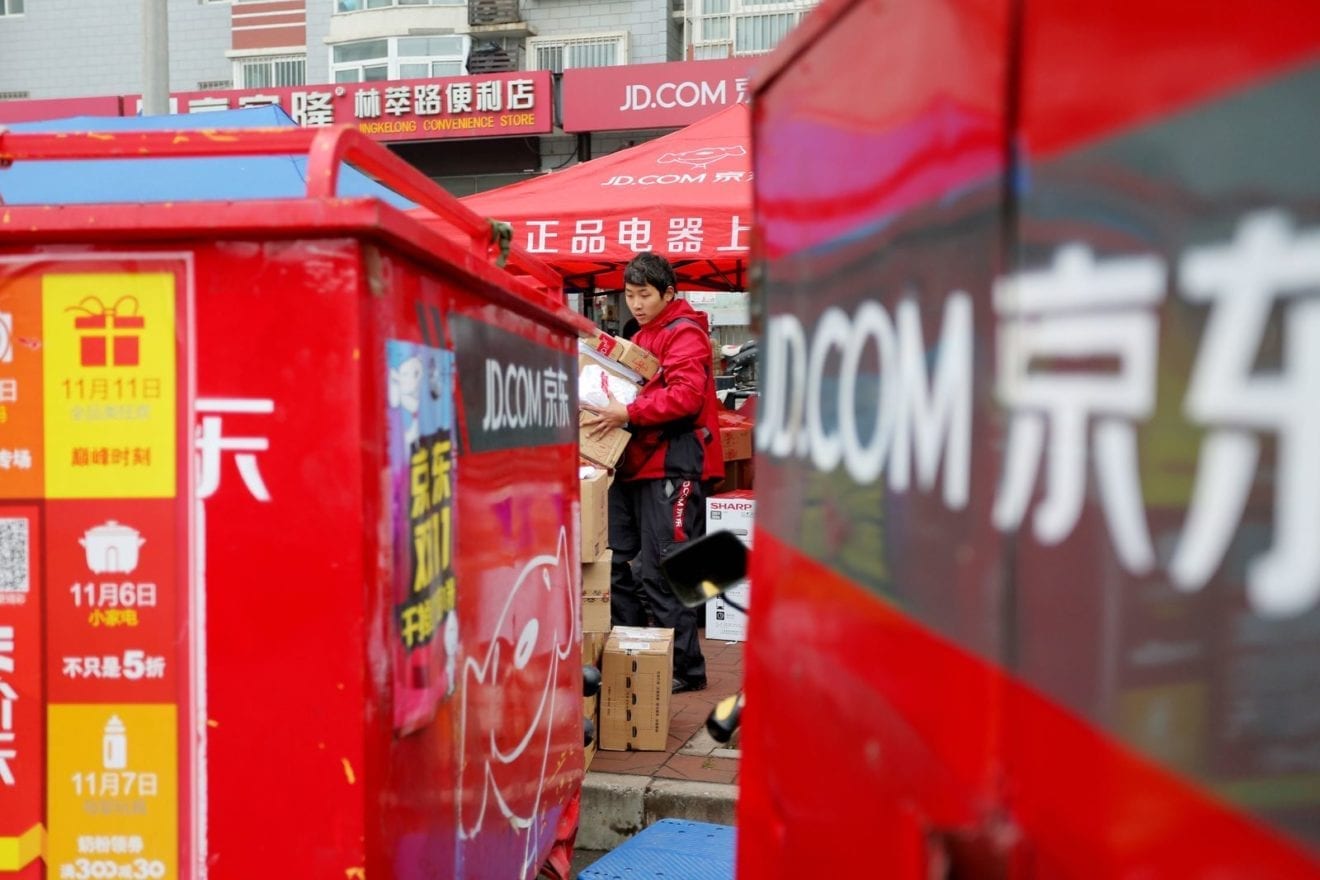
    Thirteen days into the 20-day 6.18 shopping festival, JD has already achieved a three times the turnover of last year’s event, and double the orders.

    More than 90 per cent of Hong Kong purchases have been conducted through mobile devices, and geographically, consumers from New Territories accounted for nearly 40 per cent of sales.

    The top five categories in sales and volume so far (not in order) are computers, smartphones, household electronics, digital appliances and groceries. JD singled out smartphones and household electronics as the biggest-moving categories compared with last year.

    Electronics attracted the greatest number of Hong Kong consumers with orders showing quadruple growth. Besides smartphones, products like electric fans, vacuum cleaners, air purifiers and dehumidifiers are proving popular.

    Food and beverage is another hot category, tripling in order size, with turnover up 50 per cent. This includes groceries such as instant hotpots, snacks, dried nuts and biscuits.

    Despite the high volumes, JD says the sales and growth rate for the first 13 days were “in line with expectations”.

  • E-commerce giants report record results for 6.18 shopping festival

    E-commerce giants report record results for 6.18 shopping festival

    China’s e-commerce giants JD and Alibaba turned in record-breaking results for the 6.18 shopping festival on June 18.

    Total sales transaction volume during JD’s 6.18 trading reached a new high this year of US$29.2 billion. Key drivers leading to the breakthrough results were new products as well as Chinese consumers’ continued interest in and pursuit of higher quality.

    Alibaba Group’s Taobao and Tmall shattered multiple records during the Mid-Year Shopping Festival, stating a rising demand from consumers in less-developed cities for quality products. More than 200,000 brands took part, using campaigns and tools provided by Alibaba’s core platforms to help more than 110 brands each generate gross merchandise volume in excess of RMB100 million ($14.5 million).

    New products were a strong focus of JD’s retail strategy overall this year. JD has launched an exclusive channel within its platform to socialise and promote these products as well as bring them to market, making them easier for consumers to find, and helping brands to strategically reach new consumers. Consumers from lower-tier cities are also “trading up” showing greater interest in brands traditionally more coveted by consumers in higher-tier cities.

    Transaction volume growth was twice as high in lower-tier cities than the overall growth on JD. The percentage of new users from lower-tier cities was also much higher than the percentage of new users overall. Two campaigns involved participation from more than 100 million users. One was an innovative “birthday red envelope” campaign, which encouraged and rewarded consumers for sharing on social platforms. Another campaign engaged users to share, vote for and win shared rewards for their cities.

    The firm’s recent C2M initiative employs big data and consumer insights, providing insights to brands to adjust their manufacturing and marketing approaches with the goal of providing consumers with products they want before they even know they want them. Transaction volume of new products and C2M products during 6.18 increased 289 per cent compared with the same period last year. One out of every three monitors sold during this year’s 6.18 campaign were C2M products. HP saw a 100 per cent increase in sales of its Zhan 66 laptop, a C2M product, during 6.18.

    Several new brands also launched on JD during 6.18. Most recently, Italian designer brand Prada, as well as Miu Miu and Car Shoe – two sister brands under the Prada Group – launched authorised flagship stores on JD. Farfetch also launched a flagship store on JD during the period, enabling JD consumers to access more than 3000 brands through Farfetch’s network of more than 1000 brand and boutique partners.

    JD also worked with the world’s top hotel brands to empower subscribers of its premium membership program, JD Plus, with exclusive privileges at 15,000 high-end hotels around the world, marking the first time JD Plus benefits can be enjoyed outside of China. During this 6.18, shopping festival JD sold more than 2.8 million JD Plus memberships.

    Technology continues to be key to improving the consumer experience and exceeding expectations during the sales festival. 91 per cent of orders coming from JD fulfillment centers were delivered same-or next-day. During this year’s 6.18, JD’s smart customer service robot fielded more than 32 million inquiries, of which it solved 90 per cent of those independently, freeing up human customer service for more complicated inquiries.

    Flash sales crash records

    Alibaba’s flash sales channel, Juhuasuan, which aids brands in attracting new customers via discounts, added over 300 million new consumers. During the festival. More than 180 products topped RMB10 million ($1.45 million) in sales, and 4700 products achieved sales of more than RMB1 million ($145,000). This was a record-breaking number for brand participation in Juhuasuan.

    The firm’s Taobao live-streaming platform helped generate GMV of more than RMB13 billion ($1.88 billion).

    “The results of the ‘6.18 Mid-Year Shopping Festival’ are encouraging,” said president of Taobao and Tmall Jiang Fan. It has proven to be a celebration that can match the enthusiasm and scale of the ‘11.11 Global Shopping Festival.’ More than 100 brands achieved a new sales record that surpassed the result from last year’s 11.11.

    “We are very pleased to see that our strategy to help brands penetrate the less-developed markets has paid off. Customers in the emerging cities are very receptive to innovative products and promotion campaigns such as programs on the Juhuasuan platform. The number of customers and GMV from third- to fifth-tier cities both hit 100 per cent growth. We believe this group of customers will continue to grow into a strong and sustainable force for brands who are looking at further developing the Chinese market,” he added.

    With an increase in discretionary income, consumers in China’s less-developed areas are quickly becoming a crucial driver of China’s solid consumption. These consumers were a main engine powering this year’s 6.18 Shopping Festival. According to Tmall, 48 per cent of the newly launched products on the platform during the event were purchased by customers outside first- and second-tier cities.

    Demands and preferences from lower-tier cities consumer were diverse, ranging from high-end electric products from Apple to imported fruit, such as durian from Malaysia, and daily necessities, including socks and toothbrushes.

    Tmall’s Luxury Pavilion sales more than doubled from last year, boosted by customers in emerging cities and shoppers born after 1995. Premier brands hit better-than-expected results. Sales of Versace jumped 20 times compared with last year.

    This year, Taobao’s Daily Deals, a channel which allows consumers to order customised products straight from the manufacturers, generated more than 420 million orders. With Alibaba’s big data and IoT technology, the Daily Deals service has effectively digitised the manufacturing industry by initiating a direct manufacturer-to-consumer model.

    Sales generated from consumers in third- and forth-tiers cities on cross-border trade platform

    Tmall Global increased by 153 per cent from a year before. The top five countries on Tmall Global were Japan, the US, South Korea, Australia and Germany.
  • Omega China makes E-commerce debut

    Omega China makes E-commerce debut

    Swiss timepiece maker Omega has launched its first e-commerce initiative in China.

    Omega China has opened a new pop-up store in the Tmall Luxury Pavilion, an online platform for premium brands under Alibaba Group.

    Pre-sales for Omega’s new Seamaster Aqua Terra Beijing 2022 limited-edition wristwatch will be exclusively available on the pop-up site between June 15 and August 7. The watch will be available in physical stores later on. Just 2,022 watches have been made to mark Beijing’s upcoming Winter Olympics.

    The Pavilion has recently overhauled its site with more personalised offers and recommendations, introducing a brand-generated content feed and online magazine.

    “We want to step up our offerings in terms of creative experiences, trending product feeds and style tips from fashion editors to help young users find items and brands they love,” said Tmall Luxury Pavilion head Lili Chen. “The Pavilion revamp enhances the discovery journey and shopping experience for our customers, while helping luxury brands better express their brand vision, aesthetics and new creations.”

    Omega joins 133 brands on Tmall’s Luxury Pavilion, including rival brands Tag Heuer and Zenith, along with Versace, Stella McCartney, Moschino, and others.

  • Alibaba management shakeup not Ended yet

    Alibaba management shakeup not Ended yet

    The most significant Alibaba management shakeup since founder Jack Ma revealed he would step aside next September 10 sees high-profile CFO Maggie Wu take on a new role.

    Wu will take over responsibility for strategic investments by the group, charged with finding new growth streams for the technology and retail giant as its growth in the e-commerce sector begins to slow. She will oversee a team focused on investment, taking over that responsibility from executive vice-chairman Joe Tsai.

    The Alibaba management changes were revealed via the company’s official WeChat account by CEO Daniel Zhang.

    “To guarantee innovation, invest in our future, Alibaba is undertaking an organisational upgrade,” he said.

    Wu has been Alibaba’s CFO for six years.

    In other changes, Alibaba said its supermarket chain Freshippo – also known as Hema and now numbering 160 stores – will become a standalone business. DingTalk, the group’s enterprise software business unit, will be merged into the Alibaba Cloud business unit.

    These changes come ahead of a planned IPO in Hong Kong later this year which could raise as much as US$20 billion in fresh capital for expansion via investment.

  • Alibaba management shakeup sees CFO promoted

    Alibaba management shakeup sees CFO promoted

    The most significant Alibaba management shakeup since founder Jack Ma revealed he would step aside next September 10 sees high-profile CFO Maggie Wu take on a new role.

    Wu will take over responsibility for strategic investments by the group, charged with finding new growth streams for the technology and retail giant as its growth in the e-commerce sector begins to slow. She will oversee a team focused on investment, taking over that responsibility from executive vice-chairman Joe Tsai.

    The Alibaba management changes were revealed via the company’s official WeChat account by CEO Daniel Zhang.

    “To guarantee innovation, invest in our future, Alibaba is undertaking an organisational upgrade,” he said.

    Wu has been Alibaba’s CFO for six years.

    In other changes, Alibaba said its supermarket chain Freshippo – also known as Hema and now numbering 160 stores – will become a standalone business. DingTalk, the group’s enterprise software business unit, will be merged into the Alibaba Cloud business unit.

    These changes come ahead of a planned IPO in Hong Kong later this year which could raise as much as US$20 billion in fresh capital for expansion via investment.

  • Bunnings to have full e-commerce offer by Christmas

    Bunnings to have full e-commerce offer by Christmas

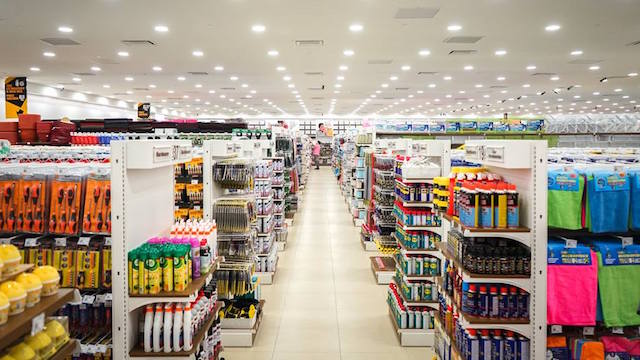
    Bunnings managing director Michael Schnieder has announced he expects the homewares and DIY retailer will have its e-commerce operations online and fully operational nationwide before Christmas 2019.

    The business has trialled a more limited online offering in select locations, but has previously stated it would roll-out a more robust offering by September 2020.

    “We believe that, done right, our click and collect offer will be rolled out across Australia by Christmas – well ahead of schedule,” Schneider said.

    “This follows the successful introduction of click and collect in Tasmania in April. We’ve been really delighted with the progress and customers’ response to the offer.

    “This is a real testament to our team, who have worked hard to make this happen, ensuring we are building an offer that delivers choice and convenience when it comes to how people want to shop with us.”

    Schnieder also indicated that he expects lower interest rates and the Coalition’s incoming tax cuts to spur customers into spending, delivering some relief in a difficult retail environment – one which NAB chief economist Alan Oster said fallen to levels not seen since the GFC.

    Bunnings has the fourth most visited shopping and classifieds website in Australia, but only enabled online ordering of select items in June of 2018.

    The DIY retailer has previously said it will shift some of its focus toward first-time DIY customers to target the “next generation of customers”.

    The trends of high-density living and long-term renting have informed the business’ products moving forward, as opposed to its more traditional large-scale renovation focus.

  • Sulwhasoo launched on Lazada

    Sulwhasoo launched on Lazada

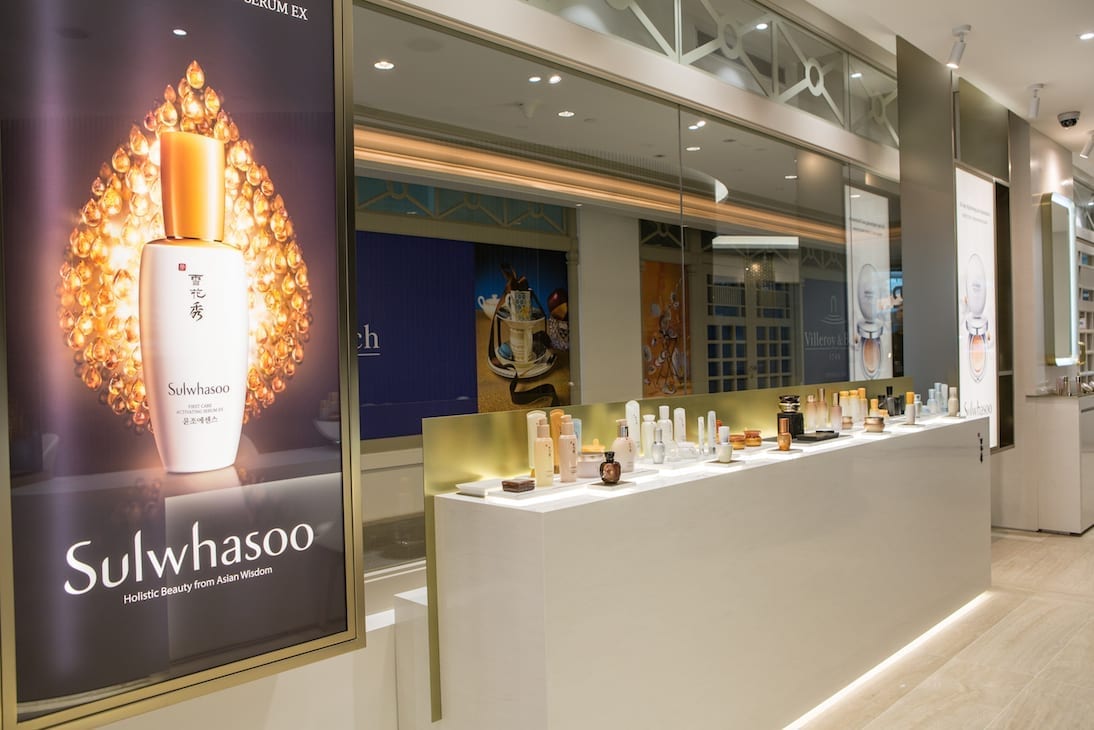
    Amorepacific’s luxury skincare brand Sulwhasoo has launched on Lazada.

    The partnership marks the brand’s expansion into the Southeast Asia e-commerce market.

    With this Lazmall store, shoppers in Indonesia, Malaysia, Singapore, Thailand and Vietnam can access Sulwhasoo’s range of beauty products.

    “The influence of South Korean beauty trends and culture in this region is undeniable, and we are pleased to bring one of Korea’s top skincare brands Sulwhasoo online with Lazada – reinforcing our leadership in the beauty category and in serving our female customers,” said Lazada Group president Jing Yin.

    The South Korean beauty-and-cosmetics conglomerate is already leveraging Lazada’s platform for distribution of four key brands including Laneige, Mamonde, Innisfree and Etude House. These brand stores are housed on LazMall, a place for shoppers to get directaccess to international and local brands, top-rated online brands and authorised brand distributors.

    “Lazada is the region’s e-commerce leader, particularly in the beauty space, and the best possible partner to take our business online in Southeast Asia,” said Mina Kim, senior VP of Sulwhasoo at Amorepacific.

    “We hope to bring Sulwhasoo’s value of Asian beauty to more customers and help them experience our unique beauty solutions in a new way.”