Tag: etail

  • Online Spending on local sites strengthens

    Online Spending on local sites strengthens

    Spending on local online sites has strengthened, helping boost the country’s total online retail sales over the three months to April by 7 percent over the previous corresponding period.

    Spending on New Zealand sites is continuing a recent strong run, seeing an 11 percent increase over the three months to April 30 compared to the previous corresponding period.

    Continued strong growth in the food, clothing, electronics and department store categories was seen as the driving force.

    “Growth in online spending on food is particularly strong and is emerging as a key reason for stronger growth rates at domestic sites versus international,” said Gary Baker, director of institutional research at Bank of New Zealand.

    Baker said the country is continuing to see softer growth rates for purchases from offshore sites, which over the last three months were only 2 percent higher than in the same period the previous year.

    “One influence is the NZ dollar, which is tracking around 7 percent lower versus the USD than it was a year ago, making offshore purchases more expensive for Kiwis,” Baker said.

    “This will reduce spending if a fall in purchase volumes more than offsets the effect of paying higher prices.”

    According to Baker, another influence on the softening growth rates from spending in offshore sites is the ongoing maturation of the online channel.

    “In recent years we have seen online growth rates ease from double-digit levels and slowly trend down,” he said. “Online growth rates still exceed those of physical stores, but the gap is reducing.”

    In some categories, however, purchases from offshore sites are continuing to grow very strongly, such as in computers and entertainment media.

    Total online retail spending over the three months to April 30 was 7 percent higher than the previous corresponding period.

    Annual online spending across the retail categories covered is running close to $4.6 billion, excluding GST.

  • Global food e-commerce sales forecasted to Triple

    Global food e-commerce sales forecasted to Triple

    A new report has forecasted global food e-commerce sales to nearly triple through 2023, rising to US$321 billion and accounting for nearly 5 percent of total e-commerce revenues.

    The Global Food E-Commerce report, released by market research firm Packaged Facts, projects the Asia Pacific region will account for the majority of absolute growth, primarily due to the rapidly expanding Chinese market.

    China dominates regional e-grocery activity in part because of the country’s large urban population and rapidly expanding the middle class. In addition, much of China’s large population has access to high-tech devices and the ability to shop online, due to the country’s position at the forefront of technological development and electronics.

    Last year, more than 75 percent of global food e-commerce sales were concentrated in the top five markets: China, the US, Japan, the UK, and South Korea. In each of these countries, e-grocery spending is highest in large urban centers, where many retailers have focused their marketing efforts for home delivery or click-and-collect services.

    The report states that through 2023, demand growth in these countries will be driven by five key factors: increasing comfort among existing online shoppers in making routine grocery purchases online; growing use of subscriptions and memberships with online retailers; greater penetration of broadband internet in rural and remote areas; greater acceptance of (and investment in) home delivery, click-and-collect, and drive order fulfillment formats in an increasingly omnichannel retail environment; and improvements to data security that ease consumer fears about having their personal information stolen while shopping online.

  • BukaGlobal boosts its regional expansion Growth

    BukaGlobal boosts its regional expansion Growth

    Indonesian e-commerce platform BukaGlobal has launched in Singapore, Malaysia, Brunei, Hong Kong and Taiwan.

    Developed by Bukalapak, the platform will connect 4 million Indonesian sellers to the global market. At the moment, products sold on the site include health and beauty items, pantry lines and handicrafts from only qualified sellers in Jakarta and Tangerang. More sellers are set to join progressively.

    Customers in five countries can order products starting from 500gm with delivery time usually six to 11 days, depending on the destination.

    “We want to break down barriers that hinder young and small entrepreneurs from competing on a global playing field, primarily on access, infrastructure, and connectivity,” said Fajrin Rasyid, Bukalapak’s co-founder and president.

    “With BukaGlobal, Indonesian products are readily accessible by consumers anywhere in the world through a fast and reliable platform.”

    Fajrin said Bukalapak chose Singapore and the other four markets as there are many Indonesians there and the people in these countries understand Indonesian culture.

    The firm is working with Singapore startup Janio for end-to-end cross-border logistics.

  • Amazon Helps Deliveroo with $835m in funding round

    Amazon Helps Deliveroo with $835m in funding round

    Deliveroo on Friday announced it is looking to raise US$575 million ($835 million) in a Series G funding round, bringing its total investment to date to US$1.53 billion ($2.22 billion).

    Amazon is set to be the largest investor in the round, alongside existing investors T. Rowe Price, Fidelity Management and Research Company and Greenoaks.

    The food delivery company said it will use the capital to grow the tech team at its UK headquarters, expand its delivery reach to add new customers and continue to innovate its delivery-only kitchen concept, Deliveroo Editions.

    The company also plans to develop new products to give customers a more personalized experience, increase support for its restaurant partners and provide riders with new tools for flexible and well-paid work.

    “This new investment will help Deliveroo to grow and to offer customers even more choice, tailored to their personal tastes, offer restaurants greater opportunities to grow and expand their businesses, and to create more flexible, well-paid work for riders,” Will Shu, founder, and CEO of Deliveroo, said in a statement about the funding round.

    Shu said he was looking forward to working with Amazon.

    “Amazon has been an inspiration to me personally and to the company, and we look forward to working with such a customer-obsessed organization.

    The company said the investment will benefit restaurants, by helping them grow their business, and riders, by giving them more work. Deliveroo has been a leader in offering perks and protections in the emerging gig economy.

    Deliveroo in Australia last year partnered with Whitelion to help long-term unemployed young people to work and collaborated with Open Classrooms to give riders free access to hundreds of online courses for professional development.

    “We’re impressed with Deliveroo’s approach, and their dedication to providing customers with an ever increasing selection of great restaurants along with convenient delivery options,” said Doug Gurr, Amazon UK country manager.

    “Will and his team have built an innovative technology and service, and we’re excited to see what they do next.”

  • Zara’s local profit after E-commerce Launch

    Zara’s local profit after E-commerce Launch

    Inditex Group’s Australian business, Group Zara Australia, posted a 35 percent increase in net profit for the year ending January 31, 2019, lifting the figure from $8.9 million to $12 million, according to documents lodged with the Australian Securities & Investments Commission.

    This came off the back of strong sales growth, with Zara’s full-year revenue in Australia grew 10.5 percent to $311.7 million, up from $282 million in the previous corresponding period.

    This is due in part to the launch of Zara’s local e-commerce site in Australia and New Zealand in 2018, which opened up a new sales channel for the business and gave more customers the ability to shop with the fashion brand.

    Zara’s parent company Inditex launched online stores in a further 106 markets in November last year, which led to a group-wide online sales increase of 27 percent to $5.19 billion (€3.2 billion) – contributing 12 percent of group net sales for the year.

    Zara had 21 stores in Australia on January 31, 2019, including 19 Zara and two Zara Home stores.

    In a statement about its full-year earnings, Inditex highlighted the growing risk fast fashion brands face of being perceived by stakeholders, including customers, employees, shareholders, suppliers and society in general, as unsustainable.

    The retail giant noted that it was ranked as the ‘most sustainable company in the global retailing industry’ by the Dow Jones Sustainability Index for the third straight year based on the progress it has made in its environmental strategic plan and laid out various initiatives it is undertaking to lessen its impact on the planet.

    These include gaining greater control over the materials used in the creation of its products, reducing the amount of water used in its supply chain and using energy efficiently.

    Additionally, in September of last year, Inditex piloted an at-home pick-up service for recycled garments in China, an initiative that is already operating in Spain, though has yet to make it to Australian shores.

    Inditex is far from the only fashion retailer tackling the issue of sustainability. The Iconic recently launching Considered, an initiative that allows customers to more easily filter products based on their own personal values, such as sustainable materials, eco-production, fair production, animal-friendly, and community engagement.

    Swedish fashion retailer H&M has also committed to add more information to its website to allow customers to understand where its products come from – a move to create greater product transparency.

  • Alibaba buys into furniture chain Macalline

    Alibaba buys into furniture chain Macalline

    Alibaba has invested US$640 million in Red Star Macalline Group, the largest furniture retail chain in China. Signalling a renewed interest in the home improvement business, Alibaba made the investment in the form of convertible bonds issued by Macalline’s controlling shareholder. The transaction will see Alibaba taking a 10 per cent shareholding of Macalline’s Shanghai listing if fully converted. Alibaba has also taken 3.7 per cent of Macalline’s Hong Kong-traded shares.

    The investment will see emerging cooperation in the furnishings business between the two parties, a move that follows several other plays into the lucrative sector by the e-commerce giant.

    Macalline currently has 364 stores in almost 200 cities.

  • Suning invests in Jack Ma-backed retail Fund

    Suning invests in Jack Ma-backed retail Fund

    Chinese retailer Suning has invested US$129 million into Jack Ma-backed Yunfeng Capital’s third fund.

    The funding represents 61.41 per cent of a committed $210 million to the private equity firm, which is set to raise $2.5 billion and has so far received commitments from 51 limited partners (LPs).

    The company stated that the funding will give it the opportunity to “deepen its smart retail strategy, further enrich the Suning ecosystem as well as achieve financial returns”.

    The firm is a current shareholder in Jack Ma’s e-commerce giant Alibaba, and vice versa.

    The Yunfeng Capital equity firm makes calculated investments in technology, media and communications, as well as a range of other consumer sectors.

  • Uniqlo shoppers Details Leaked Online

    Uniqlo shoppers Details Leaked Online

    Uniqlo parent Fast Retailing announced hackers may have gained access to personal information of 461,091 accounts registered on the company’s Japanese shopping websites.

    The retailer said in a statement Monday the hackers may have accessed customers’ personal information, purchase history and partial credit card numbers of some of the users of its Uniqlo Japan and GU Japan online stores from April 23 to May 10 by means of list type account hacking.

    List type account hacking is when user IDs and passwords are potentially leaked from other services or sites.

    The company said it is still investigating the breach and added the number of incidents and circumstances may change during the course of the investigation.

    In the meantime, the Japanese retailer advised its online store’s customers, the number of which the company has not disclosed, to use unique passwords and to avoid using passwords used from other websites to lower the chances of hackers accessing their accounts.

    “Fast Retailing sincerely apologizes for the trouble and concern this has caused to its customers and all others involved,” the company said.

    “Going forward, the company will further strengthen its security measures and take steps to ensure safety, in order to prevent similar incidents in the future.”

    The retailer said information that was potentially accessed includes:

    • Customer name (last name and first name)
    • The customer address (postal code, address, and apartment number)
    • Customer phone number, mobile phone number, email address, gender, date of birth, purchase history, and clothing measurements
    • Receiver name (last name and first name), address, and phone number
    • Customer partial credit card information (cardholder name, expiration date, and a portion of credit card number). The credit card numbers potentially accessed are hidden, other than the first four and last four digits. In addition, the CVV number (credit card security code) is not displayed or stored.

    In its announcement, Fast Retailing said it has identified the origin of the communication from which the unauthorized logins were attempted and has blocked access. The company added it is strengthening monitoring of other access points.

    The Japanese retailer said it has already disabled the passwords for the 461,091 user IDs that were compromised and is sending individual e-mails to each person affected, requesting that they reset their password.

    Fast Retailing has also filed a report of damages regarding the unauthorized logins with the Tokyo Metropolitan Police.

    Online sales made up 9.9 percent of Uniqlo sales in Japan and 20 percent in China in the company’s first-half report. The company said overall online sales rose 30.3 percent in that report.

  • AllGoods marketplace reaches 1 million listings

    AllGoods marketplace reaches 1 million listings

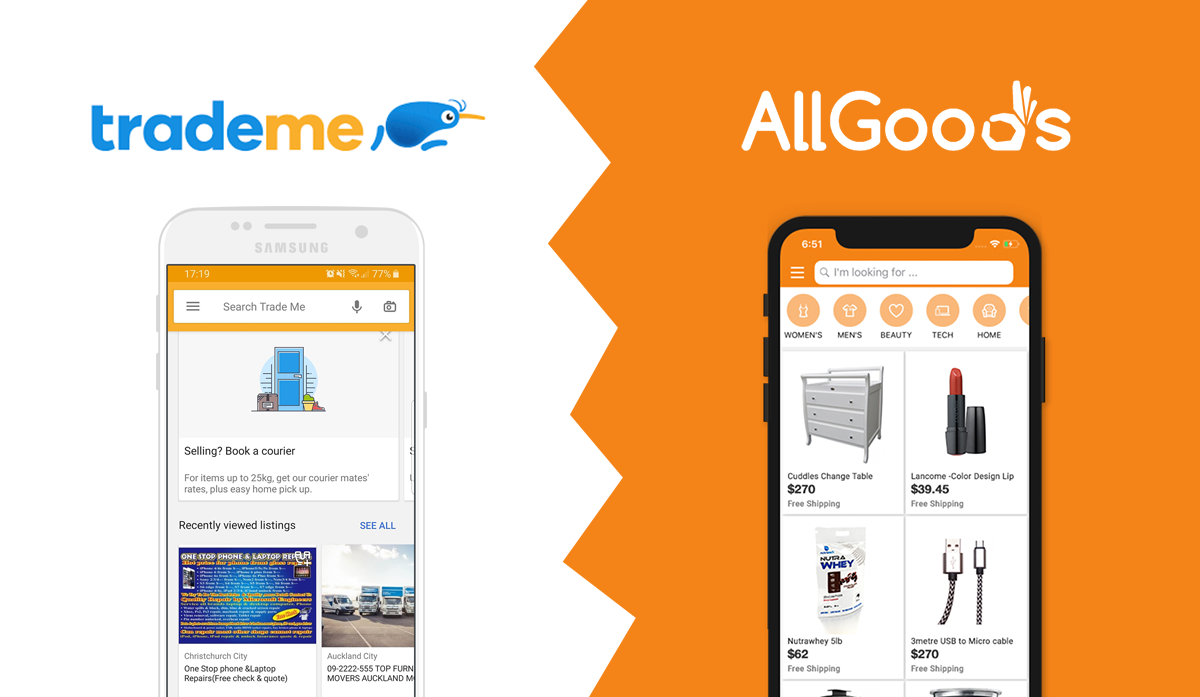
    AllGoods, a free marketplace for Kiwi buyers and sellers, has announced it has reached its one-millionth listing, 12 months after launching.

    The TradeMe competitor said it has maintained steady growth over the past few months. Its app has also become the top New Zealand shopping app since it was released late last year, it said.

    “We’ve worked extremely hard over the past year to get where we are today,” said Levi Fawcett, AllGoods CEO. “We’ve talked with thousands of our users to make sure the platform provides a truly amazing buying and selling experience. Plus, it’s free.”

    The Christchurch-based startup said it already supports over 700 New Zealand businesses who sell through the online website and app. The company said it is their vision to use e-commerce as a sustainable means to support local businesses and give back to the community.

    “We’re offering a fresh spin on the classic online marketplace and while we have only just begun this journey, we look forward to the years to come,” Fawcett said.

    With Trade Me’s recent sale to British equity firm Apax Partners, AllGoods is now considered the largest Kiwi-owned marketplace in New Zealand.

    In October last year, AllGoods launched a new app for iOS and Android mobile devices.

    Features of the new app include easy listings and browsing, allowing users to post items in less than 30 seconds, and a built-in chat tab to get faster answers to questions on the site.

    “The team has tried to keep the platform as easy to use as possible, for both the everyday Kiwi and the average New Zealand business,” Fawcett said. “I think this has been fundamental to our success.”

  • Two million Shoppers to receive first eBay catalogue

    Two million Shoppers to receive first eBay catalogue

    EBay Australia is mailing its first-ever printed catalog to two million Australian households on Tuesday to remind customers that 90 percent of the products on its platform is brand new.

    The 16-page catalog contains over 100 items from the 40,000 Australian retailers that sell on the online marketplace, which is by far the most visited e-commerce site in the country.

    It features items from a range of categories, including electronics and technology, men’s and women’s fashion, heating, bedding, kitchen and cleaning, appliances, liquor, glassware, toys and gaming, entertainment, backyard, and garage.

    EBay selected items to reflect the range and value it offers compared to bricks-and-mortar retailers.

    “We partnered with our sellers to get the best deals on a variety of items including brands like Dyson, KitchenAid, and Apple – reflecting the unbeatable range and value on eBay,” Julie Nestor, chief marketing officer at eBay Australia said.

    “The product selection is also seasonal, showcasing our top picks for the winter months,” she said, hinting at the possibility of more seasonal catalogs to come.

    The catalog provides a way for eBay to reach customers offline. It’s another example of the growing trend of pure-play retailers branching out into the physical world, as they come to understand that shoppers don’t stick to a single channel.

    “We’re adopting a similar strategy many traditional bricks-and-mortar retailers have – by having both a physical and online presence,” Nestor said in an email announcing the catalog.

    EBay is also launching a shoppable digital catalog from May 21.

    Nestor declined to say whether the printed catalog is a precursor to other offline initiatives, such as a pop-up or bricks-and-mortar store, in future.

    “As Australia’s number one online shopping destination, eBay is always looking for new ways to engage with buyers and empower its seller community,” she said.

    “Both online and physical channels will continue to be important. “

    The two million households receiving the catalog are located across metro Sydney, Melbourne, Brisbane, and Perth and include existing buyers as well as those who may not have considered eBay before, Nestor said.

  • Boomtime ahead for chatbots in E-commerce

    Boomtime ahead for chatbots in E-commerce

    New data from Juniper Research predicts consumer interaction with chatbots in retail will reach 22 billion by 2023.

    The figure represents a sharp increase over an estimated 2.6 billion interactions this year.

    According to the new research report “AI in Retail: Segment Analysis, Vendor Positioning & Market Forecasts 2019-2023”, chatbots in retail will enable effectively automated customer interactions for both online and offline vendors.

    A crucial enabler of this development will be improvements in NLP (Natural Language Processing), which will dramatically reduce the failure rate of chatbot interactions, by making them more natural and valuable for customers.

    Juniper anticipates that retailers who do not adopt chatbots will face strong challenges from more technologically-adept disruptors, who will use chatbots as an extension to the crucial omnichannel retail experience.

    The research also found that chatbots used for customer service have a strong potential to reduce costs; with deployments realizing annual savings for retailers of US$439 million globally by 2023, up from just $7 million this year.

    These potential savings will act as a key “pull” factor, given the margin pressure that many retailers are presently feeling.

    “By embracing automated customer service with chatbots, retailers can act in a more flexible and efficient way,” explained research author Nick Maynard. “The wider retail market means that chatbots are no longer a luxury, they are essential.”

    Meanwhile, sales resulting from interaction with chatbots in retail will reach $112 billion by 2023, up from $7.3 billion this year; representing an annual growth rate of 98 percent.

    The research found these sales will largely be a result of migration from other channels, rather than a new revenue stream. Accordingly, the research emphasized that while retailers must adopt chatbots for ease of use (and to reduce consumer churn), their return on investment will come from efficiencies, rather than new income.

  • JD.com Closes Australian branch Store

    JD.com Closes Australian branch Store

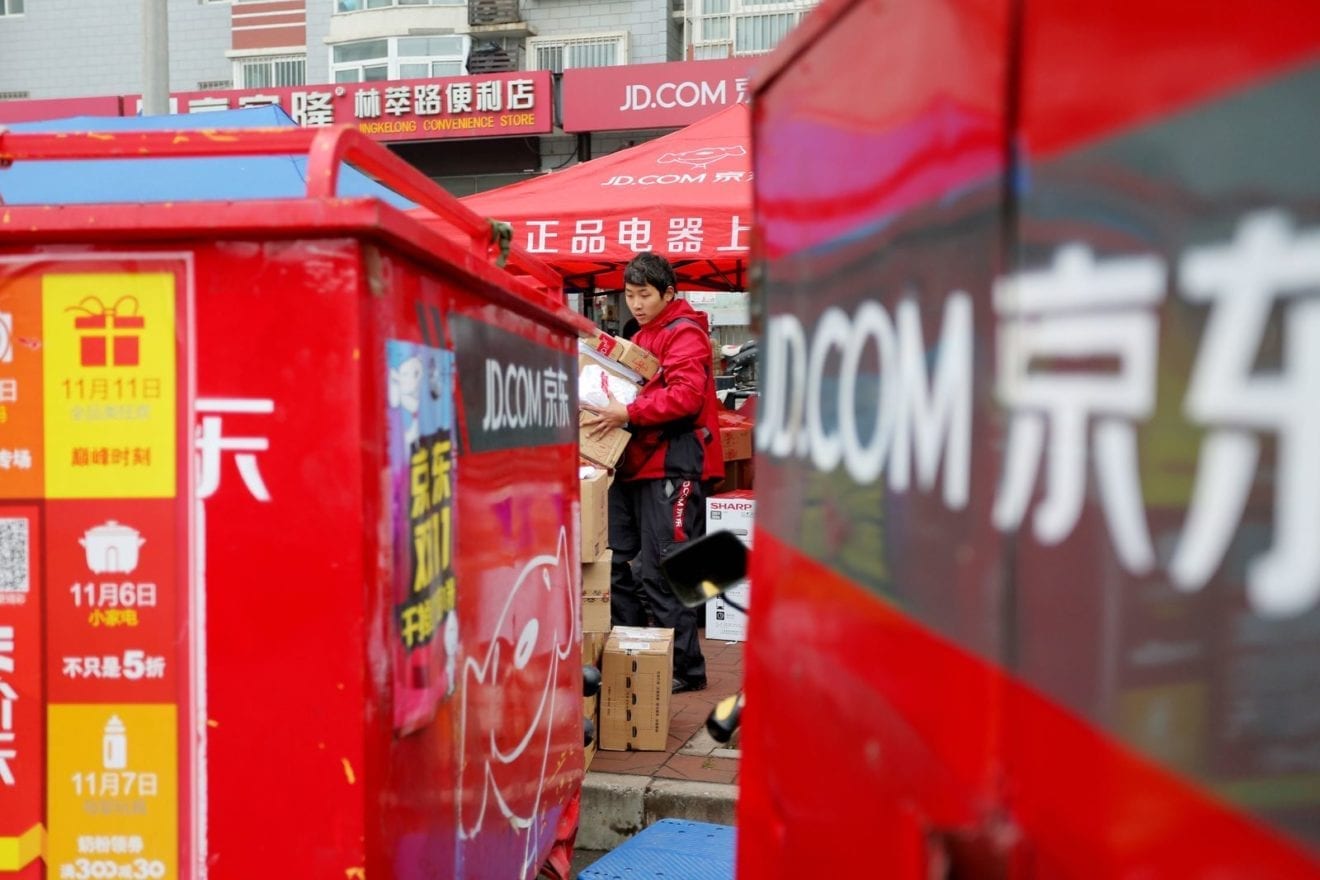
    Chinese online marketplace JD.com has closed its local branch after only 15 months in the market.

    The e-commerce giant launched its Australian office in Melbourne in February 2018, after its competitor Alibaba opened an office in Melbourne in 2017.

    At the time, the opening was seen as a way for JD.com to work more closely with the Australian and New Zealand brands on its platform, and to pitch its business to new brands looking to expand into China.

    A JD.com spokesperson confirmed that the online marketplace is integrating its Australian office into the business in China. The spokesperson said the move didn’t reflect the business’s performance in Australia, nor the region’s importance.

    The retailer’s head of Australian operations Patrick Nestrel is no longer with the business, likely in an effort to ensure management in China is able to fully integrate Australian operations.

    The online retailer is set to report its first-quarter sales results on May 10. It has had a difficult few months recently after founder Richard Liu was arrested in September 2018 in the US for sexual misconduct. He was not charged.

    In April, the Chinese university student who accused Liu of misconduct filed a civil lawsuit against him.

  • Pricing Tactics to Boost Sales in E-Commerce

    Pricing Tactics to Boost Sales in E-Commerce

    More than 80% of the purchasing decision depends on price. Especially in the ultra-fast e-commerce arena where businesses showcase and change their prices every 3 to 6 hours. But before changing prices out of the blue you must know that there are certain conditions to do that. Decrease your prices to very low and you’ll leave a lot of money on the table raise them up high and you’ll end up hunting flies.

    The Importance of Pricing

    Let’s start by going through each insight down below to understand why pricing needs more attention ever than before.

    • 90% of consumers invest their time to hunt the best online deals.
    • 80% of “first-time” consumers say it’s important to be able to see and compare prices from different sellers.
    • 70% of consumers believe they’ll get a better deal online than in brick&mortar stores.
    • 50% of consumers will purchase products left in shopping carts if those products are offered at a lower price.

    As you can see pricing is very, very important.

    Let’s get into some tactics on how you can approach pricing to increase your profits margins and sales numbers.

    Charm Pricing

    Have you ever heard about the power of 9s? That is the strategy, where you end a price with a “9” instead of a “0” on the price tag. This is a very common tactic especially in physical stores, but you may also come across it in online stores as well.

    Here’s why! Our brain perceives $50.00 and $49.99 as different values. According to consumer perception, $49.99 seems closer to $40.00, which is cheaper than $50.00 and product prices ending with a “9” are considered “the” deal to not miss.

    Prestige Pricing

    This is suitable for high-end, luxury, emotion-triggering products, where you should apply round prices such as $500, $750, opposite of charm pricing. Setting round prices on products which evokes emotions converts better.

    A study by Kuangjie Zhang and Monica Wadhwa, claims that “A rounded price ($100.00) encourages consumers to rely on feelings when evaluating products, while a non-rounded price ($98.76) encourages consumers to rely on reason. When a purchase is driven by feelings, rounded prices lead to a subjective experience of feeling right,”

    Bundle Pricing

    This psychological trick makes online shoppers search for getting an extra item with the purchased product at the same price. This presents a golden opportunity for the wise e-commerce seller. To reduce this pain and encourage online shoppers to buy your products, use bundling, set your prices accordingly and get these customers to reach deeper into their pockets.

    For example, Amazon has an advanced bundling strategy; it always suggests two or three related items that you may want to purchase at the same time. Most of the online shoppers jump onto these types of offers because they’re amazed by the simplicity of purchasing them all at the same time. Bundle two or three items together with a single price set an adequate discount, and you can start selling less-popular items.

    What’s Next?

    All of the tactics above are some part of the common approaches laid out from the people of Prisync. To learn more about other pricing strategies take the time to read most of their blog posts. When you’ve successfully implemented a strategy, you’ll either address your customer’s emotions or logic. Either way, you will start winning and boosting your conversion rates, sales, and eventually revenue. And if you want to automate that, we recommend you start using a pricing software sooner before its too late.

  • Tigerlily launches local e-commerce Platform

    Tigerlily launches local e-commerce Platform

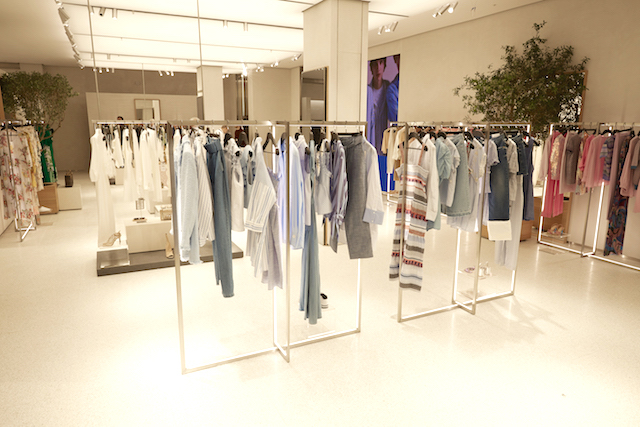
    Resortwear brand Tigerlily is expanding further into New Zealand. It has just unveiled a New Zealand-specific e-commerce site, and will soon open a new store at the upmarket Newmarket precinct, which is currently undergoing redevelopment.

    The Newmarket Tigerlily physical store will feature the brand’s new store design, which came into play around six months ago.

    “Our stores used to be a real habitat, almost like lifestyle stores in that they were created to look like a bazaar – there was lots of furniture and loads of things on the walls,” explained Gareth Connolly, merchandise and supply chain director at Tigerlily.

    “Now we’ve done some decluttering – we wanted the product to be a hero. The Sydney Westfield store is a lot cleaner than what you may have seen before. Now, we embellish stores with just a beautiful living palm tree, instead of a bird cage and map of the world. It’s got a cleaner atmosphere … you’re not distracted by the rug, cushions and maps. It’s just about telling people that this is what we sell – not furniture.”

    Capturing the customer

    Meanwhile, the brand is also working on increasing its omnichannel presence in Australia, with plans to introduce several new services to customers, including click-and-collect, ship-from-store, endless aisles and floor-to-door.

    According to Connelly, floor-to-door is available for customers who enter a Tigerlily shop but find that the item they want is not available in-store in their size. It can be sent to them instead.

    “I don’t think Australians have done click-and-collect that well yet, but that’s the next thing we’re working on. We want to make sure there’s no reason for a customer to not get a product tomorrow,” he said.

    “If there’s not a particular item in our Bondi store for our customer, we’ll get it to her somehow. That’s an expectation created internationally and we’re not that good at it because we’re such a big country. Getting something from Sydney to someone to Perth is hard, but doing floor-to-door or ship-from-store will make things easier for us.”

  • E-commerce to reach tipping point by 2030

    E-commerce to reach tipping point by 2030

    Almost half (49 percent) of Australian businesses expect online operations to reach parity with bricks-and-mortar retail sales by 2030, according to new research by Australia Post. Rebecca Burrows, Australia Post general manager of segment development and marketing, noted that consumer habits have changed significantly over the past few years.

    “People want an in-store experience, but in the comfort of their own living room – they want to see, touch and try,” she said.

    “Leading retailers are also embracing mobile commerce and voice-activated shopping. It is those in tune with customers and willing to embrace the latest online technology trends that will have the winning strategy.”

    Burrow noted that technology trends, such as augmented reality, artificial intelligence-driven personalization, and biometric payments, are beginning to bridge the gap between online and offline retail, and are shaping the way customers shop.

    Changing consumer trends are not simply relegated to the use of technology, however, with the rise of subscription service also having made a significant impact on the way a retailer offers its service to customers.

    According to a recent survey by Harris Poll, on behalf of subscription management platform provider Zuora, Australians now average 2. 5 subscription services – with Zuora vice-president Iman Ghosdosi calling it the “end of ownership.”

    Fashion-tech company GlamCorner tapped into this phenomenon last year, with the launch of a monthly subscription box that gives customers access to three pieces of designer clothing each month for formal occasions, workwear or everyday wear.

    “The service is growing at an exponential rate,” GlamCorner co-founder and CEO Dean Jones said, “contributing significantly to the 30 tonnes of clothing we process each month.”

    “As a result, our customers are telling us their wardrobes are shrinking, while they still have a fresh new look every day.”

    Australia Post surveyed almost 1000 small to medium sized Australian business across retail, manufacturing, logistics, financial services, education, health, and utilities.