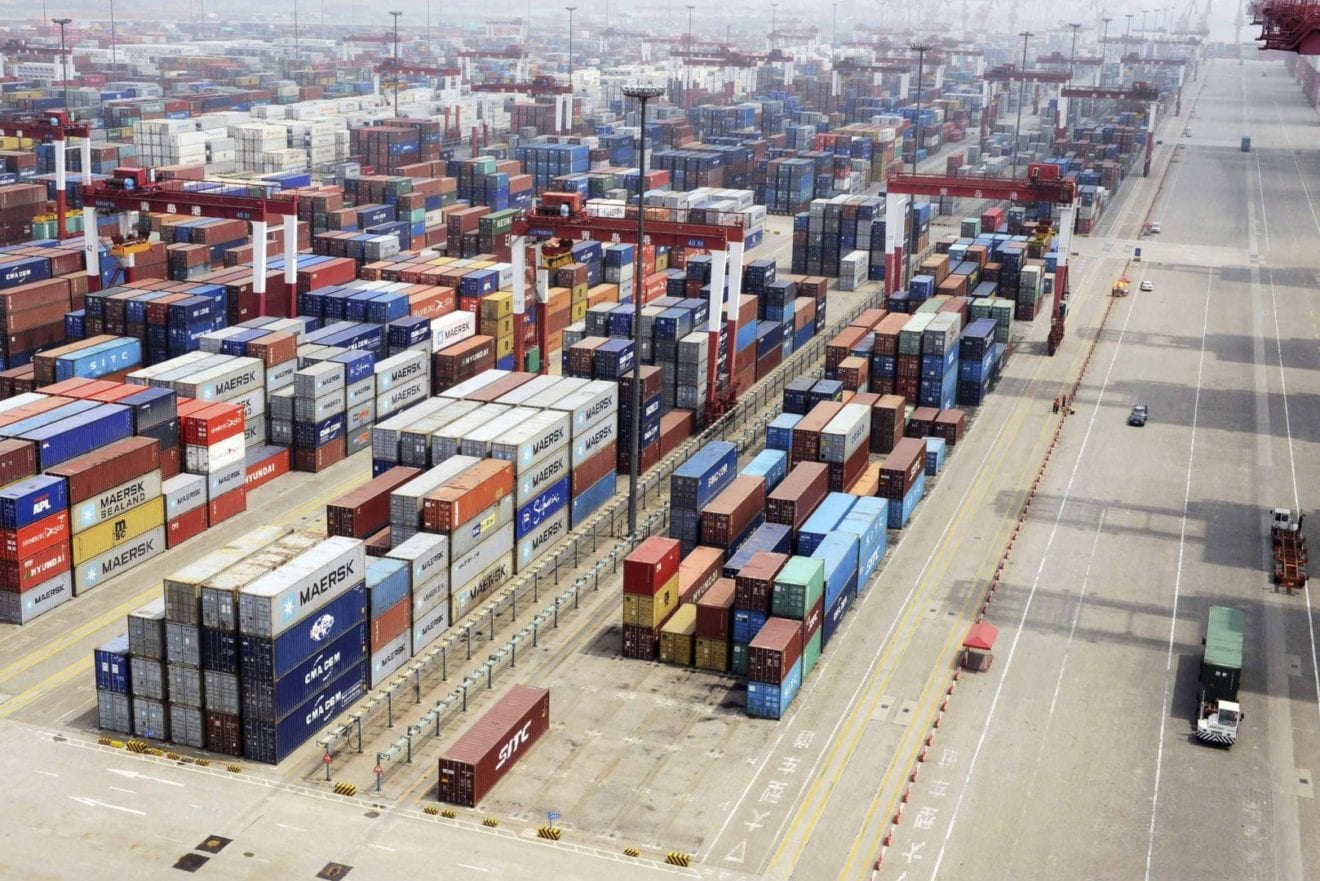
Tag: export

  • Bali’s exports to Europe decline

    Bali’s exports to Europe decline

    Balis exports of various handicraft and small industrial products to European countries declined in the first three moths this year because the economic growth in Europe has not yet recovered well.

    “Importers from Europe still demanded for various handicraft, garments and furniture products but the volume was not as big as that last year,” exporter Made Parwata said here on Saturday.

    He said that importers from Spain still maintained stable demand and delivery was still smooth.

    Other European importers were those from Italy, France and Germany. These countries are included as the big ten importers of Balis products.

    However, the Central Bureau of Statistics (BPS) data showed that imports of these products by France, Spain, Italy and Germany declined from US$19 million in the January-March 2015 to US$17 million in the same period this year.

  • South Tea exporters to double volumes to Malaysia, Indonesia

    South Tea exporters to double volumes to Malaysia, Indonesia

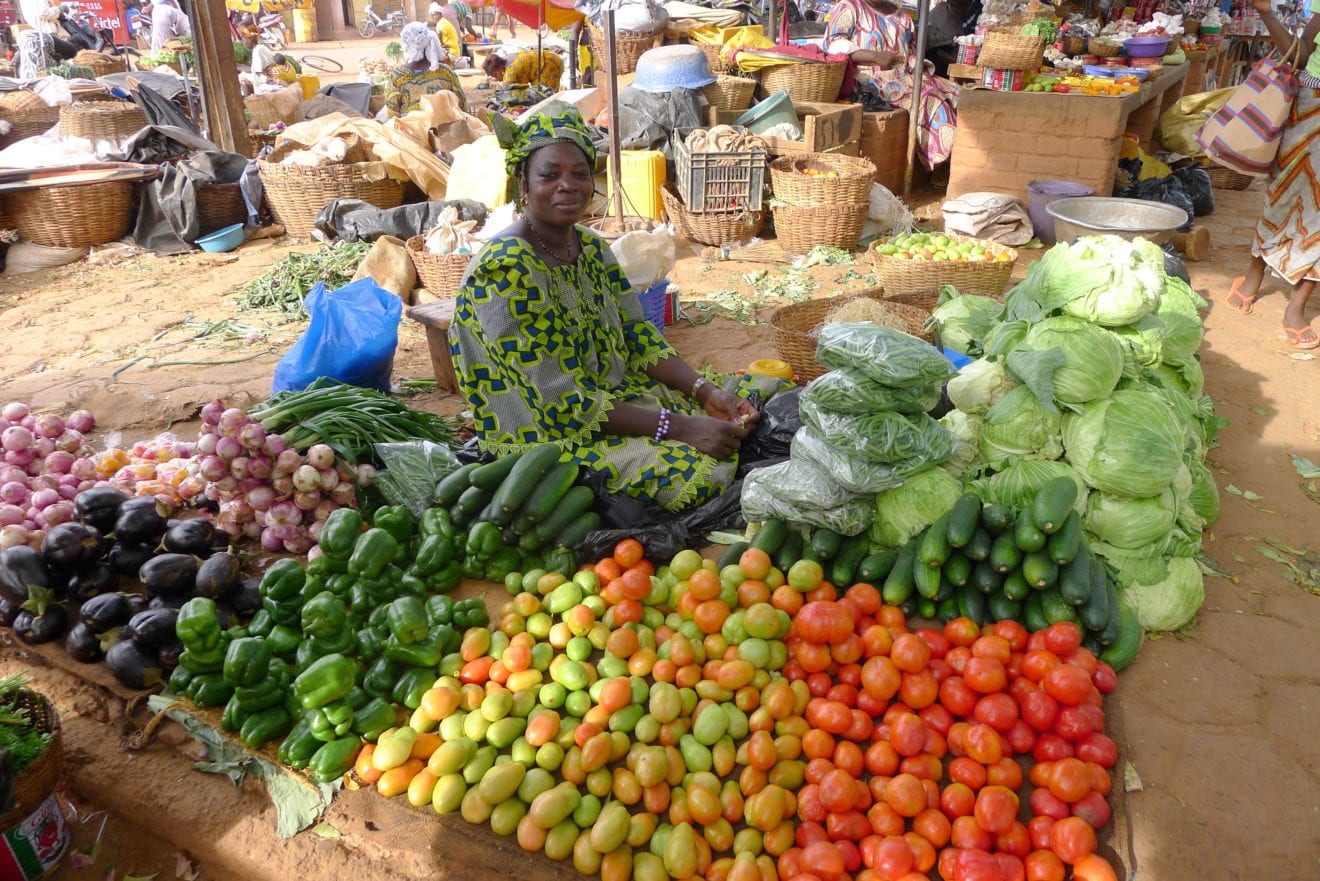
    Tea exporters from south are exploring opportunities to double their exports to Malaysia and Indonesia by joining hands with the tea industry in those countries.

    The exporters’ organisation has signed an MoU with trade representatives in Malaysia to double exports and to create a brand which will cater both domestic and export markets.

    With Indonesian industry the exporters are exploring to see whether they can create a new blended products suitable for that country.

  • Indonesian government sets rice export target for 10 countries

    Indonesian government sets rice export target for 10 countries

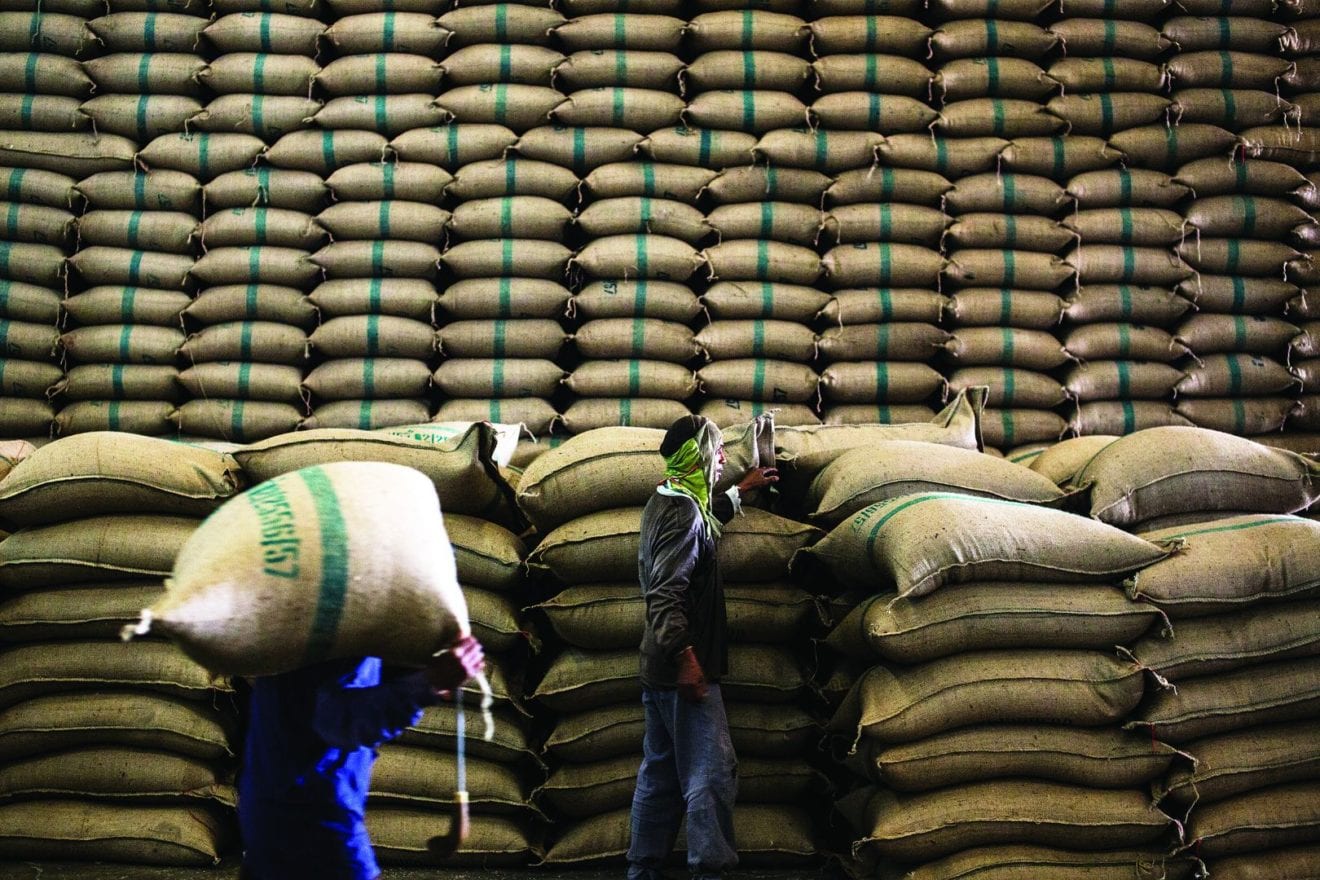
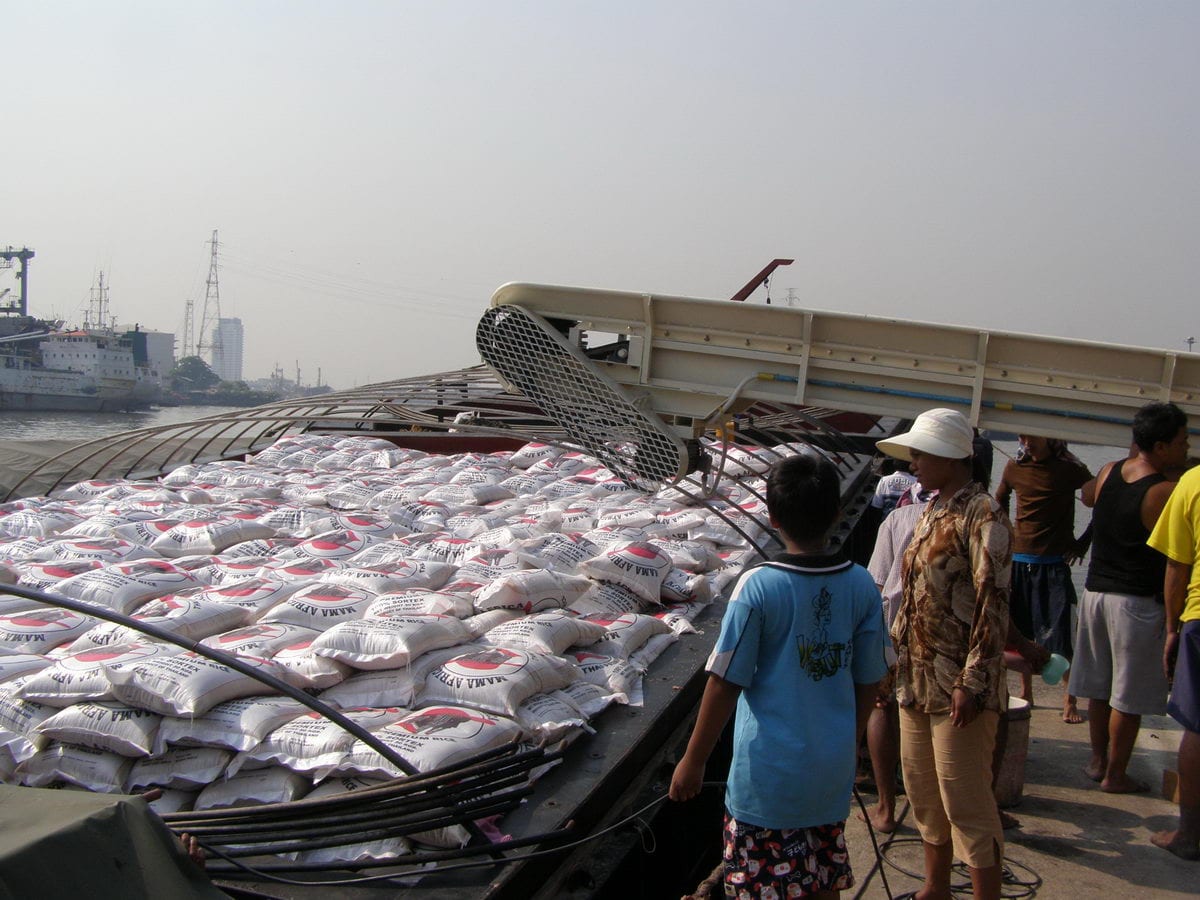
    The Indonesian government has set itself the target of exporting 100 thousand tons of rice to 10 Asian and European countries as part of efforts to increase farm commodity exports this year, an official said.

    The Director General of Agricultural Infrastructure and Facilities of the Agriculture Ministry, Sumarjo Gatot Irianto, said that the 10 destinations to which Indonesian rice would be exported include Malaysia, Singapore and Brunei Darussalam.

    “We plan to export organic rice to Germany,” he said.

    Therefore, the government will make every effort to procure as much rice as possible this year to meet the demand for rice, he said.

    “We have not set any target for procuring rice. What is important is that we must be able to procure as much rice as possible so that we can export the surplus,” he said.

    Above all, the national logistics board (Bulog) must be able to control rice prices at the farmer level by procuring the staple food. This will enable the government-set purchase prices to kick in, he said.

    “If the price of unhusked rice at the farmer level falls, the government will be obliged to buy the rice soon to maintain the rice prices,” he said.

  • Singapore’s SME retail exporters can now gain better access to US market

    Singapore’s SME retail exporters can now gain better access to US market

    The revised de Minimis Threshold increases the limit to the United States from US$200 to US$800.

    Web-based small and medium enterprises (SMEs) retail exporters in Singapore can now gain better access to the United States market with the revision of de Minimis Threshold.

    The revised de Minimis Threshold – the amount at which US import duties apply – increased the limit from US$200 to US$800. This means that sellers no longer need to pay the US import duties when the price of their products is under US$800.

    “The revised de Minimis Threshold provides a timely opportunity for local businesses to internationalise. The US is the number one export destination for eBay Singapore sellers with its strong consumer purchasing capacity and high expenditure in e-commerce,” said Teri Canayon, country manager of eBay Singapore Cross-Border Trade. “With a lower barrier for cross-border e-commerce for our Singapore SMEs, there will be even greater incentives to boost exports to the US market, ultimately driving greater growth.” 

    Sellers can also mail higher value products directly to the US market, which allows them to better manage their supply chain and inventory costs.

    In addition, the cost of products to American consumers is lowered. This encourages them to buy more overseas, which may eventually give Singapore businesses a better chance to grow sales in the US market.

  • HK’s Li & Fung 2015 profit down, but beats forecast

    HK’s Li & Fung 2015 profit down, but beats forecast

    Global exporter Li & Fung Ltd’s full-year profit fell 4.6 percent but beat analysts’ estimates, as growth in its logistics and vendor support services business helped overcome headwinds from global retail disruption and macro environment.

    The Hong Kong-based company, which grew to prominence by making clothing and toys in Asia for Western retailers, said on Thursday its net profit for the year ended Dec. 31 fell to $421 million from $441 million a year earlier.

    That compared with an average forecast of $413.2 million by 10 analysts polled by Reuters. Li & Fung, which supplies to companies like Kohl’s Corp and Wal-Mart Stores Inc, said core operating
    profit fell 15.2 percent to $512 million.

    Revenue fell to $18.8 billion from $19.3 billion a year ago, which was the biggest company by revenue for 2014 in Asia pacific in “Textiles & Apparel” industry.

    Textile companies in China are expected to post a 12-month forward revenue growth of 23 percent, the highest expected increase in the Asia-Pacific region in the “Textile & Apparel”
    sector, according to Thomson Reuters StarMine SmartEstimates, which emphasizes on recent forecasts by top-rated analysts.

    Li & Fung has refocused on its core asset-light supply-chain business following the sale of its loss-making brand-licensing and distribution business in 2014, helping it boost free cash flow and better control operating costs.

    The company, with a market value of about $5.3 billion, posted a 34 percent rise in January-June profit last year at $149 million.

    Analysts were concerned about inventory build-up at retailer level as inventories grew faster than sales growth in recent quarters. They worried that Li & Fung’s turnover would be affected as U.S. retailers focus on resolving high inventory levels.

  • Indonesia exports instant noodle to Palestine

    Indonesia exports instant noodle to Palestine

    Indonesia has opened an opportunity to export instant noodles to Palestine after it has successfully shipped 15 containers to West Bank.

    Foreign Minister Retno LP Marsudi said at the presidential palace compound here on Tuesday following the official opening of the Indonesian Honorary Consulate in Ramallah, economic cooperation between the two countries should increase.

    “The honorary consul is tasked with increasing the economic cooperation. Although it is still very small our trade with Palestine has shown an increasing trend,” she said.

    From 2012 to 2015 the volume of trade between the two countries have jumped remarkably by 300 percent.

    “Yesterday I talked with an importer of eastern noodle to Palestine. Indonesia has shipped 15 containers of instant noodle to the West Bank,” she said.

    Retno said the volume of trade between the two countries has continued to increase and so the presence of the honorary consulate is needed very much to develop the potential.

    “Madam Abu (Maha Abu Shusheh, the Indonesian consul in Ramallah), is a business person who represents a good working network and has been successful not only in Palestine but also in other Arab countries,” she said.

    Minister Retno said she also saw that empowering must be done so that the honorary consulate in Ramallah could also send business men from Palestine to Indonesia.

  • Indonesia to Cut Rubber Export Volume

    Indonesia to Cut Rubber Export Volume

    The world’s three largest rubber producing countries Indonesia, Thailand, and Malaysia, have agreed to start reducing rubber exports. As members of the International Tripartite Rubber Council (ITRC), the three countries decided on this policy to boost rubber prices in the global market.

    The Indonesian Rubber Companies Association (Gapkindo), the government’s official partner in implementing the ITRC agreement, said that members have been reducing the number of product shipment overseas.

    “We have cut back on crumb rubber exports to comply with regulations,” Gapkindo executive director Suharto Honggokusumo Suharto said in Jakarta, yesterday.

    The agreement to cut rubber exports was made on February 4, 2016. The ITRC will cut export volume by 615,000 tons starting on March 1 until August 31, 2016. Thailand will lower its exports by 324,025 tons, Indonesia by 238,736 tons, and Malaysia by 52,249 tons.

    In Indonesia, the unexported volume will be reallocated to the domestic market, including for infrastructure projects. “The government has promised to seek price improvement to help improve the condition of the rubber farmers,” said Suharto.

    In 2015, Indonesia’s natural rubber exports reached 2.6 million tons. Trimming the volume of exports is expected to push up prices. In February, the price of natural rubber in the global market was US$1.04 to US$1.09 per kilogram. This price range is too low, because farmers can only profit if global prices are between US$2 and US$3 per kilogram.

  • Indonesia cuts exports of natural rubber to prop up market

    Indonesia cuts exports of natural rubber to prop up market

    Indonesian rubber exporters agreed to cut their exports of that commodity in line with the Agreed Export Tonnage Scheme (AETS) starting March until August this year.

    “AETS scheme agreed upon by the three member countries of the International Tripartite Rubber Council (ITRC) is aimed at propping up the natural rubber market by cutting supply of that commodity to the world market,” Foreign Trade Director General Karyanto Suprih said in a statement here on Monday.

    The government has asked the business players to comply with the scheme, Karyanto pointed out.

    The commitment was declared at a Focus Group Discussion (FGD) with theme “Readiness of Indonesian Rubber Exporters to implement the AETS scheme in 2016 in line with the agreement reached on February 4, 2016 between the governments of Indonesia, Thailand, and Malaysia to cut supply of natural rubber to the world market.

    The export cut would be effective from March 1 to August 31 this year.

    Under the AETS scheme Thailand, the worlds largest producer is to reduce its exports of natural rubber by 324,005 tons, Indonesia, the second largest producer by 238,736 tons, and Malaysia, the third largest by 52,259 tons.

    Altogether ITRC member countries agreed to reduce exports of natural rubber by 615,000 tons during the March-August period.

    Indonesia, while cutting exports hopes to increase domestic consumption of natural rubber.

  • Indonesia to expand seafood market to England

    Indonesia to expand seafood market to England

    Indonesian government, through the Coordinating Ministry for Maritime Affairs and Resources, will work to expand the seafood market to England and North Ireland as part of an MoU for maritime cooperation signed by the two countries in July 2015.

    “The UK is the biggest seafood market for Indonesia, and the European Union accounts for 60 percent of our total seafood market,” Deputy Minister for Maritime Sovereignty Arif Havas Oegroseno said on the sidelines of the “Bilateral Maritime Workshop” here on Monday.

    With a large market, Great Britain is considered as setting the standards in the seafood market in the world.
    “Through our collaboration with the British, we could manage our shrimps, fishes, or other seafood species to meet the world standards as well as increase the production,” Havas stated.

    In addition, he said, cooperation on marine fisheries between the two countries was also considered as an opportunity to introduce Indonesian seafood products which were free of any illegal practices, including slavery.
    Indonesia and the UK have initiated maritime cooperation through the Bilateral Maritime Forum, a meeting of which would be held in London next April.

    The UK was one of the maritime countries, known for its experience and high end technology in the field.
    Therefore, the workshop held in Jakarta was expected to focus on some maritime issues which would be later discussed in the forum in London.

    Besides expanding the seafood market, the Indonesia-UK cooperation would also involve education, maritime investment in the shipbuilding field and exchange of information on international maritime law.

  • African exports to China descend by 40 percent

    African exports to China descend by 40 percent

    African exports to China fell by 40 percent in 2015, China’s customs office reports. China is Africa’s greatest single trading partner and its interest for African products has fuelled the continent’s recent financial development. The decrease in exports mirrors the recent slowdown in China’s economy. This has, thus, put African economies under weight and to some extent represents the falling estimation of numerous African currencies.

    Exhibiting China’s previous year trading figures, customs representative Huang Songping advised that African exports to China aggregated $67bn (£46.3bn), which was 38% down on the figure for 2014. BBC Africa Business Report editor Matthew Davies says that as China’s economy sets out toward what numerous experts say will be a hard finding, its requirement for African oil, metals and minerals has fallen quickly, taking commodity prices lower.

    There is likewise less funds coming from China to Africa, with direct investment from China into the mainland falling by 40% in the initial six months of 2015, he says. In the mean time, Africa’s interest for Chinese products is rising. In 2015 China sent $102bn worth of products to the mainland, an expansion of 3.6%. A year ago, South Africa facilitated a China-Africa summit amid which President Xi Jinping declared $60bn of aid and loans, symbolizing the nation’s growing part on the Continent.

  • Rice prices ease in Vietnam; Thai grain stable

    Rice prices ease in Vietnam; Thai grain stable

    “The price hike has stopped as nobody wants to buy at high prices,” a trader in Ho Chi Minh City said, noting that Thai rice was cheaper. Rice prices in Vietnam, the world’s third-largest exporter after India and Thailand, surged earlier this month on limited supply and news of demand from Indonesia and the Philippines.

    While loading of a combined 67,900 tonnes on five vessels for Indonesia is underway at Saigon Port, Indonesia has not confirmed the purchase. On Tuesday Indonesia’s state food procurement agency Bulog said the country would decide within two weeks whether to ship in rice from Vietnam and other Asian countries. Vietnam’s rice exports in the first 10 months of this year would fall 4.6 percent from a year earlier to an estimated 5.32 million tonnes, the Agriculture Ministry said on Monday. China, the top buyer of Vietnamese rice, has bought 1.39 million tonnes of the grain between January and September, up 37.5 percent from a year earlier, based on China’s customs data. Overall, China’s rice imports jumped 26.7 percent in the same period to 2.31 million tonnes.

    In Thailand, the 5-percent broken grain has been held stable at $360-$365 a tonne, FOB basis, while the Thai government plans to sell 2 million tonnes of rotten rice from huge stockpiles for industrial use in November. Thai traders said the market, which has been quiet due to the absence of Chinese and African buyers, could see prices rising if Thailand secures a deal with Indonesia as part of the latter country’s demand for 1.5 million tonnes.

  • Hong Kong and Macau – Bundy’s new export destinations?

    Hong Kong and Macau – Bundy’s new export destinations?

    BUNDABERG Regional Council continues to engage with senior representatives of the Hong Kong Food Association with a view to establishing trade links to supply Hong Kong and Macau with locally grown produce.

    A delegation from the Hong Kong Food Council, Hong Kong Food Hygiene Administrators Association and Food Professionals Association visited Bundaberg from September 9 to 11 at the invitation of Mayor Mal Forman to meet with local horticultural experts and educators.

    Acting Mayor David Batt said the Bundaberg Horticultural Forum provided an exceptional opportunity to showcase the regions extensive produce portfolio.

    “The meeting in Bundaberg has since been followed up by a presentation in Hong Kong with the Hong Kong Trade and Investment Queensland (TIQ) Commissioner, Angela To presenting a detailed overview of opportunities in the Bundaberg Region.

    “It is important that as a region, we access every opportunity that comes our way regarding promoting our potential for investment, development and export.”

    Cr Batt said discussions would be ongoing between the two parties.

    “Hopefully, a further meeting may be organised for later in the year to build on the momentum these recent meetings have established,” he said.

    “The connections we have established with Nanning through our sister city relationship and now the opportunities that are being presented through this growing association with Hong Kong certainly add an exciting dimension to the expansion of horticultural activities through the Bundaberg region.”

    According to Cr Batt any return visit would be held in November to coincide with the 2015 Hong Kong Food Fiesta which runs from November 27 to December 1.

    “This would present an incredible opportunity for local producers who may wish to display their products in such a vibrant marketplace environment,” he said.

    Council economic development spokesman Greg Barnes said council’s economic development unit will continue to nurture the emerging relationship and work closely with TIQ to assist businesses interested in export opportunities with Hong Kong.

    “Anyone interested in promoting their products to the retail and wholesale sectors of the Hong Kong food industry can contact Council’s Economic Development team on 1300 883 699 or email info@investbundaberg.com.au.

    “Alternatively, contact Dion Taylor (0448 197 835) who has been instrumental in co-ordinating and organizing the business to business meetings between local producers and Hong Kong food industry professionals,” said Cr Barnes.

  • Japanese food traders target more exports to Thailand

    Japanese food traders target more exports to Thailand

    Last year, Japan’s exports of food and farm products reached 610.7 billion yen.

    Koichi Takano, director of the agriculture, forestry, fisheries and food division at the Japan External Trade Organisation (Jetro), said Thailand was a high-potential market because many Thais liked Japanese foods, while the country is a centre of Asean, which means many visitors come here.

    Thailand is Japan’s six-largest food importer, with imports last year worth 248 billion yen, up by 1.1 per cent from 2013. In the first half of this year, Japanese food imports by Thailand increased considerably, by 4.9 per cent year on year.

    Most Japanese food companies are small and medium-sized enterprises.

    Last week, Jetro Bangkok held a business-matching event between 40 Japanese food enterprises and more than 200 Thai businesses, including modern trade, retail and wholesale, hotels and restaurants. The event aimed to increase trade opportunities for Japanese producers of food and agricultural products in Thailand.

    Sachio Takiyama, director of Jetro Bangkok’s trade promotion department, said the organisation expected that each Japanese firm participating in this event would secure at least one trading contract or one business transaction with a Thai company.

    He said that with the rising popularity of Japanese restaurants here, Thailand would import more raw materials and food products from Japan.

    According to a Jetro survey in August, the number of Japanese restaurants in Thailand had grown by 11.5 per cent year-on-year to 2,364.

    Takiyama said Jetro Bangkok expected the number of Japanese restaurants in Thailand to increase by 10 per cent a year. Thus there is a strong opportunity for more exports of Japanese foods, rice and raw materials, as well as alcoholic beverages, to Thailand in the near future.

    Japanese products with high potential for export to Thai markets are premium-grade meat, alcoholic beverages, fish, and fruits and vegetables.

    Kouda Mayumi, a member of the technical staff of the beef promotion section of the Oita prefectural government, said the prefecture had started to export premium-grade beef to Thailand via Japanese importers last year, with a total volume of about 2 tonnes. She foresees strong demand in the Thai market.

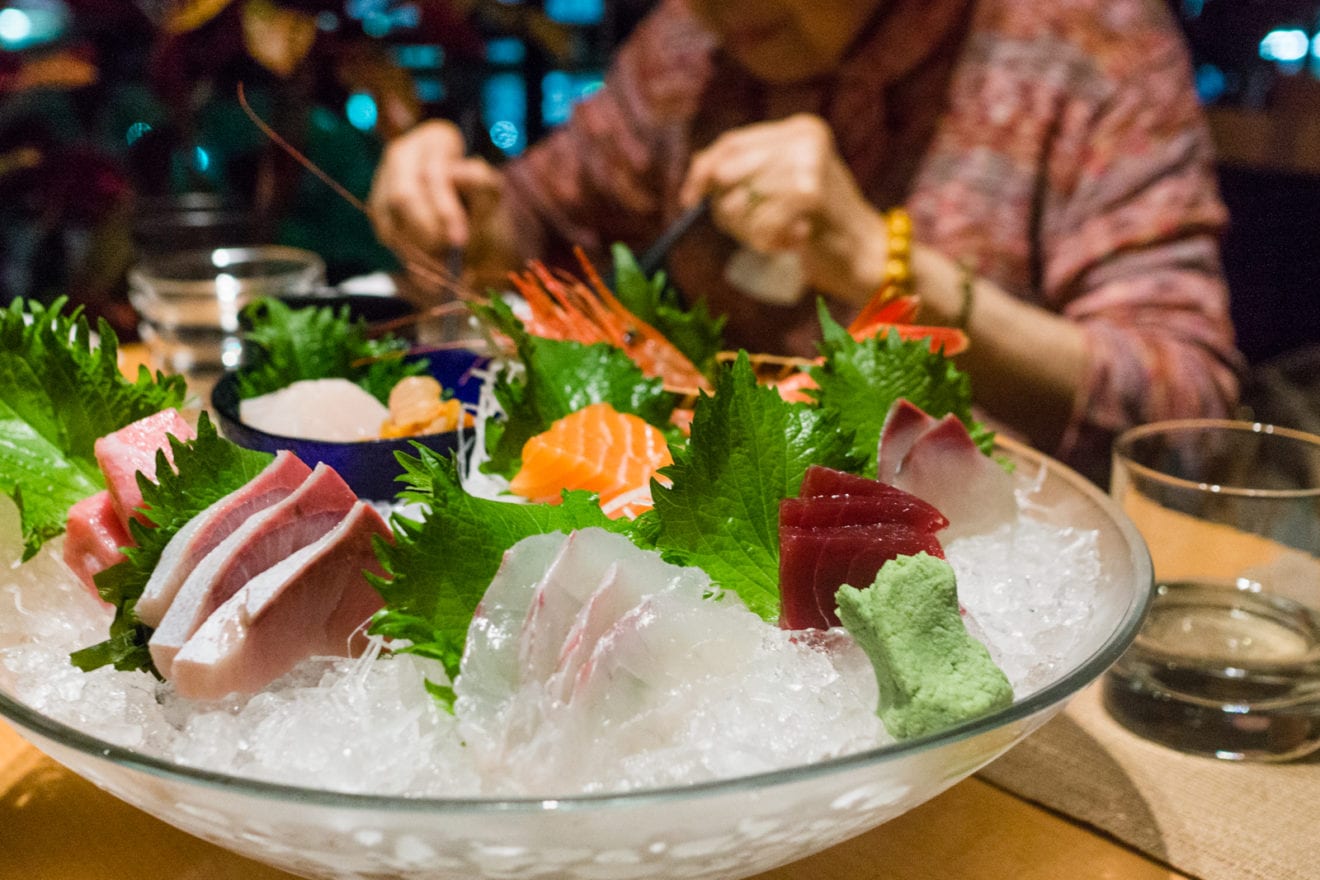
    Shingo Yamashita, senior adviser to Azuma-Cho Fisheries, said demand for fresh fish in Thailand was expected to increase considerably as spending power rose along with the popularity of Japanese restaurants here.

    The company exports about 50 tonnes of buri fish, also known as yellowtail, to Thailand each year.

    Masanobu Miyazaki of JTF Trading, an importer of beef and fish from Japan to Thailand, said demand for Japanese food here had increased strongly over the past few years.

    Vegetables

    Takashi Kato, assistant manager of Bangkok Food System, an exporter of Thai vegetables to Japan and importer of Japanese food to the Thai market, said the company had exported Thai vegetables to Japan for more than 30 years.

    It foresees imports of Japanese foods to Thailand increasing, due not only to demand from Thais themselves but to the rising number of Japanese residents in this country.

    “Now, with higher demand for Japanese foods, we will import Japanese rice, vegetables and fruits to Thai markets to serve restaurants and supermarkets,” he said.

    Haruhiko Sunakawa of Okayama Fruits Company wants to export Muscat grapes to Thailand, along with other fruits such as peaches and strawberries.

    He is now looking for distributors or modern trade outlets to buy such products.

    Kyoko Yoshida, director of Shiyoshida-Syuzou, a producer and trader of shochu, a distilled beverage, said the company has started to introduce the product to the Thai market two years ago. So far, the company has exported it to some Japanese restaurants in Bangkok, and wants to seek |modern-trade partners as distributors.
  • Indonesia Motorbike Export Soars; Could Overtake Thailand

    Indonesia Motorbike Export Soars; Could Overtake Thailand

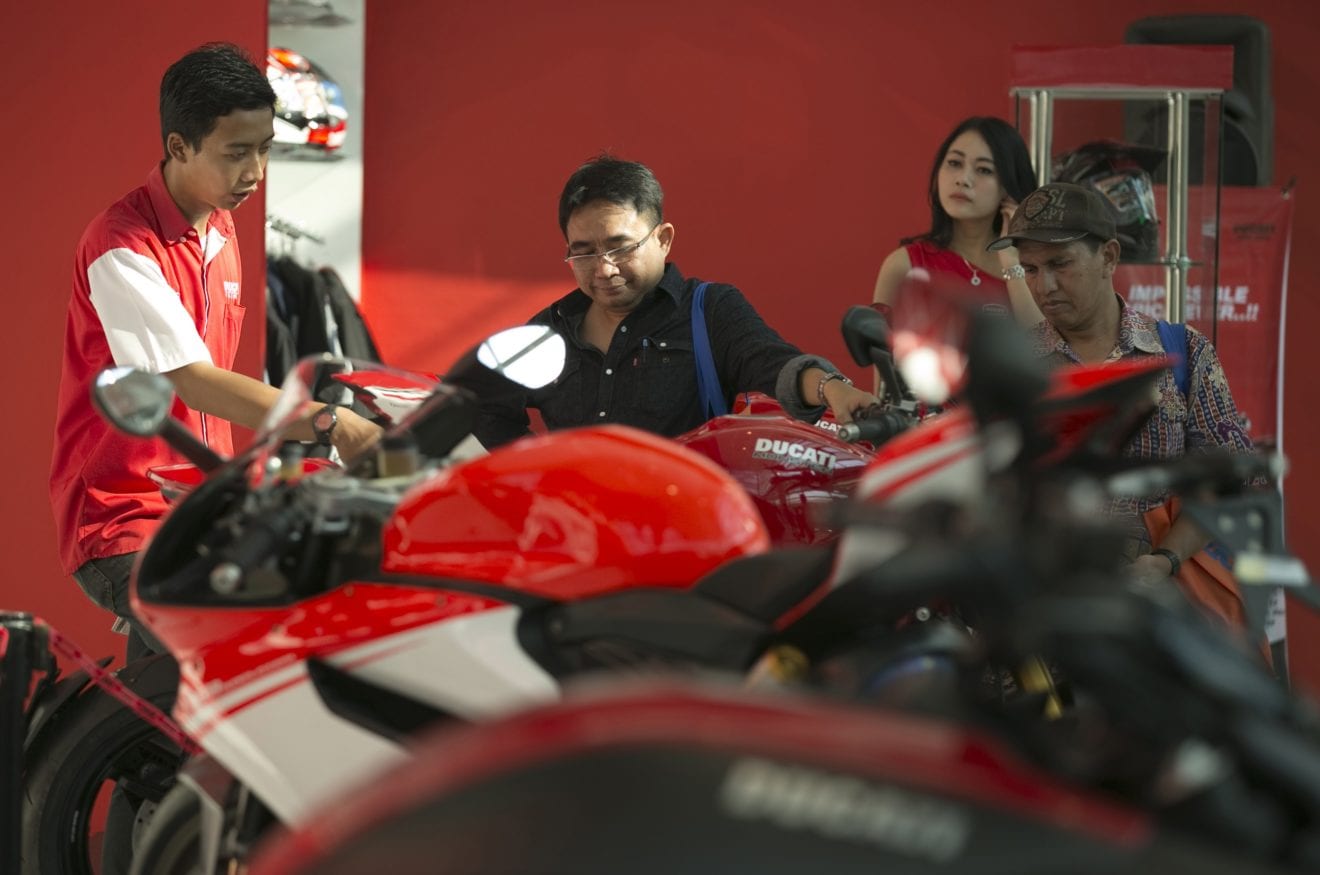
    Indonesia is seeing a surge in motorcycle exports. From January to August 2015, the export volume reached 123,790 units, soaring from only 9,000 units in the same period last year.

    Meanwhile in 2013, the export volume of motorcycle reached 27,135 units, the Indonesian Motorcycle Industry Association (AISI) said.

    This year’s export volume as per August accounts for 2.85 percent of the total sales, which amounted to of 4.34 million units.

    AISI Chairman Gunadi Sindhuwinata said ahead that if the national motorcycle industry can keep up with the growth rat—with each brand maintaining their export commitment, Indonesia could overtake Thailand’s achievement. Thailand currently has a balanced market between exports and domestic sales at 50:50.

    “In the future, Indonesia could overtake Thailand’s exports [ratio] that has reached 50:50,” he told on Sunday, September 9.

  • Indonesia building airstrips to boost export of fresh fish

    Indonesia building airstrips to boost export of fresh fish

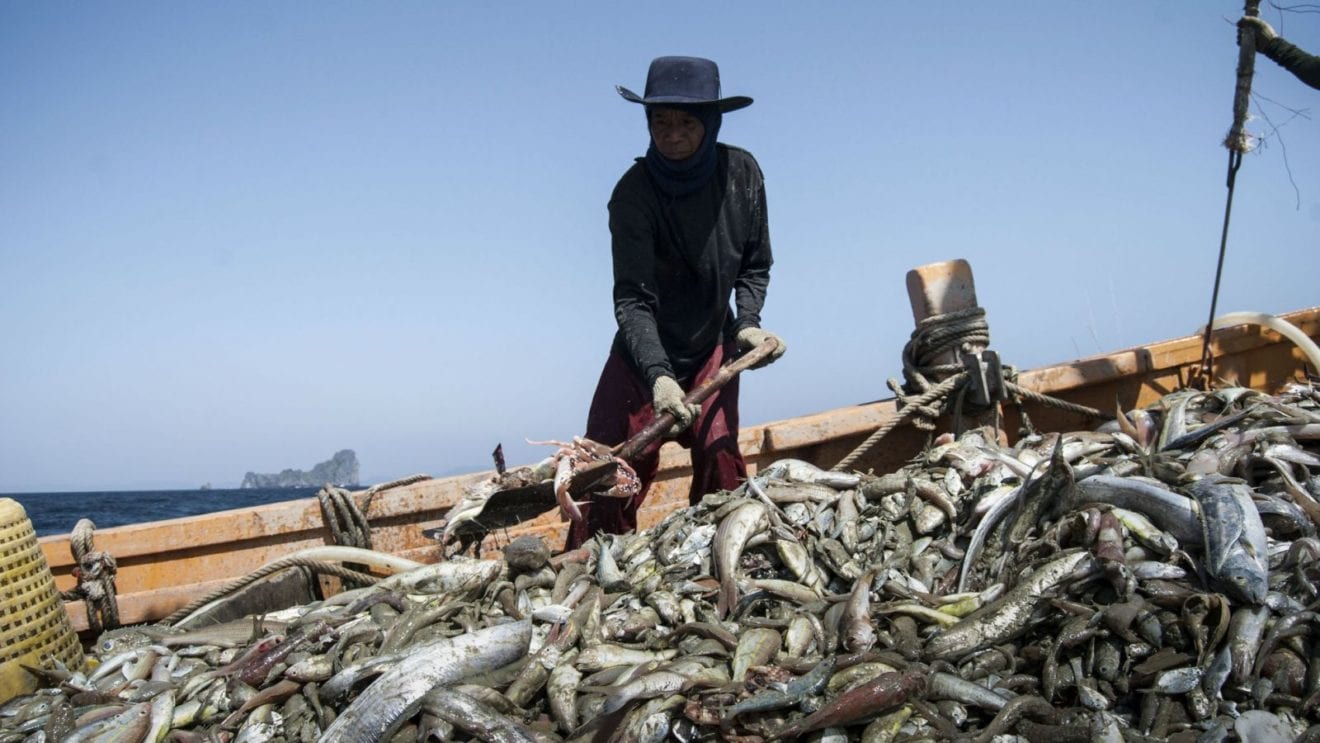
    Indonesia is building small runways near 15 fishing villages to help local fishermen export their catch while they are fresh and command a premium, said Maritime Affairs and Fisheries Minister Susi Pudjiastuti yesterday.

    The entrepreneur-turned-politician said these 1km-long airstrips – or just long enough to land light aircraft – will connect fishermen from various parts of Indonesia to markets at home and abroad.

    “We can send our fresh products immediately on the same day to Japan or Europe… by opening up direct flights from the eastern part of Indonesia,” she said.

    “The obstacle right now is that everything has to go through Jakarta which takes longer.”

    Ms Susi was in Singapore to deliver a public lecture, organised by the S. Rajaratnam School of International Studies, on Indonesia’s maritime policy and its challenges.

    She is also meeting businessmen here to discuss trade opportunities and hopes to see investors from Singapore involved in the project to build the 15 airstrips.

    Opening up new gateways to global markets from each fishing sector of Indonesia will be an “incredible breakthrough”, she said.

    Airfreight capabilities will offer the opportunity for local fishermen to enter a high value market because consumers pay a premium for fresh seafood, she added.

    In a public opinion survey carried out in mid-2015, the Indo Barometer Survey and Political Communication Institute ranked Ms Susi as the best-performing minister.

    She also survived President Joko Widodo’s recent Cabinet reshuffle that was prompted by Indonesia’s flagging economic growth since he took office in 2014.

    Her ministry is a key driver behind Mr Joko’s plan to revive the shipbuilding and fisheries industries in a bid to re-establish Indonesia as a maritime power.

    Latest figures showed that the fisheries sector in the country grew 8.6 per cent in the first quarter, outperforming the national growth rate of 4.7 per cent.

    Ms Susi said the sector is set to achieve its target of 10 per cent for the year.

    Noting the importance of the fisheries industry, Indonesia has been trying to maximise the potential of the sector through, among other things, modernisation of current industry practices, abolishing trans- shipment activities, and going after poachers. According to Mr Joko, Indonesia suffers annual losses of more than US$20 billion (S$28 billion) from illegal fishing.

    Enforcement efforts have been ramped up, including the enhancement of its maritime surveillance capabilities. To send a strong signal to poachers, illegal fishing boats seized in Indonesia were duly sunk.

    Statistics in handouts distributed to participants at yesterday’s lecture showed that between 2007 and 2014, the Maritime Affairs and Fisheries Ministry sank 38 vessels for breaching fishing laws. Joint enforcement efforts with the Indonesian Navy and police, however, saw a total of 59 vessels sunk between last year and this year.

    They do not include the 37 illegal fishing boats it put underwater on Aug 18. The original plan was to take down 70 illegal vessels to commemorate Indonesia’s 70th Independence Day, which falls on Aug 17.

    Its policy of sinking vessels seized from poachers has attracted some criticism.

    Ms Susi defended the policy yesterday, saying that it has not only helped reduce intrusions but also curbed the illegal trade of highly subsidised fuel sold to poachers.

    “The media has made (the sinking of illegal fishing vessels) more sensational, which is sometimes inappropriate but it is needed for a deterrent effect,” she said.

    “But it is good that that we didn’t have that many poachers coming to our waters any more (and) it’s a good sign that we could not sink 70 in August – only 37.”