Tag: export

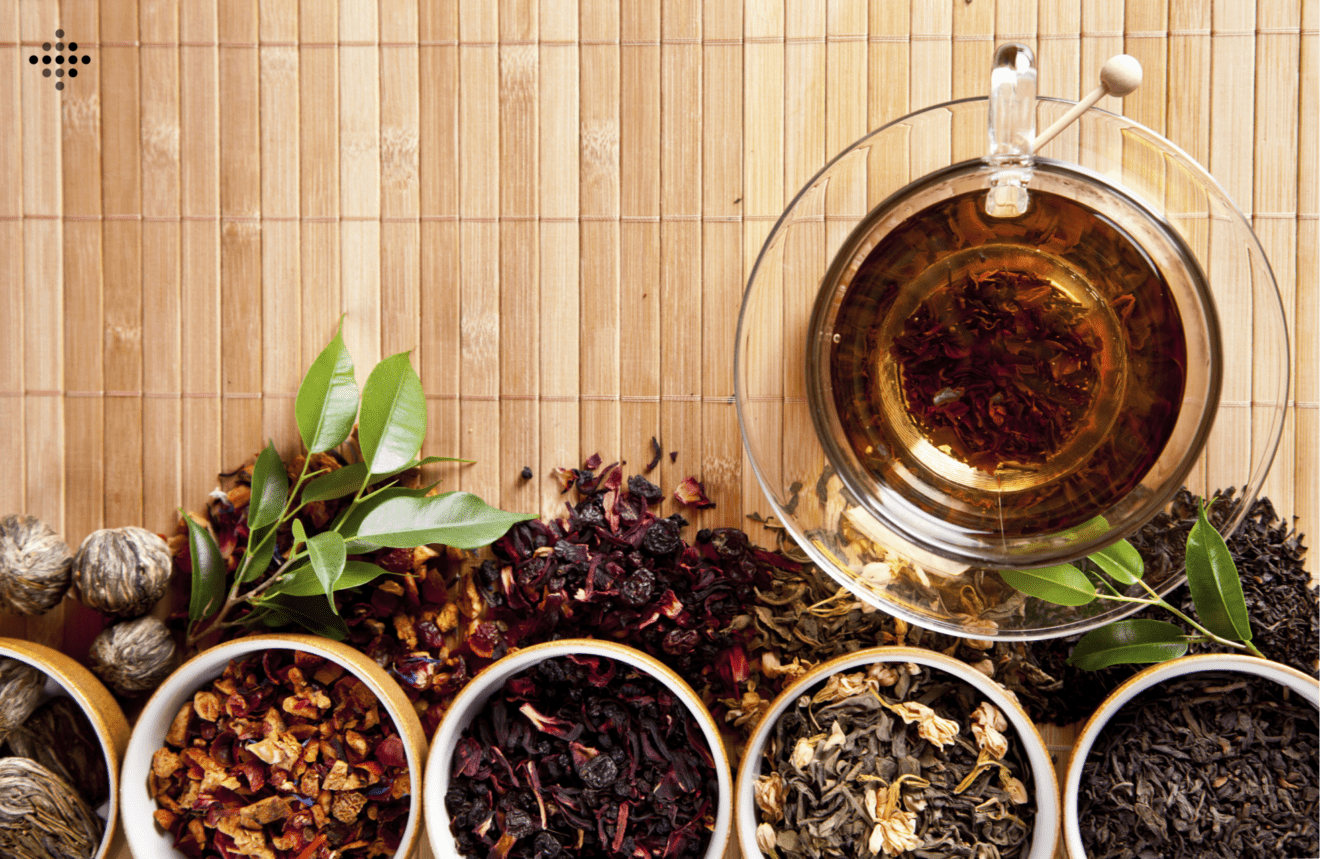
  • Promotion, collaboration sought to boost tea exports

    Promotion, collaboration sought to boost tea exports

    The government should give more attention to Indonesia’s tea industry by intensifying promotional efforts and strengthening collaboration among ministries to reverse the trend of declining exports that started a few years ago, a public policy expert suggests.

    “The Trade Ministry, for example, can collaborate with Pak Arief Yahya [the tourism minister]. So while traveling overseas, they could promote Indonesian teas,” University of Indonesia’s public policy lecturer Riant Nugroho said on Monday.

    The declining tea exports, which was partly caused by there being limited land for tea plantations, could also be solved through better coordination with the Public Works and Public Housing (PUPR) Ministry, he added.

    “Talk to them and find out ways so they won’t use all the available area to build [the planned] Jakarta-Bandung high-speed railway, for example,” he said, referring to the megaproject designed to better connect Jakarta and the capital of West Java, Indonesia’s largest tea-producing region.

    Ranked as the seventh largest tea producer in the world, Indonesia’s tea exports dropped to 62,700 tons last year from 92,000 in 2009, with the value going down to US$128 million from $171 million in the same period.

    Only 6 percent of the 62,700 tons exported last year comprised value-added processed tea.

    “Tea production in the country still faces a lot of challenges, such as the limited area for plantations, outdated machinery and low tea prices at the farm level,” said the Trade Ministry’s director general for foreign trade, Dody Edward.

    Among the largest of Indonesia’s tea export destinations are Russia, Malaysia, Pakistan, Australia and Germany.

  • Nutmeg higher in demand in Europe

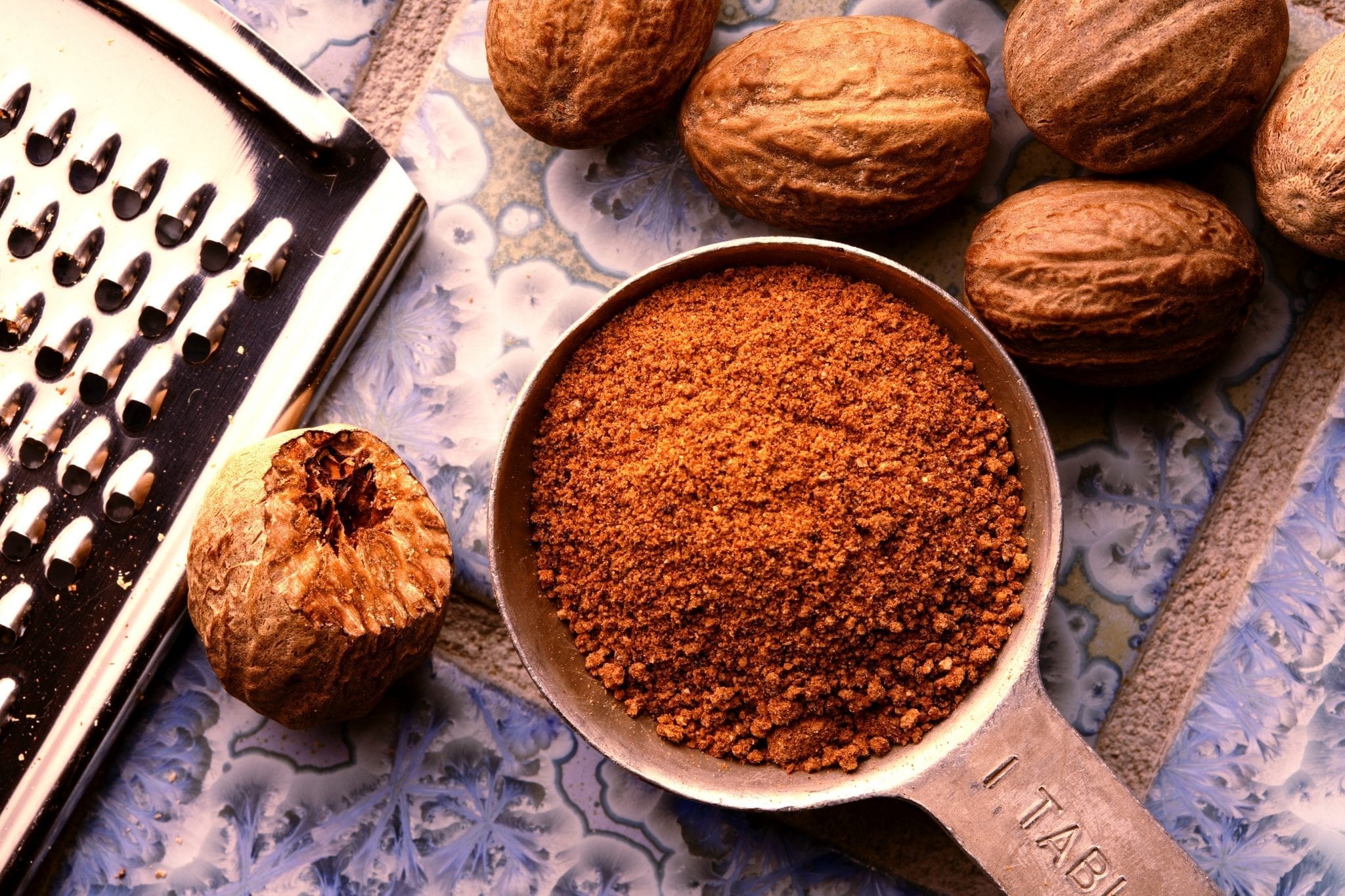
    Nutmeg higher in demand in Europe

    Exports of nutmeg from Indonesia to Italy has increased toward the end of the year, a North Sulawesi official said.

    “Orders have come more regularly from Italy for North Sulawesi nutmeg. Demand is growing toward the end of the year,” head of the provincial industry and trade office Jenny Karouw said here on Tuesday.

    Jenny said in the third week of November 2016 nutmeg exports to Italy totaled 15 tons worth US$112,500.

    She said nutmeg from the district of Sitaro Islands is high in demand in Europe especially in Italy for its high quality.

    “The quality of nutmeg from the district of Sitaro Islands has been internationally recognized. The exporters, therefore, should maintain the reputation,” she said.

    Buyers from Europe would look for other suppliers once they found the quality is not up yo their expectation, she added.

    Nutmeg from North Sulawesi has been exported to Europe and the United States, where quality is the priority.

  • Trump Victory Effect Only Temporary Visible in Asia

    Trump Victory Effect Only Temporary Visible in Asia

    Coordinating Economic Minister Darmin Nasution believes that the impact of the US presidential election on Indonesia’s economy is only temporary. Darmin said that the government would anticipate changes in the market after Republican presidential candidate Donald Trump won the election.

    “We shouldn’t be worried about the election. There will be an impact on the economy, but it’s only for a short term,” Darmin said at his office on Wednesday.

    The election results announced today showed that Donald Trump gained 288 votes, exceeding the minimum winning threshold of 270 votes. His rival from the Democratic Party Hillary Clinton obtain 215 votes.

    Industry Minister Airlangga Hartarto echoed Darmin’s comment saying that the US presidential election would not have direct impact on the national industry. Instead, Airlangga suggested that the US presidential election would have a significant impact on the capital market.

    However, Airlangga warned that the election results could affect the Fed rate revision in December. In addition, Airlangga said that he would revisit the plan to join the Trans Pacific Partnership.

    During his campaign, Trump revealed his plan to cancel all trading agreements that could cause losses to the US. Trump also criticized the TPP as a danger for the US. Trump further called for cancellation of the North America Free Trade, since it would have negative impacts on job opportunities in the country.

  • Indonesia eyes electricity exports to neighboring countries

    Indonesia eyes electricity exports to neighboring countries

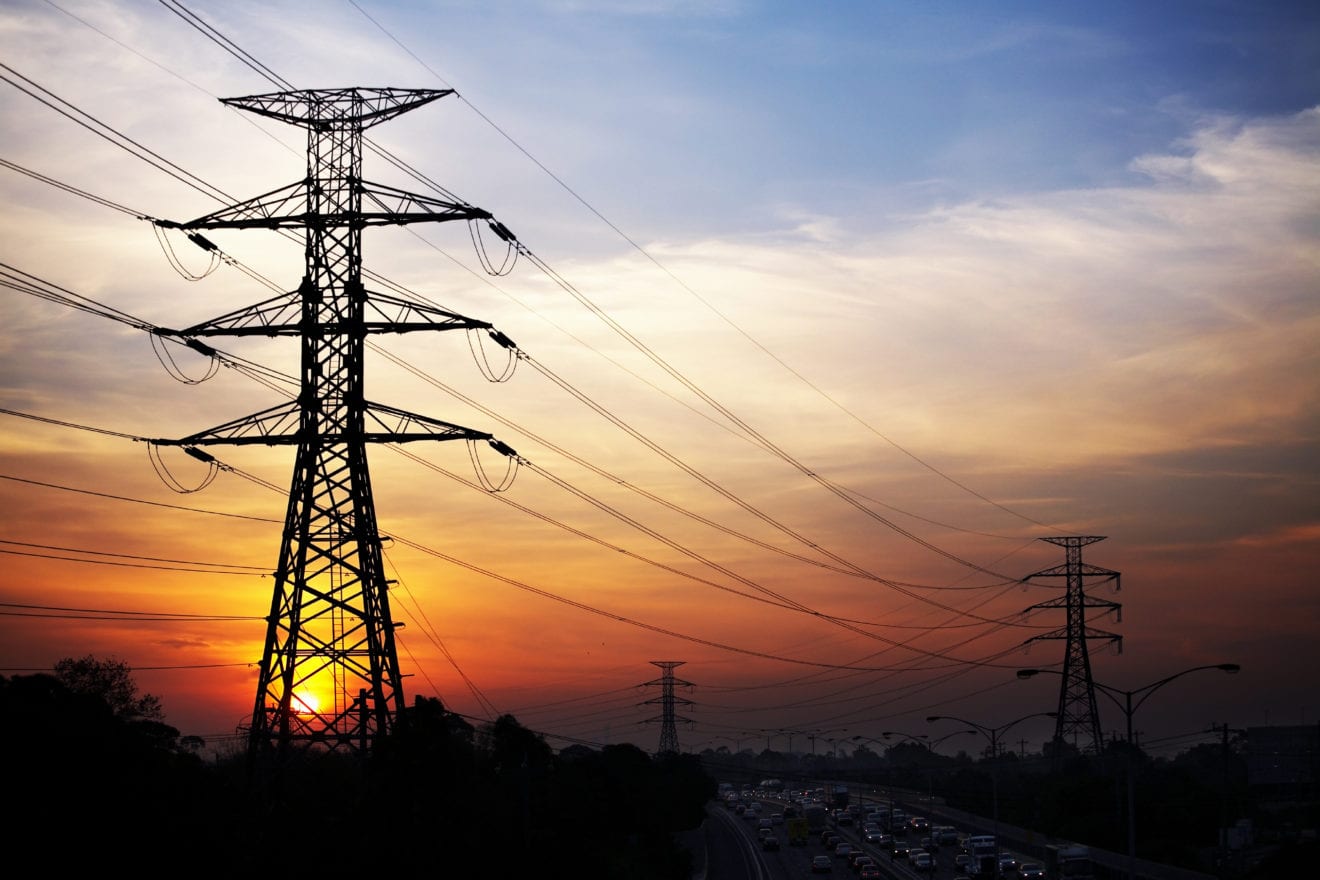
    Indonesia plans to sell electricity to Malaysia, Thailand and Singapore as the government is targeting greater profitability from several coal mine-mouth power plants that are anticipated to soon be completed in Sumatra.

    National Development Planning Board (Bappenas) head Bambang Brodjonegoro said the plan was feasible as the power plants would have excess capacity.

    “We can sell the electricity abroad via underwater cables,” the former finance minister said during the ASEAN G2B Infrastructure Investment Forum in Jakarta on Tuesday.

    Bambang said electricity demands were huge in peninsular Malaysia and southern Thailand, where Indonesia could meet those demands at competitive prices.

    “As long as Sumatra’s electricity needs are fulfilled, we can export the excess capacity,” he added.

    President Joko “Jokowi” Widodo’s administration is targeting to complete its ongoing 35,000 megawatt (MW) electricity procurement program by 2019. Of the target, 7,800 MW will be supplied from mine-mouth power plants.

  • Minister wants increase in exports of motorcycles

    Minister wants increase in exports of motorcycles

    The countrys motorcycle industry has recorded a leapfrogging increase in production over the past several years, but the industry is still a minor player in export, Industry Minister Airlangga Hartarto has said.

    “The countrys production of motorcycles has increased 800 percent in the past three years but exports averaged only 300,000 units year,” the minister said here on Thursday.

    Motorcycle sales in Indonesia averaged 6 million units a year that means exports are only 5 percent of the domestic sales, he said.

    Airlangga said currently the country had 90 million units of motorcycle on the street or more than one third of the population of around 250 million.

    The number shows that motorcycles have become the main alternative of public transport in the country, he said.

    Growing demand for transport service has contributed to the expansion of motor vehicle industry including motorcycle industry in the country, he said.

    In the past five years , motorcycle industry in Indonesia has grown significantly with production averaging more than 7 million units per year.

    The industry ministry said it is optimistic the rising trend would continue in the coming several years.

    Airlangga said with the increase, the countrys position as the third largest producer of motorcycle in the world after China and India would not change.

    He said motorcycle industrialists need to expand research and development to keep pace with the market requirement domestically and internationally.

  • Indonesian herbal medicine to be marketed abroad

    Indonesian herbal medicine to be marketed abroad

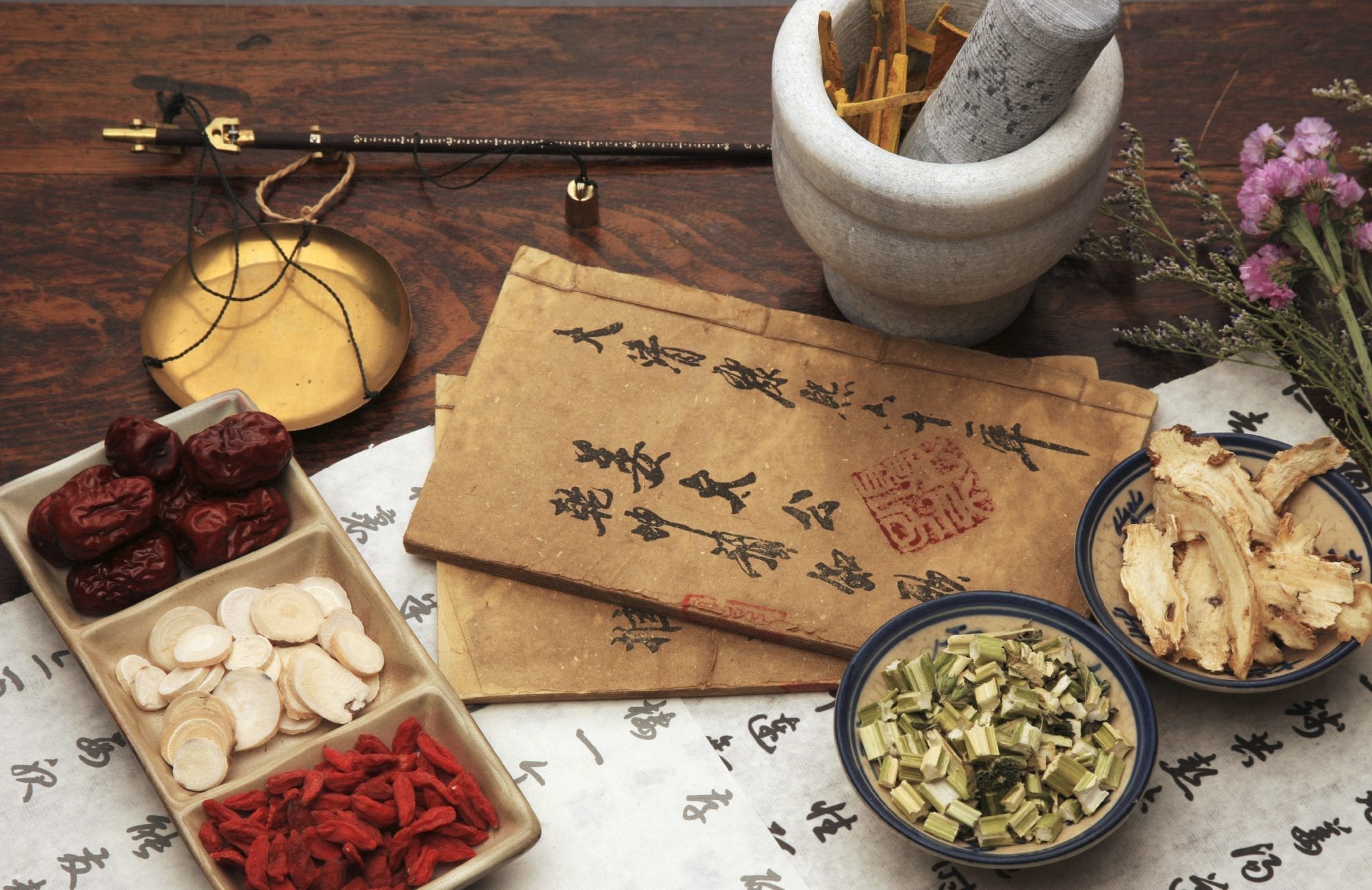
    An original Indonesian herbal medicine, Jamu, will be marketed abroad in the Middle Eastern and ASEAN regions, the chairman of the Jamu Association of Central Java, Nyoto Wardoyo, said here on Wednesday.

    Jamu is made from natural materials, such as roots, bark, flowers, seeds, leaves and fruits.

    “Indonesias ambassadors in various countries have started to introduce Jamu to other countries, such as Arab nations and Hongkong,” he informed.

    According to him, Jamu is in demand in many countries because they have realized that its health benefits.

    “Jamu is well known for its nutritional value. Demand for the product is rising and the exports have increased,” he reiterated.

    He also appreciated the fact that the government is encouraging the herbal medicine industry to progress.

    “Entrepreneurs expect expeditious grant of a license. Once we complete all the requirements, we want the government to immediately issue a permit,” he stressed.

    He hoped for better synergy between farmers, entrepreneurs and university researchers to develop Jamu products.

    He also hoped that Jamu products could be a part of the BPJS health program.

    “When people suffer mild colds, coughs or flu, the doctors can treat them with Jamu,” he underlined.

    Thanks to these efforts, the usage of Jamu is expected to rise at home as well as abroad.

  • North Sumatra`s rubber exports down 20 percent

    North Sumatra`s rubber exports down 20 percent

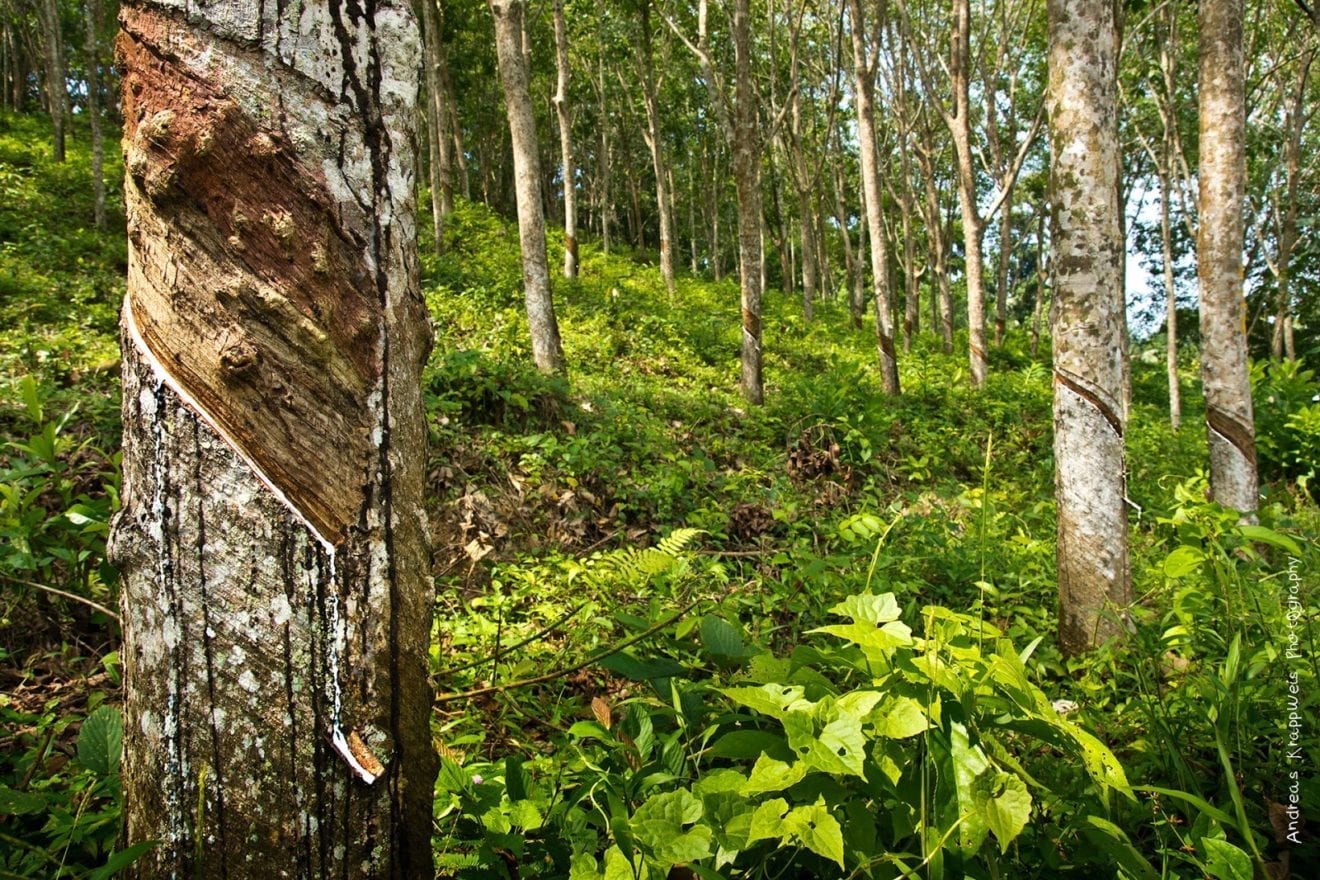
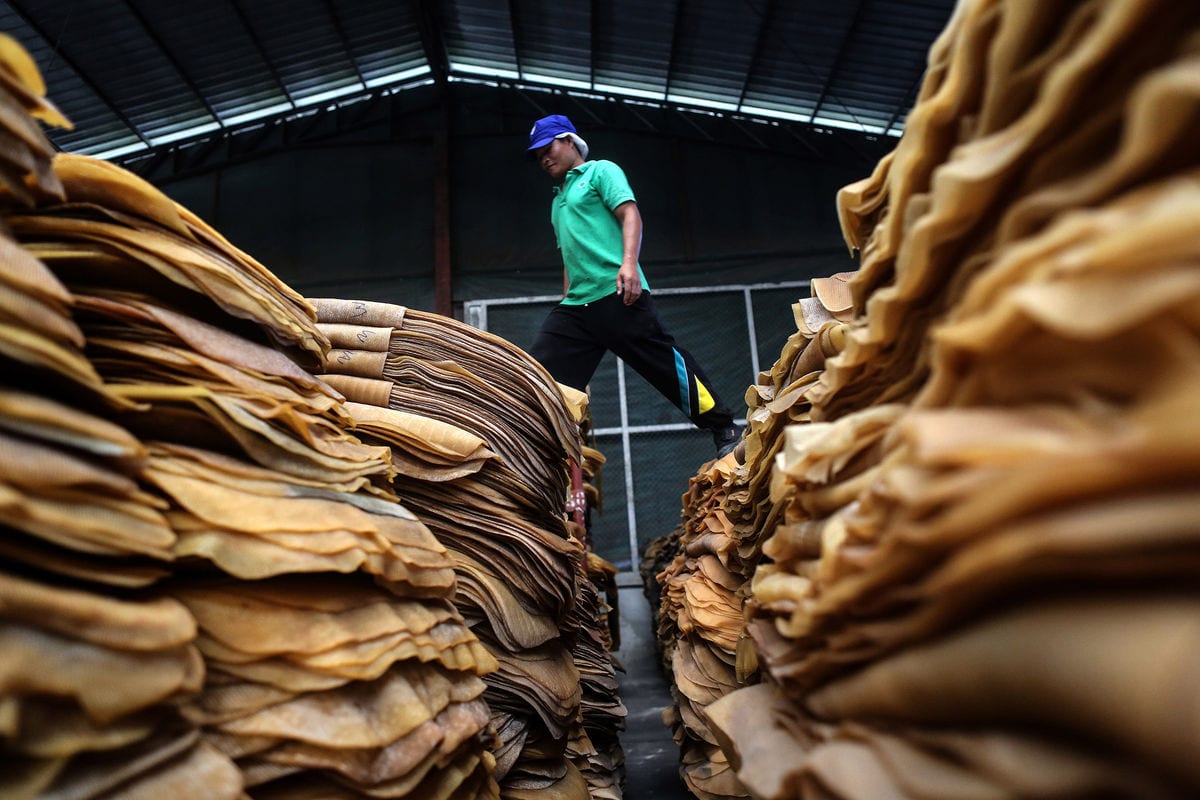
    North Sumatras rubber exports in the year to August 2016 plunged 20.84 percent compared to the same period last year.

    “By August 2016, North Sumatras rubber and rubber product exports fell to US$633.996 million from US$800.864 million in the same period last year,” chief of the production statistic section at the Central Statistics Agency (BPS) office in North Sumatra, Bismark SP Sitinjak said here on Saturday.

    The shortfall in foreign exchange earnings was the result of lingering global crisis, leading to low demand for the commodity in the global market. he said.

    With the decline, the provinces rubber exports will most likely drop throughout this year compared to a year earlier, he said.

  • Batam to facilitate SMEs export products to Singapore

    Batam to facilitate SMEs export products to Singapore

    The administration of Riau Islands city of Batam will facilitate the export of products manufactured by the Indonesian Micro, Small and Medium Enterprises (SMEs) to Singapore, an official has stated.

    “We are trying to facilitate (the export of products), because the products manufactured by the Micro, Small and Medium Enterprises are being exported to some neighboring countries, including Malaysia and Singapore,” head of the Batam office of the Community Empowerment, Cooperatives and Micro, Small and Medium Enterprises (SMEs), Pebrialin, said here on Monday.

    This October, the Batams administration will consult the Indonesian Embassy in Singapore to explore the market in order to facilitate the export of the SMEs products to Singapore, he added.

    As per a research undertaken by the local administration, many SMEs have shipped their products to Singapore. Unfortunately, the volumes are limited.

    According to Pebrialin, Singapore’s decision to replace the trademarks was detrimental to the Indonesian producers, because they cannot control the market directly.

    In addition, the manufacturers also face difficulty in developing their business, because they become dependent on the trademark of Singapore.

    The Community Empowerment, Cooperatives and Micro, Small and Medium Enterprises (SMEs) will also help the SMEs meet the norms applicable in Singapore and Malaysia, so that their products can be freely distributed in the market, Pebrialin added.

  • North Sulawesi to export coffee to China and Italy

    North Sulawesi to export coffee to China and Italy

    North Sulawesi will export coffee from Kotamobagu City to China and Italy, as demand for it is high in those countries.

    “According to a plan this year, North Sulawesi will export coffee from Kotamobagu City to China and Italy,” the Head of the Foreign Trade Department of Industry and Commerce of North Sulawesi, T Hasudungan Siregar, said in Manado on Wednesday.

    Steps are now being taken to start the exports, he added.

    “Currently, we are preparing recommendations for export. Later we will register exporters for the coffee,” he said.

    If once a company has exported about 200 tons of coffee for a year, it would be registered as an exporter, according to him.

    He hoped that people in Kotamobagu City would take advantage of this opportunity, as presently, the market for coffee is wide open.

    The community must also increase production and quality of the coffee so that if demand increases in the future, they should be able to meet it.

    “Consistency is very important in exporting commodities,” he said.

    Currently, the Department of Industry and Commerce of North Sulawesi continues to push for the main commodity of North Sulawesi to be be marketed to different countries in the world.

    This is important for generating foreign exchange for the country.

  • Finnair Targets Seafood, Pharma Growth in Asia

    Finnair Targets Seafood, Pharma Growth in Asia

    Finnair is gearing up for expansion, and preparing for a difficult market, with Asia playing a significant part in its plans.

    Currently, cargo makes up only 17% of Finnair’s revenues, and it’s a part of the airline’s strategic plan to increase that number, although maybe not to the same levels as some Asian carriers enjoy.

    “Our goal is really to maximize revenues in a structured manner in order to contribute as positively to Finnair as we can,” Janne Tarvainen, vice president and head of cargo for Finnair, told us in an interview. “The structured manner means ambitious targets for the strategic focus markets and emphasis on providing value-added, high-quality solutions to our customers

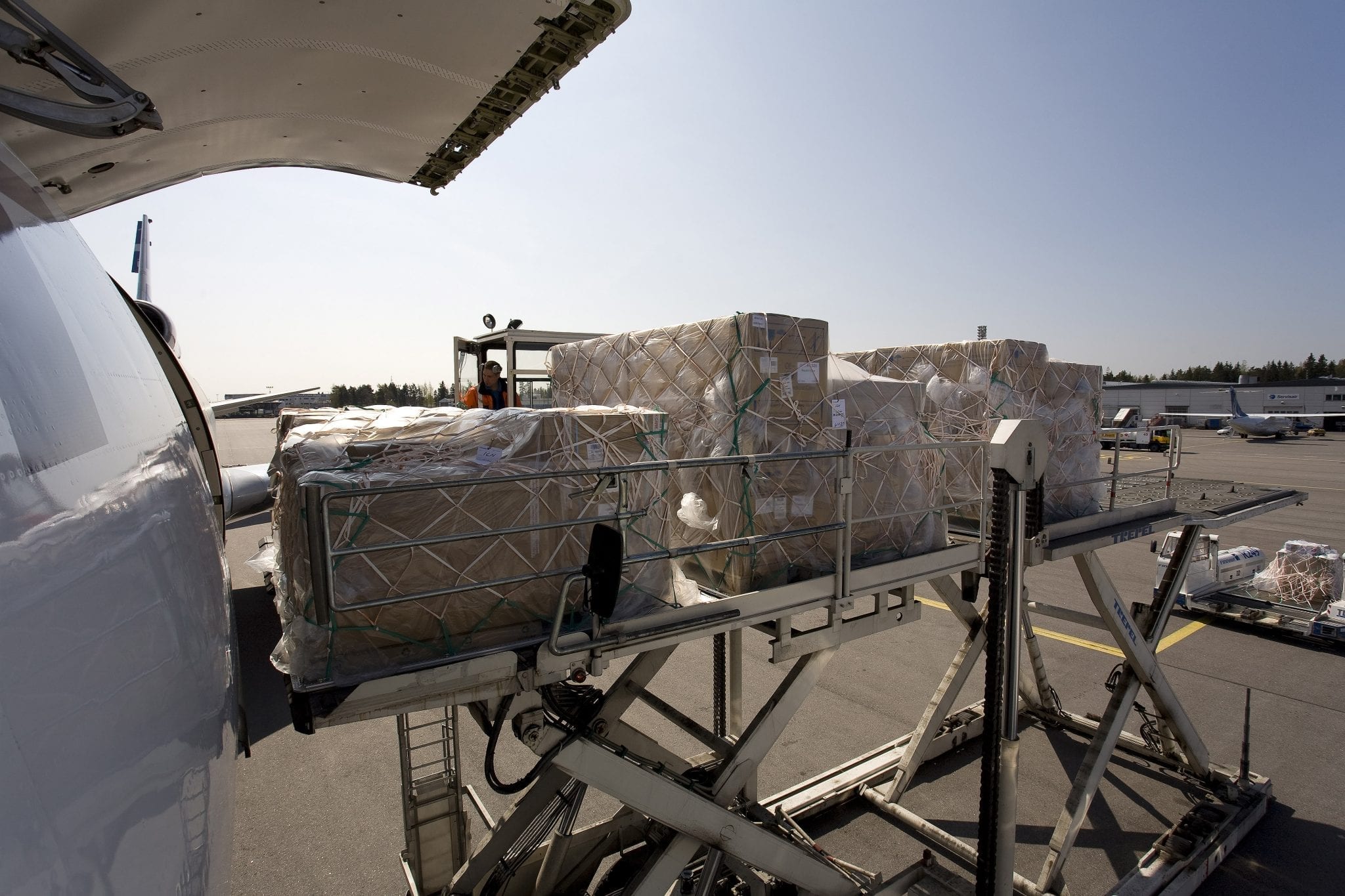
    One of the prompts for this was the 19 Airbus A350-800s joining the Helsinki-headquartered carrier’s fleet. A lot of cargo capacity is being added because of passenger growth, and it won’t be allowed to go to waste, especially after the board of directors strategized to be a modern cargo carrier and sold off the airline’s designated freighter fleet.

    How Finnair plans to achieve these goals is led by its COOL Nordic Cargo Hub programme, a new state-of-the-art cargo hub, which it calls the most modern air cargo terminal in Europe. Opening in May 2017, the terminal will be 31,000 square metres overall, with some 3,000 square metres each for pharmaceutical products and perishables – areas where Finnair hopes to make its mark.

    “Another reason why it’s cool is that it is highly automated,” added Tarvainen. “We have integrated acceptance, delivery and automated racking system and a completely automated ULD-handling.”

    Not only is the hardware Finnair has at its disposal being strongly improved, but the software that manages it is being upgraded, too. The other big initiative that Finnair is undertaking as part of its upgrade is SkyChain Cargo Management, which is to be expanded and put in use in October 2016.

    “It’s almost an off-the-shelf product, requiring a little bit of tailoring to fulfil special requirements set by the local authorities. It’s a production system with a full integration to the terminal automation supporting all the activities we do,” said Tarvainen.

    Finnair is doing all this to link the market it already serves, where seafood makes up a significant part of cargo, and the markets it is eyeing, where it hopes to make pharmaceuticals just as successful.

    There is no doubting the importance of seafood to Japan and to Finnair’s four routes there. Salmon is cultivated and prepared in northern Norway and then trucked to Helsinki, where it is loaded onto flights to Japan. The tagline for this industry is “34 hours from sea to sushi-plate” – giving it a freshness that Japan’s demanding consumers like – and pay for.

    Norway’s salmon farmers generate as much seafood business as Finland in its entirety does – each make up a bit more than 10% of Finnair cargo. Fukuoka, a new Finnair destination in Japan, where first-month figures have been “relatively successful,” proves the point.

    More striking has been the other destination Finnair opened last month – Guangzhou, although the freight carried is very different. The seafood market hasn’t started yet, nor has the pharma side, but inbound from the southern Chinese business centre Finnair is doing “very good loads” of all kinds of industrial goods, Tarvainen says.

    This fits into a pattern of a very good year so far, at least in terms of volume. In so strained a market, revenues are the sort of issue that is getting glossed over in the hope of better days to come.

    “So far this year, load-wise the development has been very, very good,” said Tarvainen.

    Last year, Finnair moved 130 million kilograms of freight, and this year has exceeded that. In the past two months there has been growth of 20%, something which also applies to RTK, he said. “That’s been pretty good. It’s excellent,” he added.

    “We have really focused on certain markets and focused on getting the loads in,” he said of the overall approach.

    Not only has Finnair opened two new routes, one of them already busy, but it has also worked its established markets, the Nordic countries and their Baltic neighbours, well.

    It also is working what its calls its extended home markets of Brussels and London. These two locations are chosen because they are the buckles in different pharmaceutical belts, and the quality of its service, especially on reliability and punctuality, helps win it.

    Tarvainen was cautious about detailing the Brussels market and its impact on the bottom line, saying only it was growing and yields were “a little bit better.”

    Where he is more forthcoming is on the immediate prospects for the sector, and he is not optimistic. Chief among his reasons is China. “The times of double-digit growth are gone. We can see the difference.”

    Longer term, there is not much bounce either. Passenger demand is growing, which means more and more cargo capacity also enters the market. Worsening this is the slump in oil prices. “No aircraft is in storage” he said, adding that cheap oil allows planes to keep flying.

    What is going right is consumer confidence, something Tarvainen hopes will lift the industry, even though he doesn’t believe miracles will happen in the big markets. Probably wise then, as Finnair plans to concentrate on the industry niches and routes where things, if not miracles, can be made to happen.
  • Indonesia to export chicken due to overproduction

    Indonesia to export chicken due to overproduction

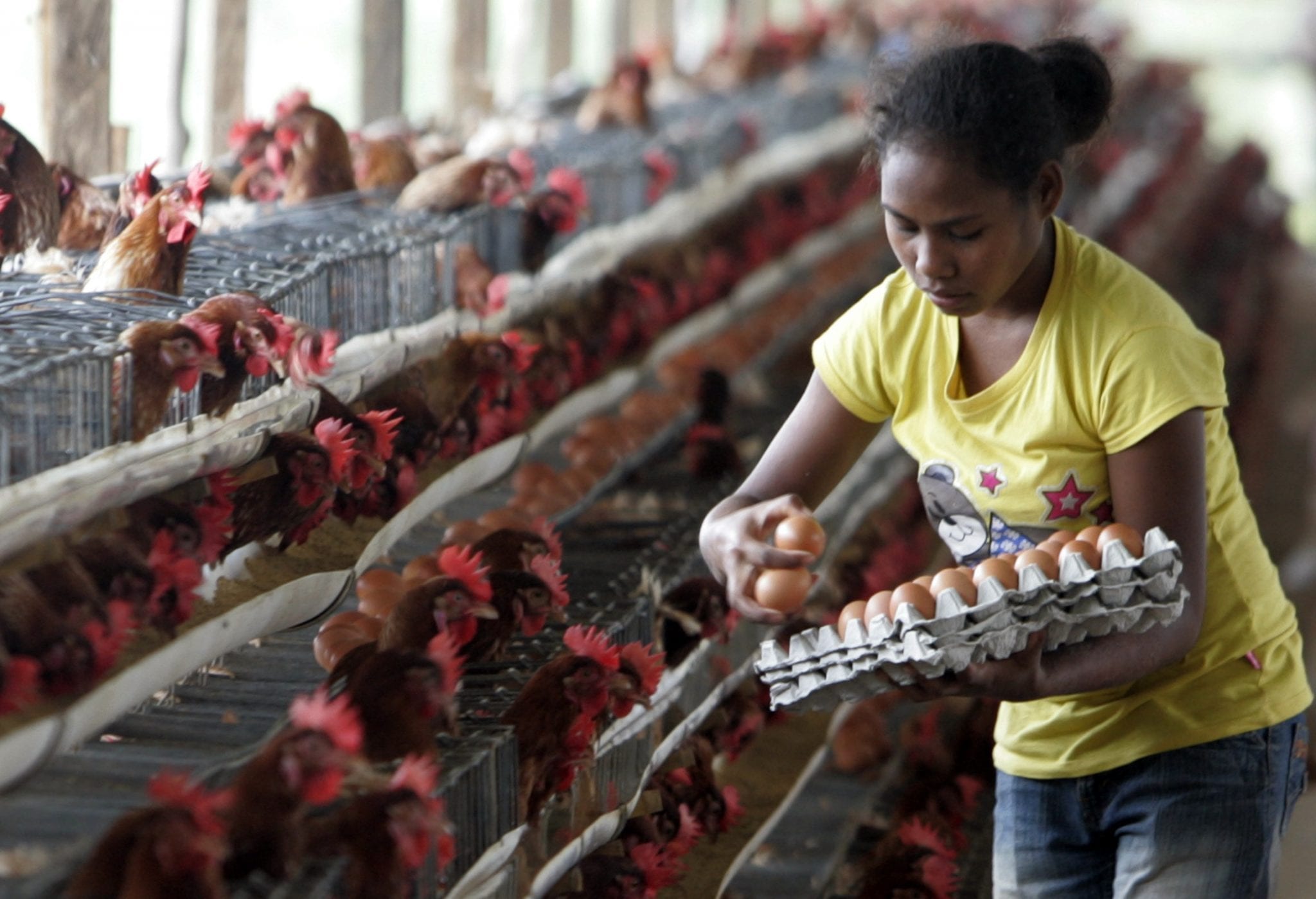
    Indonesia will soon export chicken as production has doubled, Agriculture Minister Amran Sulaiman said.

    “Right now, we are campaigning for self-reliance in protein which is found in abundance in our husbandry and fishery commodities,” he stated here on Saturday.

    Amran Sulaiman, along with Chief of the Business Competition Supervisory Commission (KPPU) Syarkawi Rauf and Deputy Chairman of the House Commission IV Viva Yoga, was in Makassar to address a workshop, titled, “Developing Husbandry Industry in Pursuit of Self Reliance in Animal Protein.”

    The minister underscored the importance of maintaining food stocks in support of the country self-reliance.

    The Agriculture Ministry has made various breakthroughs and innovations along with other parties to support the governments program to achieve self-reliance in food production, thus adding to national resilience, he added.

    He believed that Indonesia would achieve the goal of self-reliance in animal protein by the time the country celebrates the 100th anniversary of its independence.

    Livestock and marine products have already helped achieve self-reliance in animal protein, he reminded.

    “We have changed our policy so that we are no longer self-reliance in meat but are self-reliance in protein. In fact, we have exported chicken to Vietnam and Japan,” he noted.

  • Minister sees off organic rice export to Belgium

    Minister sees off organic rice export to Belgium

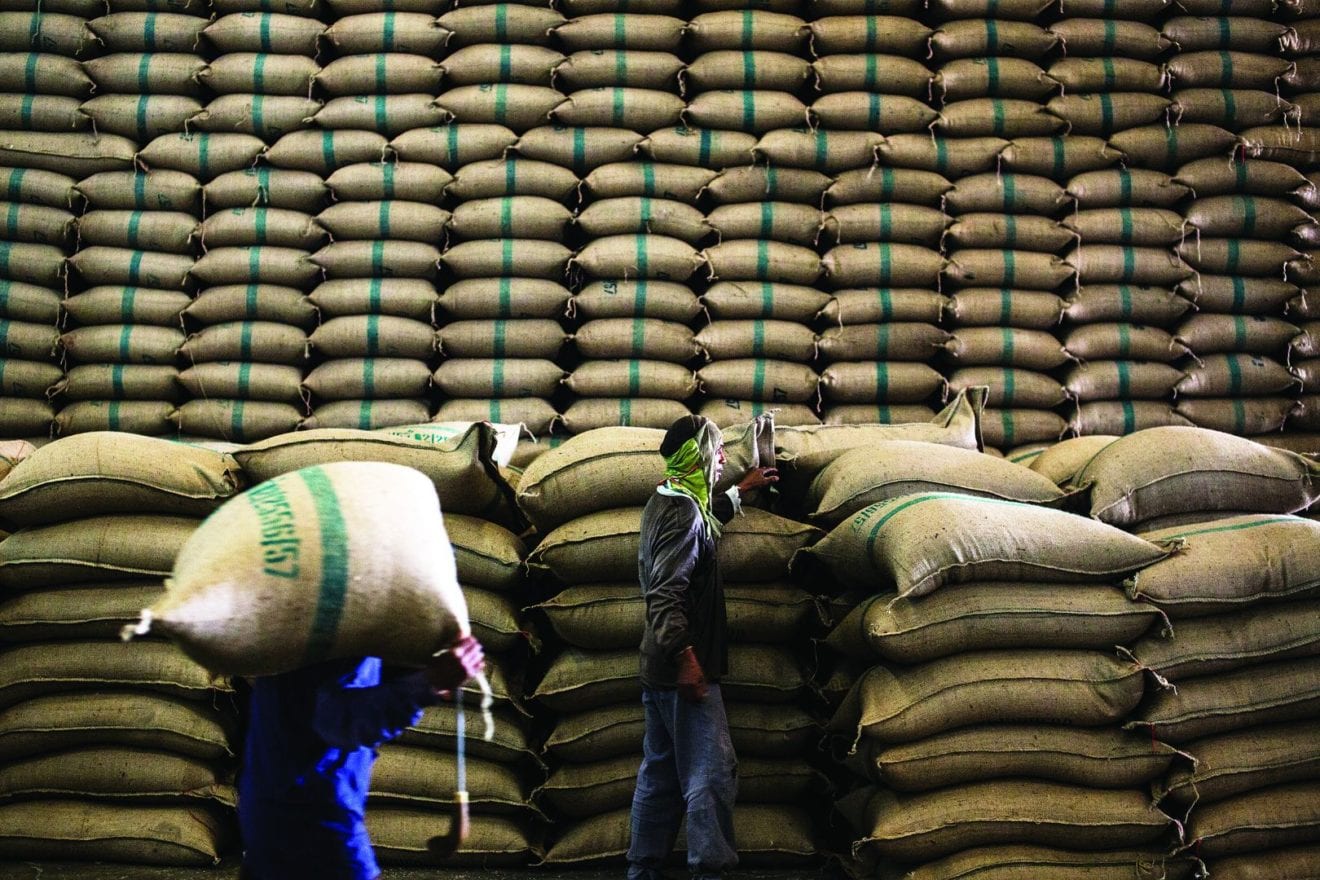
    Agriculture Minister Andi Amran Sulaiman here on Thursday saw of the shipment 40 tons of organic rice produced by a farmer group of Simpatik in Mekar Wangi village, West Java to Belgium.

    The shipment marked eight years of organic rice export from the farmer group to Belgium.

    The exported rice was packed in airtight plastic that can last for months. One pack of rice weighed five kilograms with a label of Indonesia Rice on it.

    In addition to Belgium, the other importer countries are Singapore, Italy, United States, and United Arab Emirates.

    The rice price at the farm level reaches Rp 20 thousand per kilogram, but in Belgium it is Rp90,000 per kilogram.

    At the farmers level, the price of the rice is Rp20,000 per kilogram, while in Belgium it reaches Rp90,000 per kilogram.

    Amran said every year Indonesia is able to export 100 thousand tons of organic rice, so that it will be the future of Indonesian agricultural products.

    “It is a smart agriculture. I have asked the Research Agency to support the organic rice farming. This is the future of rice exports. We just improve the regulation to make this sector competitive,” he said.

    The minister said that in addition to Java, Sumatra and Kalimantan also have potential in the rice organic agriculture.

  • Indonesia asks New Zealand to lower import duty

    Indonesia asks New Zealand to lower import duty

    Indonesia has asked New Zealand and Australia to lower import duties on two export products from Indonesia-herbicides and insecticides-from 5 percent to zero percent under the ASEAN-Australia New Zealand Free Trade Agreement (AANSFTA).

    “To increase trade with Indonesia, import duties for herbicide and insecticide, which are high at 5 percent need to be made zero percent,” said Industry Minister Airlangga Hartarto here on Thursday.

    Airlangga said this after holding a meeting with the Ambassador of New Zealand to Indonesia, Trevor Matheson at the Industry Ministry Building, Jakarta.

    Meanwhile, the Director General of Security and Development Access International Industry, Ministry of Industry, Harjanto explained, there are two ASEAN member countries that export herbicide and insecticide to New Zealand, namely Indonesia and Malaysia.

    Unfortunately, since the cooperation agreement has been in force, the import duty for Indonesian products is higher than for Malaysia, which is zero percent.

    This makes the products from Malaysia more competitive than the products from Indonesia.

    “Herbicide and insecticide is used by New Zealand for work on the farm. We hope products from Indonesia can be as competitive as from Malaysia through the liberalization of this market,” said Harjanto.

    Harjanto speculated that outside the AANZ FTA agreement, Malaysia and New Zealand have other agreements, which allow import duties for Malaysian products to be zero percent.

    According to data from the Industry Ministry, trade value between Indonesia and New Zealand reached US$1.07 billion, of which Indonesia is experiencing a deficit of US$200.8 million.

    Harjanto hoped that with zero percent import duty, the trade balance between Indonesia and New Zealand would become more balanced, so that cooperation between the two countries can be strengthened further.

  • Bali`s exports of furniture up 41%

    Bali`s exports of furniture up 41%

    Balis exports of furniture rose 41 percent in value to US$4.88 million in June from US$3.47 million in May.

    Year-on-year, the furniture export earning also rose sharply in June up 36.17 percent from US$3.59 million,” the Bali office of the Central Bureau of Statistics (BPS) said.

    Head of the BPS office Adi Nugroho said furniture contributed 10.18 percent to the total export earning of US$48 million recorded by Bali in June.

    “Bali export earning rose 15.34 percent from US$41.66 million in the previous month,” Adi said here.

    The furniture including chairs, beds, cupboards, tables, and room partitions are generally made up of bamboo with rattan decorations, he said.

    The sets of furniture were exported to the United States, France, Germany, the Netherlands , Japan and Australia.

    Statues made of bamboo roots from the regencies of Bangli and Gianyar are also gaining market abroad, Adi said.

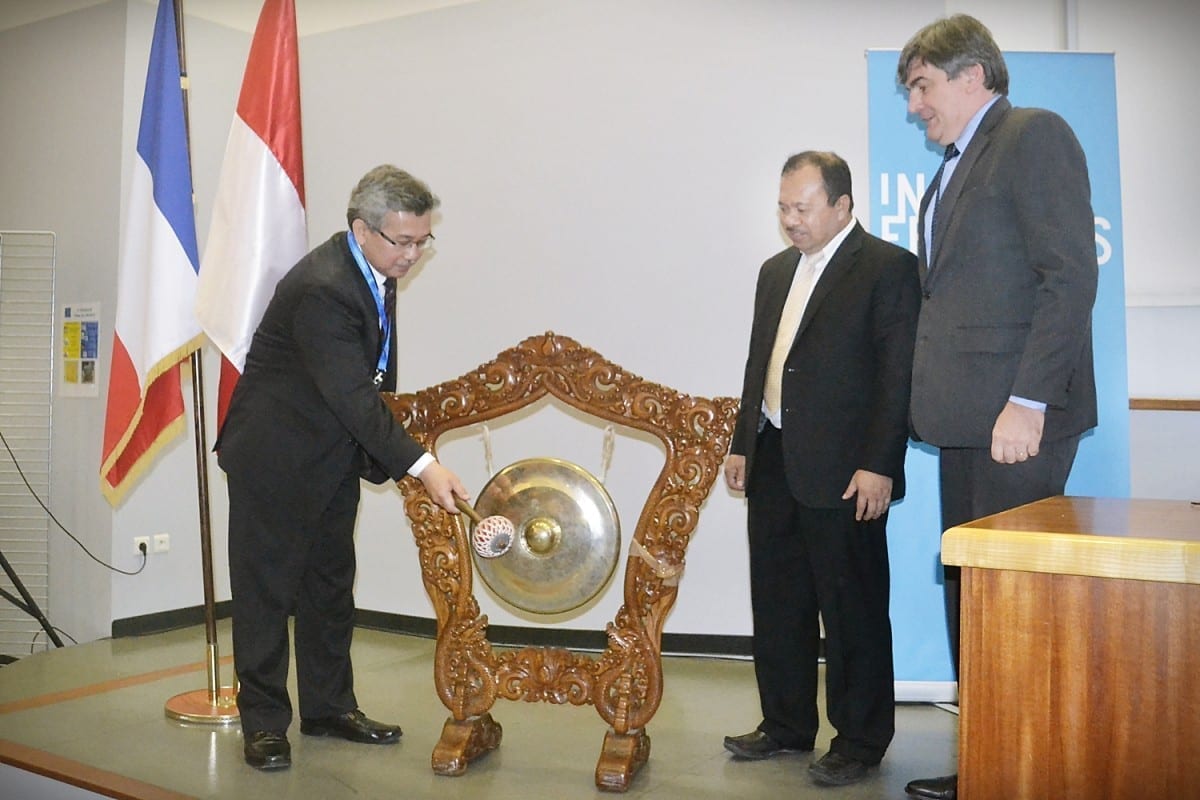
  • Indonesia, France to Boost Economic Cooperation

    Indonesia, France to Boost Economic Cooperation

    Indonesian Coordinating Minister for Economic Affairs Nasution said Indonesia is ready to explore economic cooperation with France.

    He mentioned that France is a strategic trading partner for Indonesia.

    Nasution made the statement during a meeting with French Ambassador to Indonesia H.E. Mrs. Corrine Breuzé, on Friday, (July 29).

    “I believe that the economy of Indonesia and France are complementary. Therefore, it is important to increase economic cooperation in several sectors,” he said on Saturday (30/7).

    Based on data released by the Ministry of Trade in 2015, the total trade volume between Indonesia and France amounted to US $ 2.3 billion. This figure decreased by 9.4 percent compared to that of the previous period, which reached US $ 2.35 billion, while French investment realization in Indonesia was US $ 131.6 million for 197 projects.

    The business that is in great demand among French investors in Indonesia are among others, transportation, communications, electricity, gas, water, food industry, chemical and pharmaceutical goods sectors.

    Nasution further said the investment realization bilateral cooperation between Indonesia and France in the future could be further increased and spread particularly in ​​eastern Indonesia.

    Therefore, in order to boost the value of the investment, the Indonesian Government has made a breakthrough through a series of Economic Policy Package issued since September 2015.

    “This package contains a variety of policies ranging from streamlining the investment license, the revised negative list of investment, the acceleration of infrastructure development and more,” the minister said.