Tag: export

  • Vietnam, India work to adjust back-to-back bans on commodity imports

    Vietnam, India work to adjust back-to-back bans on commodity imports

    Vietnam has requested the Indian government to abolish a ban on the import of its six commodities, including coffee and pepper, the Vietnamese government said in a Friday statement.

    India may have agreed with the request and will remove restrictions against the Vietnamese goods in question, the Saigon Times quoted a Vietnamese pepper industry official Saturday as saying, a development could not immediately verify independently.

    India imposed the ban against six commodities from Vietnam, which also included cinnamon, bamboo, cassia and dragon fruit, effective from March 7 after Vietnam’s agriculture ministry had ruled to suspend the import of India’s five agricultural commodities for 60 days starting March 1, citing the infection of peanut beetle.

    Vietnam’s Industry and Trade Ministry, in an official letter, told India to uphold international practice -= referring to the ban, the government statement said, adding that it had Thursday asked the Vietnam embassy in India to deliver the letter.

    The letter also urged India to “soon abolish the suspension of the import”, the government statement said.

    India has agreed to remove the suspension against several items, the Saigon Times quoted Nguyen Mai Oanh, deputy chairwoman of the Vietnam Pepper Association, as saying late Friday.

    “India will abolish the suspension order on the import of agro-products from Vietnam”, after Vietnam’s agriculture ministry officials met Thursday with the Indian embassy in Hanoi, she was quoted as saying.

    In return, Vietnam will adjust its decision on the suspension of five commodities from India and resume their import, Oanh said in the report.

    India’s ban has delayed several shipments of Vietnamese coffee and pushed down pepper prices on Vietnam’s domestic markets in recent days, traders and industry officials say. Vietnam is the world’s largest exporter of robusta coffee and black pepper.

    The country’s coffee export volume on March 1-15 fell 10 percent from the same period last year to 81,000 tons, based on Vietnam Customs’ data released Friday.

    Traders in Vietnam said if the situation is prolonged, Indian roasters would have had to buy their raw material from African nations.

    While domestic pepper prices have eased, due in part also to the ongoing harvest, Vietnam has shipped 13,600 tons of the spice in the first half of March to various destinations, up 31 percent from a year ago, based on customs data.

    Last year India, the third-biggest buyer of Vietnamese pepper after the United States and the United Arab Emirates, imported 11,100 tons of the spice, up 37 percent from 2015, the customs data showed.
  • Toyota aims to boost Brazil exports with locally made engines

    Toyota aims to boost Brazil exports with locally made engines

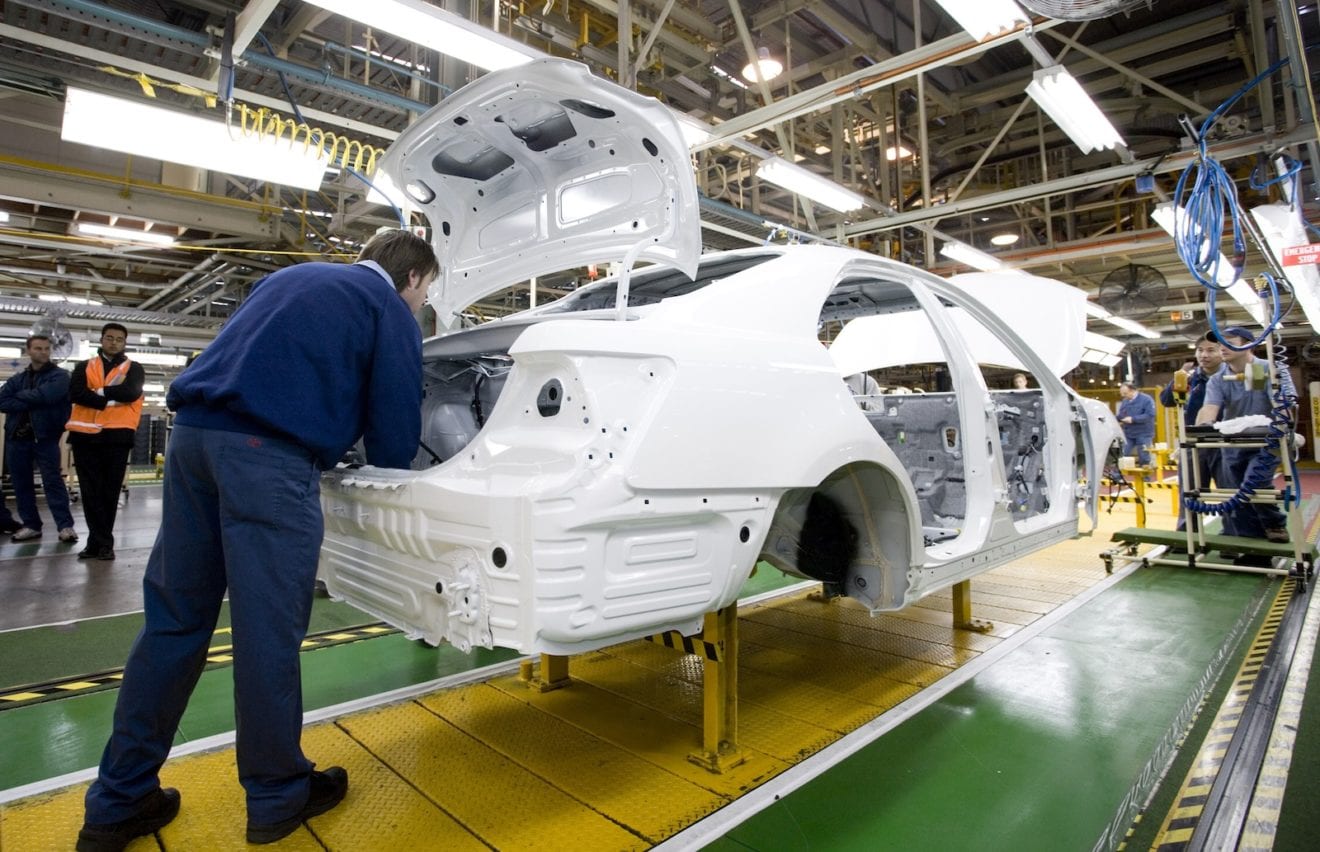
    Toyota Motor will soon begin selling Brazilian-made Corollas in Peru, executives said on Thursday, and is in advanced studies to export from Brazil to Chile and Colombia in a push to make its South American plants more competitive.

    Steve St. Angelo, Toyota’s most senior executive in the region, said the exports to Peru were part of a long-term plan to integrate Brazilian operations with the rest of Latin America, which has long imported Corollas from the United States.

    Toyota’s Brazilian factories, which exported only to Argentina when St. Angelo arrived in 2013, also send the mid-sized Corolla sedan and smaller Etios to Uruguay and Paraguay now.

    Toyota has invested in a new engine plant and engineering facilities in Brazil, which St. Angelo said would be key to lifting the domestic content of the Corolla and Etios from about 60 percent currently. As Brazilian plants import fewer parts, they should be able to export more competitively to new markets, he said.

    Rafael Chang, the company’s new chief executive in Brazil, said he hoped to have news “soon” on exports to Chile and Colombia.

    Toyota’s exports from Brazil rose nearly 10 percent in 2016 to about 43,000 cars, of some 176,000 vehicles produced in the country last year.

    “We’re trying to diversify our Brazilian operations, so we’re not so dependent on this one economy,” St. Angelo told journalists at a launch event for the new Corolla in Brazil.

    Brazil’s worst recession in more than a century has nearly halved auto sales since 2012, battering automakers’ profitability and leading them to cut some 35,000 workers.

    Auto factories in Brazil are still using less than half of installed capacity, as high unemployment and tight credit pinch demand. St. Angelo acknowledged that Toyota had struggled to turn a profit in the country during the recession.

    “We’re not going to break even this year,” he said of the Brazilian business, adding that Toyota had not finalized its projections for the fiscal year. “We’ve been doing an unbelievable amount of cost cutting. Everyone is sacrificing.”

    St. Angelo said an overhaul of Argentine operations had also diversified exports from that country beyond just Brazil to include Honduras, Guatemala, Peru, Chile and Colombia.

  • Vietnam expects 10 percent rise in leather, shoe exports

    Vietnam expects 10 percent rise in leather, shoe exports

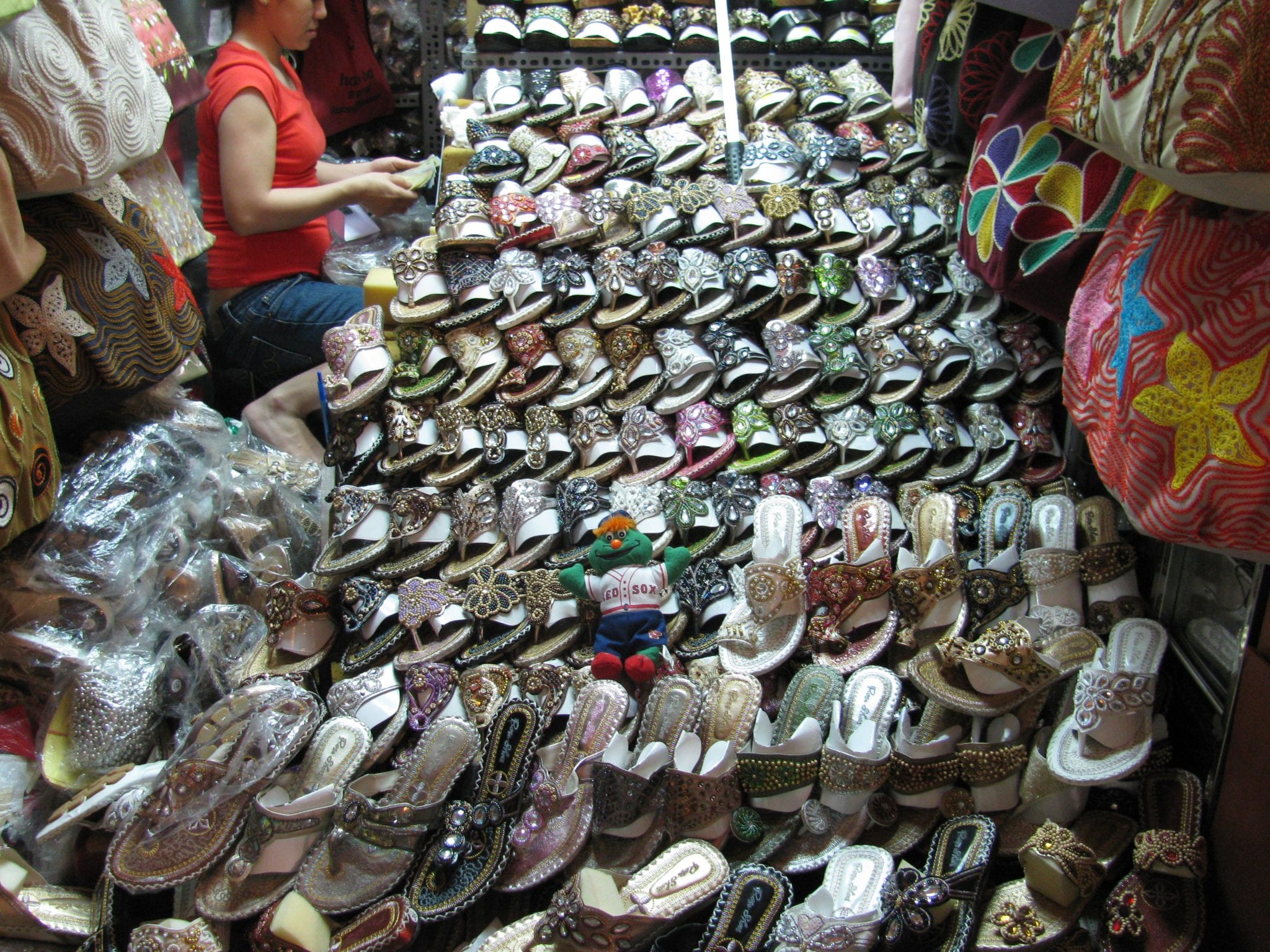
    Viet Nam’s leather and footwear industry expects to reach a total export value of US$18 billion this year, up 10 per cent from last year, said the Viet Nam Leather, Footwear and Handbag Association (Lefaso)

    According to Lefasco, there are plenty of chances for expanding exports given that orders for footwear and bag processing may be diverted from factories in China that have cut back on incentives for investment in garment and footwear manufacturing to focus on high technology.

    Another promising element is the Viet Nam-European Union free trade agreement, which will take effect in 2018 and afford Vietnamese footwear makers more opportunities to boost exports.

    To achieve this year’s target, the leather and footwear sector needs to boost technological innovation, invest in new equipment and modernise existing equipment, expand the production scale of domestic enterprises to increase productivity as well as improve the quality of products, Lefasco said.

    Lafesco reported that the sector raked in $16.2 billion from export last year, up 8.8 per cent from 2015. Of which, $13 billion came from footwear and the remaining was from handbags and leather items, marking respective annual increases of 8.2 per cent and 11.1 per cent.

    According to Lefaso, leather and footwear exports last year faced many difficulties as orders from the EU market plummeted and the sector’s export to ASEAN markets was also unstable.

    Since January 1, 2016, the tax levied on footwear and leather handbags and items circulated within the ASEAN bloc have been reduced to 0 per cent, leading to stiffer competition from regional rivals.

    Vietnamese enterprises also confronted obstacles due to the lack of capital and increasing input costs, which significantly affected the footwear sector’s export. Footwear currently ranks fourth and suitcase-bag-briefcase ranks tenth among Viet Nam’s top 10 foreign currency earners.

    The sector’s manufacturing index in 2016 rose a modest 3.7 per cent year-on-year, much lower than the 17.4 per cent and 22 per cent growth in 2015 and 2014, respectively.

  • Indonesia Eximbank to boost SME exports

    Indonesia Eximbank to boost SME exports

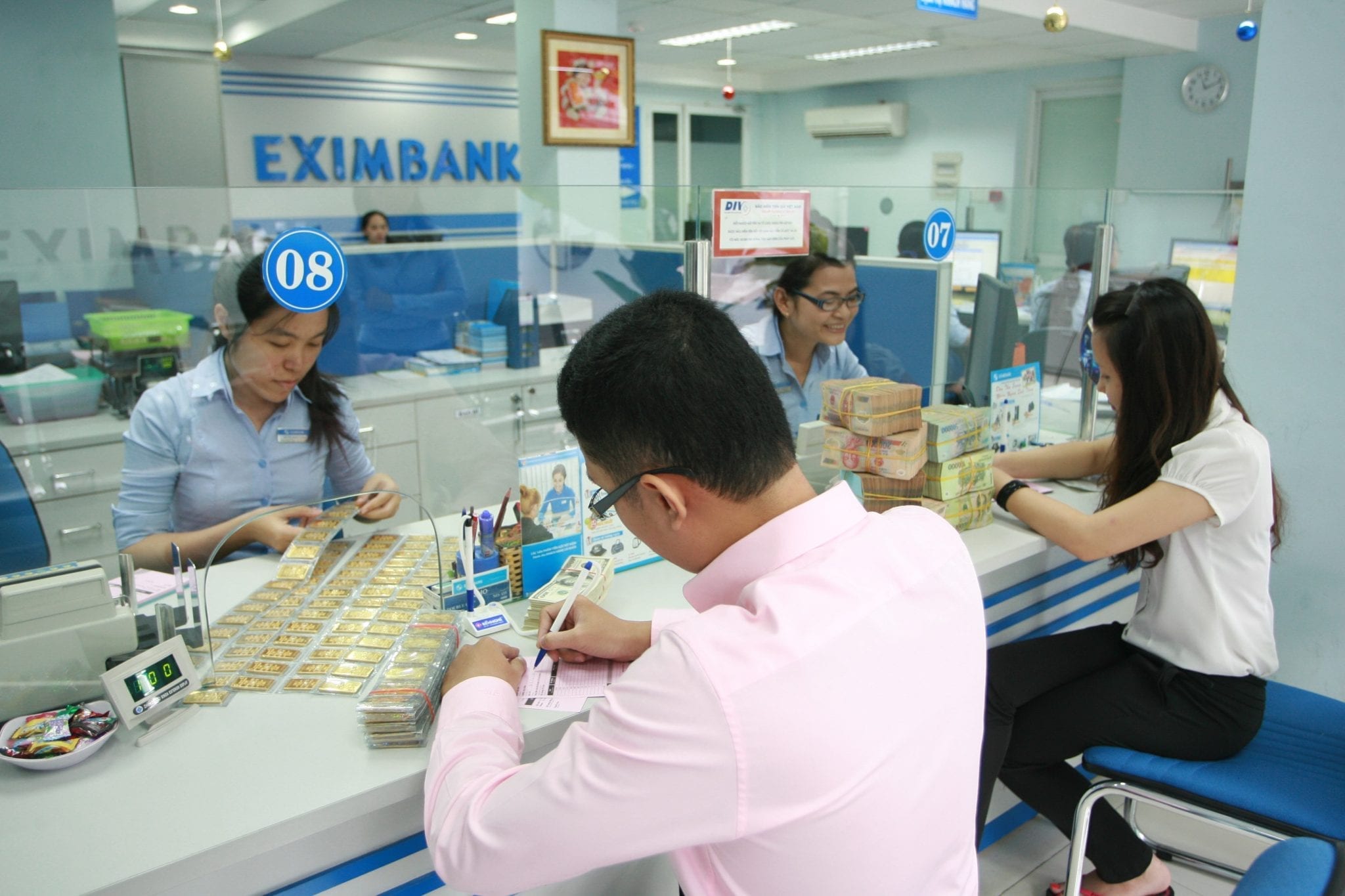
    State-owned Indonesia Eximbank will play a pivotal role in boosting small and medium enterprise (SME) exports through export based people’s business credit (Kurbe) and an incubator program.

    Indonesia Eximbank acting president director Suswijono Moegiarso said it already disbursed Rp 1 trillion (US$74.95 million) Kurbe in 2016, a cross subsidy between big debtors and SMEs.

    For 2017, the Financial Service Authority (OJK) has recommended the bank to the Economic Coordinating Ministry for channeling government’s Kurbe, he said.

    “The Kurbe will help boost SMEs exports this year, we are really thankful to OJK for the recommendation,” Suswijono said during the Export Purposed Import Facility (KITE) event in Tumang Village, Boyolali, Central Java, on Monday.

    There are five SMEs that already have Kurbe from the Eximbank with a total value of Rp 13.3 billion, namely UD Daffi Art,  CV Inducomp, CV Yudhistira, PT Banyan International and PT Bali Tangi.

    Those five SMEs also have a KITE import facility from the customs office.

    The bank would also provide mentoring and an incubation program for the export oriented SMEs called coaching programs for new exporters (CPNE).

    Indonesia Eximbank managing director Indra Wijaya Supriadi said that in 2016 the program already created five export oriented SMEs. “These SMEs successfully exported modified cassava flour (mocaf), broomsticks, room insulators, catfish fillets and frozen beef,” Indra said.

  • Seafood exports to grow by 5%

    Seafood exports to grow by 5%

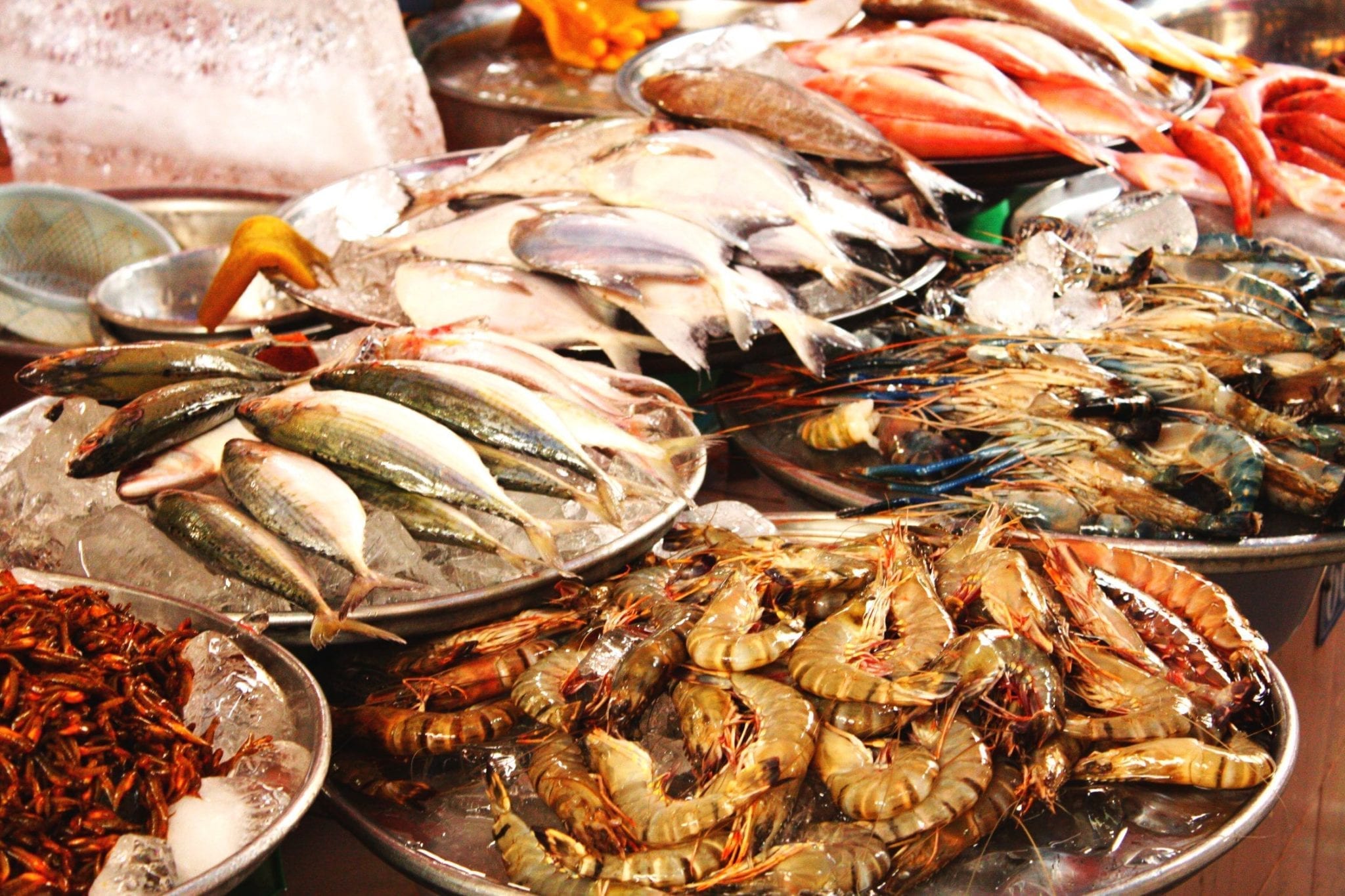
    Seafood exports are expected to increase by 5 per cent this year to around US$7.5 billion despite many possible hurdles, according to the Việt Nam Association of Seafood Producers and Exporters (Vasep).

    Speaking at a review meeting held in HCM City on Thursday, Ngô Văn Ích, Vasep chairman, said early last year many difficulties plagued exports before increased global demand enabled a recovery.

    Exports for the full year grew by 7.4 per cent to $7.05 billion, or 24 per cent of the country’s total agricultural, forestry and fisheries exports, he said.

    Shrimp and tra fish exports both rose by 7 per cent to $3.13 billion and $1.67 billion.

    The exports went to 161 countries and territories last year, with the US, EU, Japan, South Korea and China being the largest buyers.

    Trương Đình Hòe, Vasep’s general secretary, said this year the seafood sector would continue to face difficulties, including a fall in fisheries output due to the impacts of climate change.

    Import markets like the US, EU, Australia, and Japan are tightening hygiene and food safety norms for shrimp and applying regulations related to product origin, corporate social responsibility and others, he said.

    Vietnamese exporters are also expected to face fiercer competition from seafood exporters in India, Indonesia, and Thailand, and the increase in minimum wage and a labour shortage are causing difficulties to seafood processors and exporters, he said.

    “Despite difficulties, we believe seafood exports would increase by 5 per cent this year to $7.4 billion.”

    Exports to the US is expected to top $1.5 billion, an increase of 5 per cent, much less than last year’s 11 per cent growth.

    Due to political changes, the devaluation of the euro and slow market recovery in the EU, exports to the market would remain at last year’s level of $1.2 billion, he said.

    Exports to Japan would increase by around 4 per cent to more than $1 billion since the yen is appreciating, he said.

    With an increase in income, demand for seafood products, especially sugpo prawn, has increased in China, but its domestic shrimp production has not increased, he said.

    “China’s demand for imported seafood, especially shrimp, increased strongly last year and the trend would continue,” he said.

    Việt Nam’s exports to the market are expected to cross $1 billion this year compared to $829 million last year, he said.

    Deputy Minister of Agriculture and Rural Development Vũ Văn Tám said some countries tend to erect technical barriers to limit imports to protect their domestic production.

    Vietnamese businesses need to carefully study their target export markets to avoid risks, he added.

    Nguyễn Ngô Vi Tâm, general director of Vĩnh Hoàn Co., Ltd, said to enhance competitiveness, seafood firms need comprehensive policy support with markets, funding, and developing reliable raw material sources.

    Businesses at the meeting agreed that enhancing linkages from breeding to processing and export for both shrimps and tra fish is imperative to cut costs.

  • Indonesia`s palm oil exports down 2 percent in 2016

    Indonesia`s palm oil exports down 2 percent in 2016

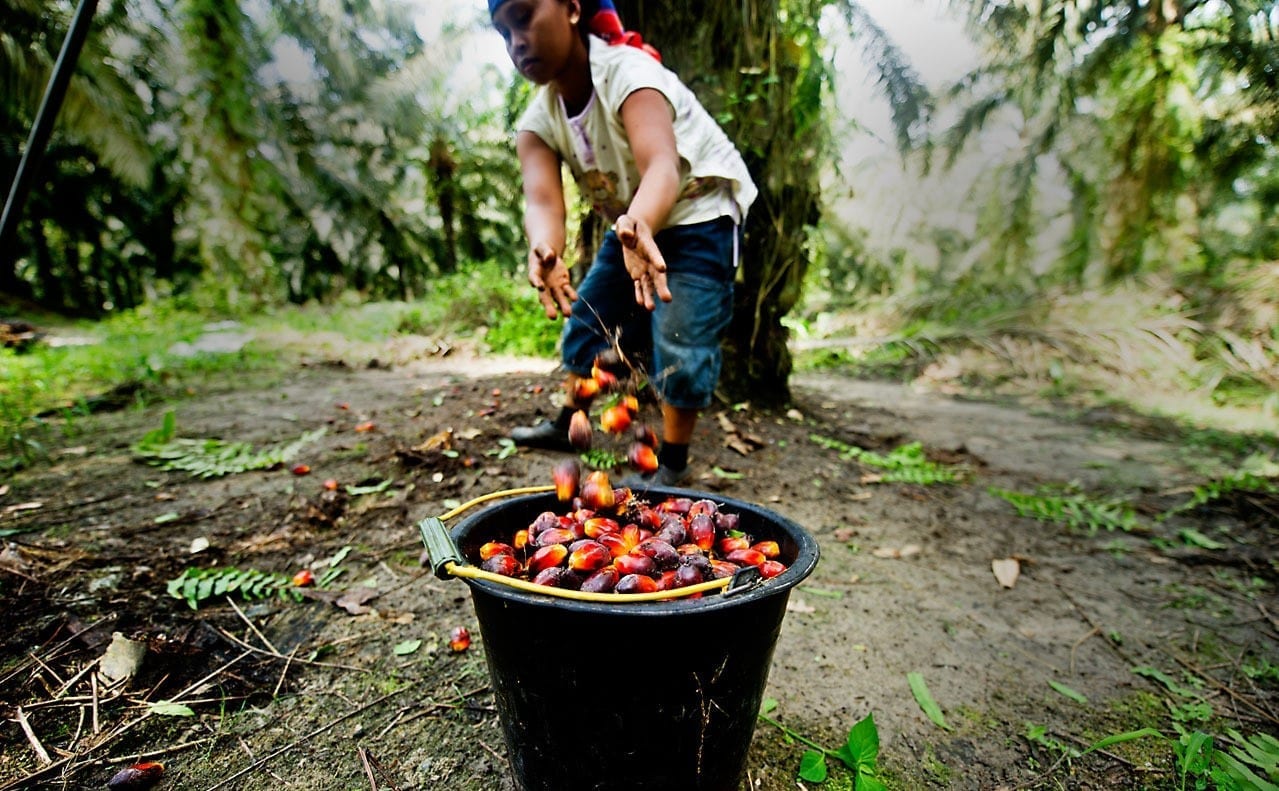
    Indonesias export of crude palm oil (CPO) and its derivatives fell by nearly 2 percent to 25.7 million tons in 2016 from 26.2 million tons in 2015 from after-effects of the El Nino weather phenomenon.

    “At the end of 2015, oil palm fruit production fell due to the El Nino-induced drought for all of 2015. Exports fell 2 percent by volume as production dropped by 7 to 30 percent,” President Director of the Oil Palm Plantation Fund Managing Board (BPDP) Bayu Krisnamurthi said at a press conference here Tuesday.

    Although the export volume of CPO, palm kernel oil (PKO) and their derivatives went down by 2 percent, the export value of palm oil rose by 8 percent to US$17.8 billion or Rp240 trillion from $16.5 billion or Rp220 trillion a year earlier, he said.

    The increase in the export value was caused by the improving global CPO prices which increased by 41.4 percent in 2016. The CPO prices stood at $535 per ton in June 2015, rose to $558 per ton in January 2016 and further moved up to $789 per ton in December 2016.

    Yet, the BPDP has asked exporters to pay attention to the latest CPO price which is too high because it can reduce Indonesias competitive edge in the vegetable oil market.

    “We know that Indonesian palm oil has to compete with soybean oil, so if the palm oil price is too close to the soybean oil price, our competitive edge will decline,” he said.

    Indonesia is currently the worlds biggest CPO producer.

    In 2015, Indonesias CPO production reached 32.5 million tons, with exports reaching 26.4 million tons. The export value went down from $21.1 billion in 2014 to $18.6 billion in 2015.

  • Free trade deal boosts South Korea’s exports to Vietnam

    Free trade deal boosts South Korea’s exports to Vietnam

    Vietnam was the world’s third largest importer of South Korean products during January-October, data show. The Korea-Vietnam Free Trade Agreement, which took effect a year ago, has largely expanded exports from South Korea to Vietnam.

    South Korea’s shipments to Vietnam in the first 10 months climbed 12 percent from the same period last year to $26.4 billion, citing reports from the trade ministry and the Korea Trade-Investment Promotion Agency.

    South Korea’s trade ministry said the rising exports made Vietnam the world’s third-largest importer of South Korean products during the January-October period, after China and the U.S.

    Vietnam’s General Statistics Office on Friday released trade data for the first 11 months, putting South Korea among the top exporters to Vietnam in a wide range of products from iron and steel and garment materials to phones and consumer goods.

    In particular South Korea was the biggest seller of computers and electronics to Vietnam, with a total value of $7.94 billion, up 26.3 percent from the year-ago period. It was also the second biggest supplier of machinery to Vietnam, with exports of $5.12 billion, up 9.5 percent.

    Fuel shipments from South Korea increased fivefold to 1.6 million tons, the biggest expansion from all suppliers.

    Statistics showed that Vietnam has been recording a larger trade deficit with South Korea since 2010. The decifit hit nearly $19 billion last year.

    A survey by the Korea investment promotion agency found 42 percent of 60 South Korean exporters increased their shipments to Vietnam following the enactment of the Korea-Vietnam FTA in December 2015. A majority expected the free trade deal to continue helping their business in 2017.

    For years, South Korea has been the biggest foreign investor in Vietnam, driven by major projects of electronics giants LG and Samsung.

  • Vietnam’s textile exports fray to 10-year slump in 2016

    Vietnam’s textile exports fray to 10-year slump in 2016

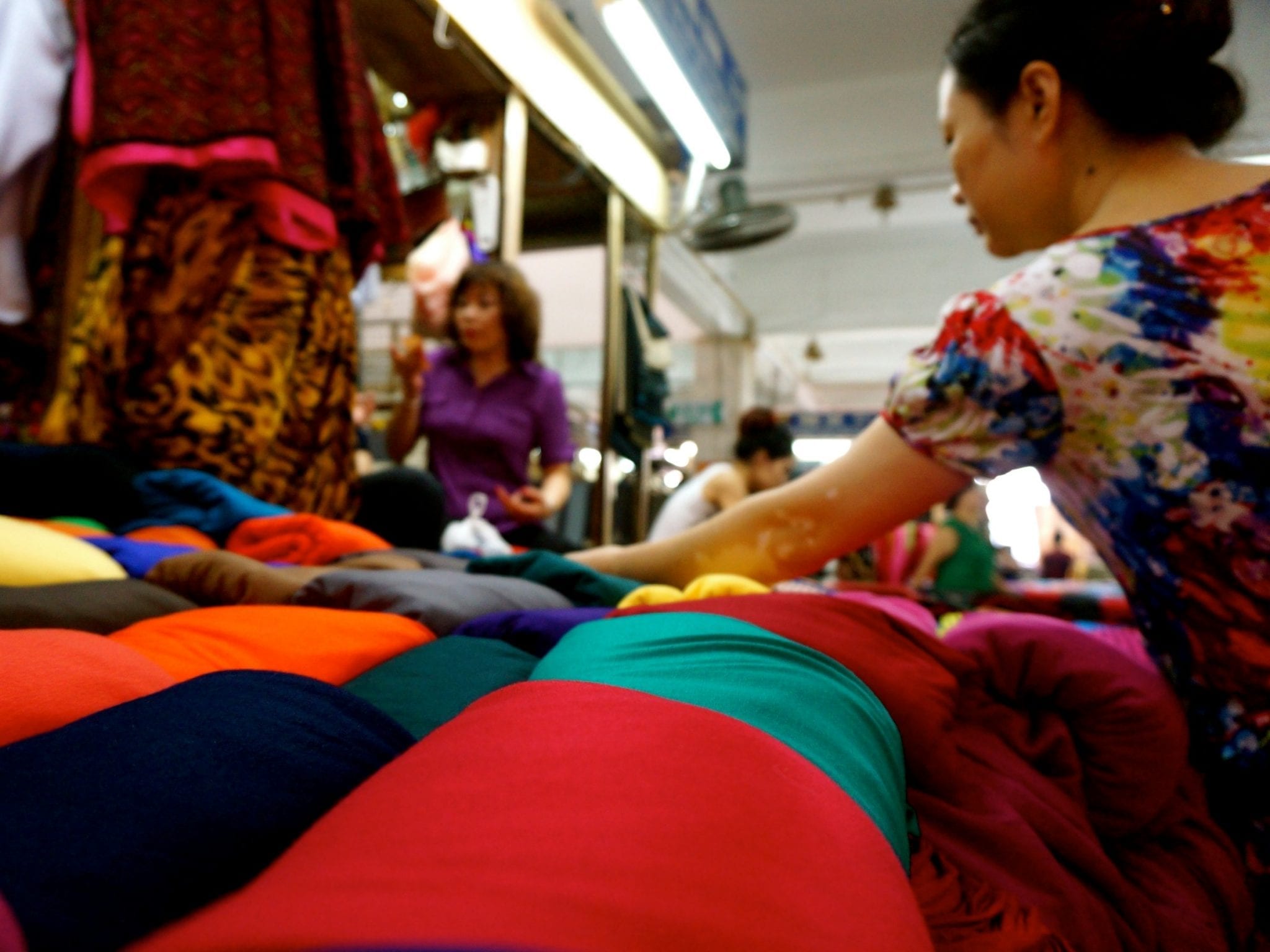
    A strong Vietnamese dong and sluggish demand from key markets have dragged on textile exports this year. Vietnam’s exports of textiles and garments are projected to increase by 7 percent this year to $29 billion, according to Vinatex, the country’s top textiles manufacturer, far below the trade ministry’s previously-targeted $31 billion and the lowest growth in the last decade.

    Customs statistics show that Vietnamese textiles and garment exports hit about $21.56 billion from January to November, up 4.6 percent from the same period last year.

    Vietnam, the world’s fifth largest garment exporter, has maintained double-digit growth, ranging on average from 10 percent to 36 percent, since 2001 when the country earned $2.2 billion from exporting textiles and garments.

    The investment ministry, in a recent report, attributed the downturn to sluggish demand from key markets, including the U.S., the European Union and Japan.

    Customs figures show that from January to November this year, Vietnam’s textiles and garment shipments to the U.S., which accounted for 47.9 percent of the total during the period, edged up 4.7 percent from a year ago to about $10.33 billion.

    Besides, the State Bank of Vietnam has so far this year managed to keep the dong from weakening against other major currencies, said clothing exporters, adding that a stronger dong was the final straw that broke the camel’s back for their businesses.

    Garment exporters are also faced with increasingly intense competition from outsourcing hubs Cambodia and Bangladesh, which are currently subject to import tariff breaks in the U.S. market. Market access for Vietnam’s clothing in the U.S. is limited by an average tariff of about 11.1 percent, with tariffs on some textile and apparel products nearing 30 percent.

    About 85 percent of Vietnamese enterprises in the textile industry are focused on labor-intensive cutting and sewing, making the country an outsourcing hub for foreign fashion companies, said Le Tien Truong, chief executive of Vinatex.

    However, foreign investors are eying emerging hubs such as Myanmar, Bangladesh and Sri Lanka where labor costs are lower than in Vietnam.

    Vietnam has four regional minimum wage brackets currently ranging from VND2.4 million to 3.5 million (from $105 to $154). The regional minimum wage has increased by about 12-15 percent on a yearly basis between 2014 and 2016, and is forecast to go up by 7.3 percent next year.

    Vietnam’s exports rose an estimated 6.7 percent on-year in the first nine months to $128 billion, well below the 10 percent growth target set by the government.

    The economy, widely seen as among the most resilient in a turbulent Asia, expanded by 5.92 percent from January to September, much lower than 6.53 percent a year ago, said the General Statistics Office.

    The annual growth forecast for this year has been lowered to between 6.2 and 6.5 percent from the 6.7 percent previously targeted, according to Prime Minister Nguyen Xuan Phuc.

  • Vietnam coffee exports grew in 2016 despite drought

    Vietnam coffee exports grew in 2016 despite drought

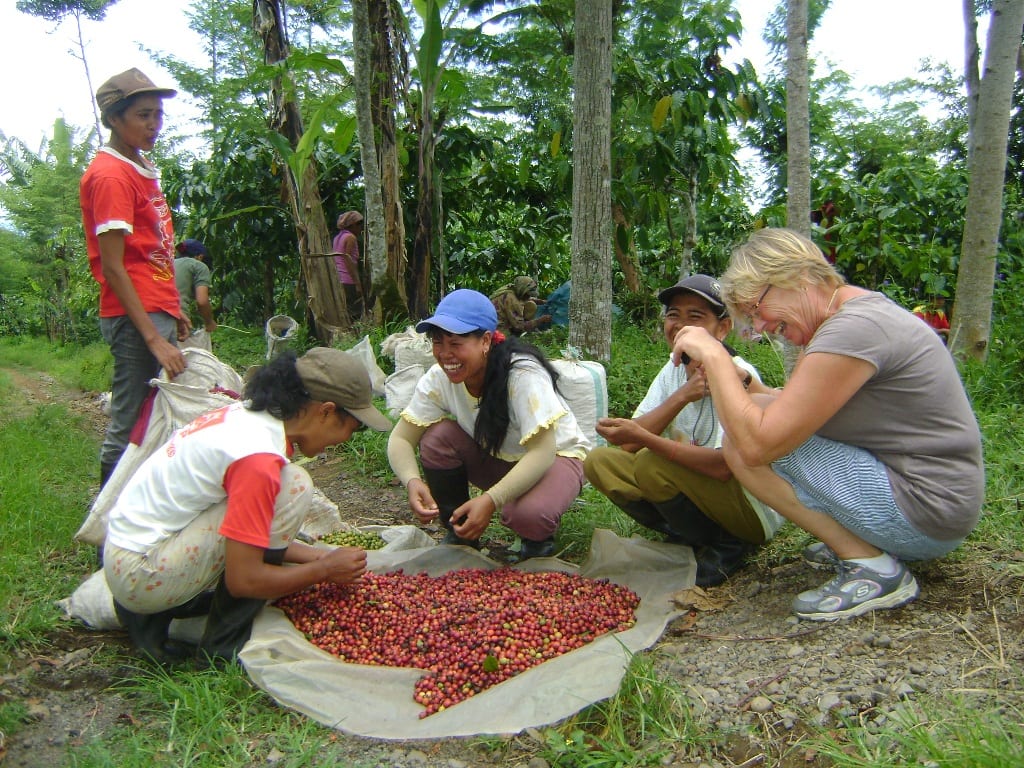
    Vietnam’s coffee exports have rebounded, notching up double-digit growth this year after being hit by the most-severe drought in almost a century.

    Coffee exports grew, on-year, by 33.6 percent in terms of volume, reaching nearly 1.8 million tons.

    The Ministry of Agriculture and Rural Development said Vietnam’s coffee industry regained its momentum after seeing exports decline by more than 20 percent on-year in 2015.

    Germany and the U.S. remained the two largest buyers of Vietnamese beans and, this year, sales to the two markets grew by 42.4 percent and 49 percent, respectively.

    Exports of coffee also saw impressive increases in emerging markets like the Philippines (83 percent), Algeria (68 percent) and China (50 percent).

    Analysts fear ongoing El Nino conditions could result in a 20 percent decline in coffee production during the coming year.

    Roughly a fifth of Vietnam’s total plantations had been damaged by water shortages, according to the Association of Coffee and Cacao (VICOFA).

    Flooding struck the Central Highlands’ coffee belt in November, making harvesting and drying rather difficult.

    VICOFA chairman Luong Van Tu, however, says Vietnamese enterprises should shift their focus to processing coffee rather than increasingly the amount of raw materials shipped abroad.

    He said new free trade agreements will slash tariffs on coffee sales to the E.U. and South Korea from 15 percent to under five in the coming year.

  • Philippines stands to gain in new export markets

    Philippines stands to gain in new export markets

    Philippines stands to gain in new export markets

    The Philippines stands to profit from agriculture products with its entry into new export markets in an attempt to diversify their economy.

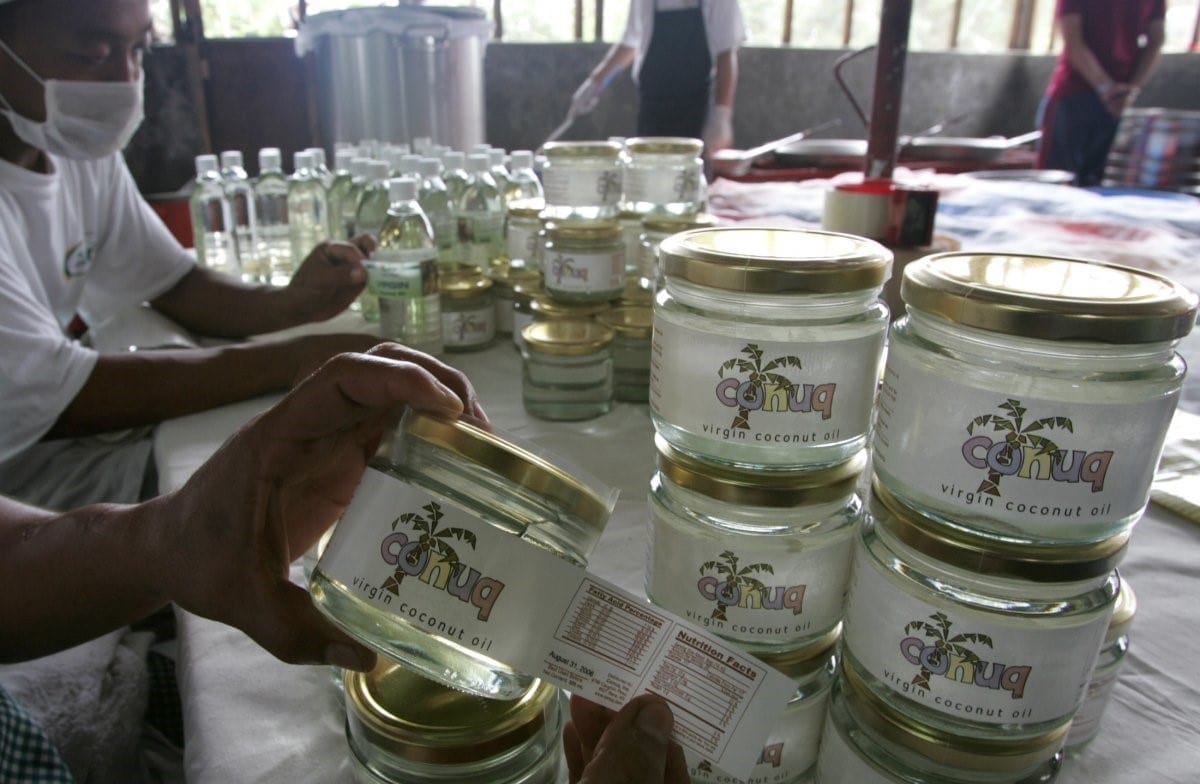
    In particular, virgin coconut oil is in demand in South Africa, where the coconut is not a native tree, its embassy in Manila said in a statement.

    “If someone sees you in a retail store with coconut oil, they classify you as someone from a high-end society. It is very expensive. So it has a good market in South Africa,” Deputy Head of Mission Tshire Kau said.

    Even though high volumes of Philippine bananas are shipped to the Persian Gulf, the demand for the fruit, as well as other agriculture products from the Philippines, continues to exceed supply in Iran.

    Consumers want products not easily available in local stores but which are widely produced or grown in the Philippines.

    “So many Iranian companies are still requesting for more bananas from the Philippines,” Iranian Ambassador to the Philippines Mohammad Tanhaei said.

    He explains the growth of exports and the growing variety of foods consumed by the people of India, another potential export market, stating:

    “India is one of the world’s fastest growing economies, enabling its population to acquire large disposable incomes, a big portion of which is spent on food. Indians now like to experiment with what they eat and have developed a huge appetite for non-traditional Indian cuisine, Ramakrishnan noted”


  • Vietnam sugar production down 13%

    Vietnam sugar production down 13%

    Sugar output in the 2015-16 crop was 1.23 million tonnes, a year-on-year drop of 12.7 percent, said Phạm Quốc Doanh, Chairman of the Việt Nam Sugarcane and Sugar Association, at a seminar in HCM City last week of sugar producers, distributors and consumers.

    Together with 185,000 tonnes of imports, this fully met the domestic demand forecast by the Ministry of Industry and Trade, he said.

    Prices would not fluctuate much from now through the Lunar New Year on January 28, he said.

    Many sugar mills had signed long-term contracts with beverage production companies and fulfilled them.

    Sugar prices depend much on sugarcane prices and global sugar prices, but with production of six months supplying demand for the whole year, output and prices are often volatile, he said. Sugar traders and food and beverage producers dislike this volatility, he added.

    Representatives of Coca-Cola Vietnam and Tân Hiệp Phát said steady prices should be ensured. They also said the sugar producers should invest more in packaging that is bigger than the current 50kg-bags to reduce loading and unloading costs.

    A representative of Tây Ninh-based Thành Thành Công Trading JSC said sugar quality has improved significantly.

    “Our RE (refined extra) already met quality standards, the newly produced RS (refined standards) sugar is very good, but by the end of the season, the latter’s colour and moisture change much. Sugar producers must work to improve this,” she said.

    Many suggested that the Government should keep a close eye on sugar imported ostensibly for re-export since it is sold surreptitiously in the domestic market, and prevent smuggling to protect the domestic industry.

    Chairman Doanh said the association has suggested to the Government that it should organise auctions for sugar import quotas in the first quarter instead of the third quarter, and only allow import of raw sugar to safeguard local jobs.

    The association said enterprises that fail to utilise their import permits should not be allowed to use them later.

    Doanh quoted the International Sugar Organisation as saying that in 2016-17 the global sugar market would face a shortage of 6.2 million tonnes, and inventories would shrink to their lowest levels since 2010-11. Therefore, global sugar prices would remain high, he said.

  • Indonesia to boost nutmeg exports to Germany

    Indonesia to boost nutmeg exports to Germany

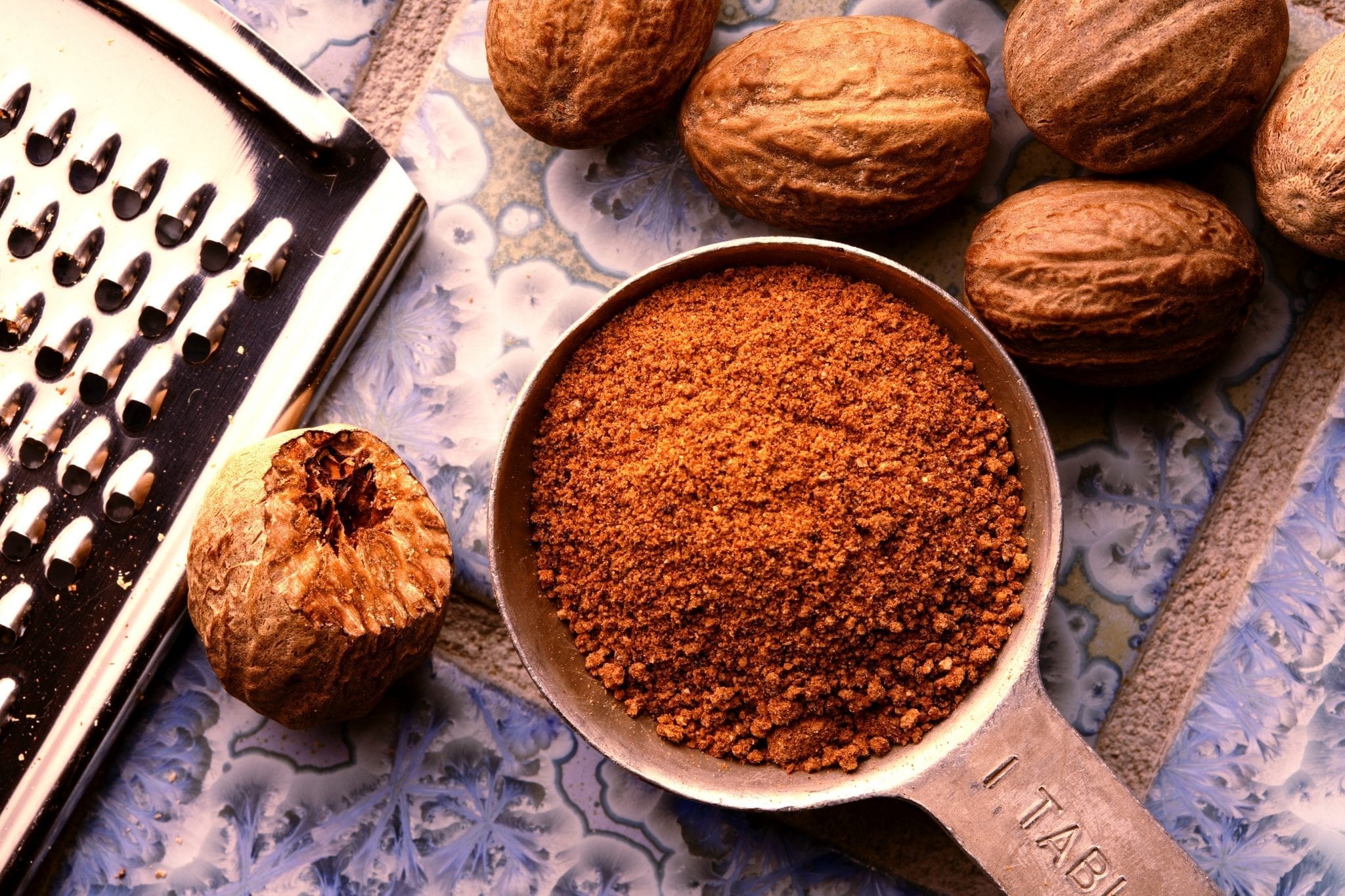
    The Indonesian government intends to encourage local exporters in North Sulawesi to sell nutmeg to Germany, as the country was the number one buyer of the spice in 2016.

    “The (nutmeg) demand from the Germans is high, with exports occurring every week,” said Secretary of Trade and Industry Department Darwin Muksin here on Tuesday.

    According to the North Sulawesi Trade and Industry Department, the export volume of nutmeg to Germany had reached 29 tons and earned US$234,725 in revenue by the end of 2016.

    Muksin added, the demand from Germany showed a positive trend that tended to increase occasionally, with imports arriving almost every month.

    “The export volume to and revenue from Germany is proof that food commodities have not been shaken by the global financial crisis that started in Europe,” he noted.

    The government is optimistic that the exports from North Sulawesi will continue to increase in December 2016, as no postponement of the trade contract has been reported.

    Besides nutmeg, North Sulawesis prime commodities are coconut powder, crude coconut oil, and fisheries products.

  • Cambodia to Open Ports to Laos Exports

    Cambodia to Open Ports to Laos Exports

    Cambodia will soon open both its roads and ports for Laos to use in exporting goods abroad, according to an announcement posted on Prime Minister Hun Sen’s Facebook page on Sunday.

    The announcement followed a meeting between Mr. Hun Sen and Laotian President Pany Yathotou in Phnom Penh on Saturday, during which the two discussed strengthening ties.

    The Facebook post did not specify when ports would be open to Laotian exports, or which ports these would be, and the Ministry of Foreign Affairs could not be reached on Sunday for comment.

    Soeung Sophary, a spokeswoman for the Ministry of Commerce, said opening Cambodia’s roads and ports to exports from Laos had been raised during diplomatic meetings in the past, but never agreed upon.

    “As Laos is a landlocked country, this is the first time for Cambodia to let Laos export through us,” she said, adding that she did not know the details of the agreement.

    Hun Sen’s meeting with Ms. Yathotou follows a meeting between the leaders of Cambodia, Laos and Vietnam in Siem Reap last week, during which the prime minister denied that the Don Sahong dam had any downstream effects on Cambodian villagers and warmly agreed to Laos’ offer to sell Cambodia cheap hydropower.

    Laos’s main export is timber, with U.N. Comtrade putting it at 40 percent of the nation’s exports. An internal WWF report leaked late last year asserts, however, that illegal logging in Laos is rampant, and the actual volume of timber leaving the country is poorly documented.

    Denis Smirnov, a consultant for environmental group WWF focusing on the timber trade in Southeast Asia, said it’s unlikely that any illegal exports will find their way through Cambodia, owing to an ongoing crackdown on the trade.

    “The Lao government in May started to enforce the export ban on unprocessed wood for the first time,” he said, adding that it was uncertain whether it would last past the end of the rainy season.

  • China authorises 22 Vietnamese rice exporters

    China authorises 22 Vietnamese rice exporters

    China has authorised 22 Vietnamese businesses to export rice into its market, Việt Nam’s Ministry of Agricultural and Rural Development (MARD) announced.

    China’s General Administration of Quality Supervision, Inspection and Quarantine (AQSIQ) has given only 22 firms permission to start exporting rice and rice products starting January 1, counting from the date of departure from the Vietnamese border.

    Any businesses not listed by AQSIQ will be banned from exporting to the Chinese market from January 1, the ministry’s Plant Protection Department (PPD), which received the related documents from AQSIQ on December 23, said.

    The PPD has notified the Vietnam Food Association, sterilisation companies for exported rice and the 22 listed businesses, and published the list online at www.ppd.gov.vn

    The PPD has ordered the 22 companies to comply strictly with the regulations on food safety and plant quarantine set by both Việt Nam and China. It has also urged sterilisation companies authorised by the AQSIQ to work with rice exporters to maintain the quality of the rice and ensure there are no storage pests.

    The AQSIQ has issued the list after carefully considering numerous Vietnamese businesses that had applied for permission to export. A group of Chinese experts had travelled to Việt Nam to inspect 31 enterprises that had previously applied to the local ministry for export rights to China.

    Among the several countries that import Vietnamese rice, China tops the list with 35.4 per cent of market share in the first three quarters of 2016, according to MARD.

    The total rice export turnover into the Chinese market touched 1.35 million tonnes amounting to $613.4 million, down 23 per cent in terms of quantity and 13.9 per cent in terms of value as compared to the same period in 2015.

  • Indonesia, Michelin Cooperate in Tire Exports

    Indonesia, Michelin Cooperate in Tire Exports

    The Indonesian government has joined hands with French tire company Michelin to open market access to Europe and the United States. The plan was proposed in a meeting between Industry Minister Airlangga Hartarto and Vice President Public Affairs of Michelin East-Asia and Oceania Segsarn Trai-Ukos in Jakarta last week.

    According to Airlangga, the government and Michelin will also cooperate in aircraft tire retreading. “Michelin has developed tire retreading in Thailand,” he said yesterday.

    He said that Michelin technology can help develop aircraft tire retreading in Indonesia and reduce negative perception of retreaded tires. High-tech retreaded tires can help lower airline costs and boost growth of air transport industry.

    Indonesia and Michelin will also collaborate in utilizing used tires. According to Airlangga, Michelin is expected to process used tires into raw material for asphalt. He pointed to the example of 80 million units of two-wheeled vehicles with 160 million tires. “With an average lifespan of 1.5 to 2 years, abundant supply of used tires will be available to be utilized.”

    The Minister also discussed business opportunities with French Ambassador to Indonesia Jean-Charles Berthonnet. Airlangga said that France can become Indonesia’s export gateway to the non-traditional European market.

    He sees France as an important trade partner. In 2015, Indonesia’s import value from France hit US$1.3 billion for aircraft components, vehicles, machinery, milk, and pharmaceutical. Whereas, Indonesia’s export to France worth US$972 million, which include footwear, rubber, furniture, clothing, and coffee.