Tag: export

  • Canada initiates dumping inquiry into steel imports from China, Vietnam, South Korea

    Canada initiates dumping inquiry into steel imports from China, Vietnam, South Korea

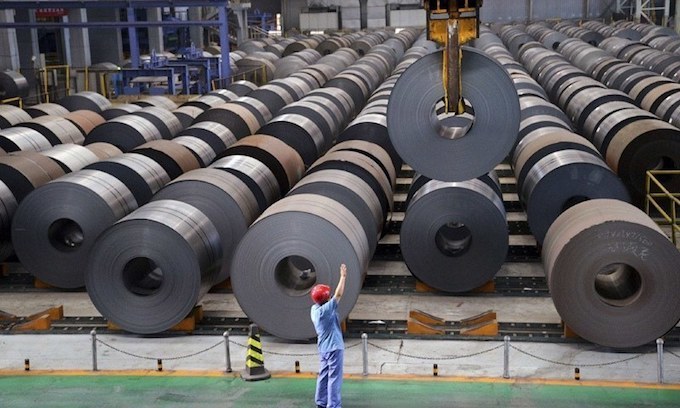
    The Canadian International Trade Tribunal (CITT) said on Monday it has initiated a preliminary dumping inquiry into steel imported from China, South Korea and Vietnam.

    The tribunal will investigate whether the alleged dumping and subsidizing of “cold-reduced flat-rolled sheet products of carbon steel” from these countries have harmed Canada’s steel industry.

    CITT, which operates in Canada’s trade remedy system and reports to parliament, said it will determine the results of the investigation on July 24 and will provide the reasons for the same on August 8.

    Canada’s steps follow U.S. actions from last week when the United States Commerce Department had slapped steep import duties on steel products from Vietnam that originated in China after a final finding they evaded U.S. anti-dumping and anti-subsidy orders.

    The global steel industry is struggling with a glut of excess production capacity, much of it located in China, that has pushed down prices.

  • Indonesia Considers Stopping Palm Oil Exports to the EU

    Indonesia Considers Stopping Palm Oil Exports to the EU

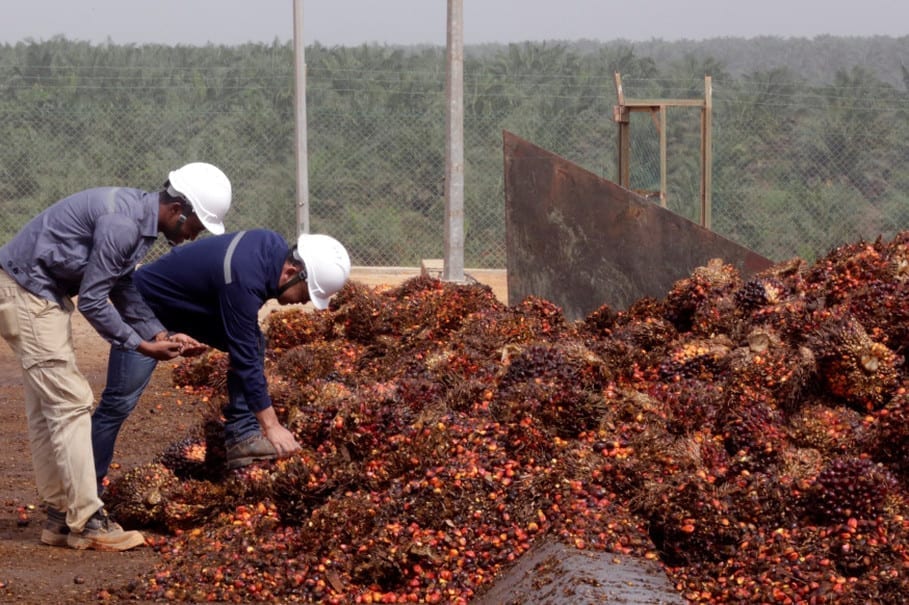
    Indonesia is preparing for a worst-case scenario should the European Parliament’s draft of a ban on the use of palm oil in biofuels get approved by the European Commission and European Council.

    In January, members of the European Parliament voted in favor to phase out the use of biofuels made from palm oil by 2021 to fulfill the EU’s Renewable Energy Directive, which aims to reach a renewable energy target of 27 percent by 2030, including in transport fuels.

    A decision on whether the ban will be legally imposed in all EU country members will be made in 2019. If approved, Indonesia and Malaysia, who together produce nearly 90 percent of the world’s palm oil, will suffer a hard blow.

    “There’s an [ongoing] study about stopping exports to the European Union altogether. When it’s done, Indonesia can see that palm oil trade with them is risky. The study is to eradicate that risk once and for all,” Mahendra Siregar, executive director of the Council of Palm Oil Producing Countries, said in a discussion hosted by the Jakarta Foreign Correspondents Club (JFCC) on Friday (25/05).

    The council has commissioned several research institutions and universities to help produce its research, which is expected to be completed by the end of the year at the latest.

    Palm oil is a key source of revenue for Indonesia — the world’s biggest palm oil producer — accounting for about 14 percent of the country’s total exports.

    The EU is the second largest export market for Indonesian palm oil, importing around 5 million tons of the key Nutella ingredient each year. According to Ministry of Trade data, the EU has always been in the top two destinations for palm oil, along with India, since the 1990s.

    Purbaya Yudhi Sadewa, deputy minister of coordinating maritime sovereignty at the Coordinating Ministry of Maritime Affairs, said the EU must address trade barriers that discriminate against palm oil for the matter to be solved quickly.

    “Our goal is not to force the European Union to use palm oil, but we demand fair treatment for palm oil with other vegetable oils,” Purbaya said, adding that the EU now seems to solely target palm oil.

    “If the European Union has shown that they are not discriminatory towards palm oil, then we will gladly comply to their policy,” he said.

    The EU has insisted that it has no intention of building trade barriers against Indonesian palm oil and will address all drivers of deforestation, including soy, cocoa and coffee, but it has so far only proposed to ban palm oil imports.

    “The way I see it there is a [business] competition as they [EU country members] produce rapeseed oil which is expensive, while our palm oil is cheaper,” Trade Minister Enggartiasto Lukita said last month.

    According to a study by the Malaysia Palm Oil Council, oil palms occupy 9.2 million hectares of agricultural land and produces 31.8 percent of global oils, while soybean and rapeseed crops require 10 times this amount of land to produce similar yields.

    “This is an unhealthy competition … If it [palm oil] is disturbed, then we will also disturb the EU,” Enggartiasto said, adding that the ministry plans to ban fisheries from the EU if the draft is approved.

    Deforestation

    Vincent Guerend, EU Ambassador to Indonesia and Brunei Darussalam, however, said the union is considering to progressively replace food-based biofuels by more advanced ones, such as electricity, to prevent land-use changes affecting peatlands and tree cover.

    “The EU was the one to promote biofuel as renewable over 10 years ago. But because EU is such a big market, it has some very strong pull effects—negative effects to be exact,” Vincent said.

    According to Vincent, food prices are rising due to increasing land use for palm plantation that reduces available land for food crops. The expansion also contributes to deforestation, threatening species including elephants and orangutans.

    Data from the Central Statistics Agency (BPS) shows that land used for palm plantation rose from only 4 million hectares in 2000 to 11.9 million hectares in 2017. That figure is predicted to increase to 13 million hectares by 2020.

    A research study by the European Commission also shows that greenhouse gas emissions from biodiesel are more than three times higher than those from conventional diesel engines, when indirect effects are considered.

    New Markets

    Indonesia shipped out the highest value of palm oil ever in 2017, contributing to the year’s $12 billion trade surplus.

    According to BPS, palm oil exports and its derivative products reached $23 billion, up 26 percent from $18 billion in the previous year. The increase was in line with higher sales in non-traditional markets, according to a report by the Indonesian Palm Oil Association (Gapki) released in January.

    The export volume of palm oil to Africa countries jumped nearly 50 percent to 2.3 million tons in 2017 from 1.5 million, while exports to Middle Eastern countries also increased by 7 percent to 2.1 million tons from 1.9 million, the report showed.

    China — facing a threat of declining edible oil supply in trade wars with the United States — has also promised to increase palm oil imports from Indonesia by up to 500,000 tons per year. China bought 3.73 million tons of Indonesian CPO last year, from 3.23 million tons in 2016.

    “When we talk about the importance and significance of the EU on palm oil, this is the reality, which means the worst scenario can lead to a situation that palm oil can live without the EU. The question is of course whether the EU can live without palm oil,” Mahendra said.

  • Made-in-Vietnam woodwork conquering international premium markets

    Made-in-Vietnam woodwork conquering international premium markets

    With high quality and reasonable price, made-in-Vietnam woodwork has made its presence felt in luxury interior design projects worldwide.

    Last year, a team of 70 workers from Vietnam of design and construction company AA Corp were sent to the Caribbean to construct the interior of the luxury Park Hyatt St. Kitts resort. The $16 million project included components on interior design, millwork and loose furniture.

    Dubai based airline Emirates, the largest in the Middle East, also used Vietnamese-made woodwork for the interior of their first class cabins.

    “The U.S., Japan, Dubai, Singapore, Myanmar and Laos all have premium constructions with signature material from Vietnam,” said Nguyen Quoc Khanh, chairman of the Handicraft and Wood Industry Association of Ho Chi Minh City (HAWA).

    Premium hotel and resort corporations in the world such as Starwood, Accor, IHG, Marriott, Hilton and Fairmont all want to select Vietnamese businesses to design and construct the interior of their buildings, Khanh said, adding that these companies like made-in-Vietnam wood products because of their high quality and reasonable prices.

    With world class craftsmanship, Vietnamese wood businesses can now offer complete five-star woodwork instead of just selling individual products, said Nguyen Chanh Phuong, CEO of Danh Moc Limited Company, which designs kitchens.

    Approaching the high-end segment of the market is what local businesses have been aiming for for years, Phuong said, adding that with improved customer service and advertising, Vietnam can penetrate even further into the premium market.

    Vietnamese wood companies also need to thrive to achieve better product value instead of running after revenue goals and export targets, said Tran Viet Tien, CEO of Lavanto Home Décor, which manufactures a variety of home products.

    Businesses also need to invest more in automation, human resources and design to reach new heights, Tien said.

    Vietnam is currently world’s top five exporter of wood, behind China, Germany, Italy and Poland. Last year, Vietnam exported $8 billion worth of wood and forest products and the country aims to reach a $9 billion target this year.

  • Expert urges Vietnamese firms to explore other markets

    Expert urges Vietnamese firms to explore other markets

    Vietnamese firms should expand their partnership to at least three markets to avoid sole dependence on a particular market, said economist Phạm Chi Lan.

    She also urged the firms to provide clear and transparent filings to meet the standards of exporting markets.

    Vietnamese enterprises must prove that they do not enjoy protectionism of the government and do not sell products at a dumping price level to ensure they are not affected by the anti-dumping tax policies of the exporting markets, she said.

    Given the context in which US regulators have planned to impose anti-dumping taxes on Vietnamese exports to protect their local fishery and steel industries, Lan suggested firms to explore other markets and diversify their targeted markets to ensure less reliance on a sole, large market.

    “A three-market strategy will ensure that a company’s export is balanced and that business will not depend on any particular market,” Lan said.

    Such business strategy will help Vietnamese firms to survive and exploit new opportunities in the context of a rising global trade war, following intense statements from China and the United States against each other, she said on the sidelines of a conference co-organised by the Vietnam Executive MBA Programme in Hà Nội, University of Hawai’i, and the European Chamber of Commerce in Vietnam last week.

    The United States announced a US$60 billion tariff bill on Chinese imports last week. China, in return, filed a list of 128 US products for retaliation, raising global concerns about a possible trade war.

    According to Jack Suyderhoud, professor of Business Economics at the Shidler College of Business, University of Hawai’i at Manoa, recent actions of the US government are aimed at protecting its local industries, such as fisheries and steel, against threats from cheaper imports from China and Việt Nam.

    Rising protectionism will encounter objection from those benefiting from free trade, Jack said, adding that the US government should notice how important the win-win principle is and how it exists in every trade deal.

    Lan urged local firms to strengthen their competency so that they can take advantage of benefits brought about by free trade agreements, to which Việt Nam must comply, and encounter less negative impacts from a possible global trade war.

    Besides the US and China, Vietnamese firms should increase its influence in other markets, such as the European Union, reducing its dependence on the world’s two largest markets, Lan said.

    “There are no winners in a trade war,” she said, adding that the United States and China are two of the largest trading partners of Việt Nam, thus, “we need to expand our trade relations to different markets to boost the country’s economy”.

    “The establishment of the CPTPP (Comprehensive and Progressive Trans-Pacific Partnership), signed on March 8 without the United States’ participation, is a good way to deal with the unpredictable policies of the United States and China at the moment,” Lan said.

    The CPTPP deal will help other economies to get to know each other, increase their cooperation and protect their economies, offsetting the damages caused by US protectionism and China’s responses, she added.

    “CPTPP is proving to be attractive to other economies that are not partners to the deal, such as South Korea and the United Kingdom,” she said.


  • Vietnam exports hit $200b last year

    Vietnam exports hit $200b last year

    A report on last year’s imports and exports was released on March 22 by the Ministry of Industry and Trade to provide accurate information on the country’s trade to management agencies, policymakers and businesses.

    It includes an overview of the Vietnamese and global economy, Việt Nam’s import-export situation, its markets, in addition to import-export policies and mechanisms and information on free trade agreements.

    Speaking at the launch ceremony, Deputy Minister Trần Quốc Khánh said compared to the first ever report released last year, this year it provided more details on import-export targets for each product and market and was also more scientifically arranged.

    The report is a basic database to help enterprises make strategic plans, expand their trade, enhance their competitiveness and integrate with the global market, he said.

    Last year was a good one for Việt Nam with its exports crossing the US$200 billion mark for the first time and ending at $214.02 billion, a year-on-year increase of 21.2 per cent and well above the Government’s target.

    Besides improving the trade balance, it also helped promote production and create jobs, he said.

    The deputy minister said last year marked a transition in exports from raw materials to manufactured and processed goods.

    This is in line with the target set under the import-export strategy for 2011-20, with a vision to 2030, he said.

    Exports of processed goods accounted for over 81 per cent, followed by agricultural and fisheries items with over 12 per cent, he said.

    Trần Thanh Hải, deputy director of the ministry’s import – export department, said last year’s trade surplus of $2.92 billion was the highest ever.

    The surplus was mainly with developed countries like the US, EU and Australia, which have strict requirements for imports.

    Trương Đình Hòe, general secretary of the Việt Nam Association of Seafood Exporters and Producers, hailed the report, saying it greatly helps businesses, industries and business groups orient their export and business activities.

    He called on the ministry to include more information on trade protectionism and barriers, and offer solutions and recommendations to overcome them.

    The fisheries sector also needs information about the Chinese market, a promising one for Vietnamese firms, he said.

    Trần Việt Anh, vice chairman of the HCM City Union of Business Association, said the report compilers should provide statistics on the key import and export items of each province and city to help them make plans for developing their products and sectors.

    This would also help investors choose their ideal investment destination, he pointed out.


  • Top Chinese brands gaining global recognition for quality

    Top Chinese brands gaining global recognition for quality

    China is fast emerging as brand leader in a wide variety of sectors and many of the leading domestic companies are gaining global recognition for quality, according to a new report from Brand Finance, a London-based brand valuation consultancy.

    In its latest 2018 China 300 league table, the consultancy ranked the Industrial and Commercial Bank of China, also known as ICBC, and China Construction Bank, with brand values of US$59.2 billion and $56.8 billion respectively, as the most valuable brands in the global banking sector.

    Alibaba, Tencent, and Huawei are leading the charge, however, as technology is poised to overtake banking as the ranking’s most valuable sector.

    The fastest-growing Chinese brands come from the auto and spirits sectors with BYD up 211 percent and Wuliangye up 161 percent.

    David Haigh, CEO of Brand Finance, said: “This year has seen strong growth amongst the big Chinese brands.

    “The unique modern history of the Chinese economy has produced huge, national brands on the domestic front. In the coming years, Chinese brands have an opportunity to use this strong domestic foundation as a platform for global expansion.”

    In the past, many Western brands expanded into China, but Haigh said he expects to see many Chinese brands expand to the West in the future.

    While banking remains the most valuable sector, accounting for 24.7 percent of the ranking’s total brand value over the last year, the robust growth of the technology sector suggests it is likely to overtake banking. Tech’s overall share of the value of the 300 brands listed has increased from 20.7 per cent to 24.4 per cent.

    Haigh said Alibaba, which is also the world’s fastest growing big retail brand in percentage terms, shows no sign of slowing as it plans to invest $15.2 billion toward its global logistics chain expansion.

    China Mobile, the fourth most valuable Chinese brand-up 14 percent to $53.2 billion-is the most valuable telecoms brand in Asia. China Mobile boasts the world’s most extensive mobile network and the world’s largest mobile phone customer base.

  • Vietnam records US$33.62bn in export value in Jan-Feb

    Vietnam records US$33.62bn in export value in Jan-Feb

    Vietnam had six groups of export commodities gaining at least US$1 billion in export value in the first two months of 2018.

    This was revealed by the General Department of Customs.

    The result was one more group than that in the first two months of 2017. The new “billion dollar” goods item was seafood, which was the largest export product of the agricultural sector.

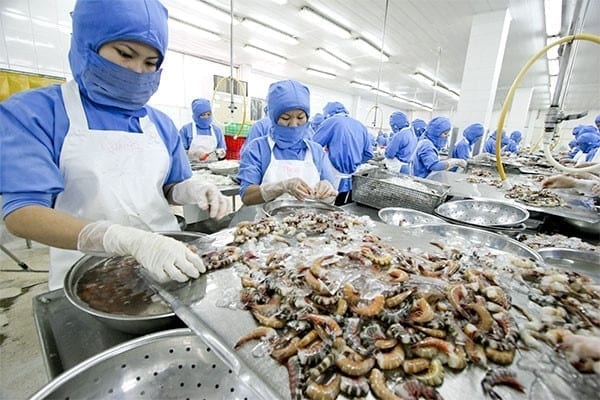
    In the first two months of this year, the export value of seafood reached $1.1 billion, up 20.4 per cent over the same period last year. However, its export value in February reduced 37.3 per cent month-on-month to $430 million.

    Five others included the group of telephone and its parts; the group of computer, electronic products and their parts; the group of other machines, equipment, tools and components; the group of footwear; and the group of textile and garmentt.

    The department said all export commodities gaining billion-dollar export value achieved double-digit growth rate in export value.

    During the first two months of this year, the export value of telephone and its parts reached $6.63 billion, a year-on-year increase of 41.7 per cent, the largest export value among all.

    Textiles and apparels gained a surge of 22.3 per cent year-on-year in export value to reach $4.3 billion. This was considered the highest growth rate in export value of the textile and garment industry in recent years.

    Computers, electronic products and their parts had an estimated export value of $4 billion, up 19.2 per cent over the same period last year. The export value was $2.27 billion for footwear products, up 11.9 per cent, and $1.27 billion for wood and wooden products, up 20.1 per cent compared to the same period last year.

    By the end of February, the total national export value was estimated at $33.62 billion, a year-on-year increase of 22.9 per cent. Of this, $19.57 billion came from the six groups of commodities earning a billion dollars in export value, accounting for 58.2 per cent of the total export value.


  • Vietnam’s fruits getting popular in Japan

    Vietnam’s fruits getting popular in Japan

    Vietnamese fruit is making its presence felt in the Japanese market, with the country registering a turnover of US$170 million in 2017 through the export of fruits and vegetables, a year-on-year increase of 70 per cent.

    This was revealed by Tạ Đức Minh, Vietnamese trade counsellor to Japan, during Japan’s largest international food and beverage exhibition, Foodex Japan 2018, which opened on Tuesday in Chiba city.

    Up to 20 Vietnamese enterprises from various cities and provinces, such as HCM City, Hà Nội, Nghệ An, Bắc Giang, Ninh Bình, Đồng Tháp, Bến Tre, Cần Thơ, Kiên Giang, Lâm Đồng and Cà Mau, which are active in the field of agro-fisheries and food export, took part in the event.

    The event offers Vietnamese businesses opportunities to promote their exports in the Japanese and other Asian markets. Besides this, it is an opportunity for Việt Nam’s firms to develop new export items, sign valuable export contracts, and promote a wide range of Vietnamese food and agricultural products.

    At the expo, Vietnamese firms displayed products such as fruits and vegetables, seafood, cod-liver oil, organic pepper, seedless lemons, rice products, Phú Quốc sauce, various biscuits and juices.

    Earlier, Vietnamese products were exported to Japan in the form of semi-finished products; however, recently, Vietnamese enterprises have focused on investment and technology cooperation with Japanese enterprises, helping Vietnamese products meet the quality standards of the Japanese market, Minh added.

    The four-day exhibition attracts 3,350 firms from 80 countries and territories worldwide, and is expected to welcome some 85,000 visitors.


  • Vietnam expects to export 6.5 million tonnes of rice in 2018

    Vietnam expects to export 6.5 million tonnes of rice in 2018

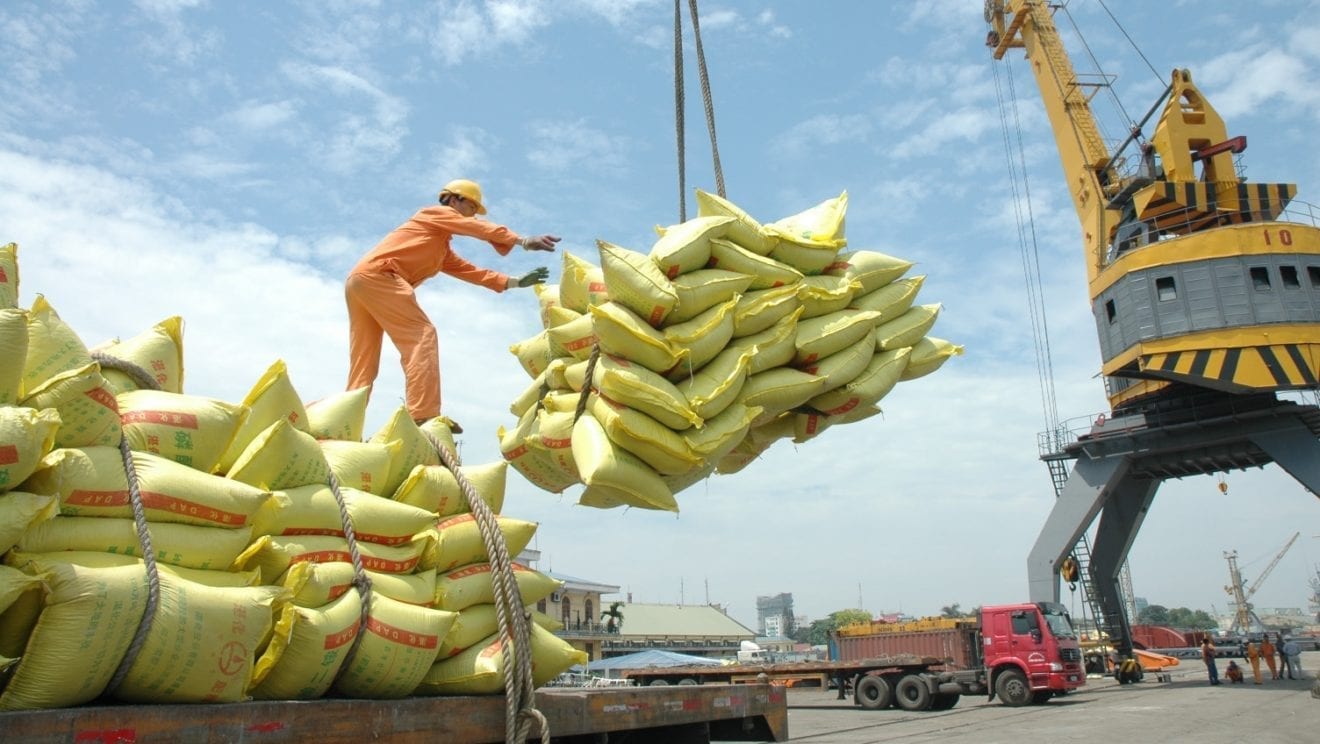
    The Ministry of Agriculture and Rural Development expects Việt Nam to export 6.5 million tonnes of rice in 2018, Deputy Minister of Agriculture and Rural Development Hà Công Tuấn said at the ministry’s monthly meeting on Friday in Hà Nội.

    To get high export value, high-quality rice will still account for a large proportion of the total export volume, while normal rice makes up less than 20 per cent, Tuấn said.

    He also said the export prices of Vietnamese rice had increased as their quality had improved.

    The export price of Vietnamese rice rose from US$435 per tonne in 2016 to $450 per tonne in 2017 and $475 per tonne during the January-February period.

    This was achieved by restructuring efficiently the production of rice to improve its quality and value.

    At the same time, in the past two years, more local private enterprises have joined the global export market. Businesses have also invested more into the processing of rice but the percentage of processed rice is still low.

    Việt Nam is doing well to improve its rice quality, he said, suggesting the country focus on improving the brand name of its rice.

    According to the Ministry of Agriculture and Rural Development, Việt Nam shipped 861,000 tonnes of rice abroad in the first two months of this year, earning $419 million, up 17 per cent in volume and 34 per cent in value, compared with the same period last year.

    The Philippines was the biggest importer of Vietnamese rice, accounting for 26.9 per cent of the market share. It was followed by China with 23.5 per cent.

    Last year, Việt Nam earned $2.6 billion by exporting 5.8 million tonnes of rice.


  • Vietnam plastics export turnover to increase by 15%

    Vietnam plastics export turnover to increase by 15%

    Exports of plastics are expected to grow by 12–15 per cent this year, according to the Việt Nam Plastics Association (VPA).

    Hồ Đức Lam, chairman of the association, said the country’s key export markets this year would be Japan and the US, which has high demand.

    Other markets such as China, Laos, Cambodia and Myanmar are expected to become new export markets for plastics in the future.

    Plastic bags made in Việt Nam are still subject to anti-dumping taxes in the US market, but the US imposition of anti-dumping duties has had almost no impact on exports of the sector, according to Lam.

    Every year, the average US import turnover is more than US$50 billion for plastics and plastic products, accounting for 9.1 per cent of the world’s total import of plastics, according to VPA.

    The largest plastic export market is Japan, with an average growth rate of 20–25 per cent per year. Việt Nam now ranks sixth in the top 10 countries exporting plastics to Japan, which is one of the most difficult markets with many strict regulations on the quality of goods. Vietnamese plastic exporters have been urged to improve quality, design and trade promotions to enter this market.

    Lam recommended that Vietnamese plastic producers prepare long-term strategies and invest in market research to increase their penetration into the Japanese market.

    In addition, the EU’s demand for plastic products imported from Việt Nam is high, especially plastic pipes.

    Việt Nam’s plastic products are not subject to anti-dumping duties in the EU markets like other Asian countries (the average tax rate is from 8-30 per cent). Thus, Vietnamese producers are also urged to seek new export markets.

    Despite the high export prospects and strong development in recent years, the plastics industry is still known only as part of the plastic processing industry.

    More than 80 per cent of raw materials are still imported from other countries.

    Each year, the plastic industry needs an average of four million tonnes of raw materials, but only manages to produce about 900,000 tonnes, with the rest imported.

    Experts have said that a shortage of raw materials will reduce the competitiveness of exporters.

    Because of regulations on the origin of goods, it is difficult to take advantage of tax incentives in free trade agreements.

    Exporters also need to focus on environmentally-friendly and safe products for sustainable growth.

    Việt Nam’s plastics industry earned $3 billion last year, posting a 17.3 per cent increase over 2016, according to VPA.


  • 2018 rice export to hit 6m tonnes

    2018 rice export to hit 6m tonnes

    Việt Nam’s rice export volume in 2018 is expected to increase by 400,000 tonnes from 2017 to reach 6 million tonnes, due to increased demand from Southeast Asia, especially from the Philippines, with China expected to be the country’s largest rice market.

    The Vietnam Food Association (VFA), in a report earlier in January, said countries in Southeast Asia will import a large amount of rice from Việt Nam, helping boost the country’s turnover this year.

    The VFA said Indonesia will import rice from Việt Nam and Thailand again in 2018 to increase reserves, as Indonesia’s rice price has been rising, almost double the floor price.

    Similarly, the National Food Board of the Philippines approved of up to 250,000 tonnes of imported rice to offset declining inventories, due to unfavourable weather in 2017.

    These developments are encouraging for Việt Nam’s rice export market, said the VFA’s report, with export price of 5 per cent broken rice rising to US$400 per tonne from $390.

    Domestic rice price also increased, with the average price between to $267 to $293 per tonne as of January’s end, having increased by $13 to $15 per tonne from December 2017’s price.

    According to the VFA’s data, throughout 2017, the country exported 5.7 million tonnes of rice worth $2.54 billion.

    As mentioned by the US Department of Agriculture (USDA)’s 2018 world rice production forecast, issued late 2017, the main factor behind this year’s rice trade expansion is increased output from Việt Nam, Pakistan and Myanmar, three of the world’s top six rice exporting countries.

    The USDA’s report stated that though 2017 global rice output fell by 20 per cent from 2016’s number, as a result of weak outlook for grain products, long, heavy rainfall and spring floods and other unfavourable weather, meaning there should be positive signals from traditional rice importing markets in Southeast Asia in early 2018.

    In Bangladesh and Sri Lanka, whose rice crops were heavily influenced by harsh weather, demand for rice imports will also increase in 2018. Rising import demand is supported by increased purchasing power in Africa and the Middle East, while China continues to be a leading importer of rice from neighbouring regions.

    As such, Việt Nam will witness an increase in revenue from rice exports to several large consumer markets.

    According to the Department of Crop Production under the Ministry of Agriculture and Rural Development, in early January 2018, the Mekong Delta’s rice producers harvested 860,000 hectares of rice, with an average yield of 5.3 tonnes per hectare.

    Nonetheless, problems remain for national rice production, the majority of which stem from farmers’ ignorance.

    Talking to Vietnam News Agency during a late 2017 agricultural conference in the Mekong Delta, Võ Tòng Xuân, former vice rector of Cần Thơ University and rice expert, emphasised growing competition in global rice markets.

    Xuân warned that Việt Nam needs to find ways to make its rice exports stand out if it wants to achieve export targets.

    Regarding export rice quality, he was convinced that since rice merchants often mix different batches from different farmers into one large batch, there is virtually no way to completely track the origin of any batch.

    Without clear origin, there are no certain product quality controls, and no major national rice brand for Việt Nam, Xuân added.

    He suggested issuing contracts between rice farmers and processing plants for sustainable production, via agricultural co-operatives instead of relying on middlemen.

    Xuân also said that there remain regulations acting as barriers to small and medium enterprises from entering the rice market. Exporting low quality rice and fragrant rice without a brand name is becoming increasingly difficult for Việt Nam, especially in finding niche markets to sell several thousand tonnes.


  • Many Korean goods to receive Vietnam tax exemption

    Many Korean goods to receive Vietnam tax exemption

    Many goods imported from the Republic of Korea (RoK) into Việt Nam will be exempted from import taxes in 2018, due to the Việt Nam-Korea Free Trade Agreement (VKFTA).

    The Government recently issued Decree No149/2017/NĐ-CP, which regulates a new special preferential import tariff, as agreed upon in the VKFTA, and to be put in place between 2018 and 2022.

    Under the decree, import taxes imposed on 704 types of products imported from the RoK to Việt Nam, will be eliminated in 2018. The groups of commodities that will enjoy tax exemptions this year are mainly in seafood, wheat flour, confectionery, diesel fuel, jet fuel, paint, laundry detergent, plastic, iron and steel products, power machinery and equipment, and electronic products.

    In 2018, an additional 653 products imported from the RoK will also have their tax rates lowered from last year.

    The preferential tax rates will be applied to commodities directly transported from the RoK to Việt Nam. The goods must also meet origin regulations, as stated in the agreement, and exporters must provide certificates of origin in a form stipulated by the Vietnamese Ministry of Industry and Trade.

    This year, Việt Nam has set several new preferential import tariffs to implement bilateral and multilateral FTAs with partner countries and territories, such as mainland China, Hong Kong, Japan and RoK.

    Under the Việt Nam-Japan Economic Partnership Agreement (VJEPA) and the ASEAN-Japan Comprehensive Economic Partnership Agreement (AJCEP) for 2016-19, nearly 4,000 import tariff lines for many groups of commodities imported from Japan will be also eliminated this year.


  • Vietnam phone exports to China surge eight-fold

    Vietnam phone exports to China surge eight-fold

    Customs data shows China became the second largest importer of phones and phone parts from Vietnam last year, just behind the European Union with US$11.96 billion, a year-on-year increase of 6.4%.

    Exports of the products to South Korea also rose by a staggering 45.4% year-on-year to US$3.97 billion and shipments to the United Arab Emirates edged up a slight 1.6% to US$3.89 billion.

    The report indicates Vietnam spent US$8.75 billion importing phones and phone parts from China and US$6.18 billion from South Korea last year, up 42.4% and 72.6% from a year earlier.

    Therefore, for these products alone, Vietnam ran respective trade deficits of around US$600 million and US$2.21 billion with China and South Korea.

    Notably, according to the report, China has accounted for around half of phone and phone part exports to Vietnam in recent years.

    Apart from hi-end gadgets of tech giants like Samsung, Apple and HTC, industry watchers said Chinese brands such as Oppo, Huawei, Xiaomi and Vivo have dominated the mid-end and feature-phone market segments.

    Although some major Korean phone producers like Samsung and LG have set up shop in Vietnam, many parts suppliers of these tech firms have yet to come to the country. Therefore, analysts forecast Vietnam will have to continue importing phone parts from the Northeast Asian nation this year.

    Customs data shows Vietnam exported phones and phone parts worth US$45.27 billion last year, a year-on-year increase of 31.9%, while the country saw a 54.8% rise in imports of these products at US$16.34 billion. The products made up over 21% of the country’s export revenue last year.

  • Exports to Asia boost Schiphol Cargo to a record 1.75 million tonnes in 2017

    Exports to Asia boost Schiphol Cargo to a record 1.75 million tonnes in 2017

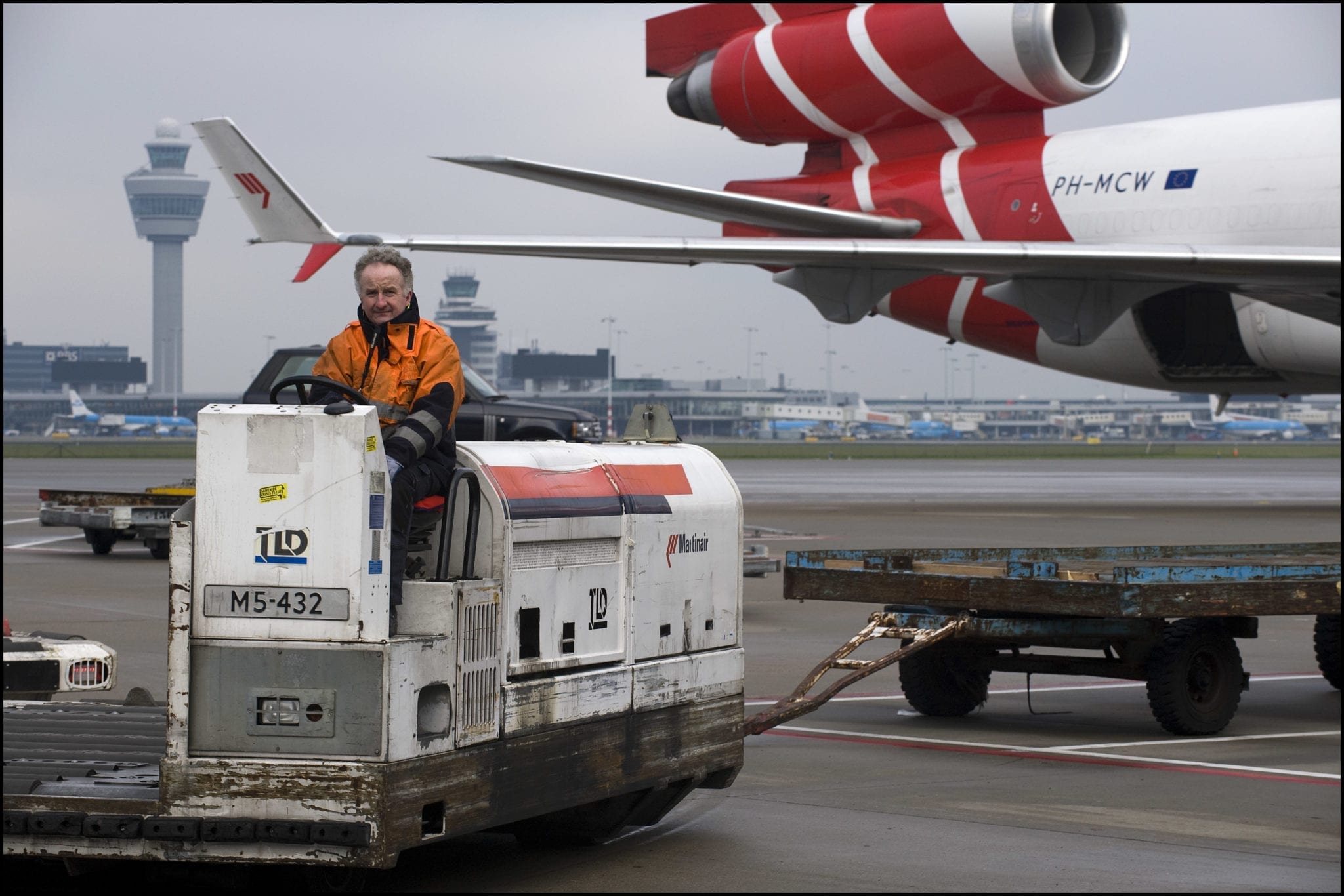
    Schiphol Cargo reported an increase of 5.4 per cent on yearly tonnage in 2017 with strong demand in the Far East for European goods boosting total figures to 1,752,498 tonnes.

    Europe’s third largest air cargo hub experienced an uptick in cargo throughput of 7.4 per cent year-on-year between January and October 2017, with total figures for January to December 2017 reaching 1.75 million tonnes.

    Imports to Schiphol from the Far East in 2017 increased by 3.1 per cent to 299,386 tonnes, with exports to the region growing by 8.8 per cent year-on-year to 316,097 tonnes.

    Asia remains Schiphol’s largest market, with Shanghai, China, the busiest destination.

    European exports grew 19.1 per cent to 123,950 tonnes in 2017, with imports up 18.2 per cent to 124,992 tonnes.

    “We have continued to build on initiatives in 2016 and 2017 with the aim of enhancing the experience of our pharmaceutical, e-commerce, and perishables customers, and our continued commitment to quality is having positive results,” said Jonas van Stekelenburg, Head of Cargo, Amsterdam Airport Schiphol.

    “The upswing in e-commerce shipments, both inbound and outbound, was a large contributor to the cargo volumes for this market.

    “A number of flights transit Europe en-route to Asia, and we can attribute a proportion of the growth in our European figures to the developing Asian market.”

    Flights to Asia transiting European destinations including Baku, Azerbaijan, and Moscow, Russia, continue to contribute to an increase in outbound figures to the Far East.

    Latin America inbound cargo was up by 21.5 per cent in 2017 to 123,524 tonnes due to a number of additional full freighter flights on the route. Outbound cargo grew by 1.8 per cent to 76,498 tonnes.

    Import volumes from Africa decreased by 6.6 per cent to 109,751 tonnes due to temporary aeronautical restrictions that have been in place since June 2017.

    Imposed by the Kenyan Authorities, the restrictions mean that fewer direct freighter flights are coming from Nairobi, Kenya.

    Exports to Africa were down 5.4 per cent on 2016 to 51,743 tonnes.

    Imports from the Middle East increased by 3.4 per cent to 97,789 tonnes in 2017, with export tonnage increasing by 2.1 per cent year-on-year to 122,617 tonnes.

    Imports from North America were down by 5.6 per cent to 141,714 tonnes year-on-year reflecting changes in regional strategy by some airline partners, whilst North America export volumes were up by 4.4 per cent to 164,509 tonnes.

    A total of 496,748 Air Traffic Movements flew in 2017, an increase of 3.7 per cent on 2016.

    A maximum number of 500,000 ATM until 2020 has been agreed between Schiphol Group, the local community, airlines, and the Dutch Government.

    “This is no reason to hold back on our quality initiatives; we need to stay alert, prepare for what is coming, and seek the necessary innovations,” said van Stekelenburg.

    This year (2018) began on a positive note at Schiphol, with an increase in load factors as well as a slight growth in ATMs as a consequence of unused slots.

    “It is very positive that in this current 2017 / 2018 winter season, all requested, full freighter slots were granted, and many freighters were able to continue their business at Schiphol with ad-hoc slots,” van Stekelenburg continued.

    “It is Schiphol’s objective to aim for sustainable growth at the airport after 2020 and airfreight is an important part of that.”

    “On the belly side we expect AMS to grow in 2018 both in terms of volume and capacity.

    “The outlook for 2018 – as, globally, we see even more air traffic growth – is a challenging one.

    “The slot scarcity has been a challenge for us as a cargo community, and in some cases, cargo stakeholders were under-represented in the various sections of the airport community.

    “In 2018 we will act on this, together with all freighter airlines, handlers, and other logistic service providers.

    “Trust, increased cooperation, and improved agreements between all stakeholders are essential in this respect,” concluded van Stekelenburg.

    “Close collaboration with our Cargo Community remains vital and is a strong focus for 2018. Together we will continue to pursue our ambitions of better digital information exchange, and further quality improvements in the supply chain, particularly for pharma, e-commerce, and perishables.”

    Schiphol Cargo’s Smart Cargo Mainport programme initiatives such as the Holland Flower Alliance, Pharma Gateway Amsterdam, and European Green Fast Lanes are working towards this goal by focusing on improved information sharing, and optimal landside logistics.

    Innovations such as the compliance checker, developed in partnership with Cargonaut, are examples of how collaboration within the Schiphol Cargo Community is shaping its journey towards becoming Europe’s smartest cargo hub.
  • Vietnam-China trade likely to reach $100 billion

    Vietnam-China trade likely to reach $100 billion

    Bilateral trade between Việt Nam and China will touch a record high of US$100 billion this year, after reaching $93.69 billion last year, experts predict.

    Last year’s two-way trade was $21.79 billion higher than in 2016 and accounted for 22 per cent of Việt Nam’s total import-export value, according to statistics from the General Department of Customs.

    Vietnamese exports to China experienced a significant yearly increase of 61.5 per cent to over $35.46 billion. That helped to reduce Việt Nam’s trade deficit with China to $22.76 billion last year from $28 billion in 2016.

    Telephones, a major item of export, recorded the highest turnover of $7.15 billion, up $6.35 billion compared to that of the previous year, according to the latest data.

    Last year also saw 13 staple products with export earnings of more than $1 billion, up by six staples against the previous year. The new items include seafood, with nearly $1.1 billion in export earnings, rice ($1.02 billion), rubber ($1.44 billion) and footwear ($1.14 billion).

    The Ministry of Industry and Trade says bilateral trade ties between the two countries have been growing in the past few years.

    China is one of Việt Nam’s largest trade partners and is also a key export market, the ministry said.

    Besides trade, China is currently one of the 10 biggest foreign investors in Việt Nam, with a total registered investment capital of more than $12.1 billion.

    During a visit to China last May, President Trần Đại Quang urged Vietnamese and Chinese firms to continue initiating innovative ideas to create a new momentum for bilateral economic partnership.

    He suggested Chinese companies invest in infrastructure, logistics and electronics and support industries while protecting the environment and engaging in social activities in Việt Nam.

    President Quang asked the two sides to facilitate access to each other’s markets.