Tag: Fashion

  • Denim brand joins Global Brands portfolio

    Denim brand joins Global Brands portfolio

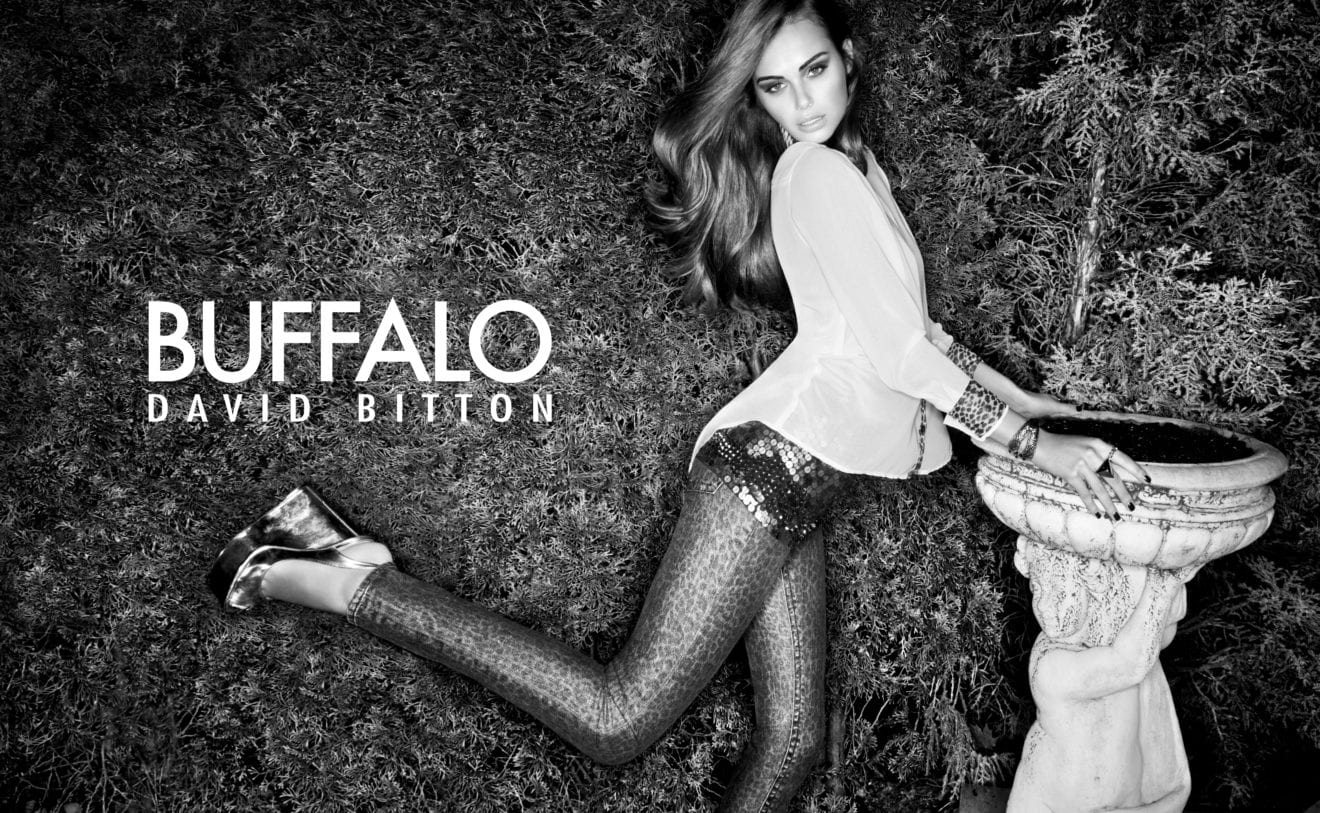
    Hong Kong-based Global Brands Group has signed a 10 year licensing agreement covering two North American denim brands.

    In a joint venture between Iconix Brand Group and Buffalo International Global for the Buffalo David Bitton and i Jeans by Buffalo labels.

    Under the agreement, Buffalo David Bitton and i Jeans by Buffalo will join Global Brands’ portfolio of fashion and lifestyle brands, with Global Brands to design, produce and distribute products across both brands’ core categories.

    Global Brands CEO and vice chairman Bruce Rockowitz said with the addition of the Buffalo brands, “we have taken another significant step to establish Global Brands as a leader in the denim category”.

    “We are focused on categories where we want to be a key player and achieve scale.  Denim is one such category which we are excited about and where we see excellent potential for growth. We’re seeing a revival of denim as a fashion essential and believe that it will continue to trend strongly,” he said.

    Founded in Montreal, Canada and with a 30-year heritage, the Buffalo brands are known for a long-standing tradition of trend right, quality clothing and accessories. The brands are leaders in their respective channels of distribution, offering multiple denim styles and a full fashion collection that spans a range of men’s, women’s and children’s products, including denim jeans, pants, shirts, sweaters, jackets, dresses and other apparel, as well as accessories, suits, bags, sleepwear and small leather goods. The products are distributed through multiple channels, including better department stores, as well as fine specialty stores throughout North America.

    Gaby Bitton, chairman, Buffalo International, said: “This long term strategic partnership with Global Brands will strengthen the Buffalo David Bitton and i Jeans brands around the world. The JV will continue its extensive marketing support that have helped make the brands leaders in the category.”

    This is the second long-term licensing agreement signed by Global Brands in the denim space, following a similar agreement with the Joe’s brand this month.
  • Bellabox expands to China

    Bellabox expands to China

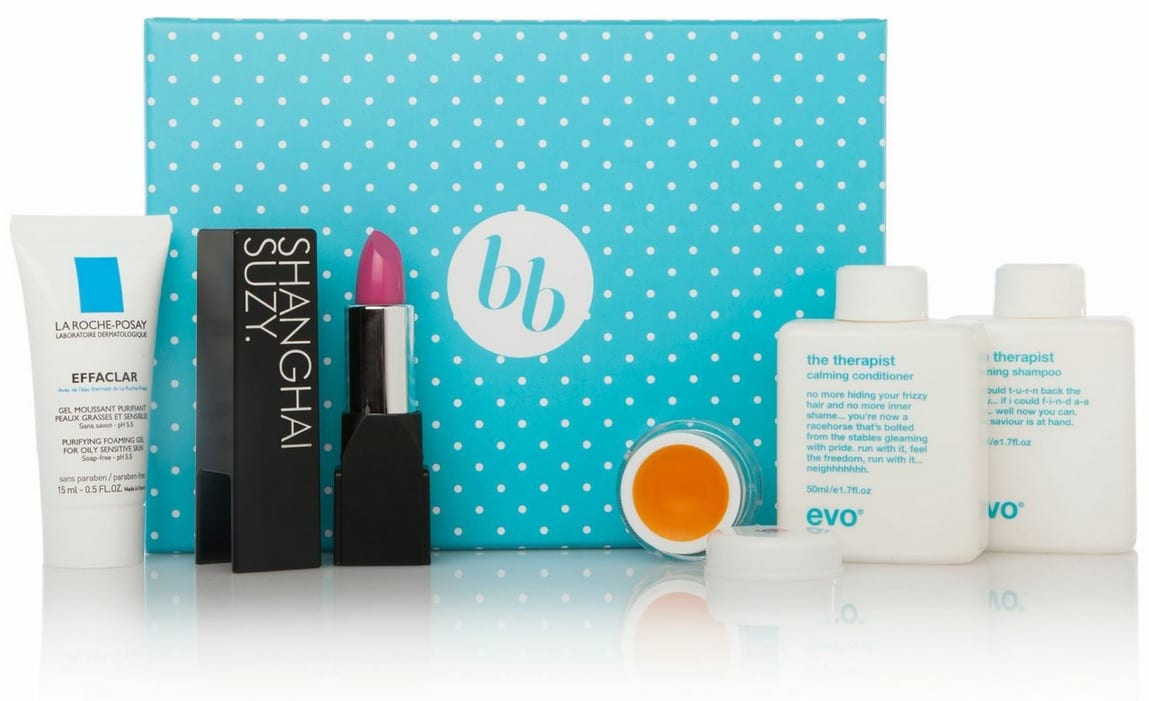
    Australian beauty subscription service and e-commerce platform, Bellabox, has confirmed its expansion into China in partnership with Australia Post’s Tmall store-front platform.

    The move is part of the beauty company’s growth strategy to become the dominant beauty e-commerce platform across Asia.

    Supporting its push into China, Bellabox will be moving away from its subscription-based model and introducing limited edition themed beauty boxes exclusively for the Chinese market.

    According to the company these will feature “the best of Australian beauty and cosmetic brands” to provide discerning and brand aware Chinese shoppers with more choice and variety.

    “Chinese consumers are sophisticated shoppers who are selective about the brands they use and buy. We are seeing strong demand for Australian brands as they are perceived to be higher quality and environmentally friendly, for this reason the market represents a huge opportunity for our business,” said Bellabox, CEO and co-founder, Sarah Hamilton.

    Hamilton adds that China is a key market in the company’s continued expansion across the region.

    “The market potential is huge with analysts[1] predicting the cosmetic market will become a US$113.9 billion industry by 2017, of which 25 per cent coming from online sales fuelled by tech savvy millennial. China has a high adoption rate of smartphones and online shopping, it provides the perfect platform for growth and we look forward to working with Australia Post to build our position in the market. ”

    Australia Post’s Tmall service opens the door for local e-commerce players to access China’s traditionally challenging market by crossing language and cultural barriers, and cutting through red tape to sell on a unique marketplace.

    With an audience of more than 300 million estimated Chinese consumers who, in 2014, spent more than half a trillion US dollars online, Tmall presents a strong opportunity for Australian e-commerce businesses.

    Ben Franzi, GM global e-commerce platforms and digital at Australia Post said, “We’re focused on delivering e-commerce solutions that make it easier for Australian retailers to grow, compete and succeed online.

    “Australia Post’s Tmall storefront (auspost.tmall.hk) is helping home grown businesses, like bellabox, sell into China – one of the world’s largest consumer markets.”

    “Bellabox has a tremendous opportunity to benefit from the trust, broad reach and revenue opportunities that comes with Tmall’s reputation and high visitor traffic. We’re excited to partner with bellabox to launch this exclusive offer that ticks the boxes against China’s growing consumer demand for authentic, quality, Australian-made beauty products,” said Ben.

    Bellabox is now one of 36 Australian brands with a virtual storefront on Australia Post’s Tmall store, which this month celebrated its first birthday.

    Bellabox is headquartered Melbourne and works with more than 900 beauty brands to create monthly-customised boxes for 40,000 subscribers.

  • Grana opens first permanent store

    Grana opens first permanent store

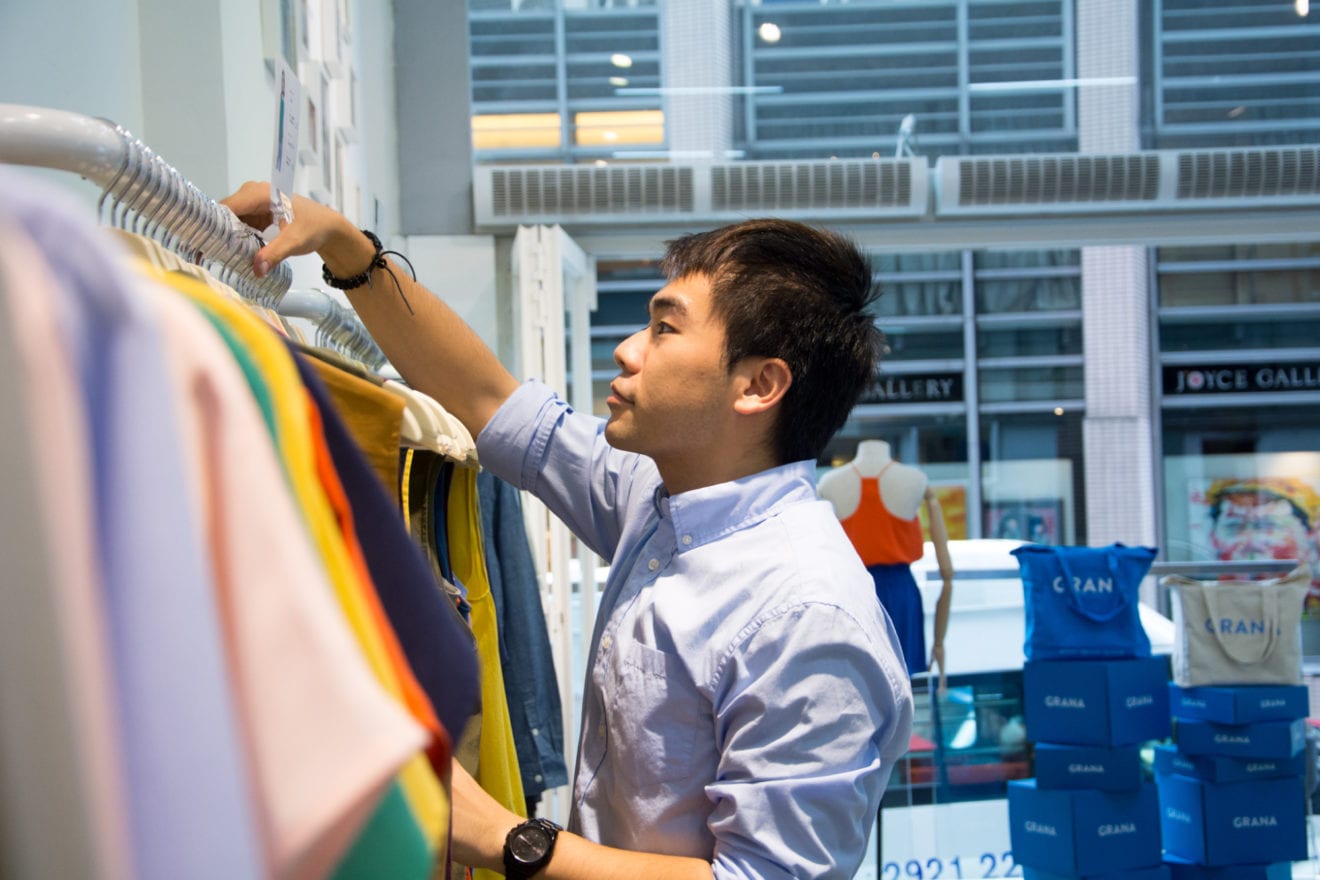
    Online fashion startup Grana has opened its first permanent physical store as it tries a new way of ensuring clothes fit the customers who order them.

    The new 1300 sqft store in Sheung Wan is branded The Fitting Room. It’s a unique hybrid retail concept, allowing customers to try a garment on, then buy clothes online instore for delivery to home or collection later in-store.

    While customers can try clothes on and see the styles first hand, they cannot purchase clothes from the store and take them home immediately.

    It aims to address the problem of online shoppers returning goods because they don’t fit, or because they don’t consider their purchase matches the colour or style of what they saw online.

    Grana is the creation of Australian Luke Grana, who was inspired by the high quality of t-shirts he came across during a trip to Peru. The site was developed with a unique business model in mind – in Grana’s own words “high-quality fashion at disruptive prices”.

    “Our business model is a little bit different; we deal directly with fabric mills instead of going through distributors or agents. Also, by operating online, we don’t have to pay rent. So when fashion retailers put in mark-ups along the way, our pricing is really simple: each of our shirts cost US$6, we retail that for US$12; jeans are US$20, we sell that for US$40. It’s a really honest and transparent pricing model and I think that’s what our, Generation Y customers prefer.”

    Of the new Sheung Wan store, Grana observes: “We bring together the best of two shopping worlds for a unique hybrid experience. Our customers can receive the tailored customer service and interaction that only a bricks-and-mortar location can provide, but with the ease of online purchasing.”

    Grana says similar hybrid stores are now being considered for Australia and the US.

    The new store is located at 108 Hollywood Rd, Sheung Wan, Hong Kong.

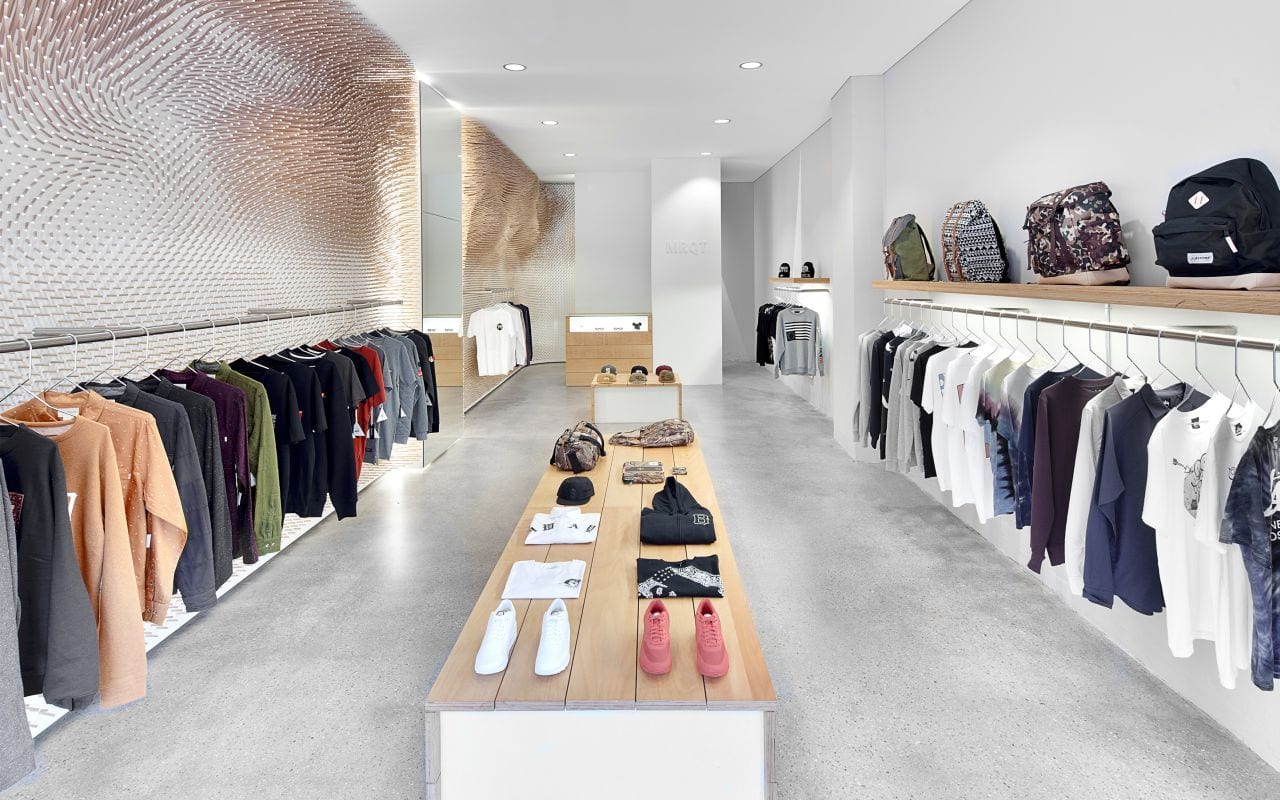
    Grana Hong Kong store inside

  • Diesel targets China in copy clampdown

    Diesel targets China in copy clampdown

    Italian lifestyle brand Diesel says it is initiating legal action against an average of three Chinese companies every week in its war against copycats selling copies of its apparel.

    “Hundreds of legal actions are in place against usurpatory brands, especially in China,” the company said in a statement outlining the enormous scale of the counterfeit goods trade and its astonishing campaign to fight back.

    Last year, Diesel says it started a legal action by the US Federal Court in New York, against 83 sites, which were illegally selling counterfeited products by using the cybersquatting technique – registering domain names with “Diesel” in the address.
    So far Diesel closed 3346 sites, sent 4000 ‘cease and desist’ letters, and de-listed 19,000 sites from Google. Just 131 of those sites were in Asian countries.

    “It has been calculated that in this way the company has avoided about 700,000 visits to illegal marketplaces; 9200 bids [from prospective buyers] have been removed completely,” the company said.

    Fake Diesel jeans seized in a raid.

    In Asia, over the past year Diesel obtained to remove 6786 listings on marketplaces, for a total of 1.7 million items.

    Diesel has worked with Customs agencies to seize more than 60,000 items coming from China in 2013, and another 75,000 last year, and more than 80,000 items in the European Community.

    In China, 1300 items have just been confiscated in a factory producing counterfeited t-shirts, and in another factory the police seized 910 pairs of shoes with Diesel logo, along with a quantity of unfinished products worth US$155,000.

    Last month, Diesel successfully closed the case of the ‘Diesel Cluthing’ line, which was signalled by Diesel business partners who found infringing products circulating in the Colombian market. After thorough investigation, the Chinese authorities confiscated 520 jeans infringing the Diesel trademark: the company, who registered this logo, is now under an opposition process.

    On top of these activities, Diesel says it has established a system to register its iconic products and therefore ensure that any potential copy is identified and sequestrated (in the last six months only, four cases have been closed successfully). The latest triumph took place earlier this year, when Diesel finally won back the property of its brand in Indonesia – a legal battle which has lasted 23 years.

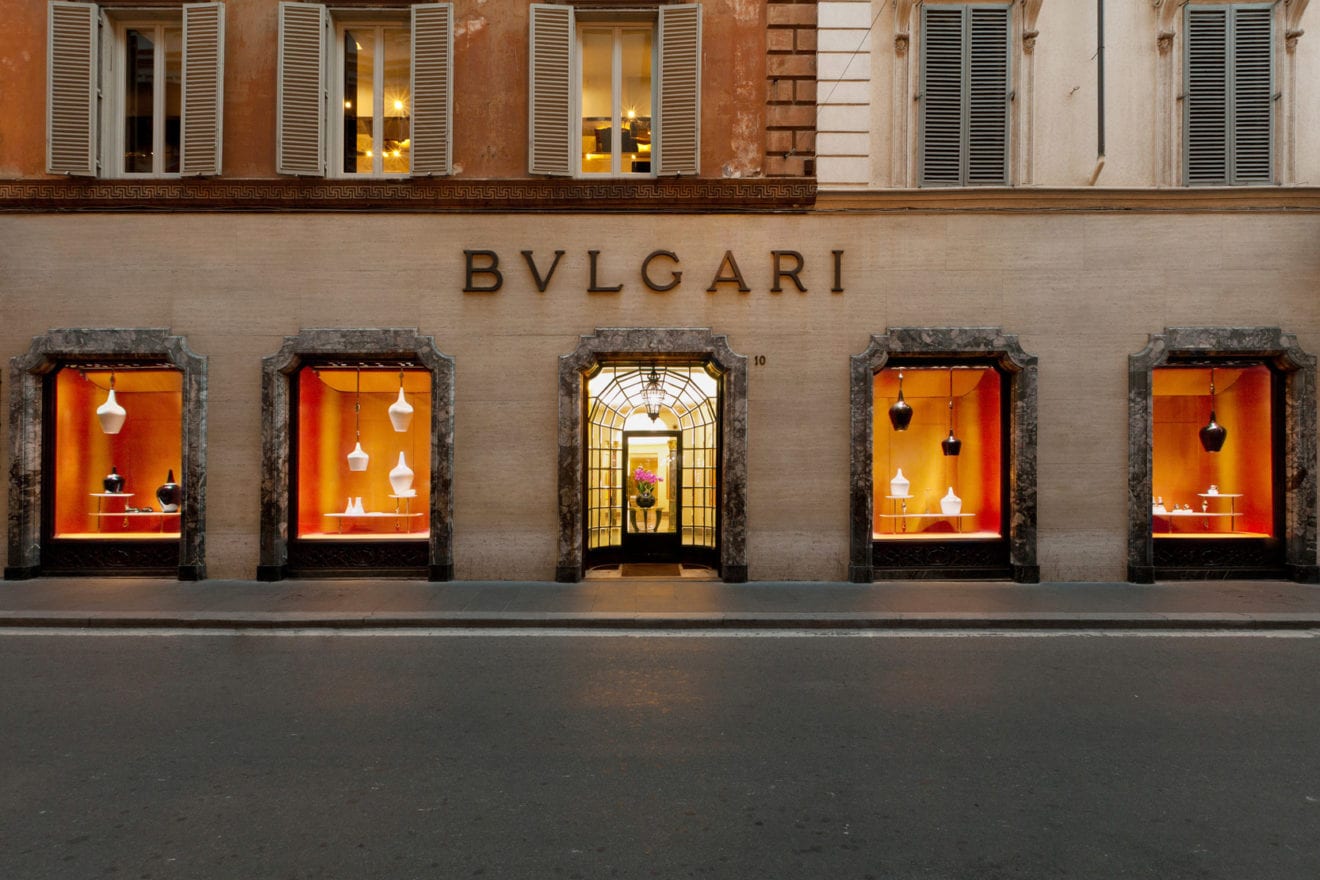
  • China ‘no catastrophe’ says Bulgari CEO

    China ‘no catastrophe’ says Bulgari CEO

    Slowing luxury sales growth in China is “not a catastrophe, it’s a correction” says Bulgari CEO Jean-Christophe Babin.

    In an interview with international business news organisation Bloomberg, during the World Retail Congress in Rome, Babin warns of overstating China’s current slowdown

    A decline in the luxury sector began last year when the Chinese central government announced a clampdown on graft and gift giving and was later exacerbated by a sharp devaluation of the Chinese currency which triggered a slump in share prices.

    But in the interview – watch it here online – Babin points out that the share price declines have only brought world markets back “to what we all considered a good level last year”.

    He said China’s economy is still growing at about 6.8 per cent which produced enough customers to buy Bulgari’s luxury jewellery.

    While not disclosing figures, Babin said Bulgari’s July and August figures were “exactly in line with the first semester”despite the currency and stock market realignments.

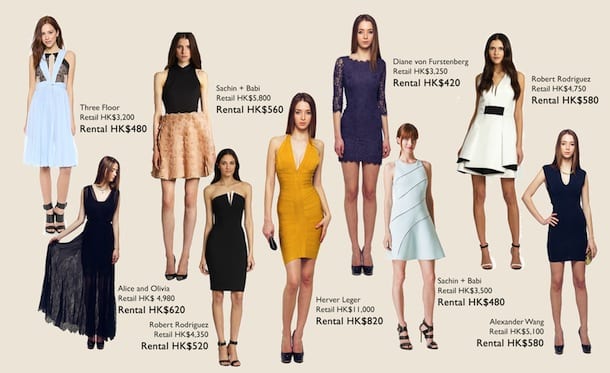
  • Online fashion rental store Yeechoo re-launches

    Online fashion rental store Yeechoo re-launches

    Online fashion rental store Yeechoo has relaunched, expanding its service outside Hong Kong for the first time.

    The new website was officially released on Monday and from this week the company will ship to customers in Macau, Mainland China, Taiwan and Indonesia.

    The site features new branding and an expanded range of designer and dress collections. It also offers free consultations and trials and makeup demonstrations online.

    “At Yeechoo, what you are choosing is not just a dress, but a set of beautiful experiences,” the company said, revealing its new image.

    “We are Hong Kong/ Greater China’s first online high-end designer dress and accessory rental destination. At only a fraction of the retail price, you get to experience thousands of styles from over 60 luxury brands.”

    It also offers StyleShare, a new initiative it describes as “a pioneer social fashion experience”, allowing customers to borrow ‘pre-loved designer pieces’ and lend  their own, with a community of fashion lovers.

  • ST by Olcay Gulsen Hong Kong opens

    ST by Olcay Gulsen Hong Kong opens

    Dutch fashion brand ST by Olcay Gulsen has made its debut in Hong Kong.

    ST by Olcay Gulsen Hong Kong opened a pop up store to raise brand awareness at Level 1 of Pacific Place on August 31, a prelude to the opening of its first standalone store in the territory, which will open on the lower ground level of Festival Walk at the end of this month.

    ST by Olcay Gulsen was created by designer Olcay Gulsen whose vision was a label offering “affordable luxury clothes” that were keeping up to date with fast fashion trends.

    In just 11 years, Gulsen has developed a significant reputation, not just at home but internationally.

    ST is short for ‘SuperTrash’, her original brand shortened to ST for various ranges including STenim and ST. Girls. The SuperTrash brand specialises in dresses, tops and pants. Her creations are sold in more than 2000 stores worldwide.

    Hong Kong fashion blog Butterboom.com was impressed by the offer in the pop up store.

    “We spotted quite a few dramatic sexy dresses from their fall collection and some great long jacket in teal that we would like in our wardrobe so we are hopeful this brand will make it to fashionista’s list of must-visit shopping stops.”

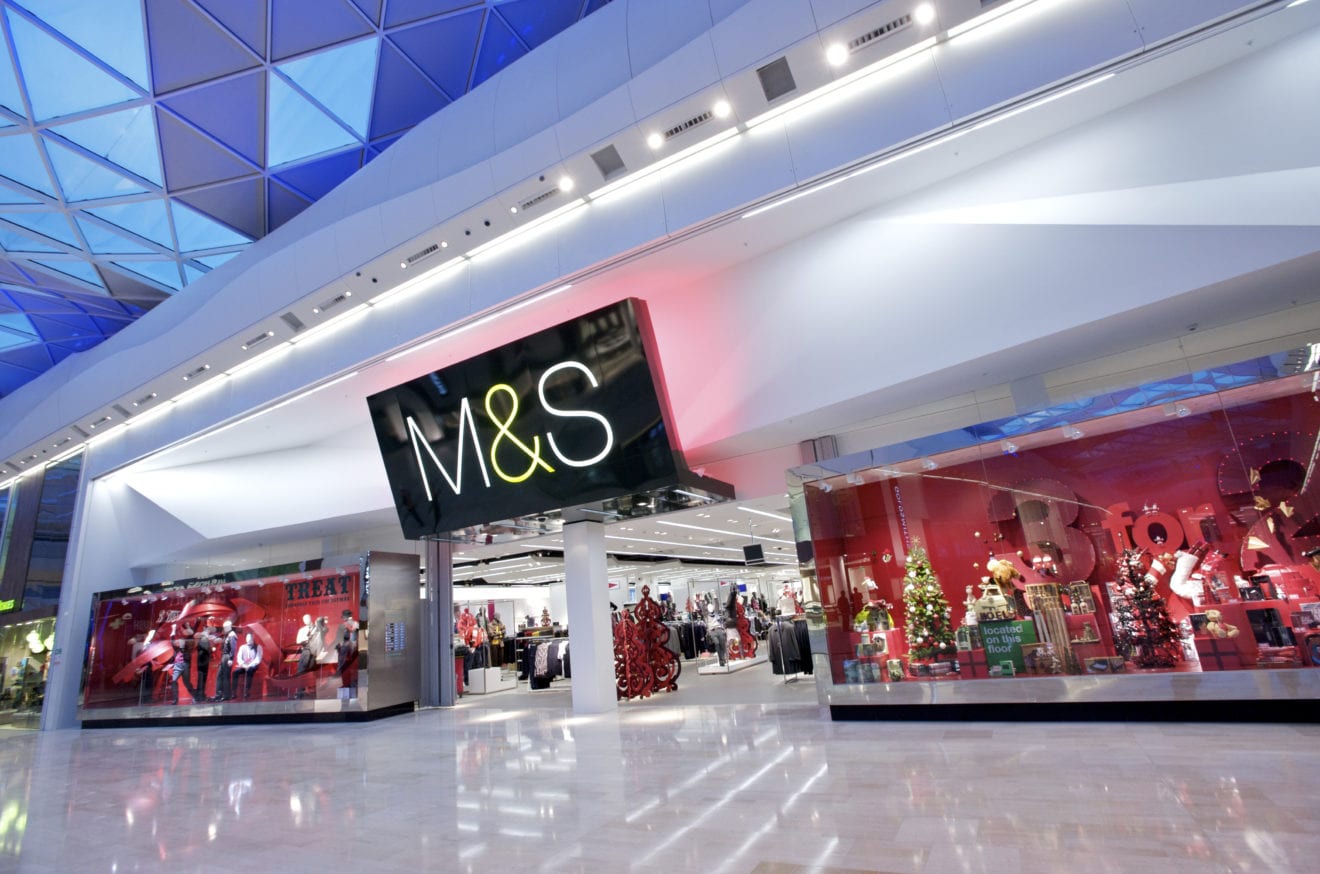
  • Marks & Spencer to slow China expansion

    Marks & Spencer to slow China expansion

    UK department store chain Marks & Spencer says it will slow its expansion plans in Greater China due to the economic and political turmoil in the two markets.

    The British retailer currently has 20 stores in Hong Kong and 10 in China and had been planning significantly more.

    Back in 2014, CEO Marc Bolland set a target of opening 250 new overseas stores within three years – an ambitious goal even in favourable economic climate.

    This week, M&S’s executive director of marketing & international Patrick Bousquet-Chavanne told news agency Reuters in an interview that while the company remained committed to both markets, the 2014 targets were unreachable.

    “The world has shifted, is a different place… The Syrian situation was very different from what it is today… Putin had not invaded Ukraine and China was growing at close to nine per cent,” he said.

    “It’s reasonable in that context that you would expect a different outlook on the next three years for the company.”

    Last March M&S said it would close five underperforming stores in China to focus on flagship stores and online – and expanding its food offer in Hong Kong.

    He told Reuters M&S still planned a Beijing flagship store during the 2015-16 financial year and that it still planned to open in the cities of Guangzhou and Dalian, but gave no timetable.

    He said the company had seen a softening in its store sales in China as the economy slowed, but no dramatic effect.

    “The sectors in which we trade are not luxury, so we haven’t seen the same dramatic slowdown as some might have,” Bousquet-Chavanne said.

  • Future fashion: Clothes which think

    Future fashion: Clothes which think

    Clothes which change shape; change temperature – and even colour. Welcome to future fashion.

    To celebrate the launch of its new smartwatch, Huawei Consumer Business Group has teamed up with ‘fashion futurologist’ and professor of fashion and technology, Dr Sabine Seymour, to reveal how the integration of technology will transform our wardrobe in the coming decades.

    According Seymour, the transformation in garments will start with our underwear, which will have in-built sensors to track personal data, such as heart rate and body temperature.

    The changes won’t end there, with personalisation in every aspect of our wardrobes. In years to come, we will be able to change the pattern, colour and even the shape and style of our garments.

    “The next development for wearables is going to see technology integrated seamlessly into clothing,” Seymour predicts.

    Her vision of the future of fashion with technology aligns perfectly with Huawei’s point of view on wearables: The Huawei watch embodies this vision, combining classic design with smart technology.

    In the future, we may find there is much more space in our wardrobes, as garments will be able to alter in form, extending and contracting in length, and changing shape and design as required. Therefore, there may only be a need for one dress or shirt and the wearer will be able to download the latest designs.

    Getting hot on public transport or carrying a spare sweater in case of colder weather could also become a thing of the past, as garments will be able to adjust to your body temperature.

    With the rise of 3D printing techniques and on-demand manufacturing, we will see the introduction of the digital cobbler, who can create shoes that fit your feet perfectly, and for the rest of your life.

    Garments will become gesture and touch-sensitive, just like phones, tablets or gaming systems are today, but with a sense of style and a true design aesthetic, explains Seymour.

    Fashion_embracing_technology__-_all_features

    “By connecting your garments to other elements of your life, we will see a move from networked devices to networked people and networked spaces. In future, it will be possible for smart garments to connect to your car, which will adjust your seat according to personal preferences.”

    A major barrier to the networked self is the current limitation of battery life. Using alternative energy sources, such as capturing the kinetic energy of a person as they walk, we will be able to create a new form of sustainable fashion.

  • Seed Heritage opens at VivoCity

    Seed Heritage opens at VivoCity

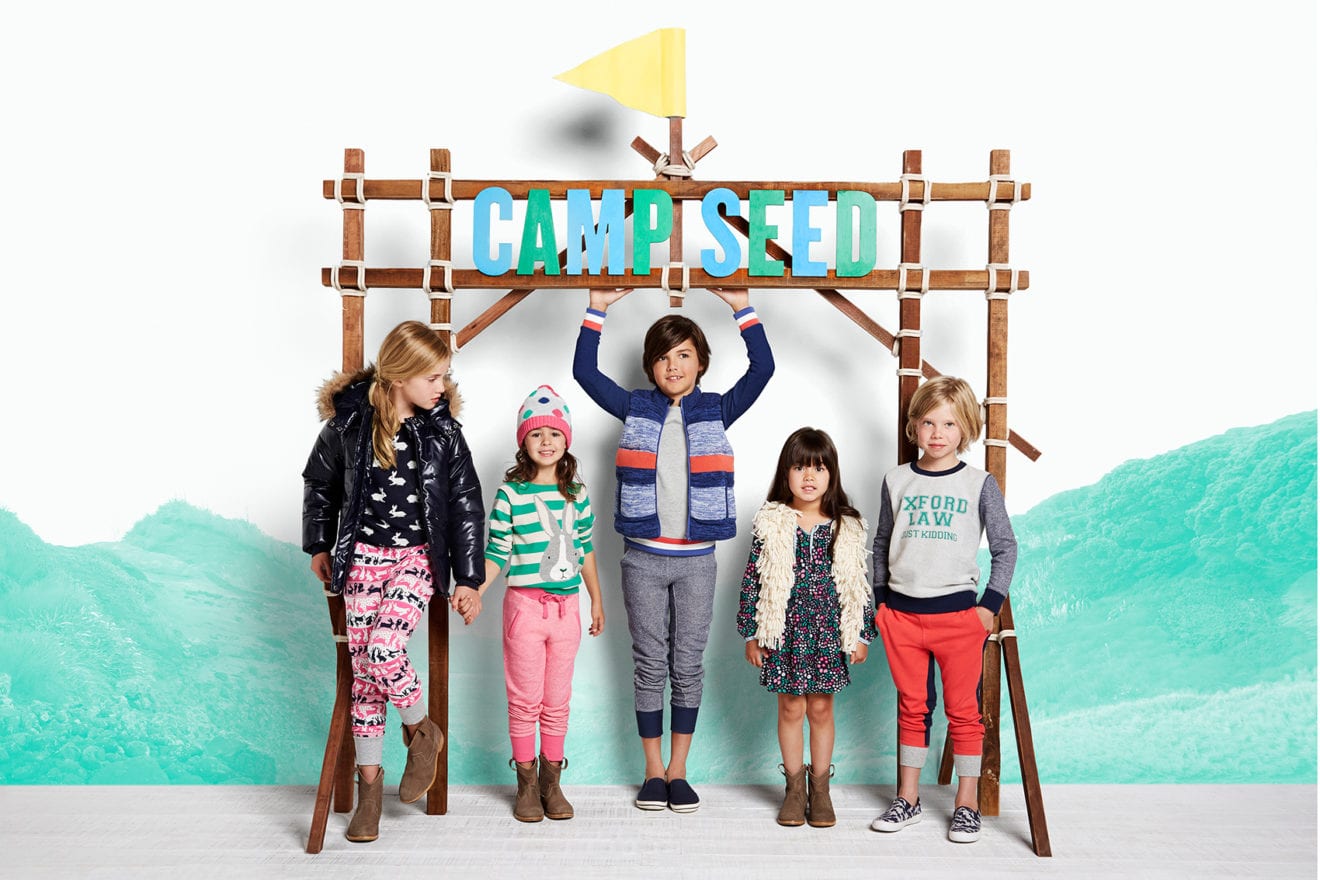
    Australian childrenswear chain Seed Heritage has opened a new store in VivoCity.

    It is Seed heritage’s second store in the city state, following its debut in Parkway Parade.

    Last week’s opening was marked with a 20 per cent off storewide sale across its range of baby, child and teenage girls clothing, which ended on Sunday.

    Seed Heritage is one of Australia’s most popular premium childrenswear brands, providing solutions from top-to-toe for babies, boys, and girls, from the ages of newborn to 10 year olds. It recently expanded its range into a teen collection for girls aged eight to 14 years.

    Seed Heritage is best known in Australia for its quality and detail and distinctive design across apparel, shoes, accessories, and toys.

  • H&M positive to the uniform minimum wage set in Myanmar

    H&M positive to the uniform minimum wage set in Myanmar

    At H&M, It is positive to the uniform minimum wage that has been set by the Government. A uniform minimum wage across all industries is essential for the sustainable economic development not only for the textile industry but also for the country as a whole.

    H&M also believes that the minimum wage should be reconsidered through an annual review mechanism, which is inclusive of key stakeholders. It aims at laying the foundation for a vibrant tripartite industrial relation and wage level negotiations process based on transparency, inclusiveness and peaceful negotiation.

    The above has been addressed in two joint letters to the Government of Myanmar. H&M has also met with the Ministry of Labor and expressed the expectations about setting minimum wage levels and annual review mechanisms to ensure that workers receive a fair wage.

    H&M’s role is to contribute to a working environment in the factories where a skilled workforce has their wages annually reviewed and negotiated. It is believed that meaningful collective bargaining is very important and are looking at ways to strengthen it. Workers’ ability to organise and negotiate about their rights is key to improve working conditions. That is why   industrial relations has set as one of our main sustainability focus and will launch a project to strengthen industrial relations in Myanmar in 2015.


  • SSI hunts ASEAN retail brands

    SSI hunts ASEAN retail brands

    Leading Philippines retail group SSI says it is actively seeking to acquire brands and suppliers in the region that can help it build its ASEAN retail portfolio.

    “We continue to seek brands and suppliers that manufacture within the Asean region that would allow us to make the most of Asean free trade agreement. That is a key to our expansion and success in the recent past – to expand our retail concepts in new geographic areas,” SSI president Anthony T. Huang told the Manila Times.

    ASEAN, which comes into effect later this year, groups 10 economies in Southeast Asia, creating a free trade zone with less restricted borders. Participating countries are Indonesia, Malaysia, the Philippines, Singapore, Thailand, Brunei, Cambodia, Laos, Myanmar and Vietnam.

    “We’re hopeful because we have ongoing discussions [with potential acquisitions and partners] but nothing final at this time,” Huang said.

    “We’ve really been focused on the new acquisitions that we have to roll out next year and on the existing brand portfolio that we’re continuously rolling out and the continued expansion of FamilyMart,” he said.

    SSI is also in talks with other foreign brands outside the ASEAN group as it builds a portfolio of lifestyle and fashion brands. Its most recent deal was to partner with Canadian fashion label Joe Fresh.

    Huang says foreign brands find the Philippines appealing because the culture is westernised, it has a young population, strong growth and rising middle class with discretionary income.

    “We have the youngest population in the region. ‘Youngest market’, that’s the magic formula.

    “We’re seeing continued interest that many of the international retail concepts that should be in the market are in fact already in the market. But interests from new concepts are coming in to expand in the region,” he said in the interview.

    SSI’s portfolio already includes 115 brands.

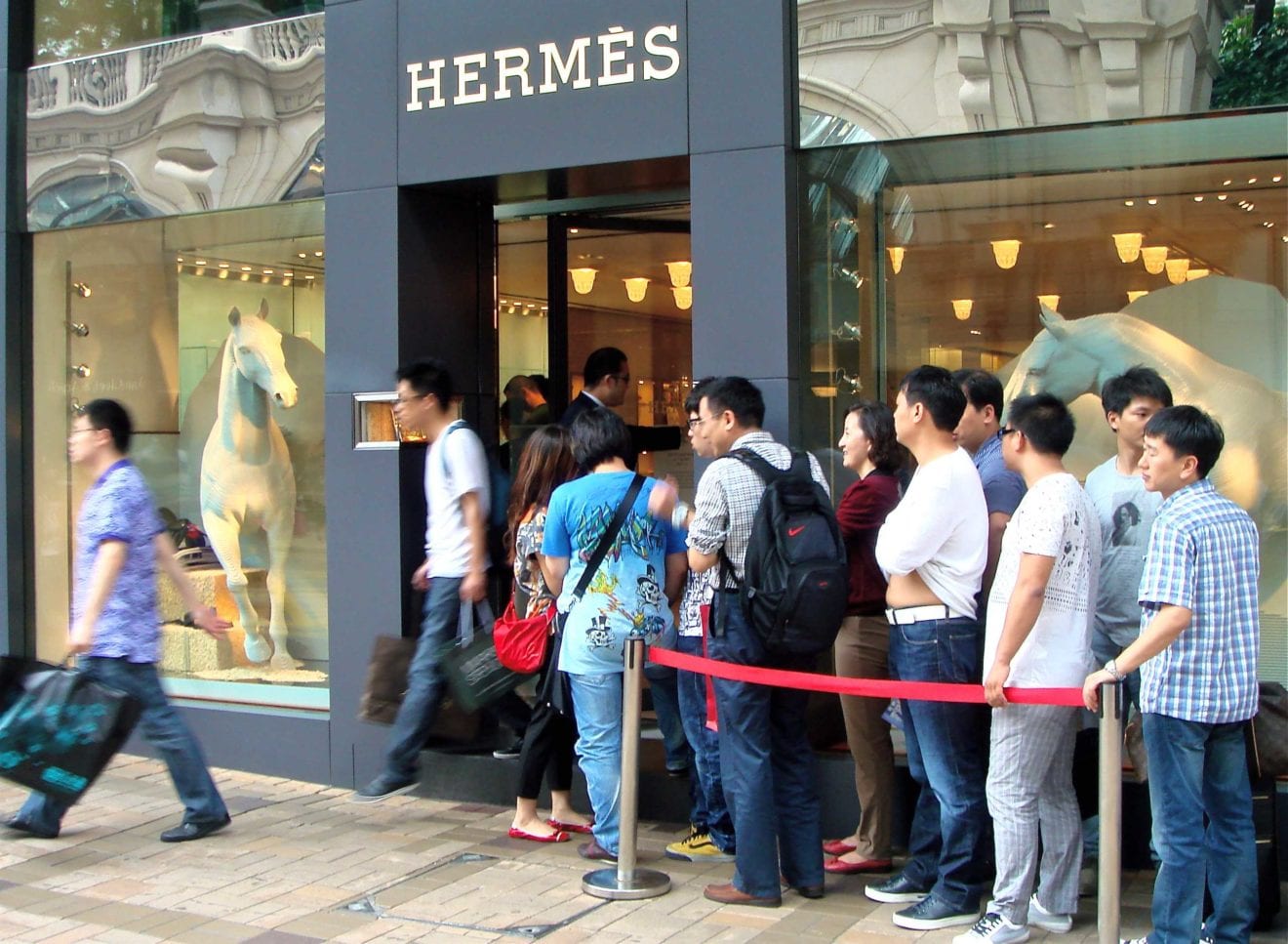
  • Hermes Japan sales boom

    Hermes Japan sales boom

    Hermes Japan has driven the luxury handbag and apparel brand to a 20 per cent increase in first half profit.

    For many successive quarters, Japanese have been maintaining tight control of their spending – but this year life has returned to the retail sector – and the luxury market especially. And cashed up Chinese – who once travelled across the border into Hong Kong for their high fashion indulgences – are now heading to Japan instead.

    Hermes International says the Japanese sales increases has proved more than enough to make up for China’s economic slowdown, where sales have slipped for most luxury brands this calendar year.

    Paris-headquartered Hermes says its global operating income increased to US$842 million on sales up 21 per cent to US$2.58 billion.

    Hermes says its Japanese sales climbed 20 per cent in the six months to June 30 at constant exchange rates. Across the rest of Asia, sales rose just seven per cent; in Hong Kong they dipped by an unspecified amount. That market was “difficult”, the company said.

  • Sandara Park is newest int’l endorser of Pinoy fashion retail brand

    Sandara Park is newest int’l endorser of Pinoy fashion retail brand

    Korean super star Sandara Park whose road to international fame started in the Philippines decided to return to where it all started by endorsing a local fashion retail brand.

    “Hey guys! It’s me Sandara Park. And guess what? I’m the newest member of Team Penshoppe. I had a great time shooting my first campaign and I love the clothes,” Park said in an Instagram clip as she broke the news to her fans.

    The Korean superstar made the announcement Thursday with a caption, saying she’s “happy” to be the newest face of the local retailer.

    She also included a teaser photo of the campaign shot by photographer Cliff Watts who flew in from New York for the shoot.

    The shoot took place last month at Golden ABC’s Studio 1155 and Gallery.

    The long list of international celebrity endorsers include Cara Delevingne, Kendall Jenner, Nina Dobrev, Leighton Meester, Ed Westwick, Josh Bowman, Mario Maurer, Ian Somerhalder and the world’s highest paid male model, Sean O’Pry.

  • Coach Canton Rd flagship opens

    Coach Canton Rd flagship opens

    US fashion brand Coach has opened a new flagship in Kowloon.

    Coach Canton Rd is the company’s second flagship store in the territory and gives it one superstore on either side of the harbour; the other one is located in Central.

    The new 4000 sqft flagship store spans a whole three floors in the Harbour City complex.

    Designed by Coach executive creative director Stuart Vevers, in partnership with world renowned creative firm Studio Sofield, which has also completed projects for Gucci, Bottega Veneta and Tom Ford.

    Store features include a ready-to-wear shop with custom furniture.

    To mark the opening, Coach has released a limited edition Suede Coach Swagger bag available in Navy and Black Cherry, for a limited time exclusively at the new store.