Tag: Fashion

  • Asia curbs Richemont sales

    Asia curbs Richemont sales

    Richemont – Swiss parent of luxury brands like Cartier, Dunhill and Montblanc – is blaming a Hong Kong sales slump for a tough half year ahead.

    Reporting its half year figures on Friday, the company said it expected a “challenging second half” which led to an immediate nine per cent fall in its share price.

    Hong Kong accounts for about 16 per cent of Richemont’s global sales and the Mainland a further eight per cent. Asia, excluding Japan, accounted for 34 per cent of the group’s total revenue.

    “The significant sales decline in Hong Kong and Macau during the period was partly offset by positive developments elsewhere. In particular, Mainland China resumed growth with strong retail sales, largely offsetting challenging wholesale sales,” the company said in its trading statement.

    Japan reported strong momentum, both from local and tourist demand, helped by the favourable exchange rate movements.

    Richemont said its global sales through its company-owned stores – which account for just over half its turnover – rose 13 per cent in the first half year at constant currencies. However, wholesale sales fell six per cent. Combined sales increased by 15 per cent at actual exchange rates or by just three per cent at constant exchange rates.

    Shipments of Swiss watches to Hong Kong fell 20.5 per cent in the first nine months of this year, due to falling demand. And Richemont, with such a large part of its global operations in the territory, is very exposed to such a drop.

    The company’s CGO Gary Saage said its margins had fallen in the first half to September – and in October demand had slowed even further. However there was a small upturn in the mainland last month

    “It’s been a long time coming. Mainland China in total grew one per cent and, clearly, within that our own retail grew significantly,” he told analysts in a briefing.

    “Wholesale is still extremely challenging and we don’t know when that will get better, but we take comfort in that our retail networks in both watches and jewellery are performing.

    “Headline numbers in watches will take time to recover,” Saage said.

    Gross profit increased by 13 per cent and accounted for 65 per cent of sales. The 100 basis points margin decrease versus the prior period largely reflected the impact of the Swiss franc’s appreciation and lower capacity utilisation, partly offset by the positive effects of other exchange rates and the growing proportion of retail sales, the company reported.

    Richemont also owns the Baume & Mercier, IWC International Watch, Jaeger-LeCoultre, Piaget, Roger Dubuis and Vacheron Constantin.
  • China wounds Burberry bottom line

    British luxury brand Burberry says Chinese luxury spending patterns have impacted on its sales in the six months to September 30.

    While the brand’s global retail sales rose two per cent to £1.105 billion in the half year, CEO Christopher Bailey described the market as “increasingly challenging” for luxury customers, especially in China.

    “The external environment became more challenging during the half, affecting luxury consumer demand in some of our key markets. In response, we have intensified our focus on driving sales and productivity, while taking swift action on discretionary costs.

    “While mindful of this external volatility, our plans for the festive season position us well to return to a more positive sales trend in the all-important second half. Looking further ahead, we maintain our focus on – and confidence in – the long-term growth opportunities for our business across channels, regions and product categories.”
    Retail revenue was £774 million, up one per cent on a same stores basis.

    But it was a different story in Asia.

    “Asia Pacific delivered a mid single-digit percentage comparable sales decline in the half, impacted by a further year-on-year deceleration in Hong Kong in the second quarter compared to the first, as footfall continued to drop,” the company said in a statement. “Mainland China comparable sales decreased slightly in the half, in the context of weakening consumer sentiment in the market in the second quarter. Excluding Hong Kong and Macau, comparable sales were broadly unchanged year-on-year in the first half.”

    Japan, however, was a standout.

    “Japan saw comparable sales growth well in excess of 50 per cent, albeit off a small base (with total sales now accounting for around two per cent of global retail/wholesale revenue).

    “Good progress was made during the half in expanding our retail presence, with the addition of our sixth free-standing store, in Shinjuku, Tokyo and the opening of a further six department store concessions, bringing the total to 19. We also assumed operation of 10 childrenswear concessions.”

    The company also expanded its beauty distribution, through Sephora globally and with Shiseido in Japan.

  • Japan’s value fashion brand basks in Disney tie-up

    Japan’s value fashion brand basks in Disney tie-up

    Fast Retailing Company Chairman Tadashi Yanai said Walt Disney’s new park in Shanghai will help his Uniqlo casual wear brand expand in China, shrugging off concerns over an economic slowdown in the Japanese retailer’s largest overseas market.

    “The opening of the Shanghai Disneyland gives both of us, Uniqlo and Disney, a business opportunity,” Chairman Tadashi Yanai said in Shanghai, where Uniqlo will open a new Disney-inspired concept store. “Our business is getting absolutely no impact” from China’s slowdown, he said.

    Uniqlo will devote an entire floor at its six-storey China flagship store in central Shanghai to products co-designed with Disney. A human-sized Mickey Mouse statue greets visitors to the store, where T-shirts and toys depicting characters such as Tinker Bell, Woody of Disney Pixar’s ‘Toy Story’ animated films, and Darth Vader from the ‘Star Wars’ movies are on display.

    Japan’s richest person, Yanai plans to open 100 stores a year in China as Uniqlo competes with Hennes & Mauritz AB’s H & M and Inditex Sa’s Zara to win over consumers in the world’s most-populous country. The Japanese retailer’s design tie-up comes as Disney prepares to open its $5.5 billion Shanghai theme park next year, its biggest foreign investment and a bet on the country’s booming middle-class.

    The Disney collaboration should help Uniqlo boost sales in China “as buzz builds around the opening of Shanghai Disneyland,” said Bloomberg Intelligence retail analyst Thomas Jastrzab. “Expanding store-specific limited edition merchandise offerings should help Uniqlo increase regular foot traffic and improve customer loyalty.”

    Fast Retailing shares are up by 6.3 per cent so far this year, compared with the 3.3 per cent gain in the benchmark Topix index.

    Uniqlo has about 360 stores in mainland China, the most by country outside Japan, where it has almost 850 shops. The company plans to expand its Greater China network, including mainland China, Hong Kong and Taiwan, to 1,000 outlets.

    China is a key market for Fast Retailing as Yanai targets to build Asia’s biggest clothing retailer into the world leader, with a target of 5 trillion yen in sales by 2020 from its forecast of 1.65 trillion yen for the fiscal year ended August 31.

    Yanai said demand for Uniqlo products will increase amid an economic slowdown in China. Everyday clothes with basic designs and advanced materials that Uniqlo sells at affordable prices fit well as China shifts its focus to consumer purchasing from manufacturing, he said.

    “An economic slowdown in China could boost Uniqlo’s sales, particularly as shoppers increasingly look for value-for-money when purchasing clothing essentials such as T-shirts and pants,” Bloomberg’s Jastrzab said.

    China’s apparel and footwear market is highly fragmented, with market leader Bestseller AS, owner of brands such as Jack & Jones and Vera Moda, holding a 1.7 per cent market share by value in 2014, according to Euromonitor International. Uniqlo ranks eighth with 0.6 per cent, while Inditex is ninth with 0.5 per cent and H & M is out of the top 10 with 0.4 per cent.

    “Our concept of manufacturing is fundamentally different and unique,” said Yanai. “We don’t chase trends, but we would rather want to incorporate fashion into our basic clothes.”

  • Hilary Tsui of Liger boutiques on her passion for fitness and fashion

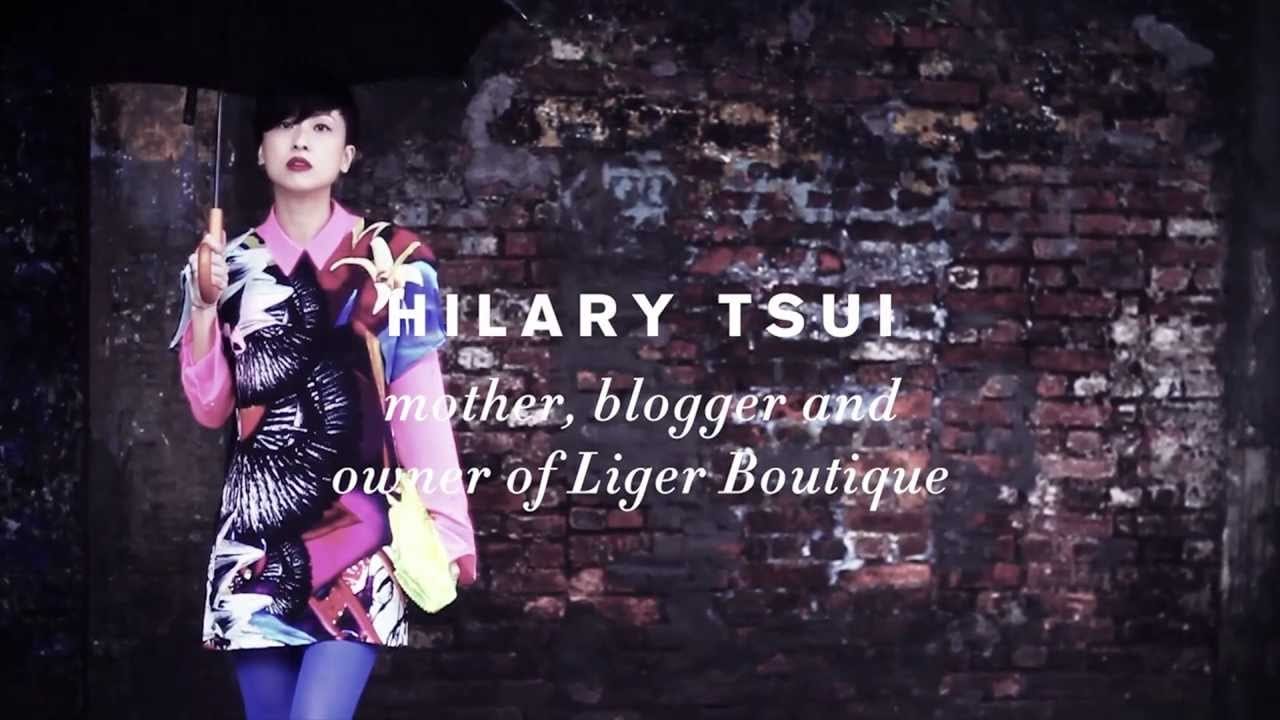
    Hilary Tsui of Liger boutiques on her passion for fitness and fashion

    Marathon runner, designer and co-founder of Hong Kong’s Liger boutiques, Hilary Tsui Ho-ying talks about her two passions – fashion and fitness.

    You’ve just got back from Paris Fashion Week. What was that like? “This was the busiest fashion week I have ever had! I was in Paris to run a race as well as for showroom appointments, buying and attending fashion shows. I also took my Oh My God collection there for a trade show.”

    How would you describe Hong Kong style? “We have different kinds of style influences here. Korean is very trendy at the moment and there are lots of people still loyal to Japanese fashion. For me and my store, we still tend to be more European.”

    How have falling retail sales in Hong Kong affected plans for your Liger boutiques? “We have to be more careful in choosing brands. Actually, everyone is going through a hard time in retail, especially in the fashion industry. I hope landlords can be more considerate of their tenants when deciding on rents. If that happens, the road will be easier for everyone.”

    How can Hong Kong fashion become more competitive globally? “Quality is important. For example, a friend who founded local label Jourden now has many clients all over the world, including influential stockists like Colette and Barney’s. One of the reasons she can attract these international buyers is that she chooses high-quality fabrics.”

    How do you juggle your passions for fitness and fashion? “Our store now has a sports corner where I can display my favourite brands, trainers and sportswear. Running is not only a sport, it helps release stress – one of my favourite moments is when I can be alone and clear my mind. People always say that marathon running is a kind of meditation. And people want to be stylish when they are doing yoga, running or other exercise.”

    What is the one thing you can’t live without? “My family!”

  • Daphne International sales slump

    Daphne International sales slump

    Hong Kong-listed shoe retailer Daphne International has reported a third quarter same store sales slump of 19.7 per cent as it continues to cull its store network.

    As earlier reported, Daphne issued a profit warning in July after reporting a fall in same store sales of 16.9 per cent in the first half of 2015, and by 17.7 per cent in the second quarter.

    In the first six months of the year, Daphne closed 181 stores – 117 directly-managed and 64 franchised stores, the majority in the second quarter. But it still has 6221 points of sale.

    Daphne operates the Daphne and Shoebox retail brands in Mainland China.

    During the third quarter, same-store sales of the group’s core brands business recorded a decline of 19.7 per cent year on year, but the company explained that was from a high base effect of 6.3 per cent growth during the same period last year.

    Overall, the same store sales decline of its core brands for the first three quarters of 2015 was 17.9 per cent.

    “The same-store sales decline was more driven by the lower average selling price, although both ASP and sales volume recorded a decrease,” the company disclosed.

    “The group continued the consolidation of the sales network, with a net closure of 219 points of sale during the third quarter (a reduction of 191 directly-managed stores and 28 franchised stores), and therefore had a total of 6002 POS under its core brands business as at September 30.”

    The one bright spot was an undefined growth in sales in its eCommerce sales during the third quarter.

  • Grana Hong Kong, a store with no stock

    Grana Hong Kong, a store with no stock

    In this world of the digitally empowered consumer, is inventory a threatened species?

    Are classic retailer metrics such as stock hold, stock turn, stock intensity per square metre and working capital ratios yesterday’s news?

    After all what is a classic retailer’s largest cost of business? Well one could argue it’s inventory, certainly such that range, width of range, and its management is a strong determinant of both cash flow and profitability.

    Now a growing number of retailers are enhancing their offer by investing far less in inventory and far more in their digital interface, customer databases and social communities.

    Their advocates and fans are being increasingly conditioned and motivated to the customised offer that brings all channels to the fore. Not seeking to purchase on the spot, far more motivated by the various caches that a true digital-inspired omnichannel retail business offers. Aware that a physical store is crucial to the overall offer yet doing so in a way that maximises both the customer experience and resultant experience.

    Is this the store template of the future?

    Disrupting the standard retail format certainly seems to be on the agenda for many of today’s innovative fashion start-ups. Online retailer Kent & Lime have created a successful retail model out of providing online style advisors to hand select items in the right size and sent directly to your door. Your home becomes your personal fitting room where you have three days to try on your items, show your friends and then return those you don’t wish to keep, only paying for what you keep.

    Another success story in this area and a personal favourite of ours is Australian innovator Sneakerboy, as mentioned in previous posts. This week we visited another disrupter in this field, Grana.

    Aiming to combine the world’s best fabrics at disruptive prices, Grana is all about high quality garments at a lower price point. Founded in 2013, Australian-born Luke Grana, realised that achieving this goal meant re-thinking the traditional fashion business model, and focusing on ‘outstanding logistics’ rather than design, to give the fashion retailer an edge on the competition.

    Being based out of Hong Kong, the world’s largest logistics hub, allows the brand to ship internationally at almost the same cost of shipping locally in Australia with Australia Post. Working directly with fabric mills, all products are shipped direct to the warehouse and then straight onto the customer, cutting out the middle man, once again saving costs to provide ultimate savings to customers.

    Last year the core team members of the company, including founders Luke Grana and Pieter Paul Wittgen set up a shipping container pop up shop in and around Sydney, which reportedly was well received due to the quality of the products. They have now returned to Sydney’s Queen Victoria Building with a ‘zero-stock’ concept pop up store set to last until January 2016. When speaking of their first concept store in their channel in Hong Kong which followed a similar concept allowing customers to try on apparel and have their orders shipped to their door, founder Luke Grana said, “our customers can receive the tailored customer service and interaction that only a brick and mortar location can provide, but with the ease of online purchasing.”

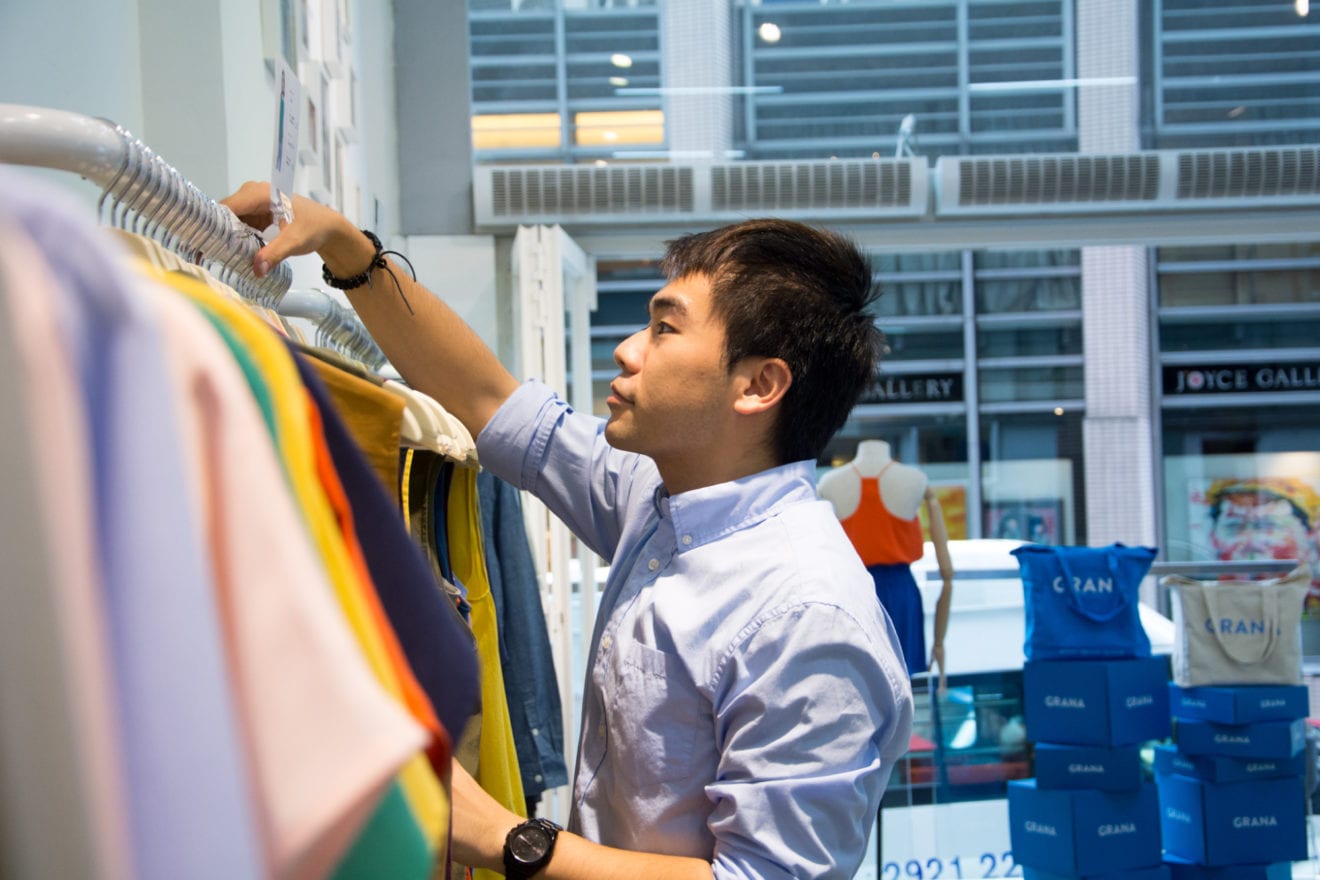
    The Sydney store this weekend was buzzing, with consumers naturally adopting the new way of shopping. While some were a little confused at first, while we were in the store, once the concept was explained by an approachable and enthusiastic team member, all customers were taking items to the fitting rooms, and exploring the full range on the instore computers. The garments were attractively displayed within their styles, with place cards detailing where the fabrics had been sourced. From Peruvian Pima t-shirts priced at $22, to Chinese Silk Dresses from $99, it is refreshing to have such a transparent view of the supply chain communicated through the store experience.

    We are interested to see what the future holds for Grana, and whether we may begin to see more Australian retailers start to adopt this model of retailing in the future.

  • Victoria Beckham Hong Kong confirmed

    Victoria Beckham Hong Kong confirmed

    Former Spice Girl Victoria Beckham has confirmed her second fashion store will open in Hong Kong early next year.

    Beckham, wife of the famous footballer and fashion celebrity David Beckham, is now a fashion designer. She opened her first flagship store in London and is so pleased with its trading has committed to a second in Hong Kong.

    “Our next store will be in Hong Kong in the first half of next year, which I am incredibly excited about,” she said in an interview published in the UK over the weekend.

    Beckham, 41,  says her store will cater for every level of shopper – it will not be an exclusive designer boutique.

    “I’ve always wanted people to be able to come to the store, whether it was just to browse, look at the architecture, buy a key ring or a full runway look. I have the most phenomenal shop staff.”

    Beckham has two ranges: The original Victoria Beckham collection and VVB, a a newer sister range she is now expanding.

    “The VVB collection actually merged with denim this season for the first time as a result of really listening to my customer and understanding that the two categories belong together.”

  • China Xiniya Fashion sales plummet

    China Xiniya Fashion sales plummet

    Menswear retailer China Xiniya Fashion says its second quarter sales nearly halved this year.

    Revenue during the second quarter of 2015 decreased by 47.2 per cent to RMB106.4 million, compared to RMB201.7 million in the second quarter of 2014.

    Gross margin fell from 27 per cent to 20.8 per cent and the company turned a pre-tax profit of RMB18.4 million into a loss of RMB8.7 million.

    That despite the net addition of 31 authorised retail outlets ( 64 opened, 33 closed) taking the network to 635 as at June 30/

    Despite the appalling firgures, chairman and CEO Qiming Xu managed a positive spin on the company’s situation.

    “To further support and stabilise our retail network during this transition period, we implemented the second phase of our inventory buyback. We are beginning to see a definite positive impact on our business from the buyback initiatives and expect this progress to continue for the rest of the year,” he said.

    “Confidence from our distributors and existing and prospective authorised retailers has improved, evidenced by the increase in orders from our sales fair and the net increase in number of authorised retail outlets.

    “While we expect the economic environment to remain challenging, we are confident that our strategy to adjust our business will ensure the long-term sustainability of our business and brand.”

    The company said its 2015 Winter Collection Sales Fair in June in Xiamen City, showcased more than 500 new products. Orders increased 15 per cent over last year’s figures.

    Of the reduced margin, the company observed: “The decrease in gross margin was primarily due to an increase in research and development expenses as a percentage of total sales in the second quarter of 2015 and a decrease in retail prices to improve the price competitiveness and attractiveness of the company’s products to consumers.”

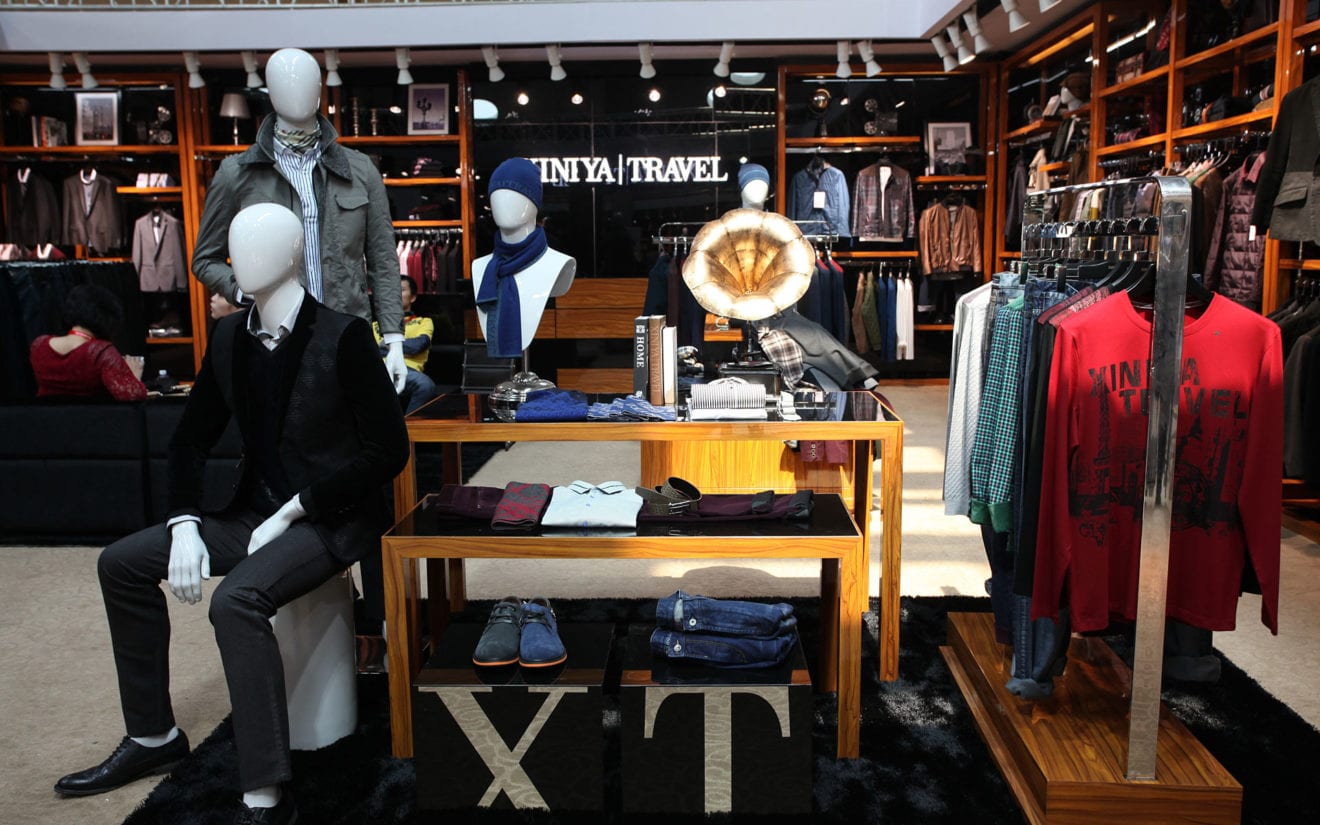
    Xiniya specialises in men’s business and casual apparel in China. It targets male working professionals in China aged 25 to 45 , seeking fashionable clothing to suit their working and lifestyle needs.

  • Burberry launches on Kakao

    Burberry launches on Kakao

    Burberry is the first British luxury brand to launch on Korea’s largest social platform, Kakao.

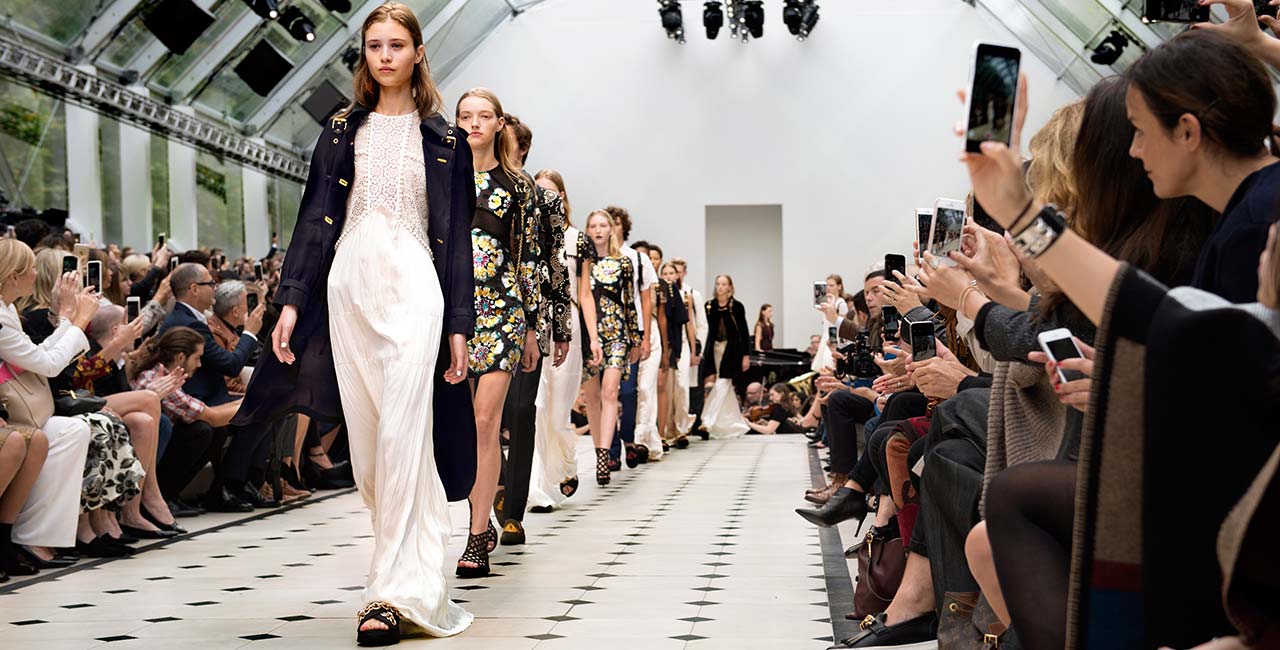
    Burberry and Kakao have formed a global partnership, which was inaugurated with the showcase of Burberry’s Womenswear Spring/Summer 2016 show last month.

    Burberry will be active across Kakao Talk, Kakao TV and Kakao Giftshop, offering Korean audiences direct access to its runway shows, campaigns and events bringing Kakao’s 190 million followers even closer to the British luxury brand.

    To celebrate the launch, Burberry will offer a selection of products to buy direct from the runway, through Kakao Giftshop.

    Burberry has also recently formalised partnerships with Apple Music, Snapchat and Line.

    Burberry CEO and chief creative officer Christopher Bailey described Kakao as “an incredibly creative and innovative company”.

    “So it is very exciting to be collaborating with them. The creative and commercial aspects of the partnership have been carefully designed to allow us showcase our culture and design heritage whilst also giving users the chance to shop at the same time.”

  • O’Ringo shoe shop steps into Hong Kong

    O’Ringo shoe shop steps into Hong Kong

    Taiwanese handmade leather shoe brand O’Ringo has opened its first store outside Taiwan – in Hong Kong.

    It is just the fourth store operated by the nine year old brand, which has three in Taiwan.

    O’Ringo sells handmade leather shoes for men. It started online before opening its first physical stores

    Committed to keeping Taiwanese traditional art of shoemaking alive, the company ensures that all its shoes are handmade by Taiwanese shoemaking masters as part of the bid to promote their skills.

    The company sources everything from Taiwan, including its leather and other shoe materials.

    Founder Tseng Hsin-Ju said he hoped the Hong Kong shop can showcase the international status of Taiwanese shoemaking craftsmanship.

    “Hong Kong is one of the most international cities in Asia. It is also the perfect springboard from which to get access into the mainland market. With this unique role as a dual platform, the city offers a foothold for our company to test our brand acceptance and expand our business in both the international and mainland markets.

    “Taiwanese culture and products, from TV drama to movies, food and beverages, are very popular among Hong Kong people,” he added.

    “We hope to make use of Hong Kong’s international status to promote our handmade shoemaking craftsmanship.”

    Associate director-general of investment promotion, Dr Jimmy Chiang, said Hong Kong is a place where East meets West.

    “Together with its international business environment and huge number of international and mainland visitors, it is the ideal place for overseas companies to go global and enter into the mainland markets. We wish O’Ringo every success in Hong Kong and that it will expand its global and Mainland business from our city.”

  • JD.com launches Italian Fashion Mall

    JD.com launches Italian Fashion Mall

    The best of Italian fashion will soon feature on a new fashion mall being created by JD.com.

    JD.com, China’s largest online direct sales company, says the Italian Fashion Mall is dedicated to introducing Italian fashion brands and products to consumers in China. JD.com and Europe Design Center also jointly announced the participation of three renowned Chinese fashion designers – Lin Gu, Ali Tan and Xiaoyan Xu – in Milan Fashion Week. The three designers were selected through a competitive program run by JD.com and Europe Design Center, and their participation marks the first time Chinese designers will participate in Milan Fashion Week.

    The announcement was made at an event during the Milan Fashion Week.

    President of JD Mall’s Apparel and Home Furnishing Business Unit, Lijun Xin said the online mall will offer China’s “increasingly sophisticated and fashion-conscious consumers a fantastic range of choices,” while offering Italian brands and designers a powerful sales platform in China.

    “Fashion has been an important part of JD.com’s development into a comprehensive eCommerce platform, and we look forward to bringing products from the world’s most exciting designers to our 118 million customers.”

    JD.com’s JD Apparel platform features top international brands such as Lacoste and GAP and introduces the latest fashion trends to consumers through JD fashion shows held twice annually in China. Currently there are over 40,000 merchants featured on the JD Apparel platform.

    As part of the JD Apparel platform, JD.com recently launched its “JD Wardrobe” app for mobile devices. The app allows consumers to mix-and-match fashion items in a virtual wardrobe, share selected items with friends and receive fashion advice from virtual fashion experts.

    The Europe Design Center is created by the Director of Design Institute of Politecnico di Milano Arturo Dell’Acqua Bellavitis, and Alan Zhong, director of Future Master project of Italian design cultivation plan, also with the support of Honarary President of Italian National Fashion Association Mario Boselli, and in collaboration with experts from fashion and design sectors, to strengthen the talents and commercial exchange between Italy and China in field of fashion, industrial design, high tech and architecture.

  • H&M backs China, India

    H&M backs China, India

    Sweden’s H&M has followed in the footsteps of archrival Uniqlo in voicing its confidence in the China market despite the economic slowdown.

    Like Uniqlo H&M is aimed at the mass market, not the high end luxury sector most hit by the tightened spending of Chinese consumers.

    H&M says it will open 70 stores in China in the year to November 30, taking its network up to just over 300.

    Like Uniqlo, the company says it sees itself appealing to cost-conscious shoppers.

    In an interview in Hong Kong on Monday, H&M country manager for Greater China, Magnus Olsson, said the brand’s customers say they enjoy spending with H&M and they plan to shop more in future.

    “Those signs we think override some other maybe noise in the marketplace right now. We’re humble but confident.”

    H&M will open its largest store yet in Asia in Causeway Bay, Hong Kong, on October 30.

    H&M group’s sales in the nine months to August rose 22 per cent globally; expressed in local currency, by 12 per cent.

    In the fourth quarter of this year H&M plans to open about 240 new stores – almost three per day.

    It will enter India and South Africa this autumn, with maiden stores in New Delhi this week and in Cape Town in October.

  • Salvatore Ferragamo confident despite China woes

    Salvatore Ferragamo confident despite China woes

    Italian luxury goods brand Salvatore Ferragamo is confident it can weather the impact of falling sales in China, Hong Kong and Macau.

    The company has admitted to slowing growth in Asia, its largest market, but says it will stick to its previous profit guidance and is confident activities in other markets can balance the impact. That guidance is an EBITDA or about euro 320 million – 27 million more than it achieved in 2014.

    In the first half of this year, Asia-Pacific, the brand’s largest market, was the only one where it posted a sales decline, expressed in constant exchange rates. Most of the damage was done in Hong Kong and Macau where the downturn in luxury spending has been well documented.

    In China, most of Salvatore Ferragamo’s peers are reporting challenging conditions, revising their overall expectations based on slowing luxury and discretionary spending there.

    But Salvatore Ferragamo CEO Michele Norsa told journalists at the Milan Fashion Week: “We’ve been giving a very constant and consistent indication regarding this year.”

    However, the company said it would be reviewing prices in markets where the local currency was under pressure. While he did not name China, he did cite Russia and Brazil as examples.

  • Girard-Perregaux Singapore flagship

    Girard-Perregaux Singapore flagship

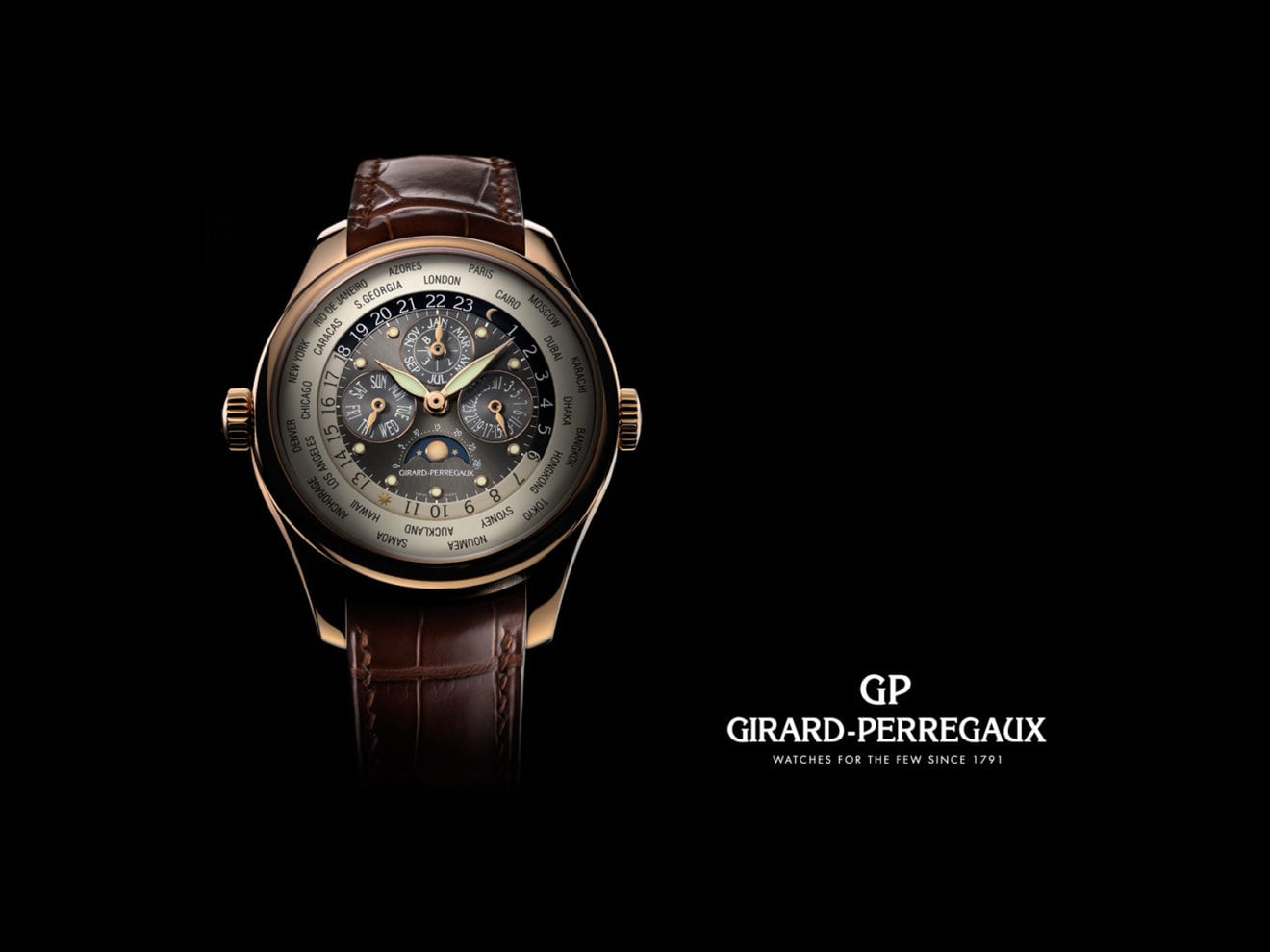
    The new Girard-Perregaux Singapore boutique is the Swiss watchmaker’s first Southeast Asian flagship.

    The Girard-Perregaux Singapore boutique is a partnership with The Hour Glass, Singapore’s exclusive distributor of Girard-Perregaux in Southeast Asia.

    The boutique has opened at The Shoppes at Marina Bay Sands.

    “Girard-Perregaux is honoured to celebrate its exclusive partnership with The Hour Glass, with the opening of its first flagship boutique in Singapore. It is indeed a privilege to be the new addition to the prestigious lineup of luxury brands retailing at Marina Bay Sands. This is a significant milestone and a hallmark of the manufacturer’s watchmaking evolution and heritage,” said Antonio Calce, CEO of Girard-Perregaux.

    The Girard-Perregaux boutique houses the most comprehensive collection of Girard-Perregaux timepieces yet in Singapore. Unveiling the core collections in dedicated sections within the boutique, watch aficionados will be enticed by Girard-Perregaux timepieces ranging from Haute Horlogerie, to iconic collections such as GP 1966, the seductive feminine Cat’s Eye collection and the Vintage 1945 which celebrated its 70th anniversary this year, to name a few.

    Upon entering the boutique, customers’ attention will be caught by the Parisian custom-made chandelier cascading from atop, evoking a touch of lightness and artistry to the boutique environment. The interior décor of the Girard-Perregaux boutique features precious wood furnishing, emanating modern and discreet sophistication.

    “Girard-Perregaux is one of the rare manufacturers today who have amassed a rich heritage and watchmaking expertise of over two centuries. This is a rare gift. The partnership between The Hour Glass and Girard-Perregaux shares a common passion for respected watchmaking codes, combined with forward-thinking innovations.We are proud to unveil the authentic world of Girard-Perregaux in one of Singapore’s most dynamic retail landscape at Marina Bay Sands,” said Wong Mei Ling, MD of The Hour Glass.

    Girard-Perregaux by The Hour Glass is located on the Bay Level of The Shoppes at Marina Bay Sands.

  • Lacoste India targets flyers

    Lacoste India targets flyers

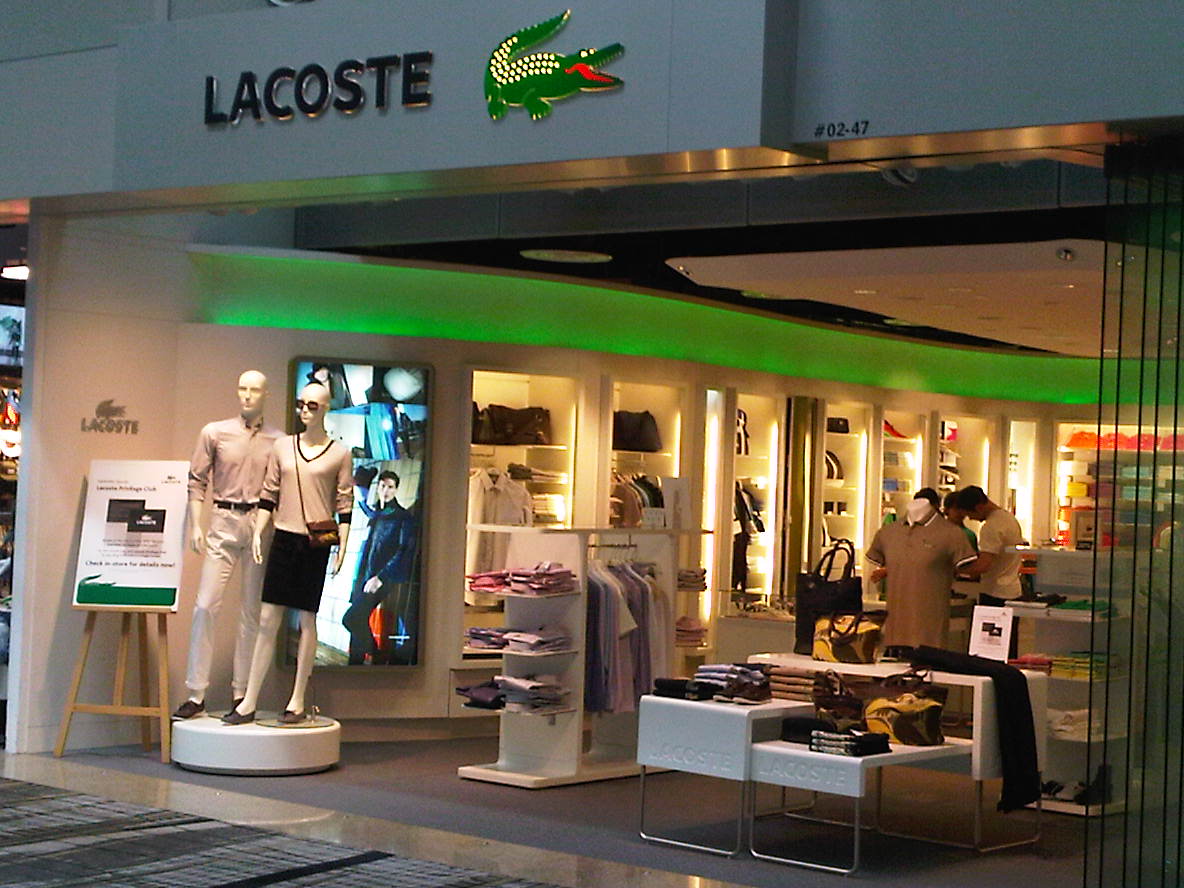
    French apparel brand Lacoste hopes to score more impulse sales by opening stores in Indian airport terminals.

    Lacoste India plans to open three new stores this year in Mumbai and Hyderabad airports and another five in shopping centres as it gradually builds its footprint in tier one cities.

    “We will be opening one outlet at the Hyderabad domestic terminal and at Mumbai airport,” Lacoste India director & CEO Rajesh Jain told PTI in an interview.

    “The new retail stores at airports would start contributing up to seven per cent of our total sales from next financial year.”

    Lacoste already operates a store inside Bangalore Airport. It is eyeing Kochi and Delhi as well.

    The company currently operates 46 stores in 18 Indian cities.