Tag: Fashion

  • Abercrombie & Fitch ‘in recovery mode’

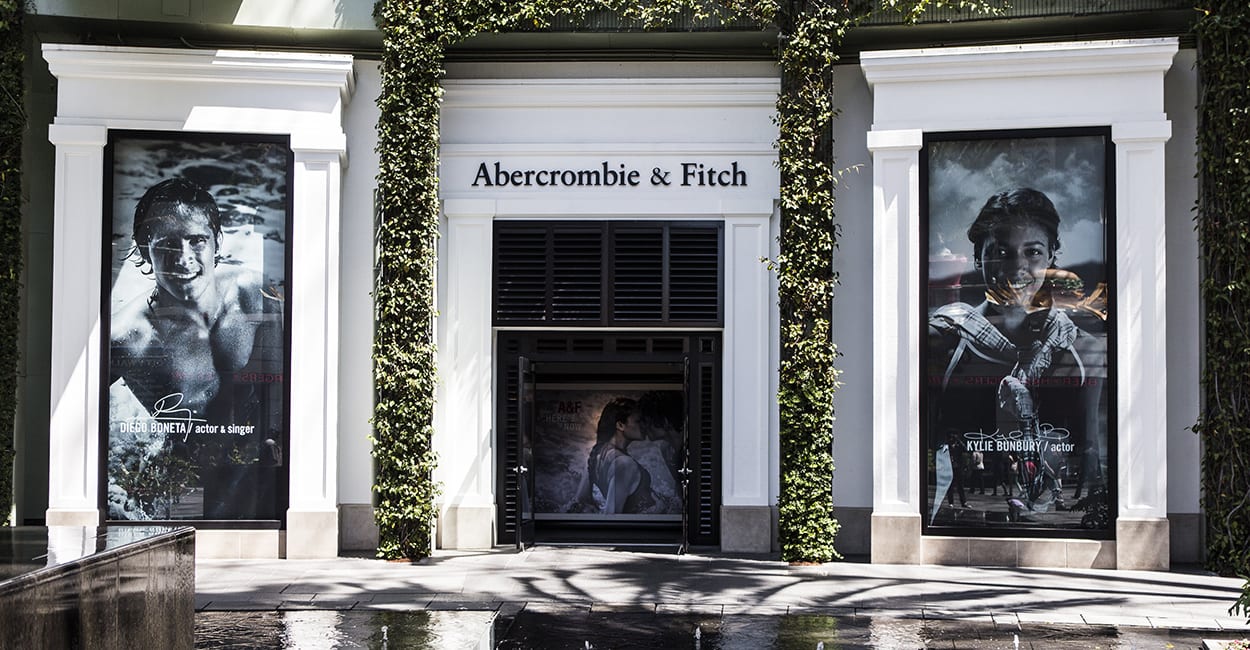
    Abercrombie & Fitch ‘in recovery mode’

    Broadly, the latest set of results from Abercrombie & Fitch are to be welcomed: they are a sign that the brand continues to make progress in what remains a challenging market during a particularly difficult period of trading.

    Across the quarter, total sales shrank by 1 per cent on a reported basis, although when currency fluctuations are removed that number turns into growth of 2 per cent. Across the group, same store sales increased by 1 per cent on a year-over-year basis, with particularly good gains coming from international operations.

    There is also a reasonably positive story on the margin front where – despite a highly promotional environment and suppressed consumer demand- A&F saw gross profit as a percentage of sales drop by just 0.5 percentage points. The outcome here could have potentially been far worse.

    Despite there being clear signs of progress, which includes a sequential improvement in most of the sales and profit metrics, A&F is still very much in recovery mode and the brand is still not yet back to full health. This is evidenced by the fact that although the sales outcome was reasonable, it came off the back of what can only be described as a tumultuous final quarter last year when total sales shrank by 14 per cent and same store sales dipped by 13 per cent.

    Such soft comparatives flatter this quarter’s numbers and raise the question as to whether the better performance is a natural bottoming out, or if it is thanks to some of the corrective action that is now being taken by the management team. In truth, we think the results reflect a bit of both factors.

    Future growth will be governed, in large part, by how successfully the brand is able to reestablish its connection with younger consumers. Over the past year there has been evidence that both Abercrombie and Hollister are moving in the right direction in order to attune themselves to the tastes and preferences of today’s young shoppers. Among other things this has involved a less brash approach to marketing, a more minimalist and modern style in terms of clothing collections, a brighter and more inviting in-store experience, and a move into high growth categories like athleisure.

    These things have won back customers who defected and have also secured new shoppers. Most notably, the shifts have also allowed Abercrombie to secure custom from a slightly older demographic with higher spending power; something that is useful given that spending on apparel from younger shoppers remains muted thanks to the vast array of other products and services they now buy into.

    That noted, it is still far too early to say that brand loyalty has returned. At present many shoppers are rediscovering the brand and looking at it anew; as such their purchasing is patchy and occasional. While this is something A&F can improve on over time, it is unlikely it will ever regain the brand capital it once had: the market, consumers, and the competition have all shifted too much to allow that to happen.

    This is one of the reasons why A&F’s action on retooling its business model and reassessing its space and store requirements is sensible. To meet the new pattern of demand it will need fewer stores coupled with a good online offering. While there has been progress made in terms of reconfiguring the store fleet, growth from online is somewhat less encouraging.

    The upcoming year will continue to be one of reinvention. The current management team is strong and has the right mix of skills to make the necessary changes and reinvigorate the brand. However, they are up against a low growth, challenging environment which means that the play for the fiscal year as a whole is as much about holding onto current market share as it is about positioning the business for future growth.
  • Forever 21 To Open Second Hong Kong Store in Hong Kok

    Forever 21 To Open Second Hong Kong Store in Hong Kok

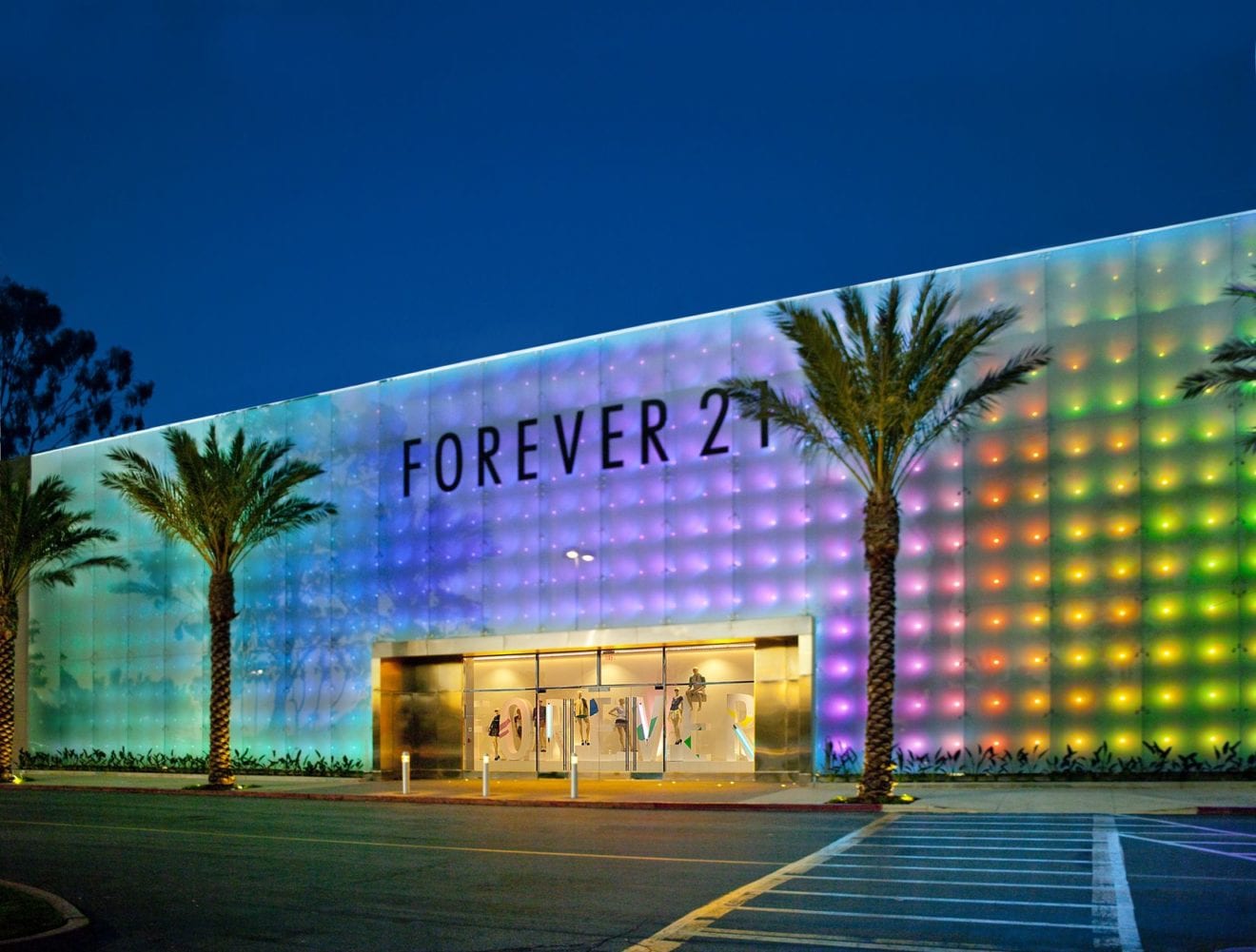
    US fast-fashion retailer Forever 21 will open its second store in Hong Kong this year, capitalising on the shift in consumer demand from luxury to non-luxury products.

    “Due to the demand of our consumers, we have continued our expansion throughout Hong Kong and mainland China. Hong Kong also has a vibrant history of international business and we saw a lot of potential for growth, which is why we wanted to bring a second Forever 21 store to this space,” the fashion retailer said in an email reply to Retail in Asia.

    The new store will be located at Pakpolee Commercial Centre on Mong Kok’s Sai Yeung Choi Street, trading over 18,804 square feet, people familiar with the matter told Retail in Asia.

    “Mong Kok offers a premier shopping experience and we believe it is a good fit for our second store in Hong Kong. We are very selective in choosing a location for any store. We make it a top priority when selecting a new location to ensure that it is accessible to customers and that it can house and properly represent our merchandise, staying true to our brand,” noted Forever 21.

    The fashion chain will pay a monthly rent of HKD2.5 million (USD321,000) to lease the three-story retail space with a ground-floor entrance, according to the source. The first floor and the ground floor were currently taken by cosmetic retailer Sa Sa with a monthly rent of HKD1.25 million. The second and third floors were leased to California Fitness for about HKD1 million per month. The fitness center moved out three years ago.

    The new store is estimated to open in late summer or early fall this year according to Forever 21.

    With a monthly rent of HKD2.5 million for its new store, Forever 21 made the largest retail leasing transaction in the fourth quarter of 2015 in key shopping destinations of Hong Kong, according to data compiled by Retail in Asia. It demonstrates the retailer’s confidence in the market’s potential for cheap chic fashion which also supports CBRE’s prediction that mid-range brands are set to expand in Hong Kong when luxury retailers are struggling with declining sales and leaving core retail locations.

    CBRE believes that Hong Kong will transform from a luxury goods oriented retail market to a mid-range market. “Mid-market retailers will benefit from the change in spending patterns and remain the main demand driver for retail space. Some of them will use this window of opportunity to re-establish themselves in prime locations and/ or expand their retail networks,” the real estate adviser said in its latest report Hong Kong Retail MarketView Q4 2015.

    With Forever 21 opening another store in Hong Kong, more mid-market retailers are expected to ride on the wave and expand their store networks in the city.

    Founded in 1984, Forever 21 now operates more than 730 stores in 48 countries. The brand debuted in Asia in 2008 by launching the first store in Seoul, followed by its second in Japan the next year.

    In 2012, the US retailer entered Hong Kong by unveiling a six-floor flagship store in the in the Capitol Centre of Causeway Bay. It paid a monthly rent of HKD11 million for the 51,188-square-foot space.

    The fashion retailer currently has 16 stores in Greater China which include 12 stores in mainland China, 1 in Hong Kong, 1 in Macau and 2 in Taiwan.

    Aside from Hong Kong, Forever 21 also plans to expand its retail footprint into other markets in Asia although it didn’t disclose the details. “In 2016, we plan on expanding our store presence in Japan, Indonesia, China, and the Philippines,” the fashion retailer told Retail in Asia.

  • How smaller retailers are thinking beyond Fashion Week for #fashion to compete

    How smaller retailers are thinking beyond Fashion Week for #fashion to compete

    Increasingly easy-to-use technology has enabled smaller retailers to speak and deliver to their niche customer sets across all channels with the same voice as they would in a shop in Hong Kong. So what is driving their success?

    This vendor-written piece has been edited by Executive Networks Media to eliminate product promotion, but readers should note it will likely favour the submitter’s approach.

    Like many reading this, I’m always intrigued by the small business owners I meet across the world, many running generations-old boutiques selling one-of-a-kind treasures. These shop owners, with their warm welcomes and time-honored craftsmanship, can quickly endear themselves to even the most casual shopper. A storefront with a history or an intriguing story can quickly turn a browser into a loyal customer, as has been my experience time and time again.

    This sort of personalized experience has always been the key to success for small retailers in the fashion and luxury goods sector.

    However, as the worlds of fashion, luxury and media descend upon Paris for Fashion Week, these experiences and transactions seem increasingly quaint and inconsequential. Amid all the dazzle, glitz and glamor, one can be forgiven for thinking that high fashion continues to be the realm of global retailers and big-name luxury brands.

    Yet remarkably, more and more fashion retailers are starting to embrace being ‘small’ as a strategy for success and growth. Increasingly easy-to-use technology has enabled smaller retailers to speak and deliver to their niche customer sets across all channels with the same voice as they would in a shop in Hong Kong. So what is driving their success?

    They’re tech-savvy

    With e-commerce growth projected to double the retail industry average at least until 2017, half of all shoppers discovering new products when searching with smartphones, 82 percent of smartphone owners looking online for product information when shopping, and smartphones already accounting for over 40 percent of ecommerce transactions in Japan and South Korea it is no wonder that small retailers are realizing that they need to be as tech-savvy and flexible as their customers. That means engaging and delighting shoppers on mobiles, social media and online channels. 

    They’re highly personal

    Technological advancements and the democratizing power of the Internet have allowed retailers to scale up without sacrificing intimacy and personal service. As customers no longer think about retailers’ brands in a silo, neither does the small retailer. They analyze insights from website visitor traffic, social media interactions, and newsletter click-through rates to better understand their customers. Any retailer with a Facebook page can now easily discover that their average customer is, for example, female, aged between 16 and 24, and listens to One Direction, and by using this data to precisely tailor their sales and marketing strategy, they can more effectively engage and delight their customers.

    They look for ways to cultivate and engage a community

    It is much more profitable to sell to loyal customers than to constantly look for new ones. A Bain study showed that just a five percent growth in customer retention could boost profitability by 75 percent.

    Small retailers are starting to use this insight to build loyal online communities, which do the selling for them. No wonder a brief Google search on the words ‘e-commerce’ and ‘social media’ turns out 101 million results, with articles such as ’12 Social Media Tactics to Drive Traffic to your E-commerce Site’ being the most visited. Another way is through loyalty programs, which 30 percent of independent retailers are planning to implement in 2016. This is on top of the quarter of independent retailers who already have a loyalty program in place.

    They find the right support 

    Finally, one cannot ‘grow small’ without a reliable network of business partners, whether it’s like-minded companies to cross-sell services and expand the product offering, or other companies to provide operational support in areas where expertise is lacking.

    One example of this is logistics. According to a recent FedEx study, about 70 percent of consumers surveyed listed shipping-related factors as the most influential in their decision to buy from online retailers in other markets. That is why small retailers look to third-parties for their expertise and capabilities in potentially complex areas, such as the implementation of a policy that allows customers the option to return items purchased online to a physical store.

    #fashion is a game changer

    As global product availability is almost a non-issue these days, smart small retailers in the fashion and luxury sector need to constantly rethink their strategies, find ways to stand out, grow, and engage their customers without compromising the essence of their appeal.

  • Losses force Esprit to downsize

    Losses force Esprit to downsize

    Following a first half loss of HK$238 million (US$30.6 million), fashion retailer Esprit plans to prune unprofitable outlets while improving productivity.

    “In the very short term, we will continue to see the closure of unprofitable spaces from our retail store network and our wholesale partners’ points of sale,” the company says in its interim results announcement. It expects these actions will help group turnover remain stable although it may be reduced.

    During the six months, the company posted a 13 per cent dip in sales to HK$9.31 billion. It says the losses are partly the result of the unfavourable impact of the euro depreciating against the Hong Kong dollar.
    With a loss per share of 12 cents, the directors did not declare an interim dividend.

    Meanwhile, the company has seen positive retail sales growth through both online and offline channels, particularly in Europe. Its challenges lie in its wholesale business, currency risks and lower performance in Asia.
    It says the underperformance in the Asia-Pacific region was partly attributable to a combination of volatility in the financial markets, the economic slowdown in China and the devaluation of the yuan, which significantly dampened consumer sentiment.

    Esprit’s largest geographic market, Germany, had HK$4.44 billion turnover, representing year-on-year growth of 1.5 per cent. For the rest of Europe the turnover of $3.38 billion was down from $3.92 billion of the previous year’s second half. Turnover in Asia Pacific amounted to $1.42 billion, a year-on-year drop of 6 per cent.
    Esprit says it faces challenges ahead with volatility in the financial markets and economic uncertainty that could further dampen consumer sentiment, especially in Asia. And if the euro continues to be weak, it would put pressure on the group’s gross profit margin.

    Meanwhile, the group is expecting an estimated net gain of about $725 million from the sale of six wholly owned property subsidiaries in Hong Kong, a deal finalised in December. Once the sales is settled, the group plans to lease back most of the properties.

    Also the group has introduced efficiencies in its product development and supply chain processes, as well as developing a “more ambitious” commercial strategy using an omnichannel model. It has been using an intensive brand-marketing campaign since September to strengthen and rejuvenate its image.

    Already it has seen positive sales performances, plus increased customer loyalty and better online and mobile sales.

    “Driving these productivity gains further remains our top priority in the near term,” says the company, noting an increase to 49 per cent of eCommerce sales by mobile devices and a 92 per cent growth in smartphone sales.

  • BrandOutlet pushes Indonesian style

    BrandOutlet pushes Indonesian style

    Local brands are a focus of a new eCommerce fashion venture in Indonesia.

    Part of the PT Media Nusantara Citra Group (MNC), BrandOutlet features fashion and beauty collections for women, men and children, reports the Jakarta Post.

    Not to be confused with the UK’s Brand Outlet, the new site devotes 6 per cent of its offering to quality local brands such as Damn! I Love Indonesia, Ingrid Husodo and Nikicio. Its international labels include Michelle Worth, Oscar de la Renta and Ted Baker.
    “Most of the branded products are available only at offline shops and boutiques, making them inaccessible to people living outside big cities such as Jakarta and Surabaya,” says BrandOutlet COO Andry Huzain. “We aim to provide anyone anywhere with easy access to buy them affordably.”

    Andry says mobile applications for iOS and Android users will be available in April.
    The company also publishes an eMagazine offering features tips, tricks and updates on fashion trends.
    BrandOutlet’s COO, Valencia Tanoesudibjo, is the daughter of MNC Group CEO and founder Hary Tanoesudibjo.

    Meanwhile, a fashion eCommerce app has been launched in Jakarta that enables users to buy products for a range of online shops without having to open each individual site.

    Lyke showcases up to 100,000 products on such platforms as Berrybenka, Bobobobo and Local Brand, as well as smaller businesses that market through blogs or social-media platforms, reportsE27.

    Users can also “follow” their favourite shops and receive recommendations based on their preferences.
    “Lyke is the perfect partner for local fashion brands that want to reach out out their customers via mobile,” says CEO Bastian Purrer, who quit his MBA studies at Harvard Business School to launch the business. Future plans include features that enable social interaction between users, such as sharing the fashion products or celebrity styles they like.
    Online shopping via mobile site or app is starting to gain traction in Indonesia, with companies such as Zalora claiming that most of their sales during the national online shopping day Harbolnashappened on mobile sites and apps.

  • Furla Asia-Pacific plans more flagships

    Furla Asia-Pacific plans more flagships

    Luxury Italian brand Furla is planning more flagship stores in Asia as the region delivers strong growth for the 89-year-old family-owned company.

    FURLA CEO_Eraldo PolettoIn an exclusive interview with Inside Retail Asia, Furla CEO Eraldo Poletto explains how the company has bucked the decline in luxury spending in core markets like Hong Kong and Singapore during the past year. Furla achieved 53 per cent growth in total sales (in euro at the current exchange rate) in Asia-Pacific, where it counts 14 markets – Australia, Cambodia, China, Hong Kong, India, Indonesia, Korea, Macau, Malaysia, Singapore, Taiwan, Thailand, The Philippines and Vietnam. Japan, a stand-alone territory in Furla’s accounts, saw sales grow 24 per cent.

    Even discounting sales from new stores, like-for-like growth for Furla Asia-Pacific reached 15.5 per cent last year, yet the region accounts for just 19 per cent of the company’s sales – about €64.4 million ($72.1 million) – suggesting strong growth potential ahead.

    “The consistent strategy we have implemented over the past four years – positioning ourselves as the only Italian and ‘Made-in-Italy’ brand in the premium segment, without accepting compromises in terms of quality – is paying off,” says Poletto.

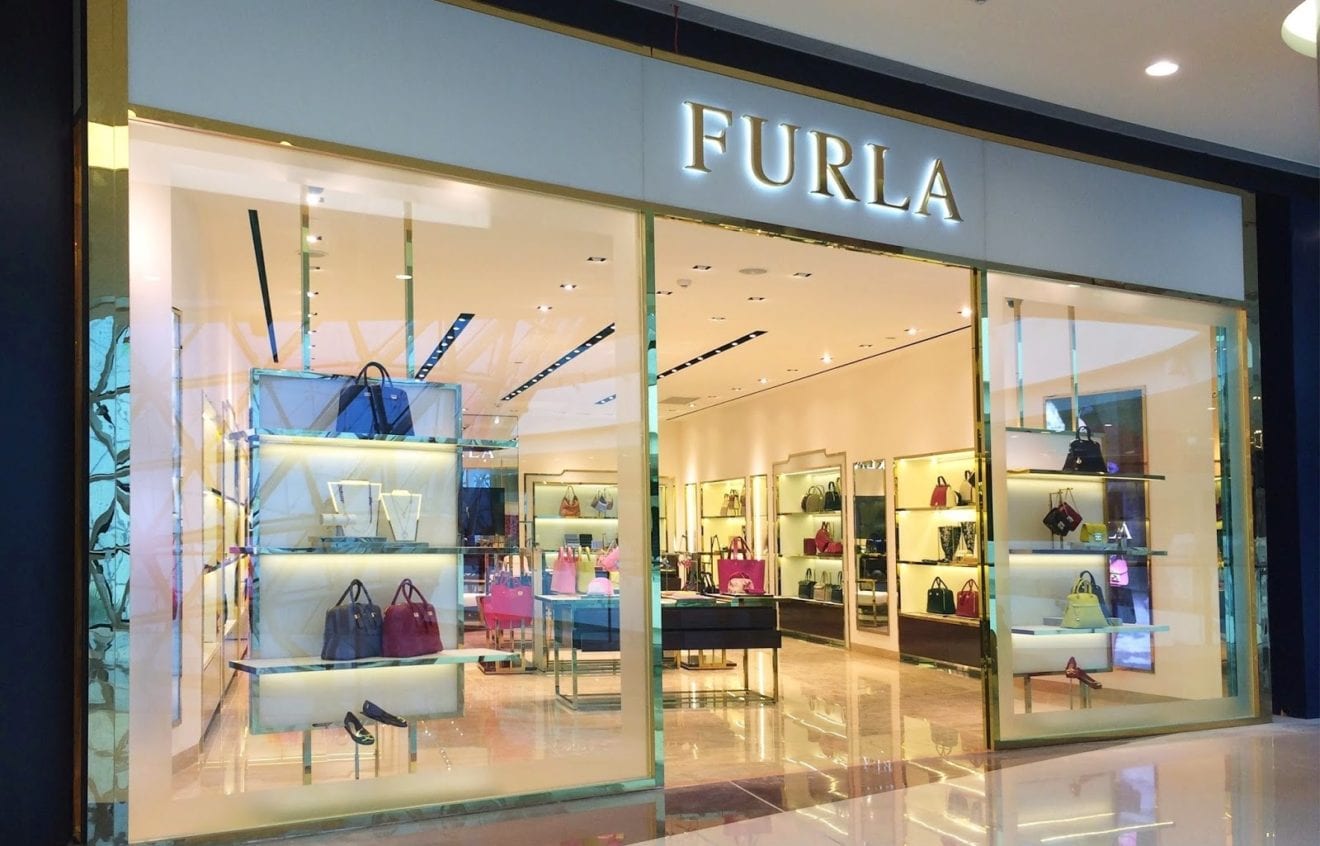
    “We are expanding our footprint with important flagships: Singapore Marina Bay Sands opened in September; Hong Kong Miramall and Shanghai Citic, each with a 300 sqm street facade, opened in December with a luxury retail concept showcasing our full ladies’ and men’s collections.”

    Furla China Flagship Store @ Shanghai Citic Square 4

    He says more flagships will open this year in Australia and Bangkok.

    “Flagships are meant to represent every aspect of the brand in terms of image and product range; however, we are not expecting to open more than five or six flagships in the region, as we are focusing on the profitability of our retail network, and prefer to penetrate the market extensively.”

    In what he terms a “capillary” approach, more standard-sized stores and points of sale will also open across the region.

    Furla China Flagship Store @ Shanghai Citic Square 7

    For the past two years the company has opened or renovated one store a week. It now has 172 points of sale in Asia-Pacific, along with 72 monobrand stores in Japan.

    “In terms of our retail format, our average store size is increasing together with Furla’s total-look collections. Malls and high-street locations complement each other, and in this period of time, rent levels in some markets have decreased substantially because of a drop in demand from luxury, watch and jewellery brands. We are always on the lookout for new opportunities to invest in,” says Poletto.

    “Our retail store concept is also quite special, as it wants to deliver a 360-degree luxury shopping experience while maintaining our the value-for-money approach.”

    Furla China Flagship Store @ Shanghai Citic Square 2

    Asians appear to be embracing Furla’s distinctive quality brand feel and shopping experience. Perhaps surprisingly, the brand has no strategy of differentiating its Asia-Pacific product range from those of other markets.

    “We believe that if a product captures customers’ hearts in one market, its appeal is universal. Our price and product range have always been appealing to a large spectrum of clientele; it is not by chance that our two best-seller styles – Metropolis and Artesia – represent the most affordable and the highest offer of our collection respectively.

    Furla China Flagship Store @ Shanghai Citic Square 6

    “In terms of branding, strong marketing investments – like our collaboration with Mario Testino and a more aggressive digital and outdoor media planning strategy – are making Furla far more visible.”

    Department stores are still an integral part of the Furla sales strategy, especially in China, where that sector is still in its infancy by western standards.

    “The department store culture in Greater China isn’t very strong yet, and there are very few players compared to the shopping mall retail model in western markets. There is most surely room for improvement in this region.

    Furla China Flagship Store @ Shanghai Citic Square

    “The situation is much more developed in Singapore and Australia, and obviously a priority in Korea with Shinsegae, Hyundai and Lotte, where we are present with 10 domestic stores and an aggressive development plan.”

    Furla is also experiencing strong growth in the travel retail sector, which is helping both top-line sales and brand awareness.

    “Travel retail will continue to fuel the growth in APAC,” says Poletto. “Total sales generated by the travel retail channel were up 27 per cent for 2015, and we opened five new locations. We see blooming opportunities in this channel as Asian customers shop worldwide while they travel: it is a great showcase for the brand.”

    In June, Furla will open a directly managed boutique in Hong Kong International Airport.

    Furla China Flagship Store @ Shanghai Citic Square 8

    Southeast Asian focus

    Furla’s strong growth in the region is coming not just from the established markets of Hong Kong, Singapore and Greater China.

    “We have witnessed a significant double-digit growth in Southeast Asia markets including Cambodia, Malaysia, Singapore, Thailand, The Philippines and Vietnam,” says Poletto.

    “In Indonesia, a fast-growing country with a population of 250 million, we have a capillary quality presence with 10 boutiques in five cities. As of today, Furla has 46 stores in Southeast Asia, and we will focus on strengthening our foothold in these markets this year.”

    Furla China Flagship Store @ Shanghai Citic Square 5

    In India, which Furla has entered in a joint venture with Genesis Luxury, the label has three boutiques – one each in Mumbai, Delhi and Calcutta.

    “They are all performing very well with a 50 per cent sales growth increase in 2015,” says Poletto. But the market has considerable challenges.

    “India is a market with very high potential, but also with a huge limits when it comes to infrastructures. There are not enough qualitative shopping malls to cover Indian clients’ high demand for fashion and luxury: this is why Indian consumers represent a key nationality in markets like Dubai, London or Singapore.

    “In terms of expansion, we will tap into all the new relevant real-estate projects.”

    Globally, Furla has 415 monobrand stores, of which 190 are directly owned and 198 franchised. It has 27 travel retail stores and more than 1200 outlets in department stores and multibrand outlets.

    Furla China Flagship Store @ Shanghai Citic Square 10

    Results released today show that Furla’s global turnover reached €339 million last year, up 30 per cent on 2014. The growth was driven across all Furla product categories, including the new men’s collection, women’s footwear collection and eyewear.

    Poletto says that being a family-owned business – an increasingly rare phenomenon in the model luxury retail business – has its advantages.

    “Being 89 years old gives us a great DNA to be around into the future: the real assets are the brand and its heritage, which are translated into equity. The Furlanetto family has very strong values – they have a long-term vision, instead of making opportunistic choices.”

  • Prada finance chief Galli resigns

    Prada finance chief Galli resigns

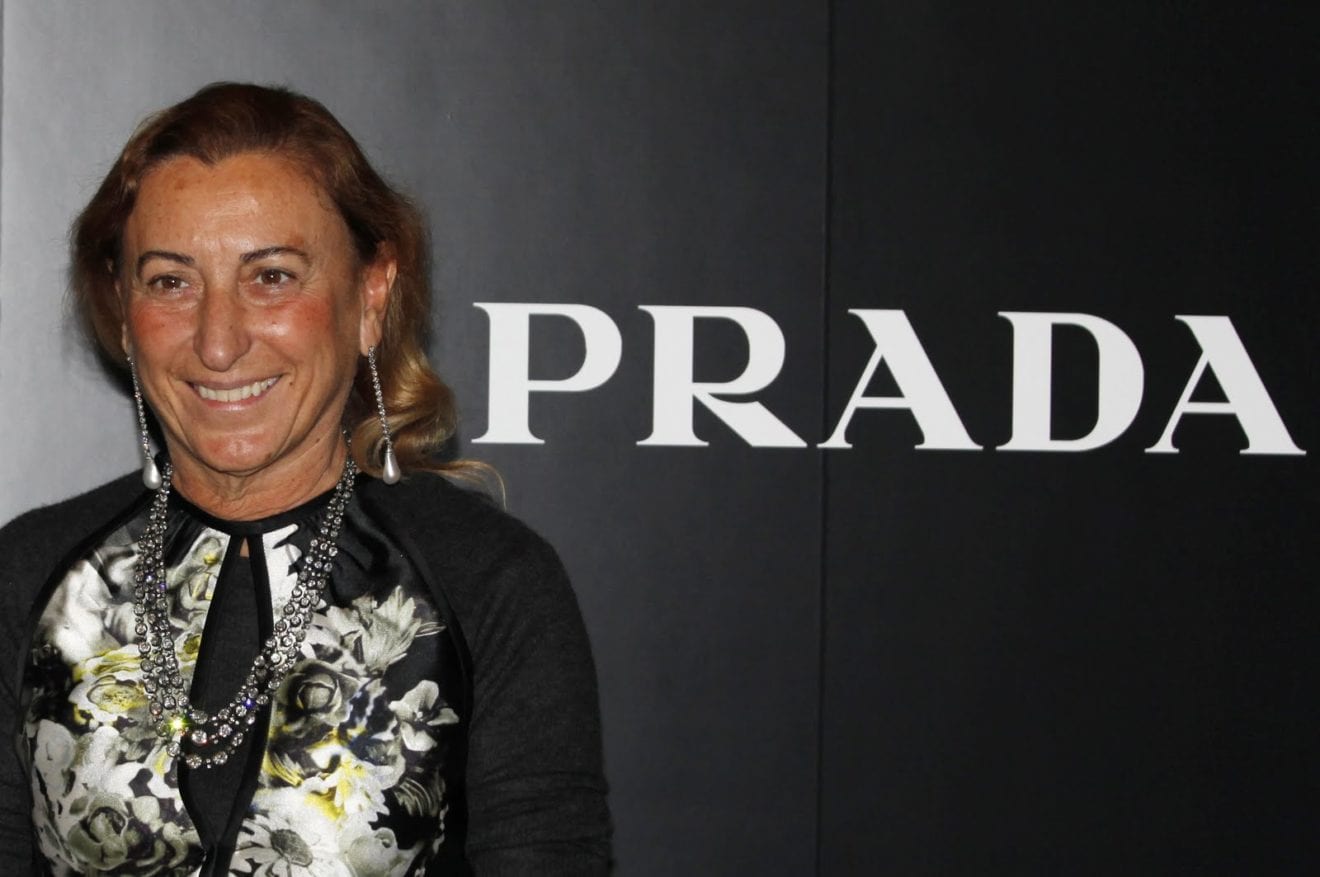
    Italian luxury goods group Prada said on Friday its finance chief was resigning with immediate effect, two days after the company reported almost flat full-year sales, held back by weakness in Greater China.

    Prada said in a statement to the Hong Kong stock exchange that Donatello Galli was stepping down for personal reasons to pursue new career opportunities, adding there had been no disagreement with the board during his tenure.

    “There is no other matter relating to his resignation that needs to be brought to the attention of shareholders of the group,” the statement said.

    Galli, who was also a board member, had been chief financial officer since joining the company in 2004.

    Hong Kong-listed Prada said Alessandra Cozzani, head of investor relations and executive director of the company, had been appointed to replace Galli.

    A search is also under way for a new board member, the company added.

    Prada, best known for handbags that retail for as much as 6,000 euros ($6,667), has seen earnings slump in recent quarters, hurt in part by costly investments in new shops in the face of softening demand for luxury goods.

    On Wednesday, the Milanese fashion house said net revenue totalled 3.55 billion euros in the year to Jan. 31, little changed from a year earlier.

    “We haven’t spoken to the company yet, but a management change is hardly surprising. The company’s been under a lot of pressure of late and has come down heavily from peaks,” said an analyst, who spoke on condition of anonymity.

  • Victoria Beckham is opening a store in Hong Kong

    Victoria Beckham is opening a store in Hong Kong

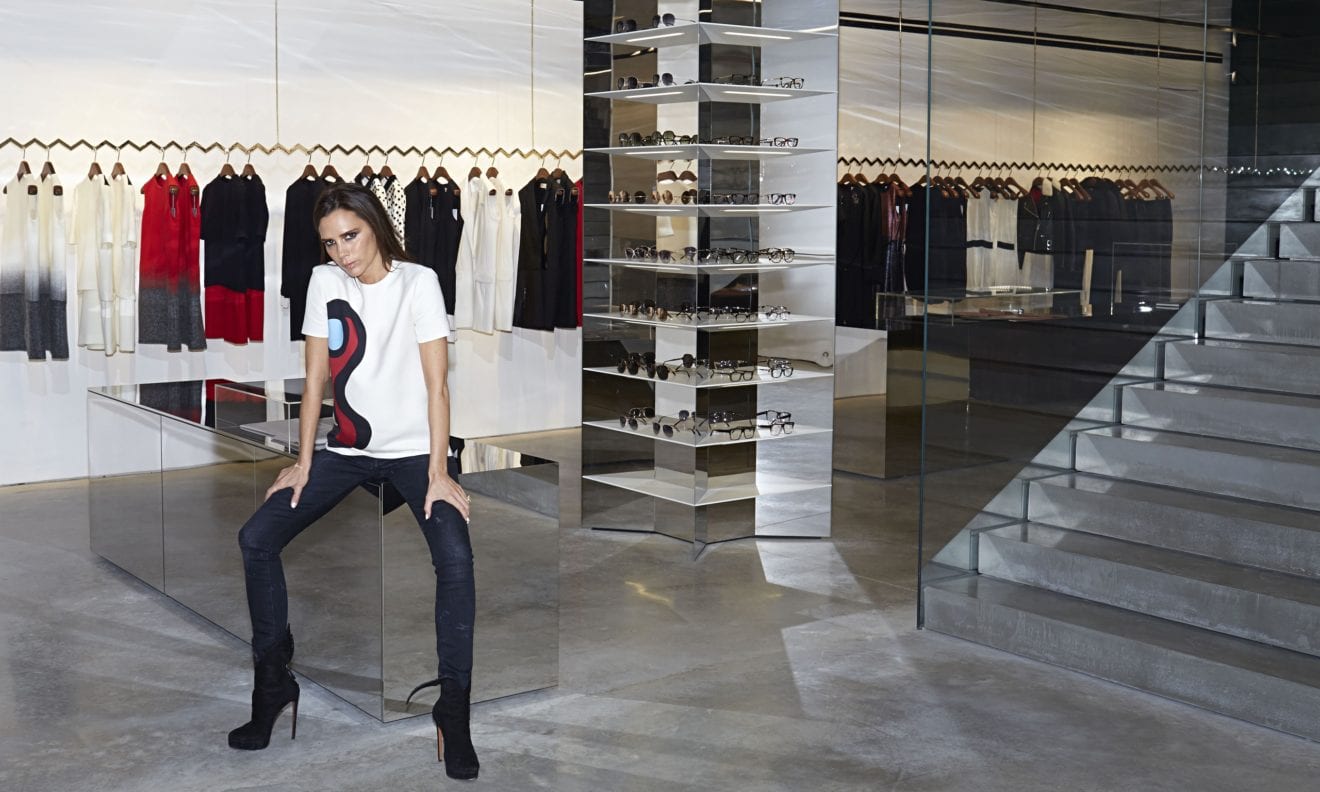
    Earlier today, minutes after taking a bow at her autumn/winter ’16/’17 show during New York Fashion Week, Victoria Beckham announced that her burgeoning retail empire is officially on the rise with a Hong Kong storefront scheduled to open in March.

    “The women in Asia really know how to dress,” Beckham said to BagSnob founder Tina Craig on a video that appeared on Vogue China’s Instagram account. During Art Basel last March, the designer (and apparent celebrity wedding dress consultant) told the South China Morning Post that she was in the process of scouting potential brick-and-mortar locations in the metropolis.

    Beckham, who showed a thoroughly modern collection of contrasting stripes, tuxedo jumpsuits and one particularly sophisticated take on an evening wear kilt, opened her first freestanding boutique on London’s Dover Street in September 2014. The Hong Kong shop marks Beckham’s first freestanding location in Asia and second in the world.

    “Super chic sophisticated, understand and appreciate fashion…” continued the former Spice Girl and mother of four on her newest customer base. Her brood — along with newly-minted photog son Brooklyn and dashing husband David — sat, as usual, in the front row of her runway show near Anna Wintour. “They love getting dressed up.”

  • Lotte launches Paul & Shark in Korea

    Lotte launches Paul & Shark in Korea

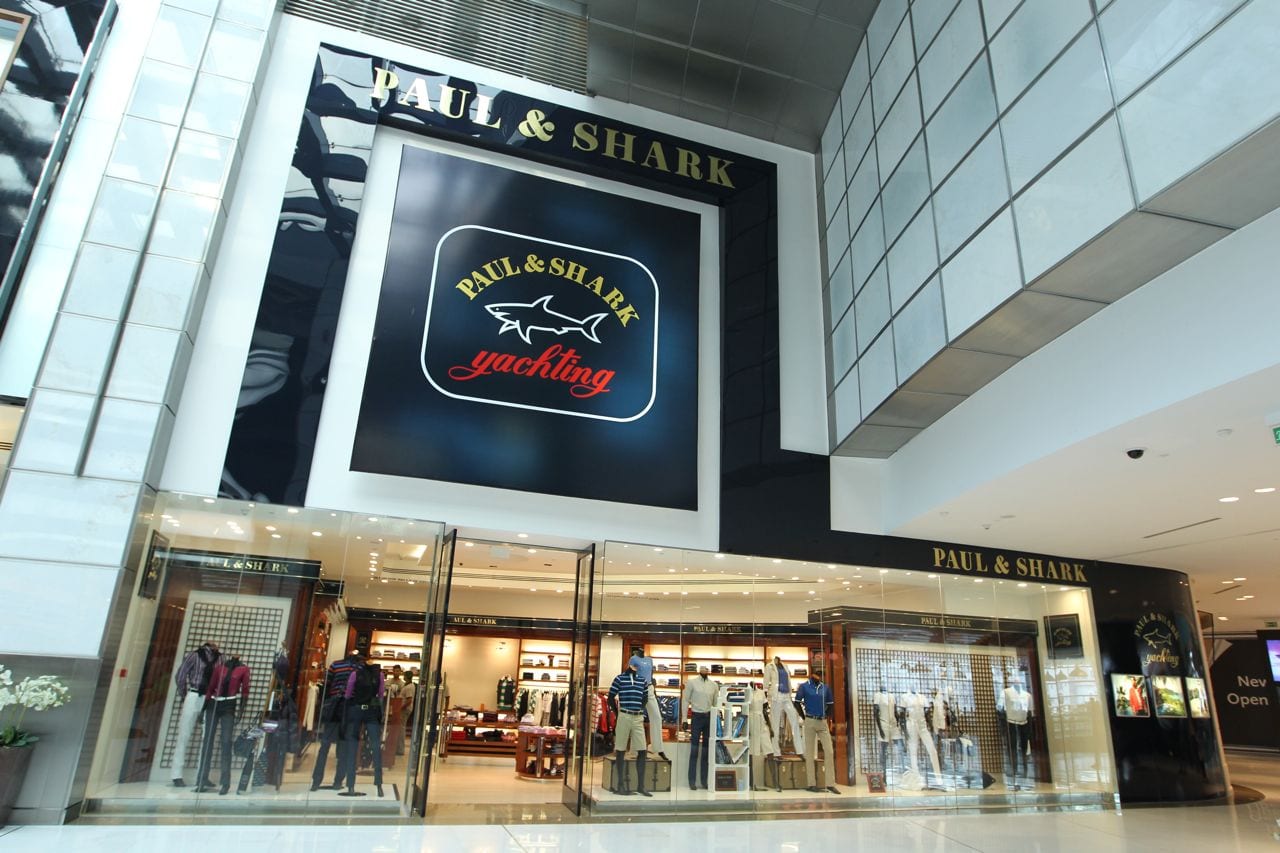
    Italian lifestyle brand, Paul & Shark, has opened its first boutique in South Korea, at Incheon International Airport (ICN) in partnership with Lotte Duty Free – with a further two on the way.

    Commenting on the mid- December opening: Catherine Bonelli, Global Travel Retail Director at the brand, says: “This store makes a wonderful first step into the South Korean travel retail market for Paul & Shark.”

    “In the first quarter of 2016 another two openings are planned in Seoul, which will truly cement Paul & Shark’s presence in Korean travel retail. I would like to thank Lotte Duty Free for their support with the opening of this new store, which looks amazing.”

  • Berrybenka beefing up eCommerce

    Berrybenka beefing up eCommerce

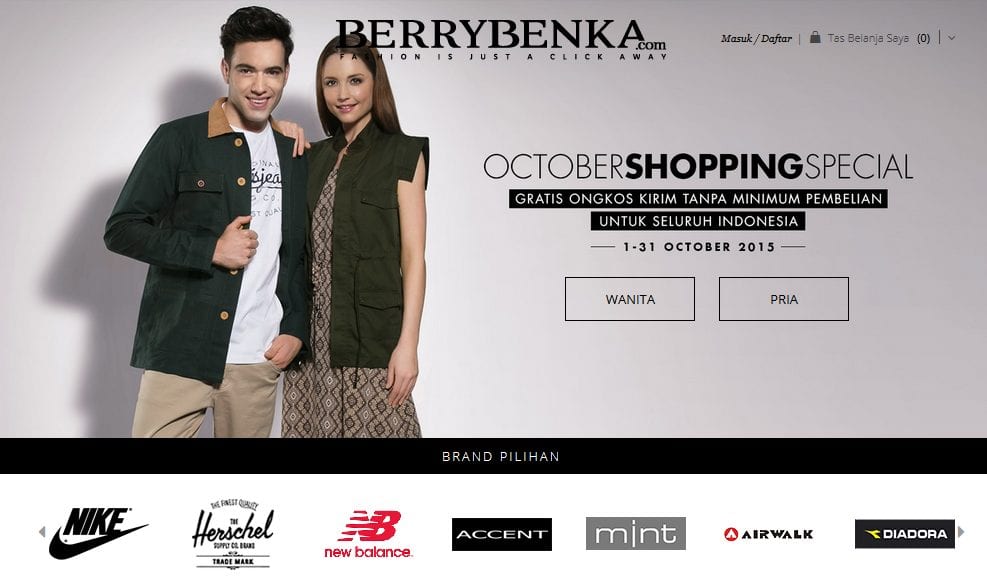
    With demand from Hong Kong, Brunei and Malaysia, Indonesian fashion brand Berrybenka is taking steps to beef up its eCommerce services.

    It will also be opening more pop-up stores outside Jakarta, its main stronghold, The Jakarta Postreports.

    CEO Jason Lamuda says the brand is also aiming improve customer relations through digital media. It aims to step up customer interaction this year through messaging apps, improve its mobile app, and partner with convenience store ChainIndomaret on a possible new payment mechanism.

    He says this will help promote Berrybenka as a national fashion eCommerce platform. “Our goal in the end is to not only become the most notable fashion brand in Indonesia, but to also help promote the creation of local brands.”

    Berrybenka has 1.5 million subscribers in its database, with demand from Hong Kong, Brunei and Malaysia through sister company Hijabenka. Berrybenka has partnered with around 1000 small and medium enterprises.

    In Indonesia, the company plans pop-up stores in Medan, North Sumatra, Makassar in South Sulawesi, Yogyakarta, Semarang in Central Java, Manado in North Sulawesi and Balikpapan in East Kalimantan. Medan will have the first of the new outlets, opening on Thursday.

    Also being considered are eCommerce hubs for Surabaya, East Java and Bandung, West Java.

    About 90 per cent of Berrybenka sales comprise local products. Between 2013 and 2014, the company had 150 to 200 per cent revenue growth, with a further 200 per cent growth between 2014 and 2015.

  • Reliance retail business thrives

    Reliance retail business thrives

    Indian retailer Reliance Industries has reported a 50 per cent growth in sales in its consumer electronics category for the quarter to December 31.

    Reliance Retail also consolidated its leadership in the grocery category, optimising its network to enhance profitability. Several private-label products were launched in the grocery and general merchandise categories during the quarter. The contribution of private-label sales to overall sales increased to 14.6 per cent from 8.6 per cent in the same period the previous year.

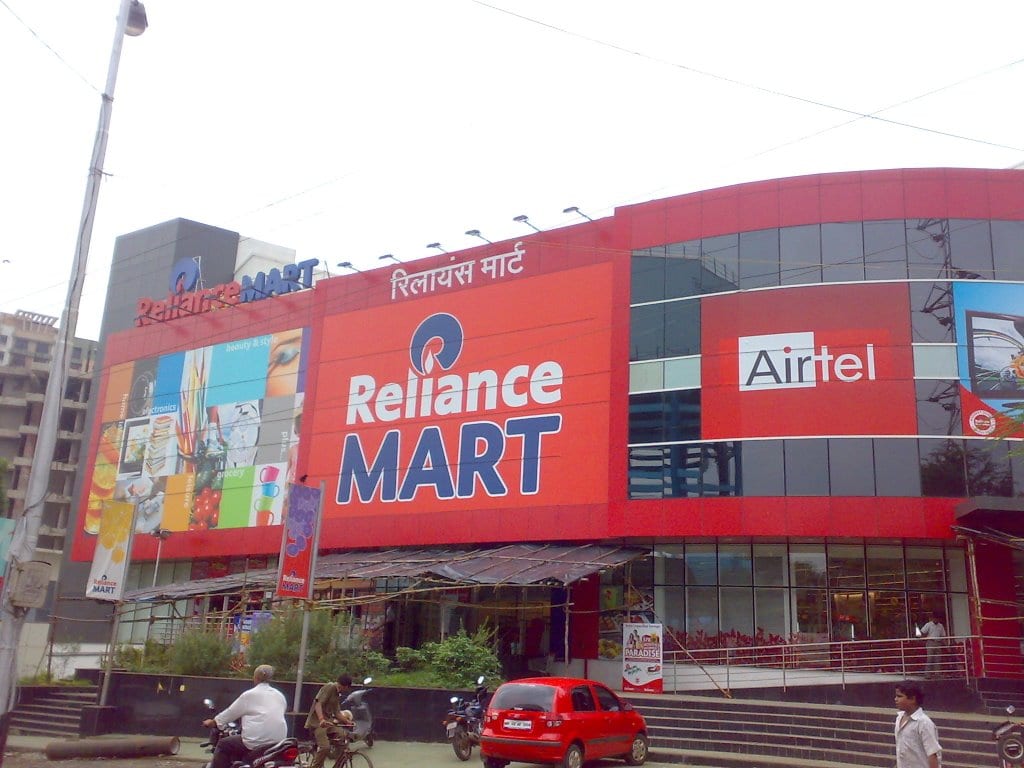
    There are now more than 2 million registered members across 37 countries for Reliance Mart stores. These 1537 outlets specialise in consumer electronics. Strong year-on-year growth in this category was helped by Digital Express Mini rapidly scaling up during the quarter to reach more than 1250 outlets across the country in a short time since launch.

    Also delivering a strong performance, the fashion and lifestyle category was 16 stores opened byReliance Trends during the quarter.

    A Reliance Retail joint venture with Marks & Spencer continued to grow with new store openings, whileReliance Brands launched Dutch lingerie brand Hunkemöller, and also opened the first airport store in India for UK games and toys retailer Hamleys, in Delhi.

    Initiatives encompassing fashion and lifestyle e-commerce are also proceeding through beta testing. The development of a marketplace platform and distribution ecosystem for 4G devices are on track and being rolled out. It will be the largest distribution reach for devices in India, says the company.

    Meanwhile, the company is training 4G sales specialists while integrating supply chain and service centres. Reliance Retail also launched its own brand of 4G LTE smartphones, under the brand LYF, during the quarter.

  • Thailand Lingerie Sales Rise As Temperatures Fall

    Thailand Lingerie Sales Rise As Temperatures Fall

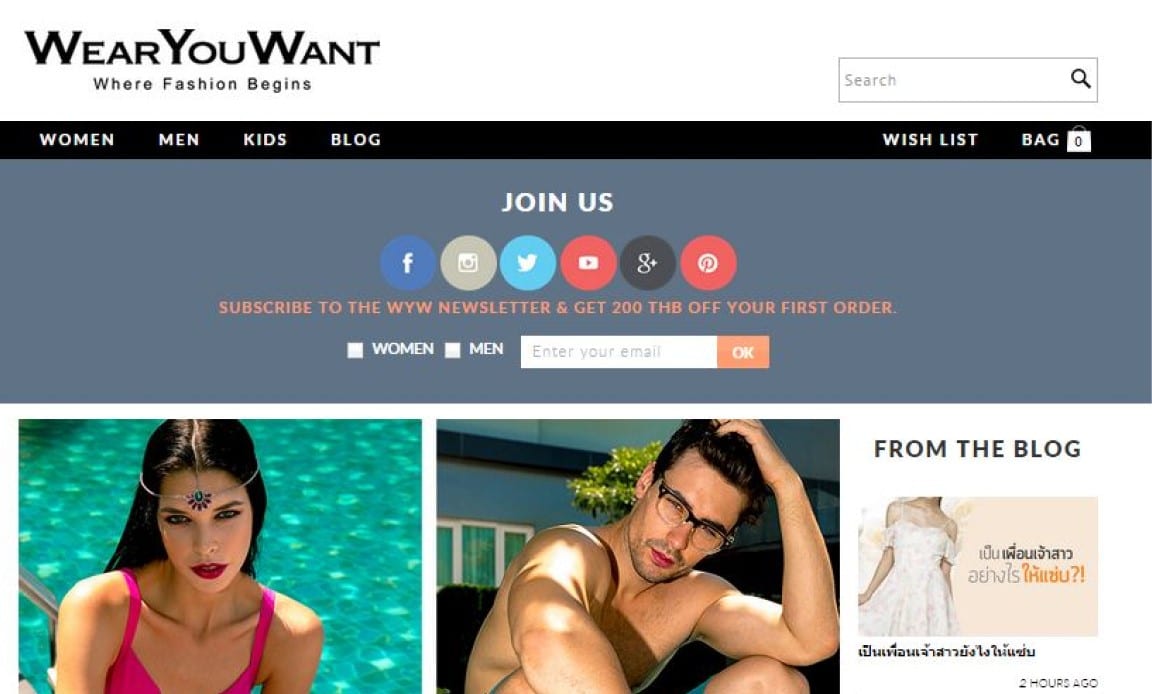
    WearYouWant, Thailand’s leading online fashion marketplace and beauty platform reports that far from adding on extra layers to guard against the sudden chilly weather, Thais could be doing the opposite – staying indoors more and wearing less!  With temperatures dropping the site has seen a sudden rise in lingerie traffic and sale in Thailand.

    It seems that instead of digging out an old sweater or cardigan, the cold weather is inspiring more cuddle-time with couples. Of course Thailand’s/Bangkok’s fashion conscious want to look great whether they are stepping out and about or snuggling up with a loved one at home…in their underwear.

    WearYouWant recorded a 70% increase in the sales of lingerie since the temperature plunged early this week.

    There are no doubt many who are hoping that the cold-blast continues for a little longer yet.  Many others are also now realizing that their undergarments need an upgrade and are logging on to WearYouWant to get their lingerie delivered straight to their door so they do not have to go out in the cold!

    WearYouWant’s CEO, Julien Chalté, finds the development amusing.

    “We cannot state whether this is related to the weather or not, but it is not difficult to imagine that the chilly temperatures may encourage certain indoor activities for which the lingerie would certainly be useful,” says the CEO with a smile.

  • Chengdu IFS challenge to Hong Kong

    Chengdu IFS challenge to Hong Kong

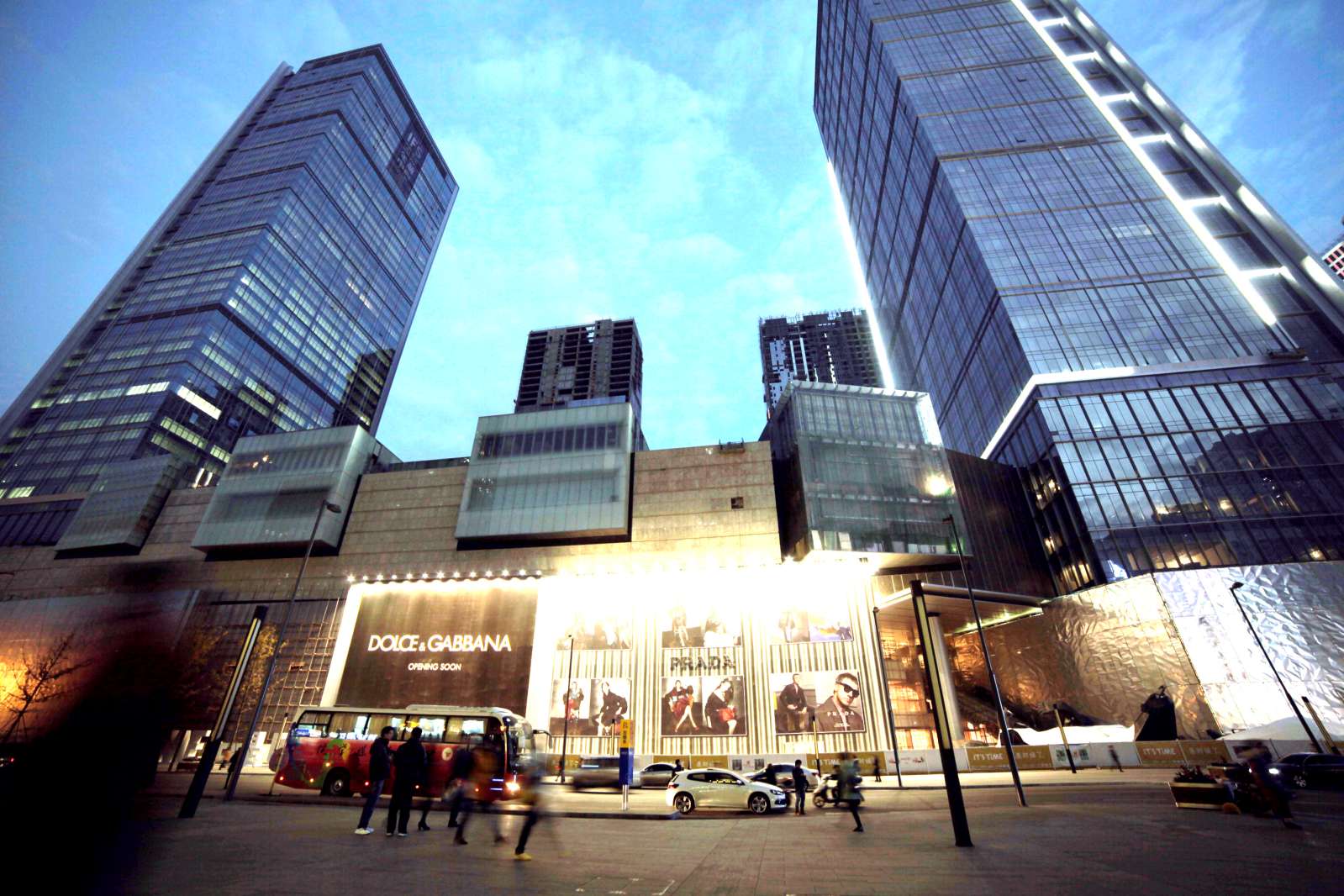
    To mark its second anniversary, Chengdu IFS has launched the “All In Here – World Fashion Tour” to introduce the south-west China city’s latest initiative to be part of the global fashion scene – and a direct challenge to Hong Kong’s Harbour City on Canton Rd.

    A key event of the Jinjiang Shopping Festival, the tour was organised by the Chengdu municipal government and Jinjiang district government in a move toward transforming the city into an international travel and shopping destination. It has been supported by trade representatives from France, Italy and Switzerland as well as Elle magazine.

    Chengdu IFS opened in 2014, and with its architecture, brand collections and international-standard management has become a landmark in the city. As the first major world-class, high-end mixed development in urban Chengdu, it brings together about 300 top brands, 90 of which are new to the region. Multi-level flagship stores featuring international brands line Hongxing Road as part of the 530 metre. ‘International Fashion Walk’”.

    Chengdu’s city fathers announced an action plan in July to build Chengdu into an international shoppers’ paradise as a key element of its development as a new first-tier city. Officiating at the launch ceremony of the “All In Here – World Fashion Tour” were Chengu Business Committee deputy-director Wen Feng, Jinjiang district deputy-head Wu Wenhui, Wharf Holdings vice-chairman Doreen Lee Yuk Fong and Wharf China Estates GM Christina Hau.

    Speakers also included Italy’s consul-general Sergio Maffettone, France’s consul-general Olivier Vaysset, Milan’s general director of creative programs Alessandro Pollio Salimbeni, Swiss Chinese Chamber of Commerce GM Rolf Studer, and Elle China publisher Chris Hu.

    Taking on a carnival atmosphere, the opening brought together art, fashion, tradition and style with performances including a mid-air fashion show, a parade of orchestral musicians and a VIP gala dinner at the Niccolo by Marco Polo. Guests at the dinner were surprised when Hong Kong artiste Carina Lau wore her own Anirac creations to present the brand’s first-ever catwalk show.

    Since its “I Am Here” promotion in 2014, Chengdu IFS has increased its turnover and traffic flow by 50 per cent. The number of VIP members doubles last year, with sales up 50 per cent. As the first of five IFS projects in which Wharf Holdings has invested RMB 46 billion (US$6.9 billion), Chengdu IFS has set a solid foundation for the development of Chongqing IFS, scheduled to open next year as a boutique version of Harbour City, and also Changsha IFS, which will be the largest of the group.

    Featuring panda sculptures as an external feature, Chengdu IFS has become a benchmark for urban fashion as well as a favourite spot for young people to meet.

  • Fashion Business will Grow in 2016, Association Says

    Fashion Business will Grow in 2016, Association Says

    Dwi Iskandar, chairman of Bali Indonesian Fashion Chamber (IFC), said that the fashion business in Indonesia is expected to grow by 20 to 30 percent in 2016.

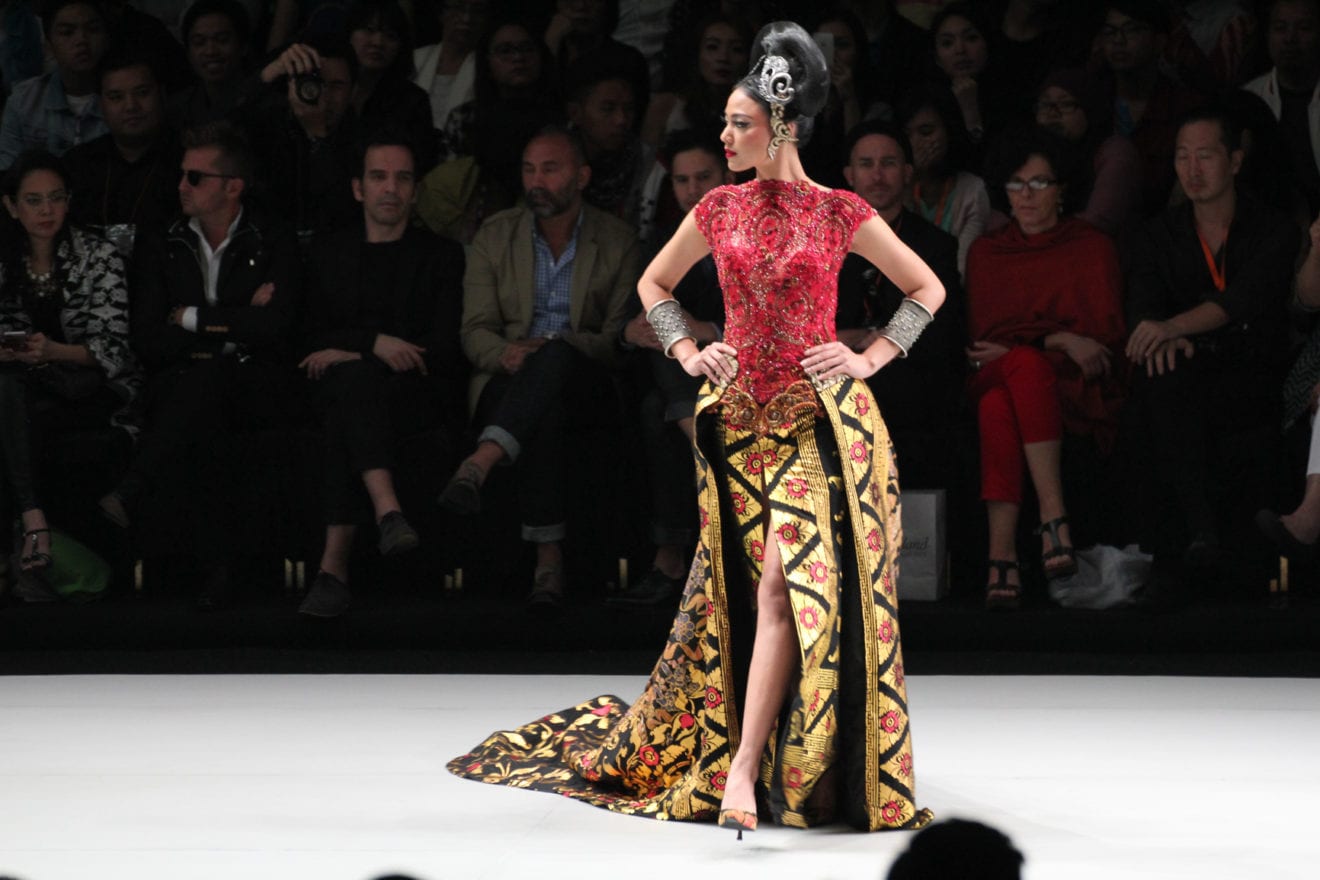
    “We believed that [2016] is better than last year. We also hope our members will use Balinese fabrics, such as the endek, tenun and songket so that the fabric can be recognized outside Bali,” said Dwi on Monday, January 18, 2016.

    Dwi believed that Indonesian fashion products, especially from Bali, has the ability to compete with products fron other Southeast Asian countries. Dwi added that Indonesian fashion products has its own local cultural richness.

    “Last year, we promote flashy colors. For this year, we will still be colorful, but with a more natural touch with monochrome colors,” Dwi said.

    Dwi added that textile export from Bali will continue to attract customers. “Our products are mostly exported to Europe and Asia. Compared with other Southeast Asian countries, they can’t compete with Indonesia because business players in Indonesia focues on quality rather that quantity,” said Dwi.

  • 2015 Indonesia’s blossoming fashion scene

    2015 Indonesia’s blossoming fashion scene

    The year 2015 has been special for Indonesia’s fashion scene — thanks to the rising popularity of local brands.

    Throughout the year, new fashion labels have been popping up, while fashion events have continued to be a paradise for fashion enthusiasts looking for trendy fashion products.

    Fashion observer Diaz Parzada said that this year the country had seen a phenomenal wave of ready-to-wear fashion, which became the main focus of many designers and brands.

    Ready-to-wear has been thriving for the past two years due to its ability to reach a wider audience, and of course, to generate profit.

    “This is a breakthrough as designers are not just people who make clothes but also professional business players that have many doors through which to distribute their works,” said Diaz, who is also the advisor for designer mentoring program Indonesia Fashion Forward and the business development director at the British Council.

    Veteran designers like Biyan Wanaatmadja and Sebastian Gunawan were the first to tap into the ready-to-wear industry, and many young designers are now following their lead.

    Young couturier Tex Saverio, who is known for his high fashion pieces, is one example.

    He launched his second ready-to-wear line, TXID, earlier this year after receiving good responses to his first ready-to-wear line, Tex Saverio Jakarta, and his collaboration with a couple of foreign online ready-to-wear brands.

    “Through ready-to-wear, I want to promote Indonesian fashion to the world. In addition to that, I want to educate the Indonesian market, to teach them that a fashion house should not have only one line,” Tex said.

    Many celebrities and fashion lovers also set up their own fashion ventures this year, offering fashion products at more competitive prices through various online platforms or fashion bazaars.

    However, that online phenomenon has also made the executive director of the Indonesian Fashion Designers Association (IPMI), Tri Handoko, concerned about a paucity of strong design characteristics differing from one brand to another.

    “Most of those new brands offer similar designs; their lookbooks are even similar with no distinct identity visible in their collections,” he said.

    “On one hand, that movement shows support for local fashion, but on the other hand, the creativity level is stagnant to some extent.”

    From left : Obin (JP/Don), Norma Hauri (Courtesy of Jakarta Fashion Week), Major Minor with Eko Nugroho (JP/Don)

    Diaz also voiced the same concern, saying that some designers had shared with him that their designs had been copied by many online fashion sellers.

    “Like it or not, designers have to accept it. But moving forward, they must explore more creative ideas for their new designs while creating powerful campaign strategies to build strong fashion brands,” he said.

    Another highlight of the year came from Muslim fashion, better known nowadays as modest wear.

    Earlier this year international retailers Uniqlo, from Japan, and Sweden’s H&M, launched a campaign to promote modest wear, moves that have been greatly welcomed by Indonesia’s hijab communities.

    Modest wear designer Norma Moi said that 2015 had been a good year for her business and she had recorded a steady increase in demand.

    “My profit increase has been in line with the increase in my resources — around 40 to 50 percent,” Norma said.

    The thriving business of modest wear in Indonesia has prompted the government to aim to make the country the center of Islamic fashion by 2020.

    It is not an ambitious goal, so long as designers continued to innovate.

    “We have to keep innovating and always be creative, making our designs interesting and unique, if we want to be the center of Muslim fashion,” she said.

    But to really realize the plan, the government must also participate by providing designers with proper production supplies, such as materials.

    Norma said many designers, including her, still used imported fabrics due to the quality and availability.

    “There are local textile producers that also make fine fabric, but most of them only want to sell to big retailers that buy in bulk. We don’t have the capacity to make our own fabric yet, so we have no choice but to import,” she said.

    “The producers and the government should understand that there’s also us in this fashion business, not only big retailers.”

    Though modest wear recorded a strong performance this year, other designers saw lower sales from the middle of the year forward.

    Tri said that his business was declining as it entered the second semester, blaming the slowing economy as a key factor.

    Another designer, Sapto Djojokartiko, echoed him, saying that he also saw slower sales in his mid-priced pieces.

    “I’m not sure about the cause, but I have prepared some strategies to improve the whole business next year,” he said.

    As 2015 moved toward the end, Indonesia’s fashion scene was shocked by the resignation of seven senior members of Association of Indonesian Fashion Designers and Entrepreneurs (APPMI), including the chairman who is also the president director of Indonesia Fashion Week (IFW), Ali Charisma, Deden Siswanto and Lenny Agustin.

    Different visions to those of the association is reportedly behind their resignations. As a consequence, those who replace the steering committee of IFW have their work cut out for them to ensure the continuation of IFW early next year.

    “The resignation of APPMI leading members should be a cause for reflection for our fashion scene; what form of fashion association fits the situation today? Or is it still important to have such an association? Regarding whether it will impact our fashion scene or not, we have to wait and see,” Diaz said.

    In 2016, Indonesian fashion products are predicted to remain favorites for fashion enthusiasts who have developed more pride in wearing local designs.

    Indonesian designers will continue to wow the international fashion audience next year as some will participate in prestigious fashion events, such as London and Paris Fashion Weeks.