Tag: Fashion

  • Philippines to Market Fashion Products in Indonesia

    Philippines to Market Fashion Products in Indonesia

    The Philippines has expressed its intention to market branded retail products in Indonesia, particularly fashion products.

    To support the intention, the Philippine Trade and Investment Center (PTIC) in Jakarta has held an expo, Lifestyle Philippines, in Shangri-La Hotel on June 10, 2016, said the Philippines Embassy in Jakarta, Monday, June 13, 2016.

    According the Philippine Ambassador to Indonesia Maria Lumen B. Isleta, the expo is expected to strengthen the relationships between the Philippine and Indonesian people.

    “It is an effort to introduce the various Philippine products and services, which may interest many Indonesian consumers once they know more about it,” Amabassador Isleta said.

    Alma Argayoso, the Philippine trade representative in Jakarta, said Lifestyale Philippines is aimed at promoting and introducing products made in the Philippines.

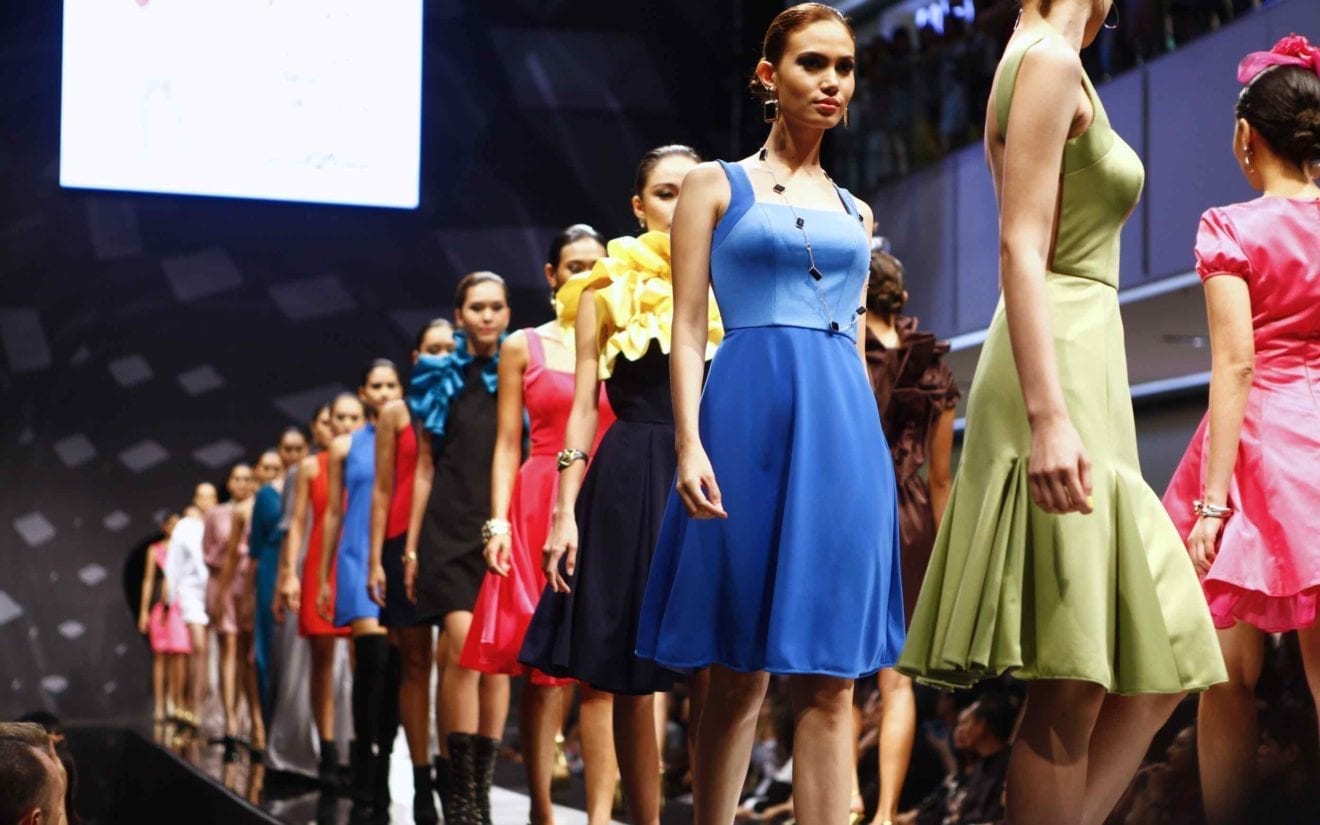
    The expo was enliven by fashion shows that featured designs of iconic brands, such as Karimadon, Rusty Lopez, Plains and Prints, and Cruzzini Barong Tagalog.

    The trade volume of both countries reached US$3.6 billion last year with a significant surplus for Indonesia, having an export volume of US$2.93 billion. Whereas the Philippine trade to Indonesia merely amounted to US$628.27 million.

  • Narrow the range, increase retail sales

    Narrow the range, increase retail sales

    It’s counter-intuitive, but less choice, fewer options and a smaller range of products can often help increase retail sales and customer satisfaction. Who would have guessed?

    Simplified, narrower product ranges are contributing to accelerated customer and corporate purchase decisions, improved productivity, velocity and volume, and, interestingly, fewer instances of buyer remorse.

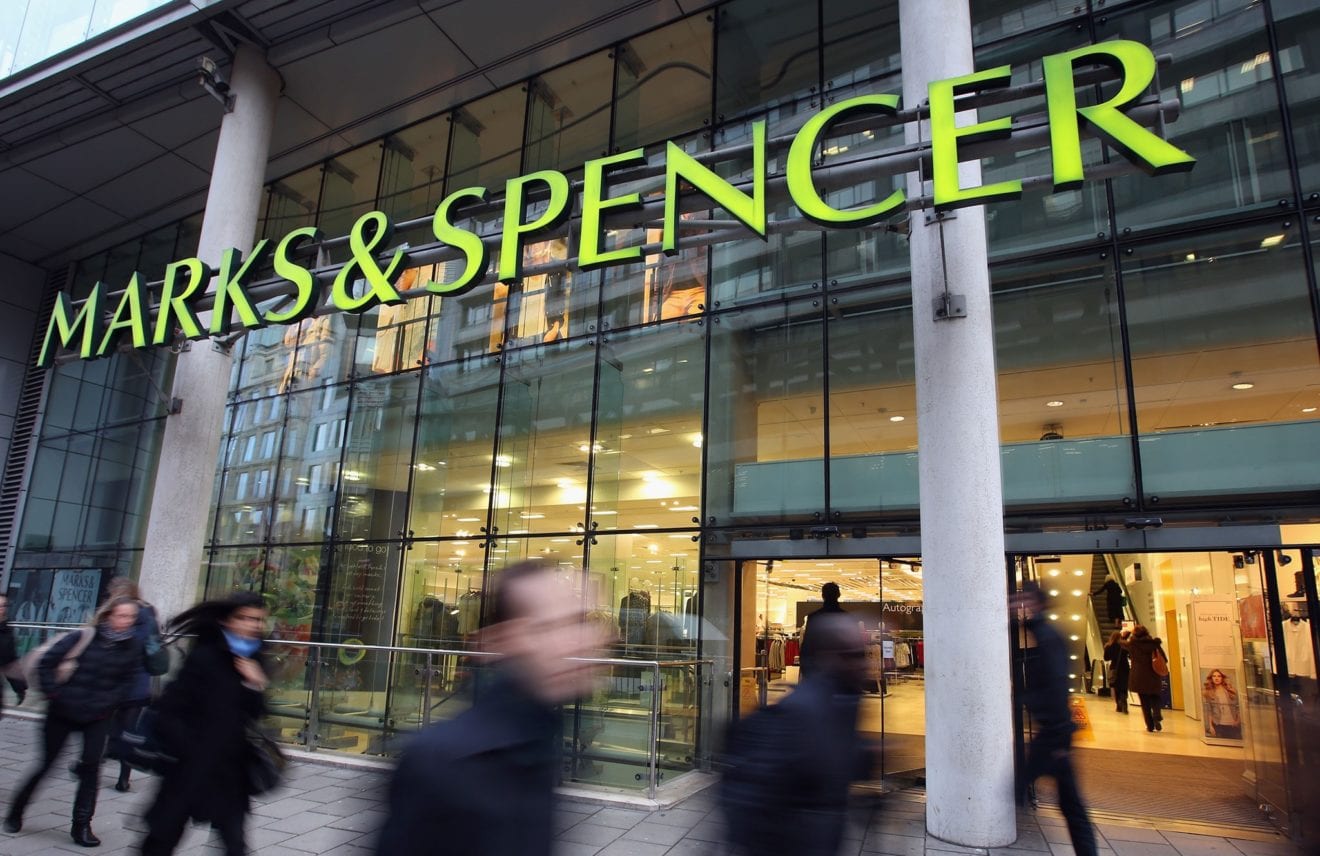
    Marks & Spencer in Britain has taken the plunge, being rewarded with enhanced performance outcomes. It simply followed the lead of several coffee lounge networks there that introduced a singular, standardised “medium”-sized cup of coffee, regardless of whether a customer wanted a latte, cappuccino, macchiato or something else. Some fast-food outlets are following suit with a single-size burger.

    Consumer responses have been overwhelmingly positive – queues at the ordering counters have shortened and the speed of service improved. There has been some resistance, though. Custom has been lost to those who prefer smaller or larger options.

    However, that leakage in sales was not because of the fewer choices, but rather a disagreement with the single choice imposed by management. There is little evidence of long-term brand damage or negative sentiment about quality or value.

    Fulfils demand

    Simplifying the buying process has long been valued by customers as it fulfils the demand for convenience. Moreover, the policy can be an effective means in the market positioning of brands, companies, products, services or applications. Importantly, it can be, and has proven to be, an effective way to differentiate between competitors and substitutes.

    Single-brand motor vehicle dealerships consistently attain and maintain higher key performance measures than multi-brand outlets. That is important in an industry where much of the “shopping” is done online, with the average time spent on the forecourt of a new-vehicle dealership by intending purchasers being as little as 46 minutes. One outlet visitation is now the industry norm.

    Making the buying process easier is often rewarded with typically higher conversion rates and volumes. Narrowing the range of throat lozenges from an average nine to just three at the pay consoles of service stations did not discerningly affect sales. Moreover, the sales from the freed-up space with alternative products were attractively high.

    Hardware, electrical appliance and toy retailer references to having and promoting the biggest range is seldom attractive to an individual whose needs will usually be fulfilled by one product, service or application – the right, specific product they have visited the store to purchase.

    Choice is, and should be, a measured and subjective assessment based on research, intelligence, judgement and experience.

    Attractive proposition

    Astute business owners and managers are taking the risk of narrowing stock ranges, brands and sizes. They are tolerating some leakage of revenue, but welcoming the increase in profits, customer satisfaction, productivity, velocity and volume.

    The measurement of stock turns is an established monitor of business efficiency. Sadly, too many people in retail are unaware of the principle, and therefore do not monitor and quantify sales and profits performance.

    Narrowing and simplifying choice, appropriately applied, can reduce inventory, shrinkage, insurance premiums, logistics costs and capital-servicing expenses. All round, it is an attractive proposition.

    Fear of the possibility of losses in marginal and incremental sales to isolated and tertiary customer groups can, and does, induce inertia. Decisions have consequences – good and bad, upside and downside. Those seeking to service and satisfy heighten their chances of failure. The alternative is to identify, isolate, analyse and relate to choice customers and choice clients. Most have narrow and specific preferences.

    • Barry Urquhart runs Marketing Focus in Perth, Australia, and is a business strategist, consumer behaviour analyst and keynote speaker. He can be contacted at Urquhart@MarketingFocus.net.au.
  • ZALORA Ties the Knot with Customers through Oracle Marketing Cloud

    ZALORA Ties the Knot with Customers through Oracle Marketing Cloud

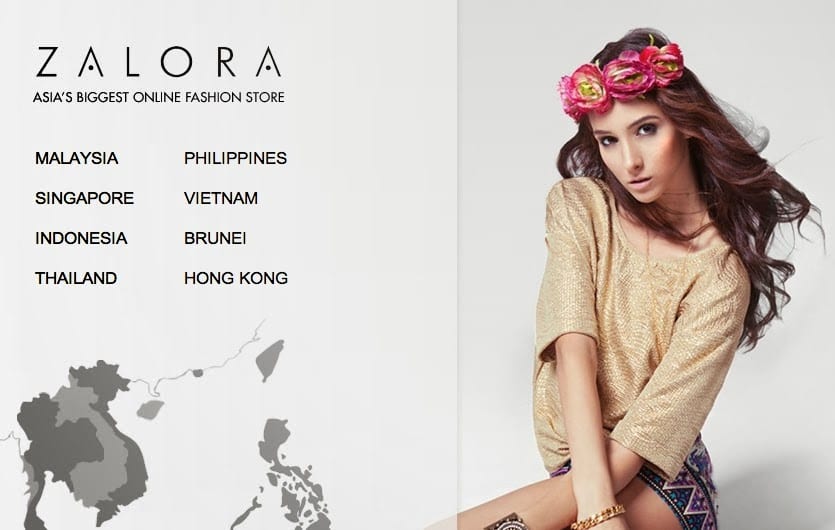
    ZALORA, the largest e-commerce fashion company in Southeast Asia, has extended its partnership with Oracle Marketing Cloud. ZALORA has relied on Oracle Marketing Cloud technology since 2013 to send its customers targeted and personalized marketing communications at scale.

    ZALORA is the fastest growing online fashion retailer in Asia, operating across eight countries (Singapore, Indonesia, Malaysia & Brunei, the Philippines, Thailand, Vietnam, Hong Kong and Taiwan). The e-commerce platform works with a good mix of over 500 international and local labels, providing consumers with a diverse range of apparel, footwear and accessories, tech products, beauty essentials, sporting equipment and more.

    “We are happy to have achieved the success we have today, and want to continue offering the best-in-class customer experience across our digital channels. For us it is not just about understanding our customers preferences, but making sure we listen and respond to their digital body language to develop a personalised dialogue with each and every customer,” said Joshua Tan, Head, Regional CRM, ZALORA.

    ZALORA communicates with more than 10 million app users, 7 million Facebook fans, 500,000 Instagram followers, 120,000 Twitter followers, and over 2.2 million email, call and online chat requests. Today, the platforms cater to the varying customer profiles where ZALORA provides individualized experiences for each of their customers’ interests.

    “Our earlier marketing efforts were batch and blast, but as the business evolved, we saw the need to respond to increased expectations from our customers for a personalized dialogue. Being able to orchestrate individualized communications and make informed, data-driven decisions is key. Having the right tools makes our job much easier, that’s why we chose to extend our investment in Oracle’s Marketing Cloud technology,” said Mr. Tan.

    With Oracle Marketing Cloud, ZALORA is able to speak to customers in a relevant and personalized way. Automated programmes equip ZALORA with the ability to analyse customer behaviour and better understand how to incentivise customers.

    ZALORA has since managed to half the time needed for lead conversion to capture a larger customer base, which has resulted in a multifold increase in revenue. Oracle’s marketing cloud technology allows ZALORA to create automated programmes that have helped reduce the resources previously required.

    “ZALORA is an innovative company that appeals to a young, constantly engaged audience. We are happy that Oracle Marketing Cloud is able to support their marketing organisation with a platform that allows them to intelligently and creatively communicate a cohesive brand message across channels, and deliver a world-class customer experience,” said Paul Cross, Group Vice President, Customer Success, Oracle Marketing Cloud Asia Pacific.

    ZALORA currently has 10 automated programmes in place and has plans to expand the number of triggered touchpoints with customers, to further enhance cross-channel marketing and grow their customers into strong brand advocates.

  • Mei.com & Alibaba Launch the TMALL Luxury Flash-Sale Channel with Star-Studded Live-Streamed Fashion Show

    Mei.com & Alibaba Launch the TMALL Luxury Flash-Sale Channel with Star-Studded Live-Streamed Fashion Show

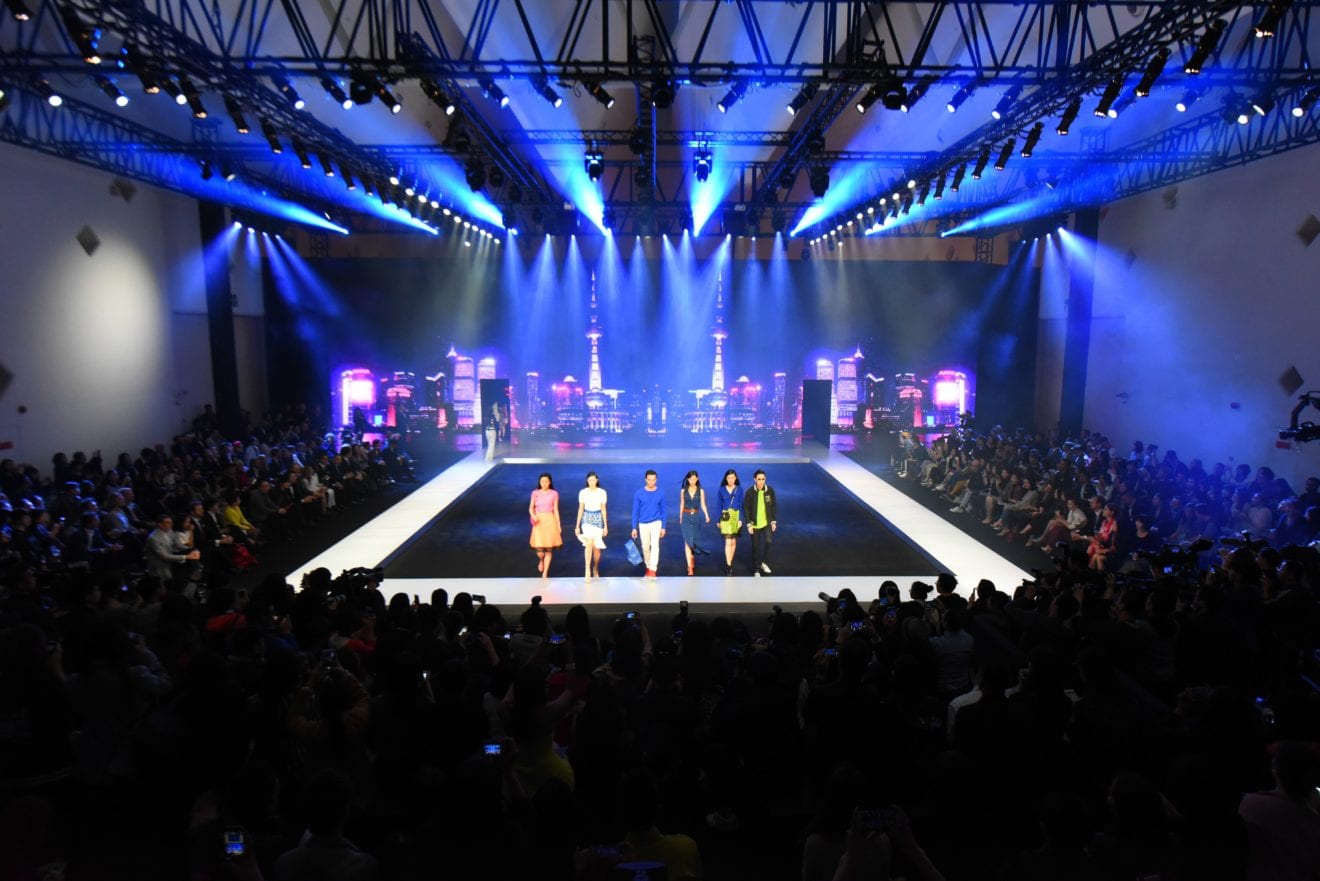
    A live-streamed fashion show featuring 42 looks has marked the launch of a luxury Tmall flash sales channel via app that makes the styles immediately available to shoppers.

    Alibaba Group’s B2C online marketplace Tmall.com has launched the channel through its mobile-phone app, allowing viewers of the live stream to “scan and buy” the runway looks.

    Soft-launched about three months ago, the Tmall channel is being managed by Mei.com, which since 2010 has run a website in China that provides a flash sales outlet for nearly 300 international luxury brands including Armani, Longchamp, Michael Kors, Tumi and Zegna, through exclusive partnerships.

    Mei.com CEO Thibault Villet with Olivia Palermo and Mei.com President Seamon Shi.

    Mei.com CEO Thibault Villet with Olivia Palermo and Mei.com President Seamon Shi.

    Alibaba invested an undisclosed amount in Mei.com in July, saying the site’s relationships with affordable luxury goods merchants would complement Tmall’s roster of high-end retailers such as Burberry, Coach and Hugo Boss. The new flash-sales channel gives Tmall.com shoppers direct access to discounted luxury goods from more than 3000 retailers and authorised distributors.

    “The launch of the channel will further the variety of brands on Tmall and offer China’s burgeoning middle class a one-stop shopping platform,” says Alibaba Group CMO Chris Tung.

    Millions of consumers across China watched the fashion show. It featured clothing and accessories, including 30 womenswear looks, 10 menswear looks, and a finale including two children’s looks.

    Actor Peter Sheng, famous for his role in the China web series Go Princess Go, made his runway debut in the show wearing a Carven suit. American socialite Olivia Palermo styled one of the runway looks and was a front-row attendee of the show wearing the look herself.
    Trendsetters and tastemakers attending the event also included singer Chris Lee and runway model and pop star Tia Ray, who also performed.

  • POMO HOUSE continues to the second year send the watch to prevent missing children

    POMO HOUSE continues to the second year send the watch to prevent missing children

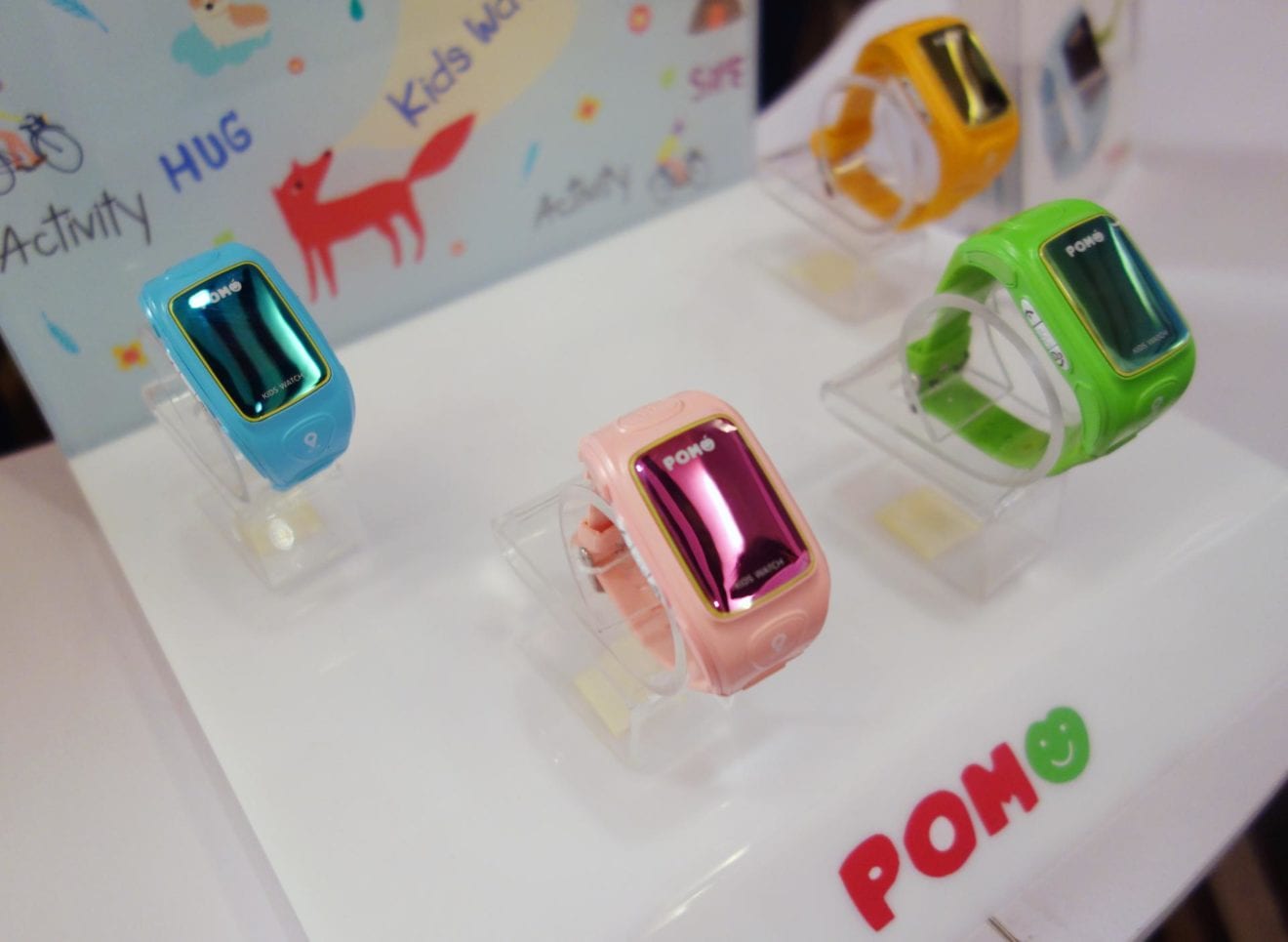
    POMO HOUSE founder and the Distributor Pomo Kids Watch the ultimate intelligent watch  that can help you keep track of the behavior of the children. To launch the new model  for children. The latest version comes with new functions to improve performance and accuracy of the technology in the following ,call a close friend, turn off the phone time to study, easy to install just enter your micro SIM card and connect to your smart phone through the Parental Controls application “POMO moji” include other functions that meet the safety of the child and create a good relationship between the children with friends and family.

    Ms. Supreeya Kanikananta, Chief Executive Officer of POMOHOUSE Co.,Ltd. revealed that “after our company has officially launched on May 2015. The product is  success  for target because we are  pioneer of the market  in Thailand as well as to support the needs of parents. The current case of children have lost  which we feel proud to come  to help the family and the Thai society at this point.

    After product launch to market. We have more storage to  development of our products to meet the needs of the target groups to be more so we have developed the second which is the name “Moji” for the new model has additional development up from the first models in several items. Such as the talk with close friend with program  “the best friend forever”, location with the 3 Best Technology is the triple mode tracking (Wi-fi and GPS) to adjust to the clock mode to the classroom, Performance Guides,  the capacity of the battery, 600MAH standby mode to up to two days, and including the journey history that can view history data.

    store_yellow

    From the our details, Pomo Moji. This is another great innovation of Thai people who develop to the maximum of the technology at the present and solve the problem to the parents in the things that are concerned.

    For this year POMO HOUSE ready to step up to be a leader in the market the watch prevent missing children.  We have the confidence in the title of the team that developed the Software Warranty after the sale and that the center after-sales service that the customer can also take the appliance to a service. For the marketing Pomo Kids Watch model “Moji”. We put the marketing budget  for marketing activity is about 5 millions baht in the investment that will be the production of the activities to promote sales and marketing, public relations on both online and offline. We are confident that it will be able to grow up to more than 3 times from the previous year.

    And now we expand the market to the AEC and Europe. Whether  is the Russian, Finland, Netherlands, Indonesia ,Malaysia and Singapore. Especially at Singapore we have registered a new company that was in the name “Pomo International” with the Singapore partner in order to help the market to  the AEC quickly. And in the future we will open the market in Japan, Australia and North America, overall, expects that it will make the market value to the company is not less than 200 million baht.

  • Furla to showcase FW16 collection in Singapore

    Furla to showcase FW16 collection in Singapore

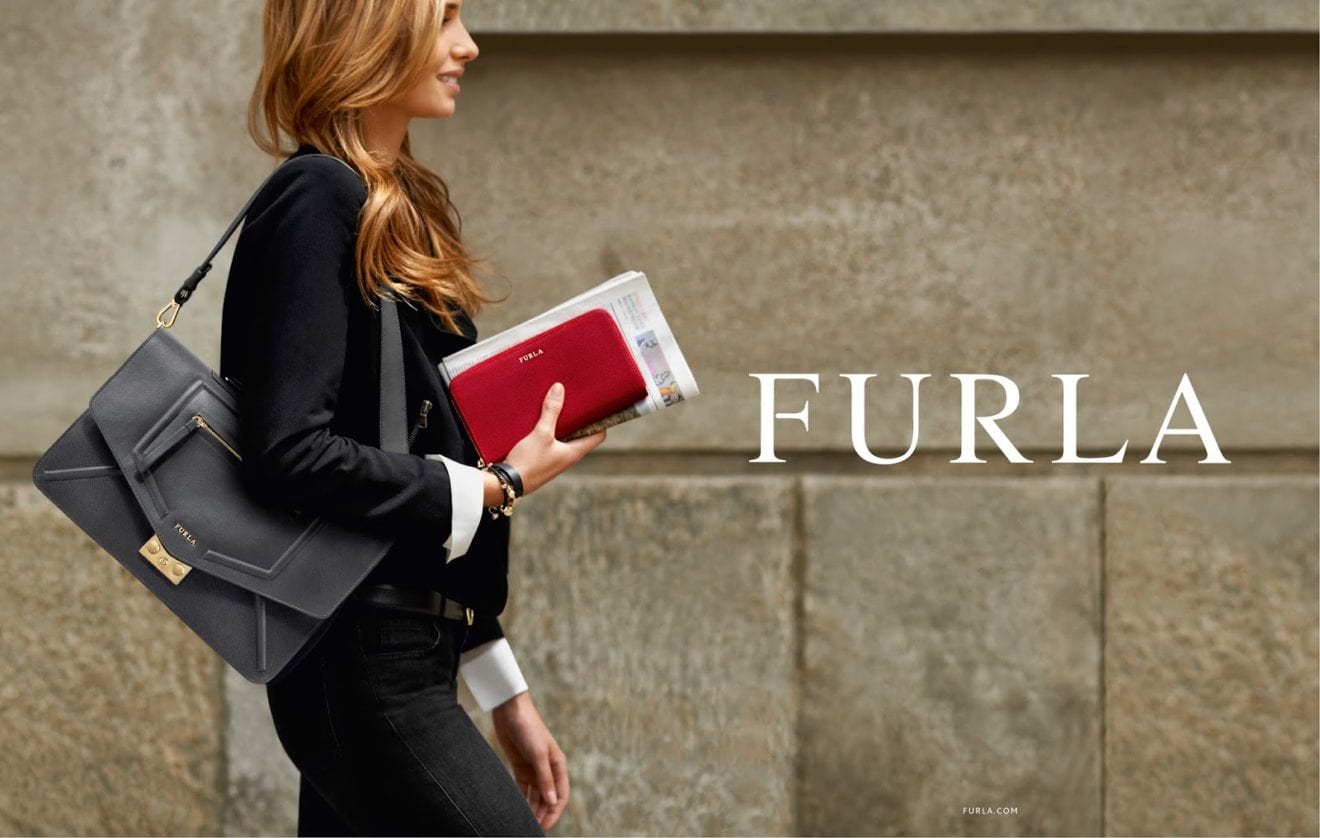
    Italian luxury leathergoods supplier Furla will showcase its FW16 collection at the upcoming Tax Free World Association Singapore show in May.

    According to the company, the new Furla bags embody the rebellious spirit, typical of the music scene, from rock to pop and influenced by a metropolitan tribal beat in its more modern interpretation.

    The bags are decorated with laser cuts, which add 3D effects and create kaleidoscopic patterns, embellished with golden studs. The new Furla Loop bag, for example, has fringes emphasising movement and femininity.

    Shoulder straps, the season’s protagonists, recall guitar-like straps and are enriched with details and weave effects. The leathers are smooth, supple and soft and adapt to the body. Perfectly on-trend, charms convey a personal touch to each bag, making it special for every occasion.

    The colour palette is sharp and well-defined, veering from black to blues to army green with touches of deep red and metal sparkles.

    The Furla Valentina and Furla Club bags are characterised by a new and colourful camouflage pattern that becomes a manifesto of the fervent cultural mixes of big cities, especially when matched to the new tribe tattoo themed straps and tags.

    The Furla Metropolis bag has evolved into a “creative laboratory” where new dimensions, craftsmanship and materials are developed and enriched.

    Also being shown is the new travel-retail exclusive Furla bag, a limited-edition set of three crossbody bags in Saffiano leather, each with a smaller detachable pouch inside. Available in three colour combinations: Lampone & Magnolia, Onyx & Gold, and Cobalto & Silver, each bag has an adjustable and detachable strap.

    Furla global travel retail director Gerry Munday said: “Asia is extremely important to the Furla brand and accounts for 35% of our global business in travel-retail. We are seeing significant growth in all areas, with a 36% sales increase in 2015 thanks to our presence now in 48 countries with a total of 195 airport doors versus 174 in 2014. We also have some exciting projects being finalised which will be announced in due course.

    “I’m confident this growth will continue as we continue to bring out collections that break the mould in terms of innovation, design and styling. The FW16 collection has already received incredible feedback and, with the addition of our latest travel-retail exclusive, we are looking forward to a very successful and productive week in Singapore this year.”

  • Mix of innovation, soft power drives ‘K-beauty boom’ in China

    Mix of innovation, soft power drives ‘K-beauty boom’ in China

    Eating exotic and wild species is nothing new in China, just like a saying well known in Guangzhou: “Chinese will eat everything with four legs except tables and eat everything that swims except a submarine.”

    Their openness to new ingredients and recipes strikes a similar note, as South Korean cosmetics companies embrace such quirky ingredients as snail slime, horse oil and pig skin collagen as long as they are considered good for the skin.

    With ingredients ranging from an extract from cocoons, goat milk and volcano clay, Korean beauty items come in all imaginable forms. They range from hair mousse styling foam and fruit flavored yogurt to mask sheet packs for the feet and breasts.

    The relentless experimentation may be one of the most decisive factors behind Korean cosmetics’ success in China, which helped spread the “K-beauty boom” beyond Asia to reach Western customers over the past few years.

    South Korea’s cosmetics exports to China doubled on-year to US$1.08 billion in 2015, which accounts for nearly 40 percent of its total global sales, according to the Korea International Trade Association. South Korea is the second-largest cosmetics exporter to China following France.

    Chen Ming, a 30-year-old makeup artist from Guangzhou, says she has tried several basic skin care products and massage packs by Korean brands, which emphasize naturally flawless skin. For the “nude makeup look,” she is willing to try highly functional cosmetics with bizarre ingredients.

    “Let’s say horse oil is known as good for moisturizing and healing for skin, but you don’t want to use it until it is turned into some kind of dermatological formula to apply onto the skin,” the resident of China’s third-largest city on the southern coast said. “Unlike major Western cosmetics, many Korean cosmetics put key ingredients before labels to give a sense of what it is made of. I think it’s an effective way to sell a product.”

    While major cosmetics companies, including No. 1 AmorePacific Co. and its smaller rival LG Household & Healthcare Ltd., have a wide range of luxury and lower-end lines, independent brands put more focus on targeting safety-conscious Chinese consumers who also care about price tags. Most lower-end brands have lineups ranging from $10 to $50 per item, with advanced formulas below $100.

    “In China, cheap products are considered not reliable because they could contain harmful chemicals, while expensive products are just too expensive for ordinary consumers,” Lou Wei, a 46-year-old music teacher in Guangzhou, said. “Korean products are known as cost-effective compared to Western brands. Plus, the skin types are similar between Koreans and Chinese.”

    The unwavering popularity of Korean dramas and entertainment shows has also elevated their brand power to the next level.

    According to a survey by the Korea International Trade Association last year, 70 percent of 1,400 middle-class consumers in major Chinese cities said they have seen Korean dramas and shows. Eight of them evaluated that such experiences positively affected their perception towards Korean products.

    Most recently, “Descendants of the Sun,” a mega hit KBS drama currently on air both in Korea and China, showed how companies can benefit from consumers who want to mimic styles of celebrities.

    Laneige, AmorePacific’s mass brand, saw skyrocketing sales of items used by actress Song Hye-gyo, who starred as a doctor in the drama, which was viewed a combined 1 billion times on iQiyi, its official streaming site in China.

    At 11st Street, a Korean online retailer that runs a Chinese language site, sales of Laneige’s blemish balm pact jumped 10-fold from March 14 to March 20, while a new lipstick sold out three days after its release.

    “As Korean dramas were usually aired in China at least several months later, sales of related products were reflected with time lag,” said Yoo Sang-woo, a sales director at 11st Street’s Chinese shopping page. “As ‘Descendants of the Sun’ is simultaneously aired in Korea and China, the customer reaction is almost instant.”

    While major players have built production lines in China to get ahead in the fast-growing market, smaller brands have raised considerable sales at duty-free shops and through Chinese vendors who buy in bulk in Korea and resell with a margin both online and offline.

    Experts say the biggest hurdle for those who have yet to establish a direct sales network in the mainland is how to tackle the rising number Chinese knock-offs, stressing the need to expand official distribution channels.

    “In the case of best-selling items, consumers are reluctant to buy them at local shops or through private vendors over concerns of fake products. Some of them buy cosmetics in Hong Kong shops or ask a favor of friends visiting Korea,” said a Guangzhou-based trade official. “Chinese prefer products made in Korea because they have safety concerns over food and anything related to the body.”

    In light of such growing calls, the Korea Trade-Investment Promotion Agency (KOTRA) has pledged to provide support to emerging cosmetics companies via overseas marketing efforts jointly with international retail giants.

    On Wednesday, KOTRA held a “K-beauty Summit” with officials from 40 small and medium-sized cosmetics companies and U.S. retail behemoth Amazon. It also agreed with Taobao, the online market place by Chinese e-commerce giant Alibaba, to hold a beauty trade fair in the first half of this year to expand their sales network.

    Experts say online marketing efforts have become ever more important for further expansion to reach out to the growing number of smartphone users in smaller Chinese cities.

    “Despite recent economic slowdown, the Chinese consumer goods market still offers a great deal of opportunities to Korean cosmetics and clothing companies,” Park Hyun-jin, a researcher at the Seoul-based Dongbu Securities, said.

    “The e-commerce market will continue to grow thanks to the popularity of mobile shopping. As the number of smartphone users has sharply risen in smaller cities and urban areas, brand marketing via mobile and online will help boost sales in China.”
  • Hong Kong textile eye India as alternative production base to cut cost

    Hong Kong textile eye India as alternative production base to cut cost

    India is rising, not only as a new choice of relocating labour-intensive industries from China, but also as a retail market of good potential, says a research report by The Hong Kong Trade Development Council (HKTDC).

    In recent years, the sustained rise in production costs on the Chinese mainland has eroded the profit margins of many Hong Kong companies with labour-intensive factories located on the Chinese mainland, prompting them to seek alternative production bases elsewhere.

    While Southeast Asian countries offer many choices, the HKTDC report says India offers many advantages as an alternative production base, along with the added advantage of having a domestic market of great potential.

    According to the report, the majority of Indian garment producers are focused on the domestic market, as their product quality was generally lower than the standards required by overseas importers.

    Despite this, many big Indian exporters have successfully lined up with international buyers, including department stores, retail chains and brands.

    The paper was written after a recent field trip to India that included factory visits and interviews with garment manufacturers.

    In the four years to 2014, India’s garment exports increased at an average annual rate of 12 per cent, surpassing China’s 9 per cent, in line with Bangladesh’s 13 per cent and eclipsed by Vietnam’s 17 per cent.

    With advantages of raw materials and prospects of vertical integration, India is a strong garment exporting country and a location worth considering for factory relocation in relation to labour-intensive manufacturing, such as garment-making.

    The report pointed out that while China is the undisputed world leader in exporting textiles and garment products, many have overlooked India’s position as the world’s second biggest exporter of textile and garment products in 2014, selling a total of $36 billion, during the year, far behind China’s $399 billion.

    For textile exports alone, India was second after China in 2014, with a share of 5.8 per cent of the global market, compared to China’s enormous 35.6 per cent share.

    HKTDC says it is not surprising that the bulk of garment manufacturing in India is for the domestic market, supported by the country’s huge capacity in textiles production.

    India stands out to be a substantial exporter in both garments and textiles. In 2014, India imported textiles worth only $3.8 billion, lagging much behind Vietnam’s $12 billion, Bangladesh’s $6.8 billion, and just ahead of Cambodia’s $3 billion, the report said.

  • Esprit sales flat, as expected

    Esprit sales flat, as expected

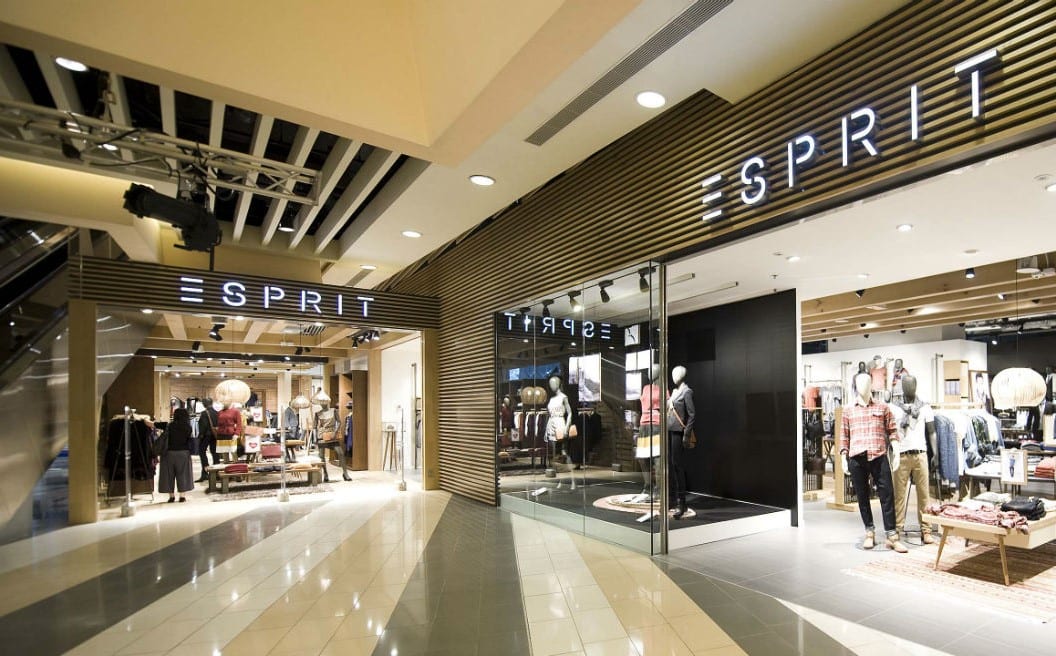
    Largely in line with expectations, Esprit sales were flat, the fashion brand says in its interim report for the six months to December 31.

    While its overall turnover was down 0.4 per cent overall, retail turnover grew 6 per cent while wholesale turnover fell 11.4 per cent.

    The gross profit margin for Esprit Holdings was stable at 50.5 per cent, while the net loss of HK$238 million was in line with expectations. The group had a healthy net cash position of HK$4.2 billion with zero debt.

    Unfortunately, positive retail sales growth in Europe was offset by continued weakness in the wholesale channel, and negative development in the Asia Pacific region. Asia Pacific turnover declined 6 per cent year-on-year, mainly dragged down by China with its 11.6 per cent drop. China represents 46 per cent of the region’s turnover.

    In its breakdown of turnover in Asia Pacific, China led with HK$655 million, 7 per cent of group turnover. Then came Hong Kong (HK$185 million, 2 per cent, down 0.4 per cent), Australia and New Zealand (HK$162 million, 1.7 per cent, up 0.3 per cent), Singapore (HK$129 million, 1.4 per cent, down 4.7 per cent), Taiwan (HK$98 million, 1.1 per cent, up 6.5 per cent), Malaysia (HK$97 million, 1 per cent, down 2.7 per cent), Macau (HK$56 million, 0.6 per cent, down 12.7 per cent) and others (HK$43 million, 0.5 per cent, up 6.2 per cent).

    In the previous financial year, the group moved towards vertical integration which resulted in more cost-efficient product development and supply chain processes, allowing product improvements in terms of design, quality and value-for-money.

    To maximise the selling potential of its improved products, this past year the group started pursuing an Omnichannel business model. In its early stages, this has led to improvements in growing its loyal customer base “Esprit Friends” and fully integrating the commercial activities of all sales channels.

    In September, the group launched an intensive brand-marketing campaign to strengthen and rejuvenate its image.

    Performance during the first six months of this financial year (between July and December) indicated that the vertical and omnichannel model was an effective basis to turn around its business, the company said.

    In its report, the company paid tribute to its co-founder, Doug Tompkins, who died in December, describing him as a “conservationist, outdoorsman, philanthropist, agriculturist and businessman”. He and his then wife, Susie Buell, formed the company in 1968. Esprit’s collections are available in 40 countries, in about 870 directly managed retail stores and through more than 7500 wholesale sales points including franchise stores and department-store outlets. The Group markets its products under two brands, Esprit and EDC.

    Listed on the Hong Kong Stock Exchange since 1993, Esprit has headquarters in Germany and Hong Kong.

  • Hong Kong textile cos eye Make in India to cut costs

    Hong Kong textile cos eye Make in India to cut costs

    India is rising, not only as a new choice of relocating labour-intensive industries from China, but also as a retail market of good potential, says a research report by The Hong Kong Trade Development Council (HKTDC).

    In recent years, the sustained rise in production costs on the Chinese mainland has eroded the profit margins of many Hong Kong companies with labour-intensive factories located on the Chinese mainland, prompting them to seek alternative production bases elsewhere.

    While Southeast Asian countries offer many choices, the HKTDC report says India offers many advantages as an alternative production base, along with the added advantage of having a domestic market of great potential.

    According to the report, the majority of Indian garment producers are focused on the domestic market, as their product quality was generally lower than the standards required by overseas importers.

    Despite this, many big Indian exporters have successfully lined up with international buyers, including department stores, retail chains and brands.

    The paper was written after a recent field trip to India that included factory visits and interviews with garment manufacturers.

    In the four years to 2014, India’s garment exports increased at an average annual rate of 12 per cent, surpassing China’s 9 per cent, in line with Bangladesh’s 13 per cent and eclipsed by Vietnam’s 17 per cent.

    With advantages of raw materials and prospects of vertical integration, India is a strong garment exporting country and a location worth considering for factory relocation in relation to labour-intensive manufacturing, such as garment-making.

    The report pointed out that while China is the undisputed world leader in exporting textiles and garment products, many have overlooked India’s position as the world’s second biggest exporter of textile and garment products in 2014, selling a total of $36 billion, during the year, far behind China’s $399 billion.

    For textile exports alone, India was second after China in 2014, with a share of 5.8 per cent of the global market, compared to China’s enormous 35.6 per cent share.

    HKTDC says it is not surprising that the bulk of garment manufacturing in India is for the domestic market, supported by the country’s huge capacity in textiles production.

    India stands out to be a substantial exporter in both garments and textiles. In 2014, India imported textiles worth only $3.8 billion, lagging much behind Vietnam’s $12 billion, Bangladesh’s $6.8 billion, and just ahead of Cambodia’s $3 billion, the report said.

  • Victoria Beckham Opens Second Fashion Store

    Victoria Beckham Opens Second Fashion Store

    Singer-turned-fashion designer Victoria Beckham unveiled her second fashion store in Hong Kong on Friday (16 Mar 2016).

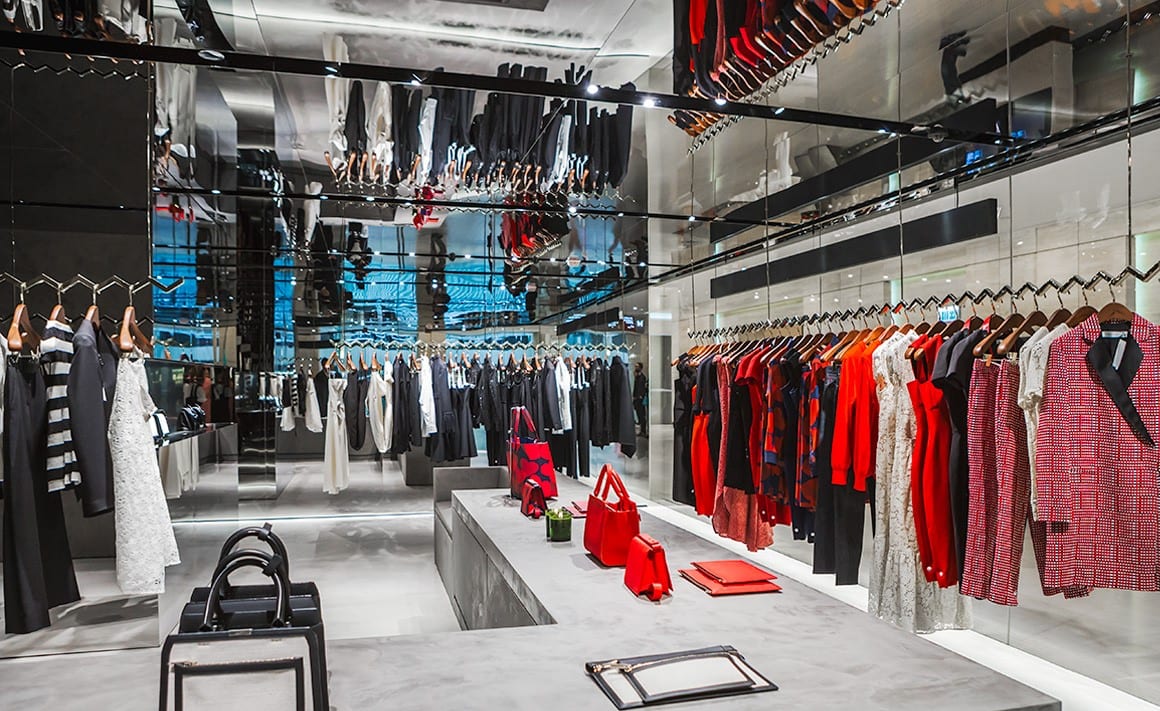
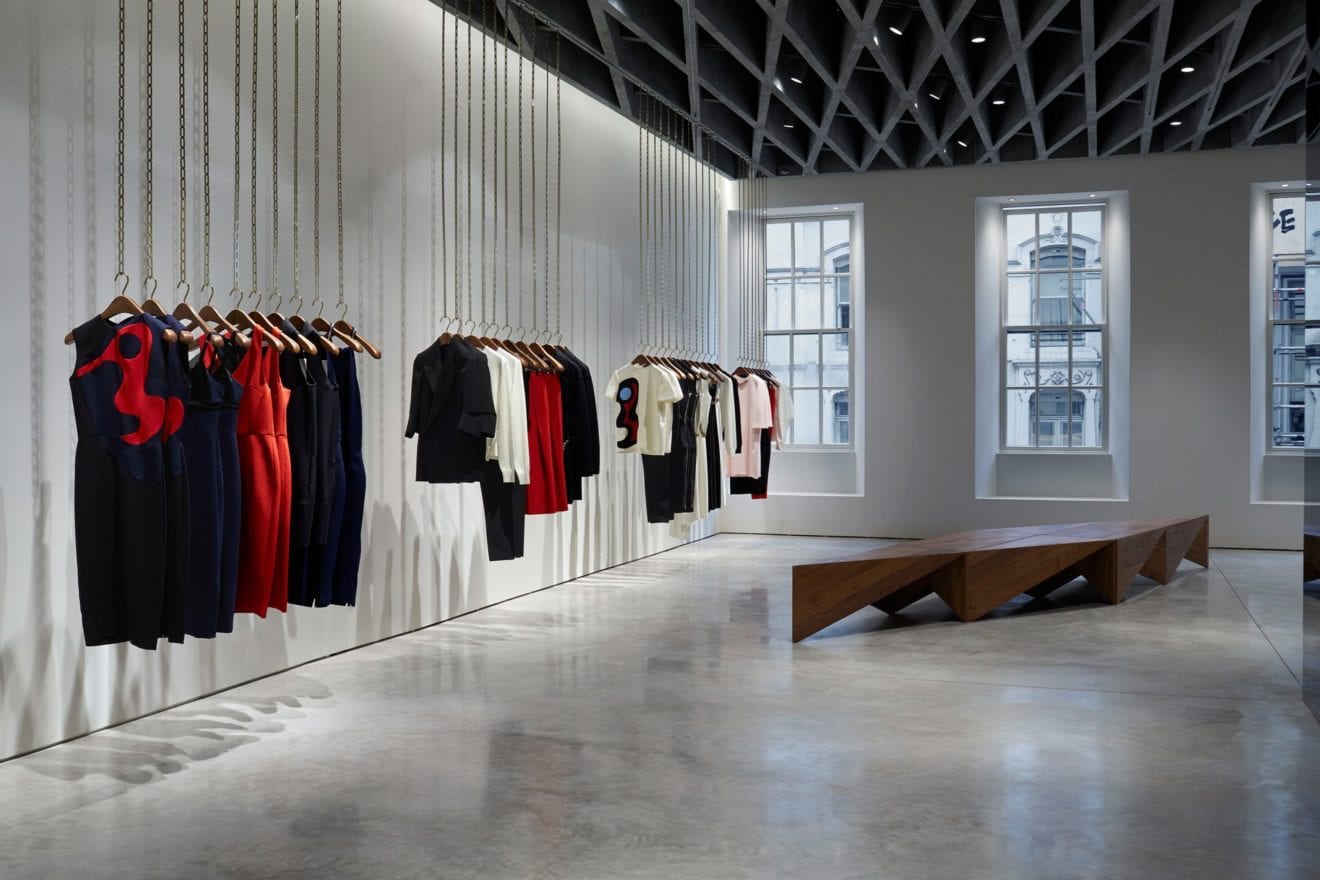
    The former Spice Girl launched the flagship store for her eponymous label in London in 2014, and she has now expanded her brand by opening a second retail space, which has been designed by the same architect Farshid Moussavi, in the region’s upmarket Central district.

    Victoria flew into Hong Kong last week to put the finishing touches to her store, and she tells the South China Morning Post she has been involved in all aspects of the project.

    “The process wasn’t easy… opening a store is a huge project. Together with my team, I’ve worked really hard to get to this point,” she said. “It’s important to me that I’m part of the decision making in all areas, whether that’s deciding what the changing rooms look like, to what fragrance we use in store, to what the receipts look like. I enjoy all of that, and I’m a perfectionist. I believe it’s all in the details.”

    Victoria decided to open up in Asia because she believes women there appreciate luxury, quality and well-made clothes. She adds, “I’m always struck by how aware Chinese women are when it comes to fashion… Their knowledge of trends and brands is so deep, that being here you feel like you’re really part of a fashion conversation.”

    victoria-beckham-store-6

    Victoria, who wore over-sized sunglasses and a black turtleneck dress, was surrounded by security as she opened the store in front of the large crowd. To celebrate the moment, she posted a picture of herself posing in the store and tweeted, “#VBHongKong is open for business!! I love u fashion bunnies.”

    She also posed with fans and they all made the peace sign with their hands, a nod to her Spice Girls days. In the caption, she wrote, “Loved meeting you all at my store today! #VBHongKong.”

    Victoria, a UNAIDS Goodwill Ambassador, will also attend an amfAR AIDS fundraising gala alongside Uma Thurman on Saturday (19 Mar 16).

  • Fairly or unfairly, Asia nerves keep Ted Baker under pressure

    Fairly or unfairly, Asia nerves keep Ted Baker under pressure

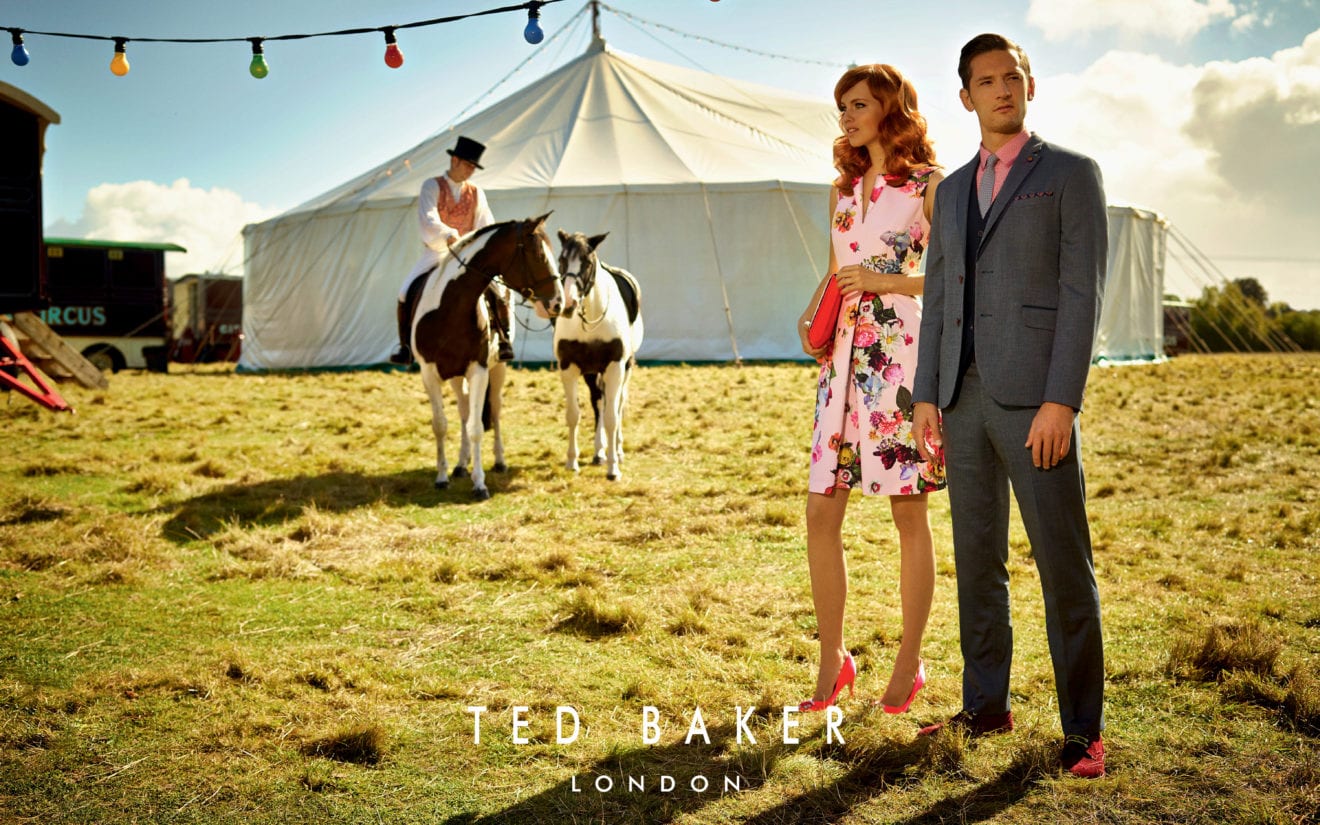
    Despite a strong set of annual numbers, shares in fashion retailer Ted Baker didn’t react well to news that softer economic conditions in Asia had hindered the group’s growth there. But Ted’s Asian business is still pretty small – accounting for roughly 3.4 per cent of group sales – and finance director Charles Anderson insists the brand is well received there. The long-term opportunity, he says, remains intact.

    Asia aside, Ted’s retail sales are growing fast across other geographies. These include North America, where sales rose by more than a quarter last year and the UK and Europe, where sales rose 8.9 per cent, or 10.7 per cent at constant currencies. Overall, this made for a solid retail performance, with total sales for the division up 13.5 per cent to £348m based on an average increase in square footage of 7.5 per cent. More retail space is on the way: a new store is slated to open in Paris along with further concessions in Germany and Spain. Shop openings are also scheduled in Asia, with further concessions across mainland China and Japan to follow a new store in Beijing. Meanwhile, good domestic performance pushed wholesale sales up a third to £108m.

    Another area of growth is online. Last year web-based sales grew by a massive 46 per cent to £53.5m and now represent around 15 per cent of total revenue (from 12 per cent in FY2015). Investments in the web platform are set to continue this year.

    But that won’t be the only reasons for higher running costs this year. Ted just entered a new lease agreement for a ‘state-of-the-art’ distribution facility in the UK which will serve as the main European distribution centre for the group’s general retail stock. Therefore, it’s Mr Anderson’s belief that costs will increase marginally this year while the company migrates to the new system. Costs should revert to normal levels thereafter.

    Analysts at Peel Hunt expect pre-tax profit of £68.9m for the year ending January 2017, giving EPS of 117p, compared with £58.7m and 101p in FY2016.

    TED BAKER (TED)
    ORD PRICE: 2,926p MARKET VALUE: £1.29bn
    TOUCH: 2,926-2,930p 12-MONTH HIGH: 3,650p LOW: 2,463p
    DIVIDEND YIELD: 1.6% PE RATIO: 29
    NET ASSET VALUE: 392p NET DEBT: 49%
    Year to 30 Jan Turnover (£m) Pre-tax profit (£m) Earnings per share (p) Dividend per share (p)
    2012 216 24.3 42.2 23.4
    2013 254 28.9 51.5 26.6
    2014 322 38.9 67.2 33.7
    2015 388 48.8 82.0 40.3
    2016 456 58.7 101 47.8
    % change +18 +20 +23 +19
    Ex-div: 19 May

    Payment: 17 Jun

  • Victoria Beckham launches Hong Kong store, her first outside Britain

    Victoria Beckham launches Hong Kong store, her first outside Britain

    Today, fashion designer Victoria Beckham launched her first shop outside Britain in Hong Kong as she seeks to tap the Asia market despite a downturn in luxury spending.

    Beckham’s store in Hong Kong’s Landmark building lies at the heart of Central.

    The British designer did a final check of the store this morning as crowds of fans waited outside, before sweeping out in a fitted black turtleneck dress and oversized sunglasses, surrounded by security.

    Beckham’s designs are already available in the region, which is the brand’s fastest-growing market.

    Hong Kong is Beckham’s first bricks-and-mortar store outside the UK, designed by London-based architect Farshid Moussavi.

    “The process wasn’t easy… opening a store is a huge project. Together with my team, I’ve worked really hard to get to this point,” she told the South China Morning Post.

    “I know Asian women really understand luxury, good quality and appreciate when garments are made well – and my clothes are,” Beckham added.

    A photo posted on Beckham’s Instagram feed ahead of the launch showed her posing on a plinth next to a mannequin.

    Beckham will also attend Saturday’s amfAR AIDS research fundraiser in Hong Kong, where stars including Uma Thurman will take to the red carpet.

    The new store has been developed in collaboration with Asian fashion retail brand Joyce, which already carries her collections.

    The brand aims at wearable luxury, from jeans and tailored shirts to dresses and accessories. Shirts sell online for around $400 with dresses selling upwards from a few hundred US dollars.

    “I think she’s going to be very popular here,” said hedge fund manager Sally Zhang, 30, after browsing in the store Friday.

    “Compared to other shops, which are too fancy, not fit for the office, this one is quite different,” said Echo Xu, also a hedge fund manager.

    Beckham, 41, opened her first shop in London’s Mayfair in September 2014.

    But despite Hong Kong shoppers’ warm welcome, Beckham faces challenges after the city posted its worst retail sales decline in 13 years in 2015.

    The slump was fuelled by a drop in tourists from mainland China, which has particularly hit sales of luxury goods.

    The Hong Kong dollar has strengthened against the yuan, making it more expensive for mainland visitors to shop. Growing anti-China sentiment in the semi-autonomous city is also keeping some away.

    Hong Kong billionaire tycoon Li Ka-shing said yesterday that the business environment in the city was at its worst for 20 years, with property and retail “doing worse than during SARS,” referring to the 2003 disease outbreak.

  • Indonesia Fashion Week Officially Opened

    Indonesia Fashion Week Officially Opened

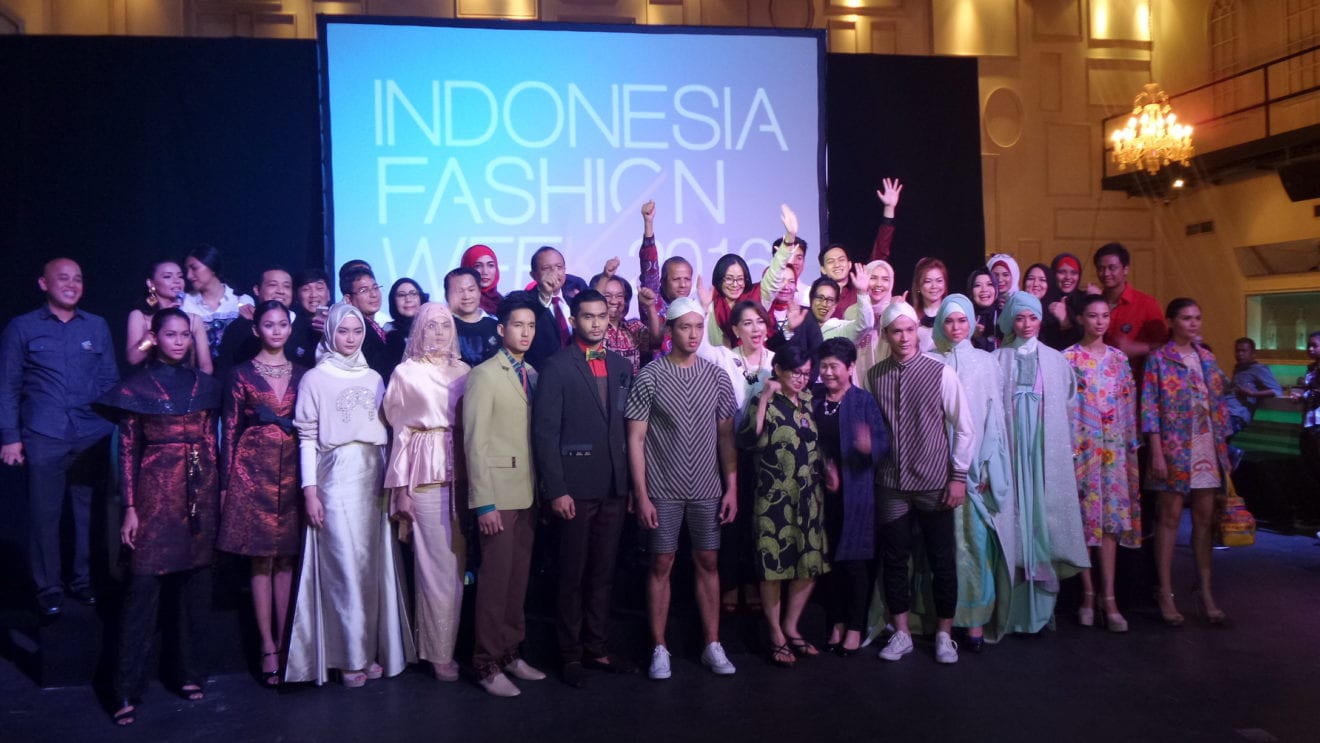
    Indonesia Fashion Week (IFW) 2016 with theme of “Reflection of Culture” is officially opened today, March 10, at the Jakarta Convention Center and will be held from until March 13, 2016.

    “IFW aims to accommodate Indonesian designer needs, both in central and regional,” IFW 2016 President Poppy Darsono said at the opening eventon Thursday, March 10.

    The event created by the Indonesian Fashion Designer Association (AAPMI) will present 32 fashion shows, exhibitions from 480 brands, talk show, workshop and design competition.

    Coordinating Minister of Human Development and Culture Puan Maharani, who represented Vice President Jusuf Kalla, said the fashion event gives opportunity for talented people in Indonesia to show their work.

    Minister of Cooperative and Small-Medium Enterprises (SMEs) Anak Agung Ngurah Puspayoga, who attended the event, hoped that Indonesian designer could meet domestic fashion needs, which is about 40 percent from the ASEAN market. “Don’t let foreign fashion enter Indonesia,” he said.

    Government has a business credit (KUR) program to help designers, including the ones who are starting up their business. The program with low interest is expected to make small businesses, including fashion, to keep growing. “We have prepared Rp120 trillion for KUR,” Puspayoga said.

    Industry Minister Saleh Husin said the ministry is also encourages the growth of fashion industry in the country.

    Saleh said fashion industry has contributed in export worth Rp181 trillion each year and absorbs 3.8 million people per year.

  • Two-pronged approach for Giordano Vietnam

    Two-pronged approach for Giordano Vietnam

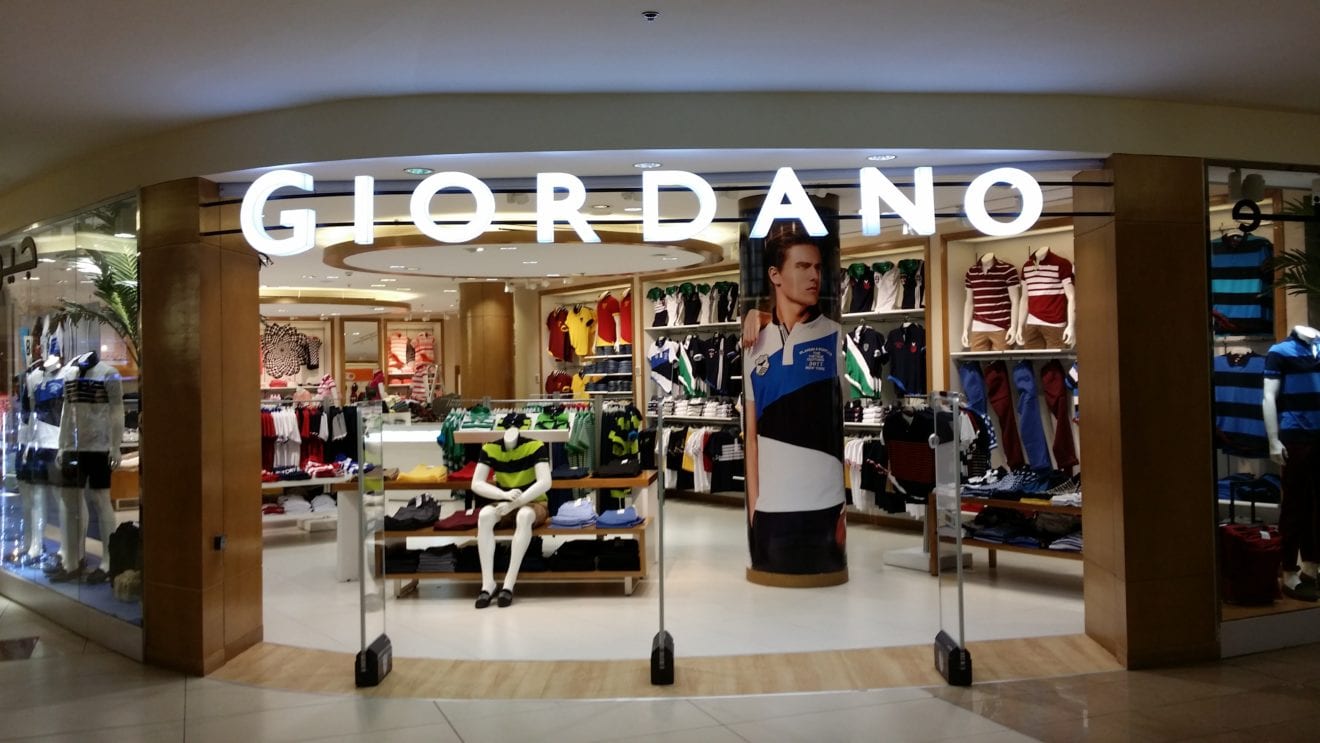
    Vietnam is on the radar for Hong Kong clothing retailer Giordano International, both as a market and supplier.

    With its steady growth in the emerging market, the company is planning to establish a legal entity Giordano Vietnam.

    It is also eyeing the country as a source market for product, while it continues to develop sourcing opportunities in Bangladesh.

    While Giordano still sees opportunities for growth in developing markets such as Indonesia, Malaysia and Thailand, the company says in its annual review that those opportunities are fading.

    Meanwhile, the group has plans to launch digital sales channels outside mainland China this year, initially through the development of its own eShops.

    “Market conditions in Southeast Asia have been challenging in the past two years,” says the group, which improved its merchandising, and therefore profitability, in Singapore last year – “but this will be a tough market going forward”.

    In the 2015 financial year, consolidated sales eased by 3 per cent – but increased by 1 per cent on a constant currency basis. Global brand sales were down 1 per cent for the year, but comparable same-store sales grew by 3 per cent.

    As a strong Chinese New Year offset the impact of 81 store closures, brand sales in the first half of the year grew by 1 per cent. But in the second there was a 3 per cent drop because of unseasonably warm weather in Greater China.
    Gross profit margin declined by 0.4 percentage points to 57.6 per cent, with higher purchasing costs caused by a strong US dollar eroding margins in Southeast Asia and Taiwan.
    “Weak consumer demand in many markets has led to fierce competitive pressure on selling
    prices,” says the group.

    Nevertheless, in the second half of the year, improved purchasing and merchandising resulted in gross margin improving from 57.4 to 57.9 per cent.