Tag: Fastfood

  • Fast Food Giant Jollibee To Acquire Tim Ho Wan Franchises In APAC

    Fast Food Giant Jollibee To Acquire Tim Ho Wan Franchises In APAC

    Jollibee Foods (JFC) announced yesterday that it would invest US$33.4 million (S$45 million or Php 1.74 billion) in a private equity fund that is set to acquire the master franchise of Tim Ho Wan in the Asia Pacific.

    In a disclosure to the Philippine Stock Exchange, Jollibee said that it would account for 45 per cent of the total committed investments in Titan Dining LP, which is worth S$100 million.

    According to Jollibee, Titan has a binding agreement to acquire 100 per cent of the Asia Pacific master franchise holder of the Tim Ho Wan brand, Tim Ho Wan Pte Ltd (THWPL) and its affiliate Dim Sum Pte Ltd, which owns and operates Tim Ho Wan stores in Singapore.

    “Titan may eventually add other brands in the food service sector to its portfolio, with the objective to grow strong Asia-Pacific food service brands across multiple geographies and markets, and to bring strong global food service brands to Asia Pacific,” according to JFC.

    JFC chairman Tony Tan Caktiong trusts that this investment will bring “very healthy financial returns” to Jollibee.

    “Our long-term investment in Tim Ho Wan is in line with JFC’s mission to serve great-tasting food and spread the joy of eating to everyone,” he said.

    The deal will combine Tim Ho Wan’s Michellin-starred barbecue pork buns with Jollibee’s stable of Chinese restaurants: Chowking in the Philippines, and Yonghe King and Hong Zhuang Yuan in China.

    The trio of Chinese restaurants accounted for 23 percent of system-wide sales last year, said Jollibee.

    Jollibee, the largest fast food company in the Philippines, has been on an acquisition and expansion spree overseas.

    It recently secured US government’s approval for its acquisition of more shares in Colorado-based burger joint Smashburger.

    It also opened its first European store in March, and a third outlet in Canada in April.

    Due to aggressive store openings, Jollibee said that its net income rose 17.3% to 1.8 billion pesos (US$3.47 million) in the first quarter from a year ago as total sales rose 19.3% to 46 billion pesos.

    Now, Jollibee has the option to acquire “substantial ownership” of the Tim Ho Wan master franchise in the Asia Pacific after the term of Titan Dining ends in 7 years.

    It also said that it would operate as a Tim Ho Wan franchisee in Shanghai to prepare for that possibility.

    Tim Ho Wan currently has franchisee in Cambodia, Indonesia, Japan, Macau, Taiwan, Thailand, Vietnam, Australia, and the Philippines; with an expansion development in the works in the Asia Pacific region.

    Together, Tim Ho Wan and Dim Sum operate 40 restaurants in total, both company-owned and franchised stores.

  • Domino’s Franchising model’s uncertain

    Domino’s Franchising model’s uncertain

    The franchising model has been around a long time in Australia, but a raft of inquiries and negativity surrounding the sector is fuelling uncertainty over its viability moving into the future. The franchising sector has been on the receiving end of a lot of negative political and media attention over the past two years.

    The industry response has largely been to pop in earplugs and cover its eyes with blindfolds and just wait till all the problems go away.

    The Franchising Council of Australia continues to roll out media releases of self-congratulations for the industry, announcing award winners for franchising excellence and forums to showcase investment opportunities.

    The Council has protested the timing, intent and conclusions of inquiries into the sector claiming it is in robust health, despite the falls from grace of some of the most celebrated franchise systems.

    A little bit like the alcoholic who can’t rehabilitate without first acknowledging they have a problem, the franchise sector is certain to be plagued with serious problems well into the future, unless it recognises the limitations of the franchising business model.

    Franchising has been around for a long time and does undoubtedly have its success stories but it is uncertain that retail franchising systems can survive in their current form.

    At the very least, retail franchising systems are likely to become much less lucrative for franchisors who are unlikely in future to be able to obtain the level of franchise levies, marketing fees and even product supply charges that they have received in the past.

    Franchisors are also facing the prospect of higher operating costs associated with a tightening of regulations and legislative provisions to ensure the appropriate governance and accountability of their systems and enhance operational support for their franchisees.

    The franchise business model arguably works for service businesses, which in many cases have low ingoing costs and often provide a customer referral facility, which provides a clear and direct value for the fees.

    Retail franchises are an entirely different matter as they involve high entry costs for the franchise rights, store fit out costs, rent and occupancy charges for tenancies, inventory carrying costs and hefty wages bills resulting from extended hours trading in most locations.

    Franchisees have much longer hours to spend managing a retail business than investors in other types of franchises and, at the end of the day, many are effectively working for nothing after coughing up their various dues to franchisors.

    Pressure across all sectors

    The scandals and increased level of disputation involving retail franchise systems should not be surprising, given that the entire retail industry is under pressure with major local chains closing stores and others failing financially and international retailers such as The Gap and Esprit abandoning the Australian market.

    The seasonality and vagaries of fashion has meant there have been few apparel franchise systems.

    General merchandise chains like Beacon Lighting and The Good Guys bought back their franchises while the struggling Godfreys cleaning appliance chain has waxed and waned on its franchising program.

    Yum Restaurants Australia, which built its business around a pure franchise model has also been buying back KFC franchises, a move that led to a dispute with another franchise company, Jack Cowin’s Competitive foods, which triggered a parliamentary inquiry that led to the adoption of ‘good faith’ clauses in franchising legislation.

    Faced with a debilitating level of disputes with franchisees and the reputational brand damage of breaches of employment laws and underpayment of wages, Caltex, the fuel giant has also decided to exit franchising and to buyout its current franchisees.

    Among other casualties, the Angus & Robertson chain was one of many retail franchise chains to collapse, along with other systems such as the Allied Brands portfolio, Eagle Boys Pizza, Pie Face, Kleins and Kleenmaid.

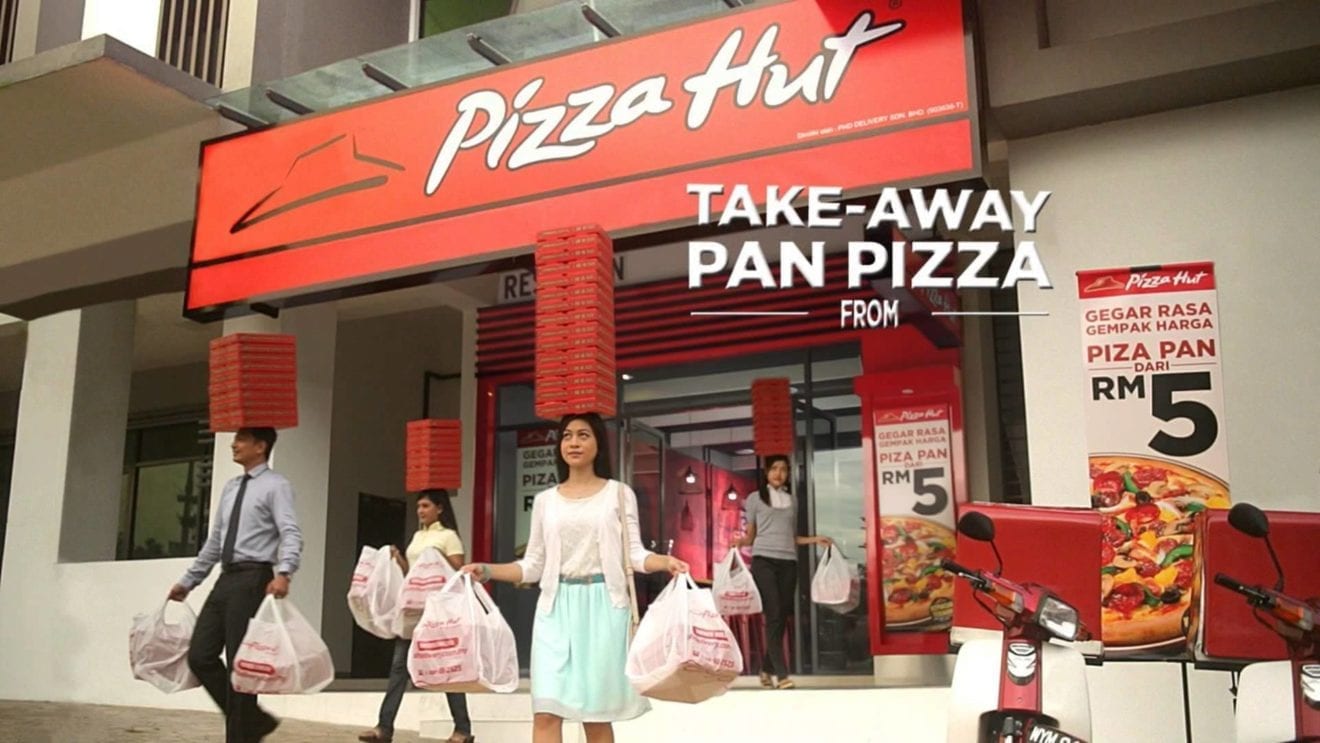
    Most of the successful retail franchises in Australia have been food chains but food franchise systems are starting to struggle as evidenced by the problems at Domino’s Pizza, Pizza Hut, Retail Food Group and Craveable Brands.

    The wages scandals at 7-Eleven and Domino’s Pizza have forced both companies to change their profit sharing ratios to ensure their franchises are viable, after franchisees pleaded that their shortcuts on employee wages and entitlements had been their only hope of economic survival.

    Most food franchise systems in Australia are declining in numbers of outlets and have been for several years.

    The brands that are still growing are generally those that are expanding into overseas markets, usually under master license agreements, and advantaged by lower operating costs, especially in labour costs.

    While both the Queensland-based franchise systems, Domino’s Pizza and Retail Food Group, are facing challenges in the domestic market, including franchisee disputes, both are continuing to enjoy relative success with their overseas businesses.

    Interestingly, Domino’s Pizza and Retail Food Group are both listed on the Australian Stock Exchange with the pizza chain regarded as one of the best performers in terms of growth and shareholder investment returns.

    Craveable Brands, the owner of the Red Rooster, Oporto and Chicken Treat brands attempted to float on the Australian Stock Exchange last year in a transaction that would have valued the business at up to $400 million.

    Institutional investors had little appetite for the deal pitched by Archer Capital for the Sydney-based fast food company that was formerly known as Quick Service Restaurants.

    The float idea was abandoned in July 2017 and there has been no trade buyer interest in an acquisition of Craveable Brands because of doubts about the franchise systems and scepticism about bullish prospectus forecasts.

    Archer Capital had planned to expand overseas in New Zealand, China, the United States and the United Kingdom but the global push has not reached expectations and the store numbers for both the Red Rooster and Chicken Treat chains have fallen in the past six years.

    Those doubts that have been given further credence by a submission from a group of Craveable Brands franchisees to the current Senate Inquiry into the Franchising Code of Conduct.

    ‘Crisis point’

    Michael Sherlock, the former Brumby’s Bakeries CEO, argues the franchising sector is at a crisis point because of a lack of leadership by the Franchising Council of Australia which he claims has been “taken over” by lawyers and consultants.

    Sherlock believes the Franchise Council of Australia has failed to properly address issues in the industry and that its board should be overhauled with only current franchisors and franchisees as directors.

    The board currently does not include any franchisees.

    Sherlock argues directors on the board should have a minimum of five years trading experience with a proven ethical performance and a minimum of 30 franchise outlets.

    Under Sherlock’s proposal, current chairman and former Federal Minister for Small Business, Bruce Billson would be forced to step down along with former chairman and legal advisor, Stephen Giles.

    Sherlock sold Brumby’s to Retail Food Group in 2007 when the chain had 321 outlets.

    The chain currently has around 240 stores and its decline and the relationship between the franchisor and franchisees was one of the reasons the Australian Senate established an inquiry into the effectiveness of the Franchising Code of Conduct.

    Sherlock has been surprised at the Franchising Council of Australia’s denial of any problems in the franchising sector despite the scandals and disputes of the past two years.

    He argues franchisors should be more transparent with fees and charges, including supplier rebates and the application of marketing levies.

    Sherlock also believes franchise deeds should be registered in a similar manner to commercial leases.

    Submissions to the Joint Committee on Corporations and Financial Services inquiry into the Franchising Code of Conduct closed last week and a report to the Federal Parliament is expected in June.
  • QSR Brands considering IPO

    QSR Brands considering IPO

    Malaysian fast-food group QSR Brands is mulling an IPO to raise around MR2 billion (US$509.6 million).

    QSR Brands operates the KFC and Pizza Hut restaurant franchises in Malaysia and is part owned by private equity firm CVC Capital Partners, which is looking to exit the business.

    Shareholder Johor Corp president/CEO Kamaruzzaman Abu Kassim says it would like to see this happen no later than November. Johor Corp is the investment arm of Malaysia’s Johor state.

    The listing would be the largest IPO in Malaysia since integrated petrochemical producer Lotte Chemical Titan Holding raised $878 million last July. The move has been planned since 2016, reports Reuters, with the company hiring Citigroup, Credit Suisse and another bank to lead the exercise.

    The estimated market capitalisation of QSR would be about MR6 billion after listing, Kamaruzzaman says. “Further details will have to be worked out with various parties.”

    The  QSR Brands IPO was part of an “exit plan” for CVC and fellow investor the Employees Provident Fund when QSR was privatised in 2013.

  • China boost for McDonald’s appetite

    China boost for McDonald’s appetite

    A strong performance in China, partly offset by continued challenges in South Korea, helped build first-quarter momentum for McDonald’s Corporation.

    President/CEO Steve Easterbrook says the restaurant group has had 11 consecutive quarters of positive comparable sales and a fifth consecutive quarter of positive guest counts.

    Highlights for the first quarter, to the end of March, included a 5.5 per cent rise in global comparable sales and 0.8 per cent in global comparable guest counts.

    A strategic refranchising initiative resulted in consolidated revenues dropping 9 per cent (15 per cent in constant currencies).

    Systemwide sales increased 7 per cent in constant currencies, while consolidated operating income increased 5 per cent (flat in constant currencies) because of growth in franchised margin dollars, offset by the impact of the refranchising initiative

    Comparable sales for the international lead segment increased 7.8 per cent for the quarter, reflecting positive results across all markets. The segment’s operating income grew 21 per cent (9 per cent in constant currencies), fuelled by sales-driven improvements in franchised margin dollars.

  • Fatburger Buffalo’s Express opens Tokyo burger restaurant

    Fatburger Buffalo’s Express opens Tokyo burger restaurant

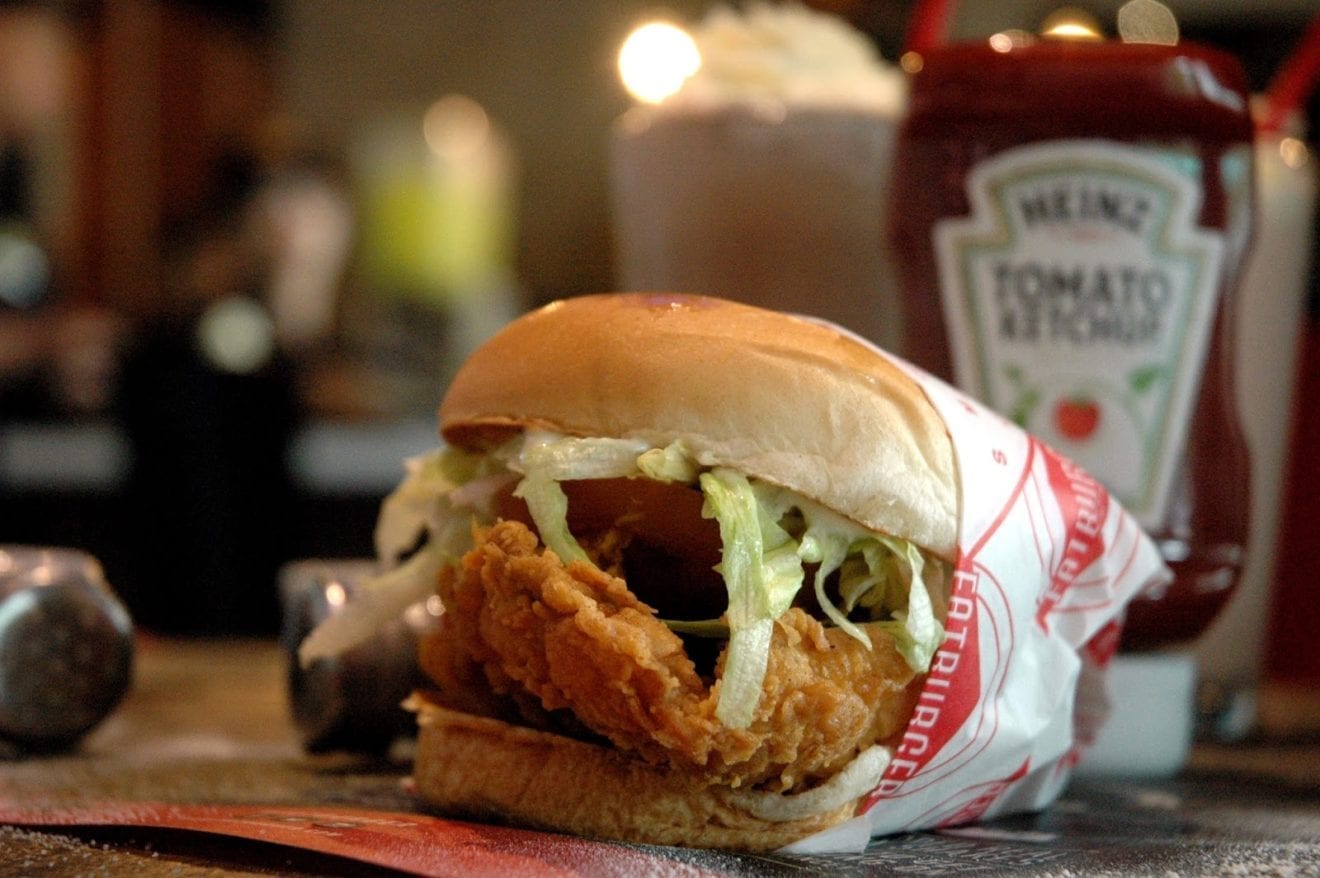
    A co-branded Fatburger Buffalo’s Express is opening its first Tokyo location tomorrow. Located at the Magnet by Shibuya109 building in Shibuya Crossing, the US fast-food brands’ outlet will feature all-American fare from Buffalo’s Express and Fatburger, as well as alcoholic offerings from bar concept, FatBar.

    “We’ve been waiting for the perfect opportunity to enter Japan and it’s finally here. As a team, we couldn’t be more pleased with how this flagship location has developed,” said Andy Wiederhorn, CEO of Fat Brands.

    “Our recipes, ambiance and service have exceeded expectations in other locations across Asia and I expect nothing less in Tokyo.”

    The Japanese outlet is operated by Green Micro Factory, subsidiary of G Three Holdings.

    Fatburger parent company Fat Brands has recently announced openings and development deals in Canada, the Philippines, Scotland, Singapore and Southern California.

  • Shake Shack opens next week in Hong Kong

    Shake Shack opens next week in Hong Kong

    Shake Shack Hong Kong makes its debut on Tuesday at IFC mall in Central. With panoramic views of Victoria Harbour, the eatery will be able to seat more than 46 guests. As a modern “roadside” burger stand that began as a hot-dog cart in New York’s Madison Square Park, Shake Shack has gained a global following for its Flat-top Dogs with all-natural beef and no hormones and antibiotics, served on a non-GMO Martin’s Potato Roll.

    As well as the New York City brand’s classics of burgers, hot dogs and fries, Hong Kong Shack will serve localised menu items like milk tea shake (vanilla custard blended with black tea), French toast (with vanilla custard, peanut-butter sauce and banana, topped with maple sugar), the Heart & Tart of Central (vanilla custard, egg tart and strawberry puree) and That’s My Jam (vanilla custard, mango/passion fruit jam, raspberries and crumbled shortbread).

    Its crinkle-cut fries can be served plain or with a special blend of American and cheddar cheese sauce.

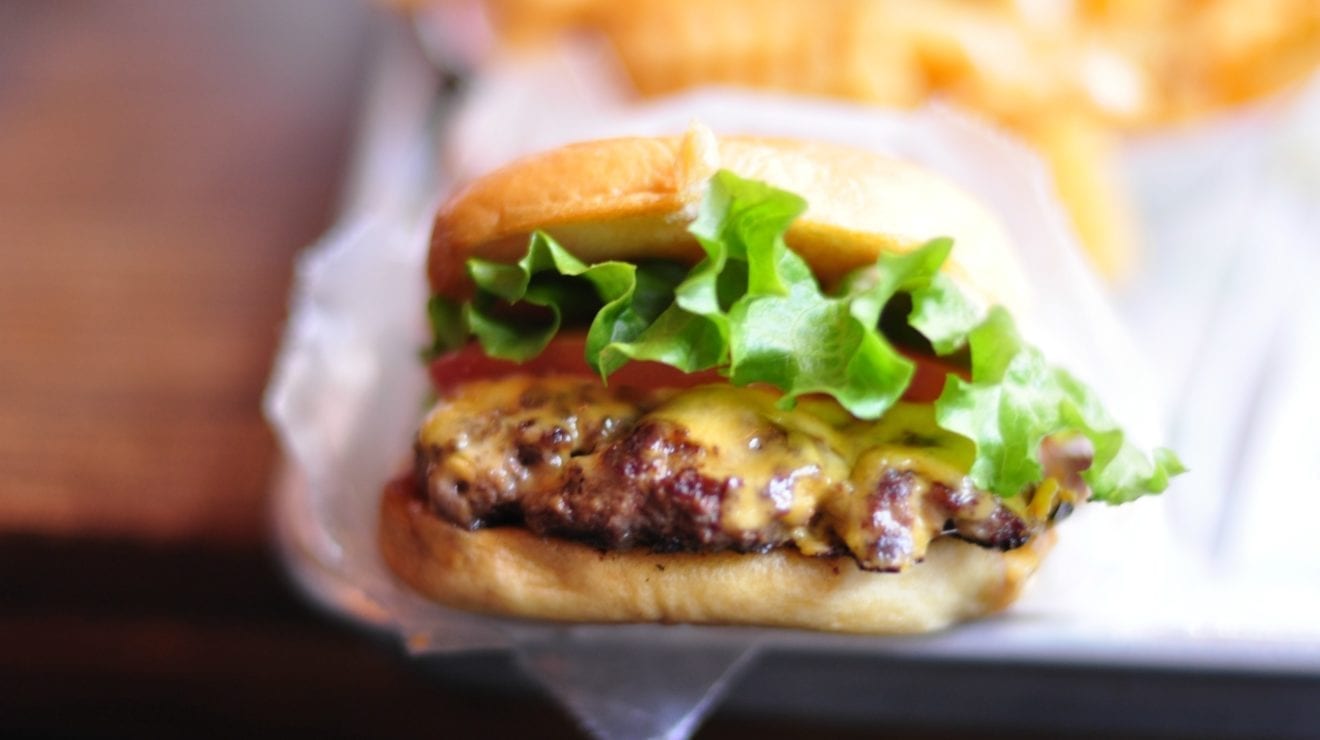
    Hong Kong Shack customers will also be offered the classic ShackBurger, a cheeseburger made from premium whole-muscle cuts of Angus beef, topped with lettuce, tomato and house-made ShackSauce. A meat-free option is the ’Shroom Burger, a crisp-fried portobello mushroom filled with melted muenster and cheddar cheese, topped with lettuce, tomato and ShackSauce.

    Brooklyn Brewery makes an exclusive ShackMeister Ale for Shake Shack, and as well as this the Hong Kong outlet will include beers by Gweilo, Heroes, HK Yau, Moonzen and Young Master. Wine is served by the glass, including Shack Red and Shack White from Gotham Project Winery in the US.

    To mark the eatery’s opening in Hong Kong, the first 100 people in line when doors open on Tuesday will be given a pair of Shake Shack sunglasses. And as part of Shake Shack’s mission to Stand for Something Good, the outlet will donate 5 per cent of sales to ChickenSoup Foundation, a non-profit that seeks to empower at-risk children in Hong Kong.

    Shake Shack has more than 90 locations in 19 US states and more than 50 international locations including Dubai, Istanbul, London, Moscow, Seoul and Tokyo.

  • Jollibee offers the best summer fun for kids

    Jollibee offers the best summer fun for kids

    Kids are in for one of the best fun and learning experiences this summer as Jollibee welcomes them to the best summer activity – the Jollibee Kids Club Mini Managers Camp, happening until May 31, 2018.

    Through the six-day camp, kids aged 4-12 years old can learn the important values and key roles of a Jollibee Manager such as hard work, leadership, and responsibility through various fun and engaging learning activities.

    Wearing their Jollibee Mini Managers uniform, complete with nameplates, the kid managers will greet customers as they enter the store, work behind the counter to take orders, and hand out take-out bags via the Drive-Thru window to discover and experience first-hand Jollibee’s values, the Alagang Jollibee service heritage, and learn the store’s best practices. They will also engage in arts and crafts, Yumburger making, ice-cream making, fun games, and dancing, all while interacting with other kids and meeting new friends.

    “We at Jollibee believe that even at a young age, kids need to develop a sense of discipline, hard work, and responsibility in a fun learning environment, to become future leaders and managers. These are the values and lessons we want our Mini Managers to learn and experience as these will be pivotal in their growth, said Charisse Sumulong, Jollibee senior brand manager and head for Channels and Kids Marketing, “That is why the Jollibee Kids Club Mini Managers Camp is the best summer activity for Jolly Kids as it provides a fun and engaging atmosphere for kids to enjoy their vacation.”

    For only P650, parents and guardians can enroll the kids to the Mini Managers Camp at any participating Jollibee store nationwide. Non-JKC members are also welcome to enroll. Participants will get a Mini Managers Camp workshop kit that includes a set of Mini Managers uniform and name plate, activity materials and a camp bag, snacks for the six days of the program.

    The Jollibee Kids Club Mini Managers Camp is already accepting participants to the best summer workshop so, hurry, and sign up your aspiring Mini Managers today! Visit your nearest Jollibee store or follow /Jollibee Philippines on Facebook for more details.

  • Jollibee Foods causes long queues in Toronto

    Jollibee Foods causes long queues in Toronto

    Filipino fast-food chain Jollibee Foods Corporation has opened its first Toronto store to a queue of fans, some of them waiting up to eight hours.

    Its Canadian expansion comes as Filipino restaurants have been opening as well as a major grocery store catering to cooks of the cuisine.

    Jollibee entered Canada in 2016 with an outlet in Winnipeg, reporting that despite the freezing winter, thousands waited overnight for the store to open.

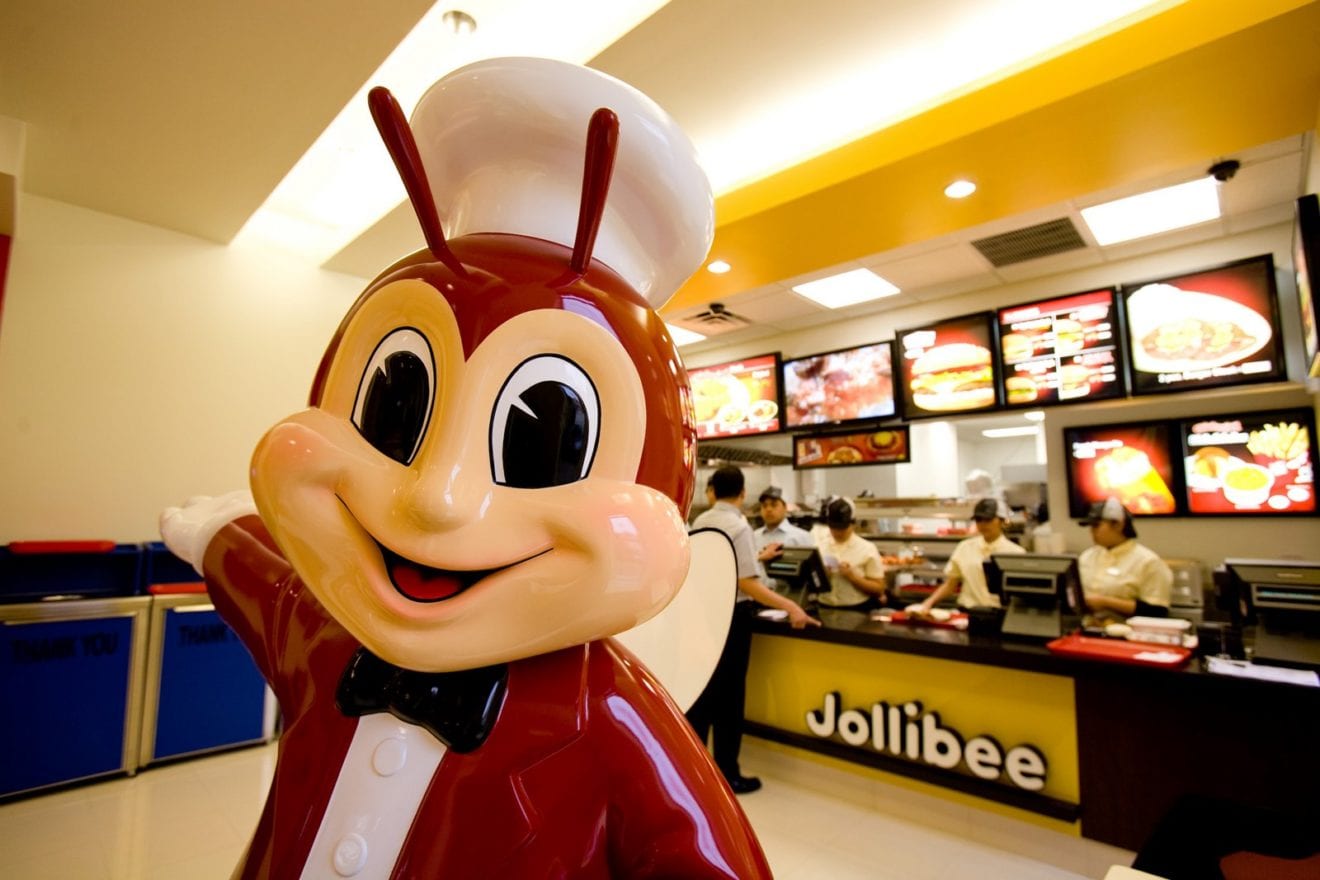
    Toronto’s store is the third, with another having opened in Winnipeg. The first 40 customers spending more than $3 each won a six-piece bucket of crispy chicken each month for a year. At the grand opening, customers were buying bucketfuls of chicken and taking photos with the chain’s mascot, a red and yellow bee.

    The Philippines was the top country of birth of new migrants to Canada, according to Statistic Canada. Its 2016 census shows that 188,805 people, or 15.6 per cent of recent immigrants, were born in the Philippines.

  • Why Jollibee Wants To Buy Pret a Manager

    Why Jollibee Wants To Buy Pret a Manager

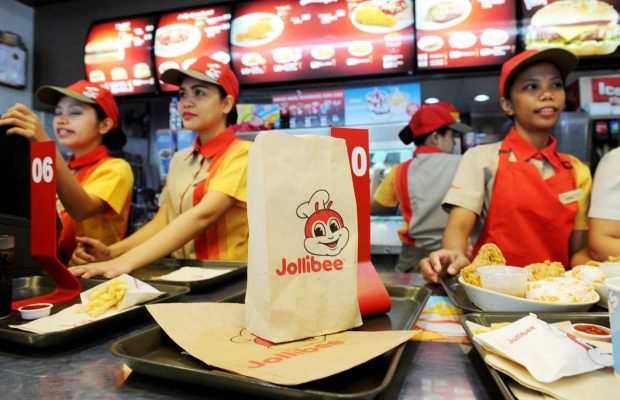
    Fancy a 400-calorie Pret A Manger quinoa salad to go with your greasy Jollibee fried chicken and sweet-style spaghetti? Hong Kong’s diehard patrons of the star-logoed British healthy foods chain and the Philippine fast food institution balked when this question was posed to them by Retail News.

    But while the menu offerings of the two companies – deemed national treasures of sorts in their home countries – hardly go well together, industry experts say that is no reason to write off a corporate marriage between the food titans.

    The prospect of the uncanny alliance was thrust into the spotlight this week after Reuters reported that cash-rich Jollibee Foods Corp – the biggest Asian-owned fast food company – was mulling an acquisition of Pret A Manger in its latest push to expand its global reach.

    The deal would be worth upwards of US$1 billion, Reuters said, quoting unnamed sources with knowledge of the matter, making it one of the biggest overseas deals by a Filipino company.

    The two companies did not outrightly refute the report, although Jollibee said in a filing to the Philippine Stock Exchange that the information in the Reuters report was not from the company.

    Its founder Tony Tan Caktiong told us that Jollibee “did not make any formal nonbinding bid”. But “if it does look worthwhile and would be a good fit for Jollibe, I would not rule out exploring Pret as a potential acquisition.”

    Pret A Manger, owned by the private equity firm Bridgepoint, kept silent.

    Bridgepoint earlier this year appointed bankers to explore a New York public listing for Pret A Manger, which would potentially see the chain valued significantly higher than the US$1 billion figure.

    Jocelyn Cheung, research analyst at Euromonitor International, said a deal would be able to “leverage the fast-growing health and wellness trends within big cities in China and Southeast Asia”.

    And Jeffrey Young, managing director of the London-based research and consulting firm Allegra Group, said “Jollibee’s presence and knowledge of the Philippine market would give Pret an advantage if they entered there and could be a significant gateway to other parts of Asia”.

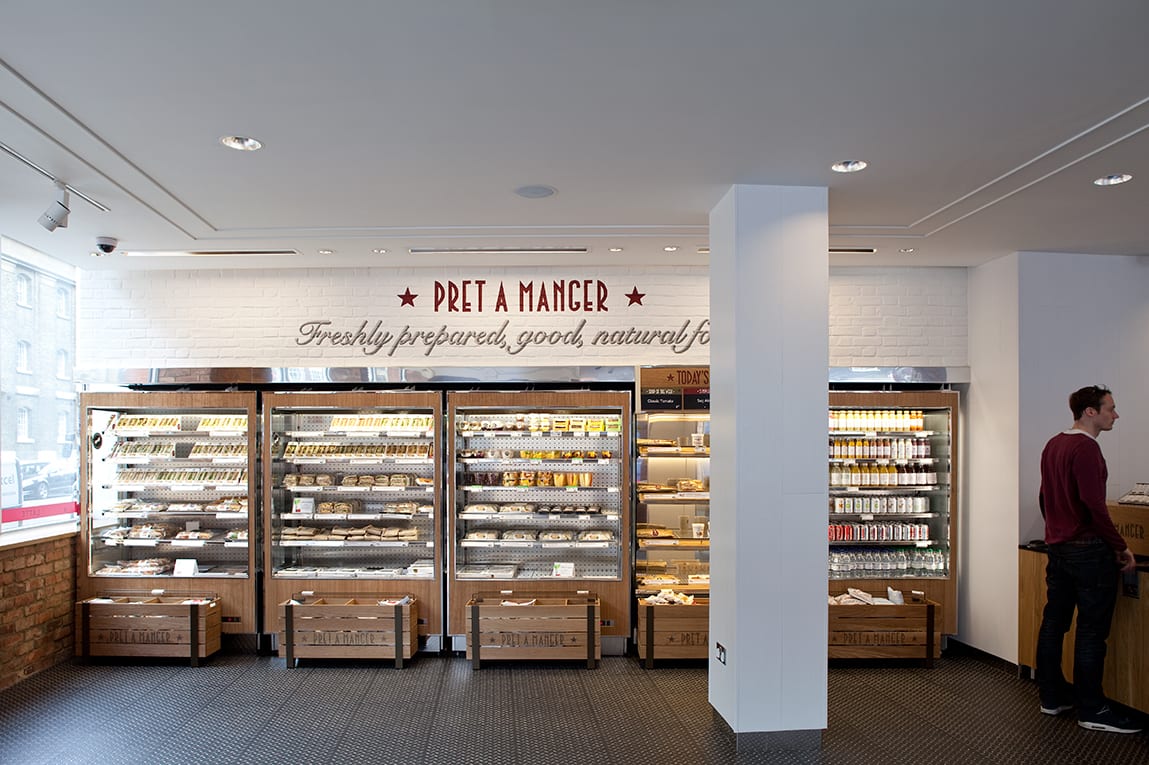
    Pret A Manger – whose name means “ready to eat” in French – is ubiquitous in London with over 200 branches, and its offering of premium soups, sandwiches and salads along with organic coffee is a staple of the British capital’s calorie-counting and big spending city slickers.

    The chain is popular in Hong Kong too, with 23 outlets across the city.

    Within Asia, it has branches in Singapore, Shanghai, and Dubai. It also operates in France and the US, boasting over 350 stores worldwide.

    “I would hope there is no change to the menu here. It will be quite outrageous to have fried chicken sold here,” finance executive Diedre Muller told us while selecting a sandwich for lunch at Pret A Manger’s newly opened Times Square branch.

    Three MTR stops away, at Jollibee’s branch along Connaught Road Central, Ressie Gilla chuckled at the idea of the Philippine fast food chain and Pret A Manger one day having the same owner. “Jollibee is the McDonald’s of the Filipinos. Can you imagine if Pret is owned by McDonald’s?,” said the hotel worker while tucking into the chain’s signature fried chicken and spaghetti.

    Pret A Manger was in fact part-owned by McDonald’s from 2001 to 2008, one reason why experts say an acquisition by Jollibee is unlikely to be viewed as anathema for the healthy eating franchise. The acquisition could also be a less volatile exit strategy for Bridgepoint than an IPO.

    McDonald’s, which bought its 33 per cent stake just as the British company was expanding overseas, sold on its shares in full to Bridgepoint.

    Another reason why the pairing could work, observers say, is that while their food offerings are worlds apart, the companies share similar rags to riches narratives, and have the same customer-first ethos. Pret A Manger was founded in 1986 by Sinclair Beecham and Julian Metcalfe, two university friends who borrowed £17,000 from a bank and set up their first deli on Victoria Street in London. They said business venture arose out of their weariness of eating unhealthy food at the city’s numerous “greasy spoons”. Jollibee Group, now worth US$5.2 billion, was also once a David among a world of Western fast food Goliaths like McDonald’s, KFC, and Burger King. Its founder Tan – the son of Chinese immigrants from Fujian province – started out as an ice cream vendor in Metro Manila in the 1970s.

    According to Euromonitor data, the publicly listed company is now the number one fast food company in the Philippines, with 54.8 per cent market share in 2016. Its closest competitor McDonald’s held 20.8 per cent of market share.

    Across Asia, Jollibee is the third biggest fast food company, behind McDonald’s and Yum Brands Inc, the holding company of Kentucky Fried Chicken, Pizza Hut and Taco Bell.

    It has been in an acquisitive mood in recent years.

    In 2015 it took a 40 per cent stake in the US burger chain Smashburger. It owns the Chinese fast food chain Yonghe King, and last year bought out a key supplier of that brand.

    For the Philippine behemoth, Pret A Manger presents a direct way to break into a new frontier – the increasingly lucrative healthy eating industry.

    Research firm MarketLine in August said the global organic food market is set to grow from US$98.5 billion in 2016 to US$187.6 billion in 2021.

    “The trend towards healthy eating is highly evident in Britain and is sustainably spreading fast across the globe,” said Cheung of Euromonitor International. “Great natural fresh food offerings, strong brand equity and successful corporate strategies make Pret a highly attractive acquisition target.”

    London-based Young said Pret A Manger’s track record of registering strong growth in overseas markets – its businesses in the US, Hong Kong and France are thriving – makes its particularly attractive to Jollibee.

    Pret A Manger patron Muller, who scoffed at the idea of a fast-food chain owning her favourite lunch joint, said she was unlikely to give up on her staple of rocket and crayfish sandwiches if the acquisition did eventually come to pass.

    McDonald’s offloaded its Pret A Manger holdings in 2008 amid some disquiet among the sandwich chain’s anti-fast food clientele about its stake in the company.


  • Strong Filipino population draws fast food chain Jollibee to expand its reach in Canada

    Strong Filipino population draws fast food chain Jollibee to expand its reach in Canada

    The growing Filipino population in Canada has been catalyst for the biggest fast food chain in Asia to expand its market into Canada.

    Jollibee, a Filipino fried chicken restaurant with more than 1,000 locations in the Philippines, is opening its third Canadian location this weekend in Toronto.

    “People are very excited for the Easter Sunday opening,” Maribeth dela Cruz, vice president and general manager of Jollibee North America, told in a phone interview.

    “There’s going to be really long lines.”

    Jollibee has developed a bit of a following for its famous fried chicken, pineapple-topped burgers, peach-mango pie and spaghetti.

    Dela Cruz says the decision to expand into the Toronto market made sense because of the sheer volume of Filipinos in the region. She estimates there are about 300,000 Filipinos living in Ontario with roughly 30,000 of them living within a five-mile radius of their new Scarborough location.

    The 2016 Census indicates there are 837,130 Filipinos living in Canada, making it the third largest Asian Canadian group. The population grew by 26 per cent from 2011 to 2016.

    “The Filipino population in Canada continually grows and we’re very optimistic it will be a good market for us,” she said.

    Jollibee began expansion into North America in 1998, with the Toronto location being the 40th franchise to open in the continent. The two other Canadian locations are in Winnipeg.

    “North American expansion has been very encouraging, especially in locations where there are a lot of Filipinos,” said dela Cruz.

    When the first Canadian location opened in Winnipeg back in December 2016, dela Cruz says customers lined up in -30 C weather to get a taste of their fare.

    Jollibee provided the dedicated fans who camped overnight with heated trailers.

    “Winnipeg actually has a large Filipino population as well,” said dela Cruz. “We expect it’s going to be even bigger here in Toronto.”

    Jollibee has plans to continue expanding in North America and Canada, with locations in New York City, Las Vegas and somewhere in California all expected shortly.

    The Manila-based company is expected to open an Edmonton restaurant in a couple years with additional plans for locations in Mississauga and downtown Toronto.

  • Jollibee Guam construction begins

    Jollibee Guam construction begins

    Philippine fast-food giant Jollibee’s planned re-entry into the Guam market has taken another step forward. The $2 million construction project to build a standalone Jollibee in the Micronesia Mall parking lot has begun. The construction site was in the process of being cordoned off Monday, and construction equipment has started digging up the ground for the proposed concrete building.

    The Jollibee corporate office in the Philippines has previously confirmed its Guam restaurant will open in the fourth quarter of this year.

    Maxi D. Peralta Jr., assistant vice president and head of international franchising at Jollibee Foods Corp., spoke on behalf of the company.

    Known for its crispy fried chicken, sweet spaghetti and other Filipino twists on patties, hot dogs, egg rolls and noodles, Jollibee’s Guam re-entry was announced as part of its overseas expansion plans.

    Jollibee had two franchise-run restaurants on Guam and two on Saipan, but its Marianas presence ended more than a decade ago as the islands went through an economic downturn. Jollibee also had trouble competing with Guam players that offered larger portions.

    The company builds, runs and franchises quick-service restaurants. A Jollibee international franchise applicant must have a minimum net worth of $5 million, according to the company’s website.

    Internationally, Jollibee had 139 stores with 32 in the United States, 72 in Vietnam, 13 in Brunei, one in Hong Kong, two in Singapore and 19 in the Middle East, according to the company’s profile for investors.

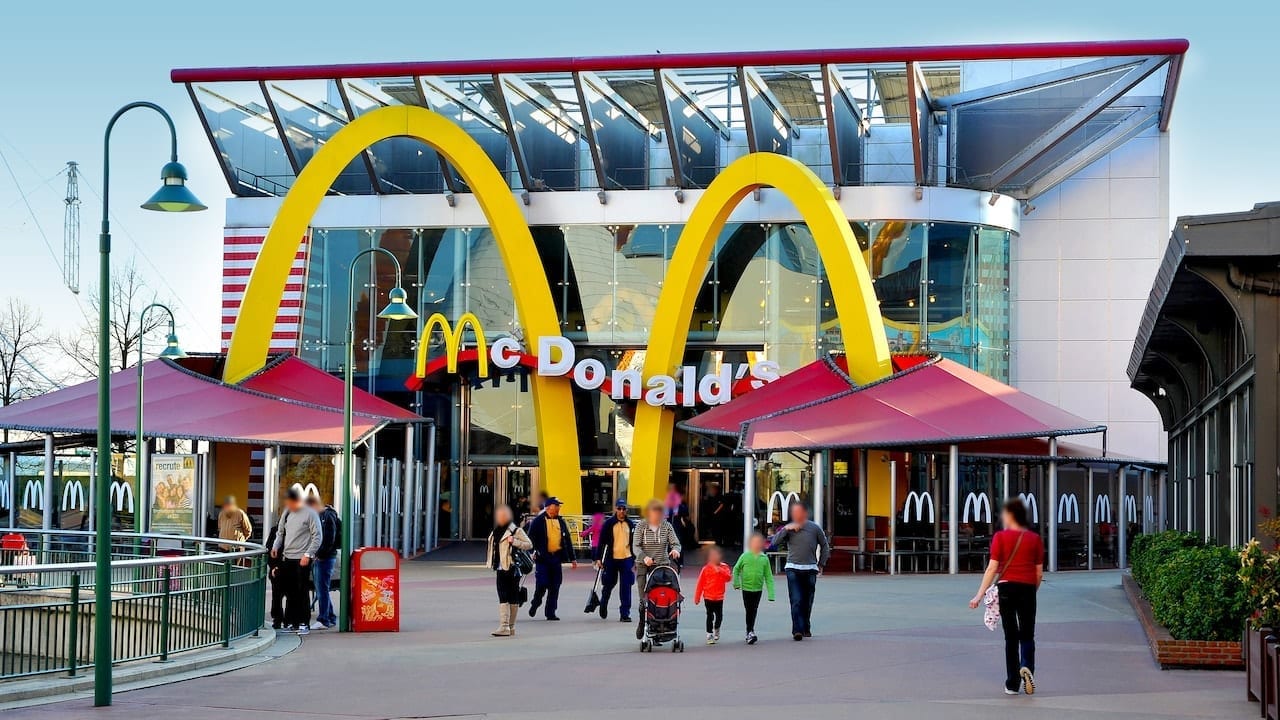
  • Resurgent McDonald’s plans 200 openings in Japan’s burger battle

    Resurgent McDonald’s plans 200 openings in Japan’s burger battle

    Fast-food chains in Japan are launching the biggest expansion wave in decades and adopting strategies that would have been unthinkable in the early 2000s, when hamburgers were a prime symbol of deflation.

    McDonald’s Holdings (Japan), the biggest player, is emerging from a prolonged slump and on Tuesday announced it is planning the first net store increase in a decade this year. Burger King, the world’s second-largest hamburger chain, aims to triple its Japanese locations to 300 by 2022, spending 5 billion yen ($45.5 million) in the process.

    McDonald’s saw a 4.5-fold increase in group net profit for the fiscal year through December, logging a record 24 billion yen. It aims to open 150 to 200 new locations in the next three years. Factoring in closings, it expects a net increase of around 100.

    “Over the last several years, we were focusing on optimizing our existing store portfolio,” President Sarah Casanova told reporters. “Now, it’s time to look to opportunities to grow with new restaurants.”

    The number of McDonald’s locations in Japan peaked in 2002 and has been decreasing since. The chain now has 2,900 restaurants after a net decrease of about 1,000.

    Opening new restaurants might seem like an odd move in a country where the birthrate is falling and consumers are holding back on dining out. The hamburger business, however, is one of the few bright spots in an otherwise bleak restaurant industry.

    It helps that chains like Burger King and McDonald’s are globally recognized. Japan is welcoming record numbers of tourists — 28.6 million last year — giving the restaurants a steady stream of fresh customers looking for familiar flavors in an unfamiliar land.

    Burger King Japan, the U.S. chain’s local operation, will open most of its 200 new restaurants in large cities like Tokyo, Osaka and Nagoya. Target locations include shopping center food courts and suburban spots with room for drive-thrus. Open-kitchen interiors will allow customers to see their Whoppers being cooked.

    Burger King also intends to offer a home delivery service, countering McDonald’s Japan’s move to expand deliveries in partnership with Uber Eats last year.

    This is Burger King’s second crack at the Japanese market. The chain left the country in 2001, after a slump. It returned in 2007 with support from such companies as Lotte, but its store count remains far behind McDonald’s Japan’s 2,900.

  • McDonald’s Hong Kong uses Elton John classic to celebrate ‘Little Big Moments’

    McDonald’s Hong Kong uses Elton John classic to celebrate ‘Little Big Moments’

    Scenarios portrayed include a friends’ rooftop dinner, an expectant mother with her partner and a young man visiting his ailing relative.

    Created by DDB Group Hong Kong, the #LittleBigMoments video has been viewed more than a million times on YouTube, and another million elsewhere on social media, since its release last week.

    “As a brand, we understand that life is not just one big thing, but the accumulation of a million little things, a million little moments. And in the end, it is these little moments that make life big,” said Randy Lai, chief executive officer of McDonald’s Hong Kong.

    The use of pop classics is not an unfamiliar tactic used by DDB’s for McDonald’s in Hong Kong. In 2014, American fast food brand used the Billy Joel song ‘Just the way you are’ to promote its cheaper prices.

    In addition to the 60-second TVC, DDB also created three 15 second stories – each focusing a specific McDonald’s product with ‘You Song’ playing in the background.

  • Jollibee eyeing a late 2018 opening for Guam

    Jollibee eyeing a late 2018 opening for Guam

    The Jollibee corporate office in the Philippines has confirmed that the Filipino fast-food giant will once again open a branch on Guam later this year.

    The target opening is the fourth quarter of 2018, according to a statement from the corporate office.

    Maxi D. Peralta Jr., assistant vice president and head of international franchising at Jollibee Foods, spoke on behalf of the company. Peralta stated Jollibee’s first store on Guam will be located in the vicinity of Marine Corps Drive and Route 16/Army Drive in Dededo.

     “We have carefully chosen a location that is strategic and within Guam’s main retail circulation,” Peralta told.

    Micronesia Mall location?

    According to reports received, the new Jollibee will be built within the Micronesia Mall compound, although mall management has yet to confirm the reports.

    Peralta said the company cannot disclose the franchisee’s name yet.

    “As a preferred strategy for expansion and similar to our approach in other markets, we have already awarded a territory franchise for Guam,” Peralta told. “Our franchise partner has successful business interests in Guam and the Philippines.”

    Overseas expansion plans

    Known for its crispy fried chicken, sweet spaghetti and other Filipino twists on patties, hot dogs, egg rolls and noodles, Jollibee’s Guam re-entry was announced as part of its overseas expansion plans.

    Jollibee Chairman Tony Tancaktiong spoke to Manila media about Jollibee’s overseas plans after the company’s latest annual stockholders meeting in July 2017. Guam was mentioned in the list of planned franchise locations.

    Jollibee had two franchise-run restaurants on Guam and two on Saipan, but its Marianas presence ended more than a decade ago as the islands went through an economic downturn. Jollibee also had trouble competing with Guam players that offered larger portions.

    The company builds, runs and franchises quick-service restaurants. A Jollibee international franchise applicant must have a minimum net worth of $5 million, according to the company’s website.

    Internationally, Jollibee had 139 stores with 32 in the United States, 72 in Vietnam, 13 in Brunei, one in Hong Kong, two in Singapore and 19 in the Middle East, according to the company’s profile for investors.

  • Pizza Maru opens at Northpoint City

    Pizza Maru opens at Northpoint City

    Korean chain Pizza Maru soft launches in Singapore today with its debut store at Northpoint City in Yishun.

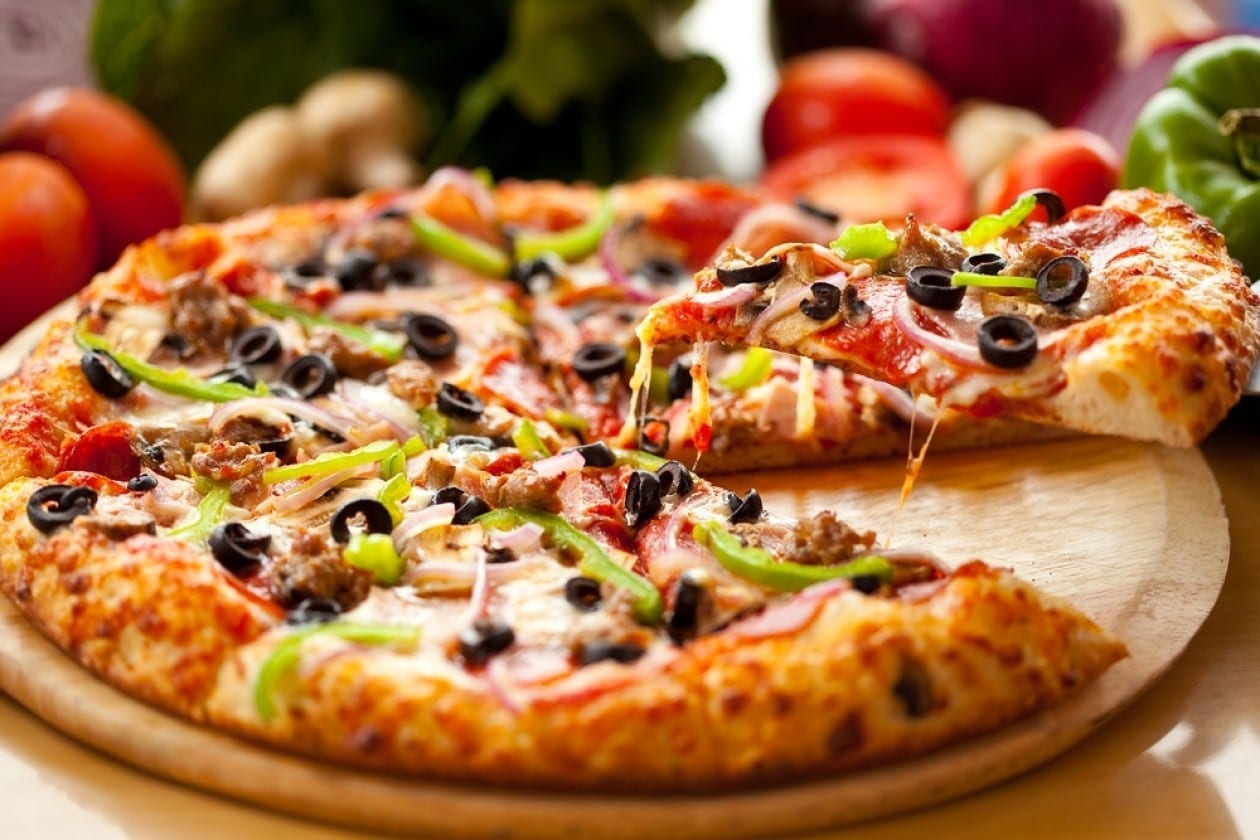
    Pizza Maru is known for its patented green-tea wellbeing pizza dough, which is fermented for more than 48 hours with micro-algae chlorella as well as natural grains such as barley and flaxseed.

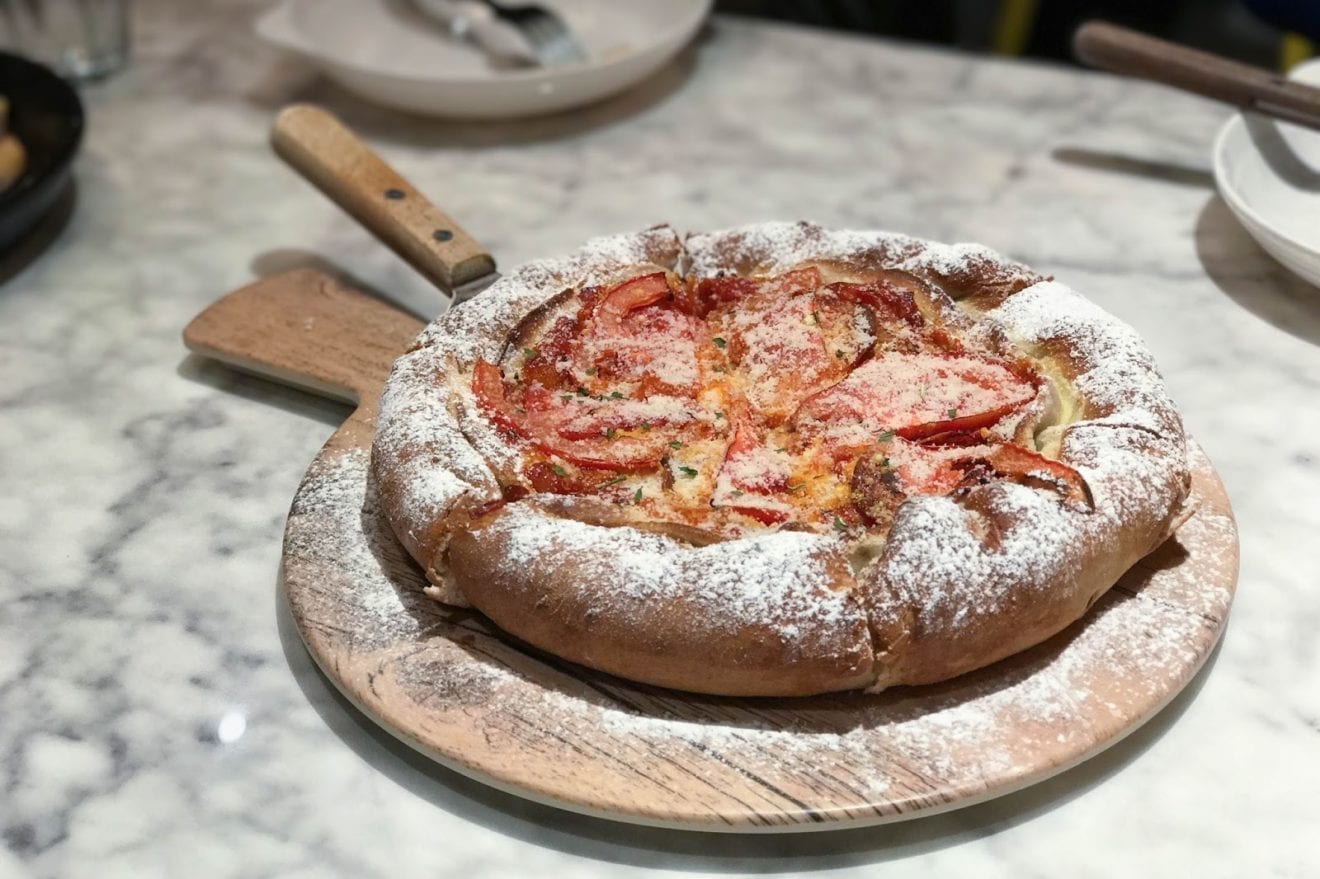
    One of its feature dishes is Real BBQ Chicago, a deep-dish pizza combining chicken leg pieces, potato cubes, roasted onions, tomatoes, mushrooms and cheeses blended with honey and barbecue sauce. The puffy crust is made from fibre-rich, antioxidant-packed black-rice dough.

    Korean fried chicken is also a staple of Pizza Maru, the star dish being the Supa Hot Tak Gangjeong with a choice of two levels of spiciness.

    Seating 80 diners, the restaurant will have its official grand opening on January 15.