Tag: Fastfood

  • Sbarro Bangladesh opens eight restaurants in one hit

    Sbarro Bangladesh opens eight restaurants in one hit

    Sbarro Bangladesh franchise partner Khan Bahadur Foods has opened eight restaurants in Dhaka.

    It was the first time the US fast-food chain has opened eight locations simultaneously in one city. Sbarro is the first New York-style pizzeria in Bangladesh. With its franchise partner, the brand has opened several locations in Bangladesh over the past two years. Khan Bahadur MD Mayeen Chowdhury says more stores are planned.

    “Mayeen and his team are excellent ambassadors of Sbarro in Bangladesh, as shown by their proven success over the past few years,” says Sbarro CEO David Karam.

    Since opening as an Italian salumeria in Columbus, Ohio, in 1956, Sbarro now has more than 600 restaurants in 26 countries.

  • Jollibee Foods knocking on door in UK

    Jollibee Foods knocking on door in UK

    Jollibee Foods may open its first store in the UK by next year, says British Ambassador to the Philippines Daniel Pruce.

    This followed him visiting Jollibee’s 1000th branch in a “show of support” for plans by the Philippines’ largest fast-food company to expand to the UK, where tens of thousands of Filipinos are living.

    The Philippine company has already sealed a deal with Singapore’s Blackbird Holdings which will see it enter continental Europe, starting with Italy.

    Jollibee is also reportedly in talks to acquire a stake in British-based sandwich and coffee chain Pret-A-Manger.

  • Domino’s pays back employees, launches new tech initiatives

    Domino’s pays back employees, launches new tech initiatives

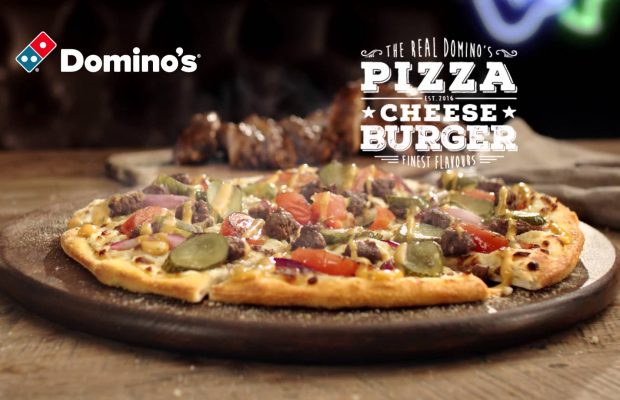
    Domino’s Pizza says it has returned $5.4 million in underpaid wages and superannuation to its employees over the past four years under a national audit of its stores that is due to wrap up in December.

    Chief executive Don Meij, speaking after a Domino’s investor day update, said only one of the pizza chain’s stores had been referred for further examination after evidence of wage underpayments discovered during a Deloitte-led audit.

    “The fact that we found only one person out of the last 322 stores audited is very encouraging to us, its certainly looking very good at the moment compared to where we were in the first three years,” Meij said.

    Domino’s has been auditing its stores for three years and in March extended the probe across its national network after the Fair Work Ombudsman joined investigations following media reports of underpayments to staff.

    Meij said that since 2014, a total of $5.4 million worth of unpaid wages and superannuation had been recovered and paid to Domino’s franchisee staff,.

    Domino’s had originally planned to complete the audit by June but Meij said he expects to finalise the program across Australia’s 666 stores by the end of December.

    “The media was talking as if this was all Domino’s – that’s very unfair – the fact that only a single store has been referred for further audit illustrates that its not the majority, it’s the minority of the franchisees,” Meij said.

    As part of Monday’s investor update, Meij highlighted improvements to the company’s “360 degree” performance measurement software used for Domino’s franchisees, along with a suite of new technology initiatives including an expansion of its New Zealand drone delivery trials.

    Meij said a new iteration of Domino’s Operations 360 monitors, improves and benchmarks individual franchisee performance – offering head office and a franchise owner a rounded view of the business.

    “This is not an auditing program, its a self-assessment tool which allows franchisees to view their business as part of their peer group and on top of that we also get to look at the business and encourage people to chase better performances,” Meij said.

    Domino’s will also roll out its GPS-based Anywhere delivery service, which enables deliveries to locations such as parks and beaches without specific addresses.

    Heated lockers that keep food hot at a store until picked up by a customer, who can unlock the device using their smartphone, were also unveiled to be in use in Australia by Christmas.

    Domino’s faced some of its own heated customer blowback last week when social media fumed over Domino’s six-and-a-half year exclusive distribution deal with Schweppes – ensuring Coca-Cola remains out of the Domino’s picture until 2024.

    Meij said sales of Schweppes drinks were now higher than sales of Coca-Cola brands had been.

    Domino’s shares closed 11 cents lower at $45.50 on Monday.

    Meij said the enhancements across the business would use new and existing technologies to enhance customer service, improve productivity and enhance franchisee standards.

    “At Domino’s we use technology to solve problems and to make things easier for our customers, our franchisees and for our business,” he said.

    “Technology and data is of value only if you use it to improve, and that is something we have done from our first use of online ordering, through to using GPS Driver Tracker to reduce our delivery times – this is no different,” he added.

  • Jollibee Kauswagan Diversion 20th store for city

    Jollibee Kauswagan Diversion 20th store for city

    Fast-food giant Jollibee has opened its 20th branch in Cagayan de Oro City – the drive-through store Jollibee Kauswagan Diversion.

    It is beside a gas station along San Pedro Street, and close to the villages of Bayabas, Bonbon and Kauswagan.
    The store is also the 126th Jollibee fast-service restaurant in Mindanao.

    Its blessing and inauguration was attended by Jollibee executives and Cagayan de Oro politicians.

  • Fast food outpaced in new delivery boom

    Fast food outpaced in new delivery boom

    Restaurants are cashing in on the food delivery boom driven by the likes of Deliveroo and UberEATS, as the fast food industry proves slow to adapt.

    Financial researcher IBISWorld forecasts revenue growth of two per cent for the restaurant industry in 2017/18, with the combined takings of 28,252 businesses to reach $21 billion.

    IBISWorld expects that growth to reach 5.8 per cent in 2018/19, and revenue to surpass $30 billion in 2021/22.

    Revenue for fast food establishments is forecast to rise by only 1.2 per cent in 2017/18, to $19.5 billion, while growth for cafes is forecast to be 0.8 per cent, to $8.1 billion.

    Senior IBISWorld analyst Bao Vuong says food delivery apps including UberEATS, Deliveroo, Menulog and Foodora have changed the way time-poor customers dine, and how restaurants are run.

    They allow customers to search beyond cuisine, price or rating, filtering options based on how quickly the food can be delivered, how close a restaurant is to their location, or whether delivery is free.

    Vuong said some businesses have created delivery-only menus, pop-up shops without tables and seating, or separate pick-up counters for delivery drivers to cater to the growing trend.

    The researchers found only a quarter of fast food restaurants have integrated new ordering and delivery platforms, and low revenue growth is a result of their lukewarm response to the innovative business methods.

    McDonalds and KFC secured partnerships with UberEATS and Foodora respectively in June, Vuong said, despite both delivery applications launching in Australia in early 2016.

    Red Rooster also recently appeared on Menulog, moving out of its suburban stronghold to feed customers in inner-city Sydney and Melbourne for the first time.

    The new platforms have also prompted fine dining businesses – 39 per cent of Australia’s restaurants – to lift.

    “Small tweaks such as improved customer service and enhanced ambience through lighting and increased customer interaction with chefs can go a long way towards combating these apps,” Vuong said.

    In addition, hatted eateries including Sake (Sydney, Brisbane, Melbourne), Three Blue Ducks (Sydney) and Esquire (Brisbane) have all launched on UberEATS with scaled-down menus.

    “The outlook for fine dining restaurants is strong because they place a premium on taste, while new ordering and delivery platforms mainly focus on convenience and price,” added Vuong.

  • Burger brand charts big expansion plans

    Burger brand charts big expansion plans

    Gourmet burger brand, Burger Urge, has opened a Sydney office and revealed plans for eastern seaboard expansion, including the roll-out of 37 new restaurants by 2020.

    Burger Urge has announced it will open five new restaurants in the second half of the year, will additional openings along the east coast including Port Macquarie, Toowoomba and Brisbane CBD.

    Sean Carthew, Burger Urge director, said the brand’s expansion plans follow a period of significant restructure and refocus.

    “Like any fast-growing business, we’ve made our fair share of mistakes and have learned a lot,” Carthew said. “Most significantly, we learned that we need to be very careful who we take advice from and who we let into our inner circle.”

    Carthew said part of Burger Urge’s restructure would see the company “return to its roots.”

    “When Burger Urge began 10 years ago, we made absolutely everything from scratch – we made our own patties, we hand-cut the chips, we even made sauces in-house,” he said. “It was the focus on the integrity of our food that generated lines down Brunswick Street every Saturday. It sounds simple, but by returning to our roots, we’ve not only won back the hearts and bellies of our regular customers but attracted a new legion of Burger Urge fans.”

    With its recent menu refresh, Burger Urge is now heading south – physically – in a bid to grow the brand’s national presence.

    “We are proud to have 22 restaurants throughout Queensland but it’s now time to stretch our wings and seek out the next opportunity,” Carthew said.

    The brand has launched a Newcastle restaurant last May and will open its second NSW site in Port Macquarie next month.

  • Designer Julien Macdonald beefs up McDonald’s burger offering

    Designer Julien Macdonald beefs up McDonald’s burger offering

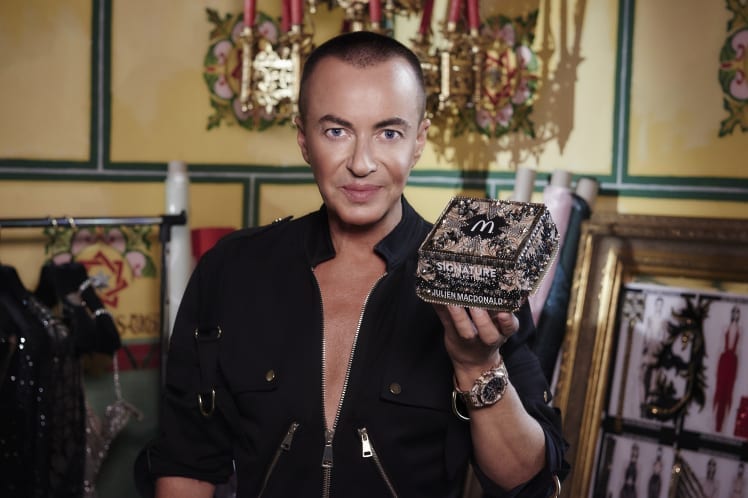
    Fashion designer Julien Macdonald has created a special-edition box for McDonald’s UK new Signature Collection range of “gourmet” burgers, described in a press release as “McDonald’s’ first foray into the world of luxury and fashion”.

    Following a trial in selected restaurants, the range is being released in more than 900 McDonald’s eateries across the UK.

    Unveiled in London, the box has a limited release of 1000, with fans being invited to sign up online if they want one. One special box, customised by Macdonald himself, will be auctioned to raise money for the fast-food chain’s Ronald McDonald House Charities.

    “I drew inspiration from my fashion creations and iconic embellished red-carpet dresses,” says Macdonald, who has dressed such celebrities as Beyoncé, Kylie Jenner, Madonna, Mick Jagger, Puff Daddy, Shirley Bassey and Taylor Swift.

    The result is a gold baroque-style crystal-encrusted box, described as “the perfect packaging for the luxury McDonald’s Signature Collection burger”.

    “It’s a brave and exciting move,” says McDonald’s UK VP of marketing Emily Somers. “Julien Macdonald’s beautifully designed star-studded box complements the Signature Collection perfectly.”

    The box complements the “luxury” positioning of the product as demonstrated by this promotional video which is – well, unlike anything we’ve seen from McDonald’s before…:

    One blogger has commented: “You haven’t enjoyed a burger until you’ve eaten it out of a box which has crystal detailing, embellishment and bespoke digital print.”

    Facebook users have been a little less kind (or ironic), one asking, “And the point of it is exactly what? … Congratulations, you have just polished a turd.”

    Another asked, “Is it April 1st already?”

    Meanwhile, Etihad Airways has given its in-flight safety video a makeover by setting it backstage at one of Macdonald’s runway shows. Models put on oxygen masks to escape a cloud of hairspray, they wear life jackets as if they were the season’s must-have accessory, they buckle up safety belts over embellished couture gowns, and move into brace position as they have their hair done.

    Unveiled during New York Fashion Week, the promotional film will not replace Etihad’s safety video, but will be shown on-board from next month and be used to highlight the airline’s ties to the fashion world (it sponsors 17 fashion weeks and events internationally).

  • Zeus Street Greek opens new store at Stockland Shellharbour Shopping Centre

    Zeus Street Greek opens new store at Stockland Shellharbour Shopping Centre

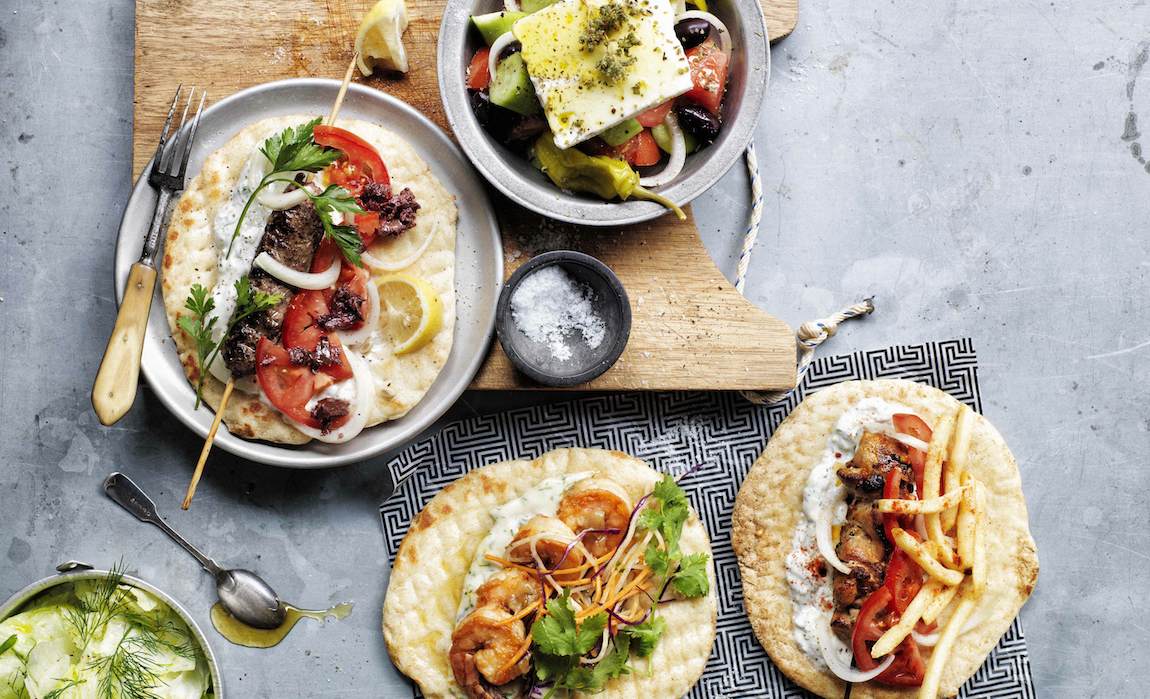
    Fast food chain, Zeus Street Greek, has opened its 12th store in New South Wales and 17th nationwide, at Shellharbour at the Stockland Shellharbour Shopping Centre yesterday.

    The retailer stated the design of the new store, which can accommodate 80 guests, reflects Zeus’s ‘old meets new’ philosophy, achieved through the integration of Art Deco and geometric tiling and wood panelling, the use of timber feature walls, neon lighting, raw stone finishes and colour.

    “Zeus Shellharbour is one of only two stores outside of Sydney in New South Wales, the hospitality scene is continuing to evolve and welcome new contemporary dining experiences into the fold,” said Peta Barclay, Zeus marketing manager.

    “The interest around our opening has been really strong, which is very exciting.

    “There is a demand for contemporary Greek street food that places huge emphasis on quality, with the local community even trekking to Sydney to visit Zeus stores, so this will be an ideal home for Zeus,” Barclay said.

    In July, Zeus’ co-founder, Costa Anastasiadis told Inside Retail that regional locations offer opportunity for growth.

    “We’ve been getting quite a lot of interest from those areas that have got really strong economies and industry,”he said.

    “The sector’s different to what it was five years ago and it’s a completely different landscape compared to 10 years ago. There are a lot more players in the sector and it’s very competitive, so you need to look for opportunities everywhere. If you look at just city metro areas, you’ll be hard pressed for growth, the string is only so long.”

  • Shake Shack Shanghai-bound

    Shake Shack Shanghai-bound

    Just a month after US fast-food chain Shake Shack announced it would open in Hong Kong, the company has confirmed its first Mainland China store, in Shanghai.

    Both the Shake Shack Shanghai and Hong Kong stores are scheduled to open next year and will be operated by Maxim’s Caterers, a division of Hong Kong-listed Dairy Farm International and which operates Starbucks in Hong Kong, Vietnam and Cambodia, among other brands.

    Shake Shack has signed an agreement with Maxim’s to open 25 outlets in Shanghai and East China between 2018 and 2028.

    “There’s incredible opportunity in China and I couldn’t think of a better place to begin this chapter of our story than Shanghai, a city that understands great brands, appreciates premium ingredients, and ultimately loves food,” said Randy Garutti, Shake Shack’s CEO.

    “The city’s streets overflow with vibrant flavors and energy every day and we can’t wait to join Shanghai’s thriving food community.”

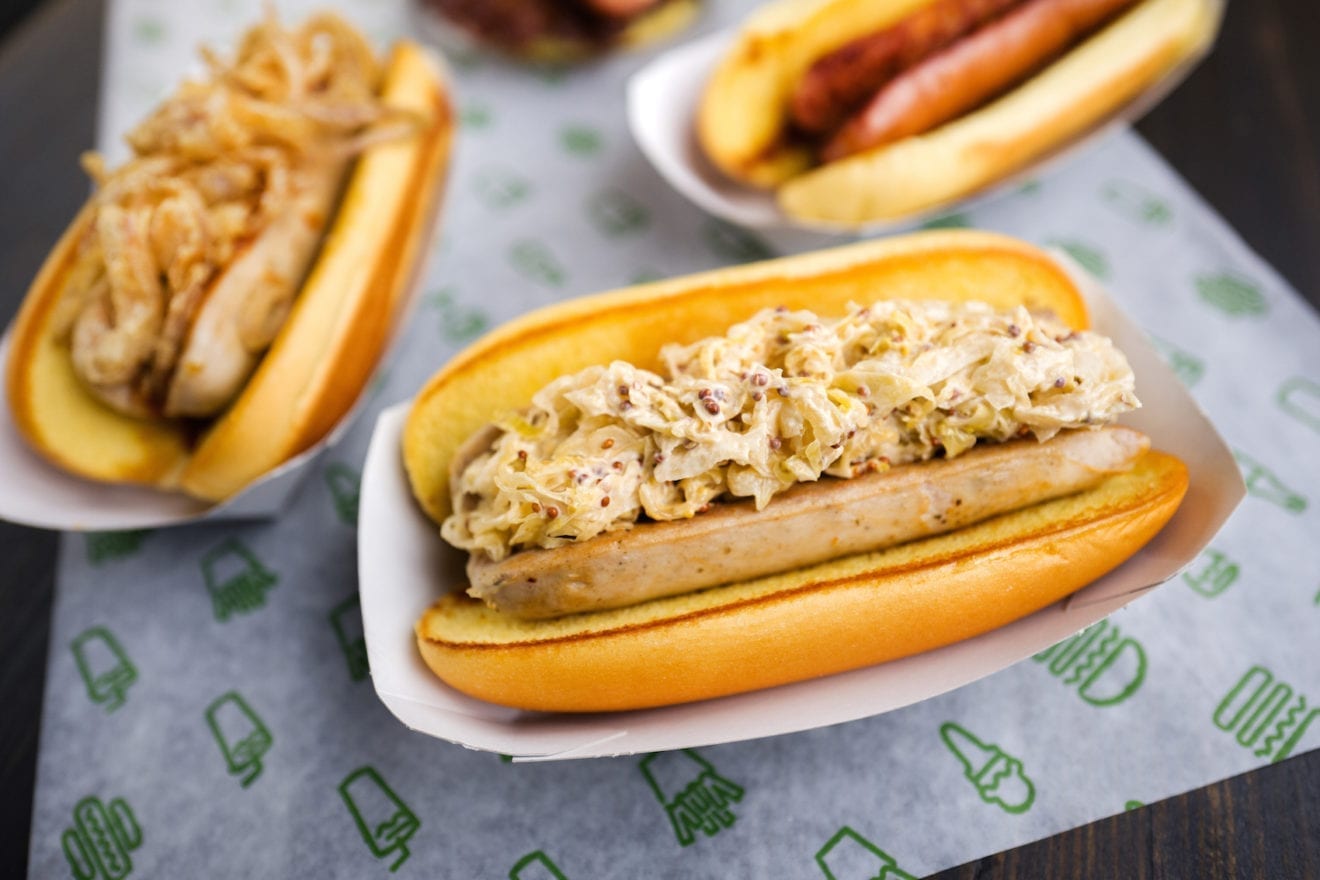
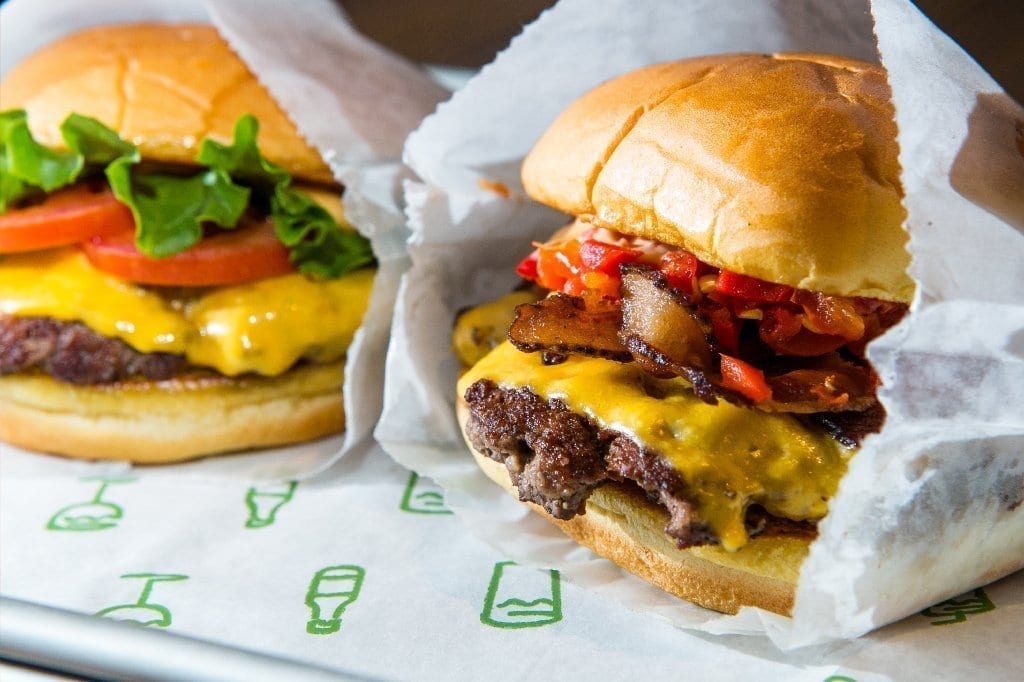
    Shake Shack describes itself as a “modern day roadside burger stand” known for 100 per cent all-natural Angus beef burgers and flat-top Vienna beef dogs,  all-natural, cage-free chicken, spun-fresh frozen custard and crinkle-cut fries. It eschews hormones and antibiotics in its meats.

    Maxim’s Caterers Limited has more than 60 years of experience in food and retail as a diversified operator of full-service and quick-service restaurants, bakeries, and coffee shops in Asia.

    Since the original Shake Shack opened in 2004 in New York City’s Madison Square Park, the company has expanded to more than 80 locations in 18 US states and the District of Columbia, and more than 50 international locations including London, Istanbul, Dubai, Tokyo, Moscow and Seoul. And now Shake Shack Shanghai and Hong Kong.

  • Pizza chain secures franchise rights to enter India

    Pizza chain secures franchise rights to enter India

    Retail Food Group owned Pizza Capers, has today announced it’s entering the Indian market via a master franchise license in favour of local firm Krsna Foods (India) Pvt Limited.

    RFG chief executive – international, Mike Gilbert, said the grant of master franchise rights for India represented a watershed event for the brand, which also set the platform for further international growth.

    “Pizza Capers has enjoyed considerable success in the Australian market, and we are excited to be partnering with local experts who share our vision for introducing high quality gourmet pizzas to Indian consumers,” he said.

    “A surge in consumerism coupled with increasing incomes and changes to lifestyle and eating patterns within India has meant that entry into the territory has long been on our radar. We expect these factors to provide a huge platform upon which the Pizza Capers brand can prosper”, he said.

    Pizza Capers’ international expansion model is based on recruiting franchise partners, with Gilbert asserting the company was conscious of finding a franchisee capable of applying sufficient resources, expertise and resolve to ensuring success in the Indian market.

    “Krsna Foods (India) Pvt Limited satisfies each of these pre-requisites and we have every confidence of the Brand’s success in the territory,” he said.

  • Do you want fries with that?

    Do you want fries with that?

    If you could increase your average sales by 10 per cent, how much would your profit increase by? I am sure that all of us have experienced both good and bad service in a retail store. What creates that difference in the experience is made up of all the senses banding together and leaving an overall impression. But the most telling one is the interest shown in you by the sales personnel. The greeting, the smile, the relevance of questions asked and the interest shown in going that little bit extra to help you find what you are looking for. That’s what creates a good experience!

    In today’s ongoing search for additional sales, the difference between sales achieved by an average experience and great sales assistance can be as much as 25 per cent. On analysis of the difference in sales achieved between most staff and good sales people, the most telling factor is the average docket value. These good sales people consistently achieve more than the average, sometimes as much as double.

    Customers already in your store are by far the easiest way to find additional sales. So many times customers want to be given good advice and are quite willing to buy a second related item, if they were told about it, or introduced to something new.

    McDonalds is one business that realised this at the outset, have you? If a retail business sales increased by just 10 per cent across the board, due to the results of effective sales people, profits would increase exponentially, often double in most retail models.

    And that is true, even if one has to pay 10 per cent above the going rate to get the right people. Why then do business owners tolerate mediocre sales people? Do the sums in your business and see what a 10 per cent increase in sales will mean to your bottom line.

    Can any retail business afford not to have the best sales people? So simple, so effective, so ignored by so many businesses!

  • McDonald’s China sales boom ahead of spin-off

    McDonald’s China sales boom ahead of spin-off

    McDonald’s China sales posted solid quarterly growth ahead of the division’s spin-off. Global same-store sales rose 6.6 per cent in the three months to June 30. In what the company terms its ‘High Growth segment’, second quarter comparable sales increased 7 per cent, led by a strong performance in China. The segment’s operating income rose 28 per cent, with about half of that resulting from lower depreciation expense due to the accounting treatment related to the pending sale of the China and Hong Kong businesses.

    McDonald’s CEO Steve Easterbrook was positive about the company’s performance.

    “We’re building a better McDonald’s and more customers are noticing. Our relentless commitment to running great restaurants and keeping the customer at the center of everything we do is generating broad-based strength and momentum across our entire business.  For the quarter, we delivered our strongest global comparable sales and guest count results in more than five years.  We’re now introducing our Velocity Growth Plan accelerators in more restaurants around the world, bringing meaningful benefits to more customers through digital, delivery and our Experience of the Future.”

    Second quarter highlights

    While sales were up, consolidated operating revenues slipped 3 per cent, or 2 per cent in constant currencies, due to the impact of the company’s strategic refranchising initiative.

    Systemwide sales increased 8 per cent in constant currencies, due to strong comparable sales performance and restaurant expansion.

    Consolidated operating income increased 24 per cent (26 per cent in constant currencies), which included a benefit from the prior year’s strategic charges of approximately $230 million.

    US operating income for the quarter increased 5 per cent, reflecting higher sales-driven franchised margin dollars and higher gains on sales of restaurants, among other factors.

    “Whilst we’re encouraged by our results from the first half of 2017, we’re not complacent.  Today, we’re acting like a leadership brand, taking on new challenges and opportunities and moving with a greater sense of purpose and urgency,” said Easterbrook.

    “We’re building on our momentum, leveraging our size and scale and executing with greater precision against our priorities to retain, regain and convert customers by giving them even more reasons to visit and enjoy McDonald’s.”

  • Not to everyone’s taste

    Not to everyone’s taste

    Vietnam’s fast-food segment has become much more competitive as a huge number of chains arrive in the country, but some are now reviewing their business activities while others are departing.

    Analysts say that as Vietnam is an emerging market, investors need to follow a reasonable path in order to reap the benefits. Most fast-food brands in Vietnam are “giants” but not all can succeed here.

    “Meeting the tastes of customers, which are rapidly changing along with the development of society, is one of the biggest challenges for any business,” Mr. Nguyen Huy Thinh, General Manager of McDonald’s in Vietnam.

    Learn to compete

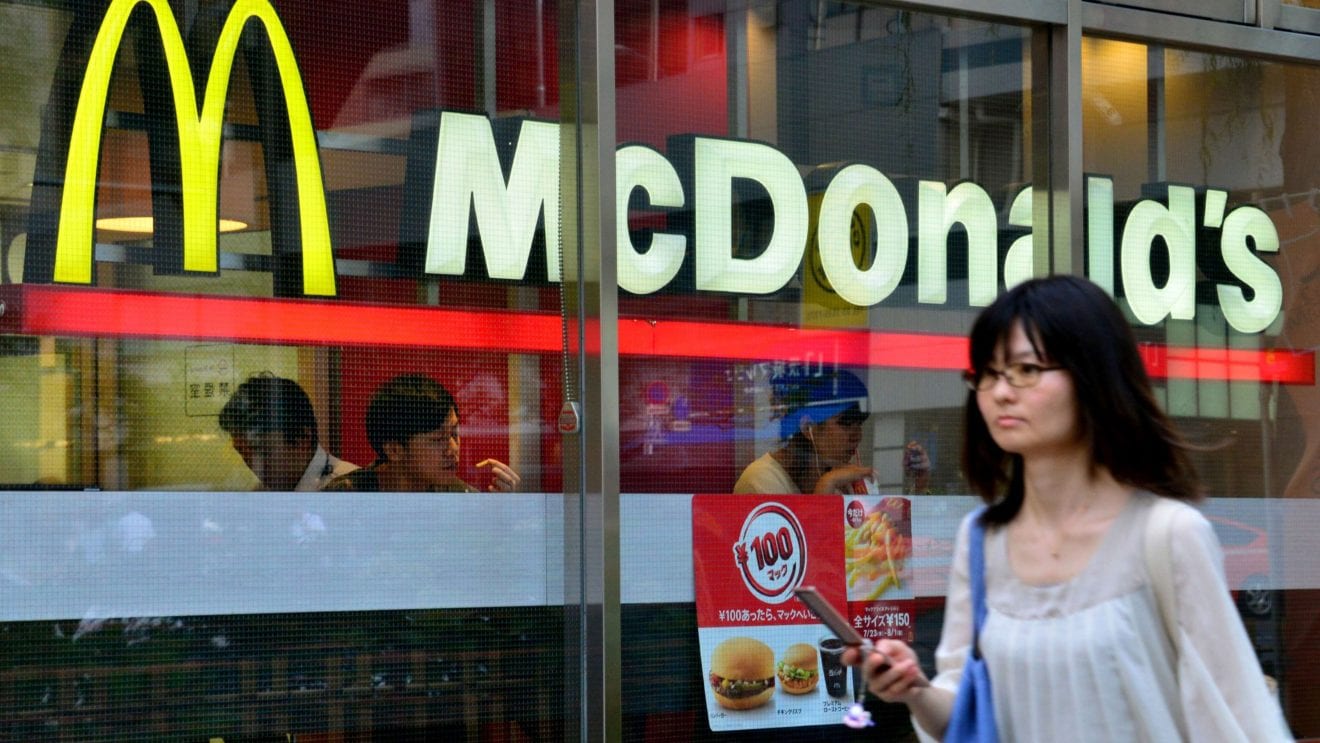
    McDonald’s opened its first outlet in Vietnam in 2014 and quickly found favor. Mr. Nguyen Bao Hoang was appointed to bring the Big Mac to Vietnam as a Developmental Licensee, with the contract signed the result of cooperation with the UK-based international law firm, Allen & Overy, and the result of a “rigorous” selection process, the fast-food giant said.

    McDonald’s attracted 20,000 customers and earned around VND1.5 billion ($71,130) in revenue in its first two days in the country. Similar to Burger King, it also adopted an ambitious plan to have 100 stores within a decade. But four years on, it is yet to expand beyond Ho Chi Minh City.

    It has introduced Western breakfast dishes such as egg muffin, sausage, hotcakes, and hash browns in a bid to win over picky Vietnamese palates, though it remains doubtful that such fare is appealing to local people.

    In fact, “studying the tastes of Vietnamese customers is an important factor for every fast-food business,” Mr. Thinh said.

    “Customers are not afraid to try new food, but customer demand doesn’t stop at simple food. There is also a desire to experience quality service in beautiful spaces.”

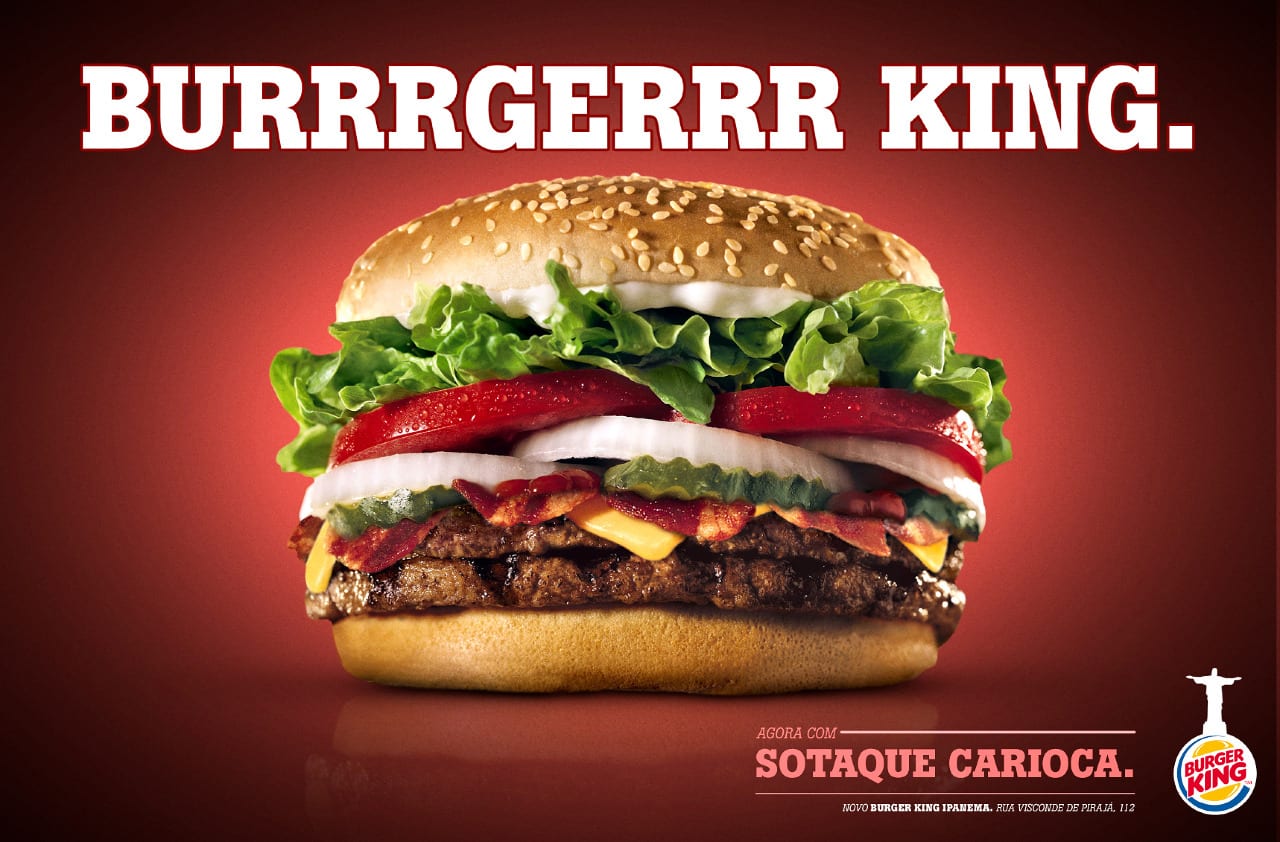
    Burger King introduced the Whopper to Vietnam in 2011 through opening its first outlet at Tan Son Nhat International Airport in Ho Chi Minh City, and had an ambitious plan to open 60 outlets within its first five years.

    It has invested $40 million in developing its chain in prime locations in major cities and provinces, but closed two outlets, in Tan Binh district and District 3 in Ho Chi Minh City, last year, two in Ho Chi Minh City and Hanoi in 2015, and one in Da Nang in 2014.

    Burger King Vietnam declined to comment for this story but in an interview with local media, Mr. Johnathan Hanh Nguyen, a representative of the franchise, said the US fast-food chain would not exit from Vietnam.

    “Some shops might have closed, but new shops will open,” he was quoted as saying. Analysts, meanwhile, believe that Burger King is meeting problems in Vietnam as its strategy of “Taste is King”, imposing US tastes in Vietnam, is not suitable.

    Its hamburgers, which stand at a price disadvantage compared to local “banh my” (bread and fillings), are simply not favored by Vietnamese.

    While the “King of Branded Goods” previously revealed the secret of his franchise as being “location, location, location”, it is unfortunately just one of many factors in winning in the fast-food segment.

    Many analysts also said that Vietnam’s Western-wannabe attitude has changed, and that local people have turned their backs on foreign fast-food after their curiosity was sated. Many local customers said the prices at foreign fast-food restaurants are too high and the food not really suitable.

    “Not meeting the needs of the target audience is one cause of failure in the food and beverage (F&B) field,” according to Ms. Nguyen Phi Van, Chairman of Retail and Franchise Asia.

    Change & develop

    In contrast to Burger King and McDonald’s, KFC, Lotteria, and Jollibee have become popular in Vietnam by adapting to local tastes, though all struggled in their initial years before finding success.

    Jollibee was the first to arrive in Vietnam, followed by KFC and Lotteria. KFC opened its first outlet in Ho Chi Minh City in 1997 and faced trouble at the time, as local consumers were unfamiliar with the concept of “fast-food”.

    Outlet numbers grew slowly, reaching 17 after seven years. It then adjusted its strategy, in particular changing its menu, for example by adding rice and vegetables to its signature fried chicken. By 2011, it had 100 outlets.

    Though facing major challenges in Vietnam and incurring losses for the first seven years, it now has more than 140 outlets in 19 cities and provinces and employs some 3,000 people.

    South Korea’s Lotteria, belonging to the Lotte Group, was also early on the scene, opening its first outlet in 1998. By late 2012 it had 140 outlets then 207 by 2015, opening an average of 20 each year.

    But it then opened just four new outlets in the first half of 2016. Regardless, Lotteria remains one of the leading fast-food brands in the country, with over 210 outlets in 30 cities and provinces and, though slow, outlet numbers continue to rise.

    The success of Lotteria is due to its extensive network of outlets, its diverse menu, and its dynamic marketing activities.

    The first on the scene, Jollibee, opened its first outlet in Vietnam in 1996 but has perhaps struggled more than KFC and Lotteria to gain a foothold in the country. By the end of 2012 it had just 25 outlets.

    In the 2012-2015 period, though, it grew quickly, opening nearly 50 new outlets, reaching 73 by the end of 2015. It now has around 80 stores in Vietnam and has also changed its menu to make it suitable with Vietnamese taste buds.

    General speaking, efforts to localize menus have made these brands more attractive among local people.

    Localizing the menu encourages people to walk through the front door, and once inside they may be open to trying something different, according to Mr. Robert Tran, CEO of business advisory firm the Robenny Corp.

    Moreover, customers can purchase a rice meal for only VND35,000 ($1.6) or a burger for VND49,000 ($2.2) at lunchtime.

    More and more people, especially the younger generation, have started having lunch at fast-food outlets rather than at street stalls or small eateries, as they can enjoy a meal at an affordable price amid air-conditioned comfort.

    Mr. Hoang also told local media that it is no easy task introducing a brand such as McDonald’s to Vietnam.

    “I therefore had to be very careful when conducting research,” he said.

    Vietnam presents a host of other obstacles for foreign fast-food brands. Mr. Thinh said that the appearance of more and more franchises in the country enhances the level of competition in the industry.

    “Challenges in location, workers, and product and service quality are all problematic for enterprises when making decisions,” he said.

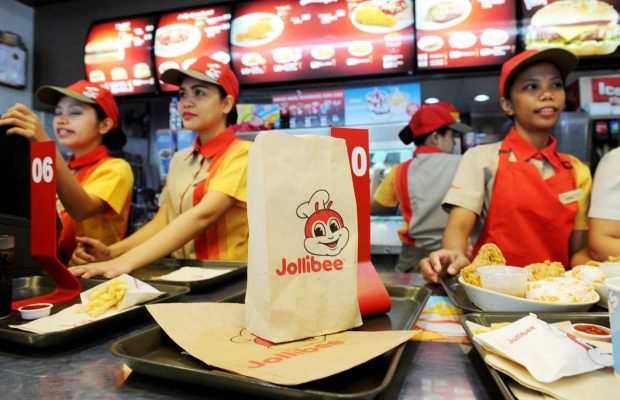
    Mr. Nguyen Hong Lam, Managing Director of Jollibee Vietnam, told VET that the search for premises that are consistent with the needs of the company’s business leads to higher costs.

    Analysts also say that local brands possess advantages that their foreign counterparts don’t, such as affordable prices and a comprehensive understanding of consumer behavior in the country.
  • Shake Shack to open Hong Kong location

    Shake Shack to open Hong Kong location

    Shake Shack, the burger-and-fries chain founded in New York, will open its first location in Hong Kong next year, setting the stage for a push into the fast-food hotbed of mainland China.

    The restaurant will be opened with licensee Maxim’s Caterers Ltd. and a total of 14 locations are planned in Hong Kong and Macau through 2027, Shake Shack said Wednesday.

    The chain’s upscale burgers and fries will appeal to the population there, and the restaurants will provide a base for eventually going into China, according to Chief Executive Officer Randy Garutti.

    “You’re seeing changing preferences for what was traditional fast food,” he said in an interview. “There’s a continued thirst for great brands and a premium level of food at an approachable price.”

    While about 90 percent to 95 percent of the menu will be the same as in the U.S., there may be more chicken items, said Garutti, who sees opportunities in mainland China, where Maxim’s operates other dining brands including Cheesecake Factory Inc.

    Shake Shack may look to grow overseas as the U.S. market becomes increasingly saturated with restaurants offering fast-food burgers. The company’s same-store sales fell 2.5 percent in the latest quarter, missing analysts’ projections, as cold weather hurt some locations.

    A recent report also found that the chain is suffering from a lack of customer loyalty in the U.S. despite its more upscale image.

    Shares of the company have declined 3 percent this year through Tuesday’s close, while the Standard & Poor’s 500 Restaurants Index has jumped 17 percent.

    China Challenges

    Expanding into China comes with challenges as other fast-food companies have faced supply-chain scandals and anti-Western sentiment there. Last year, Yum! Brands Inc. spun off its China unit to focus on turning around its U.S. business. The owner of KFC and Pizza Hut had struggled to boost sales in China as local competitors offer discounted prices and gain market share.

    Shake Shack already has some locations in Asian countries, including Japan and South Korea, among its 135 restaurants. Still, Garutti said the U.S. is its main avenue for growth.

    Domestic sales will be the “lion’s share” of the business going forward, he said. “We have massive growth ahead here in the states.”

  • KFC offering finger-clickin’ goodies

    KFC offering finger-clickin’ goodies

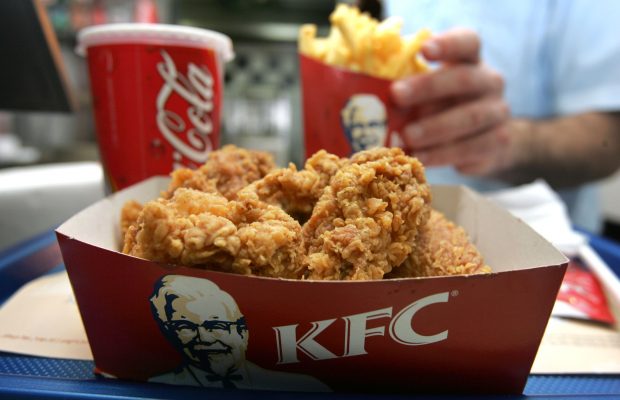
    Kentucky Fried Chicken has launched an online merchandise shop, KFC Ltd, which features the fast-food company’s first collection of “quality fried-chicken apparel” and limited-edition items.

    Starting from US$8, the debut collection includes t-shirts, enamel pins and framed artwork inspired by KFC and Colonel Sanders. The items are produced in limited-edition quantities.

    Here’s what KFC has to say about its collectibles…

    “Need to keep it classy for the office? Fried-chicken socks will add a pop of drumstick to any ensemble. If you’re looking for a matching tie, you can’t go wrong with a classic Colonel Sanders string bowtie.

    “The ‘Finger-Lickin’ Good’ gold-plated necklace will let you proudly proclaim your embrace of the fried-chicken lifestyle.

    “The Colonel Sanders pillowcase will let the dreamers in your life fall asleep each night next to the man who turned his dream of building a fried-chicken empire into a reality.

    And to go right off the planet, the online store offers a 400-year-old meteorite. Retailing for $20,000, the one-of-a-kind space rock has been shaped to resemble a Zinger chicken sandwich.

    KFC US director of media and digital Steve Kelly says the company plans to partner with apparel and lifestyle brands to create exclusive one-of-a-kind collaborations.

    Based in Louisville, Kentucky, the KFC Corporation has more than 20,500 outlets in more than 125 countries and territories. It is a subsidiary of Yum! Brands.