Tag: Fastfood

  • Burger King Landside Opens at Airport

    Burger King Landside Opens at Airport

    American global fast food chain, Burger King has opened its third local outlet at the Nadi International Airport yesterday.

    The new outlet known as the “landside” restaurant will be accessible to all customers who visit the airport.

    Burger King initially started its Fiji operations at the Nadi International Airport on November 16, 2015 with the opening of its first outlet which is only accessible to customers departing our shores via the international departures lounge.

    The second outlet was opened at Martintar, Nadi in February last year.

    Burger King Fiji General Manager, Akash Narsey said they’ve worked very closely with Airports Fiji Limited to make sure the new site was delivered on time and the handover was as smooth as possible.

    “Today has been the first day of operation, it has been very positive. We haven’t really advertised to say this is where we are but the number of guests that have come in since we opened at 5.30am this morning, it’s very positive, a lot of locals and those that work around here as well,” Mr. Narsey said.

    With interior designs designed by a New Zealand based company, natural copper brick walls, and furnishing pieces shipped from China and Thailand and world-class standard kitchen fit outs, Mr. Narsey said the construction of the outlet costs about $1million including labour.

    He said the features of the restaurants are mostly similar to the already existing outlets with minor differences which includes the selling of draught beer at the new restaurant.

    The restaurant is open from 5.30am to 10pm daily.

    “It’s not open 24  hours, at the moment it is tied with the flight departures, we will most definitely change those times depending on what our customer demands are,” Mr. Narsey said.

  • McDonald’s Is Now Serving Minion-Shaped Fries

    McDonald’s Is Now Serving Minion-Shaped Fries

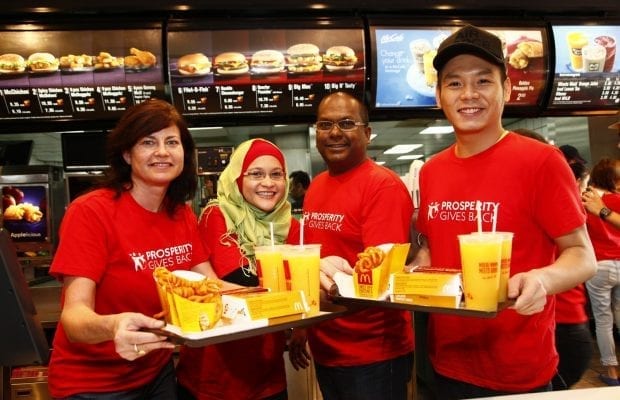
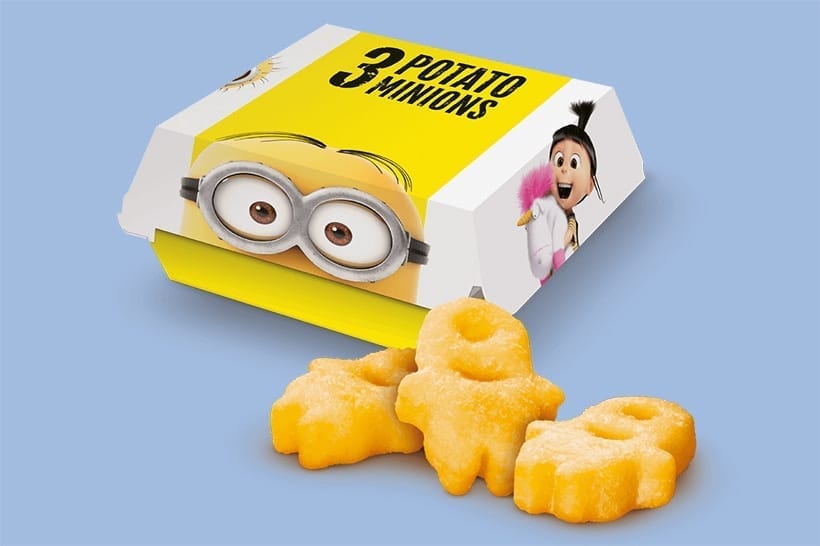
    For those who can’t make it to the Minions-themed café in Japan, don’t worry — we’ve got you covered with the next best thing. In celebration of the premiere of Despicable Me 3, McDonald’s now introduces a special menu inspired by the beloved characters of the animated film. In particular, fans will probably go bananas over the Minion-shaped fries.

    Characterized by its cute, hollow eye and mouth, this potato goodness will likely become the next big food craze on social media. Check out the images below to see it for yourself.

    The Minion fries are currently only available at McDonald’s locations in Australia, New Zealand, Singapore and Thailand.

  • A&W to return to Singapore in 2018

    A&W to return to Singapore in 2018

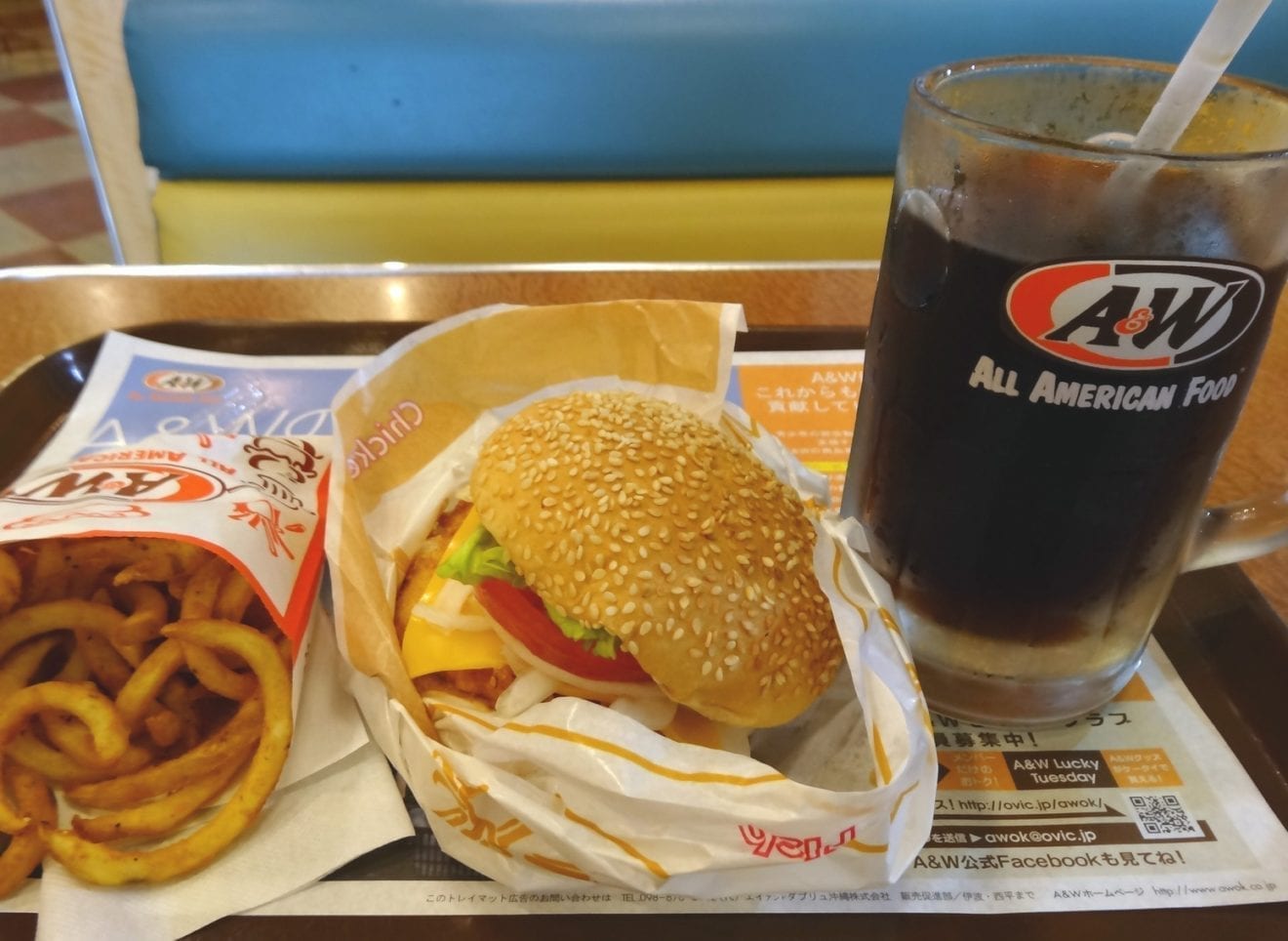
    he American fast-food chain’s root beer float, coney dog and curly fries are making a comeback. American fast-food chain A&W will set up shop in Singapore again, after exiting the market more than 10 years ago.

    A&W CEO Kevin Bazner said that A&W has had an office in Singapore since 2016, and that the company is looking to open 30 to 40 new restaurants a year across Indonesia, Malaysia, Singapore and Thailand.

    The company is currently looking for a retail space for its flagship in Singapore, which is scheduled to open next year. This flagship will also serve as a training store for other Southeast Asia outlets.

    A&W – which stands for “Allen and Wright” – made its debut in Singapore in 1966 at Dunearn Road, and the first A&W drive-through opened in 1970 at Bukit Timah Road.

    The fast-food joint’s hamburgers, hot dogs and root beer soon became hugely popular among Singaporeans and it is believed its success helped pave the way for other fast-food establishments to set up shop in Singapore, including McDonald’s (1979), Kentucky Fried Chicken (1977) and Burger King (1982).

    However, by 2003, A&W faced stiff competition from its competitors and shuttered its remaining outlets in the same year.

  • Foreign fast food chains show underwhelming performance in Vietnam

    Foreign fast food chains show underwhelming performance in Vietnam

    Experts say there are several challenges: intense competition from the increasing number of domestic and foreign food companies, high prices (a burger goes for “four times a bowl of Pho”), and the fact that hamburgers and French fries are just not for Vietnamese people.

    Below are some major chains and their progress in Vietnam compared to other markets in Asia.

    Burger King

    Burger King has closed five restaurants in Ho Chi Minh City, Hanoi, and Danang in recent years, citing sub-optimal location, according to news reports, despite an ambitious $40-million investment plan upon its entry in 2012.

    At the time, Burger King expected to open 60 restaurants nationwide, as consumers were excited to try the famous hamburger from the west. However, five years later, the fast food chain has only reached a quarter of this target with 15 restaurants: seven in Hanoi and eight in Ho Chi Minh City.

    The reasons Burger King missed its original goal, according to experts, could be tough competition, high operating costs, and a misunderstanding of Vietnamese taste buds.

    “In the short term, hamburgers cannot become a popular choice for Vietnamese consumers,” said Nguyen Manh Tu, business development director of Blue Kite Food and Beverage Services Company Limited, which has the franchise rights to Burger King in Vietnam, in an exchange with the broadcaster VTV.

    Such an initial drawback would require fast food chains to adjust their menus or strategies. In the case of Burger King, after re-negotiating the franchising terms to reduce the projected store count to 15 and refining its menu, its sales has increased by 50 per cent each year for the last two years, according to VTV. Good customer service and the quality of ingredients, with beef imported from Australia, will continue to be Burger King’s advantage in the eyes of Vietnamese customers.

    Tu added that the future of Burger King will depend largely on the restructuring of Restaurant Brands International, the multinational company that owns several fast food brands, including Burger King.

    Other markets in Southeast Asia have welcomed Burger King long before Vietnam. It entered Malaysia in 1997 and now has more than 50 Burger King restaurants in the country. In the Philippines, Burger King was acquired by local fast food giant Jollibee Foods Corporation, which in 2011 bought a 54-per cent stake in BK Titans Inc., the holder of franchise rights to Burger King in the Philippines.

    McDonald’s

    Originally from the United States, the golden arch logo of McDonald’s is now recognisable everywhere in the world.

    In 1992, McDonald’s opened its largest restaurant in the world at the time in Beijing, and 40,000 customers came to taste a bite of American culture on the first day of business, according to James Watson’s book “Golden Arches East: McDonald’s in East Asia.”

    Four years later, by the end of 1996, McDonald’s had 29 outlets in Beijing, according to Associated Press. Generally perceived by Chinese consumers as a symbol of status and western modernity, McDonald’s grew rapidly in China, a country where its well-trained staff and clean restaurants were a novelty in the 1990s.

    Ten years on, in 2006, McDonald’s had 784 restaurants in China, opening 75 new restaurants a year on average, according to company data. The company also had more than 150 restaurants in Hong Kong during this period, and at one point served half a million fast food fans per day, according to BBC News. (Hong Kong’s population was 7.3 million in 2015.)

    Fast forward five years to 2011, and the fast-food chain had 1,464 outlets in China, meaning it opened 136 new outlets each year during the five-year period.

    Today, there are more than 2,400 restaurants in mainland China, according to the New York Times. However, McDonald’s will sell 80 per cent of its businesses in China and Hong Kong to the state-owned conglomerate Citic and private equity firm Carlyle Group, granting these firms franchise rights. This is part of McDonald’s newfound plan to turn 95 per cent of its restaurants into franchises, thereby saving money and passing the hefty cost of modernising the stores on to franchisees, analysts said.

    Last year, McDonald’s also sold the franchise rights to its restaurants in Malaysia and Singapore to Saudi Arabian Lionhorn Private Limited.

    With a network of 262 restaurants, McDonald’s recorded a year-on-year revenue growth of 16 per cent in 2016 in Malaysia and is looking to repeat this with a double digit growth in revenue and profit this year, according to the company website.

    Meanwhile, almost four decades after entering Singapore in 1979, McDonald’s 120 restaurants claims to serve 1.2 million customers each week. (The island had a population of 5.5 million as of 2015.)

    Another country in the region where McDonald’s has a long history is the Philippines. The first McDonald’s restaurant opened in 1981 in central Manila. More than 36 years later, the Philippines is one of its biggest markets in Asia in terms of store count, only behind China, Japan, and Taiwan, according to company data. The company has always reported double-digit annual growth in revenue in the past 10 years, and in 2016 sales increased by 14 per cent. It opened 45 new outlets last year and is targeting 45 more this year.

    In Vietnam, McDonald’s is seen to be growing slowly. Three years ago, as customers queued up to try the first Vietnamese restaurant in Ho Chi Minh City, McDonald’s planned to open 100 restaurants within the decade (average 10 new restaurants each year). However, the chain now has only 15 restaurants, falling rather short of the target.

    Jollibee

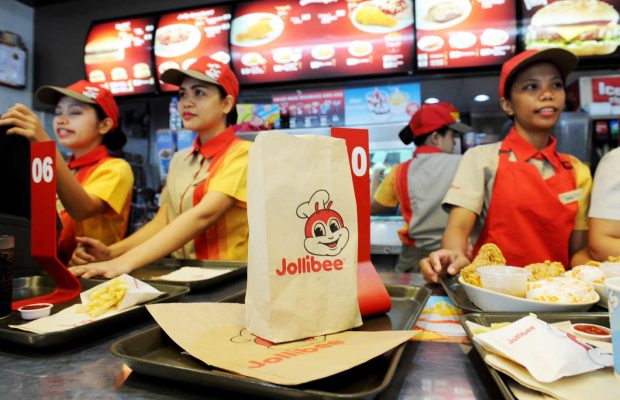
    Jollibee is the Philippines’s home-grown fast-food chain. Filipino-Chinese founder Tony Tan Caktiong started Jollibee selling ice cream in 1978, but eventually shifted to hamburgers to meet market demand. After many years of competing with McDonald’s, Jollibee’s more than 2,000 restaurants controlled 18 per cent of the Metro Manila market, compared to the 10 per cent of McDonald’s, according to Forbes Asia’s 2013 data.

    In a few sentences, Tan explained this feat to Forbes Asia, saying “We found that they excelled over us in all aspects—except taste. It suited Americans, but not really Filipinos. Ours (food) tends to be sweeter, spicier, and more salty. We were lucky as it was not easy for them to change their product because of their global image.”

    Jollibee also wanted to become a global player, as there are large Filipino diasporas in many countries longing for the familiar taste of their hometown food. The company entered the US in the 1980s and Saudi Arabia, Qatar, and the United Arab Emirates in 2008, according to Forbes Asia. New locations were planned in countries, such as Britain, Italy, and Canada.

    In addition to developing its own brand, the company also bought already-popular brands and works to improve them. For example, in China, Jollibee bought the noodle and rice chain Yonghe King in 2014, the congee brand Hong Zhuang Yuan back in 2008, and the beef noodle chain San Pin Wang in 2012.

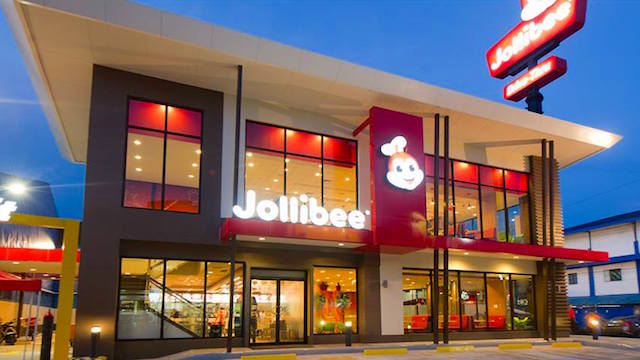
    Jollibee bought Burger King’s 23 restaurants in the Philippines in 2011. More recently, it also purchased 40 per cent of American burger chain Smashburger and made plans to open at least 1,400 Dunkin’ Donuts locations in China in the next 20 years.

    Jollibee Foods is now the biggest restaurant chain in Asia, boasting about 3,290 outlets worldwide under various brands.

    In Vietnam, Jollibee opened its first restaurant in 1996 and now boasts 80 outlets nationwide. Jollibee is successful among foreign brands on the Vietnamese fast food market. It has been growing rapidly in recent years, with two thirds of its restaurants having been opened in the last five years, according to numbers from dantri.com.vn. The company began granting franchise rights in late 2015.

    At the end of 2016, Jollibee Foods went into a joint venture with Viet Thai International to create SuperFoods Group, thereby gaining ownership of several other brands, such as Highlands Coffee, Pho 24, and Hard Rock Café.

    Jollibee is expected to take the company public via an Initial Public Offering in 2019, an indication of Jollibee’s success as well as ambition to imitate its success in other countries: buying and growing major local brands.

    Thanks to this strategy, Highlands Coffee doubled the number of coffee shops from 60 in 2014 to 130 in 2016, according to news site Soha.

    Subway

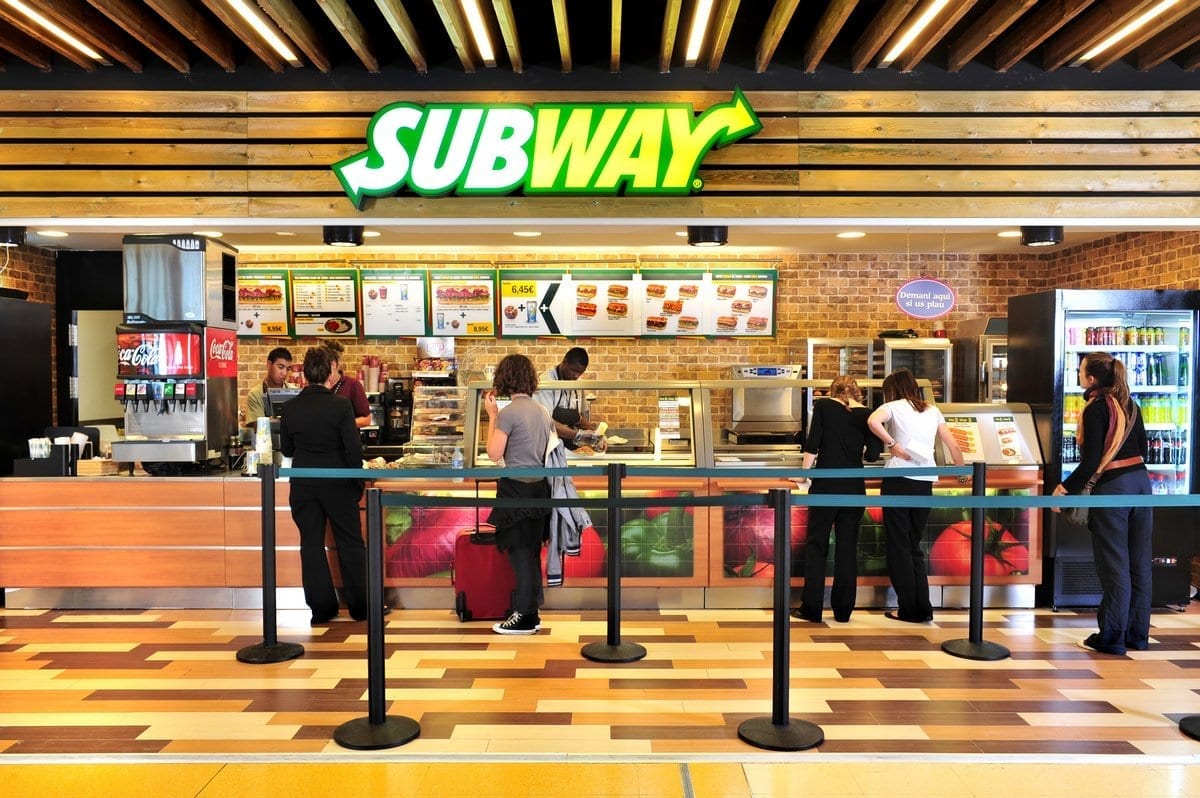
    Claiming to be a healthier alternative, Subway is a little bit different. Entering Vietnam six years ago, the world’s biggest fast food brand has set a goal of 50 restaurants in Vietnam by 2015. However, at present, there are only six of them in Ho Chi Minh City, as previously reported by VIR.

    “Like other fast food brands, Subway entered Vietnam late. Initially, we had to adjust our strategies to fit the culture as well as market trends. It takes time for us to adapt to the differences in the Vietnamese market to get the desired foothold here,” Mark Mason McGrath, general director of Subway Vietnam, explained to VIR in February.

    In Southeast Asia, Subway has opened 200 restaurants in Singapore, 100 in Thailand, and 40 in the Philippines. However, Subway has not reached its expected goals in Vietnam.

    Pressure to conform

    In conclusion, most fast food brands entered Vietnam with big promises, probably due to their success in other markets, such as the Philippines, Malaysia or China. However, several brands, such as McDonald’s, Burger King or Subway, set foot in Vietnam much later than other markets, which seemed to be a big disadvantage, while chains that opened long before, such as Jollibee, Lotteria, and KFC, seem to be doing better.

    News reports and expert opinion seem to agree that foreign fast food chains have not been able to win the heart of Vietnamese consumers because they lack that local taste that could entice them to return time and again. There are signs of change, such as rice being added to the menu (the rice and fried chicken combination is unheard of in the west) or Jollibee beginning to use traditional Vietnamese fish sauce to marinate its fried chicken, as the company announced recently.

    According to Jollibee’s data, 90 per cent of customers liked the fried chicken seasoned with fish sauce and would eat it again. Such an adjustment is something other fast food chains should take notice of.

  • 4Fingers to open first delivery-dedicated outlet

    4Fingers to open first delivery-dedicated outlet

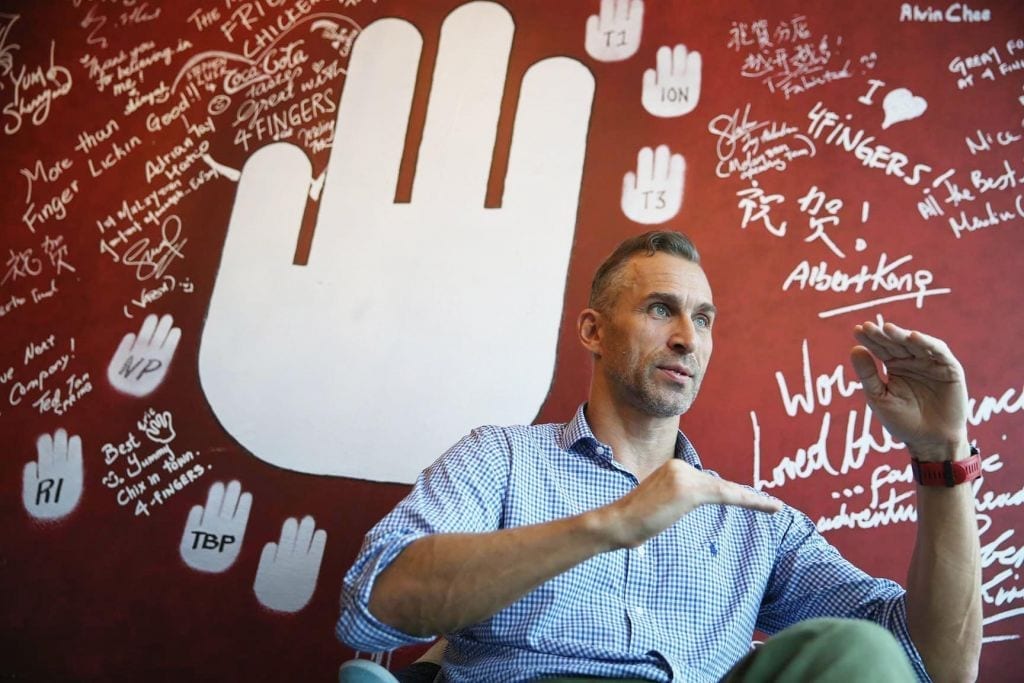
    Seeking to cash in on the rising demand for food delivery, crispy chicken restaurant chain 4Fingers will soon open its first delivery-dedicated outlet in the Clementi area. The Singapore brand also plans to handle some of its deliveries in-house to help mitigate the profit leakage from selling through food delivery companies, its Chief Executive Steen Puggaard said in an interview.

    The new thrust is expected to result in shorter delivery times while reaching out to more customers. The new outlet will be about two-thirds of the size of its current shops, but will also have a small shopfront and some seats for eat-in customers. There are plans to open more of such outlets across Singapore in the next one or two years.

    “We recognise that home delivery is only going to grow, so we need to make sure that we match our business model to the way that people are changing in spending their money,” Mr Puggaard said. “We see that as an important change in our strategy to accommodate the fact that people will be eating more and more food at home.”

    The west side of the island was chosen because it was easier to get a good location and the area has seen strong demand in home deliveries, he said. Home deliveries have helped the business by “a lot” and have been growing “faster than anticipated,” he added.

    4Fingers has seen its delivery segment grow to become a seven-digit business this year after the service was introduced early in 2016. The segment can take up to 30 per cent of a shop’s volume. The service is provided only in about half of the fried chicken chain’s stores, mainly those in the central and western areas of Singapore.

    At present, most of 4Fingers’ home deliveries are carried out by Foodpanda. It has recently joined Deliveroo and is also in talks to sign up with Ubereats. Depending on traffic and weather conditions, orders via the food delivery apps usually to take about 30 to 45 minutes to reach the customer.

    However, selling through these food delivery companies means low or even no profit margin for 4Fingers. “Food delivery comes with an additional cost – the commission for delivery companies. All of a sudden, the revenue we are generating with our food is weighed down by the additional cost,” said Mr Puggaard.

    “Companies like Foodpanda, Deliveroo, Ubereats: they basically deal with the customer, then they will tell us what we need to supply, then they will take care of the rest and send us a cheque once a month. We now say that that model does not really work for us. So we are saying, while we are opening up our first delivery-skewed kitchen in the west of Singapore, we will also test our handling of orders from customers and the payment, then using a third party to deliver food to people’s homes.

    “Right now, the cost structure linked with home deliveries actually doesn’t make us any money. It’s something we do for our customers because they want to eat 4Fingers. As long as we don’t lose money, we have to go along with it. But because it has now grown to seven digits this year, we say now is the time for us to begin to find a way where the cost structure makes more sense for us,” he said.

    Mr Puggaard has more than 20 years’ experience in food and beverage, much of it in Singapore, where he is now a Permanent Resident. The Dane began his F&B career with McDonald’s in 1996 in Eastern Europe before coming to Singapore in 1999 to run the regional marketing for the brand. He then made subsequent moves to Burger King and Les Amis.

    Mr Puggaard joined 4Fingers in February 2013 after the previous owners reached out to him to help expand the brand that made its debut in 2009. However, he left after only seven months because he felt the company was not structured for growth then. He rejoined the company in 2014 after a change in ownership and also took a 3 per cent stake in the venture.

    Since then, 4Fingers has expanded to 12 outlets across Singapore, and several more in Malay-sia and Indonesia. Revenue has grown from about S$2 million to S$30 million from its owned outlets, excluding franchised outlets. A majority of the stores are owned by the company. Besides quality food, what makes the brand stand out for eat-in customers is the dining experience, said Mr Puggaard. 4Fingers focuses on details such as design, lighting and music as well as service to enhance the overall experience.

    Even while the business grows in Singapore and the region, 4Fingers is looking to expand fur-ther afar: It will be launching in Australia in the next few weeks. It is also scouring locations in the US and expects to open one outlet there by the end of the year, said Mr Puggaard. There are also plans to open outlets in the United Kingdom and Germany in the first quarter next year.

  • How Pizza Hut and payments are fueling China’s retail revolution

    How Pizza Hut and payments are fueling China’s retail revolution

    Part of the huge shadow Ant Financial casts is its appetite for global investment, but at the same time it’s making moves that are kicking off major changes to how payments are handled in its local market in China.

    While the world waits to see how the company’s attempt to acquire U.S.-based MoneyGram will play out, one of Ant’s existing stakes in Yum China — a 2016 spinoff of Yum Brands, which owns Pizza Hut, Taco Bell and KFC — has drawn the attention of an investor who sees the potential to reshape quick serve restaurants, mobile technology and even the middle class in emerging economies.

  • Upgrade for Pizza Hut Malaysia’s restaurants

    Upgrade for Pizza Hut Malaysia’s restaurants

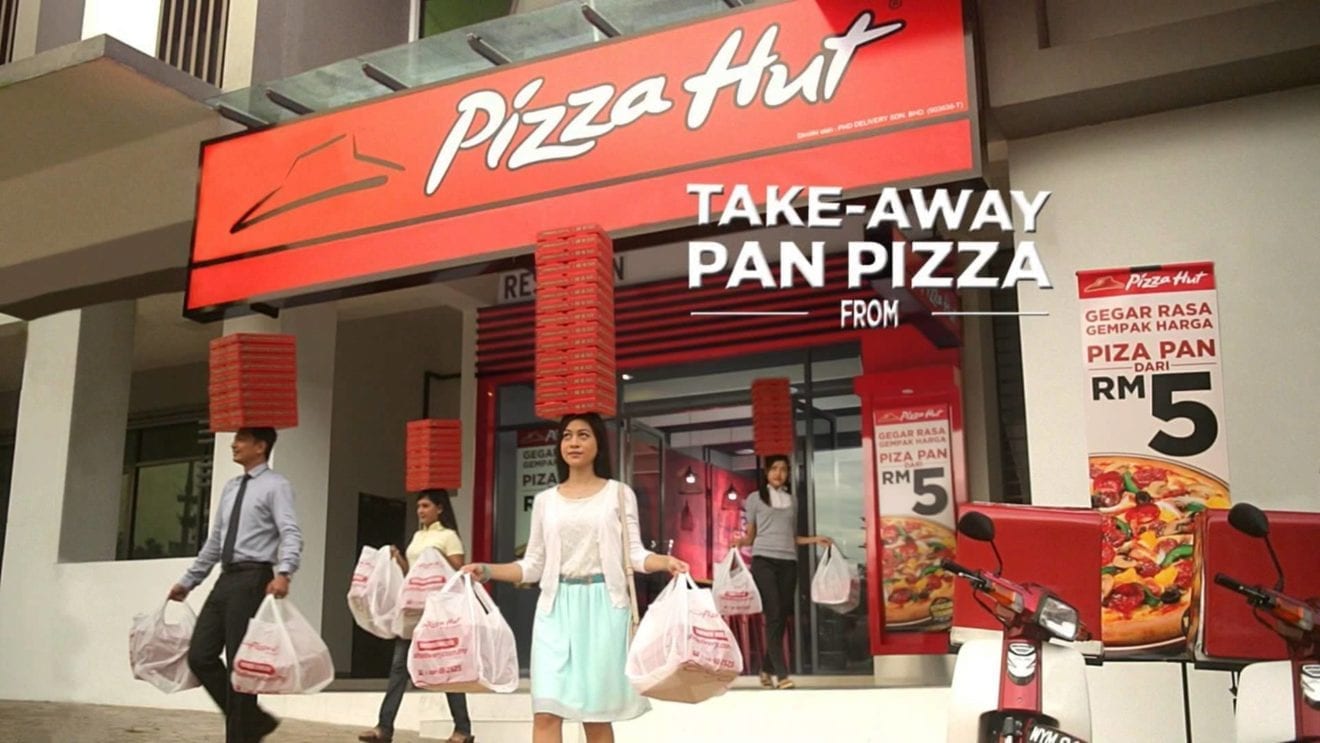
    The operator of Pizza Hut, QSR Brands (M) Holdings Bhd, plans to upgrade its 221 dine-in restaurants over the next two years, as part of its re-branding activity in conjunction with Pizza Hut’s 35th anniversary.

    QSR Brands chief executive officer Merrill Pereyra said Pizza Hut currently had close to 400 outlets, nationwide.

    “So far, we have upgraded more than 50 restaurants and we will also conduct 100 per cent asset enhancement in all 221 restaurants,” he told a press conference after Pizza Hut’s 35th anniversary celebrations in Kuala Lumpur on Thursday.

    Pereyra said the company planned to enhance dining experience at its restaurants as the segment was not only its core business but also made Pizza Hut stand out from its competitors.

    He, however, declined to elaborate on the capital expenditure for the upgrading exercise but said the company had allocated enough for the purpose.

    When asked on possibilities of new openings for this year, Pereyra said the company planned to spend the next couple of years to re-brand Pizza Hut and the exercise would include a new logo, website and also a new mobile application.

    The website was launched on May 5 and we are already seeing nearly 100 per cent increase in visits and 150% increase in new users.

    Order placement with the newly developed website and mobile application would reflect Pizza Hut’s refreshed brand mission of “easy and better”, he added.

    Pereyra said the mobile application will be launched in three months.

    Pizza Hut, in conjunction with its anniversary celebrations, on Thursday launched the 35 Bites Challenge where consumers can attempt to finish a large pizza in 35 bites, within five minutes.

  • Burger King GM talks Myanmar expansion plans

    Burger King GM talks Myanmar expansion plans

    Biting into a Burger King in Myanmar for now requires a passport, with the country’s only restaurant located past customs at Yangon International Airport. But franchise operator Minor Food Group is hoping local appetite will merit many more outlets.

    Thai firm Minor Food Group (MFG) opened Myanmar’s first Burger King in Terminal 1 on July 1 – with very little fanfare. There was no press release, no ceremony.

    By comparison, rival fast-food giant KFC opened its first Myanmar branch almost exactly a year earlier, inviting a host of local media and offering free food. Local KFC franchise holder Yoma Strategic also started its operations with a clear plan to open several outlets, first in Yangon and then across Myanmar. The group says it is on track to have 12 KFC restaurants open by March next year.

    MFG, however, only sought approval from the US Burger King company for a single outlet in Yangon International Airport, Prapat Siangjan, the firm’s general manager for Burger King Thailand, said.

    The firm has specialised in running Burger Kings in airports – it started its Thai operations with restaurants at Suvarnabhumi Airport, and its first expansion outside of Thailand was into airports in the Maldives, he said.

    Myanmar’s new international airport Terminal 1 and anticipated tourist growth prompted MFG’s decision to make the country its second overseas location, he added.

    The lack of publicity was down to two factors. Firstly, when the outlet opened in July not all Terminal 1 operations were online, said Mr Siangjan. Only two carriers were using the new space, although more have since moved in. MFG is also entering a new market and wants to make sure its operations are running smoothly and service standards are up to scratch before the official launch, he added.

    A PR announcement and opening in expected due course, he said.

    Mr Siangjan hopes MFG will be able to open many more outlets outside of the airport. But expansion will depend partly on how well the initial branch does, which will help MFG gauge demand. It is likely to be at least a year before the firm decides to expand, he added.

    One issue with the initial location is that many of the customers are likely to be departing tourists, which Mr Siangjan admitted could make it hard to assess local appetite. The prices at the airport outlet – which are denominated in dollars – have also raised eyebrows, with a standard value whopper meal going for US$8.50.

    One potential plan is to open a second Burger King at the domestic terminal next door, which would have prices in kyat and cater more to locals, but negotiations for a second outlet are at a very early stage, he said.

    Applying for permission for the first airport outlet was relatively smooth, he said. MFG applied towards the end of 2015, and received the green light early this year. The Thai firm runs the Yangon airport Burger King without a local joint venture partner, he added.

    Mr Siangjan could not comment on whether the approvals process would be any different for opening an outlet outside of an airport.

    Keeping an eye on the new Myanmar operations should be straightforward, as Yangon is closer to MFG’s head office than some of the outlets it operates in Thai provinces, he said.

    But MFG is not guaranteed to remain the only franchisee authorised to operate Burger King in Myanmar, and Mr Siangjan said MFG has to keep in close contact with Burger King headquarters to make sure they know if a competitor arrives.

  • Jollibee gains control of SuperFoods Group

    Jollibee gains control of SuperFoods Group

    Jollibee Foods gained control of the joint venture behind the Highlands Coffee and Pho 24 brands ahead of a plan to list the latter in Vietnam’s stock market.

    In a disclosure, the homegrown fastfood giant said its subsidiary JSF Investments Pte. Ltd hiked its stake in the SuperFoods Group to 60%, while its partner Viet Thai International Joint Stock Co. (VTI) reduced its interest to 40% from the previous 50-50 ownership share.

    The adjustment was considered a “key step” in their plan to list SuperFoods Group in Vietnam’s equities market by July, 2019 and will allow JFC to include the joint venture in its financial consolidation, the Philippine company said.

    The SuperFoods Group owns and operates the brands Highlands Coffee and Pho 24 and is a franchisee of Hard Rock Cafe in Vietnam, Macau and Hong Kong. At end March, it had 216 stores across these three brands.

    JFC will take the lead in the capital raising activities for the joint venture and will work with various financial institutions in Vietnam and other parts of Asia to finance the aggressive expansion program of the SuperFoods Group.

    In the next three years, the SuperFoods Group plans to open 485 stores, mostly in Vietnam, while expanding the brands through franchising in other parts of Asia and in Australia.

    The SuperFoods Group gives JFC presence in four new foreign territories — Indonesia, Cambodia and Australia. The local food service company is now present in 17 countries outside the Philippines and plans to enter Malaysia as part of its expansion in Southeast Asia.

    The SuperFoods joint venture is one of the fastest growing businesses in the JFC Group. System wide sales hit $58 million in 2016, up 46% from the prior year, driven by the 73% expansion of Highlands Coffee.

    JFC plans to build a “significant” business in Vietnam given its potential to become a large consumer market. Like the Philippines, Vietnam has a high population at 95 million and has enjoyed robust economic growth, which stood at 6.2% last year.

    The listed company already owns and operates 84 restaurants under its flagship Jollibee brand in Vietnam at the close of 2016, with sales from these stores rising by an annual 47%.

    JFC operates the largest food service network in the Philippines. At end March, it had 2,684 restaurant outlets under the brands Jollibee, Chowking, Greenwich, Red Ribbon, Mang lnasal and Burger King. Abroad, it operated 620 restaurants, including the brands Yonghe King, Hong Zhuang Yuan and Dunkin’ Donuts.

    In addition, JFC maintains interest in joint ventures operating 611 stores worldwide. Aside from its interest in SuperFoods, it owns 40% of US chain Smashburger and 48% of 12 Hotpot.

  • Pizza Hut CMO Pankaj Batra moves on to new role after 11 years in Asia

    Pizza Hut CMO Pankaj Batra moves on to new role after 11 years in Asia

    Pankaj Batra, chief marketing officer at Pizza Hut Asia Pacific, has taken on a new role as chief brand officer at Pizza Hut, Middle East, Turkey and Africa (META). This was confirmed by him to Marketing.

    According to his LinkedIn, he will be responsible for sales and brand metrics, digital marketing and food innovation for the region. Prior to the appointment he held the CMO role since 2014, where he was responsible for brand equity and sales growth of Pizza Hut across over 2,600 restaurants in 13 countries.

    He was also responsible for marketing and sales for Home Service and Express channels. He also partnered with seasoned franchisees and a team of over 50 marketing professionals to develop regional and local programs to achieve targets and grow market share.

    Before that he was director of marketing and PR in Asia, where he handled brand marketing and sales leader for Pizza Hut Delivery across nine countries in Asia, including Japan, Hong Kong, Taiwan, Indonesia, Philippines, Malaysia, Singapore, Vietnam & Brunei.

    Last year, Pizza Hut Singapore appointed See Seow Ying as senior marketing director, who was previously head of marketing at Burger King Singapore since 2013. She replaced Michelle Lee, who moved on to take on the role as head of marketing for SEA and Korea at Subway Systems Singapore.

    During her tenure, Lee was responsible for overall brand direction, brand sales, P&L and marketing strategies. She also drove product and service innovations along with menu development with food innovation, operations and supply chains.

  • McDonalds’ Q1 sales boosted by its all-day breakfast menu

    McDonalds’ Q1 sales boosted by its all-day breakfast menu

    In November, credit ratings agency Fitch warned that the breakfast-driven rebound the chain is experiencing won’t last forever. While that prediction still may prove correct someday, Fitch can’t claim victory just yet: McDonald’s reported better-than-expected first quarter same-store sales Tuesday, thanks in no small part to a continued boost from the most important meal of the day.

    McDonald’s reported Tuesday that its global same-store sales increased 4% during its first fiscal quarter of 2017. “There’s a sense of urgency across the business as we take actions to retain existing customers, regain lapsed customers and convert casual customers to committed customers,” McDonald’s president and CEO Steve Easterbrook said in a statement Tuesday morning.

    The growth in same-store sales didn’t completely translate to gangbuster top-line sales, with first quarter revenue ticking down 4% to $5.68 billion (a figure that nonetheless managed to come in ahead of the $5.5 billion Wall Street consensus). McDonald’s explained the dip by pointing to the refranchising effort that is a part of its broader turnaround plan, and the costs associated with that effort.

    Net income for the quarter, meanwhile, grew 8% to $1.2 billion, resulting in earnings of $1.47 per share — a figure that came in well ahead of the Street’s $1.33 per-share consensus.

    “Our efforts to build a better McDonald’s are yielding meaningful results with continued positive momentum and a strong start to 2017 that includes positive comparable sales across all segments, higher global guest counts and enhanced profitability,” Easterbrook continued. “We’re challenging ourselves to identify and pursue initiatives that can bring the biggest benefit to the most customers in the shortest possible time. I’m confident that we’re on the right path and well-positioned to unlock incremental growth and deliver against our growth plan for 2017 and beyond.”

  • Domino’s Poised for Global Expansion, Opens 14000th Store

    Domino’s Poised for Global Expansion, Opens 14000th Store

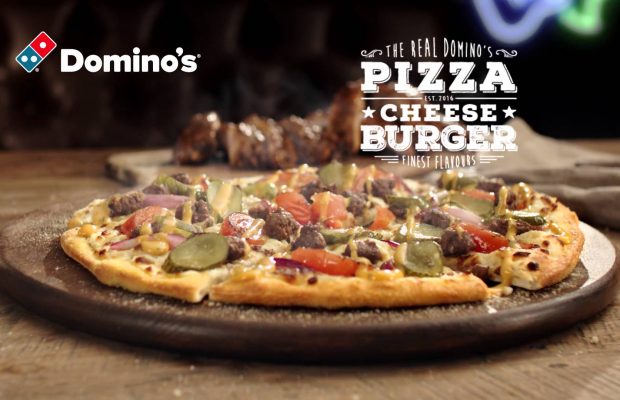
    Domino’s Pizza, the recognized world leader in pizza delivery, is celebrating the grand opening of its 14,000th store in in Cyberjaya, Malaysia, outside of the nation’s capital of Kuala Lumpur.

    “It was just eight months ago that we cut the ribbon on our 13,000th store and here we are already celebrating another milestone – our 14,000th store,” said Patrick Doyle, Domino’s president and CEO. “Last year we were opening, on average, a new Domino’s store every seven hours. Our global growth has been tremendous. The story of our brand is clearly one of incredible momentum and brand resonance worldwide.”

    The new store is also a milestone for the Malaysian market, as it marks their 200th store opening. It is also the 3,500th Domino’s store in the Asia-Pacific region. The master franchisee for the market, Dommal Food Services Sdn. Bhd., opened the first store in Malaysia in 1997 and has successfully made Domino’s one of the most recognized brands in the country.

    Domino’s 14,000th store features the pizza theater store design, which is open concept and brings the art and fun of pizza making to the forefront. It features indoor seating and allows customers to watch their pizzas being made, each step of the way. The milestone store is in the innovation hub of Malaysia, Cyberjaya, as technology is a central focus of the brand in Malaysia.

    “We have been building beautiful new stores around world at an impressive pace, thanks to the hard work, commitment and passion of our franchisees worldwide,” said Richard Allison, president of Domino’s International. “Our goal to become the No. 1 pizza company in the world – with the best customer service, serving high quality food, with inviting stores and leading technology – is being executed every day in countries like Malaysia and around world.”

    Domino’s operates in over 85 markets worldwide. Domino’s had global retail sales of nearly $10.9 billion in 2016, with more than $5.3 billion in the U.S. and more than $5.5 billion internationally.

  • Jollibee to continue stinging McDonald’s despite labor issues

    Jollibee to continue stinging McDonald’s despite labor issues

    Jollibee Foods Corporation’s largest brand has been experiencing some financial challenges since July 2016 due to the rising cost of raw materials and contractualization issues in the Philippines. But despite these, the homegrown fast-food chain expects to maintain its lead against rival McDonald’s Philippines, driven by its network expansion and product innovation.

    Jollibee, known for its Chickenjoy fried chicken and sweet spaghetti, told the Philippine Stock Exchange that the brand expects to maintain a “significant lead” over its key competitor in the coming years.

    This was despite two price increases last year due to higher raw material costs and the Philippines’ new regulations on contractualization, which resulted to increased labor expenses.

    “These price increases did not adversely affect consumer purchase volume regardless of income class. Over the past years, the pricing of Jollibee had been at parity with key competitors,” Ysmael Baysa, chief finance officer and corporate information officer of Jollibee, told the local bourse on Wednesday, March 29.

    Baysa said this in reaction to an analyst report from Macquarie, saying that McDonald’s has been closing in on Jollibee in terms of preference and that the new labor rules could affect its leading position in the Philippine market.

    Baysa said Jollibee has been incurring the costs of those steps since the 3rd quarter of 2016.

    Because of this, Jollibee said the cost of labor will be higher in the first half of 2017 versus the same period in 2016. However, the labor cost increase in the 2nd half of 2017 over the same period of 2016 will be at a normal rate.

    At present, Jollibee already has 978 stores nationwide, while McDonald’s has 521 stores.

    David and Goliath

    McDonald’s had said that it plans to open 45 stores this year, while Jollibee said it continues to enjoy higher sales in the Philippines based on its latest financial report.

    Jollibee’s same store sales growth in the Philippines in 2016 stood at 8.3%, driven by higher customer traffic and higher amount of purchases per visit per customer compared with a year ago.

    Moving forward, Jollibee said the growth in its brand in the Philippines will continue at a strong pace, at least sustaining the number of new store openings in the past two years.

    “The Jollibee Group of Companies had faced many challenges in the past. It had emerged stronger from these challenges and its profit recovered quickly. It has one of the most consistent sales and profit growth track records among all public companies in the Philippines, while sustaining one of the highest returns on equity (ROE) at 18% to 22% annually over different economic cycles,” Baysa told the local bourse.

    Overall, Baysa said Jollibee’s share in burgers, fried chicken, and spaghetti “actually increased in 2016 from its key competitor,” which is McDonald’s.

  • Subway Vietnam frantically looks for franchise partners

    Subway Vietnam frantically looks for franchise partners

    Six years after entering Vietnam, Subway, the world’s biggest fast food brand, is increasingly looking for franchising partners to reach the ambition of opening 50 restaurants in this market.

    On February 15, Subway held a franchising partner recruitment meeting for investors in Ho Chi Minh City. At present, Subway is considered the world’s biggest franchising network. The company is ambitious to become the number one fast food brand in every market—and Vietnam is not an exception.

    Underwhelming pace

    Following other brands like KFC, Lotteria, and Jolibee, sandwich and salad restaurant chain Subway officially opened its first restaurant in Vietnam in February 2011, almost a year later than anticipated. Subway has cooperated with PepsiCo to start its first restaurant on the “Street of foreigners” Pham Ngu Lao Street, District 1 of Ho Chi Minh City. According to the arrangement, Subway is responsible for the sandwiches and PepsiCo provides the soft drinks.

    Upon arrival to Vietnam, Subway has set a goal of 50 franchise restaurants by 2015. However, at present, there are only six of them in HCMC.

    “Like other fast food brands, Subway entered into Vietnam late. Initially, we had to adjust our strategies to fit the culture as well as market trends. It takes time for us to adapt to the differences in the Vietnamese market to get the desired foothold here,” Mark Mason McGrath, general director of Subway Vietnam, explained.

    In 1985, 20 years since its establishment, Subway had 590 restaurants. Ten years later, there were 11,420 restaurants in the US and now there are 45,000 restaurants in over 100 countries. In Southeast Asia, Subway has opened 200 restaurants in Singapore, 100 in Thailand, and 40 in the Philippines. However, Subway has not reached its expected goals in Vietnam.

    Known as a healthy food provider over the world, Subway can enter into market segments untouched by other giants like McDonald’s and Burger King. However, the company has not been able to forge this into a comparative advantage in Vietnam.

    Seeking individual investors

    Entering a new market is an inevitable course to Subway. The company has been very successful in the US, but the market became saturated. Moreover, the international market holds real potential, placing expansion on top of Subway’s agenda.

    However, the first challenge that Subway had to face was building its brand and exploring its target customers’ desires. In the west, Subway’s products brought about a shift in fast food eating habits and reduced obesity, which was welcomed in western countries. However, the situation in the Asia-Pacific region is different.

    Relatively low obesity rates and a lack of health concerns associated with common foodstuff create a largely different playing field in the Asia-Pacific.. At the same time, KFC and McDonald’s have been present for longer and have been shaping consumption habits in the area. This is a reason why, despite the substantial market potential, the growth rate of Subway in Asia is still low.

    To overcome theobstacles, Subway is starting over to become the world’s biggest fast food franchise. The company will focus on enhancing customer experience. In Vietnam, Subway is looking for franchisees. In 2017, Subway is planning to expand outside HCMC through cooperation with other franchising brands. Nha Trang will be the next destination, and Subway is considering other potential cities and provinces.

    Nonetheless, the brand has a careful approach to expanding its network. “We do not want to cooperate with too big brands like other giants did when entering and expanding in Vietnam. The best way for us to expand our network is to cooperate with the individual investors in the long-term,” said McGrath and added that Subway brings a chance for fruitful investment and doing business for those who wish to be owners.

    Comparative advantages galore

    Compared to other competitors in the fast food industry, where investors have to pay dollar millions to become franchise partners, such as McDonald’s ($1-2 million) and KFC ($1.3-2.5 million), investors in Subway have to pay only a portion. The initial investment in a Subway restaurant in Vietnam ranges from $124,000 to 300,000, dependant on the location and the size of the restaurant.

    Of the amount, the franchising fee for the first Subway restaurant in Vietnam is about $10,000. From the second restaurant on, the fee is only $5,000. The total cost to launch and maintain a franchise restaurant like this is low and is considered an advantage and a big investment opportunity. However, according to Mcgrath, it is not the cost of investment, but investors’ low awareness of Subway’s value that hampers cooperation.

    Of all fast food brands, Subway has the comparative advantage of being able to fit in many different areas all over the world other than only traditional locations. Subway appears in universities, airports, hospitals, convenience stores, cinemas, hotels, zoos, casinos, museums, parks, stadiums, and near churches.

    Subway’s restaurant model fits in anywhere, even in narrow spaces, while its competitors cannot. This ensures Subway’s coverage all over the world, which significantly increases its number of restaurant. Besides, Subway also actively cooperates with small fast food brands in supermarkets. Two parties will share a space, staff, management, but still maintain their separate brand identity with different uniforms for wait staff, decorations, menu, and other specified colouring principles.

    Subway always offers its franchisees preferential conditions. Its linkage to local financial institutions to support franchisees is one of the reasons for investors to open Subway restaurants. “With all these comparative advantages over competitors, we expect investors to realise with time the opportunities we have to offer,” McGrath expects.

  • Does your fish burger contain mercury-tainted shark meat?

    Does your fish burger contain mercury-tainted shark meat?

    A study of shark meat in Indonesia – the world’s largest shark fishery – has found dangerously high levels of mercury build-up in catches bound for overseas fish markets.

    Research conducted at the Seafood Inspection Laboratory in Bali found that mercury concentrations in processed, export-ready shark tissue exceeded twice the commonly accepted safe consumption limit.

    This is the first time that mercury levels have been tested in Indonesia-caught sharks bound for markets overseas, where importers and consumers are unaware that the fish that goes into fish burgers and fish and chips meals is shark.

    Bull shark meat tested on 26 January 2017 was found to contain 2.431 parts per million (PPM) of mercury. The consumption limit for predatory fish species in key Indonesian export markets such as Australia, Singapore and New Zealand, and also Indonesia, is 1.0 PPM.

    Bronze whaler meat – commonly sold as “flake” in Australia and cooked in batter for fish and chips dish- tested a week earlier was found to have a mercury concentration of 1.829 PPM.

    Bull shark meat sourced from the same location just a year ago was found to contain a significantly lower concentration – 1.368 PPM.

    Green School of Bali taking shark samples at Jimbaran fish market, Bali, Indonesia. Image: Bali Shark Rescue Center

    “Consumers are being deceived and are unaware of the type of fish being sold and ultimately ingested,” commented Paul Friese, founder of Bali Shark Rescue Center, whose non-government organisation partnered with sustainability college Green School of Bali to conduct the study.

    In Indonesia, most sharks are harvested for their valuable fins and liver first, and those parts sold to specialist buyers. The animal is then skinned, beheaded and the meat is filleted and moved back into the fish market unmarked.

    Shark fin can fetch up to IDR 2,500,000 (US$200) for a set, but locally sold shark meat sells for as little as IDR 25,000 (US$2) per kilo, and is used in street foods such as sate, fish cakes and meat balls. Overseas, shark meat is typically breaded and deep fried as fish burgers or used in the classic fish and chips dish.

    The sale of shark meat is also masked by transshipping, the process of transferring fish caught at sea from ship to ship, which makes the source harder to trace.

    Shark is particularly risky to eat because mercury bioaccumulates – the concentration of the heavy metal increases as it passes along the food chain, from plankton to shellfish, to small fish and onto larger predatory species.

    Mercury has entered marine ecosystems as a result of discharge from coal-fired power stations, residential heating systems, waste incinerators and mining, and also from volcanic activity.

    The main health risk from mercury consumption is damage to the nervous system. Unborn babies are particularly at risk from mercury pollution and, if exposed, may suffer impaired cognitive thinking, memory, attention, language, and fine motor and visual spatial skills in childhood.

    Meanwhile, shark populations in Indonesia have been under increasing pressure, as more than three million sharks are killed every year for their fins alone. Sharks are a tempting target for fishermen, particularly in remote island areas where the fins of the predators can bring lucrative returns.