Tag: Fastfood

  • Popeyes appoints partner for China rollout

    Popeyes appoints partner for China rollout

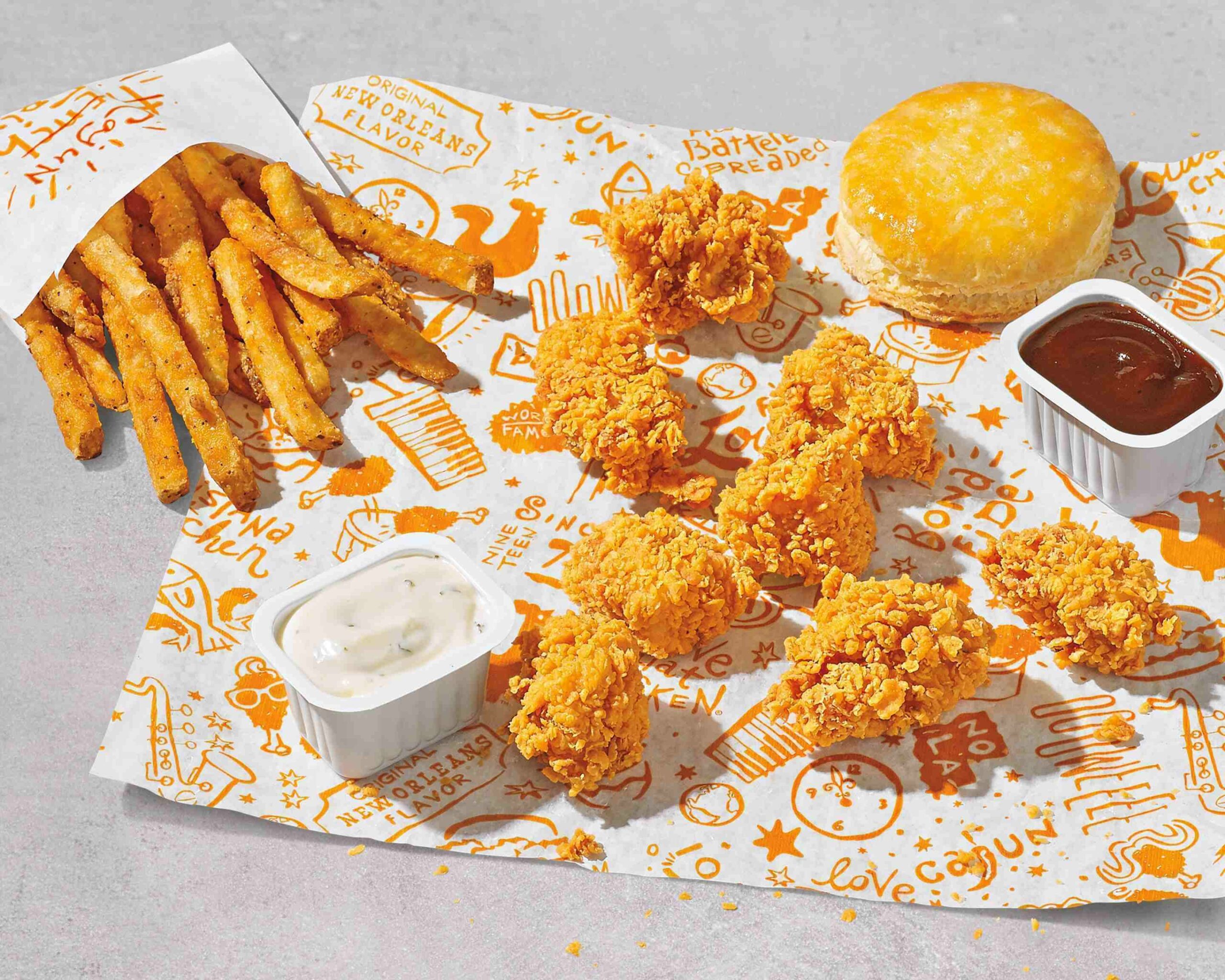
    Popeyes Louisiana Kitchen is making a move on KFC’s turf. The Miami-based chicken chain on Wednesday announced an agreement with Cartesian Capital Group to develop restaurants in China in the coming years. In the process, it will take Popeyes into a country dominated by its longtime rival, KFC.

    Popeyes could move quickly if Cartesian’s recent track record is any indication. The firm started developing Tim Hortons locations in 2019. The Canadian coffee and doughnut brand already has 450 locations in the country. Tim Hortons, like Popeyes, is owned by the Toronto-based Restaurant Brands International.

    “We are excited to build on our long-standing and successful relationship with RBI, spanning over a decade and most recently including our rapid development of more than 450 Tim Hortons cafes across China,” Cartesian Managing Partner Peter Yu said in a statement.

    China is a gold mine for U.S. brands eager for international expansion. It is the world’s second-largest economy and is growing rapidly. Numerous restaurant chains are pushing aggressive expansion. KFC, McDonald’s and Starbucks, among many others, are aggressively adding units and companies like Papa John’s and Domino’s are pushing growth there.

    But the country has had its challenges of late, driven by its “Zero COVID” strategy in which large cities are shut down for weeks or months at a time, sending sales plummeting. Same-store sales at Yum China, for instance, decreased 16% in the second quarter.

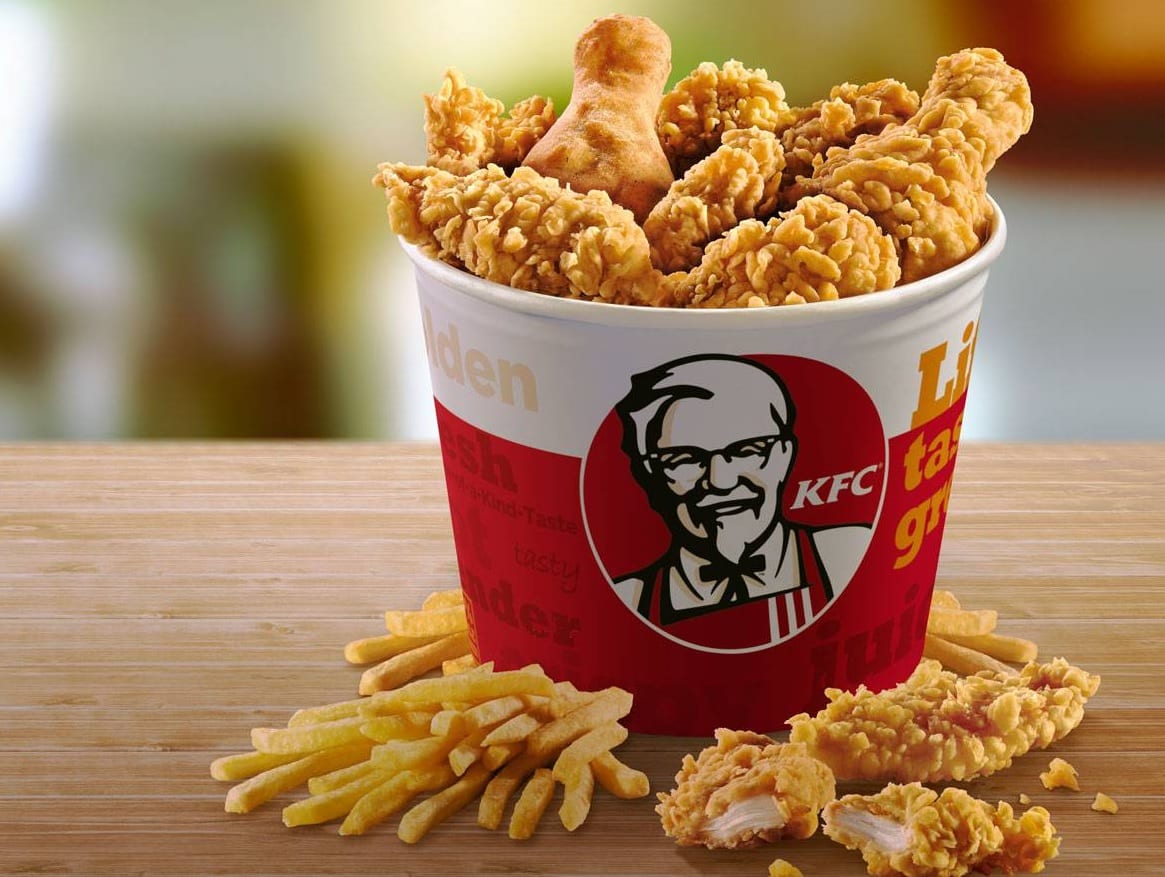
    As for Popeyes, it also goes into a market dominated by KFC. The chain, which helped open China decades ago, is as popular there as McDonald’s is in the U.S. It operates 8,500 locations in the country and is on pace to add another 800 this year alone.

    Still, it’s an important market for Popeyes as it works to build its international business. RBI’s business plan is predicated in part on aggressive international development, much as it did with Burger King starting in 2010.

    Popeyes operates only about 3,800 global locations, with about 1,000 of them outside the U.S. But that international unit count is up about 50% over the past five years. And since last year, Popeyes has announced deals to enter South Korea, France, Romania, the U.K. and India, with expansion plans for Mexico and Saudi Arabia.

  • KFC operator in Thailand explores sale of business

    KFC operator in Thailand explores sale of business

    Restaurants Development Company is exploring the sale of its KFC franchise business in Thailand, valued at roughly $300 million, as revenue rebounds with a recovery in Southeast Asia’s second-largest economy, three sources aware of the matter said.

    The Bangkok-based firm, backed by a consortium led by Southeast Asian focused private equity firm AIGF Advisors Pte Ltd, is in talks with at least one advisor on the potential sale, said the sources, who asked not to be named as they were not authorised to speak to the media.

    Restaurants Development was considering the sale of its KFC business in 2020 but the process was shelved due to the impact of the coronavirus pandemic, two of the sources said.

    Restaurants Development and AIGF did not respond to a request for comment.

    The revival of the sale comes with a pick up in Thai consumer confidence in June, for the first time in six months, boosted by improved economic activity following an easing of COVID-19 curbs.

    Restaurants Development recorded its highest ever quarterly sales in the first three months of 2022, it said on its website, and also the highest annual same-store sales growth rate.

    Its KFC business is expected to grow further over the next few quarters on the back of the economic recovery and easing of travel restrictions, one of the sources said.

    Two sources said potential suitors could include Central Restaurants Group and The QSR of Asia Co Ltd, a unit of Thai Beverage, which run the other KFC franchises in Thailand.

    Thai Beverage declined to comment and there was no response from Central Group to a request for comment.

    Founded in 2016, Restaurants Development employs more than 5,000 people and operates more than 240 restaurants across Thailand. This compared with the 4,000 people and 200 restaurants it employed and managed two years ago.

    It currently owns 236 KFC stores, according to its website.

    As in other markets, Southeast Asian mergers and acquisitions activity is going through a soft patch, hit by high inflation, rising interest rates and weak equity markets.

    Last week, Thailand’s central bank chief said the central bank will ensure the recovery is not interrupted by efforts to tackle higher inflation, amid expectations of an increase in interest rates.

  • Collins Foods’ sales rebound as Europe reopens

    Collins Foods’ sales rebound as Europe reopens

    Listed fast-food chain operator Collins Foods has reported positive same-store sales growth across both its European and Australian markets despite a turbulent economic climate.

    The company’s Taco Bell and KFC franchisees in Australia achieved revenue growth of 11 per cent to $1.2 billion with KFC Australia delivering $955.5 million, up 6.1 per cent.

    KFC’s same-store sales have recovered in Europe with the Netherlands business registering an 18.8 per cent increase followed by Germany at 11.7 per cent. In the Netherlands, Collins Foods will likely open 130 net new restaurants during the next 10 years.

    Taco Bell’s revenue increased 27.5 per cent to $35.8 million with the addition of four new restaurants registering positive growth in the fourth quarter.

    Drew O’Malley, MD and CEO, said significant reinvestments in the business have helped support strong operating cash flow, strengthening the balance sheet.

    “The proven track record of consumer appeal regardless of economic conditions, combined with our relentless pursuit of operational excellence, ensures we are well-positioned to manage through the current inflationary environment,” the company said in its results announcement.

    “With our restaurants performing well and a strong pipeline of new sites, we will continue to grow our store footprint across our QSR brands.”

    The business has plans to open up to 12 more KFC stores in Australia and scale its Taco Bell business alongside.

  • Wendy’s New Zealand business up for sale after 34 years

    Wendy’s New Zealand business up for sale after 34 years

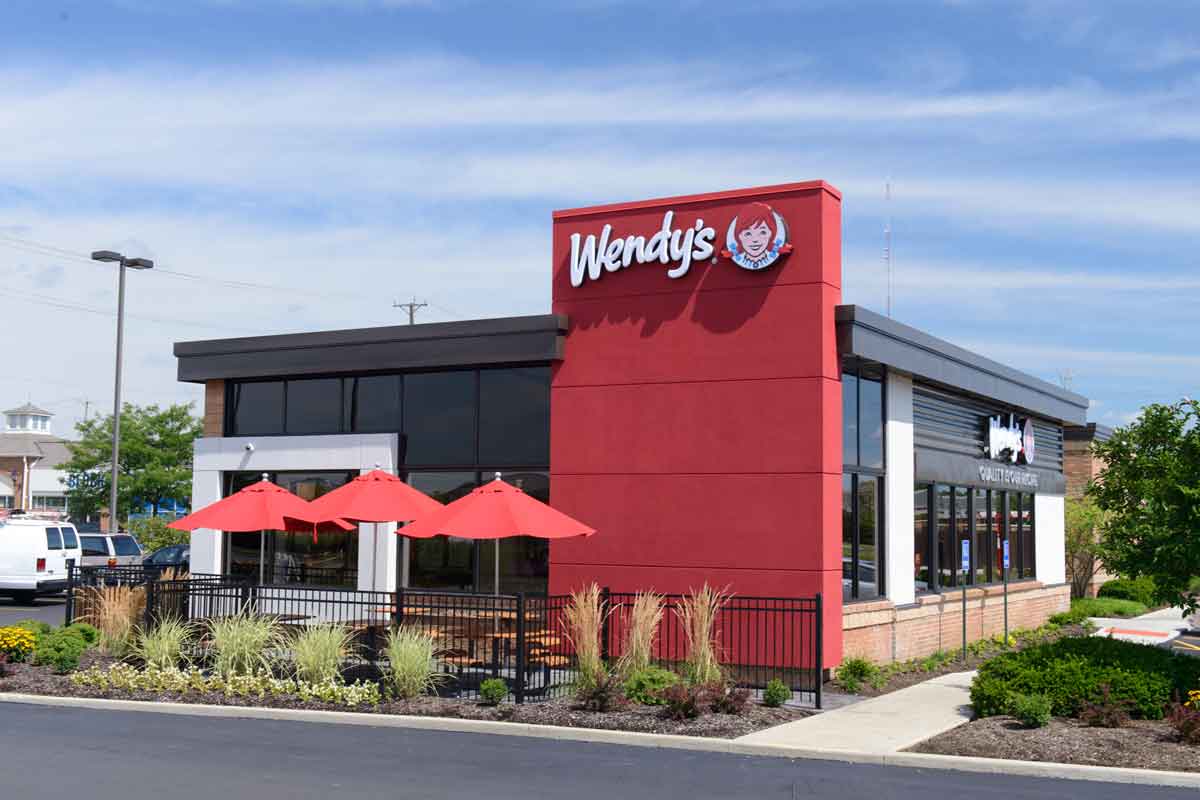
    Wendy’s NZ, the current master franchisee, owner and operator of all Wendy’s hamburger restaurants throughout New Zealand, is on the market for the first time in 34 years.

    The brand was brought here in 1988 when Danny and Dianne Lendich opened the first store in Te Atatu after a deal between the international franchisor and the original master licensee fell through. The Lendich family went on to develop 22 restaurants – 12 in Auckland, two in the South Island and eight throughout the North Island – all of which are company-owned and included in the sale. There are no sub-franchisees.

    With Danny and Dianne Lendich now in their 70s, their daughter and CEO of Wendy’s NZ Danielle Lendich, says business has never been better, but now is the right time for change.

    Internationally, the American burger brand has over 7,000 restaurants and is planning to accelerate global growth, opening over 90 new restaurants in the first quarter of 2022. The company says it is looking for a qualified franchisee who can help grow and scale the business throughout New Zealand. While sub-franchising is not specifically mentioned, it is a strategy Wendy’s uses in other countries.

    Traditionally, New Zealand has been an attractive market for international brands, with Carl’s Jr. and Wendy’s having both achieved world-record sales levels for opening weeks here. However, opportunities for franchisees have been limited, with both companies operating via national master licensees who have not sub-franchised. This has left the owner/operator burger market open to McDonald’s (which has over 170 restaurants here) and locally-developed gourmet burger franchises such as BurgerFuel and Burger Wisconsin.

    Record sales

    Danielle Lendich says that Wendy’s NZ is performing extremely well and is ready for growth.

    ‘Operations are strong across the country and we’re experiencing record sales. Even during the worst of Covid, there has been huge demand. Obviously there have been challenges, but it’s a testament to the team that we’ve been able to get though the disruption and emerge even stronger.’

    A family-owned business with deeply-rooted values and relationships, Wendy’s NZ has many staff and suppliers who have been with the company for decades, and suppliers of beef, sauces and fresh produce going back to year one,’ Danielle says.

    ‘We hope the new franchisee will operate with the same cores values and look after not just the business, but the wider Wendy’s family. The future is very bright at Wendy’s.’

    The sale of Wendy’s NZ / WendCo (NZ) Limited is being handled by Spencers Chartered Accountants & Advisers in New Zealand and internationally by partner Azure.

  • McDonald’s eyes selling its South Korea unit

    McDonald’s eyes selling its South Korea unit

    McDonald’s Korea, the local unit wholly owned by the US fast-food giant, is seeking a new owner — joining the latest burger chain sales rush here.

    The company confirmed Friday that its US headquarters is selling its entire stake in the Korean unit as well as its business license after its first failed attempt six years ago.

    According to news reports, Mirae Asset Securities, the deal’s lead manager, plans to send letters as early as next month to invite potential bidders.

    With the addition of McDonald’s Korea, the largest fast-food chain by revenue here, four out of six major burger franchises — including Burger King, KFC and Mom’s Touch — are looking for new owners.

    Hong Kong-based Affinity Equity Partners is selling Burger King Korea, along with the burger chain’s Japanese unit. Meanwhile, Korean chemicals conglomerate KG Group is seeking an exit after its five-year ownership of KFC Korea. Mom’s Touch, a home-grown chicken burger chain owned by private equity firm Korea F&B Holding, recently delisted from the nation’s second bourse Kosdaq in a move to search for a new owner.

    Unlike the four, the remaining Lotteria and No Brand Burger are subsidiaries under retail giants Lotte and Shinsegae, respectively.

    The valuation of McDonald’s Korea is yet to be estimated, but market forecasts put it much higher than 2016’s 300 billion-500 billion won ($234 million-$469 million). Crosstown rival Burger King is currently valued at around 1 trillion won.

    US private equity giant Carlyle Group is cited as one of the potential buyers of McDonald’s Korea. In 2016, when the company was put up for sale, Carlyle created a consortium with Maeil Dairies — the nation’s leading dairy company — but later backed out from the deal. After its failed attempt to take over the Korean unit, it acquired the Chinese and Hong Kong branches in 2017.

    Along with the deal price, the US headquarters’ push to maintain its control over the Korean unit even after an exit could become a key factor in the acquisition talks. In 2016, the US head office insisted that it resume quality control of burger products and receive royalty payments from McDonald’s Korea, which evidently became another deal breaker.

    According to data from the Financial Supervisory Service, the Korean unit has paid 54.3 billion won in 2021 and 50.1 billion won in 2020 in commission payments for the US headquarters.

    Industry watchers say growing demand for premium burgers has led to heated competition in the market and an influx of newcomers. The food unit of Daewoo Development recently launched Good Stuff Eatery, a handcrafted burger chain frequented by former US President Barack Obama. BHC Group and Hanwha Solutions are poised to open Korean branches of Super Duper Burgers and Five Guys this year.

    As of 2021, McDonald’s Korea operates 404 stores nationwide. It posted 867 billion won in sales, up 9.7 percent from a year earlier, while logging 34.9 billion won in net losses.

  • The enormous cost of McDonald’s Russian exit

    The enormous cost of McDonald’s Russian exit

    McDonald’s became the symbol of glasnost in action 30 years ago when it opened its first restaurant in Moscow. But after temporarily shutting down more than 800 restaurants following the invasion of Ukraine, McDonald’s has decided to leave Russia altogether.

    The burger chain will sell its Russia business, saying the “humanitarian crisis caused by the war in Ukraine, and the precipitating unpredictable operating environment, have led McDonald’s to conclude that continued ownership of the business in Russia is no longer tenable, nor is it consistent with McDonald’s values.”
    In March, shortly after the war began, McDonald’s followed other Western companies and temporarily shut down its restaurants in Russia.
    Once the sale is finalized, the Russian restaurants will be “de-Arched,” meaning the locations will no longer be allowed to use the McDonald’s name, logo or menu. McDonald’s said its employees will still be paid until the transaction closes and that “employees have future employment with any potential buyer.”
    CEO Chris Kempczinski said he’s proud of the more than 60,000 workers employed in Russia and said the decision was “extremely difficult.”
    “However, we have a commitment to our global community and must remain steadfast in our values. And our commitment to our values means that we can no longer keep the Arches shining there,” he said.
    The decision brings to a remarkable end McDonald’s three-decade relationship with Russia. McDonald’s opened the doors of its first restaurant in Moscow on January 31, 1990. More than 30,000 were served and the Pushkin Square location had to stay open hours later than planned because of the crowds.
    Its arrival in Moscow was about more than just Big Macs and fries, noted Darra Goldstein, a Russia expert at Williams College. It was the most prominent example of Soviet Union President Mikhail Gorbechev’s attempt to open up his crumbling country to the outside world.
    “There was a really visible crack in the Iron Curtain,” she previously said. “It was very symbolic about the changes that were taking place.” About two years later, the Soviet Union would collapse.
    McDonald’s exit “represents a new isolationism in Russia, which must now look inward for investment and consumer brand development,” said Neil Saunders, managing director of GlobalData said in a note Monday. He added that other Western brands take “principled stance on the concepts of freedom and democracy” and revisit their businesses in Russia.
    McDonald’s will take a significant write-off from exiting Russia — between $1.2 billion to $1.4 billion. Shares were barely changed in early trading.
    “The fact that McDonald’s owns most of its restaurants in Russia means there is an asset rich business to sell,” said Saunders. “However, given the circumstances of the sale, the financial challenges faced by potential Russian buyers, and the fact that McDonald’s will not license its brand name or identity, it is unlikely the sale price will be anywhere near the pre-invasion book value of the business.”
    In its most recent earnings report, McDonald’s said closing its restaurants in Russia had cost it $127 million last quarter. Nearly $27 million came from staff costs, payments for leases and supplies. The other $100 million was from food and other items it will have to dump.
    McDonald’s had 847 restaurants in Russia at the close of last year, according to an investor document. Together with another 108 in Ukraine, they accounted for 9% of the company’s revenue in 2021.
  • First KFC ‘Green Pioneer Stores’ open in China

    First KFC ‘Green Pioneer Stores’ open in China

    Yum China has just launched KFC’s first Green Pioneer Stores in Beijing and Hangzhou, as it works toward building a network of net-zero restaurants in the future.

    The move is part of the company’s climate strategy and a roadmap to achieving net-zero by 2050, following its pledge to Business Ambition for 1.5°C Commitment Letter to the Science-Based Target initiative (SBTi) last year.

    “We are committed to driving meaningful change and pioneering in the restaurant industry towards net-zero emissions. Building Green Pioneer Stores is an important part of our journey,” said Joey Wat, CEO of Yum China.

    Following the company’s 4R principles (reduce, reuse, recycle, replace), KFC has already incorporated several environmentally friendly practices in its stores across the country, such as:

    • Solar panels in its Hangzhou store generate an estimated 10,000 kWh of energy each year, which helps reduce carbon emissions from electricity consumption.
    • An Internet of Things-based (IoT) intelligent restaurant energy management system which helps improve the energy efficiency of Green Pioneer stores by around 10 per cent annually.
    • Each Green Pioneer Store is equipped with a Tubular Daylighting System that uses natural lighting, reducing electricity consumption.
    • Using eco-friendly materials such as ceramic floor tiles made from recycled energy, low-carbon bamboo and alt-leather made from recycled KFC coffee grounds.

    The company said the Green Pioneer Stores will also allow customers to experience and learn about eco-friendly restaurants by integrating “green interior design”.

    At its Beijing store, a Family Bucket is made entirely of recycled packaging. While in Hangzhou, a wall section was intentionally left unfinished with an opening to show customers the restaurant’s eco-friendly construction process.

    While the restaurant chain has already integrated environmentally friendly initiatives, the company aims to further improve its emissions reduction by 15 per cent each year.

    “We will continue to explore the utilization of innovative technologies in restaurant construction and operations to promote sustainable development and contribute to the low carbon economy,” Wat added.

  • Carl’s Jr to exit Thailand

    Carl’s Jr to exit Thailand

    Carl’s Jr. plans to close all six locations in Thailand by the end of the month.

    R&R Restaurant Group, which holds the rights to operate the burger chain, announced it could no longer bear the costs of operating the fast-food chain.

    “We tried to get through it during the second half of 2021. But we were forced to import our ingredients solely from the U.S. due to the restrictions imposed by CKE Restaurants Holdings,” it said of its parent company.

    The burger chain opened its first branch in Thailand in 2012 at Central Festival Pattaya Beach.

    Update: After this story was published, the group announced its last day of operation will be March. 24.

  • Jollibee to enter Scotland

    Jollibee to enter Scotland

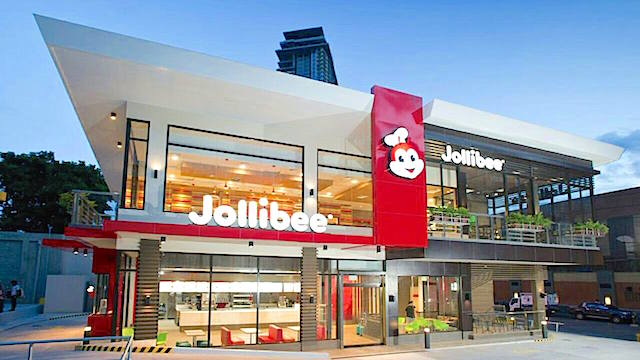
    International fast-food chain Jollibee has announced that it will open its first Scottish restaurant in Edinburgh and its second store in Glasgow.

    The company will open its Edinburgh store next Thursday in Princes Street with the second store opening a month later in Glasgow.

    The restaurant will serve halal meat to cater to all communities in both cities. In the last 18 months, overall UK sales rose by 417%.

    Jollibee was originally founded in 1978 and has more than 1,500 stores across 17 countries, including the USA, Canada, Spain, Italy, Philippines, Singapore, Vietnam, UAE, and the UK in England and Wales.

    The first Jollibee in the UK opened in London in 2018 and has since added another eight locations to the map including Cardiff, Newcastle, Liverpool, Leeds, and Leicester Square in London’s West End.

    Ernesto Tanmantiong, chief executive at Jollibee Group, said: “This is an important moment for us as we introduce Jollibee to Scotland with not one, but two restaurants launching within a month, showing our commitment to expand in Europe.

    “We are looking forward to serving our Scottish customer’s delicious food in a joyful restaurant experience. We know there are many in Scotland who have waited a long time for Jollibee to arrive and we’re excited to see the local communities experience Jollibee for the first time.”

  • KFC Australia pilots drone-delivery service in Queensland

    KFC Australia pilots drone-delivery service in Queensland

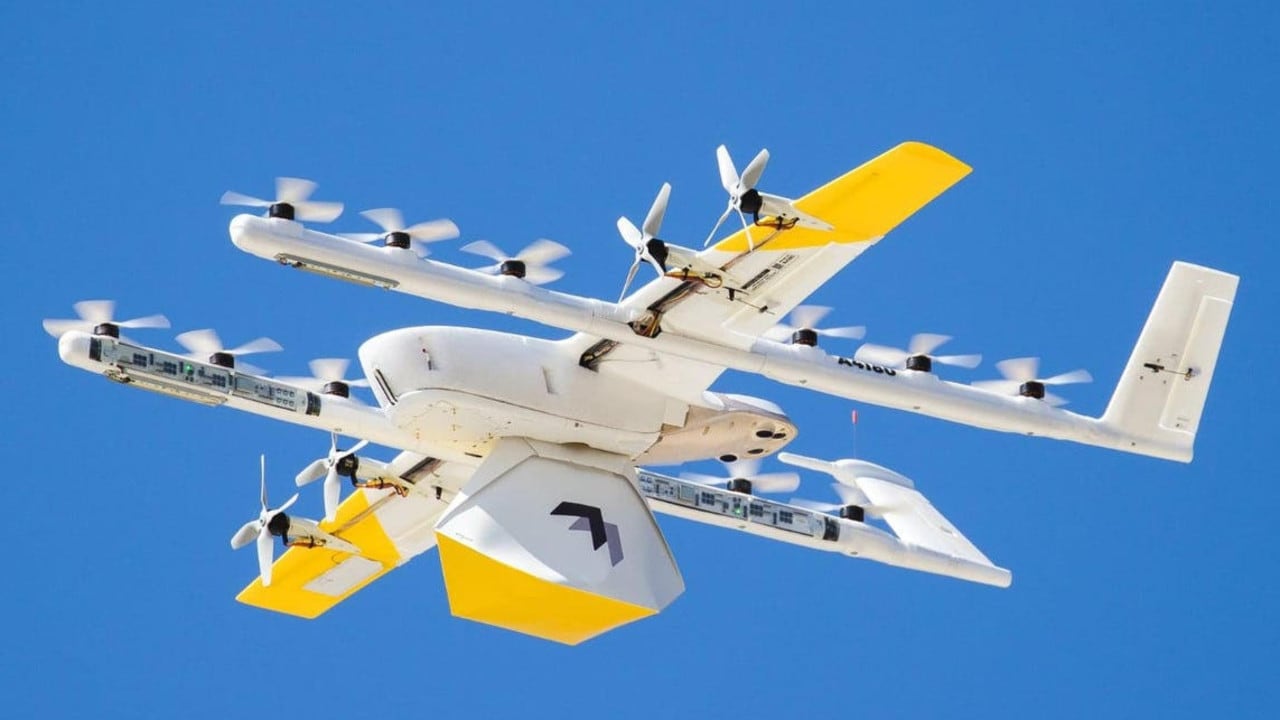
    In an Australian-first, KFC has enlisted a drone delivery company to bring Zingers and other fried faves to homes and workplaces in the Logan area between Brisbane and the Gold Coast.

    Wing, owned by Google parent Alphabet, launched in Canberra in 2019 in a world-first, and in Logan the following year.

    Since then, suburbs within a 10km radius have been having burgers, groceries, pharmacy items, hardware products, coffee and other products zoomed in via 5kg styrofoam drones that can carry up to 1.5kg.

    Under a pilot program kicking off on Friday, the world’s most famous fried chicken brand will initially be available to a small number of households in the South East Queensland suburbs of Kingston, Logan Central, Slacks Creek, Underwood, and Woodridge.

    The service will gradually expand to include other nearby locations, Wing says, dubbing Logan “the drone delivery capital of the world”.

    “You know the future truly is here when you can get hot, fresh Kentucky Fried Chicken delivered by a drone from the click of a few buttons,” KFC Australia chief marketing officer Kristi Woolrych said.

    Wing says the number of deliveries rocketed last year as the pandemic raged on and strong demand has continued in 2022.

    Earlier this week, spokesman Jesse Suskin said the company was planning expansion in Australia.

    “We’ll be in more places in southeast Queensland. We’ve submitted for those permissions from our regulators,” Mr. Suskin said.

    “For other states, we’re actively starting to have those conversations right now.”

  • McDonald’s faces massive court claim over ‘shameful’ worker treatment

    McDonald’s faces massive court claim over ‘shameful’ worker treatment

    Trade union SDA has lodged a multimillion claim in the Federal Court against McDonald’s Australia seeking compensation for about 900 current and former employees the union alleges have been denied paid rest breaks and misled about their rights.

    The action covers more than 110 restaurants across Australia directly owned and operated by the fast-food company and follows eight previous Federal Court claims lodged by the SDA against McDonald’s franchise operators.

    The claim, lodged in South Australia, is currently on behalf of 338 current and former McDonald’s staff employed across 92 restaurants, but the union is actively talking to others and has opened a website to recruit people who have worked for the company during the past six years, to join the action.

    SDA national secretary, Gerard Dwyer describes the case as the biggest of its kind in Australian history, and “a groundbreaking moment for some of the most vulnerable workers across the country”.

    “The fact that one of the largest employers of young Australians (on junior rates of pay) has been deliberately and systematically denying teenagers their breaks is astonishing. It takes a lot of courage to openly stand up and speak out against their employer and the SDA is proud to stand with them in ensuring these workers get what they’re owed.”

    He said the action has the potential to impact thousands of workers Australia-wide and lead to millions of dollars of compensation payments if successful.

    The union wants affected workers to be paid compensation for working through their breaks and for the company to be penalised by the court for breaching the Fair Work Act.

    It alleges that along with concealing employees’ meal break entitlements, many store managers told workers they could have a free soft drink in lieu of a paid rest break and that they didn’t receive the breaks as they could go to the toilet or have a drink whenever they needed to. The SDA says the law provides for a 10-minute break for any staff member who works a shift of four hours or more.

    “McDonald’s have been feeding crew members a cock and bull story about their break entitlements for too long,” said SDA South Australian branch secretary, Josh Peak.

    “Fast food restaurants are busy, hot and the work is exhausting – it’s shameful to think young workers have been denied their rightful breaks and told they don’t exist. Paid rest and drink breaks aren’t optional, they’re a right for all fast-food workers,” he said.

    “It shouldn’t have to take nine Federal Court claims for McDonald’s to clean up their act.”

  • Restaurant Brands sales exceed $1 billion, despite Covid-19 impact

    Restaurant Brands sales exceed $1 billion, despite Covid-19 impact

    Restaurant Brands NZ Limited reported a 19.7% increase in sales for the year ended 31 December 2021, making total sales of NZ$1.06 billion in 2021. While same-store deals stayed strong in the period, nearly NZ$100 million of the rise in annual sales came from the extra 8 months of trading from the California acquisition.

    The Group released sales numbers for Q4 FY21 on Thursday, reporting total sales of NZ$284 million for the period (+5.5% on pcp). All regions posted positive same-store growth despite the present COVID-19 impact.

    The Group faced COVID-19 impact strongly despite several government curbs, challenging trading atmosphere and altering consumer habits. Subsequently, RBD’s annual sales numbers surpassed NZ$1 billion, setting a robust footing for further growth in sales in all its 4 regions.

    RBD-owned store numbers increased by 11 in Q4 compared to the same period in the previous year to 359. This was majorly due to the purchase of 5 KFC stores in Sydney in early 2021as well as the present construction of new Taco Bell shops in Australia and NZ.

    Restaurant Brands is due to announce its year-end trading results on 28 February 2022.

  • How Subway keeps it fresh

    How Subway keeps it fresh

    For the longest time, we’ve been hearing the same tagline from Subway: Eat Fresh! Since its inception in 1965, it’s what the brand wants us to associate with when consuming their footlong subs: only the freshest and the healthiest ingredients are used to make them. And it works! After all, we can’t help but cave into the enticing idea that we can eat fast food that’s at the same time, good for our bodies too. The customization factor is the cherry on top.

    It’s the reason why over the decades, the total number of Subway outlets very quickly exceeded that of McDonald’s: a sure sign that this “healthy fast food” concept is a hit with everyone around the globe.

    Of course, the infamous entrance of Jared Fogle and his heavily marketed 200-pound weight-loss story by solely eating at Subway only served to cement the brand as a prominent leader in this growing trend. And when I say trend, it literally paved the way for household favorites such as the iconic Chipotle burrito bowl and Chick-Fil-A’s grilled chicken wrap.

    So yeah, Subway’s marketing has been a phenomenal success, to say the least.

    Now, why am I rambling on about the sub-making food chain’s marketing tactics/brand angle? Well, that’s because the brand recently had a massive overhaul, bringing in dozens of changes and even a new slogan to boot.

    However, this has not come without intense public dissent, which you’ll read about in just a bit. But for now, let’s dive a little more into Subway’s new “Eat Fresh Refresh” campaign.

    Just last month, Subway announced that it was going to be making pivotal changes to its brand with its campaign launch, simply titled “Eat Fresh Refresh”.

    Extending its all-familiar tagline this time, the “Refresh” part stems from having a complete relaunch of its menu items and ingredients (yes, even their secret seasoning), coupled with a revamped mobile app alongside physical dining experience.

    Some of these new ingredients include sliced ham and turkey, hickory-smoked bacon, and will you believe it, parmesan vinaigrette.

    They’re even debuting never-seen-before sandwiches, such as the Turkey Cali Fresh, Steak Cali Fresh, and All-American Club. Talk about big changes!

    According to Subway CMO Carrie Walsh, this entire revamp has been been in progress for the past two years, but the main objective is that they want to give the customers something robust and exciting for a change.

    It’s one of their largest campaigns to date. Roping in renowned agencies such as Dentsumcgarrybowen and Proof Advertising, the large investment will mostly be channeled to creating and boosting a wide range of unique creatives across all social media platforms.

    So what are some of the things that come with this campaign?

    First up, Subway has recruited big names such as Serena Williams, Megan Rapinoe, Tom Brady, and Stephen Curry to help promote their new brand direction.

    Mainly focused on sports-related celebrities, their goal is to spread the word that these celebrities too, can enjoy the new Subway food menu items while staying fit at all times.

    The promotional video above features the celebrity athletes sharing animatedly about the new sandwiches launch, alongside going in-depth about the quality of ingredients that they’ve upped since the campaign.

    This one is still in the works, but essentially, the app will feature a new dashboard, improved ordering flow, and even show real-time out-of-stock items.

    In addition, Subway will be even extending nationwide delivery to select areas, with orders that can be made straight from the app.

    Probably the part everyone is most excited for: as a celebratory gesture for the launch of “Eat Fresh Refresh”, Subway is giving out 50 free Turkey Calis in every participating outlet, which basically adds up to a total of a million free subs.

    Sadly, the campaign has been met with mixed to negative reviews since its launch, with many claiming that they’re just not seeing the actual changes.

    An in-depth review by the Washington Post claims that in their trips to the physical stores since the campaign launched, they’ve been sorely disappointed by the lack of difference in everything, from the menu to service.

    For example, even though Angus beef is one of the advertised new ingredients, it will not actually appear on the menu until the latter half of the year.

    That’s quite a let-down, considering that the menu items are part of the core changes in this campaign.

    Moreover, food preparation was a hot mess, with many of the workers simply not knowing how to create the new subs and creating a lot of unnecessary waiting time.

    And this isn’t just exclusive to the Washington Post. A quick YouTube search reveals a number of reviews that signal their obvious discontent/confusion at this new change.

    I have to confess that prior to reading about this campaign, I’ve not noticed any prominent differences in the food nor the eating experience in my visits to my local Subway. So the question has to be asked: Is this campaign a hit or miss? New delicious-sounding food items. Upgraded mobile app experience. A-list celebrity endorsements. And one million free subs? Come on, that’s impressive.

    Even the campaign objective sounds wholesome and genuine: giving better and tastier ingredients to the customers to keep things exciting. But that’s the thing: campaigns don’t just have to sound good, they have to actually be good.

    If we take a step back and access the campaign, there’s one thing that stands out like a sore thumb: most of the changes haven’t actually been implemented. And it’s not because they’re doing something strategic on purpose — the timing is just simply bad.

    If you announce that you will have new food on the items, they should be available when people order them.

    If you say that service will be completely revamped, at the very least get your staff familiar with the changes before the launch.

    If you say that you have a better app for people to use, it should be ready by the time they download it.

    Otherwise, people are just going to be extremely disappointed/kept waiting for your brand’s campaign.

    And I’m not saying that “Eat Fresh Refresh” is bad — if anything, it has what it takes to be an excellent campaign. But the learning point here is: good timing is extremely essential for any effective campaign.

    A few days of difference can make the difference between success or failure in any campaign.

    Hopefully, Subway will be able to recover from this initial setback and give its customers the changes they’ve all been waiting for.

    Do let me know if you have come across similar campaigns such as this one — I’d love to read more about them!
  • Hong Kong fund to sell Japan, South Korea Burger King business

    Hong Kong fund to sell Japan, South Korea Burger King business

    Private equity firm Affinity Equity Partners is this week launching the sale of its Burger King fast-food businesses in South Korea and Japan, in a deal that could fetch more than US$1 billion, a person with knowledge of the matter told Reuters.

    Hong Kong-based Affinity has appointed Goldman Sachs to run the sale, which is targeting both private equity investors and strategic buyers, said the person, who declined to be identified as the information is confidential.

    The bank declined to comment.

    Affinity bought full control of Burger King South Korea in 2016 for about US$170 million and a year later acquired the American fast-food brand’s Japan franchise.

    The South Korean business reported 680 billion won (US$572 million) in revenue in 2021, with adjusted earnings before interest, taxes, depreciation, and amortisation (EBITDA) at 80 billion won, said the person, adding its adjusted EBITDA in 2022 is expected to reach 100 billion won.

    Burger King Japan’s adjusted EBITDA in 2021 was 700 million yen (US$6 million), the person said.

    Global fast-food chains such as McDonald’s and Yum! Brands are trading at 20 to 30 times their EBITDA, Refinitiv Eikon data showed. Burger King India is trading at about 25 times of its EBITDA.

    Affinity and Burger King Japan did not immediately respond to a request for comment.

    An official at BKR Corporation, the operator of Burger King in South Korea, declined to comment.

    The Nikkei business daily first reported the sale on Monday (Jan 17).

    It comes as the consumer and retail sector faces tremendous challenges and disruption caused by the coronavirus pandemic.

    In South Korea, businesses have adapted by relying more on deliveries, which has prompted exponential growth for its food delivery apps.

    Burger King Korea said on Monday the number of monthly active users on its mobile app in December exceeded 1.4 million, the highest since the app was launched in May 2016.

    Since Affinity’s acquisition, Burger King has been in an expansion mode in South Korea and Japan.

    Burger King runs 440 outlets in South Korea, more than its rival McDonald’s.

    The Japan franchise said on Monday it would open three new outlets in January, bringing the total there to 149, with plans to open more “aggressively” in 2022.

  • Papa John’s opening 1,350 stores in China

    Papa John’s opening 1,350 stores in China

    The pizza chain plans to open over 1,350 stores in South China by 2040 in partnership with the Asian private equity firm FountainVest Partners, it said on Friday. The deal will increase Papa Johns’s current global count by 25%, and marks the largest franchisee development agreement in the pizza company’s history.

    Pizza companies have lately been expanding their footsteps in the region, where they see an opportunity to boost sales.

    Pizza Hut, for example, opened 103 new stores in China in the third quarter. And Domino’s (DPZ) CEO Ritch Allison said in October that “with each passing quarter, we become even more confident about the long-term growth potential for the Domino’s brand in China.” He noted that in the third quarter of 2021, Chinese locations open at least a year grew sales by a percentage in the double-digits — way better than in the United States, where sales fell in the third quarter.

    Late last year, Papa Johns CEO Rob Lynch pointed to China as fertile ground for growth for his company, as well.

    Papa Johns has a “huge development opportunity in markets where we already compete but are much less penetrated,” compared to the competitors, Lynch said at the time. “I would offer China as an example,”

    Papa Johns has also been expanding into other regions. In November, the company announced plans to open 60 restaurants in Kenya in Uganda in the coming years along with franchise partner Kitchen Express. Over the summer, it expanded its partnership with its largest franchise, Drake Food Service International, with plans to open 220 restaurants globally, including in the UK and Latin America, by 2025.

    The “partnership with FountainVest marks another major milestone in achieving Papa Johns’s global growth potential,” Lynch said in a statement on Friday.

    The move follows a rebrand undertaken by Papa Johns last year when the company dropped the apostrophe in “Johns” and updated its log and store designs.