Tag: Fastfood

  • Lotte Vietnam denies reports it will close Lotteria fast-food chain

    Lotte Vietnam denies reports it will close Lotteria fast-food chain

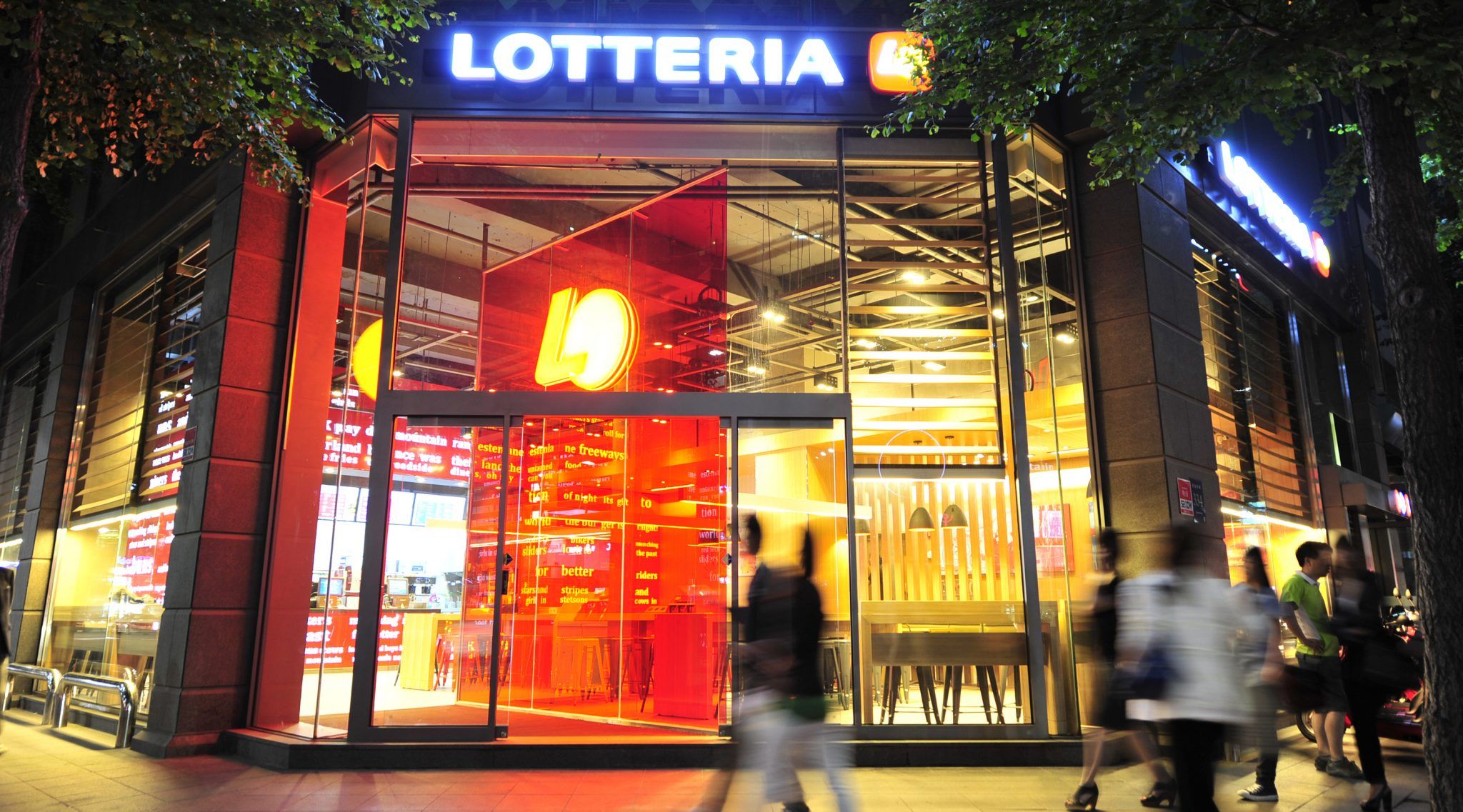
    Lotteria Vietnam has said that it will continue its business expansion in Vietnam amid Korean media reports of its closedown over a net loss of nearly US$9 million.

    The company, which is operated by Lotte GRS under South Korea’s Lotte Group, dismissed a media report that it would cease operations in Vietnam, a spokesperson told Tuoi Tre (Youth) newspaper on Saturday.

    There is an inaccurate understanding of the Korean media report, the Lotteria Vietnam spokesperson added.

    Lotteria Vietnam is proceeding with its normal business while an expansion is underway.

    The firm is expected to invest in a new plant at Long Hau Industrial Park in Long An Province, just outside Ho Chi Minh City, and open ten Lotteria stores in 2021.

    “We are working with our parent company in South Korea to clarify its new strategy,” the spokesperson told Tuoi Tre.

    The spokesperson further explained that Lotteria Vietnam is still operating its franchise business and has reached almost 100 franchised restaurants.

    Entering the Vietnamese market in 1998, Lotteria Vietnam is running over 260 outlets and is among the top fast-food chains in the Southeast Asian country.

    The Korea Times reported on Sunday that Lotteria Vietnam is not closing down.

    “It is true that Lotte GRS is leaving the Indonesian market but we are continuing with our franchise and food retail businesses in Vietnam,” the newspaper quoted a Lotte GRS official as saying.

    The paper seemed to correct its report on Friday that had cited “a Lotte GRS official” as saying “Lotteria Vietnam and others have met the requirements for closure starting this year.”

    Friday’s article said that Lotte GRS was in the process of closing down “Lotte Group’s food material supplier in Vietnam, which was established in early 2020 to expand Lotte GRS’ business in neighboring Southeast Asian countries.”

    “Lotteria franchises in Vietnam have all stopped operations and its headquarters in Seoul is reviewing the possibility of closing down the business within this year,” The Korea Times reported.

    The report went on to elaborate that Lotteria Vietnam did not make any profit for Lotte GRS in 2020.

    “Lotteria Vietnam’s book value stood at 26.8 billion won [$24 million] as of early last year, but declined to 15.6 billion won [$14 million] after recognizing 11.2 billion [$10 million] won in valuation losses,” the article said.

    “Its net loss surpassed 10 billion won [$8.9 million] in one year.”
  • Nathan’s Famous opening in Southeast Asia

    Nathan’s Famous opening in Southeast Asia

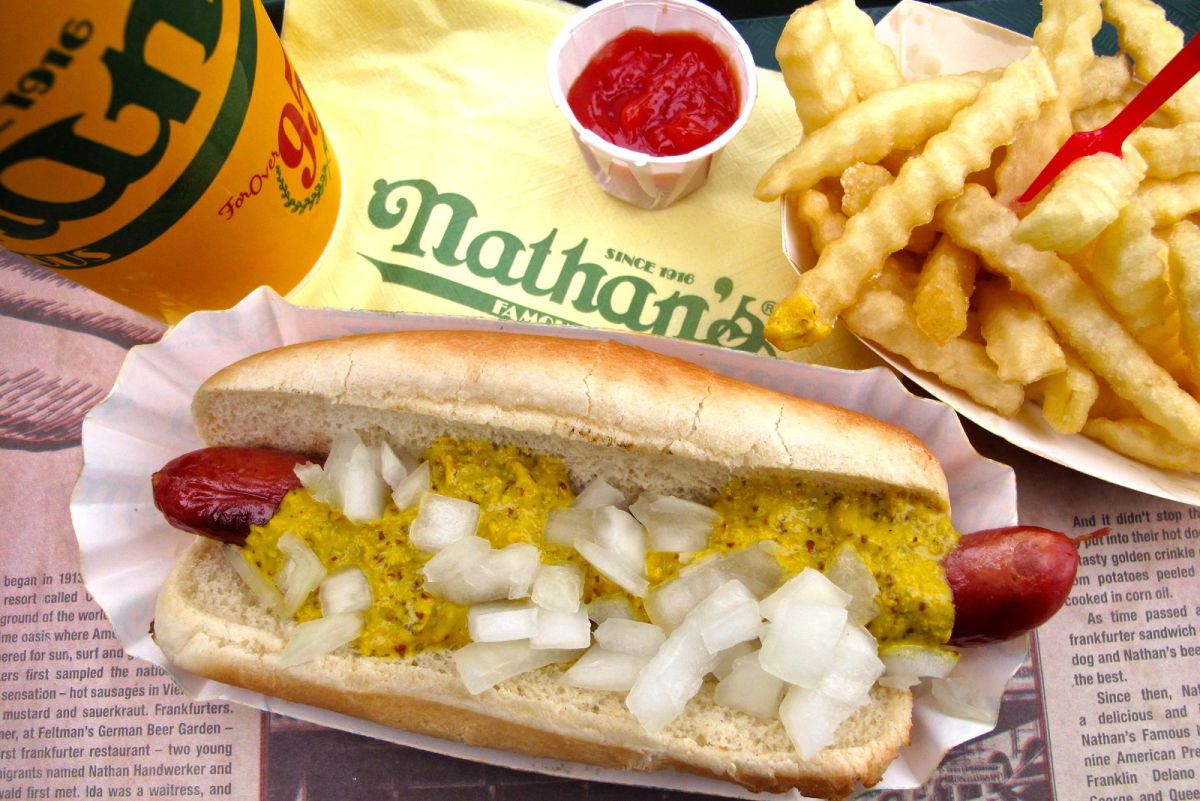
    Nathan’s Famous, Inc., the American tradition serving New York favorites for more than 100 years, today announces the expansion of their products to Mexico City, Brazil, Canada, Indonesia, Malaysia and Singapore. The brand will also introduce its new virtual kitchen concept, Wings of New York, in all locations, with the exception of Brazil. Nathan’s Famous and Wings of New York will be available in a multitude of ways, including brick and mortar locations, ghost kitchens or retail, depending on the market.

    “This is an exciting time for Nathan’s Famous and Wings of New York,” said James Walker, SVP, Restaurants. “We are embarking on a new chapter in our company as we continue to grow the brand’s presence all across the globe. In some areas, new locations will build upon a current customer base, while other locations will be the first time consumers can experience the true flavor of New York and we look forward to the opportunity to reach these new customers.”

    Nathan’s and Wings of New York expansion includes the following countries:

    • Mexico – Through its partnership with VIRKO, Nathan’s Famous will open two locations in Mexico City by the end of March. The brand has plans for a total of four locations, including Wings of New York.
    • Canada – Nathan’s Famous continues its partnership with Ghost Kitchen Brands to bring six locations in Toronto and Alberta by this Spring, with a total of 10 locations across both brands.
    • Indonesia, Malaysia and Singapore – Through a partnership with Intelligent Kitchens, Nathan’s Famous will bring both its flagship brand and Wings of New York to the three countries, with plans to open more than three locations starting in February.
    • Brazil – Nathan’s Famous Brazil will begin to offer Nathan’s Famous products through retail and foodservice in late April via three to five kiosks, with the possibility of Ghost Kitchens across San Paulo in 2021.

    This continued expansion through brick-and-mortar stores, ghost kitchens and retail makes Nathan’s Famous available in 16 countries around the world. The Nathan’s Famous menu will include the brand’s signature hot dogs and crinkle cut fries, as well as premium beef burgers, crispy and grilled chicken sandwiches, premium milkshakes and much more. The Wings of New York menu will include tenders a la carte, wings and French fry combos and Harlem-style chicken and waffles.

  • Pizza Hut, KFC sales shrink in China as Covid-19 locks restaurants out

    Pizza Hut, KFC sales shrink in China as Covid-19 locks restaurants out

    Running restaurants in China is tough when a big part of the population stays home to avoid catching the coronavirus.

    Yum China , operator of KFC and Pizza Hut in the country, gave a glimpse of the current predicament in results posted after the U.S. close Wednesday. It has temporarily closed more than 30% of its restaurants in China, and business has been bad even for the ones that remain open. Sales during the Lunar New Year holiday were down 40%-50% compared with last year, excluding newly opened outlets.

    The company, which was spun off from Yum Brands in 2016, said it may report operating losses for this quarter—and even for the full year if the trend continues. Yum China’s New York-listed shares fell 3% in after-hours trading.

    KFC and Pizza Hut aren’t the only chains that have had to shut restaurants because of the outbreak, which has infected nearly 30,000 and killed more than 500 so far. Starbucks and McDonald’s have also temporarily closed some of their outlets in China. The former, in particular, could get hurt as customers opt to stay at home instead of chilling out in its coffee shops.

    Yum China could soften the blow with its delivery business, which accounted for nearly a quarter of its revenue last quarter. It said it would also try to reduce its costs. Some of these—food, labor, advertising and rent—are variable, but the company will still incur substantial fixed costs through the closure period.

  • Taco Bell prepares to debut in two Southeast Asian markets

    Taco Bell prepares to debut in two Southeast Asian markets

    U.S. fast-food chain Taco Bell plans to double its international footprint with Asian markets as the main driver for overseas growth as awareness about Mexican cuisine grows, a senior executive said on Wednesday.

    The Mexican-inspired Yum! Brands subsidiary, which has 7,000 restaurants in the United States, will bring its overseas store count to “over 500 units this year with a goal of getting to a thousand units internationally in the next few years,” Liz Williams, President of Taco Bell International, said in an interview.

    Taco Bell retreated from Singapore in 2009. It returned to Japan in 2015 after withdrawing in the 1980s.

    “Consumers weren’t ready in terms of awareness and the brand wasn’t positioned right at the time,” she said.

    But thanks to a “heightened awareness” of Mexican food, broader palettes and brand exposure by millennials from more travel and technology, at least half of the new units will come from the Asia-Pacific region, she said.

    Taco Bell, which sells tacos and burritos, was also adding new flavors and items for local markets citing that its signature sauce was modified for its new store in Thailand, which will open on Thursday.

    “We’ve amped them up significantly,” Williams said, because research showed the sauce was not hot enough for Thai palette.

    Vinegar notes were also dialed down, which were said to be unpopular with locals, Williams said.

    Taco Bell, with franchise partner Thoresen Thai Agencies Pcl plans 40 stores in Southeast Asia’s second-largest economy by 2022.

    Last year it doubled store count in India to 32 and signed two franchise agreements for 110 new stores across Australia and New Zealand by 2024.

  • McDonald’s launches new growth strategy; beats profit estimates

    McDonald’s launches new growth strategy; beats profit estimates

    It will also debut a “McPlant” line of plant-based menu items, though it declined to say which suppliers it would use for faux burger, faux chicken and breakfast items. It previously tested a vegan “P.L.T.” burger by Beyond Meat in Canada.

    The world’s biggest burger chain beat revenue and profit estimates for the third quarter on Monday as customers in the United States ordered more hamburgers and fries in drive-through outlets and on delivery apps to avoid dining out during the pandemic.

    Overall, global sales fell 2.2% in the quarter, an improvement over the previous quarter’s drop, as McDonald’s had already announced in an October update.

    The company’s limited-time promotional deal with rapper Travis Scott, which caused shortages of some ingredients, and other marketing investments also helped sales bounce back from pandemic lows.

    Through 2022, the chain plans to spend about $2.3 billion (£1.7 billion) on capital expenditure, about half of which will build new stores, with some of the rest used for remodels stalled by the pandemic.

    Next year, McDonald’s will focus on core products such as burgers, coffee and chicken, including a new Crispy Chicken Sandwich – something some franchisees have long sought in order to compete with the success of similar products at Popeyes, a unit of Restaurant Brands International and Chick-fil-A.

    It will also redesign its packaging globally. And soon, it will launch another growth driver that other chains have long had — a loyalty program.

    “MyMcDonald’s” digital program will allow customers who sign up to get tailored offers, the company said. A loyalty rewards program using the MyMcDonald’s program will start as a pilot in the coming weeks in Phoenix and next year across the United States.

    Finally, it will build some locations without any dining rooms to focus on carryout, drive-through and delivery only.

    Despite some sales recovery and better-than-forecast margins, the company is still pressured in key markets outside the United States, including France, Germany and Britain by new lockdown restrictions due to a spike in coronavirus cases.

    McDonald’s total revenue fell about 2% to $5.42 billion in the three months ended Sept. 30, largely recovering from the over 30% plunge posted in the second quarter.

    Analysts on average had estimated revenue of $5.40 billion, according to IBES data from Refinitiv.

    Net income surged 10% to $1.76 billion, helped by gains from the sale of a part of McDonald’s stake in its Japanese affiliate.

    Excluding those gains, the company earned $2.22 per share, beating estimates of $1.90.

  • Jollibee increases stake in Tim Ho Wan

    Jollibee increases stake in Tim Ho Wan

    Despite uncertainties in the food industry due to the coronavirus pandemic, Jollibee Foods Corporation is increasing its stake in the ultimate holding entity of popular restaurant chain Tim Ho Wan.

    Through its subsidiary Jollibee Worldwide, it increased its stake in the Michelin-starred restaurant to 85% from 60% by purchasing the 25% interest of Aragon Investments in Titan Dining, the private equity fund and ultimate holding entity of Tim Ho Wan.

    The transaction worth SGD36.3 million to be paid in cash is expected to be completed on October 30.

    In May 2018, Jollibee invested SGD45 million in Titan Dining, representing a 45% stake. The deal gave Jollibee an opportunity to acquire a “substantial ownership” in the dim sum restaurant chain’s master franchisee in the Asia Pacific in 7 years.

    When the deal was made, Tim Ho Wan and its affiliate Dim Sum Pte Ltd, which owns and operates Tim Ho Wan stores in Singapore, also had franchisees in Cambodia, Indonesia, Japan, Macau, Taiwan, Thailand, Vietnam, Australia, and the Philippines.

    In October 2019, Jollibee increased its investment to SGD120 million, representing a 60% stake.

    Jollibee then opened the first Tim Ho Wan restaurant in China in September 2020.

    Jollibee currently has 3,247 restaurants in the Philippines and 2,566 stores overseas.

  • California Pizza Kitchen opens new outlets in Manila and Daegu

    California Pizza Kitchen opens new outlets in Manila and Daegu

    The openings in Salt Lake City, Manila, and Daegu, South Korea, mark the beginning of CPK’s emergence from Chapter 11 bankruptcy. Los Angeles-based California Pizza Kitchen (CPK) has opened new franchise locations in Salt Lake City as well as Manila, Philippines, and Daegu, South Korea, as it begins to emerge from its Chapter 11 restructuring process, the company announced.

    CPK is planning three additional new international locations that are already under construction.

    CPK announced in July that it had filed for Chapter 11 protection and had entered into a restructuring support agreement with lenders to equitize most of its long-term debt.

    The new stores are located at the Salt Lake City Airport; the Evia Mall in Manila; and the Daegu Mall in Daegu. The Manila restaurant will be CPK’s fifth location in the Philippines, while the Daegu store is the seventh in South Korea. According to a CPK press release, the openings offer “evidence of the company’s strategic expansion in growing markets and its business and financial health.”

    “This has been truly an unprecedented year due to COVID-19 headwinds, but these openings and future construction highlight the confidence we and our partners have in the strength of the brand and its restructuring plan,” said Giorgio Minardi, CPK’s executive vice president of global development and franchise operations.

    The new Philippines location opened at the Evia Mall after government officials eased COVID-19 lockdown restrictions. All new restaurants will implement rigorous cleaning and safety measures, the press release said.

    “We’re very proud to partner with Pie Co., Seoulland, and HMSHost and expand our franchise relationships in these three CPK markets,” Minardi said. “It takes a lot of trust, passion, and strength during these times to make such an investment, and these openings are a clear indication of that commitment.”

  • Pizza chains post double-digit growth

    Pizza chains post double-digit growth

    With over 180 outlets, three popular pizza chains in Vietnam posted double-digit growth last year with combined revenues of over $83 million.

    American chain Pizza Hut was the revenue leader with VND749 billion ($32.2 million), up 22 percent year-on-year; followed by Thailand-headquartered The Pizza Company, which passed the VND600 billion revenue mark last year, up 24 percent; and Vietnam’s Pizza 4Ps with VND568 billion, up 38 percent.

    As one of the earliest pizza chains established in Vietnam, Pizza Hut has had the advantage of being a market pioneer and has now operated for 14 years with over 90 outlets nationwide.

    But as new players entered the market, its growth fell to below 20 percent annually in the 2015-2018 period; even down to 6 percent in 2017-2018.

    Second-placed The Pizza Company has been rapidly expanding in Vietnam since 2013, its number of stores second only to Pizza Hut at over 70 nationwide. It also took the company just six years to pass the VND600 billion revenue mark, while it took Pizza Hut 12 years to record the same figure.

    While it is in third place with just 20 stores, Pizza 4Ps’s revenue last year was only 8 percent behind that of The Pizza Company.

    It was also the only of the three that posted profits of over VND50 billion in the last two years. Pizza Hut has reported losses in three of the last four years while The Pizza Company has done so for three years in a row.

    Euromonitor International, a London-based strategic market analyst, estimated the value of Vietnam’s pizza market at $120 million in 2017.

  • Top fried chicken restaurant chains post growth

    Top fried chicken restaurant chains post growth

    Vietnam’s three most popular fried chicken restaurant chains earned combined revenues of VND4.3 trillion ($185.5 million) last year, up more than 11 percent year-on-year. South Korean brand Lotteria recorded the highest revenues at VND1.68 trillion ($72.5 million), up nearly 8 percent year-on-year. It has the highest number of outlets in Vietnam at over 210 in more than 30 localities.

    Lotteria’s performance was an improvement with over the 2 percent growth rate recorded in 2018 and 2017, but smaller than the double-digit rate it enjoyed from 2014-2016.

    It was followed by American brand KFC with revenues of nearly VND1.5 trillion ($64.3 million), up 1.3 percent year-on-year. In 2018 and 2017 its growth rate was 7.5 and 18.3 percent respectively.

    KFC, the earliest of the three to enter Vietnam, has over 140 outlets in 32 localities. In third place, with revenues of VND1.1 trillion, was a Filipino brand Jollibee. With over 100 outlets, Jollibee posted the highest growth of the three at over 40 percent year-on-year.

    In the last three years, its annual growth rate has averaged over 37 percent, several times that of KFC and Lotteria. But of the three chains, only KFC posted a pre-tax profit of VND102 billion last year, its fourth consecutive profit-making year.

    Both Lotteria and Jollibee have been reporting losses in the last five years. Last year, the two chains reported losses of VND22 billion and VND10 billion, respectively.

    Market observers have attributed the slower growth of fast-food chains in recent years to changing eating habits among the Vietnamese, who are prioritizing health over convenience.

    Market research firm Nielsen had said earlier in a report that there was an increasing percentage of Vietnamese identifying health as a sign of success instead of richness. The rising number of food contamination cases and environmental issues have also prompted people to care more about health issues, it said.

    In 2018, there were 7,000 fast food outlets in Vietnam, a relatively insignificant number considering there are around 540,000 food and beverage businesses comprised of 430,000 street vendors, 80,000 restaurants, and 22,000 cafes and bars, according to Dcorp R- Keeper, a global company which provides technological solutions to food and beverage businesses.

  • Popeyes may immediately stop all operations in South Korea

    Popeyes may immediately stop all operations in South Korea

    American fast-food chain Popeyes said it is to withdraw business from South Korea, however, the local franchisee TS Corporation has denied the report.

    According to The Korea Times, reports of the exit began when a memo was written by a Popeyes’ employee headed “Popeyes brand will no longer pursue business in Korea as of November” went viral on social media. The employee’s memo went into detail, to the point of stating that the chain’s Gwangjin-gu branch would be the last to close before the brand ceases its operations in South Korea.

    A spokesperson from TS Corporation confirmed that some of the restaurants will shut down – but not all of them. The person didn’t share any further information except to state that the company will continue to operate the brand there.

    The struggling fast-food chain has been attempting to turn its fortunes around for two years, however, the process has not gone smoothly.

    Having entered South Korea with TS Food & System in 1993, the company recorded an impaired equity ratio of 40 percent, and last year it was in negative equity.

    Local media said Popeyes has recently been in negotiations with another operator to increase the brand’s value. That company is believed to be SPC Group, which operates Shake Shack and Eggslut in the country, but that has not been confirmed.

  • Burger King unveils ‘touchless’ hamburger ordering concept

    Burger King unveils ‘touchless’ hamburger ordering concept

    Burger King has unveiled a new ‘touchless’ concept store, designed to meet the challenges of business during a pandemic and adapt to the future “new normal”.

    The US store features physically contactless experiences such as mobile ordering and curbside pick-up areas and drive-in and walk-up order areas.

    “In March our in-house design and tech team accelerated new restaurant design plans and pushed the limits of what a Burger King restaurant could be,” said Josh Kobza, COO at Restaurant Brands International.

    “We took into consideration how consumer behaviors are changing and how our guests will want to interact with our restaurants. The result is a new design concept that is attractive to guests and will allow our franchisees to maximize their return.”

    Designed in-house, the store is expected to provide multiple ordering and delivery modes and highlight a physical footprint 60-per-cent smaller than a traditional Burger King restaurant.

    A ‘drive-in’ service allows customers to park under canopies doubling as solar power harvesting panels and place orders by scanning a QR code from the Burger King app. For mobile and delivery orders, customers can pick up their orders at coded food lockers.

    To reduce its physical footprint, the store features a “suspended” kitchen and dining room located above the drive-thru lanes. Orders will be delivered from the suspended kitchen by a conveyor belt system, and each lane has its own pick-up spot.

    “The designs we’ve created completely integrate restaurant functionality and technology, said Rapha Abreu, global head of design at Restaurant Brands International. “We designed the interior and exterior spaces like we had a blank sheet of paper, designing without preconceived notions of how a Burger King restaurant should look.”

    Burger King’s first new design stores will be built next year in Miami, Latin America and the Caribbean.

  • KFC most favored fast food chain in Vietnam

    KFC most favored fast food chain in Vietnam

    American chain KFC is the most frequently visited fast food restaurant chain in Vietnam, with 45 percent of respondents visiting its stores often, a new survey found. It is followed by South Korea’s Lotteria with 17 percent of 600 respondents, and American restaurant chains Pizza Hut and McDonald’s both at 6 percent, according to the survey by Ho Chi Minh City-based market research firm Q&Me.

    Top reasons cited for favoring KFC were: delicious food (66 percent); convenient location (63 percent); suitable for family and the youth (60 percent); and variety on the menu (56 percent).

    The survey found 87 percent ordering food online from fast-food chains. Of these, KFC was the most ordered from at 52 percent, followed by Lotteria (30 percent) and Pizza Hut (21 percent).

    “Now” was the most popular delivery app for fast food online orders with 24 percent of the respondents opting for it, followed by GrabFood (20 percent). In Vietnam since 1997, KFC now has 135 outlets, mainly in HCMC and Hanoi, Vietnam’s two biggest metropolises, while Lotteria has around 200. Market research firm Euromonitor said in a recent report that international players dominate the limited-service restaurant market in Vietnam, since local independent chains are mostly small family-based businesses with insufficient resources to take on the big players.

    But, as a whole, fast food chains are experiencing slower growth. Market observers have said one of the reasons could be that the eating habits of Vietnamese are changing, with health being prioritized over convenience.In 2018, there were 7,000 fast food outlets in Vietnam, a relatively insignificant number considering there are around 540,000 food and beverage businesses comprised of 430,000 street vendors, 80,000 restaurants and 22,000 cafes and bars, according to Dcorp R- Keeper, a global company which provides technological solutions to food and beverage businesses.

  • Yum China opens first Taco Bell restaurant in  Beijing QSR

    Yum China opens first Taco Bell restaurant in Beijing QSR

    Yum China has launched Beijing’s first Taco Bell store, in the Liangmaqiao district.

    The Taco Bell Beijing store offers the brand’s nachos and tacos along with exclusive local selections for Chinese customers such as a rice bowl, seasoned bone chicken and taco pizza.

    “The Beijing store reflects Taco Bell’s reputation as a culture-centric, lifestyle brand that provides Mexican-inspired food with bold flavors,” the company said in a statement.

    Taco Bell Beijing features colorful art walls, illustrating local’s landmarks and culture. The restaurant also houses an open kitchen, allowing customers to see food cooking and preparing process. Mobile pre-orders and takeaway are available in this new store.

    “The new store integrates Taco Bell’s signature food and spirit into the local community,” said Joey Wat, CEO of Yum China. “We believe that there is a growing appetite for Taco Bell, and we will continue to review and refine Taco Bell’s service model and offerings for the Chinese market.”

    Since entering the country in 2016, Taco Bell has opened 11 stores across China, including those recently launched in Shenzhen and Ningbo.

  • Fatburger to buy Johnny Rockets

    Fatburger to buy Johnny Rockets

    Fatburger’s parent, Fat Brands, is to acquire the US restaurant chain Johnny Rockets. The acquisition, worth about US$25 million, is expected to be completed this September.

    Founded in 1986, Johnny Rockets is known for its 1950s diner-style decor, serving hamburgers, sandwiches, hand-spun shakes and malts. The restaurant chain operates more than 325 locations across more than 25 countries.

    “Similar to Fatburger, Johnny Rockets got its start in Los Angeles, and we couldn’t be more pleased to add another true staple in our home city to our portfolio,” said Andy Wiederhorn, president and CEO at Fat Brands. “This acquisition is a transformative event for Fat Brands in terms of scale and brand awareness. We see a lot of synergy with Johnny Rockets and our current restaurant concepts and we are eager to take the brand to new heights.”

    The acquisition of Johnny Rockets will increase the number of Fat Brands’ franchised and company-owned restaurants to more than 700 with annual system-wide sales exceeding US$700 million, according to the company.

    Fat Brands currently owns eight restaurant chains, including Fatburger, Buffalo’s Cafe, Hurricane Grill & Wings, Elevation Burger, and Bonanza Steakhouses, and franchises more than 375 units worldwide.

  • Yum China committed to fuel network growth despite Covid-19’s impact on profit

    Yum China committed to fuel network growth despite Covid-19’s impact on profit

    Not even a deadly pandemic is slowing Yum China’s rapid expansion program, with the company on track to open 850 stores this year.

    Yum China this month marked its 10,000-store milestone, opening a KFC in Bo’ao, Hainan province, and CEO Joey Wat says Covid-19 won’t impact this year’s store rollout plan.

    “With our innovation capabilities, strong digital strategy, and resilient business model, I believe we will emerge from this pandemic stronger than ever, and ready to capture the exciting long-term market opportunity in China.”

    Wat’s comments accompanied the release of second-quarter results showing Yum China sales recovered from the lockdown-hit first quarter. However, while 99 percent of stores had reopened by the end of June, sales and profit were “trending unevenly”. Sequential sales growth in April and May, was followed by softening revenues in June, impacted by reduced foot traffic at transportation and tourist locations.

    “These factors and the lingering effect of Covid-19 continue to impact operations in July,” the company said.

    Total sales fell 11 percent year on year to US$1.9 billion, or by 7 percent excluding the effect of exchange rates.

    Total system sales declined 4 percent year on year, falling 6 percent at KFC and 12 percent at Pizza Hut, while same-store sales fell by 11 percent: 10 percent at KFC and 12 percent at Pizza Hut.

    Yum China used digital channels to drive sales during the quarter as a means of adapting to a changing retail environment under the shadow of Covid-19. Delivery and takeaway sales grew strongly over the previous year and now account for more than half of all sales. Purchases by members of Yum China’s loyalty programs grew at a double-digit rate and now account for 60 percent of turnover. About 80 percent of orders were completed digitally.

    What is positive about the company’s prospects despite the pandemic concerns.

    “Our business model is resilient and adaptable. We quickly adjusted our operations and marketing campaigns to meet evolving consumer preferences and market limitations. Rapid innovation, our leading digital infrastructure, and our membership program supported product launches and value offers that were necessary to drive traffic. We protected margins through the flexible cost structure we have developed and optimized over the years. These, along with our other core capabilities such as supply chain and operations, make me confident in our ability to navigate the challenges ahead.”

    Yum Brands entered China in 1987 with a single KFC store in Beijing, later launching Pizza Hut and Taco Bell. The company also operates the East Dawning, Little Sheep, Huang Ji Huang and Coffii & Joy brands, with stores in more than 1400 cities and towns across Mainland China.