Tag: Fastfood

  • PizzaExpress in takeover talks

    PizzaExpress in takeover talks

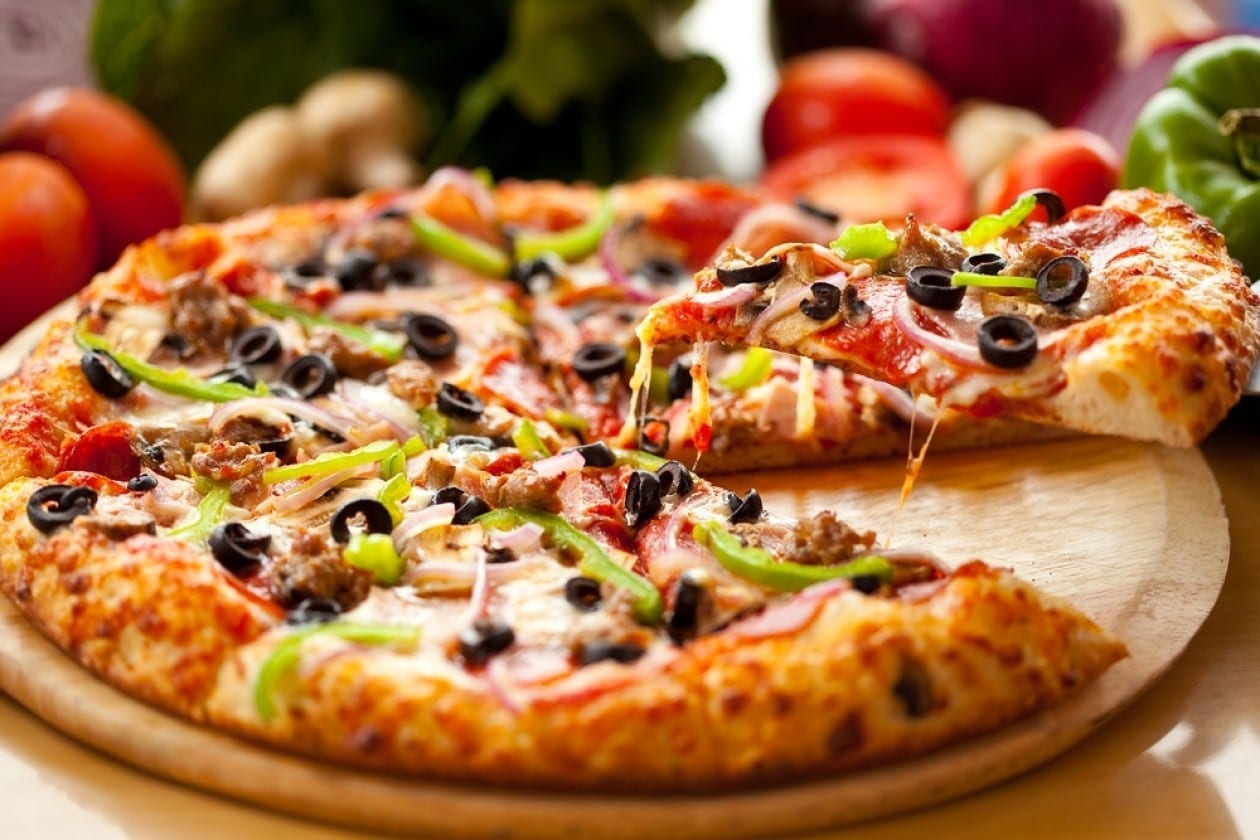
    A group of senior bondholders to PizzaExpress is in talks to potentially provide new funding in a deal that could see them take over much of the company from owners Hony Capital.

    Creditors including Cyrus Capital Partners, HIG Capital and Bain Capital Credit have proposed injecting cash into the casual-dining chain in exchange for taking control of its core UK and Irish business, according to people familiar with the matter.

    As part of the deal, Hony Capital may keep the Chinese arm, the people said, asking not to be identified because they’re not authorized to speak publicly. The terms of the proposal aren’t set and could change, they said.

    External spokespeople for PizzaExpress and Bain declined to comment. Representatives for Cyrus Capital and HIG didn’t return calls and emails from Bloomberg seeking comment. Officials at Hony didn’t respond to a request for comment outside business hours.

    After buying the company in 2014, Hony expanded its branch network into China at a time when Britain’s retail sector was starting to struggle amid changing consumer habits. PizzaExpress profits came under pressure and last year the company hired advisers to prepare for talks with creditors over its debt, which stands at around US$1.38 billion.

    Hony bought back some of PizzaExpress’ riskier bonds last year in an attempt to fend off a potential creditor takeover and keep control of the business. Since then, however, the Covid-19 crisis has disrupted its efforts to implement a financial overhaul.

    Early in May, PizzaExpress said it partly used credit lines provided by investment fund HPS to repay a revolving-credit facility and a super-senior loan from Hony Capital, and asked for bondholders’ consent to push back publication of its accounts.

    The possibility of creditors taking control of PizzaExpress was first reported by Britain’s Times newspaper.
  • KFC Thailand for sale

    KFC Thailand for sale

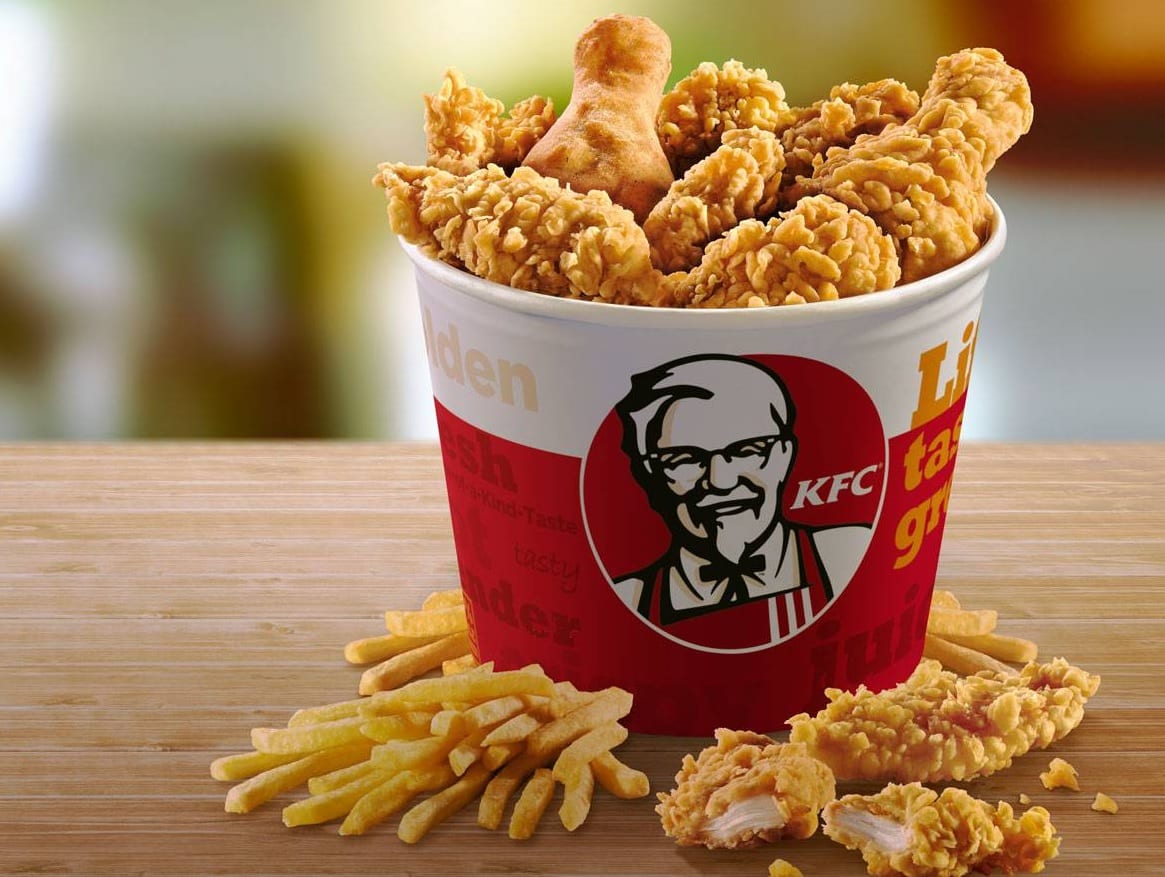
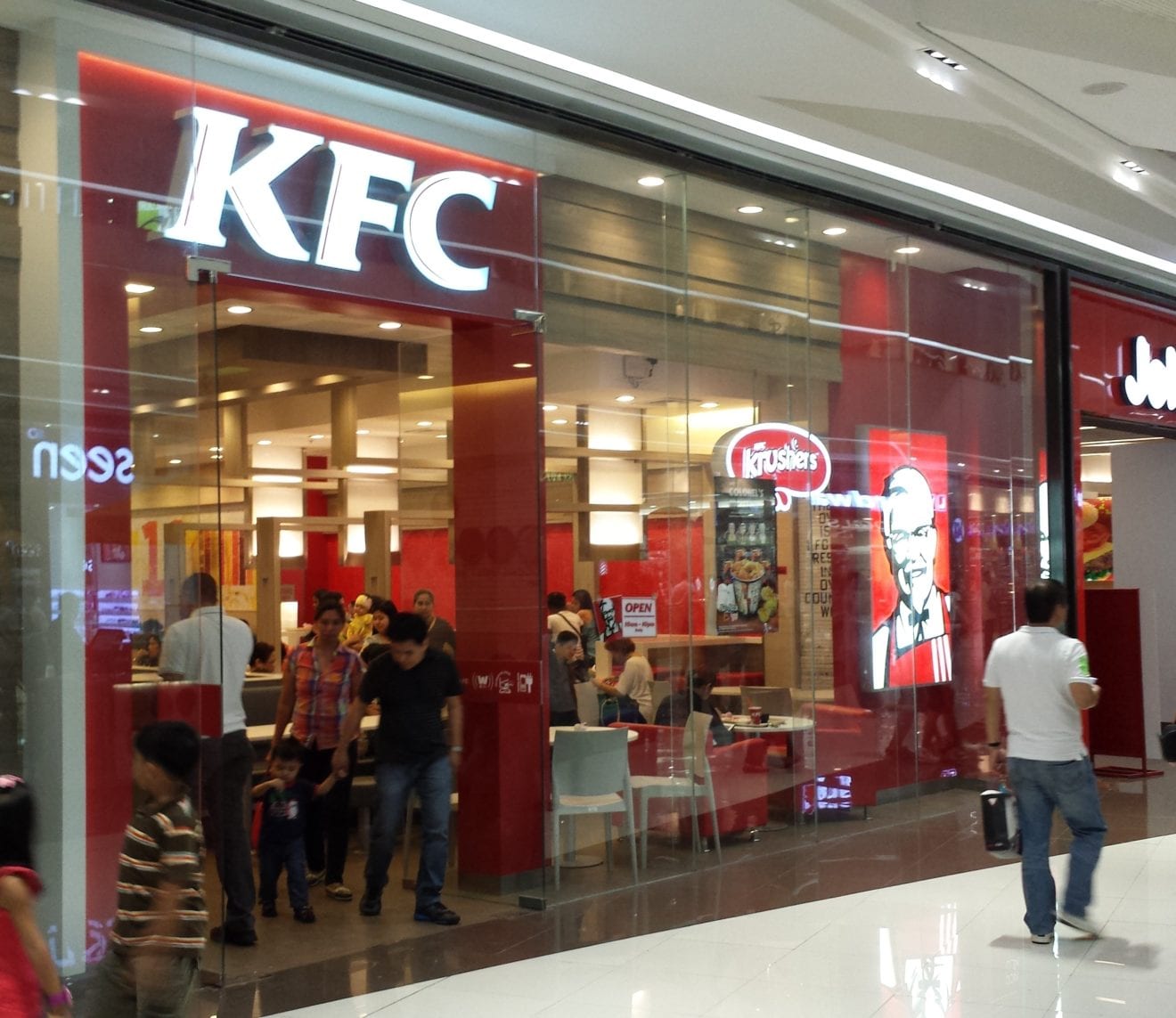
    A slice of KFC Thailand is being considered for sale by franchise owner Restaurants Development in a deal that could net $200 million.

    Sourcing people with knowledge of the matter, the firm is taking advice on a potential sale of the operation – which involves roughly 200 locations and 4000 staff. There is no certainty a sale will proceed and the source said discussions remained at an early stage with no formal bid yet tabled.

    Restaurants Development is backed by investors throughout Asia and operates KFC Thailand alongside Central Group (running 275 stores) and Thai Beverage – which purchased more than 240 KFC restaurants three years ago for roughly $361 million.

    Yum Restaurants International (Thailand) transformed itself into a 100-per-cent franchisor business in 2018 in an effort to yield optimal efficiency across the entire business operation.

  • Maxim set to open 15 Shake Shacks in Southern China

    Maxim set to open 15 Shake Shacks in Southern China

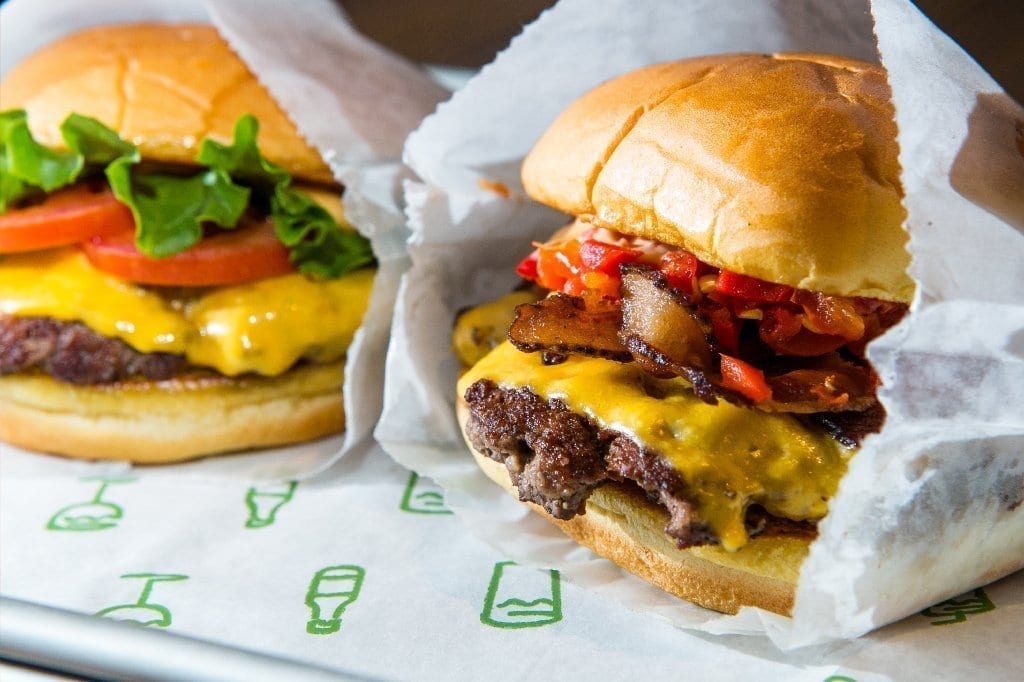
    American fast-casual restaurant chain Shake Shack is planning to open at least 15 new venues in South China by 2030.

    The chain, working through local licensee Maxim’s Caterers, a company controlled by Hong Kong’s Dairy Farm Group, will open restaurants in cities including Shenzhen, Guangzhou, Fuzhou, and Xiamen, with a goal of 55 Shake Shacks nationwide by 2030.

    Maxim’s currently operates Shake Shacks in Shanghai and Hong Kong, with Beijing and Macau under development and due to open later this year.

    “We remain humbled by our fans in China and continue to be encouraged by the performance of our Chinese business through this recovery,” said Shake Shack chief global licensing officer Michael Kark.

    “It’s a great time to deepen our roots in this market.”

    “Maxim’s partnership with Shake Shack has taken the brand on an exciting journey to Hong Kong in 2018 and Shanghai in 2019, with Beijing and Macau on the horizon,” said Maxim’s Caterers chairman and MD Michael Wu.

    “We look forward to bringing our boundless hospitality to more guests across South China in 2021 with our new expansion plans.”

  • Taco Bell opens in Malaysia soon

    Taco Bell opens in Malaysia soon

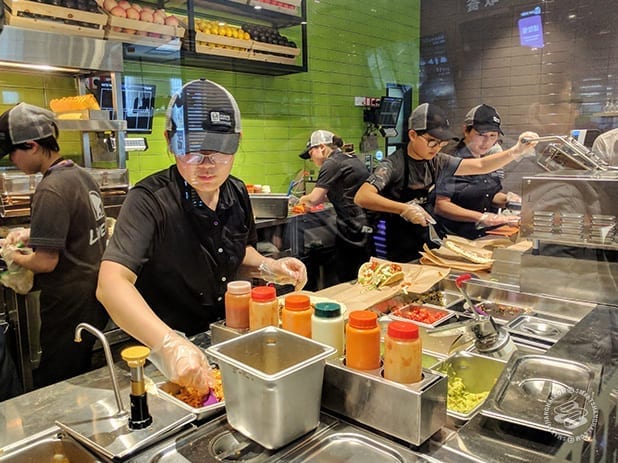
    American food-food chain Taco Bell is set to launch in Malaysia at Tropicana Gardens Mall in Kota Damansara.

    The opening has yet to be officially announced, but hoardings have appeared on a retail space within the mall announcing its imminent opening.

    Taco Bell will be operated by QSR Brands, which holds the Malaysian license for KFC and Pizza Hut, which are both owned by Yum Brands.

    While Taco Bell had outlets in Singapore that were subsequently withdrawn just over a decade ago, the franchise has recently announced intentions to expand in the Asia-Pacific market, where it already has locations in Thailand and the Philippines.

    The brand has also revealed intentions to enter Indonesia, while Thai operator Siam Taco is said to be eyeing Cambodia, Laos, Myanmar and Vietnam.

  • McDonald’s sales figures show marked improvement as Covid-19 lockdowns eased

    McDonald’s sales figures show marked improvement as Covid-19 lockdowns eased

    Newly released McDonald’s sales figures have shown a marked global improvement for the business sequentially from late March through May despite the continuing impact of the coronavirus pandemic.

    The information released ahead of the firm’s second-quarter earnings announcement, showed sales steadily improving throughout the period however they still remain negative compared to last year’s figures.

    Comparable McDonald’s sales figures across international markets for both April and May were heavily impacted by temporary restaurant closures in the UK and France, and to a lesser extent Italy and Spain. The firm saw strong drive-thru performance in Australia, and negative comparable sales in Germany, Canada and Russia.

    Sales in international licensed markets were primarily impacted by temporary restaurant closures across nearly all regions, most notably in Latin America. The results reflected continued negative comparable sales in China and positive comparable sales in Japan.

    The vast majority of markets are operating with drive-thru and delivery with limited menus and hours.

    A breakdown of figures for international licensed markets was not provided by the firm.

    “Our strong foundation and the unique advantages of the McDonald’s System, including a high percentage of drive-thru restaurants and investments in delivery and digital, have enabled us to adapt to the changing landscape presented by the Covid-19 outbreak,” said McDonald’s president and CEO Chris Kempczinski.

    “The steps we are taking in response to the pandemic and to accelerate recovery while continuing to serve the great and familiar taste of a meal from McDonald’s, will position us well for the next phase of this crisis.”

    The report shows 95 percent of McDonald’s restaurants around the world are currently open to serve customers.

  • McDonald’s sales rise in South Korea

    McDonald’s sales rise in South Korea

    Fast-food chain McDonald’s sales grew 9 percent in South Korea during the first four months of this year, in spite of the impact of the coronavirus pandemic.

    The firm’s MD Antoni Martinez made the announcement on McDonald’s Koreas’ Youtube channel, his first public address since his appointment in February.

    “With the Covid-19 pandemic posing serious challenges for the business, contactless platforms such as drive-thru and McDelivery in which McDonald’s made preemptive investments, have received a warm response from the public,” said Martinez.

    He said McDonald’s sales were boosted by the introduction of the Best Burger initiative and the establishment of convenient platforms.

    The Best Burger initiative refers to a change in McDonald’s entire burger preparation process, which was implemented in the territory in March. Korea is the fourth country to introduce the initiative, following New Zealand, Australia and Canada.

    McDonald’s Korea served around 400,000 customers every day last year at around 400 stores nationwide.

  • Yum China Lifts Off Beyond Burger in KFC, Pizza Hut, Taco Bell

    Yum China Lifts Off Beyond Burger in KFC, Pizza Hut, Taco Bell

    Yum China has entered into a partnership with plant-based meat manufacturer Beyond Meat to trial a burger at selected KFC, Pizza Hut, and Taco Bell locations within the country.

    The agreement marks the introduction of Beyond Meat’s Beyond Burger in Mainland China.

    “We see great potential for the plant-based meat market in China,” said Yum China CEO Joey Wat. “This latest introduction … is expected to capture valuable consumer feedback across different regions in China. It will enable us to optimize flavors and processes and help assess the potential for larger-scale rollouts in the future.”

    Beyond Meat founder and CEO Ethan Brown said Chinese consumers are seeking out the nutritional and environmental benefits of plant-based meats.

    The burger will be available at five KFC locations in Beijing, Chengdu, Hangzhou and Shanghai. The Pizza Hut offering will launch at six Shanghai locations and will constitute part of the brand’s first-ever burger offering. Taco Bell will offer a taco made with the plant-based Beyond Burger patty at three stores in Shanghai.

    All Beyond Burger promotions will be sold as a three-day limited offer.

    The move follows Starbucks China launching a range of foods using plant-based meat alternatives, including two pasta dishes and a wrap featuring Beyond Meat and another dish using OmniPork.

  • Jollibee Foods vows to make the most of Covid-19 virus opportunities

    Jollibee Foods vows to make the most of Covid-19 virus opportunities

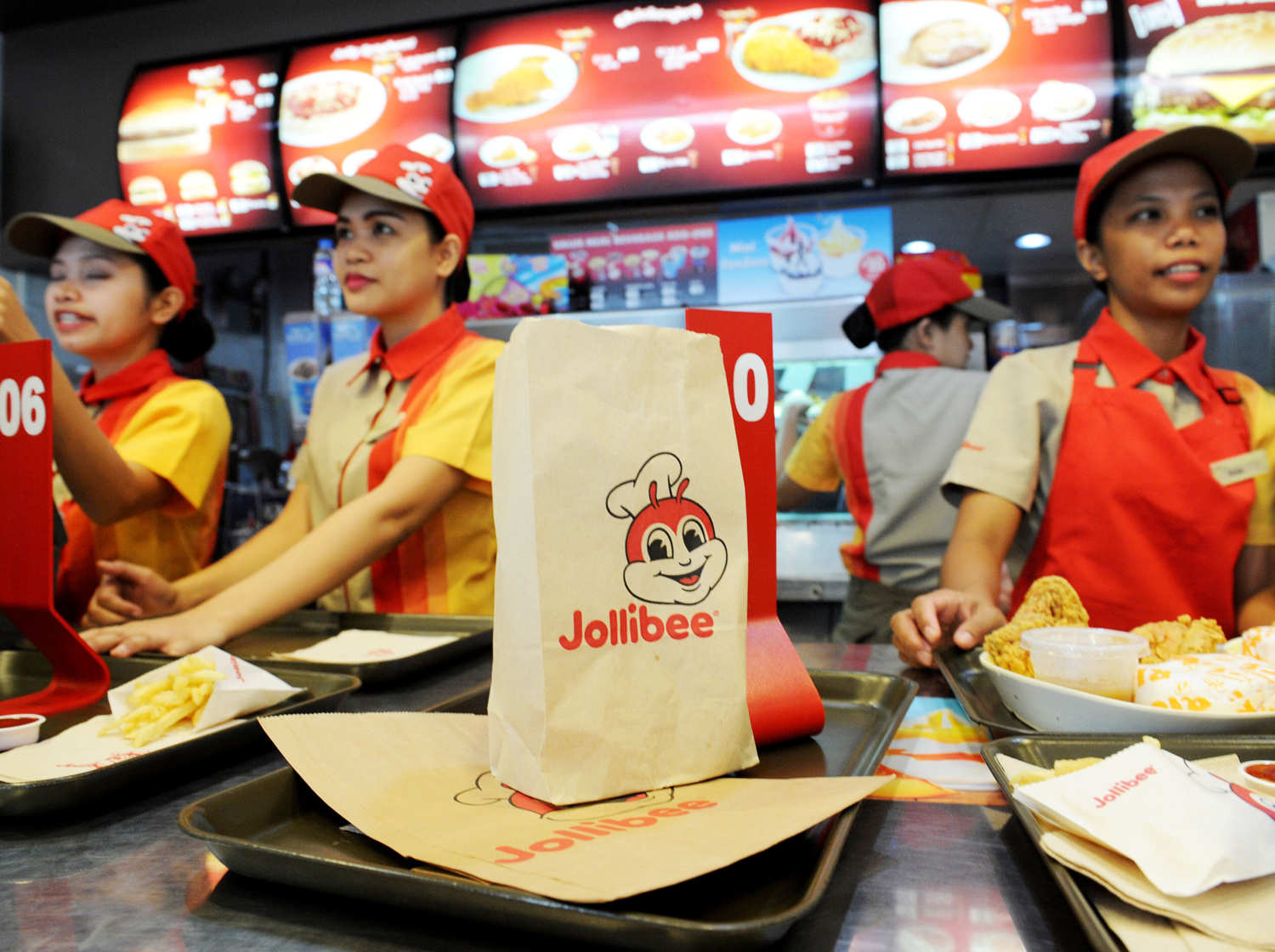
    Filipino restaurant operator Jollibee Foods is set to open 171 stores globally and renovate 96 outlets this year, aiming to capture prime locations made available in a weak economic climate brought on by the coronavirus pandemic.

    While that number of planned new stores is less than it predicted prior to the advent of Covid-19, the company still sees an opportunity to expand despite an extremely challenging start to the year globally.

    The firm will also spend US$137.9 million on a restructuring of its international business, which will include attention to non-performing stores, store network, supply chain facilities, and management and support group structure.

    Jollibee Foods will devote some resources to the establishment of new delivery and take-out services – including unmarked delivery outlets without dine-in facilities – in anticipation of a slow return to business-as-usual following the resolution of the pandemic.

    “2020 is an extremely challenging year for JFC as for most other businesses, but out of this transformation, we aim to emerge in 2021 as an even stronger business and organization,” said Jollibee chairman Tony Tan Caktiong.

    CFO Ysmael Baysa said the company expects its profit for 2020 will “not be good at all due to the overall economic environment. But like Caktiong, he put a positive spin on the crisis: “We are taking this opportunity to implement truly major changes in 2020 so that JFC will start 2021 in a much stronger position in terms of business model, operating efficiency, profitability and organization strength.

    “We will then resume strong and consistent profitable growth for the years ahead.”

    In January, Jollibee Foods reported a 14.4-per-cent drop in earnings after operating income fell by 25.1 percent.

    However a strong fourth quarter prevented a worse annual result, with operating income up 11.6 percent on a 23.2-per-cent boost on systemwide sales.

    “Practically all brands in the Philippines improved their same-store sales growth quarter on quarter, led by Jollibee, Red Ribbon, Greenwich and Burger King,” said a spokesperson then.

    Besides regional expansion across Vietnam, China and other Asian markets, the company is trying to restructure the troubled Coffee Bean business it bought last year and Smashburger, a year earlier. It is also looking to expand the Tim Ho Wan business in China and wants to open new restaurants under various banners in North America.

  • KFC tests plant-based chicken meals in China

    KFC tests plant-based chicken meals in China

    KFC has launched a three-day test of its plant-based chicken meals in China starting from today, April 28.

    Partnering with US food manufacturer Cargill, KFC China debuts its plant-based chicken nuggets, which are made from soy, wheat, and special pea, at selected stores in Shanghai, Guangzhou, and Shenzhen.

    “We are committed to embracing innovation and continue to delight and surprise our customers with tasty products,” said Joey Wat, CEO of Yum China. “The test of KFC’s Plant-Based Chicken Nuggets caters to the growing market in China for delicious alternative meat options on the go.

    “We believe that testing the plant-based chicken concept with one of our most iconic products will take this increasingly popular meatless trend to a new level.”

    Before the test was launched, consumers downloaded some 7000 coupons required to purchase the food from the KFC app. In Shanghai, the coupons sold out in just one hour. The company has also changed the layout and decor of participating stores to promote the initiative.

    KFC is not the only food-retailing brand to roll out plant-based meals in China this month – Starbucks recently launched a plant-based menu in stores across the country.

  • Burger chain Eggslut set to open in Korea and Singapore

    Burger chain Eggslut set to open in Korea and Singapore

    SPC Group, operator of Shake Shack in South Korea, is bringing Eggslut, the California-based egg sandwich chain, to Seoul.

    The group has acquired the rights to exclusively operate in South Korea and Singapore. The first Korean Eggslut store will be launched at the Starfield Coex Mall in Seoul in June.

    Details of a Singapore launch have yet to be revealed.

    “We are pleased to show Korean guests the special taste of Eggslut, which means someone who loves eggs,” said Jeff Vales, co-founder of Eggslut.

    “SPC Samlip has the standout production and supply chain of eggs, meat processing, vegetables, sauces, etc. based on baking technology. Therefore SPC Samlip is the best partner to maintain the high quality of the Eggslut menus,” he added.

    Founded by chef Alvin Cailan in 2011, Eggslut is famous for its egg sandwich made with a brioche bun, coddled egg and sriracha mayo sauce. The chain now operates stores in four countries including the UK and Japan.

  • Jollibee Singapore fined for flouting social-distancing rules

    Jollibee Singapore fined for flouting social-distancing rules

    A Jollibee Singapore outlet is among several businesses fined SG$1000 for breaches of the government’s social distancing mandate.

    Official enforcement measures found the franchise’s Woodlands MRT branch had neglected to ensure queueing customers and food delivery workers maintained one-meter spacing between them, despite issuing previous warnings.

    “The infringements included failure to implement a crowd management system and allowing customers and delivery personnel to crowd together without one-meter spacing between one another,” read a statement by the Singapore Tourism Board and Enterprise Singapore. “If these stores continue to flout the rules, they will face higher fines and can be charged in court.”

    In an official apology, Jollibee explained that a staff member on duty had been unable to control the queue due to “a strong surge in delivery orders and a corresponding increase in third-party delivery riders in the store.”

    The one-meter distance requirement, as well as mandatory wearing of face masks, has been in effect since April 12. Members of the Singapore public are encouraged to report infringements by email to Covid_GoBusiness@mti.gov.sg.

  • KFC Singapore launches contactless takeaway service

    KFC Singapore launches contactless takeaway service

    KFC Singapore has launched a contactless takeaway service, allowing customers to purchase safely during the circuit breaker period in the city.

    According to KFC, it is the first fast-food restaurant brand in Singapore to launch such a service. With “Contactless Takeaway”, customers can place orders via KFC Singapore’s app or its website and pick up the food at contactless pick-up tables in the chosen store.

    These contactless pick-up tables will be sanitised after each order is completed, the company said in the statement.

    “With the ‘Contactless Takeaway’ and ‘Contactless Delivery’ options, we are doing our very best to ensure that our famous fried chicken will be as accessible as always even during these trying times,” said Lynette Lee, GM at KFC Singapore.

    The ‘Contactless Takeaway’ service follows the ‘Contactless Delivery” option launched early last month.

  • KFC Japan celebrates 50th anniversary

    KFC Japan celebrates 50th anniversary

    KFC Japan will celebrate its 50 anniversary this year.

    After its successful trial at the Osaka Expo in March 1970, KFC Japan was founded on July 4 in honor of Independence Day in the fast-food chain’s home country, the US.

    The first KFC Japan store was opened in the suburban location of Nagoya in November that year.

    Back then, the term “fried chicken” wasn’t widely used in Japan. However, KFC is now one of the country’s most popular fast-food chains, and has even become a tradition at Christmas.

    To celebrate the 50th anniversary, KFC Japan has designed a logo for the event and plans to roll out TV commercials and special menu items later in the year.

    “In the changing world, KFC Japan will continue to express appreciation by providing delicious taste through food,” the company said in a statement.

    “We will express our sincere thanks through our products, campaigns and activities during our 50th anniversary year and promise to continue to protect the ‘deliciousness that no one can imitate’.”

    Japan is the third-largest market for KFC after China and the US, with 306 outlets directly operated by the company in Greater Tokyo and 826 restaurants run by franchisees in regional areas.

  • McDonald’s logo temporary changed to promote social distancing

    McDonald’s logo temporary changed to promote social distancing

    International fast-food chain McDonald’s logo has been altered in some global markets to emphasize the importance of social distancing during the coronavirus crisis.

    The popular restaurant chain is largely closed for dine-in business in certain hard-hit areas globally but remains open for delivery or takeout. Venues have been closed completely in the UK and Ireland, while only 5 percent of outlets in the US are now closing dining spaces.

    The new McDonald’s logo campaign was unveiled in Brazil, with the golden arches represented in the brand logo separated to remind patrons of the need to keep a distance from each other during the course of the pandemic. The campaign was soon taken up in India.

    “Our customers, employees and communities are counting on us now more than ever to provide them the meaningful support, delicious food and good-paying jobs,” said McDonald’s US president Joe Erlinger.

    A statement from the firm read: “Guidelines have been shared with franchisees and restaurant general managers to support crew in adhering to social distancing best practices while on the job. This includes, among other items, updating configuration of crew on shift and following contactless operations procedures, etc”.

    https://youtu.be/BFgW4S6zOQU

  • Yum China reopens most stores, reports recovering footfall

    Yum China reopens most stores, reports recovering footfall

    Yum China says it is witnessing “early signs of recovery” in Mainland China as business gradually resumes and people return to work.

    However, the company, which operates KFC, Pizza Hut and Little Sheep chains, said in an update to shareholders that restaurant traffic remains “heavily impacted” as people continue to implement social-distancing measures.

    Store closures peaked in mid-February when about 35 percent of the company’s network was closed, the remainder offering only delivery and takeaway services. However, trade for those still trading significantly declined. Same-store sales for Yum China were down by between 40 percent and 50 percent year on year during the Chinese New Year holiday period.

    This week, about 95 percent of Yum China’s stores had reopened either fully or partially and about 15 percent of those continued to offer only takeaway or delivery services.

    In its update, Yum China said that while customer volumes were slowly building, they remained well down on pre-outbreak levels.

    “The pace of recovery varies by region and is slower during weekends as people avoid going out. In recent days, same-store sales were down approximately 20 percent. Sales performance fluctuates as the recovery is uneven, and the situation continues to evolve,” the company said.

    Yum China launched contactless delivery in late January, which proved popular and supported the delivery business during a period of lower dine-in traffic. “Delivery sales grew year over year, and its mix as a percentage of company sales approximately doubled.”

    Yum China also launched contactless pick-up and corporate catering services as highly sanitary options for consumers and corporate customers.

    Now that the coronavirus crisis appears to have passed its peak in Mainland China, the company is considering resuming its network expansion program. Currently paused – largely due to a shortage of construction workers and traffic restrictions – the company says it will “continue to monitor the situation and work with local authorities, resuming new store openings when conditions allow”.

    “Despite a challenging start to the year, Yum China is here for the long run, and will ensure that it remains well-positioned for the long-term growth opportunities in China.”