Tag: Fastfood

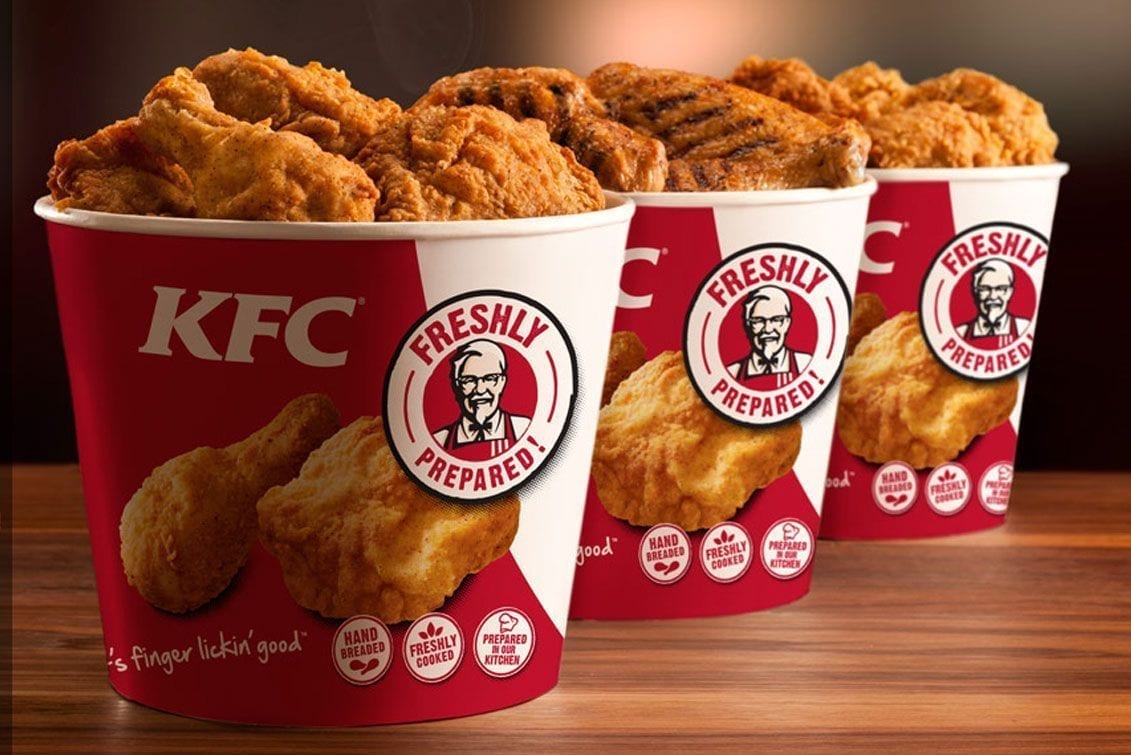
  • First franchised KFCs open in Chinese gas stations

    First franchised KFCs open in Chinese gas stations

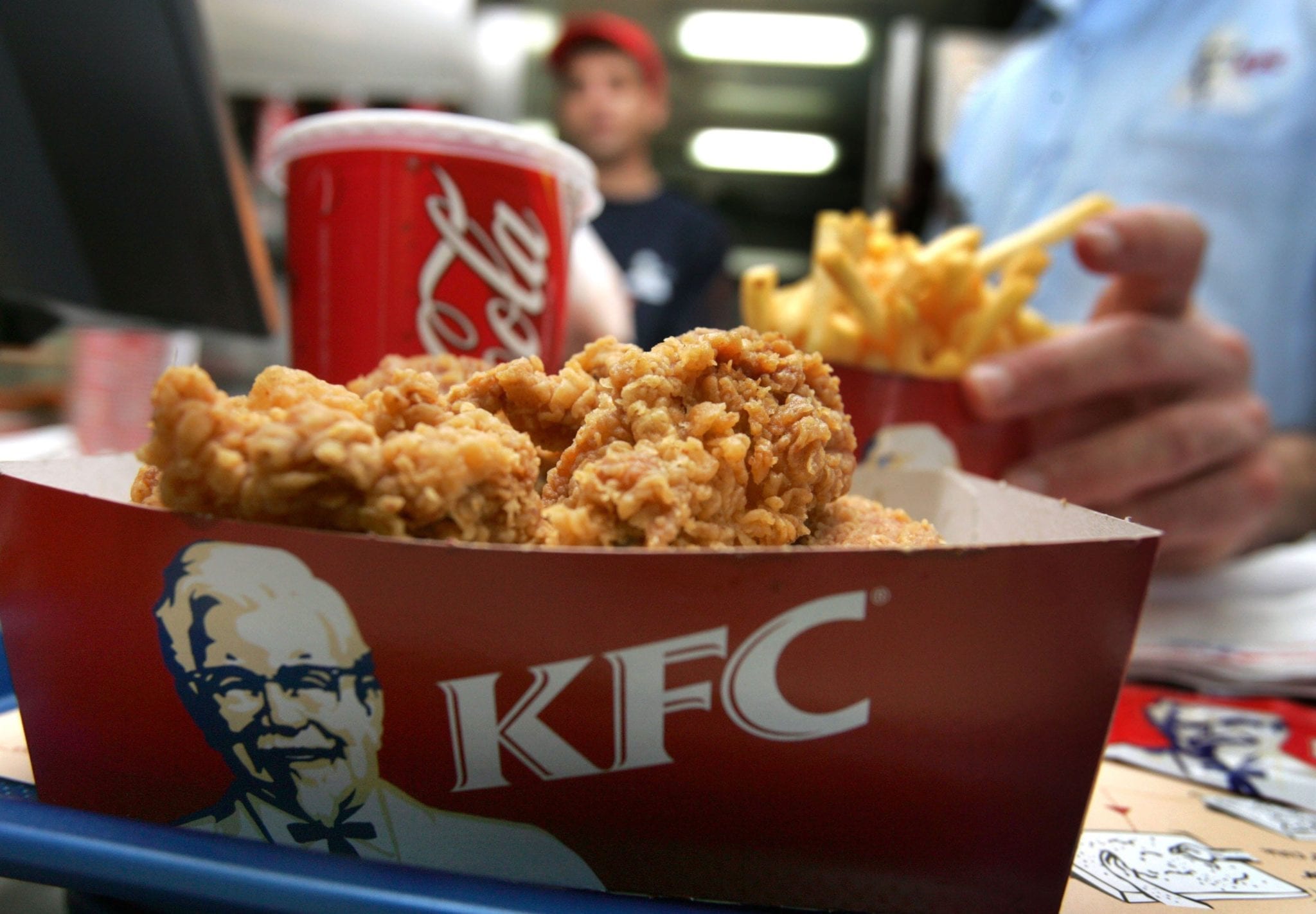
    Yum has announced the opening of its first franchised restaurants in Chinese gas stations, in collaboration with China Petrochemical Corporation (Sinopec) and China National Petroleum Corporation (CNPC).

    The first franchised KFC restaurant has been launched in a CNPC gas station in Yunnan Province while the first one in a Sinopec gas station is set to open its doors Liaoning Province next week.

    “The first franchised gas station restaurants represent an important milestone in our long-term strategic partnership with both companies,” said Joey Wat, CEO of Yum China. “Together with Sinopec and CNPC, we are committed to building a successful business model and creating innovation-driven growth together.”

    The partnership with Sinopec and CNPC will enable Yum China to expand its retail network into a previously underserved segment of the market as both companies collectively operate more than 50,000 Chinese gas stations.

    With the partnership, Yum China aims to open more than 100 stores in the next three years and create more opportunities to collaborate in other fields.

  • KFC urban concept unveiled in The Bronx

    KFC urban concept unveiled in The Bronx

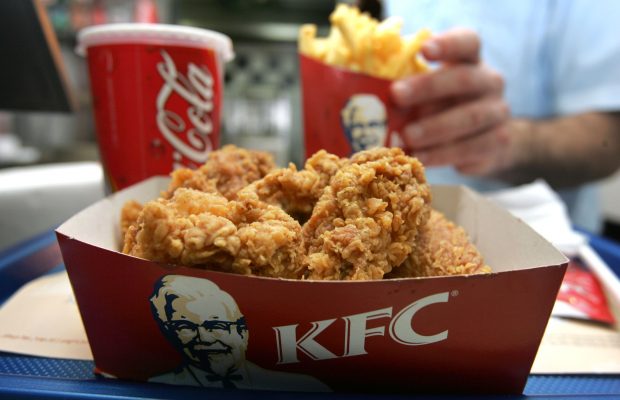
    KFC has unveiled its newest urban inline restaurant design in the Bronx, NYC. Influenced by Colonel Sanders-inspired hospitality and the hustle and bustle of the Bronx, KFC’s new concept design illustrates “the borough’s fast-paced, eclecticism”.

    Designed by FRCH Nelson, KFC in the Bronx features a brick wall with KFC’s signature red and white stripes and tagline “It’s finger-licking’ good”. Different pictures of Colonel Sanders hung on the other white focal wall.

    “The Bronx neighborhood has a rich history and has seen a great deal of urban renewal in recent years,” said Lauren Moorehead, associate design manager of KFC. “It is important for us to reach our customers where they are and through our work with FRCH Nelson we’ve been able to create our first urban inline design that makes our brand more accessible for residents of the Bronx community and nearby Fordham University.”

    The design features a modern style that “captures the Colonel’s vintage flavor while marking a stark departure from the chain’s early decor, modeled on Sanders’ first restaurant”.

    Design director at FRCH Nelson, Marty McCauley, said working with a brand historically known for its southern hospitality, the agency created a design that maintained the great experience, but also looked to fold in a distinctly edgier attitude to deliver on the feistiness of what guests see from KFC in commercials and on social media.”

    KFC operates more than 23,000 restaurants in 140 countries and regions around the world under fast-food operator Yum! Brands.

  • Taco Bell eyes four new SE Asian markets

    Taco Bell eyes four new SE Asian markets

    Talks are underway to expand the Mexican-inspired fast-food restaurant chain Taco Bell into Southeast Asia.

    The Thai franchisee of the chain, Siam Taco, is said to be in early talks with the franchiser to operate the brand in neighboring countries Cambodia, Laos, Myanmar and Vietnam.

    Siam Taco is a joint venture between Thoresen Thai Agencies and the Mahagitsiri family-owned CM Capital. The JV currently operates five restaurants in Thailand since launching in January, with plans to grow its network to 40 restaurants within the next five years.

    According to Siam Taco director Chalermchai Mahagitsiri, the huge market potential in CLMV countries is what is attracting the company to expand there.

    Taco Bell Asia Pacific and Middle East MD Ankush Tuli confirmed the talks but said no final agreement has yet been reached.

    Tuli said that Thailand and the rest of Asia Pacific will be the key sales drivers for Taco Bell. It is scheduled to open in Indonesia and Malaysia next year, as it intends to double its overseas network to more than 500 over the next few years.

    In the Philippines, Taco Bell has six restaurants, operated by its local partner Philippine Pizza Incorporated.

    “Asia-Pacific will be our big growth driver because about two-thirds of the global population comes from this region,” said Tuli.

    Owned by Yum! Brands, Taco Bell has more than 7000 restaurants in the US and a presence in 30 countries globally.

  • Shinsegae’s No Brand Burger stores dominating Korean market

    Shinsegae’s No Brand Burger stores dominating Korean market

    The No Brand Burger from Shinsegae Food, the food manufacturing arm of South Korean retail giant Shinsegae, are dominating the South Korean hamburger market.

    Analysts say that Shinsegae’s cost-effectiveness strategy for its new No Brand Burger restaurants is behind such growth.

    The company managed to lower the price by more than 1000 won (US$0.84) compared to its competitors while maintaining similar quality.

    Driving on without a stop, Shinsegae Food is planning to expand its stores and even pursue a franchise business. As of the end of last month, sales at No Brand Burger exceeded 350,000 units.

    In other words, four stores have sold more than 100,000 burgers a month on average, including the first No Brand Burger store in Seoul, which opened in August. Each store has between 1000 and 1500 daily sales.

    In particular, the Hongdae branch has become a popular place with customers waiting in line for more than an hour before eating, as No Brand hamburger has proven to be a draw among younger customers.

    The secret to the popularity of No Brand Burger is reasonable prices combined with good taste and quality. The company focused extensively on research and development of the menu. Some 20 chefs from the affiliated food research institute developed the company’s burger offerings over a period of three years.

    In addition, the company made the most of its know-how in distributing and manufacturing food products to the fullest extent possible to lower the price.

    The price of the No Brand Burger is between 1900-5300 won for a burger and 3900-6900 won for a ‘set’ that includes fried potatoes and a beverage.

    Its flagship burger, NBB Signature, which costs 3500 won (US$2.93) for the burger alone and 5300 won for a set, is also cheaper than the 6200 won cheeseburger set at Lotteria, the nation’s number one hamburger franchise.

    What is making such prices possible is so-called ‘joint orders’.

    Considering that it is not easy to secure a competitive edge in price by placing individual orders for each ingredient, Shinsegae Food placed orders for of all the ingredients at once with the food ingredients managers of each business unit and lowered the prices of the most basic ingredients.

    Moreover, it also used its own ingredient factory to secure hamburger patties and pre-prep
  • Burger King Taiwan gives away 10,000 burgers to McDonald’s, KFC customers

    Burger King Taiwan gives away 10,000 burgers to McDonald’s, KFC customers

    Burger King Taiwan is holding a marketing campaign offering 10,000 free burgers to customers of rivals McDonald’s and KFC.

    Consumers are being invited to swap a same-day receipt for a set meal at either franchise to receive a free Burger King burger.

    Burger King Taiwan, which has traded for 29 years, has lagged behind rival brands in market-share terms and has attempted a comeback over the past several years by shuttering 20 stores and replacing its management team. The brand was taken over by Asian private equity fund Nexus Point in late 2017.

    The brand has since expanded and expanded its reach via local food delivery platforms Foodpanda, Uber Eats, and Deliveroo among others.

    The campaign will run through to December 10.

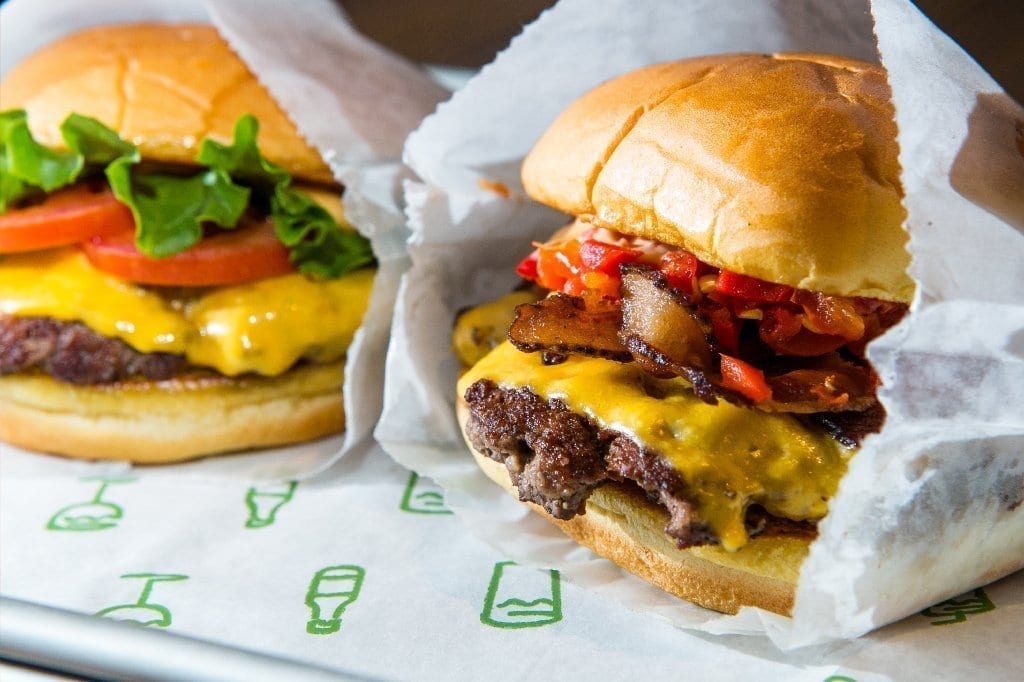
  • Shake Shack to double down in Singapore, Philippines

    Shake Shack to double down in Singapore, Philippines

    Fast-food chain Shake Shack has announced new outlets in Singapore and Manila after enjoying early success with its debut stores in the two Southeast Asian cities.

    In Singapore, the US fast-food chain is bringing what it describes as its “design-driven restaurant” concept to Singapore’s CBD next year after its successful debut at Jewel Changi shopping center.

    Located in a historic building at 89 Neil Road, the restaurant will work closely with local artists and suppliers and will promote its mission to ‘Stand For Something Good’. Without, a hoarding will bear the artwork of Singaporean artist Sam Lo who blends Shake Shack’s icons with traditional Peranakan cultural patterns.

    Meanwhile, in Manila, the company will open a new outlet at SM Megamall next week seven months after its debut in the Philippines.

    Besides its menu items such as ShackBurger, Shack-cago Dog, crinkle-cut fries, beer, wine, and frozen custard ice cream, the Philippine outlets offer exclusive items including Ube shake and Calamansi Limeade.

    Launched in 2004 in a food truck, Shake Shack has expanded to more than 250 locations in the US and more than 85 international locations including London, Hong Kong, Shanghai, Singapore, Philippines, Mexico, Istanbul, Dubai, Tokyo, Moscow, and Seoul.

    The next year will see Shake Shack expand further both domestically and internationally. Global revenues grew by nearly 32 percent in the third quarter, the company reported.

  • Jollibee Expedites North American expansion

    Jollibee Expedites North American expansion

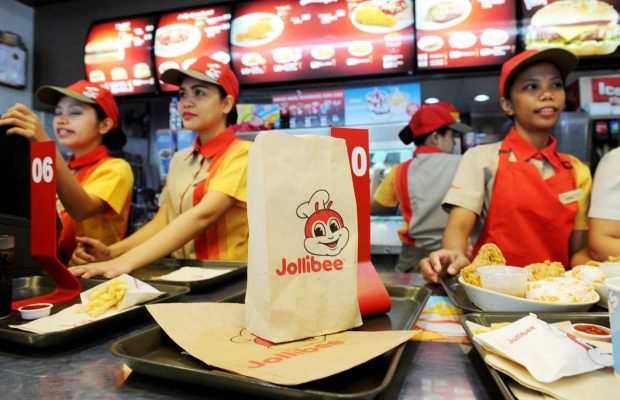
    Filipino fast-food chain Jollibee plans to expand its store network in North America to 250 by 2023.

    Its parent company Jollibee Foods Corporation (JFC) said it is committing to further expand the brand in North America, having identified the region as a key growth market.

    There are currently 46 Jollibee outlets in North America, with the first store opened in 1998 in California.

    The expansion plan was announced at the inauguration of its new North American headquarters in West Covina, California on Friday. It says the new 28,000sqft headquarters will serve as a center of operations for Jollibee and its sister brands Chowking and Red Ribbon.

    “The new Jollibee headquarters will ably support operations around North America in its quest to become a major fast-food player in the region,” says the company.

    Jollibee has a restaurant network of more than 1400 at home and more than 230 elsewhere abroad.

    Parent company JFC has more than 5800 restaurants in 35 countries globally, with recent investments including a joint venture to open Tim Wan Ho restaurants in China.

  • KFC expands delivery offer with Menulog

    KFC expands delivery offer with Menulog

    QSR chain KFC has extended its partnership with Menulog for three more years after seeing a strong response to its offer on the food delivery platform over the past 12 months.

    The agreement will see the chicken chain offering delivery in more suburban and regional areas as it brings more restaurants onto the platform. More than 360 KFC restaurants currently offer delivery through Menulog, and that figure is set to rise by almost 10 per cent by the end of this year. KFC also offers delivery through rival platform Deliveroo.

    Competition in Australia’s food delivery space is intense, and the key players – Menulog, Deliveroo and Uber Eats, the market leader – all see restaurant chains with national footprints and sizeable marketing budgets, such as KFC, McDonald’s and Hungry Jack’s, as an important path to expansion.

    Since US delivery giant DoorDash entered the local market in September, the race to strike deals with QSR brands has only heated up. DoorDash recently offered free Oporto burgers as part of a promotion to mark its launch into Sydney. And Menulog’s managing director Ben Carter said the platform will continue to take advantage of co-marketing opportunities with KFC.

    “Kentucky Fried Chicken is a favourite with our customers and so there is a very compelling co-marketing opportunity that we will continue to take advantage of over the next three years,” Carter said in a statement.

    “Customers can expect to see some very exciting, creative and truly integrated work that will add value and enjoyment to the KFC and Menulog delivery experience.”

    Menulog recently announced it had signed its 16,000th restaurant in Australia. The platform is owned by UK-based company Just Eat, which is in the middle of a merger with the Dutch Takeaway.com.

  • Malaysian KFC, Pizza Hut operator QSR Brands revives IPO plan

    Malaysian KFC, Pizza Hut operator QSR Brands revives IPO plan

    Southeast Asian KFC and Pizza Hut operator QSR Brands is seeking to reboot its IPO in the fourth financial quarter this year.

    The firm was previously in talks to sell its Malaysia shares, but has since backtracked on the plan and returned to its initial IPO agenda, with its financial performance over the next two quarters crucial to the timing. The firm potentially stands to raise US$600 million in listing.

    QSR Brand’s MD Mohamed Azahari Kamil told Bloomberg the firm will make the necessary announcement at the appropriate time without further comment.

    The company has been assessing investor demand since March.

  • Pizza Express faces tough debt decision

    Pizza Express faces tough debt decision

    Global Italian restaurant chain Pizza Express may be broken up as its Chinese parent Hony Capital resists attempts to negotiate the restructuring of more than £1.1 billion debt.

    According to Bloomberg, citing sources who asked not to be identified, investors who own 70 percent of the most senior-ranked bonds in Pizza Express have pledged to provide new funds to prop up the troubled chain. However, Hony, which paid £900 million for the company five years ago has yet to respond.

    Saro Bos, an analyst at Imperial Capital, described Pizza Express’ capital structure as “unsustainable” in a research note to clients. “We expect the company will eventually have to restructure.”

    Independent analyst Everest Research, has suggested a “sensible way” to restructure Pizza Express would be for the secured bondholders to take over the UK operations with Hony taking over the Chinese business – essentially a split in the operations.

    According to Bloomberg, the bondholders see value in the business, particularly in the UK, where it started, which is achieving 18 percent more sales per store than those elsewhere in the world. Hony bought the business with a vision to expand into Greater China, but this has reportedly failed to deliver the level of returns expected.

    The company recently closed its high-profile Hong Kong International Airport store but opened another in the Jewel Changi development in Singapore.

    “Creditors are concerned that the expansion is draining cash from the business,” reported Bloomberg, citing a report by Imperial Capital.

    Pizza Express’ debt begins to fall due in August next year.

  • McDonald’s Singapore launches limited-edition Hello Kitty carrier

    McDonald’s Singapore launches limited-edition Hello Kitty carrier

    McDonald’s has chosen Singapore as the first country in the world to launch its Hello Kitty carrier.

    The limited-edition Hello Kitty carrier is designed for drinks and fries. An adjustable strap allows carrying by hand or hanging from a car headrest.

    With the purchase of any Extra Value Meal and Doubles Feast, customers can buy up to two Hello Kitty items at SG$7.90 each (US$5.79).

    The limited-edition Hello Kitty carrier is available at McDonald’s Singapore outlets, except Tampines Shell, Hougang Shell and Tampines Kiosk.

  • Taco Bell launches another outlet in Auckland

    Taco Bell launches another outlet in Auckland

    The first New Zealand Taco Bell store has opened in The Brickworks at New Lynn’s LynnMall, bringing the Mexican-inspired fast-food chain to local shores.

    Launching on Tuesday, the store features a mural paying homage to west Auckland designed in collaboration with local artist Natasha Vermeulen, and design agency Stanley St.

    General manager for Taco Bell Clark Wilson said the business often defied the conventions of fast food, and was excited to bring its social-driven experience to New Zealand.

    The store also features an open kitchen allowing customers to see their food prepared, as well as offering free wifi, charging stations, kiosk ordering, and a self-serve jukebox.

    “We are delighted to finally answer the demand from our passionate fans with the opening of New Zealand’s first Taco Bell restaurant at LynnMall,” said Taco Bell managing director of Asia Pacific Ankush Tuli.

    “We are excited to launch Taco Bell here in Auckland, in partnership with Restaurant Brands Group, and look forward to expanding throughout New Zealand with the goal of delighting our fans along the way.”

    Franchise partner Restaurant Brands said it will launch up to 25 Taco Bell locations across New Zealand in the next five years, with the next restaurant to open in Q1 of next year.

    “While a priority for us has been on first launching the brand successfully in market, we can now shift our focus to the next phase,” Restaurant Brands Group chief executive Russel Creedy said.

    “At this stage, we are securing locations within the main metropolitans of Auckland, Wellington and Christchurch, with the view to expanding further afield in the coming years.

    “We are simultaneously rolling out in NSW and ACT in Australia, with a total estimated spend of $65 million across both markets over the next five years.”

    Restaurant Brands recently revealed it had grown group sales by 2.7 percent during the first half of FY20, though net profit had fallen 2 percent due to the implementation of a new accounting standard, NZ IFRS 16, which knocked profit down by $2.9 million.

  • Shake Shack Singapore planning a second Restaurant

    Shake Shack Singapore planning a second Restaurant

    Shake Shack Singapore is considering opening a new outlet in the territory following better-than-expected business at its Jewel Changi Airport location.

    The brand’s culinary director Mark Rosati said in an interview with Channel News Asia that long queues to the existing location have persisted several months into trading, underscoring Shake Shack’s popularity with Singaporeans.

    The brand has expanded from a roadside burger stand to operate in more than 12 countries, based on a consistent menu along with exclusive items designed for local tastes.

    “We keep looking at each outlet as, ‘This is the only Shake Shack in the world’,” said Rosati. “So, when we opened Singapore, we weren’t thinking to ourselves that we needed to open the one that’s going to be the blueprint for opening a few more – in terms of look and taste – in this region.

    “We knew we needed to go to Singapore, spend time on the street figuring out what the food was like, how it makes it super special and how we fit into that. We knew that we needed to do something that is definitely part of our New York heritage but also what we do that’s a little different for Singapore.”

    The brand has yet to settle on a location for the second outlet.

  • Everstone may quit Burger King Indonesia stake

    Private equity firm Everstone Capital may withdraw from its involvement in Sari Burger Indonesia (SBI), the country’s master franchise owner of Burger King.

    A DealStreetAsia report revealed the firm has been speaking with banks and advisers over the course of this year about the potential move.

    Everstone is currently in a partnership with Indonesian retail firm Mitra Adiperkasa, previously SBI’s sole shareholder. The firm also partners with Mitra Adiperkasa in running Domino’s Pizza in Indonesia.

    Everstone may have difficulties finding a buyer in the territory given tight competition in the industry, according to an opinion published in Nikkei.

  • Burger King APAC opens 3,000th restaurant

    Burger King APAC opens 3,000th restaurant

    The Burger King Asia-Pacific network has reached a milestone, the 3000th restaurant which just opened in Shanghai.

    The new restaurant in China is a joint venture owned by Burger King, TFI TAB Food Investments and Cartesian Capital.

    “We have served the Asia-Pacific market for more than 40 years, and have grown rapidly in the region recently, doubling our restaurant count in just the past five years,” said Sami Siddiqui, president at Burger King Asia-Pacific. “We look forward to many more openings to come as we grow the brand in our fastest-growing region of the world.”

    Burger King has opened more than 1500 restaurants in the region within the last five years, helped by strong franchisee partnerships in major markets, including China, India and South Korea.