Tag: Fastfood

  • KFC New Zealand drives Restaurant Brands’ sales

    KFC New Zealand drives Restaurant Brands’ sales

    Restaurant Brands total group sales grew 2.7 percent over during the first half of FY20, though net profit fell 2 per cent due to the adoption of a new leasing standard.

    Total group sales, which include KFC, Pizza Hut and Carl’s Jr. in New Zealand, as well as KFC operations in Australia, and Taco Bell and Pizza Hut in Hawaii, grew to $442.6 million – an increase of $11.6 million on the prior year.

    Net profit fell to $20 million, 2 percent lower than the $20.4 million seen during 1H19, due to the adoption of NZ IFRS 16, which knocked net profit down $2.9 million as a result of lease depreciation costs.

    The bulk of the sales improvement came from KFC’s New Zealand operations, which saw sales up 7.9 per cent to $193.5 million.

    Same-store sales grew 5.7 percent, while EBITDA totaled $41.8 million, driven by a further roll-out of the business’ delivery operations, as well as successful product promotions and the opening of three new stores.

    Pizza Hut saw a more difficult half, with total sales down 10.5 percent to $18.3 million despite the expansion of the chain’s store network. Same-store sales also fell 4.4 percent due to competitive pressure, the impact of launching new stores, as well as the appearance of new food delivery companies in the New Zealand market.

    Restaurant Brands also confirmed it would be opening its first New Zealand Taco Bell at LynnMall Shopping Centre in Auckland next month.

    “Initial planning and setup is well underway to bring this exciting new brand to the New Zealand market with the first new store in Auckland targeted to open in November,” the company said in a release.

    Restaurant Brands chief executive Russel Creedy said the group would launch up to 25 Taco Bells across New Zealand in the next five years.

    The group’s Australian results were adversely affected by a stronger New Zealand dollar, with KFC Australia seeing 4.2 percent total sales growth to $99.5 million. Restaurant Brands is also planning to open two Taco Bell stores in New South Wales, Australia in the calendar year.

    “The overall business continues to deliver solid results across all geographic markets and this strong performance is expected to continue in the second half of the year,” the group said.

    The directors believe that, not including further impact of NZ IFRS 16, Restaurant Brands will deliver an NPAT at least 10 per cent higher than FY19 – having previously stated they are expecting a net profit of $45 million for the FY20 period.
  • Habit Burger Grill Opens in Korea

    Habit Burger Grill Opens in Korea

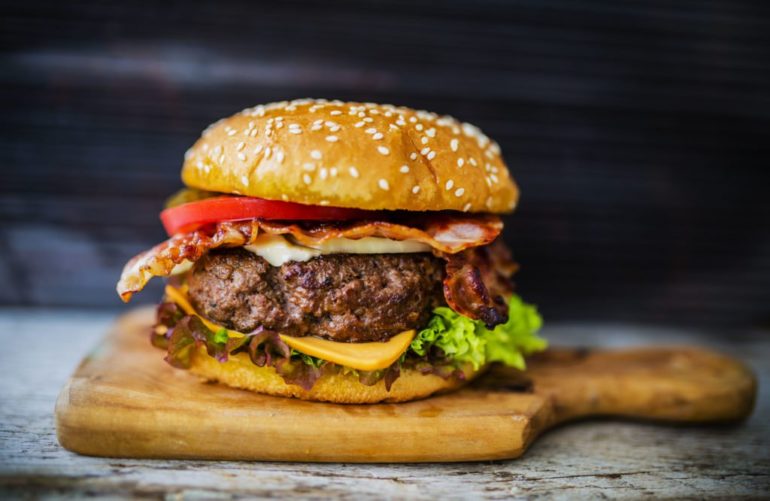
    America’s Habit Burger Grill is eyeing South Korea expansion in partnership with consulting firm Bridging Culture Worldwide.

    “South Korea, with its savvy consumers, open-minded culture and interest in global brands is an ideal marketplace for The Habit Burger Grill’s expansion,” said John Phillips, chief global business partnership officer at the company.

    He said Habit Burger Grill wants to attract multi-unit franchise partners and ensure mutual success for both parties.

    With the partnership, Bridging Culture Worldwide will support The Habit Burger chain with its international expansion plans in Asia-Pacific region.

    Founder and CEO of Bridging Culture Worldwide, Don Southerton, said: “South Korea has embraced premium western brands and The Habit Burger Grill delivers exactly what consumers are seeking – great food and excellent service. With its distinctive fresh-off-the-grill Charburger and hand-crafted sandwiches, fresh salads and other menu items, we know South Koreans will appreciate all that The Habit Burger Grill has to offer,”.

    Bridging Culture Worldwide is a business consultancy providing strategic planning and market entry service to Korea-based global businesses as well as support for western firms entering Korea.

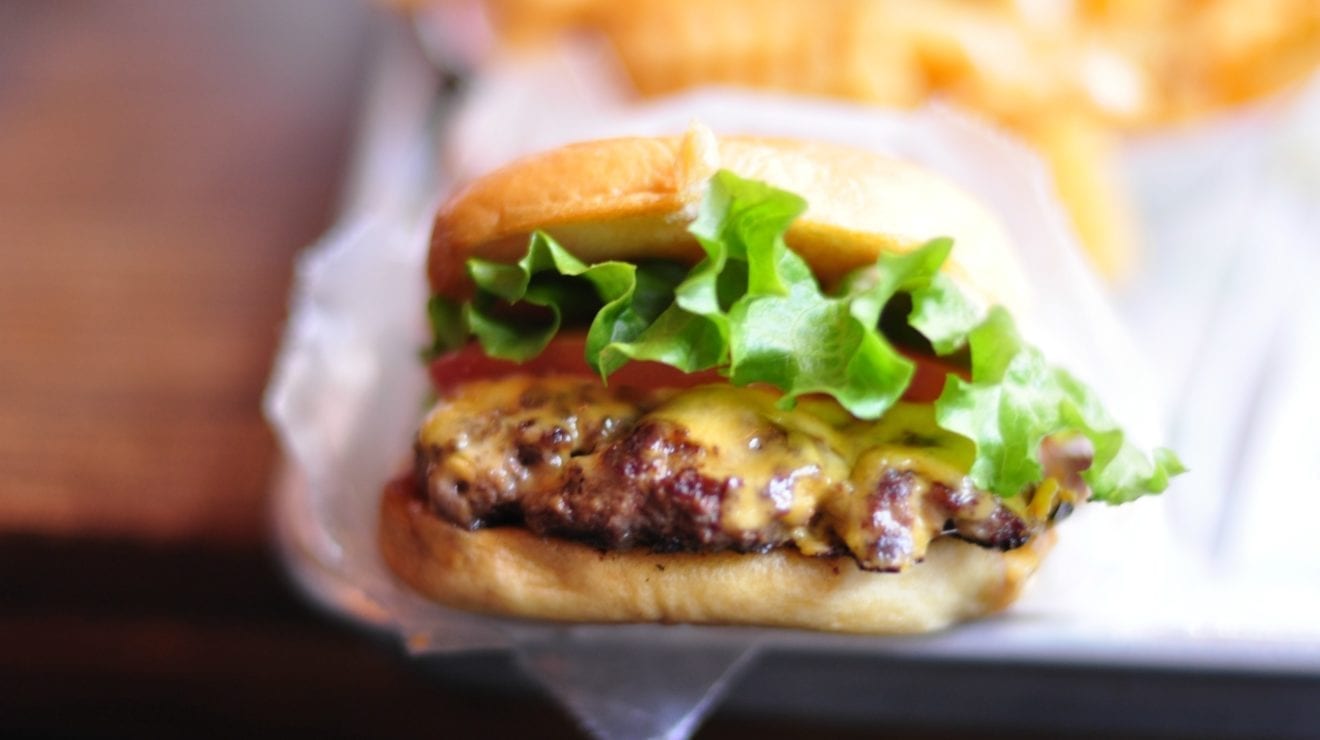
  • Shake Shack openening second store in Philippines soon

    Shake Shack openening second store in Philippines soon

    Shake Shack is launching its second Philippines outlet at the Mega Fashion Hall at SM Megamall.

    The restaurant is expected to open before the end of the year, with construction on the new venue already underway following a board up made by artist Kris Abrigo, which features a “reimagined Ortigas skyline showcasing gradient colours as day shifts into night, and a multi-faceted community through textures and geometric shapes,” according to reporting in the Manila Standard.

    Brand enthusiasts are invited to interact with sliding panels in the board to reveal “surprises” during the lead-up period to the store’s opening.

  • Impossible Burger launches in Southern California

    Impossible Burger launches in Southern California

    The Impossible Burger has made its worldwide debut in grocery stores at all 27 outlets of Gelson’s Markets in Southern California.

    Gelson’s Impossible Burger launch is the first time that the general public has been able to buy and experience the plant-based meat burger at home. The Impossible Burger is on menus in more than 17,000 restaurants.

    “Three years ago we introduced plant-based meat to top chefs in America’s most important restaurants, said Impossible Foods’ CEO and founder Dr. Patrick O. Brown. “They consistently told us that the Impossible Burger blew them away. We can’t wait for home cooks to experience the magic – whether using Impossible Burger in their family favorites or inventing new recipes that go viral.”

    Throughout the fourth quarter and early next year, Impossible Foods will expand its retail presence by launching the Impossible Burger in industry-leading grocery stores in key regions. Following the Gelson’s Impossible Burger launch, Impossible Foods will release the product in additional grocery stores later this month, when the Impossible Burger makes its East Coast debut.

    As the leading food-tech startup scales up production and capacity – both at its own plant in Oakland, California, and with leading food co-manufacturer OSI Group – it will accelerate its retail push.

    “Our first step into retail is a watershed moment in Impossible Foods’ history,” said Impossible Foods’ senior VP Nick Halla, who oversees the company’s retail expansion. “We’re thrilled and humbled that our launch partners for this limited release are homegrown, beloved grocery stores with cult followings in their regions.”

  • Famed ramen chain Ichiran to pop up at Takashimaya

    Famed ramen chain Ichiran to pop up at Takashimaya

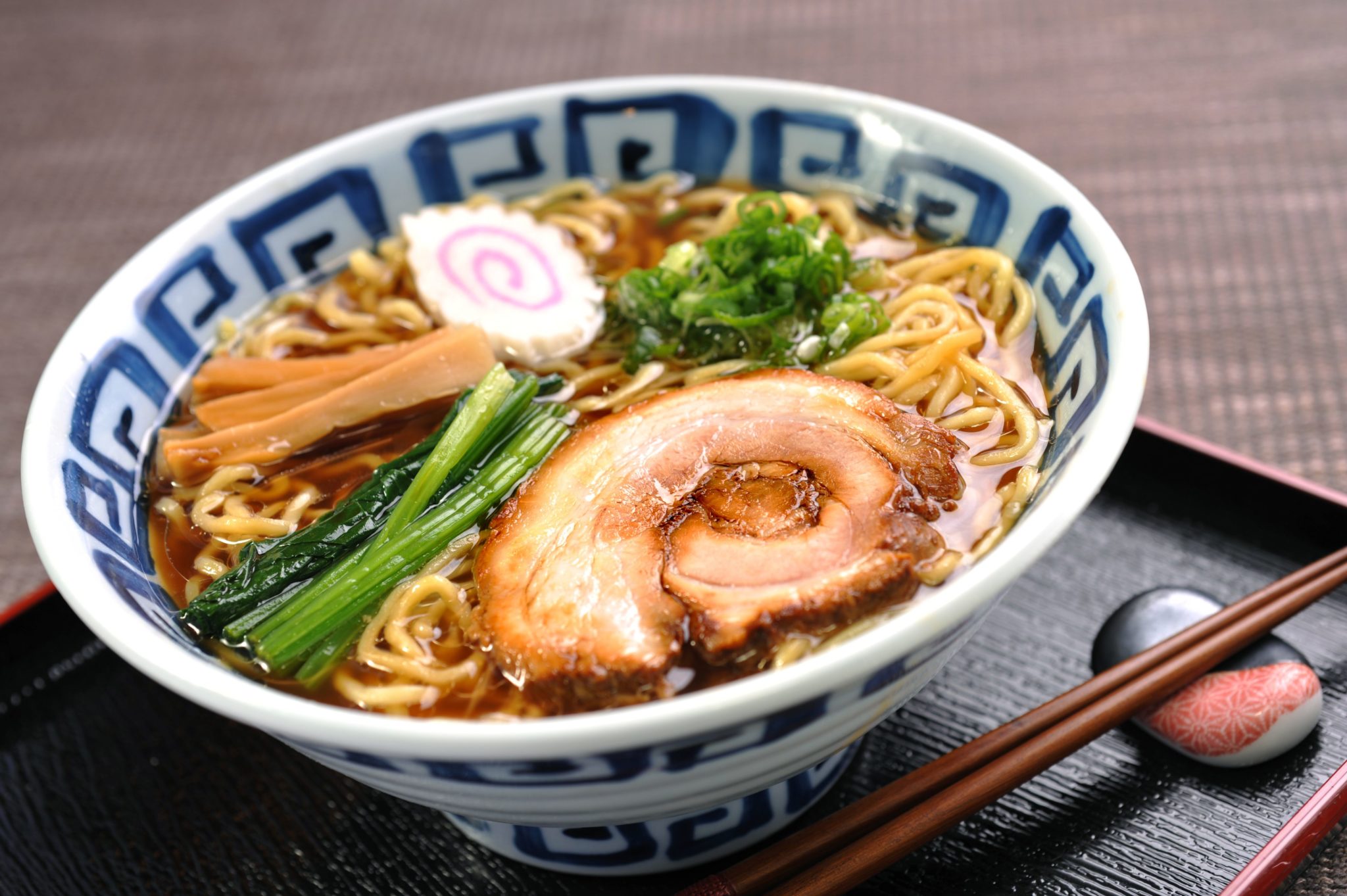
    Forget Japan – you can now slurp noodles from cult favorite Ichiran Ramen right here in Singapore.

    The famous brand is operating a pop-up store from Oct 3 to Oct 20 in Takashimaya’s Japan Food Matsuri, an event marketing Japanese food products.

    Like its Japanese outlets, the noodle chain’s pop up store will feature Ichiran’s signature individual booths – which is essentially a long table with collapsible dividers separating each diner.

    But if you’re expecting the full Ichiran experience, prepare to be disappointed – the noodles in the pop-up store will be made from the brand’s “New York Limited” instant packs.

    According to photos, each S$12 bowl will be topped with spicy seasoning, green onions, and sliced wood ear mushrooms.

    No other toppings are available – this includes boiled eggs, pork slices, smoked pork, vinegar and seaweed offered in full-fledged Ichiran stores.

    Only 700 bowls will be available per day, Takashimaya said.

    Instant noodle packs are also available at S$35 for a box of three servings – and only 200 packs will be sold a day.

    Apart from Ichiran, other ramen chains at the event include 175°DENO Ramen, Yoshiyama Shouten, Society of Ramen and Teppei Okinawa.

  • Domino’s expands solar program nation-wide

    Domino’s expands solar program nation-wide

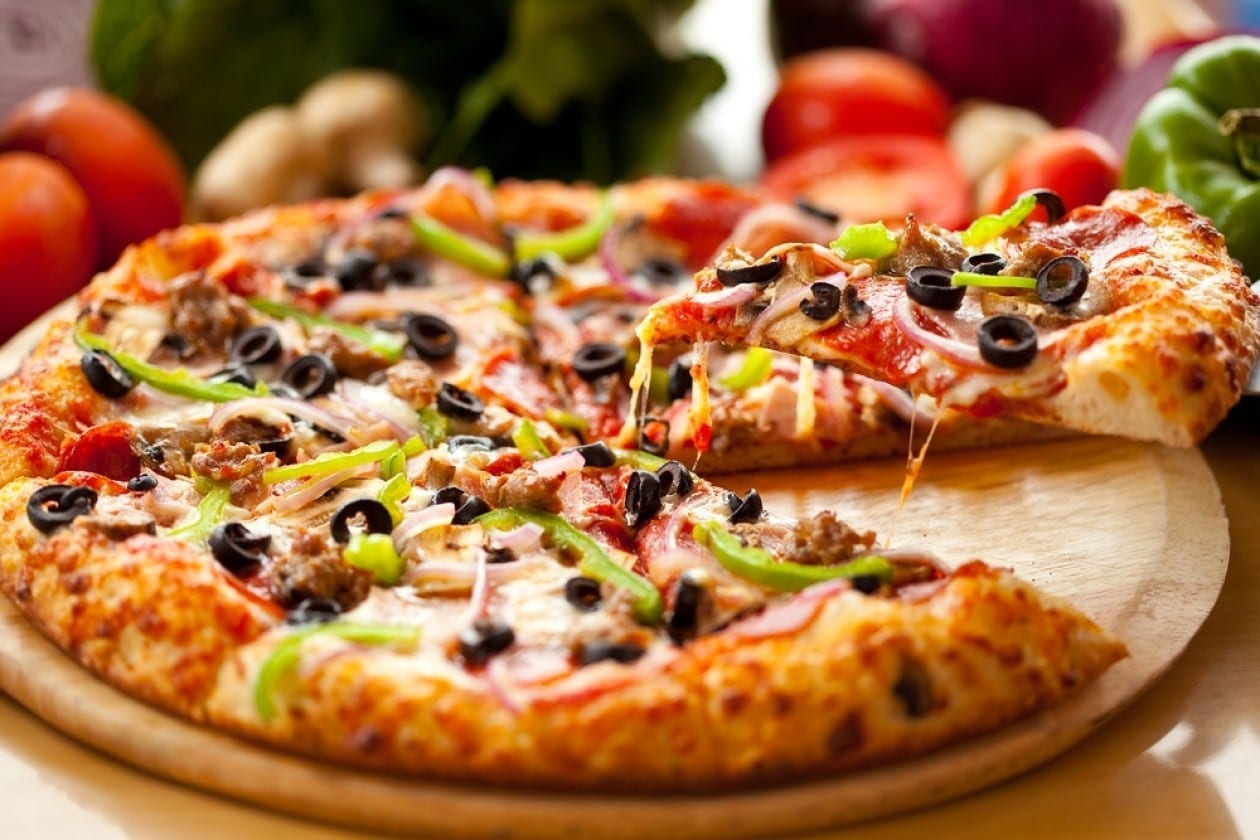
    Pizza retailer Domino’s has announced a renewable energy strategy that will see it roll-out solar power systems and energy controllers across all Domino’s stores across Australia.

    The strategy is aiming to reduce Domino’s operational impact on the environment, while reducing energy costs, in partnership with Construction, Supply & Service.

    Domino’s Australia and New Zealand chief executive Nick Knight said the business initially started the strategy with only one store – Domino’s Aspley, Queensland, in 2017 – which has seen a 34 percent reduction in energy usage, and a 48 percent saving in electricity costs.

    “We are really excited that Domino’s Aspley is now sourcing power from renewable energy and are thrilled with the results,” Knight said.

    “We are looking to implement this strategy in more stores across our network, with Domino’s Ballina, Noarlunga, and Kelso already operating with solar power systems and energy demand controllers.”

    According to Knight, Domino’s already has 70 stores with energy demand controllers installed, which de-energizes non-essential equipment during peak power usage, and has an additional seven stores currently in the works.

    Domino’s is not alone in turning to solar energy in order to cut down on energy costs, with Coles recently announcing it is constructing three solar plants in regional New South Wales which will provide 10 percent of Coles’ national energy electricity needs.

    Likewise, Woolworths is implementing solar into the redevelopment of its Adelaide regional distribution center – with 3500 solar panels to provide around one-fifth of the center’s needs.

    Vicinity Centres has also announced it is investing $75 million into a large scale solar program, which will see 22 of its centers fitted with rooftop solar panels, and will cut the group’s consumption from the national energy grid by up to 40 percent.

  • Yum China buys Chinese retail chain Huang Ji Huang

    Yum China buys Chinese retail chain Huang Ji Huang

    Yum China Holdings has entered into a definitive agreement to acquire a controlling interest in Huang Ji Huang group, a leading Chinese-style casual-dining franchise business.

    Subject to the satisfaction of closing conditions and regulatory approvals, the transaction is expected to close early next year.

    Founded in 2004 and headquartered in Beijing, Huang Ji Huang has more than 640 restaurants in China and internationally. The group operates primarily under a franchise model and its brand portfolio consists of simmer pot brand “Huang Ji Huang” as well as “San Fen Bao”, a newly launched Chinese fast food concept.

    Yum China is the largest restaurant company in China, with more than 8700 restaurants as of June 30. With the addition of Huang Ji Huang, Yum China aims to gain a stronger foothold and enhanced knowhow in the Chinese dining space, which represents a significant share of the dining market in China.

  • Burger King China operator mulls Hong Kong IPO

    Burger King China operator mulls Hong Kong IPO

    Burger King China’s owner is mulling a public listing in Hong Kong which could value the business at around US$1 billion.

    According to sources quoted by international business media, the Hong Kong plan is a fallback after plans to list the business in the US last year were shelved.

    Burger King China is owned by Turkish-based company TAB Food Investments. It currently operates about 1000 stores across 150-plus cities in Mainland China.

    One source said the IPO could raise about $200 million, although a fixed figure has not yet been set and the idea is still under consideration. If an IPO proceeds, it would most likely be early next year.

    TAB Food Investments is the world’s largest master franchisee of the Burger King brand, with more than 1700 stores across China and its home market.

    Asked for comment on the reports, the company’s chairman Erhan Kurdoglu told a journalist: “We always assess IPO possibilities. However, there’s no concrete development on that front as of now.”

    TAB Food Investments also holds the franchise rights for Popeyes Louisiana Kitchen and recently announced plans to roll out more than 1500 outlets in China during the next 10 years.

  • Domino’s Pizza profit falls on soft Australian performance

    Domino’s Pizza profit falls on soft Australian performance

    While quick-service retailer Domino’s saw revenue and online sales improve over the year to June 30, net profit fell 4.6 percent to $115.9 million, with growth in Australia and New Zealand softer than anticipated.

    However, the business’ efforts in Japan and Europe saw international EBITDA improve to $154.5 million – overshadowing the local result of $127.9 million.

    “Our international operations today account for more than half of our earnings, and they will be the largest driver of our future growth,” Domino’s group chief executive and managing director Don Meij said.

    Global sales grew by 11.9 percent to $2.9 billion, while global online sales grew 18.2 percent over the year to $1.9 billion, processing more than 66 million orders – or more than 2 orders per second.

    According to Domino’s Australia and New Zealand chief executive Nick Knight, in addition to the softer domestic performance the team made some decisions which created short-term headwinds for the business – but which they are confident will result in medium and long-term benefits.

    “We are confident in the progress of our strategic initiatives, including our investment in technology and new marketing campaigns,” Knight said.

    “Our world-first DOM Pizza Checker is already helping to deliver meaningful improvements to the quality of our pizzas, which customers recognize.”

    Australian and New Zealand sales grew 4.6 percent to $1.17 billion, or 2.4 percent on a same-store-sales basis.

    Operations 360, the business’ initiative to deliver performance data to franchisees, allowing the opportunity to learn from mistakes, as well as provide advice and training, has also led to the exit of 22 under-performing franchisees.

    Knight noted that, in some cases, this was due to franchisees having been found to have deliberately underpaid staff.

    Meij said domestic margins were compressed due to an increased number of corporate stores to make up for these exiting franchisees.

    Domino’s is facing a class-action lawsuit from in-store and delivery staff who claim to have been underpaid over a five-year period.

    According to the claim, Domino’s told franchisees to pay delivery drivers and in-store workers under a series of incorrect employment agreements. Domino’s rejects the claim and confirmed in June that it would defend the proceeding.

    While many believe the recent string of retail underpayments are the result of unintentional mistakes, almost 60 percent of the over 200 respondents believe them to be an intentional decision to cut costs.

    Do you think underpayment in the retail and hospitality sector is mostly…

    Domino’s expects same-store-sales growth to grow at a rate of between three and six percent annually over the next three to five years.

    The QSR chain additionally will grow store count by between seven and nine percent annually over the same period,  intending to invest further into the growth of its network.

  • Fat Brands opens five Restaurants in Pakistan

    Fat Brands opens five Restaurants in Pakistan

    Fast-food franchise owner Fat Brands has developed five co-branded Fatburger and Buffalo’s Express concepts in Pakistan.

    In partnership with local operator Crescent Star Foods, the co-branded restaurants will increase the brand’s presence in Pakistan to six restaurants.

    “Our partners and friends at Crescent Star Foods not only know the business, but they know and care about the people of Pakistan,” said Fat Brands CEO Andy Wiederhorn. “We couldn’t be more thrilled to work with them to bring our delicious, homemade burgers and wings to Pakistan residents and visitors.”

    Fat Brands strategically acquires, markets and develops fast casual and casual dining restaurant concepts around the world. The company currently owns eight restaurant brands and franchises more than 400 units worldwide.

  • Jollibee expands into Alberta eyeing 100 new restaurants

    Jollibee expands into Alberta eyeing 100 new restaurants

    Jollibee Canada is continuing its expansion, opening its first store in Alberta this Friday, (August 16) at Edmonton.

    The store will be the Philippine-founded fast-food group’s fifth store in Canada, as it sets out to build a network of 100 outlets there within five years.

    The chain recently opened other locations in Winnipeg and the Greater Toronto Area where it says local consumers lined up for hours.

    “Since opening locations in Scarborough and Mississauga over the past year, Jollibee Canada has been looking forward to serving Edmonton and making it easier for them to satisfy all of their Jollibee cravings,” said Maribeth Dela Cruz, president of Jollibee Foods Corporation North America.

    “Although Jollibee is wildly popular among Filipino-Canadians, the brand also attracts a diverse mix of adventurous foodies, curious locals and families alike.”

    She says that since the company announced plans to enter Canada it has received a high level of feedback from expatriate Filipinos across the country and others who have got to know the Jollibee brand in other countries it already operates, such as Vietnam, Singapore and parts of the US.

    Jollibee is the flagship brand of Jollibee Foods Corporation’s 14 brands, which now has more than 4500 stores in 21 countries.

  • Smashburger weighs down Jollibee results

    Smashburger weighs down Jollibee results

    Jollibee’s Smashburger and Red Ribbon business units significantly dragged down the restaurant operator’s first-half profits.

    Jollibee Foods Corporation says the company’s net income attributable to shareholders was P1.1 billion (US$21.1 million) in the second quarter – half that of the preceding three months. First-half profit was down 34 percent on the same period last year.

    The company blamed the decline on losses relating to the Smashburger chain and lower sales by its Red Ribbon bakery business.

    “On Smashburger, we introduced major changes that created short-term disruption in sales and profit but will drive sustainable sales growth and strengthen the brand health,” said Jollibee CFO Ysmael Baysa.

    While Smashburger, a relatively recent acquisition for the company, was not yet performing, Baysa says Jollibee has considerable experience restructuring businesses it buys into more profitable operations, namely Yonghe King and Hong Zhuang Yuan in China, and the Highlands Coffee business in Vietnam.

    The poor performance of Red Ribbon during the quarter was attributed to a shortage of supplies relating to the transfer of the company’s commissary kitchen to new premises south of Metro Manila.

    Last month, Jollibee announced the purchase of California cafe chain The Coffee Bean & Tea Leaf for US$350 million. It expects that business to contribute to Jollibee’s bottom line within 12 to 18 months.

    Global sales by Jollibee rose 13.8 percent in the first half, to P113.8 billion (US$2.11 billion) . Most of that growth came from its international operations, which grew by 24.9 percent, far faster than the 13.8 percent of its domestic business.

    Between January and June, the company opened 170 stores, 111 of those in its home market.

  • Habit Burger Opening in Cambodia

    Habit Burger Opening in Cambodia

    The Habit Restaurants is set to expand its Habit Burger Grill franchise throughout Cambodia in partnership with Amory F&B in a 25-store development agreement.

    The first outlet is expected to open in Phnom Penh in spring next year.

    “We quickly developed a passion for The Habit Burger business when we saw how much focus there is on great customer service,” said Kampuchea Tela Company CEO Okhna Chhun On. “This is something we strongly believe in, and we are excited to bring the Habit experience and great food to the people of Cambodia.”

    “The Habit’s excellent brand, best-in-class systems, and experience will help us to go the extra distance to become national leaders in the burger segment,” said Amory F&B Company CEO Chhun Sophearoth. “As an organization, we keep developing and investing in our people, much like The Habit Burger, and this will be an important part of our success.”

    “We are thrilled to continue to expand our brand internationally and to see Amory F&B Company bring our unique style of hand-crafted-to-order food, chargrilled burgers and high-quality customer service to the people of Cambodia,” said The Habit Restaurants president and CEO Russ Bendel.

    “Amory is comprised of a team of experienced, committed operators who share our dedication to customer satisfaction and enthusiasm for The Habit brand.”

  • Yum China speeding up expansion plans

    Yum China speeding up expansion plans

    Yum China plans to invest up to US$525 million opening between 800 and 850 new stores in the current financial year.

    Most of the new stores will be KFC outlets and of its new cafe chain Coffii & Joy.

    The protections were included in the company’s second-quarter results released overnight, which showed total system sales up 10 percent year on year to US$2.12 billion, with KFC leading the way at 12 percent. Sales at Pizza Hut rose by 4 percent.

    While sales were up, much of the growth was driven by network expansion. Same-store sales grew 4 percent, with a 5-per-cent increase at KFC and a 1-per-cent increase at Pizza Hut.

    Restaurant margin slipped from 15.1 percent to 14.7 percent, however, operating profit rose 6 percent from $193 million to $204 million.

    Net Income increased 24 percent from $143 million to $178 million, primarily due to the increased operating profit and a gain from the company’s equity investment in Meituan Dianping.

    During the quarter, Yum China opened 178 new restaurants taking its store count to 8751 across more than 1300 cities.

    “We continued to capitalise on market opportunities across China with aggressive, KFC-led store expansion,” said Yum China CFO Jacky Lo. “With a strong cash payback period for new KFC stores and many untapped opportunities, we intend to continue to rapidly expand our store footprint in the second half of the year.

    “Looking forward, we expect overall sales growth to moderate as KFC begins to lap several key sales drivers, including successful value campaigns that we initiated in the second half of last year. However, we remain confident that our strong foundation and commitment to innovation throughout our business will power continued growth for Yum China. We will continue to create new and exciting menu items, and leverage our leadership in digital, data and delivery to meet the evolving needs of our consumers.”

  • KFC invests millions in drive-thru-only restaurants

    KFC invests millions in drive-thru-only restaurants

    Quick service restaurant KFC announced last week it is investing $1.5 million in a “completely new concept for the fast-food industry” – a first of its kind drive-thru-only restaurant.

    Located in Newcastle, NSW, the store will feature five lanes and will utilize new technology to improve efficiency and speed in order from the on-site kitchen.

    Customers will be able to order and pay via the KFC app or website before arriving at the restaurant, and they will receive a four digit code to enter on a touchscreen receiver when they pull up to concept store, which sends the order to be prepared.

    Construction started in late June, and the restaurant is set to open in early November. The company said it potentially will roll out more drive-thru-only locations across Australia.

    “Drive-Thru Only is the latest example of KFC’s commitment to innovation, and to giving Aussies the most delicious and fresh chicken possible,” KFC Australia’s chief marketing officer Kristi Woolrych said.

    “We’re dedicated to continually building on our customer offering, that we’re always providing delicious and fresh meals, in the most convenient way to meet their busy lifestyles.”

    The store was conceptualized after KFC saw its e-commerce offering surge in popularity, with online ordering growing 100 per cent year on year for the last five years straight.