Tag: Fastfood

  • Popeyes China planning over 1500 restaurants openings

    Popeyes China planning over 1500 restaurants openings

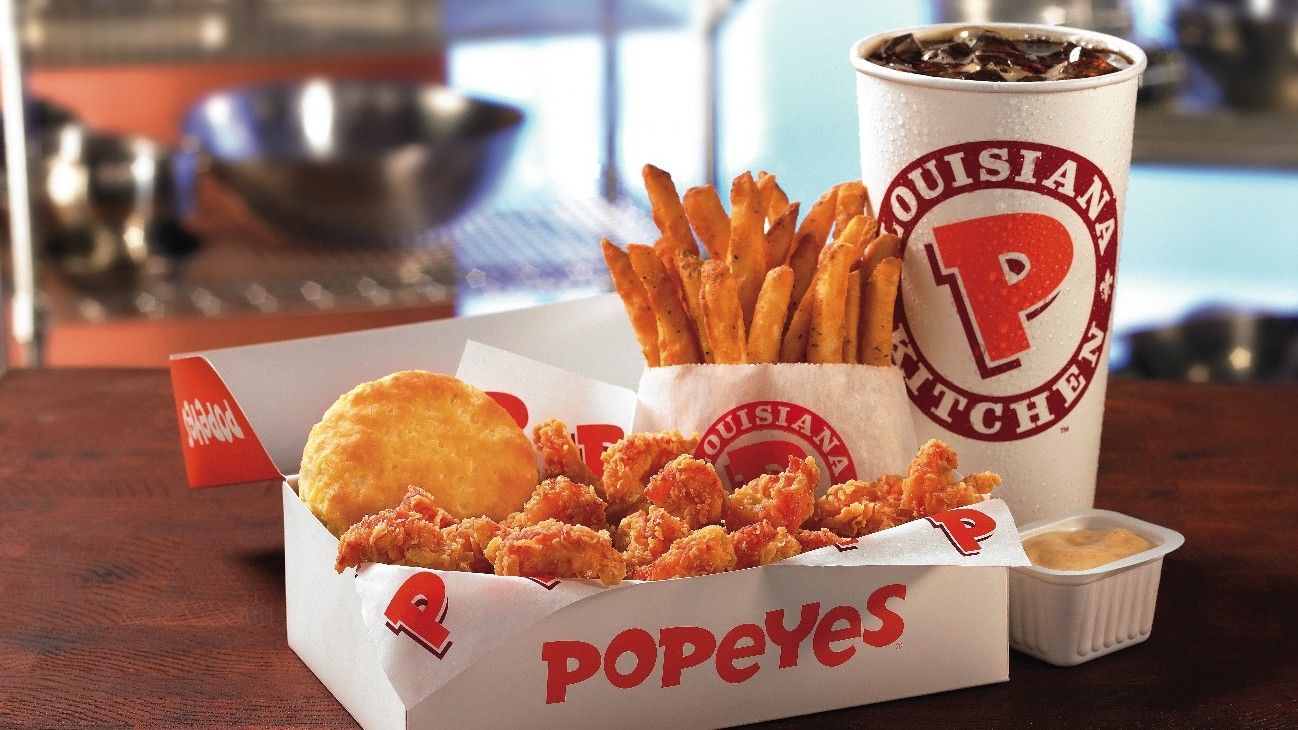
    Popeyes Louisiana Kitchen is set to develop and open more than 1500 Popeyes restaurants in Mainland China over the next 10 years.

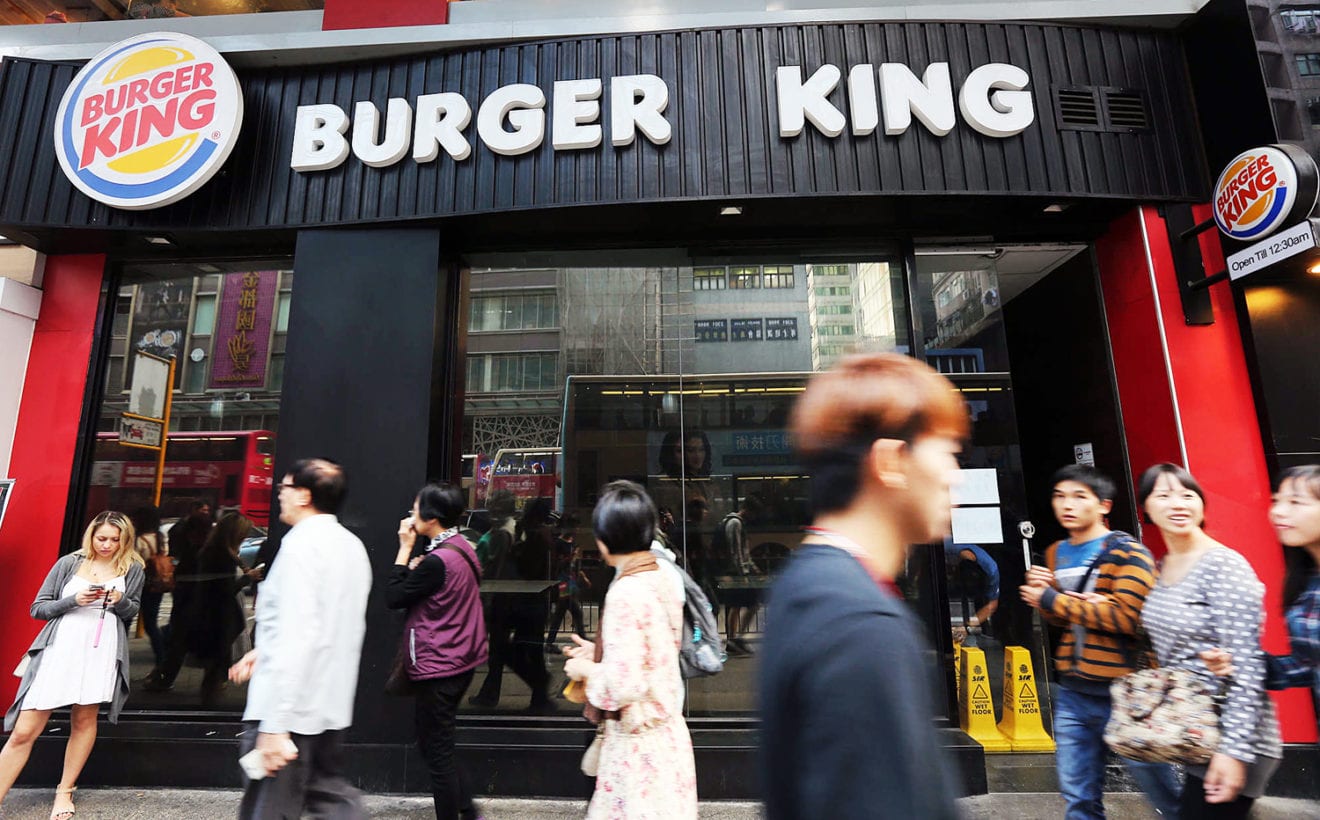
    Popeyes China will be the last of Restaurant Brands International’s three major brands to enter the Chinese market. Burger King has operated in the territory since 2005, and it now has more than 1000 locations in China.

    “We’re very excited to grow the Popeyes brand in the Chinese market,” said Restaurant Brands International COO Josh Kobza. “We look forward to bringing our great tasting chicken, biscuits, sides and beautiful new restaurants to our guests in China with our partner, TFI TAB Food Investments.”

    Popeyes operates more than 3100 locations in more than 25 countries worldwide, including the United States and Canada. The commencement of Popeyes China operations is subject to regulatory clearances.

  • Plant-based meat market to surpass $320 million by 2025

    Plant-based meat market to surpass $320 million by 2025

    The plant-based meat market will rise from US$150 million in 2018 to over US$320 million by 2025, according to a 2019 Global Market Insights, Inc. report.

    Consumers are wanting more meat alternatives, such as those based on wheat, soy, pea, lentils or oats, as awareness about the health benefits of plant based options rises.

    Consumers are now more aware of the environmental problems and it has changed the way they buy, with plants requiring less water and space to grow.

    The 2019 Global Market Insights’ latest report showed that the pea-based meat market demand has significant gains at over 10.5 per cent by 2025.

    In 2018, ground meat wheat-based meat market size was at about $3 million.

    The report found that plant-based brands including DuPont, Amy’s Kitchen, Quorn Foods, Maple Leaf Foods, The Vegetarian Butcher, Impossible Foods and Gardein Protein are the key players in the market currently.

    Many companies are now planning to expand their products with alternatives to exotic red and white meat such as veal, turkey, quail, tune, rabbit, ostrich, venison and elk.

  • KFC Hong Kong tests new concept store format

    KFC Hong Kong tests new concept store format

    Fast-food chain KFC Hong Kong has opened a new concept store format in Causeway Bay.

    The new three-storey store, which seats 150, aims to enhance the traditional fast-food dining experience with a chic style. It features a street-level kiosk offering desserts and ice creams, while the first floor has self-ordering kiosks with modern bar stools.

    The second floor is a dining area where the walls are decorated with murals. Three-dimensional art installations have been installed at each stairway, allowing customers to take instagrammable photos.

    “KFC is evolving,” said KFC Hong Kong and Macau CEO Janet Yuen. “We uplift the traditional fast-food experience and maintain brand authenticity with a more relaxed and chic cafe style.

    “The concept store is to create a trendy socialising hub, enabling our customers to enjoy valuable moments with friends.”

    The outlet has also introduced freshly cooked-to-order food items as the restaurant chain aims to uplift its fast-food dining experience in a more comfortable, trendy setting.

    Local franchisee Jardine Restaurant Group operates more than 810 outlets for KFC owner Yum! Brands, with operations under Pizza Hut in Taiwan, Hong Kong, Macau, Vietnam and Myanmar together with KFC in Hong Kong, Macau, Taiwan and Vietnam.

  • Everstone to sell Burger King India franchise

    Everstone to sell Burger King India franchise

    Singapore-based private equity firm Everstone plans to sell its Burger King India franchise.

    The firm is reportedly in advanced discussions with Rahul Bhatia-controlled InterGlobe group to sell the franchise a deal worth US$204 million.

    The fast-food chain operates 140 outlets, spread across cities in north, west and south India. Last year, its sales reached $54 million.

    Everstone has managed Burger King India since 2013, along with Coffee Bean & Tea Leaf, Copper Chimney, Bombay Blue and Noodle Bar in India.

    The discussions between the two parties come at a time when Bhatia is in dispute with Rakesh Gangwal over their flagship airline IndiGo.

  • KFC India to sell 61 another stores

    KFC India to sell 61 another stores

    KFC India will offload 61 equity-owned restaurants to Devyani International as part of its international strategy to withdraw from capital-intensive operations while further developing its brand.

    Devyani, KFC owner Yum!’s biggest franchise partner in the territory, will take over the locations in Karnataka, AP and Telangana, dropping Yum!’s company-operated KFC locations within India to less than 10 per cent. Yum!’s other brand in India, Pizza Hut, is already fully franchised out, and Devyani operates almost 500 outlets under both brands in India.

    “We continue to re-evaluate ownership strategy as part of an annual process and in line with business growth,” said KFC India MD Samir Menon. “The strategic intent is to unlock growth for the brand.”

    “At this point, there is no intent to set up more equity restaurants, unless the market dynamics demand,” he added.

    “KFC is one of the fastest growing brands in our portfolio,” commented Devyani’s CEO Virag Joshi. “Our partnership with Yum! is driven by commitment to build the brand by expanding geographic presence and driving world-class operations.”

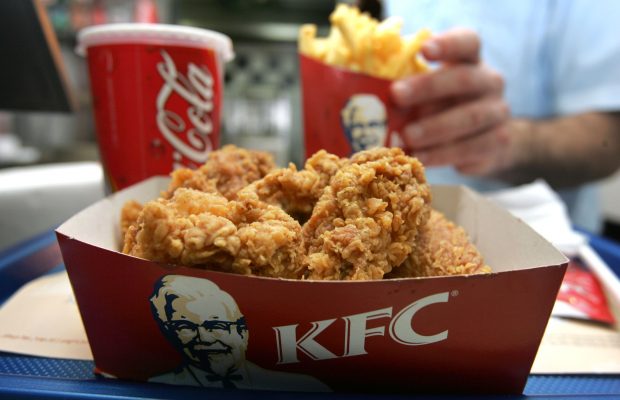
    More than 98 per cent of KFC’s 140-country international store network is operated under franchise agreements.

  • Serving You in Style with KFC x Thomas Wee

    Serving You in Style with KFC x Thomas Wee

    What’s cookin’, good lookin’? Following the success of our first-time limited edition sneaker drop, KFC Singapore is launching a collection of stylish apparel in collaboration with one of Singapore’s award-winning designers, Thomas Wee. And this time, in the form of brand-new on-fleek uniforms for every member of the KFC family.

    More than a sartorial overhaul, the launch of KFC x Thomas Wee is a tribute to the phenomenal people who built KFC to what it is today, and an appreciation of their individual roles, contribution, and dedication to excellence every day.

    With the launch of KFC’s new uniforms, we hope that every one of our KFC family members will feel the pride and appreciation that we have for them. Because it’s all about being our best selves and so that we can make a difference   Lynette Lee, General Manager of KFC Singapore

    Designed and created by Thomas Wee, the new uniforms mark the first time that KFC will be collaborating with a local fashion designer on such an endeavor, as well as the first time Thomas Wee will be designing for a local F&B brand in almost 40 years of his illustrious career. As opposed to the previously standard uniform of a red dry-fit polo tee, this latest venture boasts not one, not two, but four different types of designs that cohere with each KFC crew member’s role and responsibilities so that you’ll know who to look for when you’re dining at KFC. In addition, all designs were thoughtfully crafted to maximize peak comfort and functionality for every member of the KFC family.

    I was inspired by KFC’s show of appreciation for every single one of their staff members and this translated to my approach to the designs. I wanted to create a collection of uniforms that will look smart on every one of the KFC team, regardless of gender, age, skin tone or size. I hope the new uniforms will boost the morale of the service team and allow everyone to feel confident and excited to wear them in the day-to-day! Thomas Wee, veteran designer

    What’s more, in conjunction with the launch of KFC x Thomas Wee collaboration, we are working with KFC crew members and local visual artist Izzraimy, co-founder of the Island Boys Collective, on a photoshoot that celebrates our diverse KFC family.

    Pop over to check out these uniforms in action in all KFC outlets across Singapore come July, while tucking into your favorite finger-lickin’ good chicken!

  • Burger Fuel New Zealand Restaurants performing well

    Burger Fuel New Zealand Restaurants performing well

    Burger Fuel said its stores in New Zealand have been performing well, posting a 2.6 per cent increase in sales on the previous year.

    Burger Fuel, which has 56 restaurants in New Zealand, said sales have increased from last year but growth was less than what the company would have liked for the period.

    Company chair Peter Brook and group CEO Josef Roberts said in a statement they will continue to focus on the opening of new restaurants in NZ for FY19 and update the market as the year progresses.

    They said, however, that they will only undertake new openings if they can achieve both the right locations as well as the accompanying franchisees.

    At this stage, the company said they are not undertaking third party home delivery, as over time they believe it will negatively affect both the brand and individual store profitability.

    “This decision may have impacted our growth numbers, however we remain committed to a no delivery policy at this stage,” Brook said.

    The company is in the process of changing from a single-brand international company to a multi-brand New Zealand company. The move was announced last year.

    “This transition is going well and we are pleased that we have managed to absorb all the costs associated with this transition, as well as the costs to develop the new brands and provide an acceptable profit for FY19,” Brook said.

    “We will continue to focus on the opening of new restaurants in NZ and we look forward to updating the market with these new openings as the year progresses.”

    Burger Fuel Worldwide posted a $1.2 million net profit for the year ending March 31, a turnaround from the previous year’s $463,000 net loss, as it transitions to a new business model.

    Sales decreased 15 per cent to $21 million, mostly reflecting the sale of the company-owned store in the United States to founding director Chris Mason in March last year, while expenses dropped 22.7 per cent to $19.2 million.

    “This internal change lowers revenue from our proprietary product manufacturing operation but will ensure that this business unit becomes more financially efficient,” the company says.

    Total system sales, including both company-owned and franchised stores, fell 2.9 per cent to $102 million.

    There were 78 Burger Fuel stores operating worldwide and two new outlets in New Zealand, one for each of the company’s new concepts, Shake Out, a new burger concept developed in-house, and Winner Winner, the chicken concept purchased by BurgerFuel Worldwide in December 2017.

    Of the BurgerFuel stores, 56 are in New Zealand.

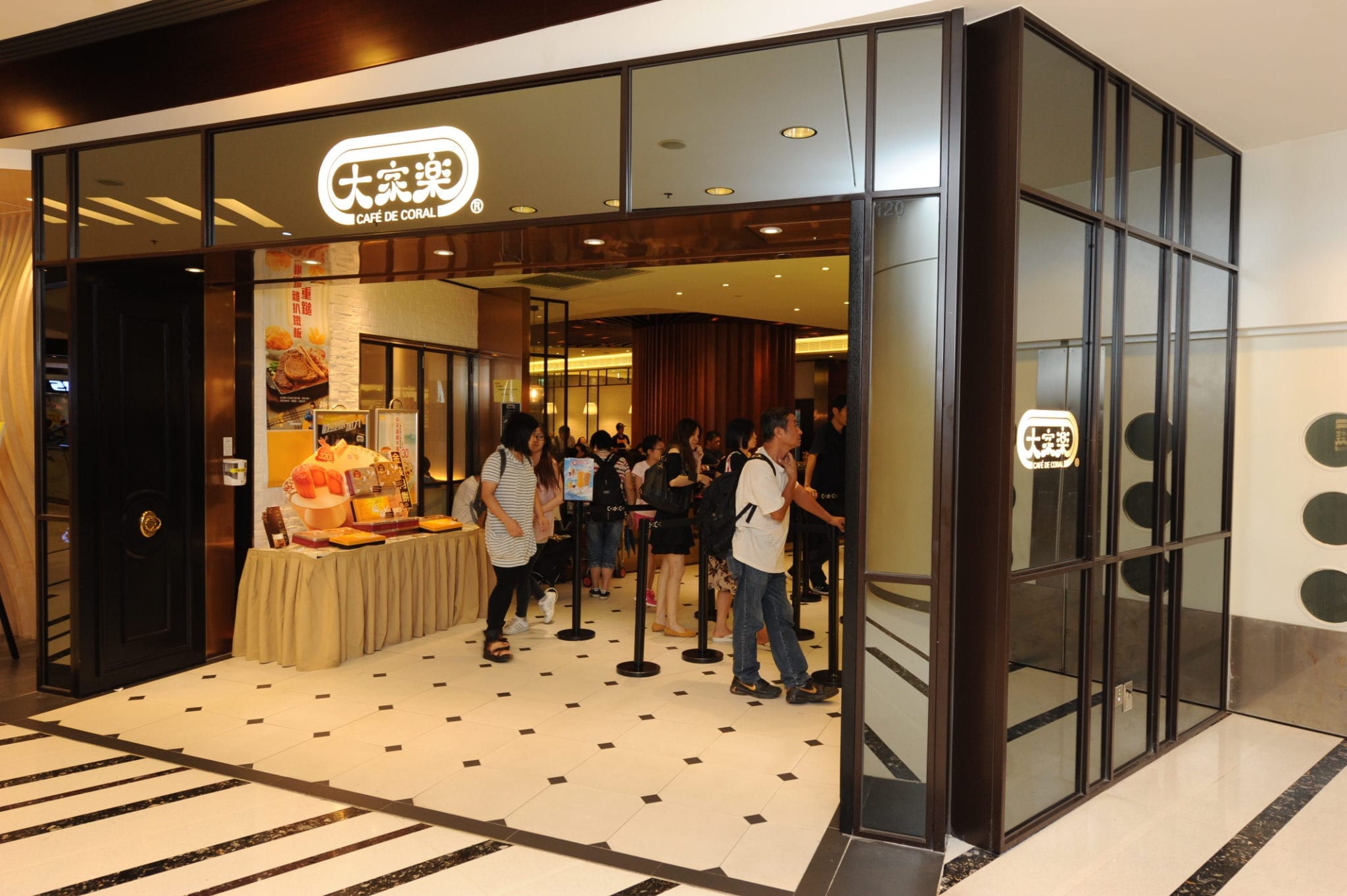
  • Cafe de Coral profits down during 50th anniversary year

    Cafe de Coral profits down during 50th anniversary year

    A sharp focus on customer experience and behind-the-scenes efficiency has driven a solid rise in profits for Cafe de Coral in its 50th year of trading.

    Revenue for the Hong Kong-listed quick-service restaurant, catering and casual dining operator rose by a modest 0.8 per cent to HK$8.494 billion, however profit attributable to shareholders soared 28.9 per cent to $590.3 million, primarily due to improvements in operating efficiency and profit margins.

    “The results achieved during the year under review indicate clear improvement in performance and customer experience, as well as a positive trend in all areas of operations,” said chairman  Sunny Lo Hoi Kwong.

    “Our philosophy towards development is driven by a long-term view, and is inspired by a belief that development cannot be rushed, yet it cannot be slow. While a succession team and sustainable growth take time to nurture, it is important the business maintains forward momentum while adapting to the environment.”

    He said the China market – and in particular the Greater Bay Area – was a key driver of growth for the group during the past year.

    “Over the past 50 years, our business has organically grown outward from Hong Kong to include key neighbouring cities and regions, which cover largely the same footprint as the official Greater Bay Area region. In expanding from our home market, Cafe de Coral’s network in Mainland China has naturally focused on the Greater Bay Area – building on our knowledge of customers, markets, property and supply chain logistics. This has allowed us to grow at a comfortable pace, confident in our ability to maintain our high standards of quality, cleanliness and service throughout our network.”

    He said focusing on the future business environment, technology will continue to be a key differentiator of the business this year. “Whether automating mobile ordering, payment or take-out and delivery, e-channels now represent a significant portion of our business, which will only grow as time passes.”

    While sales in the QSR and institutional division decreased by 0.6 per cent to $6.26 billion, the businesses maintained their leadership positions in the Hong Kong market, and contributed 73.8 per cent of the group’s total sales. The division finished the year with 298 outlets – the same as at the same time a year earlier.

    “Although the Hong Kong market remains very competitive, sentiment is positive and the fast food segment continues to grow,” said Lo. “In order to maximise growth opportunities, the group is maintaining its focus on improving all parts of the customer journey. With the manpower investment program in previous years now largely complete, costs are stable and under control – and margins are improving as a result.”

    He said consumers remained price sensitive and continued to be attracted by price cuts and value promotions. Cafe de Coral fast-food recorded flat same-store sales growth during the year. A review of the store network saw one opened and six closed during the year, for a net 162 shops as at March 31.

    “With network consolidation now complete, the group expects to expand its network. Seven new outlets have been scheduled to open in the months ahead.”

    A new customer loyalty program launched in May last year has proven highly popular with customers, with a significant increase in membership.

    The group has strengthened Super Super Congee & Noodles’ brand positioning as Hong Kong’s No 1 leading neighbourhood chain, providing nostalgic traditional and authentic Chinese cuisine (congee, noodles and wok-fried dishes). It achieved 2 per cent same-store sales growth during the year.

    The casual dining business achieved revenue of $905.8 million during the year, an increase of 2.7 per cent year on year. Following rationalisation of the brand portfolio and branch network, the division operated 60 shops at the end of the year, eight fewer than a year earlier.

    The group’s Chinese cuisine brands, Shanghai Lao Lao and Mixian Sense, maintained sizeable networks and shop presence with 12 and 17 shops at year end, respectively. Shanghai Lao Lao, the company’s leading home-grown brand, was successful in its promotions during the year.

    Mixian Sense opened three more shops during the year, introduced QR code ordering to improve the customer experience and operational efficiency, and also launched a new VIP program to encourage customer response.

    Non-Chinese cuisine brands continued to rationalise their branch networks to improve performance. The Spaghetti House ended the year with seven shops and Oliver’s Super Sandwiches with 13, both chains two stores down year on year.

    Lo said Mainland China represents a major opportunity for the group’s business. “Continuing last year’s momentum, the Mainland China business delivered strong performance during the year, achieving 7 per cent growth in revenue to $1.152 billion and same-store sales growth of 2 per cent.”

    Building on management’s confidence in the market, the group doubled the number of store openings compared to the previous year, opening 16 shops to end with 107. Another 20 new stores are planned for this year.
  • Domino’s To Use Self-Driving Vehicle To Deliver Pizza

    Domino’s To Use Self-Driving Vehicle To Deliver Pizza

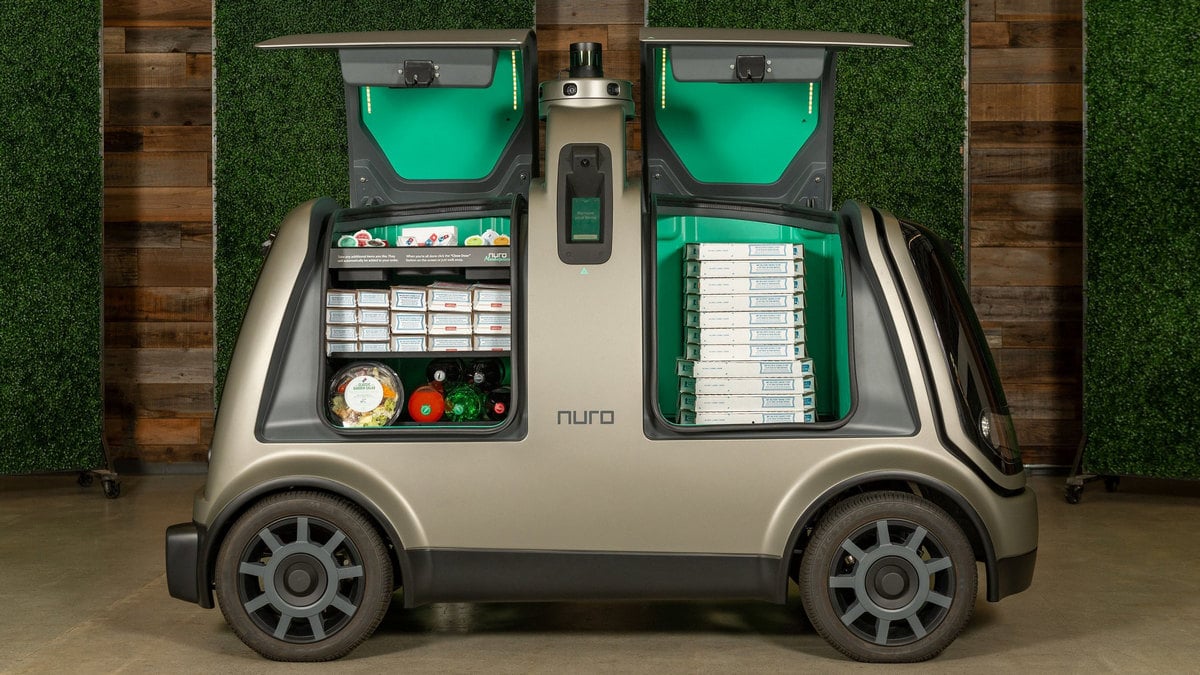
    Domino’s Pizza and Nuro, a robotics company have partnered to bring out an autonomous pizza delivery unmanned vehicle known as the R2. Dominos will use Nuro’s unmanned fleet to serve select Houston Domino’s customers who place orders online. This partnership will expand Nuro’s autonomous delivery operations, which have been running in the Houston metro area since March 2019.

    Select customers who order online from one of Domino’s participating stores will have the opportunity to use Nuro’s autonomous delivery. Once they have opted in, customers can track the vehicle via the Domino’s app and will be provided with a unique pin code to unlock the compartment to get their pizza.

    Kevin Vasconi, Domino’s executive vice president and chief information officer, said, “We are always looking for new ways to innovate and evolve the delivery experience for our customers. Nuro’s vehicles are specially designed to optimize the food delivery experience, which makes them a valuable partner in our autonomous vehicle journey. The opportunity to bring our customers the choice of unmanned delivery experience, and our operators an additional delivery solution during a busy store rush, is an important part of our autonomous vehicle testing.”

  • Shakey’s Pizza Asia Ventures acquires Restaurants

    Shakey’s Pizza Asia Ventures acquires Restaurants

    Shakey’s Pizza Asia Ventures has fully acquired local Philippines restaurant chain Peri-Peri Charcoal Chicken.

    The firm has also recently signed a memorandum of understanding to buy artisanal pizza brand Project Pie, including all assets and intellectual property. The brand was previously owned by Shakey’s parent firm Century Pacific Group and Singaporean sovereign wealth fund GIC.

    As of June 1, Shakey’s is now the owner-operator of all Peri Peri stores owned by the company, as well as brand owner and franchisor of the remaining outlets.

    Peri-Peri now has 23 locations throughout the Philippines.

  • Restaurant Brands is Expanding Again

    Restaurant Brands is Expanding Again

    KFC Australia enjoyed a 6 per cent increase in same-store sales in its first quarter of FY19 and a 1.9 per cent increase in total sales, despite the temporary closure of several stores for refurbishments.

    KFC saw $37.3 million (NZ$39.7m) in same-store sales and $40.7 million in total sales in the quarter.

    This helped drive total sales for parent company Restaurant Brands up 1.6 per cent to $182.8 million, due to increased same-store-sales in all of its markets; Australia, New Zealand, and Hawaii.

    In New Zealand, KFC saw a same-store sales increase of 5.2 per cent to $73.8 million (NZ$78.4m), up from $70.2 million (NZ$74.6m) during Q1 of FY18. Restaurant Brand’s Pizza Hut operations in New Zealand, however, saw a significant drop in sales over the period.

    While same-store sales fell 4.6 per cent, the pizza chain’s total sales fell 16.1 per cent to $7.2 million (NZ$7.7m), compared to the $8.57 million (NZ$9.1m) seen during the same period of FY18.

    Looking forward, Restaurant Brands’ management notes that it is no secret they intend to turn the operation into a billion-dollar company, in both market capitalisation and in total revenue.

    “As to our total revenue, in just over two years we’re well on the way having doubled in size through international acquisitions,” the group wrote in a statement to shareholders.

    “Now that consolidating new operations and transitioning the company to a new ownership structure are behind us, we are set to resume our aggressive expansion strategy with gusto.”

    Over the next five years, the group expects to open 30 new KFC stores across Australia and New Zealand, acquire independent KFC franchises in Australia, launch and roll out Taco Bell in New Zealand and Australia and establish a larger presence in the United States.

  • Domino’s Pizza  invests in technology to improve quality

    Domino’s Pizza invests in technology to improve quality

    Domino’s Pizza is taking on one of its customers most common complaints, that the ordered pizza “doesn’t look like it should”, with a nationwide roll-out of its Pizza Checker technology.

    The technology takes the form of a camera system that grades individual pizzas on certain qualities, such as the topping volume and spread, as well as the amount of cheese used, and it’s already showing results according to Domino’s Australia and New Zealand chief executive Nick Knight.

    “So far, it’s analysed more than one million pizzas, and there is a lot of learning that we’ve captured,” Knight told analysts during a briefing call last week.

    “It’s early days, but I’m really pleased with what we’re seeing. Team members are using this technology to put a much needed extra focus on product quality.”

    According to Knight, while customers so far can’t see or tell that the pizza they receive has been ‘checked’, customer metrics show that they are reacting positively to the results.

    “In my experience, when we’ve tackled one of the biggest customer tensions, like we did with GPS drivers, those things have flowed through to sales,” Knight told analysts.

    The technology uses artificial intelligence to grade pizzas, and will eventually allow customers to view a real-time image of their pizza on the cut bench, and will notify them if their pizza failed the process – resulting in a remake, though it’s possible this situation could lead to longer delivery times.

    The technology is now active across all Australian and New Zealand Domino’s stores.

    During the call last week, Knight also discussed Domino’s effort to improve the overall health of its franchise business through its Operations 360 initiative, which launched 18 months ago.

    The initiative provides franchisees with data on sales drivers at the store level, and gives the company’s operations team members an opportunity to provide advice and training in those areas where certain franchisees may be struggling.

    While this has helped some franchisees to improve, it has also led some franchisees to exit the business, Knight said.

    “Unfortunately, some franchisees don’t have the passion or capability to take their business to that level, and they aren’t able to run with us,” Knight told analysts.

    To help these franchisees in their exit, Domino’s has purchased some franchised stores back from franchisees and will, in the short term, run them as corporate stores.

    Knight said some franchisees who left may have been unhappy, and cautioned that they might lodge proceedings in an attempt to bargain with the business, or out of a genuine issue.

  • McDonald’s China Teams up loyalty program with Ele.me app

    McDonald’s China Teams up loyalty program with Ele.me app

    McDonald’s customers in China can now earn loyalty points when they order a Big Mac or Filet-o-Fish through Ele.me, Alibaba Group’s on-demand delivery platform.

    Ele.me users can activate a McDonald’s membership card with just one click on the app to earn loyalty points for purchases and receive vouchers worth up to RMB 88.5 (US$12.80). The fast-food giant attracted nearly 20,000 new members on its first day of launching the service on May 20, while single-day orders increased about 20 per cent week-on-week, McDonald’s China said.

    McDonald’s China is one of the first restaurant chains to pilot the new Ele.me service, one of the app’s latest tools to help the food-and-beverage sector seamlessly connect their online and offline operations.

    “McDonald’s is an important strategic partner for us, and we are thrilled to fully integrate their loyalty program with our platform. We look forward to continuing to work together to improve the delivery experience for consumers and provide even more services, benefits and perks,” said Hu Xiaoyu, VP of Ele.me.

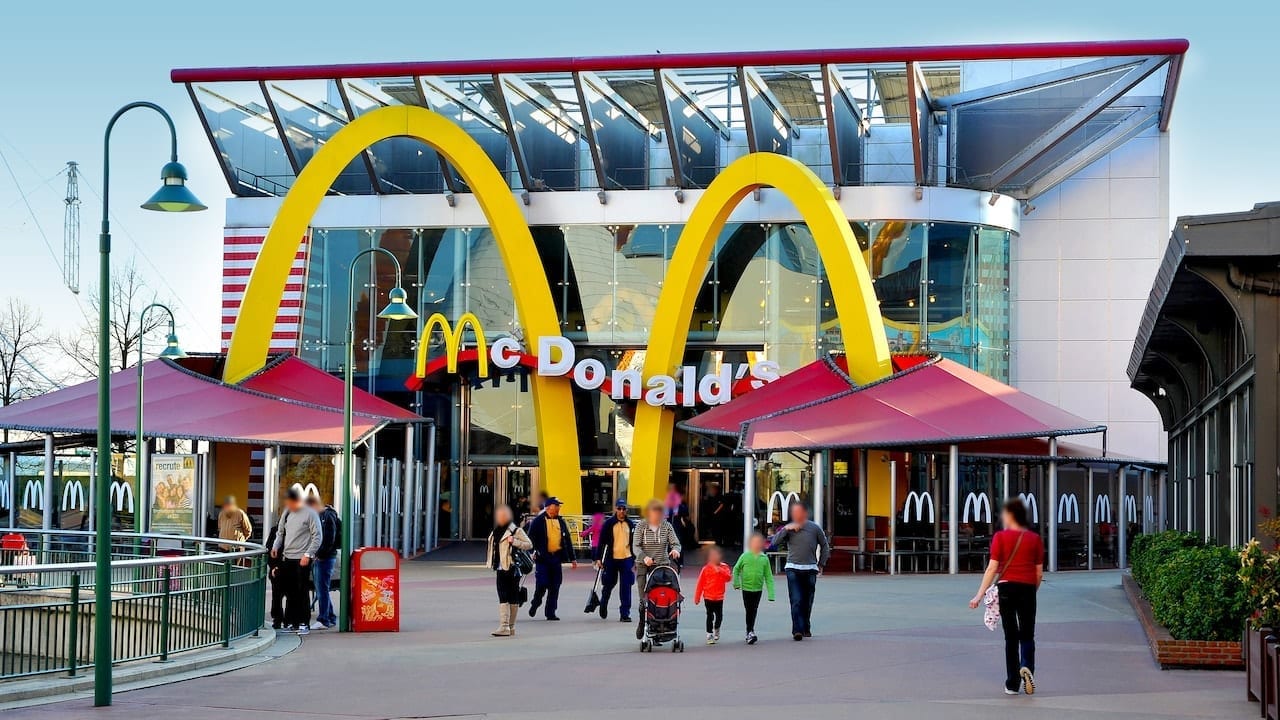
    There are more than 3100 McDonald’s restaurants in Mainland China, more than 2000 of which also have a virtual presence on Ele.me. McDonald’s China launched its membership program last year, rewarding members for purchases made in-store or via its app and mini-program. It now counts more than 75 million members.

    “Integrating our loyalty program with Ele.me helps us provide more customers with a complete set of membership services and benefits, which ultimately enhances the delivery experience,” said Emily Pang, head of brand extension at McDonald’s China.

    Also among the first batch of global restaurant chains to bring their membership program to Ele.me are Burger King, Dairy Queen and Papa Johns, all of which reported higher sales in the 30 days that followed their launch. Burger King was the first to opt in last November, and has since attracted 2 million new members, with members contributing to nearly 40 percent of its gross merchandise volume on Ele.me.

    Ele.me plans to roll out even more features, such as birthday perks and member-only sales campaigns, to “bring more value to every purchase,” Hu said.

  • In-N-Out Burger opens pop-up Restaurant in Seoul

    In-N-Out Burger opens pop-up Restaurant in Seoul

    In-N-Out Burger, a popular American hamburger franchise, opened a pop-up store on Wednesday in Gangnam, Seoul, drawing hundreds of visitors.

    People began lining up at the store from 6am to try out what can otherwise be tasted only in America. The 250 burgers prepared for the day sold out in just 30 minutes.

    South Korea’s craze for American food brands, including Shake Shack in 2016, and recently Blue Bottle Coffee, is drawing attention from brands.

    The pop-up event, originally scheduled to start at 11am, had to open early at 9.30am due to the massive number of people queuing. All 250 wristbands, needed to purchase a burger, were given out before the clock struck 10.

    This is In-N-Out Burger’s third pop-up store since the last one in 2012. The burger franchise, however, currently has no plans to enter the South Korean market.

    Some argue that the pop-up store is In-N-Out Burger’s strategy to maintain trademark rights in South Korea.

    Experts say that South Korea’s craze over American food chains reflects the people’s need for ‘small but definite happiness’ in the age of social networks.

    When the first Shake Shake opened in South Korea in July 2016, for more than a month, customers had to line up for at least two or three hours to get a burger.

    People also lined up at Blue Bottle’s first store in Seoul’s Seongdong District, which opened early this month.

    “In the age of social networks, people’s need for a ‘small but definite happiness,’ which can be easily shared with other consumers, seems to coincide with these food chains,” said one expert.

    “That is why people seem to become more willing to wait in line for hours, just like how they did at Shake Shack or Blue Bottle.”

  • Shake Shack opens first store in Philippines

    Shake Shack opens first store in Philippines

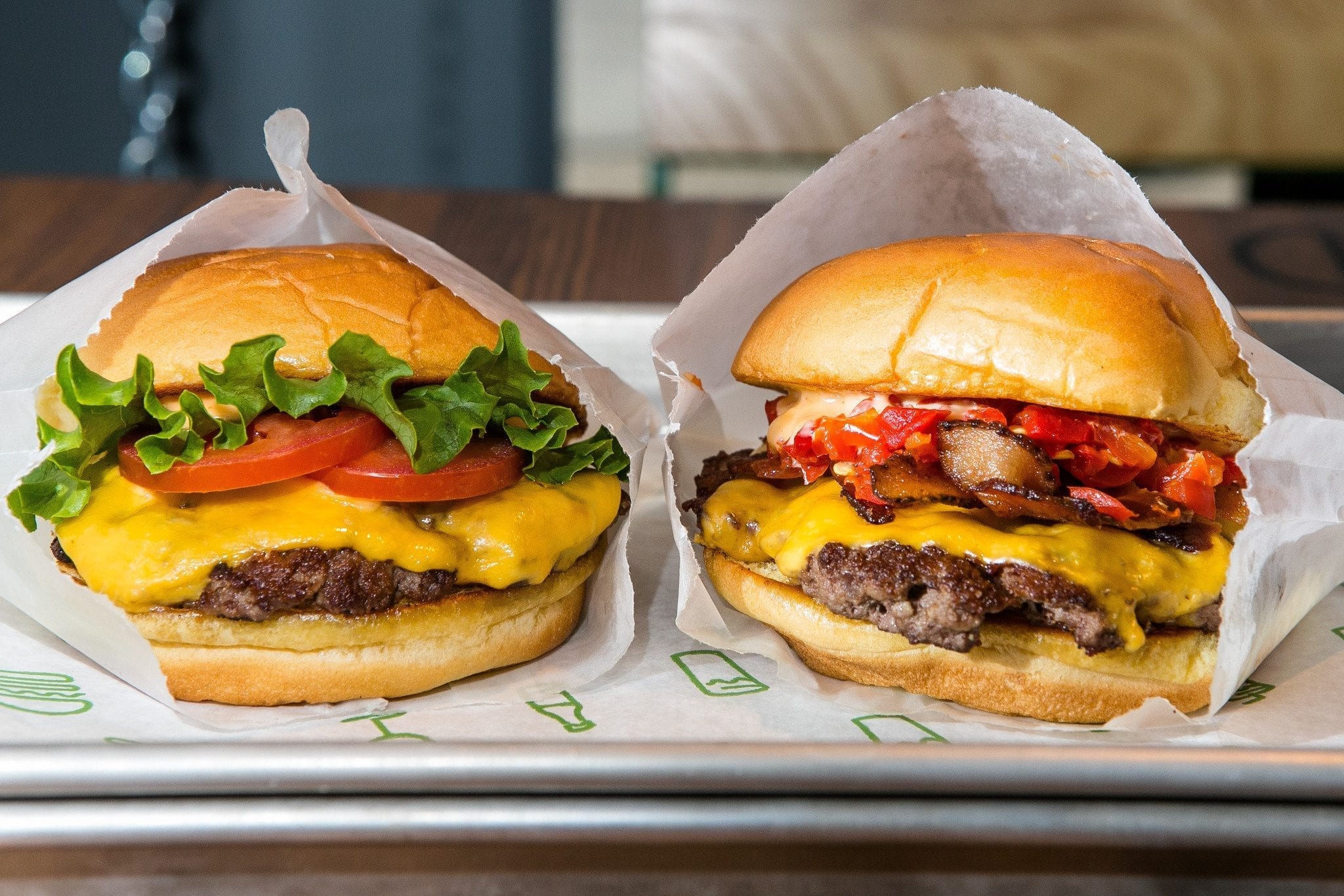
    The new QSR restaurant has opened at Bonifacio Global City (BGC) as the brand’s 225th location, although only its second in Southeast Asia after Singapore.

    “It is known for quality and consistency in taste,” said the president of the exclusive franchise holder SSI Group Anton Huang. “As far as SSI is concerned, we want to be the purveyor of lifestyle choices to the Filipino consumer. In keeping with that goal, we identified Shake Shack as a brand or concept that would really resonate well with the Filipino consumer.”

    “Filipinos are already clamoring for it to begin with and it would be a must do part of their pilgrimage to the US,” he added.

    The restaurant’s Instagram announcing the Manila launch achieved 16,000 likes, the highest-ranking post on its account.

    Huang expressed confidence that the new store will meet revenue and sales targets, and is keeping a tight focus on the performance of the first outlet before making expansion plans.

    “We’re concentrated on doing well to serve our customers and meet their expectations,” he said. “Once we’ve done that, and I’m pretty sure we are going to get that right from the beginning or the get-go, then, we will look at expansion. As I am sure you can sense, with the kind of demand there is for Shake Shack in the Philippines, I think the expansion opportunities are in fact endless. You really just have to select properly where we will expand.”