Tag: Fastfood

  • Yum! Brands to take over The Habit Burger Grill chain

    Yum! Brands to take over The Habit Burger Grill chain

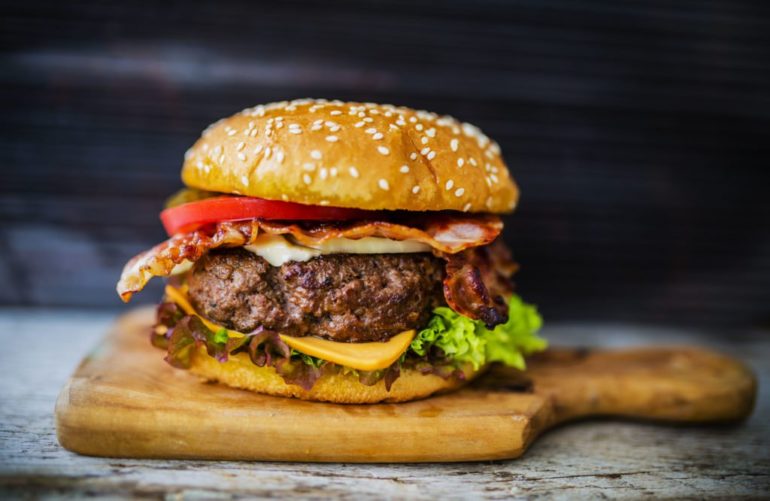
    Yum! Brands has bought California-based The Habit Burger Grill, adding its first fast-casual burger chain to its portfolio which already includes KFC, Pizza Hut and Taco Bell

    The company says it has bought all of The Habit Burger Grill’s issued and outstanding common shares in a deal worth US$375 million.

    “The Habit Burger Grill is a sweet spot within fast-casual because of its delicious California-inspired menu with premium ingredients at a QSR-like value, strong unit economics and tremendous untapped growth potential in the US and internationally,” said David Gibbs, CEO of Yum! Brands.

    As a subsidiary of Yum! Brands, The Habit Burger Grill will continue to be run as an independent brand, the company said in a statement.

    President and CEO of The Habit Burger Grill, Russell Bendel, said, being part of Yum! will take The Habit Burger Grill to the next level by leveraging Yum!’s global scale, resources, and franchising capabilities to strengthen and significantly grow our beloved brand for many years to come.”

    Founded in California in 1969, fast-casual restaurant concept The Habit Burger Grill operates about 300 restaurants across 13 states in the US.
  • McDonald’s UK to scrap plastic Happy Meal toys

    McDonald’s UK to scrap plastic Happy Meal toys

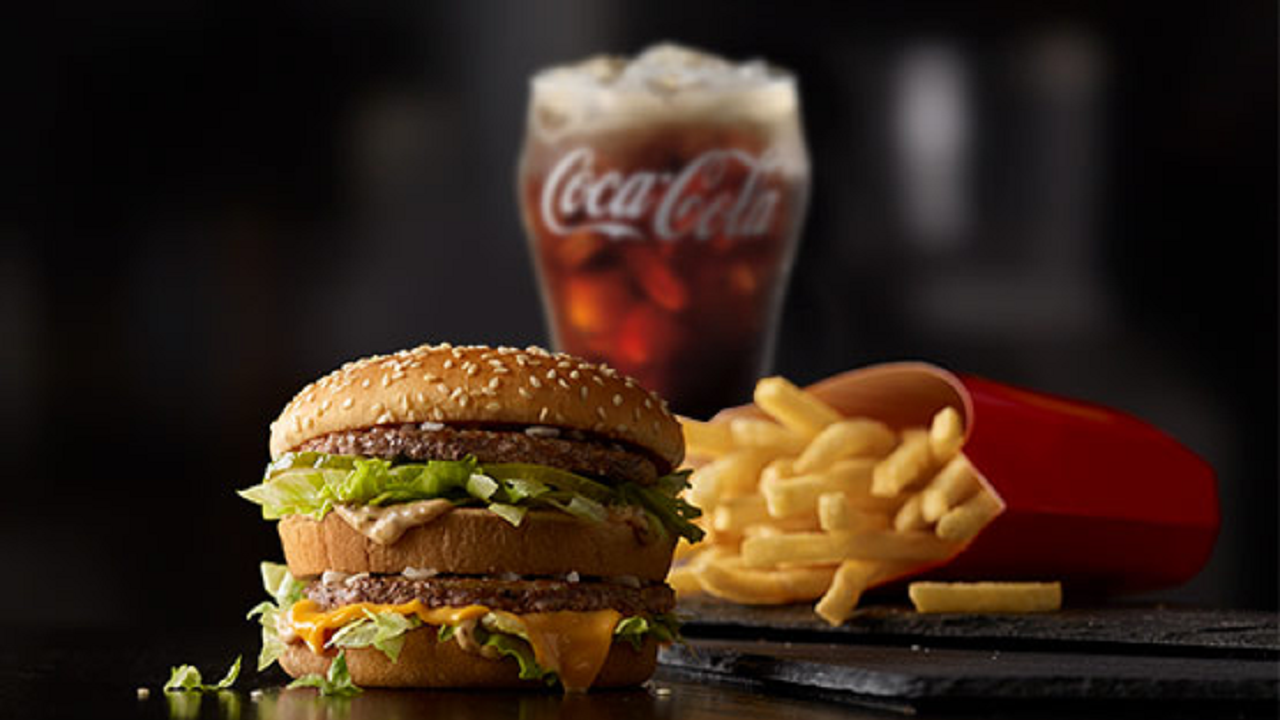
    McDonald’s UK is ditching its plastic Happy Meal toys in favor of more sustainably produced alternatives in its stores.

    In a move to reduce the firm’s plastic waste by more than 3000 tons, from May onwards the firm will phase out the playthings it provides with its children’s meals and instead offer books, stuffed items or paper-based toys.

    Simultaneously, the restaurant chain will be collecting plastic toys back in its UK and Ireland restaurants to be recycled into play equipment for its children’s charities.

    McDonald’s UK has already been providing books as an option with its Happy Meals for several years under its Happy Reader program.

    “We care passionately about the environment and are committed to reducing plastic across our business,” said McDonald’s UK marketing chief Gareth Helm.

    “Families have high expectations of us and we’re working as hard as we can to give them the confidence that their Happy Meal is as sustainable as possible.”

  • South Korea’s Crispy Chicken n’ Tomato expands in Japan

    South Korea’s Crispy Chicken n’ Tomato expands in Japan

    South Korean chicken chain Crispy Chicken n’ Tomato has expanded its retail network into Tokyo, opening 10 stores in the city this month.

    Besides selling at stores, Crispy Chicken n’ Tomato has also partnered with UberEats to offer “sharing brand service” which allows one store on UberEats to bear two brands at the same time.

    The company introduces this type of business as unlike franchises, owners do not need to change interiors, uniforms, equipment or their existing menu.

    Crispy Chicken n’ Tomato’s operator, E-mate Co, said food-delivery sales are increasing significantly in a local restaurant market that has traditionally suffered slow sales growth for various reasons.

    “We are looking for restaurant partners and agencies that want to secure new profits”, said a spokesperson.

  • Ikea and Pizza Hut design table based on pizza box widget

    Ikea and Pizza Hut design table based on pizza box widget

    Swedish furniture chain Ikea and Pizza Hut Hong Kong have teamed up to create a full-sized pizza table shaped exactly like the tiny plastic table (the “sava”) included in pizza boxes.

    The product is part of a collaboration that has also resulted in a new pizza recipe using Ikea’s meatballs – and comes packed in a genuine pizza box for good measure.

    The collaboration has been advertised throughout Hong Kong in a campaign designed by Ogilvy.

    “We’ve been absolutely thrilled to see the launch of the new Ikea and Pizza Hut pizza with a fun, cheeky campaign that has proven to be quite popular with the fans already on the first day,” said Ogilvy Hong Kong executive creative director John Koay. “This is a great pizza, and this campaign really shows how collaborations can really benefit the fans – not just the brands.”

    “This campaign shows the playful side of Pizza Hut,” said Pizza Hut Hong Kong marketing director Wendy Leung, “and that our credentials can move beyond the kitchen into new and interesting collaborations with other brands.”

    The Ikea and Pizza Hut collaboration has already proven popular with 67 percent of units already sold.

  • Chinese fast-food companies will recover soon from virus crisis

    Chinese fast-food companies will recover soon from virus crisis

    China’s fast-food sector will recover soon, according to analysts, as life in major mainland cities slowly begins to return to normal, the peak of the coronavirus crisis there now over.

    Anne Ling, an equity analyst at Jeffries, said strong growth in fast-food sales has boosted China’s delivery business during the crisis when many residents stayed at home rather than eat out to reduce the risk of virus transmission.

    “We believe that for fast-food chains like KFC, its business will recover soon. Consumers’ change in behavior is likely to benefit bigger chains like KFC,” said Ling.

    “For casual dining, like Pizza Hut or Haidilao, we believe it will take longer to recover depending on guidance from local governments on consumer safety.”

    Local governments have issued guidelines to restaurant operators, requiring consumers to be spaced out in restaurants.

    Ling says restaurants will need to reassure customers of the safety of eating on their premises. “There is a chance that operators might need to redesign the restaurant layout so there is more space between tables.”

    Major fast-food chains in Mainland China have developed effective contactless-delivery procedures, or consumers have been asking delivery riders to drop food at the front gate of their residential complex, which helps efficiency, she said.

  • Minor International’s food division turns a corner while hotels deliver huge profit boost

    Minor International’s food division turns a corner while hotels deliver huge profit boost

    Minor International has boosted its full-year profit by 137 percent, largely due to the consolidation of its recent acquisition, the NH Hotel Group.

    Fourth-quarter profit of US$119.3 million, represented a 569-per-cent increase year on year, but this included a gain on sale of three hotels in the Maldives. Excluding non-recurring items, profit grew 23 percent for the full year and 53 percent for the fourth quarter.

    Minor’s food division, which operates more than 2300 outlets in 26 countries trading under banners including The Pizza Company, The Coffee Club, Thai Express, Bonchon, Swensen’s, Sizzler, Dairy Queen and Burger King, recorded a mild reduction in profit for the quarter, from $8.6 million to $8.2 million.

    “Minor Food continued to invest in its digital capabilities to increase competitiveness and to address the soft market going forward,” the company said in a results release. “Thailand hub’s increased engagement with third-party aggregators (as a complement to its own delivery platform), coupled with continuous new product launches, resulted in much-improved same-store-sales.”

    In Australia, new product launches, a digital loyalty program and a partnership with Uber Eats saw same-store sales turn into positive growth.

    “Improving operations during the quarter, together with the consolidation of Bonchon since mid-November, helped offset softer performance in other parts of the operations. As a result, Minor Food’s performance is showing signs of recovery with a lower decline in its net profit in the fourth quarter compared to other quarters in the year,” the company said.

    After the close of the quarter, Minor International announced a plan to privatize Singapore-based BreadTalk Group, which would see it take a 25.1 percent stake in partnership with founder George Quek and his associates.

  • First MOS Burger store opens in Manila

    First MOS Burger store opens in Manila

    The first MOS Burger store in the Philippines opened this week, on the second floor of Robinsons Galleria, Ortigas Center.

    MOS Food Services Inc chairman Atsushi Sakurada said the store is just one of many branches planned for Metro Manila this year.

    MOS Burger Philippines was formed last year by MOS Food Services Inc of Japan and Tokyo Coffee Holdings in a joint venture agreement.

    The first MOS Burger store in the Philippines brings the chain’s internationally popular burgers to the local market, including cheeseburgers, Wagyu Burger and Wagyu Rice Burger.

    Founded in 1972, MOS Burger describes itself as fast casual. It is now Japan’s second-largest fast-food chain with 1300 stores domestically and 300 others around the world. In Asia it already has outlets in Thailand, Singapore, Hong Kong, Indonesia and South Korea and it plans to launch in Vietnam later this year.

    Like other fast-food chains targeting rapidly growing Southeast Asian markets, MOS Burger faces a challenge in changing local consumers’ habits of eating cheap street food to trade up to burger meals which are comparatively expensive.

    The chain’s unique selling point is its burger buns, which are made of rice mixed with barley and millet. It positions its meals as healthier than traditional fast-food fare.

    Prior to its Philippines opening, MOS Burger offered the public burgers for two days last month to tease the market and test its operations.

    Alongside burgers, the first MOS Burger store in the Philippines serves fried chicken, coffees, teas and its signature lemonade. Burgers are priced from PHP 189 (US$3.72) to PHP 309 ($6.08) for the upscale Wagu burger, with beverages from PHP 68 ($1.34) to PHP 149 ($2.93).

    MOS stands for Mountain, Ocean and Sun.

  • Mos Burger launching in Vietnam

    Mos Burger launching in Vietnam

    Mos Burger in Vietnam will open its first store in Ho Chi Minh City later this year.

    The company plans to set up a joint venture in the country next month and open 10 outlets in the next three years.

    Last October, Mos Burger partnered with Danang Tourism College to run a training program called Bentonamu Kazoku where Vietnamese candidates could undertake training courses at Mos Burger stores in Japan before returning home to work as managers.

    The company said it will recruit 350 people in four years under its work-visa program.

    Mos Burger in Vietnam’s recruiting strategy is not only to enhance the quality and training of staff there but also to help its Japanese franchisees address labor shortages arising from the country’s ageing population.

    While Vietnam may be the fast-growing retail market in Southeast Asia, it could prove a challenge for Mos Burger as other fast-food franchises have discovered that changing local consumers’ habits of eating cheap street food to relatively expensive burgers is not an easy mission.

  • Jollibee profit slides despite strong last quarter

    Jollibee profit slides despite strong last quarter

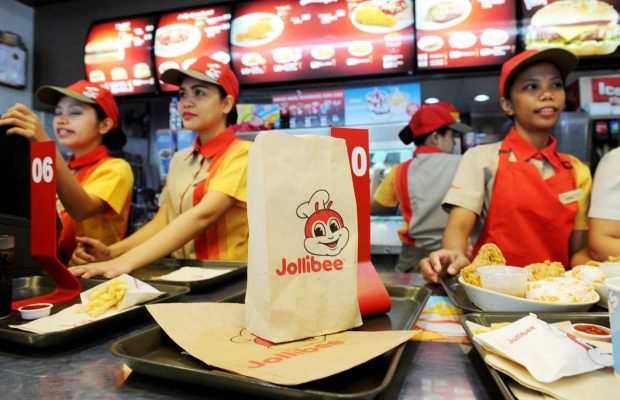
    Philippine restaurant brand Jollibee Foods suffered a 14.4-per-cent drop in earnings last year after operating income fell by 25.1 percent.

    However, a strong fourth quarter prevented a worse annual result, with operating income up 11.6 per cent on a 23.2-per-cent boost on systemwide sales.

    “Practically all brands in the Philippines improved their same-store sales growth quarter on quarter, led by Jollibee, Red Ribbon, Greenwich and Burger King,” said a spokesperson from the firm.

    “Same-store sales growth in the Philippines was driven by the continued growth in the volume of customer visits in the stores compared to a year ago and strong growth in the delivery business for all brands.”

    Jollibee Foods president and CEO Ernesto Tanmantiong said that despite a tough year, the current turnaround is being brought on by an increase in customers’ in-store and growing demand for its delivery business.

    Favorable returns on the firm’s investments – including a notable expansion of Jollibee’s newly acquired The Coffee Bean and Tea Leaf chain – have helped improve the pace of earnings.

    Jollibee Foods is targeting opening 600 more outlets this year, a little more than half of those abroad.

    “We look forward to a much stronger sales and profit performance in 2020 and the years ahead even as we consolidate the financial performance of CBTL into our financial results,” said Tanmantiong.

  • Shake Shack Singapore opens second store

    Shake Shack Singapore opens second store

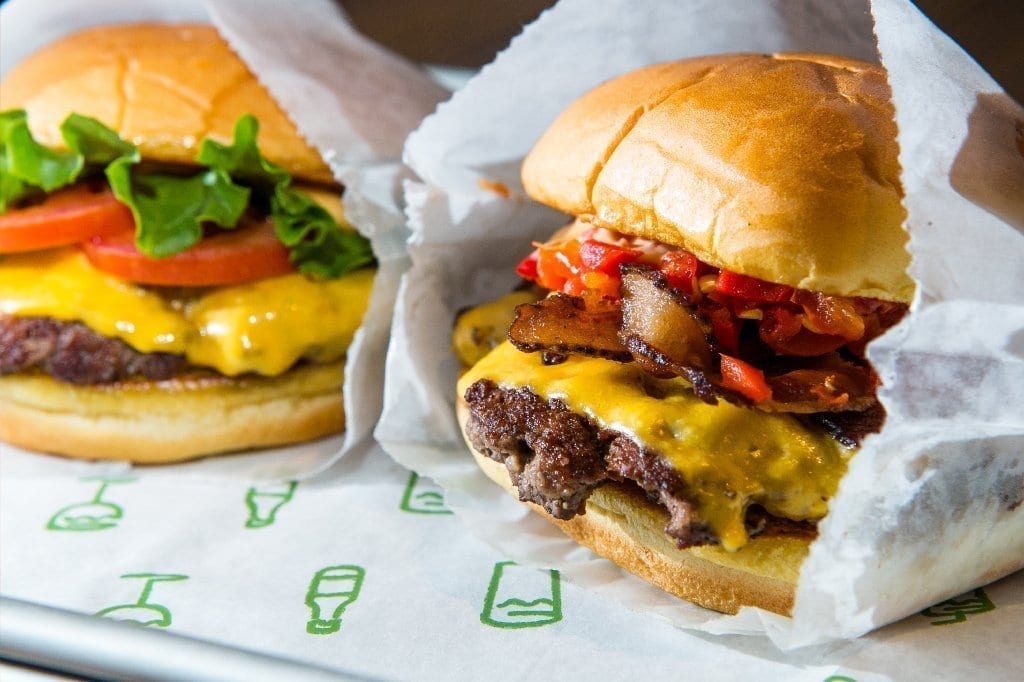
    Burger chain Shake Shack has opened its second store in Singapore, in the city’s CBD.

    Taking over the Tiger Balm factory on Neil Road, the new Shake Shack Singapore store design was inspired by its vibrant Chinatown neighborhood and colorful Peranakan architecture.

    Designed by Singaporean artist Sam Lo, the store’s interior features a tiger mural inspired by the history of Tiger Balm factory.

    To mark the opening, Shake Shack has launched The Chick’n Shack, an antibiotic-free slow-cooked chicken breast crisp fried.

    “The Chick’n Shack embodies our modern approach to fine-casual American cooking,” said Mark Rosati, culinary director at Shake Shack. “It’s about providing a simple, pleasurable, uncomplicated experience, but with high-quality, responsibly sourced ingredients.”

    The burger chain also introduces two new local dishes, Eye of the Tiger and Open Sesame, based on local flavors.

    To support the local art community, 5 percent from sales of the local products will be contributed to Very Special Arts Singapore (VSA), a non-profit organization providing opportunities for the disabled through arts.

  • Yum China launches contactless delivery services

    Yum China launches contactless delivery services

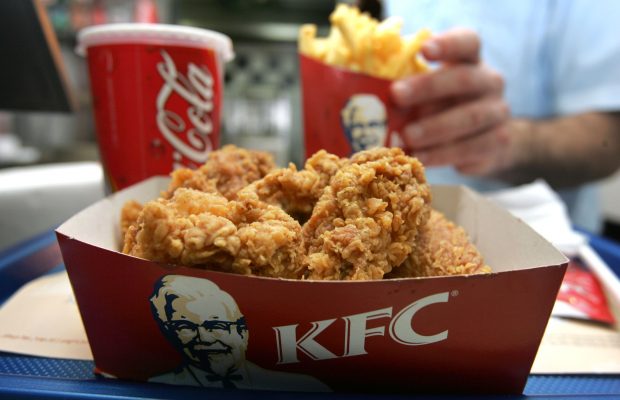
    Yum China, which operates Chinese KFC and Pizza Hut networks, has launched a contactless food-delivery service.

    The move is a response to concerns about transmission of coronavirus between customers and delivery staff – but will also give confidence to consumers who are increasingly buying from food-delivery services to avoid public contact in supermarkets, shopping centers, and restaurants.

    “The health and wellbeing of our employees and customers is our top priority,” said the firm in a written statement to Business Insider, “and the innovative new services will help reduce the risk of person-to-person transmission of the coronavirus and protect our employees and customers”.

    Customers who elect for the contactless service will be instructed to remain at least 10 feet from the masked delivery personnel, who will remove the boxed food from its thermal pouch and place it on an agreed pick-up surface only after visually confirming the receiving party.

    Delivery staff is expected to disinfect their hands before and after every transaction.

    Food may also be picked up in-store in hygienically sealed packages.

  • Hong Kong food-delivery sales down

    Hong Kong food-delivery sales down

    Food-delivery sales in Hong Kong soared 20 percent over Lunar New Year week as consumers chose to stay indoors, sheltering from the coronavirus.

    A spokesperson for Deliveroo told Inside Retail Asia that the Chinese New Year holiday period is usually a busy period for the company, the market leader in food-delivery in the territory.

    “We saw an increase of more than 20 percent in order volume as compared to the week before, potentially indicating that people were choosing to stay home and order in during the Chinese New Year holiday following traditional visits to relatives over the weekend.”

    The company witnessed a 6-per-cent drop in Chinese food orders and a 6-per-cent increase in American food orders when compared with the week before. Taiwanese cuisine also experienced an order growth of around 3 percent over the festive period.

    The spokesperson said Deliveroo had been in touch with all of its 4000 self-employed riders in Hong Kong to share official guidance with regards to the coronavirus, including safety practices.

    “Health and safety is our top priority. We have a customer service team ready to answer any questions customers may have.”

    Asked if the company was scheduling extra drivers to cope with an increase in demand as consumers ordered in rather than venturing out to public spaces, the spokesperson said the company is prepared year-round unexpectedly busy order times.

    A rider-supply planning team which is responsible for the operational performance of the delivery network uses data analytics to match supply and demand, “ensuring the company has the right number of riders on the road, in the right place and at the right time”.

    In Mainland China, Alibaba-owned delivery service Ele.me has been delivering meals for more than 100 restaurant partners to the frontline medical staff at hospitals and treatment centers.

  • Yum China prepares to list in Hong Kong

    Yum China prepares to list in Hong Kong

    Pizza Hut and KFC restaurant operator Yum China is preparing for a second listing in Hong Kong.

    The US-listed firm is currently working on proceedings with China International Capital and Goldman Sachs to establish a footing closer to its base territory. The listing could take place as early as this year.

    Bloomberg revealed that the Hong Kong Stock Exchange is seeing a spike in inquiries about second listings from Chinese companies since Alibaba’s US$13 billion share sale two months ago.

    Yum China operates more than 8900 restaurants across the Chinese market and recently agreed to purchase a majority shareholding in simmer pot restaurant operator Huang Ji Huang.

    Meanwhile, shares in Chinese restaurant chain Jiumaojiu International soared by than 40 per cent when they debuted on the Hong Kong Stock Exchange yesterday. Jiumaojiu has 328 outlets trading under five brands in Mainland China, where it plans to focus its business for now, before expanding into Hong Kong, other Asian markets and North America in the longer term.

  • Hong Kong’s Pirata Group to open new concept The Pizza Project

    Hong Kong’s Pirata Group to open new concept The Pizza Project

    Pirata Group has launched a new concept in Central, called The Pizza Project.

    Located on Peel Street, The Pizza Project will mirror the simple one-page menu format of its popular Pici chain, but with a focus on only pizzas. The Pizza Project will be helmed by chefs Andrea Viglione and Davide Borin and Pici operations manager Nacho Lopez.

    “We believe in engaging and connecting with people in meaningful ways to enrich experiences and make them available to everyone,” says Pici team. “We envision bringing excellent pizza at a fair price, so that everyone can enjoy pizza the same way we did back home,”

  • First franchised KFCs open in Chinese gas stations

    First franchised KFCs open in Chinese gas stations

    Yum has announced the opening of its first franchised restaurants in Chinese gas stations, in collaboration with China Petrochemical Corporation (Sinopec) and China National Petroleum Corporation (CNPC).

    The first franchised KFC restaurant has been launched in a CNPC gas station in Yunnan Province while the first one in a Sinopec gas station is set to open its doors, Liaoning Province, next week.

    “The first franchised gas station restaurants represent an important milestone in our long-term strategic partnership with both companies,” said Joey Wat, CEO of Yum China. “Together with Sinopec and CNPC, we are committed to building a successful business model and creating innovation-driven growth together.”

    The partnership with Sinopec and CNPC will enable Yum China to expand its retail network into a previously underserved segment of the market as both companies collectively operate more than 50,000 Chinese gas stations.

    With the partnership, Yum China aims to open more than 100 stores in the next three years and create more opportunities to collaborate in other fields.