Tag: Fastfood

  • McDonald’s Yagoona store reopens, 50 years since first restaurant unveiled

    McDonald’s Yagoona store reopens, 50 years since first restaurant unveiled

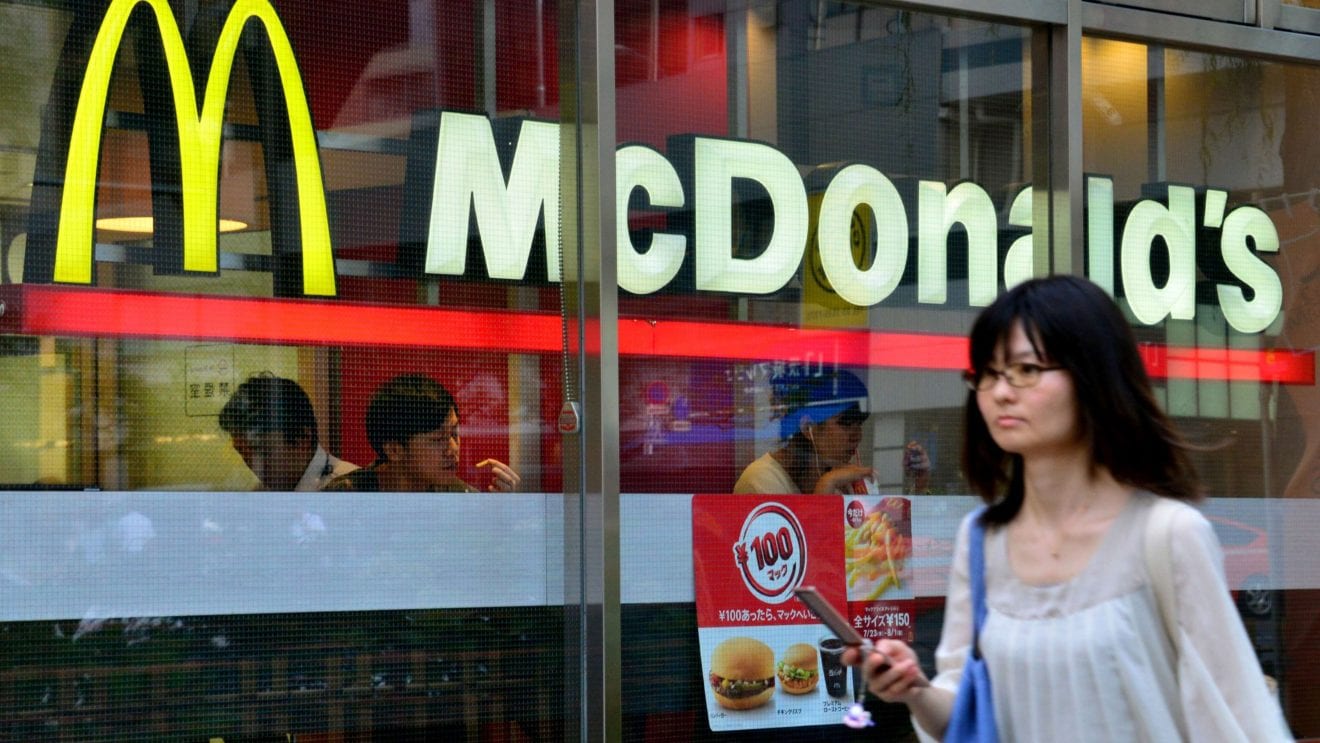
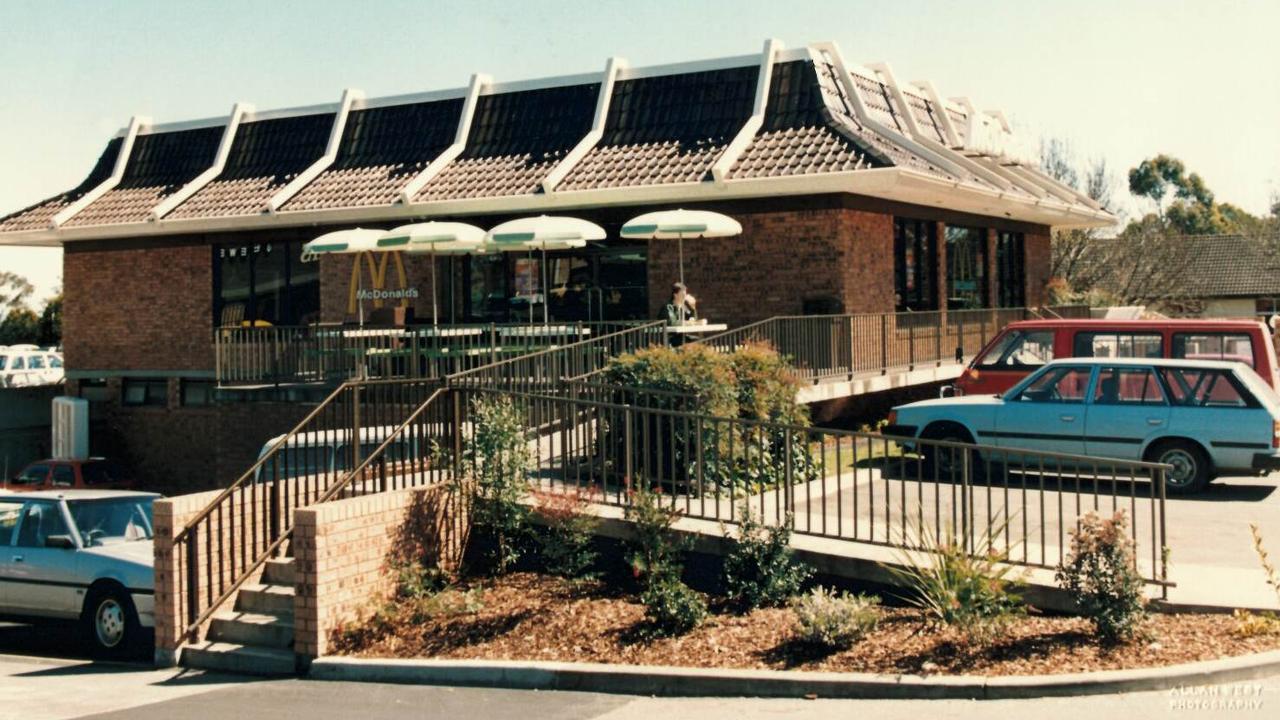
    McDonald’s is stepping back in time and reopening Australia’s first restaurant in Yagoona. Celebrating 50 years since the very first Macca’s opened its doors in December 1971, the new McDonald’s Yagoona will open on Friday and adopt its original 1970s prices. From 11 am to 1 pm on opening day the humble hamburger will be just 20 cents each, with a limit of four per customer, so you’ll need to get in quick to take advantage of the deal.

    Celebrating 50 years since the very first Macca’s opened its doors in December 1971, the new McDonald’s Yagoona will open on Friday and adopt its original 1970s prices

    The interior of the restaurant will reflect the original décor from half a century ago with a historic timeline on the wall, images of the 1971 restaurant, and a Happy Meal display with iconic toys from across the years.

    ‘We are incredibly proud to reopen McDonald’s Yagoona and recognize its important part of our history,’ Chief Executive Officer for McDonald’s Australia Andrew Gregory said.

    ‘Everything our customers know and love about McDonald’s Australia started at Yagoona from Happy Meals and birthday parties to first jobs and community contribution.

    The interior of the restaurant will reflect the original décor from half a century ago with a historic timeline on the wall, images of the 1971 restaurant, and a Happy Meal display with iconic toys from across the years

    ‘The reopening celebrates 50 years of supporting our customers, people, and communities in Australia. We look forward to once again serving the local community and welcoming back customers from the 70s, 80s, and 90s.’

    The new restaurant will operate 24 hours a day and feature a McCafé, dual-lane drive-thru, dedicated delivery partner room, and PlayPlace.

    In addition to the 20 cent hamburger, McDonald’s Yagoona will also sell $1 cheeseburgers and $2 coffee from December 17 to January 7 as part of a special promotion for customers.

  • McDonald’s class action claims systemic failure to provide rest breaks

    McDonald’s class action claims systemic failure to provide rest breaks

    Hundreds of thousands of McDonald’s staff have brought a class action against the fast-food giant for failing to provide adequate paid rest breaks, in what is being described as a “systematic failure”.

    McDonald’s has been accused of not providing staff with enough paid rest breaks for the duration of their shifts – some of which are over nine hours long. The joint investigation has revealed that workers Australia-wide have not been receiving their 10-minute rest break entitlements under both the McDonald’s Australian Enterprise Agreement 2013 and the Fast Food Industry Award 2010.

    Under these, staff are entitled to a paid 10-minute break for shifts lasting between four and nine hours, as well as two paid 10-minute breaks for shifts nine hours or longer.

    The investigation, launched by Shine Lawyers and the Retail and Fast Food Workers Union (RAFFWU), follows a decision by the Federal Court in August 2020 that found that former McDonald’s employee Chiara Staines was not provided with paid 10-minute rest breaks when working shifts four hours or longer. Ms Staines was awarded the value of her lost rest breaks in addition to compensation for loss of amenity.

    In September, the RAFFWU estimated that at least 250,000 McDonald’s staff were denied the breaks they were legally entitled to since 2015.

    Shine Lawyers class actions practice leader Vicky Antzoulatos said that since the launch of the class action investigation, the firm had been inundated with inquiries from short-changed staff.

    “What we are alleging is a systemic failure across the McDonald’s network. This class action has hit a nerve for thousands of staff, both past and present, who have been victims of the workplace breaches we allege,” she said.

    “We are dealing with a class of vulnerable workers, mostly minors, who it appears were systematically not provided with their entitled rest breaks.

    “Remarkably, many worked in extreme heat and other onerous conditions for hours on end and couldn’t access the toilet or a drink. This conduct has in many instances affected the physical and mental well-being of the workers, and the class action seeks to hold McDonald’s to account.”

    Filed in the Federal Court, the class action is open to any current and former McDonald’s workers who worked at any corporate-owned McDonald’s from December 2015, and any franchised McDonald’s from September 2017.

    RAFFWU secretary, Josh Cullinan, added that these vulnerable, often school-aged workers are entitled to fair compensation.

    “The blatant disregard shown to workers by Maccas is breathtaking. We encourage every eligible worker to get involved. They deserve full and fair compensation for what Maccas did to them,” he said.

  • McDonald’s Malaysia plans to open 200 more outlets

    McDonald’s Malaysia plans to open 200 more outlets

    McDonald’s Malaysia is set to roll out 200 stores across the country, increasing its nationwide network to 500 by the end of 2026.

    MD and local operating partner, Azmir Jaafar, told local reporters that the fast-food chain is hiring 10,000 workers as part of its expansion plan. New locations will be opened away from the 310 existing ones.

    McDonald Malaysia has also committed to serving halal food across all its restaurants. The chain established an internal halal committee in 2013 to monitor full compliance with the standards and guidelines imposed by the Department of Islamic Development Malaysia (JAKIM).

    “This committee works closely with relevant officials at JAKIM to obtain advice and guidelines for the preparation of halal, quality and clean food,” Jaafar said. “The committee is also responsible for employee training to provide a clear understanding of the concept of halal.”

    Since its launch in Malaysia in 1983, McDonald has employed 15,000 employees and served more than 13.5 million customers monthly.

  • Haidilao to close 300 restaurants as Covid curbs eating out

    Haidilao to close 300 restaurants as Covid curbs eating out

    China’s biggest hot pot chain Haidilao is slowing its rollout of new restaurants and increasing diversification of its fare, tempering its rapid expansion during the coronavirus pandemic to cope with a subsequent slump in consumer spending.

    Haidilao, which became so popular in recent years that it appeased customers in hours-long queues for its soups by providing free manicures, snacks and shoe shines, is at the forefront of reckoning in China’s restaurant industry post-pandemic.

    The chain has seen falling table turnover rates and profits as consumers dine out less and new stores cannibalize business at older locations.

    “We will open stores based on market demand, and compared to before, will appropriately slow down our opening pace,” the company said in a written response to Reuters’ questions about its strategy.

    China’s catering industry shrank 4.5% in August, before recovering for growth of 3.1% last month. Analysts said it will likely remain volatile for some time amid the country’s broader patchy economic recovery.

    “This year, fresh waves of the epidemic happened repeatedly, and passenger flow in commercial areas is volatile, affecting the recovery of core business indicators,” Tianfeng Securities wrote in a research note last month.

    Haidilao was initially undeterred by the pandemic, embarking on an expansion drive in early 2020 that has doubled its outlets since then to almost 1,600 currently. It did so by snapping up sites left behind by vacating weaker players, often helped by deep discounts offered by landlords.

    But that expansion pushed Haidilao’s table turnover rate down to 3.0 – or three sets of customers per day on average – in the first half of this year, from 4.8 in 2019.

    Xiabu Xiabu, another Hong Kong-listed Chinese hot pot chain, has said it plans to shut 200 of its 1,010 stores after losing 50 million yuan ($7.76 million) in the first half of 2021.

    Haidilao’s share price has fallen to around HK$30 from a record high of HK$86 in February.

    “The company will need to create demand going forward, which is more challenging than fulfilling demand,” China Renaissance analysts wrote in an August note.

    to turn its fortunes around, Haidilao has opened more than 10 outlets specialising in fast food such as noodles and dumplings, moving beyond the hot pot, the signature dish of southwestern Sichuan province where the company was founded 27 years ago.

    However, with a maximum of just five stores each and an average spending per guest of 10 to 20 yuan – versus 107.3 yuan for the Haidilao restaurants – the sub-brands contributed just 0.5% to first-half revenue.

    Haidilao last month closed a potato noodle restaurant less than a year after opening it in the central city of Zhengzhou, without publicly citing a reason.

    In other diversification attempts, the company has opened bars in three of its Beijing restaurants and is promoting its delivery service, a unit where revenue initially rose during the pandemic.

    However, delivery revenue dropped from 409.6 million yuan, or 4.2% of total revenue, in the first half of 2020 to 345.7 yuan, or 1.7% of total revenue, in the first half of 2021.

    “(Eating) hot pot has a strong social feature so people are less likely to order hot pot at home,” said Zhu Danpeng, an independent food industry analyst.

    Haidilao opened a store on Alibaba’s marketplace Tmall several months ago to sell items including lipsticks inspired by its soup bases with names such as “capsicum rouge” and “summer tomato”.

    Zhu said Haidilao’s multi-brands strategy was the right move but the company did not have a lot of room for growth: “Haidilao has reached a certain phase with its development, as a man has reached his middle age.”

  • McDonald’s showcases its China headquarters flagship

    McDonald’s showcases its China headquarters flagship

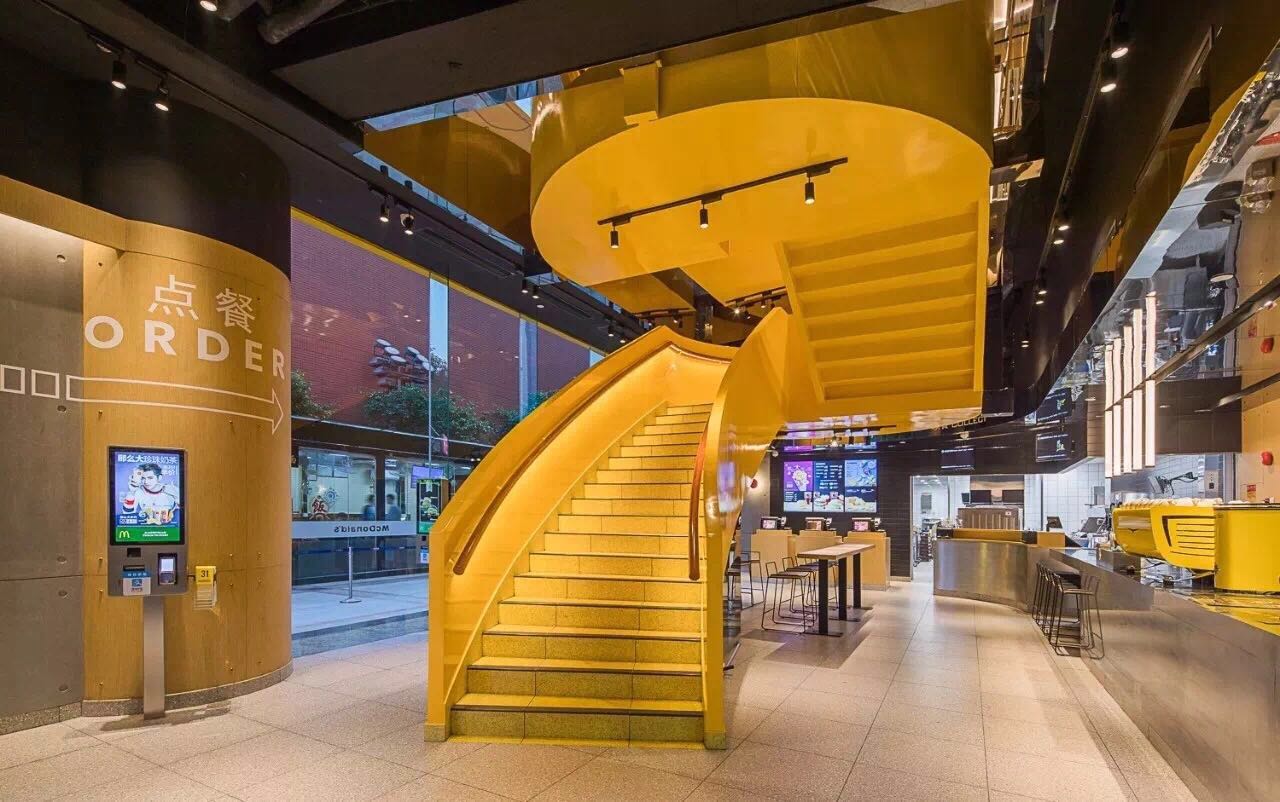
    31 years ago, McDonald’s opened its first store in China on the 8th of October. 31 years later, the fast-food industry giant announced the opening of a new China headquarters building in Shanghai’s West Bund. It will be home to the company’s over 600 HQ-based employees.

    Zhang Jiayin, McDonald’s China CEO, compares the move of the headquarters to a new journey. The cube-shaped building contains more futuristic elements of McDonald’s: an intensive-style innovation lab, the seventh Hamburger University, and the largest McDonald’s flagship store, which represent the company’s commitment to the Chinese market.

    “The Chinese market will be one of the most important markets in the world, and we will witness more here,” said Zhang Jiayin.

    The flagship store, which opened the same day as the new building was officially launched, is also the company’s first cube-style flagship restaurant in East China and McDonald’s China’s first LEED platinum-certified flagship restaurant. Another highlight is its various cross-over attempts with the CITIC Press Group, including the children’s bookstore and mini-theater.

    The third floor of the building contains McDonald’s in-house training institution, the Hamburger University, which will launch its first class next Monday.

    “The reason why we chose Shanghai is that it is a highland of talents, where you can find the best talents in the country and even the world,” noted Zhang. This year, McDonald’s China has planned over 130 university recruiting events across the country, to support the rapid development of its business. At present in McDonald’s China, employees born from 1995 account for more than 60%, and employees born from 2000 are close to 43%.

    Apart from talented people, the company chose Shanghai for its headquarters as it is a giant test field for cutting-edge concepts, be it light meals or plant-based meat. “It is a base camp radiating the entire market in China. We will continue to develop, continue to expand in scale with brand differentiation, and serve more consumers,” added Zhang.

  • McDonald’s targets net zero emissions by 2050

    McDonald’s targets net zero emissions by 2050

    McDonald’s said it aims to bring its greenhouse gas emissions to net-zero by 2050.

    It’s a higher bar than the Chicago-based fast-food chain set three years ago, when it pledged to cut emissions linked to restaurants and offices 36% by 2030. Since then, emissions have dropped 8.5% below 2015 levels, the company said Monday.

    McDonald’s said it will work with the United Nations Race to Zero campaign, which includes cities, regions, investors and more than 3,000 businesses targeting net zero emissions by 2050 at the latest, as well as the Science Based Targets Initiative.

    The company said it will increase emissions reductions already underway and give teams in different regions some control over the strategies used to hit the net-zero target, like renewable energy, regenerative farming and sustainable packaging.

  • Five Guys opens first Australian outlet

    Five Guys opens first Australian outlet

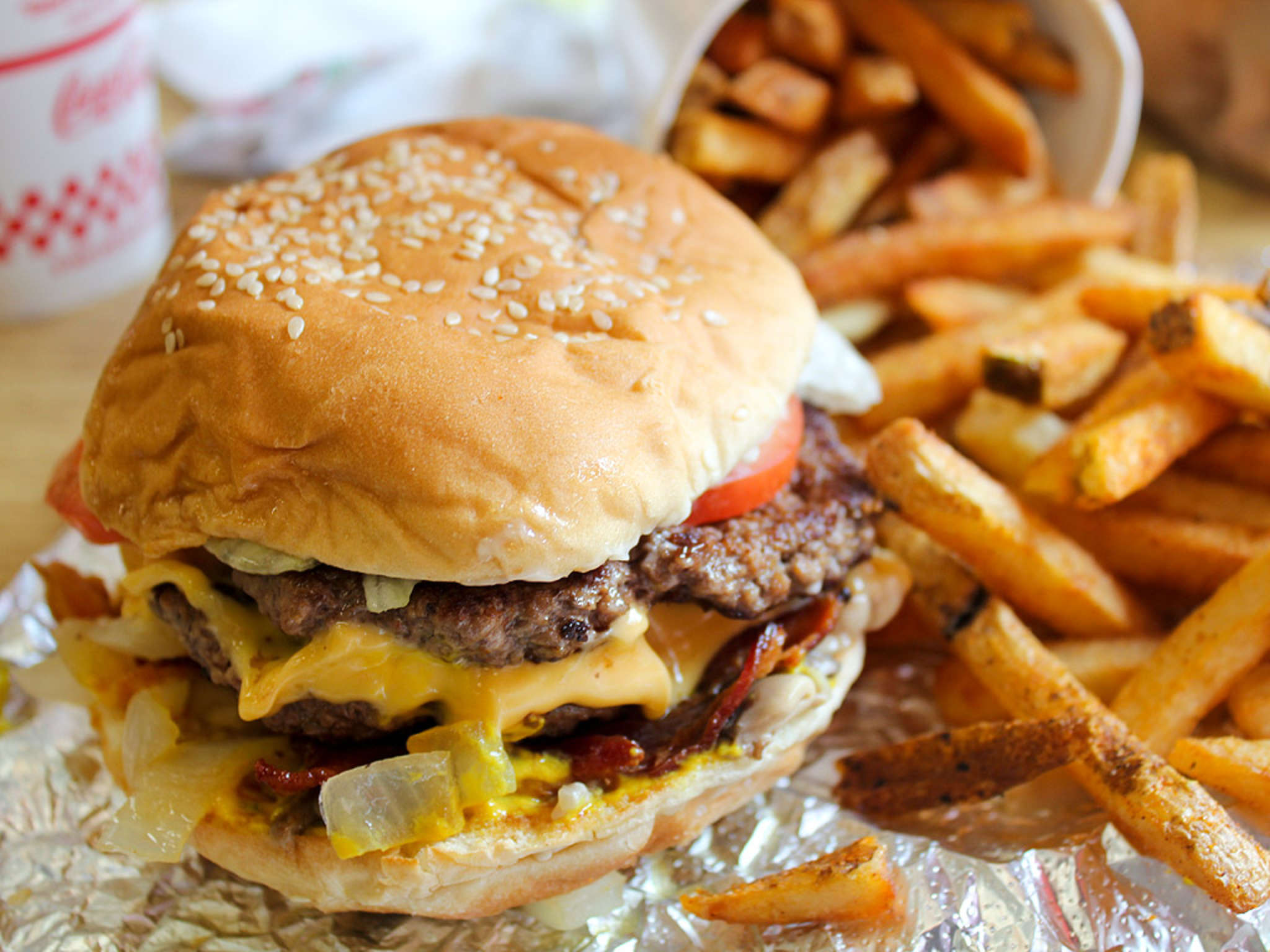
    US burger sensation Five Guys opens its first Australian restaurant, for takeaway only, on 20 September in Sydney’s Penrith.

    Master franchisee Seagrass Hospitality is opening the long-awaited fast-food brand at the Penrith Panthers Leagues Club on the busy Mulgoa Road.

    Robby Andronikos, brand manager of Five Guys Australia, said “It’s been an incredibly fun journey to bring the Five Guys opening to this point. A massive team effort from Five Guys, Seagrass BHG, and the multiple Australian producers and businesses working in partnership to launch this brand with the exacting standards required.

    “I’m excited to finally be able to open the doors to our first store in Penrith with many more Australian restaurants on the horizon already planned.”

    Seagrass BHG has five brands in its portfolio, including Ribs&Burgers, Italian Street Kitchen and The Meat & Wine Co.

    What started as a family-run burgers and fries restaurant in 1986 is now a global franchise with sites across North America, Europe, the Middle East and Asia.

    The next planned expansion beyond the Australian market will be into New Zealand.

    The Murrell brothers who founded the business has a no freezer, no microwave policy – all burgers and fries are made fresh every day.

    Lean mean patties are made every day on site, while the bread is baked fresh five days a week in a locally contracted bakery.

    Chad Murrell said “From the beginning, we wanted our customers to know that we put all our money into the food. That’s why the décor is so simple; only red and white tiles. We don’t spend money on décor, or guys in chicken suits. We’ll go overboard on food.

    “By maintaining a simple ethos, coupled with highest quality ingredients, we continue to follow through on the vision since 1986.”

  • Subway plans to start selling into Indonesia

    Subway plans to start selling into Indonesia

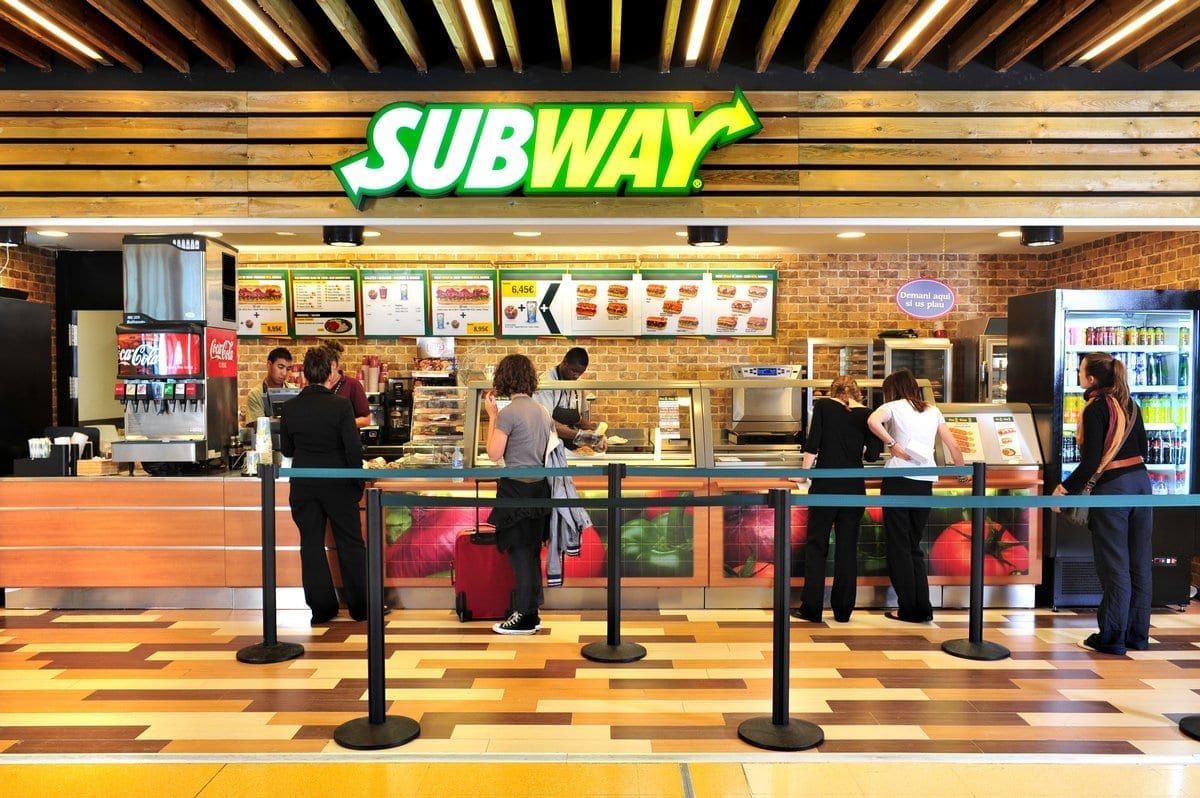
    Subway, the world’s largest restaurant brand, has signed an agreement with PT Sari Sandwich Indonesia, a subsidiary of Indonesia’s food & beverage retailer, PT Map Boga Adiperkasa Tbk (MBA), whose parent company is PT Mitra Adiperkasa Tbk (MAP). This agreement kicks off Subway’s aggressive plans to expand its international footprint. The partnership will launch Subway restaurants in Indonesia by Q4 2021, with initial locations set to open in the Greater Jakarta region.

    “The demand for Subway restaurants is unprecedented in many markets around the world, including Indonesia,” says John Chidsey, Chief Executive Officer of Subway. “MAP, Indonesia’s leading lifestyle retailer, is the ideal partner to kick off our expansion in the Asia Pacific region, where we know convenient, better-for-you options are in demand. This is just the start of our global expansion plans.”

    A major player in the Indonesian F&B market, MBA has over 590 stores across 33 Indonesian cities serving brands like Starbucks, Pizza Marzano, Krispy Kreme and others. According to the agreement, the Subway brand will be managed by PT Sari Sandwich Indonesia and expands MBA’s business portfolio to eight premium international brands. In addition, Indonesia will be the first-ever market to implement Subway’s exclusive country franchise model globally. Based on this model, MBA will solely spearhead Subway’s development in Indonesia with the goal of establishing strong and steady annual restaurant growth.

    “MBA recognizes the importance of food retailing and works with best-in-class brands, making Subway a natural choice,” says V.P. Sharma, Group CEO of PT Mitra Adiperkasa Tbk.

    The partnership expands growth for both companies, allowing Subway fans in Indonesia to get freshly made, craveable food with fast, friendly and convenient service closer to home.

    “Subway offers delicious, better-for-you sandwich choices that cater to the growing trend of Indonesians looking for a more balanced and healthier diet,” said Anthony Cottan, President Director of PT Map Boga Adiperkasa Tbk. “The Subway model of making every sandwich customized, in addition to its convenience and affordability, will attract many guests and position it for growth in Indonesia for many years to come.”

    The expansion into Indonesia marks the first step in Subway’s continuing plans to grow its presence in the Asia Pacific region. The brand’s restaurants and sales throughout the region, in countries such as South Korea, Australia, New Zealand, Thailand and Singapore, have seen significant success in recent years and Subway expects similar results in Indonesia.

  • Domino’s seeks to grow its slice of QSR following bumper year

    Domino’s seeks to grow its slice of QSR following bumper year

    For many, March and April 2020 came with plummeting sales and a scramble to pivot operations. Domino’s was not a part of that crowd—not by a long shot. From April 20 to May 17 last year, same-store sales lifted 20.9 percent at U.S. franchises and 22 percent at company-owned stores. In the same period, domestic retail sales increased 25 percent.

    It was a stellar run for Domino’s amid all the challenges. But now the calendar has flipped forward a year, and the environment is completely different. Capacity restrictions are lifting, vaccines are increasing, and COVID rates are declining, for the most part. There’s a lot more options for consumers out there, which means Domino’s market share comes into question.

    CEO Ritch Allison is wary about the upcoming laps, but not worried, and that’s an important distinction, he said. Allison feels Domino’s is in as good of a position as it’s ever been. U.S. same-store sales increased 13.4 percent in Q1, the market’s 40th consecutive quarter of growth. With a two-year stack of 15 percent, Domino’s saw a slight sequential improvement on a two-year basis compared to Q4 2020. The lift in comps was driven by a healthy mix of average check and order growth.

    The brand opened a net of 36 U.S. stores, including just one company-owned closure. Most importantly, franchisees are coming off another year of record-setting profitability, with average store-level EBITDA coming in at just over $177,000.

    “We’ve got some pretty strong laps ahead of us from the second and the third quarters of last year, but what we’re really focused on are continuing to make the investments to drive long-term growth in the business,” Allison said during the chain’s Q1 earnings call. “And as I look out across the rest of the year, we are really in an enviable position.”

    Domino’s is in an enviable position because it has plenty of “arrows in the quiver” to fuel business, Allison said. For example, there is much room to gain in the carryout business, which saw growth in sales throughout 2020, but a weakening order volume. There’s reasons for this trend, too. Domino’s began 2020 running TV advertisements for Pie Pass, a big screen that displays customers’ names as they pick up their pizza. That had to be turned off immediately when COVID hit.

    Through the remainder of the year, Domino’s developed carside delivery as a safer service model, but it still wasn’t pushing carryout as hard as it had been in the past few years. Domino’s turned off its more aggressive promotional weeks that are usually spread across the annual calendar. Even in Q1 the pizza chain elected not to run any “boost week” promotions because of the positive sales impact from stimulus checks. Domino’s also doesn’t discount the affect of other restaurants dedicating more resources to the carryout channel throughout the pandemic.

    One key remedy is continuing the fortressing strategy, which helps Domino’s capture incremental carryout business, as well as lower relative costs, better service, and higher economics for drivers.

    “As I look this year and ongoing, fortressing is going to continue to be a big part of that strategy to gain share,” Allison said. “As we’ve talked about in the past, we are still relatively underpenetrated in terms of share in the carryout business specifically. And fortressing gives us an opportunity to go out and grab that largely incremental carry out business.”

    The foundation is already there. Domino’s has 27 million active members in its loyalty program, and the figure continues to grow. The company sees strong and steady frequency among these guests, as well. Going forward, Allison said there will be opportunities to “turn the volume back up” on new customers.

    Domino’s arsenal includes an advertising war chest to drive customer awareness and acquisition. It allows Domino’s to gather sales trends and “put a little bit more muscle against things” when and where it needs to. A good example of this came earlier this week. Domino’s announced a national TV campaign highlighting its relationship with Nuro, a robotic delivery company. As part of the advertisements, Domino’s brought back “The Noid,” a character the chain first used in the 1980s. Allison said the campaign is already “generating incredible buzz around the Domino’s brand.”

    “It’s stuff that we think about all the time because the vast majority of the dollars in that advertising fund are franchisees dollars,” Allison said. “So we spend it with great care. We talk a lot about how we use analytics to make decisions at Domino’s. It’s an area where we’ve got terrific analytics in terms of understanding the return on spending those dollars across a range of different channels or opportunities that we have to invest them on the part of our system. And so, we are constantly looking at that and managing the dials to use that investment for the greatest return for our system.”

    The marketing and advertising efforts will include carside carry out, which is a “critical weapon” in cranking up awareness toward the carryout business, Allison noted.

    “We brought that forward to address the safety concerns that customers had around picking up their food in a COVID environment,” Allison said. “But over the long-term, that’s really a great tool for us as we compete for carryout business against the drive-thru lanes of other [quick-service restaurant] concepts.”

    As Domino’s ignites its carryout business, it will be doing so in a pressure-filled labor market. Just this week, the pizza chain announced that franchise-owned stores in Florida are looking to hire roughly 4,000 workers across more than 400 stores.

    When it comes to labor pressures affecting the supply chain, CFO Stu Levy said Domino’s keeps franchisees from carrying that burden. The company is absorbing a piece of that labor increase versus passing it through, and it does the same with food inflation. At the store level, Levy noted that restaurants are challenged in many areas, but Domino’s will never use it as an excuse to slack on service.

    Similar to the carryout business, fortressing will be the “arrow” used to mitigate future labor issues. So will technological investments that drive throughput and reduce the need for manpower.

    “A good bit of the work that we’re trying to do around tech and around the store operating model is basically to keep drivers moving 100 percent of the time, with the long-term goal that they never get out of their cars or delivering pizzas constantly as opposed to other tasks and other activities that they had to perform in the old operating environment,” Allison said.

    Allison said one factor that separates Domino’s from the crowd in terms of incentive is that being a driver or a pizza maker is a legitimate stepping stone toward becoming an entrepreneur. Domino’s has the stats to prove it—more than 90 percent of franchisees started as employees.

    Will the job market prevent franchisees from opening stores? Allison doesn’t think so. In 2020, Domino’s opened a net of 624 stores. And when you look back at the trailing four quarters, its 730 net new openings. So the pace is accelerating. The unit economics are more than solid, and the demand for franchisee investment hasn’t faltered in the least, according to the CEO.

    “Staffing’s always a challenge, but one that we and our franchisees feel comfortable that we can manage overtime,” Allison said. “Part of the beauty, particularly as it relates to the opening of these new stores, is that the majority of these are opening as part of our fortressing program and giving us an opportunity to do two things. One is to shrink the territory, so we get more deliveries per hour of delivery driver labor, but also you get that incremental carry out business, which is a much less labor-intensive business for our stores, which is one of the reasons we want to continue to grow and build that business.”

    Domino’s ended Q1 with 17,819 restaurants—6,027 domestic franchise, 11,428 international, and 364 domestic company-owned.

    International comps increased 11.8 percent in Q1, marking the 109th consecutive quarter of international same-store sales growth. International markets also opened a net of 109 stores in the quarter.

    Total revenues increased from $873.1 million to $983.7 million year-over-year. The growth was primarily due to U.S. and international same-store sales growth and increases in global store counts during the trailing four quarters.
  • Jollibee takes full control of Tim Ho Wan business

    Jollibee takes full control of Tim Ho Wan business

    Jollibee Foods Corp (JFC) is to buy out its minority joint-venture partners in the private-equity firm that owns the Tim Ho Wan business, giving the Philippine company full control.

    Jollibee Worldwide, which already owns 85 per cent of Titan Dining, will pay US$52.7 million for the remaining stake in the business which owns the brand and the company-owned stores.

    JFC and Titan Dining established a joint venture in September last year to open a Tim Ho Wan restaurant in Shanghai and now plans to expand the network to 100 stores within four years.

    “JFC aims to build as an important part of its portfolio a significant business serving Chinese cuisine in different parts of the world,” the company said in a statement.

    Tim Ho Wan was founded by Mak Kwai Pui – previously of three Michelin starred Lung King Heen restaurant at Hong Kong’s Four Seasons Hotel – and partner Leung Fai Keung. The two chefs opened their first 20-seater top dim sum eatery in Mongkok in 2009.

    Under private-equity ownership – and latterly JFC’s control – the chain has expanded to 53 restaurants across Asia.

  • California Pizza Kitchen expanding in Hong Kong

    California Pizza Kitchen expanding in Hong Kong

    California Pizza Kitchen (CPK) – creator of California-style pizza – today announced the grand opening of its new restaurant in Hong Kong in partnership with Chun Fat Enterprise Limited. With over 27 years of serving guests in the Hong Kong market, the new restaurant, located within the Tuen Mun Town Plaza, the largest mall in Hong Kong’s Northwest New Territories, allows CPK to bring its diverse and innovative California-style menu to new diners within the popular mall location.

    The Tuen Mun Town Plaza location captures CPK’s warm California brand-style throughout the space with sunny tones, wood decor accents, and large windows that pour in plenty of natural light. CPK’s signature hearth pizza oven and open kitchen layout give a welcoming feeling and invites guests to sit, enjoy and watch their meals being prepped for a more engaging dining experience.

    “We are thrilled to expand our CPK Hong Kong presence with CS Lee and the Chun Fat team,” said Giorgio Minardi, Executive Vice President of Global Development & Franchise Operations at CPK. “We have strong momentum in our business and Hong Kong is a critical priority for our long term growth plans. We look forward to bringing ‘California Creativity’ and our diverse menu to local guests in this beautiful new restaurant in the Tuen Mun Town Plaza.”

    CPK continues to aggressively expand its presence in Asia with a focus on Hong Kong, South Korea, Singapore, Japan, and Malaysia. Through its partnership with Chun Fat Enterprise Limited, CPK projects to have four locations in the Hong Kong market by the end of 2022.

    “We’re excited to expand our relationship with CPK to bring its creative California-inspired cuisine to the local community,” said CS Lee, Managing Director of Chun Fat Enterprise Limited. “The new Tuen Mun Town Plaza location is the ideal place to bring CPK’s food and beverage innovations and globally inspired ingredients to the thousands of hungry guests that visit the mall every day.”

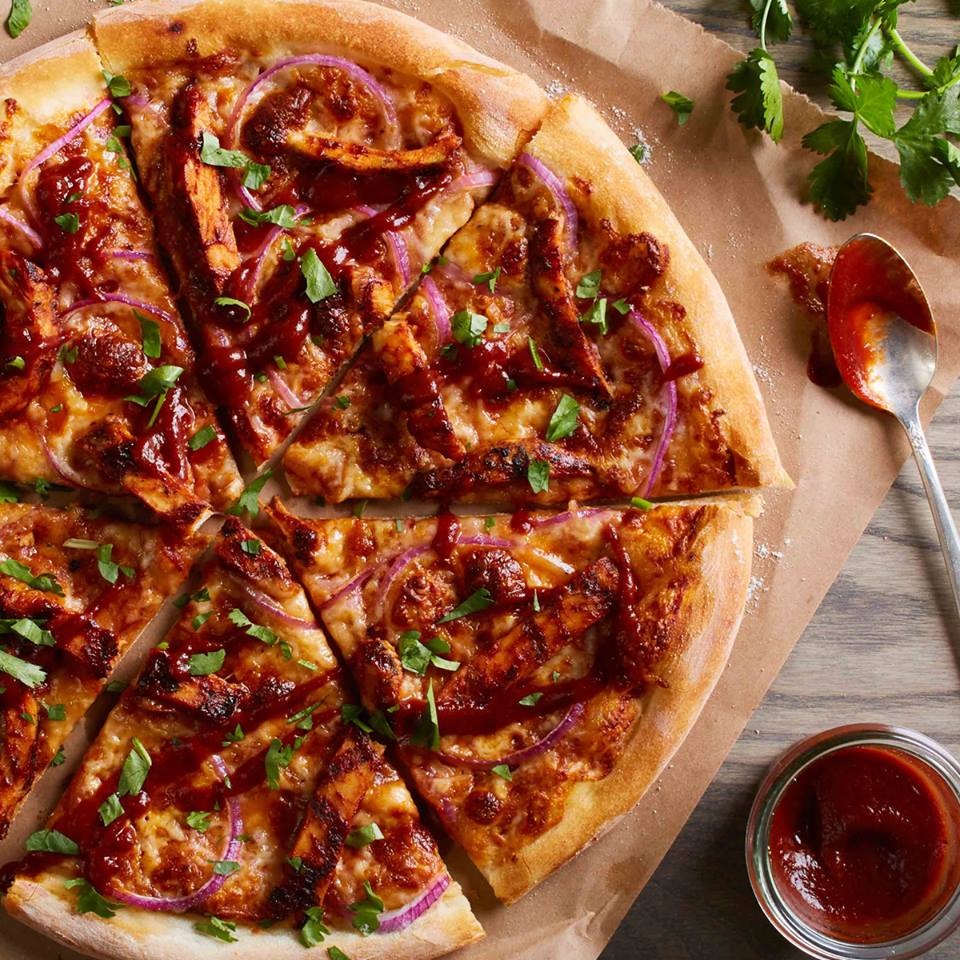
    The new location will feature several of the brand’s classic American menu offerings including the iconic BBQ Chicken Pizza, Cali Club Pizza, BBQ Chicken Salad, and Cedar Plank Salmon, among others.

    CPK’s global presence includes more than 200 locations in 8 countries and U.S. territories, which includes 40 international franchise locations in addition to 16 domestic franchise locations in airports, casinos and stadiums across the United States. While Hong Kong is no longer under COVID-19 lockdown restrictions, all CPK locations remain committed to providing a safe and secure dining experience with rigorous cleaning and safety protocols.

  • Hybrid chicken nuggets launched by +Plant

    Hybrid chicken nuggets launched by +Plant

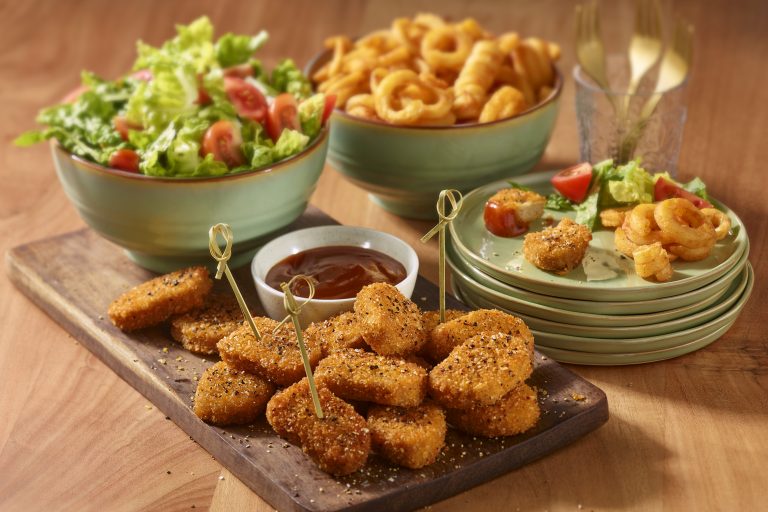
    Food company +Plant has launched a chicken nugget made of 50-per-cent chicken and 50-per-cent plant protein.

    The hybrid chicken nuggets are gluten-free, additive-free, and carry a four-star health rating.

    +Plant is part of The Positively Good Co, which aims to “bridge the gap and be the gateway” for people wanting to consume less meat and more plants. Other hybrid meat products in its range include Beef +Plant Meatballs, Lamb +Plant Meatballs and Chicken +Plant Tenders.

    Todd Robertson, founder of +Plant, says the hybrid chicken nuggets were created with the fussy eater in mind, giving it the same taste and texture as regular chicken nuggets but with the added benefit of vegetables.

    “My son was a great inspiration for the chicken nuggets because he is a fussy eater and loves his nuggets, but nutrition has always been a concern at mealtimes,” said Robertson. “We don’t have to worry anymore because he enjoys the taste of the +Plant nuggets, and I know he is still getting all of the nutrition he needs.”

    +Plant Chicken Nuggets are available for delivery through +Plant’s website or sold at Harris Farm Market, Brisbane, for RRP $7.99

  • Taco Bell makes Malaysian debut

    Taco Bell makes Malaysian debut

    Indulge your guilty pleasures with time-tested regret eating when Taco Bell opens its first Malaysian outlet next month at the Cottage Walk commercial center in Cyberjaya, Selangor.

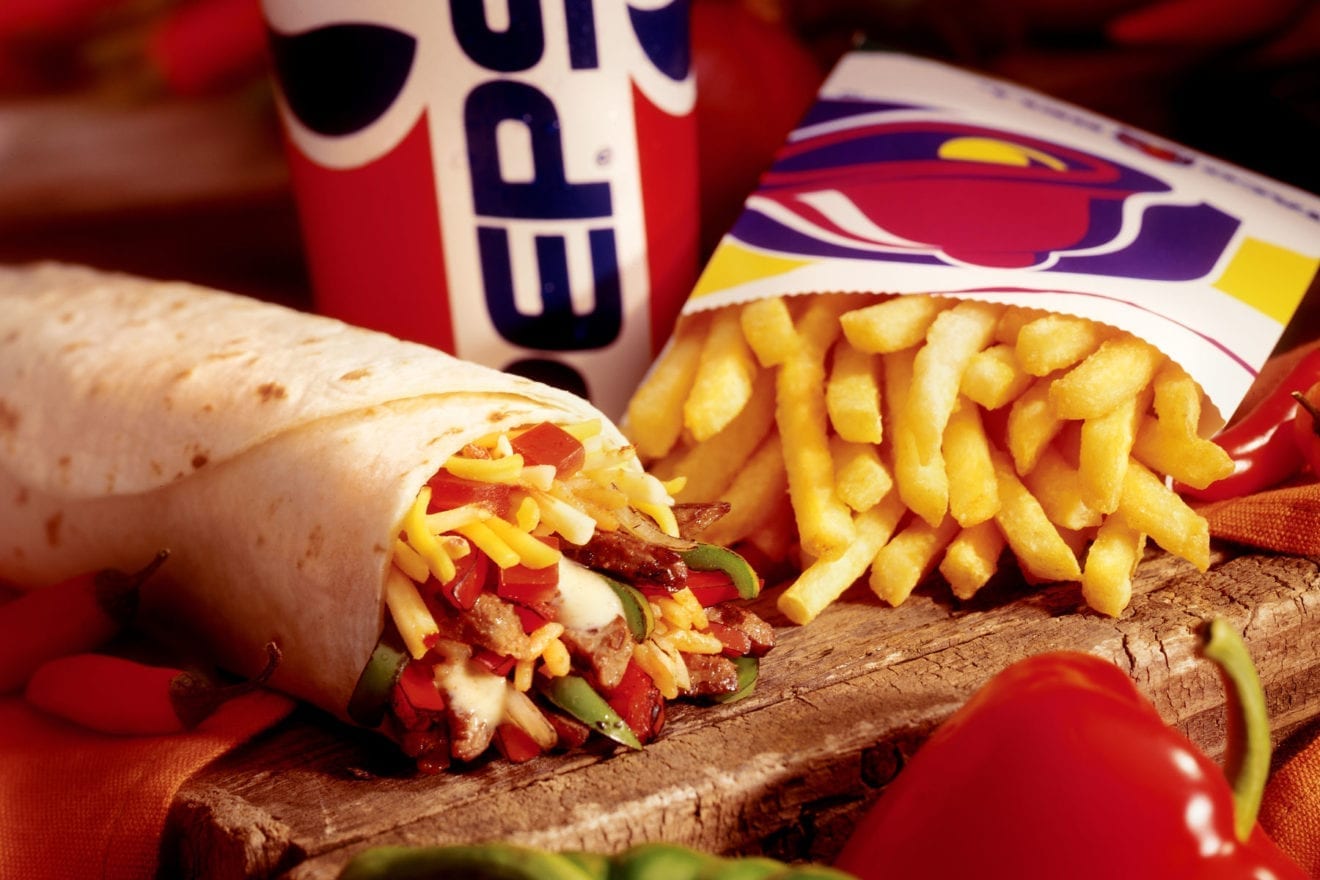
    Rather than coming to Petaling Jaya as originally announced, the American fast-food chain, famous for cheap Tex-Mex cuisine often consumed to wash down a night of partying, will bring its cheese-heavy range of tacos, burritos, quesadillas, and nacho bowls to KL’s startup bros starting April 2.

    “Malaysians can look forward to an exciting and globally-famous Taco Bell experience which offers a twist to familiar Mexican favorites such as tacos, burritos, and more,” Taco Bell said in a press statement. The Cyberjaya outlet will be open 10 am to 10 pm daily for dine-in and takeaway.

    Of course, like most fast-food chains that have opened their doors in Malaysia, can we hope to see localized versions of Tex-Mex fare like rendang tacos as a Ramadan special, maybe?

    Although the California-based chain last year named Petaling Jaya for its first location, a company representative told Coconuts over the phone that renovation of the site is not completed.

    Dozens of Malaysians took to Twitter to express their glee.

    “Yeay! I always see this in movies but now it’s coming to Cyberjaya,” @Thewaterlilies wrote.

    Be careful what you wish for, as any of Taco Bell’s biggest fans would readily warn.

  • McDonald’s implements global inclusive workplace initiative

    McDonald’s implements global inclusive workplace initiative

    McDonald’s has unveiled an initiative to foster safe and inclusive workplace it calls Global Brand Standards.

    The policy will focus on four main areas: harassment, discrimination, and retaliation prevention; workplace violence prevention; restaurant employee feedback; and health and safety. The company says the standards have been set to further ensure physical and psychological safety for its employees and customers.

    “There are no shortcuts to ensuring that people feel safe, respected, and included at a McDonald’s restaurant,” said Chris Kempczinski, president and CEO of McDonald’s. “Our new Global Brand Standards reinforce our commitment to living our values such that at every interaction, everyone is welcome, comfortable and safe.”

    These standards will be implemented across 39,000 McDonald’s restaurants in more than 100 countries. From January, restaurants will be assessed and held accountable in accordance with the applicable McDonald’s market’s business evaluation processes. Training and reporting mechanisms will be established.

    McDonald’s said it will work closely with independent and third-party experts to support the implementation of the standards for franchisees.

    “McDonald’s has a responsibility and an opportunity to use our tremendous scale to drive change globally,” said Reto Egger, speaker group chair of the European Franchisee Leadership Group (EFLG) and franchise owner.

    “These refreshed standards and heightened measures of accountability are central to our culture, our business goals and the need in our society to foster more respect, safety, and inclusion.”

  • McDonald’s implements global inclusive workplace initiative

    McDonald’s implements global inclusive workplace initiative

    McDonald’s has unveiled an initiative to foster a safe and inclusive workplace it calls Global Brand Standards.

    The policy will focus on four main areas: harassment, discrimination, and retaliation prevention; workplace violence prevention; restaurant employee feedback; and health and safety. The company says the standards have been set to further ensure physical and psychological safety for its employees and customers.

    “There are no shortcuts to ensuring that people feel safe, respected, and included at a McDonald’s restaurant,” said Chris Kempczinski, president and CEO of McDonald’s. “Our new Global Brand Standards reinforce our commitment to living our values such that at every interaction, everyone is welcome, comfortable, and safe.”

    These standards will be implemented across 39,000 McDonald’s restaurants in more than 100 countries. From January, restaurants will be assessed and held accountable in accordance with the applicable McDonald’s market’s business evaluation processes. Training and reporting mechanisms will be established.

    McDonald’s said it will work closely with independent and third-party experts to support the implementation of the standards for franchisees.

    “McDonald’s has a responsibility and an opportunity to use our tremendous scale to drive change globally,” said Reto Egger, speaker group chair of the European Franchisee Leadership Group (EFLG) and franchise owner.

    “These refreshed standards and heightened measures of accountability are central to our culture, our business goals and the need in our society to foster more respect, safety, and inclusion.”