Tag: Finance

  • Apple waives interest for Apple Card users amid COVID-19 pandemic

    Apple waives interest for Apple Card users amid COVID-19 pandemic

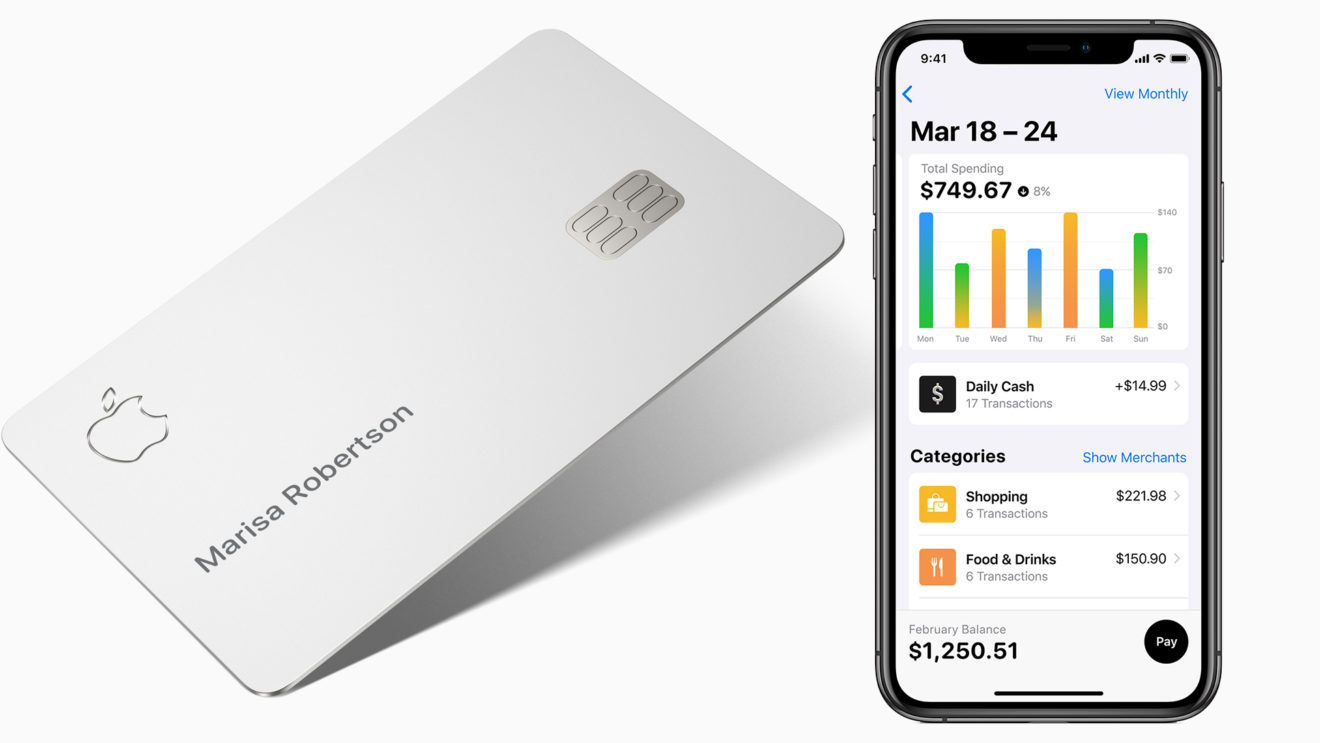
    Other than the very obvious health concerns caused by COVID-19, the ongoing pandemic is also causing much economic trouble. Apple introduced a customer assistance program for Apple Card users to help offset financial concerns.

    Many Apple Card users on Reddit have reportedly received an email about the new customer assistance program. Under this program, cardholders can skip their March payments without any additional interest.

    Apple hasn’t explicitly stated any eligibility requirements, so it looks like all Apple Card holders are eligible. They can enroll in this program in at least two ways: firstly, Apple evidently provides a direct link in their email announcing the program, which can be used to enroll.

    The other method is just as simple, with cardholders able to enroll through text by iMessaging the Apple Card Support line the following text: “I would like to enroll in the Customer Assistance Program”. The support number can be found in Apple’s support page for the credit card.

    Clearly, Apple is taking the COVID-19 outbreak very seriously, closing all Apple Stores outside of China for the time being as well as regulating App Store entries related to the virus. This latest offer is a kind gesture to its customers during a difficult time.
  • DBS, Revenue Projections are a Moving Target

    DBS, Revenue Projections are a Moving Target

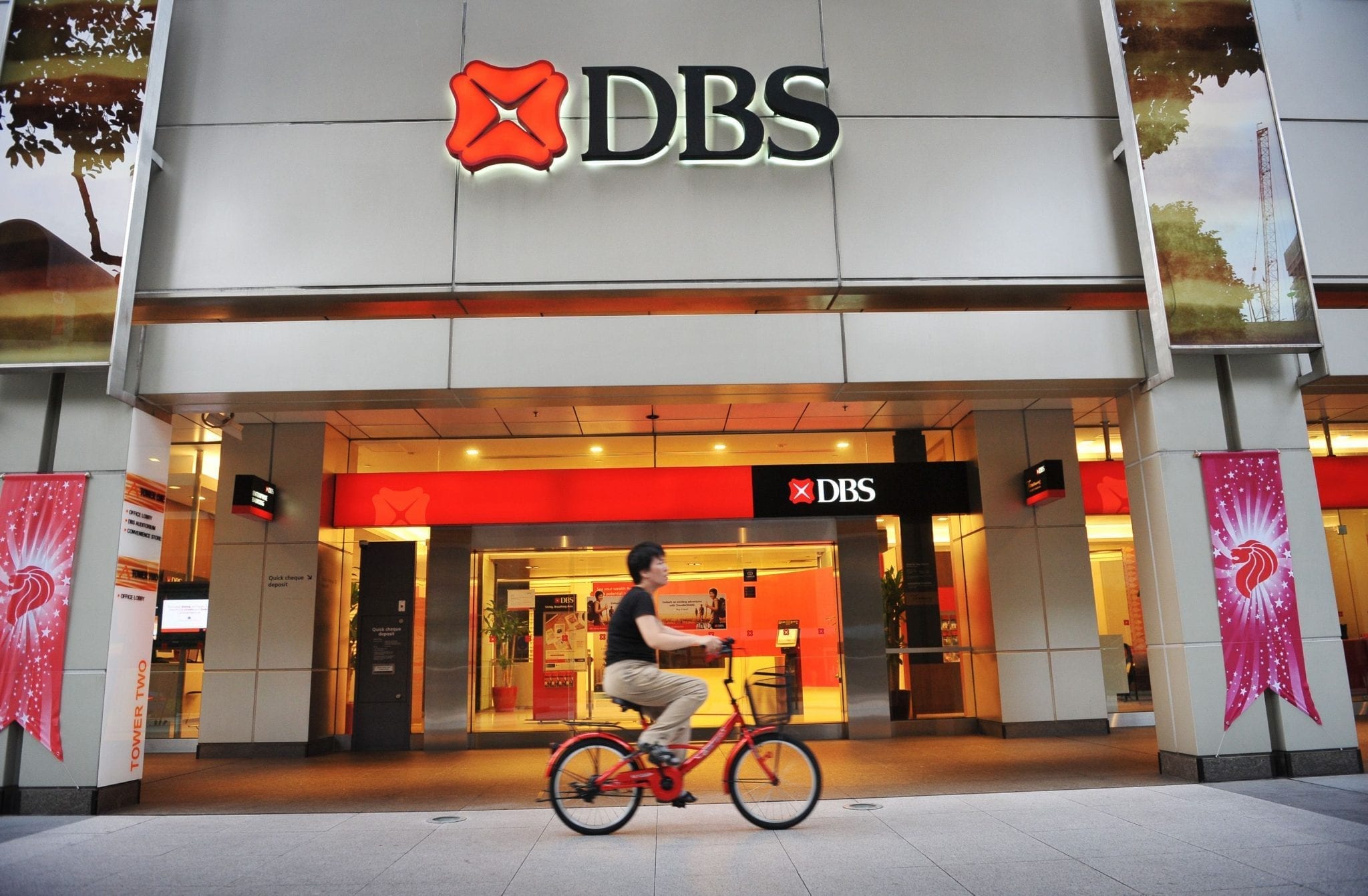
    DBS’ Tan Su Shan followed up on the estimates for a 2 percent of revenue cut, underlining that potential revisions could come should the pandemic prolong.

    Soon after the bank’s chief executive Piyush Gupta announced a modest 1-2 percent revenue reduction, institutional banking head Tan Su Shan followed up by adding that the matter was a «moving target» and that potential revisions could come.

    We are living day by day, week by week right now, she said in a report, highlighting that the estimate was based on the assumption that the pandemic would subside by mid-year. «The key here is to stay with the clients, watch everyone’s positions and make sure everyone is okay.»

    According to Tan, non-performing loans are expected to increase from small and medium-sized enterprises across tourism, apparel, hospitality and other sectors tied to consumer demand. Nonetheless, she noted that Singapore and other parts of Asia are observing signs of stability fuelled by government stimulus though business confidence and a recovery in consumer demand still lag.

    For 2019, DBS demonstrated resilience posting a 14 percent increase to net profits to a record S$6.4 billion ($4.5 billion) from a 10 percent year-on-year income increase. From such a position, its modest revenue cut projection signals greater risks in the broader financial industry, especially amongst players with greater China exposure.

    AIA, for example, noted that face-to-face meetings in China, which account for 40 percent of sales, took a hit, though its online sales managed to partially offset the loss. Its soon to retire chief executive and president Ng Keng Hooi noted the headwinds the insurer faced from the coronavirus and low-interest rates but remains optimistic that  «the industry would overcome this down cycle and come out stronger», in a report.

  • BNP Paribas Wins VCC Mandate

    BNP Paribas Wins VCC Mandate

    It will provide fund administration and global custody services in Singapore to Kamet Capital Partners.

    Multi-family office Kamet Capital Partners, one of the first fund managers to use Singapore’s Variable Capital Company (VCC) structure, is partnering BNP Paribas Securities Services in its plans to use the VCC.

    We selected BNP Paribas Securities Services for its attention to client needs and willingness to grow alongside Kamet, said Kerry Goh, chief executive officer of Kamet Capital Partners, said in a statement issued by BNP Paribas on Tuesday.

    Goh founded Kamet in 2017 after leaving Julius Baer, where he was head of portfolio management, Asia. Kamet’s Long Term Capital fund invests 60–70 percent of its portfolio in public securities, and the balance in alternatives and private investments.

    The VCC framework, launched in January, is part of Singapore’s plans to attract more funds to base themselves in the city-state.

    Catered to the needs of global investment funds and investors, fund managers will have greater flexibility in share issuance/redemption and the payment of dividends. Managers can also incorporate multiple funds in a single VCC to save costs.

    The initiative has already borne fruit, with Mindful Wealth redomiciling its flagship fund to Singapore under the framework, and RF Fund Management announcing it would be setting up its inaugural private equity fund to focus on fintech and property investments in Asia.

  • HSBC Names New Head of China Investment Bank

    HSBC Names New Head of China Investment Bank

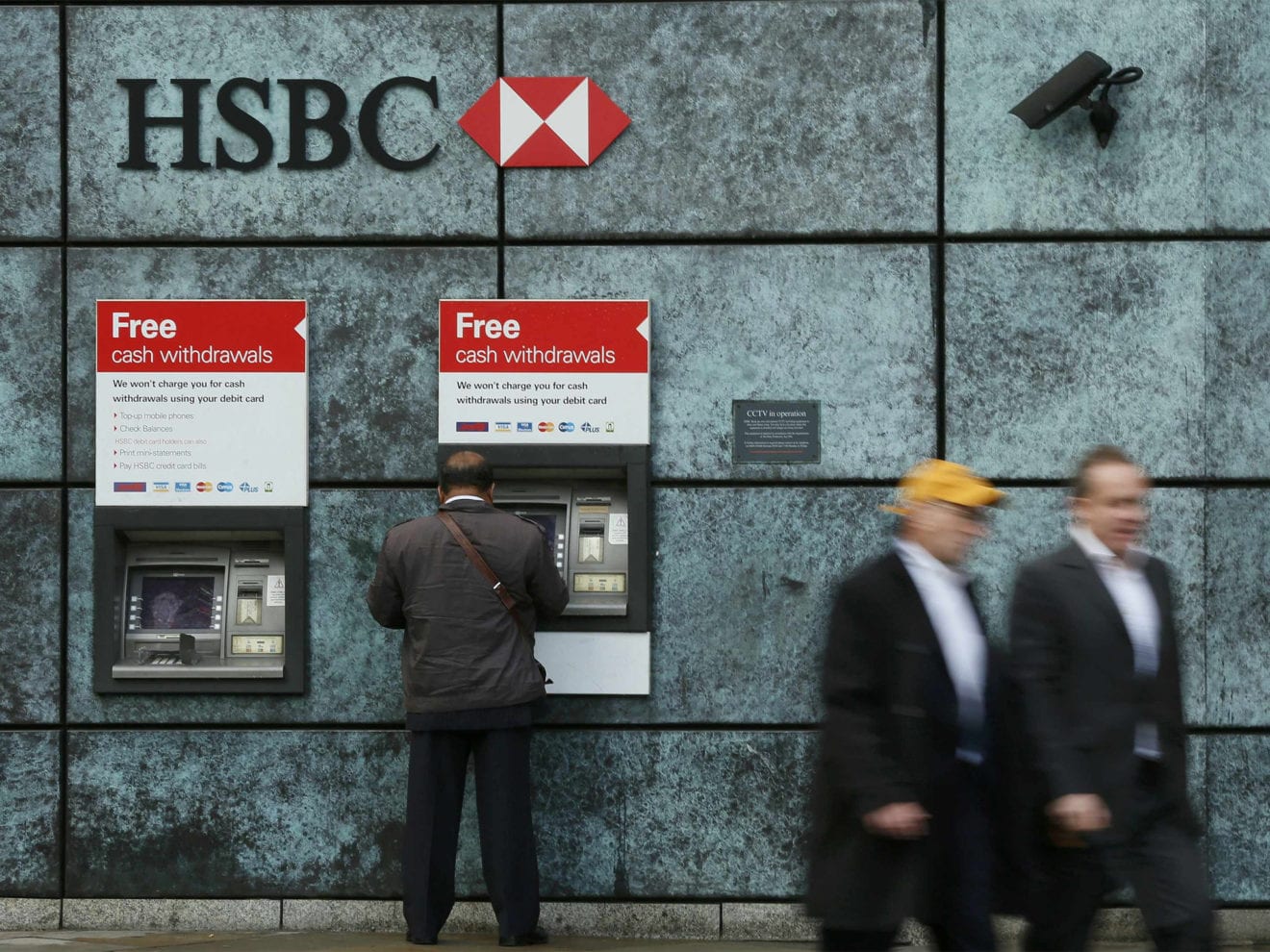
    Leadership shuffles continue under the watch of HSBC’s interim chief executive Noel Quinn including the latest renaming of the head of its China investment banking arm to succeed David Liao.

    Mark Wang Yunfeng, most recently the bank’s China head of global banking and markets, succeeds Liao as president and chief executive of China. Previously, he had held senior roles with Bank of China and Deutsche Bank.

    Liao will remain with the bank and be shifted to another senior position.

    China is central to HSBC’s strategic aim of accelerating growth from its Asian franchise,» said Peter Wong, HSBC’s China chairman. «With his extensive banking experience, particularly in driving China-related business in trading and capital markets, Mark will lead one of the group’s most important markets, helping us to support our customers’ businesses within as well as outside the mainland.

    Wang’s promotion follows a series of other shuffles at HSBC’s top management globally including the appointment this year of Stephen Moss, former group CEO chief of staff, as the regional chief executive overseeing the Middle East, North Africa and Turkey; Latin America and Canada; and most of Europe. Last year, the U.S. CEO was also renamed to former Citi banker Michael Roberts.

    But the question remains about the shuffling of the highest rank. The permanence of Quinn’s role continues to be in doubt since he was named interim head, succeeding John Flint who lasted just 18 months. Onlookers expected closure to the matter during the last annual meeting but no such thing occurred and the bank responded by saying that the appointment process was «ongoing» and in line with its six to 12-month timetable.

    In addition to a massive group overhaul involving up to 35,000 job cuts and a target of $4.5 billion in annual cost savings, the bank faces political headwinds for its China business. Wang takes on an investment bank whose interests in the mainland have already landed it in the crossfires twice including the U.S.-Huawei debacle and the controversial closure an account linked to pro-democracy activities in Hong Kong last year.

    Still, the region will be equipped with internal tailwinds. The bank is set to concentrate its bets on Asia despite the said hurdles alongside a broader challenging environment that now includes a coronavirus pandemic. HSBC most recently announced that it had already hired 800 people since 2017 for its affluent banking businesses in Hong Kong, China and Singapore.

  • OCBC Enables Encashment of Cheques at ATMs

    OCBC Enables Encashment of Cheques at ATMs

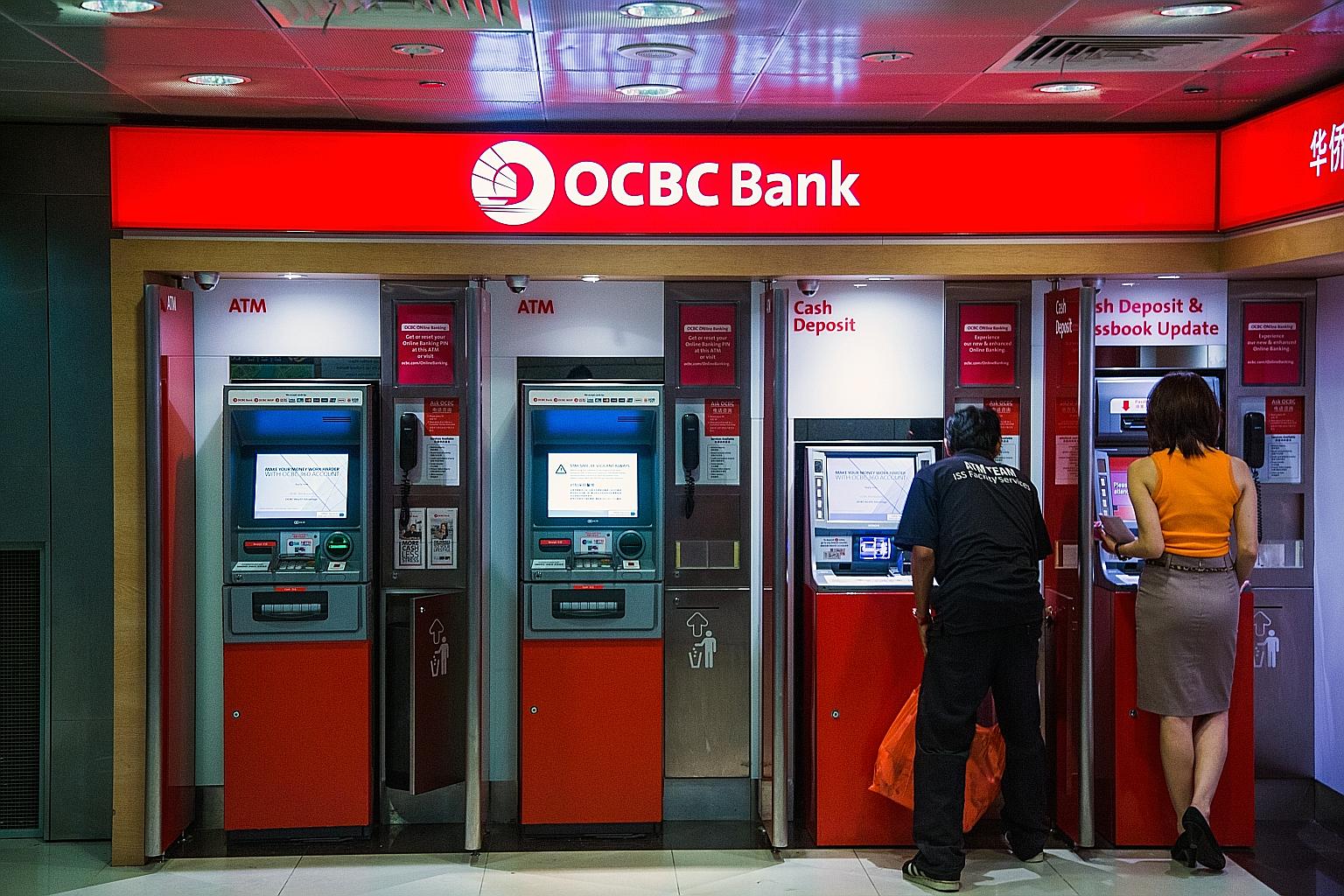
    OCBC Bank has rolled out a cheque encashment service across all its next-generation ATMs at 23 branches, making it the first bank to offer such services in Southeast Asia.

    Recognizing that there are still segments of customers who require services like cheque encashments, OCBC has enabled its next-generation ATMs to process 90 percent of all the cheques usually encashed at its branch teller counters.

    It takes up a significant amount of time for a customer and counter teller staff just to fulfill a single such transaction. We have addressed this by enabling transactions such as cheque encashment to be performed seamlessly on our next-generation ATMs instead, said Sunny Quek, OCBC Bank’s Singapore head of consumer financial services, in a media statement on Thursday.

    Since February this year, customers have been able to encash cheques – for up to a maximum of $30,000 in a single cheque – by depositing them into the ATM to instantly get cash. As a result, the average cheque encashment transaction time has been reduced to under three minutes at the ATM, as customers can save about 60 percent of their time compared to waiting to be served at a branch.

    All the necessary security checks and verifications are performed by the lender’s «digital ambassadors,» or staff located at its branch on mobile tablets in real-time, to ensure security. The next-generation ATMs have already processed cheque encashments totaling close to S$17 million, the bank said.

    Even as Singapore pushes to become cheque free by 2025, cash cheques continue to be used by small and medium-sized enterprises (SMEs), typically to pay staff salaries, get cash for daily business operations, or pay vendors for services rendered.

    While cheque usage by OCBC Bank’s retail banking customers has fallen 40 percent since 2018, one in six cash transactions performed by OCBC Bank tellers over the counter are still cash cheque encashment, with 95 percent of these cheques issued by SMEs.

  • CIMB Chief Steps Down To Take Finance Minister Role

    CIMB Chief Steps Down To Take Finance Minister Role

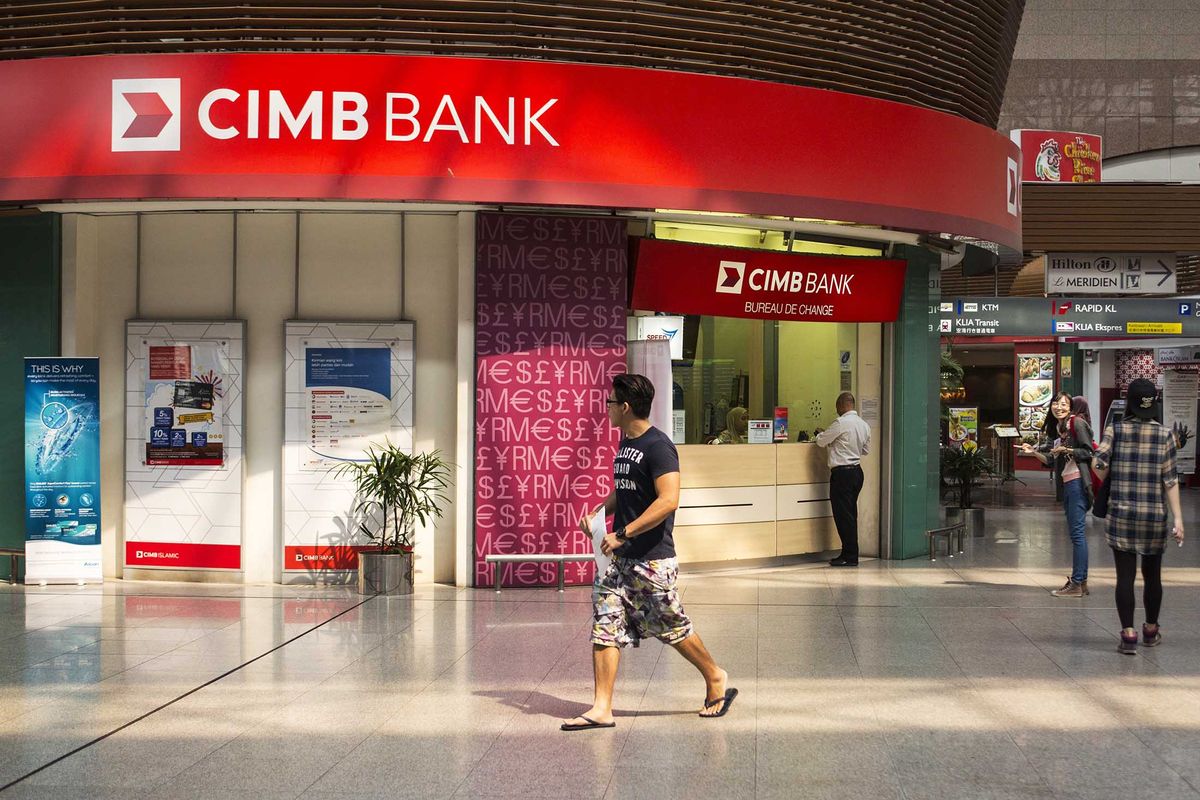
    CIMB Group Holdings announced on Monday that its chief has relinquished his post on Monday, as he has been appointed the new Finance Minister in Malaysia.

    Zafrul Tengku Abdul Aziz , who has been appointed the new Finance Minister on Monday, has resigned as group CEO of CIMB Group Holdings and CEO of CIMB Bank. He has also resigned from all other board positions on the same date, the lender said in a statement on Monday.

    The appointment of Zafrul was announced by Prime Minister Muhyiddin Yassin when he unveiled his new Cabinet. Tengku Zafrul has served the Group for six years when he re-joined in 2014. He has done an outstanding job, shaping CIMB’s transformation under our T18 and Forward23 strategic plans, said Chairman of CIMB Group Holdings Mohd Nasir Ahmad.

    In his place, the board has appointed Omar Siddiq, currently the Group Chief Operating Officer, as Officer-in-Charge for CIMB Group and CIMB Bank Berhad, marking a start in the group’s succession plan.

    CIMB Group is Malaysia’s second-largest financial services provider by assets, offering consumer banking, commercial banking, investment banking, Islamic banking, and asset management products and services. Headquartered in Kuala Lumpur, the Group is present in all 10 Southeast Asian nations (Malaysia, Indonesia, Singapore, Thailand, Cambodia, Brunei, Vietnam, Myanmar, Laos and Philippines), with 702 branches as at 31 December 2019.

    Beyond Southeast Asia, the Group has market presence in China, Hong Kong, India, Korea, the U.S., and U.K. CIMB Group operates its business through three main brand entities, CIMB Bank, CIMB Investment Bank, and CIMB Islamic. CIMB Group is also the 92.5 percent shareholder of Bank CIMB Niaga in Indonesia, and 94.8 percent shareholder of CIMB Thai in Thailand.

  • Deutsche Bank Split Staff Upon Coronavirus Incident

    Deutsche Bank Split Staff Upon Coronavirus Incident

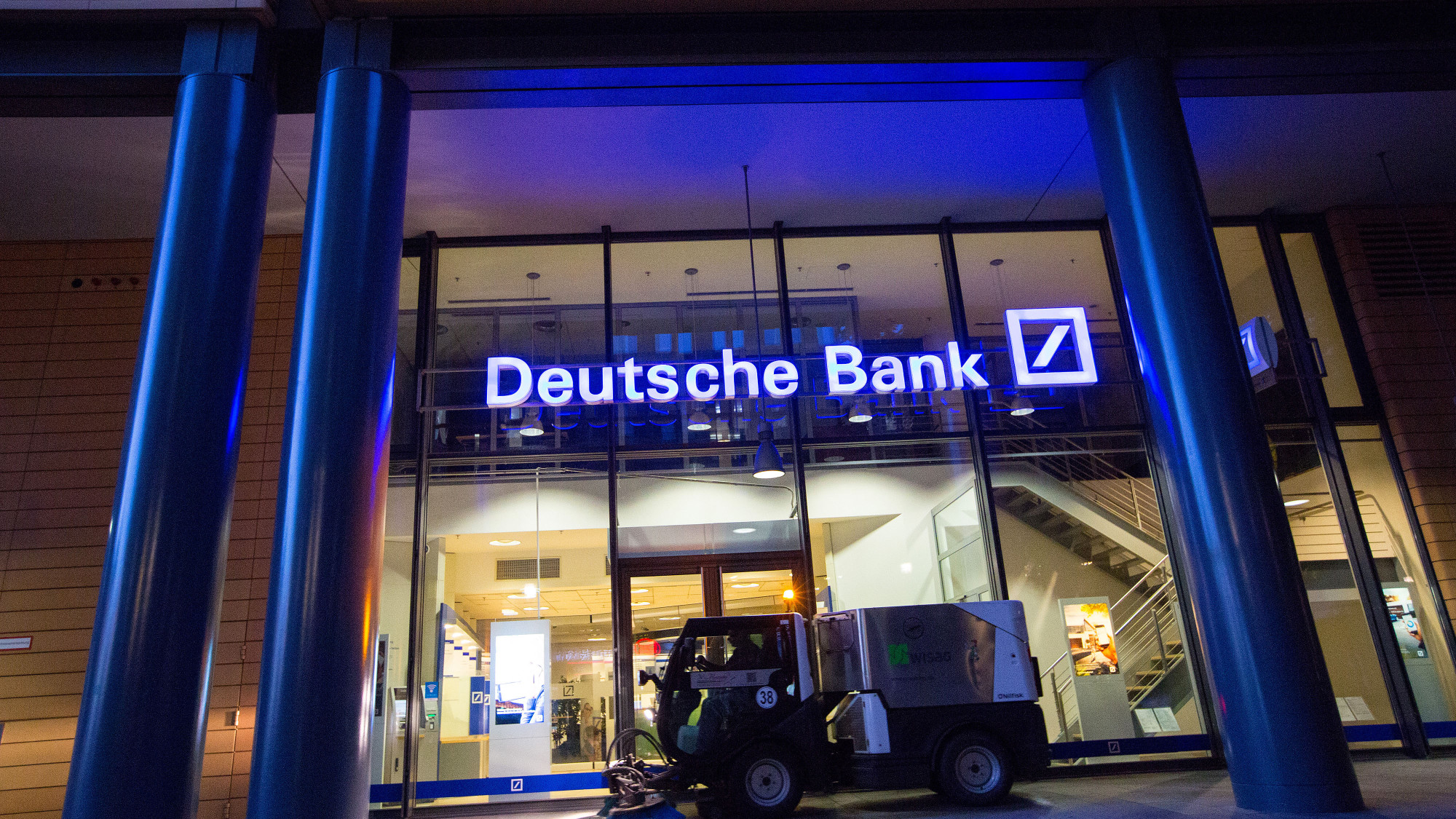
    Deutsche Bank has split up sales and trading teams in Frankfurt after an employee tested positive for the coronavirus, following moves by other global banks which have separated their workforces into different teams.

    The lender intends to divide sales and trading teams into different locations at that office and at a recovery site until 27 March as a precaution, according to the bank’s memo. Some employees may also be asked to work from home.

    All employees who have had contact with the affected colleague were informed directly, and we will undertake deep cleaning on floors N1 and N2 and other areas in DBC. We expect no impact on our ability to operate our full range of services for our clients and recognize that this setup will require extra effort and discipline from all,» Deutsche Bank wrote in its memo.

    The firm added that employees working remotely won’t be allowed at offices where they are not assigned and that staff should avoid meeting socially with any colleagues stationed elsewhere. It is also planning to take other «precautionary hygiene measures. At hubs around the world, global banks have begun separating their workforces into different teams so as to limit the potential that an outbreak disrupts operations key to financial markets. At Credit Suisse and UBS, bankers who return from affected regions such as China, South Korea, Singapore or Northern Italy are confined to working from home for two weeks. Most banks have told staff to reduce their travel to the bare minimum.

  • HSBC Taps Zoom to Maintain Client Interaction

    HSBC Taps Zoom to Maintain Client Interaction

    The bank is rolling out video conferencing for its Jade customers and says it will extend the service to HSBC Premier customers in the next few weeks.

    Amid the Covid-19 outbreak, HSBC is hoping remote conferencing services will help the bank enhance communication between customers and its relationship managers and investment specialists.

    In a statement on Wednesday, the bank said it has rolled out video conferencing using the Zoom service to interact and conduct wealth management related activities with Jade customers.

    A virtual face-to-face interaction will facilitate more in-depth discussion between customers and relationship managers, especially on more detailed wealth planning topics, said Greg Hingston, head of retail banking and wealth management, Hong Kong.

    Jade focuses on clients with a minimum account size of $1 million, a segment the bank describes as emerging wealth, in contrast with HSBC Private Banking, which requires a minimum account size of $5 million.

    The service gives customers access to dedicated relationship managers and specialists, customized and exclusive investment solutions, as well as luxury concierge services and «exclusive experiences.»

    As of end-August 2019, it had more than 150,000 customers globally in eight markets. In 2019, four Jade Centres were opened across Singapore, Hong Kong, and Shanghai. This year, HSBC opened two more Jade Centres in Hong Kong, and plans to open one in Beijing.

    HSBC has been building its wealth teams across Asia, as it announced the launch of a new global business, combining retail banking and wealth management and global private banking on Monday.

  • UBS Grounds Bankers Amid Virus Fears

    UBS Grounds Bankers Amid Virus Fears

    UBS is halting international travel for its staff, asking its employees to postpone meetings or opt for remote ones. The move comes in response to COVID-19.

    The Swiss bank on Wednesday told its more than 60,000-strong staff to stop traveling for meetings, a UBS spokeswoman said on Wednesday. UBS is adopting the policy for all not absolutely business-critical» travel in response to COVID-19, a disease caused by the new coronavirus.

    Existing meetings will be postponed – or held remotely through digital channels, the spokeswoman said. UBS bankers who had visited China, Italy, South Korea, or Iran in recent weeks – for work or personal travel – are asked to work from home for the next 14 days.

    Roughly 20 percent of UBS’ staff work in the Asia-Pacific region and a sizable amount in China – but the Zurich-based wealth manager doesn’t break out employee numbers by country. Its cross-town rival Credit Suisse put roughly 1,000 compliance, information technology, and trading employees in Switzerland on a staggered home office rotation from Monday.

    UBS is apparently warning its staff to hold back on personal travel, and requiring approvals from senior management if they want to travel to non-bank events. On Tuesday, the World Health Organization said COVID-19 can be contained, but that its mortality rate is higher than the typical seasonal flu.

  • Axa Appoints Managing Director In Newly-Merged Unit

    Axa Appoints Managing Director In Newly-Merged Unit

    Axa Insurance Singapore named a managing director for retail and health, as part of a broader strategy to streamline its businesses.

    Effective immediately, Julien Callard will lead the retail and health strategic business unit in a newly expanded role, with responsibility for driving the continued growth of Axa’s retail business and health business as well as the respective distribution functions. This includes developing a differentiated value proposition and offerings that will strengthen its position as a health partner to its customers.

    Over the past 20 years, Callard has held several leadership roles across the Axa Group and developed deep and extensive knowledge of the business, said Jean Drouffe, CEO of Axa Singapore in a statement.

    The appointment is part of a broader strategy to streamline and strengthen Axa’s business by merging its retail and health strategic business units, in order to become a more customer-centered company, the insurance group said. Callard originally joined the Axa Group in 2000 and he has held senior positions across multiple countries spanning actuarial, risk, marketing and reinsurance.

    Prior to joining Axa Singapore, he was Head of retail property and casualty at Axa Mexico. He has worked in operational and functional positions across retail, commercial, and reinsurance lines.

  • Sergio Ermotti Set to Leave UBS

    Sergio Ermotti Set to Leave UBS

    UBS Chief Executive Sergio Ermotti will leave the bank after retiring from his position later this year. He won’t become the chairman of Switzerland’s largest bank, as some observers had expected.

    Instead, Sergio Ermotti on April 17 will stand for election as a non-executive member of the board of Swiss Re, the world’s second-largest reinsurer.

    In 2021, he will be nominated to succeed Walter Kielholz as chairman, according to a statement by Swiss Re on Tuesday.

    Kielholz is one of the heavyweights in Swiss finance and has been chairman of Swiss Re since 2009. He was on the board of the reinsurer for more than 20 years. Between 2003 and 2009, Kielholz was chairman of Credit Suisse.

    I am honored to be following in the footsteps of Walter Kielholz, who over the past decades immensely furthered the development not only of Swiss Re, but the entire Swiss financial center, said Ermotti, according to the statement.

    Today’s announcement put paid to speculation that CEO Ermotti would be replacing Chairman Axel Weber after retiring from his current position at the end of October. When the bank announced Ermotti’s departure at the end of February, it didn’t make a statement about a potential handover of responsibilities at the top of the bank.

    At the end of his tenure at UBS, Ermotti will have been CEO of Switzerland’s biggest bank for nine years. Together with Weber, who was elected chairman of the bank in 2012, he has moved UBS away from the classic investment banking model toward a strategy based on wealth management.

    More recently, the talk had been about differences of opinion at the top as the board was said to be unhappy how Ermotti had set up his succession plan. UBS has not been able to give the share price a boost, which has never recovered from the financial crisis.

    The appointment of Dutch banker Ralph Hamers in February as Ermotti’s successor came as a major surprise. Hamers is known for his digital banking expertise and will need to get UBS ready for the future.

  • HSBC Hires Wealth Teams Across Asia

    HSBC Hires Wealth Teams Across Asia

    HSBC has announced the launch of a new global business, combining retail banking and wealth management and global private banking. Recruitment for wealth teams across Hong Kong, Singapore, and mainland China is on track.

    HSBC’s new unit will become one of the world’s largest global wealth managers with $.4 trillion in assets, with nearly half of the assets from Asia, according to a media release on Monday. Wealth and personal banking will cover the entire spectrum of private wealth, from retail clients to ultra-high net worth (UHNW) individuals.

    Across Asia, where wealth pools are growing faster than in any other region, HSBC’s wealth revenues grew 12 percent in 2019 (year on year) to $.7 billion.

    This move creates one of the world’s largest and fastest-growing wealth franchises, centered in Asia and serving clients around the world. HSBC’s wealth propositions are compelling, increasingly digital and support individuals no matter where they are in their wealth journey, from first-time investors – to clients considering generational planning needs, Charlie Nunn, CEO of Wealth and Personal Banking, HSBC, said.

    In 2019, HSBC grew affluent and emerging high net worth clients globally in Premier1 and Jade, respectively, by 7 percent and 14 percent year on year. Over half of Jade’s total clients globally are in Asia. Global private banking, where profit before tax grew by 19 percent, attracted a record $23 billion of net new money in 2019, two-thirds of which were in Asia. 2019 also saw an increase in Asia client assets of 22 percent to $51 billion.

    Recruitment for wealth teams across Hong Kong, Singapore, and mainland China is on track. Since 2017, both businesses have recruited 800 people, including private bank relationship managers, investment counselors, UHNW solution specialists, and product specialists, and Jade directors and relationship managers, investment and insurance specialists.

    In 2019, four Jade Centres were opened across Singapore, Hong Kong, and Shanghai. This year, HSBC has recently opened two more Jade Centres in Hong Kong and plans to open one in Beijing.

  • Ex-Citi Singapore Banker To Join Grab-Singtel

    Ex-Citi Singapore Banker To Join Grab-Singtel

    Citibank Singapore’s head of retail banking Charles Wong is set to join the Grab-Singtel entity that is bidding for a digital full bank in Singapore.

    With strong credentials for bringing about a strong turnaround of Citi Singapore’s business, Charles Wong is likely to play a key role in the digital full bank if the Grab-Singtel consortium secures the license, according to a report.

    Wong had resigned from the U.S. bank in February after more than 20 years at Citibank, where he spent nearly five years in his last role as head of retail banking at Citibank Singapore. Under his leadership, the unit delivered consistent double-digit growth.

    Grab Holdings and Singtel have jointly applied for a digital full bank license, with Grab holding a 60 percent stake in the proposed consortium, and Singtel holding the rest.

    Both partners see financial services as a natural extension of their core businesses.

  • HSBC Hires Wealth Teams Across Asia

    HSBC Hires Wealth Teams Across Asia

    HSBC has announced the launch of a new global business, combining retail banking and wealth management and global private banking. Recruitment for wealth teams across Hong Kong, Singapore and mainland China is on track.

    HSBC’s new unit will become one of the world’s largest global wealth managers with $.4 trillion in assets, with nearly half of the assets from Asia, according to a media release on Monday. Wealth and personal banking will cover the entire spectrum of private wealth, from retail clients to ultra-high net worth (UHNW) individuals.

    Across Asia, where wealth pools are growing faster than in any other region, HSBC’s wealth revenues grew 12 percent in 2019 (year on year) to $.7 billion.

    This move creates one of the world’s largest and fastest-growing wealth franchises, centered in Asia and serving clients around the world. HSBC’s wealth propositions are compelling, increasingly digital and support individuals no matter where they are in their wealth journey, from first-time investors – to clients considering generational planning needs, Charlie Nunn, CEO of Wealth and Personal Banking, HSBC, said.

    In 2019, HSBC grew affluent and emerging high net worth clients globally in Premier1 and Jade, respectively, by 7 percent and 14 percent year on year. Over half of Jade’s total clients globally are in Asia. Global private banking, where profit before tax grew by 19 percent, attracted a record $23 billion of net new money in 2019, two-thirds of which were in Asia. 2019 also saw an increase in Asia client assets of 22 percent to $51 billion.

    Recruitment for wealth teams across Hong Kong, Singapore, and mainland China is on track. Since 2017, both businesses have recruited 800 people, including private bank relationship managers, investment counselors, UHNW solution specialists, and product specialists, and Jade directors and relationship managers, investment and insurance specialists.

    In 2019, four Jade Centres were opened across Singapore, Hong Kong, and Shanghai. This year, HSBC has recently opened two more Jade Centres in Hong Kong and plans to open one in Beijing.

  • DBS Enhances Advice and Client Engagement for HNWIs

    DBS Enhances Advice and Client Engagement for HNWIs

    DBS is ramping up its portfolio advisory capabilities to provide Private Bank and Treasures clients with more insightful and comprehensive investment reviews.

    DBS is introducing a portfolio review tool, co-developed with wealth technology provider EdgeLab, to give clients in-depth assessments of their portfolio performance and risk exposures, the bank announced in a statement on Thursday.

    According to the bank, the tool addresses gaps in traditional client investment reviews, which often miss valuable contextual information such as the performance of each investment against the wider portfolio or equivalent benchmarks, and where the overall portfolio risk exposures lie.

    Understanding what you own and how each investment impacts your portfolio is fundamental to making robust investment decisions. It is key to navigating today’s uncertain markets, where it is important to go back to basics, and not leave things to luck or chance, Sim S Lim, group head of Consumer Banking and Wealth Management, said in the statement.

    A report with this information takes only five minutes to generate, and will allow relationship managers (RMs) to offer more personalized and relevant investment recommendations, DBS said. The report will also be provided as supplements to monthly client statements.

    The bank said that in the next phase of the development of the tool, it will equip RMs with the ability to stimulate investments into existing portfolios, as well as propose and construct new client portfolios.

    Among its efforts to enable more informed decision-making, DBS also recently added MSCI ESG Ratings, which measures a company’s resilience to long-term, financially relevant environmental, social and governance (ESG) risks, into its suite of wealth products, advisory and discretionary portfolio services.