Tag: flying

  • AirAsia India flights on new route starts

    AirAsia India flights on new route starts

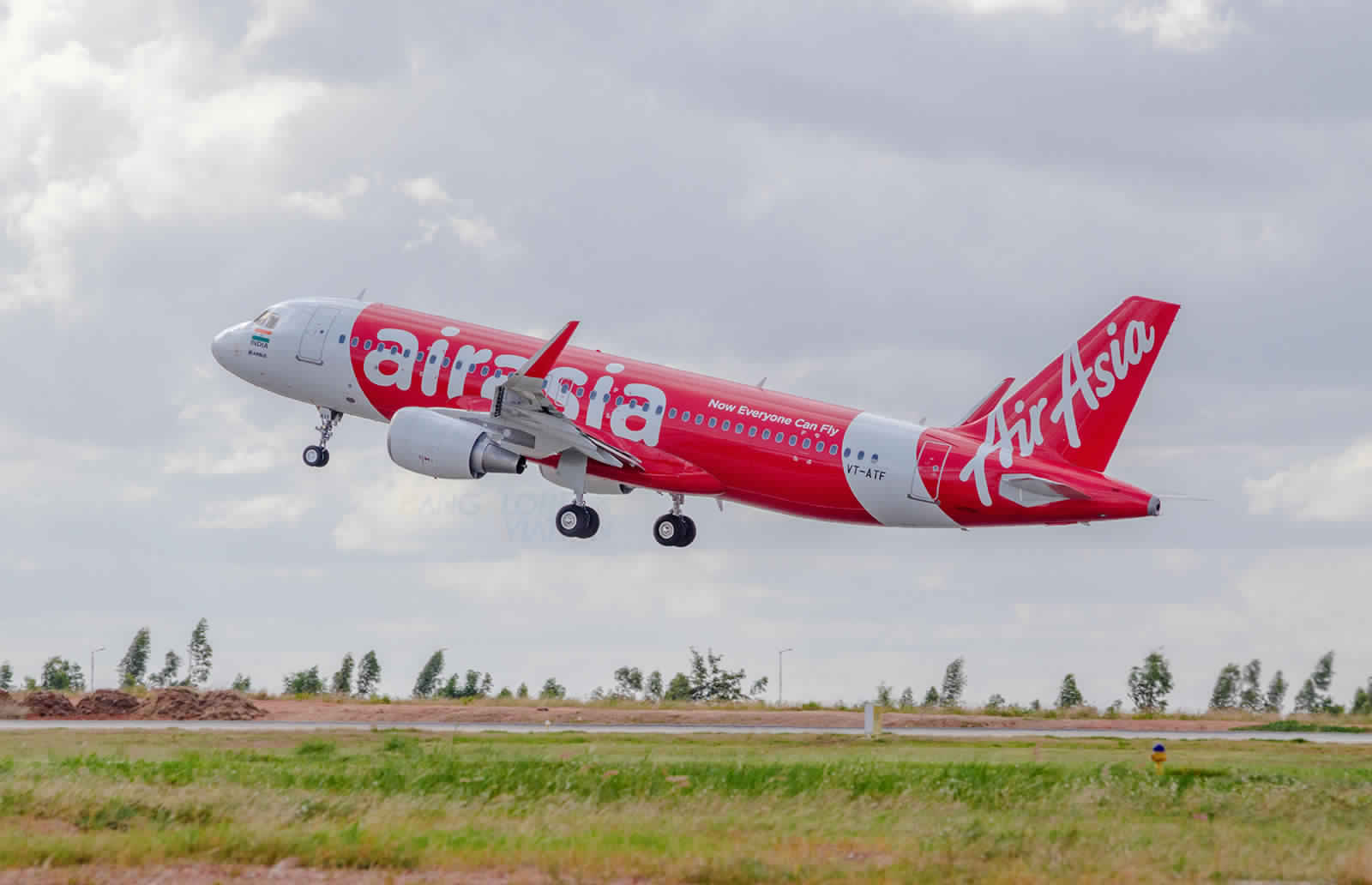
    AirAsia India will start a daily flight on the Delhi-Jaipur route from October 20. The flight will depart daily from Delhi airport at 10.35 am and arrive at Jaipur airport at 11.45 am. The return flight will depart daily at 12.15 pm from Jaipur and arrive at 1.25 pm at Delhi airport. Tickets are available for as low as ₹1,315 on the route.

    The airline had recently announced flights from Agartala to destinations like Guwahati, Imphal, Kolkata, and New Delhi, starting October 20. The airline is offering tickets starting ₹1,019 on this route. Booking of tickets can be done on airasia.com or the AirAsia mobile app.

    AirAsia India is a joint venture between Tata Sons Limited and AirAsia Investment Limited.

    The airline commenced operations on June 12, 2014, and currently flies to 20 destinations across India with a fleet of 23 A320 aircraft.

    Another budget carrier, GoAir offered tickets for as low as ₹1,296 (inclusive of taxes) for international and domestic routes in its 24-hour pre-Diwali ‘super saver fares’ deal. The ‘super saver fares’ was a boon for passengers who would like to usher in Diwali in style.

    The domestic air passenger traffic fell for the fourth consecutive month during September, the monthly decline worsening to 2.20% as compared to 0.94% during the previous month.

  • Thai Airways eyes passenger growth

    Thai Airways eyes passenger growth

    Financially struggling Thai Airways is eyeing 8% in passenger growth by year’s end as it plans to launch new routes.

    Nond Kalinta, Vice President of Sales at Thai Airways International Public Company Limited (THAI) told the media the airline’s financial situation is likely to improve. The airline’s debts by the end of the year will be reduced to under six billion baht thanks to the steady rise of passengers throughout the year.

    Over the past nine months, the airline has achieved passenger growth of 4%-5%, which is higher than last’s year figure year-on-year. The national carrier is hopeful of growth as projected passenger numbers for the last quarter shows an 8% uptick.

    Mr Nond said more routes will be launched by the end of the year, especially popular routes to Europe such as Bangkok-Vienna, Bangkok-Brussels, and Bangkok-Paris, as the airline seeks to make the most of the recent improvement in passenger numbers.

    Mr Nond said business will be brisker next year thanks to the well-performing baht as well as positive signs from the economy. He added that THAI has already seen advanced bookings for the first quarter of next year. Next year, THAI will also place emphasis on routes to East Asia, maintain its hold over Europe, and nourish growth in emerging markets such as India.

    “The Japan route has been a potential market for some time now, so more routes to Japan will be available to serve the needs of a certain group of passengers,” he said.

    “Also, flights to Europe should not be ignored as 80% of these flights have been booked in advance.”

  • Vietnam Airlines to launch inflight Wi-Fi service

    Vietnam Airlines to launch inflight Wi-Fi service

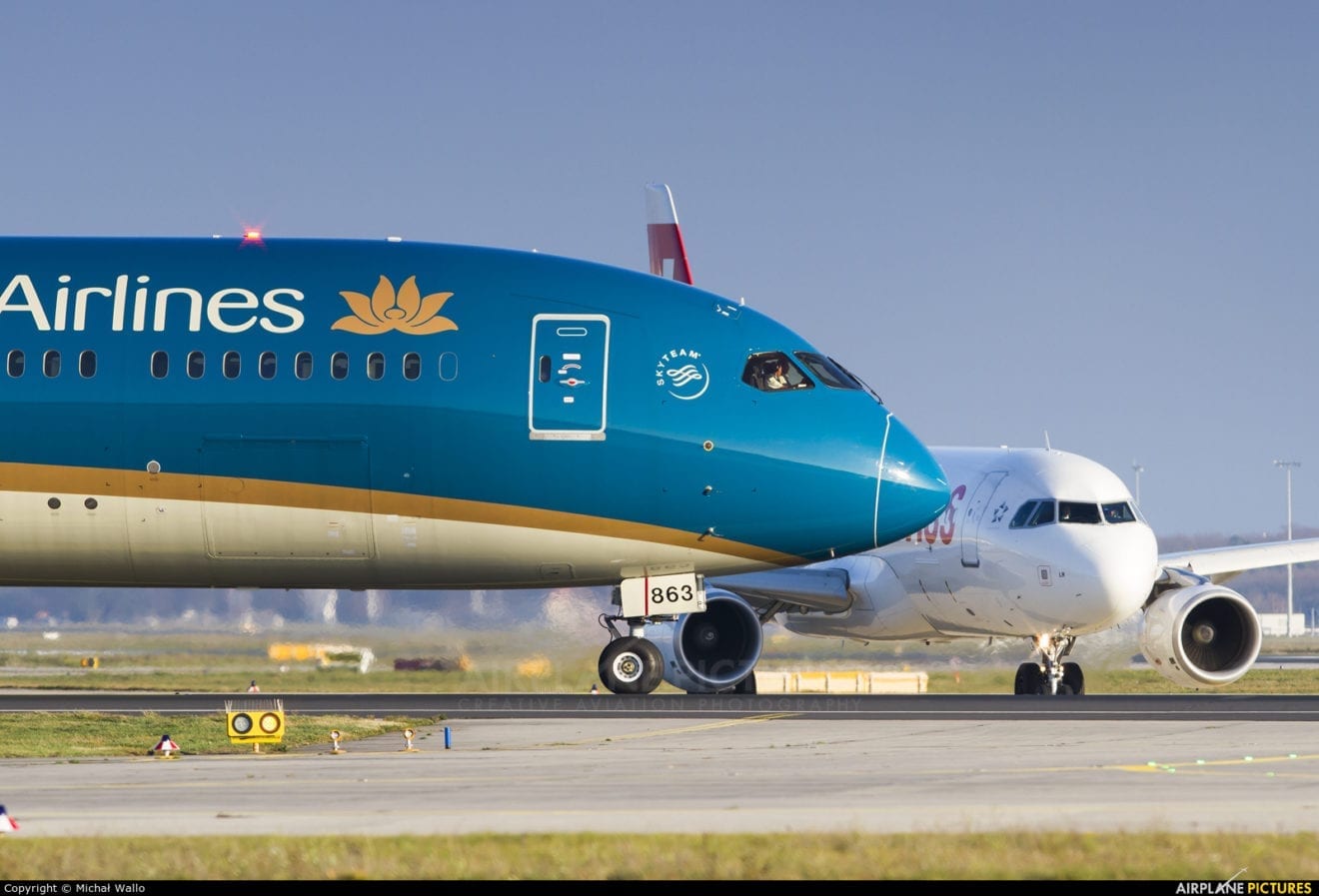
    Vietnam Airlines will launch inflight Wi-Fi service on some flights connecting Hanoi and HCMC with cities in China, Japan and Singapore.

    Passengers will be charged VND75,000-735,000 ($2.95 -$29.95) depending on usage time and capacity.

    Providing inflight Wi-Fi service is one of the steps that Vietnam Airlines is taking towards becoming a digital airlines by 2020 and an international five-star airline in the future.

    The Wi-Fi service will be available on the domestic route from Hanoi to Ho Chi Minh City and international flights from Hanoi to China’s Shanghai and Japan’s Osaka and between HCMC and Osaka and Singapore, the airline said in a statement Monday.

    In the coming months, the airline will continue upgrading and expanding this service to Boeing 787 and other Airbus A350 aircraft with faster speeds, it said.

    Le Hong Ha, deputy general director of Vietnam Airlines, said that when using the service, passengers can send text messages on popular applications such as Viber, iMessage, Messenger and Whatsapp.

    “This is part of Vietnam Airlines’ efforts to catch up with the development trends of the world aviation industry, with many 5-star airlines like Singapore Airlines, Qatar Airways, Cathay Pacific Airways and Lufthansa providing similar services,” Ha said.

    Vietnam Airlines operates flights on 60 international and 33 domestic routes.

  • AirAsia India Set To Switch Terminals At Mumbai Airport

    AirAsia India Set To Switch Terminals At Mumbai Airport

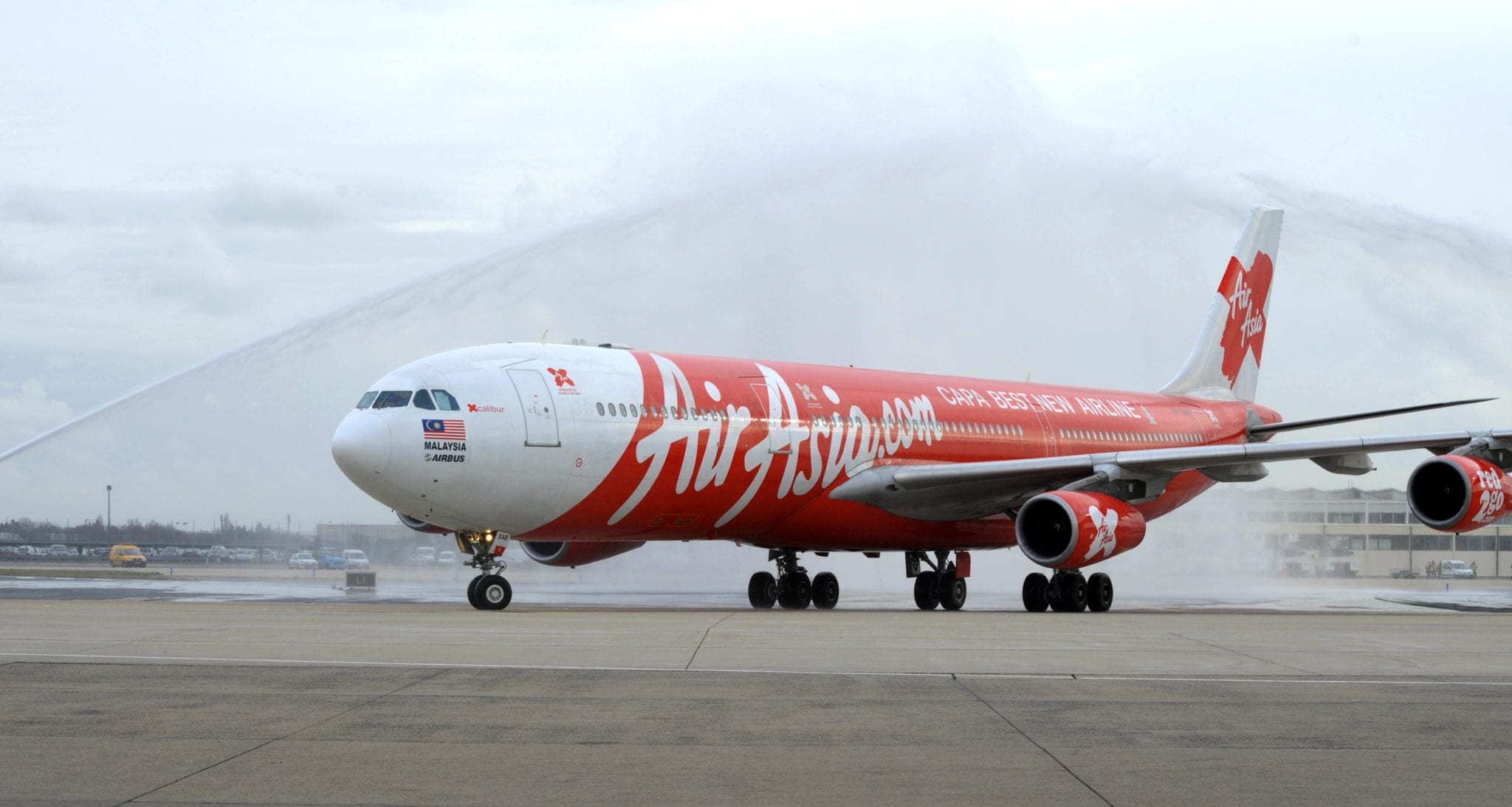
    AirAsia India has made the choice to change from terminal two at Chhatrapati Shivaji Maharaj International Airport, to the domestical terminal one. This will mean passengers who are traveling within India will no longer have to transfer through the international terminal to take a standard domestic flight on AirAsia India.

    Mumbai is a popular destination for airlines. So much so that AirAsia India has been unable to get departure gates from the main terminal one at Chhatrapati Shivaji Maharaj International Airport since they launched back in June 2014. They have, instead, had to operate their domestic service from the international terminal two.

    This had several disadvantages, such as forcing passengers who are transferring from other domestic carriers to a different terminal to take an AirAsia India flight, as well as passing through different security checks that are normally reserved for international flights. And for those not in the know, the two terminals are far apart and require a bus to transfer between them.

    This is set to change however this October, when the airline begins operating from terminal one and can line up with all the other domestic low-cost-carriers.

    “We are pleased to announce that Mumbai will now be our fourth hub in India, and alongside that AirAsia India will shift its operations from Terminal 2 to Terminal 1B from October 15,” said Sunil Bhaskaran, managing director, and chief executive, AirAsia India.

    AirAsia India flies across the sub-continent. Photo: AirAsia

    But moving to a better terminal for passengers is just the beginning, with the move allowing AirAsia India to make Mumbai it’s new fourth hub in the country.

    “Mumbai will become AirAsia India’s fourth hub in the country after Bengaluru, New Delhi and Kolkata,” AirAsia India said in a press statement back in May “AirAsia India will now connect Mumbai to Kochi, Kolkata, Hyderabad, Indore, New Delhi and Bengaluru.”.

    The airline currently flies to 21 destinations across the subcontinent with 23 Airbus A320-200 aircraft. They don’t specifically have any aircraft on order at the moment, but likely that some of the vast 353 Airbus A321neos that are on order to their parent organization will find their way into their fleet.

    They are a subsidiary airline of the AirAsia group, a vast network of low-cost-carriers who’s combined network flies from the United States, to Japan, to Australia and more. AirAsia X, the international arm of the airline, recently took ownership of a brand new Airbus A330neo and is operating the cheapest flatbeds flying in the sky today.

    Needless to say, this move to the domestic terminal sets up AirAsia India for long-haul success in India.

  • Singapore Airlines To Trial Business Class Dine On Demand

    Singapore Airlines To Trial Business Class Dine On Demand

    For decades Singapore Airlines has been known for being one of the best airlines in the world, though I can’t help but feel like they’ve somewhat been resting on their laurels. I feel like the airline used to be super innovative, but is less innovative nowadays:

    • For the most part, I don’t find Singapore Airlines’ new cabins to be that cutting edge, and their business class seat hasn’t evolved that much in the past decade
    • Their meal services in business class are good, though nothing special
    • I will say that their cabin crew are consistently exceptional, and they’re one of the best parts of flying with the airline

    This is due to customer feedback, though Singapore Airlines is careful to note that they want to make sure they develop a system that works before fully implementing this.

    Part of that will be ensuring that flight attendants can deal with the increased work required from dine on demand while maintaining high levels of customized service.

    Is Business Class Dine On Demand A Good Thing?

    On the surface, the addition of dining on demand sounds like a good thing. Especially for an airline like Singapore Airlines, where I sometimes can’t figure out the flow of their meal service.

    But I’ve also sometimes in the past noticed that I don’t always think a dine on-demand system is best. Sure, in an ideal world dine on demand is great, but there are some downsides:

    • It significantly increases the workload for the crew, and will make them more stressed, and perhaps not provide the same level of service
    • If you’re like me and are a sensitive sleeper, I find that the sounds, lights, and smells, from people dining throughout the flight, can make it much harder to sleep

    So while I’m generally in favor of dine on demand, there are also some downsides that are at least worth acknowledging.

    I’d note that quite a few airlines have done dine on-demand trials in business class, but ended up deciding against it. Take Emirates, for example — they trialed it for a while, but then decided not to implement it on a widespread basis (meanwhile both Etihad and Qatar offer dine on demand).

    Bye Bye Lobster Thermidor?

    Singapore Airlines offers a “Book The Cook” menu, where you can order from a much larger menu before your flight. One of the most popular options is their lobster thermidor dish.

    It looks like that may not be on the menu forever in its current form:

    “Like everything, the Book The Cook programme evolves. The lobster thermidor is a perennial favourite but we’re looking at opportunities to modernise that, whether it be a lobster thermidor-type of dish or something similar and lobster- themed which is a little bit more modern, a little bit more healthy perhaps.

    People like lobster, but we’re moving to an environment where people are becoming more health-conscious so maybe the creamy lobster dish is not the right one… maybe a beautiful grilled lobster with fresh asparagus or veggies might be another alternative, as long as we maintain the integrity of the dish.”

    Bottom Line

    I’ll be curious to see what kind of a dine on-demand trial Singapore Airlines runs, and how successful it is. Generally, I’d say dine on demand would be a positive development, though assuming it allows the crew to maintain their high service standards.

    As someone who struggles to sleep without perfect conditions, I’m also generally somewhat apprehensive about dine on demand, though I realize that’s mostly just my problem.

  • Bamboo Airways hopes to triple market share to 30 pct

    Bamboo Airways hopes to triple market share to 30 pct

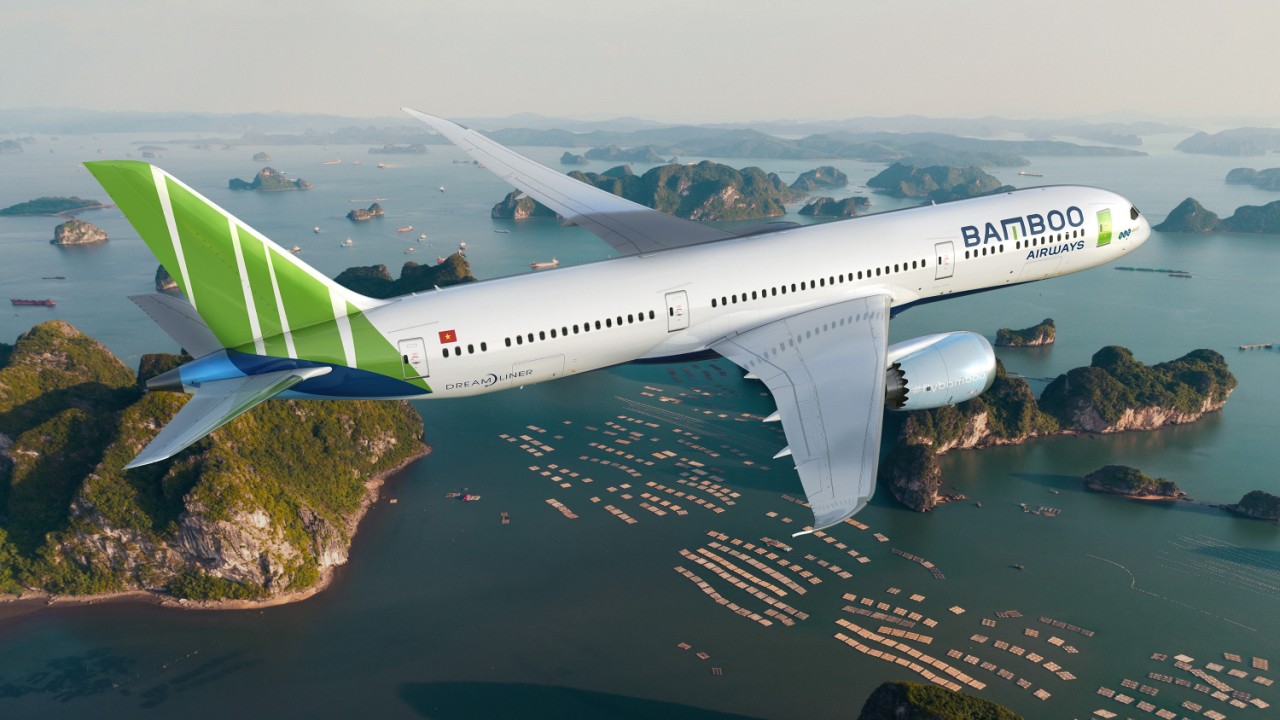
    New kid on the block Bamboo Airways wants to expand its current 10 percent market share to 30 percent by next year. For this, it first plans to expand its fleet and increase the number of domestic routes before starting international services to destinations like South Korea, Thailand and Taiwan.

    Its chairman Trinh Van Quyet last month said it would be the first Vietnamese airline to fly directly to the U.S.

    The carrier is preparing for an evaluation by the International Air Transport Association for issuing a safety certificate, which would allow it to partner with international airlines, the statement said.

    It is preparing to file for permission to operate direct flights to the U.S. using wide-bodied Boeing 787-9 aircraft.

    The firm plans to raise $100 million next year in an initial public offering, Reuters reported recently.

    Its entry has eaten into the market share of other airlines. The passenger market share of national flag carrier Vietnam Airlines and its two affiliates, Jetstar Pacific and VASCO, as of June was down 5 percentage points from last year to 51 percent.

    Budget carrier Vietjet suffered a 2.7 percentage point drop from 44 percent to 41.3 percent.

    Bamboo Airways, which began flying in January, last month received permission from the government to expand its fleet from 10 to 30.

    Vietnam expects the aviation market to grow by 16 percent a year in 2015-20 and 8 percent in 2020-30.

    This means there will be a possible 117 million air travelers by 2023, 85 percent by Vietnamese carriers, which will require 340 aircraft, according to the Civil Aviation Authority of Vietnam.

  • Cebu Pacific holding ‘9.9’ promo fare sale

    Cebu Pacific holding ‘9.9’ promo fare sale

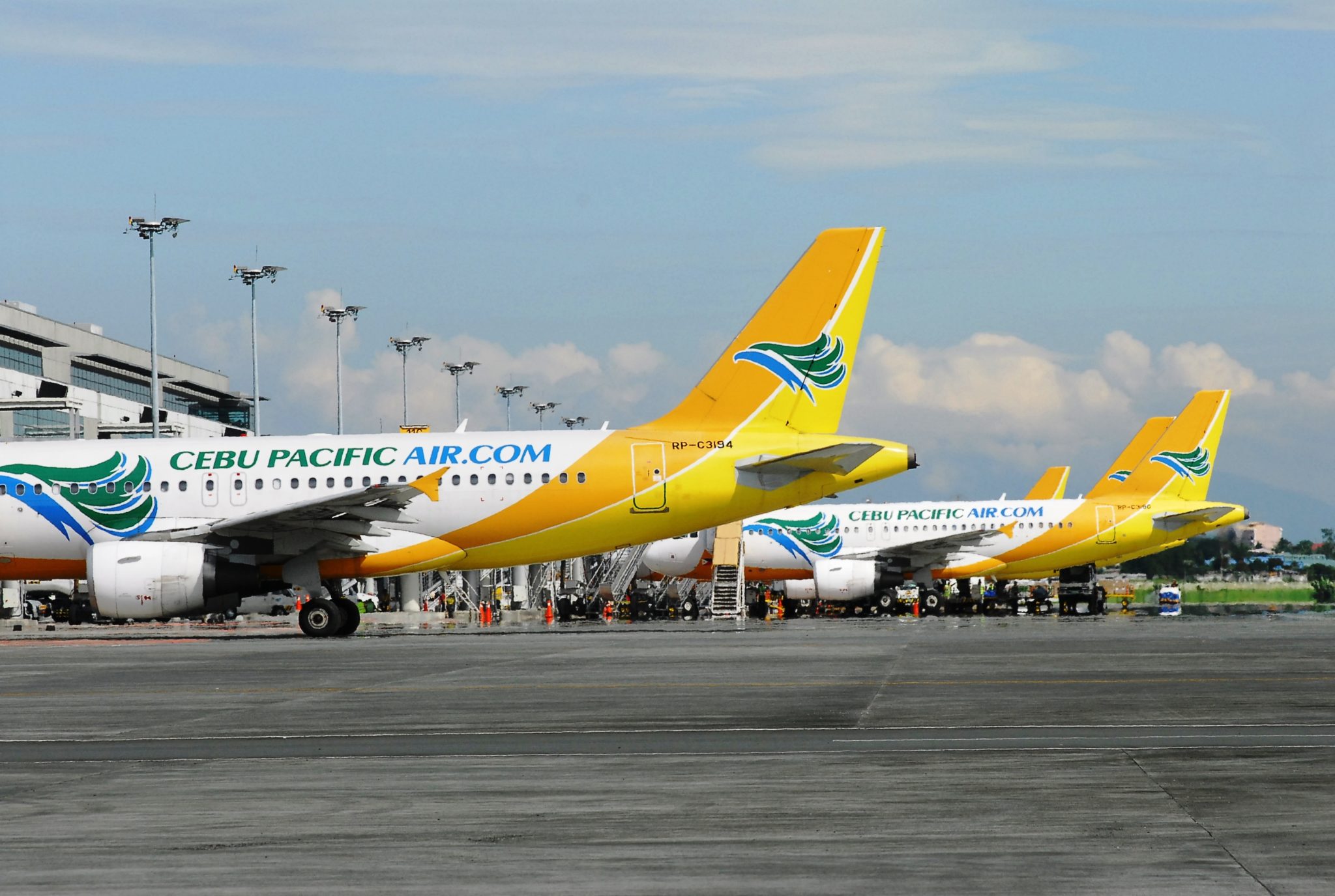
    Cebu Pacific is holding another seat sale from Sept. 9 to 10. The airline did not specify fares but said new destinations will become available every 8 hours starting midnight Sept. 9.

    From 12 a.m. to 8 a.m. all local destinations except Batanes and Marinduque will be on offer.

    From 8 a.m. to 4 p.m. Cebu Pacific will offer promo fares to Japan, Korea, China, Taiwan, Hong Kong and Macau.

    Promo fares to ASEAN destinations, Dubai and Australia will be offered from 4 p.m. to 12 a.m.

    The fares will be valid for travel from April 1 to Aug. 31 next year.

  • Eros Now partners AirAsia’s in-flight WiFi service provider

    Eros Now partners AirAsia’s in-flight WiFi service provider

    Eros Now, the Indian over-the-top (OTT) entertainment platform, has entered into a partnership with Rokki – AirAsia’s in-flight WiFi service provider. The deal will provide flyers access to Eros Now’s content on their own devices, while onboard WiFi-enabled AirAsia flights.

    With the deal in place, AirAsia WiFi will host Eros Now’s content for free. It will also host a microsite that will enable guests to discover more of the OTT platform’s offerings and purchase discounted subscription plan vouchers on-board, offering one-month access to the OTT platform’s premium content including over 12,000 Bollywood movies, original shows, Quickies, music, and other content.

    “On-the-go consumers are always on the lookout for interesting content. Our intent has always been to deliver the best of services to meet end-users’ demands and expectations. By partnering with Rokki we plan to attract the in-flight consumers by offering Eros Now’s vast collection,” said Rishika Lulla Singh, CEO, Eros Digital.

    “In line with Rokki’s continuous efforts to transform the in-flight experience through our key offerings – entertainment, connectivity, and e-commerce – our partnership with Eros Now is another step towards creating a dynamic and engaging experience through content-driven commerce,” said Sargunan Seenivasan, head of Rokki.
  • DJI Introduces P4 Multispectral For Precision Agriculture andLand Management

    DJI Introduces P4 Multispectral For Precision Agriculture andLand Management

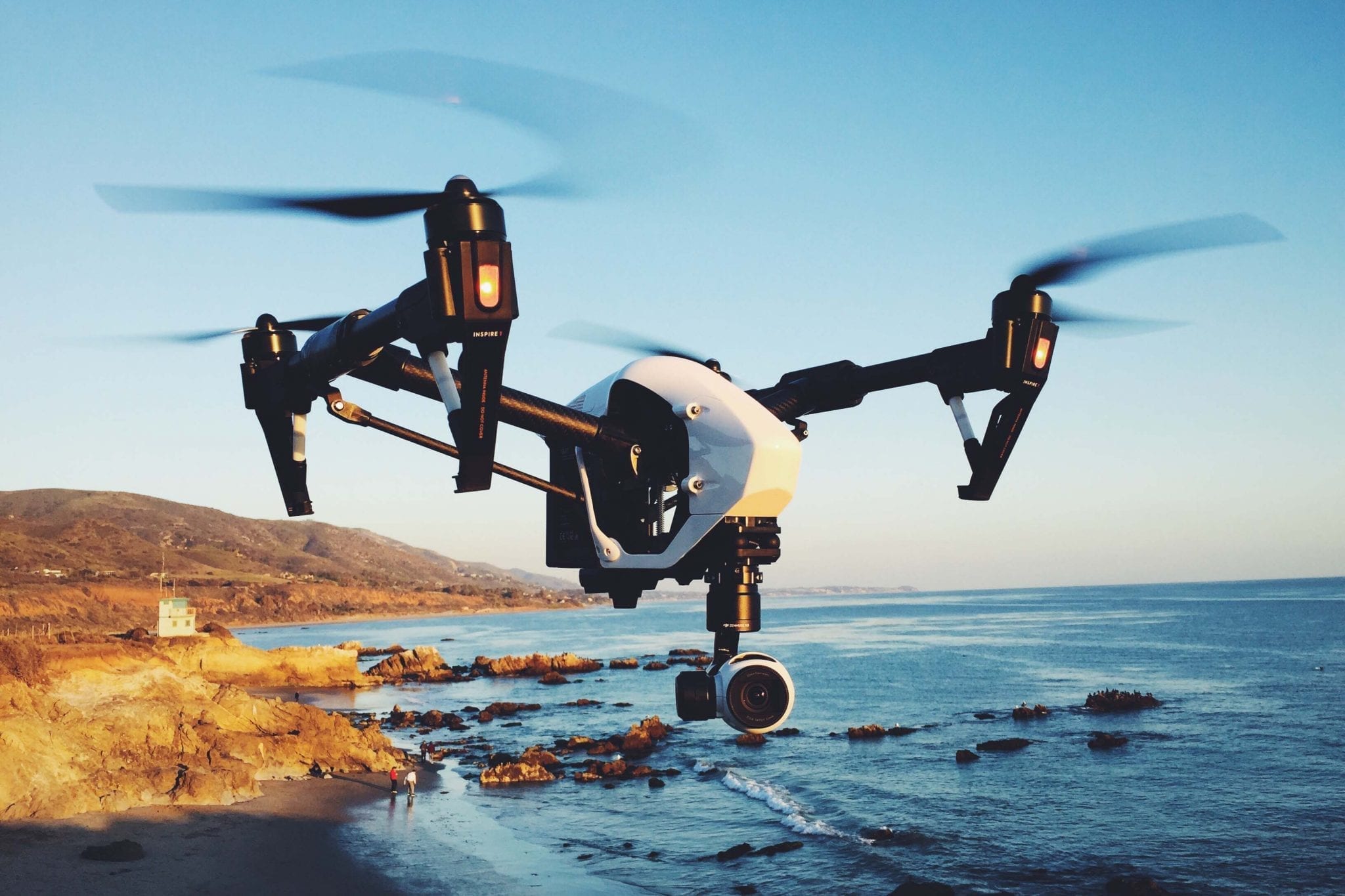
    DJI, the world’s leader in civilian drones and aerial imaging technology, is setting a new standard for easy-to-use agricultural drone applications with P4 Multispectral, the world’s first fully-integrated multispectral imaging drone designed for precision agriculture and environmental management.

    P4 Multispectral combines data from six separate sensors to measure the health of crops, from individual plants to entire fields, as well as weeds, insects and a variety of soil conditions. With the agriculture drone market expected to grow from $1.2 billion USD in 2019 to 4.8 billion by 2020, P4 Multispectral provides farmers and agronomists with a new tool to improve crop yields, cut costs and helps environmental professionals easily monitor vegetation on the land they manage.

    “P4 Multispectral has the promise to transform the agriculture and land management industries by collecting precise plant-level data without having to send personnel into the field for manual surveys,” said Jan Gasparic, Director of Strategic Partnerships at DJI. “By combining multispectral imaging into a trusted, efficient and affordable tool, DJI is making this transformative technology more accessible to professionals around the world who are pioneering the adoption of drones in their industries.”

    Precise Multispectral Imaging

    P4 Multispectral features a gimbal-stabilized imaging system composed of one RGB camera and a multispectral camera array with five narrow band sensors – including red edge and near-infrared – that are capable of capturing visible and invisible light. This data gives trained professionals unique insights into vegetation stress, soil composition as well as water salinity and contamination. An additional integrated spectral sunlight sensor maximizes the accuracy and consistency of data collection during missions flown at different times of the day.

    Seamless integration into the DJI Ground Station Pro flight planning app allows pilots to switch between real-time views of the drone’s RGB video camera and Normalized Difference Vegetation Index (NDVI) output for immediate insights while in the field. An integrated RTK positioning module and TimeSync system support real-time, accurate positioning data for each image, optimizing photogrammetric results and providing centimeter-level accurate measurements.

    Industry Workflow Compatibility

    P4 Multispectral is compatible with standard industry workflows including flight programming, mapping, and analytics software from DJI and other leading providers. Using the DJI GS Pro application, users can create automated and repeatable missions including flight planning, mission execution, and flight data management. Data collected can be easily imported into DJI Terra or a suite of third-party software including Pix4D Mapper and DroneDeploy, for analysis and to generate additional vegetation index maps. In addition, P4 Multispectral users can enhance the accuracy of RTK positioning without an internet connection by using DJI’s D-RTK 2 High-Precision GNSS Mobile Station, which supports all major global satellite navigation systems, or using a third-party network RTK via an iPad with an internet connection.

    Powerful Performance

    Built on the iconic Phantom airframe, P4 Multispectral leverages DJI’s powerful OcuSync transmission system for a smooth flight experience with less signal interference, enhanced video transmission, and a 7km maximum transmission range. Each of its 2-megapixel cameras features a global shutter for precise imaging during flight with a maximum 27 minutes of flight time per battery.

    Availability

    DJI P4 Multispectral will be available in October through authorized DJI Enterprise dealers worldwide. The P4 Multispectral costs $6,499 USD and comes with a 1-year free license to DJI Terra (Basic) Windows software and a 1-year free license to DJI GS Pro (Team-Professional) iPad app. Customers can also purchase the P4 Multispectral with the D-RTK 2 Mobile Base Station for a total of $9,100 USD. All purchases of a P4 Multispectral in the United States, Canada, China, Australia, Japan, United Kingdom and the European Union will enjoy a 1-year Enterprise Shield Basic coverage on their new drone, at no additional cost.

    P4 Multispectral was announced at AirWorks 2019, DJI’s annual commercial drone conference that brings together DJI customers and its ecosystem of drone solution providers for three days to inspire, connect and energize attendees about the beneficial drone applications available to enterprises today as well as the future of the global commercial drone industry. As part of the introduction of P4 Multispectral, DJI was joined on-stage by DroneDeploy’s CEO, Mike Winn and Corteva Agriscience’s U.S. Digital Ag Lead, Jeremy Groeteke to share their insights on drone technology in agriculture.

  • AirAsia eager to introduce bio-fuel powered flight, supported by Airbus

    AirAsia eager to introduce bio-fuel powered flight, supported by Airbus

    AirAsia Group Bhd is expected to introduce a biofuel-powered flight in the future as the airline initiated research and developments (R&D) into aviation biofuels supported by Airbus SE.

    Group chief executive officer Tan Sri Tony Fernandes has expressed interest to explore the production of alternative and sustainable aviation biofuels in Malaysia.

    “However, it is too early to comment right now but obviously, we as an airline would like to do more in biofuels. We can not do it alone. So, it is great that Airbus supports our vision of trying to get biofuels into the aircraft. Hopefully that dream is not so far away with Airbus’ support,” Fernandes said after the signing ceremony between AirAsia and Airbus involving the airline’s 42 new aircraft orders in Kuala Lumpur last Friday.

    Market observers believe the move likely to cut the group’s jet fuel cost and reduce carbon emissions.

    Fernandes said aviation biofuels R&D requires a lot of work involving comprehensive studies on how the alternative fuel burns compared with the conventional kerosene jet fuels.

    He said technical support from airframe maker Airbus SE would facilitate the airline’s initiative to develop its aviation biofuels.

    Airbus had last Friday announced it would increase participation in the Aerospace Malaysia Innovation Centre (AMIC) to provide more funds for joint research programs.

    Airbus is also one of AMIC founders, which is set to appoint an Innovation Technical Director to support the non-profit organization including into aviation biofuels in Malaysia.

    This was also part of Airbus’ US$120 million (RM505 million) planned investments announced last week comprising three initiatives to further develop Malaysia’s aviation and aerospace industry.

    Under the initiatives for AMIC, Airbus said the programs benefitting from additional funding such as alternative and sustainable aviation biofuels.

    Inter’s Romelu Lukaku was allegedly subjected to racial abuse during the match against Cagliari at Sardegna Arena Stadium in Cagliari, Italy. – EPA

    Chief executive officer Gauillaume Faury said Airbus’ new initiatives also include the expansion of the company’s wholly-owned maintenance, repair, and overhaul (MRO) facility – Sepang Aircraft Engineering (SAE); and the establishment of the Airbus Malaysia Digital Initiative.

    “These initiatives will significantly enhance our presence in Malaysia, which is one of our most important markets in Asia,” he said at a press conference at the signing ceremony of the firm order between AirAsia Group and Airbus here, recently.

    He said Airbus’ initiatives would also strengthen its win-win partnerships with Malaysia, contributing to the development of the Malaysian aerospace sector and enabling the company to benefit from the competencies and skills available in the country.

    Major airlines had been experimenting for years with biofuels in an effort to reduce both carbon emissions and their reliance on fossil fuels.

    According to Bloomberg, several major carriers were planning larger-scale usage of biofuel in 2019 and 2020, including JetBlue Airways Corp and Cathay Pacific Airways Ltd.

    Meanwhile, the International Air Transport Association (IATA) had approved a resolution that called on governments to continue working towards the implementation of the Carbon Offsetting and Reduction Scheme for International Aviation (CORSIA).

    Having agreed through the United Nations’ International Civil Aviation Organisation (ICAO), CORSIA would limit net carbon dioxide emissions from international aviation at 2020 levels to achieve carbon-neutral growth.

    The first test flight with biojet fuel was undertaken by Virgin Atlantic in 2008. As at June 2019, more than 180,000 commercial flights using sustainable aviation fuels have been performed, according to IATA.
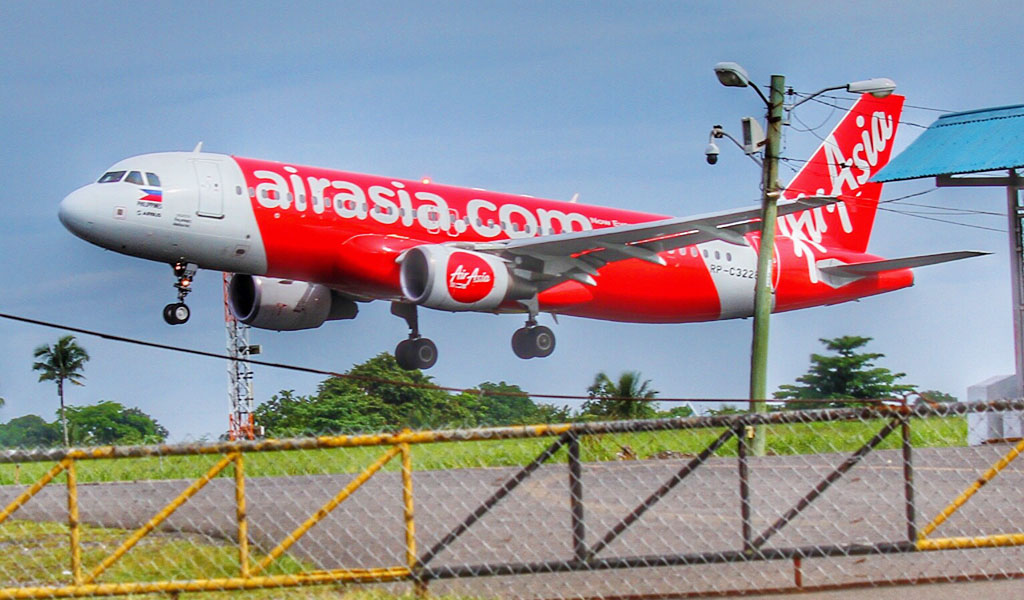

  • Cebu Pacific wants more flights to tense Hong Kong

    Cebu Pacific wants more flights to tense Hong Kong

    The Philippines’ largest budget airline is seeking additional flights to Hong Kong despite ongoing anti-government demonstrations.

    In a filing before the Civil Aeronautics Board, Cebu Pacific said it was seeking added flight entitlements to Hong Kong-based on a provision under the Philippines-Hong Kong Air Services agreement that covers flights from Manila. The CAB has set a hearing on Sept. 16.

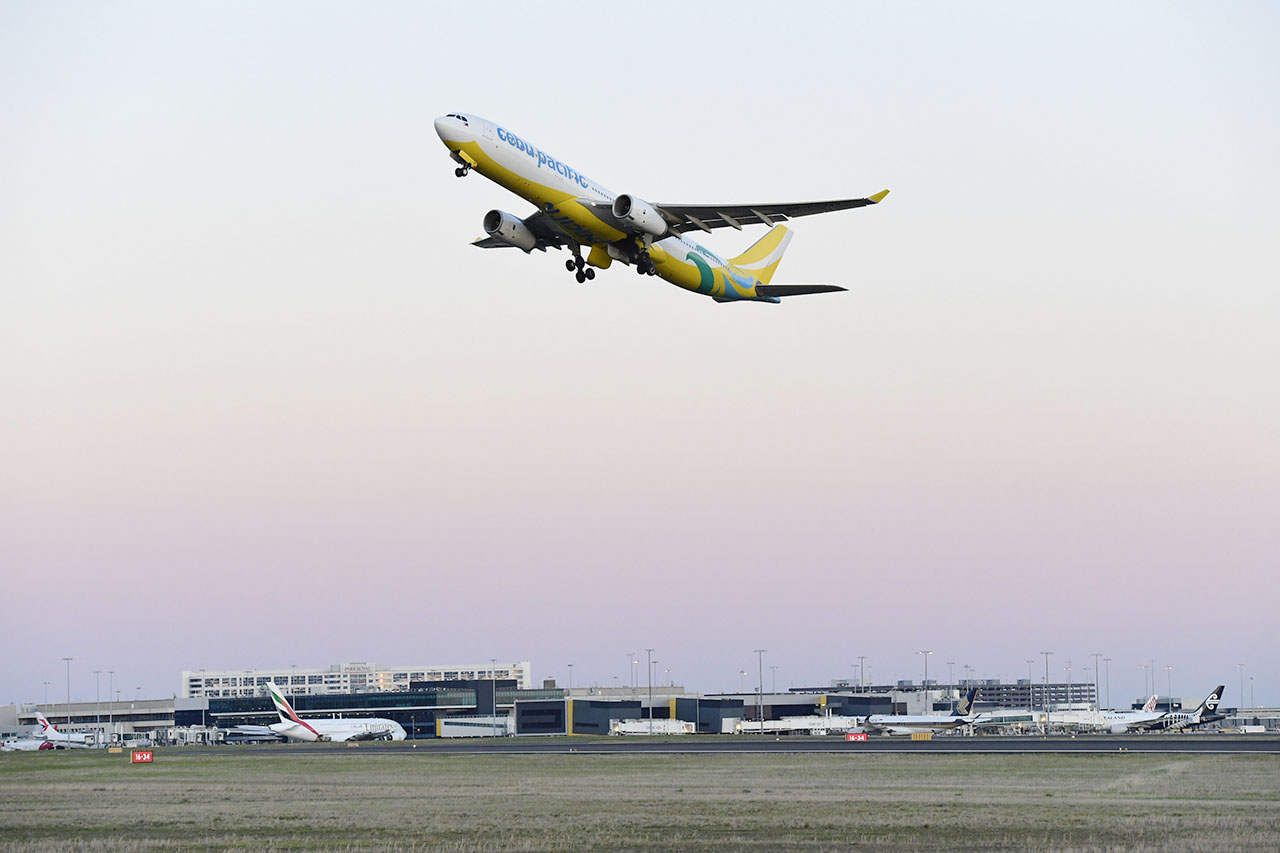
    Cebu Pacific has 24 weekly flights between Manila and Hong Kong. It also operates 14 weekly flights from Clark International Airport, two weekly flights from Iloilo and nine weekly flights via Mactan Cebu International Airport.

    This comes despite protests that have, at times, grounded all operations at the Hong Kong International Airport, which the Airports Council International said was the 8th busiest in the world in terms of passenger volume.

    The protests were initially aimed at a bill, eventually shelved by the Hong Kong government, that would have allowed the extradition of fugitives to mainland China. Massive demonstrations, which began in June, show no signs of dissipating.

    Cebu Pacific is ramping up expansion as it takes delivery of new planes.

  • AirAsia India to start direct Delhi-Chennai flight from September

    AirAsia India to start direct Delhi-Chennai flight from September

    Budget carrier AirAsia announced a new direct Delhi to Chennai flight. The new flight will be introduced from September 2019. The sale of tickets will begin on 20 September. The tickets can be booked through airasia.com or the AirAsia mobile app.

    “The new daily direct flight between Chennai and New Delhi will help boost our operations in Chennai. We have also increased the frequency between Chennai and various other destinations like Bangalore, Hyderabad and Kolkata,” the airline said in a statement.

    AirAsia will also operate a third daily flight between New Delhi and Kolkata.

    The Bengaluru-headquartered airline is also set to launch additional flights on New Delhi-Kolkata route from 20 September.

    The airline has also increased the frequency and introduced a fourth service on the Delhi-Bengaluru route.

    AirAsia India currently flies to 19 destinations with a fleet of 22 aircraft.

    Air Asia India, which started operations in June 2014, is a joint venture between Tata and AirAsia Berhad. It currently operates 164 flights a day, covering 19 destinations and carrying over 25,000 passengers.

    The budget carrier has already started daily direct flight on the Delhi-Chandigarh route from 1 August onwards. The launch fare on Delhi-Chandigarh route is ₹1,365, the airline mentioned. The flight would leave from Delhi at 10.40 am every day and would reach Chandigarh at 11.50 am.

    The return flight would depart from Chandigarh every day at 12.50 pm and arrive at the Delhi airport at 1.55 pm, the low-cost carrier said.

  • AirAsia launches new route to Belitung, Indonesia

    AirAsia launches new route to Belitung, Indonesia

    AirAsia has launched a new route connecting Kuala Lumpur to Belitung, an island off the east coast of Sumatra, Indonesia.

    In a statement today, AirAsia said its four times weekly direct service will commence on Oct 2, 2019.

    AirAsia regional commercial head Amanda Woo said Belitung is a place with huge untapped tourism potential.

    “We hope that with this new direct service, more and more people will be able to discover this hidden gem.

    “The new route is also a testament to our firm commitment to support the Indonesian government in its efforts to develop 10 new priority tourism destinations,” she said.

    To celebrate this new route, AirAsia is offering special all-in AirAsia BIG member fare from as low as RM79 from Kuala Lumpur.

    Passengers were advised to book their flight on airasia.com or the AirAsia mobile app from today until Aug 25 for travel between Oct 2 and March 28, 2020 to enjoy these special fares.

    BIG members will enjoy zero processing fees when making payment using BigPay.

    In addition to the new route, AirAsia also operates daily flights to Belitung from Jakarta beginning Oct 1, 2019.

    AirAsia currently connects Kuala Lumpur to 14 other Indonesian destinations — Jakarta, Surabaya, Medan, Bali, Lombok, Yogyakarta, Pekanbaru, Pontianak, Padang, Palembang, Semarang, Makassar, Bandung and Banda Aceh.

  • AirAsia launches new sustainability livery

    AirAsia launches new sustainability livery

    Air Asia unveiled its new livery design for their Airbus A320 in Bangkok last week, to promote the message of “Sustainable ASEAN Tourism”.

    The launch coincided with the ASEAN Day celebrations on August 8, marking the 52nd anniversary of the original declaration in 1967, and was attended by Thailand’s Director General of the Department of ASEAN Affairs, the AirAsia Group CEO Tan Sri Tony Fernandes, as well as staff and press from around the region.

    Alongside its signature red wings and tail, the fuselage portrays a stylistic green landscape with a river linking all the major ASEAN landmarks – from the Marina Bay Sands in Singapore to the boats of Ha Long Bay in Hanoi. Myanmar’s famous Kyaikhtiyo and Shwedagon pagodas sit at the very top of the design, beside the tail.

    The ASEAN logo is embedded in the puang malai garland, which is associated with good luck and hospitality in Thailand, appropriately located beside the front passenger door. “Ten trestles hanging from the garland symbolise the ten member states. They collectively form the shape of an outward arrow, representing their striving together in advancing partnership towards sustainability,” said Mr. Vijavat Isarabhakdi, Director General of the Department of ASEAN Affairs in Thailand.

    The design was chosen from over 300 submissions by groups of young artists across Thailand, and will now feature on two aircraft based in Thailand and Malaysia.

    Sustainability has been at the forefront of the company’s brand image in recent years, from its aims to reduce carbon emissions to the recycling of aircraft parts and life-vests.

    The company also participates in engagement programs like the recent Journey-D promotion, which challenges travelers to stay in a community in rural Thailand to help clean up the environment, and “live in peace” for two days – without a mobile phone.

  • Cebu Pacific to begin Cebu-Busuanga flights in October

    Cebu Pacific to begin Cebu-Busuanga flights in October

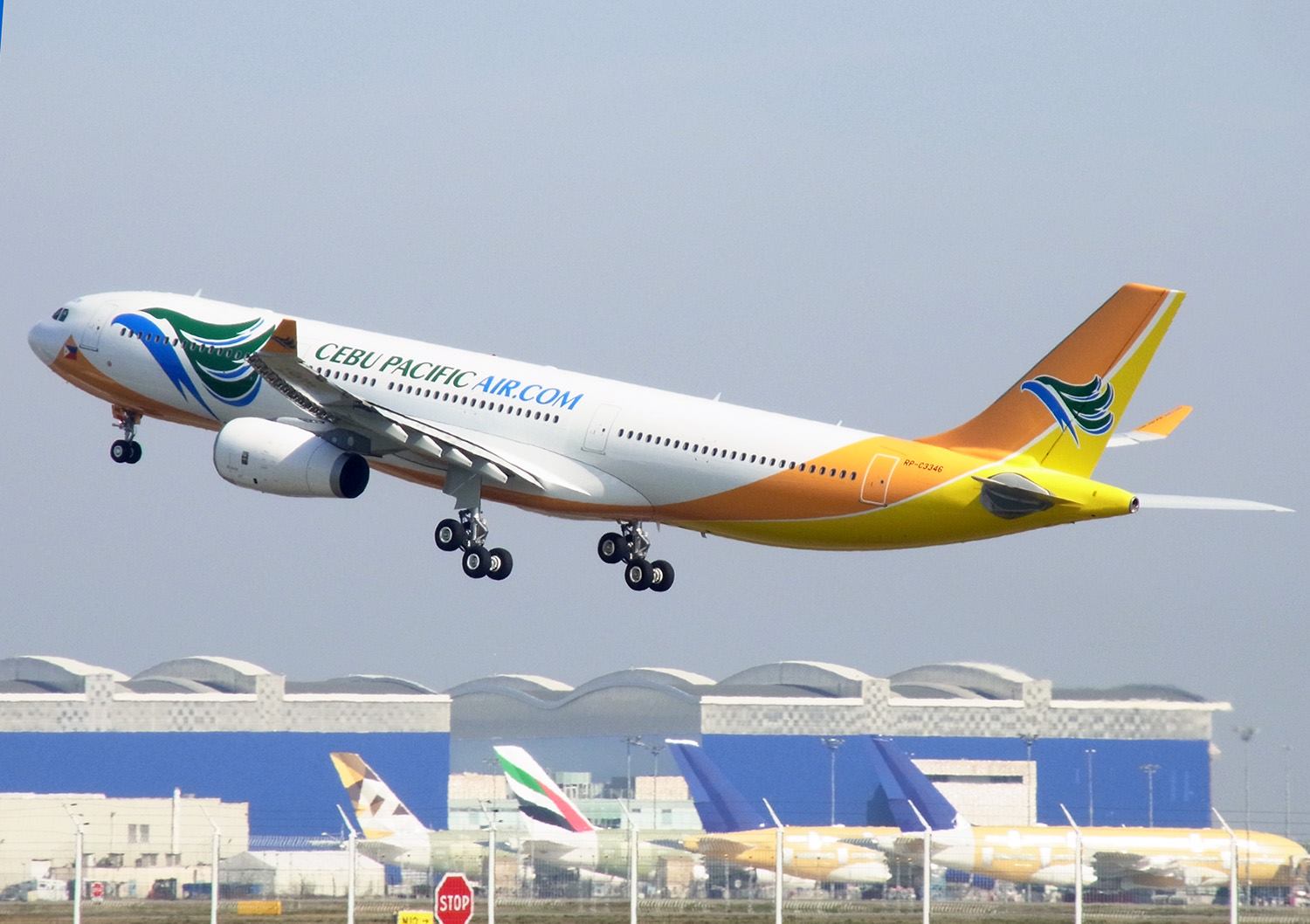
    Budget carrier Cebu Pacific announced on Thursday, August 15, that it is launching direct flights from Cebu to Busuanga (Coron) in Palawan.

    Cebu Pacific’s subsidiary Cebgo will fly twice daily between the Mactan-Cebu International Airport and Francisco B. Reyes Airport, beginning October 27 this year.

    • 1st flight
      • departing Cebu at 7:25 am, arriving in Busuanga at 9 am
      • (turnaround flight) departing Busuanga at 9:20 am, arriving in Cebu at 11 am
    • 2nd flight
      • departing Cebu at 10:25 am, arriving in Busuanga at 12:05 pm
      • (turnaround flight) departing Busuanga at 12:25 pm, arriving in Cebu at 2:10 pm

    “We believe that these twice daily flights will enable residents from Cebu and other parts of Visayas and Mindanao to explore Palawan, without having to make the trip to Metro Manila to catch their flights,” said Cebgo president and chief executive officer Alexander Lao in a statement on Thursday.

    “With this direct Cebu-Busuanga route, the islands of Coron and Culion are easier to get to. This will also allow locals from the rest of Southern Luzon to easily connect to Cebu and its network of over 20 domestic and 6 international destinations,” he added.

    Cebu Pacific is having a seat sale for the new route from Thursday until Saturday, August 17, with a base fare as low as P299. The travel period is from October 27, 2019 to March 28, 2020.

    Aside from Cebu, Cebu Pacific operates flights out of Manila, Clark, Kalibo, Iloilo, Davao, and Cagayan de Oro.

    Its network covers over 100 routes and 64 destinations, spanning Asia, Australia, the Middle East, and the United States.