Retail News CRM

Tag: flying

  • AirAsia names new boss in Japan

    AirAsia names new boss in Japan

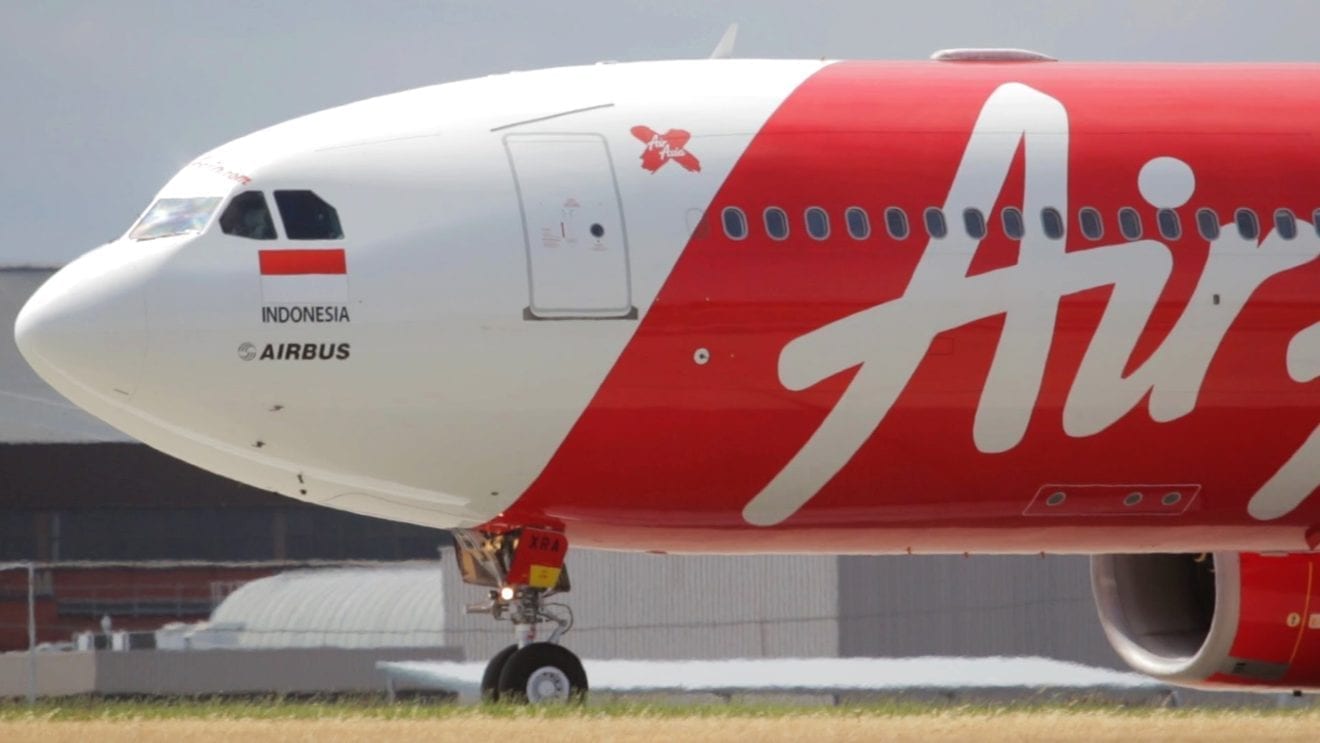
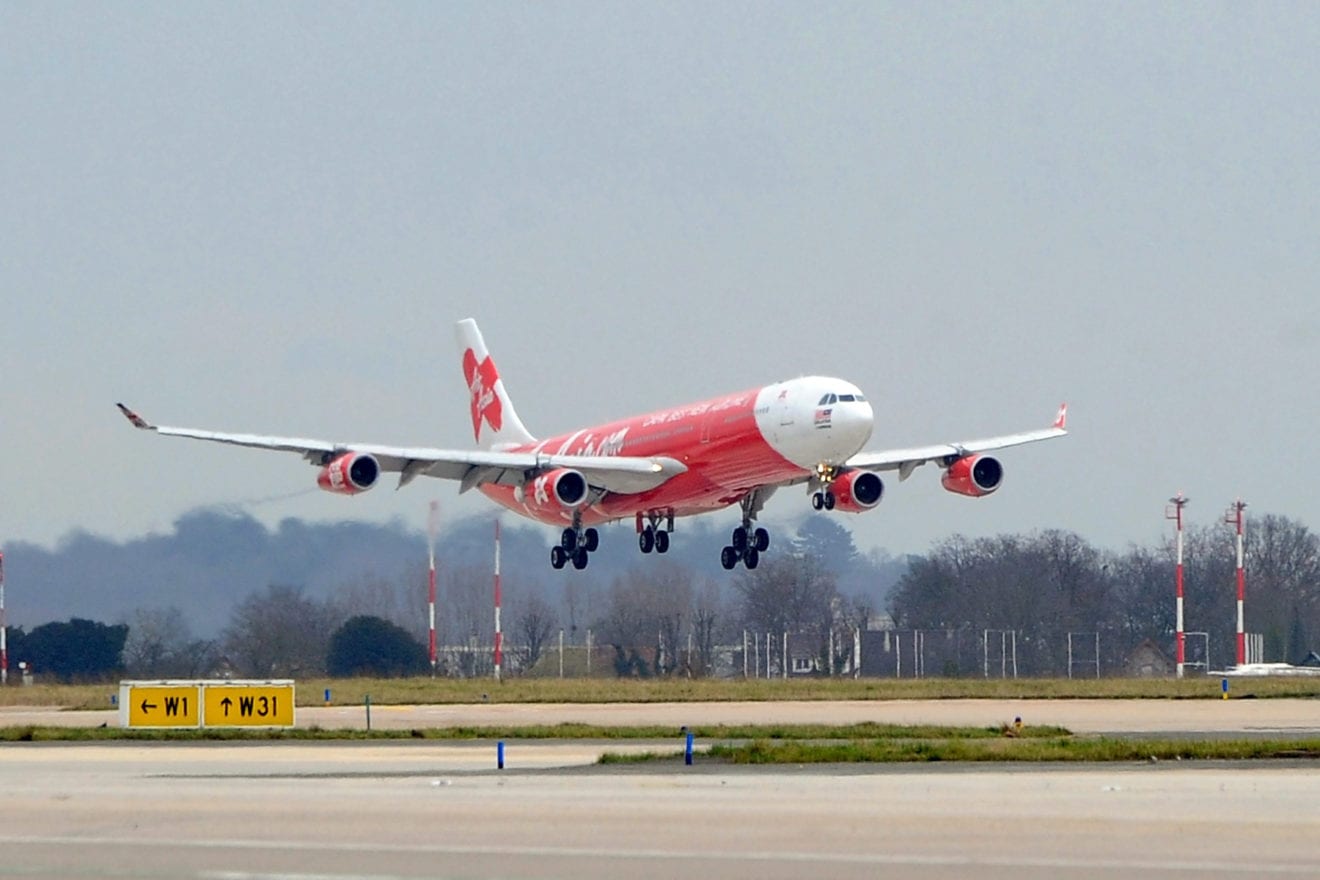
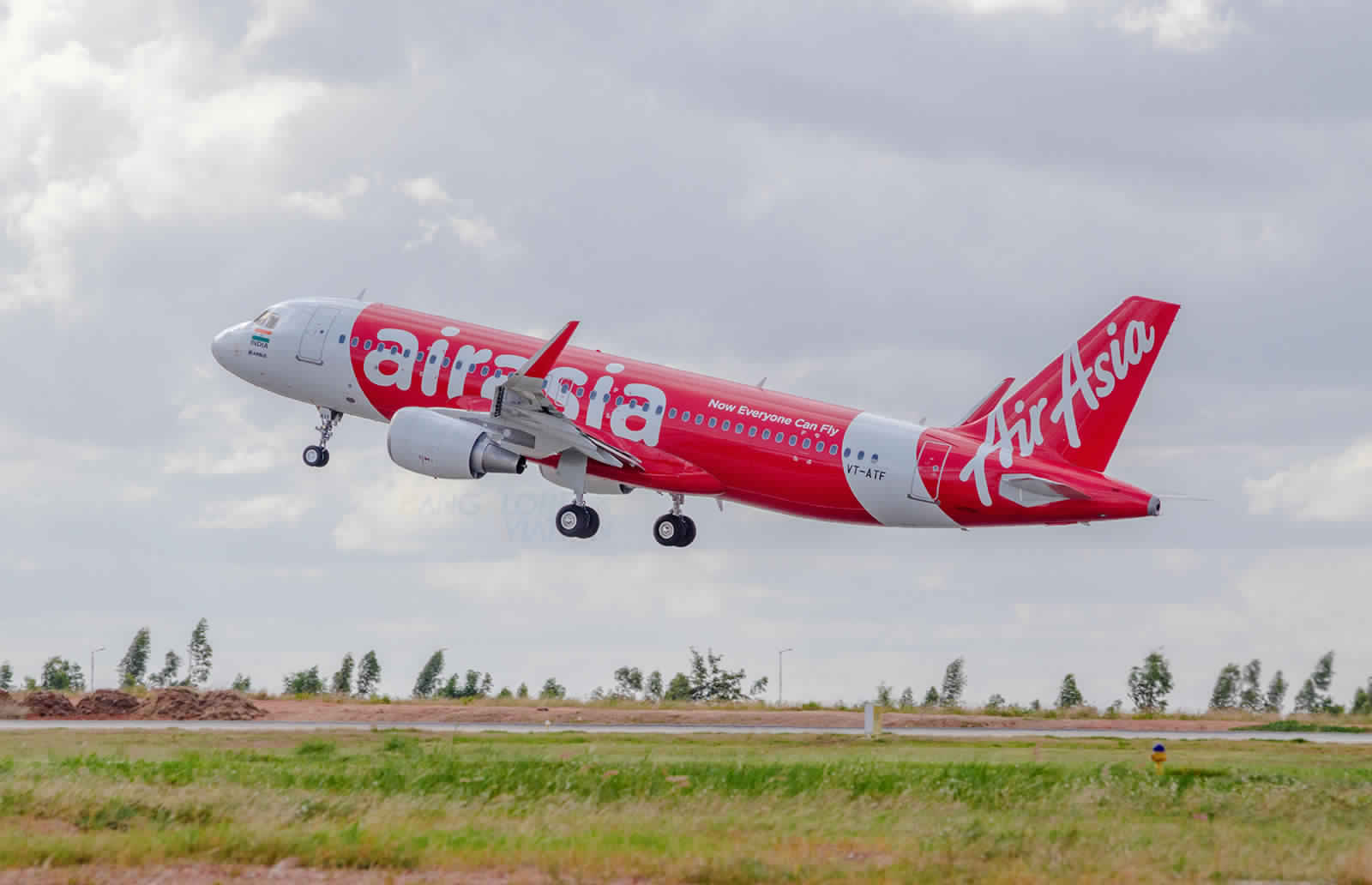
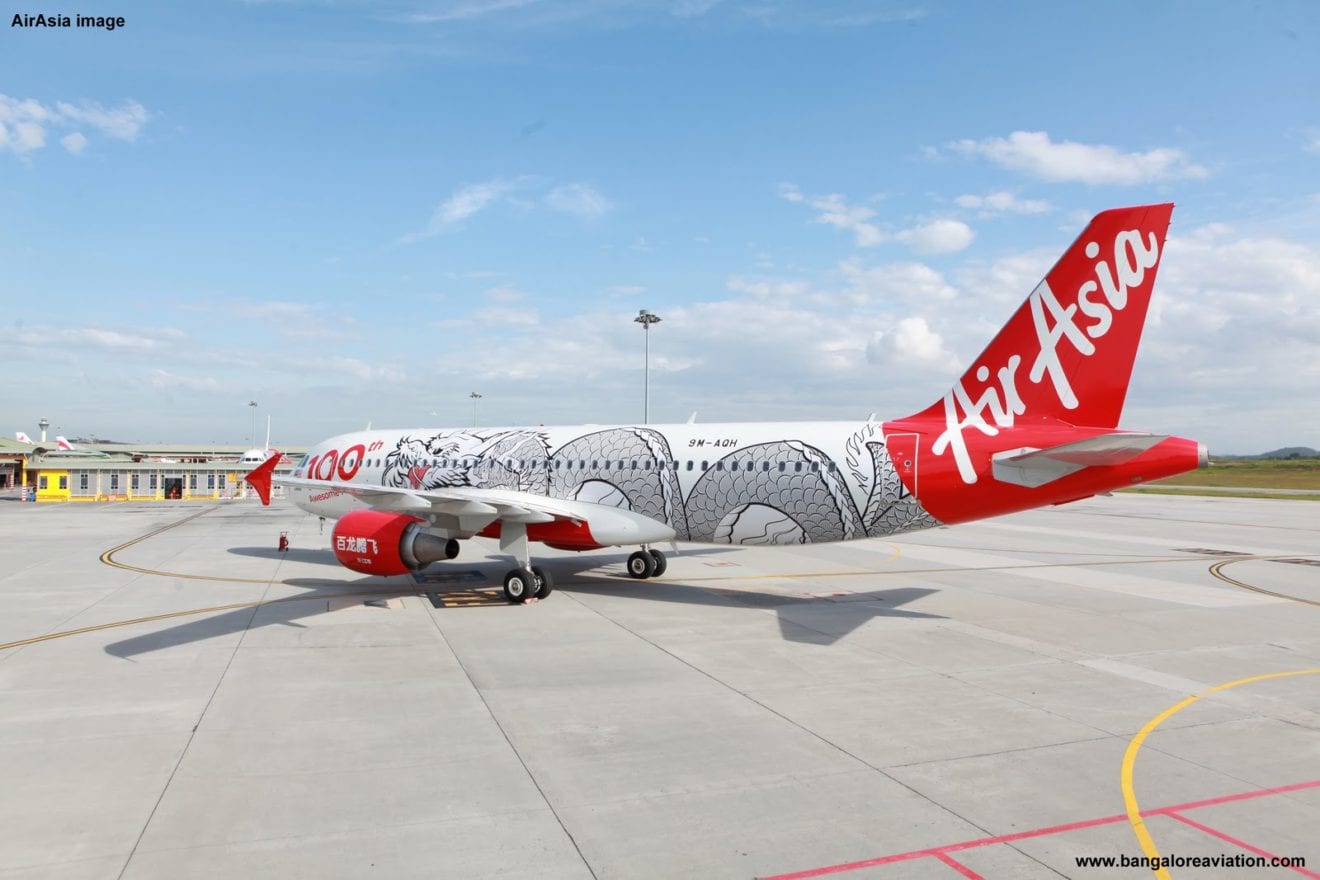
    AirAsia has appointed Jun Aida as representative director and COO to lead AirAsia Japan, effective 1 January 2020.

    Jun will take over from Jenny Mayuko Wakana who will be stepping down 31 December.

    As a member of AirAsia’s senior leadership team, Jun will be responsible for the company’s airline operations in Japan and its future growth.

    AirAsia Group CEO Tony Fernandes said: “Jun brings with him extensive management experience across various industries. We see tremendous potential in Japan and now is the time to catapult AirAsia Japan into its next phase of growth and success.”

    Jun joined AirAsia Group as a senior advisor in 2017. Prior to joining AirAsia, he was managing director for Phoenix Resort Co Ltd besides holding senior management roles in various multinational companies.

  • Vietjet CEO among world’s 100 most powerful women

    Vietjet CEO among world’s 100 most powerful women

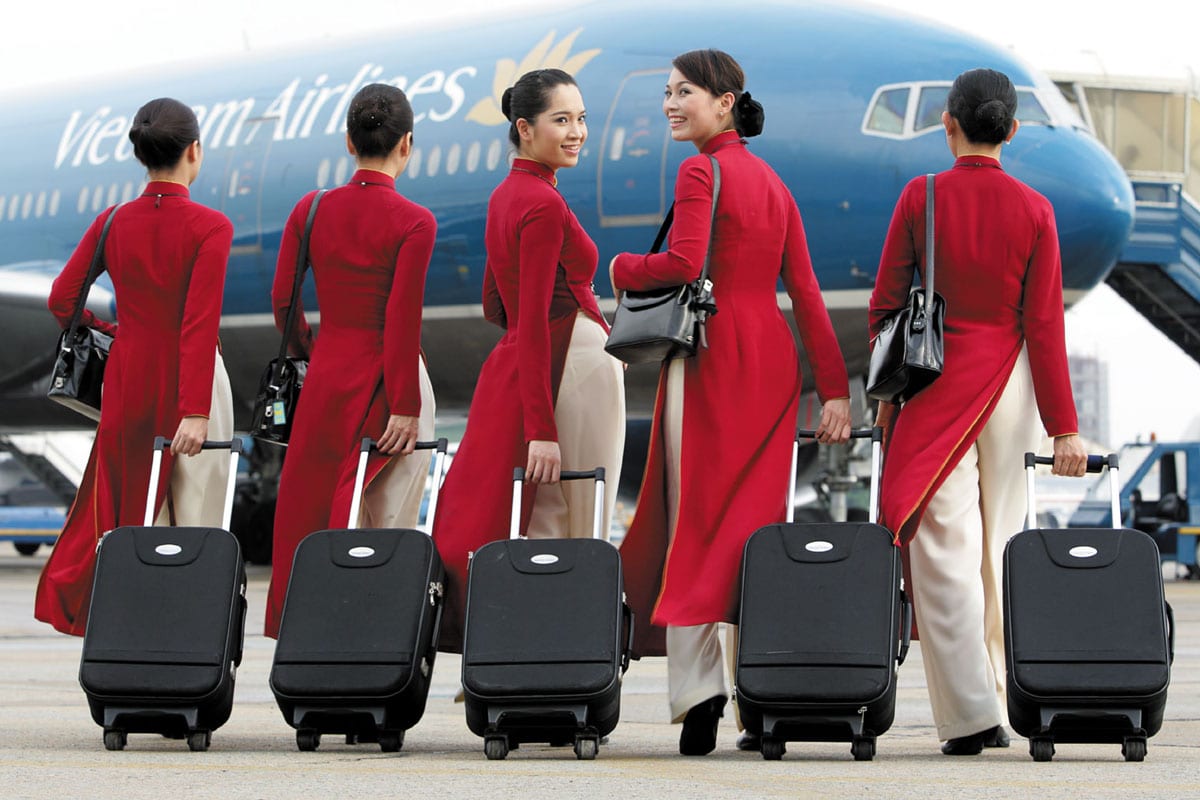
    Vietjet Air CEO Nguyen Thi Phuong Thao is one of 100 most powerful women in the world this year, according to a Forbes listing. The only Vietnamese woman on the list, Thao was placed 52nd, down eight places from last year. This is the third year in a row she has been included in Forbes magazine’s list of 100 most powerful women in the world.

    The list was compiled based on assets, impact, spheres of influence and media presence, the magazine said.

    It estimated that the budget carrier CEO and the richest woman in Vietnam to have a net worth of around $2.7 billion as of December 13.

    Thao, 49, has done business in Vietnam and abroad in many fields, including finance, banking, aviation, real estate, and retail.

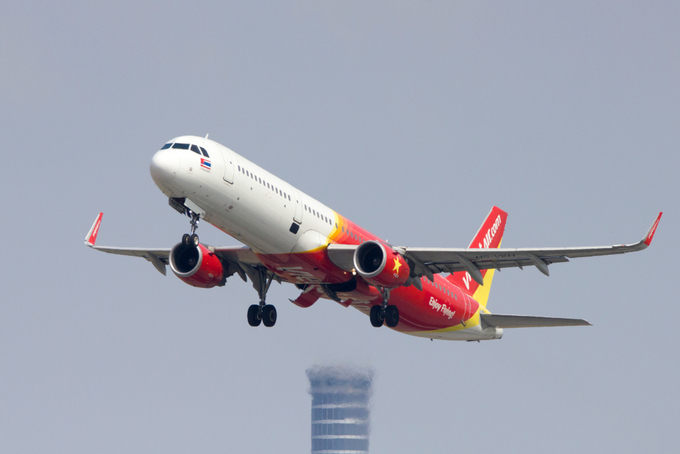
    She launched Vietjet in 2011. The airline now leads the domestic market with a 45 percent share. It operates 385 flights daily within Vietnam and to Japan, Hong Kong, South Korea, Taiwan, Singapore, mainland China, Thailand, Myanmar, and Malaysia.

    The carrier launched its IPO on the Ho Chi Minh City Stock Exchange in February 2017, becoming the first airline in Vietnam to list publicly.

    Vietjet has now surpassed national flag carrier Vietnam Airlines in terms of passengers carried. It has a fleet of 80 aircraft flying to 120 destinations.

    German Chancellor Angela Merkel was adjudged the most powerful woman in the world for the ninth consecutive year. She was followed by French politician Christine Lagarde, who serves as the President of European Central Bank, and Speaker of the U.S. House of Representatives Nancy Pelosi.

  • Inmarsat has high hopes for fitting GX to carriers across Asia-Pacific

    Inmarsat has high hopes for fitting GX to carriers across Asia-Pacific

    Even as Indian carriers lag behind in introducing inflight connectivity for passengers, there is action in the Asia-Pacific region, which is expected to account for roughly 40% of new commercial aircraft deliveries over the next 20 years.

    Inmarsat, which has high hopes for the region, says six AirAsia aircraft have been fitted with its GX Aviation Ka-band connectivity system.

    The service offers an improved experience over the Inmarsat SwiftBroadband-powered texting solution on offer at AirAsia.

    Passengers can avail of MB packages of data for the GX service, a model that is being increasingly adopted by airlines but which is not without its detractors. A 200MB package for MYR58 (roughly $14US) is positioned by AirAsia as being the “best for streaming”.

    For its part, AirAsia is thrilled to be offering GX on half-a-dozen aircraft. The company’s RedBeat Ventures subsidiary, ROKKI, manages the service, which has been integrated into its broader entertainment and e-commerce platform.

    “Some people are noticing what we are doing,” enthused AirAsia Group CEO Tony Fernandes in a tweet. He added: “Making products affordable and increasing quality. Bravo!”

    The service is slated to be implemented fleet-wide across AirAsia’s Airbus A320 and A330 models in 2020. This requires installation of the Honeywell JetWave terminals atop AirAsia’s fuselages, a time-consuming endeavor. But AirAsia may be compelled to quickly equip, as passengers are eager to get online.

    Other GX Aviation airline customers in the Asia-Pacific region include Air New Zealand, Singapore Airlines and Philippine Airlines.

    But new business opportunities abound. The Asia-Pacific region is expected to become the largest single market for broadband-enabled services in the next two decades, says Inmarsat regional vice president APAC Chris Rogerson, and Inmarsat believes it is in the right position to help them realize the full potential of a fully connected fleet today.

    “We foresee that by 2021 the majority of airlines will be offering inflight connectivity,” Rogerson tells RGN.

    Whether these carriers will ultimately offer free Internet browsing remains to be seen. Air New Zealand has already done it, and passengers are pleased. Inmarsat Aviation president Philip Balaam tells RGN that when a free WiFi service first goes live, passengers tend to push the system hard, but that “usage tends to settle back into more normal usage” thereafter.

    Regarding the free model, he says, “I strongly suspect that that’s a trend that we will see in general over time” or at least “a component of free. Now whether you provide full free and full free to everyone is something else. That’s more of a segmentation issue than anything else. But the idea of having ubiquitous free service to some level of SLA [service level agreement], I think we are on that journey.”

    In addition to supporting cabin connectivity and connected IFE, airlines are adopting GX for operational benefits, including real-time mapping for pilot electronic flight bags (EFBs) as well as other real-time crew and health monitoring applications.

    But GX is not the only service on offer for Asia-Pacific carriers. Among competitors in the space, Panasonic Avionics has an entrenched position in the region, counting several Chinese airlines as customers for its eXConnect-branded Ku-band connectivity solution, in addition to All Nippon Airways, Cathay Pacific Airways, Garuda Indonesia, Japan Airlines, Singapore Airlines, and Thai Airways.

    Last year, Panasonic further bolstered its connectivity portfolio by becoming a strategic value-added reseller for GX. Intriguingly, Rogerson tells RGN that the deal also enables Inmarsat to offer Panasonic’s NEXT IFE solutions to Inmarsat’s commercial aviation customers.

    “Over the past year, Inmarsat and Panasonic have made significant progress with aligning our processes and systems. This has been our core focus… [covering] important areas such as sales process, contracts, technology, and operations processes,” he says.

    India, meanwhile, one of the fastest-growing countries in civil aviation, is still in a huddle over inflight connectivity. Last year, licenses for In-flight and Maritime Communications (IFMC) were cleared by regulators.

    Inmarsat’s Indian teleco partner, state-owned telco BSNL, holds approval to offer connectivity to Indian airlines operating within and outside India, as well as foreign airlines transiting through Indian airspace. “As a result, Inmarsat will be set to begin offering GX Aviation services over Indian skies from early 2020,” assures Rogerson.

    Some carriers are already primed to offer the GX service to passengers. Indian budget carrier SpiceJet, for instance, has GX equipment installed on 13 Boeing MAX 737s. But these, like the rest of the MAX world fleet, have been grounded since last March.

    Even when the MAX is recertified, a hurdle awaits. Clearances are required from the Indian Space Research Organisation (ISRO) for a foreign satellite to be used.

  • Vietnam Airlines wants caps removed on domestic ticket prices

    Vietnam Airlines wants caps removed on domestic ticket prices

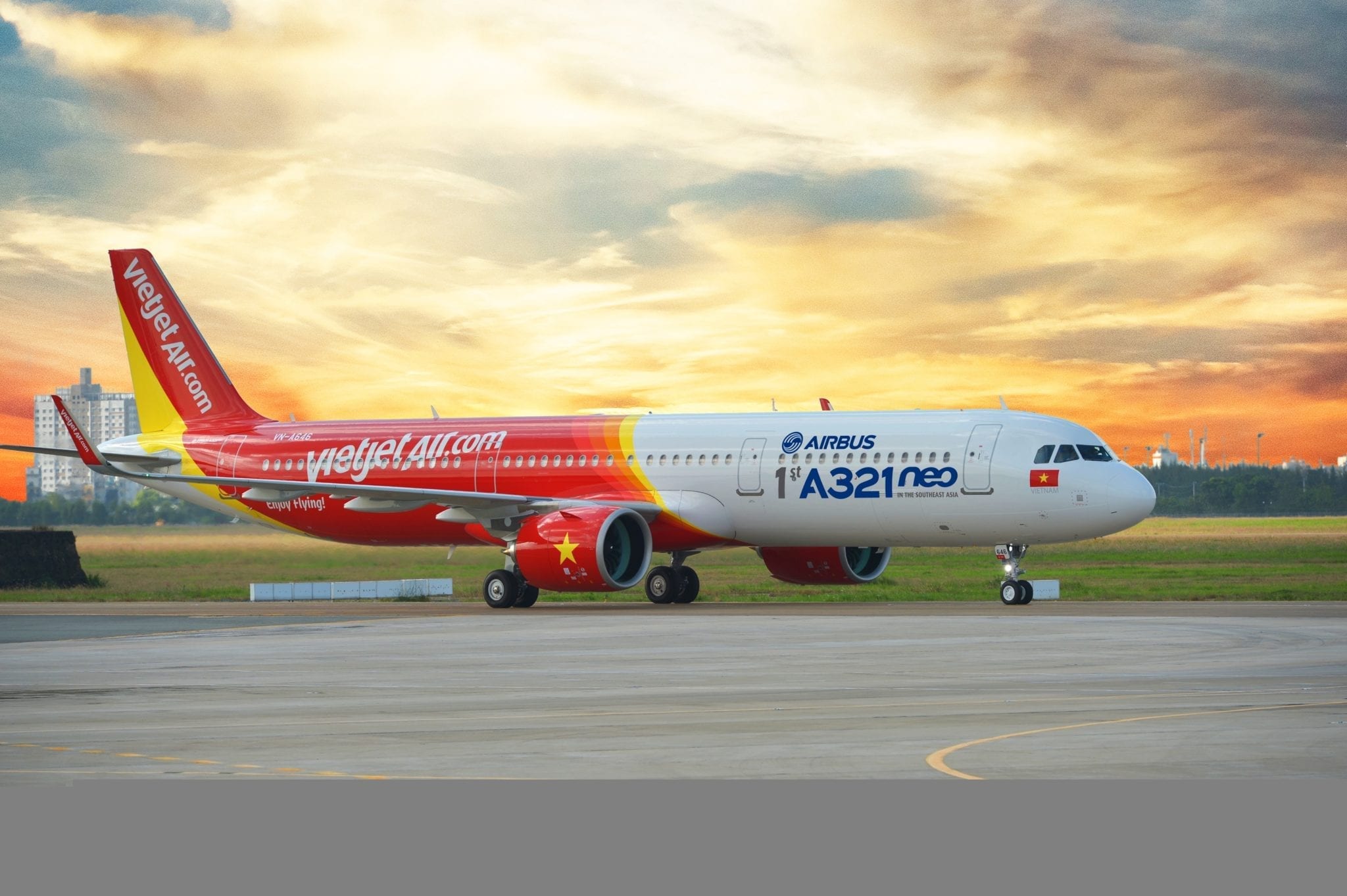
    National flag carrier Vietnam Airlines has proposed that price caps on domestic air tickets be removed to allow carriers more pricing flexibility.

    The current price ceiling makes it difficult for airlines to diversify their prices, increase profits during certain periods of time like peak seasons, and in turn, lower prices on some routes, Le Hong Ha, Deputy General Director of Vietnam Airlines, said at a tourism forum on Monday.

    Vietnam should abolish the domestic price ceiling, and allow market forces to decide prices. “The aviation market is already operating like a free market, so airlines should be allowed to freely adjust prices based on supply and demand,” Ha said.

    The Civil Aviation Authority of Vietnam (CAAV) supports the proposal, as Vietnam is one of the few countries in the world still have a price cap, said Vo Huy Cuong, deputy head of the authority.

    The CAAV has proposed the removal of the price cap every time amendments or supplements are made to the Civil Aviation Law, but these were not approved because the National Assembly felt it was necessary to protect the interest of many classes of civilians traveling by air, he said.

    If this regulation is not amended, airlines will focus on operating and developing international routes rather than domestic ones, he added.

    In mid-2018, many airlines requested the government to raise domestic price caps because they were losing money on many routes after cost of fuel and labor increased, but this was not approved either.

    Currently, air tickets on routes under 500 km operated to promote socio-economic development have a maximum price of VND1.6 million ($69), ordinary routes under 500 km VND2.2 million ($95), while the highest ceiling is VND3.75 million ($162) for routes of 1,280 km or above.

    According to the government portal, the air distance between the northernmost point of Vietnam to the southernmost point is 1,650 km.

    Local airlines served 50.3 million passengers from January to November, up 10.7 percent year-on-year, according to the General Statistics Office.

  • Cebu Pacific profit surges by 143%

    Cebu Pacific profit surges by 143%

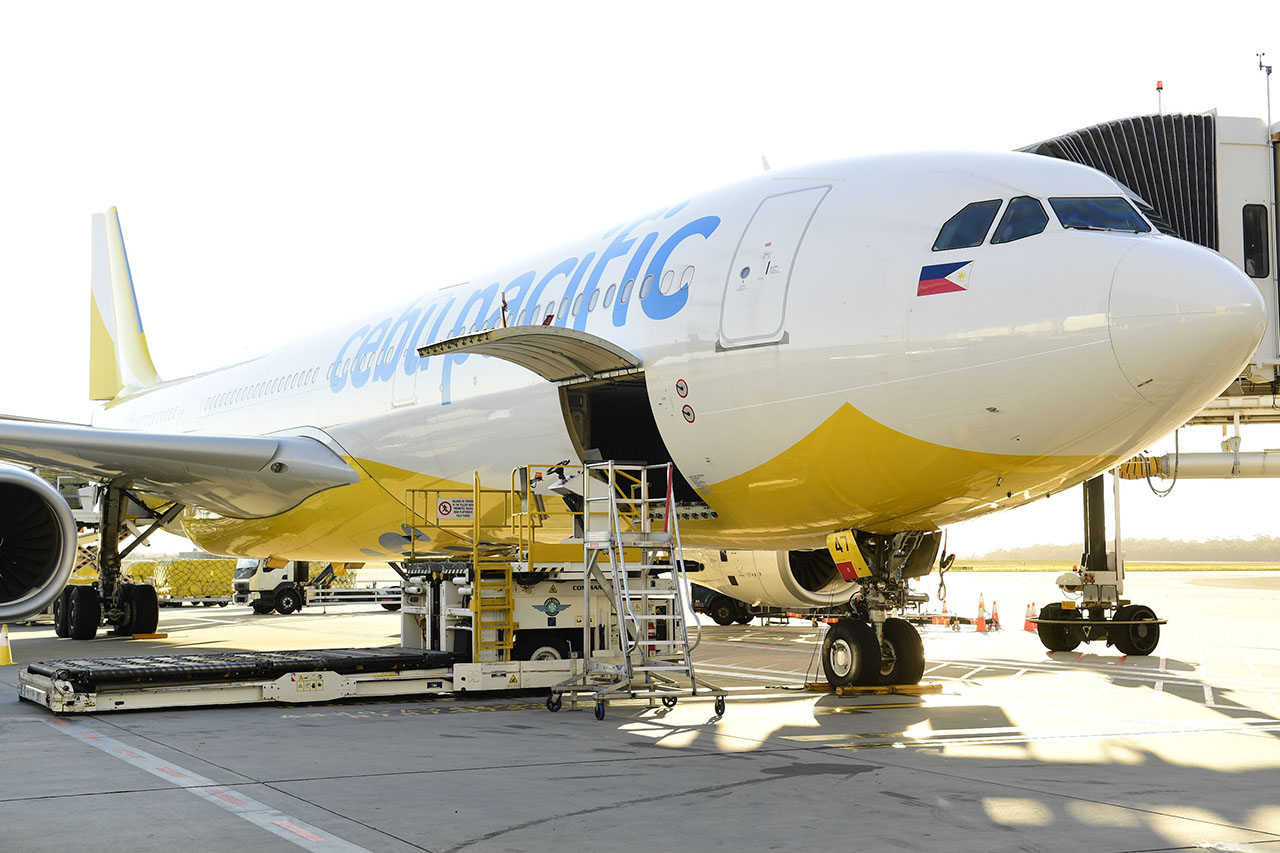
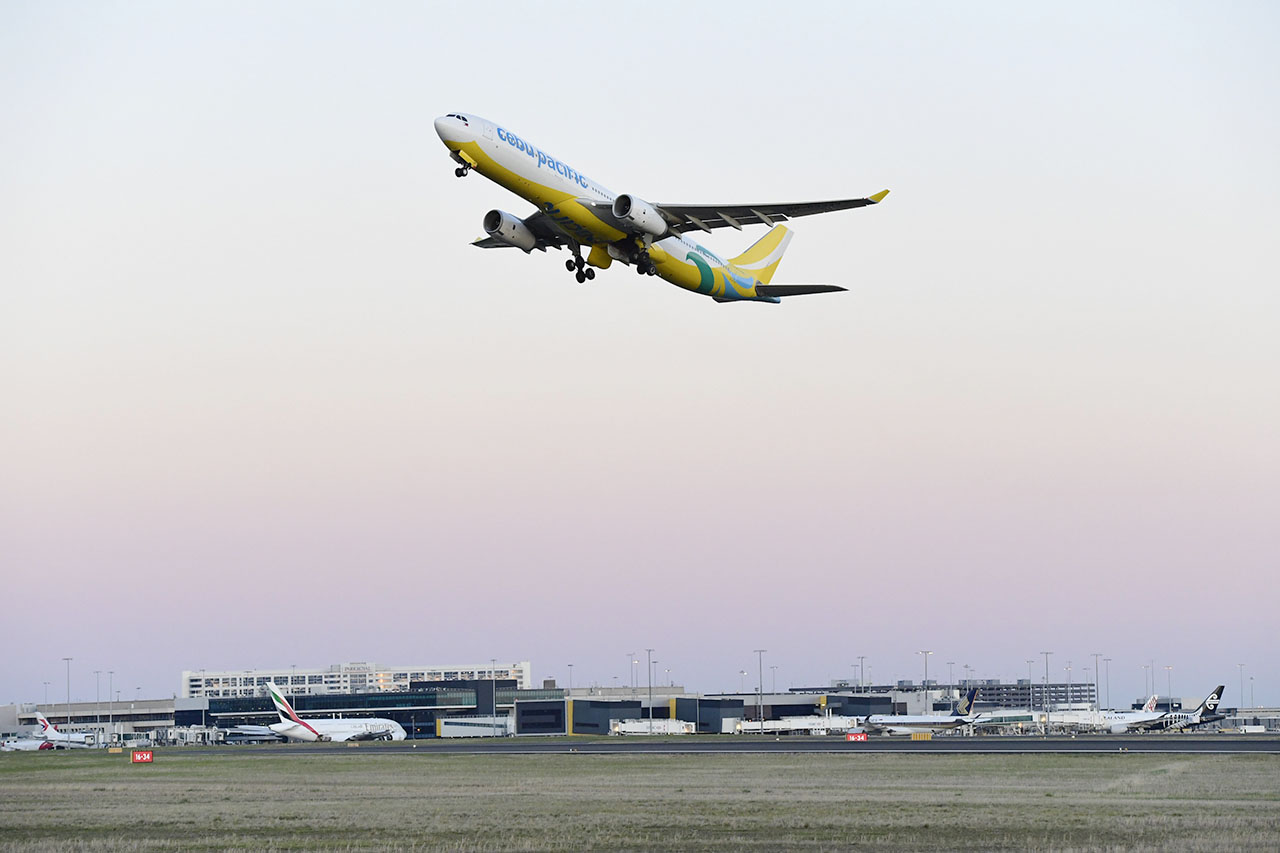
    The operator of budget airline Cebu Pacific saw its net income surge by 143 percent in the first nine months of the year as earnings were lifted by strong passenger bookings and stable costs.

    Cebu Air Inc., a subsidiary of the Gokongwei family’s JG Summit Holdings, said on Tuesday that net income from January to September hit P6.75 billion versus P2.78 billion during the same period last year.

    Cebu Air has been ramping up capacity to meet the rising demand for air travel. Passenger revenue during the nine-month period went up 17.9 percent to P46.6 billion. Some 16.7 million flyers used Cebu Air during the period, representing a growth of 10.4 percent.

    Moreover, average fares went up 6.7 percent to P2,794, the budget airline said. Other revenue sources such as cargo and ancillary also went up 5.3 percent and 22.2 percent, respectively.

    Overall, Cebu Air’s revenue increased by 17.7 percent to P63.62 billion.

    Cebu Air said expenses were mostly kept in check during the period. Operating expenses increased 7.8 percent to P53.81 billion, in line with expanded operations.

    Flying operations alone went up 2.5 percent to P22.56 billion. Cebu Air said this was mainly due to pilot training costs as it took delivery of new planes. Fuel expenses also dropped 1.4 percent or P260.67 million during the period.

    For the third quarter alone, Cebu Air posted a net loss of P384.3 million, narrower than the previous year’s loss of P518.43 million. Revenue of P18.92 billion, up 16.7 percent, alongside stable operating costs helped lower losses during the third quarter of 2019.

    Cebu Air ended September with 72 planes. Its fleet was comprised of 31 Airbus A320, seven Airbus A321 CEO, three Airbus A320 NEO, two Airbus A321 NEO, eight Airbus A330, eight ATR 72-500 and 13 ATR 72-600.

    Its network spanned 80 domestic routes and 41 international routes with a total of 2,727 scheduled weekly flights.

  • Tigerair Cancels Flights From The Whitsundays To Sydney

    Tigerair Cancels Flights From The Whitsundays To Sydney

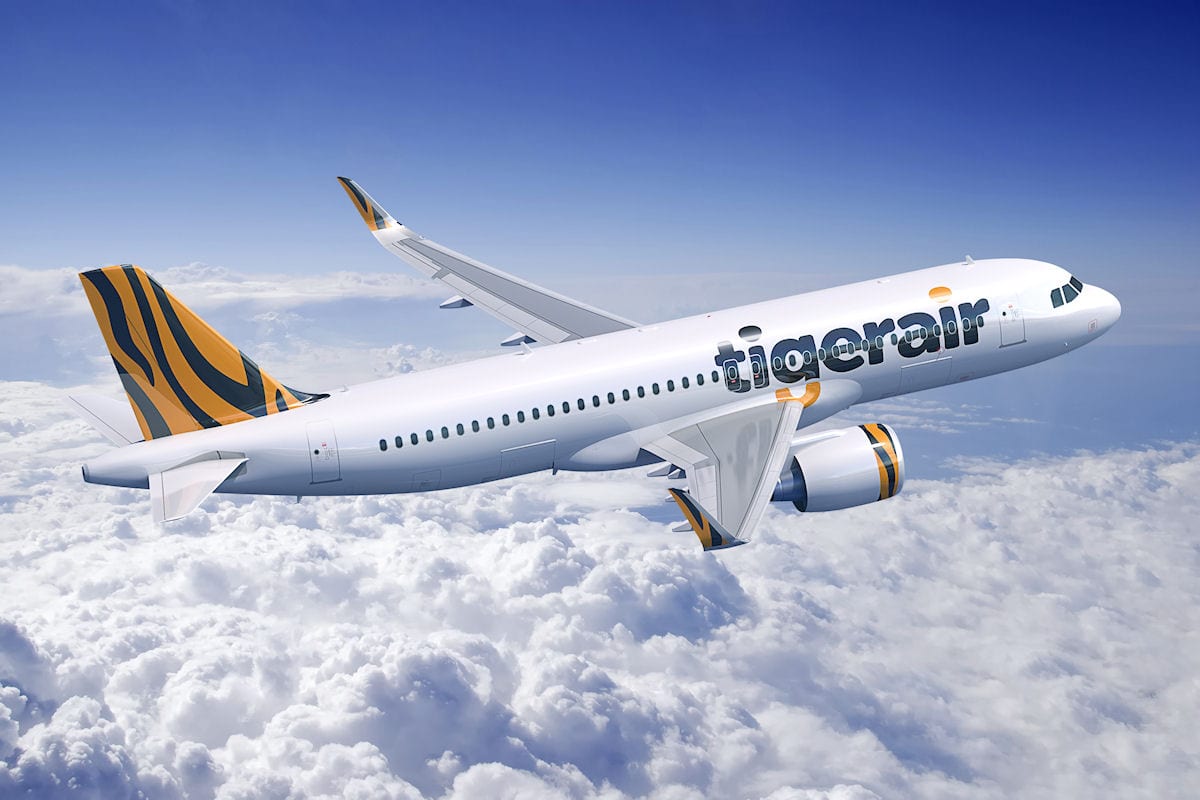
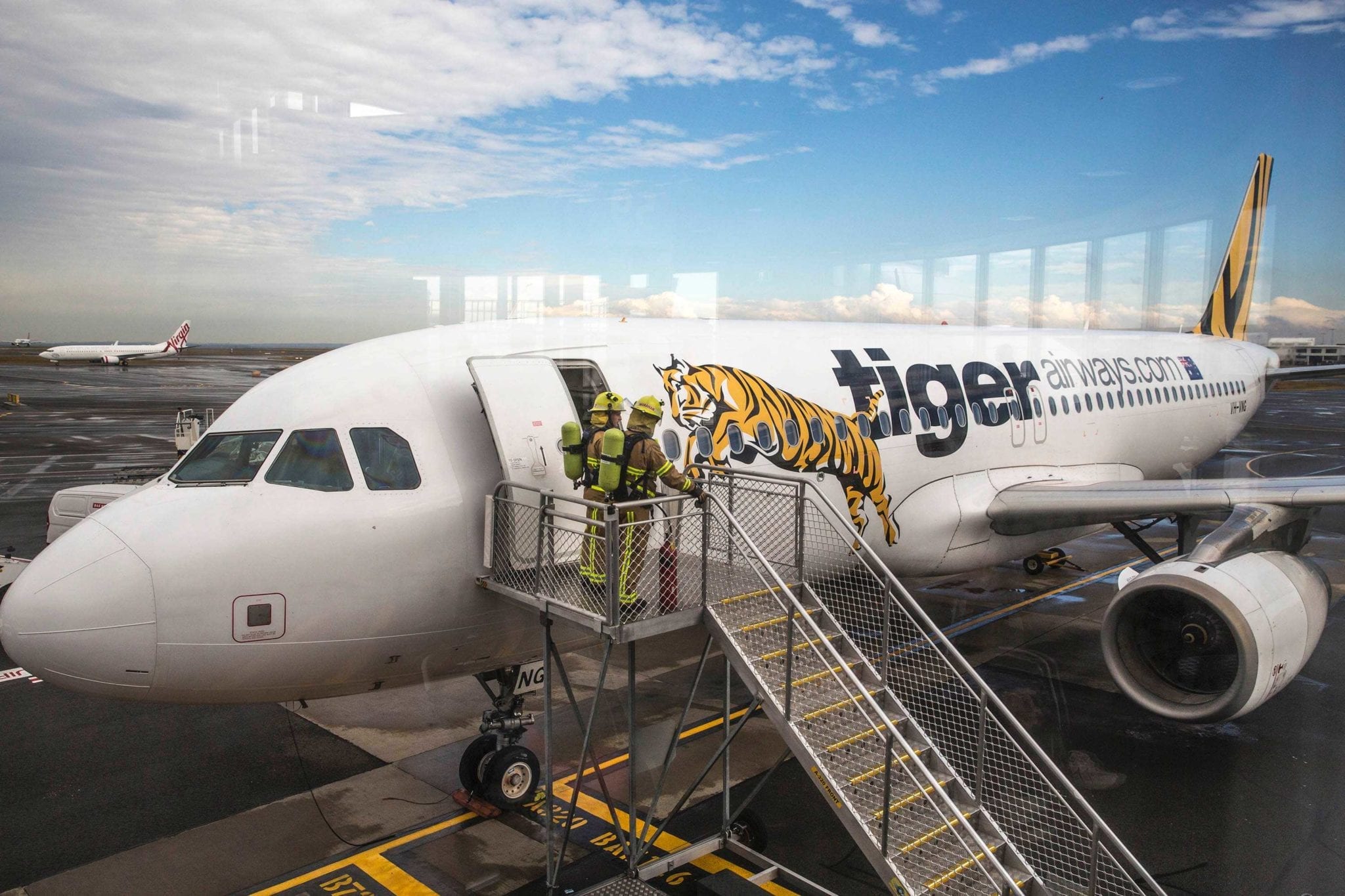
    Tigerair has announced it will cancel flights from Whitsunday airport to Sydney in early 2020. Flights will still continue over the Christmas and New Year period, but anyone who has booked the service from Feb 2020 onwards will be notified by the airline.  Direct flights will still continue to be available through Jetstar.

  • Cebu Pacific cut flight delays in October

    Cebu Pacific cut flight delays in October

    Budget airline Cebu Pacific recorded minimal flight delays in October as on-time performance went up.

    The Department of Transportation (DOTr) said on Monday that Cebu Pacific posted an on-time performance of almost 85 percent last month, better than the 80.66 percent in September.

    A flight is considered on time if it leaves within 15 minutes of the scheduled departure.

    “The improved OTP is a result of the close cooperation and coordination with concerned government agencies to minimize delays across our network,” Michael Ivan Shau, Cebu Pacific chief operations officer, said in the statement.

    Earlier, flag carrier Philippine Airlines said on-time performance in the Ninoy Aquino International Airport (Naia), the country’s busiest gateway, hit 92 percent for the month of October.

    The DOTr noted in the statement that improved efficiency followed the signing in June of a commitment to decongest Naia and support the development of other gateways, including the Sangley Airport in Cavite.

    “I am happy that months after we signed the pledge of commitment, we continue to see improvements in OTP across the industry. I hope these efforts are sustained to make air travel in the Philippines more efficient and comfortable,” Transportation Secretary Arthur Tugade said in the statement.

  • AirAsia and AirAsia X have been named best low-cost airline in Asia again

    AirAsia and AirAsia X have been named best low-cost airline in Asia again

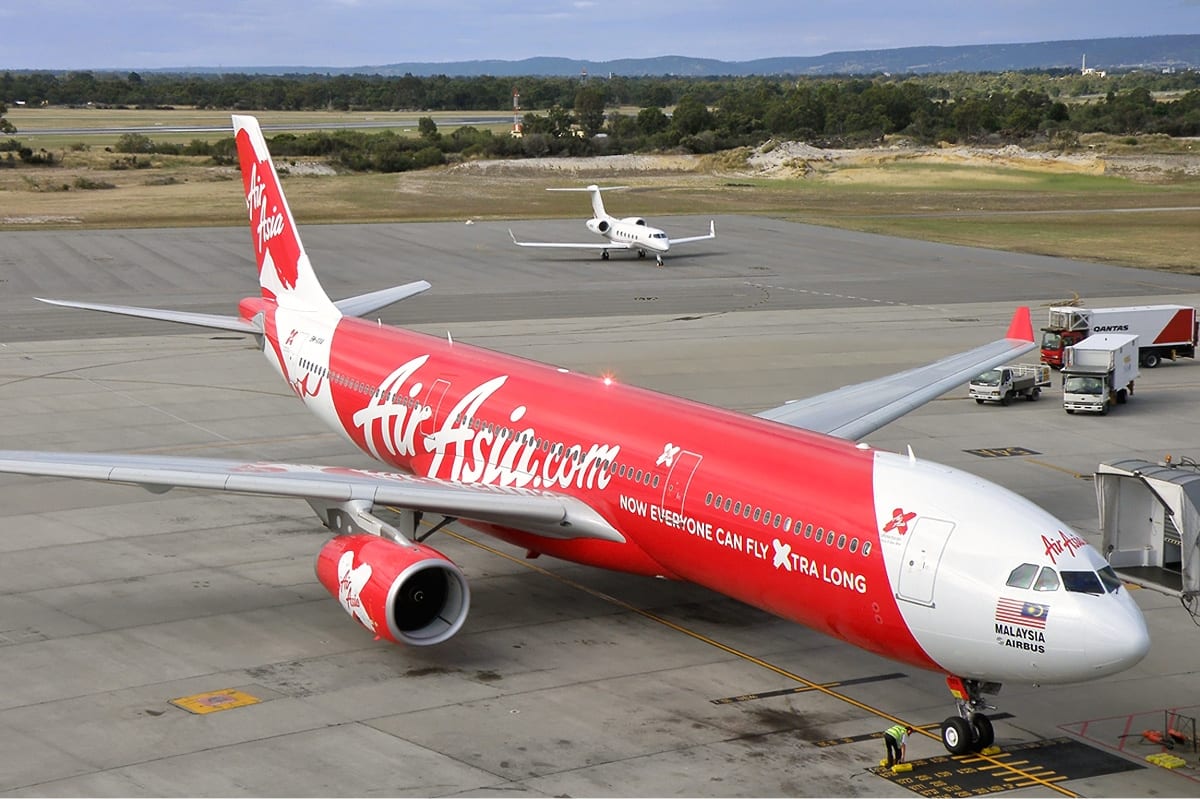
    AirAsia and its partner airline AirAsia X have been jointly named the best low-cost airline in Asia Pacific again at this year’s Airline Excellence Awards by AirlineRatings.com.

    The award is judged by the Australia-based aviation website through a five-star rating system considering factors such as in-flight entertainment, cabin space and comfort, beverages, food, and seat recline.

    This is the second time the Malaysian low-cost carrier has bagged the award, after taking the title from Scoot in 2018.

    Geoffrey Thomas, editor-in-chief at AirlineRatings.com, said that the AirAsia win was “richly deserved” and that the airline is in a “dominant market position”

    “These airlines have made travel affordable for tens of millions throughout Asia, and they offer outstanding value and a great experience,” he added.

    In June, AirAsia has also named the world’s best low-cost airline at the Skytrax World Airline Awards.

    AirAsia Group chief executive Tony Fernandes said in a statement that the airline will continue to focus on “delivering the very best value airfares for short, medium and long haul travel throughout Asia Pacific”.

    The airline is currently looking at slashing fuel burns to help keep airfares low through the new additions of Airbus’ A330 neo wide-body and A321 Xtra Long Range aircraft.

    Benyamin Ismail, AirAsia X’s chief executive officer, said that the two aircraft will provide the carrier with the “lowest possible operating costs to expand its network and enable even more people to fly further for less”.

    This will allow AirAsia X to further expand into markets like Australia, and “explore new longer haul markets including Europe, which are currently under review,” he added.

    The two Kuala Lumpur-based airlines have 272 total aircraft today, flying to more than 150 destinations in 25 markets.

  • Vietjet Air signs $140 million loans for fleet expansion

    Vietjet Air signs $140 million loans for fleet expansion

    Vietjet Air has signed a syndicated loan agreement worth $140 million with three foreign banks to fund its aircraft purchase plans.

    The lenders were South Korea’s Woori Bank and KEB Hana Bank; and the Industrial and Commercial Bank of China, the airline said in a statement Tuesday.

    The low-cost airline is eyeing new routes to the Middle East, Eastern Europe and Australia using the 20 Airbus A321XLR aircraft it ordered last month.

    The A321XLRs are scheduled to be delivered from 2023 and the carrier plans to add 10 international routes every year, Thao said.

    Vietjet currently flies 40 domestic and 66 international routes. It operates 385 flights daily within Vietnam and to places such as Japan, Hong Kong, South Korea, Taiwan, Singapore, mainland China, Thailand, Myanmar, Malaysia and India.

  • Tigerair expands PBH contract with AJW Group

    Tigerair expands PBH contract with AJW Group

    Australian low-cost airline Tigerair has extended Power-by-the-Hour (PBH) contract with AJW Group. AJW Group specializes in the global management of aircraft spares.

    The company has been providing an integrated component pooling, repair and logistics support program to Tigerair since 2014. The PBH agreement covers Tigerair’s fleet of A320 aircraft.

    Under the support program, AJW will satisfy the airline’s material requirements across a variety of component groups including airframe and engine LRU’s, major assemblies, wheels and brakes, auxiliary power units (APU), thrust reversers and consumables.

    Tigerair is an Australian low-cost airline headquartered in Melbourne with two additional established service bases at Sydney and Brisbane Airports. Tigerair operates a fleet of Airbus A320 and Boeing 737 aircraft, across 21 domestic routes out of 12 destinations around Australia.

    Christopher Whiteside, chief executive officer of AJW Group said: “Tigerair was AJW’s first major contract in Australia and our work over the past five years has demonstrated the Group’s strength across the Australasia region.”

    Over the past five years, AJW Group has successfully delivered improved operational efficiency and cost savings, which according to AJW Group, are ‘key focus areas for the airline’.

  • E-sports set to fly high with AirAsia backing

    E-sports set to fly high with AirAsia backing

    E-sports are set to take off in a big way with the two head honchos at AirAsia giving their full-fledged support.

    According to Allan Phang, president of the AirAsia All-Stars E-Sports Club, Tan Sri Dr Tony Fernandes, Group CEO, AirAsia Bhd, and Datuk Kamarudin Meranun, executive chairman, AirAsia Bhd, have been very “visionary and supportive” when it comes to e-sports as the low-cost carrier is among the first airlines to back e-sports on a regional scale.

    AirAsia was the main strategic partner of the World Electronic Sports Games Southeast Asia (WESG SEA) Regional Finals, which concluded at the Quill Convention Centre in Kuala Lumpur last weekend.

    Phang said AirAsia made its first foray into e-sports in 2017 with the setting up of the AirAsia All-Stars E-Sports Club.

    “The club had about 10 members upon its inception, but now there are more than 200 members,” said Phang, underlining the surging popularity of e-sports and its future direction.

    As Agri Mind, the organizers of the WESG SEA Regional Finals, have a long-standing relationship with AirAsia, they were able to push through the initiative for the low-cost carrier to come onboard as a partner.

    “AirAsia provided support in terms of flights (to the gamers), which was in support of the e-sports ecosystem, in line with the government’s initiative,” said Phang.

    He added that there are four key verticals of AirAsia’s role in the burgeoning e-sports arena: employee engagement, employer branding, e-sports tourism and supporting the eco-system by way of sponsorship through teams and events.

    “AirAsia is targeting the next generation of consumers as it realizes that the government wants to connect with the youth e-sports generation,” said Phang.

  • AirAsia India plans to take fleet size to 100 in five years

    AirAsia India plans to take fleet size to 100 in five years

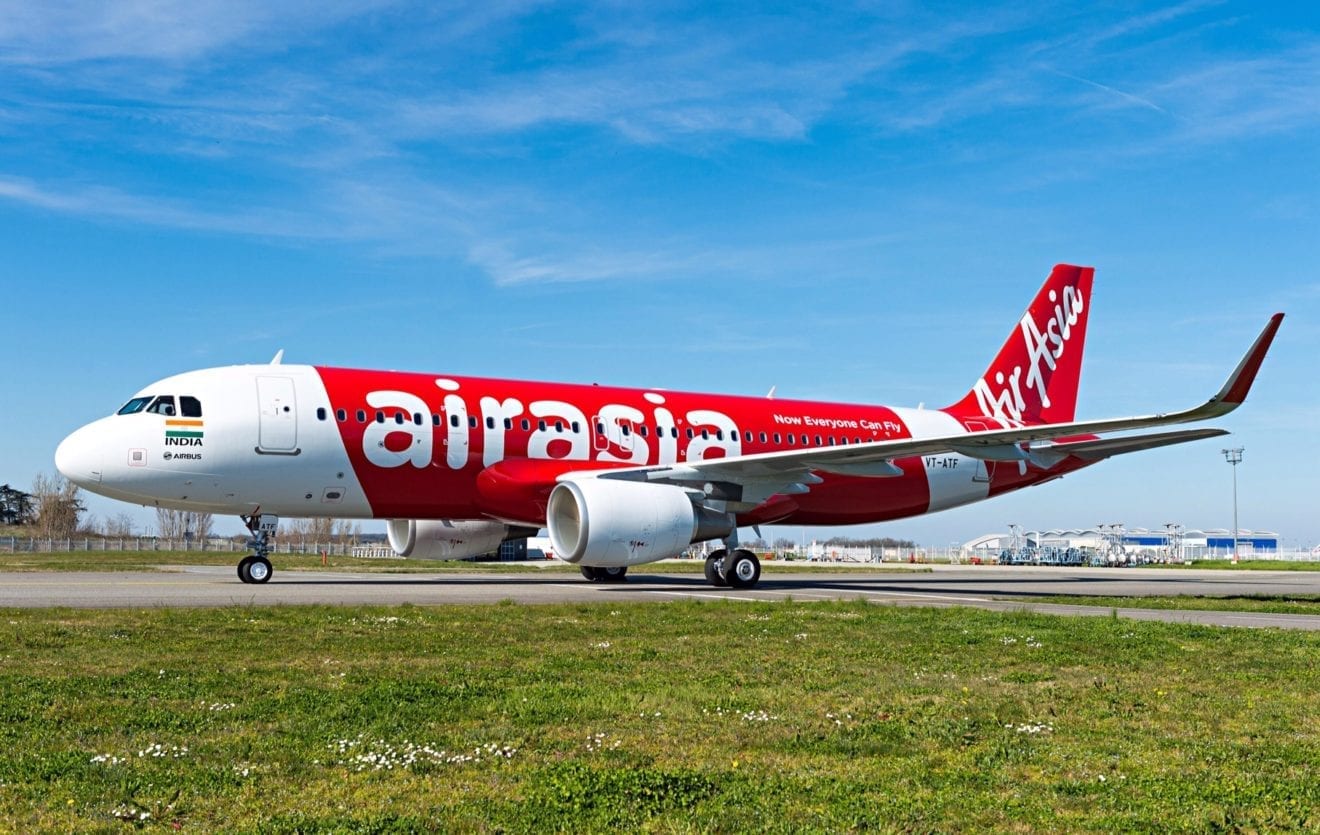
    New Delhi: After growing at a very slow rate in its first five years of operations, AirAsia India plans to expand its fleet more than fourfold to 100 aircraft in the next five years. “We have firmed up plans to add 14-15 planes every year starting next year for the next five years. We have remained a small player in the Indian market till now with just 23 planes, which will increase to 29 planes by the end of December,” said a senior executive, who did not wish to be identified.

    The executive said the lowcost carrier, a 51:49 joint venture between Tata Sons and Malaysia’s AirAsia Berhard, will become an impactful player in the market once its fleet grows to 50 aircraft. The market is dominated by IndiGo, which operates a fleet of about 250 aircraft. “While we will continue to add aircraft under the current model by getting aircraft from AirAsia Berhad, we will also look at leasing planes directly from lessors,” said the executive.

    The airline’s expansion plans focus on strengthening the network on existing routes rather than adding new routes. “The philosophy is simple: There is no point staying a marginal airline on various routes. The focus will rather be on strengthening our position on routes that we are in,” said the executive, adding that both the promoters would put in funds for expansion. AirAsia India, which started operations in 2014, is the smallest scheduled commercial airline in the country. In the ongoing winter schedule, which began at October-end, the airline has increased its flights by 326 departures to 1,345 departures per week.

    With a reduction of nearly 3,600 weekly departures because of the sudden suspension of operations by cash-strapped Jet Airways on April 17, other airlines are seeking to fill the gap by launching new flights.

  • AirAsia X plans for direct flights into Kazakhstan

    AirAsia X plans for direct flights into Kazakhstan

    AirAsia X , the long-haul arm of AirAsia Group Bhd, has met with the Civil Aviation Committee (CAA) of Kazakhstan to discuss the possibility of the airline introducing a direct flight from Malaysia to the Central Asian country.

    The New Straits Times learnt that the meeting was held between AirAsia Group executive chairman Datuk Kamarudin Meranun, AAX chief executive Benyamin Ismail and Kazakhstan CAA chairman Talgat Lastayev as well as representatives from Almaty, Nur-Sultan and Karaganda airports and Kazakhstan embassy to Malaysia.

    The meeting includes discussions on the potential for AAX to introduce a direct route from Kuala Lumpur to Kazakhstan as well as a presentation on the development of the aviation industry in Kazakhstan and the country’s adoption to the Open Skies policy.

    “The interest is there but we must do further research on how to introduce this plan. They (AAX) have expressed interest to use Kazakhstan as a hub for them to fly to the US and Europe,” a source said.

    The potential US and European cities that AAX might fly into include New York, Rome, Milan and Nice.

    The meeting was held at AirAsia’s RedQ office in Sepang on Tuesday.

    Recently, Kazakhstan President Kassym-Jomart Tokayev asked the country to adopt Open Skies policy and expand its international routes while attracting more foreign airlines.

    The sources said that although the move will pose a big competition to Kazakhstan-based airlines, it was time to open the country to the world with more flight connections.

    The move will also help to develop the Astana International Financial Center as well as the country’s tourism industry.

    “Kazakhstan is very excited to have AAX to introduce a direct flight, but of course this is all preliminary. But on Kazakhstan’s side, the country is ready to fully support them (AAX),” another source said, adding that the discussion also included incentives that would be given to the airline such as airport and tariff fees, and marketing support for flight promotion.

    Currently, the only direct flight available is from Almaty to Kuala Lumpur and vice versa via Kazakhstan’s national carrier, Air Astana.

    AAX would be the first international budget airline to fly into Kazakhstan should the carrier introduces the direct flight.

    Meanwhile, Kamarudin expressed his gratitude to Kazakhstan for showing strong interest and offering attractive airport incentives for the airline to fly to various airports in the country.

    “Having been to Kazakhstan, both Nur-Sultan and Almaty, it definitely suits our expansion plan and we have agreed in forming a working team from both parties to seriously explore this possibility.”

    “I would not be surprised to see the flights into Kazakhstan from any of our various hubs some time next year,” he said yesterday.

  • AirAsia to link Lombok with Surabaya, Yogyakarta

    AirAsia to link Lombok with Surabaya, Yogyakarta

    Low-cost carrier AirAsia is set to launch new routes to Surabaya in East Java and Yogyakarta from Lombok, West Nusa Tenggara.

    The inaugural flight from Lombok to Surabaya will depart on Nov. 25 and be available four times a week, namely on Mondays, Wednesdays, Fridays and Sundays.

    The flight from Lombok International Airport Praya leaves at 8:35 p.m. local time and arrives at Juanda International Airport at 8.40 p.m. local time. The Surabaya-Lombok route, meanwhile, departs at 9.05 p.m. local time and arrives at 11.20 p.m. local time. Surabaya is one hour ahead of Lombok.

    The Lombok-Yogyakarta route will begin on Nov. 26 with thrice-weekly flights, namely on Tuesdays, Thursdays and Saturdays.

    The flight from Lombok will leave at 8.35 p.m. local time and arrive at Adisucipto International Airport in Yogyakarta at 9.10 p.m. local time. The return flight from Yogyakarta to Lombok will depart at 9.35 p.m. local time and arrive at 12.05 a.m. local time. Yogyakarta is also one hour ahead of Lombok.

    Both routes will use the Airbus A320, which has a capacity of 180 passengers.

    Veranita Yosephine, deputy CEO of AirAsia Indonesia, said the new routes were expected to boost Lombok’s tourism.

    “The routes also provide options for travelers in Lombok who wish to extend their vacation to destinations in East Java and Yogyakarta, and vice versa,” she said in an official statement.

    Tickets are available at the airline’s official website and app, with prices starting from Rp 446,000 (US$33.91). Promotions are available until Nov. 25 for the travel period of Nov. 25 to March 28, 2020, for AirAsia BIG members.

    As with AirAsia domestic routes, passengers are allowed free luggage of up to 15 kilograms on both routes.

  • AirAsia X’s 3Q flight frequencies fail to boost overall capacity

    AirAsia X’s 3Q flight frequencies fail to boost overall capacity

    AIRASIA X Bhd’s additional flight frequencies in the third quarter of the year (3Q19) were insufficient to boost overall capacity, MIDF Amanah Investment Bank Bhd said.

    The long-haul affiliate of low-cost carrier AirAsia Group Bhd increased flight frequencies to Gold Coast, Sydney and Melbourne to cater for increased demand following the school-term holidays in Australia.

    However, this was insufficient to boost overall capacity, causing AirAsia X’s average stage length to remain flat on a yearly basis between July and August this year.

    In 3Q19, AirAsia X’s average seat per kilometer (ASK) declined by 3% year-on-year (YoY), outpacing the 2% YoY dip in revenue per kilometer (RPK).

    “This was due to seasonal capacity management which saw the total capacity (-3% YoY) decline more than the number of passengers carried,” MIDF said in a research note yesterday.

    The destinations involved were Sapporo and Taipei in response to weaker demand during the leanest season of the year for these routes.

    Meanwhile, AirAsia X Thailand recorded a 32% YoY increase in passengers carried in 3Q19, underpinned by additional seat capacity and the inauguration of the fifth Japanese destination, Fukuoka, on July 2019.

    ASK grew at a faster pace of 48% YoY due to high capacity, leading to a decline of 10 points in load factor to reach 77% in 3Q19.

    MIDF forecasts a loss of RM8.1 million for AirAsia X in the financial year ending Dec 31, 2019 (FY19), and lower earnings of RM45.6 million for FY20.

    “We are imputing a lower jet fuel estimate as our Brent crude oil estimate for FY19 has been lowered to US$63 (RM264.60) per barrel (previously US$70 per barrel).

    “Nonetheless, the effect of lower estimated fuel expenses is moderated by a higher US dollar to ringgit rate of 4.15 (previously 4.08). We have also taken into account lower growth in capacity amid the group’s ongoing network rationalization exercises in its key markets,” the research house said.

    Moving forward, lower passenger service charges (PSC) of RM50 for international departures from Asean will deliver an additional boost to the current traveling trend.

    The PSC was revised last month for passengers traveling outside of Asean from RM73 to RM50, effective Oct 1, 2019.

    “Notwithstanding this, we believe the ongoing capacity deployment will remain a headwind for the rest of FY19,” MIDF added.

    The adoption of the Malaysian Financial Reporting Standard 16 will be a hurdle to AirAsia X, since the majority of the group’s fleet are leased, with gains from lower interest to be realized beyond the fifth-year of the leased term.

    MIDF maintained a Neutral call on the low-cost long-haul carrier with a target price of 17 sen per share based on the adjustment in earnings.

    AirAsia X share price closed one sen higher yesterday at 17 sen, valuing the airline at RM705 million.