Tag: flying

  • Cebu Pacific launches P99 domestic seat sale starting Monday

    Cebu Pacific launches P99 domestic seat sale starting Monday

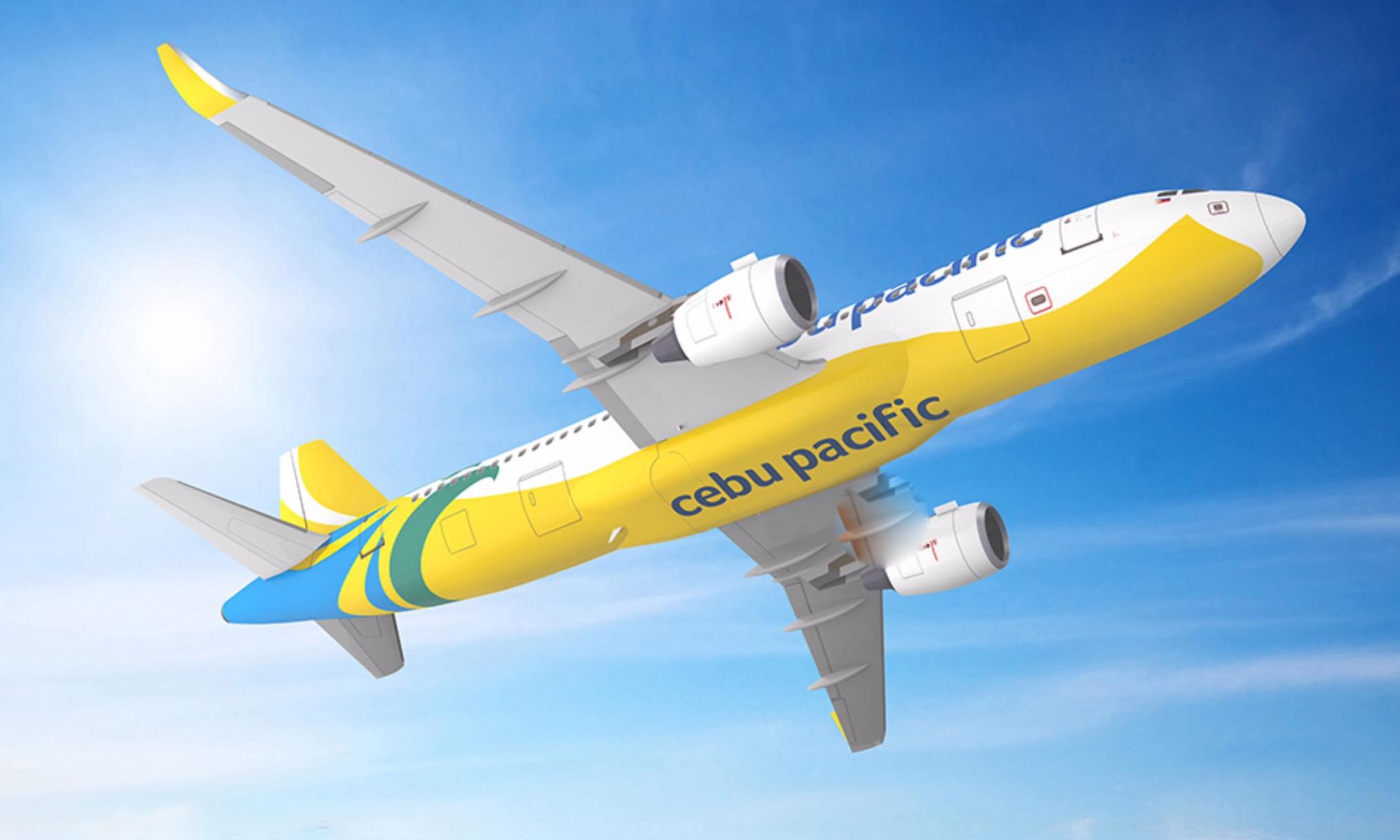
    Budget carrier Cebu Pacific on Monday announced a P99 seat sale for domestic flights one-way from Clark International Airport.

    In an advisory, the airline said the sale started Monday, August 19, and will end on Wednesday, August 21.

    The travel period is from October 1, 2019 to January 31, 2020.

    The P99 one-way flights are Clark to Bacolod, Bohol, Boracay (Caticlan), Cebu, Clark, Davao, Iloilo, and Puerto Princesa.

    Aside from Clark, Cebu Pacific operates flights out of six other strategically placed hubs in the Philippines: Manila, Kalibo, Iloilo, Cebu, Cagayan de Oro (Laguindingan) and Davao.

    The carrier operates over 2,000 weekly flights across 37 domestic and 26 international destinations.

  • Cebu Pacific offers P88 fare promo for domestic flights

    Cebu Pacific offers P88 fare promo for domestic flights

    Cebu Pacific early Thursday announced a seat sale promo for all domestic and international flights.

    Passengers can avail of the P88 one-way base fare for local flights while one-way base fare for international flights starts at P888.

    Booking period is only available from Aug. 8 to Aug. 9, the airline said.

    Travel period for promo flights are from Dec. 1, 2019 to April 30, 2020.

  • AirAsia may face fines for charging processing fees for card and online banking transactions

    AirAsia may face fines for charging processing fees for card and online banking transactions

    low-cost carrier AirAsia could still face fines for charging passengers additional processing fee for card and online banking transactions. This comes right after AirAsia Group CEO, Tan Sri Tony Fernandes had announced that the airline will scrap the processing fee beginning October 2019.

    The Malaysian Aviation Commission (Mavcom) had made it compulsory for all airlines in Malaysia to remove hidden charges such as card payment charges and administrative fee effective 1st June 2019. The amendments to the Malaysian Aviation Consumer Protection Code 2016 (MACPC) also require airlines to refund the passenger service charges, taxes, fees and charges prescribed under any written law for both refundable and non-refundable tickets if a passenger did not travel. Refunds must be reimbursed within 30 days and airlines are only permitted to charge a maximum of 5% processing fee if the ticket is non-refundable.

    It was also reported that the Mavcom will issue a show-cause letter to airlines on the violation of the MACPC and the commission will then determine if the airline has contravened the said provision. The commission highlights that it is compulsory for airlines to remove the processing fee and airlines must also disclose the final price of the airfare both at the point of advertisement and prior to the consumer purchasing the flight tickets.

    They added that the final price must include the base fare and all required charges to be paid to the airline, government-imposed taxes, fees as well as fuel surcharge. This, according to the commission, will eliminate hidden charges such as card payment charges and administrative fees.

    The regulator said that it has been a practice in the past where the price increases after selections are made due to additional charges that were not disclosed upfront. The Edge Markets had reported that it may seem that AirAsia and AirAsia X would be liable for contravening the MACPC as they continue to charge processing fees until 30th September 2019.

    As mentioned earlier, AirAsia charges card processing fee as high as RM12 per passenger per flight depending on the destination. This means a return ticket could cost as high as RM24 for processing fee and if you’re travelling in a group of four, that’s equivalent to RM96 for processing fees alone.

    When Tony Fernandes was asked if Mavcom had ordered AirAsia to remove the transaction fees, he denied it on Twitter.

    At the moment, AirAsia encourages its passengers to pay by BigPay prepaid Mastercard to enjoy zero processing fees for their flight tickets. It is also worth pointing out that Bank Negara Malaysia had decreed that merchants cannot impose surcharges for payments using debit and credit cards.

    The same report also highlighted that AirAsia had stopped charging a RM3 klia2 fee on passengers departing from klia2 after it was made illegal by Mavcom. According to AirAsia, the extra fee was to cover the huge amount of extra cost klia2 has created such as aerobridges and the SITA check-in/boarding systems. Although it wasn’t disclosed in AirAsia’s annual report, The Edge Markets estimated that the airline would have collected RM45.24 million from the RM3 fee based on the number of passengers carried by the group from Malaysia Airports Holdings Bhd’s 2018 annual report.

  • AirAsia Wants Tools to Engage Customers Moving to Messaging Apps

    AirAsia Wants Tools to Engage Customers Moving to Messaging Apps

    Consumers now want to talk to businesses and find resolutions the way they talk to their friends and family, and this is pushing a big transition towards messaging channels, according to Adam Geneave, chief customer happiness officer for the low-cost Asian airline.

    The carrier added support for Tencent’s WeChat in China earlier this year and was seeing significant adoption for the platform, Geneave said in an interview. In fact, the messaging tool since had grown to become AirAsia’s biggest communication channel in the Chinese market, he noted.

    The airline’s engagement with customers through such channels played a key role in its business strategy as they enabled consumer queries to be addressed quickly, he said, and urged technology and other solutions providers to integrate messaging tools into their products.

    According to Geneave, AirAsia currently provides WeChat support via a plugin developed by Salesforce.com, which suite of products had been rolled out over the past year as part of the airline’s overhaul of its customer service infrastructure. These included Salesforce Sales Cloud, Marketing Cloud with Social Studio, Service Cloud, and Community Cloud.

    The deployment enabled AirAsia service agents across eight markets to access a unified view of customer cases from all communication channels, encompassing online, email, live chat, phone, and airport communications.

    With the transition into messaging evolving so rapidly, though, it has been difficult for the airliner and its technology partners to keep pace, Geneave said. For instance, support for Facebook’s WhatsApp still was lacking, he noted.

    “We have been very vocal in wanting such support, including for Line and KakaoTalk,” he said, noting that WhatsApp processed 65 billion messages a day worldwide and there were 1 billion active WeChat users. “The way people are interacting is changing.” He attributed AirAsia’s plans to close all its call centers this year in part as a response to this trend.

    The airline is estimated to fly 100 million passengers this year and 20 million of its service cases each year are facilitated on Salesforce platforms, which currently support more than 22,000 AirAsia employees in nine languages.

    The data that runs through these systems also allow the airline to deliver personalized experiences and facilitate better decision-making.

    Geneave explained that the different datasets were collated onto a single platform and managed at AirAsia’s command center. This was manned by duty managers who would track Salesforce dashboards to identify patterns that could affect its business and monitor tweets as well as other social media messages coming through on Social Studio.

    This provided valuable learnings about its customers and, with these insights, enabled his team to work on projects and improve processes and systems to further enhance customers’ engagement with AirAsia, he said.

    The ability to study the data and identify emerging trends also meant his team could be aware of service outages even before the IT team was alerted of it, he noted, adding that his team also tracked other relevant developments such as airports and other airlines that might and might not compete directly with AirAsia.

    The airline in January also introduced its artificial intelligence-powered (AI) chatbot, named AVA, which could handle eight languages including Bahasa Indonesia, Vietnamese, and Simplified Chinese.

    Geneave said the chatbot had been performing well and handled a significant chunk of queries coming through on its live chat. AVA also was deployed on the airline’s Facebook Messenger platform.

    Apart from operating on a strong knowledge base, he said the chatbot also continued to learn from conversations it had with customers. His team also trained it on a daily basis, he added.

    AVA’s deployment was critical to enable the airline to be more agile in the way it managed its customers, he said, noting that the chatbot could take on a significant volume and allow queries to be handled more quickly.

    Geneave also pointed to the emergence of AI and machine learning technologies as a crucial development as these would further enable AirAsia agents to react more quickly and identify trends that otherwise would have taken hours to analyse.

    Beyond customer services, too, it would give airlines the ability to save fuel – for example, by improving the way it scheduled crew rosters and managed its resources, he said.
  • Singapore Airlines, Silkair and Vistara to expand codesharing to international flights

    Singapore Airlines, Silkair and Vistara to expand codesharing to international flights

    Passengers traveling with Singapore Airlines (SIA), Silkair and Vistara will have more international flight options as the Singaporean flag carrier and its regional arm, Silkair, signed an agreement with Indian carrier Vistara to expand codesharing to international routes.

    Under the expansion of an existing codeshare agreement which covers Indian domestic flights, SIA and Silkair will add nine new codeshare destinations within India on Vistara-operated flights. The following destinations will be added: Chandigarh, Dibrugarh, Jammu, Leh, Pune, Raipur, Ranchi, Siliguri and Srinagar. SIA will add its ‘SQ’ designator code to Vistara’s new international flights.

    Vistara will add its ’UK’ designator code to SIA and Silkair-operated flights between Singapore and eight destinations in India, including Ahmedabad, Bengaluru, Chennai, Cochin, Hyderabad, Kolkata, Mumbai and New Delhi. As part of the arrangement, Vistara will codeshare on services to more than 40 destinations from Singapore to Australia, New Zealand, Cambodia, Indonesia, Malaysia, Vietnam, Thailand, Taiwan, Japan and the US.

    “These codeshares will be implemented in phases and are subject to regulatory approvals,” reads a press release from the airline.

    “We’re happy to deepen this strategic partnership which means a more seamless flying experience for travelers from India to destinations across Asia, Oceania and the United States,” said Vistara’s chief strategy officer Vinod Kannan.

    The codeshare flights will progressively be made available through SIA and Vistara booking channels once necessary regulatory approvals are obtained, according to the airline.

    Vistara is a joint venture between Singapore Airlines (SIA) and Indian company Tata Sons. It will begin its first international flights by offering daily flights to Singapore from Delhi and Mumbai operated by a Boeing 737-800NG aircraft, starting 6 and 7 August respectively.

    Earlier this year, Vistara signed a codeshare agreement with United Airlines. This agreement expanded the US carrier’s network to over 20 destinations throughout India. Over the past two years, Vistara has also signed codeshare deals with Japan Airlines, British Airways, as well as Singapore Airlines and Silk Air.

  • Singapore Airlines picks crucial fight against Emirates in India

    Singapore Airlines picks crucial fight against Emirates in India

    Singapore Airlines Ltd just picked a fight with Emirates in a grab for India’s international travelers, and a slice of one the world’s fastest-growing aviation markets.

    Singapore Air’s unprofitable Indian venture, Vistara, launched its first overseas service between New Delhi and Singapore late on Tuesday. It’s the start of an uphill battle against Middle East airline giants, led by Emirates and Etihad Airways, that dominate India’s offshore routes.

    For Singapore Air, ambushed all over South-east Asia by budget airlines, the prize is clear. The number of passengers in India will more than triple to 520 million by 2037, the International Air Transport Association says. And of the 63 million people that flew to and from the country last year, two-thirds were carried by foreign airlines.

    Vistara’s maiden offshore flight is due to touch down at Changi airport early on Wednesday.

    Vistara, 49 percent owned by Singapore Air and 51 percent by Indian conglomerate Tata Group, started out in January 2015. India doesn’t allow foreign airlines to fly between local airports unless they partner with a local company to start a domestic airline.

    The carrier operates 30 Airbus SE and Boeing Co jets and has a local market share of 5 percent, the smallest among six major players. It also plans to fly to Dubai and Bangkok. According to the CAPA Centre for Aviation, Vistara could break even in the year ending March 2020.

    Vistara is a key element of Singapore Airlines’ multi-hub strategy, and the launch of international operations offers additional opportunities to it, a spokesman for the South-east Asian carrier said. He declined to comment on competition. A representative for Vistara referred queries to Singapore Airlines, while Emirates declined to comment.

    Still, airlines from the Middle East have history on their side. They’ve traditionally flown westbound Indians to Dubai and Abu Dhabi on ultra-cheap fares, before putting them on a flight to Europe or North America. Emirates, often dubbed the “unofficial national carrier of India”, controlled almost 15 percent of the market to and from India last year, regulatory data compiled by Bloomberg showed.

    The fares offered by low-cost airlines in India’s notoriously price-sensitive market are another challenge for Singapore Air. A Vistara flight to Singapore from New Delhi on Aug 28 costs 17,379 rupees (S$338), according to online travel agent Makemytrip.com. In comparison, AirAsia Bhd was offering a flight at less than half that price, at 7,745 rupees, albeit with a stop in Kuala Lumpur.

  • Flight Centre completes Canadian purchase

    Flight Centre completes Canadian purchase

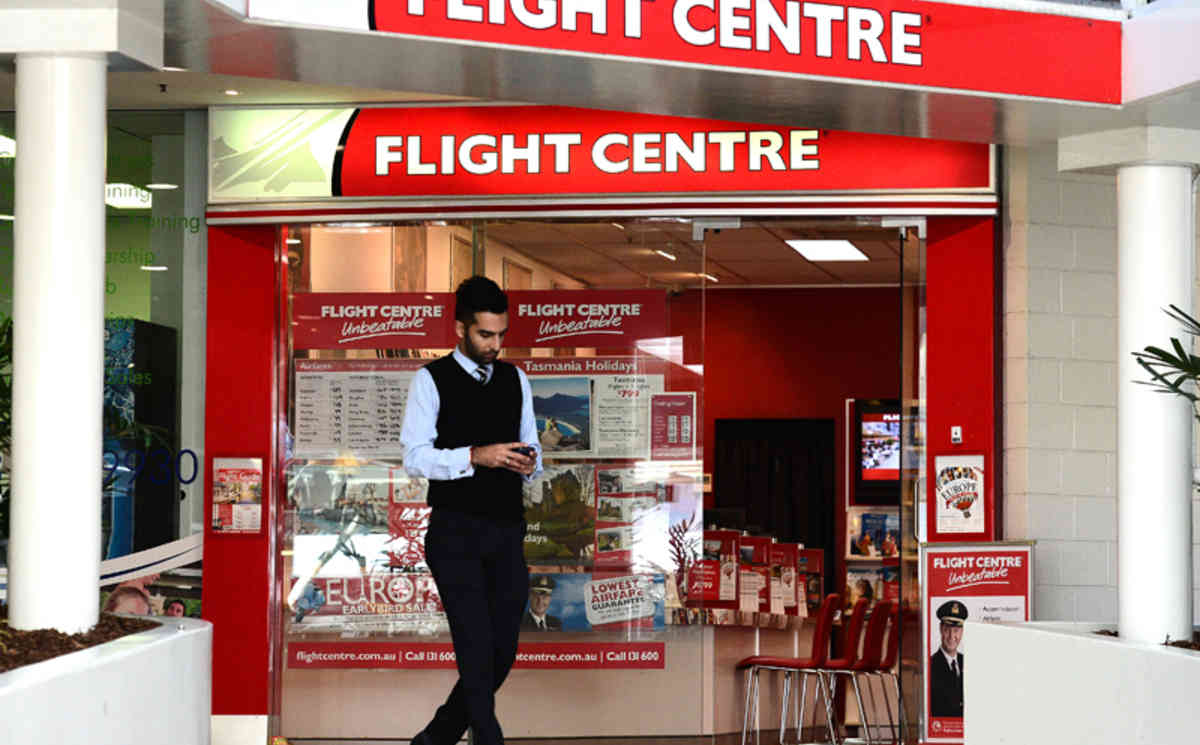
    Travel retailer Flight Centre has bought a remaining stake in Canada-based corporate travel business Les Voyages Laurier du Vallon to take sole ownership of the travel business.

    The ASX-listed travel firm bought 75 percent of Quebec-based LDV in 2017 for an undisclosed sum and has now exercised its option to buy the remainder.

    “LDV has proven to be a valuable addition to our network in the Americas and we are pleased to take 100 percent ownership of the business,” said Graham Turner, Flight Centre managing director.

    “In addition to delivering solid earnings growth over the past two years, its corporate travel presence has enhanced our already strong customer offering across Canada and throughout North America in general.”

    Flight Centre has already flagged a record profit contribution of more than $100 million from its North American business when it releases its full-year accounts on August 22.

    Shares in Flight Centre were worth $45.68 before the start of trade on Monday, up 6.4 percent this calendar year.

  • Cebu Pacific targets 300 millionth passenger milestone

    Cebu Pacific targets 300 millionth passenger milestone

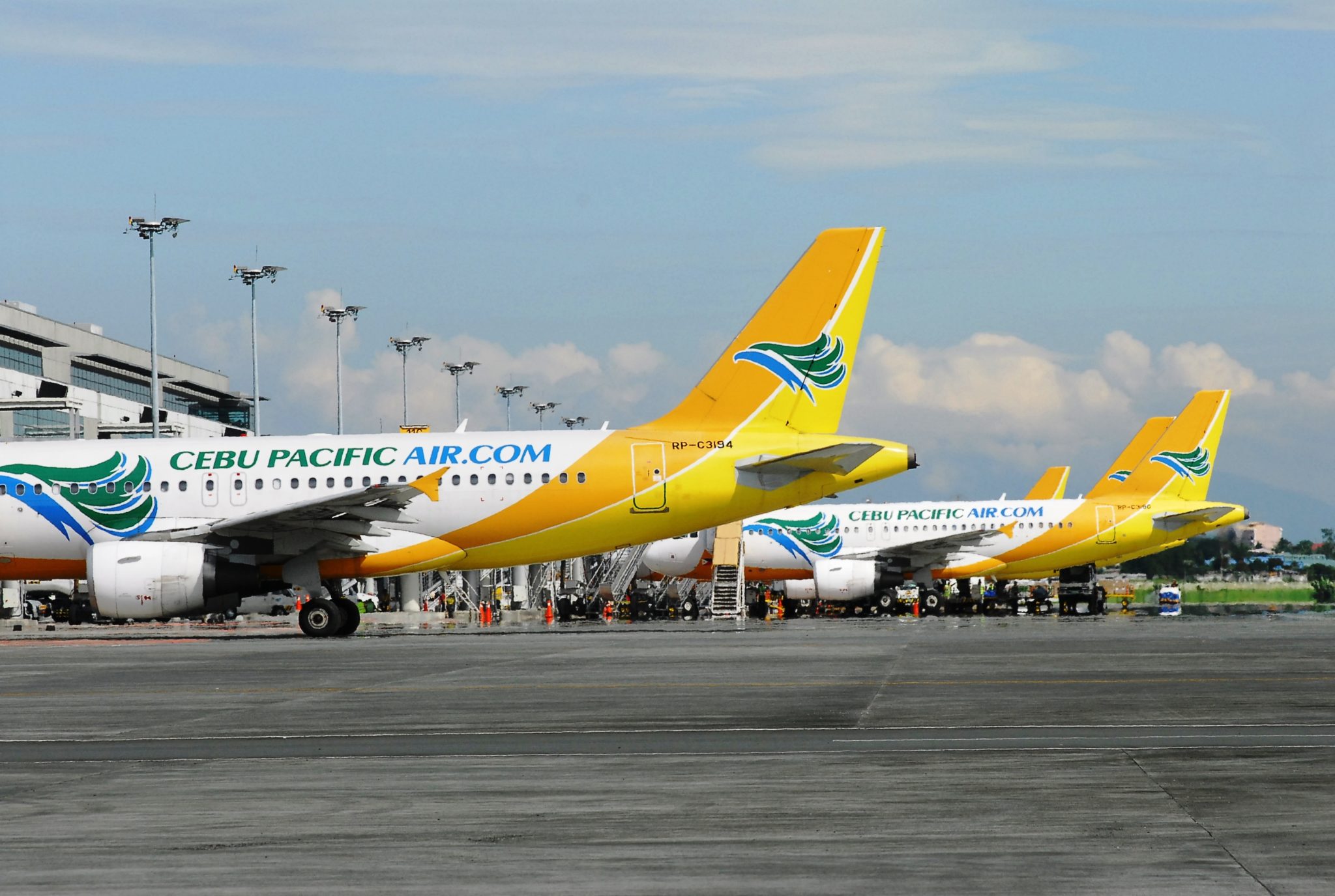
    Cebu Pacific, the Philippines’ largest airline, said Monday its goal was to fly a total of 300 million passengers by 2022, as it increases capacity and invests in digital tools to drive demand.

    The 300 million milestone can be reached 4 times faster than the 150 million passengers flown in 1996, 21 years after the Gokongwei-led carrier was founded, said its vice president for marketing and distribution, Candice Iyog.

    Cebu Pacific sees “accelerated growth” with the delivery of 12 new Airbus jets this year, president and CEO Lance Gokongwei earlier said.

    The two-fold challenge for Cebu Pacific is making bookings more convenient while handling online traffic, Iyog said.

    “As we continue to invest in brand new higher capacity aircraft, the challenge that we have for us now is flying our next 150 million passengers in just 5 years, 4 times faster than when we did it the first time around,” Iyog said.

    “So the first challenge really was, how might we make ourselves relevant by tapping into user shopping behavior. And then the second job to be done was addressing and improving the customer booking experience,” she added.

    To lure more passengers, Cebu Pacific said it would maximize online tools to make booking easier. It also introduced a “new crazy” seat sale strategy, offering seats in clustered destinations every 2 hours, Iyog said.

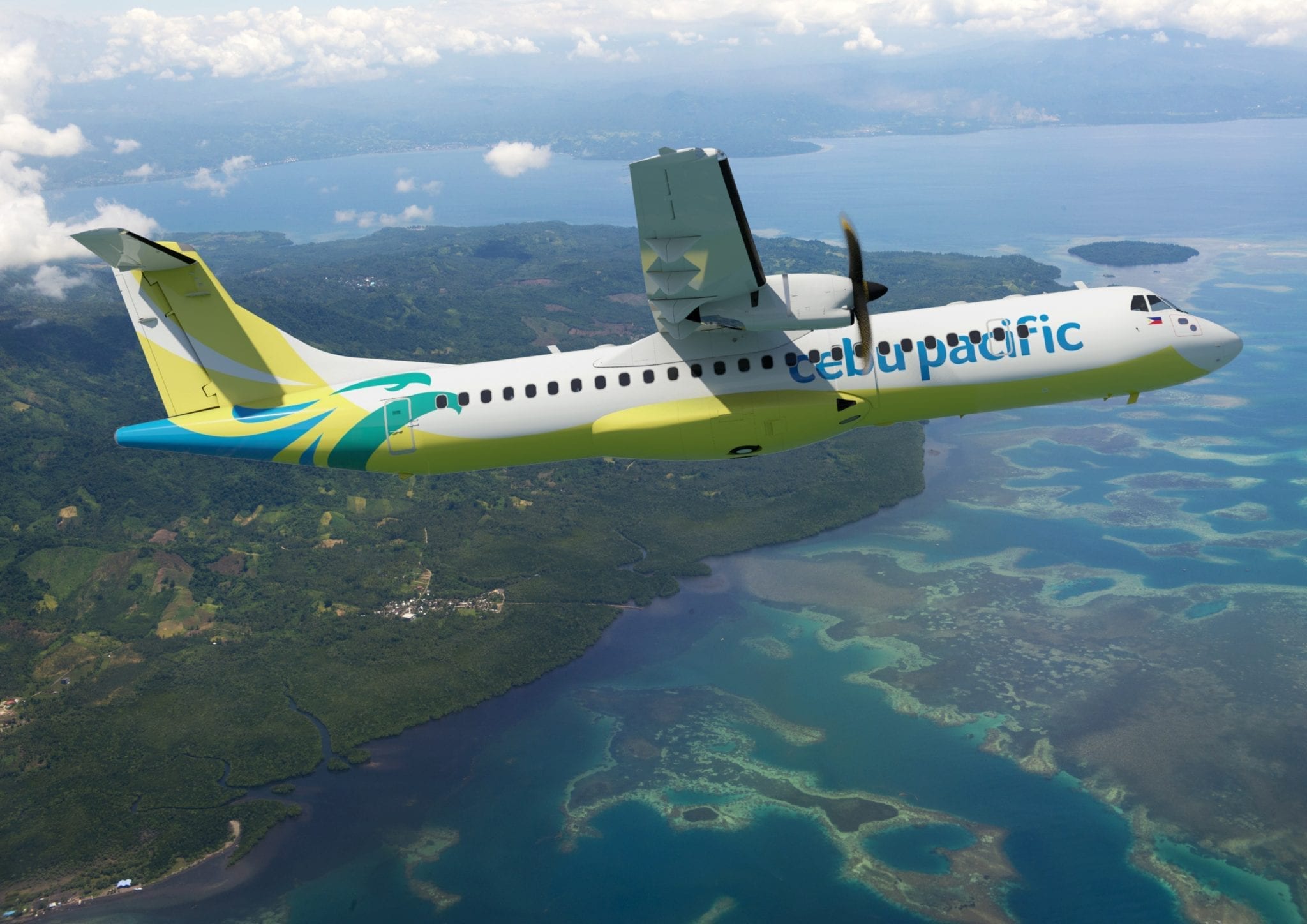
    Cebu Pacific currently operates 1 Airbus A321neo, 36 A320, 7 A321ceo, 8 A330, 8 ATR 72-500, 12 ATR 72-600 as of January 2019.

  • AirAsia India announces new routes

    AirAsia India announces new routes

    AirAsia India is on an expansion spree. the budget carrier will start operating daily direct flight on the Delhi-Chandigarh route from 1 August onwards. The launch fare on Delhi-Chandigarh route is ₹1,365, the airline mentioned. The flight would leave from Delhi at 10.40 am every day and would reach Chandigarh at 11.50 am. The return flight would depart from Chandigarh every day at 12.50 pm and arrive at the Delhi airport at 1.55 pm, the low-cost carrier said.

    The airline will also be introducing fourth additional flight on the New Delhi-Bengaluru route from 5 August onwards. The airline currently runs three flights daily on the New Delhi-Bengaluru route.

    As part of expansion plans, AirAsia India is likely to launch international services by September-October with flights to destinations in South East Asia, including Malaysia and Thailand.

    Air Asia India, which started operations in June 2014, is a joint venture between Tata and AirAsia Berhad. It currently operates 164 flights a day, covering 19 destinations and carrying over 25,000 passengers.

    GoAir is also expanding its operations with five new international services to the Gulf region, two to Bangkok and eight new domestic services. GoAir’s new international services are Delhi-Abu Dhabi, Mumbai-Abu Dhabi, Mumbai-Muscat, Delhi-Bangkok, Kannur-Dubai, Mumbai-Bangkok and Kannur-Kuwait routes.

    GoAir is expanding its India operations from Hyderabad with eight new flights covering cities like Cochin, Chennai, Jaipur, Bengaluru, Chandigarh and Patna.

  • AirAsia X opens up on Hawk-less pair of A330neos

    AirAsia X opens up on Hawk-less pair of A330neos

    When the first AirAsia X Airbus A330neo was unveiled at the Paris Air Show amid much discussion about Airbus’ ‘sub-economy’ ultra-narrow seating strategy, two surprises awaited on board — or, rather, didn’t await.

    At last year’s Farnborough Air Show, AirAsia X Group Chief Executive Officer Kamarudin Meranun (now chairman of AirAsia) confirmed to Runway Girl Network that the airline planned to take Mirus’ Hawk long-range version and Collins’ Minipod for its A330neos. Yet on board the two seating products were neither of those.

    It turns out this first aircraft is one of a pair of leased jets from Avalon that Thai AirAsia X is taking earlier than the hundred that will come directly from Airbus. “AirAsia currently has 66 Airbus A330neo aircraft on order. In addition, AirAsia’s fast-growing long-haul affiliate AirAsia X Thailand will take delivery of an additional two leased aircraft in the coming months,” AirAsia X Group CEO Nadda Buranasiri explained to RGN.

    The airline’s head of group communications later followed up to confirm that those 66 aircraft are firm orders, with the additional 2018 Farnborough Air Show order of “34 currently MOU [Memorandum of Understanding] and under review”.

    Mirus confirmed to RGN that the seat on the Avalon aircraft was not the long-range version of the short-range Hawk seat that AirAsia uses on its Airbus A320s, and Buranasiri confirmed that “The two Airbus A330neo aircraft on lease from Avolon have been fitted with the Zodiac UK Aura Lite in Premium Flatbed and Geven Piuma AQ in economy.”

    But Buranasiri also flagged potential evolution in AirAsia X’s passenger experience. “The seating and cabin configuration for AirAsia’s Airbus A330neo aircrafts on order is subject to change. We are currently reviewing cabin space and configuration options on the new Airbus A330neo. This includes options for a new premium and economy class seat.”

    AirAsia X’s Thai operation will put its first A330neo into service at the end of July, with routes expected to include Japan, Korea and Australia, although schedules have not yet been published.

    But starting next year, more A330neos will arrive with AirAsia X, and the company has been expansive with its promises of “new and exciting destinations such as to Eastern Europe and North Asia”, according to Buranasiri.

    Within Europe, the airline previously flew to London Gatwick and Stansted as well as Paris Orly with elderly A340-300 aircraft, but with both countries charging relatively high departure tax rates, and costs higher in Western Europe, an Eastern Europe strategy could make good sense for AirAsia. Indeed, a partnership with an airline like Wizz Air to provide feed on the European end of the longhaul flight would make much sense.

    “Our current network strategy is focused on medium haul — five to nine hours — meaning nine-abreast is a comfortable option. Nine abreast on the A330neo gives very similar levels of personal comfort for each guest even compared to other aircraft options with full service carriers,” Buranasiri argued, and with AirAsia’s reasonable legroom combined with the decision of many full service airlines to go nine-abreast on their 787s and ten-abreast on their 777s, this is a fair suggestion.

    More crucially, perhaps, “Nine abreast on the A330neo drives the aircraft economics to allow us to maintain the lowest CASK [cost per available seat kilometre] and therefore deliver the lowest fares to our guests. This brings more guests the opportunity to fly and this mission will continue for our long haul market strategy,” Buranasiri said.

    Given that the passenger experience will be relatively similar to its existing widebody fleet, the efficiency of the A330neo AirAsia X expects is impressive. “The aircraft will reduce our fuel burn by 11% on every trip, and with extended range help us to open up new and exciting destinations,” compared with the existing A330ceo fleet, Buranasiri said.

    AirAsia X has always been very up front about what it offers, and with one-way fares for the 6h20m Bangkok to Tokyo even a few days out at an impressive 79€ (US$89), AirAsia X’s simple way to purchase a second seat for passengers who would want or need to, and the angled lie-flat seats up front at around a 3-4x multiplier of economy, it’s hard to criticize the value for money of its ultra-narrow seats — whoever makes them.

  • AirAsia launches three new routes for Jakarta flights

    AirAsia launches three new routes for Jakarta flights

    Low-cost carrier AirAsia is launching three new routes for direct flights from Jakarta to Sorong, West Papua; Lombok, West Nusa Tenggara; and Semarang, Central Java. These flights will start operating on Sept. 1 using the Airbus A320 plane with a 180 seat capacity.

    The airline is offering a special price for a one-way ticket for these flights starting from Rp 2.7 million (US$193.97) for Jakarta – Sorong, Rp 634,000 for Jakarta – Lombok, and Rp 341,000 for Jakarta – Semarang. All of these flights are available through airasia.com or the AirAsia mobile apps. The offer is available starting from July 20 to 28 for flights from Sept. 1 to Oct. 26.

    AirAsia Indonesia CEO Dendy Kurniawan said that his company was currently focusing on expanding its domestic and international routes.

    “We showed our commitment to provide affordable and high-quality flights through this offer,” Dendy said through a written statement.

    According to Dendy, the ticket includes 15kg checked baggage for passengers.

    “We hope that our service will be able to boost economic growth, especially in tourism,” Dendy said.

  • Canberra Airport announces new retail partners

    Canberra Airport announces new retail partners

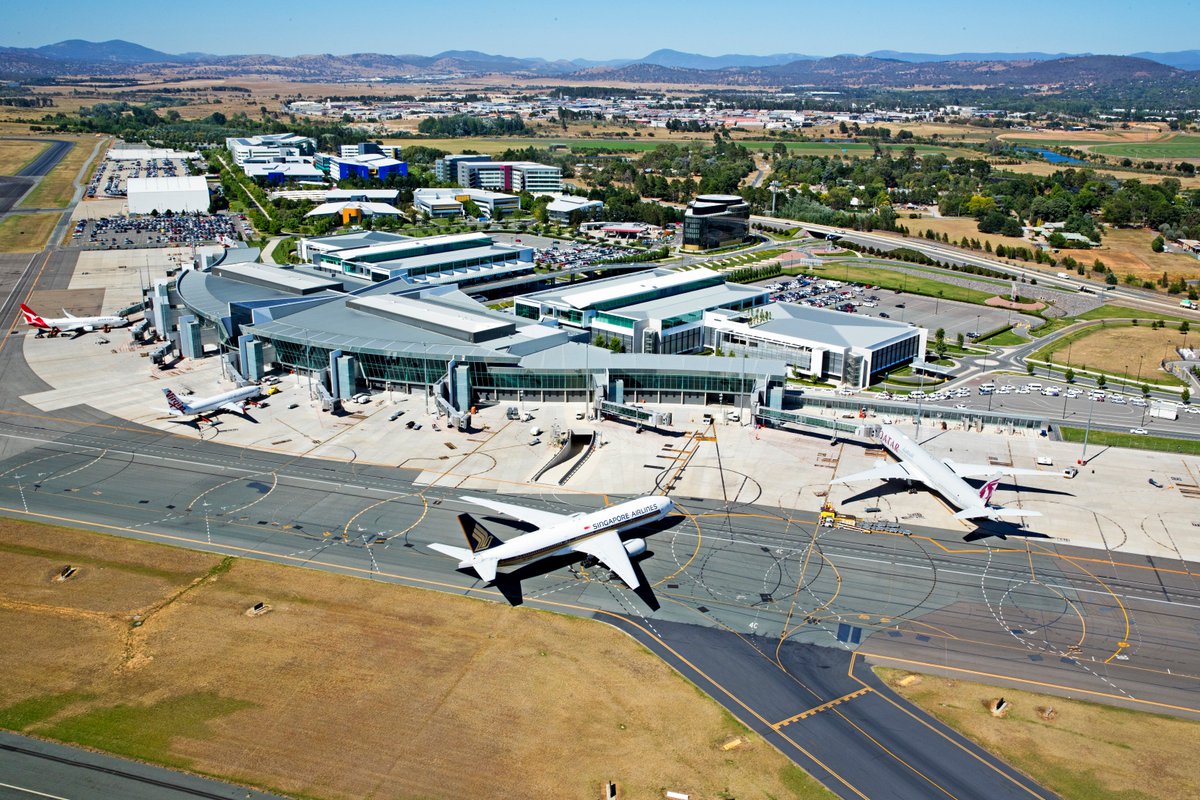
    Canberra Airport is overhauling its terminal retail offering, with construction set to begin on more than 1000sqm of new shops in the coming months.

    On Friday, the airport announced Airport Retail Enterprises (ARE) has been awarded the food and beverage component of the new terminal retail, and Australian Way Pty Ltd (AWPL) has been awarded the news, books and gifting component.

    “We are excited about these new partnerships as we work through the last piece in our terminal puzzle,” Richard Snow, head of property at Canberra Airport, said in a statement.

    “We have worked for years, focusing on making the travel experience for Canberrans and our visitors as seamless and efficient as possible. Now we are proud to be able to add in more restaurants and café options as well as retail that helps visitors remember their trip with local produce and gifts.”

    ARE, which also manages food and drink offerings in Sydney Airport, Melbourne Airport, Brisbane Airport, Gold Coast Airport and Gatwick Airport in the UK, will create a new cafe, City Hill Coffee, featuring locally-roasted Ona coffee, an Asian noodle and sushi offering called Noodles XO and a health food offer on the Western Concourse.

    Several existing food and drink options on the Southern Concourse, will be replaced by Capital Brewing Co Bar, through a partnership with the local brewery of the same name. ARE will also add a mixed news, books, travel essentials and cafe space on the ground floor in the arrivals baggage hall.

    “Canberra has a fantastic local food scene, and we are very pleased to be partnering with many local producers to bring this to the airport,” John Chapman, CEO of ARE said in a statement.

    “The new terminal will become a fantastic showcase of the region’s produce.”

    AWPL, which operates stores in numerous domestic and international terminals around Australia and New Zealand, will initially bring a news, books and travel essentials offering called News@CBR to the airport.

    Following this, it will open a second store called Merchant Canberra, which will showcase iconic gifts from the city, surrounding region and Australia.

    “It is our absolute focus to connect with the local community, deliver a retail offering that brings commercial growth to Canberra Airport, and also significantly enhances the customer experience,” AWPL managing director Costa Kouros said in a statement.

    Construction of the new retail offerings is expected to begin in the coming months, with stage one to be finished by the end of this year. The second and final stage is expected to be complete by Easter 2020.

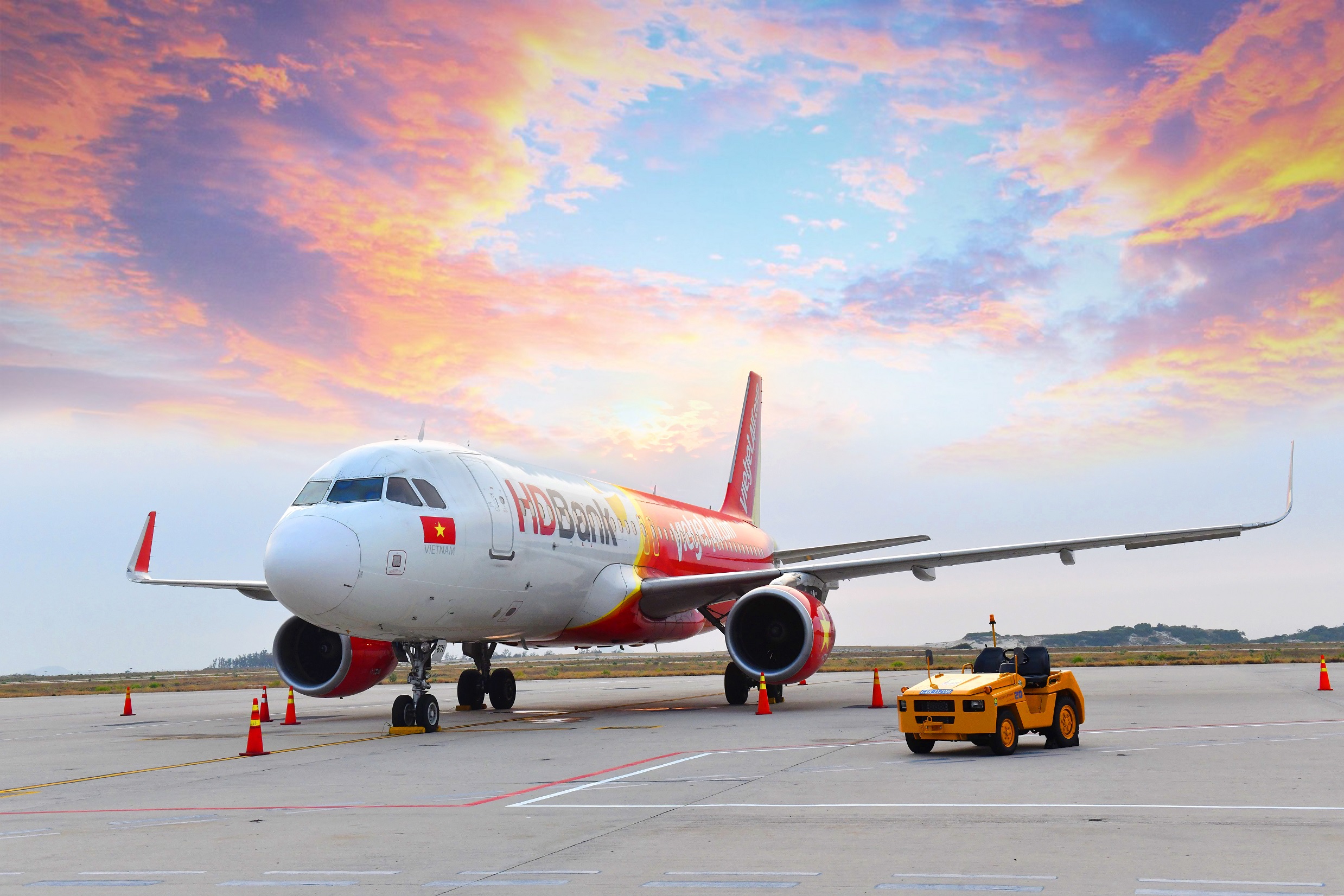
  • Vietnam budget airline VietJet to launch online business

    Vietnam budget airline VietJet to launch online business

    Vietnamese budget airline Vietjet is set to enter the e-commerce business. The firm is currently forging alliances with industry partners to enable it to offer a range of goods and services online as it seeks to build on and profit from its existing customer data. The new platform, which will be based on blockchain technology to facilitate transactions among partners, is expected to launch within the next two years.

    “Following our concept of ‘Consumer Airline’, we will have an e-commerce platform to serve not only air tickets but whatever they need,” said Vietjet’s VP Nguyen Thi Thuy Binh in Tokyo in an interview with the Nikkei Asian Review. “All the suppliers and partners will join our platform to serve the products to not only our 30 million passengers but also hundreds of millions of customers in Vietnam and other parts of the world.”

    The service will offer banking, insurance, hotel bookings and consumer goods, among other planned features. It will initially target passengers on the airline before expanding to the general public.

    Vietjet is expected to fly 30 million passengers this year, an increase of 30 per cent over last year’s total. While its revenues have been increasing over the period, rising fuel costs and intensifying competition have increased pressure on the firm’s core business. Vietjet has already formed a partnership with finance firm HD Saison Finance to allow customers to purchase air tickets ‘on loan’ in hope of attracting sales even from travellers who cannot immediately afford to buy.

    Vietjet currently flies 119 domestic and international routes, with a fleet of almost 80 aircraft.

  • Cebu Pacific plans to squeeze more seats into economy

    Cebu Pacific plans to squeeze more seats into economy

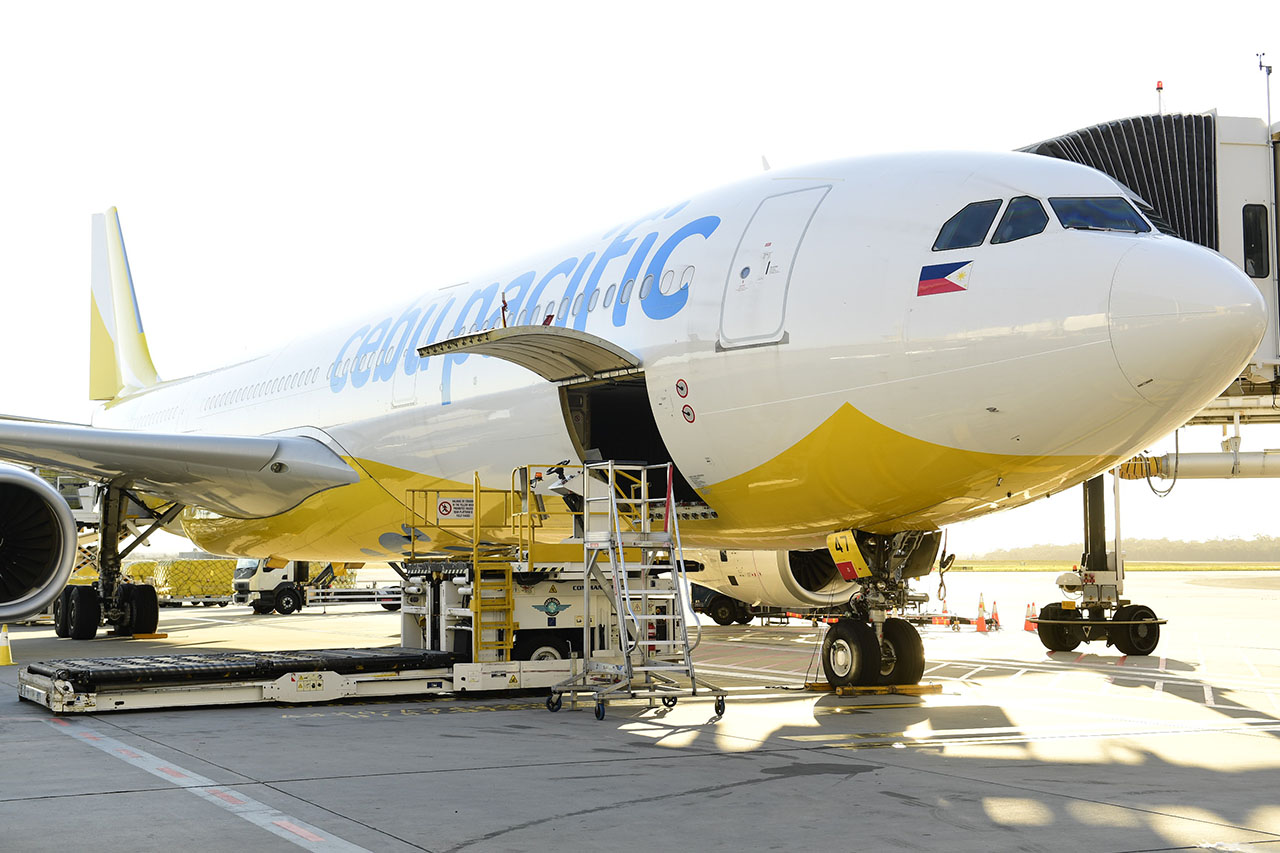
    One of the biggest travel-trade talking points of the recent Paris Air Show was Cebu Pacific signing a memorandum of understanding (MOU) to buy 31 Airbus planes – 16 of which will be A330-900s, with 460 seats in an all-economy configuration squeezed into each. Fellow budget airline AirAsia, by comparison, unveiled its first A330-900 (aka the A330neo) at the show, with 377 seats in two classes, while the plane’s launch customer, TAP Air Portugal, began operating with 289 seats in three classes last November.

    It has been suggested that the upside of squeezing so many people onto one plane might be a reduced per-passenger carbon footprint, and it’s easy to imagine airlines using this as an excuse to crowbar ever more passengers aboard in future. Cebu Pacific’s MOU also included 10 of the A321XLR (Xtra Long Range), which was introduced at the show and is expected to take passengers back to the days of the Boeing 707 and Douglas DC-8, with cramped single-aisle long-haul flights, in about four years from now.

  • Flight Centre grows in Corporate Travel

    Flight Centre grows in Corporate Travel

    Australian travel retailer Flight Centre Travel Group has furthered its position in the European market, taking full ownership of corporate travel business 3Mundi, which operates in France and Switzerland.

    Flight Centre acquired 25 percent of the business in June 2017, though has worked with 3Mundi since 2015 through its FCM Travel Solutions corporate travel management network as a licensee.

    With the acquisition, Flight Centre’s corporate travel network now extends to the UK, Germany, France, the Netherlands, Ireland, Switzerland, Sweden, Norway, Finland, and Denmark.

    “France is an important business travel hub globally, and is now the world’s sixth largest corporate travel market, making it a significant future growth opportunity for our company,” Flight Centre managing director Graham Turner said.

    “We have worked closely with the 3Mundi team since 2015 and believe that this extension of our relationship will unlock further benefits – both for 3Mundi’s local customers and for FCM customers in general – and help us capitalize on this opportunity.”

    According to Turner, the deal will broaden 3Mundi’s reach, and give the business full access to Flight Centre’s corporate travel systems, products and customer offerings, while strengthening Flight Centre’s overall corporate network.

    3Mundi managing director Solenn Le Brazidec will continue to oversee the business’s day-to-day operations and has been appointed Flight Centre’s travel solutions’ general manager for France and Switzerland.

    “The incredible opportunity to wear the FCM brand for four years already has allowed us to grow and triple our turnover,” Le Brazidec said.

    “By now becoming a subsidiary of Flight Centre, we have a stronger global offering for our customers, a greater technological integration and more opportunities for growth.”

    3Mundi is not the first corporate travel business Flight Centre has invested in this year – having previously acquired a 25 percent stake in The Upside Travel Company, and becoming its largest individual shareholder.

    According to Flight Centre, during the six months to December 31, 2018, its corporate travel business generated about 37 percent of global total transactional value – about $4.2 billion.

    In late April, Flight Centre lowered its profit guidance for the 12 months to June 30, 2019, from between $390 million and $420 million to between $335 million and $360 million.