Retail News CRM

Tag: flying

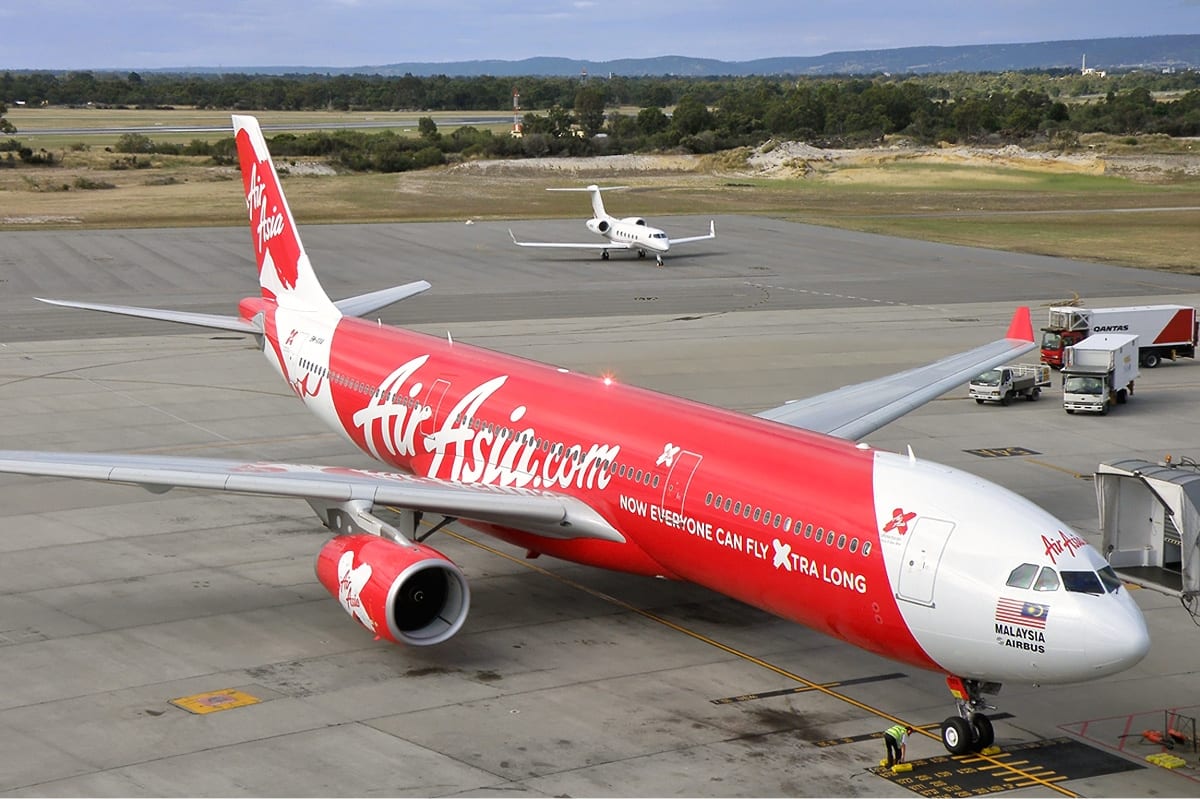
  • AirAsia offers flight change fee waiver

    AirAsia offers flight change fee waiver

    AirAsia has announced that it would waive flight change fees for any new bookings made between June 3 and October 31, 2020.

    In a statement today, it said the option is applicable for online bookings on airasia.com for domestic flights within Malaysia, Indonesia, Thailand, the Philippines and India.

    “Guests may make an unlimited number of flight date changes via the ‘My Bookings’ tab on airasia.com or the AirAsia mobile app, and may rebook their flights for travel up to December 31, 2020, subject to seat availability and fare difference,” it said.

    Meanwhile AirAsia Group president (Airlines), Bo Lingam said due to the unprecedented circumstances relating to the current public health situation and the associated travel restrictions, travel plans may be fluid throughout this year.

    The airline said the flight date and time change is only applicable up to 48 hours before the original departure time and up to four hours for AirAsia India.

    For further information, guests can visit this link.

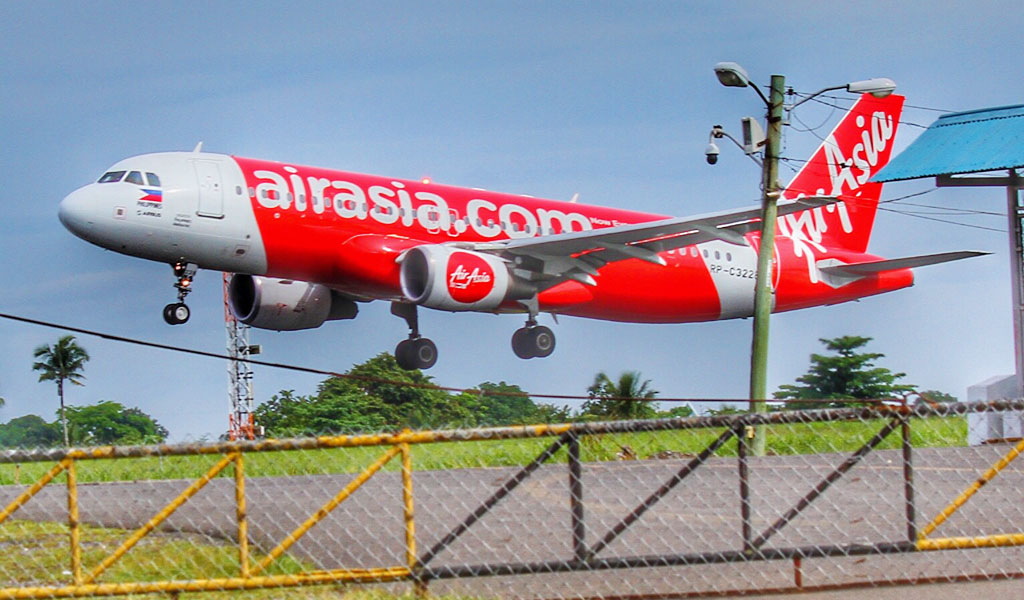
  • Thai AirAsia chief proposes longer weekends

    Thai AirAsia chief proposes longer weekends

    Thai AirAsia’s executive chairman is proposing to the government a policy allowing one day working from home per week to avoid public congestion and boost the domestic tourism market to reach its target of 100 million trips this year.

    As more people get used to working from home, the government should consider allowing civil servants and private companies to work remotely one day a week, said Tassapon Bijleveld, executive chairman of SET-listed Asia Aviation (AAV) and the largest shareholder of Thai AirAsia.

    He said that when people are not bound to an office routine for Fridays, there’s a chance they’ll consider taking more trips for three-day weekends.

    The Tourism Authority of Thailand and the Finance Ministry are working on a tourism stimulus plan to make activities more affordable in the second half of the year.

    Mr Tassapon said he discussed the idea with the state agency, arguing that it would help efforts to push domestic tourism once the coronavirus crisis ends.

    “The domestic market still has a chance to take the lead in restoring the national economy, but it will depend on the scale of efforts from the government and cooperation from the private sector,” he said.

    He also encouraged the Interior Ministry and governors of each province to scrap the 14-day quarantine for inter-provincial travelers, as well as make clear whether a health certificate is needed. Some provinces have not clarified the rules, and airlines cannot plan routes to those destinations.

    Mr Tassapon said that while the aviation industry in Thailand is at a critical stage, the government can help it by offering local travelers a tax deduction on expenses for domestic airfares, which the previous scheme didn’t cover.

    According to the Tourism and Sports Ministry, local travelers took 24.7 million trips during the first four months of this year, down 50.3% year-on-year, generating 190 billion baht for the economy, down 48.3%.

    Mr Tassapon said Thailand’s tourism landscape after the global health crisis will lean towards quality tourists because more requirements for each trip will make people want to stay longer and spend more in Thailand instead of coming 3-4 times a year as they did before the pandemic.

    Moreover, Thailand should preserve the natural resources that have been restored during the outbreak.

    To achieve those goals, attractions are necessary for certain areas such as the northeastern provinces of Thailand.

    In the past, most tourists went to southern Thailand, which boasts plenty of famous resort islands, resulting in exploitation of nature and unbalanced tourism revenue.

    The Board of Investment should invite a major theme park operator such as Disney or Universal Studios to open a full-scale park in destinations that lack natural attractions, Mr Tassapon said.

    He noted that almost every province in the Northeast has an airport already. New investment could create many jobs for local communities.

  • AirAsia India resuming domestic flight operations on Monday

    AirAsia India resuming domestic flight operations on Monday

    Domestic flight operations are all set to resume in a calibrated manner from Monday (May 25). AirAsia India is also resuming domestic flight operations tomorrow, the carrier informed on Sunday,

    In a tweet AirAsia India said, “AirAsia India is resuming domestic flight operations tomorrow, i.e. 25.05.2020. Passengers undertaking travel to any state are required to read, understand, and comply with the health and other protocols prescribed by the destination State / UT for airline travelers.”

    Note that the government has fixed upper, lower fare limits for the next three months to ensure there is no overcharging by airlines in view of an expected rush of passengers and heightened demand for tickets.

    It is worth mentioning that IndiGo, SpiceJet, AirAsia India and Vistara started taking bookings for flights starting May 25. The government had announced on May 17 that domestic flight operations will remain suspended until May 31. However, a day later, the union civil aviation minister had said the decision to allow flights is also up to state governments.

    On May 20, Aviation Minister Hardeep Singh Puri surprised people by announcing that the government will allow domestic passenger flights to resume from May 25 in a calibrated manner.

  • AirAsia Indonesia extends flight operation suspension until May 31

    AirAsia Indonesia extends flight operation suspension until May 31

    Low-cost carrier AirAsia Indonesia has extended the suspension of flight operations in Indonesia until May 31. Previously, the airline had announced it would suspend flight operations within the country until May 7.

    Following the latest decision on the suspension of operations due to the COVID-19 pandemic, which was announced on Friday, earlier plans to resume limited flight operations from Surabaya in East Java to two Malaysian cities, namely Kuala Lumpur and Johor Bahru, on May 18 have been shelved.

    According to a statement, the company will gradually begin QZ-coded scheduled flights on selected international and domestic routes starting on June 1, in response to the extension of large-scale social restrictions (PSBB) in several regions.

    Passengers affected by the suspension are advised to look for the latest information on airasia.com or the carrier’s app.

    All AirAsia Indonesia passengers will be required to wear face masks throughout their flight, from check-in to baggage collection at their destination airport. The company also urged them to bring a spare face mask and hand sanitizer.

  • AirAsia Unlimited pass extended until June

    AirAsia Unlimited pass extended until June

    If you’ve bought AirAsia’s Unlimited Pass a couple of months ago, the low-cost carrier has announced that they are extending the travel period validity until 30th June 2021. The extension is expected since international travel is still not permitted in Malaysia due to the COVID-19 outbreak.

    According to AirAsia’s Facebook post, the new validity date should be reflected under the AirAsia Deals page under the ‘My Purchases’ tab. The updated FAQ states that the booking must be made at least 14 days in advance and the last available booking date is 16 June 2021.

    For those who have booked their flights on or before 17th of April with a departure date between 23rd March and 30th June are allowed to make unlimited flight change to any date before 31st October 2020 on the same route for unlimited times without any additional costs subject to seat availability. Alternatively, they can request to retain the value of the booking as a credit which can be redeemed within 2 years (730 days) from the issuance date.

    The AirAsia Unlimited Pass was introduced on 29 February and it was seen as a move to cushion the economic impact of COVID-19 on the travel industry. The pass costs RM499 and it allows you to take unlimited AirAsia X flights to destinations in Australia, Japan, China, Korea, India and also Honolulu via Osaka.

    The pass only covers the base fare of the flight and it doesn’t include taxes, airport charges, regulatory fees as well as add-ons such as seat reservation, meals and check-in luggage allowance. Initially, the pass covers a travel period from 2nd March 2020 to 2nd March 2021 and it is now extended by approximately 4 months.

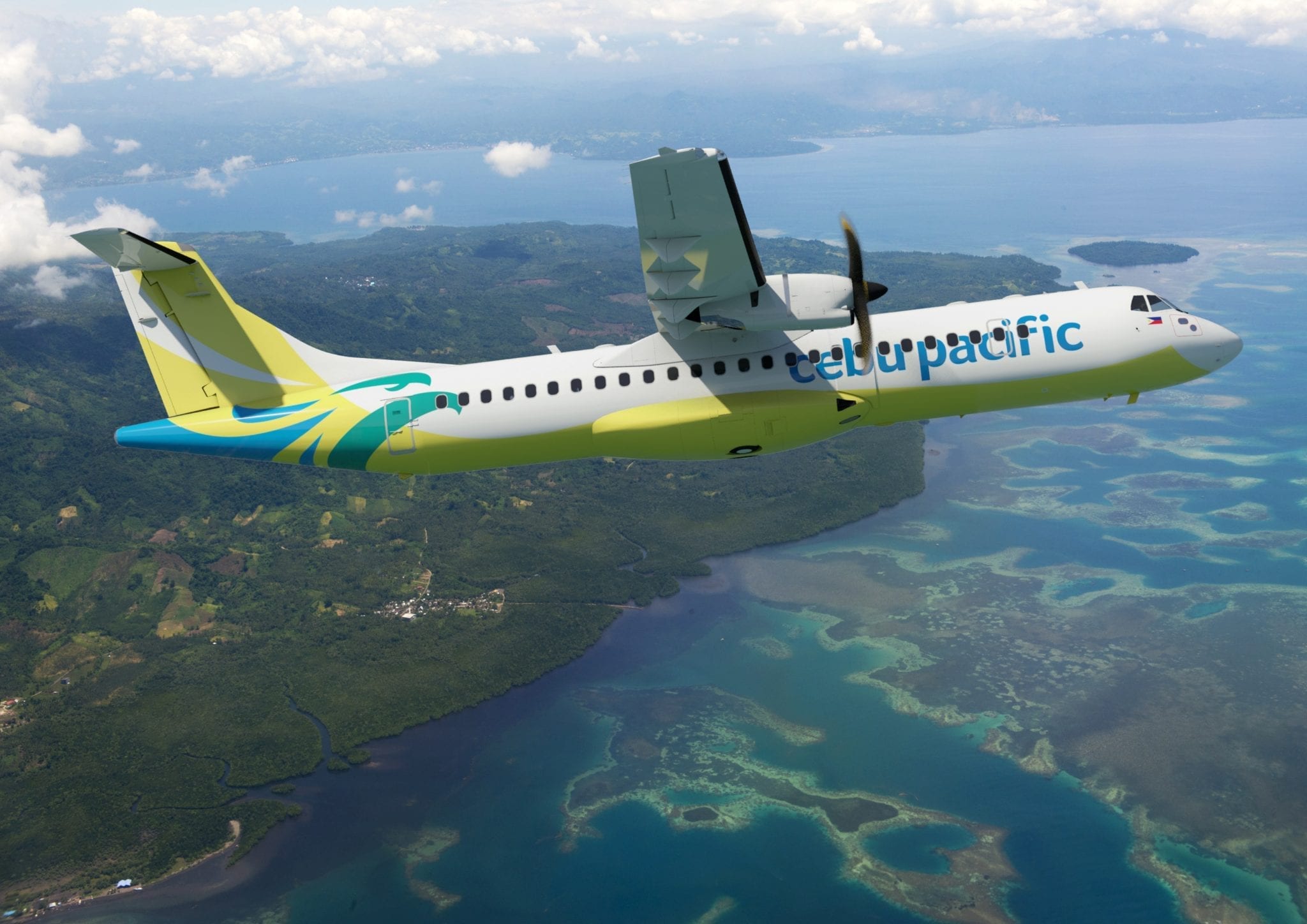
  • Cebu Pacific slips into first-quarter loss

    Cebu Pacific slips into first-quarter loss

    Cebu Pacific posted an operating loss of Ps693 million ($13.7 million) in the first quarter of 2020, reversing the Ps3.85 billion operating profit made in the same period last year.

    Total revenue for the quarter ended 31 March fell 24.9% to Ps15.9 billion, as revenue from passenger, cargo, and ancillary segments fell across the board.

    The low-cost carrier’s expenses declined 4.2% to Ps16.6 billion, due to a sharp fall in costs associated with reduced flying operations, as well as reservation and sales. On the other hand, costs from depreciation and amortization, and aircraft maintenance costs were all higher.

    Cebu Pacific thus slipped into a net loss of Ps1.18 billion, down from a net profit of Ps4 billion last year. Factors contributing to the net loss include losses from hedging and foreign exchange.

    Cash and cash equivalent stood at Ps17.5 billion as of 31 March, down from the Ps22.5 billion a year before.

    During the quarter, Cebu Pacific grew its fleet from 75 to 76 aircraft, having added one Airbus A320neo.

  • Cebu Pacific to introduce Contactless Flights as “new normal”

    Cebu Pacific to introduce Contactless Flights as “new normal”

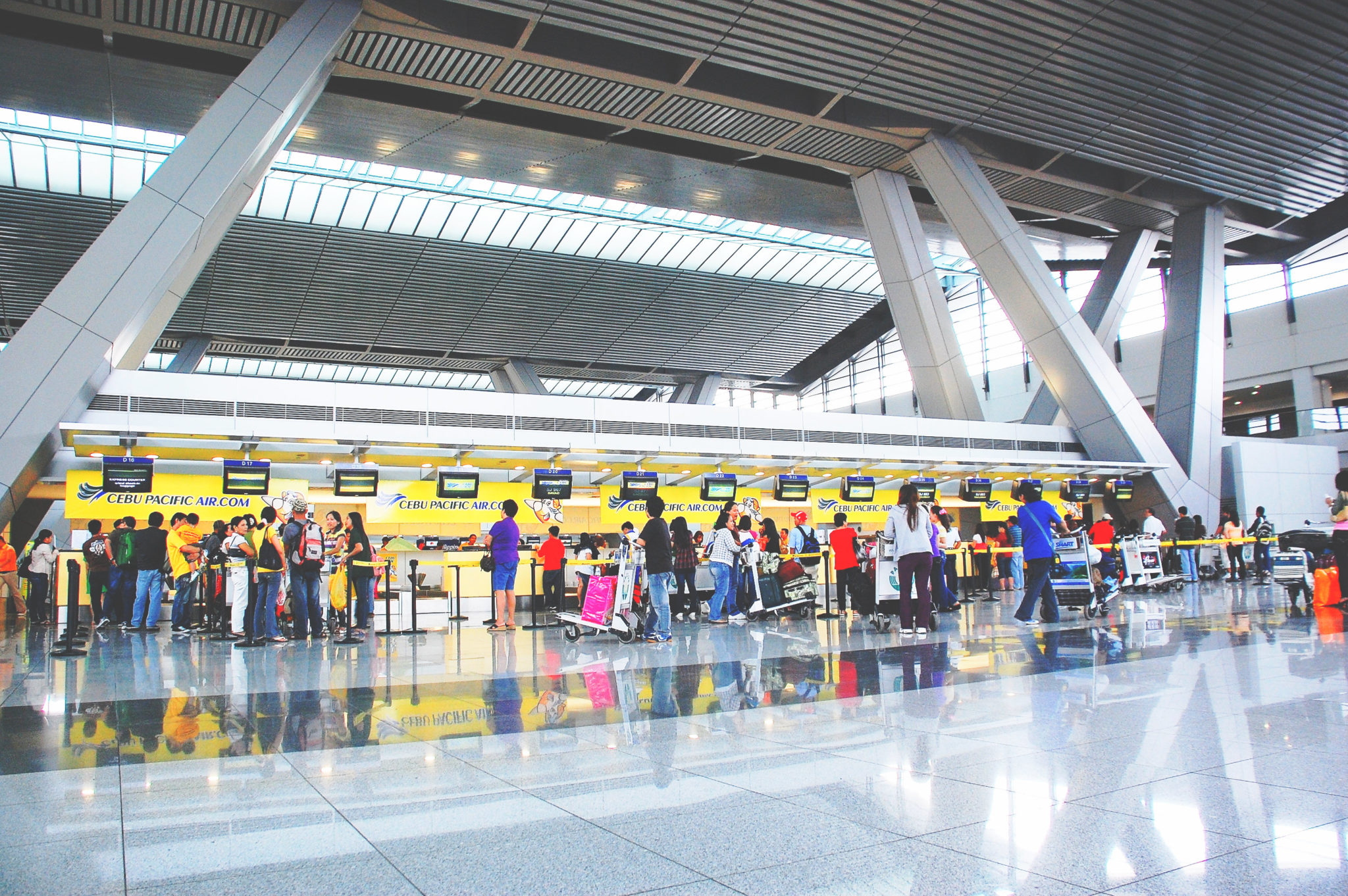
    Cebu Pacific will introduce contactless flights in the future when people are ready to fly again. The low-cost airline put safety as its topmost priority in the age of “new normal” as the Philippines will start to ease its quarantine restrictions come May 16. Here are some of our new guidelines for Cebu Pacific Contactless Flights within the Philippines:

    Guests are required to keep masks on, from airport entrance until arrival. Bag drop counters will close one hour before flights, to allow enough time for staggered boarding procedures. Physical distancing markers must be followed.

    Hand sanitizers will be provided for guest and staff use, at the airport and inside the aircraft. CEB passenger areas such as kiosks, bag drop counters, shuttle buses, and aircraft lavatories and seats will also be frequently sanitized for everyone’s safety.

    Guests are highly encouraged to check-in online to minimize proximity to our check-in agents. Those with no bags can head straight to gate. Once the row is called, have boarding passes ready for scanning by our boarding gate agents.

    Meanwhile, operations teams have these world-class Preventive Measures in place:

    CEB pilots and cabin crew will undergo rapid antibody tests before their assigned flights, as part of our commitment to flattening the curve. The operating crew cleared for flights will also don personal protective equipment. They are also trained to assist and isolate guests onboard, as needed.

    Our daily disinfection program includes the misting of the aircraft cabin, using an Airbus-approved disinfectant effective in eradicating viruses including the Coronavirus. This process is aligned with the International Air Transport Association (IATA) guidelines and ensures that all surfaces (such as passenger seats, overhead bins and cargo compartments) are covered and sanitized. Lavatories will also be sanitized every 30 minutes.

    The air inside the cabin is changed every three minutes, using High-Efficiency Particulate Air (HEPA) filters installed in our Airbus aircraft. HEPA filters can filter out viruses with 99.99% efficiency, which is why it’s also used in hospital operating rooms.

    Cebu Pacific said that it will continue to work with government authorities and use guidelines from the World Health Organization and the International Civil Aviation Organization. They will keep refining their procedures, so people can travel with peace of mind.

  • AirAsia will not take jet deliveries this year

    AirAsia will not take jet deliveries this year

    Malaysia’s AirAsia Group said on Wednesday it did not intend to take any new aircraft deliveries this year because of the sharp fall in demand from the coronavirus crisis, and was revisiting its order book with Airbus SE.

    Reuters last week reported Airbus had put six jets up for sale after giving up on AirAsia taking delivery of them, according to sources familiar with the matter.

    The Asian budget carrier is one of the European manufacturer’s largest customers, with 349 A321neos and 13 A320neos on the order that has yet to be delivered, according to the Airbus order book.

    AirAsia expects to end 2020 with 242 aircraft in its fleet, down one from last year, Executive Chairman Kamarudin Meranun said in a statement.

    AirAsia said it had resumed domestic flights in Malaysia on Wednesday and hoped to do so in Thailand, the Philippines and Indonesia in May, subject to approval from authorities.

    The airline said that it had restructured most of its fuel hedges, struck when oil prices were higher, and that it was cutting employee costs, renegotiating contracts and cutting back on non-essential spending to lower costs by at least 30% this year.

    Airbus on Wednesday posted a 49% slump in first-quarter adjusted operating profit to 281 million euros ($304.7 million) as revenue dropped 15% to 10.631 billion euros amid the “gravest crisis the aerospace industry has ever known”.

  • AirAsia won’t be missed, says ex-aviation chief

    AirAsia won’t be missed, says ex-aviation chief

    Low-cost air travel will remain largely unaffected if AirAsia were to cease operations because of lost revenue caused by the Covid-19 pandemic, says an aviation expert.

    Malaysia’s former head of civil aviation, Azharuddin Abdul Rahman, said the impact on air travel and tourism would only be felt initially. Low-cost air travel would soar again after other airlines take up AirAsia’s flight slots. Aviation specialist and researcher Roger Teoh agrees, saying new airlines would be created to take the place of insolvent airlines in a survival of the fittest. Azaruddin said AirAsia’s flight slots would be a precious aviation commodity. The carrier had hundreds of slots every day.

    He could not imagine AirAsia closing shop after the airline had “changed the landscape of air travel, not only in this region but in Asia Pacific as well”. Azharuddin said there was a place for both low-cost carriers like AirAsia and legacy full-service carriers such as Malaysia Airlines.

    The two airlines have been at the center of recent speculation about a merger, with Malaysia Airlines suffering the impact of its long-standing financial problems.

    AirAsia recently announced that 96% of its 255-strong fleet had been grounded because of the Covid-19 pandemic. Its staff has been required to take pay cuts of between 15% and 75%, and aircraft manufacturer Airbus recently announced it would sell six aircraft on order by AirAsia.

    Azharuddin said the two airlines should form a partnership but remain as separate entities in order to stay competitive.

    The partnership could capitalize on the large 600 million population of Southeast Asia, with the Asia Pacific area as another catchment area, he said.

    Azharuddin said a MAS-AirAsia partnership could compete with Singapore Airlines (SIA).

    SIA recently merged with its low-cost spinoff airline SilkAir in February, before the height of the pandemic.

    ‘Root of AirAsia’s problems’

    Teoh, a researcher with Imperial College London specializing in aviation, said a merger between AirAsia and MAS would raise airfares over the long term from lack of competition.

    He said while it was not certain if AirAsia would cease operations, any potential exit of low-cost carriers would only affect the tourism industry temporarily.

    New airlines would be created to take the place of insolvent airlines, in a “survival of the fittest” with potential consolidation among existing airlines.

    Teoh said AirAsia management decisions were partly to blame for the airline’s problems. A sale and leaseback policy (in which aircraft was sold and leased back from the buyer) had resulted in higher operating expenses.

    He claimed that since this model was adopted in 2019, “AirAsia has not made an annualized profit”.

    RM5 billion raised from the sale of aircraft was then redistributed to shareholders as special dividends from December 2018 to August 2019, a move which cost AirAsia’s long-term financial health and resilience.

    Hedging on fuel prices at the end of 2019 had caused the airline to lock in its fuel costs, Teoh added.

    “They are not able to benefit from the cheap oil prices that we see today,” he said.

    “This is expected to result in a very large derivative loss in their coming financial statement.”

  • AirAsia counters most active after flight resumption announcement

    AirAsia counters most active after flight resumption announcement

    AirAsia counters emerged as among the most active stocks on Bursa Malaysia today, after the low-cost carrier announced it will resume its scheduled domestic flights, beginning with Malaysia on April 29, 2020.

    As at 3.31 pm, AirAsia Group Bhd rose 8.5 sen to 87 sen with 151.61 million shares changing hands, while its long-haul arm, AirAsia X Bhd, increased by four sen to 12 sen with a sum of 440.99 million shares transacted.

    On Friday, AirAsia said beside Malaysia, the airline would also resume its domestic flight in Thailand and the Philippines on May 1, 2020, followed by India on May 4, 2020 and Indonesia on May 7, 2020, subject to approval from authorities.

    “The resumption of services will first be for key selected domestic routes, which will be increased gradually to include international destinations once the situation improves and governments lift borders and travel restrictions,” it said.

    AirAsia Group president (airlines) Bo Lingam said AirAsia has undertaken a thorough review of its guest handling procedures both on the ground and onboard in light of the COVID-19 pandemic.

    “We have been working closely with the airport authorities to ensure that all the relevant precautionary measures are in place to ensure a safe, pleasant and comfortable journey for everyone,” he said.

  • Cebu Pacific extends the suspension all flight operations from April 15 – April 30

    Cebu Pacific extends the suspension all flight operations from April 15 – April 30

    Cebu Pacific flights will remain suspended from April 15 to April 30, 2020, in accordance with the Philippine government’s directive on extending the Enhanced Community Quarantine (ECQ).

    Passengers on canceled flights are encouraged to take any one of the following options:

    1. Free rebooking – Rebook to any other travel date within three months with change (rebooking) fees and fare difference waived

    2. Full Travel Fund – The Travel Fund is now valid for one (1) year. Use it to either book a flight up to one (1) year ahead, or pay for add-ons (e.g. baggage allowance, seat selection, etc.)

    If the Travel Fund is not used within one (1) year, passengers can get a full refund.

    3. Full refund – Processing of refunds will start on May 4, 2020 – after the Community Quarantine is lifted and regular work schedules resume. However, due to the unprecedented volume of requests for refunds, the process will take as long as three (3) to four (4) billing cycles.

    Flights may be managed online through the “Manage Booking” portal in the Cebu Pacific website.

    Furthermore, to provide added flexibility for passengers with booked flights from May 1 to September 30, but wish to change their travel plans, CEB is offering the following options, free of charge:

    • Option 1 – Rebook to any other travel date within one (1) year
      Change (rebooking) fees waived, but fare difference may apply.
    • Option 2 – Place the full cost of the ticket in a Travel Fund, now valid for one (1) year
      Decide and book travel within a year for flights as far as one year ahead
  • AirAsia’s burden adds on with asset-light strategy

    AirAsia’s burden adds on with asset-light strategy

    AirAsia has quite a bit going for it. It has cash, RM2.59bil of it, a strong business model and a brand-name that naturally is a crowd-puller in any markets it ventures.

    However, the low-cost carrier knows it is not in a comfortable position in its course of navigating out of the economic maelstrom in the aviation industry caused by the coronavirus disease (Covid-19) pandemic. Firstly, the airline has high commitments to begin with by moving to an asset-light business model.

    It may be a good way of doing away with the residual risk of owning aircraft but in times of downturns, it is the airlines that will incur additional cost for leases.

    And this is proven with AirAsia’s fourth-quarter results for the financial year ended December 2019, where it dipped further into the red by 35.9% to record a net operating loss of RM373.95mil.

    Based on the 2019 unaudited results, leasing charges comes up to RM505.87mil while staff cost is another RM1.78bil.

    Coupled with other fixed overheads such as rentals and finance cost, the burn rate a month can come up to RM200mil, even with none of AirAsia’s flights in operation.

    The group has temporarily suspended all its international and domestic flights in its Malaysia operations for about a month and also in the region, including the Philippines, Thailand and India.

    In Indonesia, it is significantly reducing the frequency of its international and domestic flights.Assuming that everything is back on track with flights operating at their usual frequencies, AirAsia would be incurring additional expenses such as fuel cost, maintenance and overhaul and user charges.

    Based on the 2019 accounts, this would easily add RM300mil more per month to its cost.

    However, the low-cost carrier would generate some amount of cash flow to mitigate its cost.

    “The drawback is the operating cash inflow would not pick up quickly unless a vaccine is found for Covid-19, ” says an analyst.

    And the RM2.59bil, or whatever that is left now after the first quarter, is the only buffer the airline has when it resumes business operations.

    The group knows it cannot be taking any chances and it needs to raise as much cash as it can, which is why it is seeking out a loan from the government.

    This is also why group chief executive officer Tan Sri Tony Fernandes told Bloomberg Markets that it is going to be an uphill slog, even with his team having a lot of ideas to get going again.

    “No bailout. You don’t need a bailout. Obviously many airlines are looking at loans and we think the cash will last us for the most part of this year.

    “And when the sales return, then we’re okay. It’ll be great to get a loan as well and we’re working on that with our government, ” he told Bloomberg.

    The budget airline knows there is no way it is going to get easy money or cheap loans so the best bet is still the government and Fernandes is confident something will transpire out of the airline’s recent meeting with it.

    After all, AirAsia has a high bargaining power with it ferrying the bulk of passengers into Malaysia and domestic flights, which allows it to boast of accounting for 1.8% of the tourism industry’s contribution to the gross domestic product (GDP).

    The question now is, how much cash does it need and at what price would it come?

    Or will it be easier for shareholders to fork out money for a rights issue considering they have been amply-rewarded in the past two years?

    Shareholders of AirAsia have made a pile of cash over the last 18 months from dividends that the group has been giving out, largely from its strategy to go asset-light.

    The airline declared a record special dividend of 90 sen a share in May last year after it sold its 25 aircraft to US-based private investment firm Castlelake LP for US$768mil (RM3.22bil).

    Back in March 2018, it entered into a sales and leaseback arrangement with BBAM Ltd Partnership involving 79 aircraft and 14 aircraft engines, of which AirAsia received US$1.19bil (RM4.62bil).

    There was another special dividend of 40 sen declared for the third quarter of 2018, on top of the interim dividends of 12 sen each for the first and fourth quarters.

    Just from the two years, shareholders have pocketed RM5.15bil in dividends.

    The sales and leasebacks of the aircraft may have made the group asset-light but the commitments of the lease itself has become a huge burden to the airline.

    On the rumors of a merger between AirAsia and Malaysia Airlines, sources say it is unlikely to happen.

    “Malaysia Airlines’ burn rate is not likely to be as high as AirAsia. AirAsia employs 29,000 people while MAS has far fewer workes.

    “Moreover, AirAsia has commitments to take up new planes while MAS does not. So there really is no push for a merger, ” says an executive familiar with the airline industry.

    Instead, Khazanah Nasional Bhd, which owns 100% of Malaysia Airlines, might want to take a stake in AirAsia if the offer is cheap.

    “But there won’t be any merger. It is during a crisis like this that shows that you truly need a national airline on a standalone basis.

    “With AirAsia temporarily hibernating its planes, Malaysia Airlines is the only one prepared to fly, ” the source says.

    Year-to-date, AirAsia’s share price has declined 50.89% from RM1.69 to 83 sen as of yesterday’s close.

  • Two more AirAsia carriers suspend operations from April

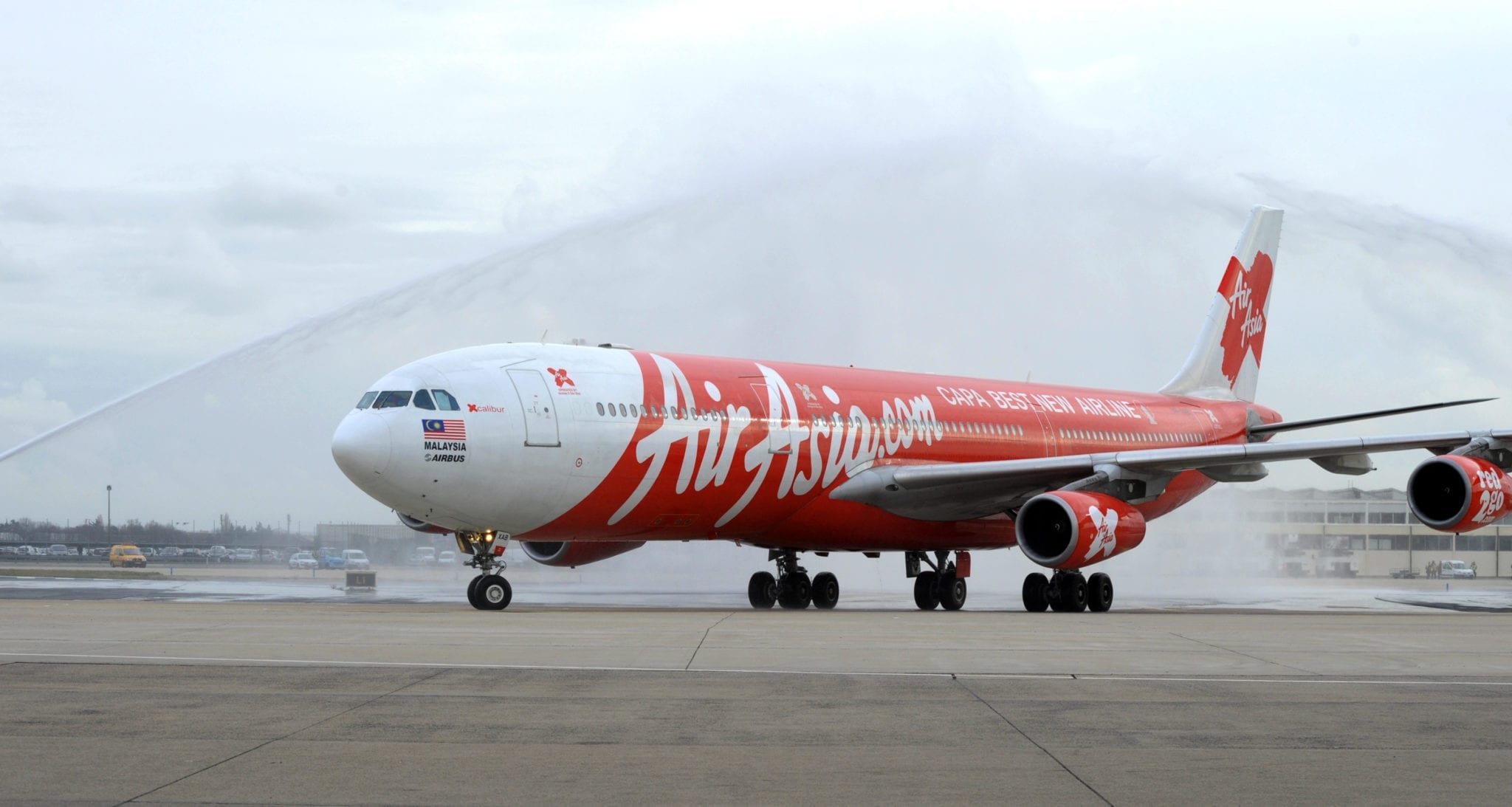
    Two more AirAsia carriers suspend operations from April

    Indonesia AirAsia and Thai AirAsia are the latest among the AirAsia Group carriers to suspend operations, leaving just AirAsia Japan in service.

    Indonesia AirAsia will suspend domestic flights until 21 April and international flights until 17 May. Thai AirAsia will halt all domestic services during the month of April, having suspended international flights since 22 March. Indonesia AirAsia’s grounding will not have a significant impact on Indonesia, as Lion Air dominates the market.

    The grounding of Thai AirAsia will have a more significant impact on Thailand, as the airline accounts for 19% of Thailand’s total capacity in February.

    Thai AirAsia’s parent Asia Aviation says the airline is implementing cost reduction measures. This includes voluntary pay cuts for management and senior employees, halting non-essential employee travel, and imposing a hiring freeze.

    Asia Aviation expects a reduction in Thai AirAsia’s variable expenses, which makes up around 70% of its total cost. General administrative expenses could also be reduced through a work-from-home scheme for employees.

    To cope with the suspension, the company is building up its liquidity levels. At the end of 2019, its cash on hand and current investments were collectively valued at Bt3.98 billion ($122 million).

    It says: ”Thai AirAsia also has unutilized revolving credit facilities with banks and has the ability to mobilize the liquidity further by way of the credit facility backed by the remaining no-encumbrance owned aircraft and/or other approaches in the future.”

    It discloses that a transaction announced in January, for the sale-and-leaseback of nine aircraft and the outright sale of one, has been completed in March, with net proceeds totaling Bt3.6 billion.

    Moving forward, Thai AirAsia will not take delivery of any aircraft this year and will study the number of aircraft it needs. The parent company adds that any significant capital expenditures will either be suspended or delayed.

  • Thai AirAsia X Schedules Airbus A330 Charter Flights To Croatia

    Thai AirAsia X Schedules Airbus A330 Charter Flights To Croatia

    Bangkok-based long-haul airline Thai AirAsia X has scheduled four charter flights between Bangkok and the Croatian capital Zagreb in May and October. However, seeing that AirAsia recently announced it is suspending almost all flight operations, will these actually go ahead?

    AirAsia is temporarily parking almost all of its fleet as a consequence of severe travel restrictions imposed by countries across the world to which AirAsia affiliate airlines operate.

    Earlier this month, the airline had an incredible promotion called the Big Sale with deals on flights scheduled until 1st of July 2021. Tickets were being sold with either very heavy discounts, or completely free. Passengers only had to pay the tax charge, which on some flights amounted to as little as $2.83.

    Flights from Kuala Lumpur to Seoul in Korea, and to Australia’s Gold Coast, Perth, Melbourne, Sydney, and Taipei in Taiwan, were priced at just $16 during the sale. However, even though these reductions were incredible, they clearly were not enough to stimulate sufficient demand for air travel. Thus, AirAsia is now parking much of its fleet.

    Unlike AirAsia, Thai AirAsia X has actually suspended all flights, not just international ones. The suspension started on the 16th of March and will last for three months. It is therefore unclear whether the scheduled charter flights from Bangkok to Zagreb will even take place.

    Five rotations have been scheduled for the planned Thai AirAsia X charter services from Bangkok to Zagreb.

    The dates are the 1st of May, the 6th of May, the 11th of May, the 13th of October and the 19th of October. Clearly, the scheduling is done to cater for tourist demand outside of the peak holiday season. An Airbus A330 will be operating the flights on all dates.

    Thai AirAsia X is relying on evidence of existing demand to support these charter services. Presently, passengers wishing to reach Zagreb from Bangkok have a variety of connecting options of reasonable affordability.

    For example, for a seven-day journey departing Saturday 3 October and returning Saturday 10 October, options include:

    • Emirates ($750): a 14-hour journey with a stop in Dubai of under two hours
    • Turkish Airlines ($750): a 14-hour overnight journey with a stop of under two hours in Istanbul Airport for (though this might be a very short stopover given the difficulties Istanbul’s new airport is facing)
    • Turkish Airlines ($680): a 15.5-hour daytime journey with a stop in Istanbul of under three hours
    • Qatar Airways ($700): a 15-hour journey with a 1.5 hour stop in Doha
    • Austrian Airlines ($675): a 13-hour journey with a one-hour stop in Vienna
    • Eva Air and Croatia Airlines ($2,000): a 13.5-hour journey with a 1.5-hour stop in Vienna
    • Air France ($785): a 17-hour journey with a three-hour stop in Paris
    • Lufthansa and Croatia Airlines ($785): a 17.5-hour journey with a four-hour stop in Frankfurt

    For a relatively small market, and given that Zagreb Airport is not highly attractive to airlines, this is a highly satisfactory range of services. Stopovers as short as one hour are on offer, and competition from carriers of various alliances keeps prices reasonably low.

    Thai AirAsia X will be entering an already crowded market.

  • Cebu Pacific extends free rebooking, travel fund option until June 30

    Cebu Pacific extends free rebooking, travel fund option until June 30

    Budget carrier Cebu Pacific is extending its free rebooking and travel option for passengers with booked flights until June 30.

    The airline decided to adjust its booking policies to provide its passengers with “flexibility and peace of mind,” in case they change their travel plans amid uncertainties surrounding the coronavirus disease 2019 (COVID-19) situation.

    Cebu Pacific said it still plans to operate flights by April 15 as scheduled.

    However, passengers with confirmed bookings on any Cebu Pacific domestic or international flight from April 15 to June 30, 2020 have the following options:

    • Free rebooking – rebook flights on any travel date with change fees waived. Fare difference may apply.

    To rebook the flight, use the “Manage Booking” portal in the Cebu Pacific website.

    • Travel Fund – place the full cost of the ticket in a Travel Fund which can then be used as payment for a future booking. The Travel Fund is valid for 180 days and can be used for bookings as far as 12 months out.

    To avail of the Travel Fund option, use the “Manage Booking” portal in the Cebu Pacific website to cancel their booking and store the value in the Travel Fund.

    “New flights booked from April 15 to June 30 (regardless of travel date and route), on the other hand, include CEB Flexi for FREE,” Cebu Pacific said.

    CEB Flexi enables travelers to rebook their flights up to two times, fare difference may apply.

    The airline also apologized for the delays in reverting to messages and long wait times for calls.

    “This is due to the high volume of passenger concerns being addressed by our team. Please bear with us,” it said.

    “We thank our passengers, partners and our stakeholders for their patience and trust,” it added.